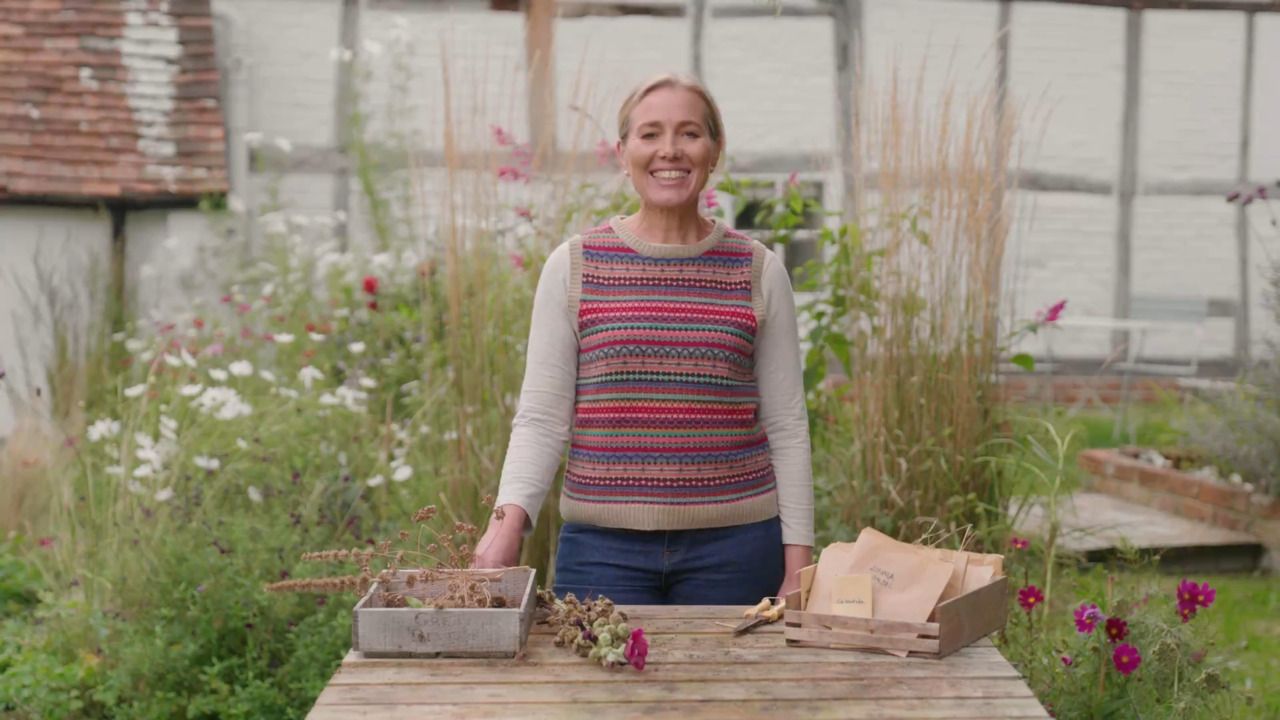

Interior and exterior confidence
Create Academy has been such a great resource. I'm in the middle of renovating a bungalow with a very large garden and the courses have offered a wealth of inform...
Harvey
Jun 10, 2026
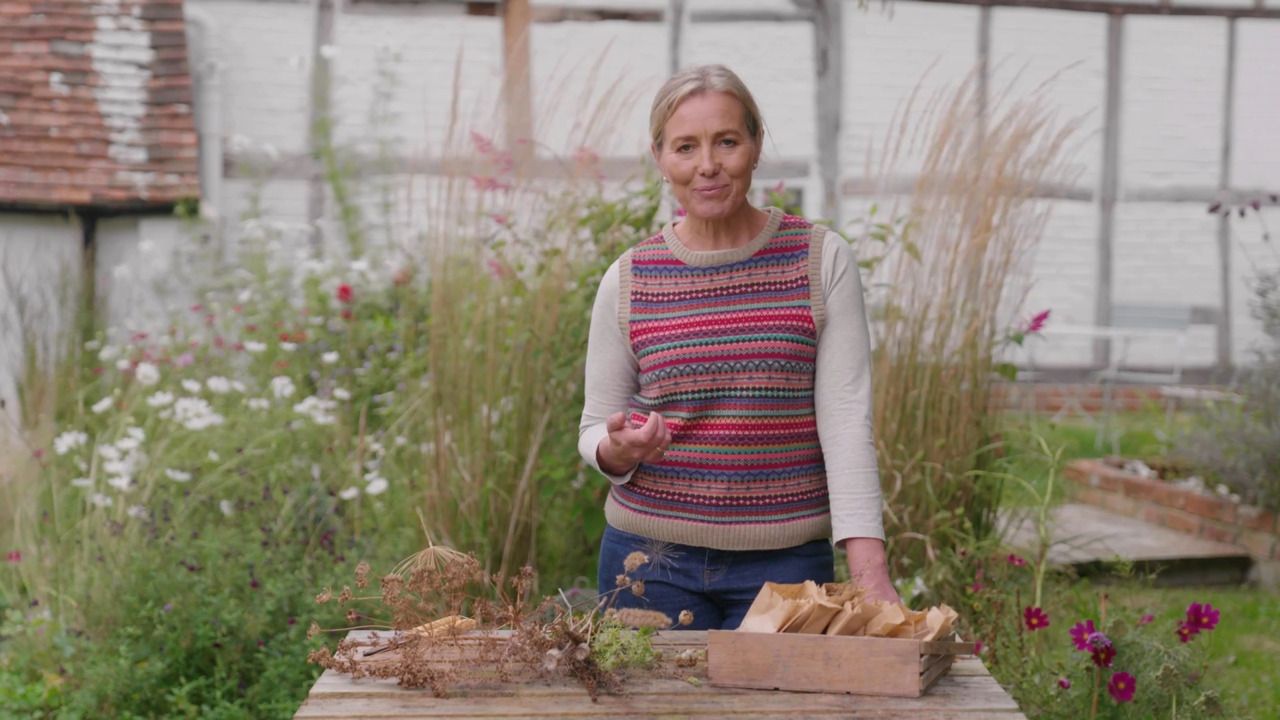
with CLARE FOSTER — Garden writer and plantswoman. Seed growing expert. Garden Editor of House & Garden magazine.
Lesson 5 of 33
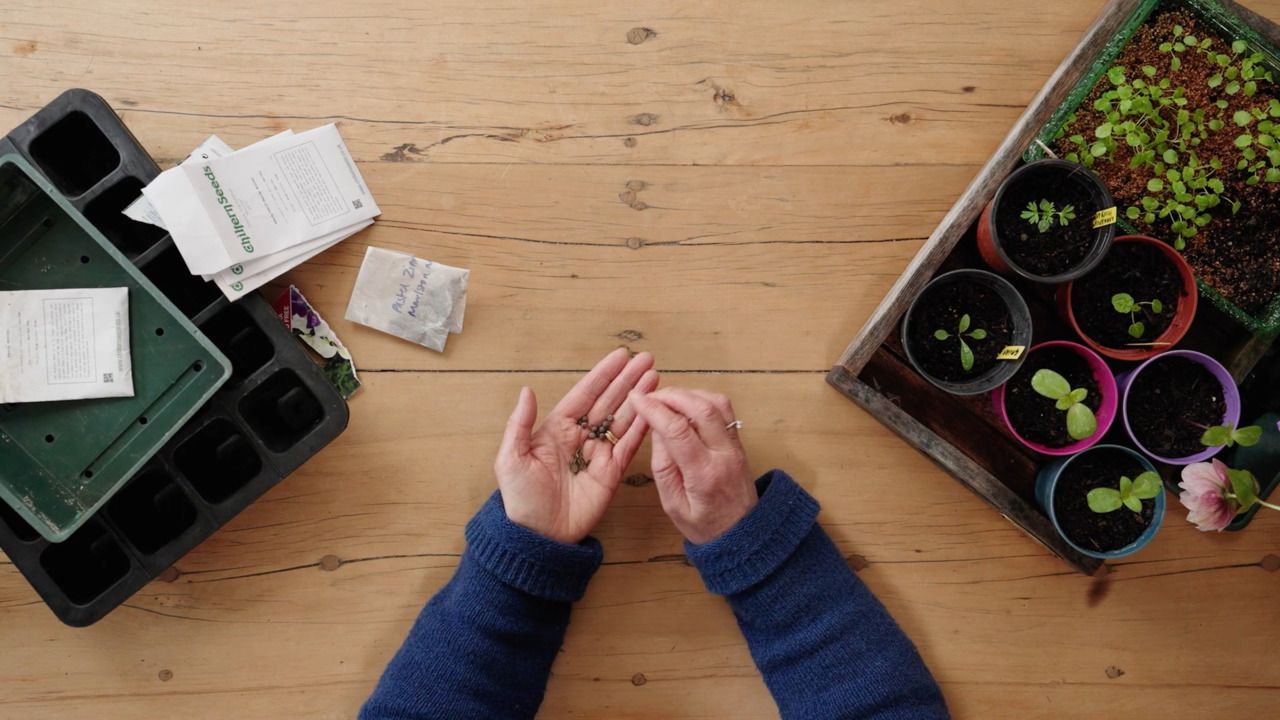
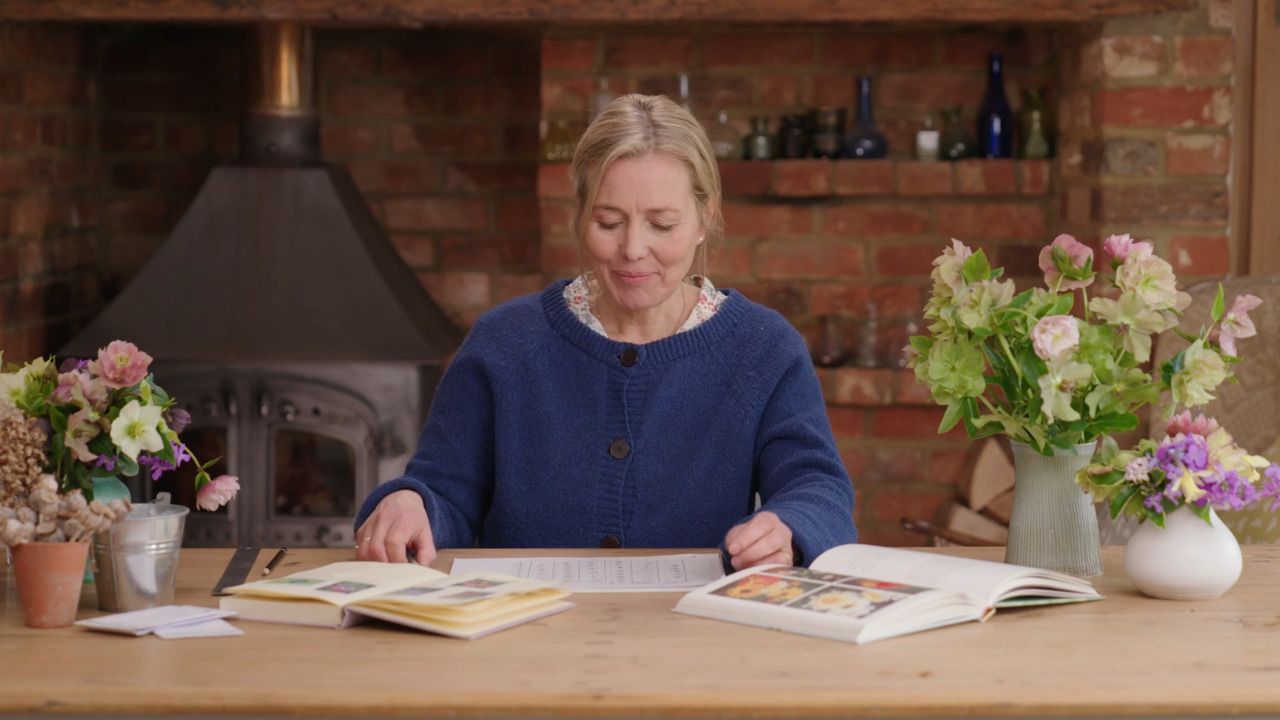
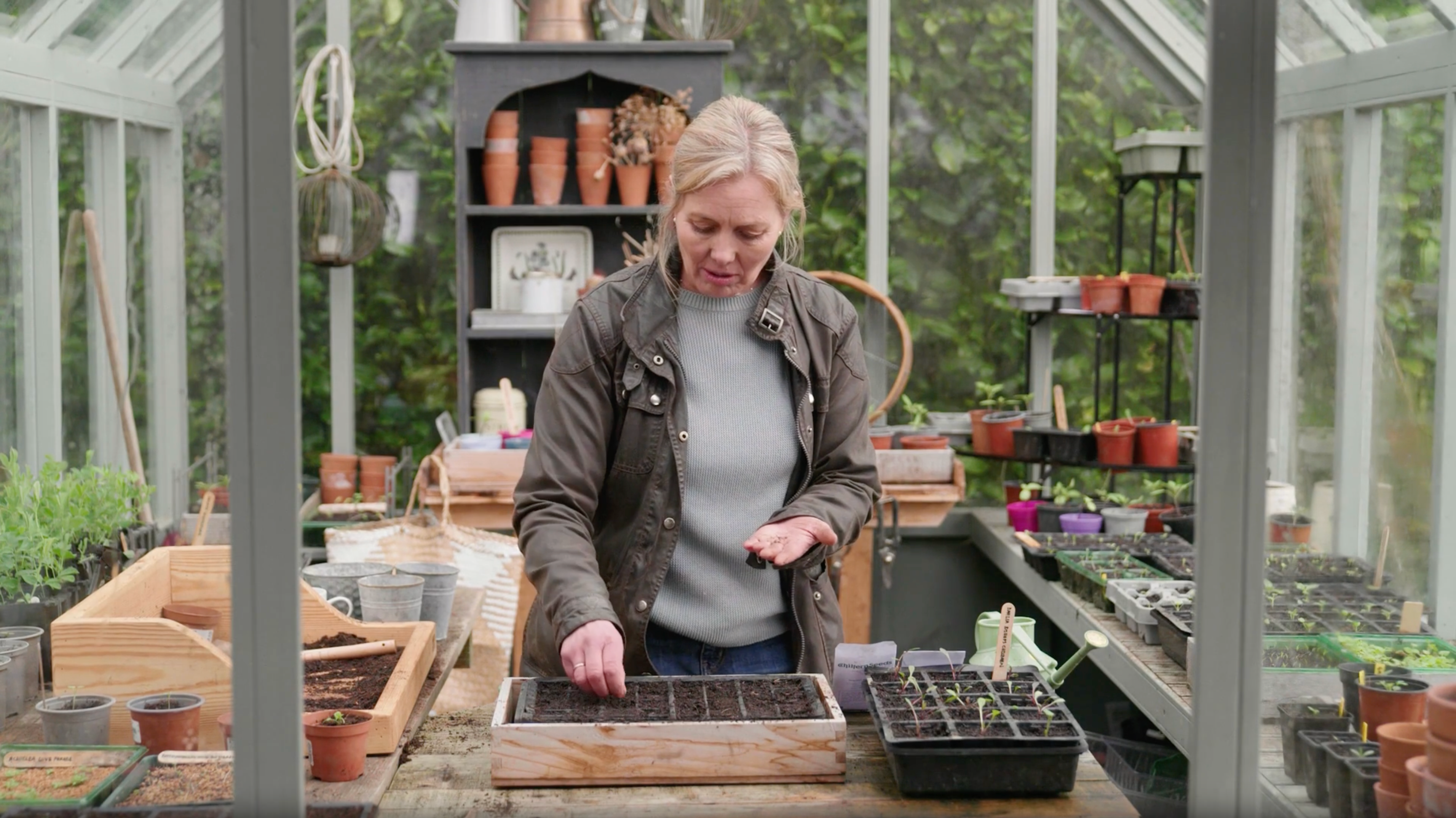
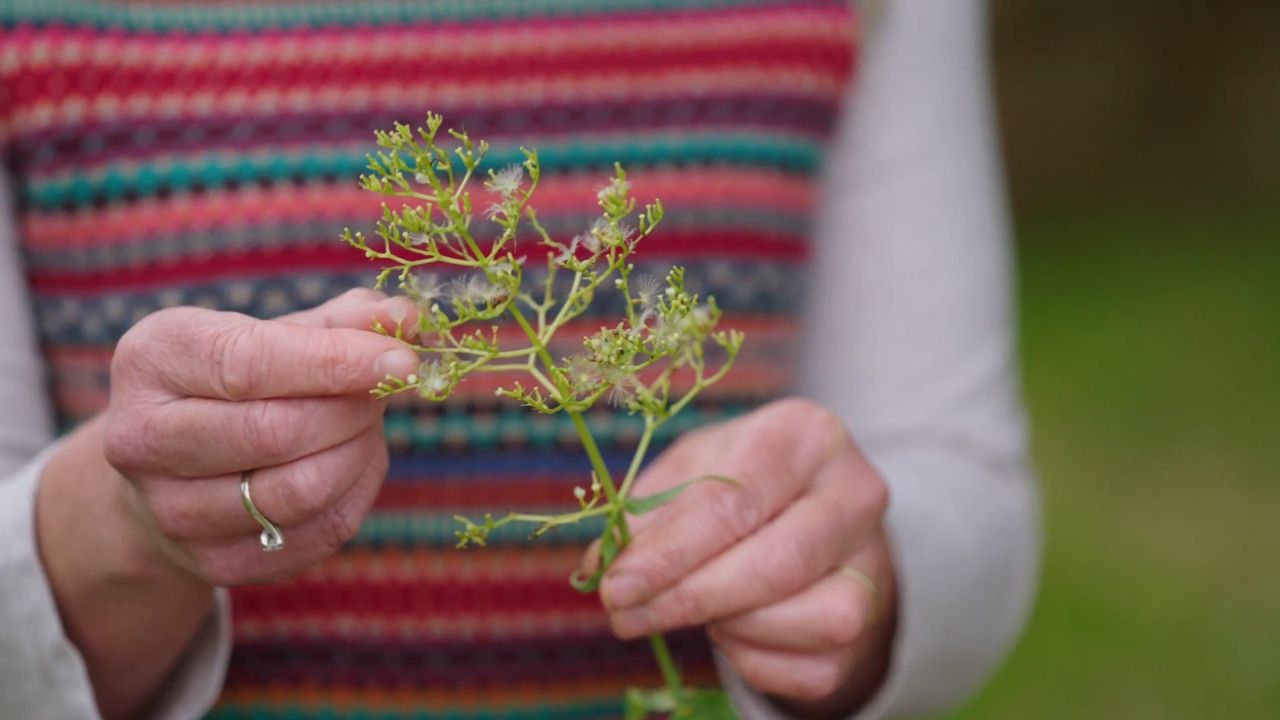
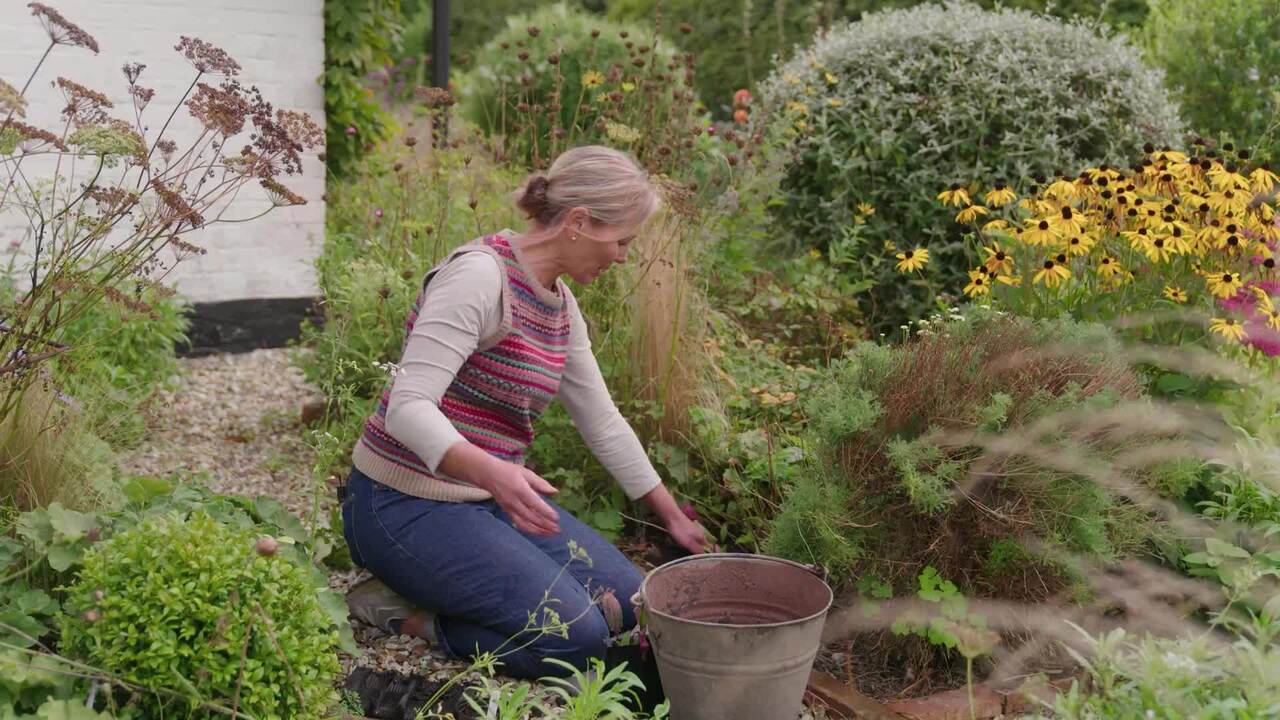
Clare delves into the different methods of sowing, how to ensure seeds are getting what they need to germinate, and what the next steps are to get your seedlings off to the best start.
There are a few simple but key conditions seeds need to germinate. Now we'll cover the different methods of sowing, how to ensure seeds are getting what they need, and what the next steps are to get your seedlings off to the best start.
When you sow seeds, you're facilitating a natural process that is programmed to happen. However, making sure you provide the right conditions is important.
Different seeds have different requirements, so before sowing, read the seed packet for sowing instructions:
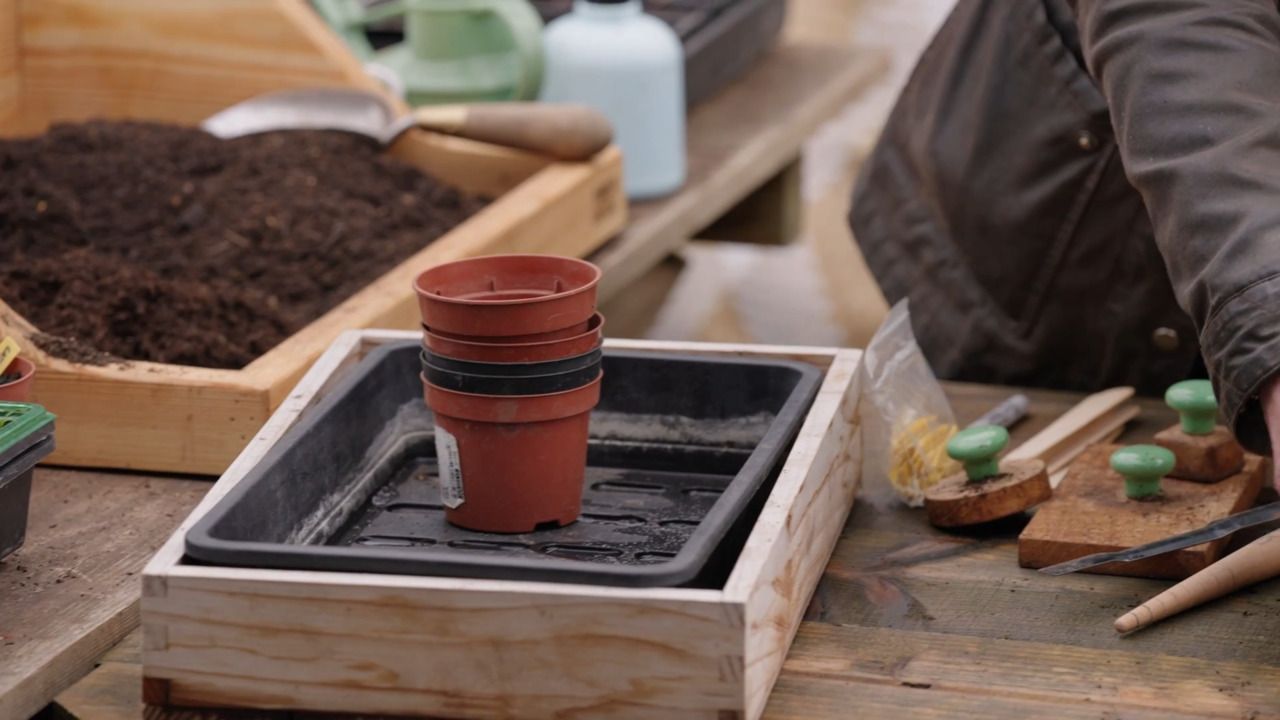
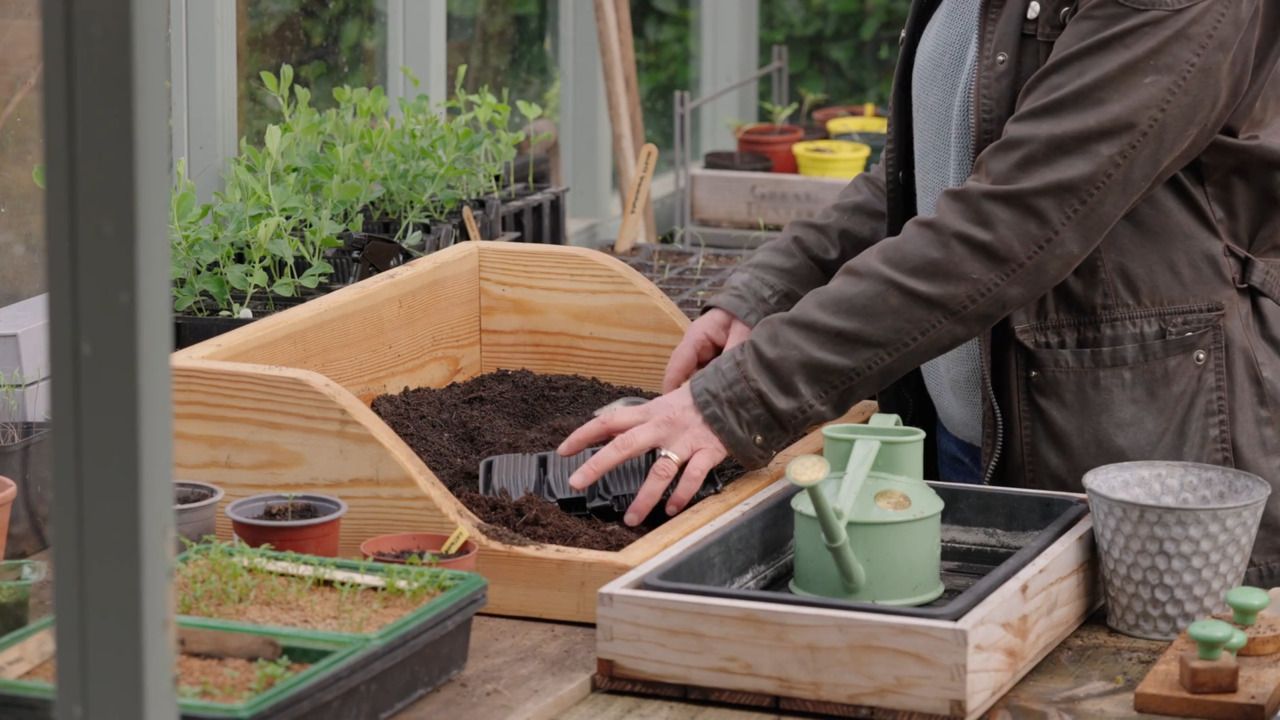
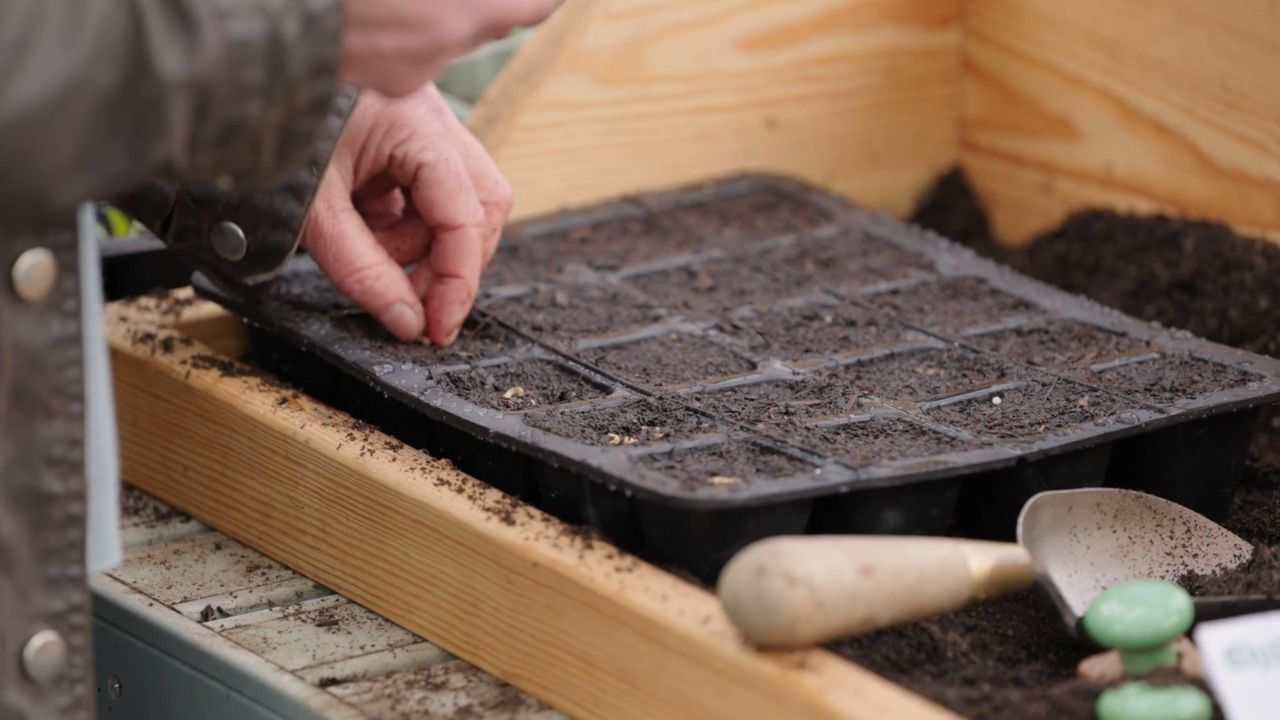
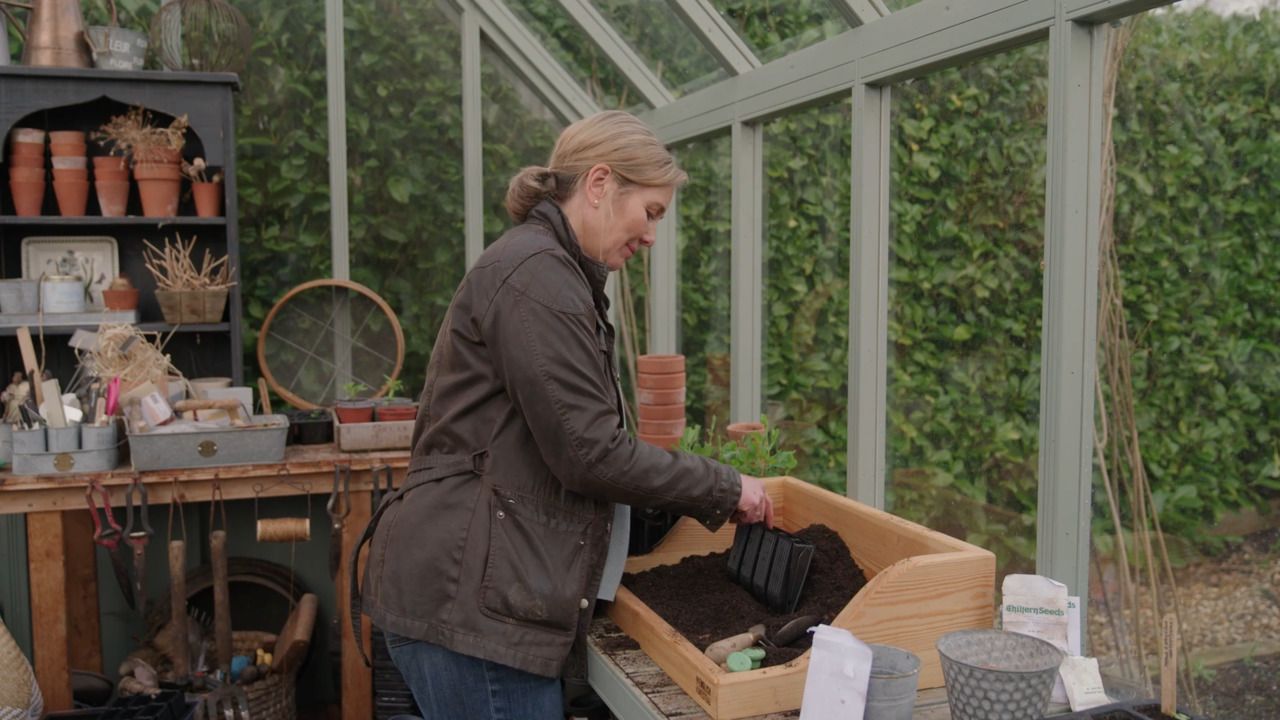
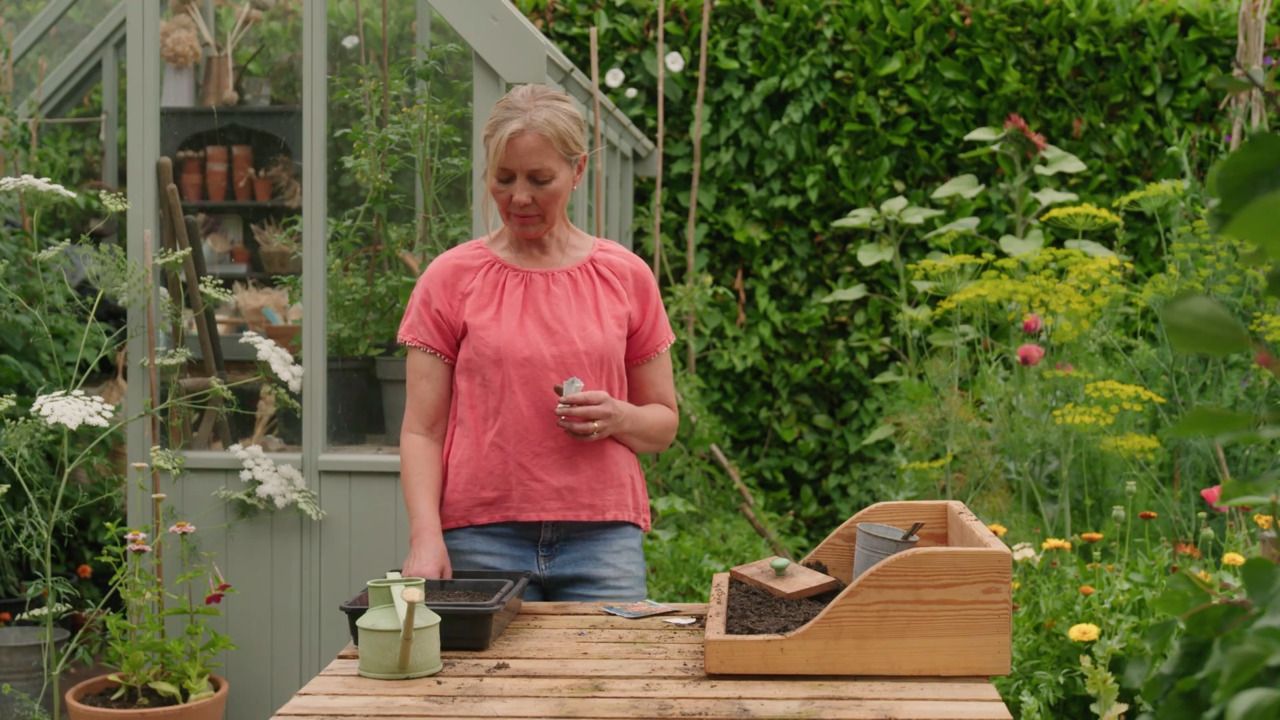
Under cover (in pots/seed trays) – this is my preferred method as you have more control:
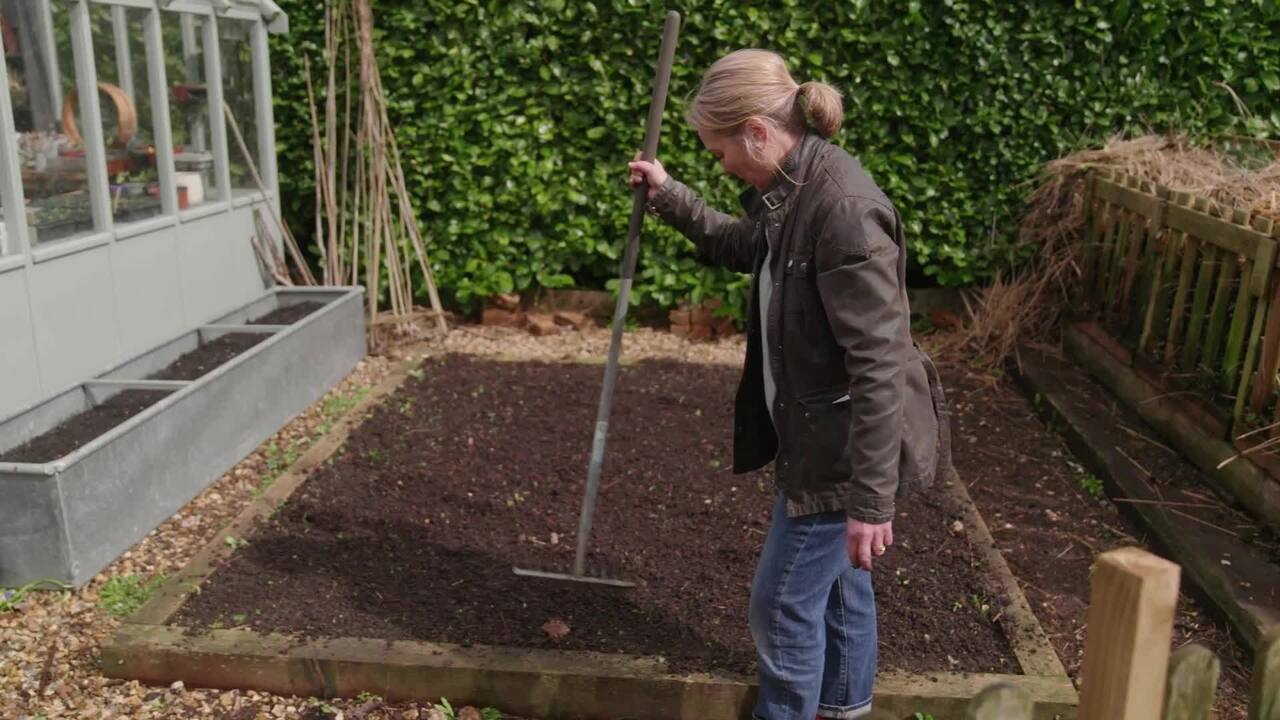
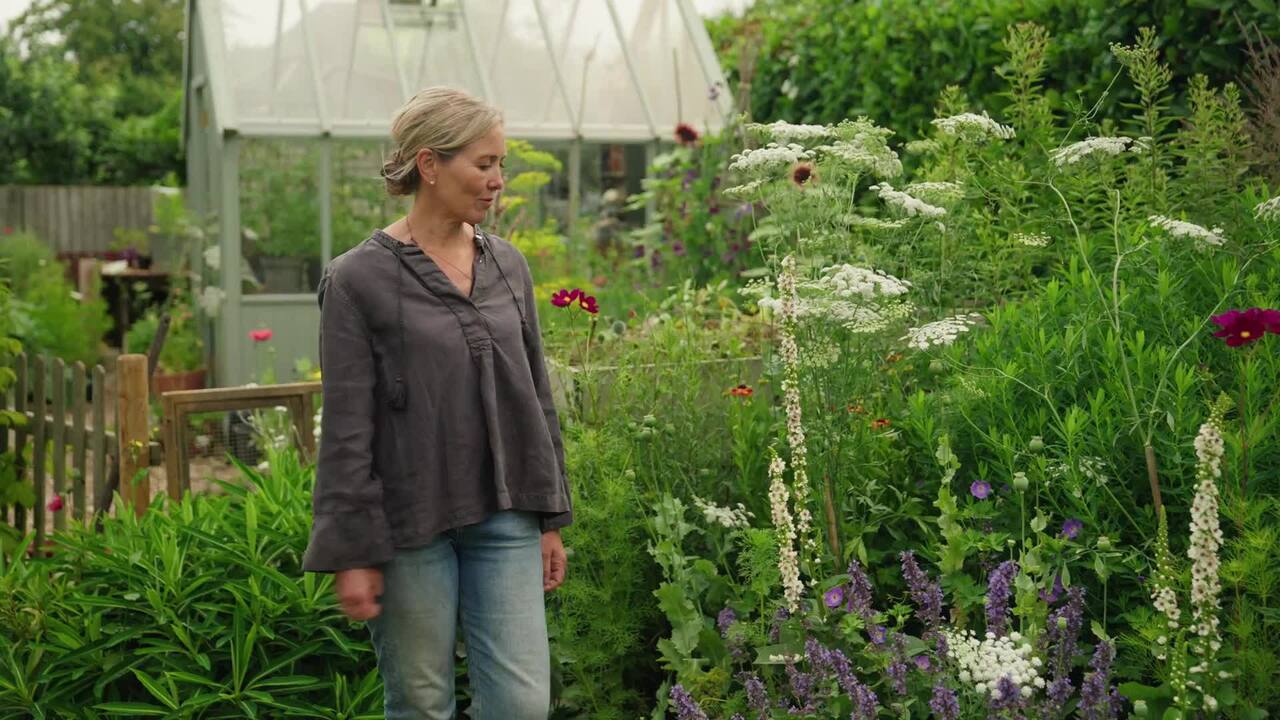
Direct sowing (in rows or scattered in borders, where they are to flower):
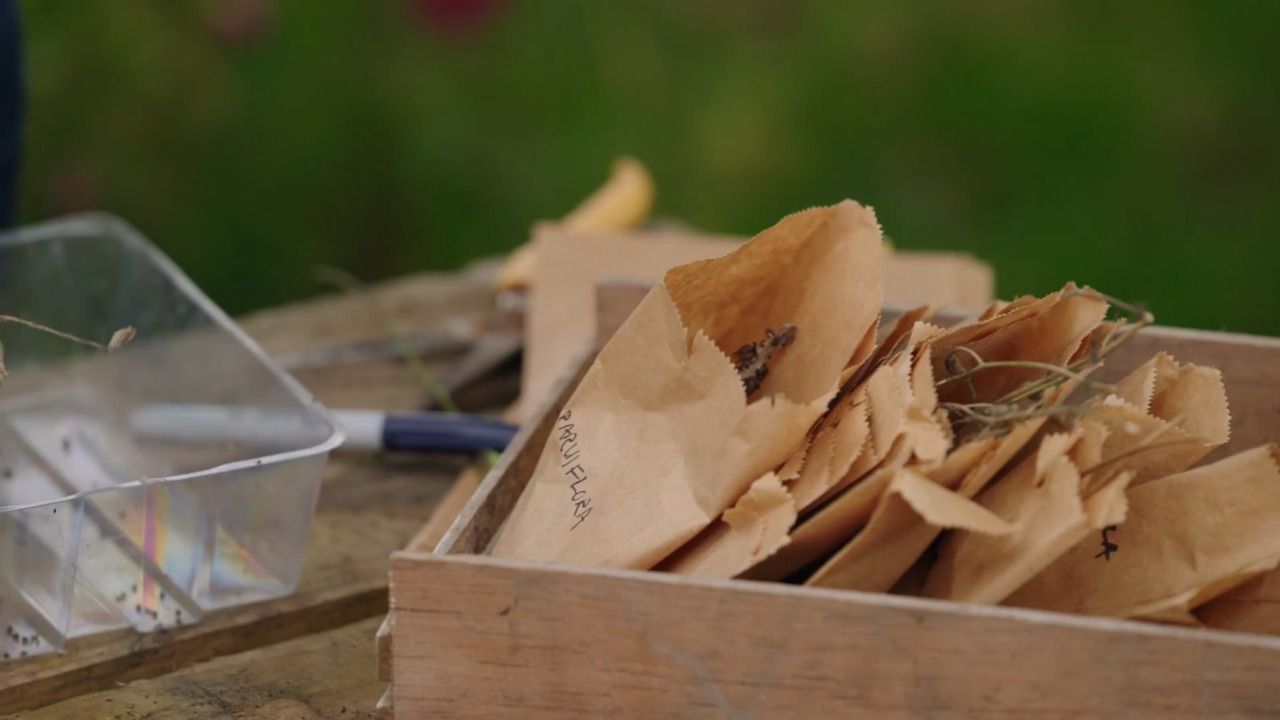
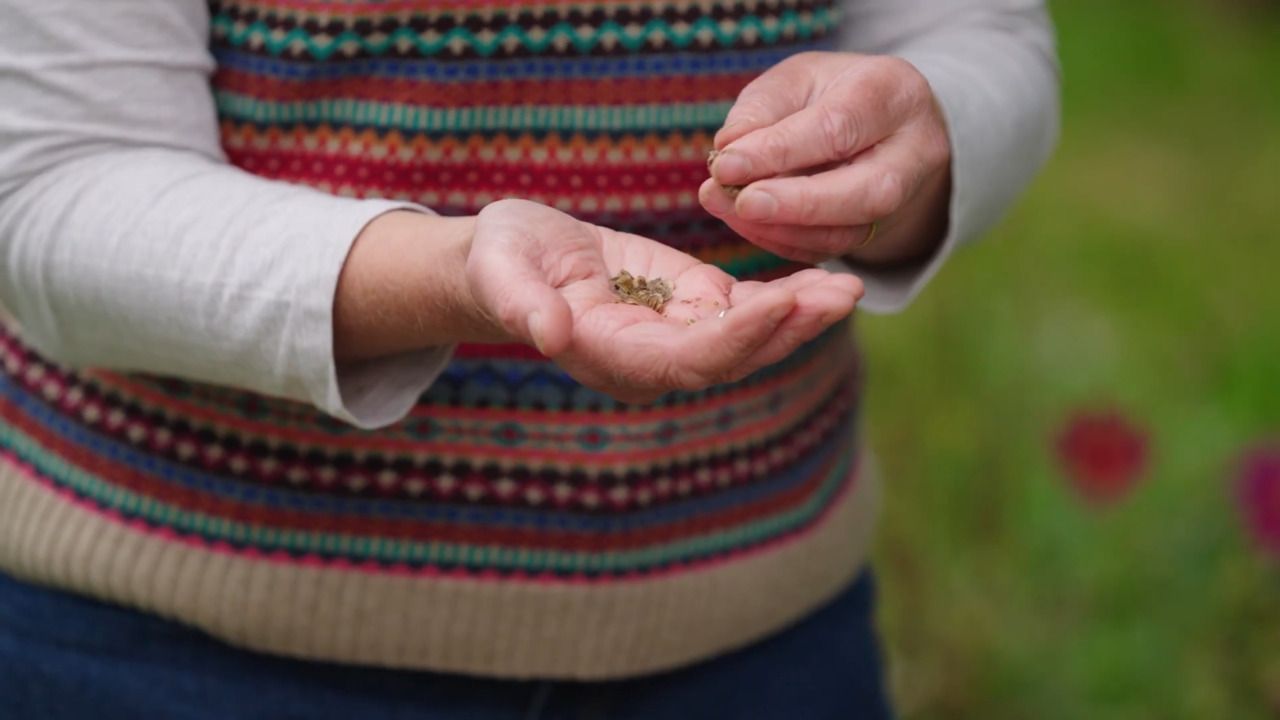
Seeds should be stored in a dry, cool place. After sowing, they will need a bit of warmth, moisture and air to germinate. You just need to make sure you're providing these three conditions.
After sowing my seeds, I keep them inside in my boiler room, which is the right temperature for germination – 18-19°C (64-66°F). However, once your seeds have germinated, they need slightly different conditions.
As soon as your seeds start to germinate, it's important to do these three things.
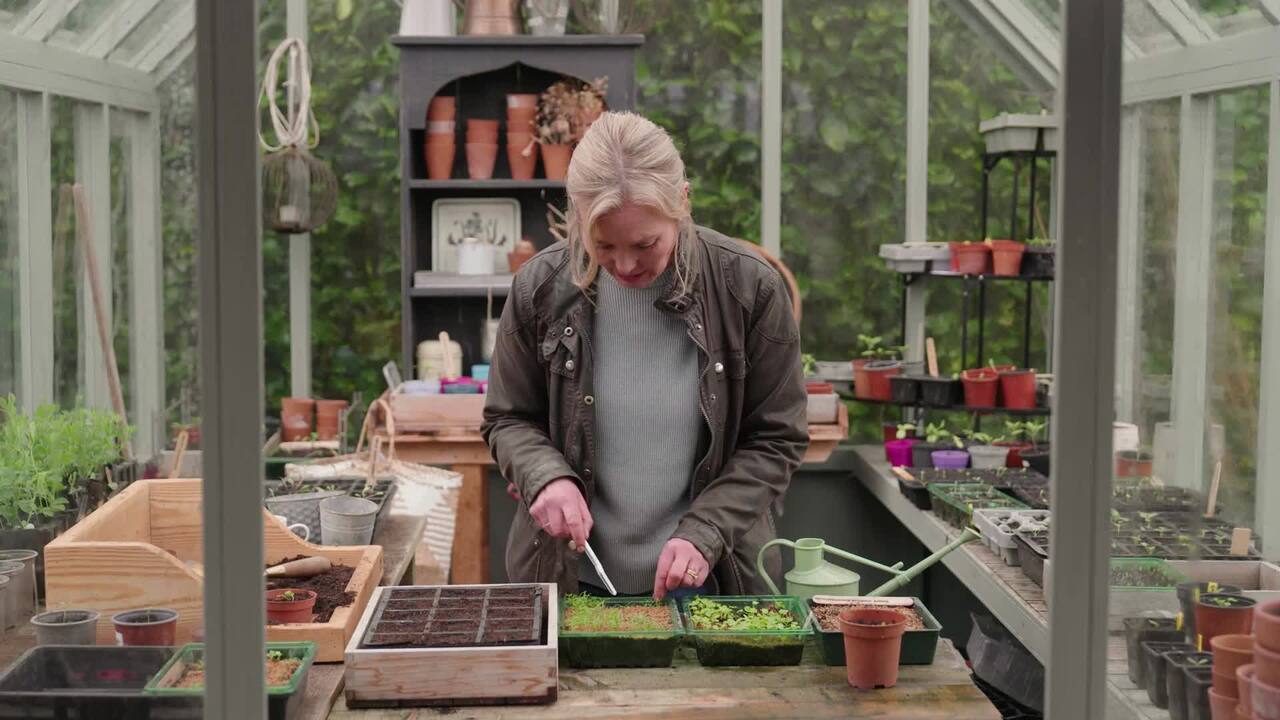
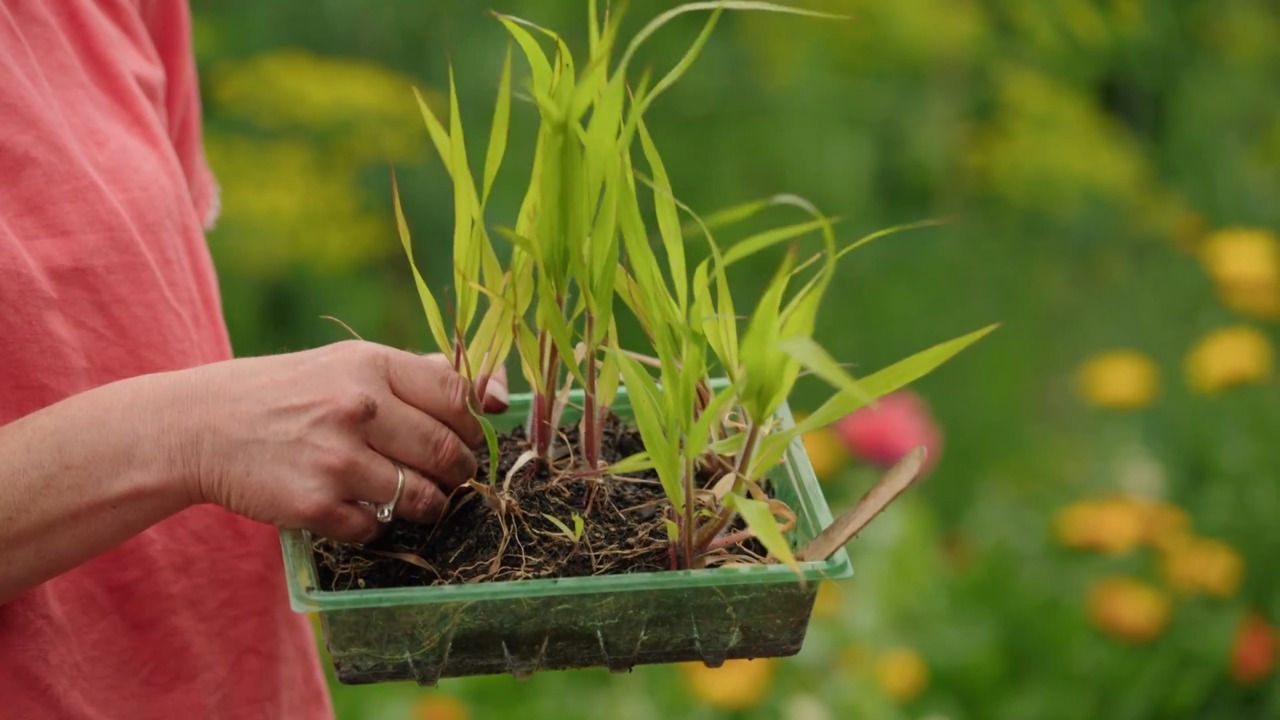
If you've sown in seed trays, your next step, usually once the seedlings have their second pair of leaves, is to prick out.
The seedlings will grow quickly in their pots, so you may need to repot into larger pots when roots are poking through the base to avoid the nutrients in the compost being used up.
The reason we don't sow or pot up into larger pots straight away is that when roots are forming, hitting the edge of the pot causes them to branch out. This means you get a better root system if you prick out into modules or small pots and pot on into slightly larger pots when needed. It takes a bit of time and effort, but it's worth it and the process can actually be quite therapeutic.
Get the full workbook, video lessons, and more with a Create Academy subscription.
Subscribe to access the full workbookAlready a member? Sign in to watch
510 reviews
Read moreCreate Academy has been such a great resource. I'm in the middle of renovating a bungalow with a very large garden and the courses have offered a wealth of inform...
Harvey
Jun 10, 2026
Absolutely love Create Academy! The instructors are extremely informative, and it is beautifully filmed. Create Academy is great value for money and plan on renew...
SG
May 31, 2026
Butter's creativity is stunning! Her ability to incorporate brilliance in small gardens is magical!
Carla
May 30, 2026
The best adventure. I like all the courses, but my favorite are both Rita Konig interior design courses and Anna Jones. Excellent!
Karolina Kluczewska
May 20, 2026
Create Academy has been such a great resource. I'm in the middle of renovating a bungalow with a very large garden and the courses have offered a wealth of information to dive into and explore new ideas. I'm...
Harvey
Jun 10, 2026
Absolutely love Create Academy! The instructors are extremely informative, and it is beautifully filmed. Create Academy is great value for money and plan on renewing my subscription yearly because there are ...
SG
May 31, 2026
Butter's creativity is stunning! Her ability to incorporate brilliance in small gardens is magical!
Carla
May 30, 2026

Your Instructor
Garden writer and plantswoman. Seed growing expert. Garden Editor of House & Garden magazine.
Clare Foster is a gardener, writer and journalist. She has been House & Garden’s Garden Editor since 2005, and before that was the Editor of Gardens Illustrated. Clare is an expert at growing from seed and has written a book on the topic called, 'The Flower Garden: how to grow flowers from seed'.
Access to all courses


