
Interior and exterior confidence
Create Academy has been such a great resource. I'm in the middle of renovating a bungalow with a very large garden and the courses have offered a wealth of inform...
Harvey
Jun 10, 2026
with CLARE FOSTER — Garden writer and plantswoman. Seed growing expert. Garden Editor of House & Garden magazine.
Lesson 19 of 33
Subscribe to watch
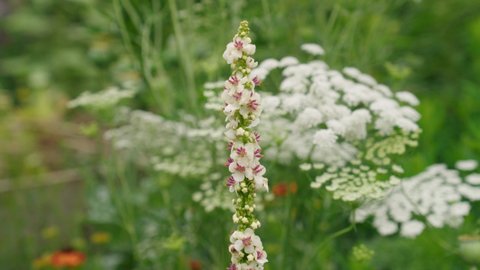
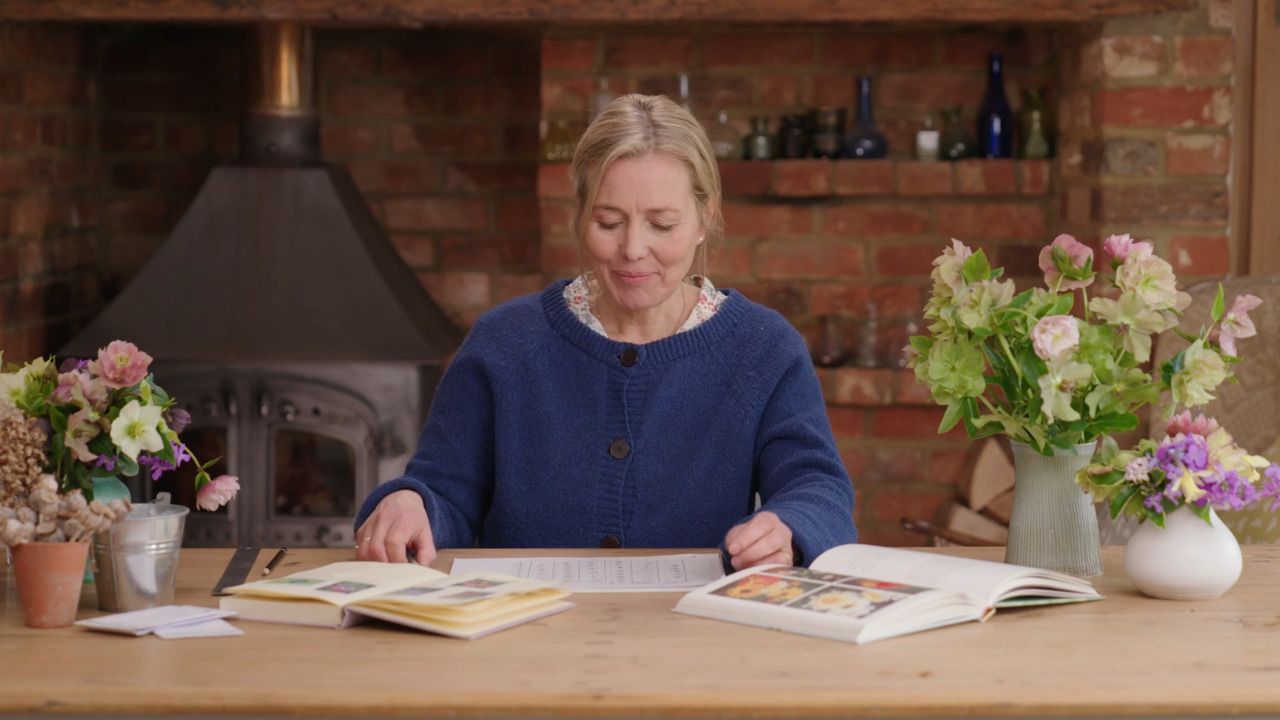
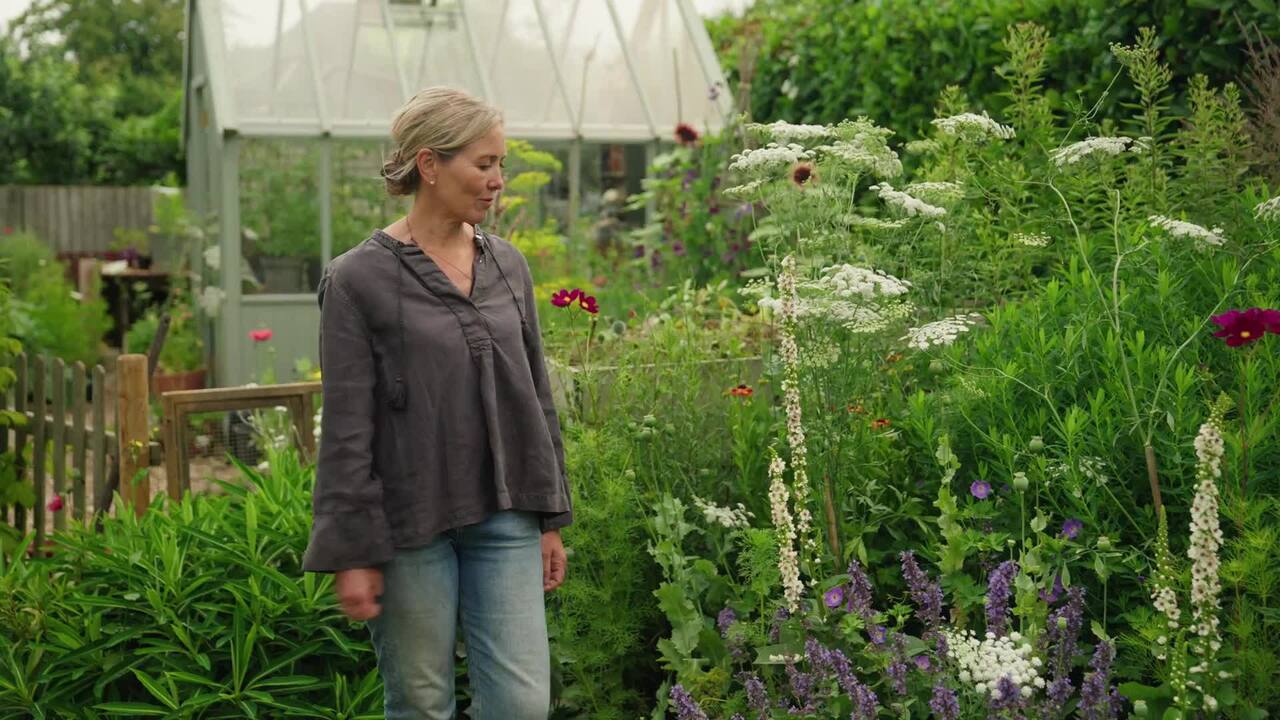
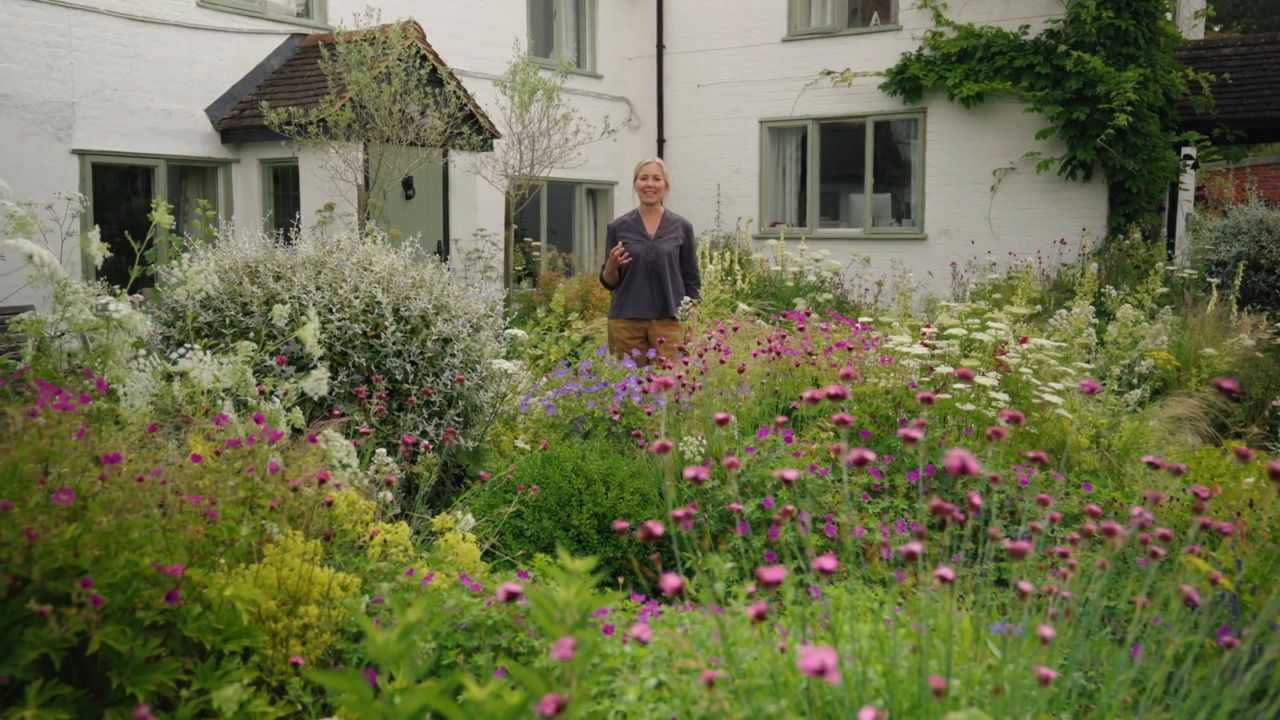
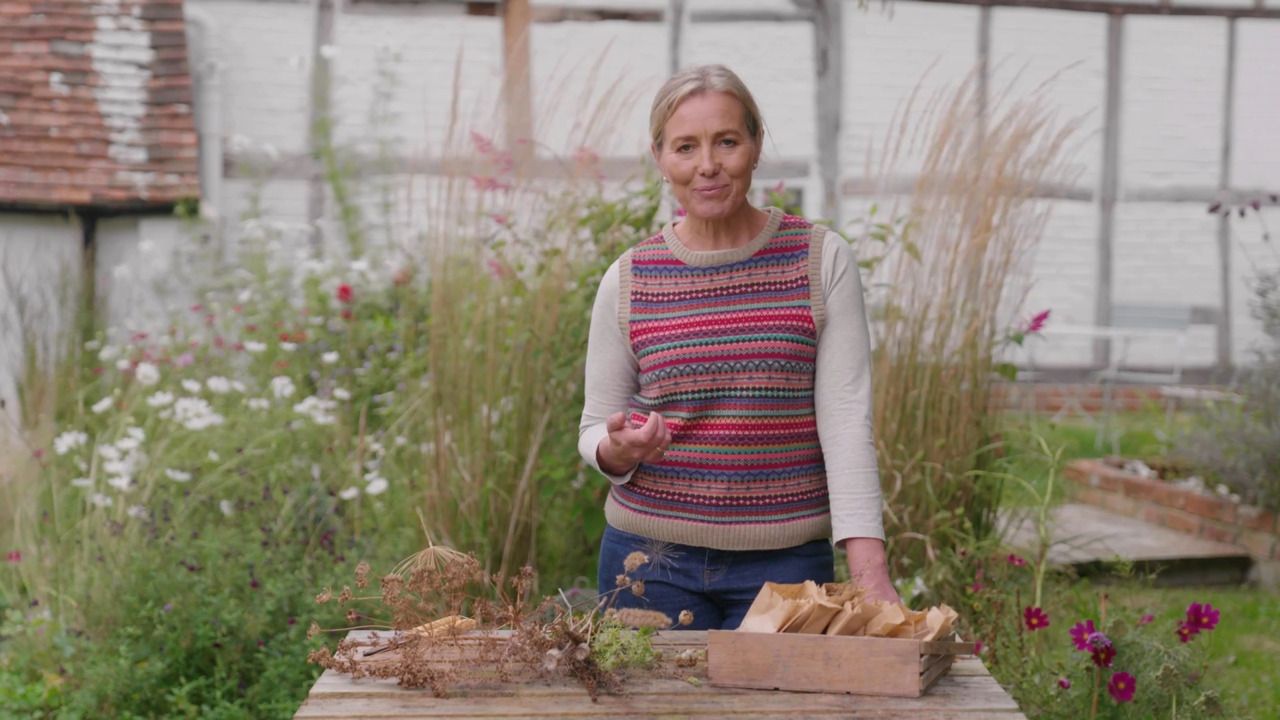
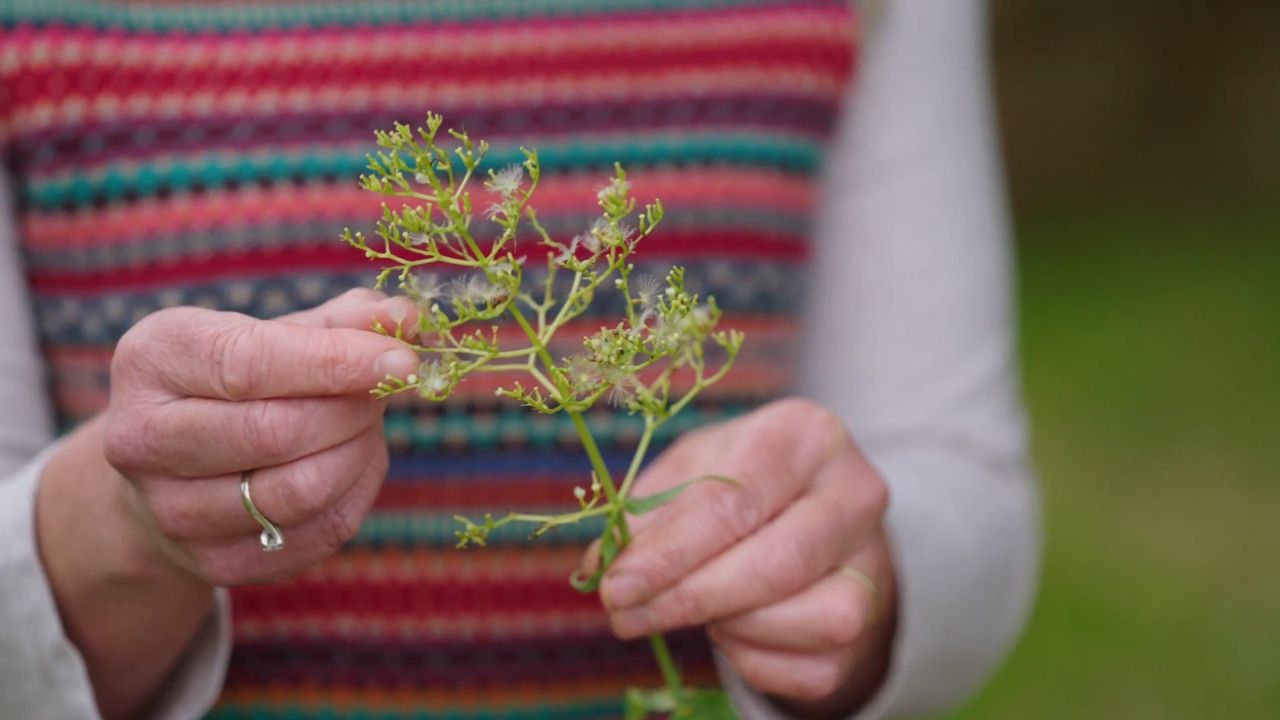
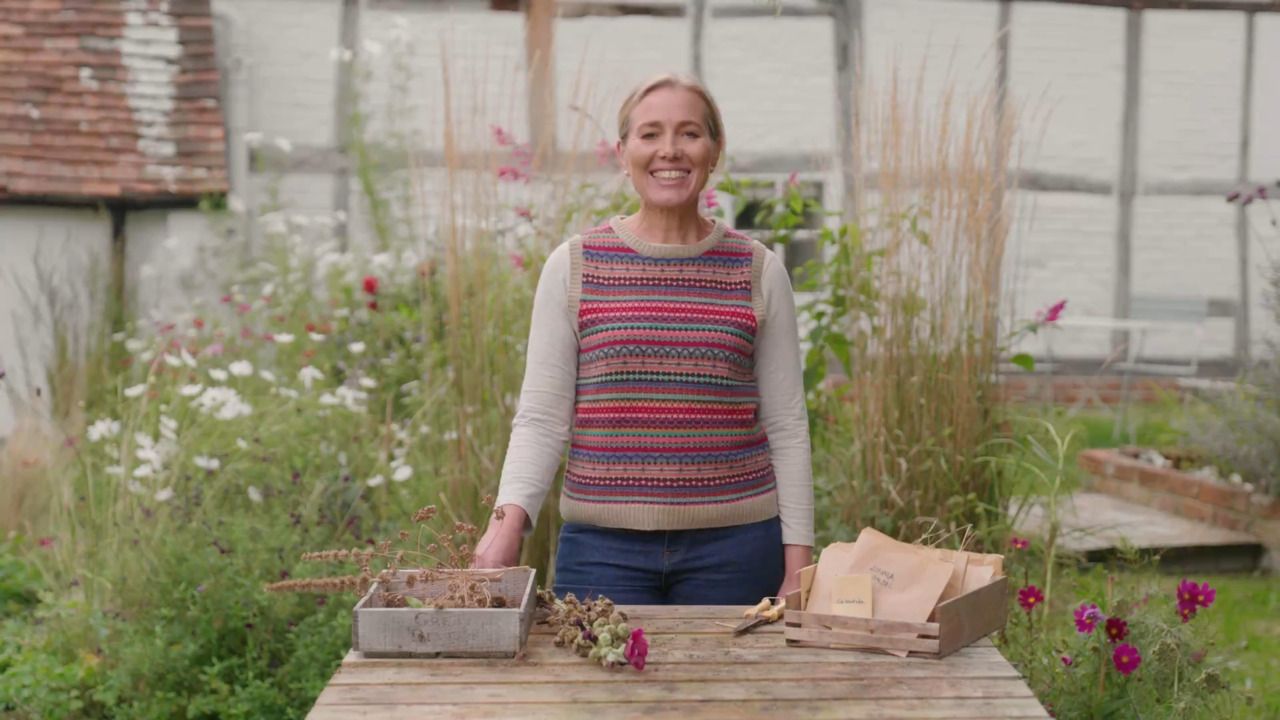
Clare introduces us to biennial plants, which include many cottage garden favourites, and explains when and how to sow them.
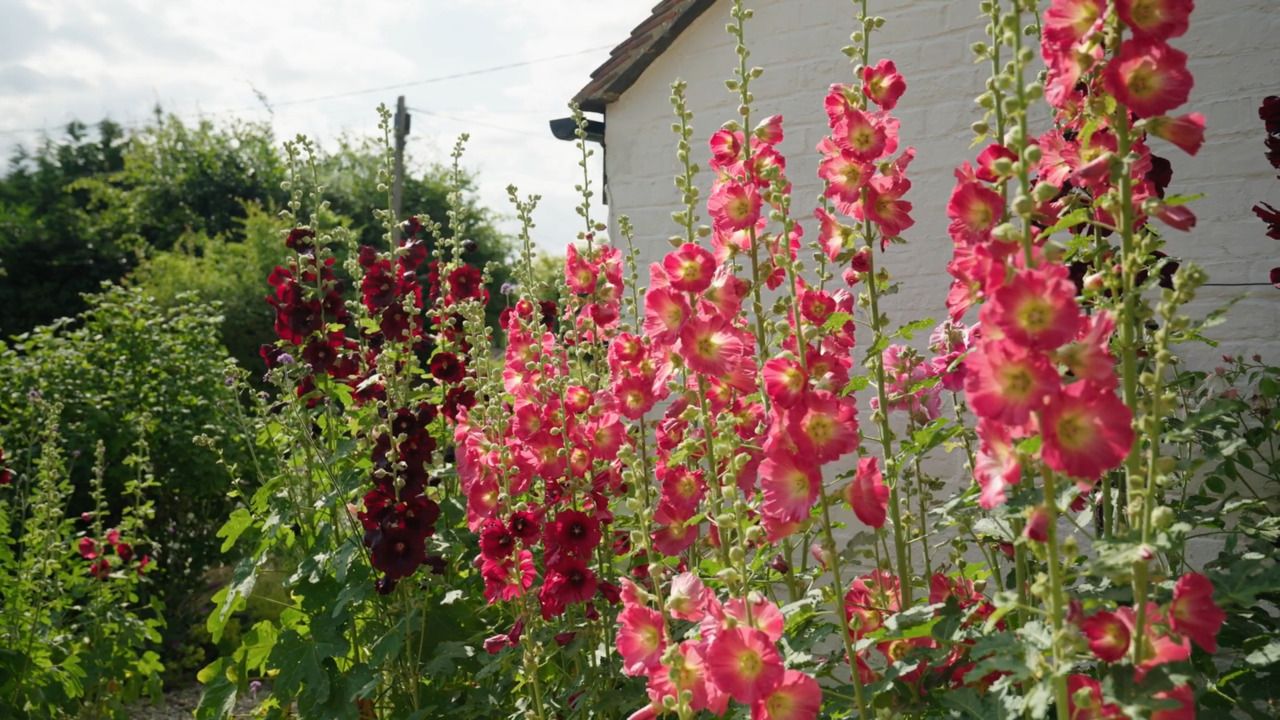
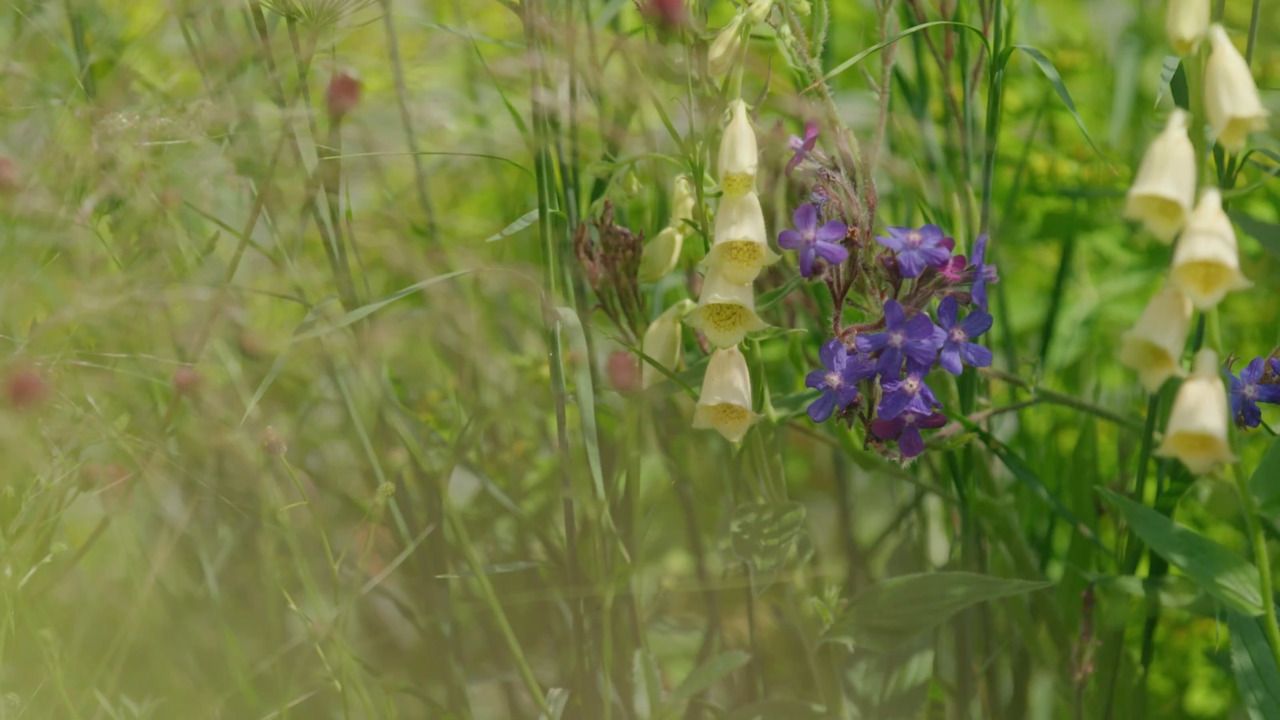
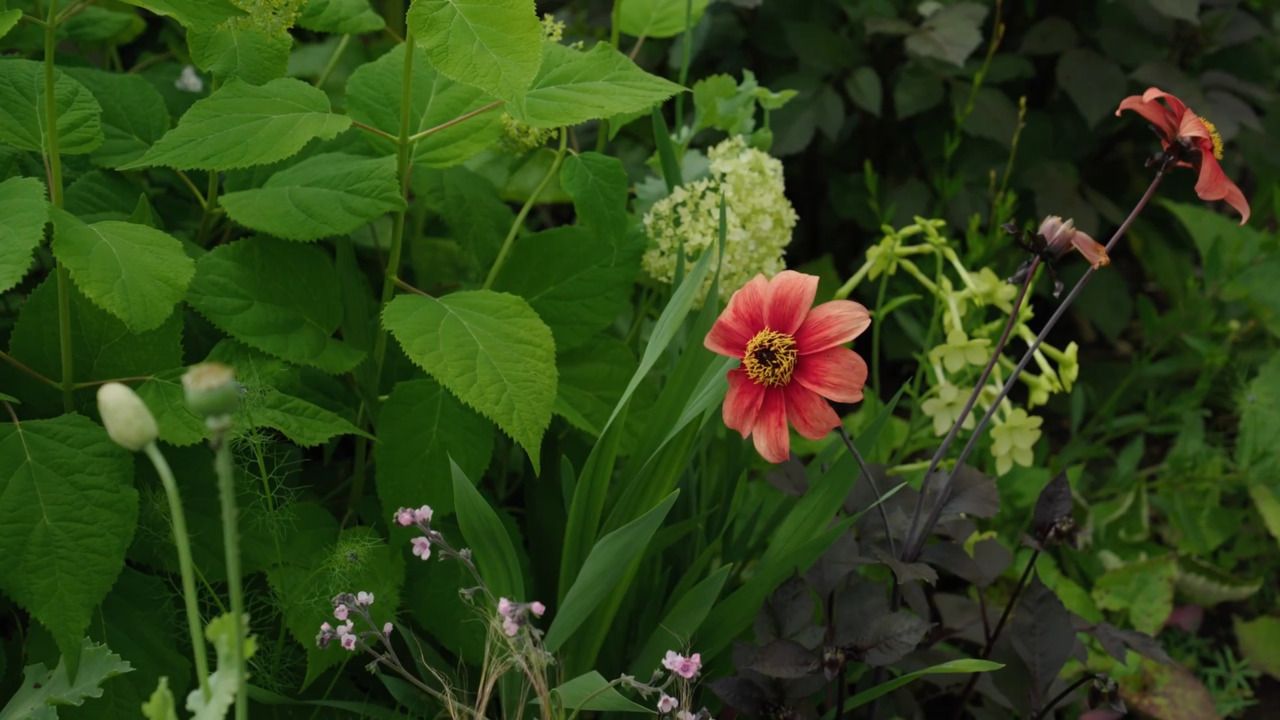
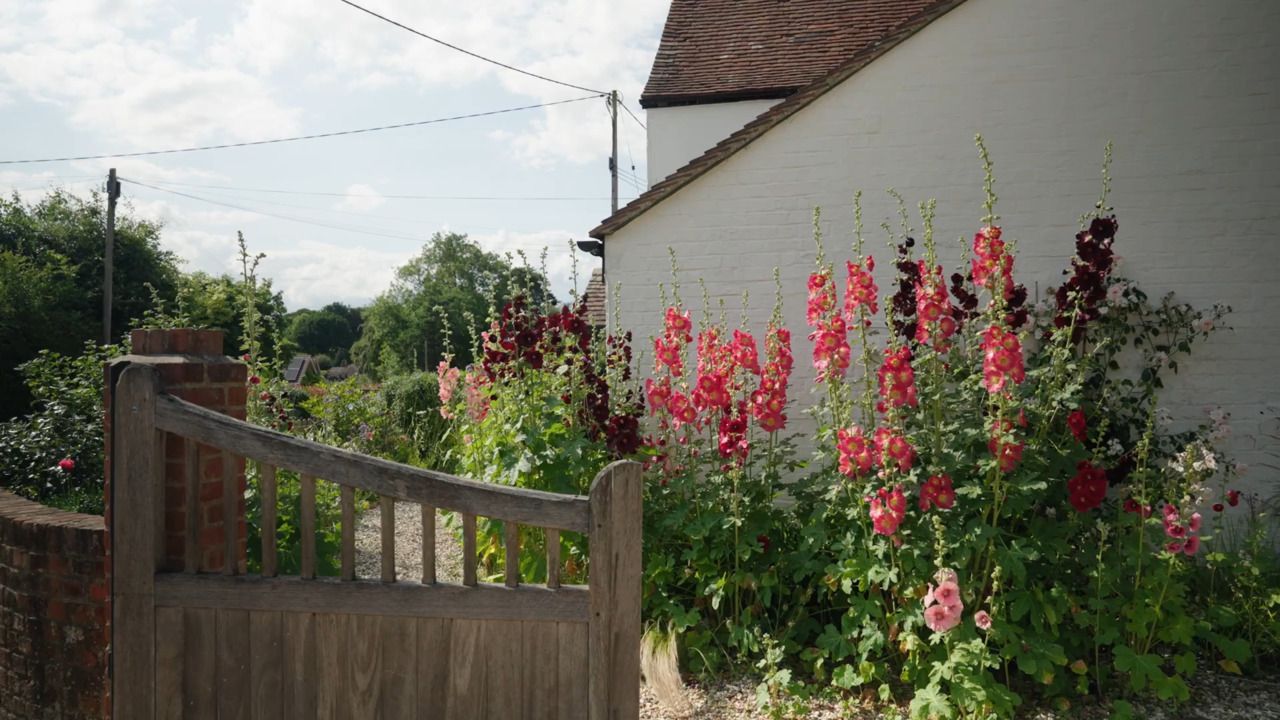
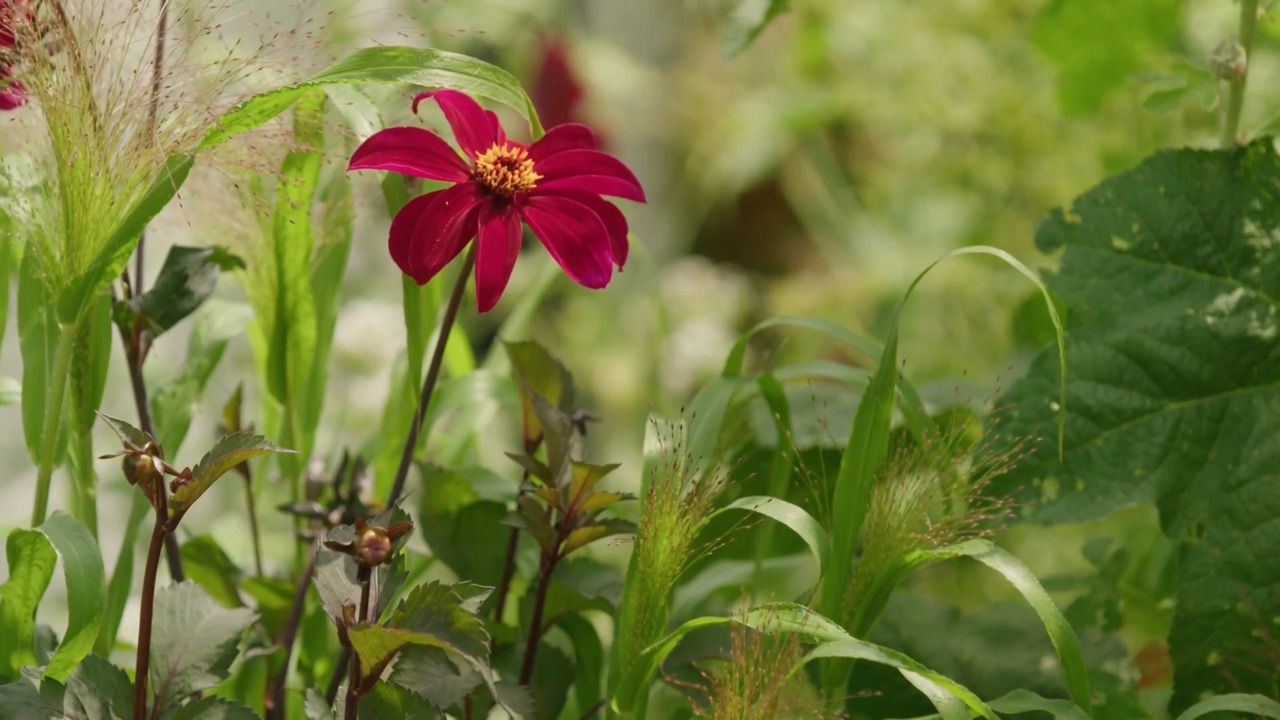
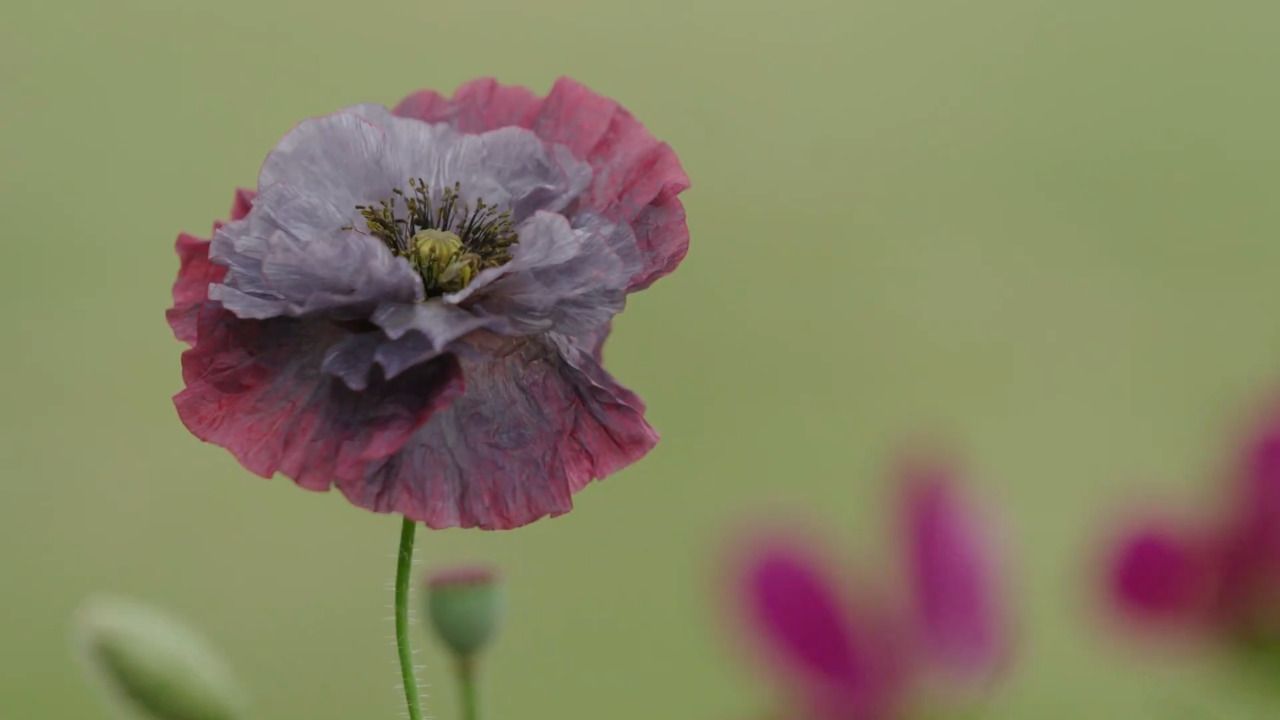
Many cottage garden favourites, such as foxgloves and honesty, are biennial plants. These usually have a two-year lifecycle, but that doesn't mean they're complicated to grow. Let's look at how and when to sow some of the most popular biennials.
Biennials live for two years. They produce leaves in their first year and flower in the second. Sometimes, they take a further year to flower and become a 'triennial', so don't worry if your biennial doesn't flower in its second year.
Biennials are best sown in midsummer (middle to end of June) – this may feel counterintuitive, but this is when they naturally go to seed – and planted out in autumn.
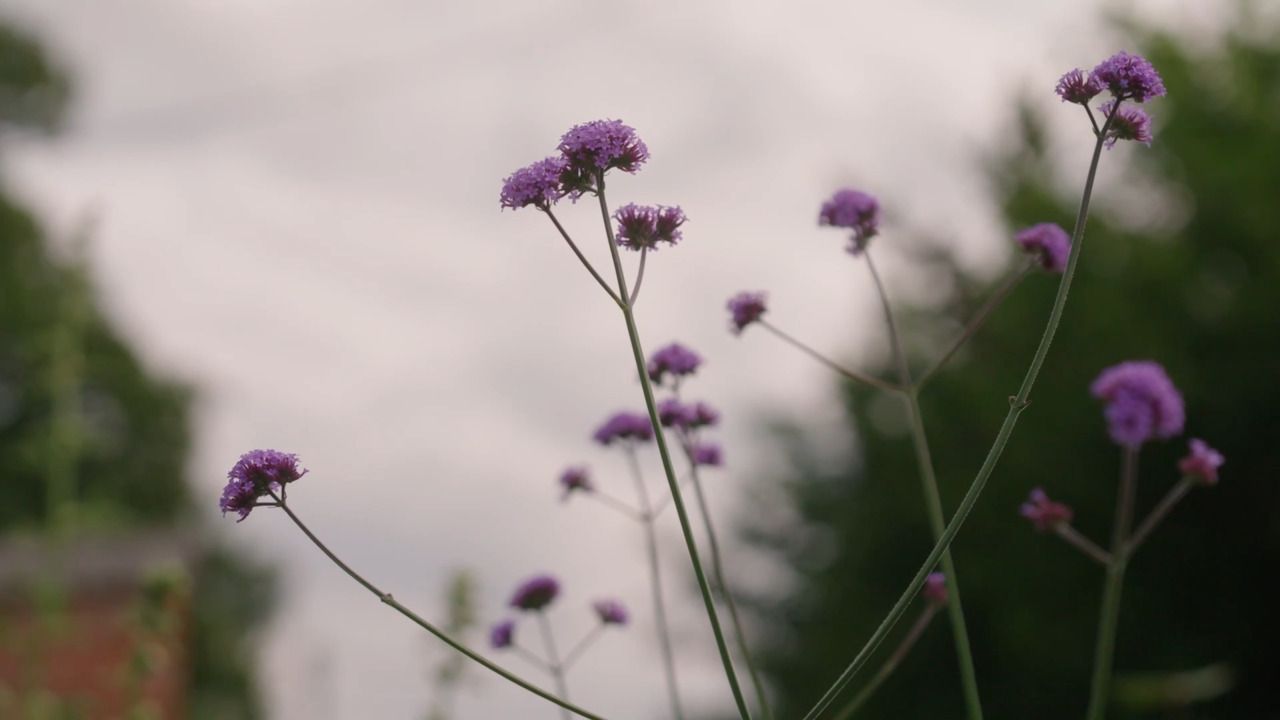
Examples of biennials:
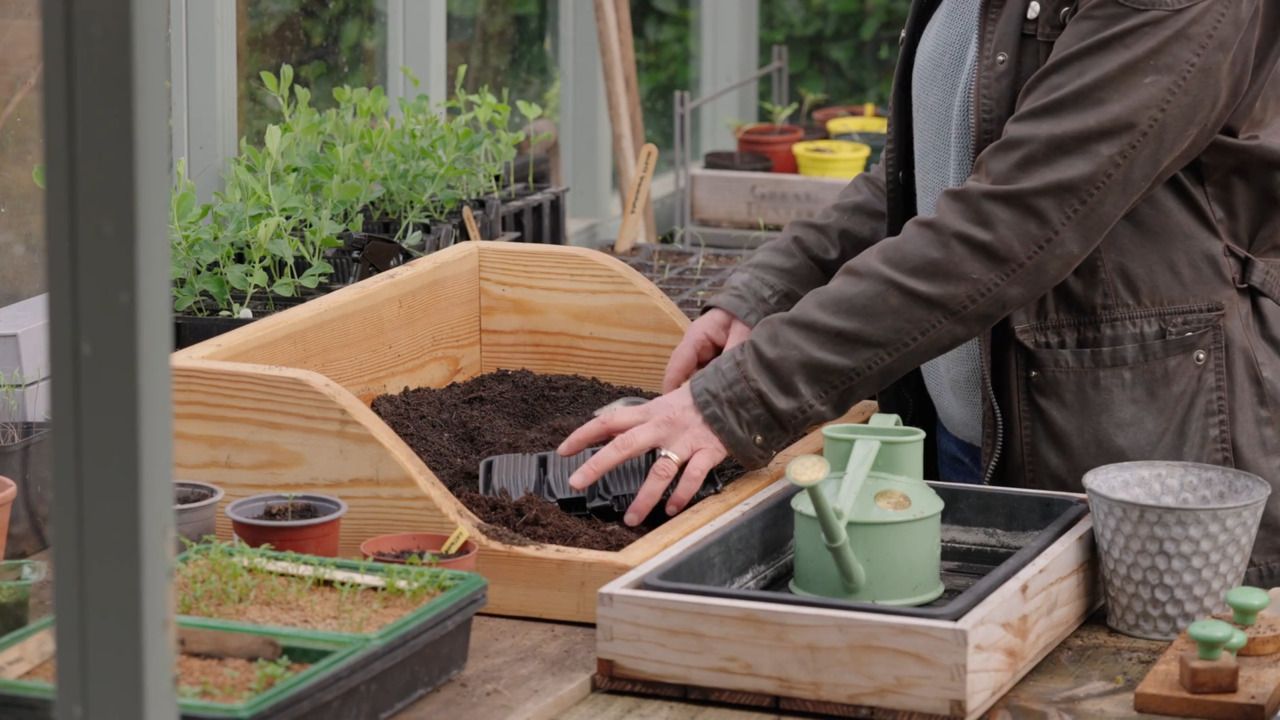
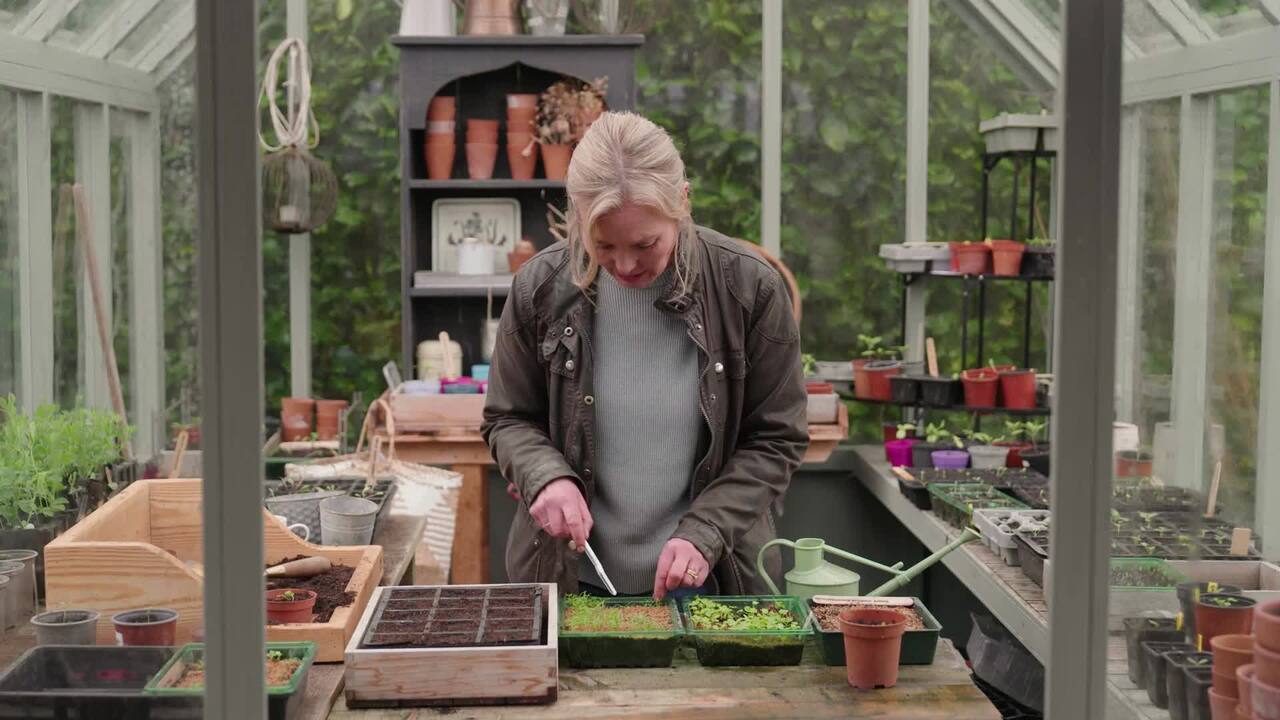
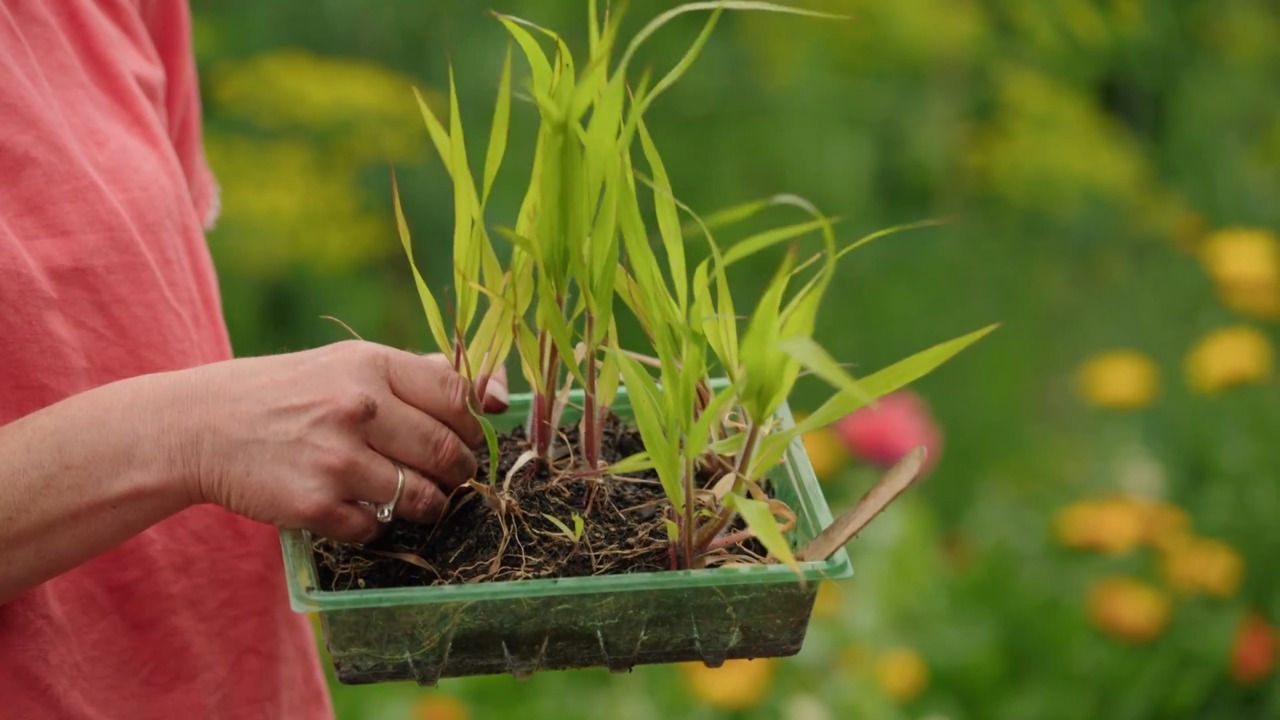
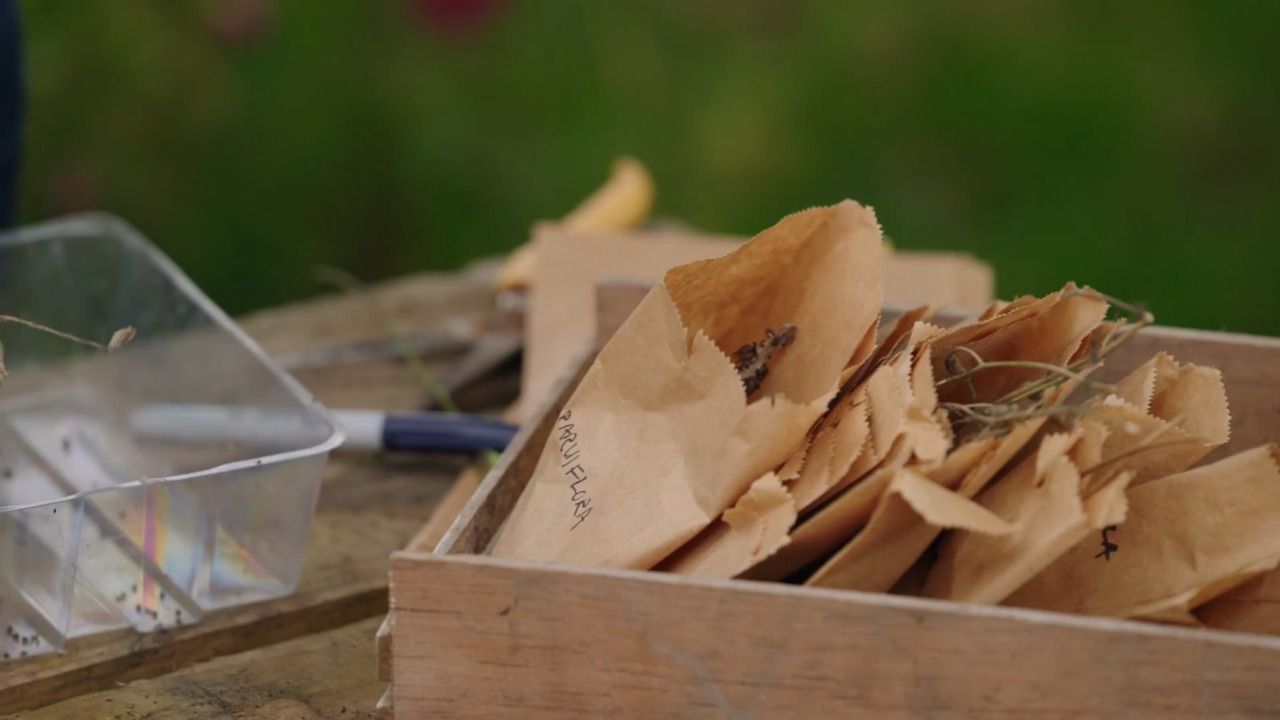
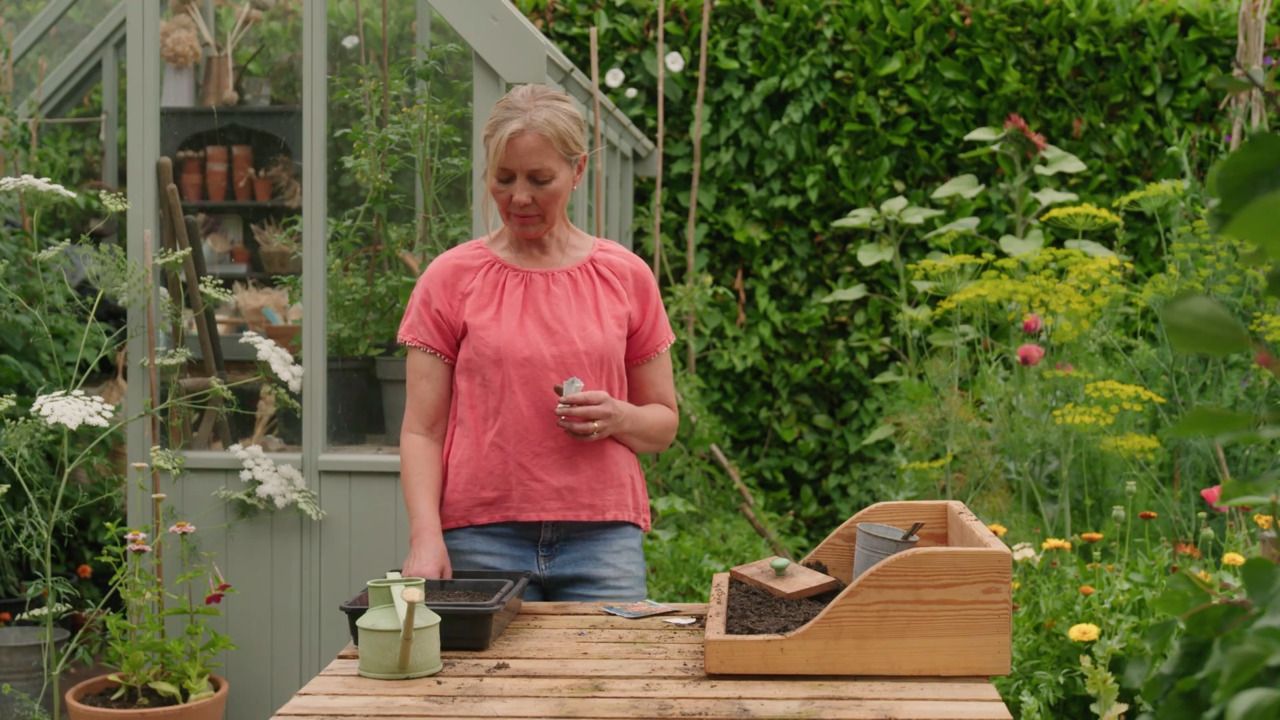
Biennial seeds should be raised outside as it's too hot in the greenhouse at this time of year; I use a shady spot on a table behind my greenhouse. I cover mine with a lid to prevent them from being eaten and to keep the moisture in to help germination.
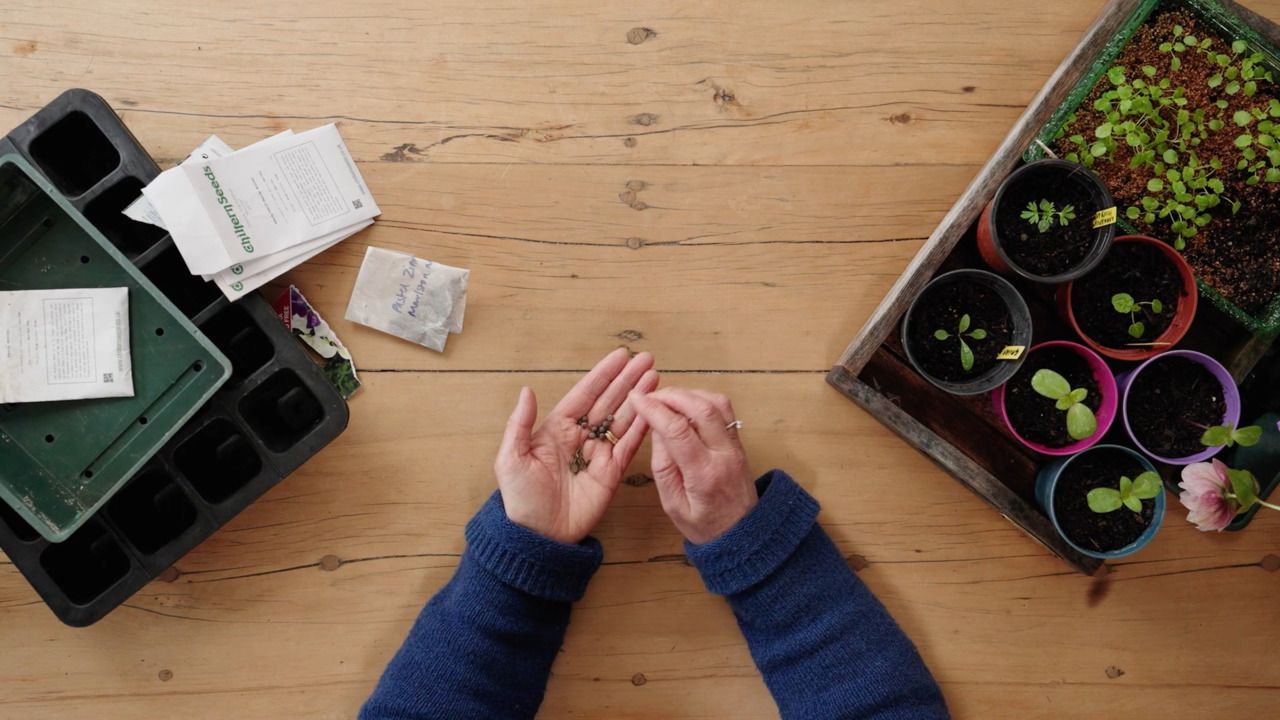
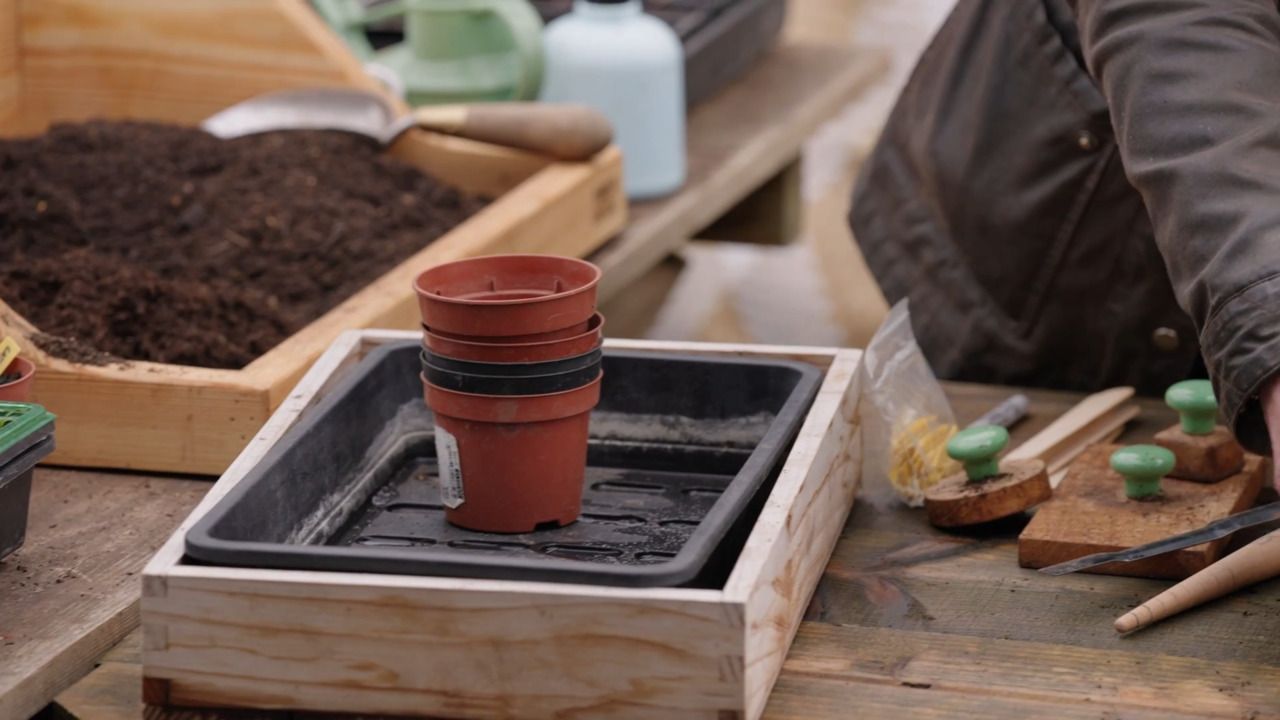
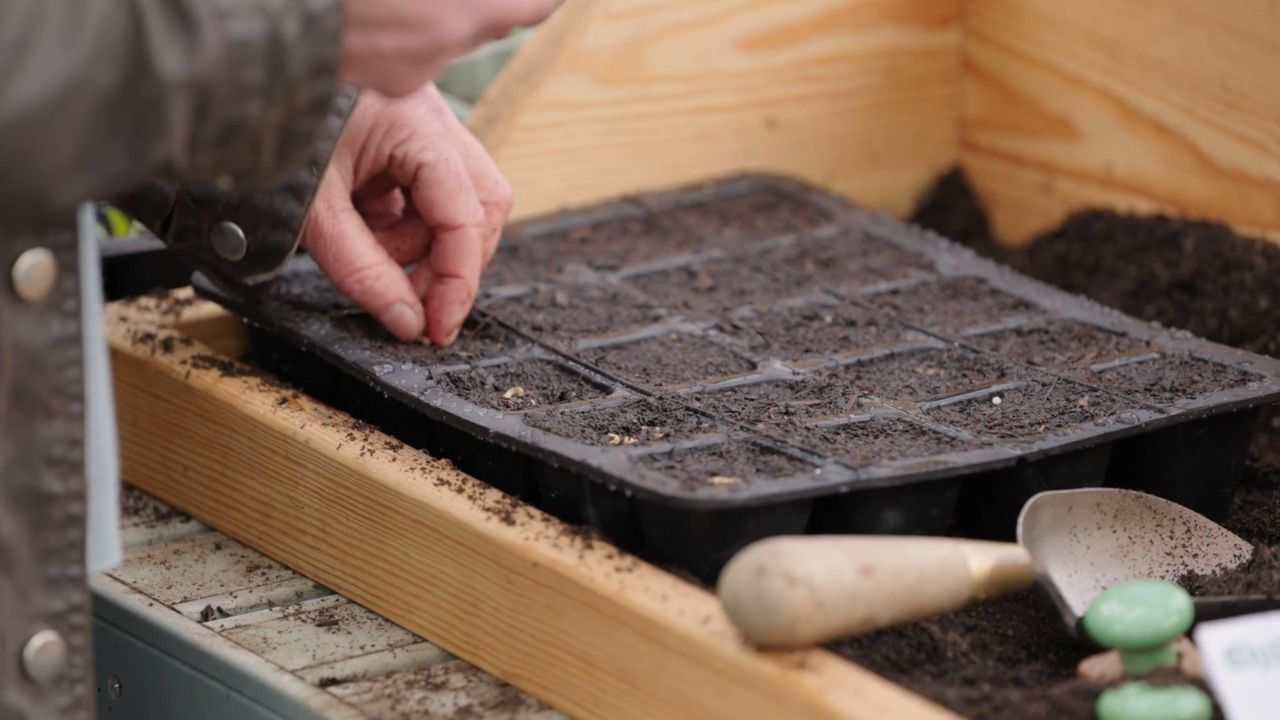
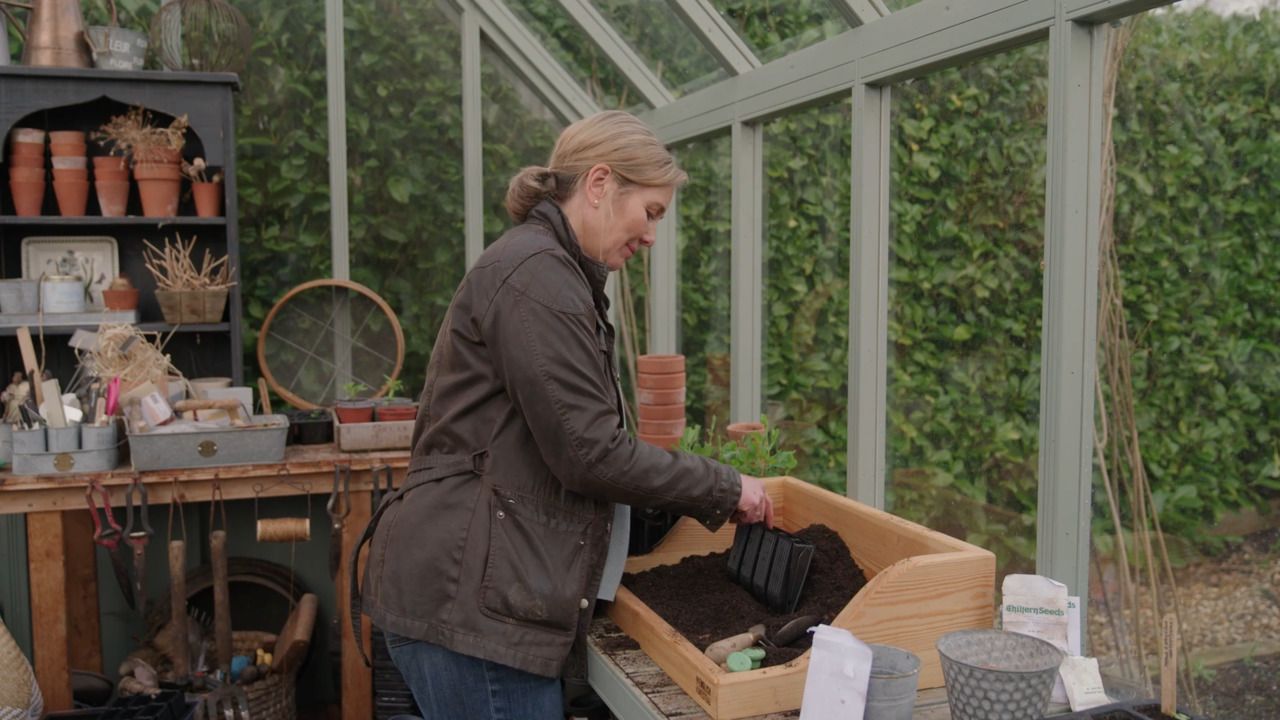
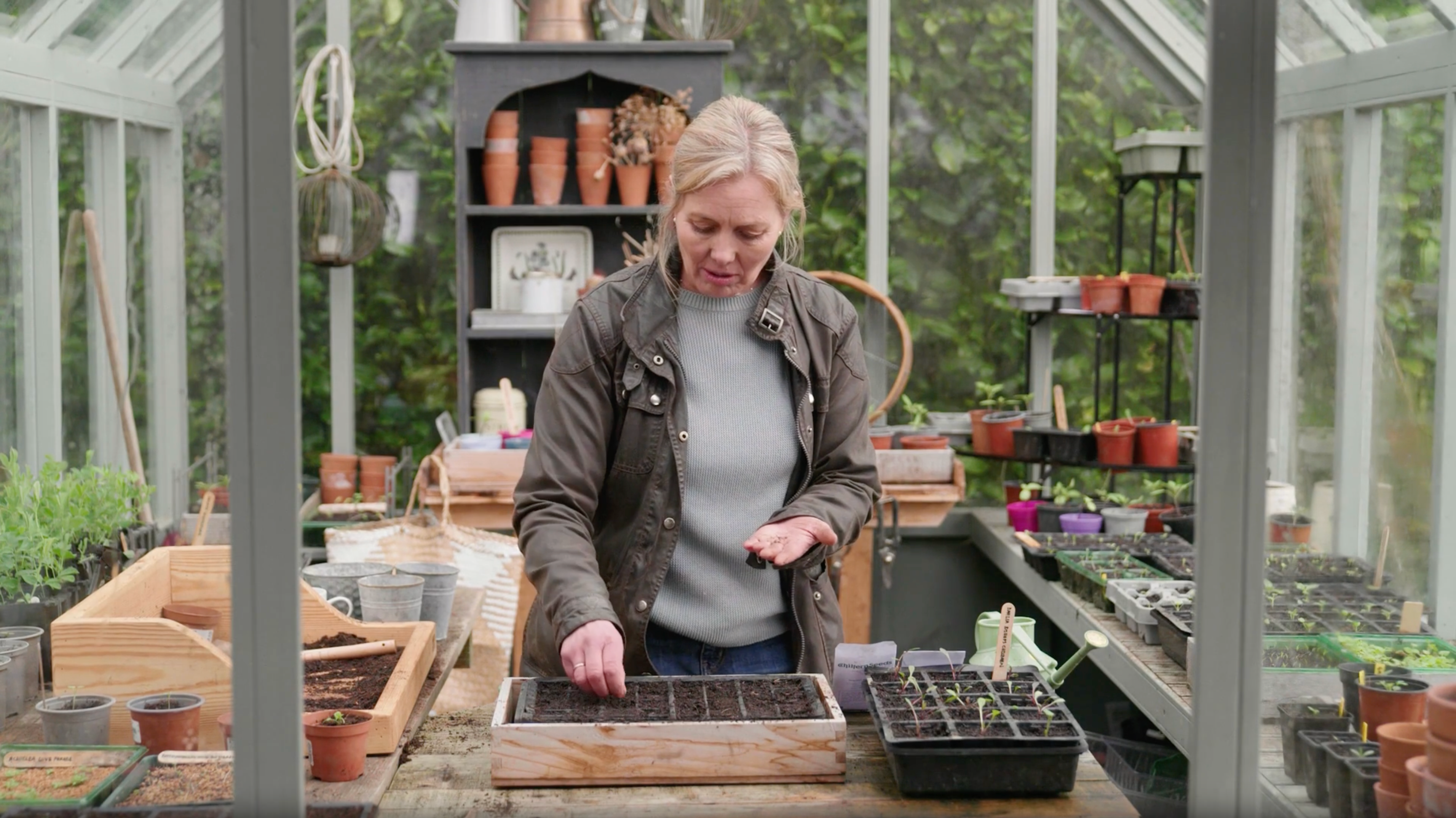
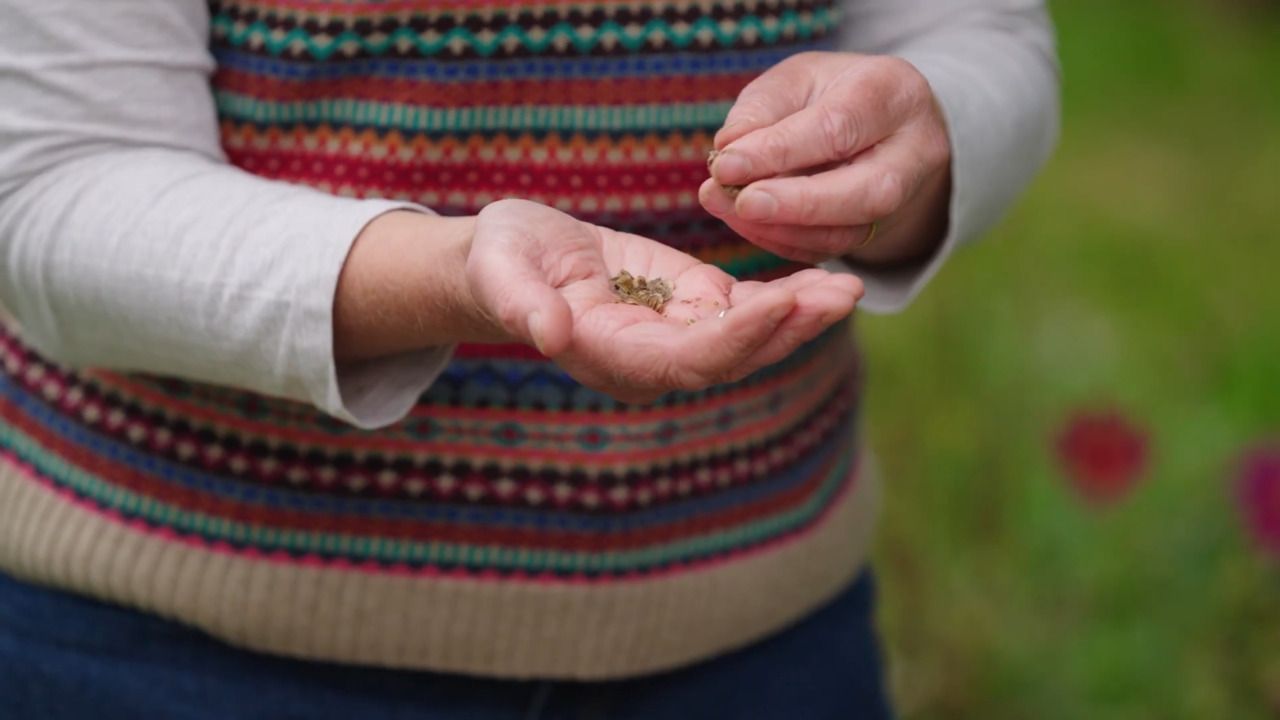
I'm sowing Digitalis purpurea 'Apricot Delight'. I'm using a half-size seed tray. The seeds are tiny, like dust, so it's easy to sow too many. I'm using peat-free multipurpose compost as peat-free seed compost can be quite hard to find in the UK. You can sieve the compost to make it finer and remove any large particles.
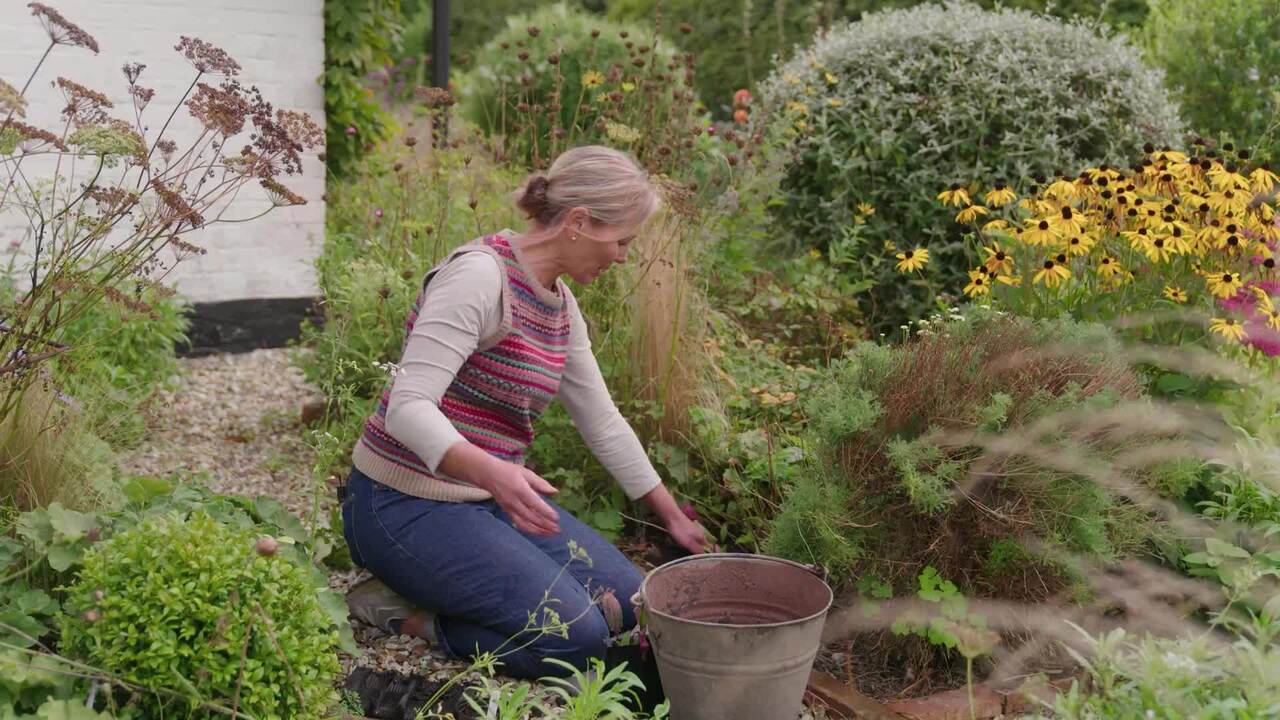
Biennials only put on leaves in their first year and may start to look a bit untidy in the autumn and winter. Don't give up on them – underneath the ground, the roots are developing and preparing the plant for next year's flowering.
Don't worry if your peat-free compost feels a little dry when it comes out of the bag; this isn't necessarily a reflection of quality.
Get the full workbook, video lessons, and more with a Create Academy subscription.
Subscribe to access the full workbookAlready a member? Sign in to watch
491 reviews
Read moreCreate Academy has been such a great resource. I'm in the middle of renovating a bungalow with a very large garden and the courses have offered a wealth of inform...
Harvey
Jun 10, 2026
Absolutely love Create Academy! The instructors are extremely informative, and it is beautifully filmed. Create Academy is great value for money and plan on renew...
SG
May 31, 2026
Butter's creativity is stunning! Her ability to incorporate brilliance in small gardens is magical!
Carla
May 30, 2026
The best adventure. I like all the courses, but my favorite are both Rita Konig interior design courses and Anna Jones. Excellent!
Karolina Kluczewska
May 20, 2026
Create Academy has been such a great resource. I'm in the middle of renovating a bungalow with a very large garden and the courses have offered a wealth of information to dive into and explore new ideas. I'm...
Harvey
Jun 10, 2026
Absolutely love Create Academy! The instructors are extremely informative, and it is beautifully filmed. Create Academy is great value for money and plan on renewing my subscription yearly because there are ...
SG
May 31, 2026
Butter's creativity is stunning! Her ability to incorporate brilliance in small gardens is magical!
Carla
May 30, 2026

Your Instructor
Garden writer and plantswoman. Seed growing expert. Garden Editor of House & Garden magazine.
Clare Foster is a gardener, writer and journalist. She has been House & Garden’s Garden Editor since 2005, and before that was the Editor of Gardens Illustrated. Clare is an expert at growing from seed and has written a book on the topic called, 'The Flower Garden: how to grow flowers from seed'.
Access to all courses


