
Interior and exterior confidence
Create Academy has been such a great resource. I'm in the middle of renovating a bungalow with a very large garden and the courses have offered a wealth of inform...
Harvey
Jun 10, 2026
Garden & Landscape Photography Masterclass
with JASON INGRAM — UK's leading garden and landscape photographer. Garden Media Guild 'Photographer of the Year'.
Lesson 3 of 27
Subscribe to watch
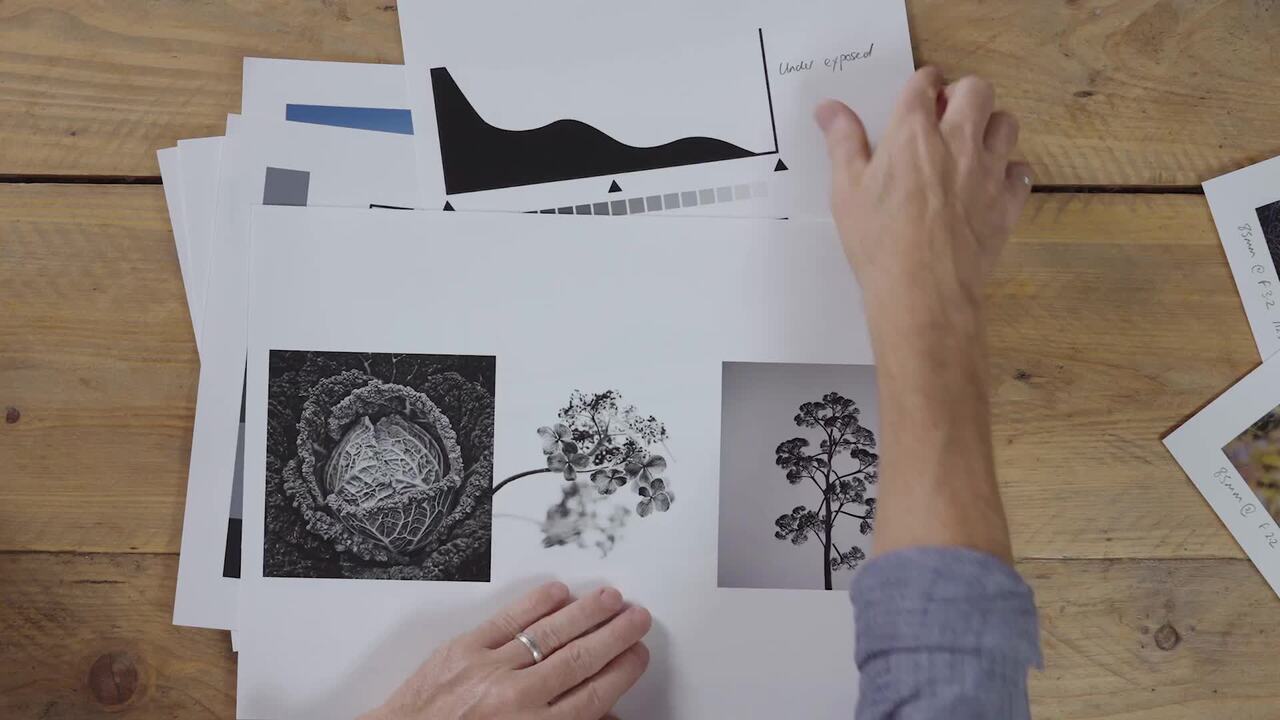
Manually selecting the right exposure is a notoriously challenging part of photography. Jason talks you through the three elements that make up the exposure ‘triangle’ - shutter speed, ISO and aperture - breaking down step by step how they interact with each other, allowing you to really get to grips with the fundamentals.
Gaining the right exposure can be one of the trickier elements of photography, but understanding the three components that affect it will enable you to control it and achieve a perfectly exposed picture.
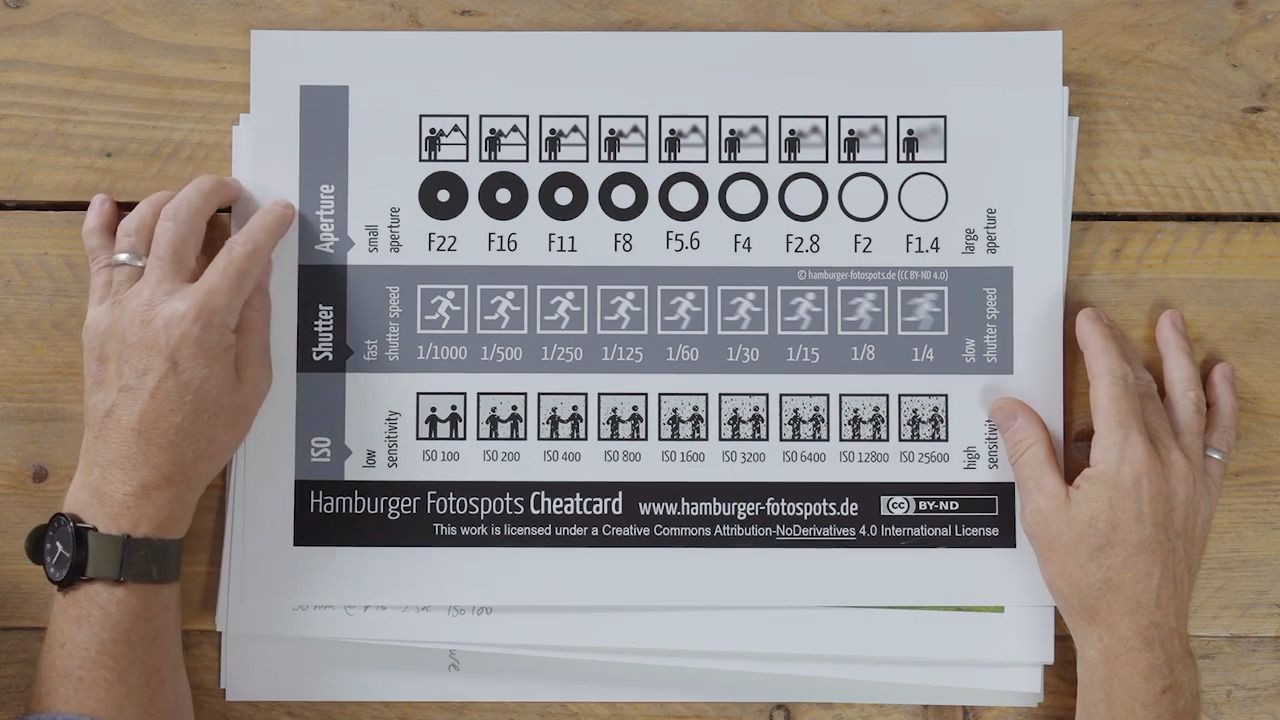
Getting the perfect exposure can be understood as being a triangle of three elements, with each one directly impacting, informing and influencing the other.
How open the lens is and the amount of light that comes through it onto the sensor.
A narrow aperture such as F22 only allows for a small amount of light to pass through, whereas a larger or wider aperture such as F1.4 will let much more light in.
Choose the aperture based on what you want to appear sharp. A narrow aperture will provide you with sharpness from the foreground through to the background. If you want a softer foreground and background to create a photograph with a more ethereal look, choose a wider aperture.
The speed at which the shutter will open.
As well as the aperture, the shutter speed also has an impact on the amount of light that comes through onto the sensor. Your choice of aperture will normally inform the shutter speed you need; for example, if you choose to have a narrow aperture, you will probably need a longer shutter speed. If you've opted for a wider aperture, you can go with a faster shutter speed.
The shutter speed dictates whether motion will be captured clearly or blurred; a quicker shutter speed will allow you to capture motion sharply, whereas a slower shutter speed will mean any movement will appear blurry.
The sensitivity of the camera sensor itself.
The ISO level you choose will dictate the colour rendition and dynamic range in your photograph. ISO 100 is considered the standard at which you generally want to have your camera set to.
There are instances where you may need to increase the ISO. However, when you do this, there is a risk your photographs will become grainy or 'noisy', though most modern cameras will have the ability to shoot clearly up to an ISO of around 1600.
Before taking a photograph, it's helpful to consider and pre-visualise how you want it to look. Try asking yourself the following questions, as your answers can then be used to inform your choice of aperture, shutter speed and ISO.
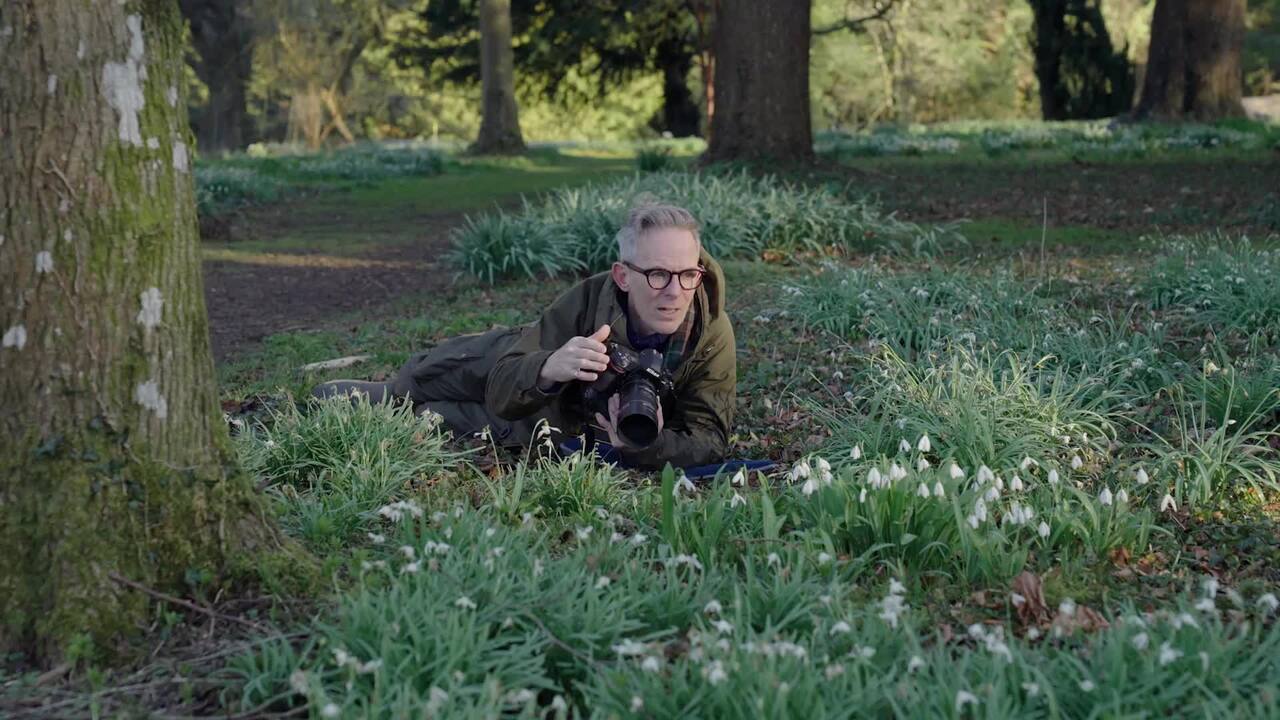
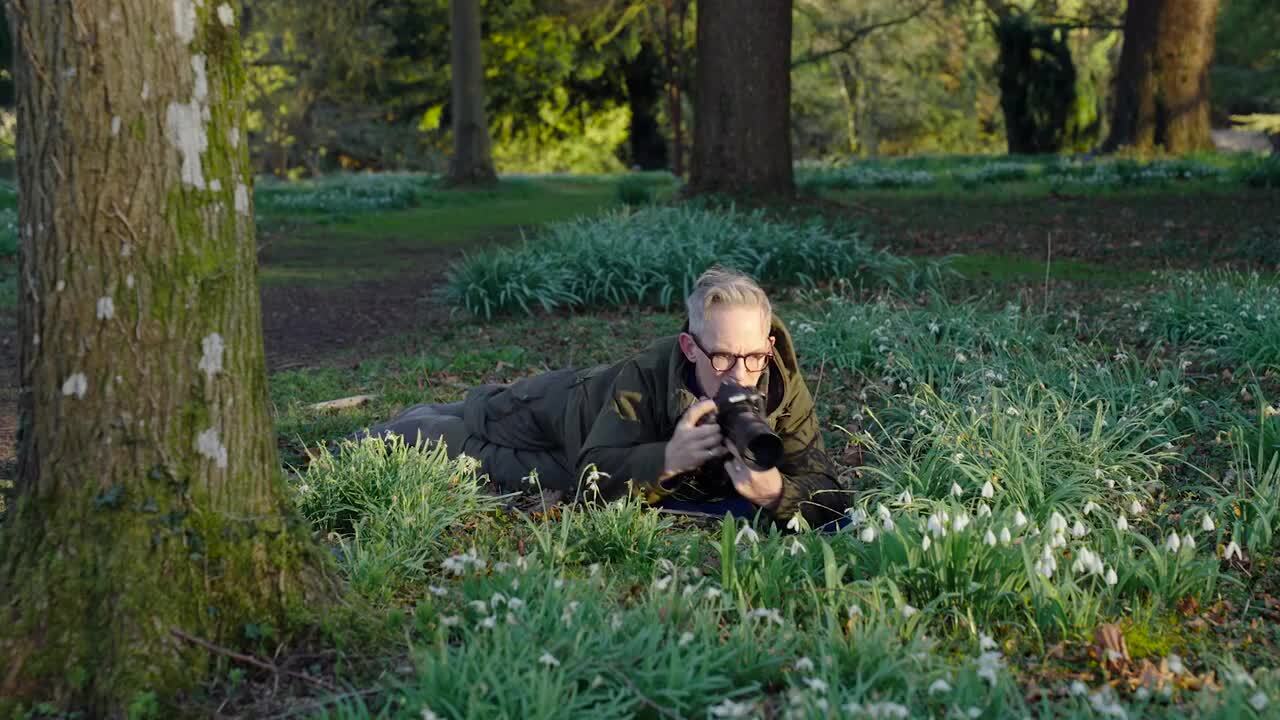
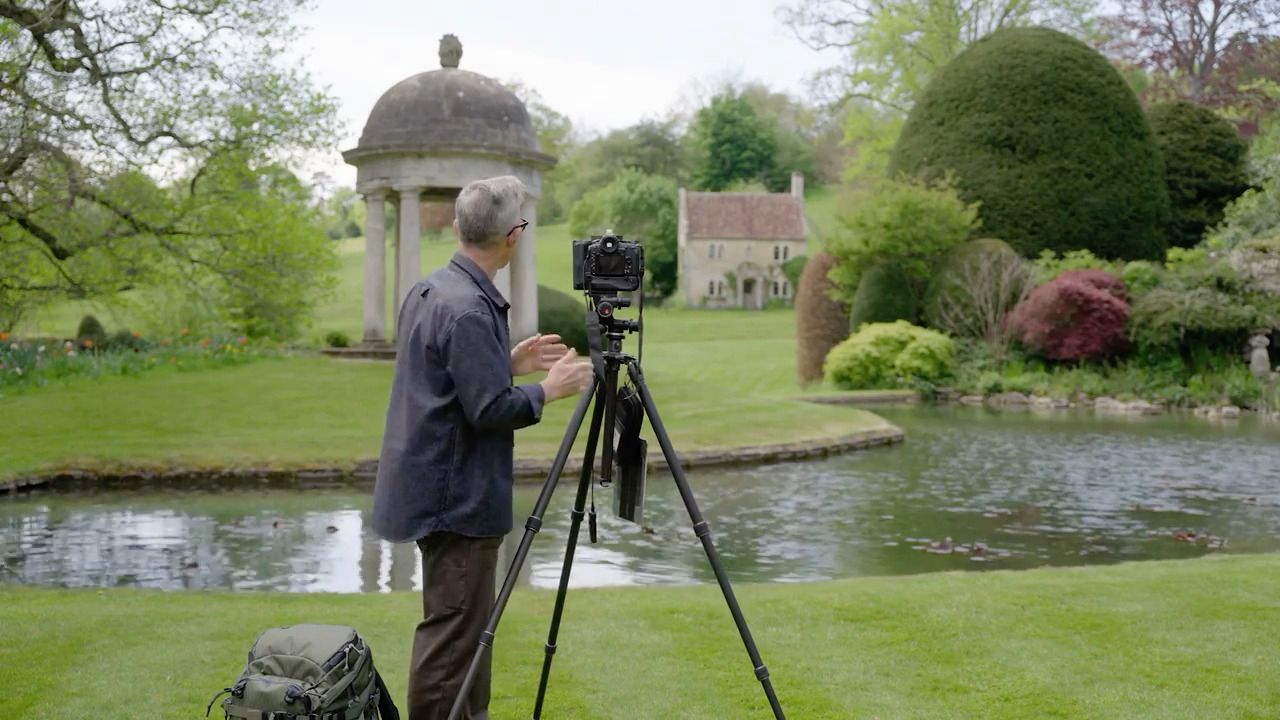
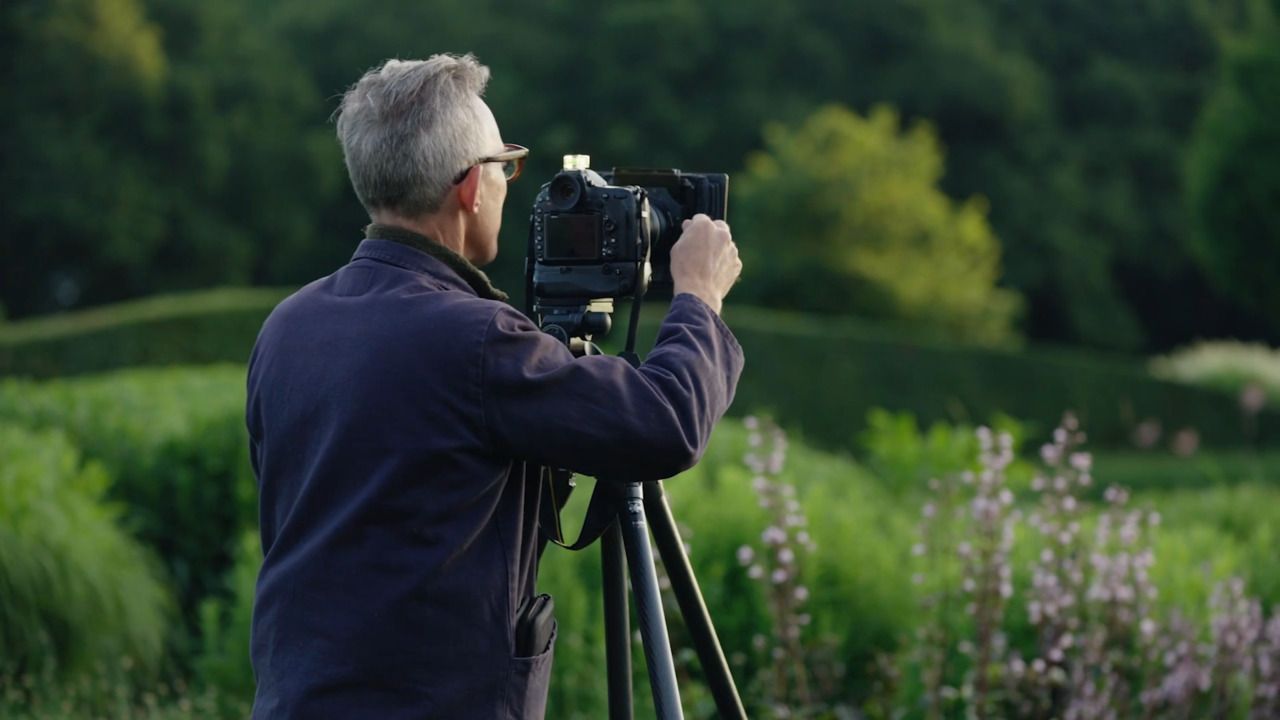
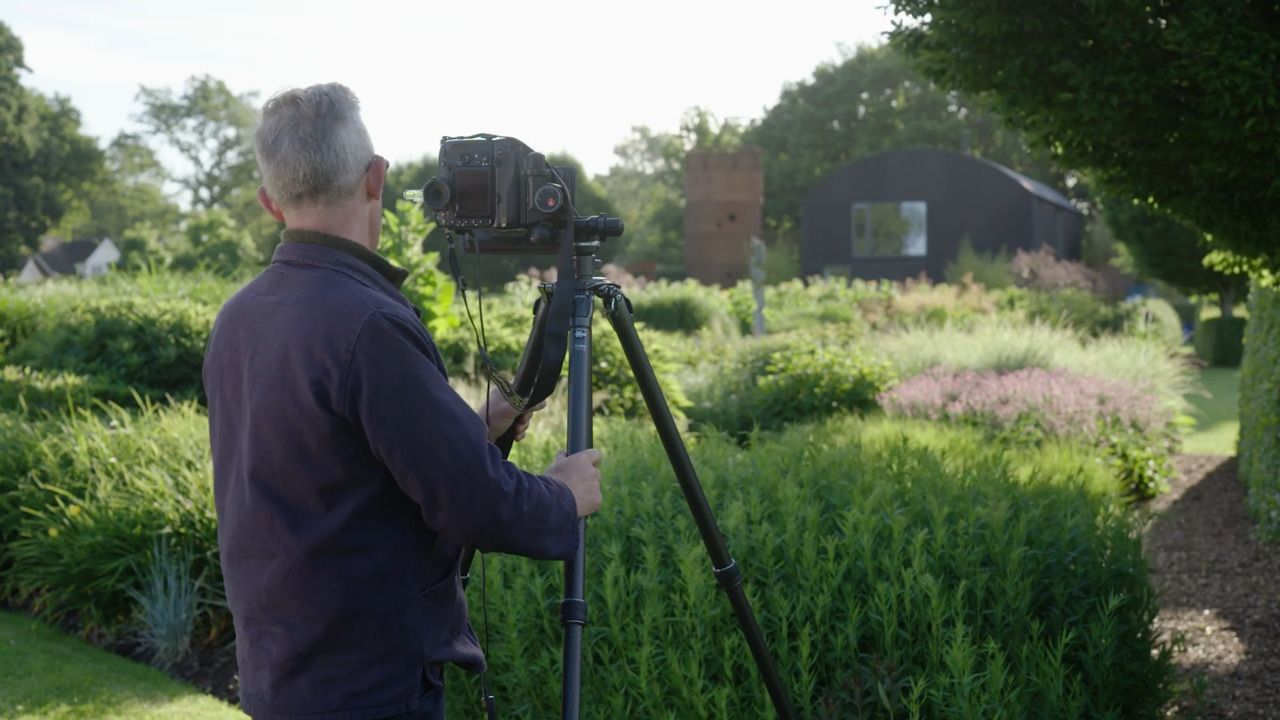
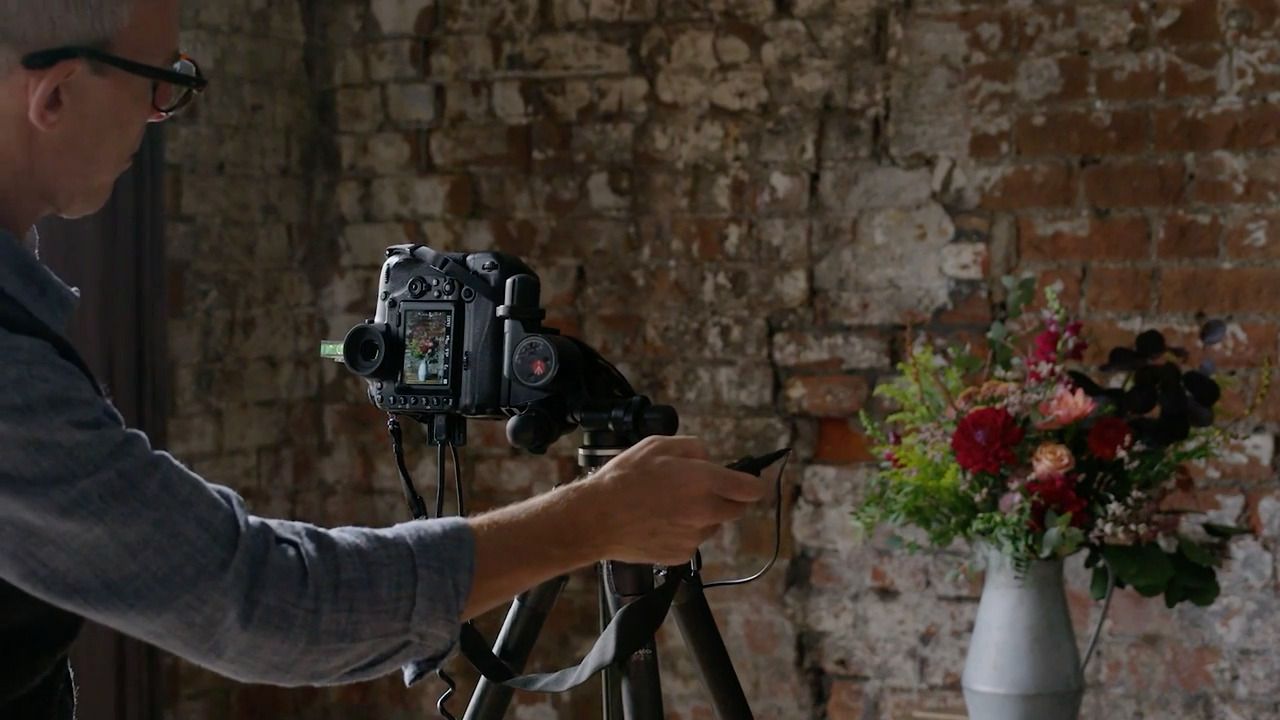
Go out into nature, and find a nice composition - ideally using a tripod. Take a series of different photographs of exactly the same frame, but manually adjust the aperture, going from the lowest setting to your highest. Do the same for shutter speed and then ISO.
Either print the photographs, or look at them on a big screen and observe the differences and nuances between them. Consider the impact of your choice of aperture, shutter speed and ISO on your images.
Get the full workbook, video lessons, and more with a Create Academy subscription.
Subscribe to access the full workbookAlready a member? Sign in to watch
491 reviews
Read moreCreate Academy has been such a great resource. I'm in the middle of renovating a bungalow with a very large garden and the courses have offered a wealth of inform...
Harvey
Jun 10, 2026
Absolutely love Create Academy! The instructors are extremely informative, and it is beautifully filmed. Create Academy is great value for money and plan on renew...
SG
May 31, 2026
Butter's creativity is stunning! Her ability to incorporate brilliance in small gardens is magical!
Carla
May 30, 2026
The best adventure. I like all the courses, but my favorite are both Rita Konig interior design courses and Anna Jones. Excellent!
Karolina Kluczewska
May 20, 2026
Create Academy has been such a great resource. I'm in the middle of renovating a bungalow with a very large garden and the courses have offered a wealth of information to dive into and explore new ideas. I'm...
Harvey
Jun 10, 2026
Absolutely love Create Academy! The instructors are extremely informative, and it is beautifully filmed. Create Academy is great value for money and plan on renewing my subscription yearly because there are ...
SG
May 31, 2026
Butter's creativity is stunning! Her ability to incorporate brilliance in small gardens is magical!
Carla
May 30, 2026

Your Instructor
UK's leading garden and landscape photographer. Garden Media Guild 'Photographer of the Year'.
Jason Ingram is an award-winning garden photographer based in Bristol. He travels widely photographing gardens, plants and people for the UK’s leading magazines and provides photography for numerous best selling gardening books by top international garden designers. In 2022, 2021, 2020, 2019, 2014 and 2013 he was awarded ‘Garden Photographer of the Year’ by The Garden Media Guild and ‘Features Photographer of the Year’ in 2019 and 2016. For his personal work, Jason has been photographing the landscape and coastline of Britain for over 25 years, and in 2008 was awarded ‘Landscape Photographer of the Year’ for "Living the View" category. Jason lectures on his work and teaches in-person garden photography courses. His work is held in numerous private collections and he receives regular commissions from HM King Charles III to photograph his private estate at Highgrove, as well as Piet Oudolf’s garden at Hauser & Wirth gallery in Somerset.

Access to all courses


