
Interior and exterior confidence
Create Academy has been such a great resource. I'm in the middle of renovating a bungalow with a very large garden and the courses have offered a wealth of inform...
Harvey
Jun 10, 2026
Garden & Landscape Photography Masterclass
with JASON INGRAM — UK's leading garden and landscape photographer. Garden Media Guild 'Photographer of the Year'.
Lesson 5 of 27
Subscribe to watch
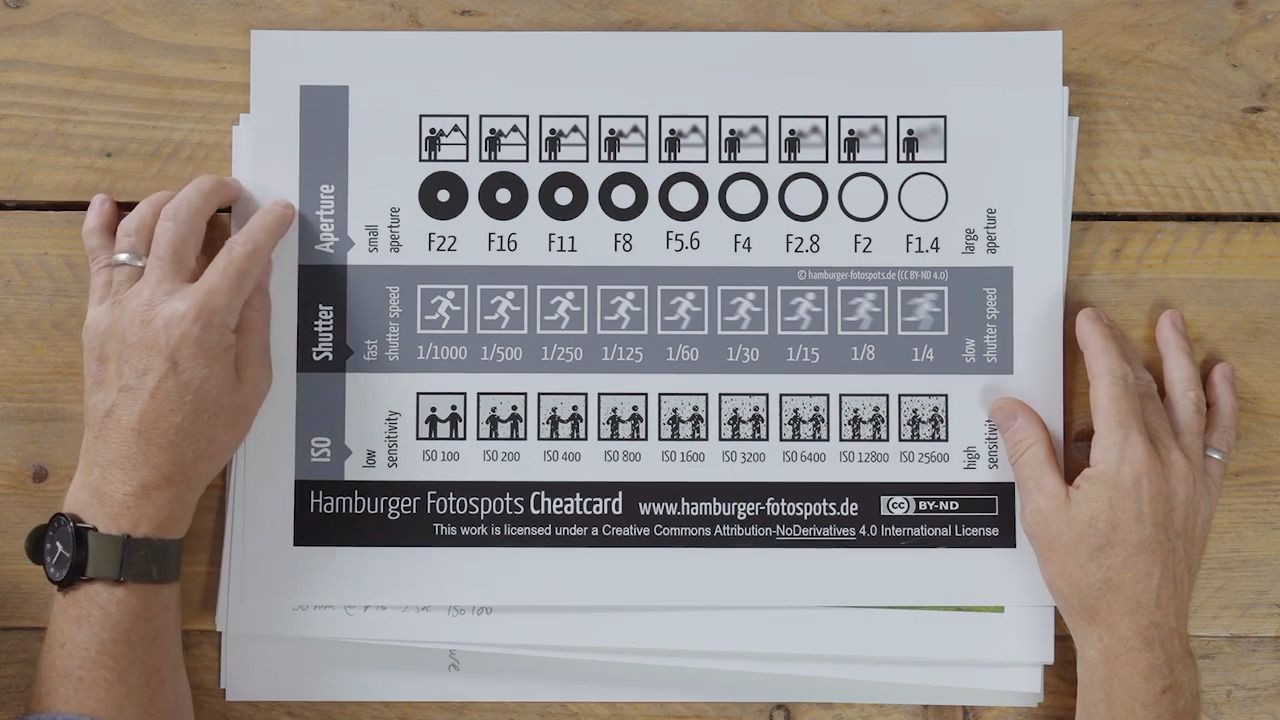
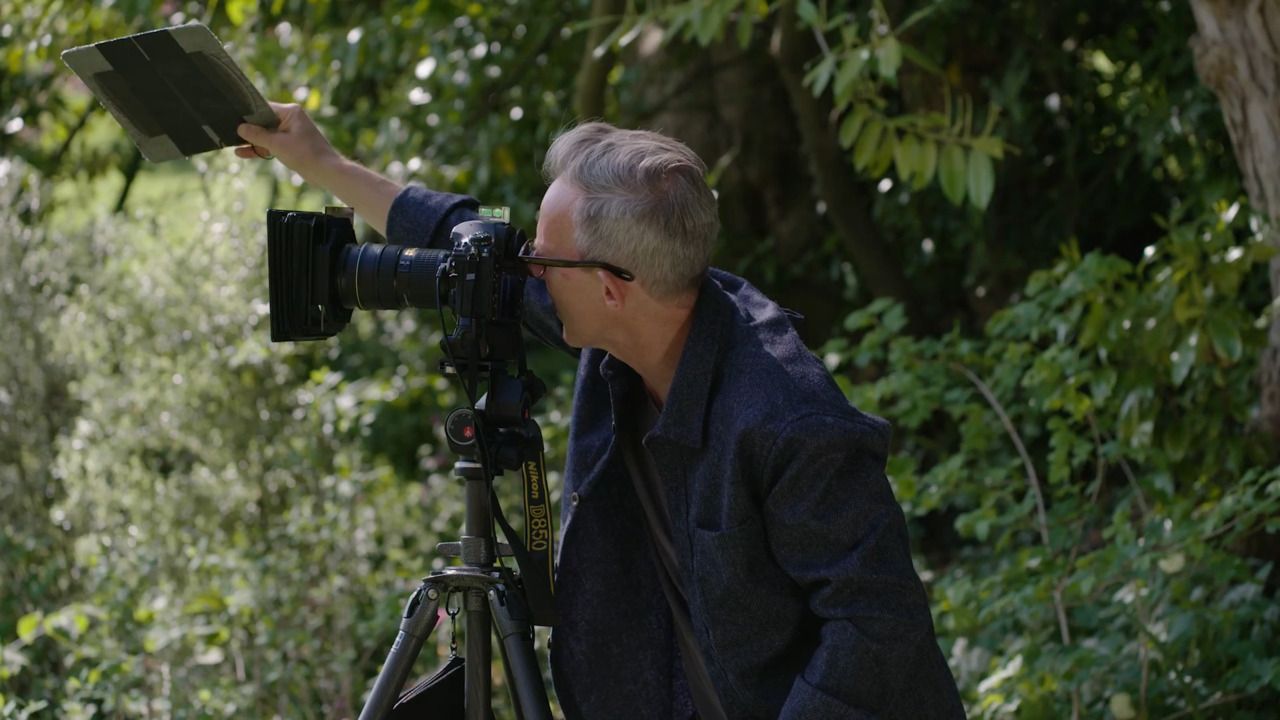
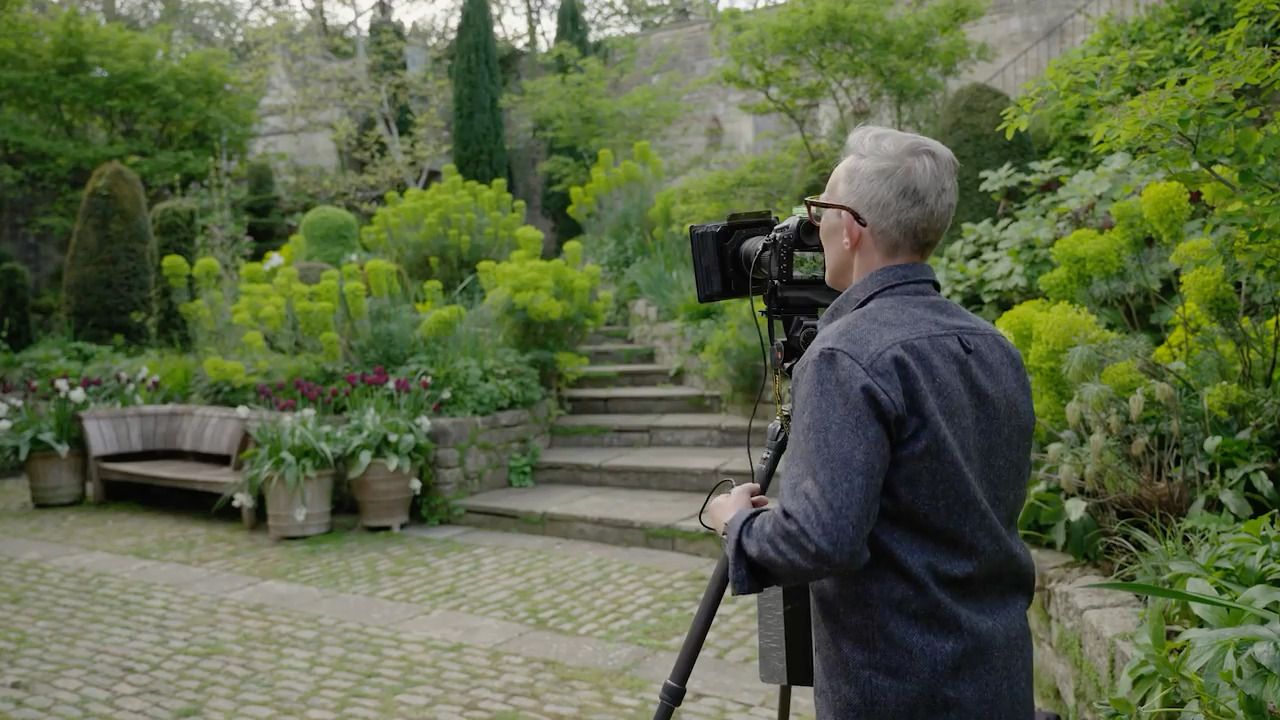
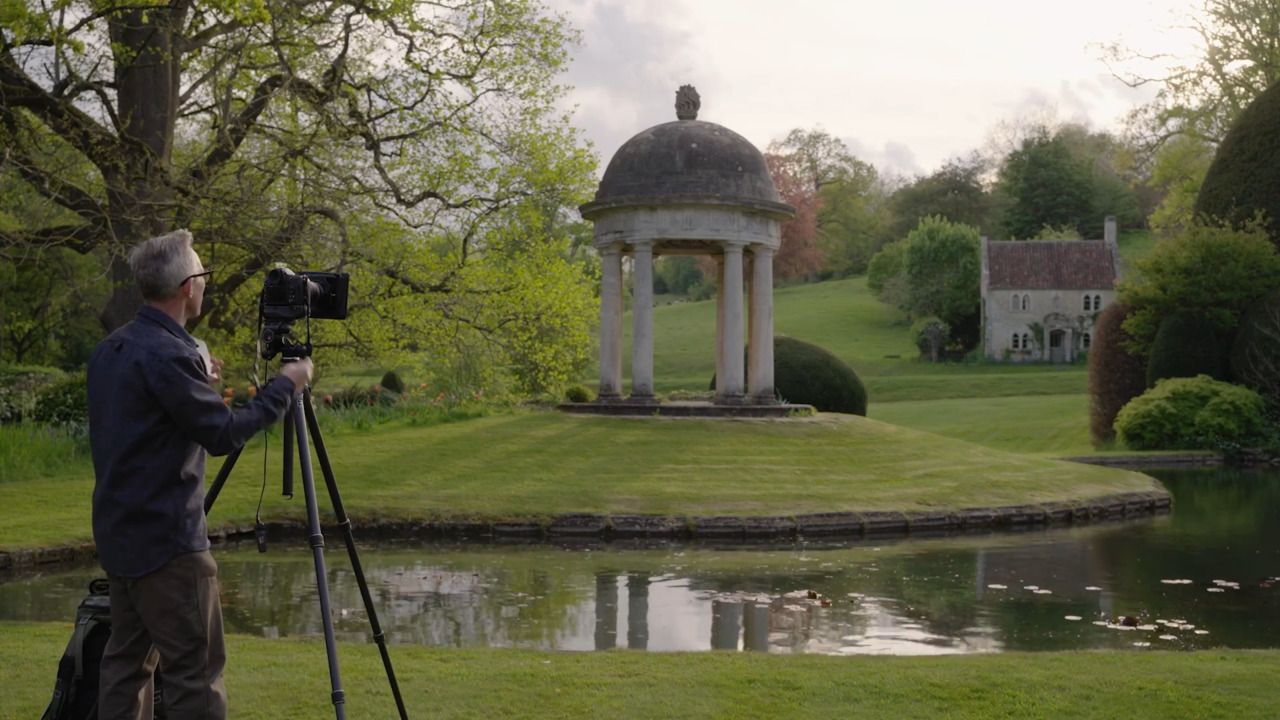
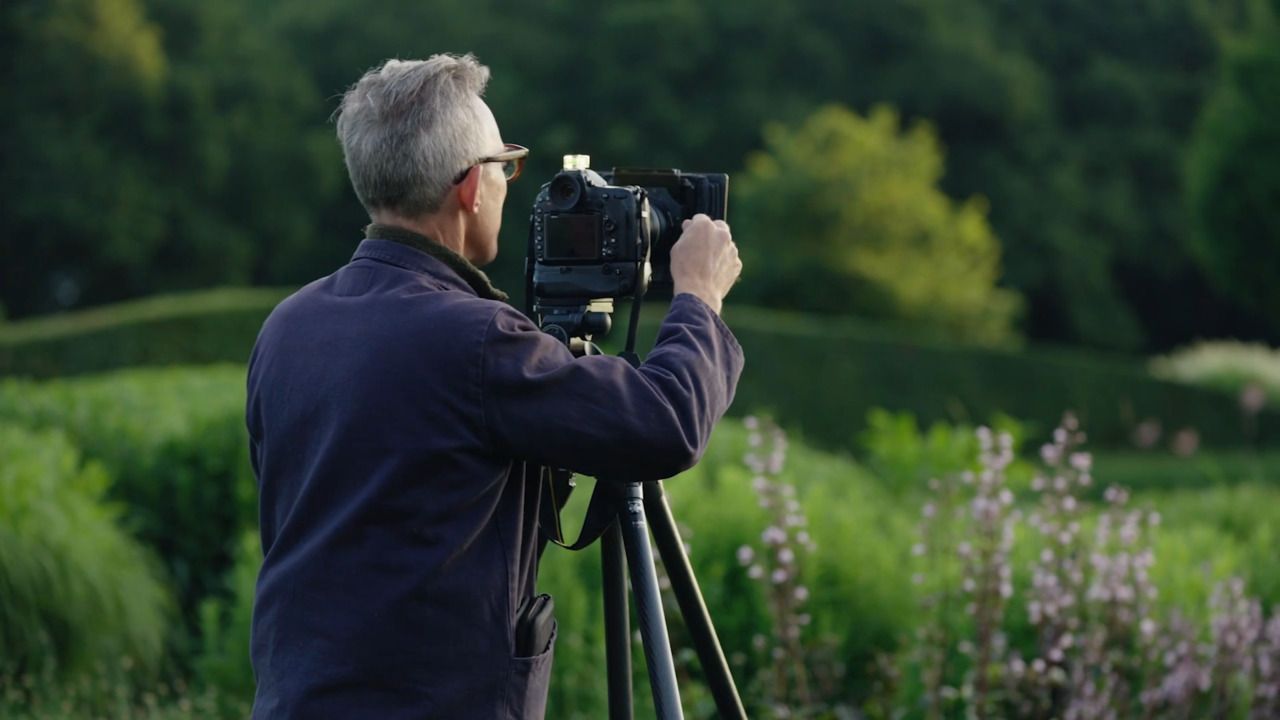
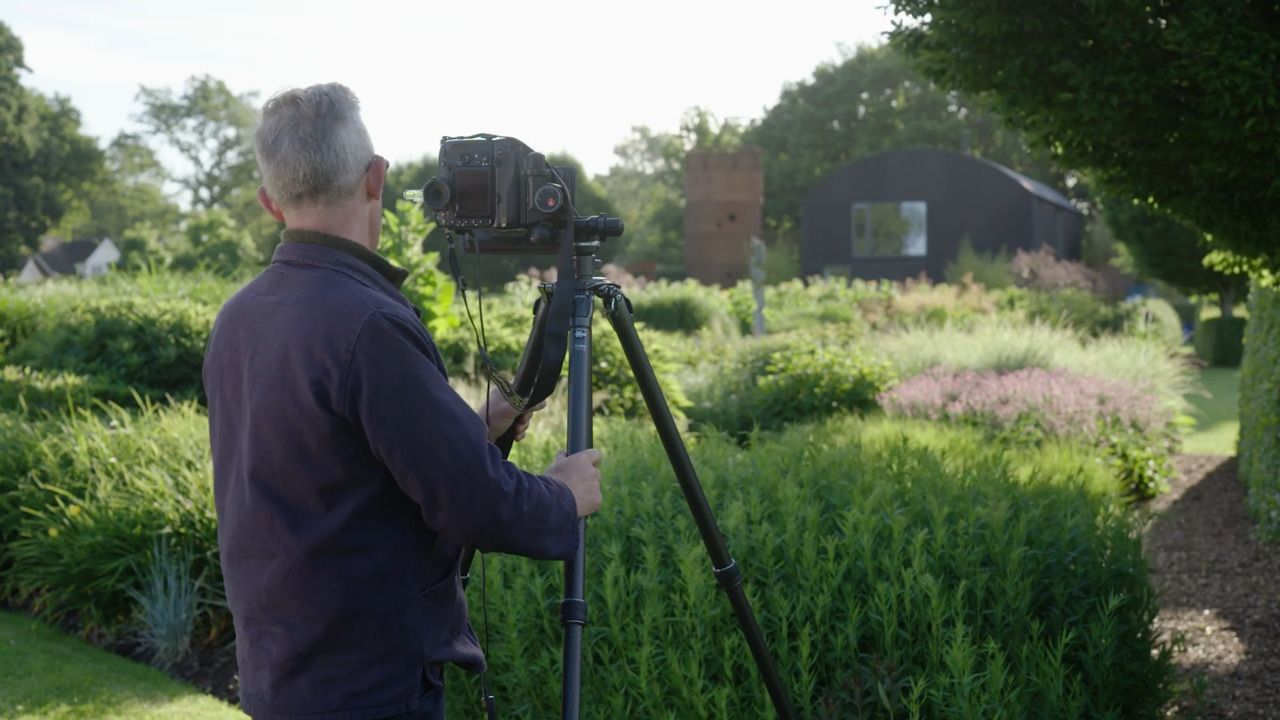
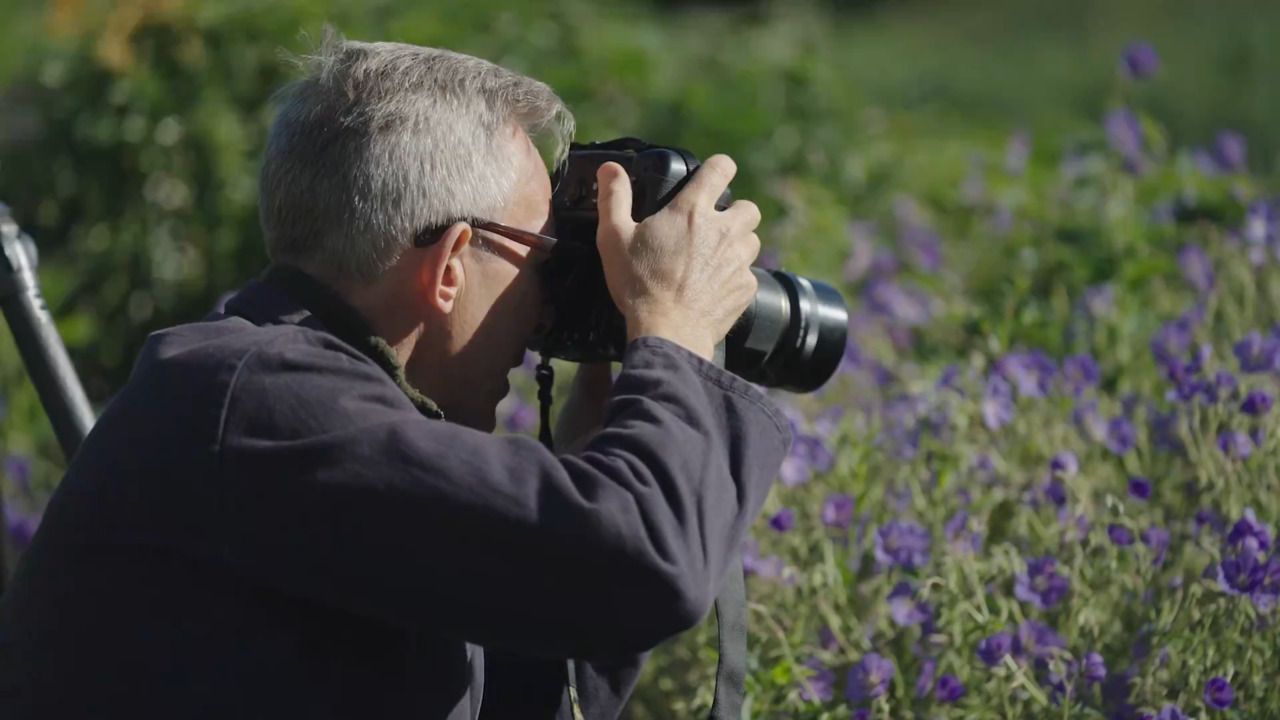
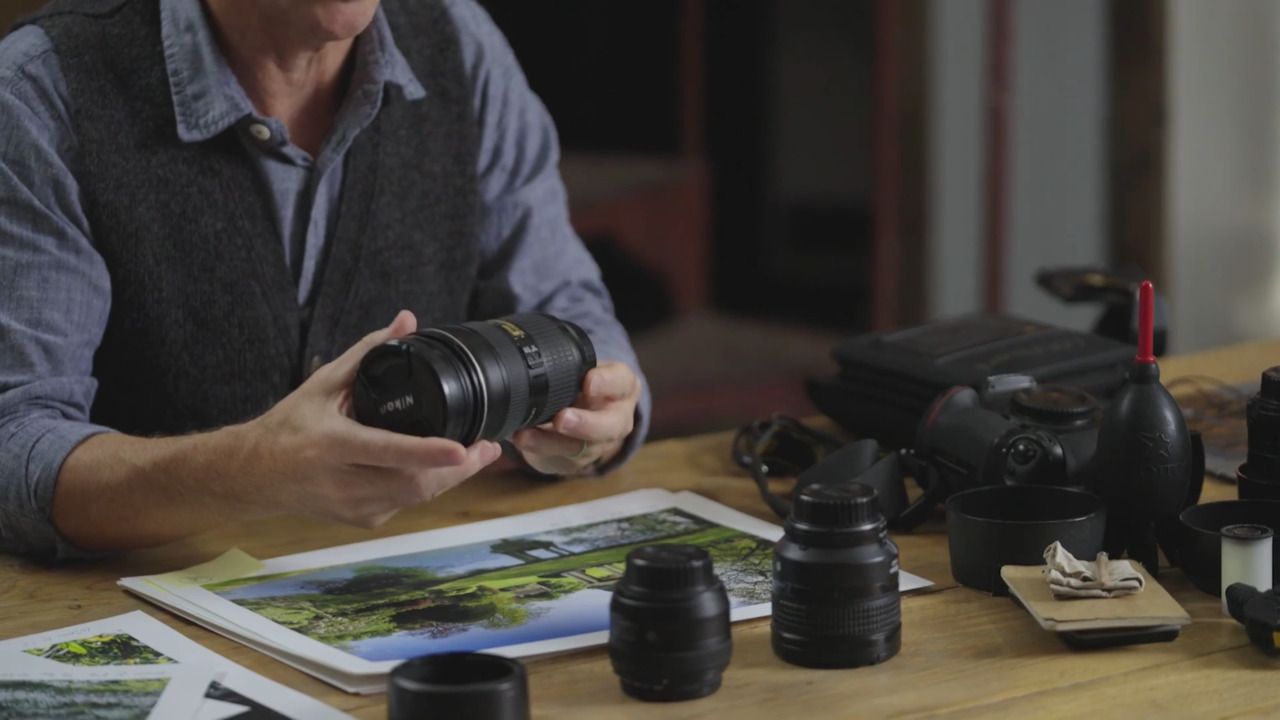
Jason demystifies how to choose a camera and advises on different lenses and their uses. going through prime lenses, zoom lenses, telephoto lenses and macro lenses. In the workbook, a full glossary of terms is included to really unpack how kit works.
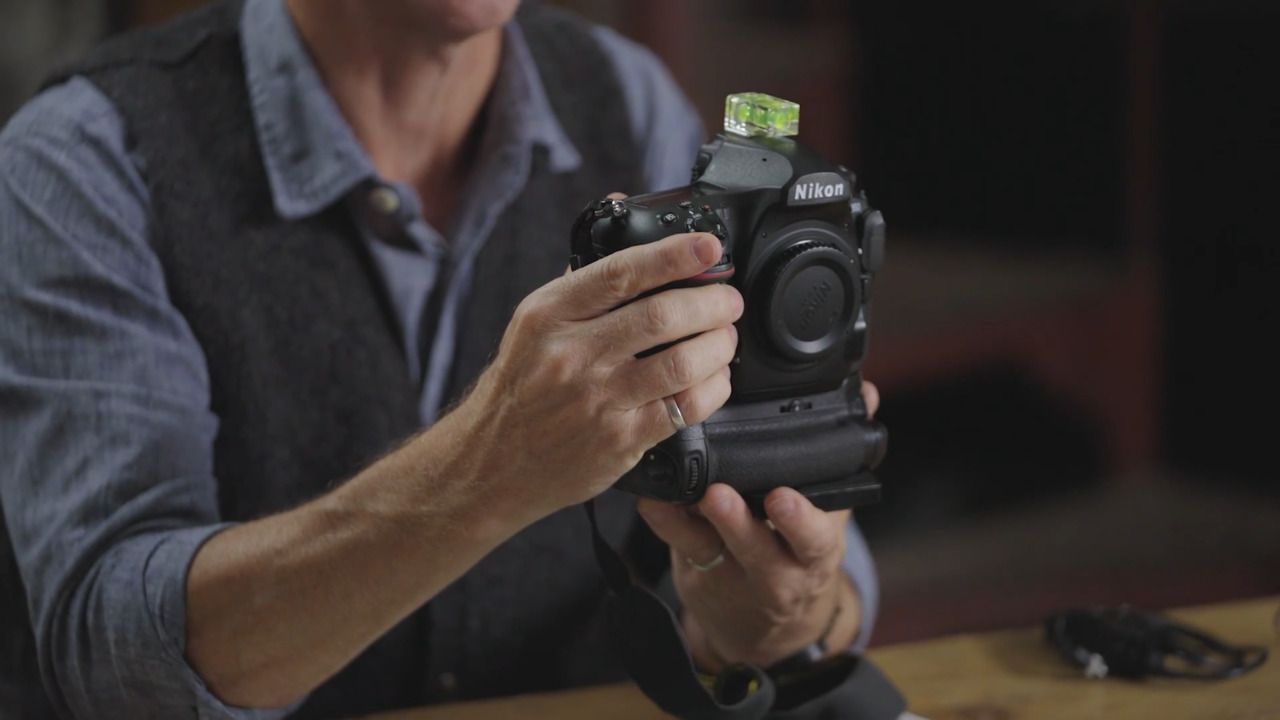
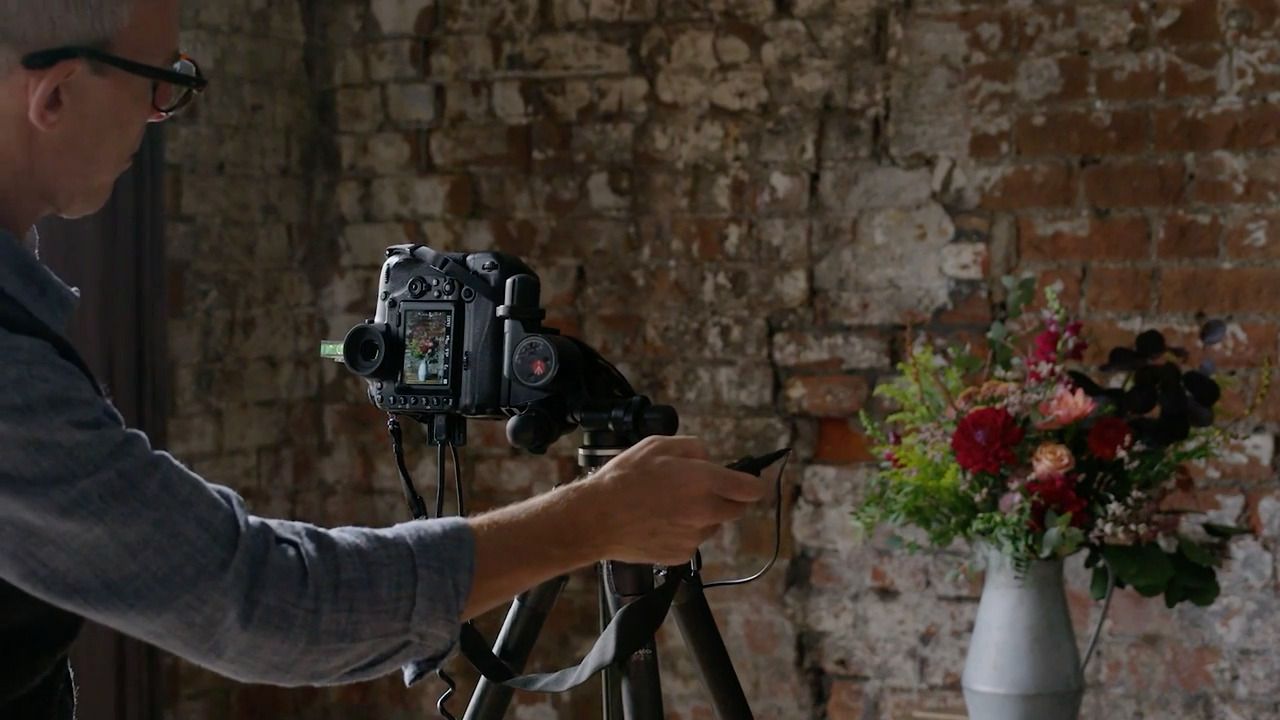
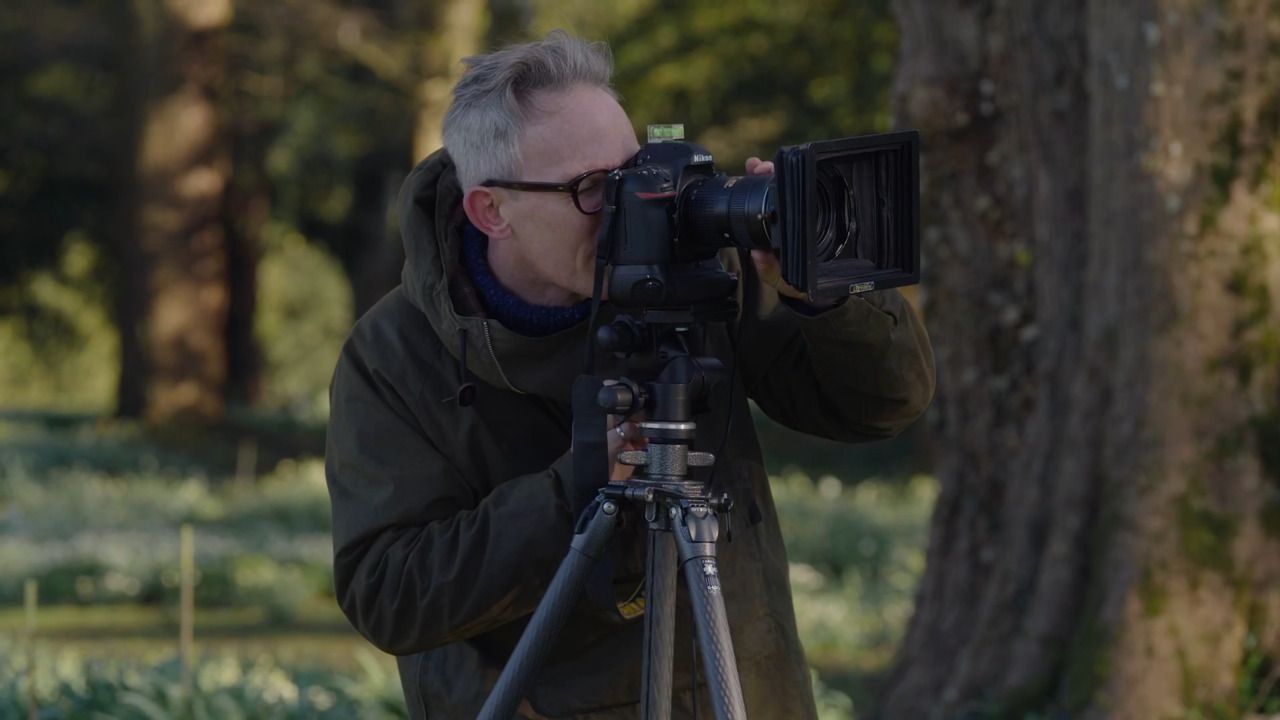
When it comes to choosing your equipment, there's a huge amount of choice, which can become quite overwhelming. As you learn more, you might want to grow your kit, but to begin with you'll only need one camera and one lens. For this course, you're going to need a camera on which you can manually adjust the ISO, aperture and shutter speed, and which ideally can take a 24-70mm lens.
While every photographer will have their preference, the brand of equipment you use really doesn't matter and is almost irrelevant. When you're first starting out, try not to get too bogged down in the finer details of different cameras - just choose one you like, that's within your budget.
A prime lens has a fixed focal length, whereas a zoom lens has several focal lengths within the one lens. There used to be a big difference in the quality, but the technology within zoom lenses has improved dramatically over time, so it's really up to you and what you can afford.
There is a certain quality to prime lenses. They tend to have wider apertures, which means you can shoot in very low light conditions and you can get a beautiful depth within the picture. However, modern day zoom lenses now come very close to this quality.
Try to go for the best quality you can: ideally one with a fixed aperture throughout all the focal lengths. For a 24-70mm zoom lens, I would recommend going for an F/2.8; this tells you the maximum aperture of the lens is F/2.8 throughout every focal length. If you are only buying one lens, I'd go for this one.
The same principle applies: it's best to go for a lens with a maximum aperture of F/2.8. The first and obvious difference with this lens is that it has much longer range and the focal length tends to be more compressed. As a result, I would tend to use this kind of lens for more cropped compositions.
A macro lens can take sharp photographs of small subjects thanks to its ability to work with very short focusing distances. I normally use one with either a 60mm or a 105mm focal length; a 60mm gives a wider focal length, while a 105mm gives a narrower focal length.
Lens focal length tells us how much of the scene will be captured, as well as the magnification, or how large individual elements will be. Focal length is measured in millimetres. The shorter the focal length, the wider the view and the less magnified it will be. For example, a 50mm focal length on your lens will show a wider and less magnified view than a 100mm focal length.
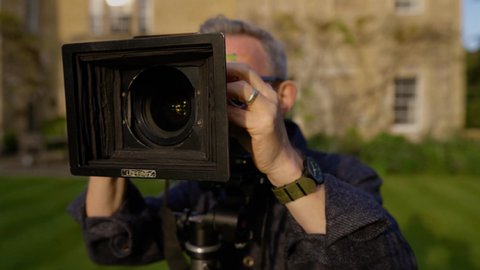
A lens hood is probably one of the most essential parts that will come with your lens, especially when you're working outside. It prevents extraneous light from hitting your lens, which can cause undesired flare or a milky quality to your photographs.
Get the full workbook, video lessons, and more with a Create Academy subscription.
Subscribe to access the full workbookAlready a member? Sign in to watch
491 reviews
Read moreCreate Academy has been such a great resource. I'm in the middle of renovating a bungalow with a very large garden and the courses have offered a wealth of inform...
Harvey
Jun 10, 2026
Absolutely love Create Academy! The instructors are extremely informative, and it is beautifully filmed. Create Academy is great value for money and plan on renew...
SG
May 31, 2026
Butter's creativity is stunning! Her ability to incorporate brilliance in small gardens is magical!
Carla
May 30, 2026
The best adventure. I like all the courses, but my favorite are both Rita Konig interior design courses and Anna Jones. Excellent!
Karolina Kluczewska
May 20, 2026
Create Academy has been such a great resource. I'm in the middle of renovating a bungalow with a very large garden and the courses have offered a wealth of information to dive into and explore new ideas. I'm...
Harvey
Jun 10, 2026
Absolutely love Create Academy! The instructors are extremely informative, and it is beautifully filmed. Create Academy is great value for money and plan on renewing my subscription yearly because there are ...
SG
May 31, 2026
Butter's creativity is stunning! Her ability to incorporate brilliance in small gardens is magical!
Carla
May 30, 2026

Your Instructor
UK's leading garden and landscape photographer. Garden Media Guild 'Photographer of the Year'.
Jason Ingram is an award-winning garden photographer based in Bristol. He travels widely photographing gardens, plants and people for the UK’s leading magazines and provides photography for numerous best selling gardening books by top international garden designers. In 2022, 2021, 2020, 2019, 2014 and 2013 he was awarded ‘Garden Photographer of the Year’ by The Garden Media Guild and ‘Features Photographer of the Year’ in 2019 and 2016. For his personal work, Jason has been photographing the landscape and coastline of Britain for over 25 years, and in 2008 was awarded ‘Landscape Photographer of the Year’ for "Living the View" category. Jason lectures on his work and teaches in-person garden photography courses. His work is held in numerous private collections and he receives regular commissions from HM King Charles III to photograph his private estate at Highgrove, as well as Piet Oudolf’s garden at Hauser & Wirth gallery in Somerset.
Access to all courses


