




Interior and exterior confidence
Create Academy has been such a great resource. I'm in the middle of renovating a bungalow with a very large garden and the courses have offered a wealth of inform...
Harvey
Jun 10, 2026
A Guide to Pigments, Paints & Palettes
with EDWARD BULMER — Award-winning interior designer, architectural historian, paint expert. House & Garden Top 100.
Lesson 5 of 23

Subscribe to watch
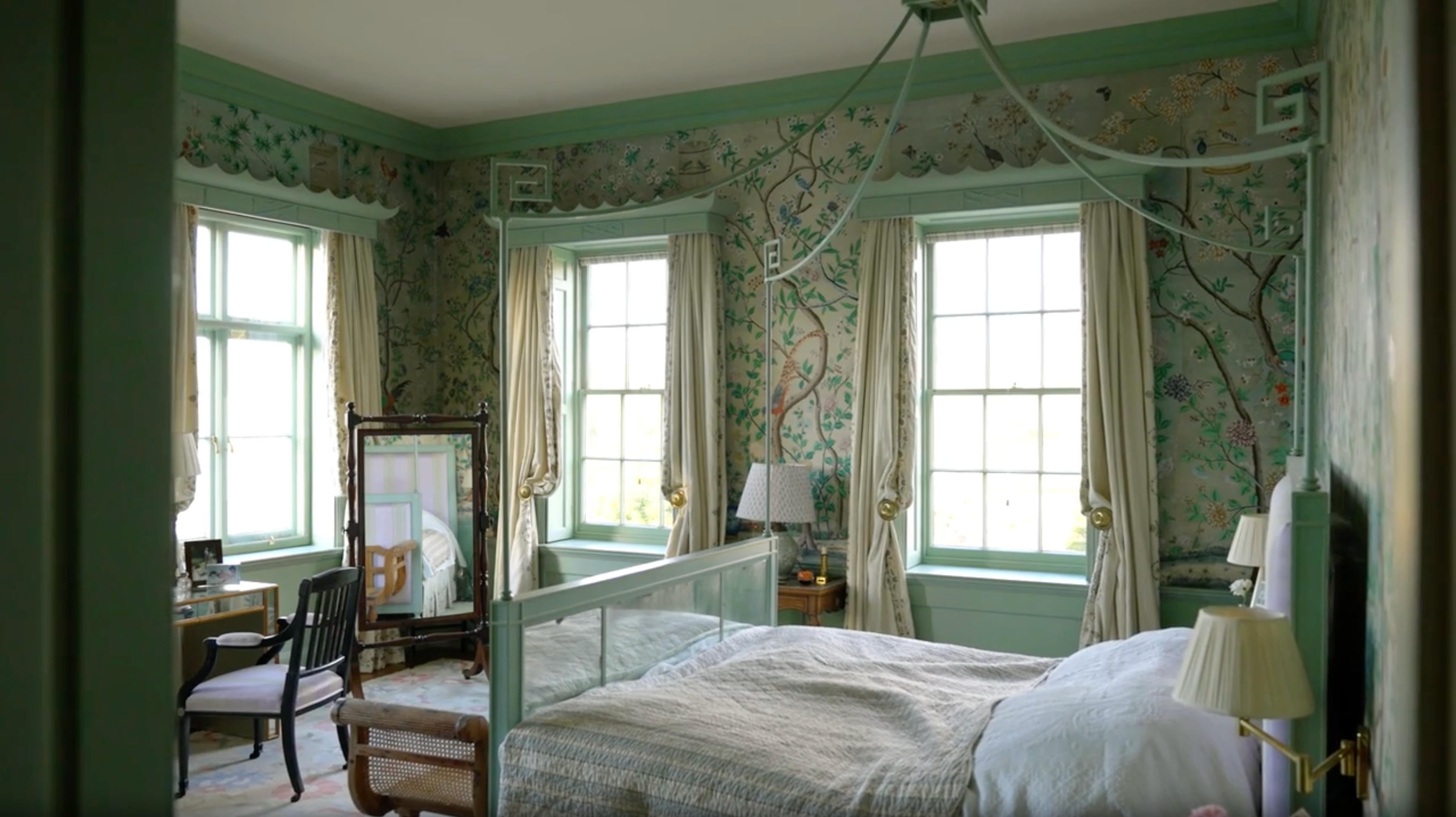
You continue on your journey through the history of colour, with Edward explaining how the availability of the various pigments and materials dictated what colour we used in our homes, and how the memory of those limitations still influences our interiors today.
The way we use colour and paint in our homes has always been somewhat governed by architectural fashions, and it's useful to examine the nuance in this relationship throughout history.
Throughout history, the way buildings are built and what they are built from is largely governed by the availability and affordability of the materials. Just like colour, this means architecture also became representative of social status, with marble and stone used in only the most expensive properties. Wattle and daub was a more widespread method of building walls, with the use of timber and concrete coming later.
Panelling became a popular way to create the interior of a room, and disguise the outer structure - particularly if it was unsightly. The practice of painting the panelling with lead white was predominantly a means of protecting the wood it was made from, and also gave rise to the preference of its aesthetic.
As we progressed out of the panelling period - largely due to the expense of wood - lime plaster renders began to be used much more widely in the 18th century and provided a smooth surface on which to decorate. Interestingly, we continued to use timber but on a much smaller scale. It was applied in areas that were susceptible to wear and tear, and as a result, skirting boards and chair rails were introduced.
Plaster render was a much easier surface to apply paint, and although pigments were still expensive, pale and mid-toned colour began to creep slowly into interiors in the mid-18th century. Strong colour was largely introduced through textiles and wallpaper, and only really seen in the most affluent of houses.
Get the full workbook, video lessons, and more with a Create Academy subscription.
Subscribe to access the full workbookAlready a member? Sign in to watch
491 reviews
Read moreCreate Academy has been such a great resource. I'm in the middle of renovating a bungalow with a very large garden and the courses have offered a wealth of inform...
Harvey
Jun 10, 2026
Absolutely love Create Academy! The instructors are extremely informative, and it is beautifully filmed. Create Academy is great value for money and plan on renew...
SG
May 31, 2026
Butter's creativity is stunning! Her ability to incorporate brilliance in small gardens is magical!
Carla
May 30, 2026
The best adventure. I like all the courses, but my favorite are both Rita Konig interior design courses and Anna Jones. Excellent!
Karolina Kluczewska
May 20, 2026
Create Academy has been such a great resource. I'm in the middle of renovating a bungalow with a very large garden and the courses have offered a wealth of information to dive into and explore new ideas. I'm...
Harvey
Jun 10, 2026
Absolutely love Create Academy! The instructors are extremely informative, and it is beautifully filmed. Create Academy is great value for money and plan on renewing my subscription yearly because there are ...
SG
May 31, 2026
Butter's creativity is stunning! Her ability to incorporate brilliance in small gardens is magical!
Carla
May 30, 2026

Your Instructor
Award-winning interior designer, architectural historian, paint expert. House & Garden Top 100.
Edward Bulmer is one of the UK’s leading interior designers and architectural historians, specialising in the restoration and decoration of historic buildings. After studying History of Art at university, Edward trained under legendary designer David Mlinaric CBE, as well as working for Alec Cobbe, and Gervase Jackson-Stops OBE, who was architectural advisor to the National Trust. Alongside running his own paint company, Edward Bulmer Natural Paint, Edward has led a highly successful design team for over 30 years, working on some of England’s greatest country houses as well as a range of private and commercial projects including Goodwood, the Tower of London, Chequers and the Arts Club.
Access to all courses


