




Interior and exterior confidence
Create Academy has been such a great resource. I'm in the middle of renovating a bungalow with a very large garden and the courses have offered a wealth of inform...
Harvey
Jun 10, 2026
A Guide to Pigments, Paints & Palettes
with EDWARD BULMER — Award-winning interior designer, architectural historian, paint expert. House & Garden Top 100.
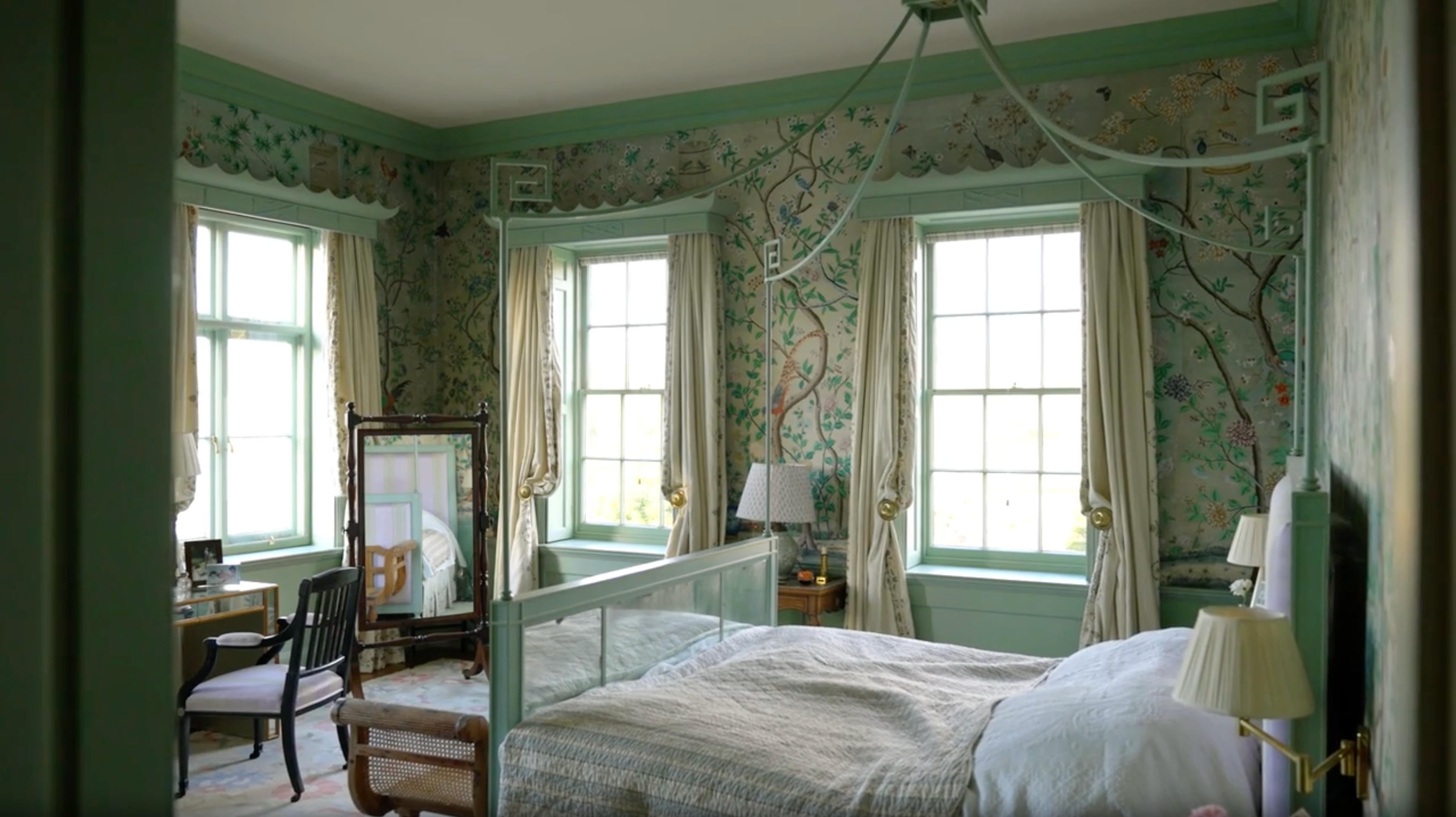
Edward breaks down his two-step approach to choosing colour for your project: start with a particular feature of your building (a fireplace, an existing colour, a timber beam); and break down your rooms into two basic types. Edward also shares how best to approach your ceilings.
Choosing colour can be daunting, but in the first instance, I recommend following the two-step approach below to guide your initial decisions.
There are many practical considerations to take into account when choosing colour, and this lesson will take you through each step to work out the best palette for your room.
Most rooms are made up of a combination of different materials.
Generally speaking, you will require two types of paint to cover the elements typically found in a room.
Water based eggshell paint - Best for timber - Skirting, chair rails and architraves
Water based emulsion paint - Best for plaster - Skirting, chair rails, architraves
In the past, ceilings were painted using a soft distemper as it was cheap and easy to apply. Before the advent of electricity, light was obtained from candles or oil lamps which gave off a lot of smoke that subsequently rose to the ceiling and discoloured it. This meant they had to be repainted frequently and soft distemper was favoured due to its affordability and its ability to be simply washed off and repainted.
Soft distempers would have been based on lime or chalk, giving them a white hue, and the practice of decorating ceilings white has continued - although we now commonly use emulsion paint.
As well as keeping up with tradition, white ceilings are good for a couple of reasons. White paint remains relatively cheap, and white ceilings also reflect a lot of light into a room.
That said, there is no hard and fast rule that says you can't paint your ceiling a different colour. The same considerations of tonality, weight and temperature apply. A heavier colour will bring the ceiling down for an intimate feel, whereas a lighter colour will open it up. Make sure it is also a complementary colour to your walls to avoid an imbalance.
Using the same colour across the walls and the ceilings is another option, and ticks all the boxes.
Get the full workbook, video lessons, and more with a Create Academy subscription.
Subscribe to access the full workbookAlready a member? Sign in to watch
Sign up or log in to keep watching
By continuing, you agree to our Terms of Use and Privacy Policy.
491 reviews
Read moreCreate Academy has been such a great resource. I'm in the middle of renovating a bungalow with a very large garden and the courses have offered a wealth of inform...
Harvey
Jun 10, 2026
Absolutely love Create Academy! The instructors are extremely informative, and it is beautifully filmed. Create Academy is great value for money and plan on renew...
SG
May 31, 2026
Butter's creativity is stunning! Her ability to incorporate brilliance in small gardens is magical!
Carla
May 30, 2026
The best adventure. I like all the courses, but my favorite are both Rita Konig interior design courses and Anna Jones. Excellent!
Karolina Kluczewska
May 20, 2026
Create Academy has been such a great resource. I'm in the middle of renovating a bungalow with a very large garden and the courses have offered a wealth of information to dive into and explore new ideas. I'm...
Harvey
Jun 10, 2026
Absolutely love Create Academy! The instructors are extremely informative, and it is beautifully filmed. Create Academy is great value for money and plan on renewing my subscription yearly because there are ...
SG
May 31, 2026
Butter's creativity is stunning! Her ability to incorporate brilliance in small gardens is magical!
Carla
May 30, 2026

Your Instructor
Award-winning interior designer, architectural historian, paint expert. House & Garden Top 100.
Edward Bulmer is one of the UK’s leading interior designers and architectural historians, specialising in the restoration and decoration of historic buildings. After studying History of Art at university, Edward trained under legendary designer David Mlinaric CBE, as well as working for Alec Cobbe, and Gervase Jackson-Stops OBE, who was architectural advisor to the National Trust. Alongside running his own paint company, Edward Bulmer Natural Paint, Edward has led a highly successful design team for over 30 years, working on some of England’s greatest country houses as well as a range of private and commercial projects including Goodwood, the Tower of London, Chequers and the Arts Club.

Access to all courses


