

Interior and exterior confidence
Create Academy has been such a great resource. I'm in the middle of renovating a bungalow with a very large garden and the courses have offered a wealth of inform...
Harvey
Jun 10, 2026
The Fundamentals of Garden Design
with JO THOMPSON — A distinguished British garden designer and plantswoman
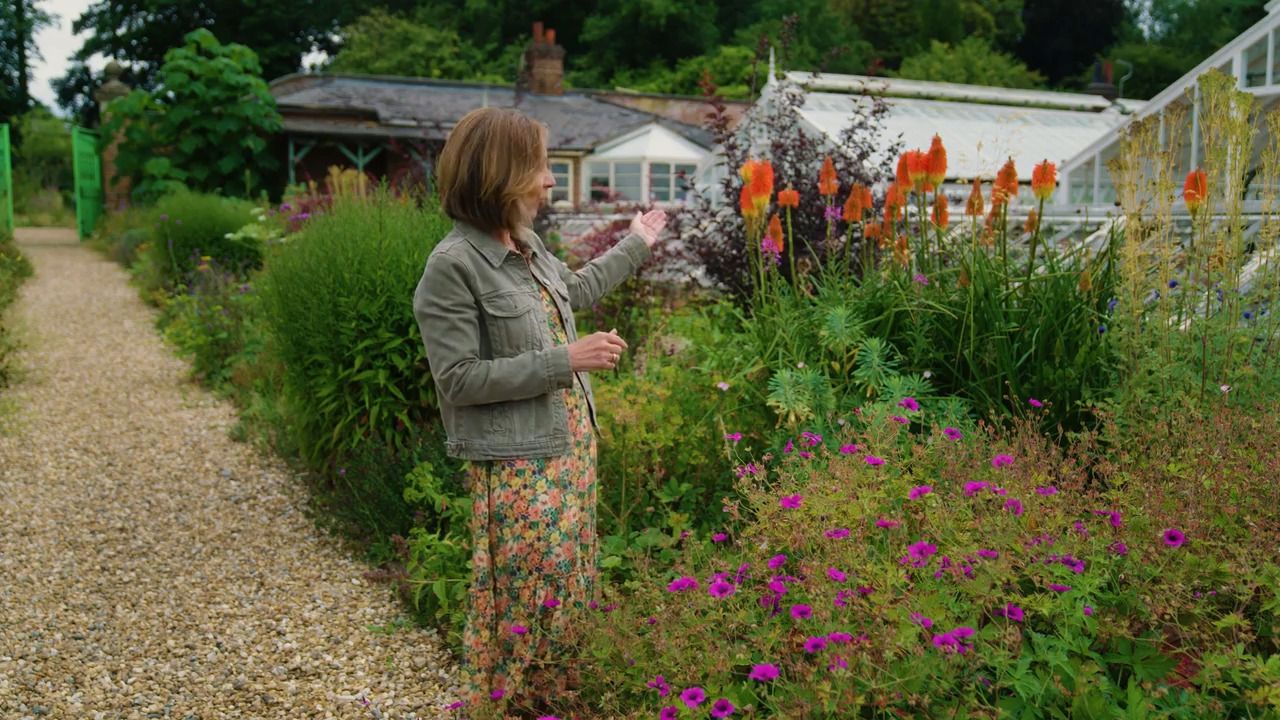
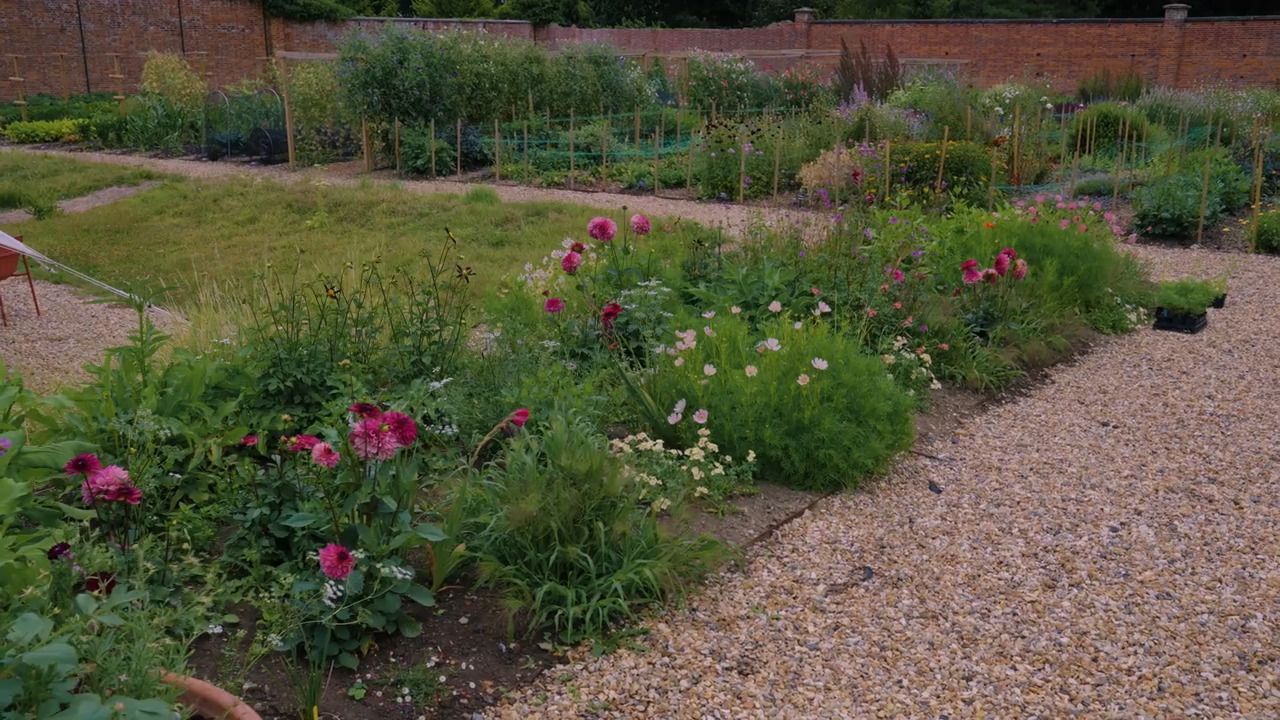
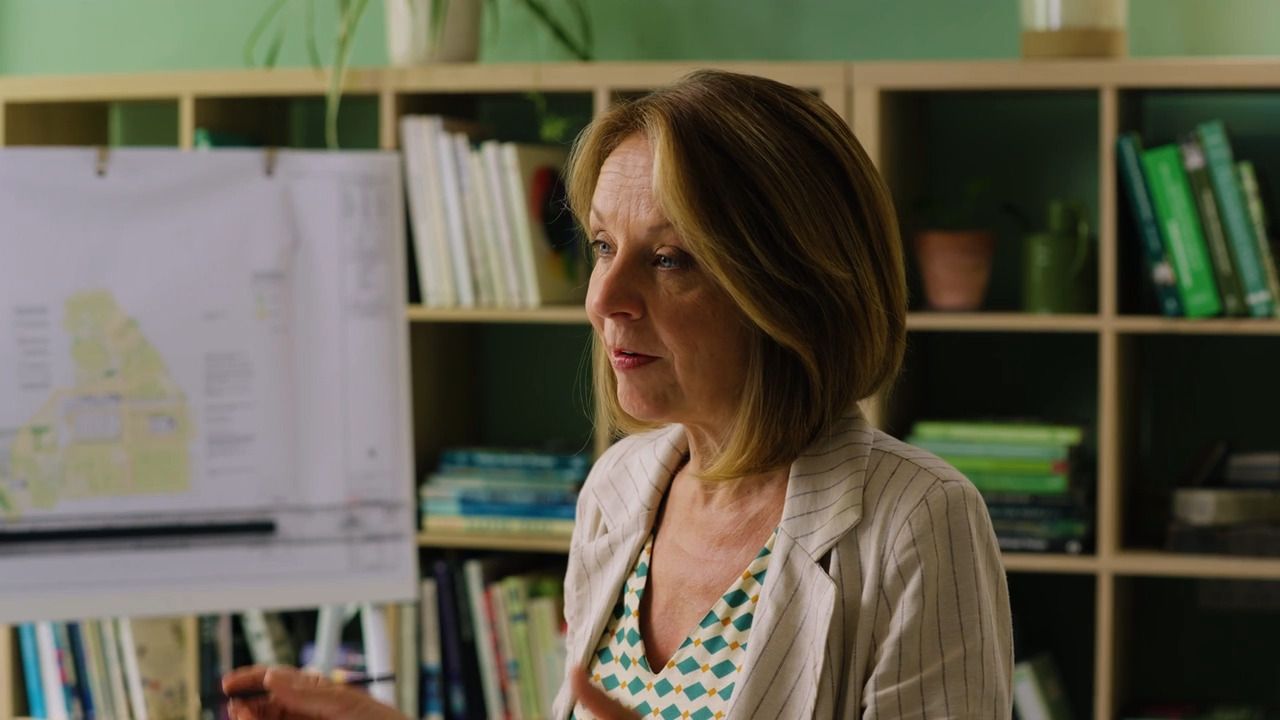
In this lesson Jo takes you through the design process for a past project in London, exploring how to divide up your garden and start to populate the areas, as well as some tips around hedging, terraces and making the most of a small space.
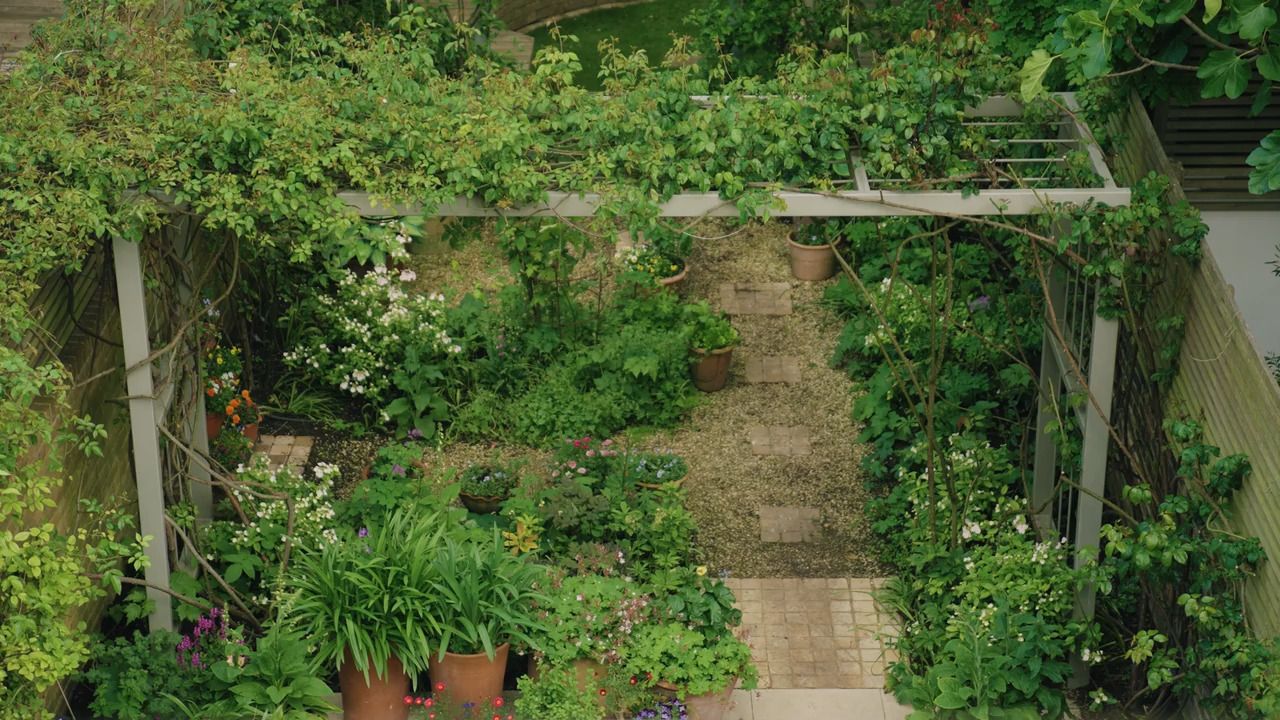
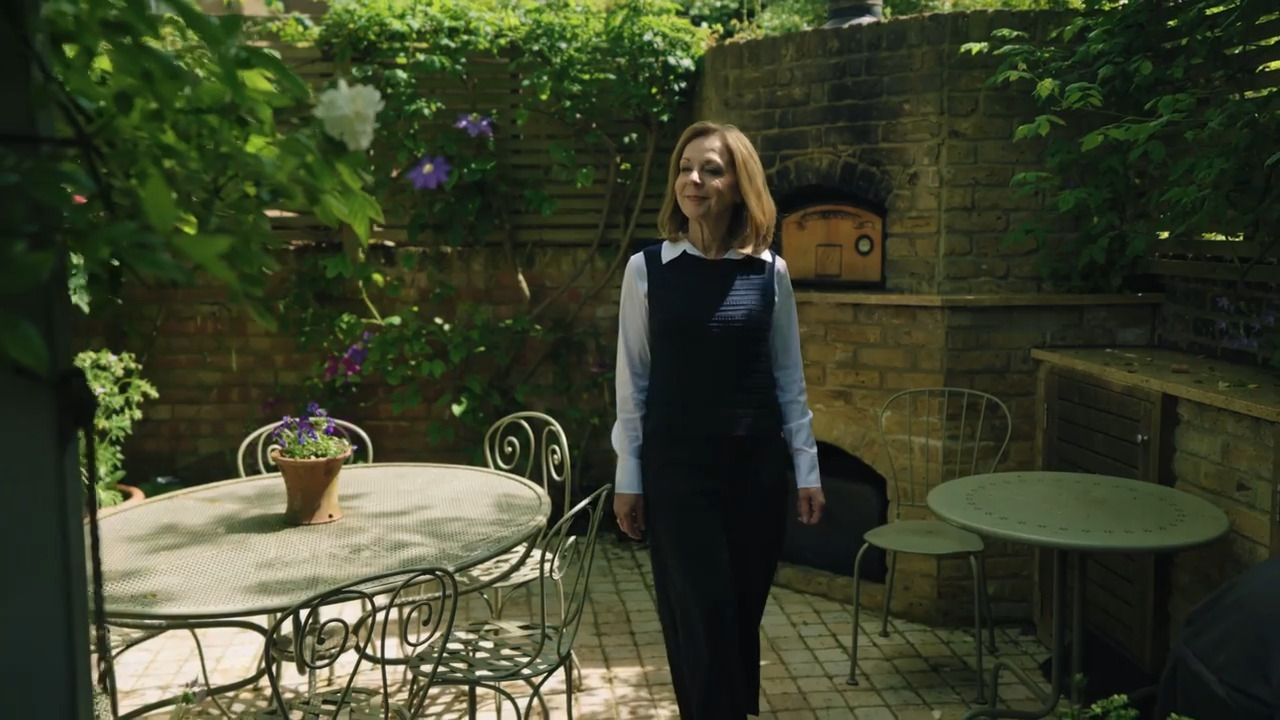
Going back to the garden I designed for the family in London, we'll go through how to divide up your garden and start to populate the areas, as well as some tips around hedging, terraces and making the most of a small space.
In this garden, the brief seemed tricky:
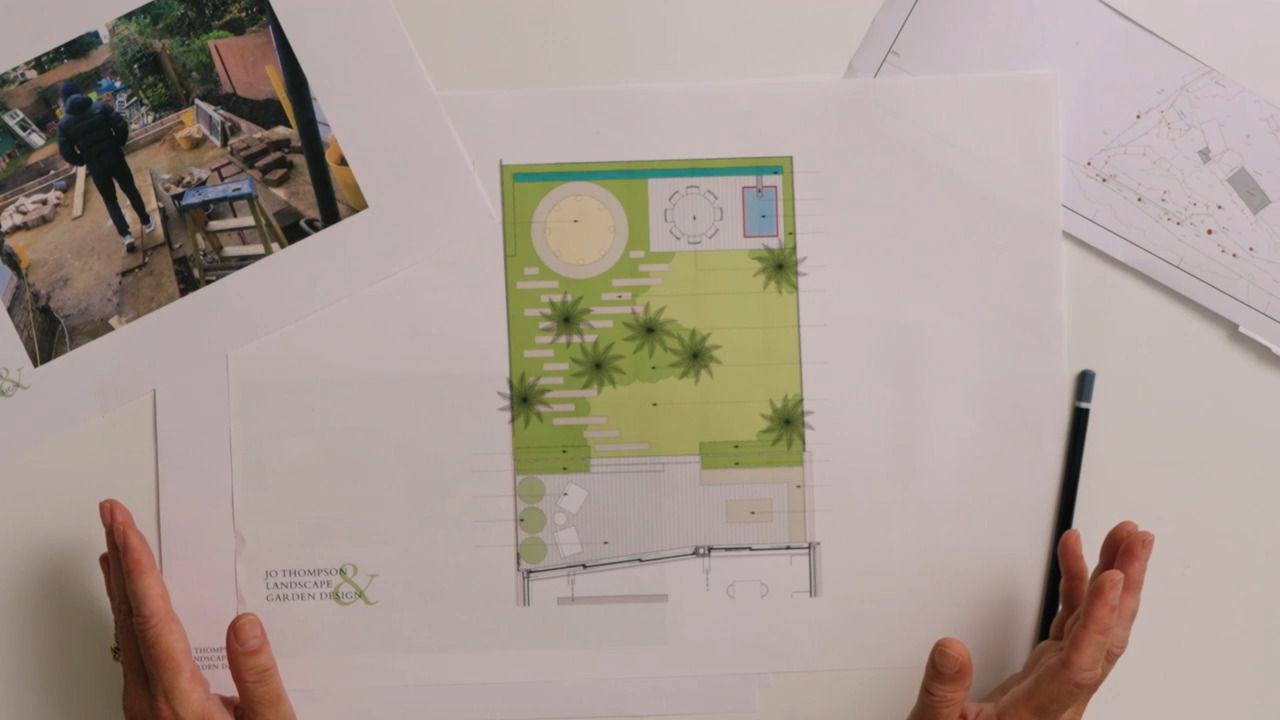
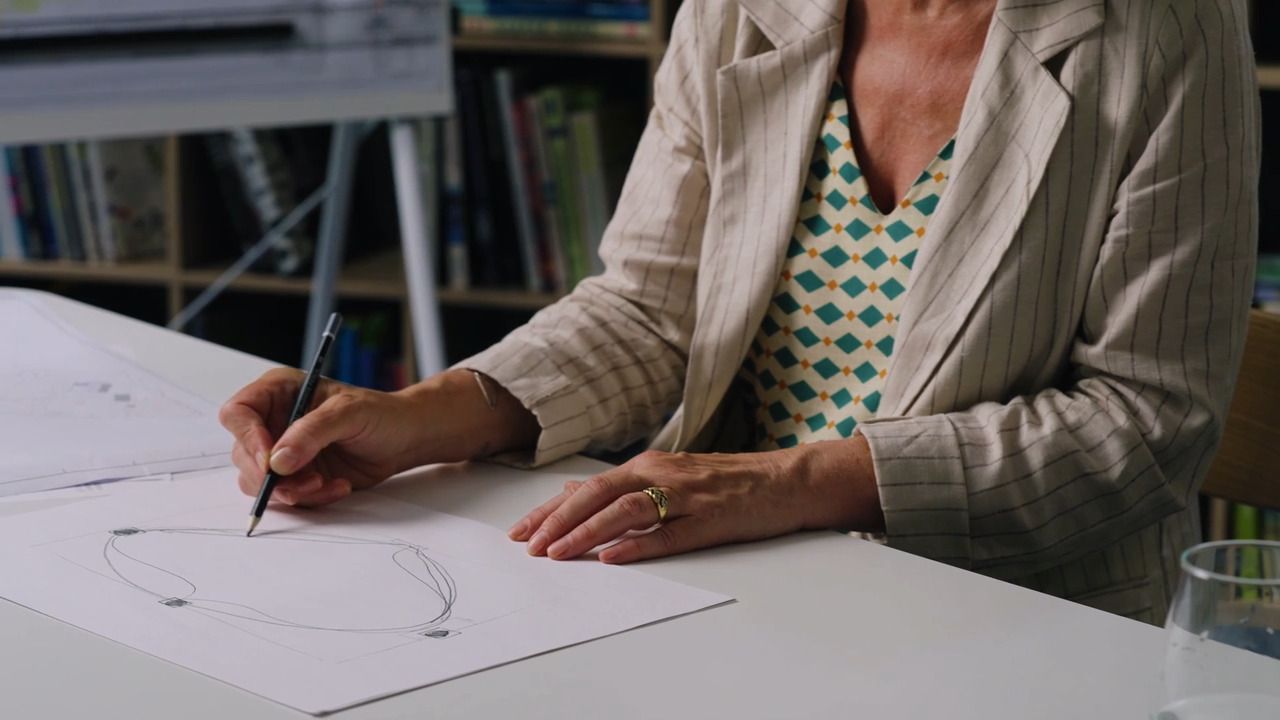
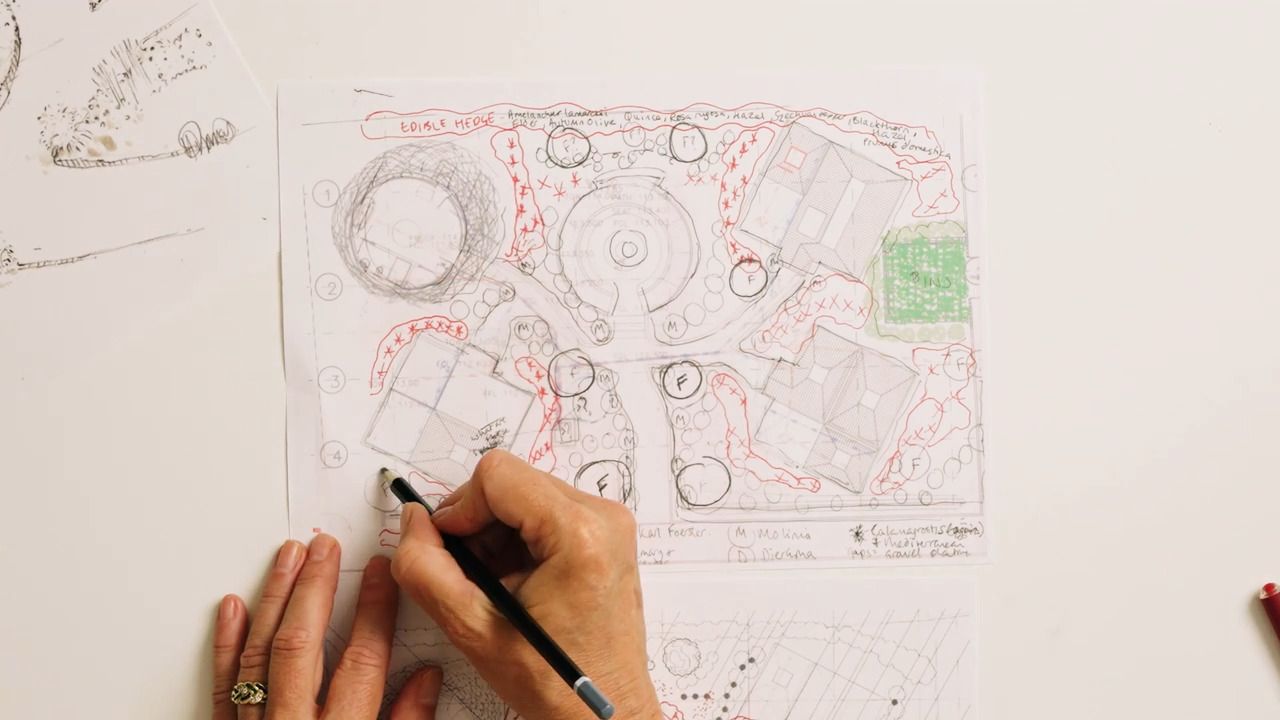
First, get the outline plan down onto paper and start analysing the spaces you need.
Make it as simple for yourself as possible – divide your garden into three or four areas, then give each area a function. Then start to fill in the gaps.
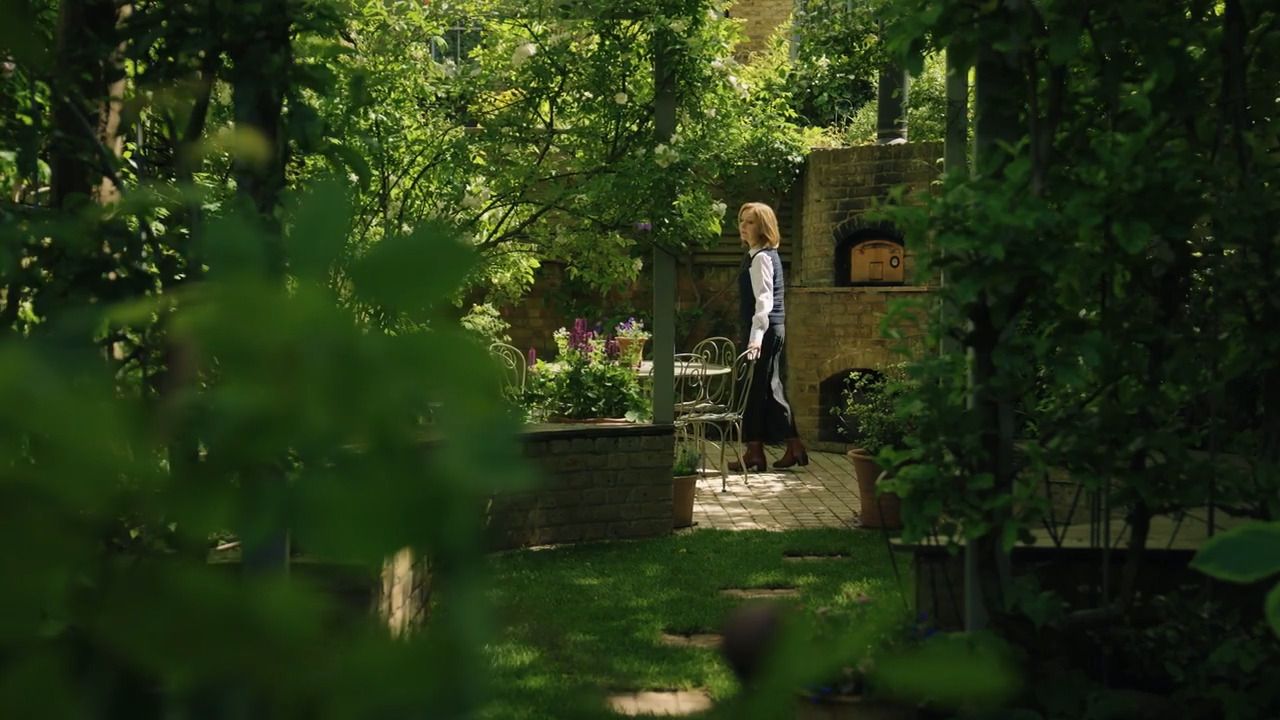
As you go down this garden for example, you go from an entertaining area, through plants, through a social seating area to the big event at the end, which is the pizza oven.
Staggered hedges work well for narrow gardens:
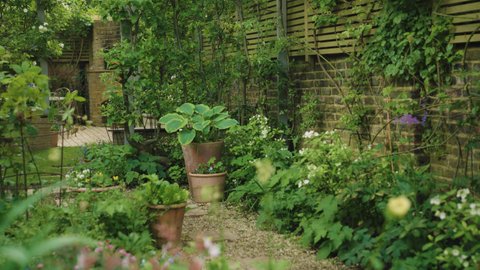
When looking out from the ground floor, you may want to see plants, so create planting beds close to the terrace outside the door.
There's a great trick for deciding on the length of your terrace:
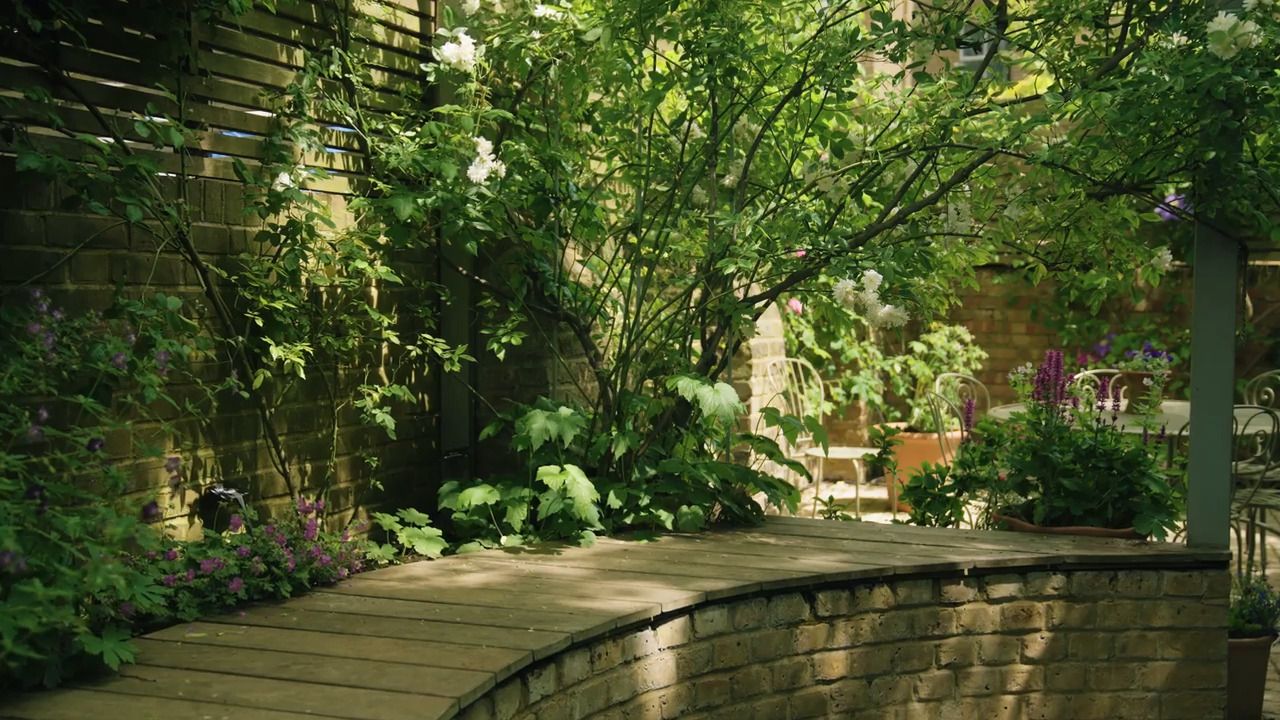
The terrace in the rose garden isn't huge, but it has enough space for chairs, tables and some pots - everything you need.
Beyond the initial terrace is a planting area. I always want a space to sit among the planting, so I place a bench on one or both sides.
Stand back and look at the area as a whole:
Then start creating paths through – the main route through the garden, and any detours to go off through the planting or to a seat.
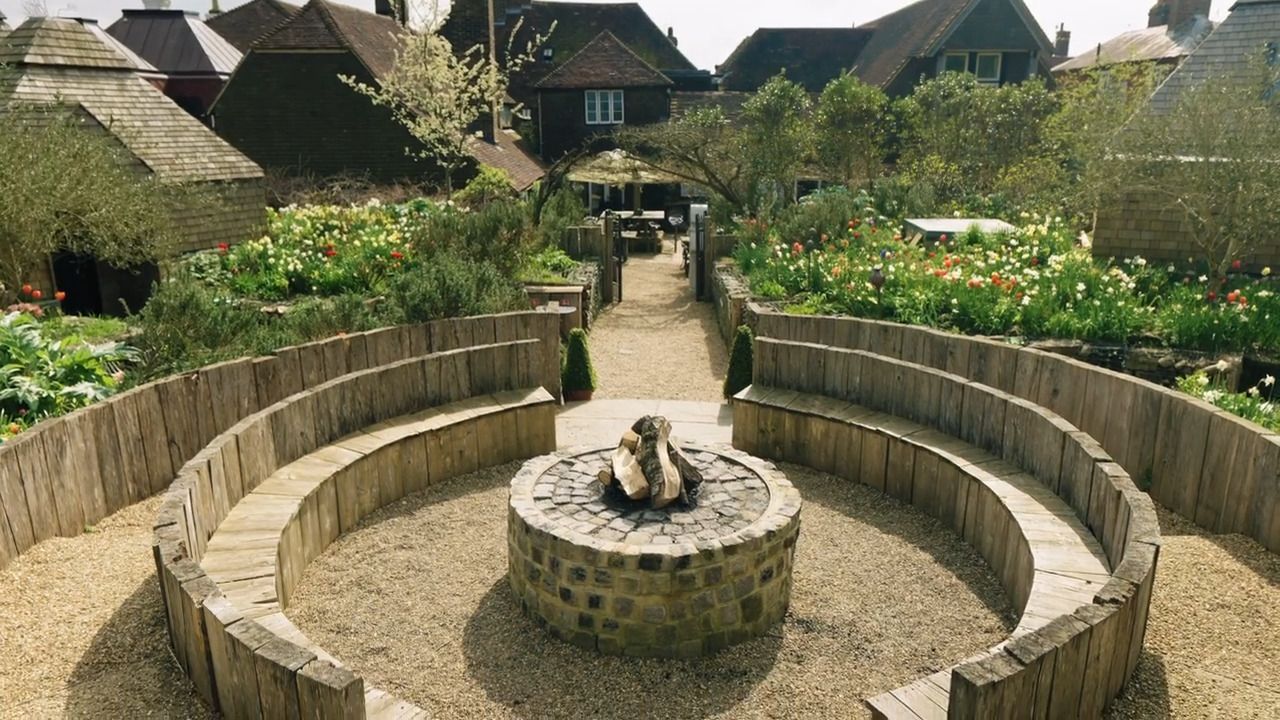
This is the third area. I used two curved seats on either side surrounded by planting.
In the final area there's the pizza oven, a table and chairs, and bar-height worktops against the walls to put cooking tools, a glass etc. to make it as comfortable and practical as possible.
This is the fourth area, where we installed the pizza oven and have enough seating for 8 to 10 people. We also used slightly smaller paving stones to give a different feel.
Always look up and use vertical space – walls, overhead structures.
Below is a summary of the step-by-step process to get a design to a place that serves the people who will use it.
Clematis species and cultivars
Clematis
Mostly hardy or half-hardy, deciduous or evergreen climbers; some are shrubs or herbaceous perennials
Ranunculaceae
Rosa species, hybrids and cultivars
Roses
Hardy deciduous or semi-evergreen shrubs or scrambling climbers
Rosaceae
Get the full workbook, video lessons, and more with a Create Academy subscription.
Subscribe to access the full workbookAlready a member? Sign in to watch
Sign up or log in to keep watching
By continuing, you agree to our Terms of Use and Privacy Policy.
491 reviews
Read moreCreate Academy has been such a great resource. I'm in the middle of renovating a bungalow with a very large garden and the courses have offered a wealth of inform...
Harvey
Jun 10, 2026
Absolutely love Create Academy! The instructors are extremely informative, and it is beautifully filmed. Create Academy is great value for money and plan on renew...
SG
May 31, 2026
Butter's creativity is stunning! Her ability to incorporate brilliance in small gardens is magical!
Carla
May 30, 2026
The best adventure. I like all the courses, but my favorite are both Rita Konig interior design courses and Anna Jones. Excellent!
Karolina Kluczewska
May 20, 2026
Create Academy has been such a great resource. I'm in the middle of renovating a bungalow with a very large garden and the courses have offered a wealth of information to dive into and explore new ideas. I'm...
Harvey
Jun 10, 2026
Absolutely love Create Academy! The instructors are extremely informative, and it is beautifully filmed. Create Academy is great value for money and plan on renewing my subscription yearly because there are ...
SG
May 31, 2026
Butter's creativity is stunning! Her ability to incorporate brilliance in small gardens is magical!
Carla
May 30, 2026

Your Instructor
A distinguished British garden designer and plantswoman
Jo Thompson is a distinguished British garden designer and plantswoman, who has garnered widespread acclaim and recognition for her exceptional expertise in horticulture. Jo is the winner of four Gold and five Silver Gilt medals from the RHS Chelsea Flower Show, as well as the coveted People's Choice award at the RHS Chatsworth Flower Show in 2017. As a member of the RHS Gardens Committee and Garden Advisor for RHS Rosemoor, and an RHS Shows Judge, Jo plays a significant role in shaping the horticultural landscape. She gives regular lectures on her work, including tutoring at The London College of Garden Design, and is a Fellow of the Landscape Institute and a Registered Member of the Society of Garden Designers. Jo is also the author of two books - The New Romantic Garden and The Gardener’s Palette.
Access to all courses


