








Interior and exterior confidence
Create Academy has been such a great resource. I'm in the middle of renovating a bungalow with a very large garden and the courses have offered a wealth of inform...
Harvey
Jun 10, 2026
Cut and Come Again Masterclass
with SARAH RAVEN — Acclaimed English gardener, cook and writer. Host of the UK’s No.1 gardening podcast.
Lesson 8 of 48
Subscribe to watch
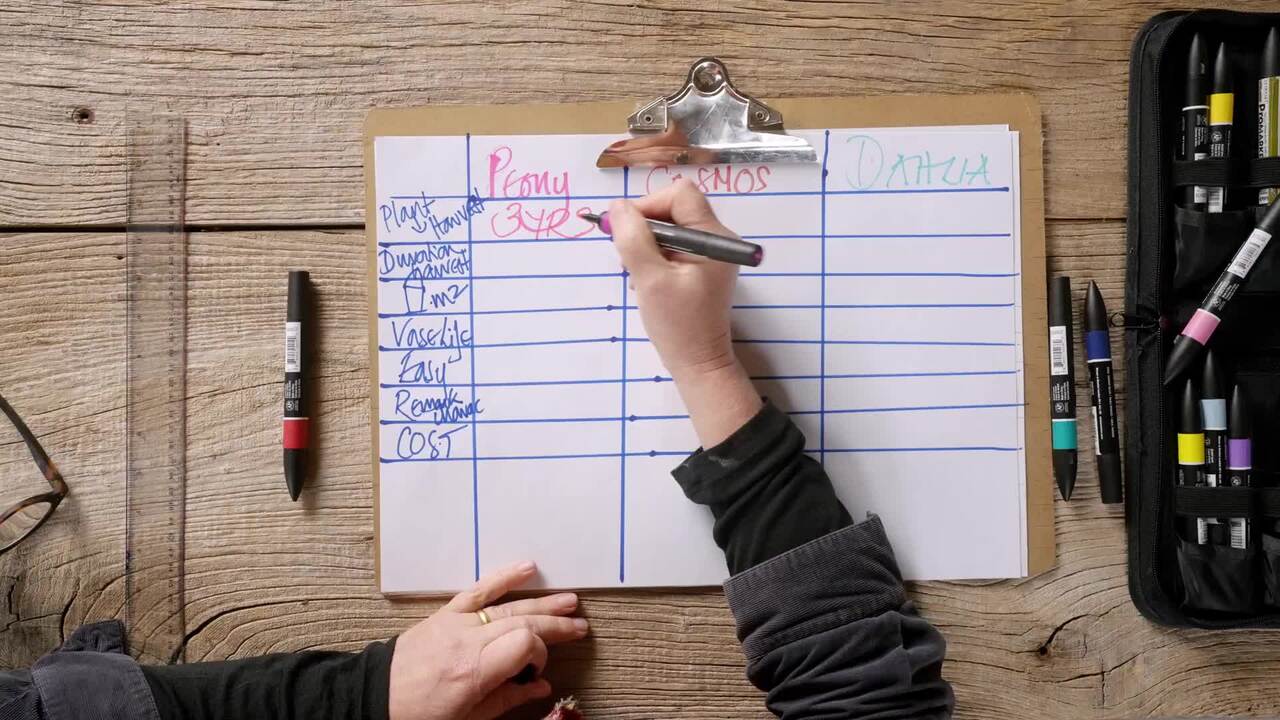
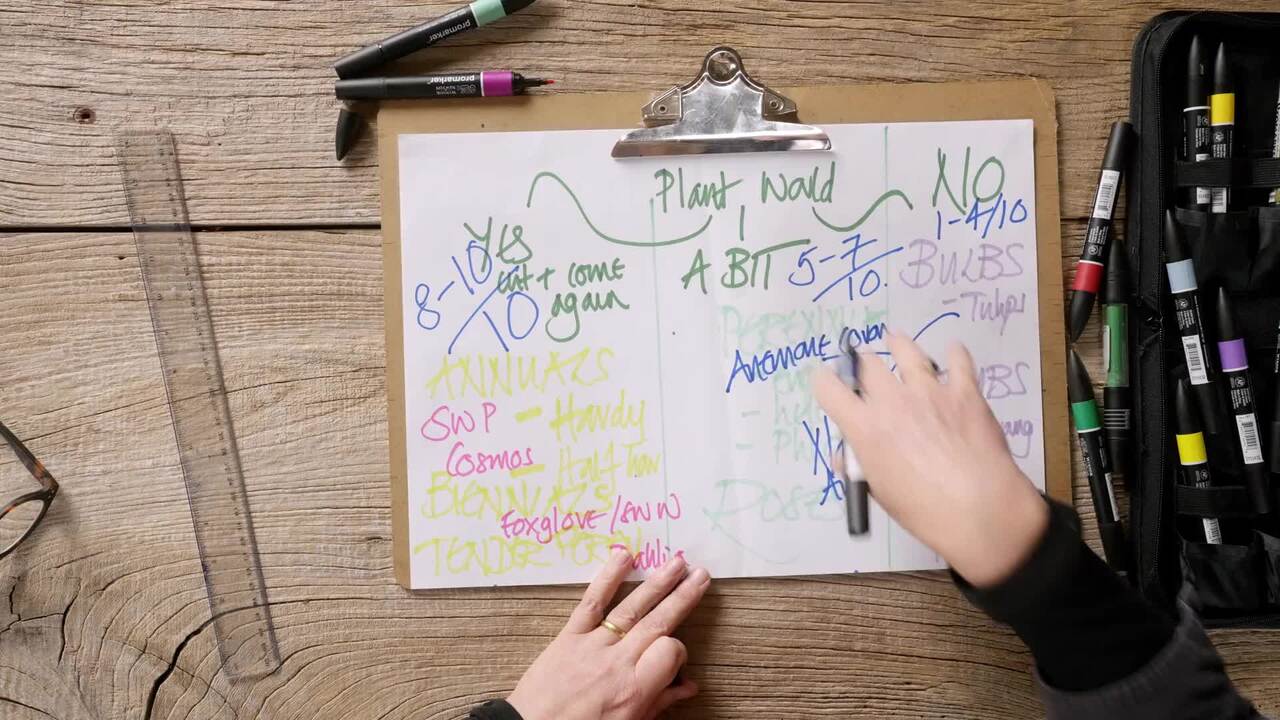
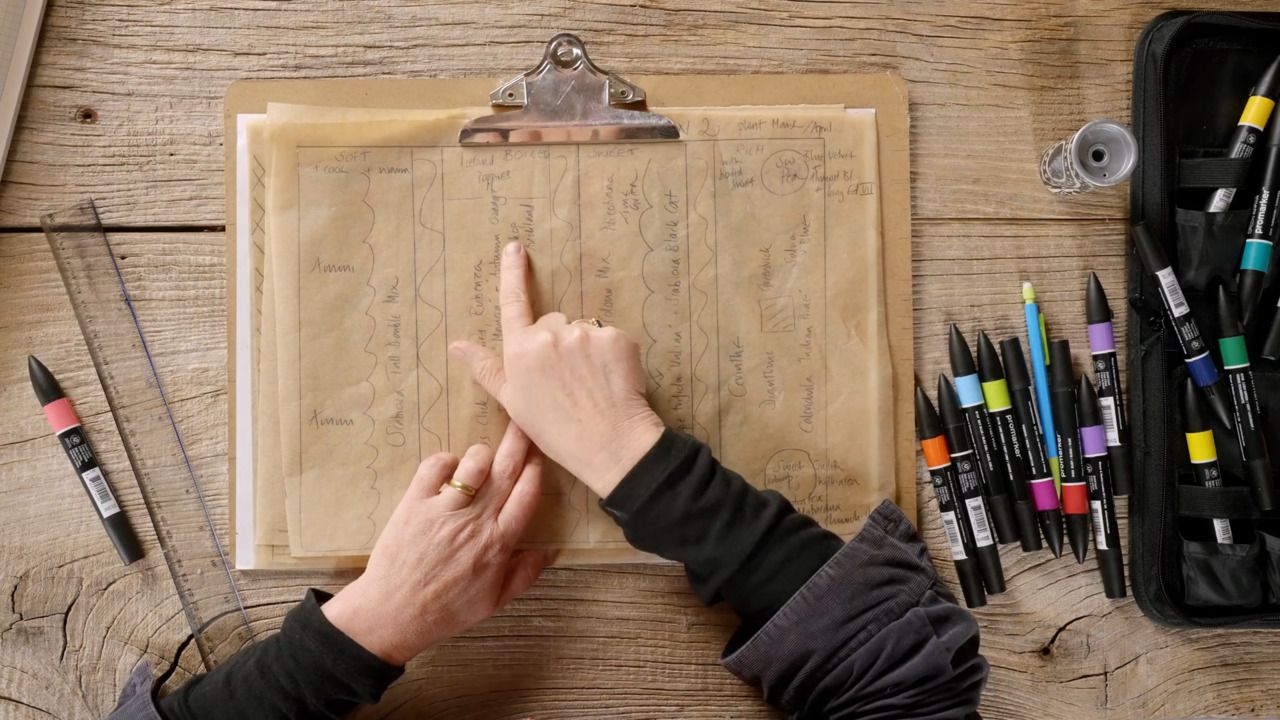
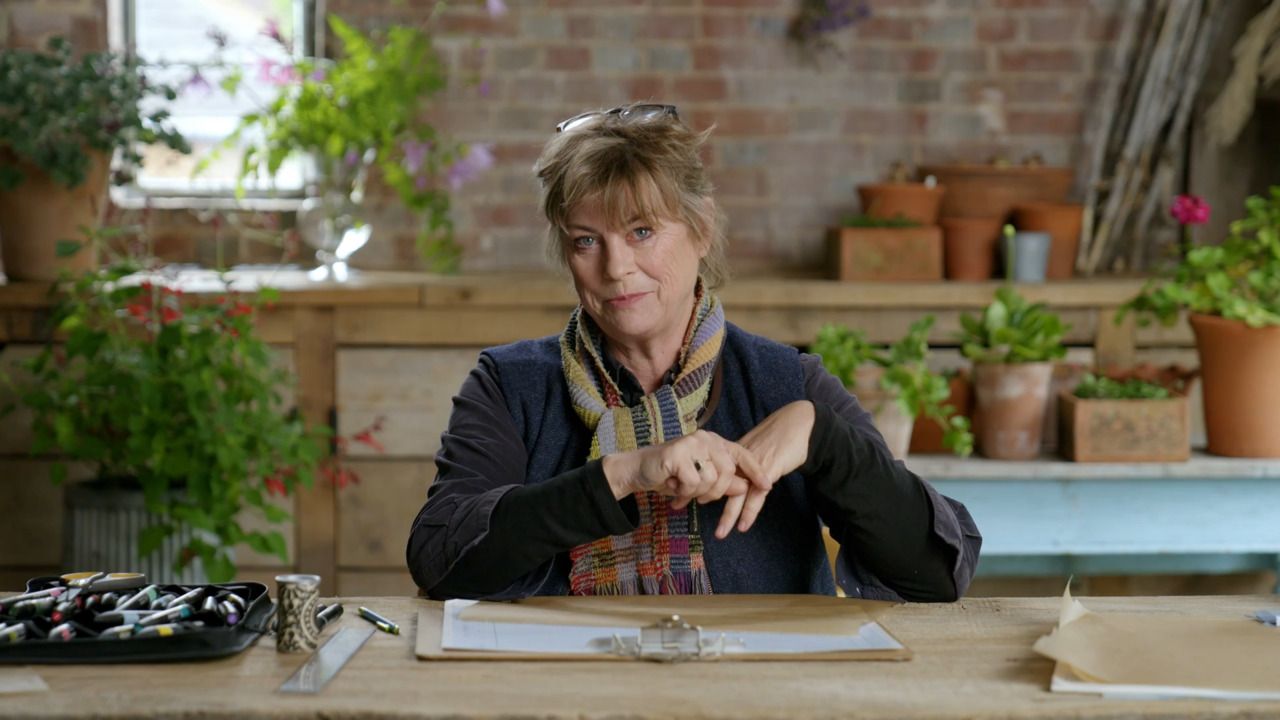
Let Sarah guide you through her planting plans and explain how she plots out her growing year over five seasons. For season one Sarah reveals her list of the most perennial tulips.
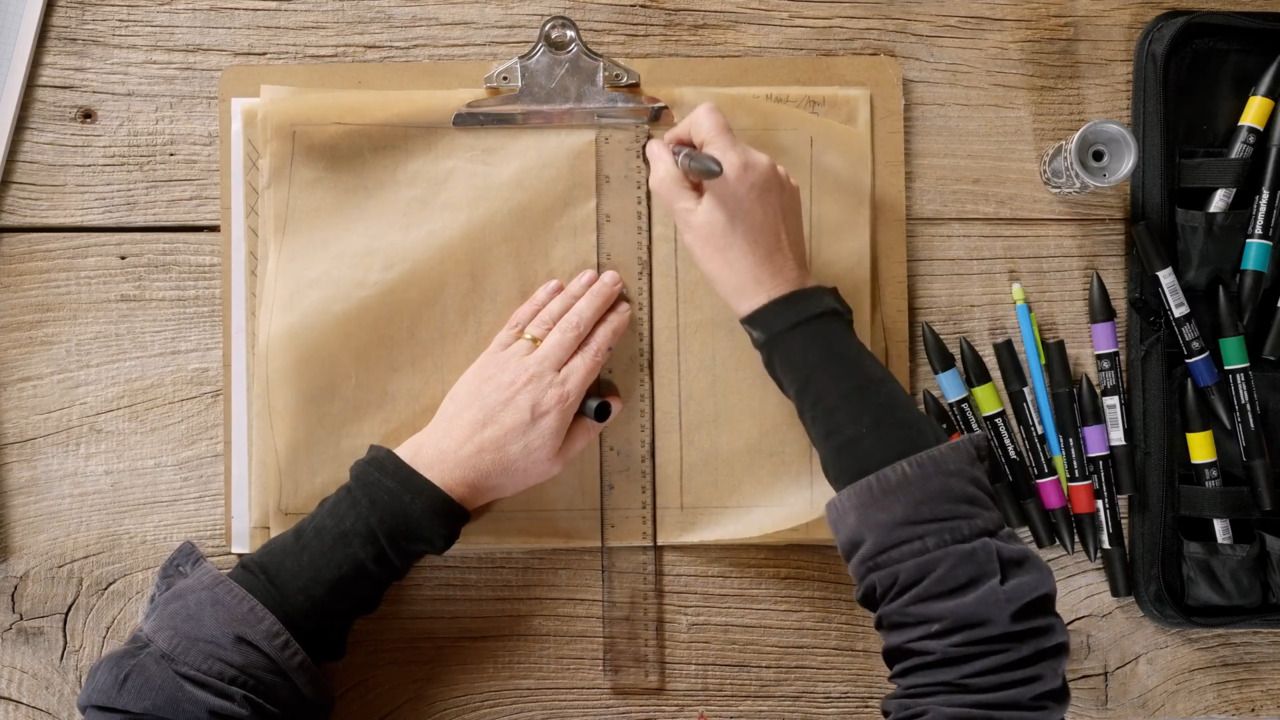
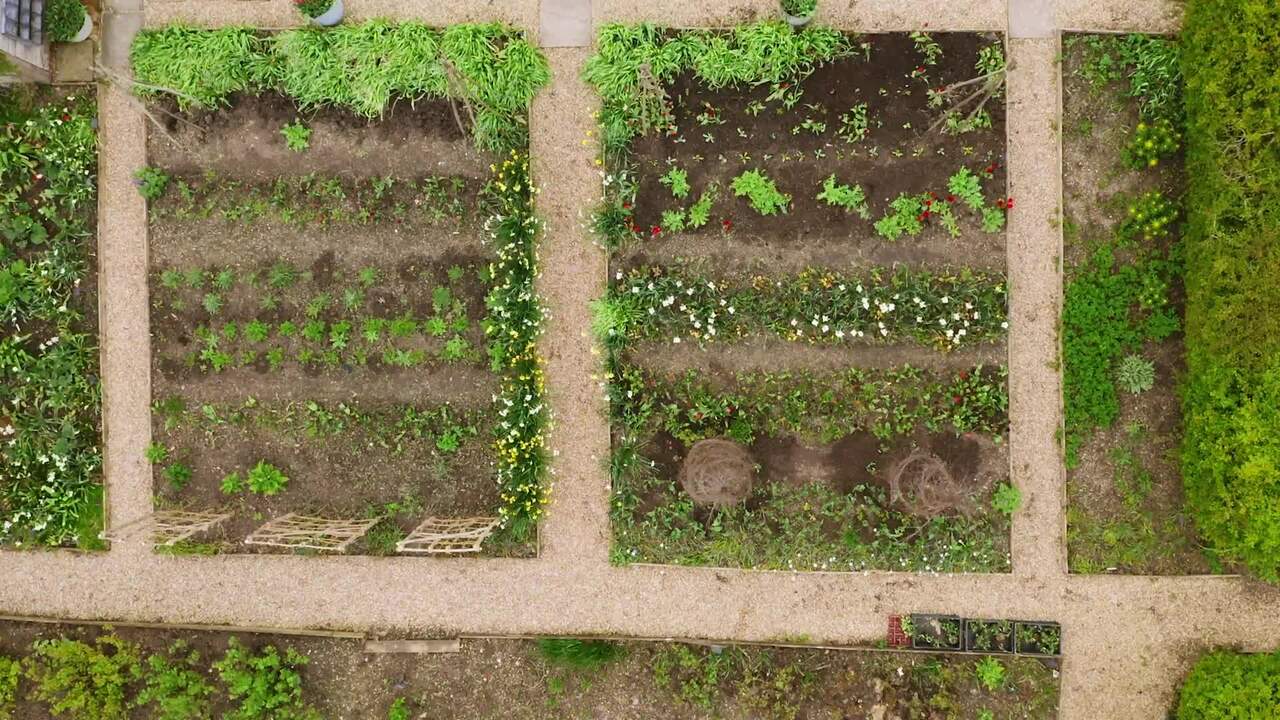
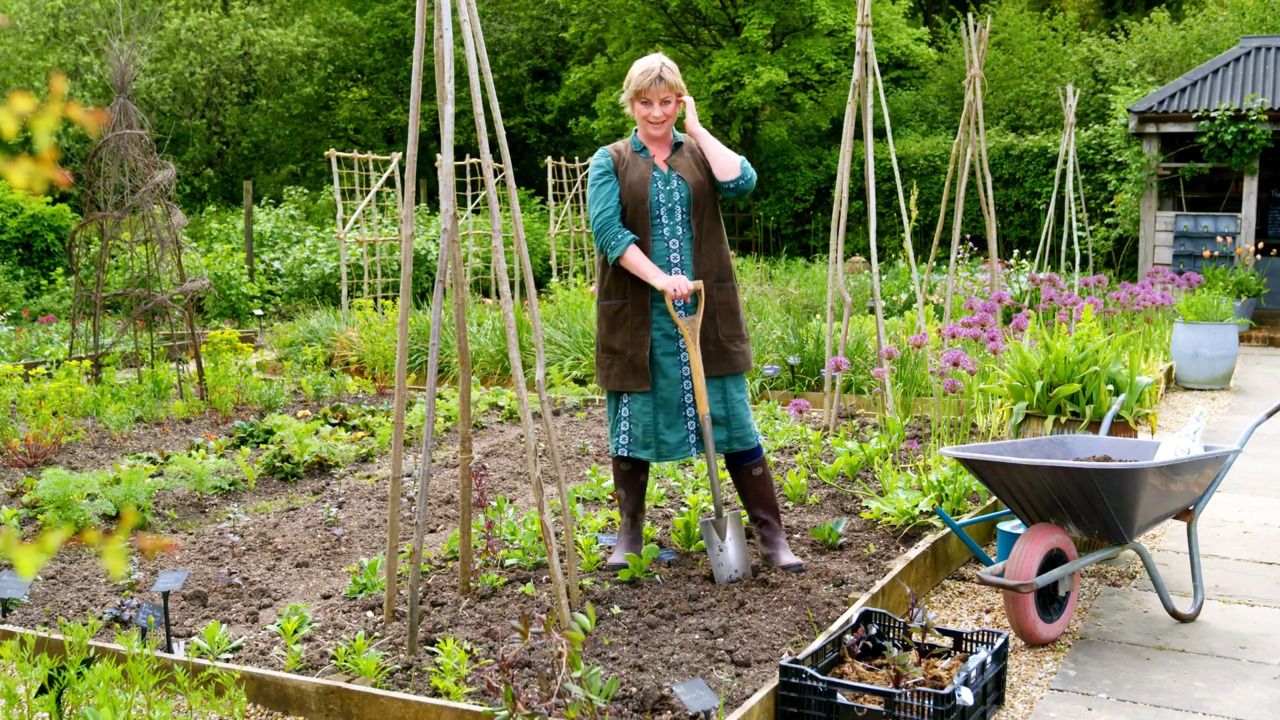
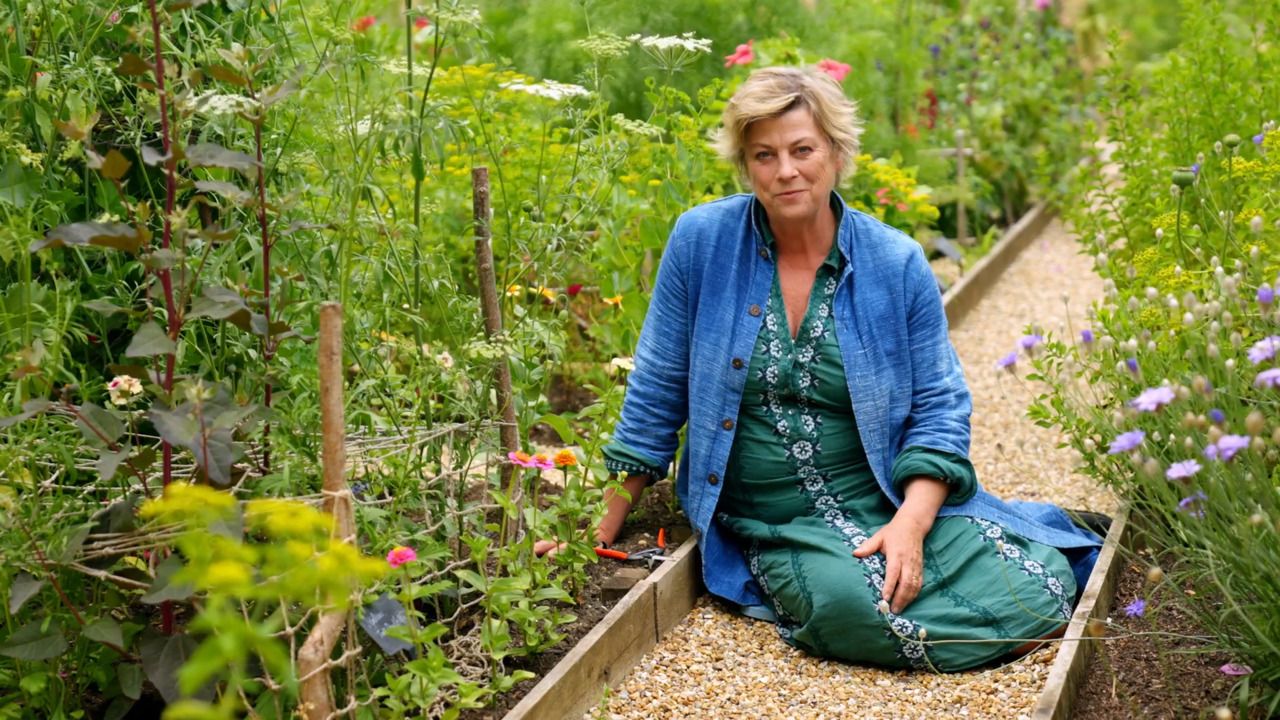
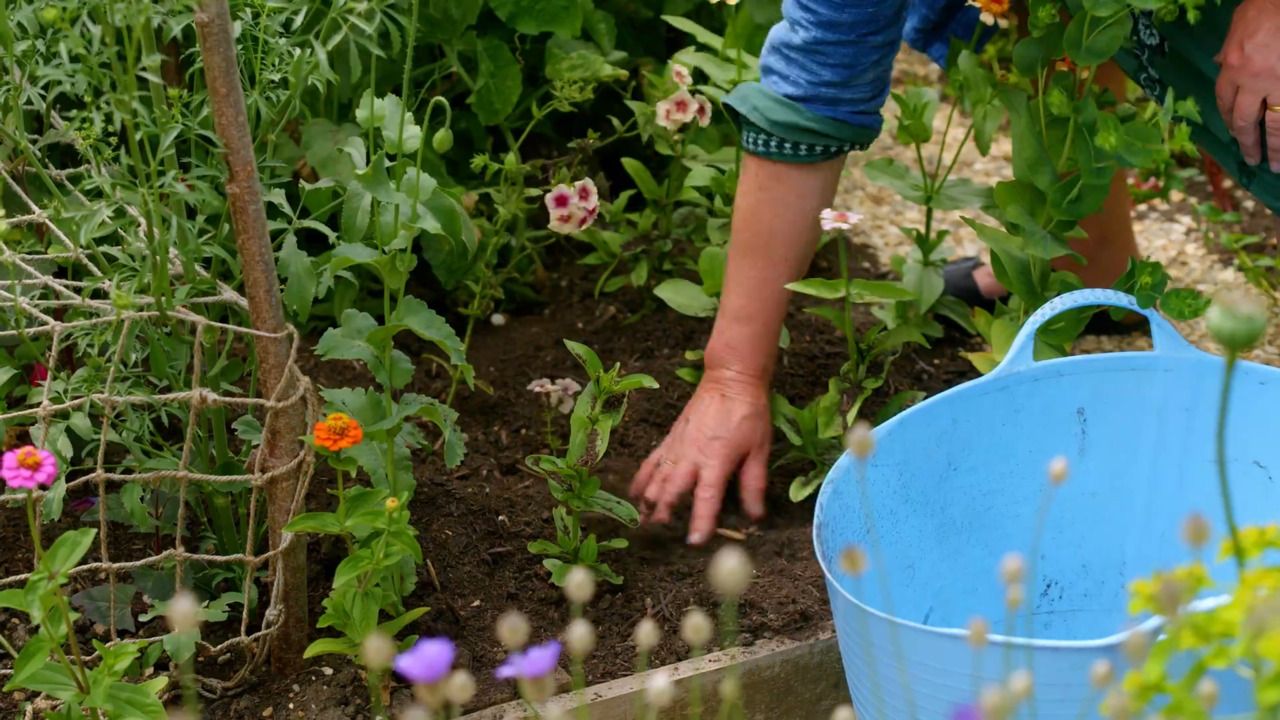
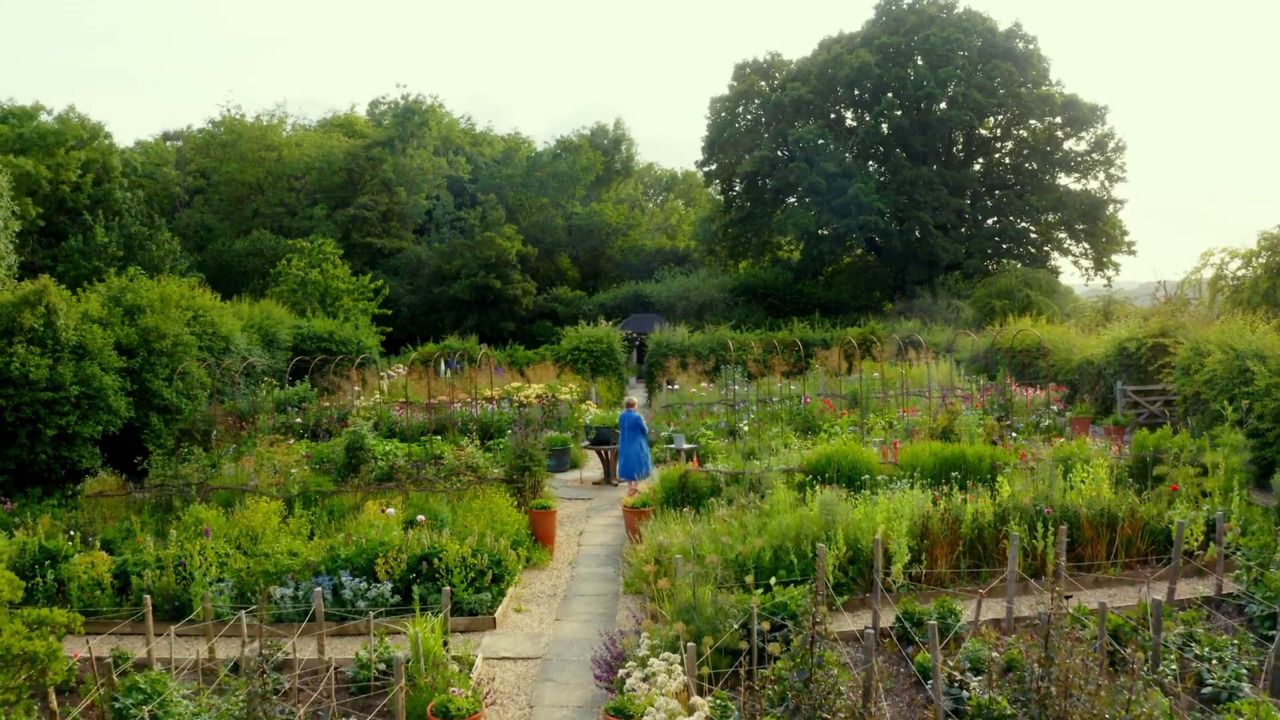
After drawing the plot onto tracing paper, I need to consider the paths and how to ensure I can reach all of the flowers.
The simplest way to do this is to measure the length of your arm. If you are able to have paths on either side of your bed, then the bed can be the width of double your arm length. If you are only able to have one path, then the bed can be as wide as just one of your arms.
Putting a stepping stone within your bed is also a great idea if you really want to maximise your space, as it extends your reach into the bed and means you can have more planting space and less path.
The five seasons are:
Season One - mid-March to mid-May
Season Two - mid-May to mid-July
Season Three - mid-July to mid-September
Season Four - mid-September to mid-November
Season Five - November to April
In season one, growing a good balance of flowers and foliage is what you're aiming for. Generally, I grow a third each of hardy annuals, biennials and bulbs.
By plotting and planning ahead of time, you'll find that the whole year will be much easier to manage. Planning ahead will provide you with a sowing and planting plan and give you a step-by-step action plan for each month. This will help you to visualise your garden and how it will be structured.
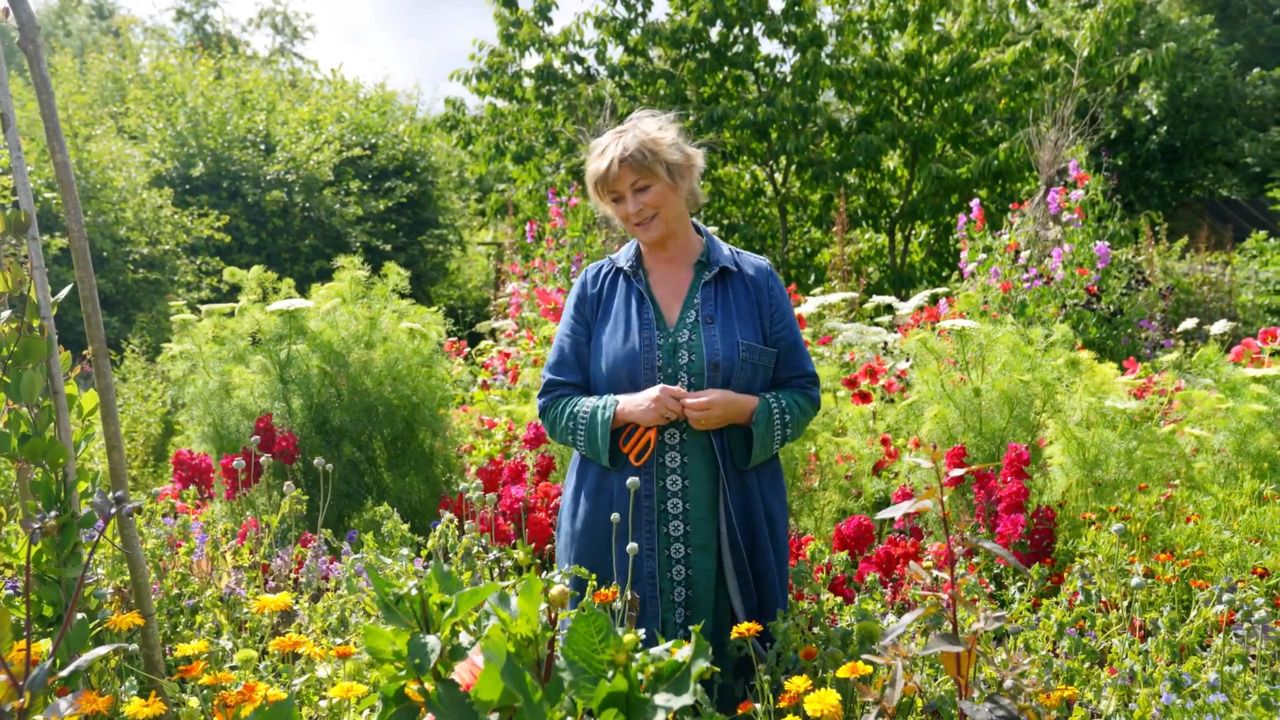
In the past, cut flowers were usually grown in rows to make them easier to pick and weed around. Through a process of trial and error though, we discovered that we can make more efficient use of our beds by layering plants.
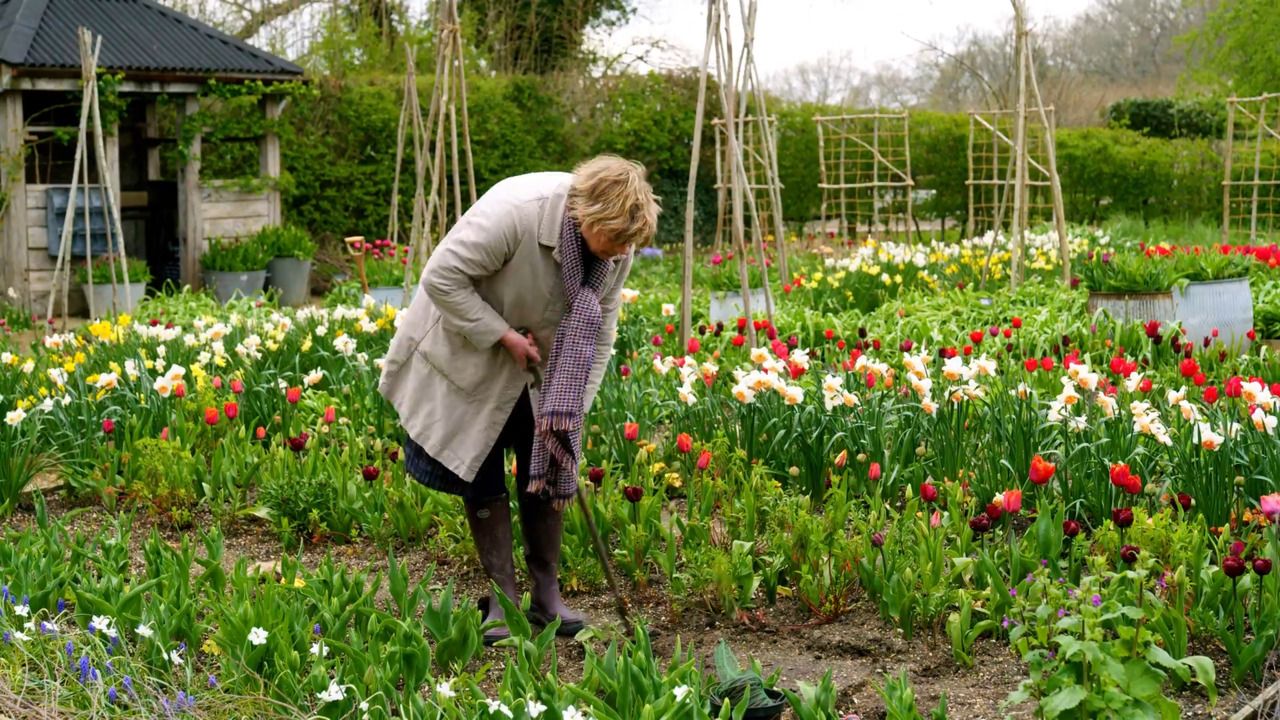
In practice, this means planting out taller plants, with smaller squatter plants beneath them. Not only will this make your beds more beautiful, it will also provide inspiration when you are picking your blooms. You will be able to see different colours, shapes, scents and textures next to each other and therefore imagine them in your arrangement.
At Perch Hill we've done a lot of experimentation to try and figure out the best way to make tulips truly perennial. Planting new tulips every single year can quickly become very expensive and is also much more labour intensive.
One of the main mistakes that flower farmers make when they are picking tulips is that they pull the stem out of the bulb, which then damages the bulb, meaning it won't flower the following year.
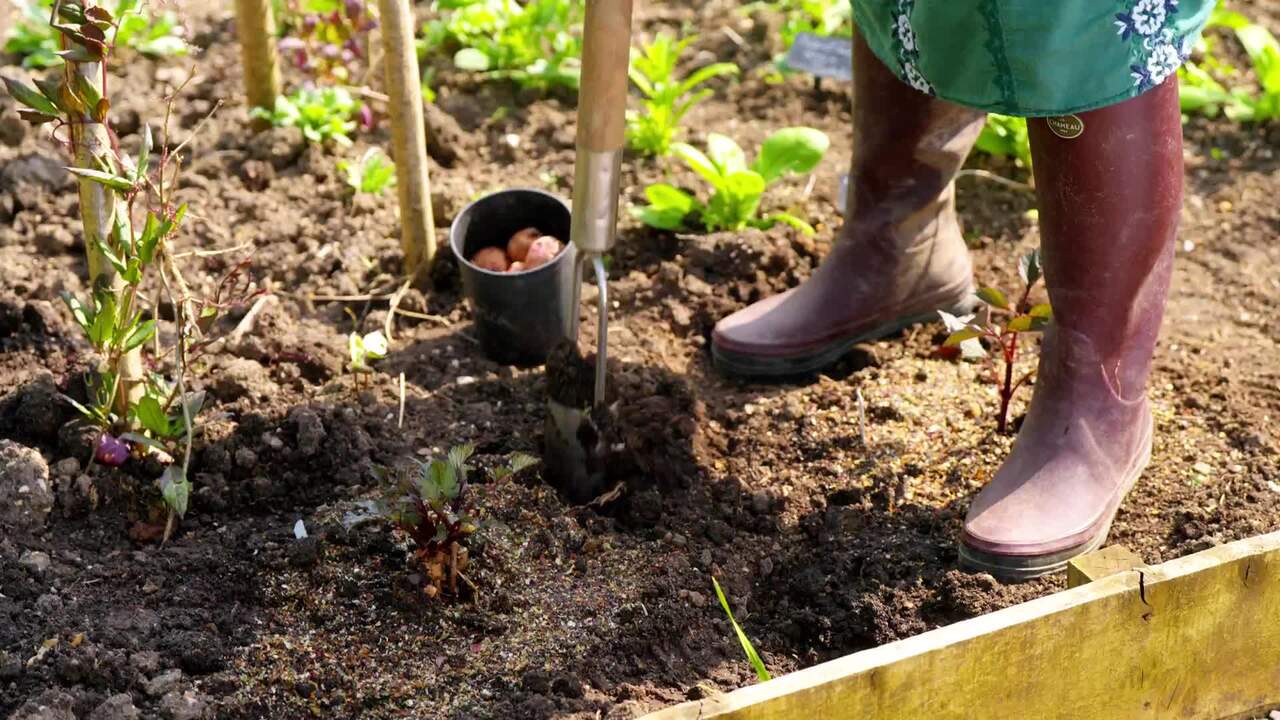
To conserve our bulbs we plant them at a depth of about six inches, on top of a layer of grit. By planting them at this depth, the tulips won't reproduce in the same way that bulbs closer to the surface will.
The energy required to produce bulblets means that the mother tulip generally stops producing flowers (goes blind) and therefore won't flower again the following year.
Keeping the bulb cooler at a deeper depth ensures that it won't produce bulblets and therefore will hopefully keep flowering for several years.
Another trick is to plant your tulips into quite stony ground and to treat them quite badly compared to how you would treat your vegetable plants for example. Holding back on the feed will also help to keep your tulips perennial too.
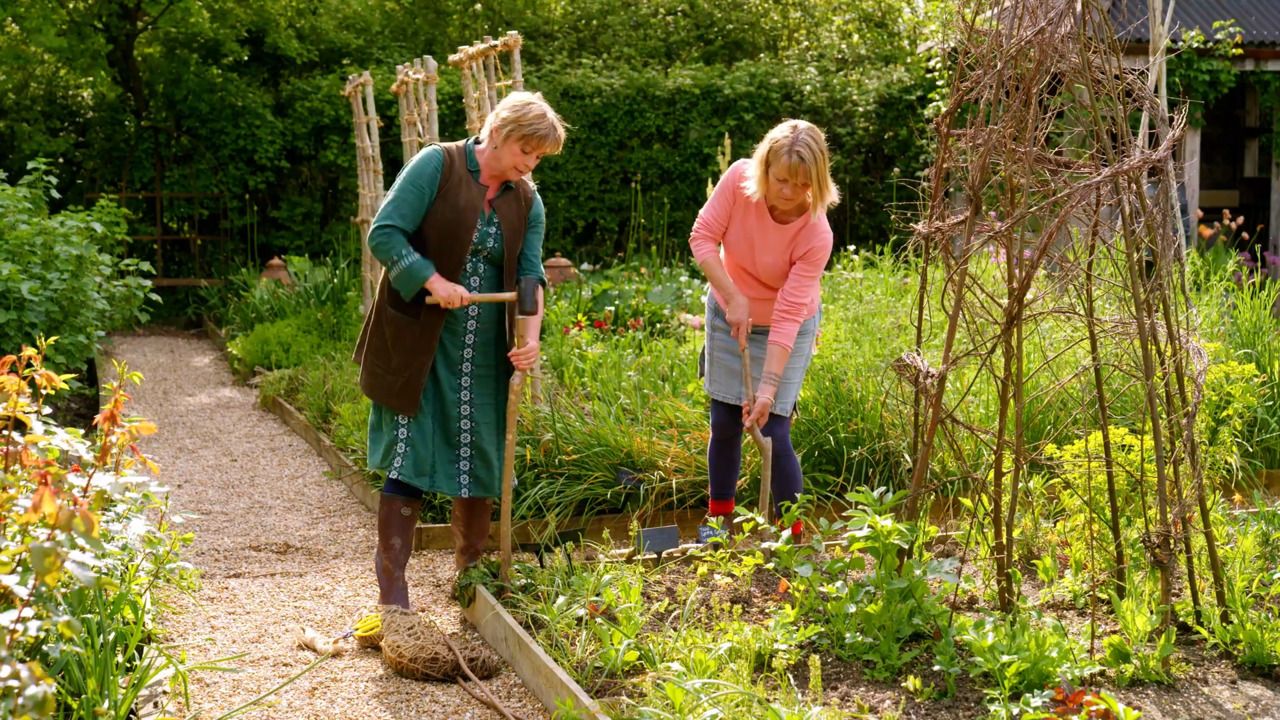
To plant our bulbs at the required depth, we use a bulb planter on a stick, so we can remove a core of soil and put in some grit, before following this up with the bulb.
Tulip 'Spring Green'
Tulip 'Greenland'
Tulip 'Artist'
Tulip 'Atilla's Graffiti'
Tulip 'Palmyra'
Tulip 'Menton'
Tulip 'Green King'
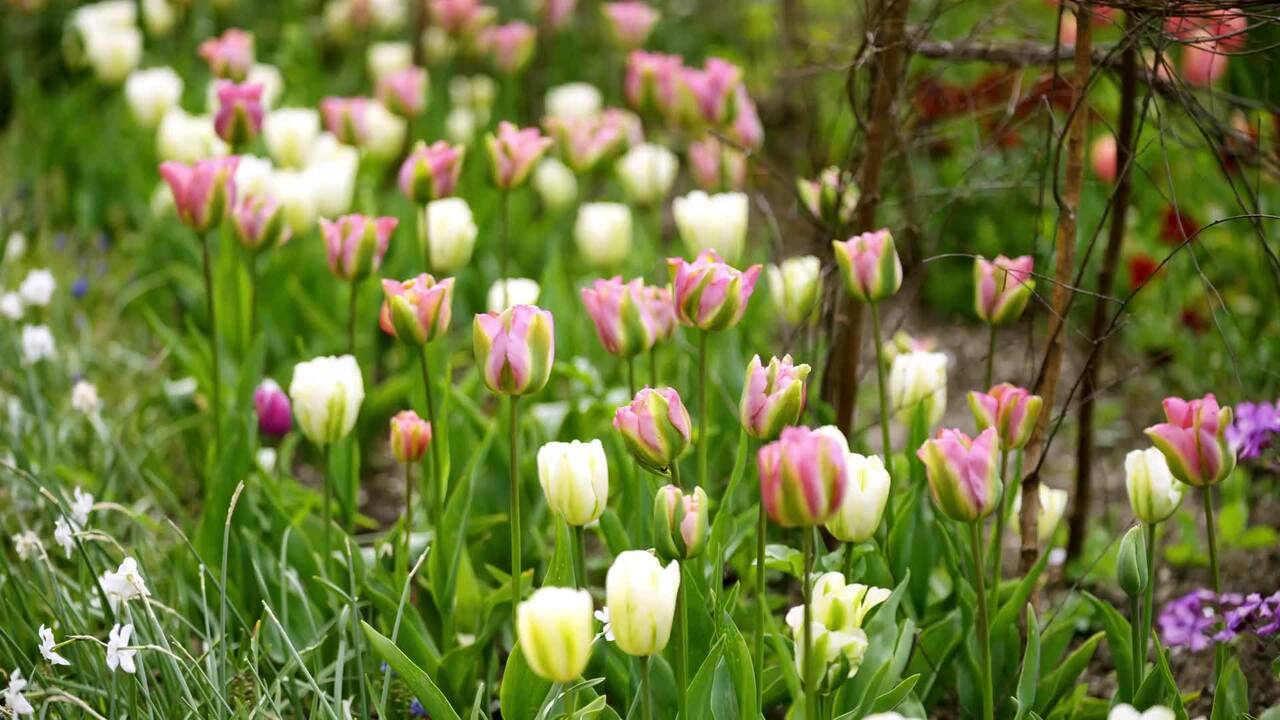
All of these varieties have a green flash on the outside of the flowers, and during our trials this seems to indicate that these bulbs will be good perennials. By picking varieties that will flower in succession, you will have blooms to pick for between eight and 10 weeks.
Narcissus Xit
Muscari
Tulips
Polyanthus 'Stella Champagne'
Wallflower 'Vulcan'
Euphorbia oblongata
Ammi majus
Ammi visnaga
Cerinthe
Dianthus 'Green Trick'
Get the full workbook, video lessons, and more with a Create Academy subscription.
Subscribe to access the full workbookAlready a member? Sign in to watch
491 reviews
Read moreCreate Academy has been such a great resource. I'm in the middle of renovating a bungalow with a very large garden and the courses have offered a wealth of inform...
Harvey
Jun 10, 2026
Absolutely love Create Academy! The instructors are extremely informative, and it is beautifully filmed. Create Academy is great value for money and plan on renew...
SG
May 31, 2026
Butter's creativity is stunning! Her ability to incorporate brilliance in small gardens is magical!
Carla
May 30, 2026
The best adventure. I like all the courses, but my favorite are both Rita Konig interior design courses and Anna Jones. Excellent!
Karolina Kluczewska
May 20, 2026
Create Academy has been such a great resource. I'm in the middle of renovating a bungalow with a very large garden and the courses have offered a wealth of information to dive into and explore new ideas. I'm...
Harvey
Jun 10, 2026
Absolutely love Create Academy! The instructors are extremely informative, and it is beautifully filmed. Create Academy is great value for money and plan on renewing my subscription yearly because there are ...
SG
May 31, 2026
Butter's creativity is stunning! Her ability to incorporate brilliance in small gardens is magical!
Carla
May 30, 2026

Your Instructor
Acclaimed English gardener, cook and writer. Host of the UK’s No.1 gardening podcast.
Sarah Raven is a renowned English gardener, cook and award-winning author. She is an inspirational and passionate teacher - combining her decades of experience with her scientific approach to growing (she is medically trained) - and has been running cooking, flower arranging and gardening courses at Perch Hill, her 90-acre farm in East Sussex, and around the UK for over 30 years. She has written for a host of major publications - including House & Garden, The Saturday Telegraph, Country Living, Gardens Illustrated, Gardeners’ World Magazine and The English Garden - and presented on TV shows including Gardeners' World and BBC’s Great British Garden Revival. Her gardening and cookery books have won numerous awards including ‘Best Specialist Gardening Book’ for The Cutting Garden and ‘Cookery Book of the Year’ for Sarah Raven's Garden Cookbook. Sarah is married to the writer Adam Nicolson, Vita Sackville-West's grandson. She also has an online shop that is a brilliant destination for plants, bulbs, seeds, tools and all things garden.

Access to all courses


