


Interior and exterior confidence
Create Academy has been such a great resource. I'm in the middle of renovating a bungalow with a very large garden and the courses have offered a wealth of inform...
Harvey
Jun 10, 2026
Cut and Come Again Masterclass
with SARAH RAVEN — Acclaimed English gardener, cook and writer. Host of the UK’s No.1 gardening podcast.
Lesson 19 of 48
Subscribe to watch
Mulching is one of the easiest ways to suppress weeds and improve your soil. Let Sarah lead you through the mulching process and teach you about annual and perennial weeds.
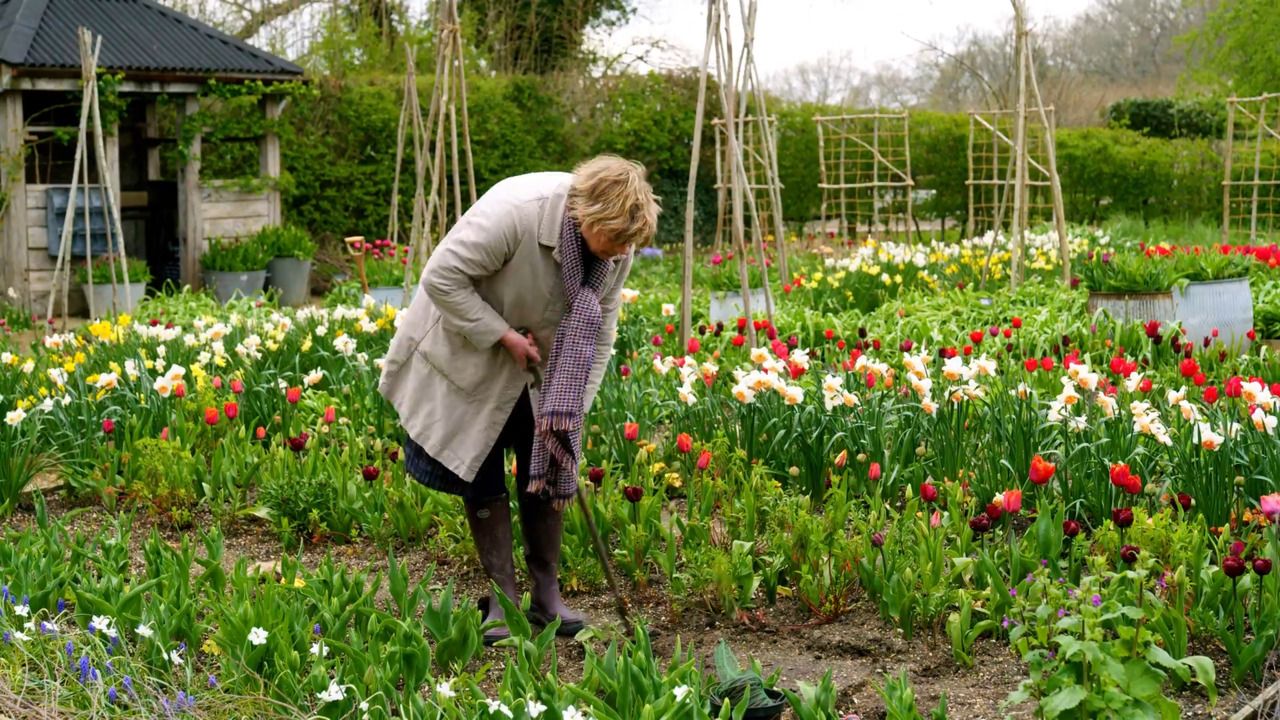
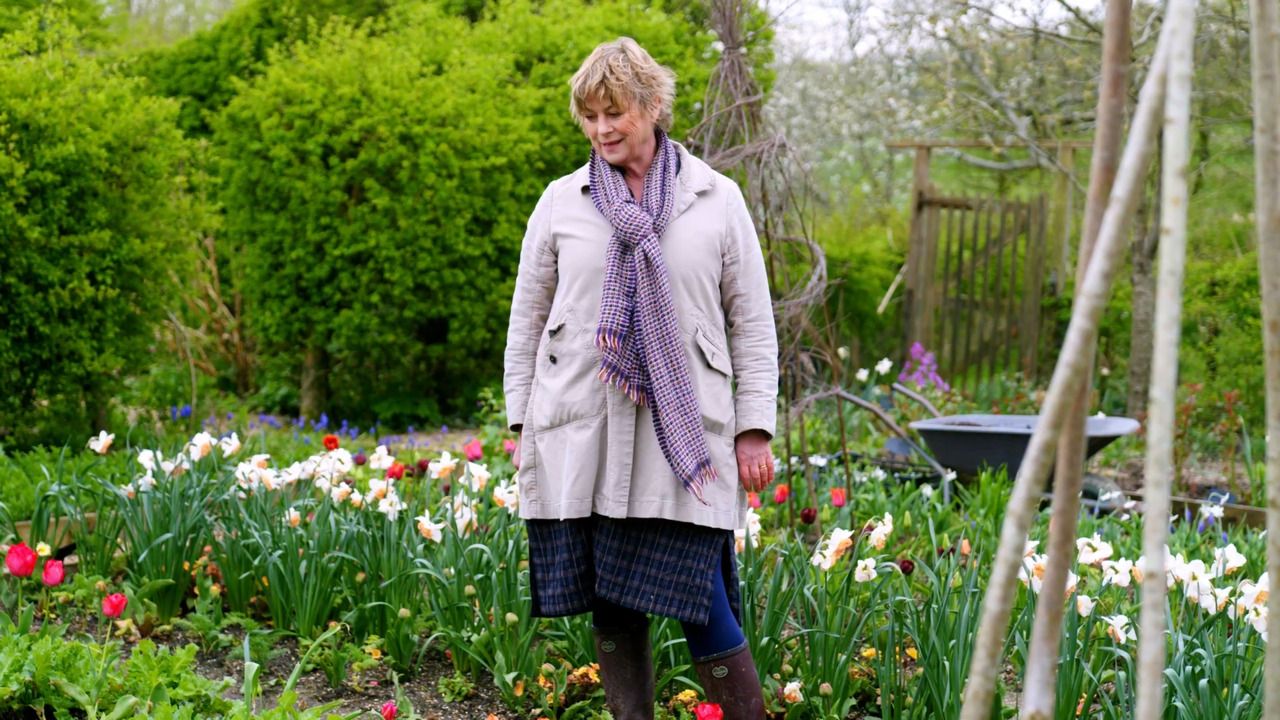
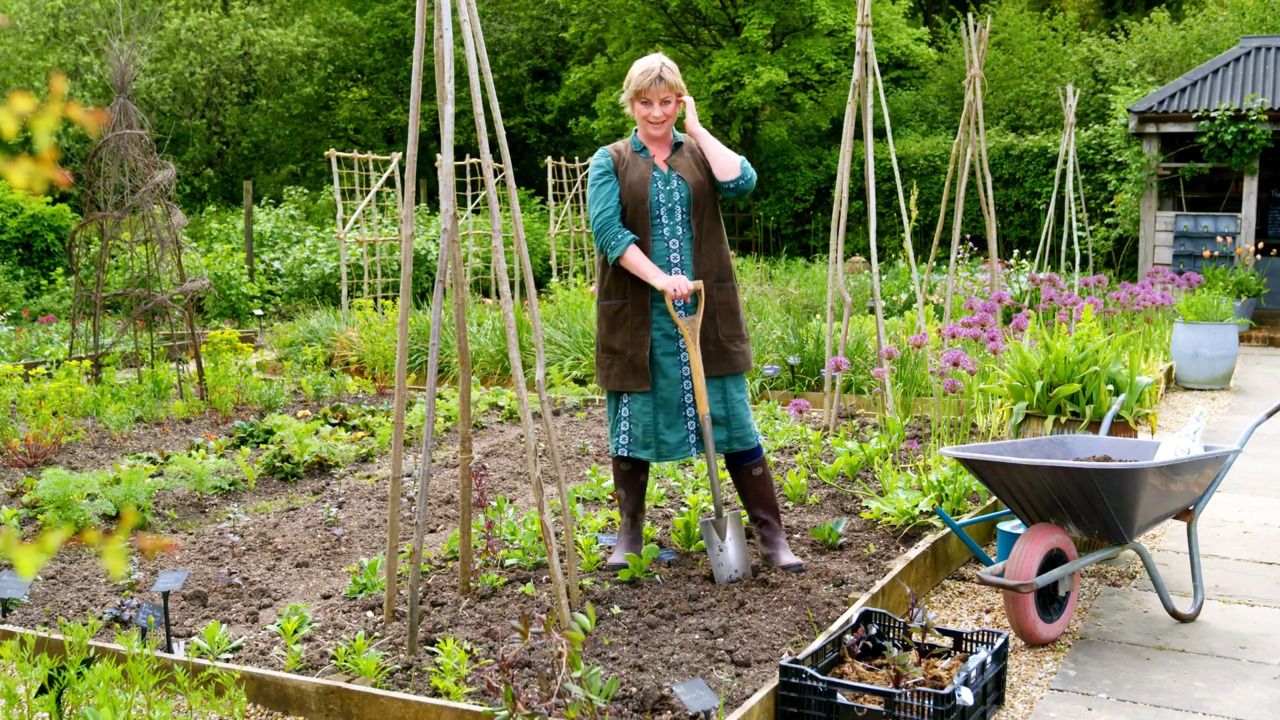
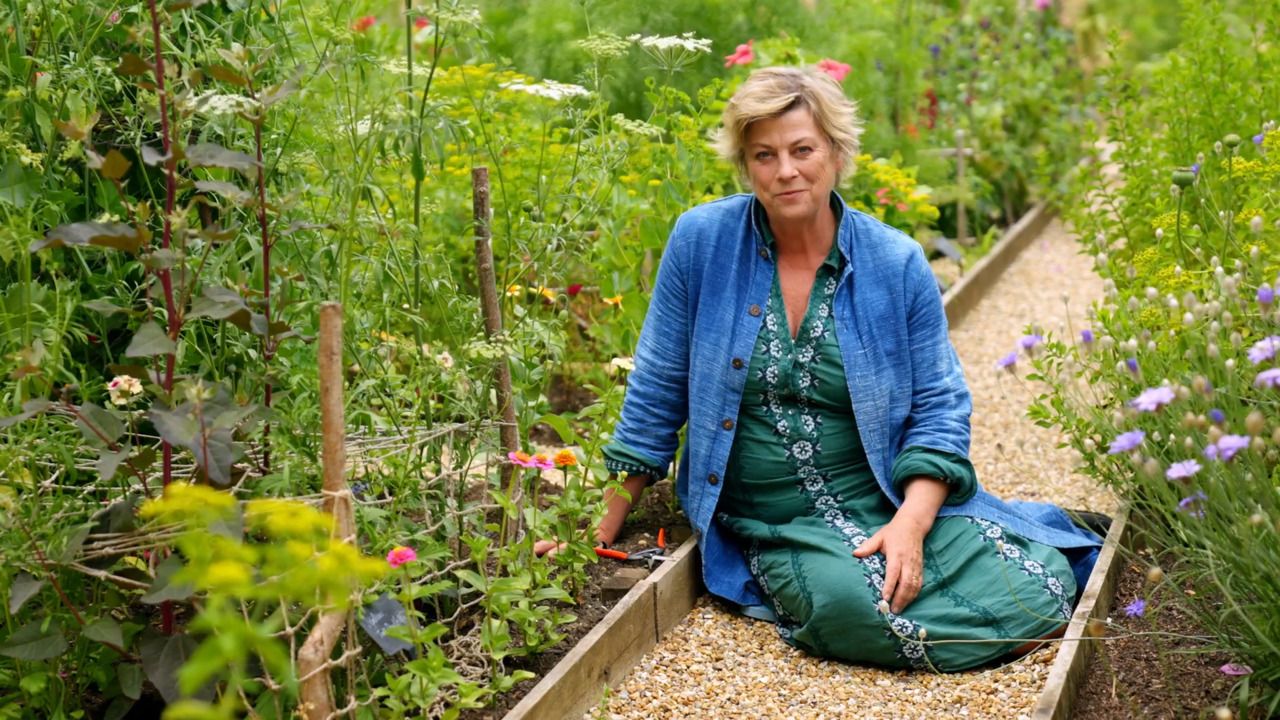
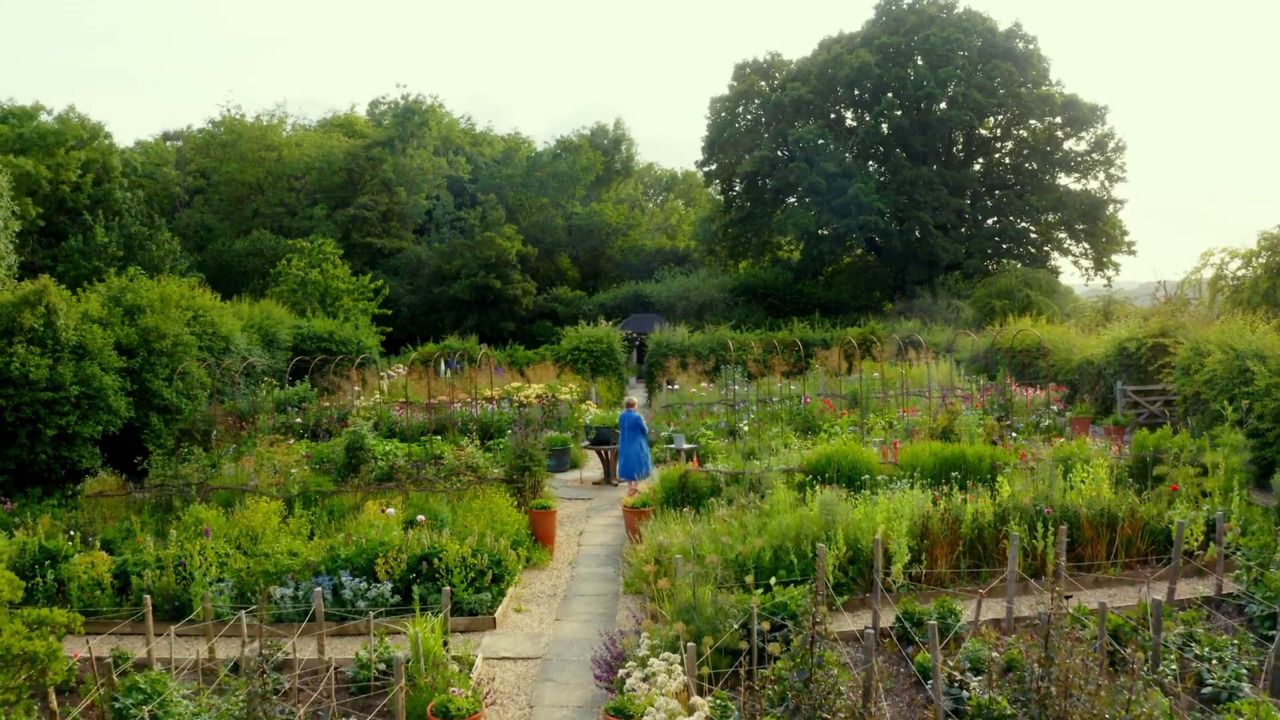
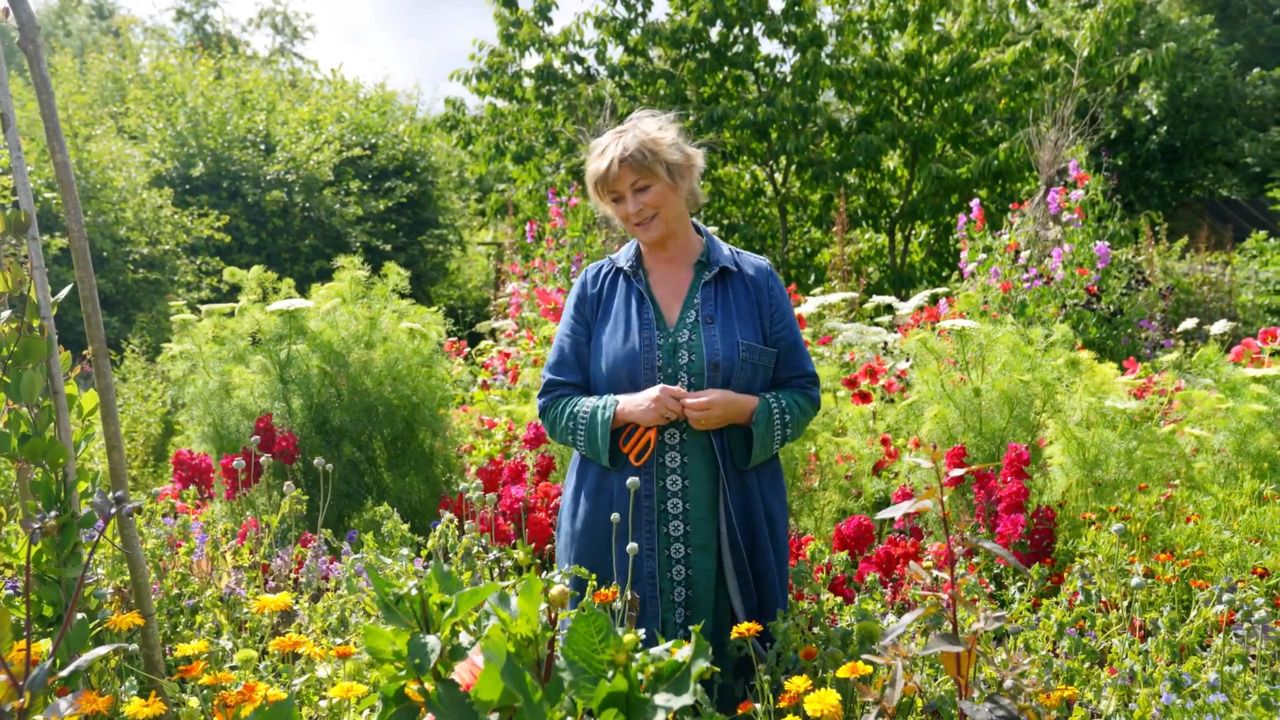
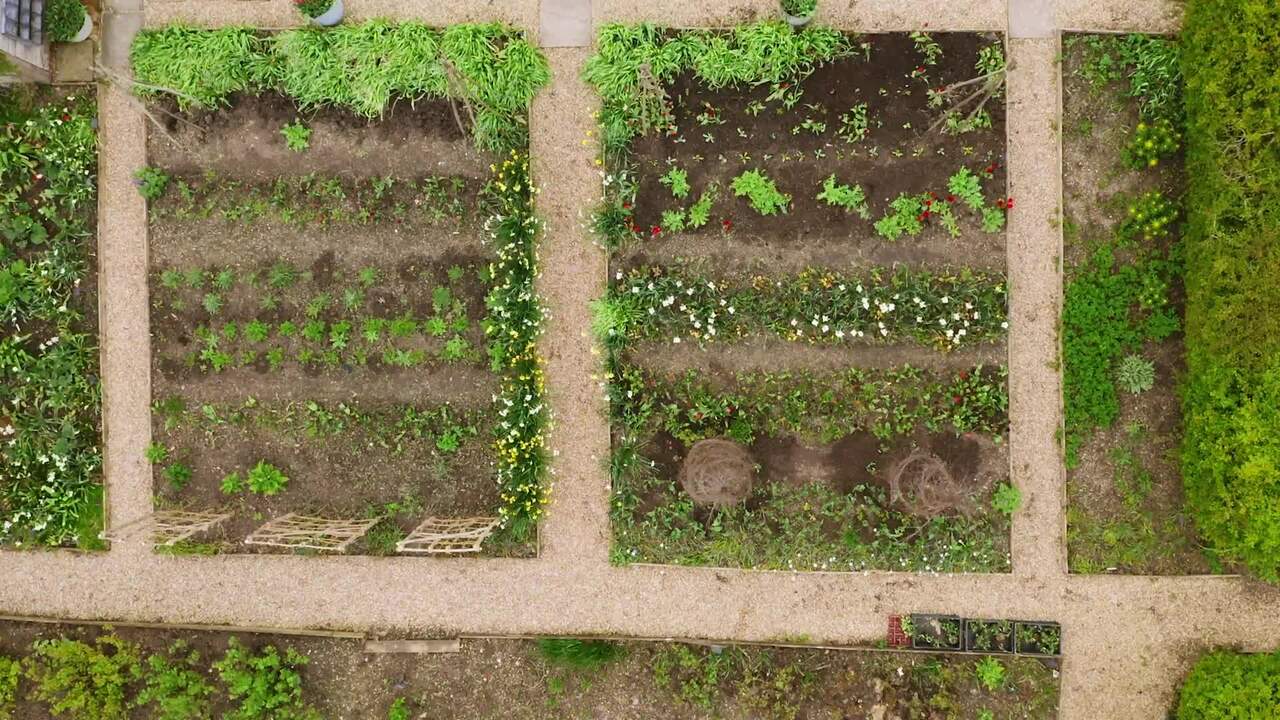
Our cutting patch is roughly 6m x 6m (20ft x 20ft). This is a manageable size and gives roughly between three and four buckets of cut flowers per week from March until September.
As I've been using this patch of land for about 15 years now, I've got rid of most of the weed seed bank from the soil.
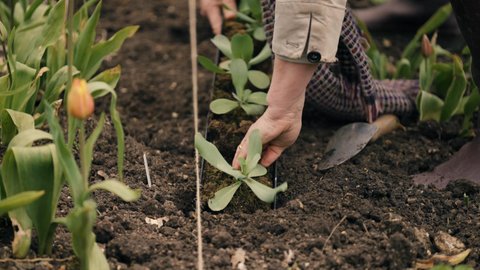
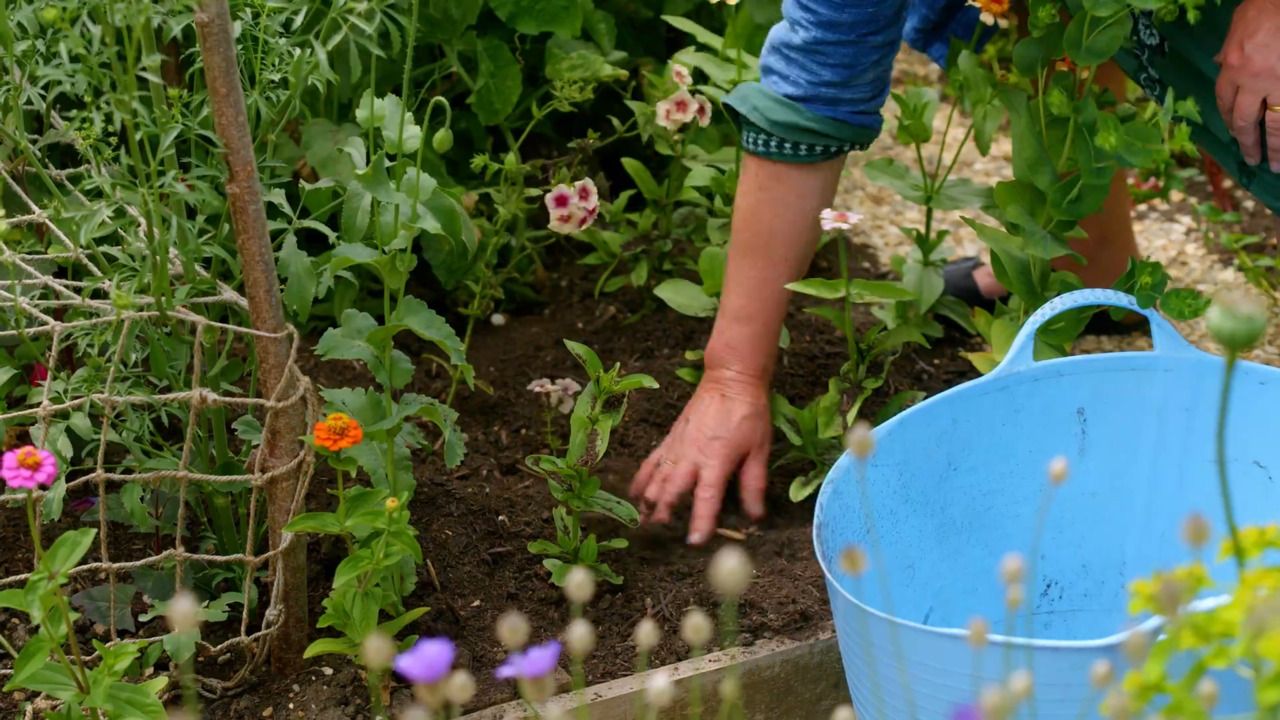
One of the ways that we suppress weeds in the garden is that whenever we have planted out our plants or bulbs for the season we will then hoe out any present weeds and cover the soil with a layer of mulch. Mulch is a layer of well rotted organic matter that is applied to the surface of the soil and is used to improve soil fertility or to suppress weeds.
The mulch helps to suppress any weed seed in the soil as the seeds will not have the energy to grow through such a thick layer and will not be able to make it into the light where they would produce more food for themselves via photosynthesis.
The mulch also feeds our soil, providing the microlife below the surface with all the nutrients that they need to thrive and keep our soils healthy.
You Will Need:
If you're starting a new growing patch in your garden and want to kill off any pre-existing grasses or weed seed, then you can cover your patch with layers of cardboard to block out the light.
This cardboard can then be covered with a 5 cm layer of mulch, which will weigh down the cardboard and also continue to rot down into the soil alone with it.
You can also plant into this layer of mulch too.
Perennial weeds can be quite difficult and time-consuming to get rid of, especially when you are starting a new patch in your garden.
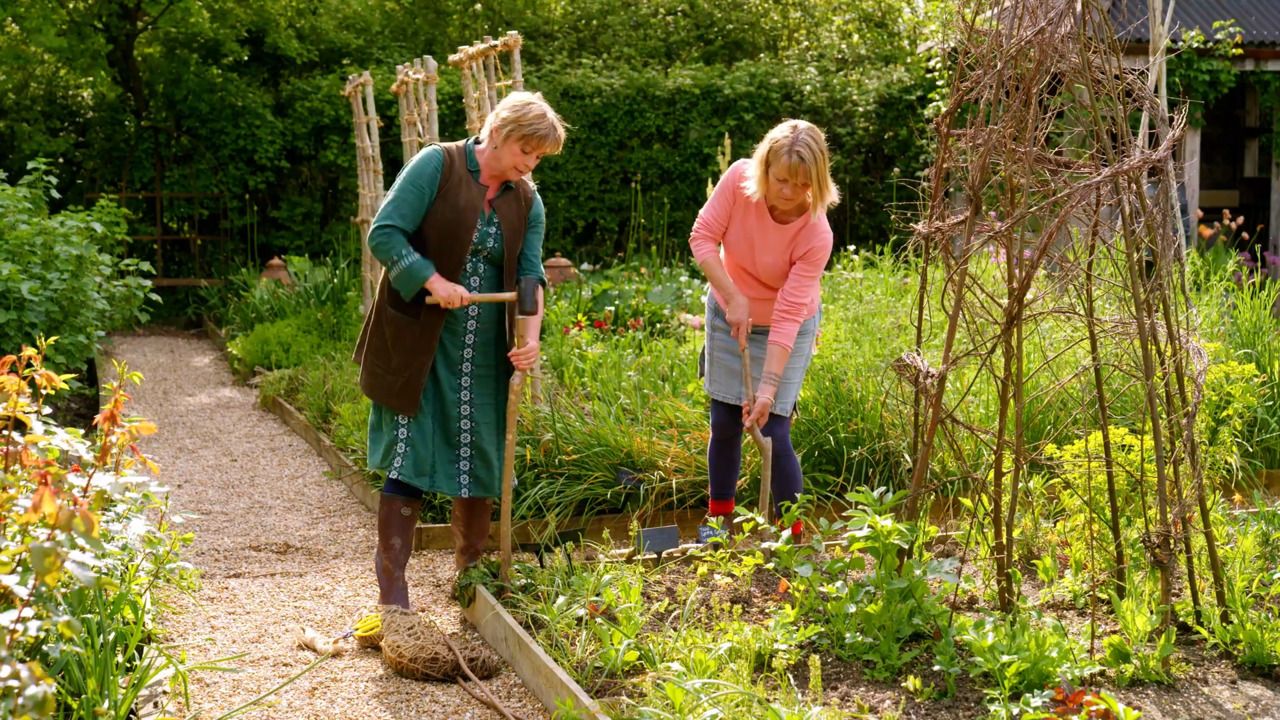
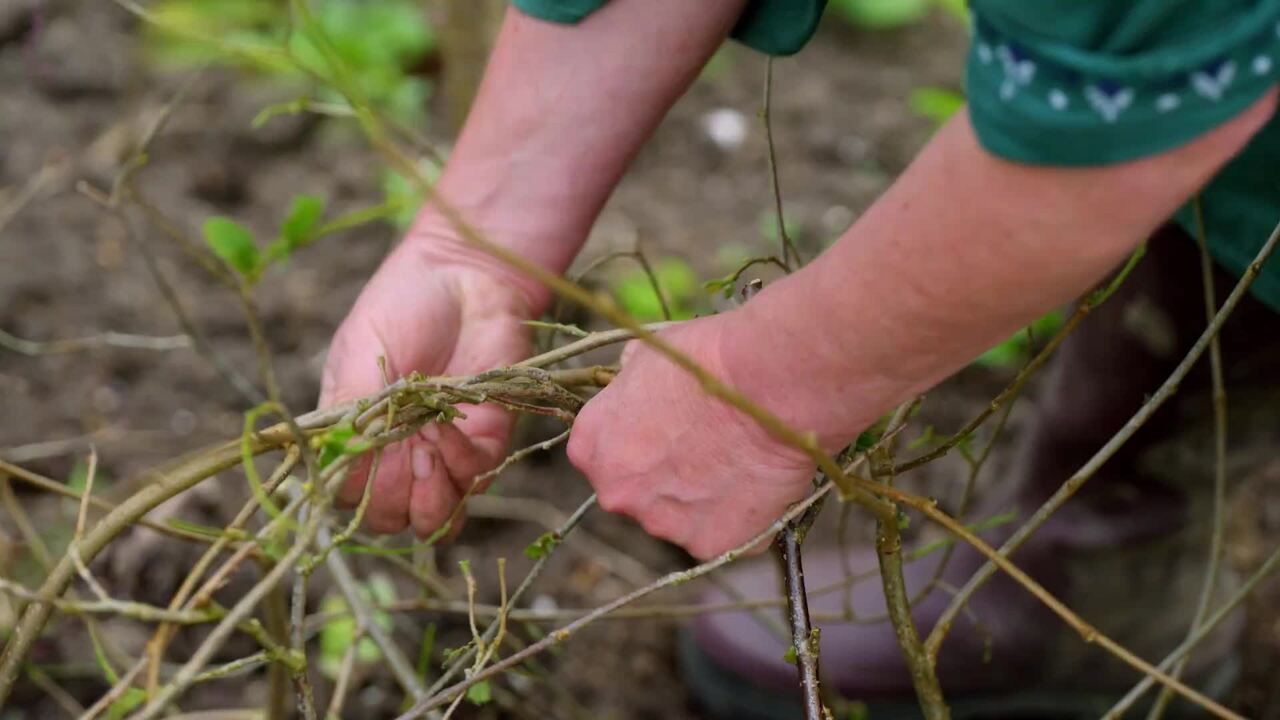
Bindweed, ground elder and couch grass have particularly vigorous root systems and if you are an organic gardener, like I am, you have to get into your soil and dig up the whole lot. I think of it as unwinding a fishing net, as you need to follow the roots as far down into the soil as you can and pull them out.
You may need to repeat this process a few times, but this should help you eliminate the bulk of the problem from your patch.
Some perennial weeds to look out for include:
Annual weeds are much easier to get rid of as their rooting system is much simpler and can easily be pulled out or hoed.
Annual weeds can go into your composting system as long as it's hot enough to kill off any present weed seed (between 50 - 60 degrees for a week).
But you should never put perennial weeds onto your compost heap as they can grow back from just a small piece of root.
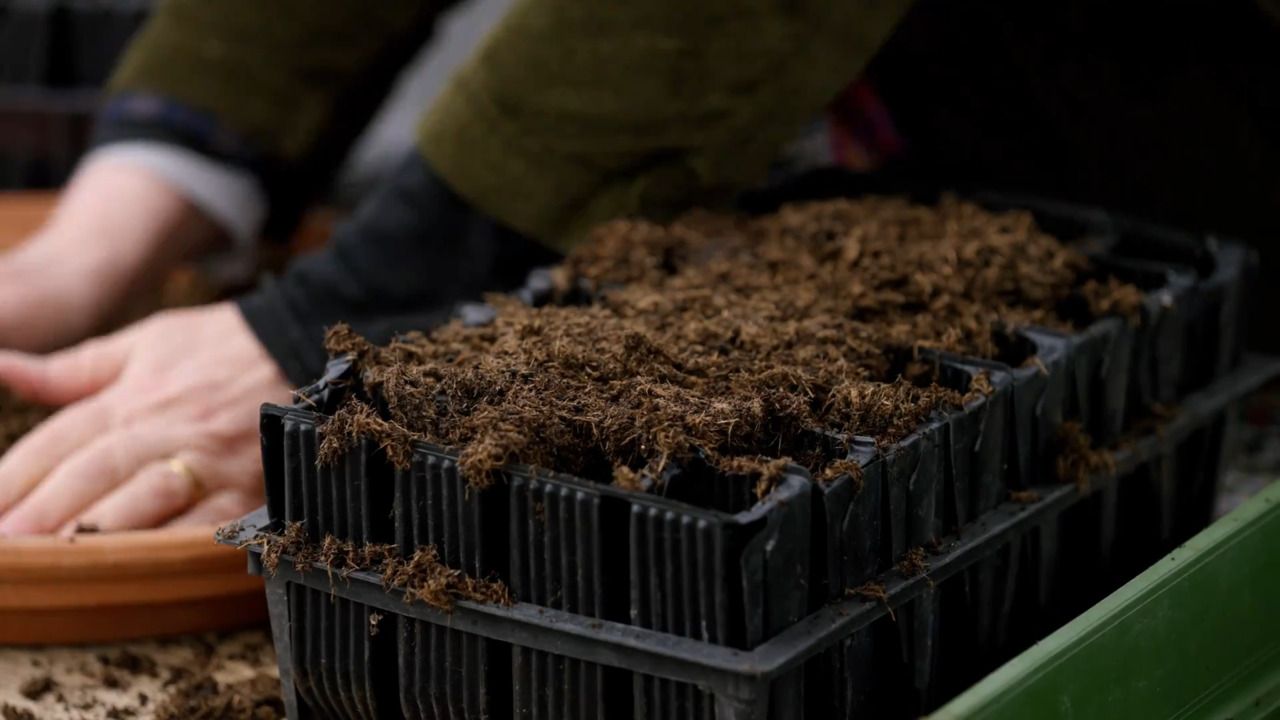
I'm always trying to achieve a fine tilth in our growing patches as seeds will grow better if they have less to fight against.
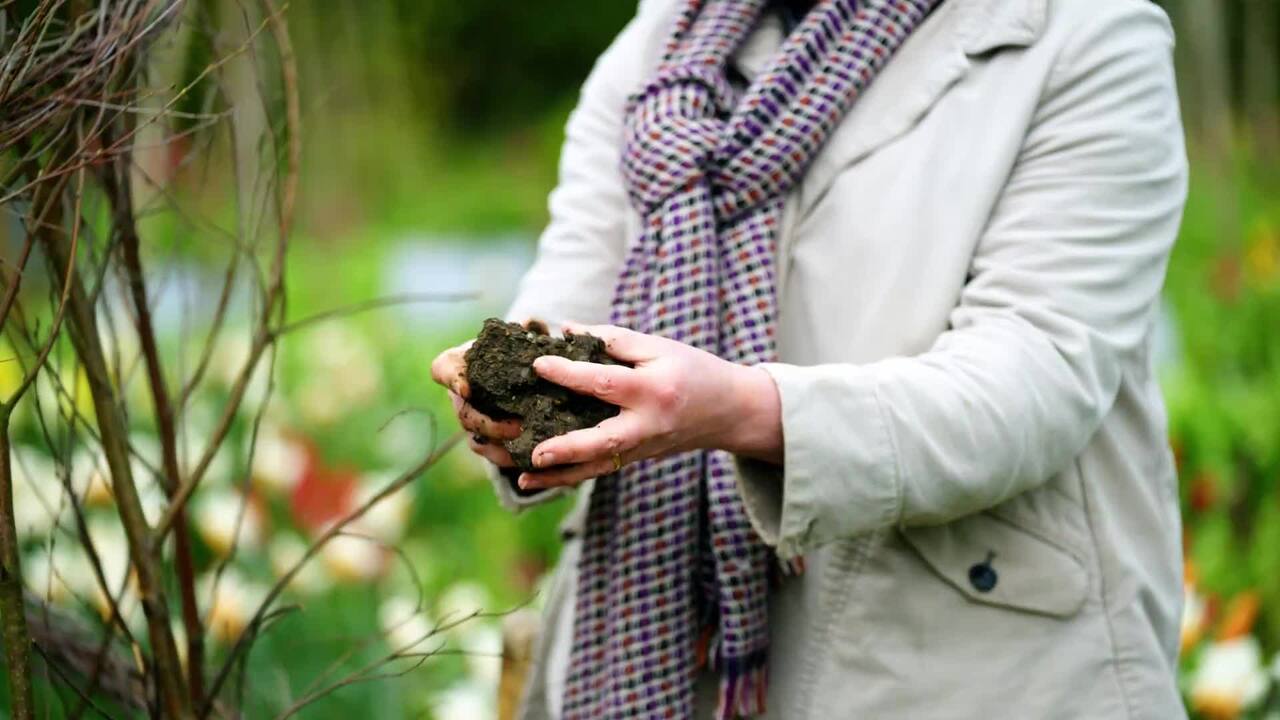
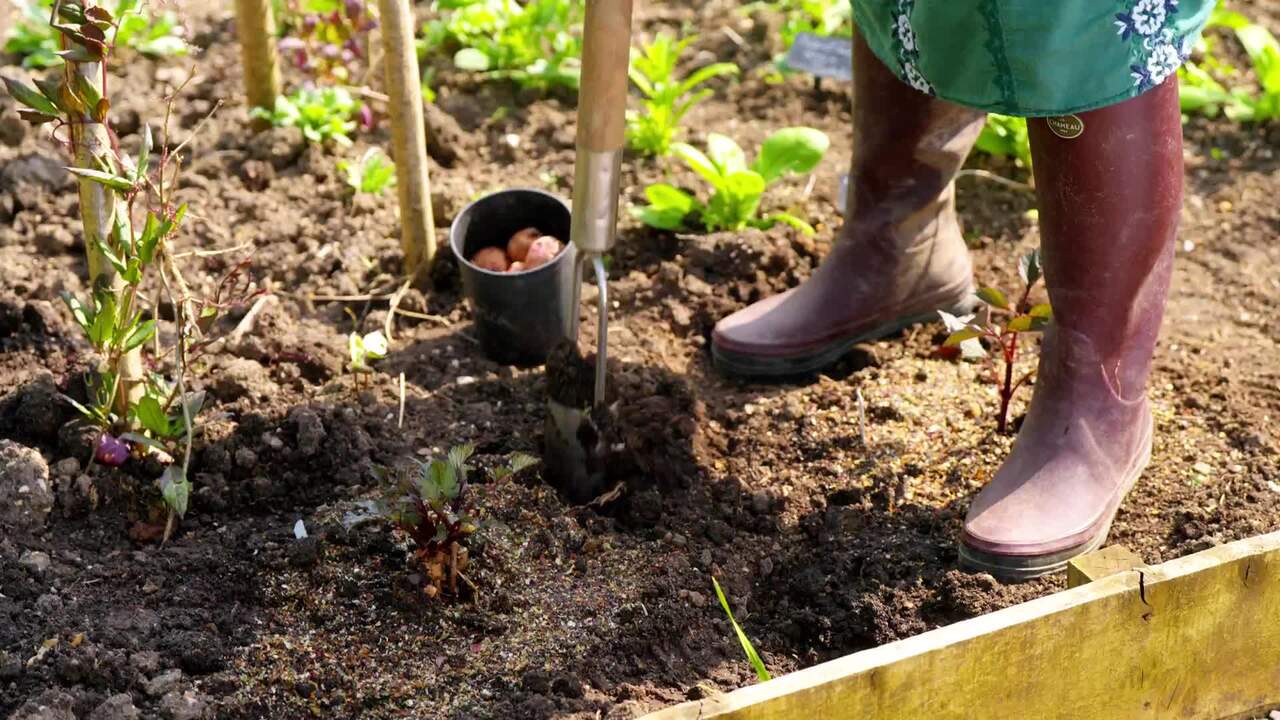
To achieve this we dug in 5 - 6mm pea shingle, as well as compost and manure to our clay soil. To achieve the consistency of topsoil that we wanted, we had to keep digging these into our soil for 5 years before we could move on to the no-dig method.
We now just add a layer of mulch onto the surface of our soil twice a year and this is drawn down into the soil by the worms and microlife.
As chalk and sandy soils are already very gritty, to get them to the consistency you need to grow cut flowers successfully you need to keep digging in lots and lots of organic matter until you have got the depth of topsoil that you need.
Get the full workbook, video lessons, and more with a Create Academy subscription.
Subscribe to access the full workbookAlready a member? Sign in to watch
491 reviews
Read moreCreate Academy has been such a great resource. I'm in the middle of renovating a bungalow with a very large garden and the courses have offered a wealth of inform...
Harvey
Jun 10, 2026
Absolutely love Create Academy! The instructors are extremely informative, and it is beautifully filmed. Create Academy is great value for money and plan on renew...
SG
May 31, 2026
Butter's creativity is stunning! Her ability to incorporate brilliance in small gardens is magical!
Carla
May 30, 2026
The best adventure. I like all the courses, but my favorite are both Rita Konig interior design courses and Anna Jones. Excellent!
Karolina Kluczewska
May 20, 2026
Create Academy has been such a great resource. I'm in the middle of renovating a bungalow with a very large garden and the courses have offered a wealth of information to dive into and explore new ideas. I'm...
Harvey
Jun 10, 2026
Absolutely love Create Academy! The instructors are extremely informative, and it is beautifully filmed. Create Academy is great value for money and plan on renewing my subscription yearly because there are ...
SG
May 31, 2026
Butter's creativity is stunning! Her ability to incorporate brilliance in small gardens is magical!
Carla
May 30, 2026

Your Instructor
Acclaimed English gardener, cook and writer. Host of the UK’s No.1 gardening podcast.
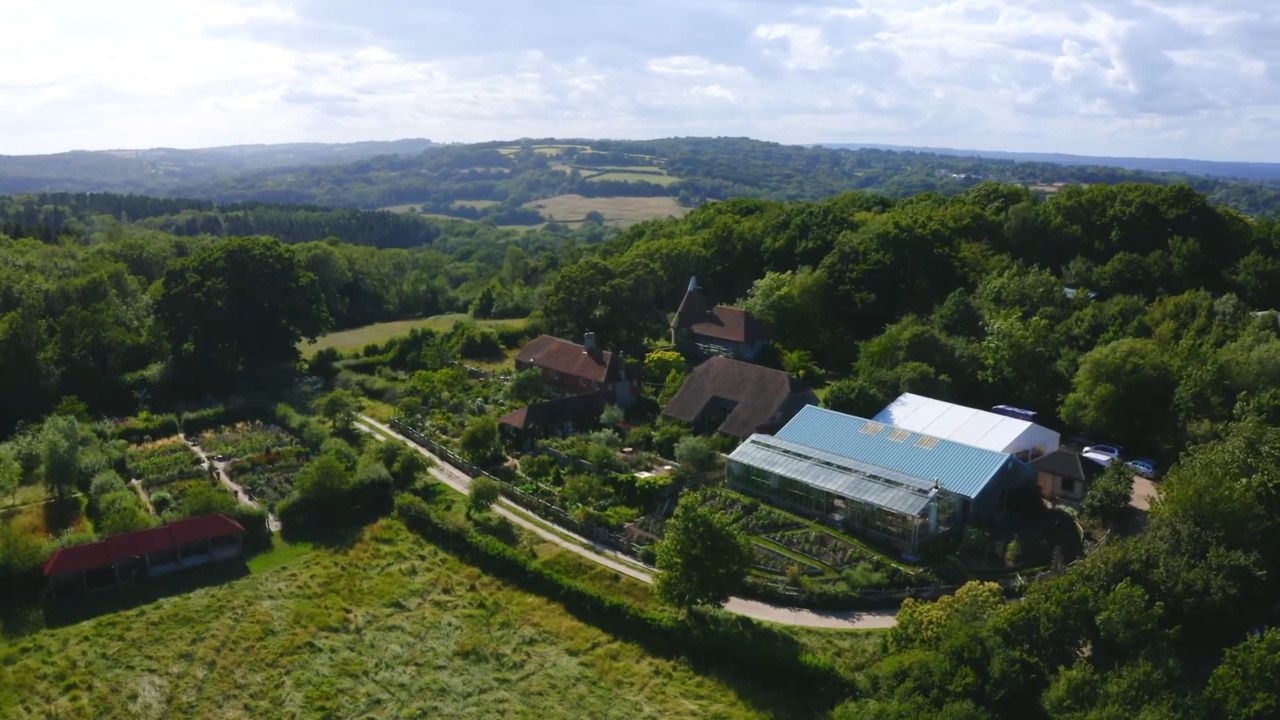
Sarah Raven is a renowned English gardener, cook and award-winning author. She is an inspirational and passionate teacher - combining her decades of experience with her scientific approach to growing (she is medically trained) - and has been running cooking, flower arranging and gardening courses at Perch Hill, her 90-acre farm in East Sussex, and around the UK for over 30 years. She has written for a host of major publications - including House & Garden, The Saturday Telegraph, Country Living, Gardens Illustrated, Gardeners’ World Magazine and The English Garden - and presented on TV shows including Gardeners' World and BBC’s Great British Garden Revival. Her gardening and cookery books have won numerous awards including ‘Best Specialist Gardening Book’ for The Cutting Garden and ‘Cookery Book of the Year’ for Sarah Raven's Garden Cookbook. Sarah is married to the writer Adam Nicolson, Vita Sackville-West's grandson. She also has an online shop that is a brilliant destination for plants, bulbs, seeds, tools and all things garden.

Access to all courses


