
Interior and exterior confidence
Create Academy has been such a great resource. I'm in the middle of renovating a bungalow with a very large garden and the courses have offered a wealth of inform...
Harvey
Jun 10, 2026
with CLARE FOSTER — Garden writer and plantswoman. Seed growing expert. Garden Editor of House & Garden magazine.
Lesson 24 of 33
Subscribe to watch
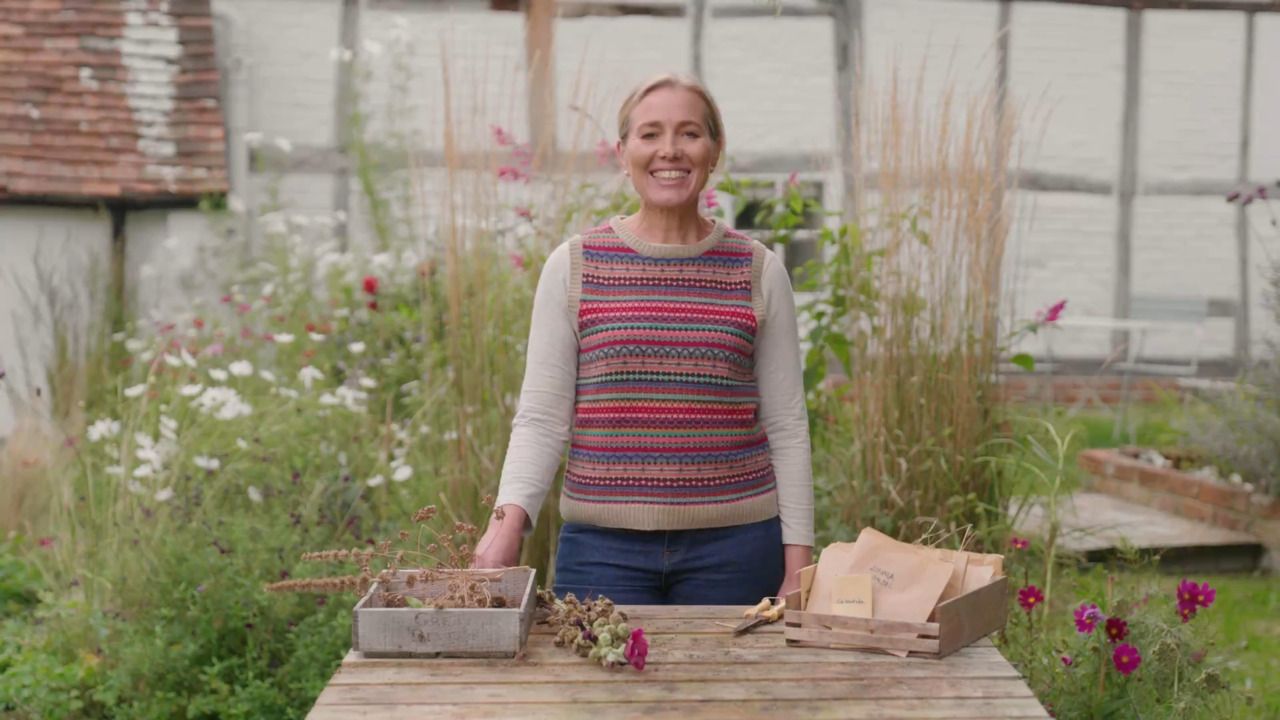
Clare explores how anyone can create a beautiful display in a small space, sharing some container planting inspiration and giving her top tips for creating impact and getting the most from your pots.
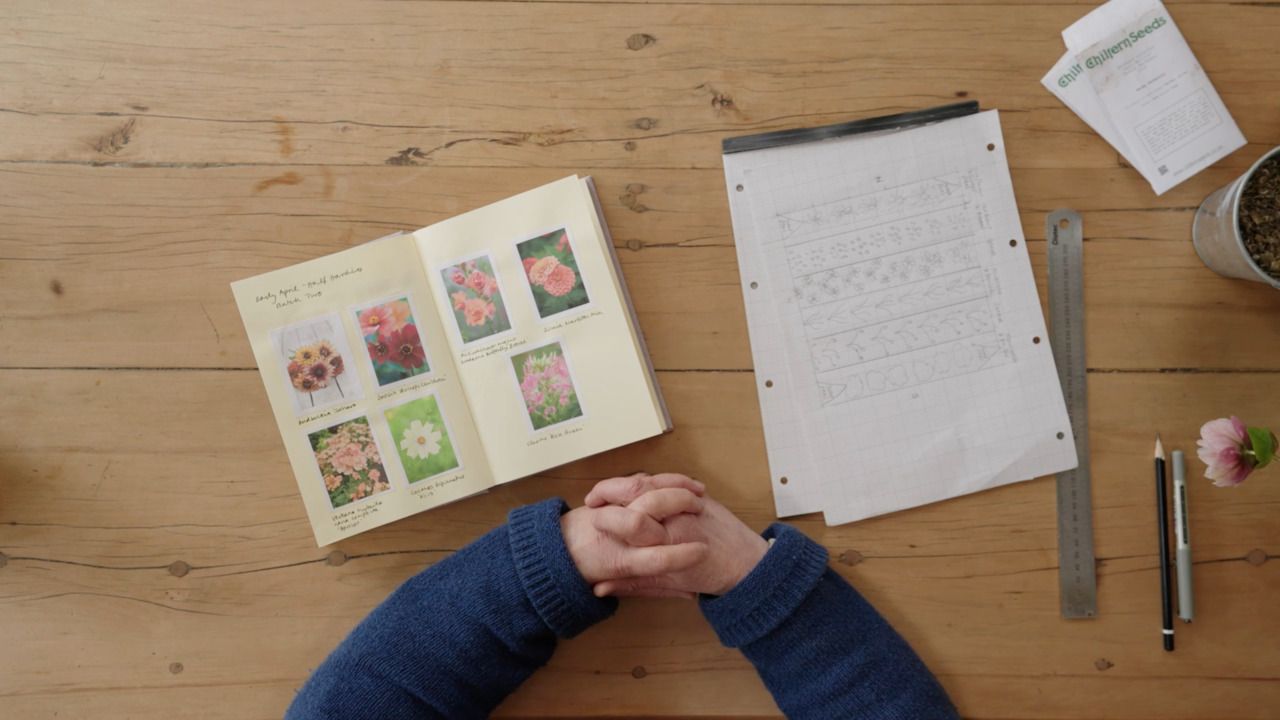
Pots are invaluable for patios, balconies, adding another dimension to a garden or for anyone who rents, allowing you to create a beautiful display in a small space. In this lesson I'll share my top tips for creating impact and getting the most from your pots, along with some container planting inspiration. You'll also have a chance to design your own.
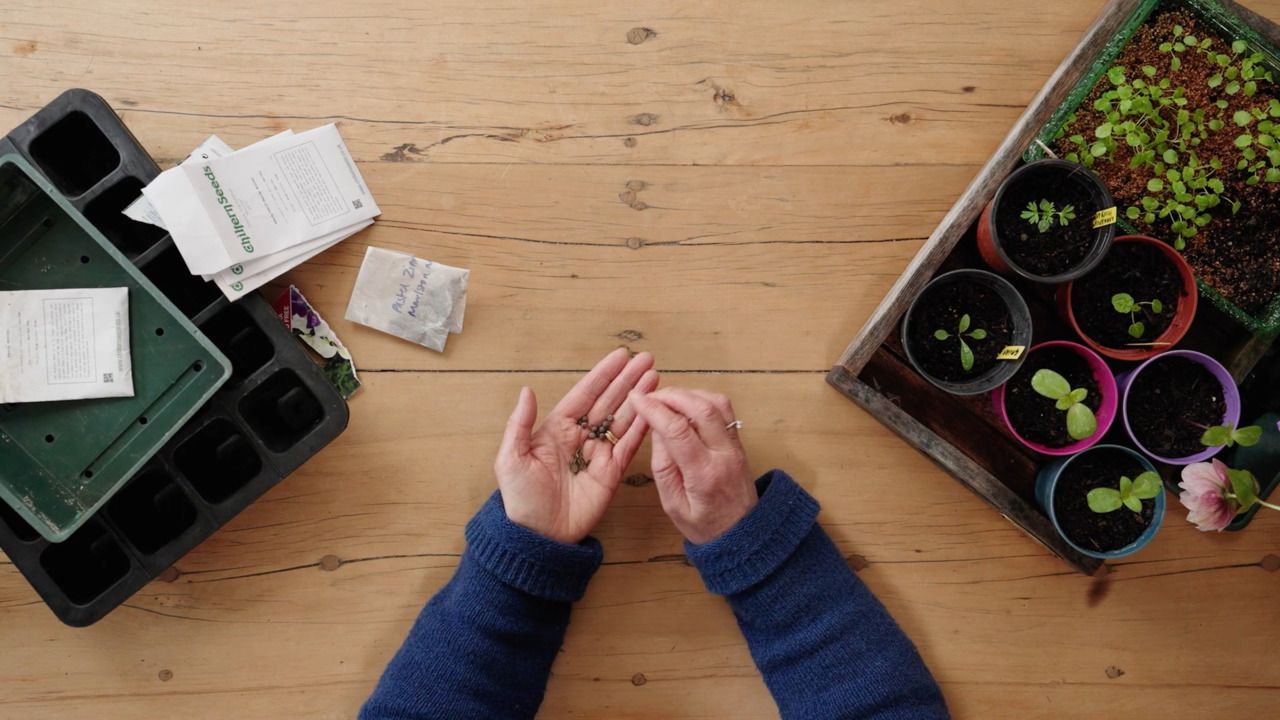
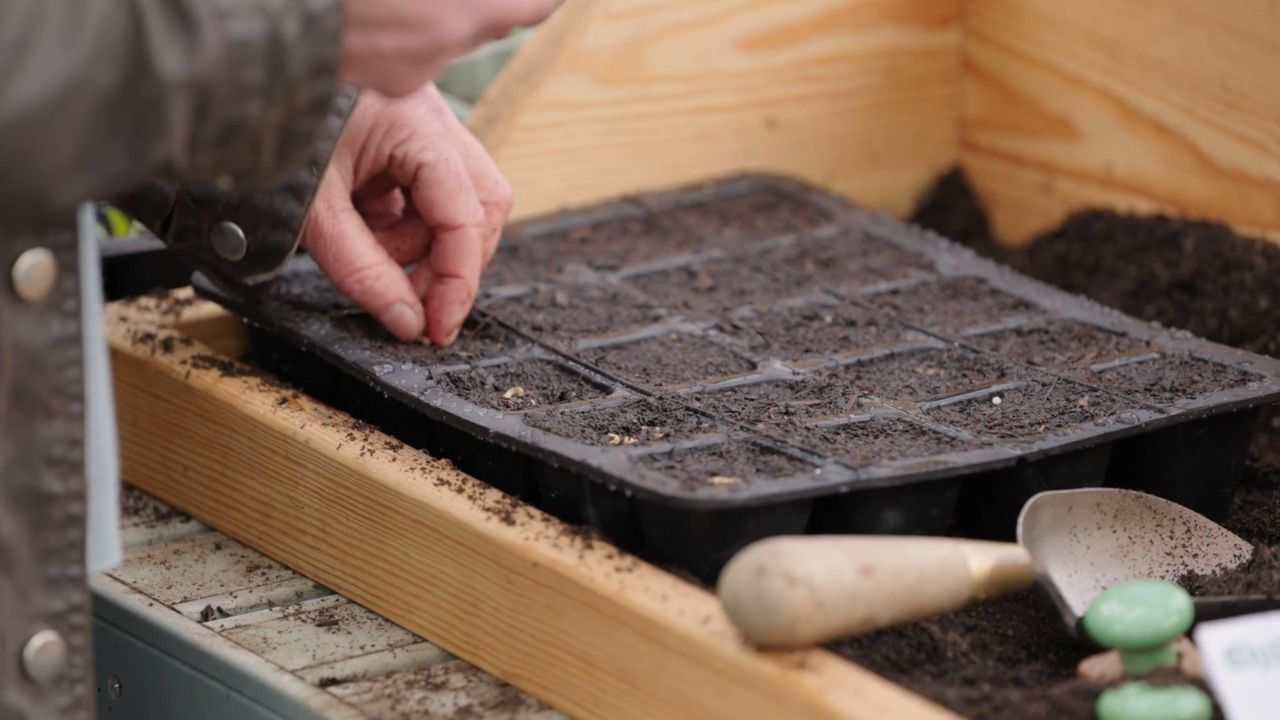
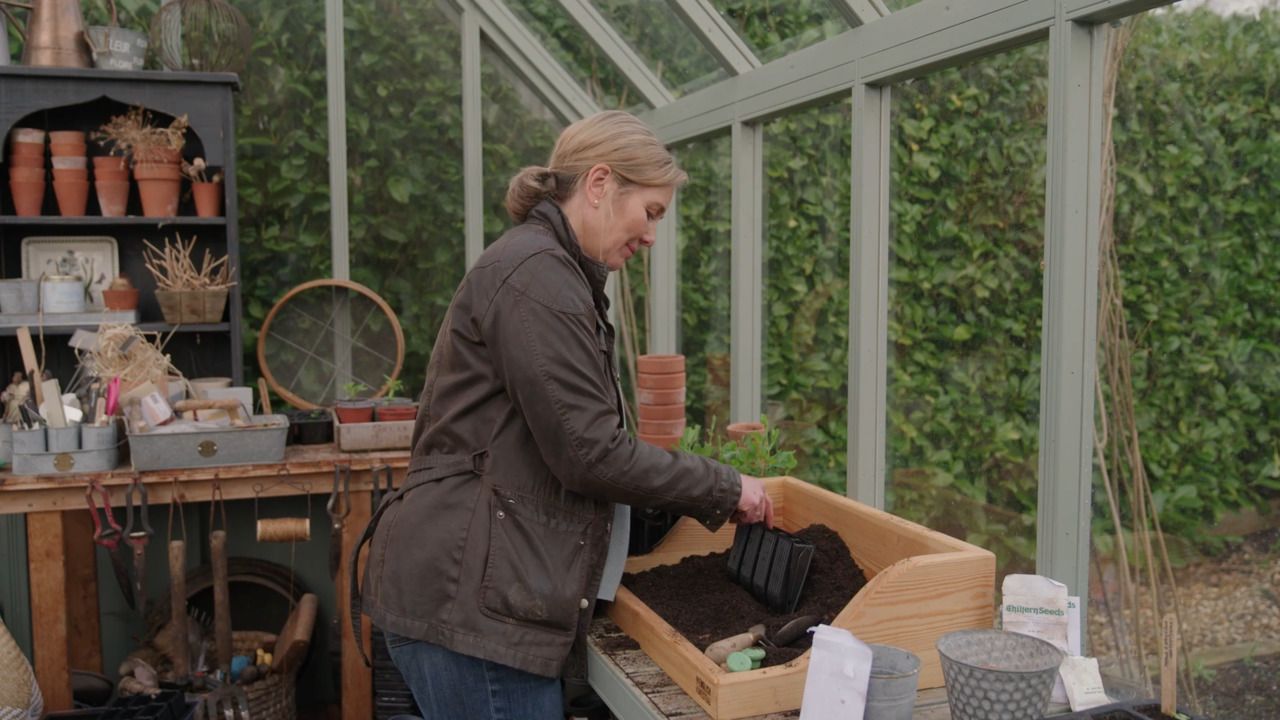
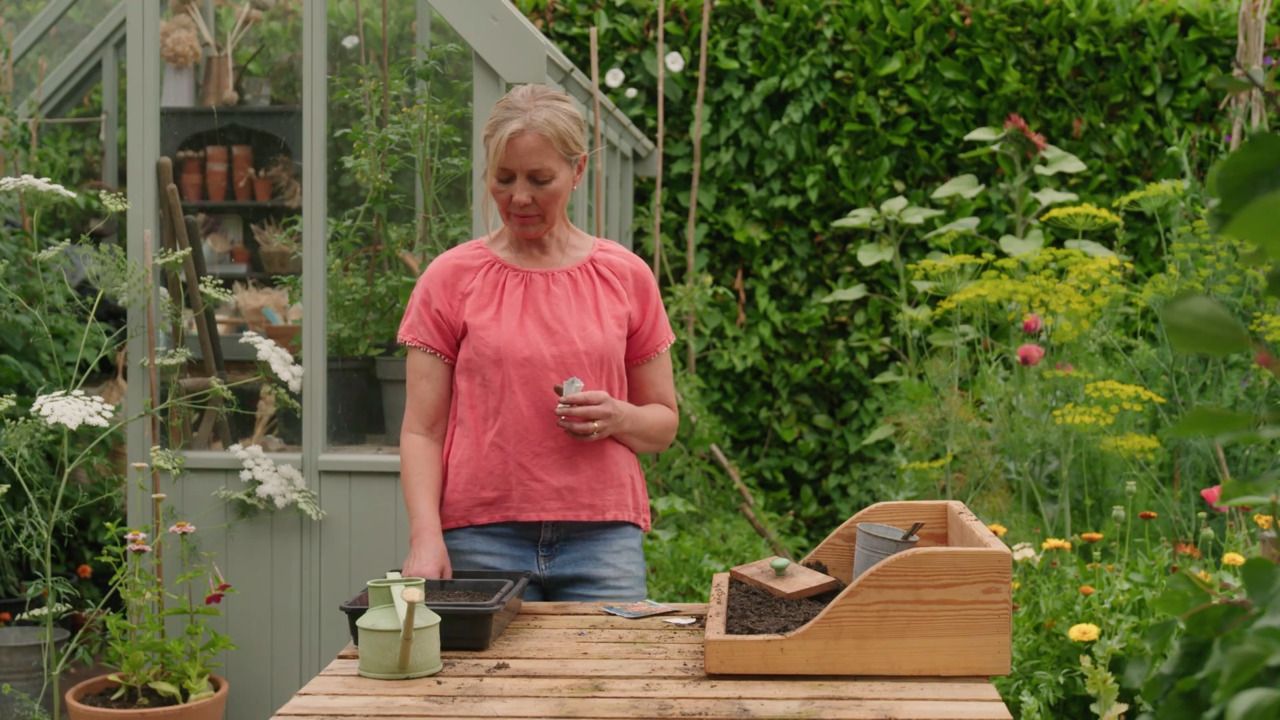
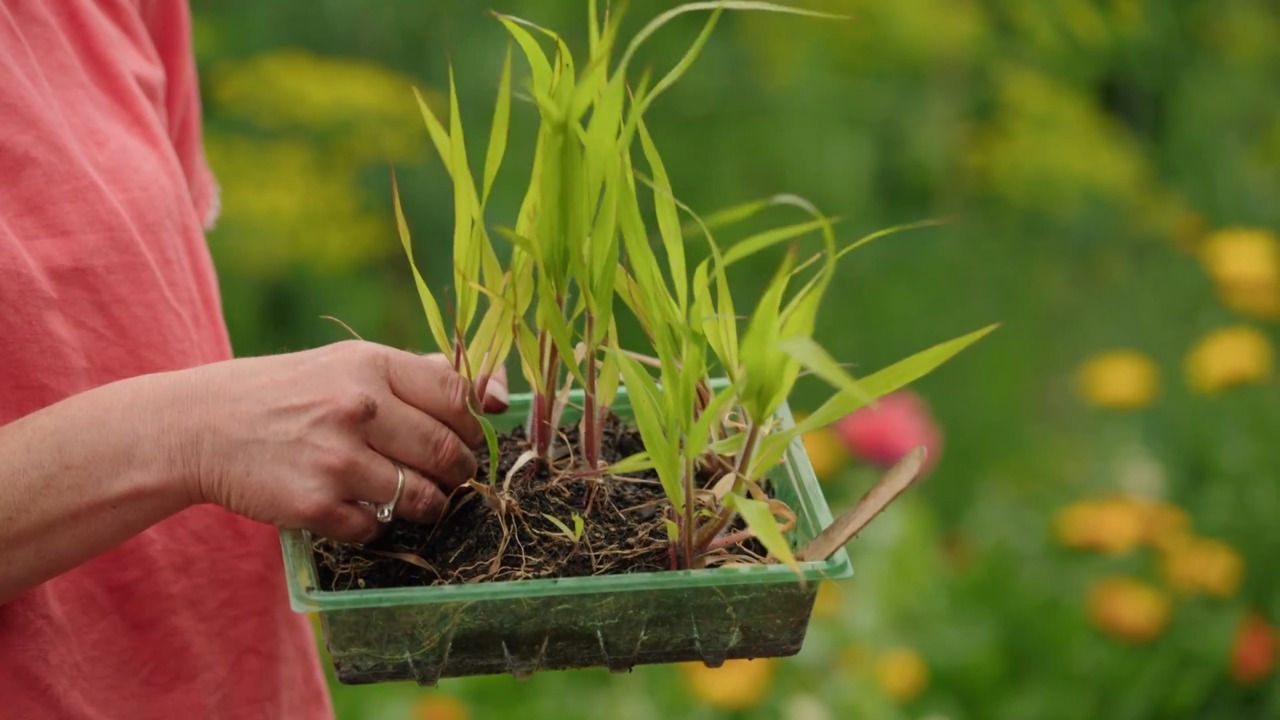
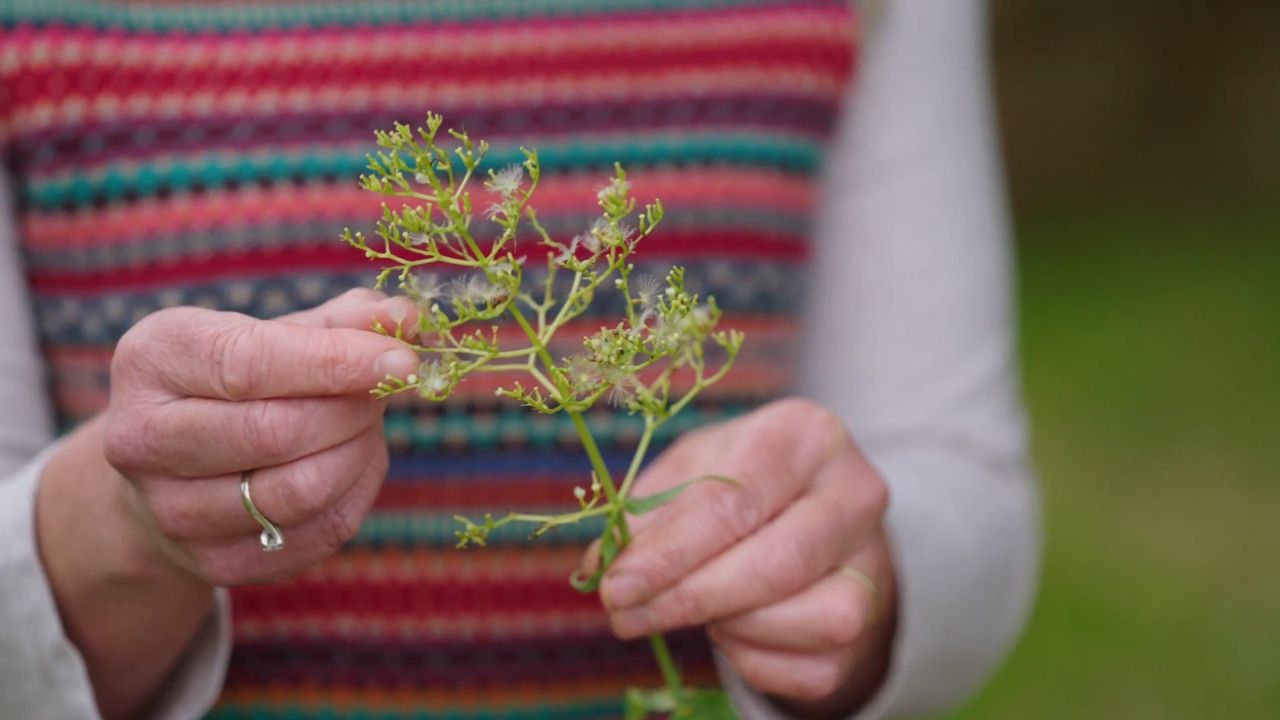
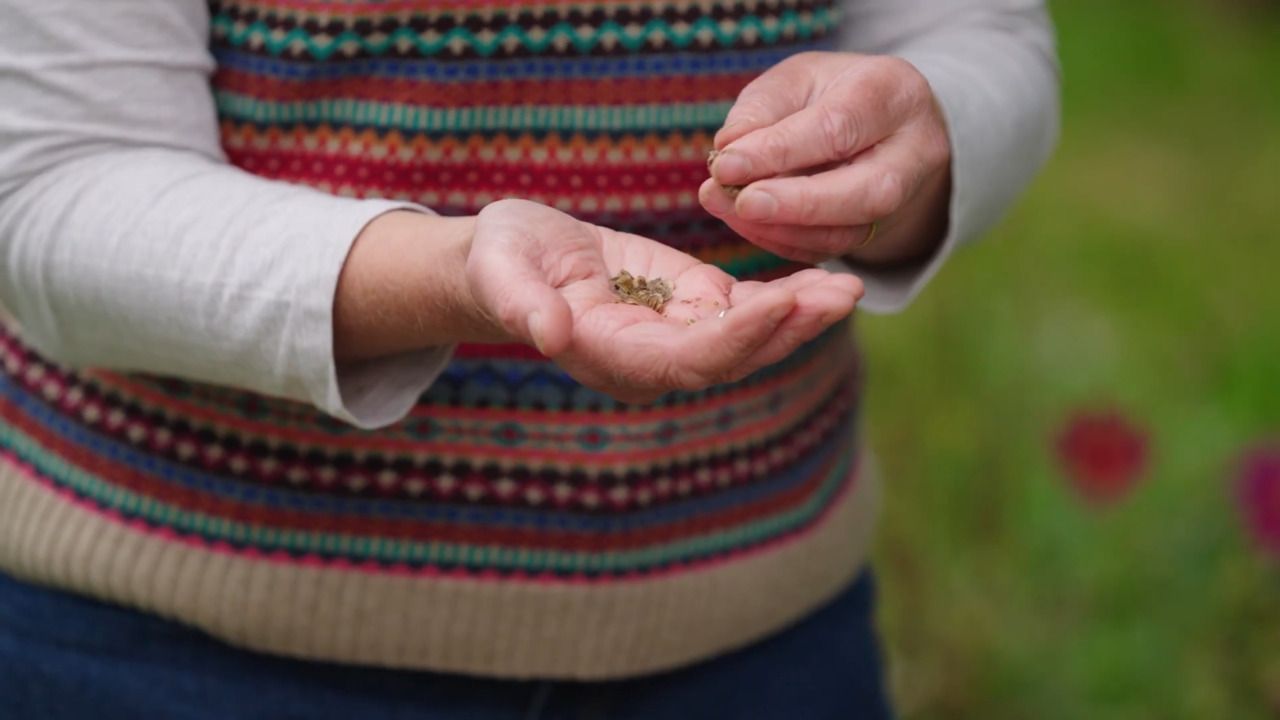
One of the best things to do with home-grown seedlings is to create pot displays to decorate around your house. You can try different styles and colour schemes each year.
This year, I haven't bought any plants for my pots. It's so satisfying to have grown even my own bedding plants, such as Lobelia, from seed.
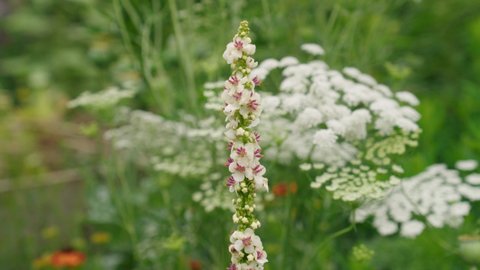
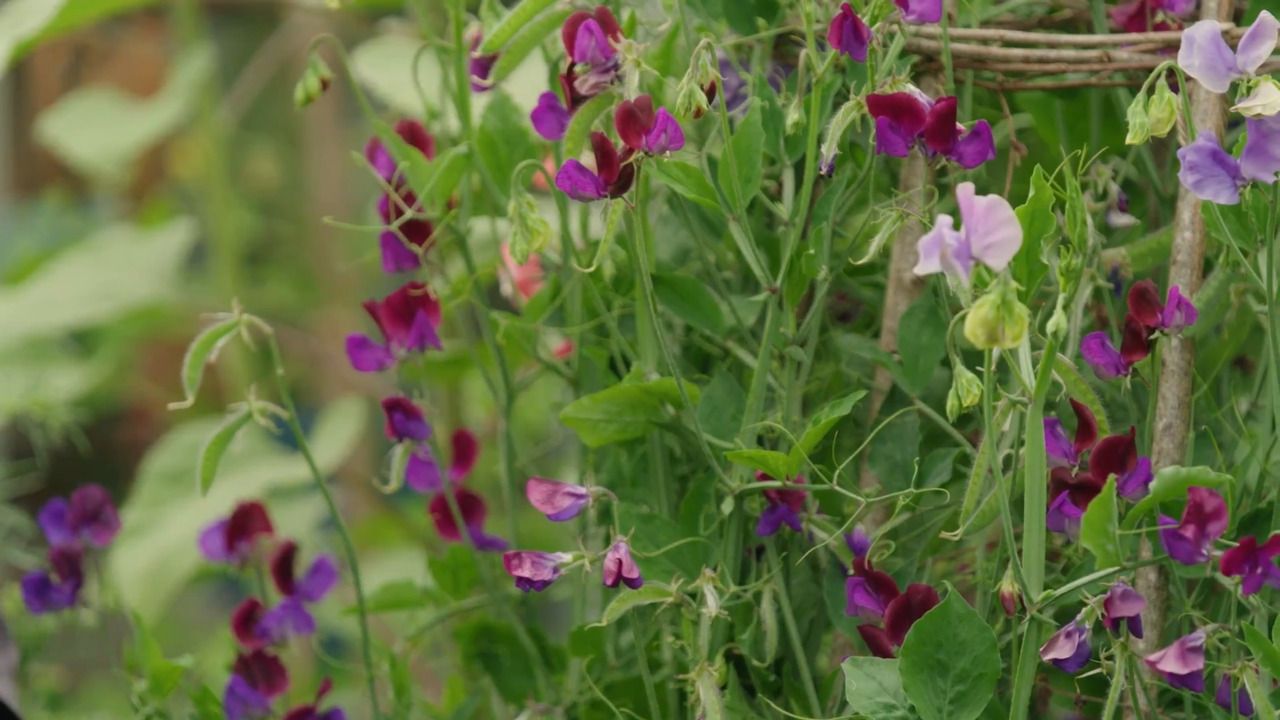
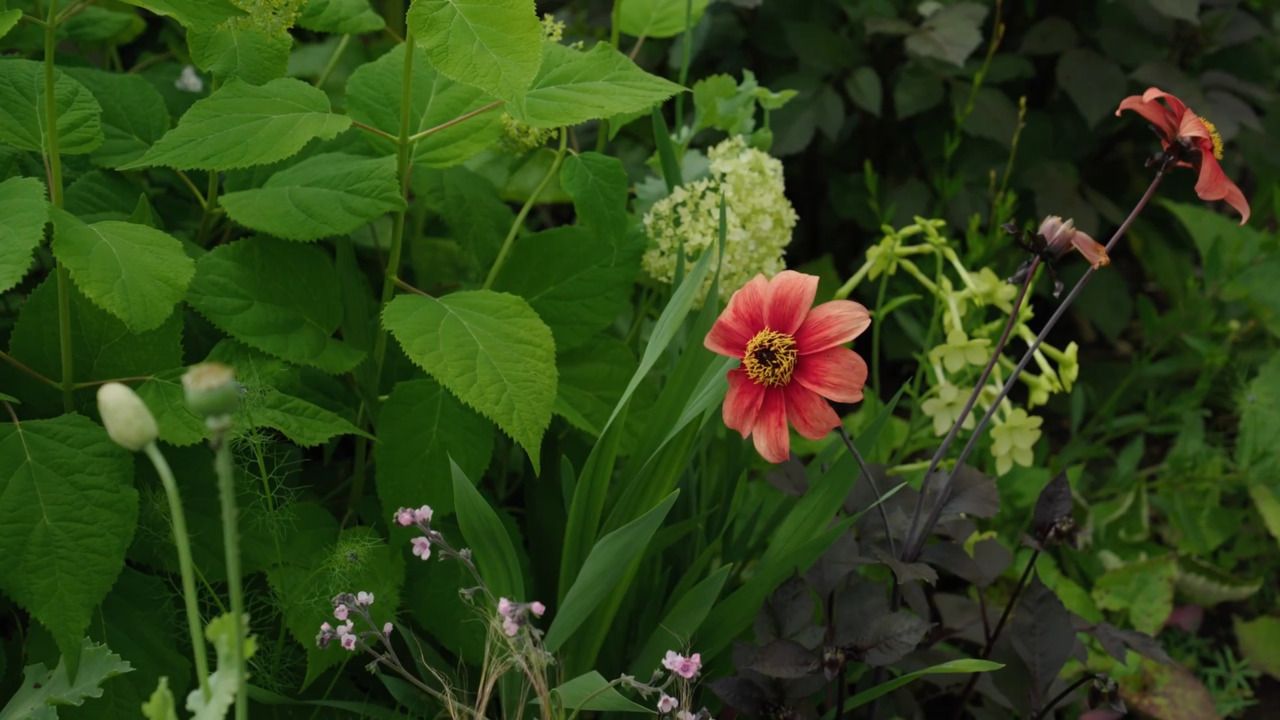
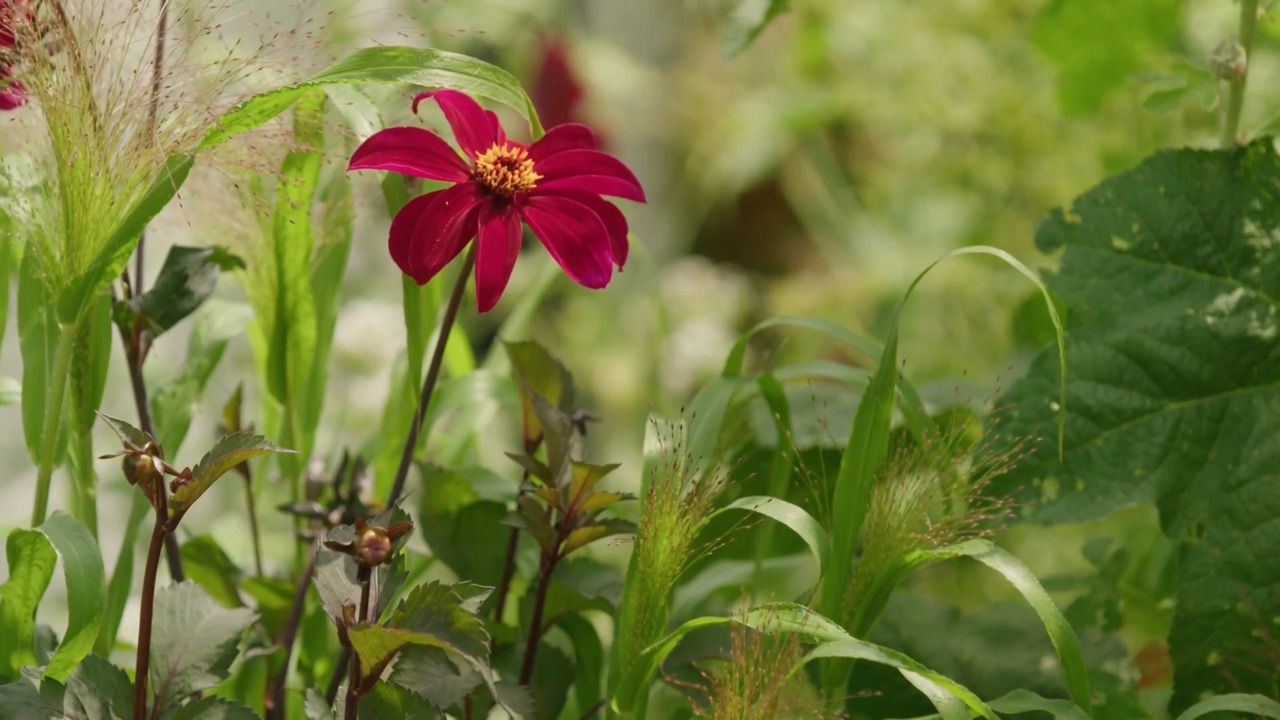
Look for a mixture of shapes and habits in each pot. These are some of the plant combinations I've used:
I planted my pots towards the end of May. They don't take long to get going and start flowering.
Here are some top tips for keeping your pots thriving.
Flowering should continue until end of summer or beyond, so I won't dismantle the pots until the end of autumn.
Pots are really useful for creating a garden in a tiny space like a balcony.
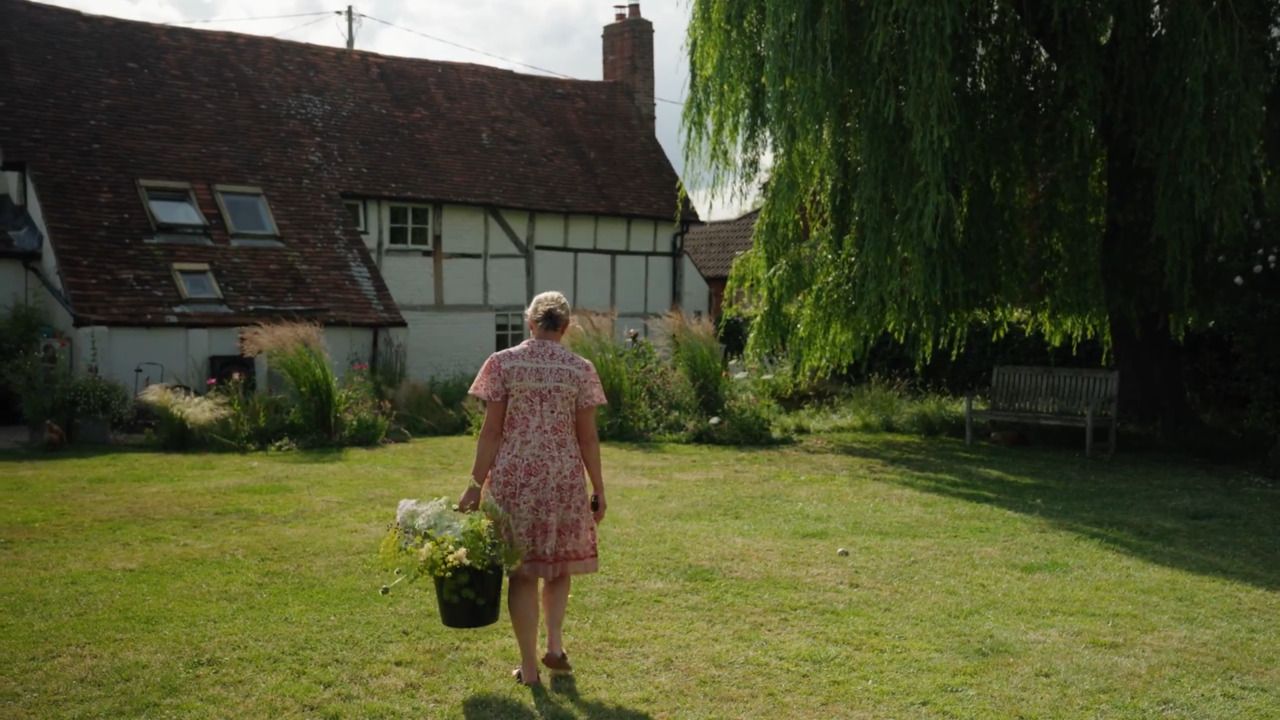
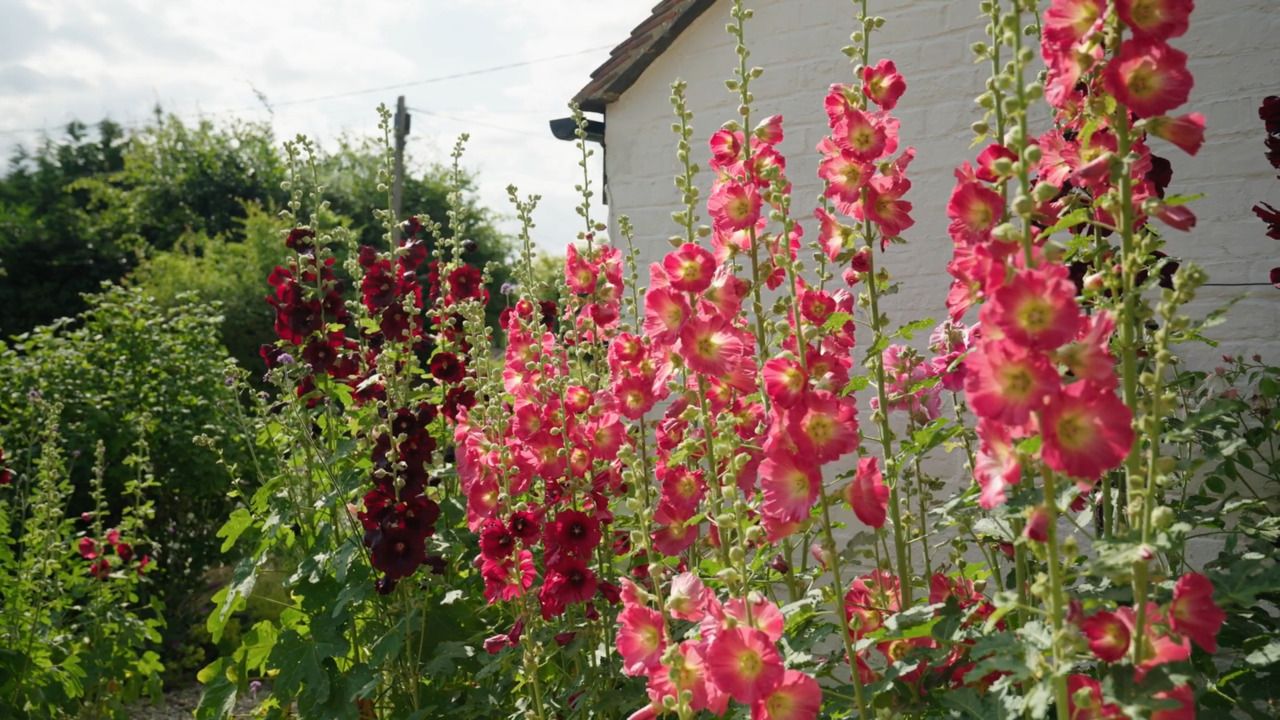
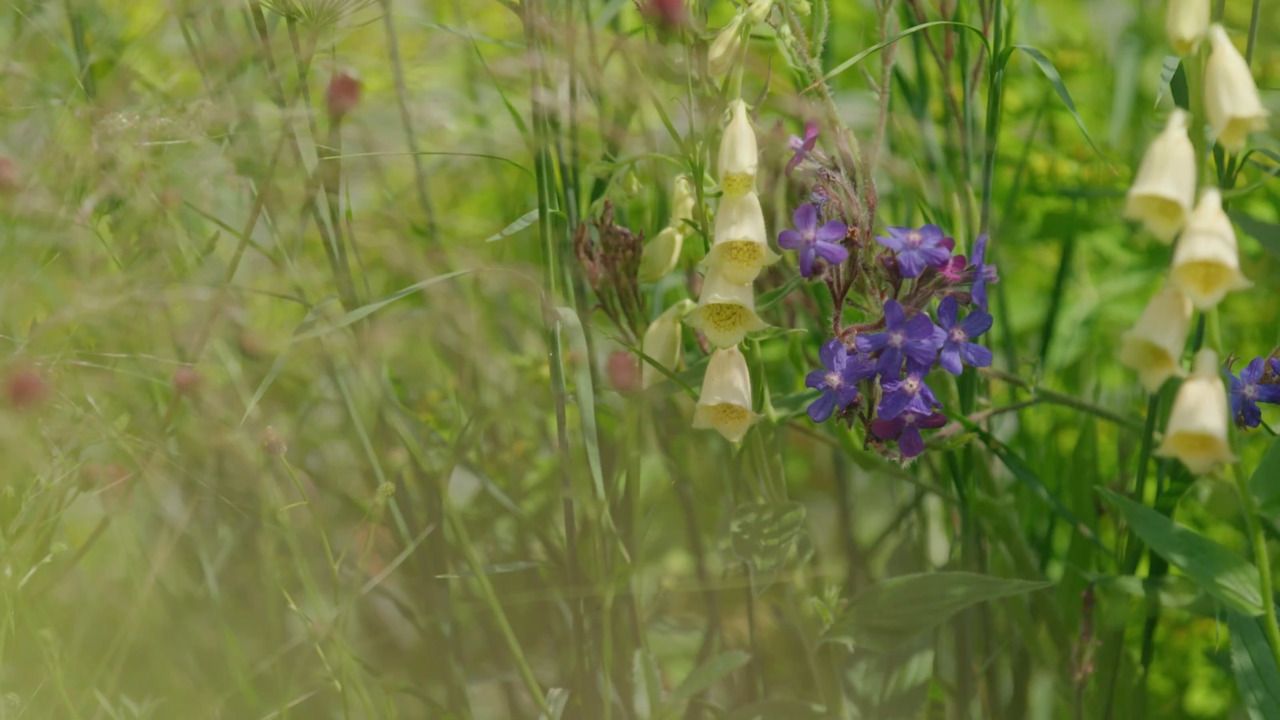
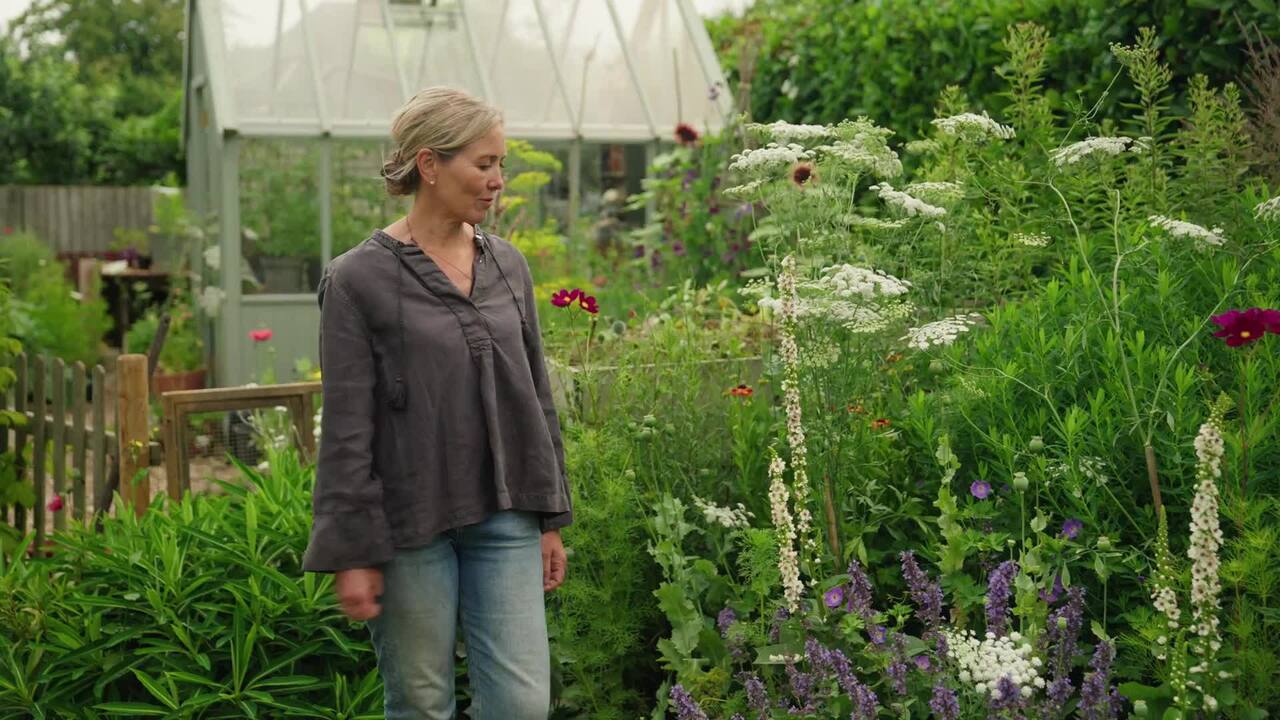
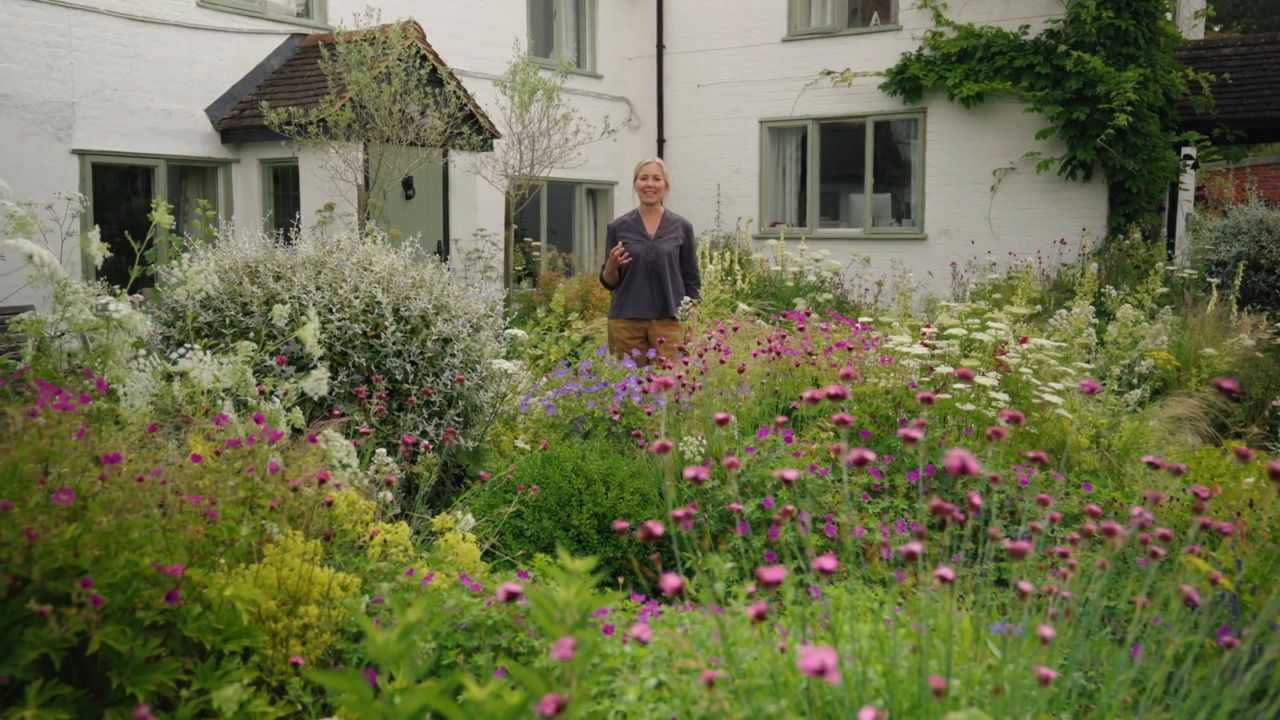
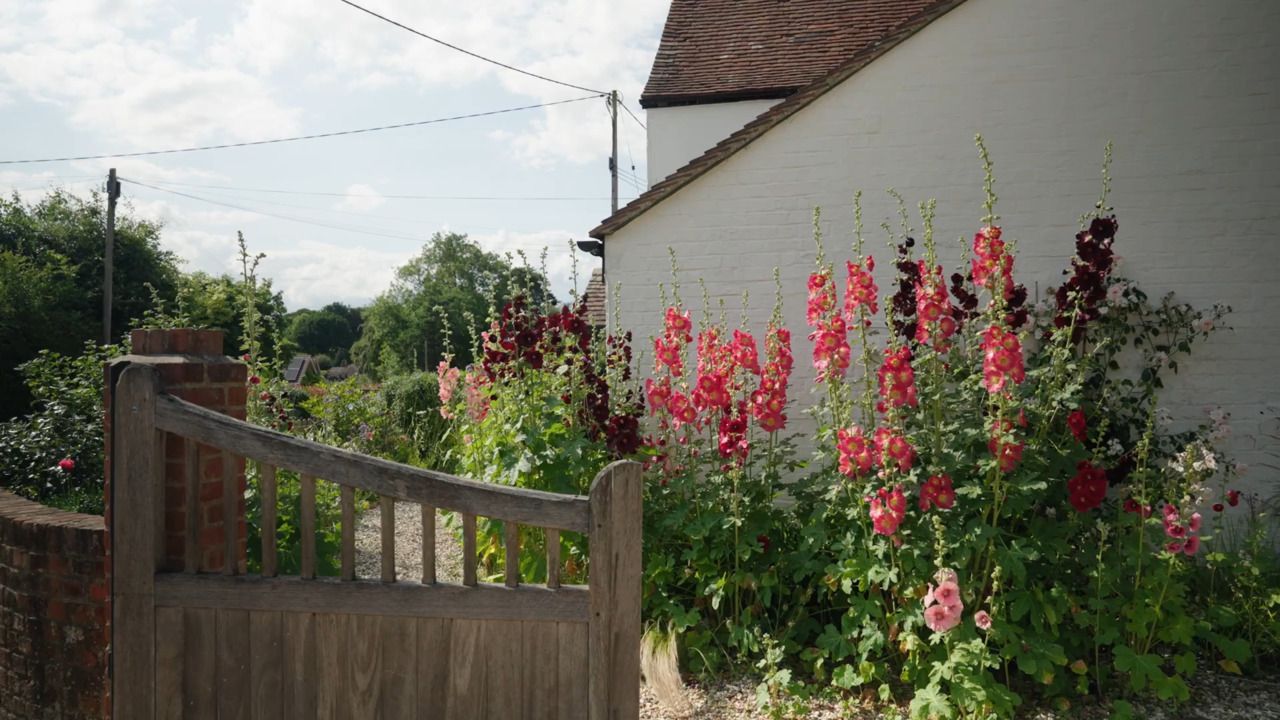
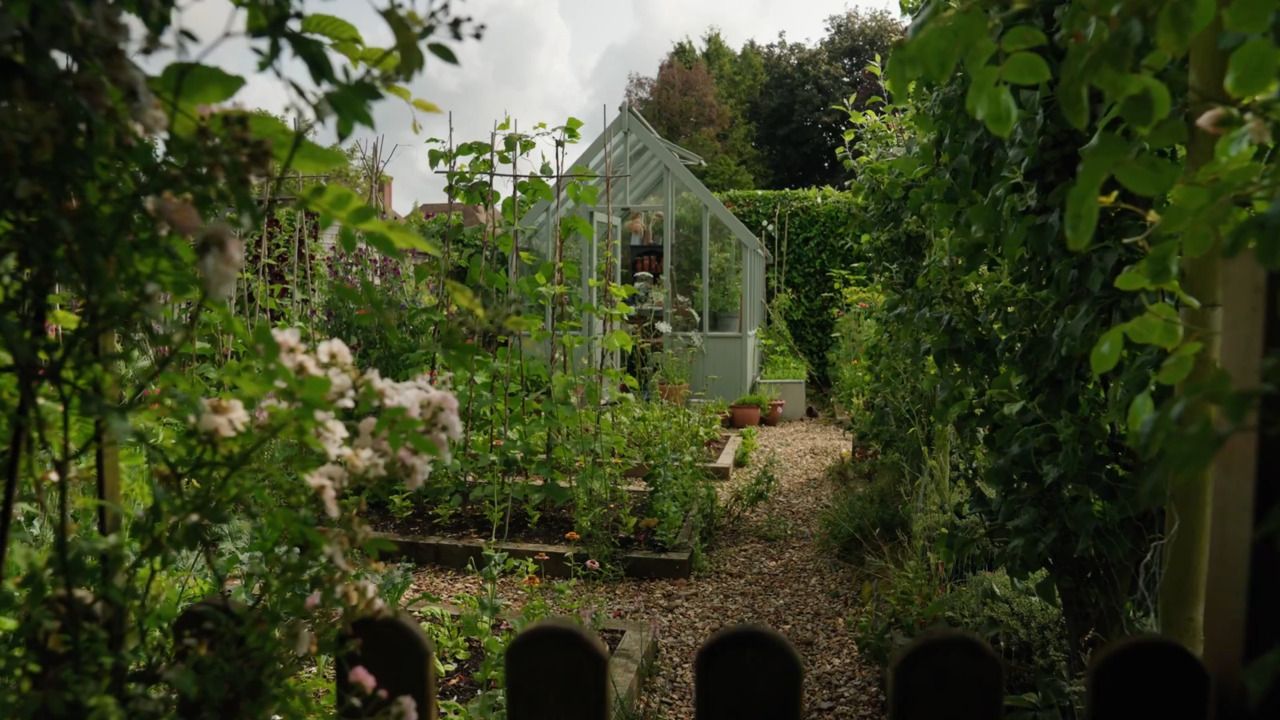
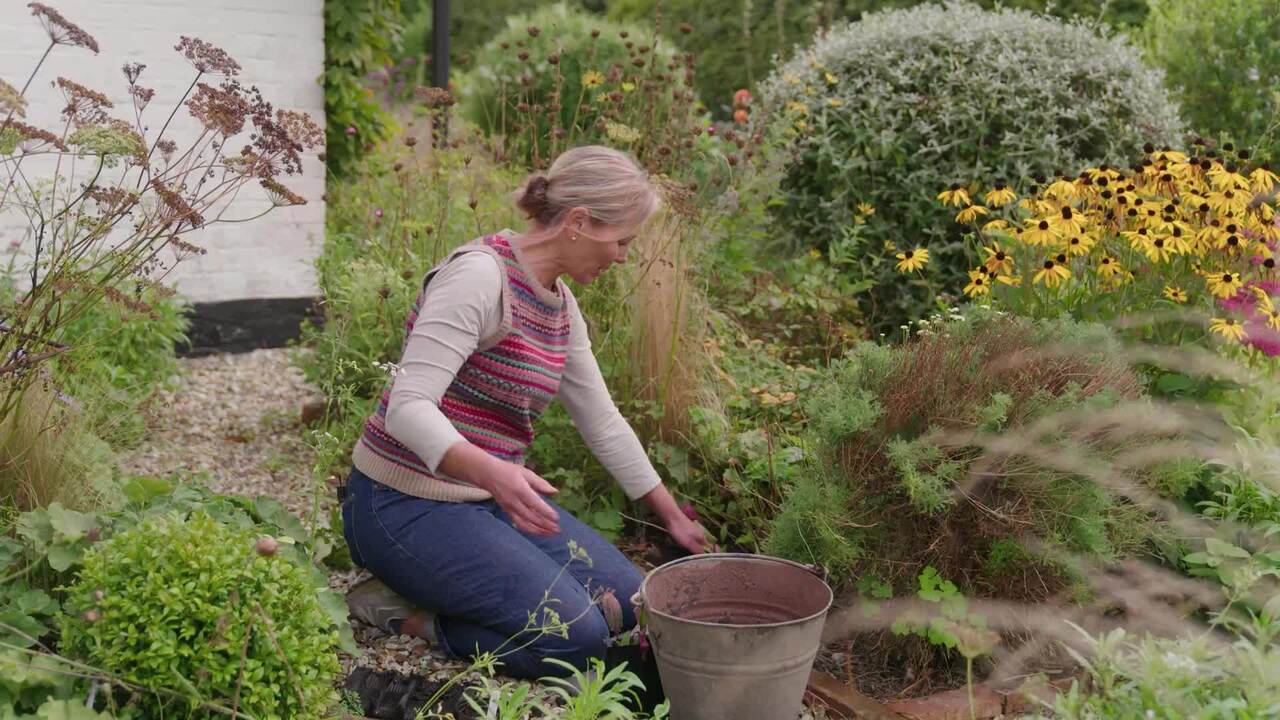
I like to do something different with my pots every year. I've gone for quite a bright look this year, which works well in this cottage garden style.
Include several elements in your pot – a focal point, a spiller that tumbles over the edge, and a filler that weaves through the other plants.
While there is a popular belief that peat-free composts don't retain moisture as well as peat-based mixes, recent results from extensive trials by the RHS have revealed that peat-free mixes often retain water just as well or even better than peat-based composts.
The perceptions of dryness stem from the 'dry on top' look of peat-free compost, which often leads to overwatering. Though the compost may look dry on the surface, there is usually still moisture lower down in the pot.
To judge whether you need to water, instead of just looking at the top of the compost, test its true moisture levels by poking a finger into the compost.
Get the full workbook, video lessons, and more with a Create Academy subscription.
Subscribe to access the full workbookAlready a member? Sign in to watch
491 reviews
Read moreCreate Academy has been such a great resource. I'm in the middle of renovating a bungalow with a very large garden and the courses have offered a wealth of inform...
Harvey
Jun 10, 2026
Absolutely love Create Academy! The instructors are extremely informative, and it is beautifully filmed. Create Academy is great value for money and plan on renew...
SG
May 31, 2026
Butter's creativity is stunning! Her ability to incorporate brilliance in small gardens is magical!
Carla
May 30, 2026
The best adventure. I like all the courses, but my favorite are both Rita Konig interior design courses and Anna Jones. Excellent!
Karolina Kluczewska
May 20, 2026
Create Academy has been such a great resource. I'm in the middle of renovating a bungalow with a very large garden and the courses have offered a wealth of information to dive into and explore new ideas. I'm...
Harvey
Jun 10, 2026
Absolutely love Create Academy! The instructors are extremely informative, and it is beautifully filmed. Create Academy is great value for money and plan on renewing my subscription yearly because there are ...
SG
May 31, 2026
Butter's creativity is stunning! Her ability to incorporate brilliance in small gardens is magical!
Carla
May 30, 2026

Your Instructor
Garden writer and plantswoman. Seed growing expert. Garden Editor of House & Garden magazine.
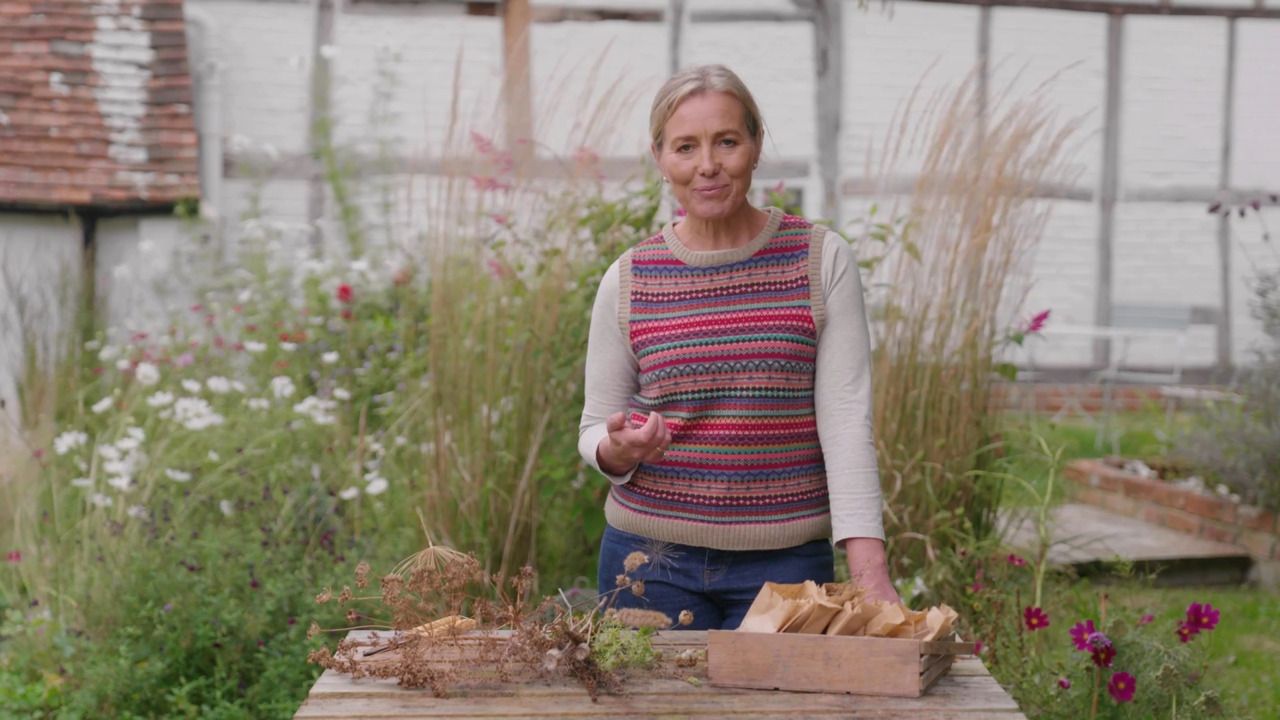
Clare Foster is a gardener, writer and journalist. She has been House & Garden’s Garden Editor since 2005, and before that was the Editor of Gardens Illustrated. Clare is an expert at growing from seed and has written a book on the topic called, 'The Flower Garden: how to grow flowers from seed'.
Access to all courses


