

Interior and exterior confidence
Create Academy has been such a great resource. I'm in the middle of renovating a bungalow with a very large garden and the courses have offered a wealth of inform...
Harvey
Jun 10, 2026
Cut and Come Again Masterclass
with SARAH RAVEN — Acclaimed English gardener, cook and writer. Host of the UK’s No.1 gardening podcast.
Lesson 34 of 48
Subscribe to watch
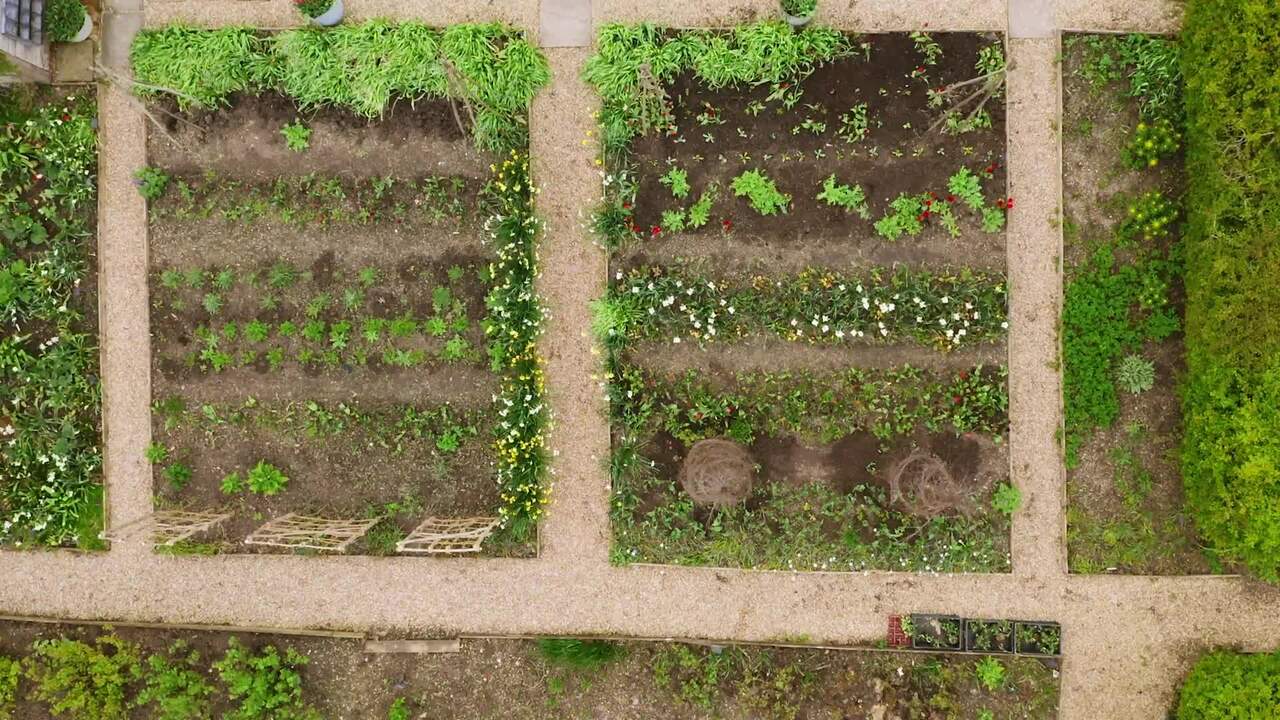
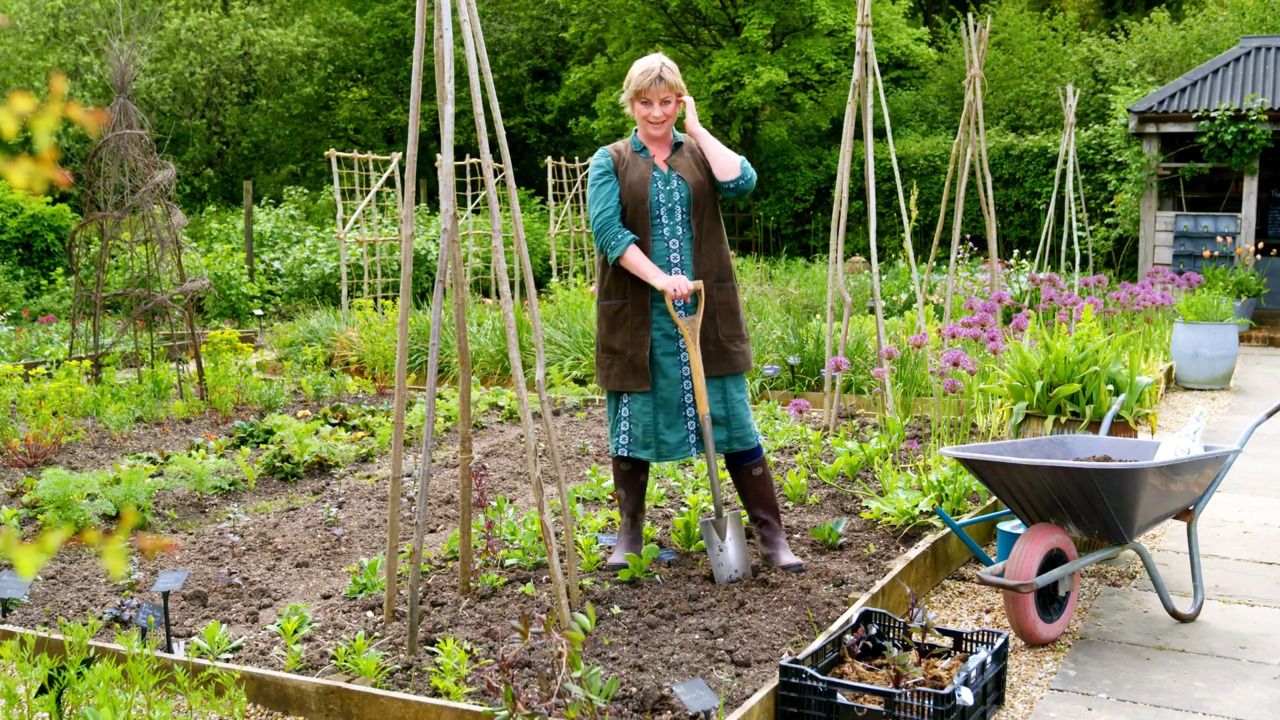
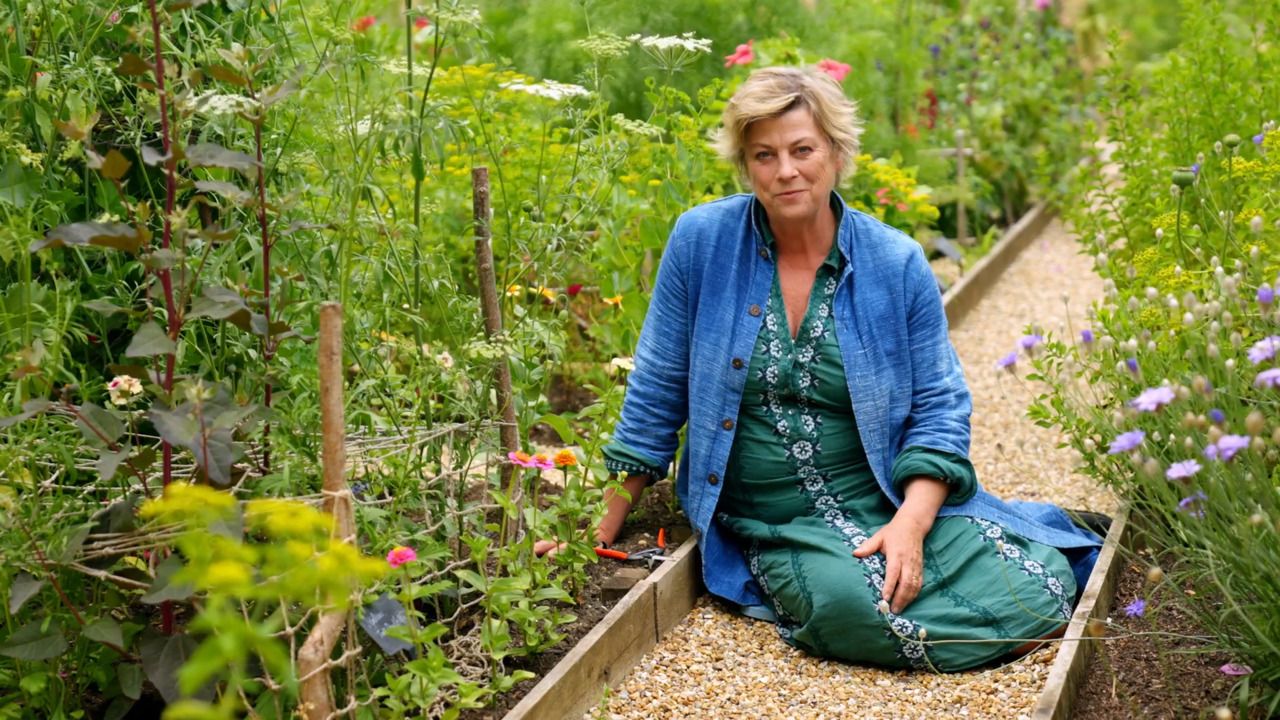
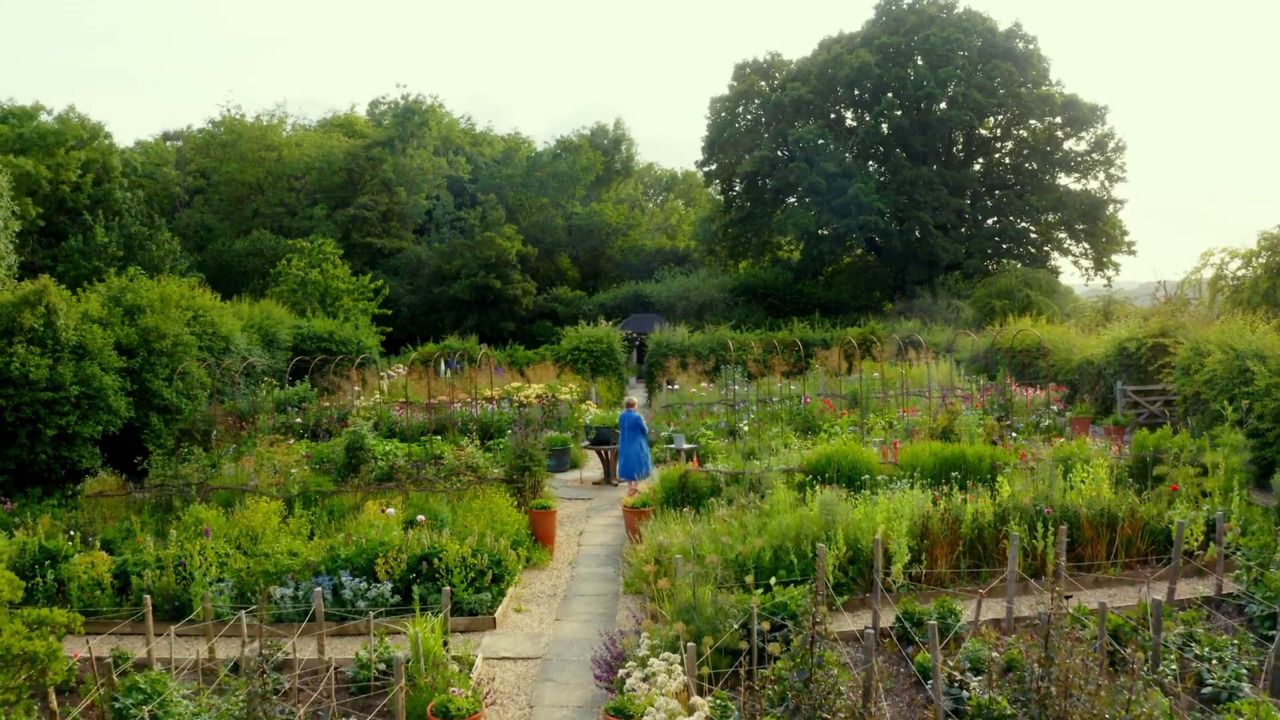
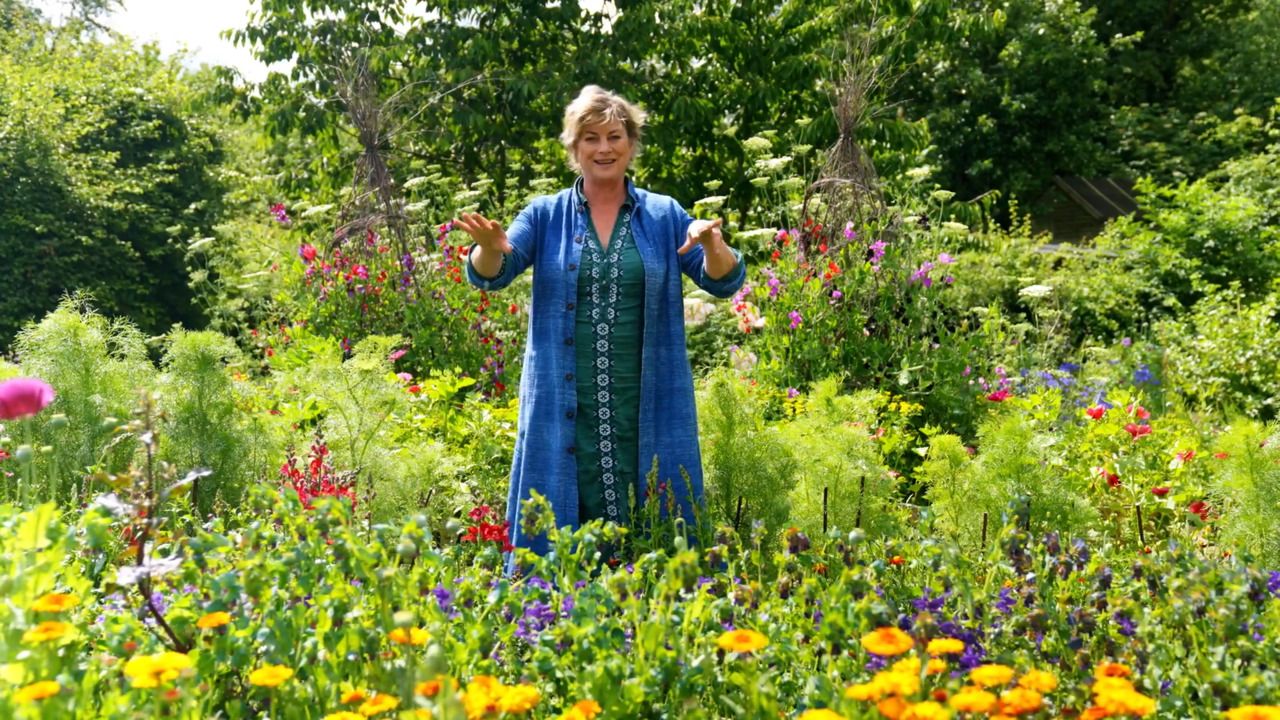
By June your cutting patch should be awash with colour. Here, Sarah will show you why watering heavily but less regularly is key to a successful and sustainable flower garden.
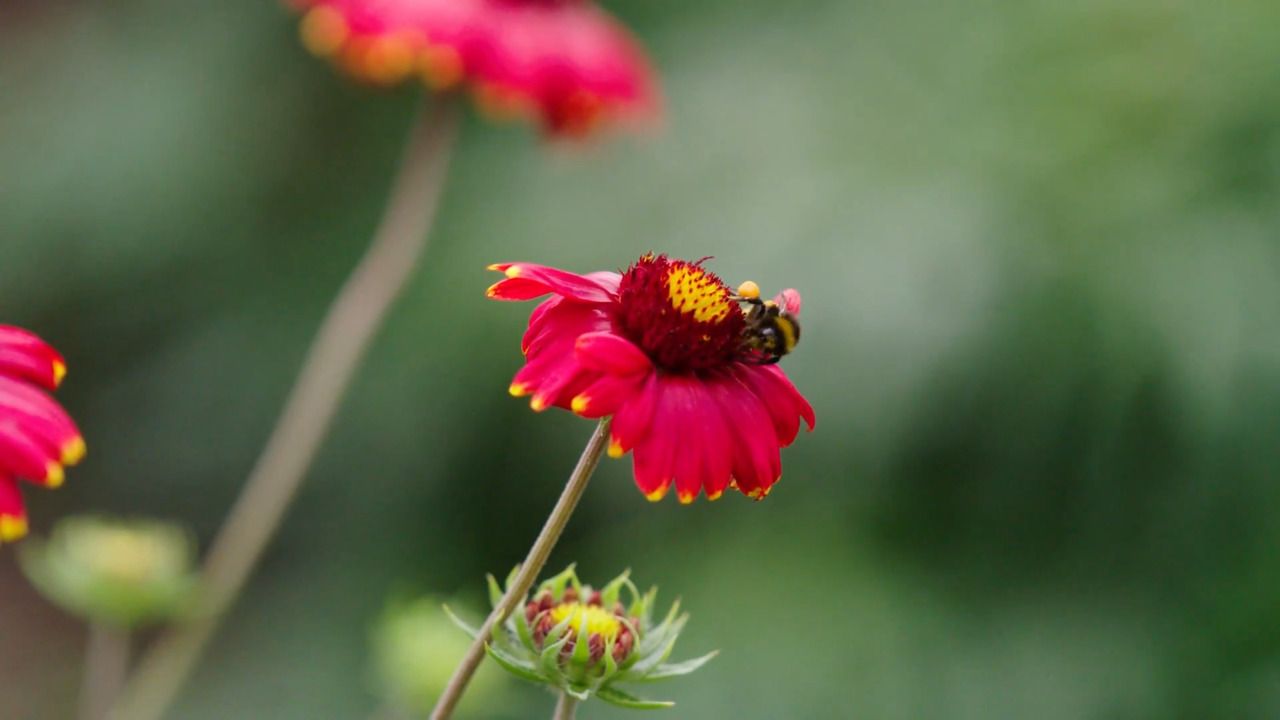
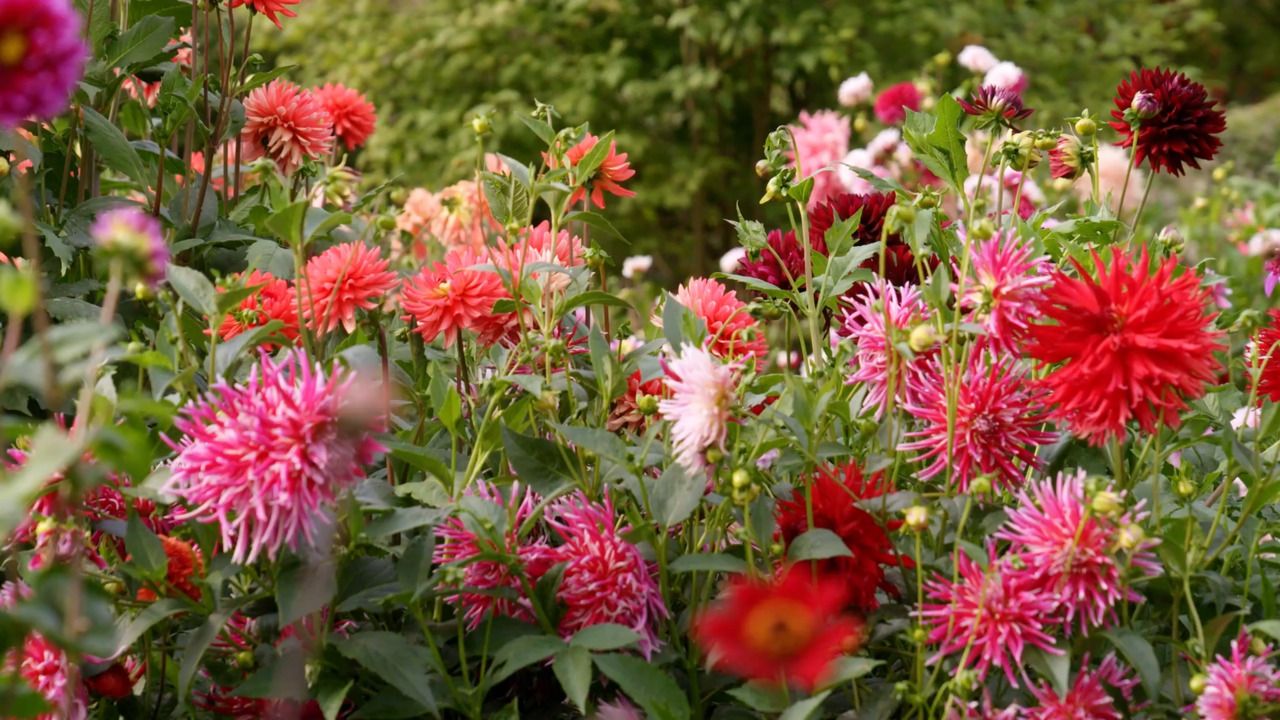
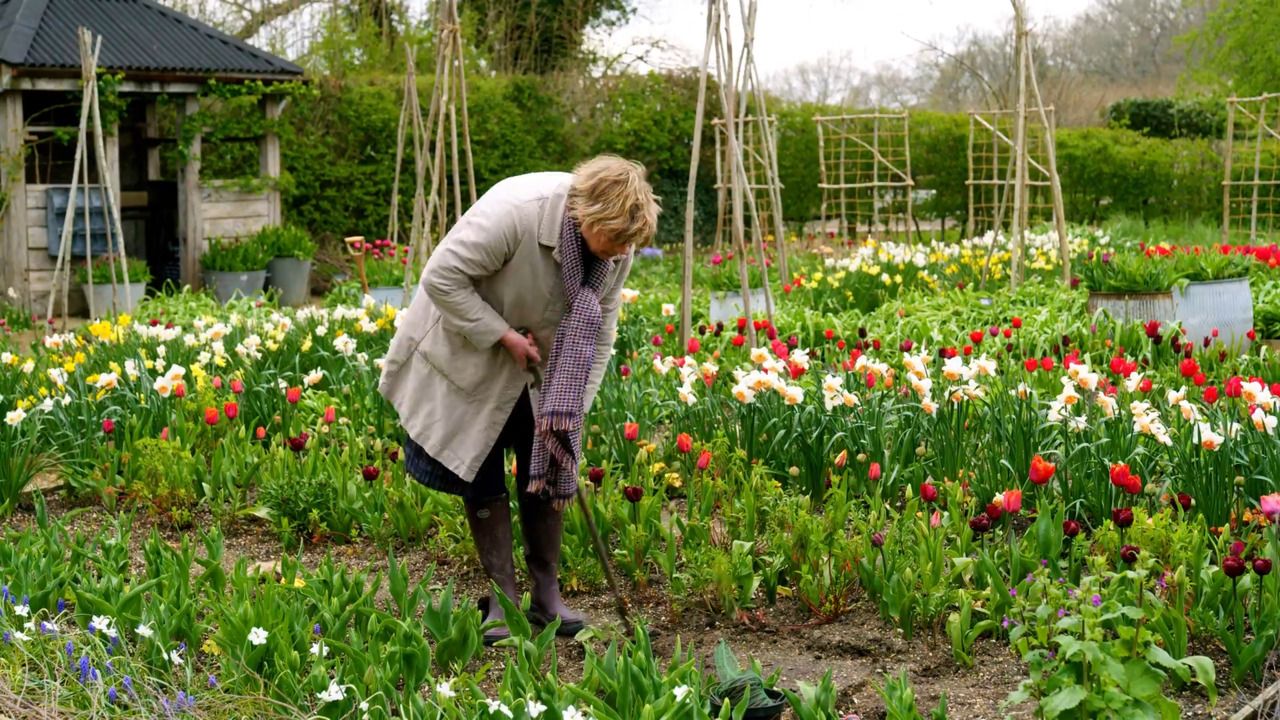
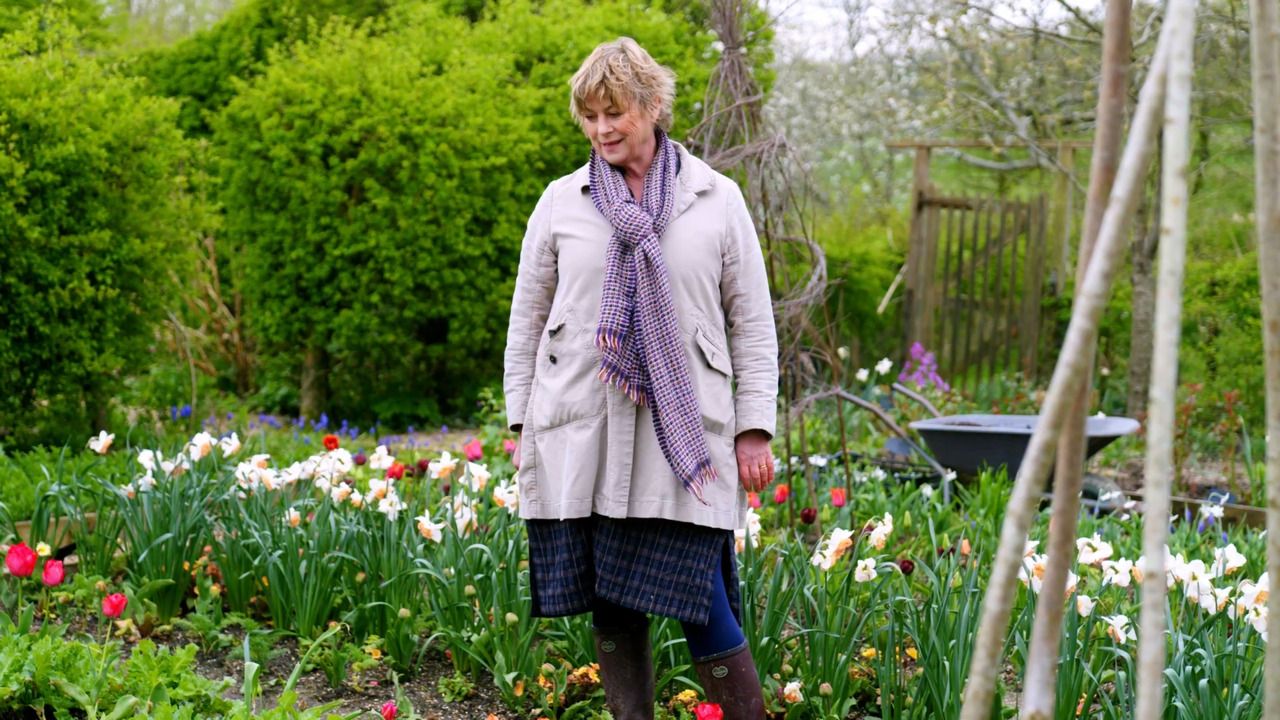
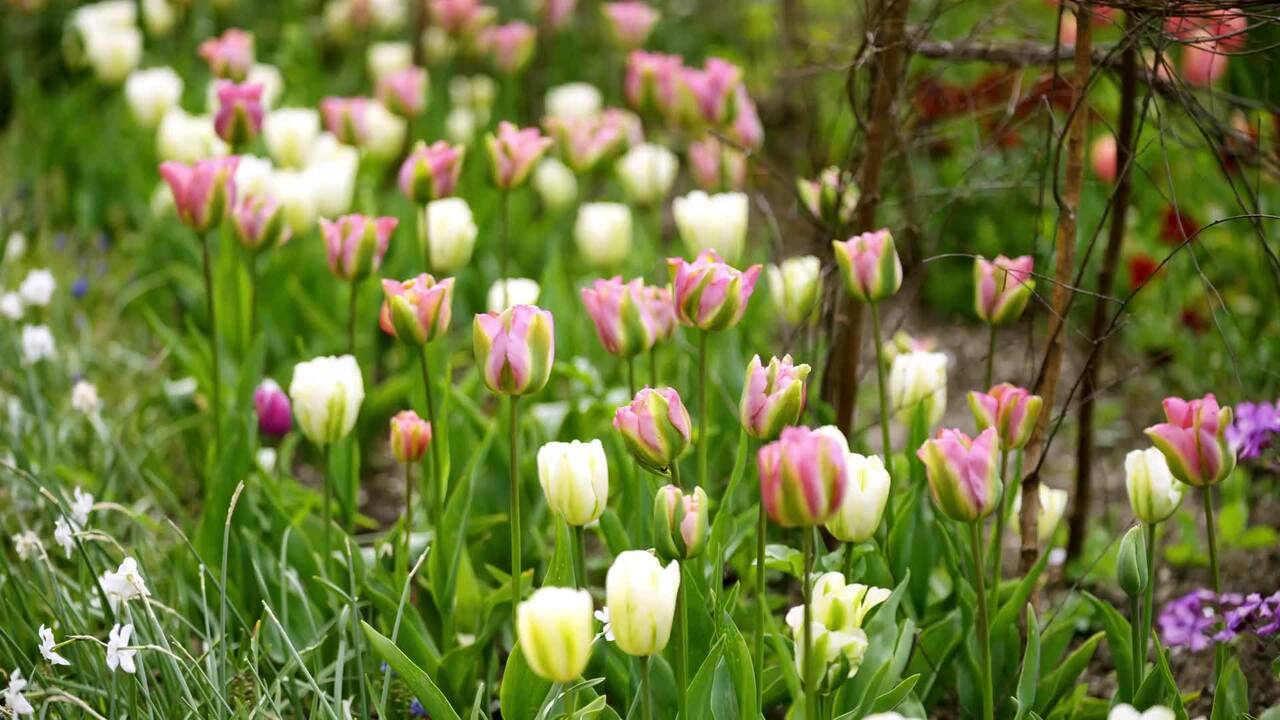
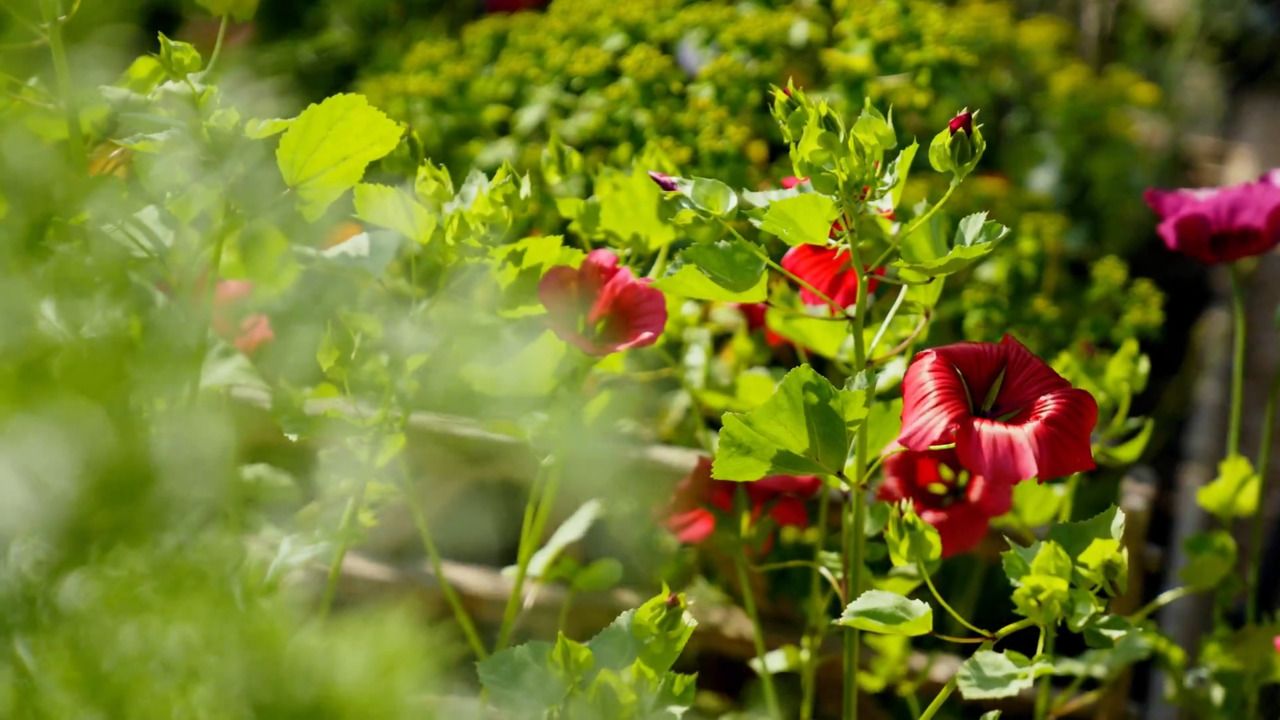
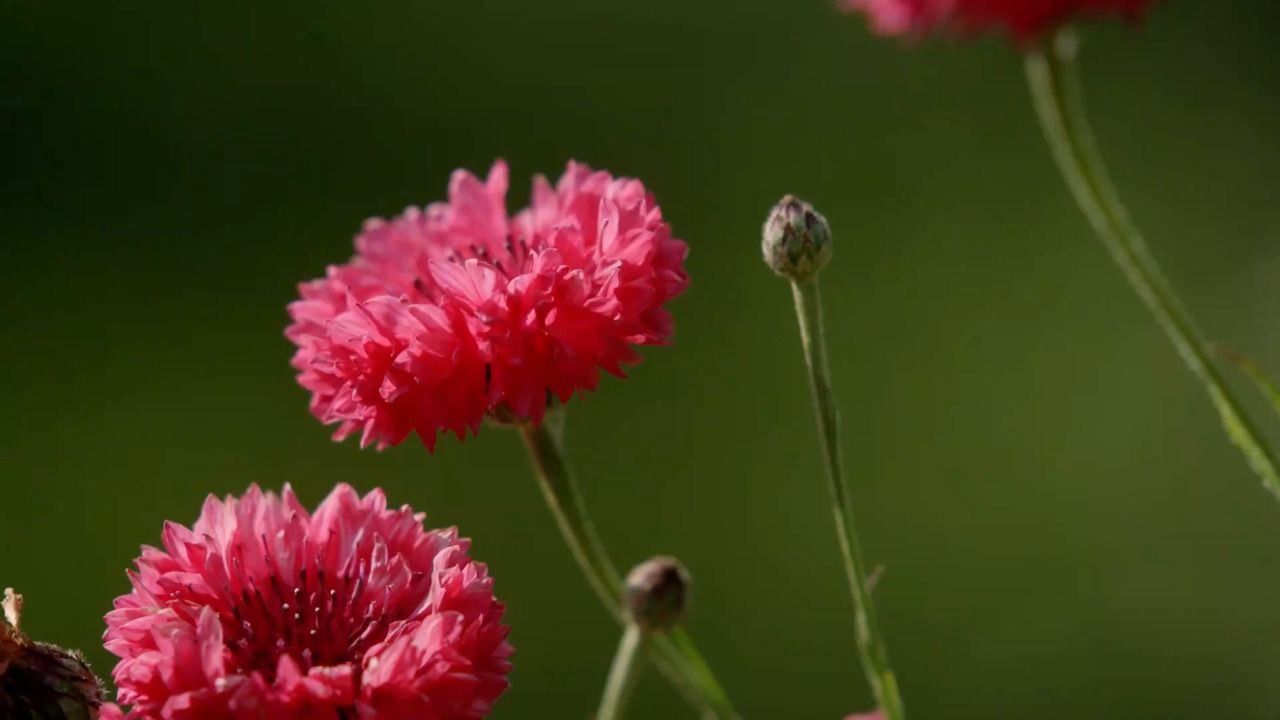
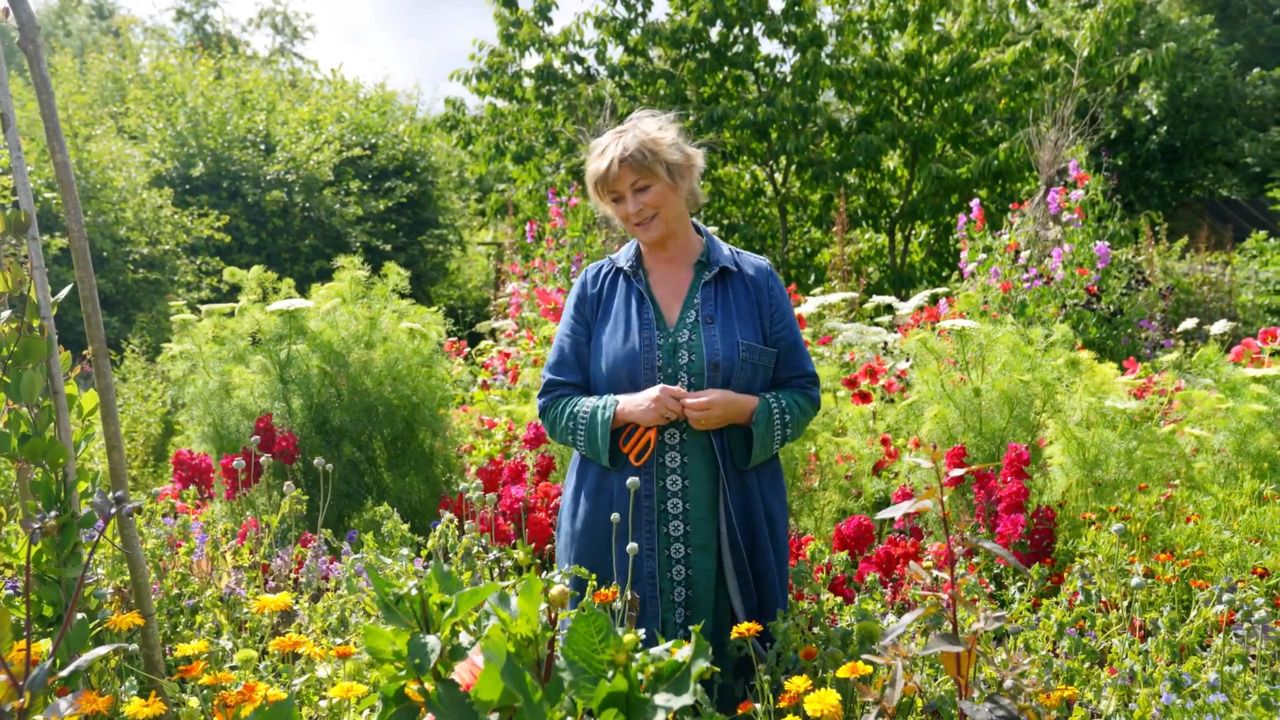
By June the cutting patch is in full bloom, with beautiful colours and textures on display and the sweet perfume of flowers and buzz of bees filling the air.
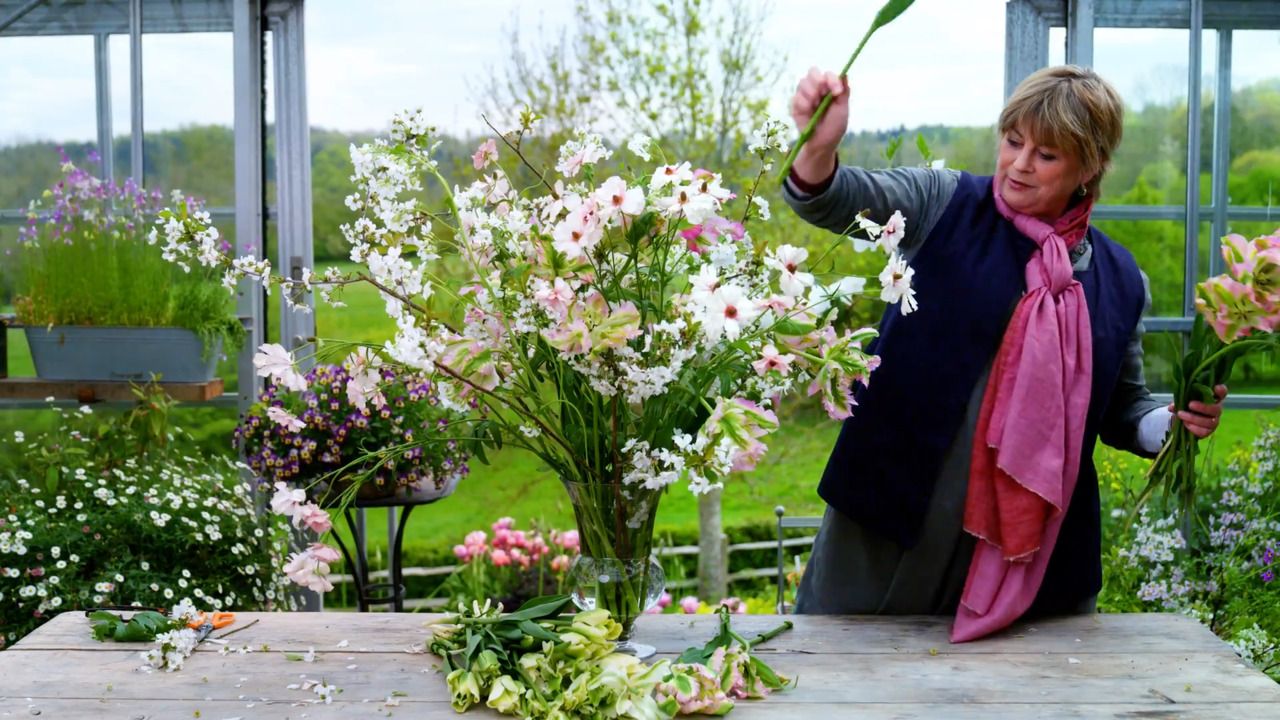
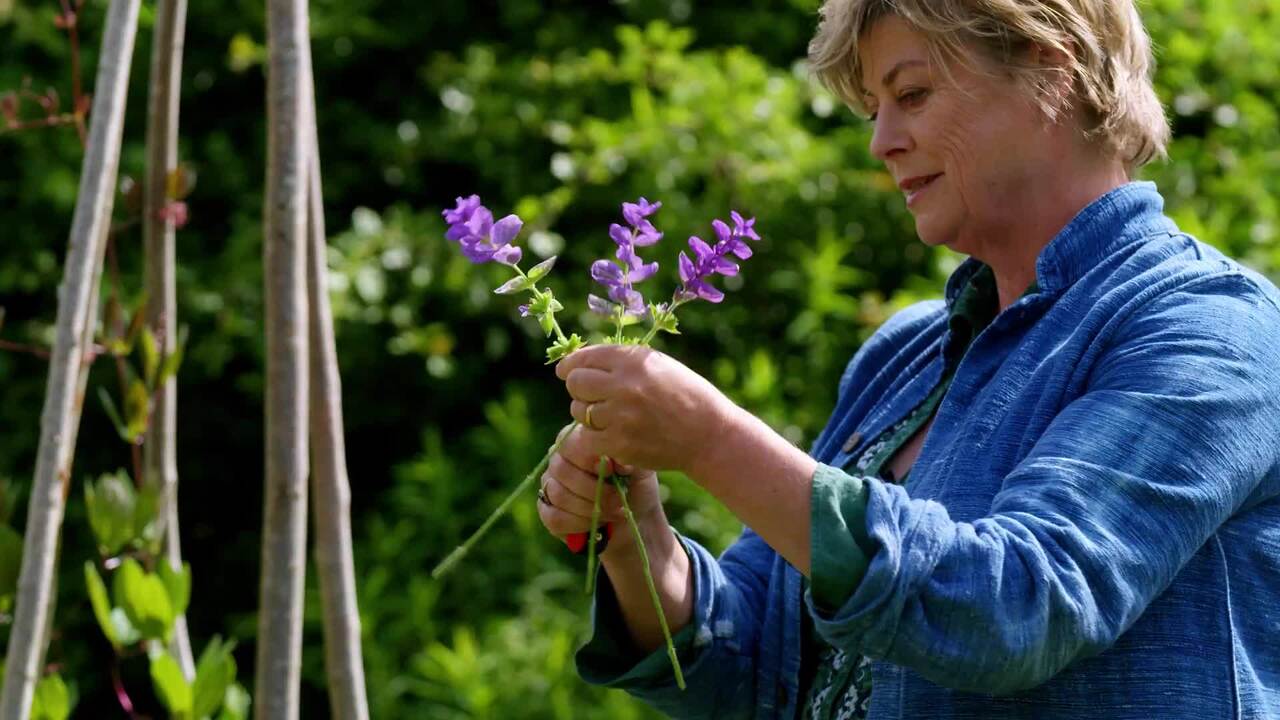
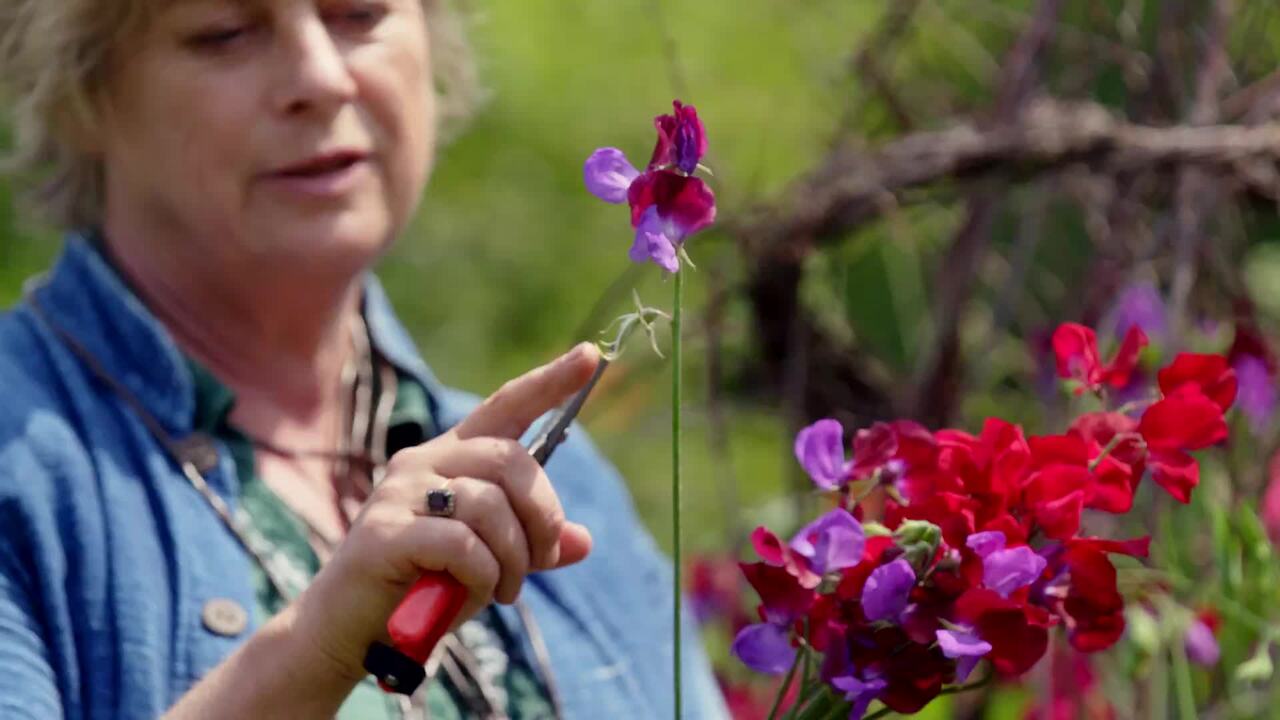
At this time of year I'm picking three bunches of flowers a week, and as long as the flowers are picked in the right way, then more blooms will follow shortly after.
Due to climate change we all need to consider how often we water our gardens, and hosepipe bans are likely to become more prevalent in the future.
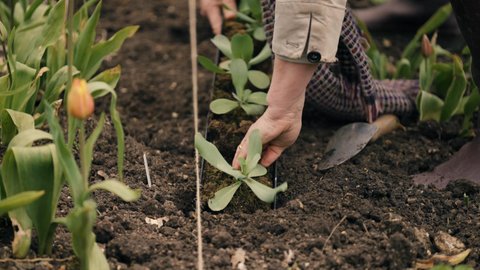
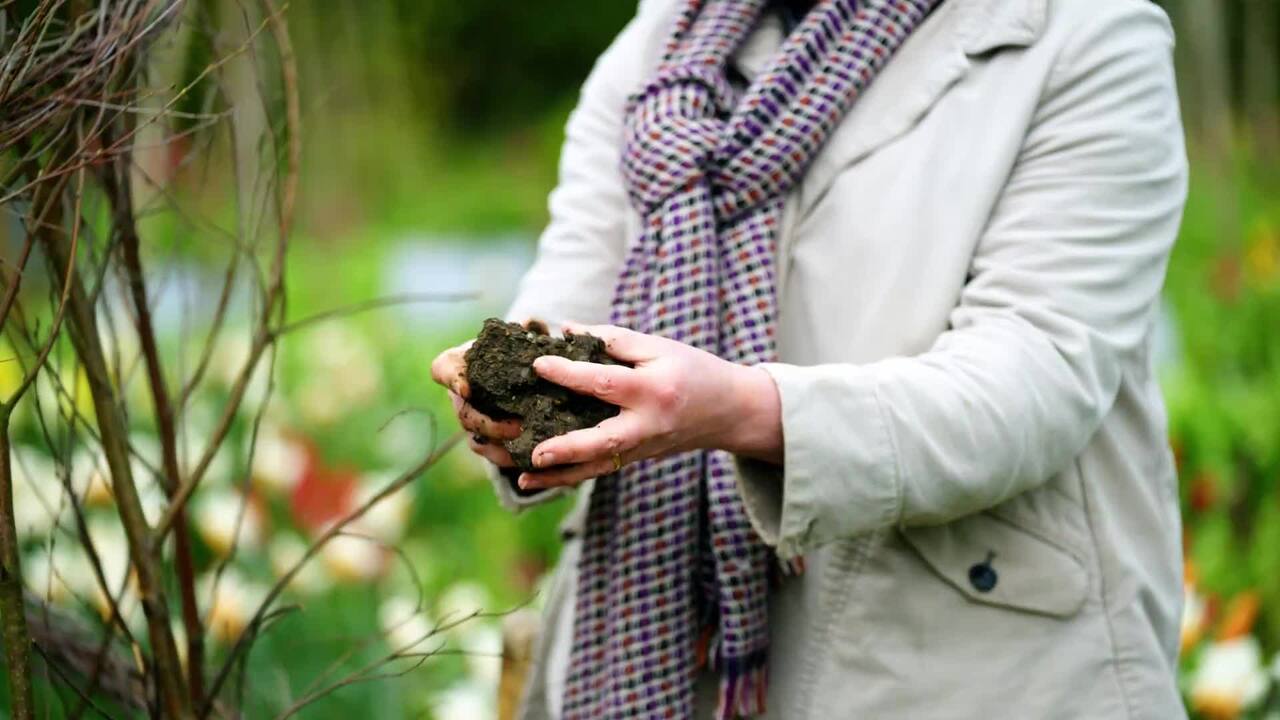
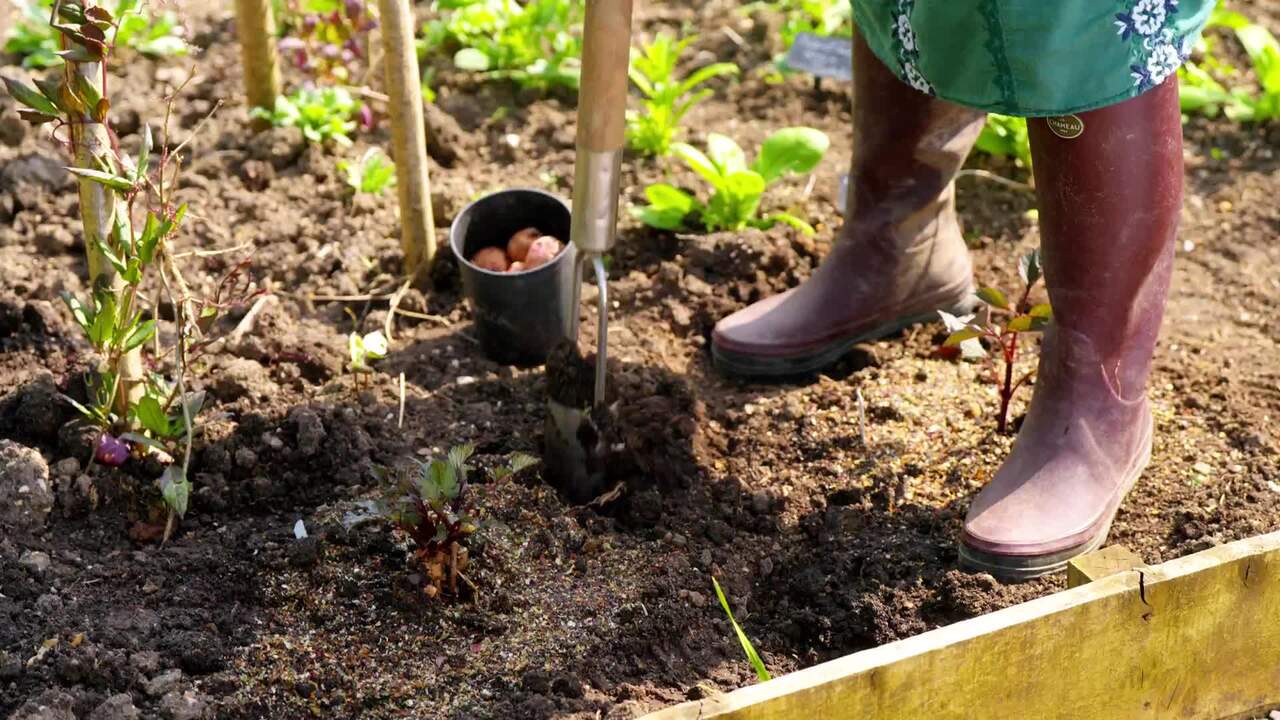
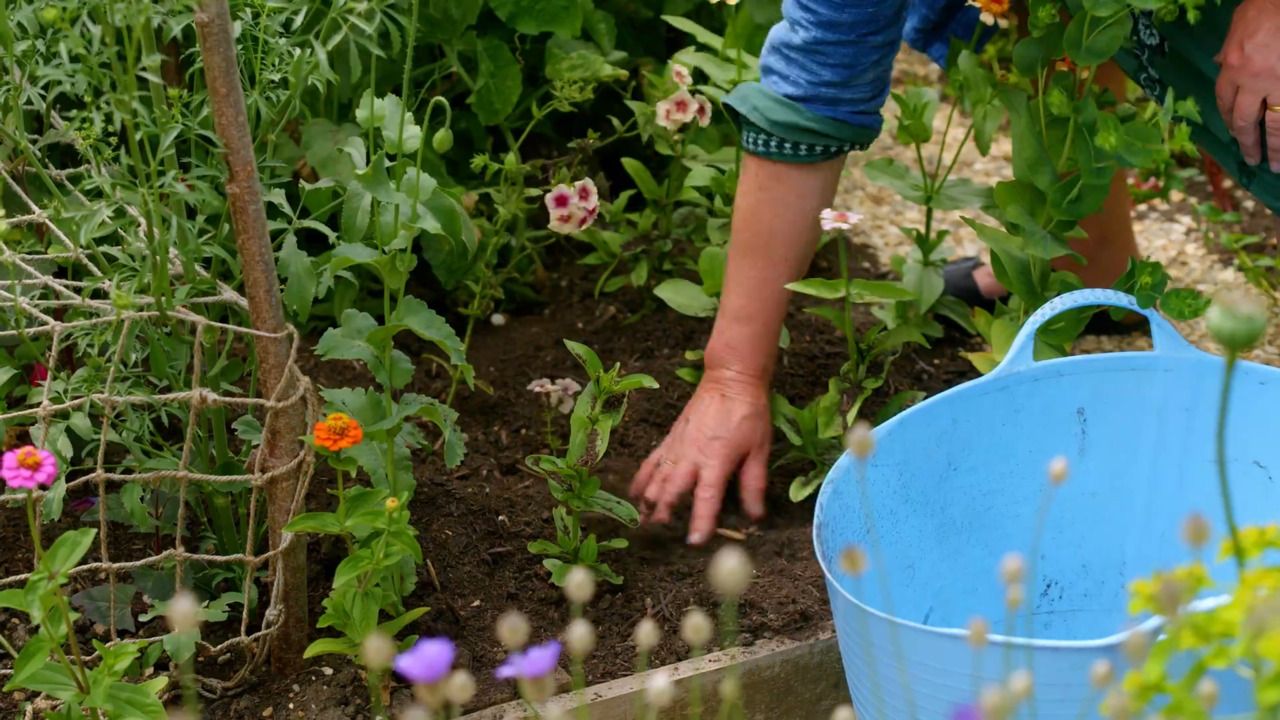
May is the most important month to water as your seedlings will have just been planted out. The key to watering is to really drench the soil and your plants, so that the water will penetrate the soil and draw your plant roots down.
If you just lightly sprinkle the soil with a watering can then the roots of your plants will be drawn upwards in search of the water and this will make them more vulnerable to damage and drying out. If the water is only sitting on the surface of the soil, it is also more vulnerable to evaporation, which is wasting this precious resource.
By really drenching the soil you will find that you won't have to water as often either.
It's important to remember that most of these plants come from warm and arid regions and so are used to growing in drought conditions.
In the wild you'll find many hardy annuals growing by the side of roads or on brownfield sites. This shows that they do not need rich and nutritious soil to grow, and in fact, if you give them too much goodness they will produce more leaves than flowers.
By keeping them a little hungry, the plant is likely to produce more flowers as it will be worried it may die soon and will be forced into trying to reproduce by producing flowers and therefore seed.
If you've added manure or compost into the soil before you planted, then this is really all the feeding that you need to do for a cut flower bed.
While it may seem like a patch this size would take up a lot of time, there is actually minimal maintenance involved.
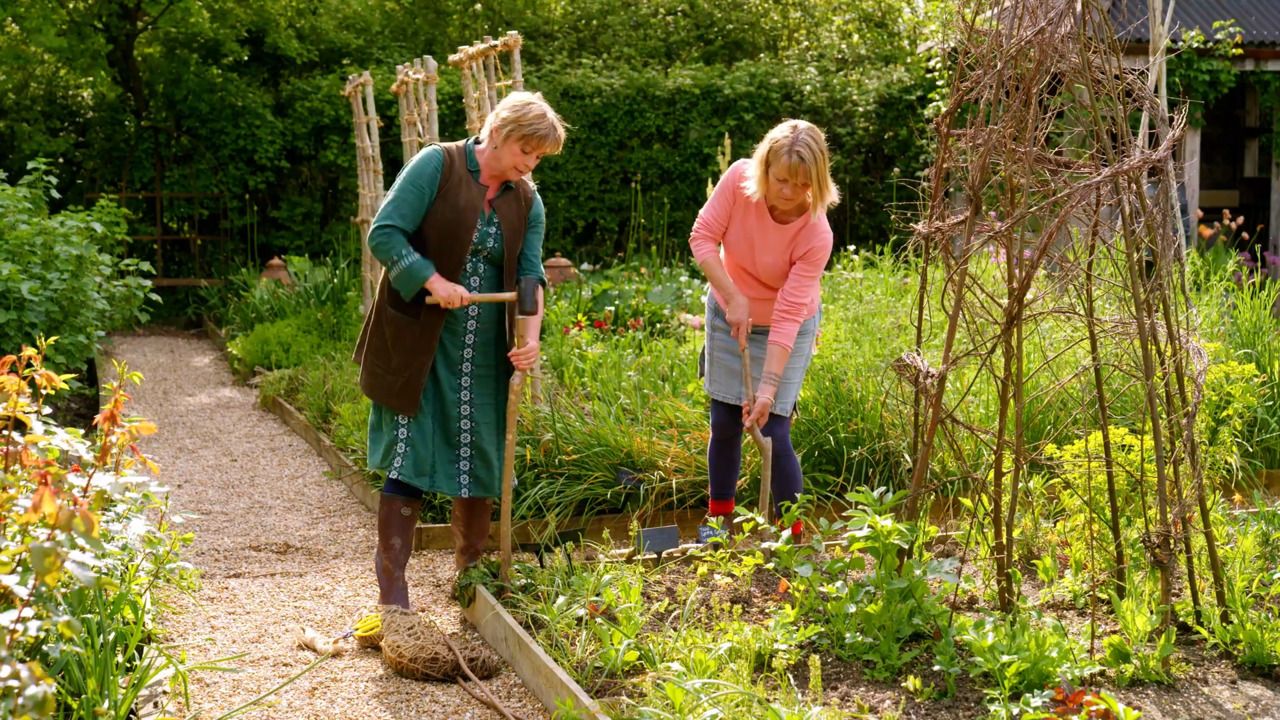
Overall, I think I spent one hour a week planting seeds, followed by less than one hour a week during the height of May and June. This doesn't include picking the flowers, but does include sowing, planting and maintaining them.
Get the full workbook, video lessons, and more with a Create Academy subscription.
Subscribe to access the full workbookAlready a member? Sign in to watch
491 reviews
Read moreCreate Academy has been such a great resource. I'm in the middle of renovating a bungalow with a very large garden and the courses have offered a wealth of inform...
Harvey
Jun 10, 2026
Absolutely love Create Academy! The instructors are extremely informative, and it is beautifully filmed. Create Academy is great value for money and plan on renew...
SG
May 31, 2026
Butter's creativity is stunning! Her ability to incorporate brilliance in small gardens is magical!
Carla
May 30, 2026
The best adventure. I like all the courses, but my favorite are both Rita Konig interior design courses and Anna Jones. Excellent!
Karolina Kluczewska
May 20, 2026
Create Academy has been such a great resource. I'm in the middle of renovating a bungalow with a very large garden and the courses have offered a wealth of information to dive into and explore new ideas. I'm...
Harvey
Jun 10, 2026
Absolutely love Create Academy! The instructors are extremely informative, and it is beautifully filmed. Create Academy is great value for money and plan on renewing my subscription yearly because there are ...
SG
May 31, 2026
Butter's creativity is stunning! Her ability to incorporate brilliance in small gardens is magical!
Carla
May 30, 2026

Your Instructor
Acclaimed English gardener, cook and writer. Host of the UK’s No.1 gardening podcast.
Sarah Raven is a renowned English gardener, cook and award-winning author. She is an inspirational and passionate teacher - combining her decades of experience with her scientific approach to growing (she is medically trained) - and has been running cooking, flower arranging and gardening courses at Perch Hill, her 90-acre farm in East Sussex, and around the UK for over 30 years. She has written for a host of major publications - including House & Garden, The Saturday Telegraph, Country Living, Gardens Illustrated, Gardeners’ World Magazine and The English Garden - and presented on TV shows including Gardeners' World and BBC’s Great British Garden Revival. Her gardening and cookery books have won numerous awards including ‘Best Specialist Gardening Book’ for The Cutting Garden and ‘Cookery Book of the Year’ for Sarah Raven's Garden Cookbook. Sarah is married to the writer Adam Nicolson, Vita Sackville-West's grandson. She also has an online shop that is a brilliant destination for plants, bulbs, seeds, tools and all things garden.
Access to all courses


