





Interior and exterior confidence
Create Academy has been such a great resource. I'm in the middle of renovating a bungalow with a very large garden and the courses have offered a wealth of inform...
Harvey
Jun 10, 2026
An Introduction to Decorative Painting
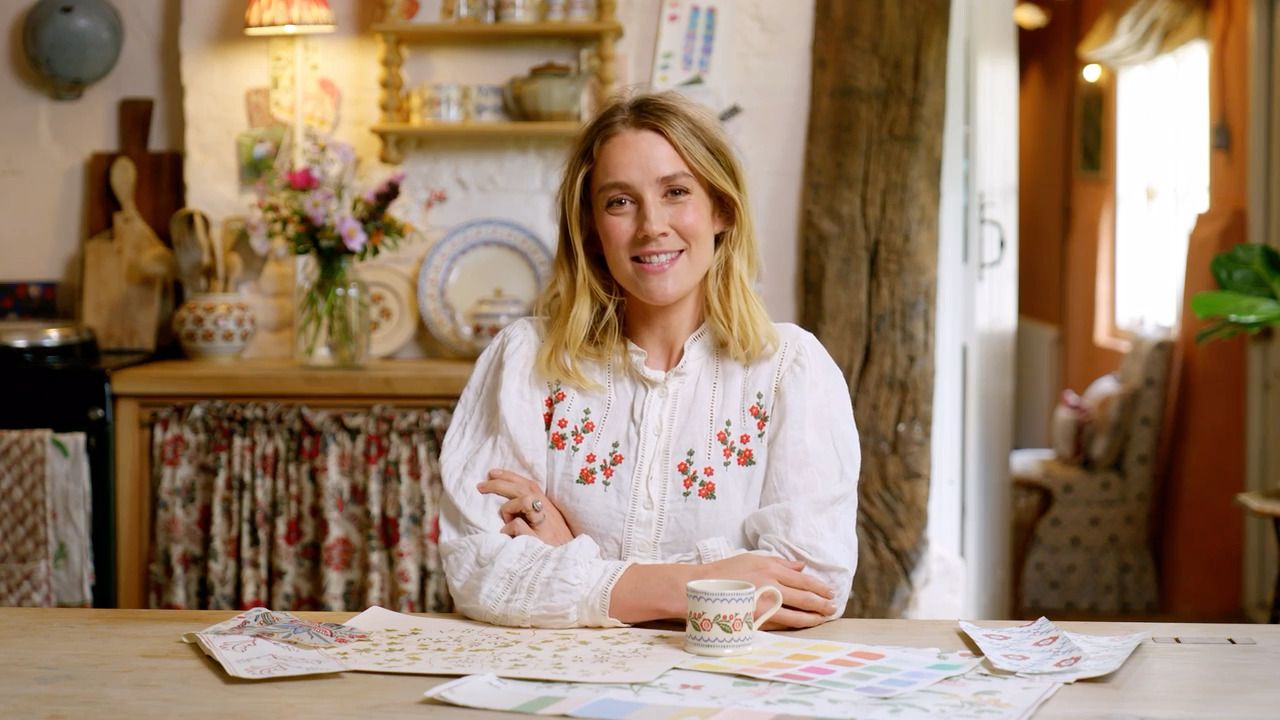
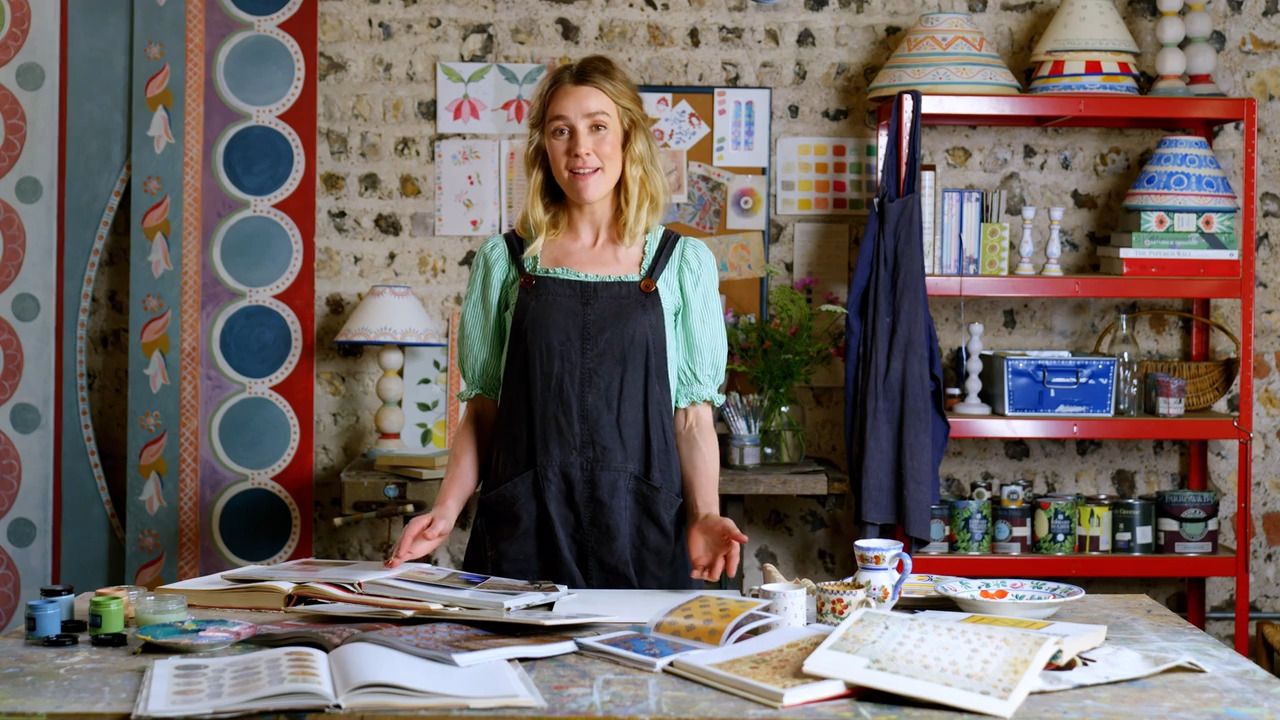
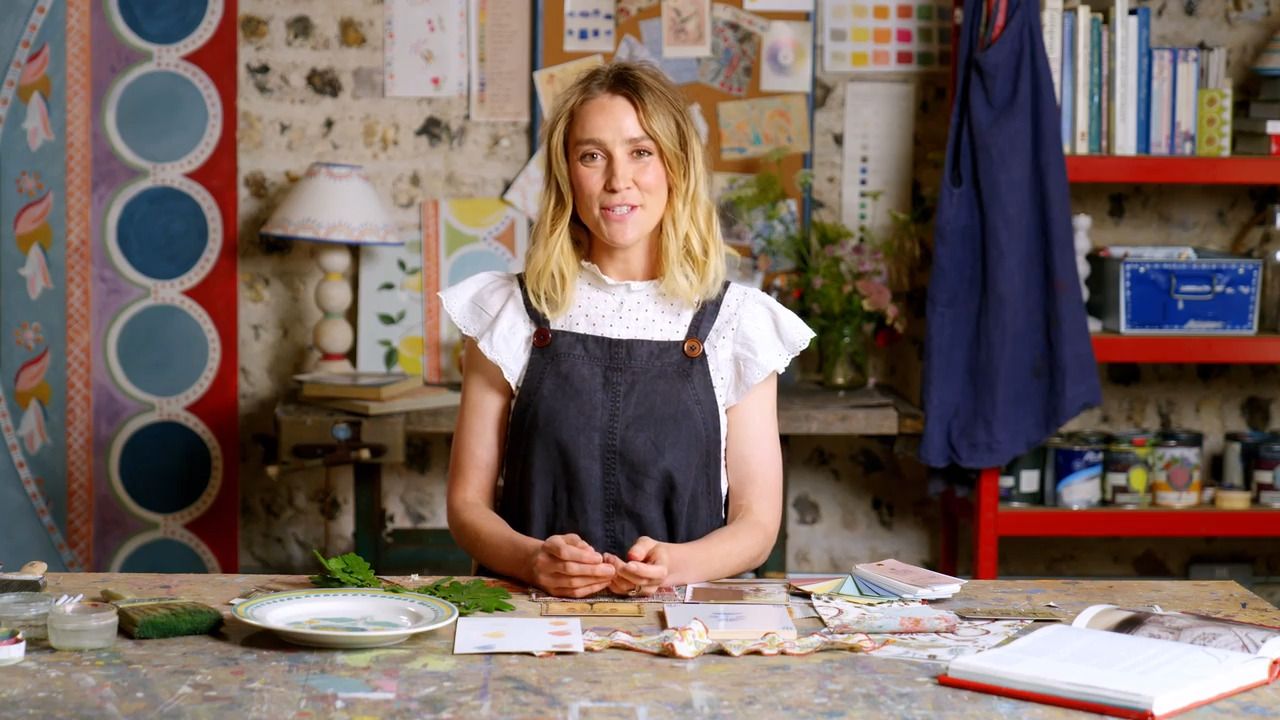
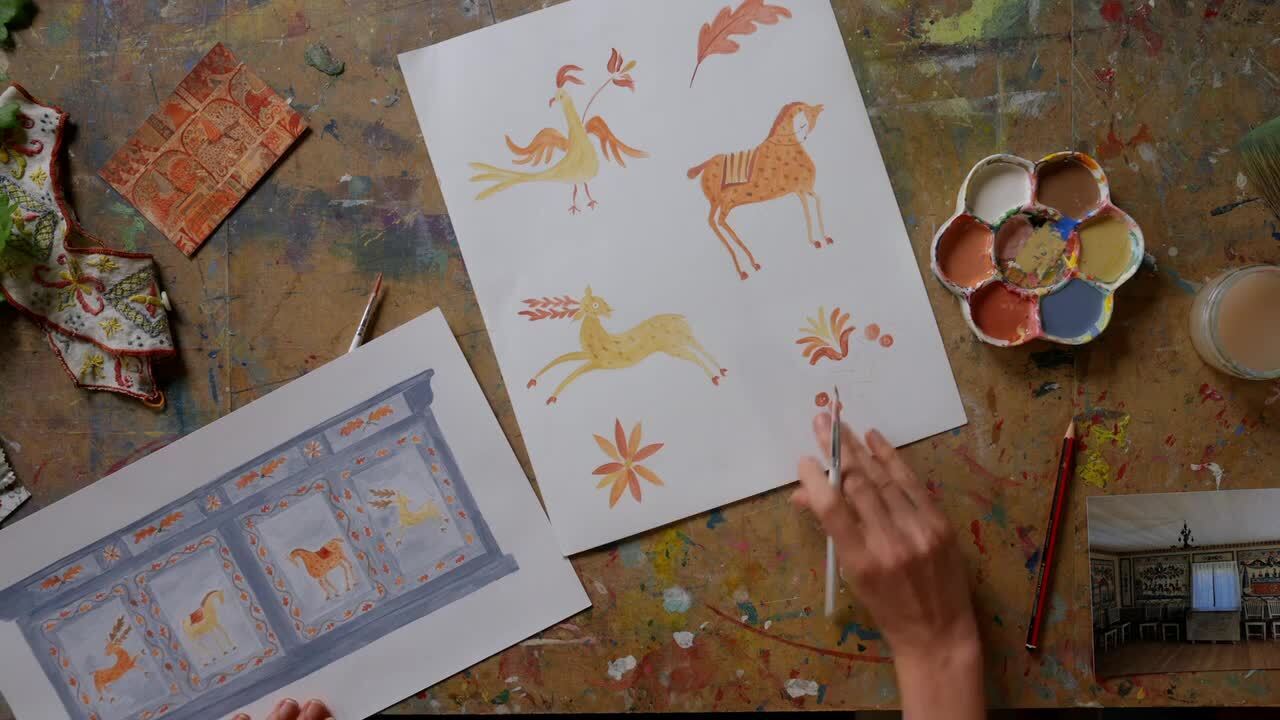
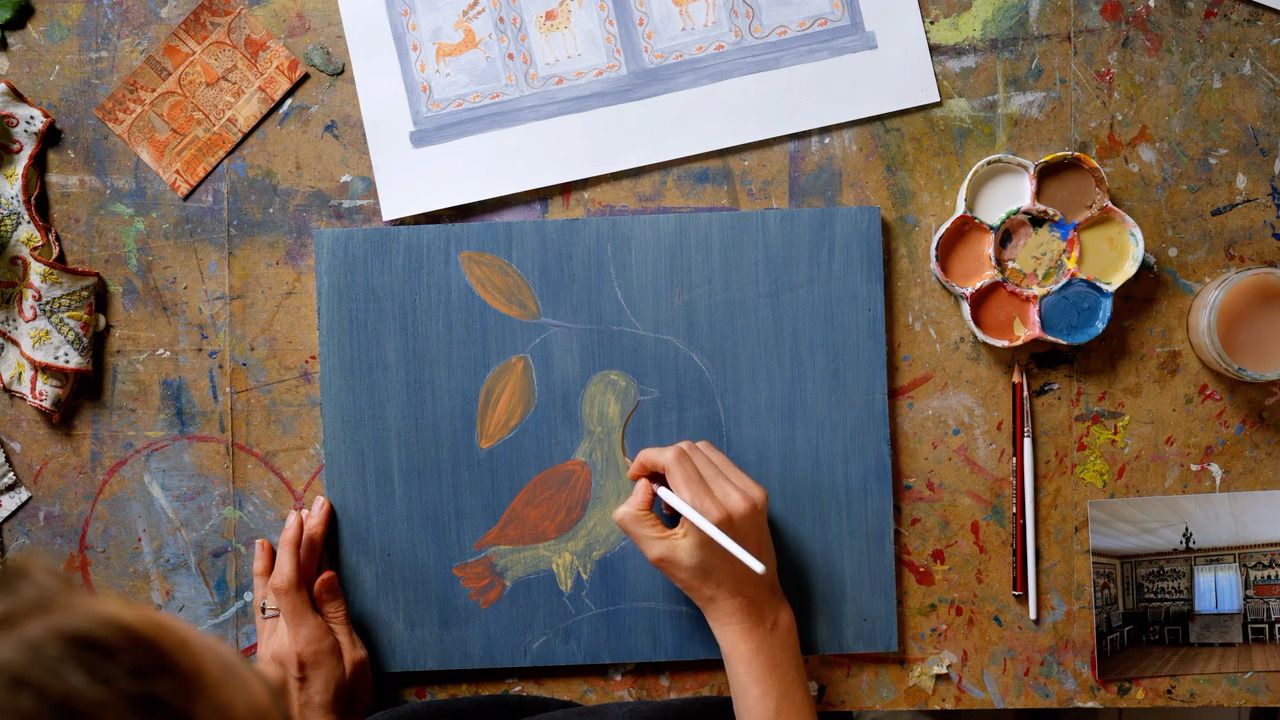
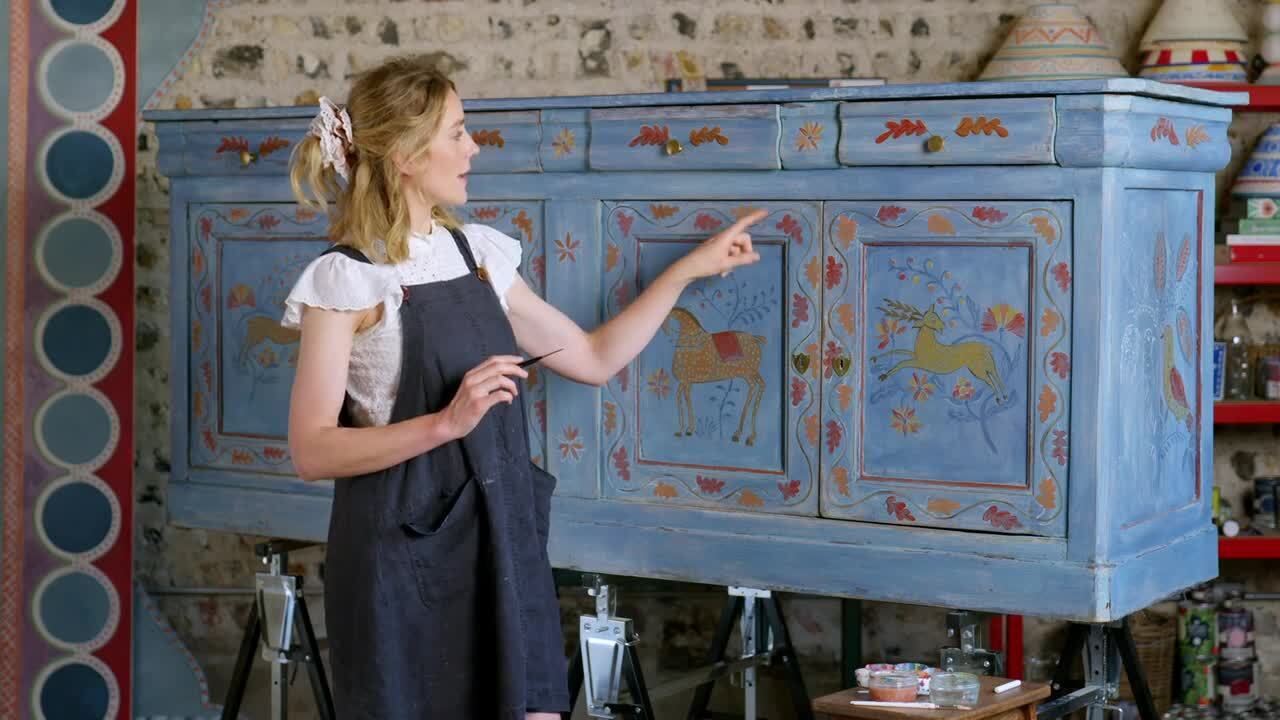
with TESS NEWALL — Hand-painted details bring warmth, soul, and story into a space. They make a home feel alive.
Lesson 15 of 32
Subscribe to watch
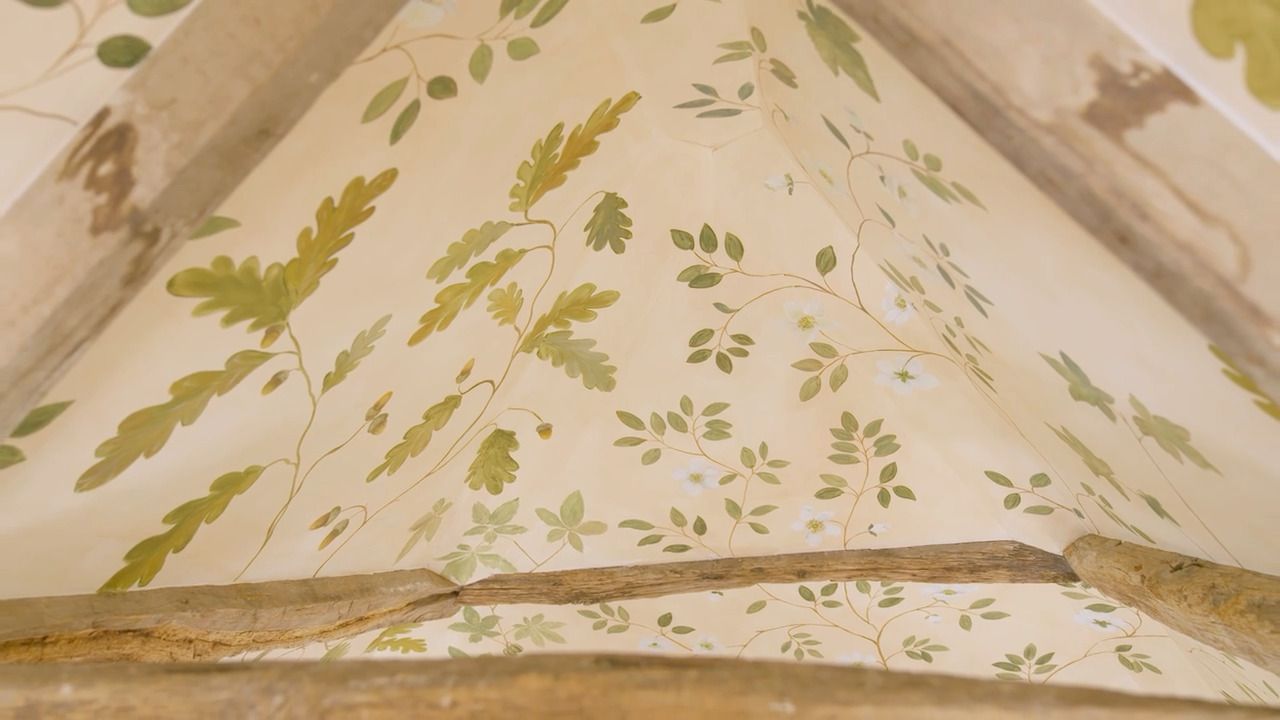
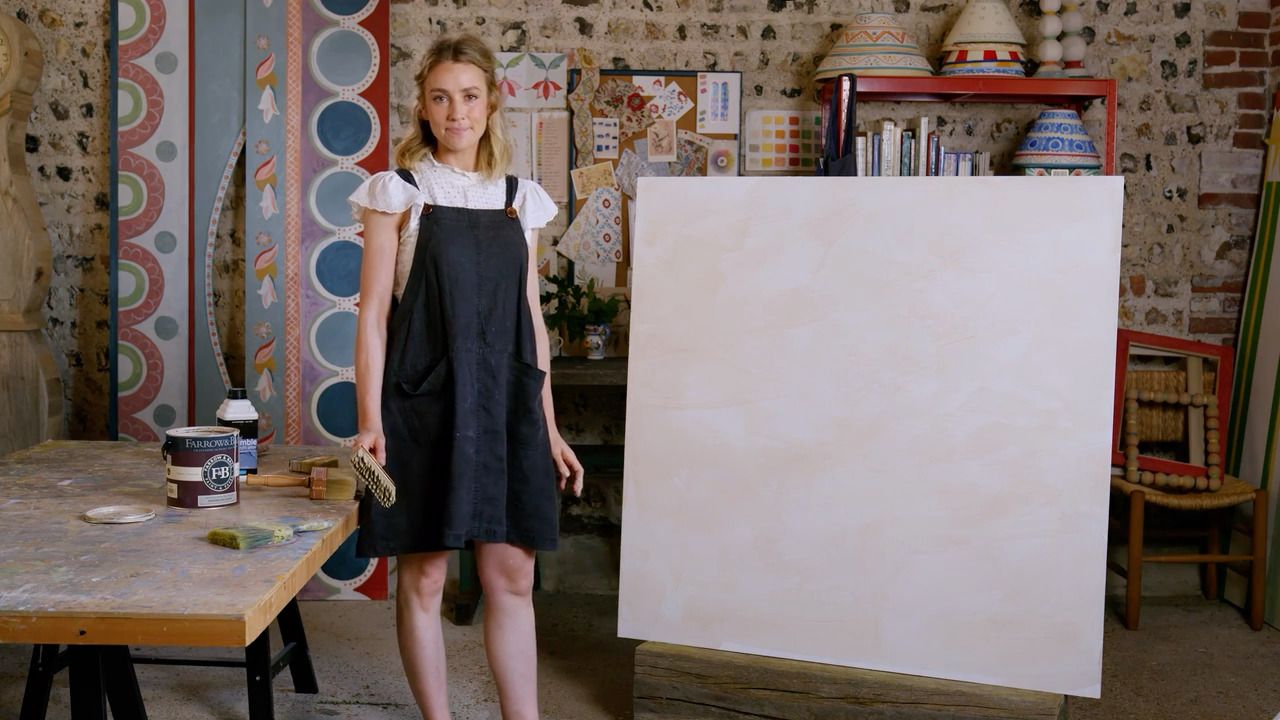
Learning how to create a wash of colour is a really lovely technique to master when embarking on a journey into decorative painting. On a wall, it mimics the look of raw natural plaster and gives the perfect backdrop to a mural.
Learning how to create a wash of colour is a really lovely technique to master when embarking on a journey into decorative painting. It's a brilliant way to give your work a more textured background and can help it sit nicely in a space. In this lesson, I'll show you how to apply it to a wall.
When using the colour wash technique on walls, it creates a really lovely mottled effect - similar to the look of raw plaster or limewashed walls. The technique I'm showing you uses emulsion paint which is much more durable.
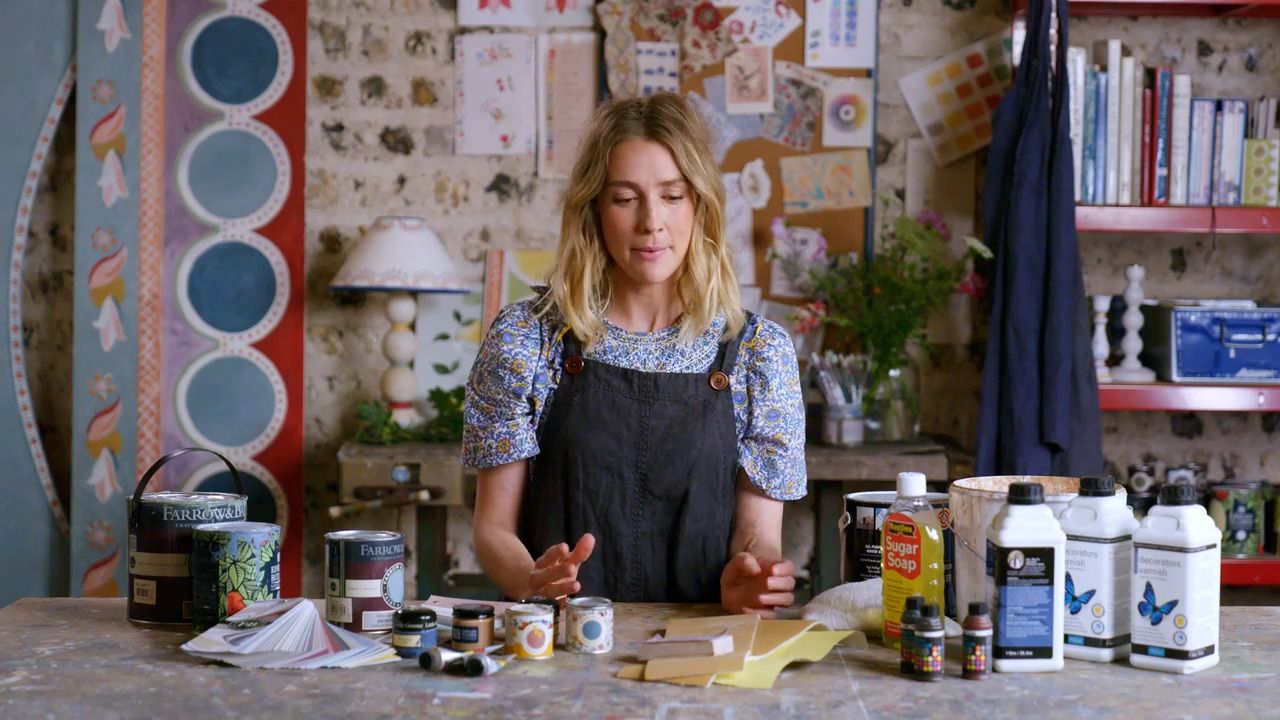
You Will Need:
Step 1
It's very important to prep your walls first, as the wash will exaggerate any imperfections. Make sure any holes are filled, and you may need to give the wall a light sand to ensure it's completely smooth. Paint it with at least 3 coats of brilliant white to give yourself a fresh canvas to work on.
Step 2
To create your colour wash mixture, follow the ratio of 9 parts water to 1 part paint. To make your wash more durable, you can add Scumble Glaze into your paint at a 50/50 ratio. If you decide to do this, it will then be 8 parts water, 1 part paint and 1 part Scumble Glaze. Be wary that Scumble keeps your paint wet and open, so will take longer to dry between coats. Make your mixture in a paint kettle and mix with a paint stick.
Step 3
Dip your brush into your paint kettle and saturate it with your watery paint mixture. You don't want your brush to be full of water as it will drip down the wall, so tap the brush against the edge of the kettle to remove any excess.
Step 4
Working section by section and going from top to bottom, sweep the paint onto your surface with loose brushstrokes in a vaguely crisscross motion. Hold your brush lightly to keep the movement fluid.
Step 5
Once you've applied the paint using your wet brush, use your dry brush and go over the same section to blend and buff the paint strokes to soften the effect, keeping the motion loose and fluid. You are almost trying to stretch the paint around the surface.
Step 6
Keep working across the wall in sections like this, using your wet brush first to apply the paint and your dry brush in tandem to blend. When using your dry brush, focus particularly on softening and blending the areas where sections overlap as you want to avoid creating any areas that are too dark.
Step 7
When the entire area is covered, your first coat is complete. Wait for this to dry before adding any additional coats. The amount of coats depends on the effect and texture you want to achieve.
Get the full workbook, video lessons, and more with a Create Academy subscription.
Subscribe to access the full workbookAlready a member? Sign in to watch
491 reviews
Read moreCreate Academy has been such a great resource. I'm in the middle of renovating a bungalow with a very large garden and the courses have offered a wealth of inform...
Harvey
Jun 10, 2026
Absolutely love Create Academy! The instructors are extremely informative, and it is beautifully filmed. Create Academy is great value for money and plan on renew...
SG
May 31, 2026
Butter's creativity is stunning! Her ability to incorporate brilliance in small gardens is magical!
Carla
May 30, 2026
The best adventure. I like all the courses, but my favorite are both Rita Konig interior design courses and Anna Jones. Excellent!
Karolina Kluczewska
May 20, 2026
Create Academy has been such a great resource. I'm in the middle of renovating a bungalow with a very large garden and the courses have offered a wealth of information to dive into and explore new ideas. I'm...
Harvey
Jun 10, 2026
Absolutely love Create Academy! The instructors are extremely informative, and it is beautifully filmed. Create Academy is great value for money and plan on renewing my subscription yearly because there are ...
SG
May 31, 2026
Butter's creativity is stunning! Her ability to incorporate brilliance in small gardens is magical!
Carla
May 30, 2026

Your Instructor
Hand-painted details bring warmth, soul, and story into a space. They make a home feel alive.
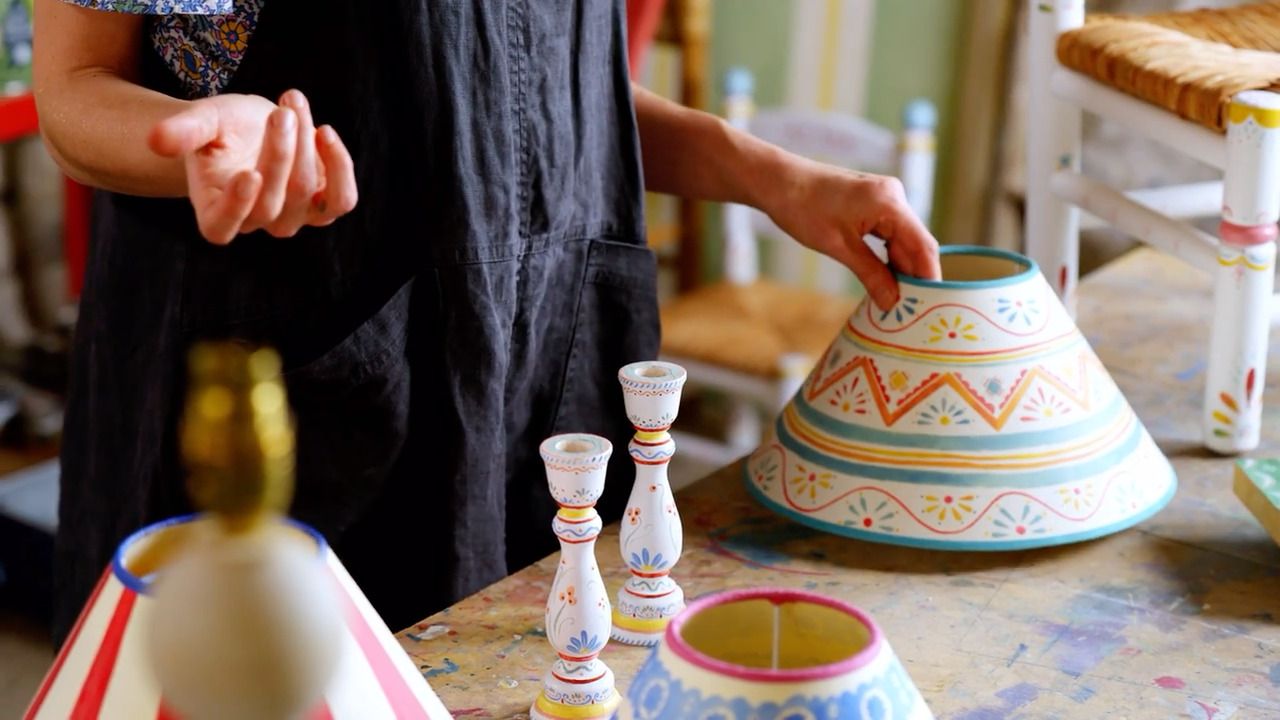
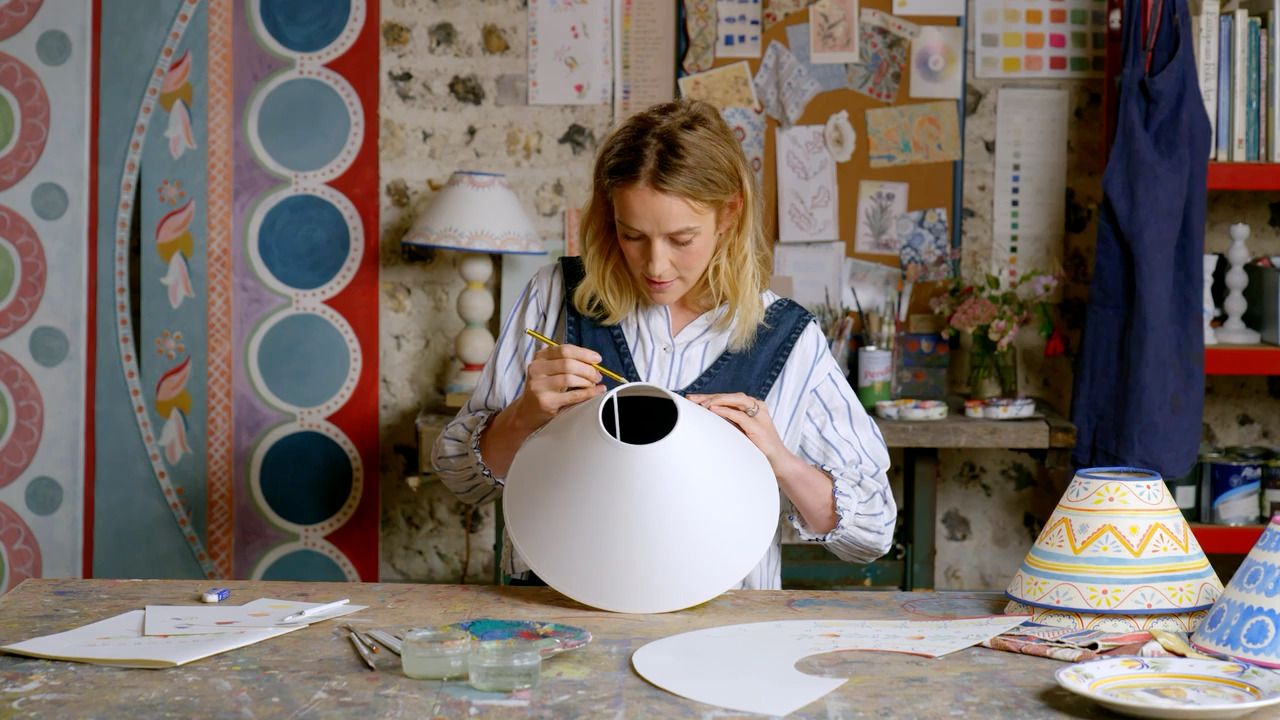
Tess Newall is a decorative artist based in Sussex, specialising in hand-painted bespoke murals and furniture. Following a decade of experience as a set designer and painter in the film industry, Tess has mastered how to bring a creative vision to life. She often draws on historic patterns and aims to capture an artisanal feel, where textures and brushstrokes add to the atmosphere of a room or to the character of a furniture piece. Tess and her studio team work with interior designers and private clients on bespoke commissions for both commercial and residential projects, as well as collaborating on homewares collections with brands including Liberty and Matilda Goad.
Access to all courses


