





Interior and exterior confidence
Create Academy has been such a great resource. I'm in the middle of renovating a bungalow with a very large garden and the courses have offered a wealth of inform...
Harvey
Jun 10, 2026
An Introduction to Decorative Painting
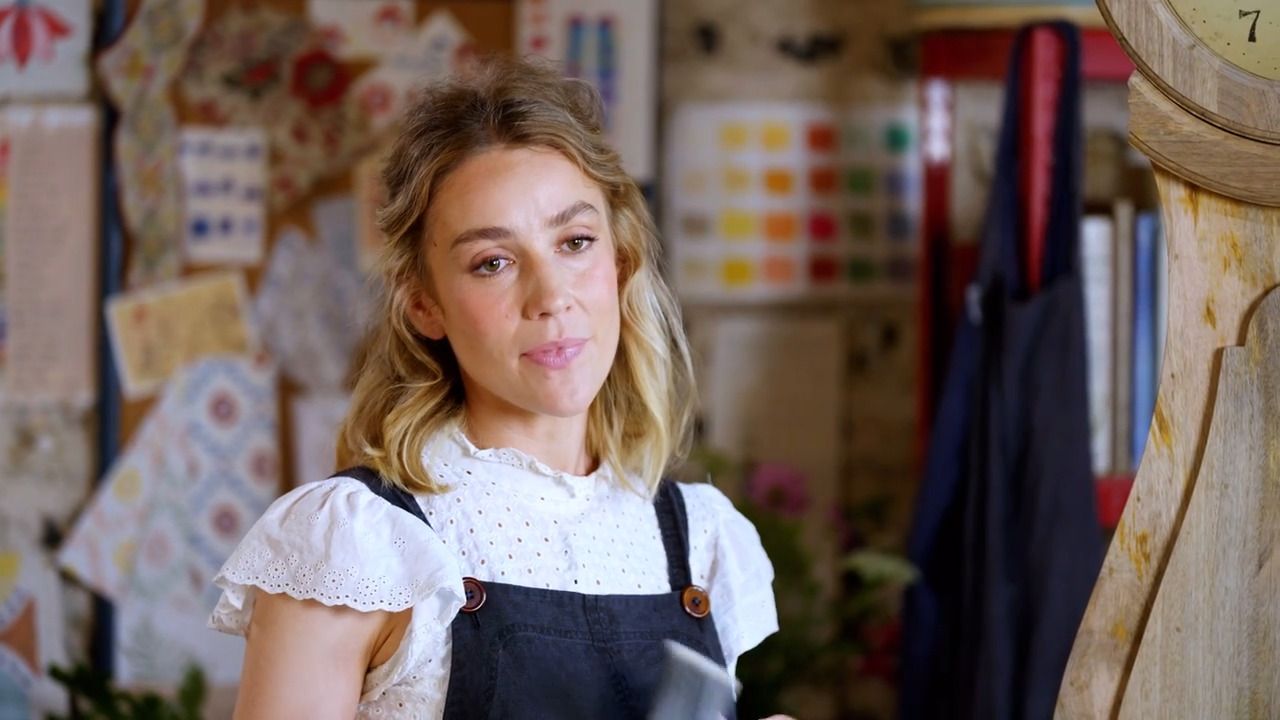
with TESS NEWALL — Hand-painted details bring warmth, soul, and story into a space. They make a home feel alive.
Lesson 5 of 32
Subscribe to watch
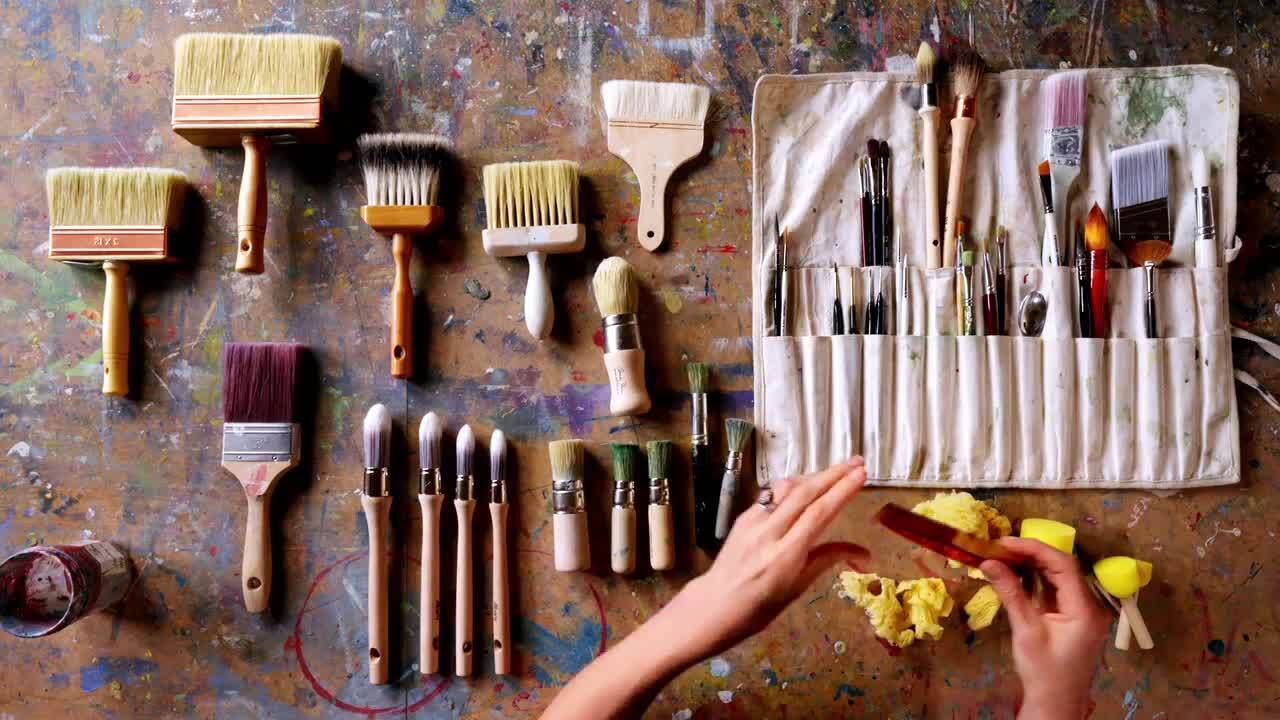
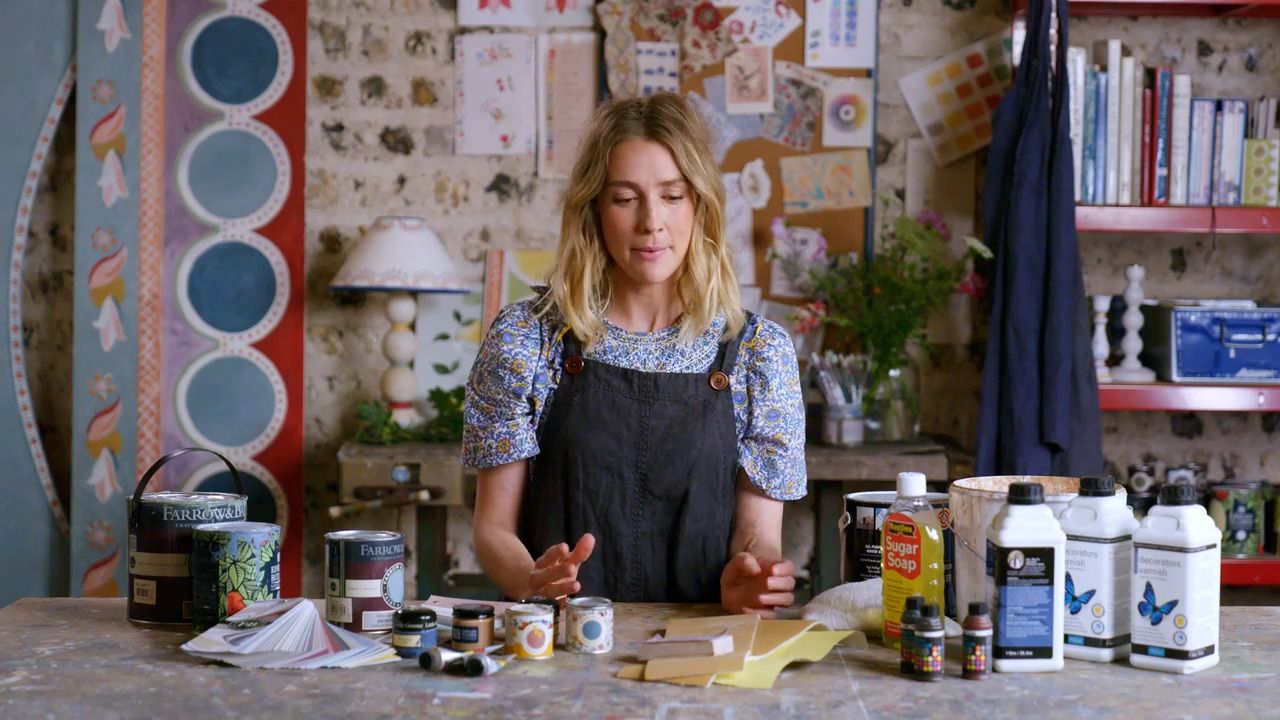
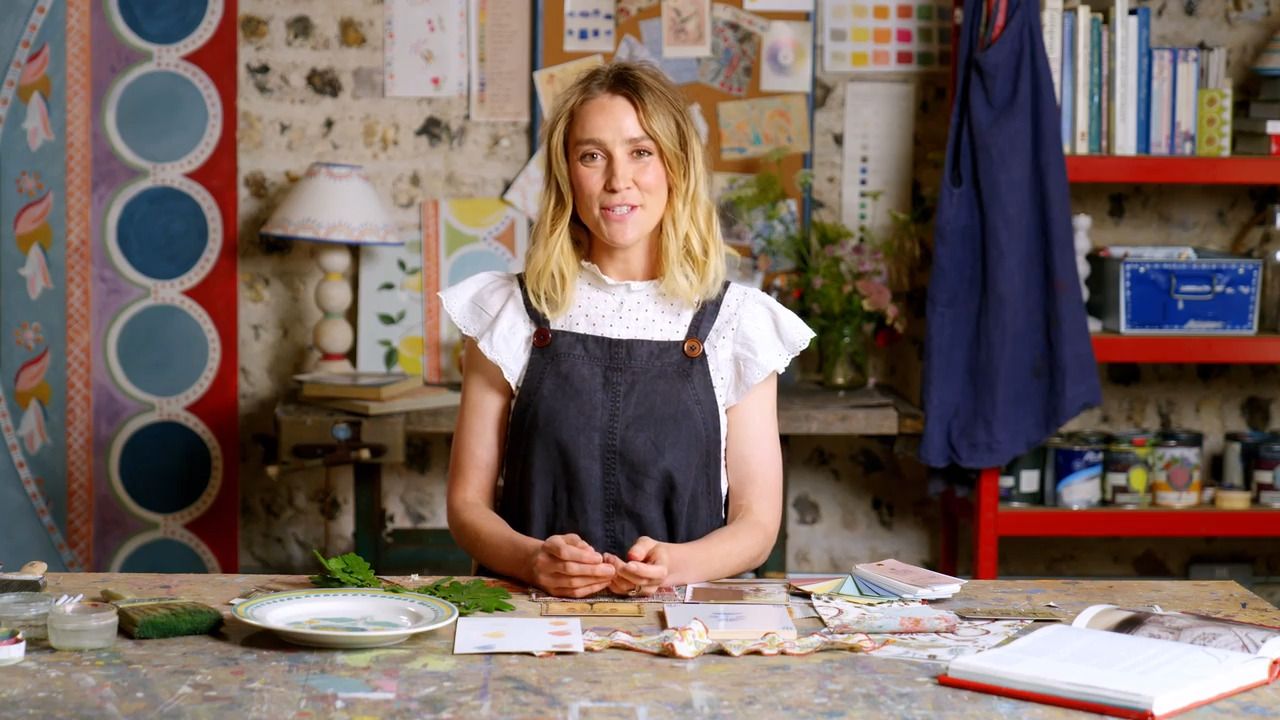
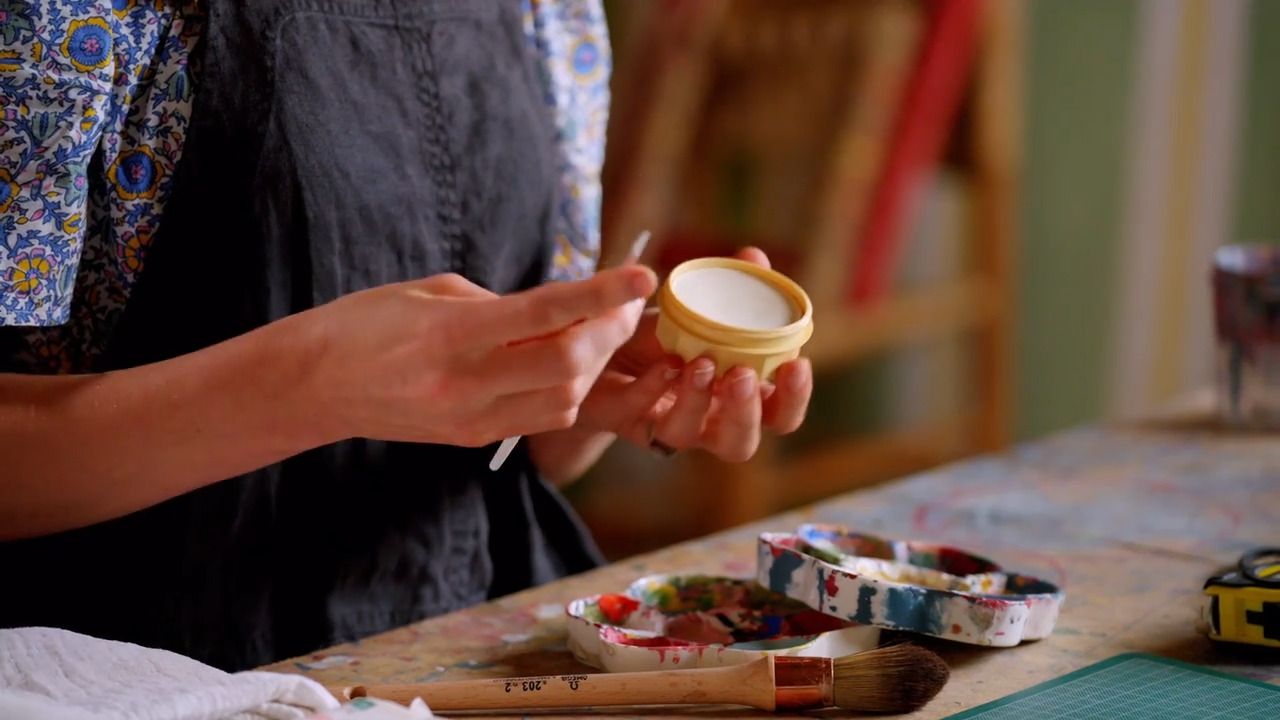
After taking you through the different types of brushes and sponges, Tess moves on to the more specialised equipment required in each project.
Some things you will find around your home, whereas others are more specialist - it's up to you to pick and choose what works best for you and your project.
• Warm soapy water
To wash brushes. Scrub the water into the bristles using the palm of your hand until the water runs clear.
• Brush cleaner
I recommend using this to clean the finer brushes, I love to use this one.
• Paint opener
A dedicated paint opener tool is much better than using a knife or spoon as it won't damage the lid, meaning any leftover paint can be properly stored and sealed.
• Spoon
Using a spoon to retrieve paint from the pot rather than pouring is best, as you want to keep the rim of the paint tin clean so that you can seal it shut again.
• Hammer
To shut the paint tin.
• Paint stick
For mixing paint to ensure even colour.
• Metal ruler and a wooden ruler
Useful for measuring gaps between a pattern repeat, or ensuring motifs are a similar size.
• Pocket tape measure and dressmaker's tape measure
I would recommend having both to hand for maximum flexibility.
• Chalk line and powdered chalk
I use this one and prefer to use it with white chalk.
• Masking tape
A mix of widths, and I would recommend Frogtape to minimise damage to any walls - particularly the yellow one.
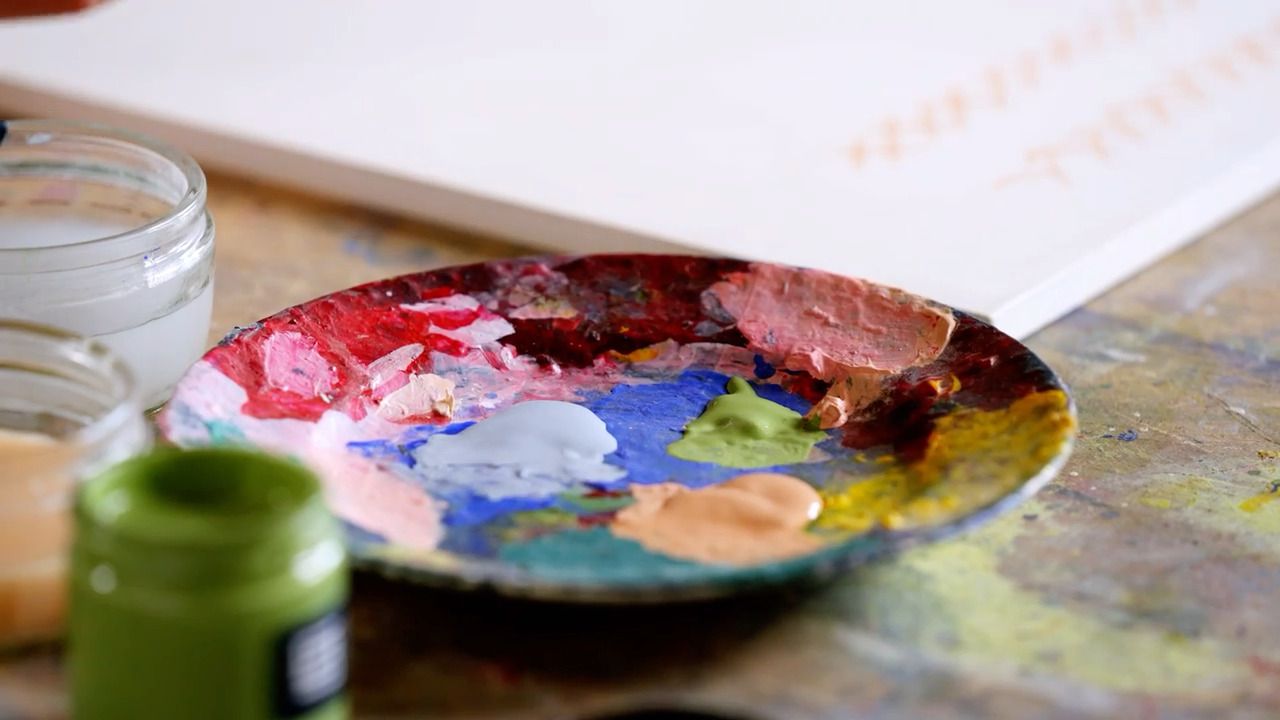
• Paint palette
The petal-shaped ones are my favourite, as they keep each colour separate.
• Pencils, plus a sharpener and rubber
Standard HB pencils are great. I would also recommend having a few lighter ones like H or 2H, as well as some water-soluble ones too - I use Aquarelle.
• Cloth or rag
For wiping excess paint or pencil marks away. You can also use compostable baby wipes.
• Chalk
Either standard chalk or dressmaker's chalk work equally well.
• Scalpel and cutting mat
You will need these to create and cut stencils, or to cut a sponge into a stamp shape.
• Tracing paper
Not something I use very often, but can be helpful if you want to transfer a design on paper onto the wall.
• Carbon paper
Arguably does a better job of transferring a design onto the wall or furniture.
• Kitchen roll
Handy to clean up spills or excess paint.
• Water jar
I just use old jam jars.
You will be able to find all of the artist's materials in the art shops and builders merchants listed in the previous lesson.
Get the full workbook, video lessons, and more with a Create Academy subscription.
Subscribe to access the full workbookAlready a member? Sign in to watch
491 reviews
Read moreCreate Academy has been such a great resource. I'm in the middle of renovating a bungalow with a very large garden and the courses have offered a wealth of inform...
Harvey
Jun 10, 2026
Absolutely love Create Academy! The instructors are extremely informative, and it is beautifully filmed. Create Academy is great value for money and plan on renew...
SG
May 31, 2026
Butter's creativity is stunning! Her ability to incorporate brilliance in small gardens is magical!
Carla
May 30, 2026
The best adventure. I like all the courses, but my favorite are both Rita Konig interior design courses and Anna Jones. Excellent!
Karolina Kluczewska
May 20, 2026
Create Academy has been such a great resource. I'm in the middle of renovating a bungalow with a very large garden and the courses have offered a wealth of information to dive into and explore new ideas. I'm...
Harvey
Jun 10, 2026
Absolutely love Create Academy! The instructors are extremely informative, and it is beautifully filmed. Create Academy is great value for money and plan on renewing my subscription yearly because there are ...
SG
May 31, 2026
Butter's creativity is stunning! Her ability to incorporate brilliance in small gardens is magical!
Carla
May 30, 2026

Your Instructor
Hand-painted details bring warmth, soul, and story into a space. They make a home feel alive.
Tess Newall is a decorative artist based in Sussex, specialising in hand-painted bespoke murals and furniture. Following a decade of experience as a set designer and painter in the film industry, Tess has mastered how to bring a creative vision to life. She often draws on historic patterns and aims to capture an artisanal feel, where textures and brushstrokes add to the atmosphere of a room or to the character of a furniture piece. Tess and her studio team work with interior designers and private clients on bespoke commissions for both commercial and residential projects, as well as collaborating on homewares collections with brands including Liberty and Matilda Goad.
Access to all courses


