

Very good tutorial from a professional garden...
I have subscribed to access all the courses so have watched one on interior design and this one with Butter Wakefield who specialises in small garden design. She ...
Louise Brown
Apr 10, 2026
with BUTTER WAKEFIELD — Leading British garden designer
Lesson 16 of 25
Buy or subscribe to watch
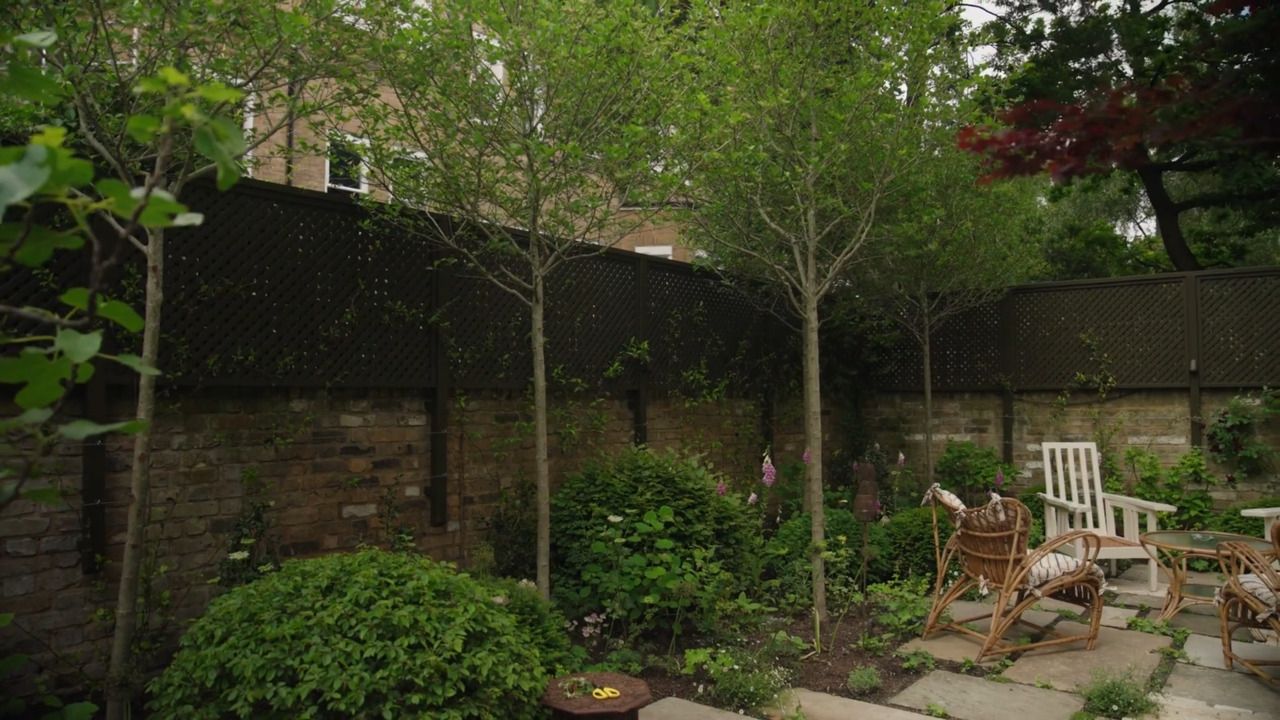
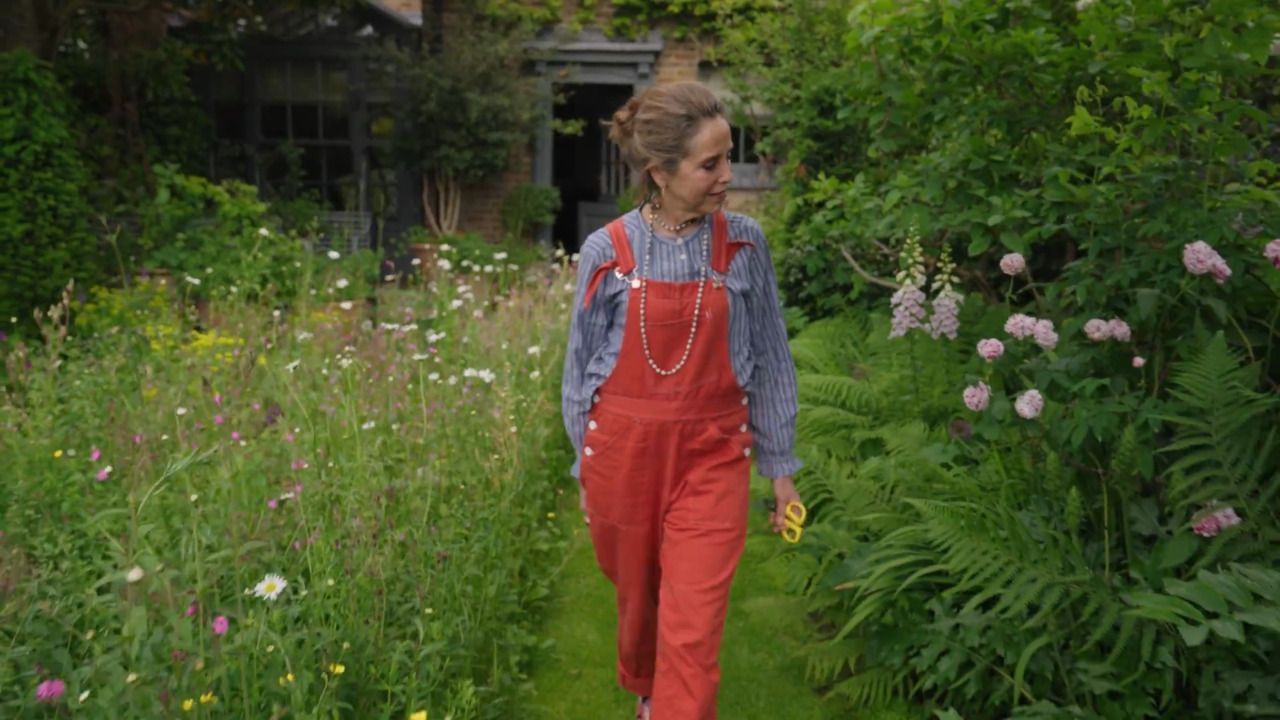
In this lesson, Butter explains how to add interest to your garden by framing doorways, introducing vertical aspects and making space for wildness.
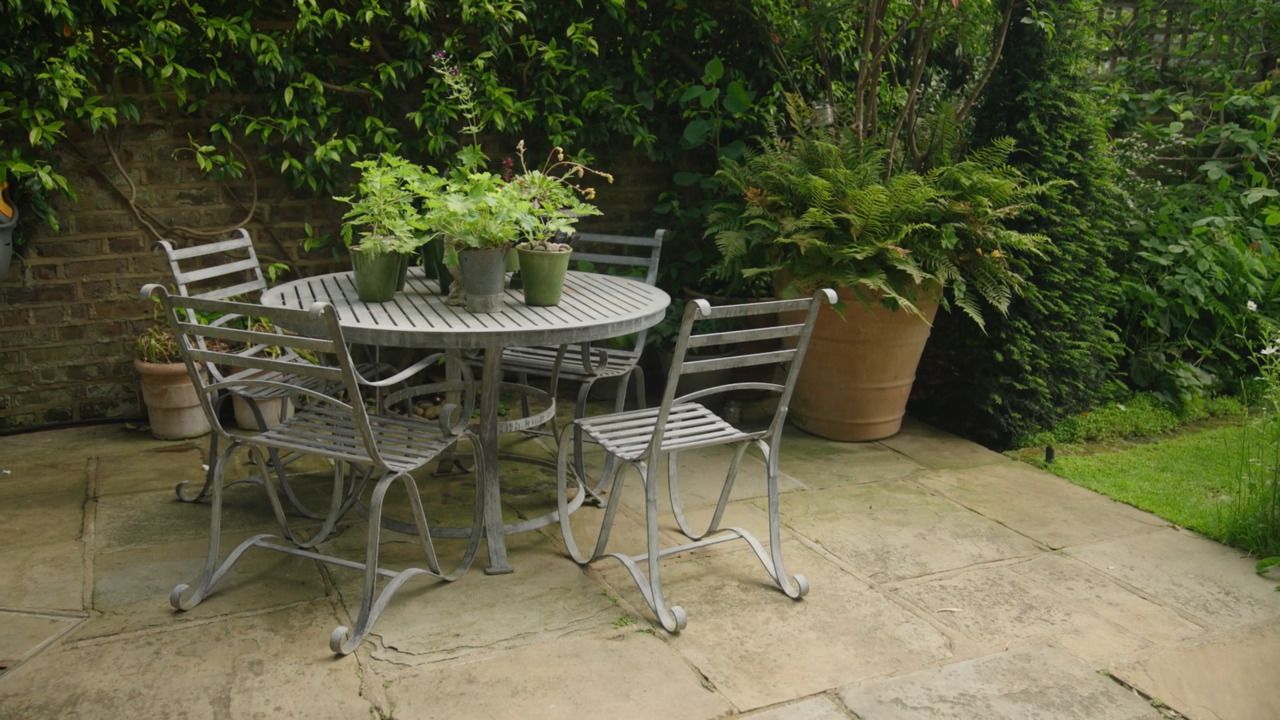
I like to make the most of every square inch of my garden, which includes utilising the table tops. I've arranged a number of small pots on our outdoor dining table, which I can see from the kitchen sink.
I've used a mixture of glazed green pots and metal pots here and considered leaf texture and form when choosing which plants to place in them. I've potted up rose-scented geranium cuttings, and then I've placed a large metal urn in the centre of the table, which I've filled with succulents which enjoy soaking up the sun.
My coffee table is also covered in pots, which I simply shift from the table when I am entertaining guests.
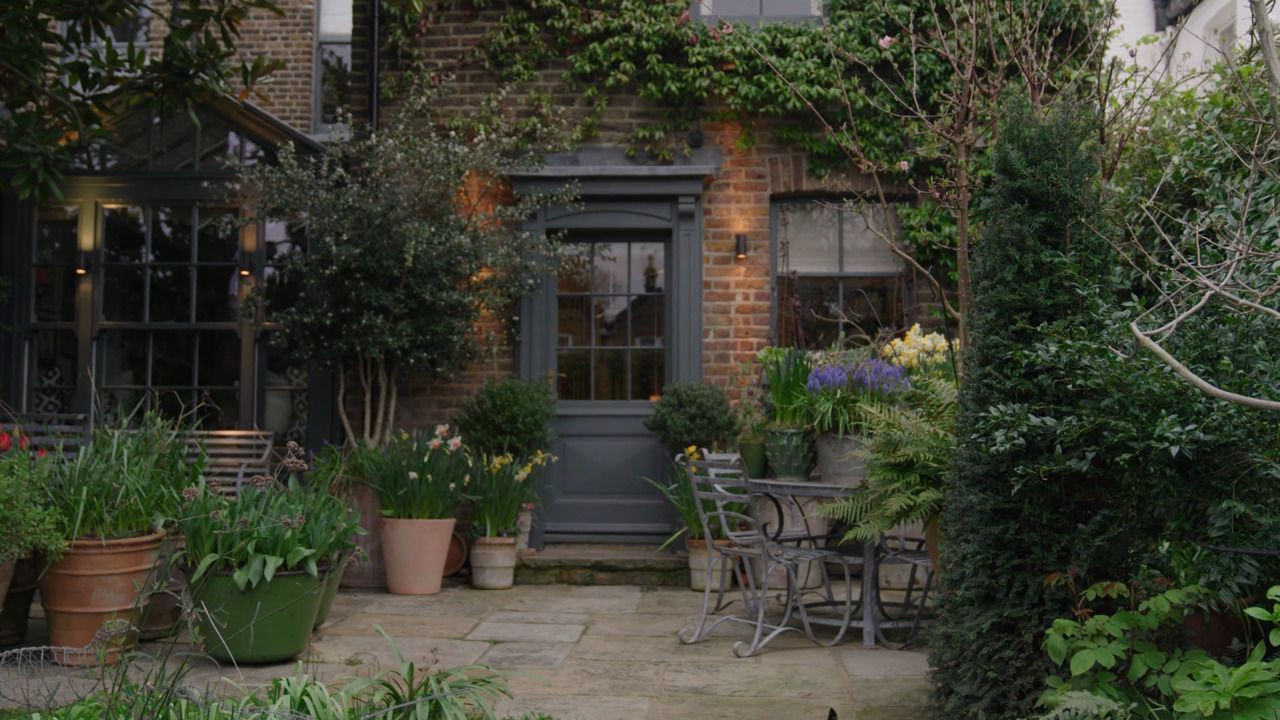
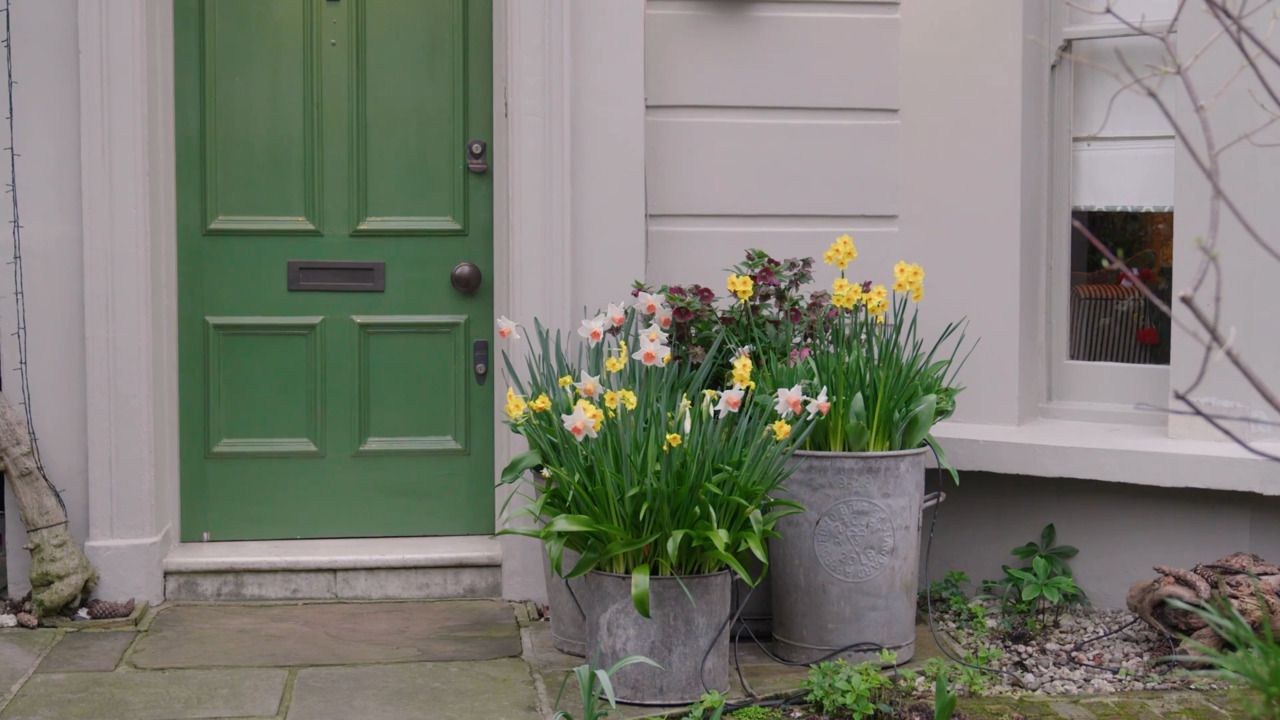
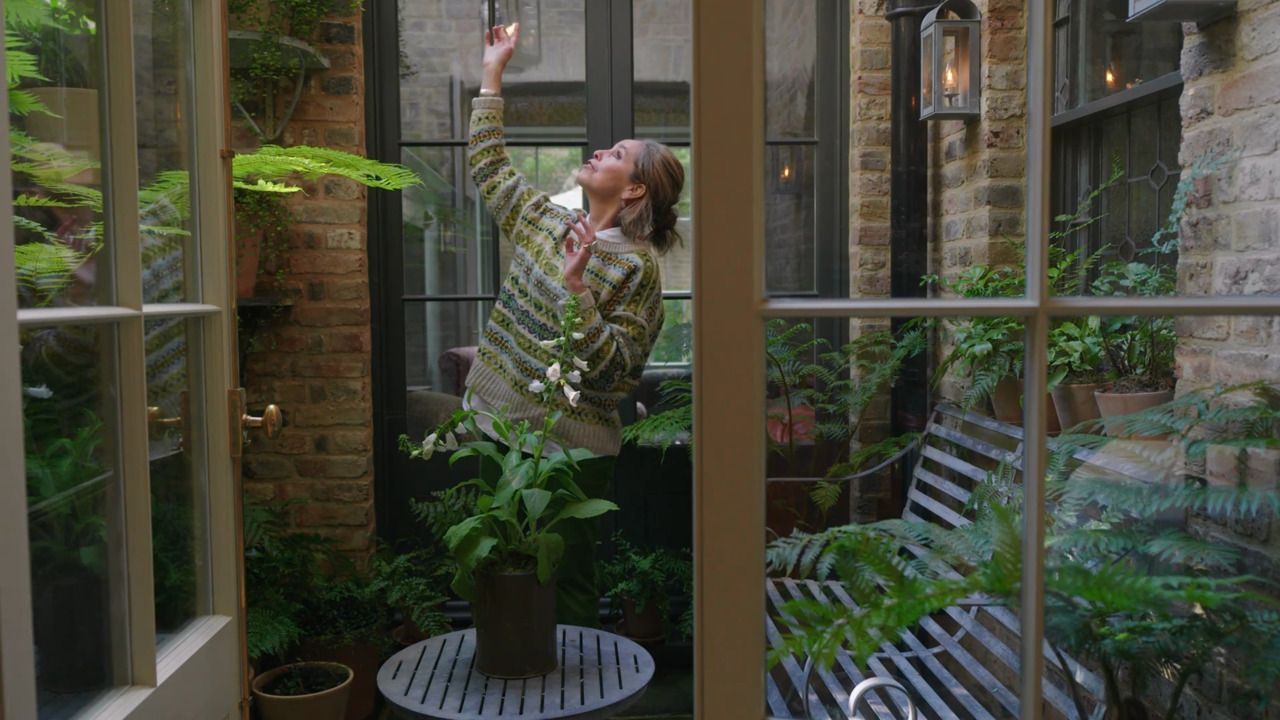
Placing pots around a door is an easy way to create interest and also accentuate the door. This will also help to build up the view of the house from the bottom of the garden and give you a pretty view to admire.
This area is probably 3 metres wide by 1.5 metres deep, but I've managed to cram a lot of pots into it, including some yew trees that provide symmetry by framing the doorway. I've also used myrtle and sanguisorba here.
I've got a great example of asymmetry on my terrace where I've placed two large pots with different multi-stemmed shrubs in each. In one I have the winter flowering deciduous Viburnum × bodnantense 'Charles Lamont' which I have underplanted with evergreen ferns, which gives the pot a very natural feel. This pot is happy in a shady spot too, so it's a good combination for a north-facing spot.
Asymmetrically across from this, I have another large terracotta pot containing a multistemmed Osmanthus x burkwoodii. This is an evergreen plant which has highly scented flowers in March and April, so it's a wonderful shrub to have by the back door.
I've underplanted it with mints, ferns and erigeron daisies. I've put little lights in the two large pots as I can see them from my kitchen window and the lights help to bring nature closer to me, which is especially important in winter.
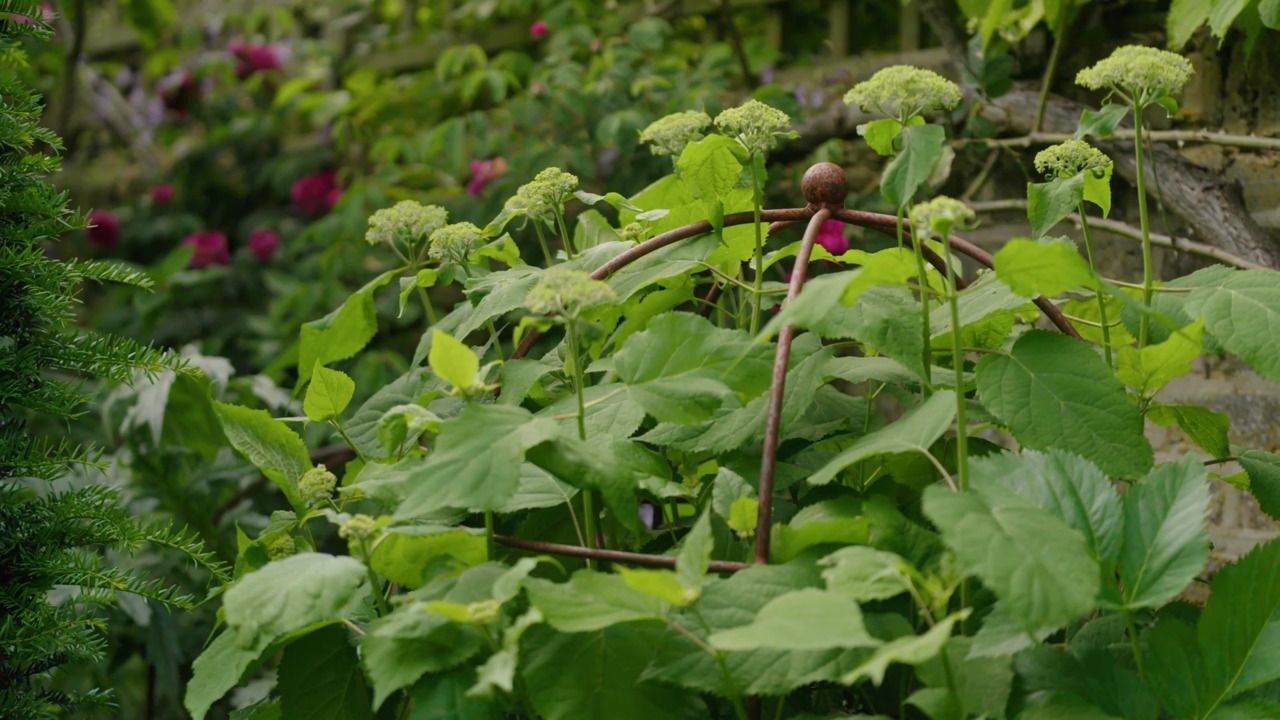
As well as multi-stemmed shrubs and small pots, it's also great to have some vertical interest by the back door. I've done this by including a rusty metal support for some delicate climbers.
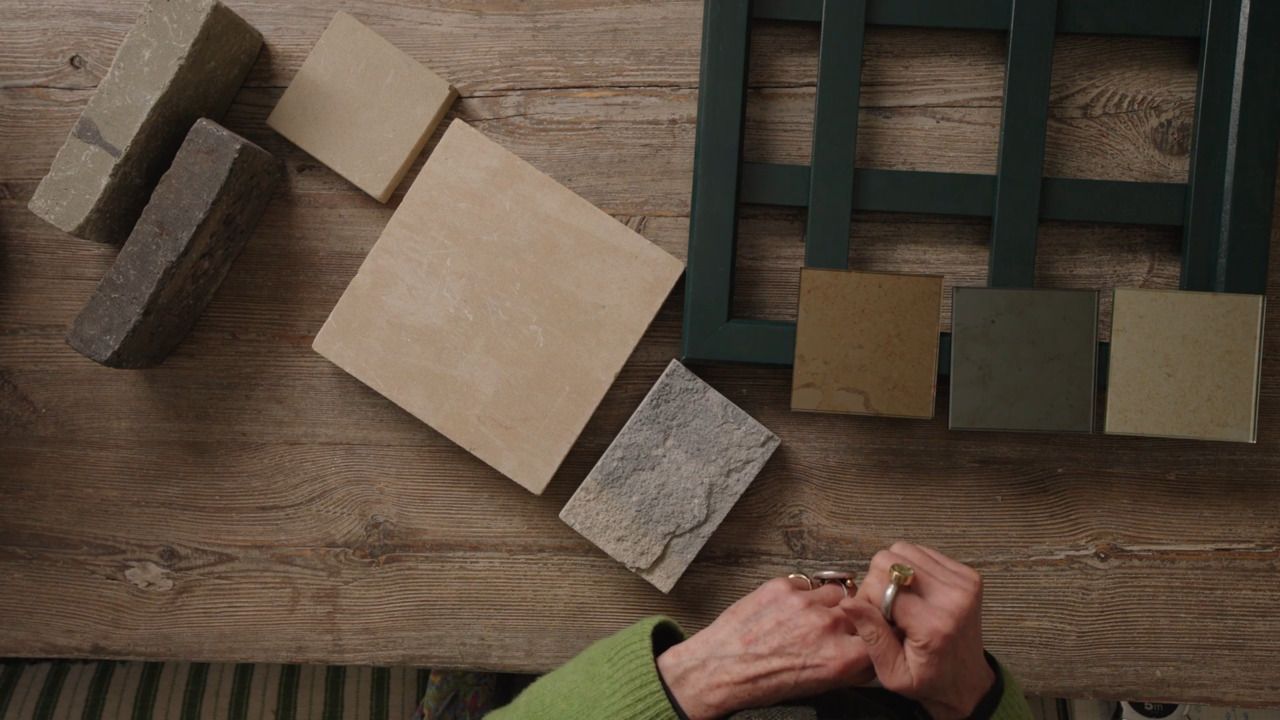
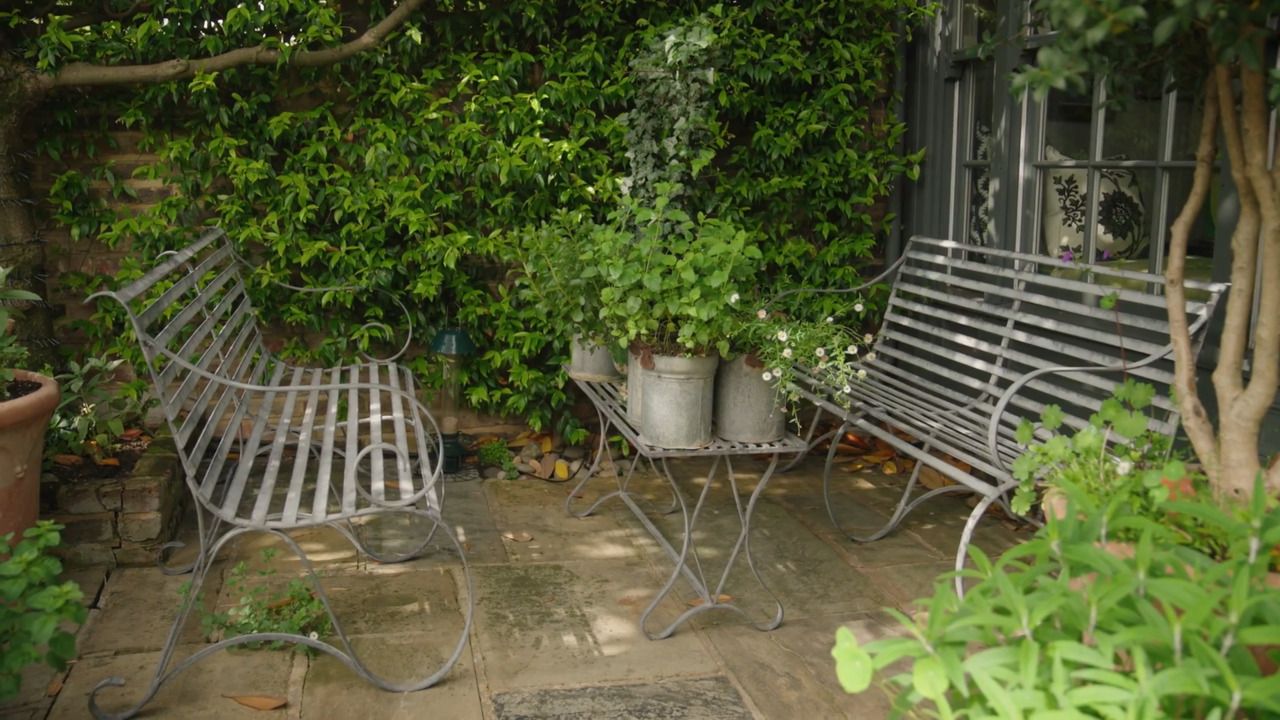
When you're working in a small garden, it's important to limit the number of materials that you use otherwise it can very quickly begin to look busy. On my terrace, I have metal furniture and some metal pots, while the other main material is terracotta. The maximum number of materials I'd recommend for a small space is three or four.
In two large vintage metal pots on my terrace, I've mixed together a number of different colour zinnia seeds to create a natural-looking blend when they begin to flower. When flowers are crammed together, I find that a mixture of colours creates a much better flow and a more natural tone.
I direct sowed the zinnia seeds onto raked and weeded soil, lightly covered them with a sprinkling of soil and then watered them once. They then germinated two to three days later.
Zinnias are great flowers to grow as they don't need much attention. What they do like however is a sunny aspect, so make sure to position them in full sun. Despite this, they don't like much water so be careful not to overwater them.
A week or so after your zinnia seeds have germinated, sow another round of seeds so that your zinnias will come in succession. This means that when the first flowers have started to die back, the next lot will begin to bloom.
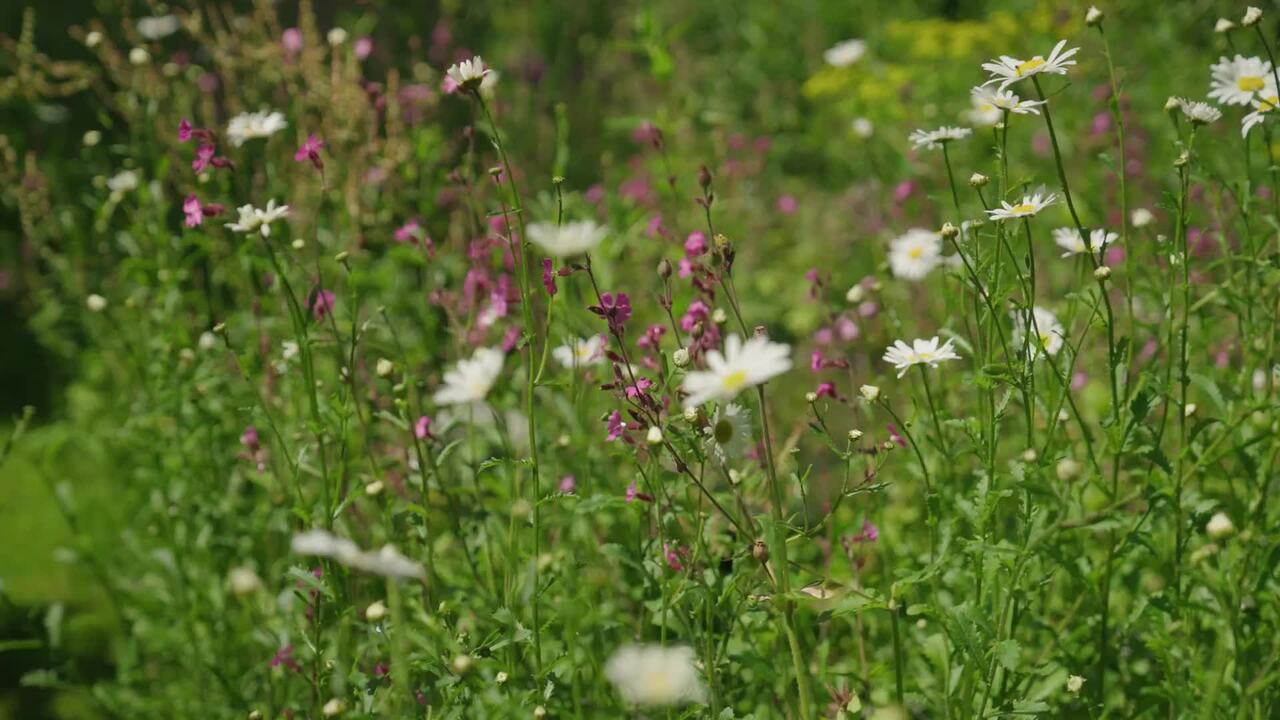
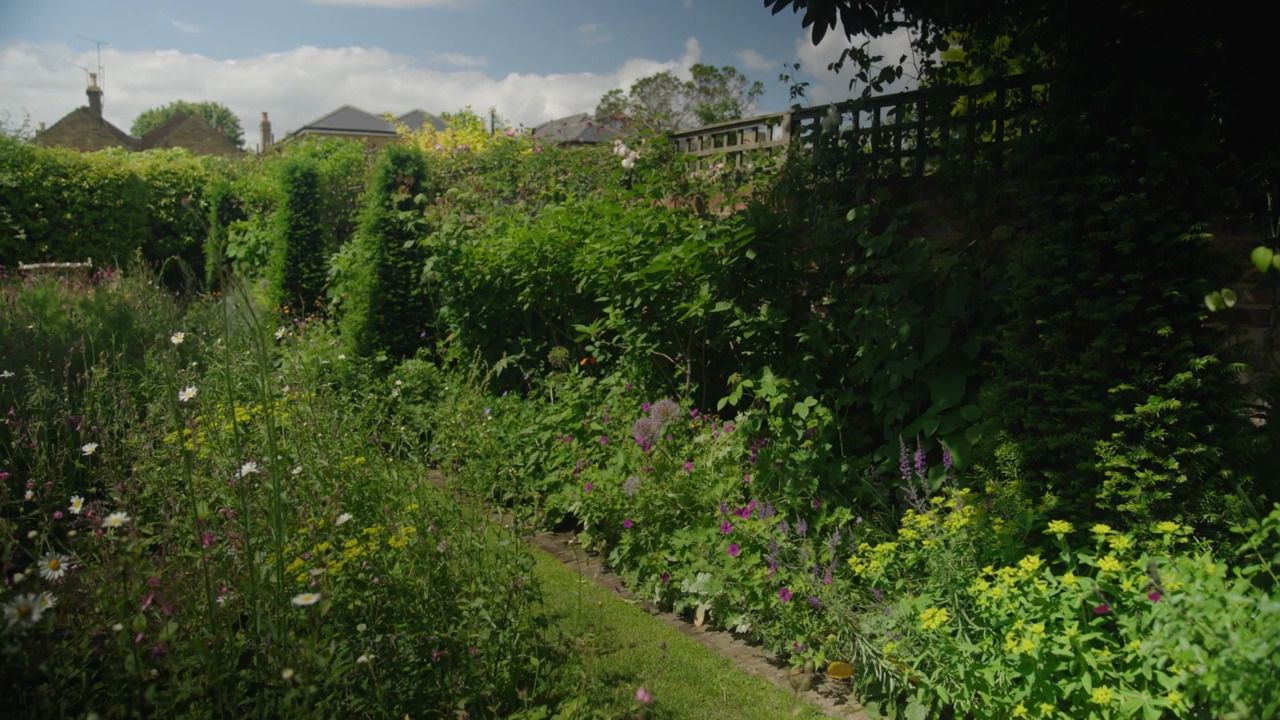
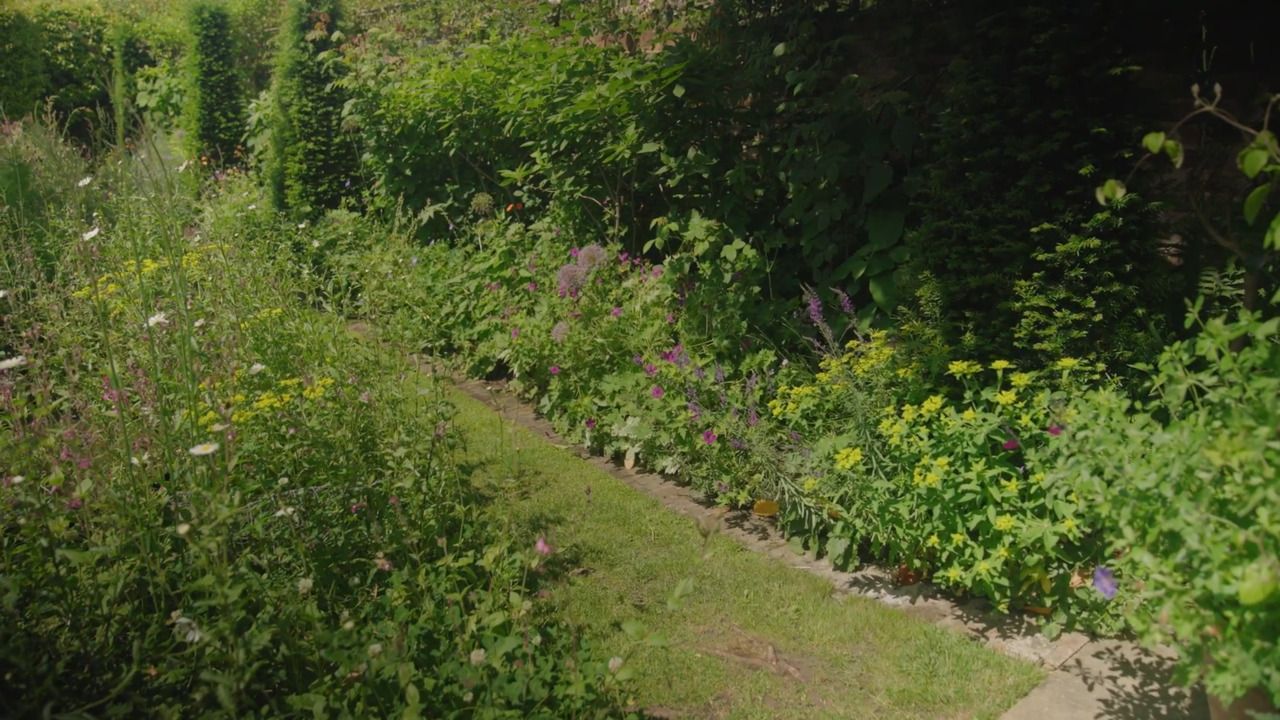
Biodiversity is incredibly important in natural spaces, so make space for a wild patch in your garden. I do this under my magnolia tree, where I let nettles and other so-called weeds grow wild. Nettles are crucial for many species of butterflies and moths who lay their eggs or mate on them.
If your nettles start to get bigger and you feel at risk of a sting, simply cut them back and they'll grow again. Young nettle tops are also delicious and nutritious when made into tea, simply wash and then immerse in boiling water, which will remove the sting.
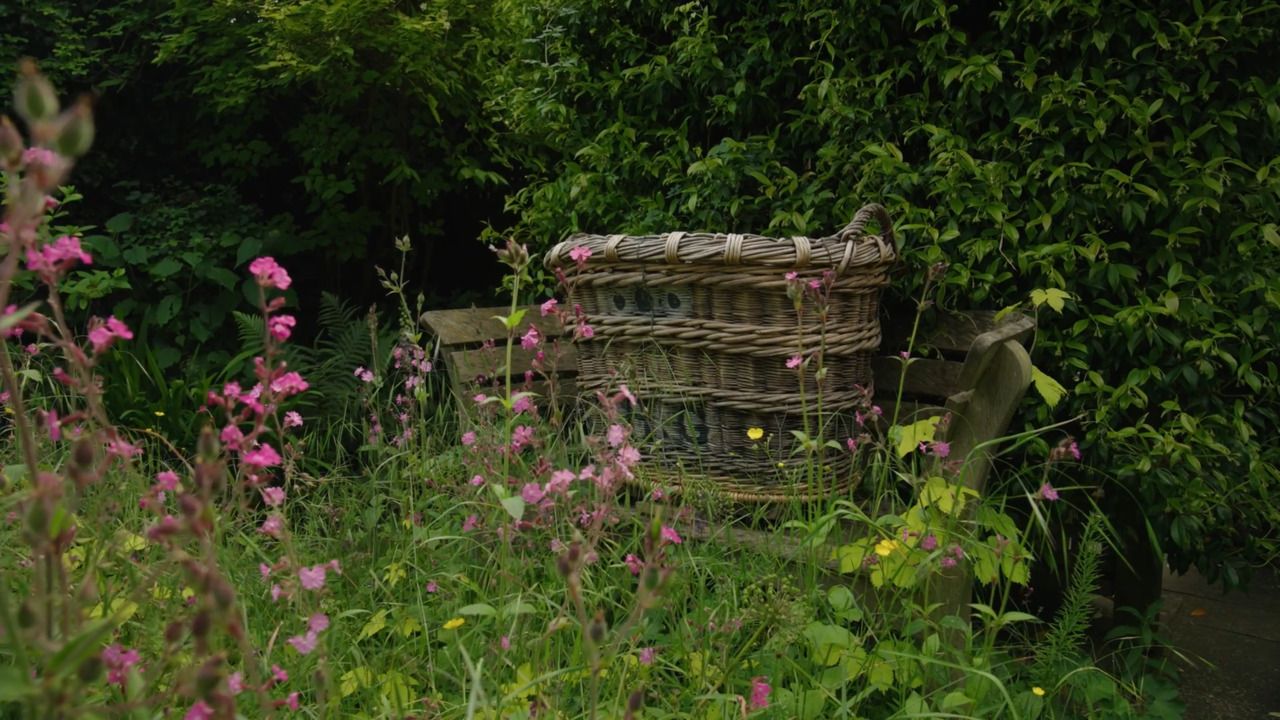
Alongside this, at the bottom of my garden, I also have a log pile and a space where I bag up all the leaf fall from my garden. I add to this, but I never move either of them as I don't want to disturb any creatures that may have made these spaces their home.
Get the full workbook, video lessons, and more with a Create Academy subscription.
Subscribe to access the full workbookAlready a member? Sign in to watch
437 reviews
Read moreI have subscribed to access all the courses so have watched one on interior design and this one with Butter Wakefield who specialises in small garden design. She ...
Louise Brown
Apr 10, 2026
I love CreateAcademy. I came in for the gardening and floristry courses, but am also watching an interior design one at present. And the photography course is an ...
Wellesley
Apr 1, 2026
What a great investment, I have learned such a lot from the first three courses. My evenings have gone from not being able to find anything that captured my imagi...
sojojo
Mar 30, 2026
I loved this course with Amanda Lindroth! Her approach to decorating is so relaxed and she makes it feel attainable. She explains the reasons behind her decisions...
Elizabeth
Mar 27, 2026
I have subscribed to access all the courses so have watched one on interior design and this one with Butter Wakefield who specialises in small garden design. She has a lovely personality and comes across as ...
Louise Brown
Apr 10, 2026
I love CreateAcademy. I came in for the gardening and floristry courses, but am also watching an interior design one at present. And the photography course is an absolute must, best I've ever done.
Wellesley
Apr 1, 2026
What a great investment, I have learned such a lot from the first three courses. My evenings have gone from not being able to find anything that captured my imagination on TV to learning and expanding my kno...
sojojo
Mar 30, 2026

Your Instructor
Leading British garden designer
Butter Wakefield has been a distinguished garden designer for over 20 years. In 2016, she established her eponymous studio, combining her expertise in interiors with her passion for gardening. Butter's unique ability to connect outside spaces with interiors has made her a sought-after designer, particularly known for her love of city gardens. With over 15 years of experience, Butter has crafted numerous inspirational and purposeful gardens of various sizes in London and beyond.
Her journey into garden design began at the English Gardening School (1997/98), where she completed the Year Diploma Course in Plants and Plantsmanship, winning two prizes. Butter further honed her skills at the London College of Garden Design (2013/14), graduating with a Merit Commended. Before venturing into garden design, she worked as an interior design assistant at Colefax and Fowler on Brook Street. Here, she developed a deep appreciation for scale, texture, pattern, colour, and the core principles of design.
Access to all courses


