



Interior and exterior confidence
Create Academy has been such a great resource. I'm in the middle of renovating a bungalow with a very large garden and the courses have offered a wealth of inform...
Harvey
Jun 10, 2026
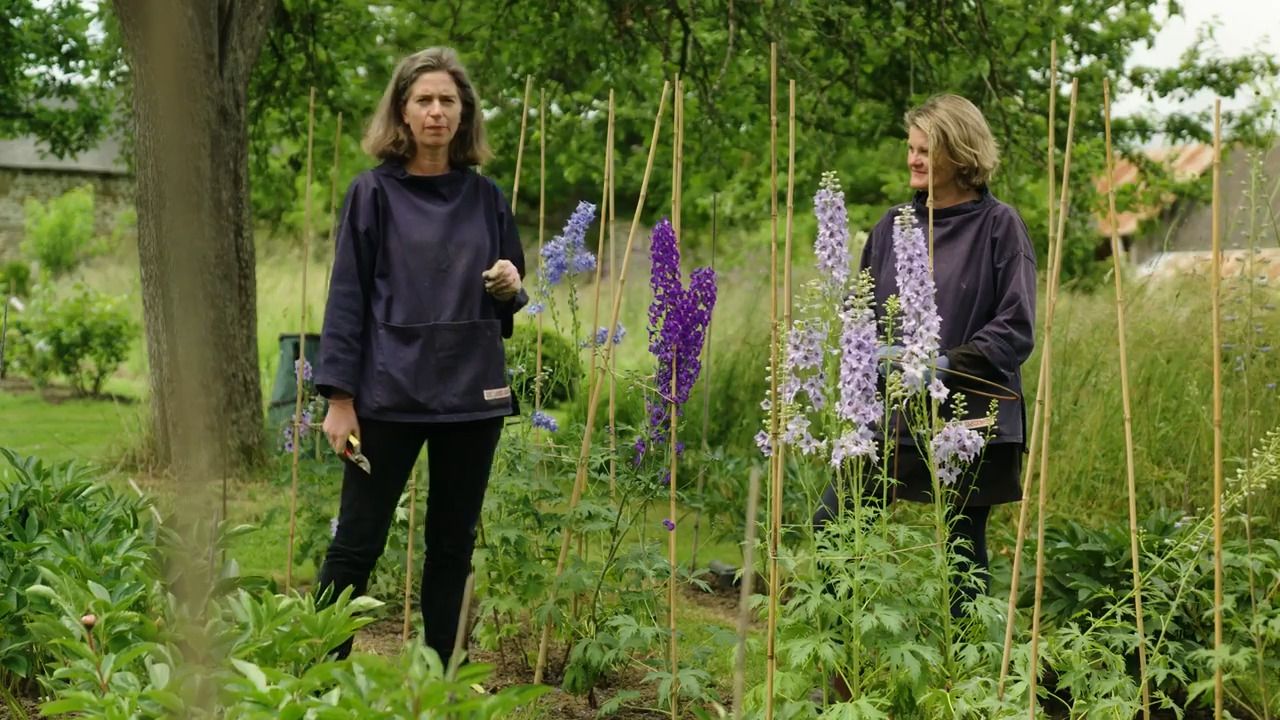
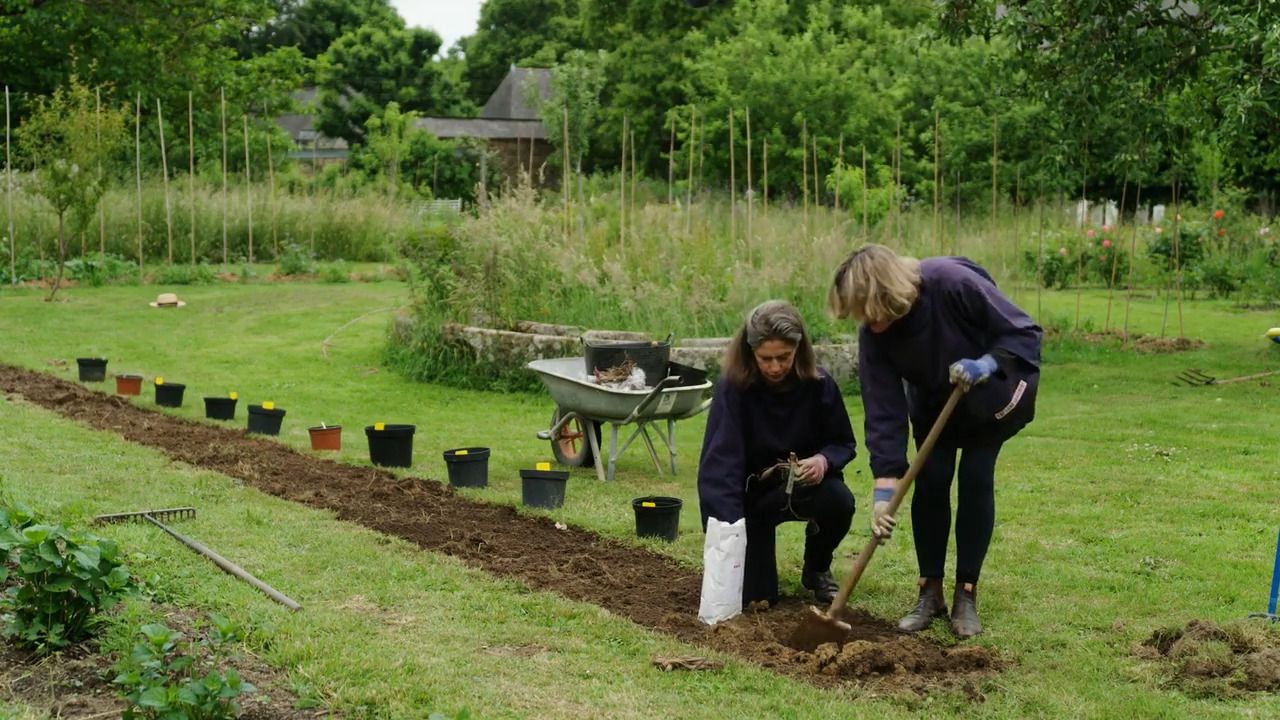
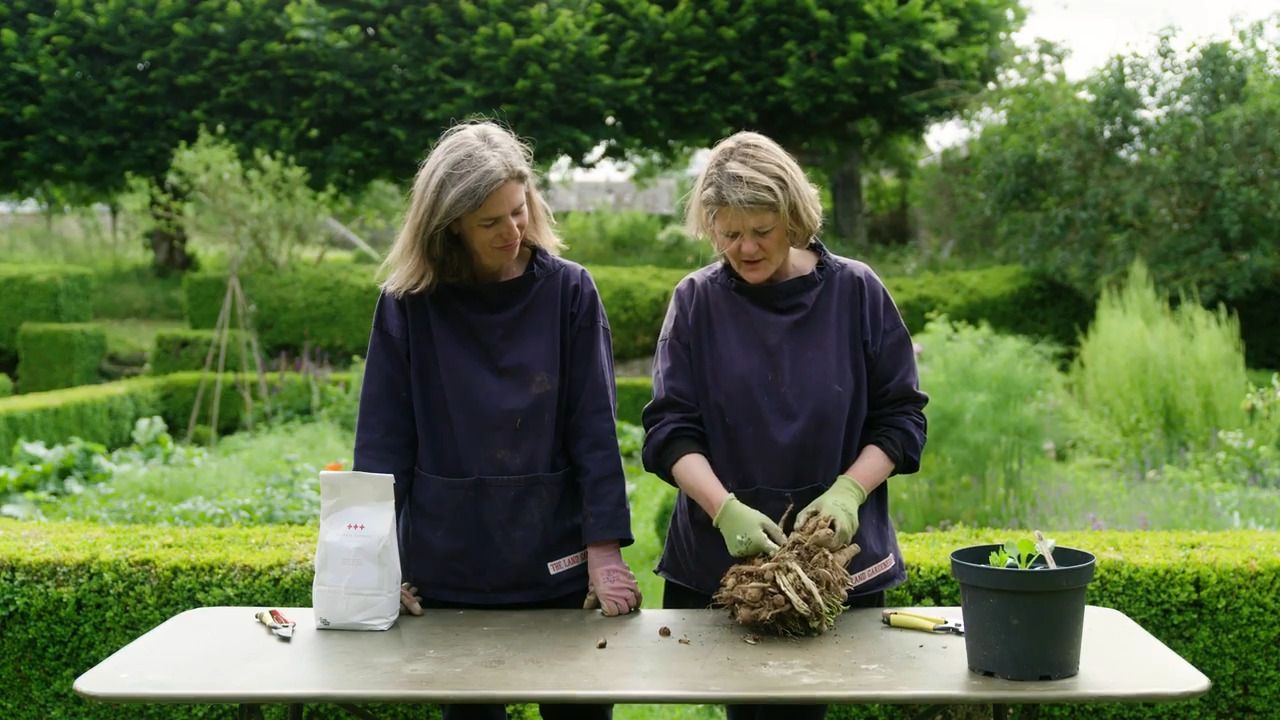
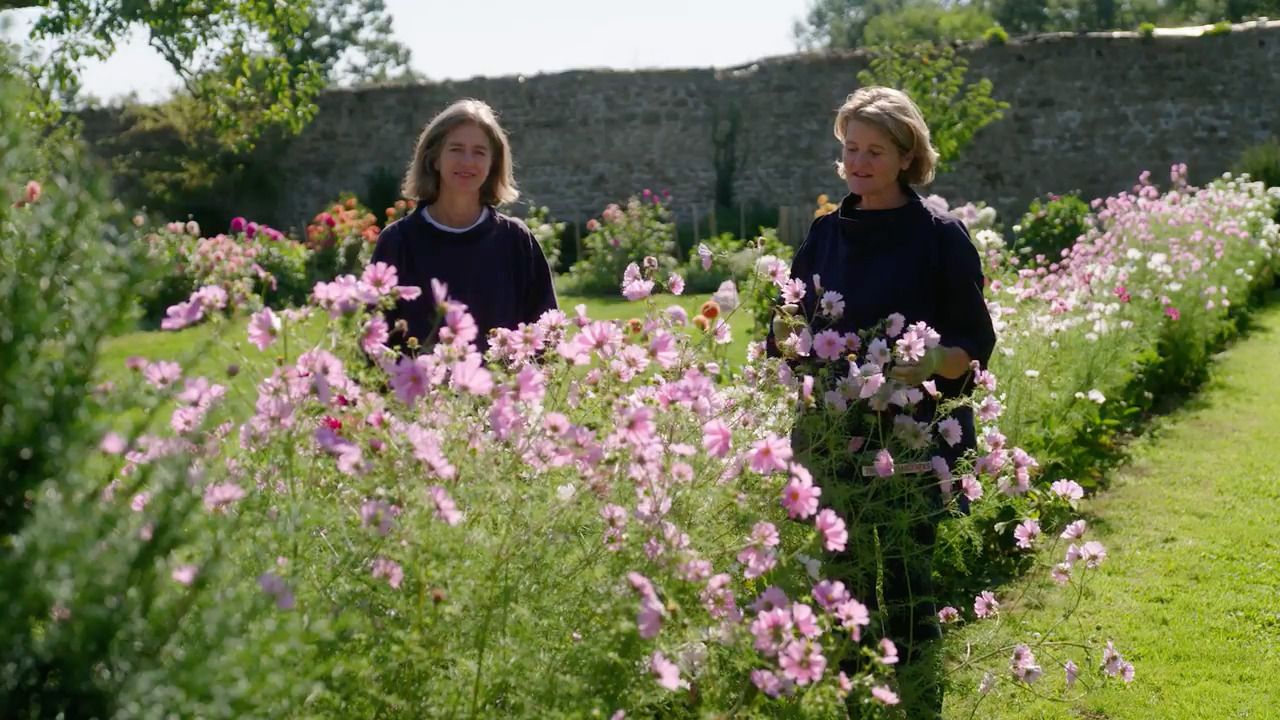
with THE LAND GARDENERS — Award-winning garden designers and cut flower growers on a mission to save our soil.
Lesson 13 of 37
Subscribe to watch
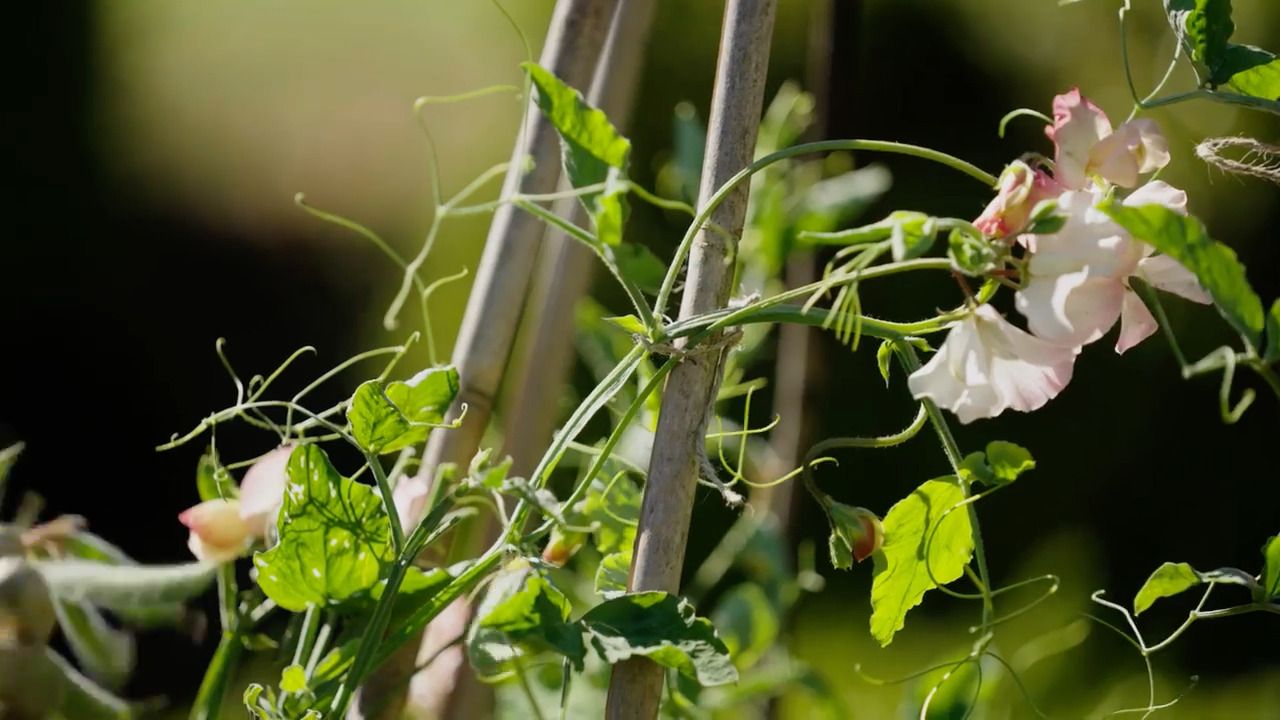
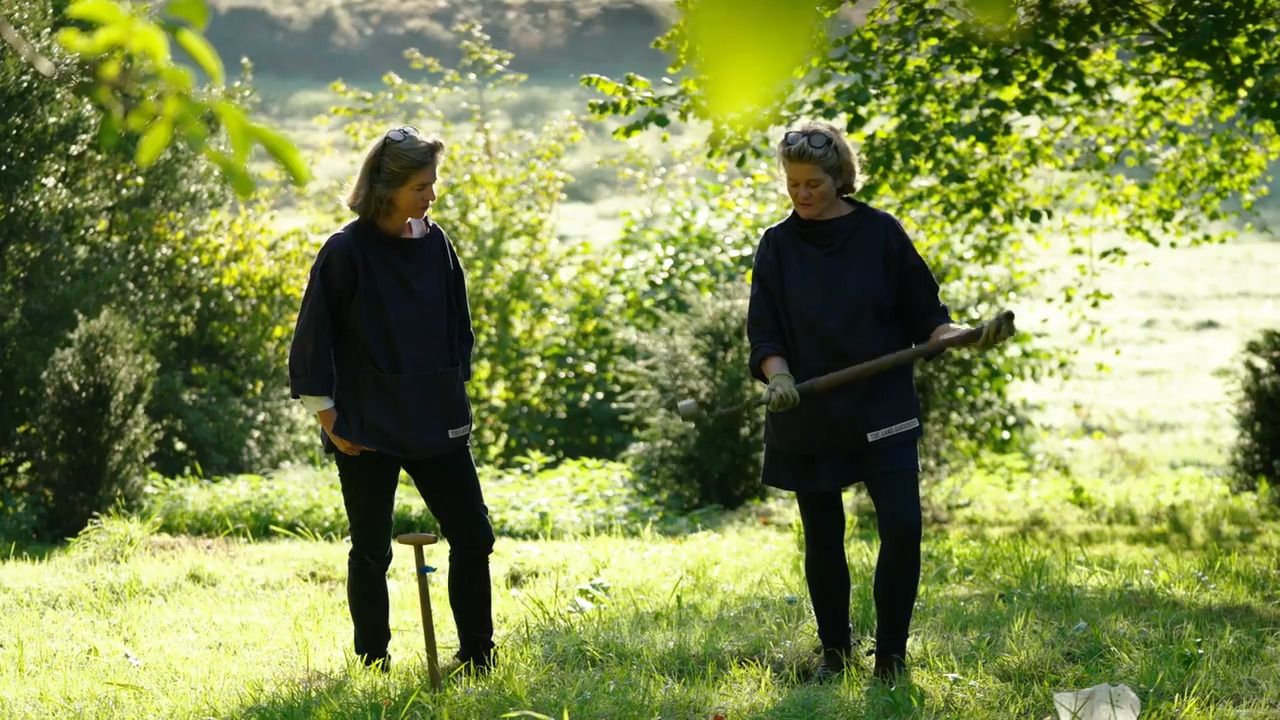
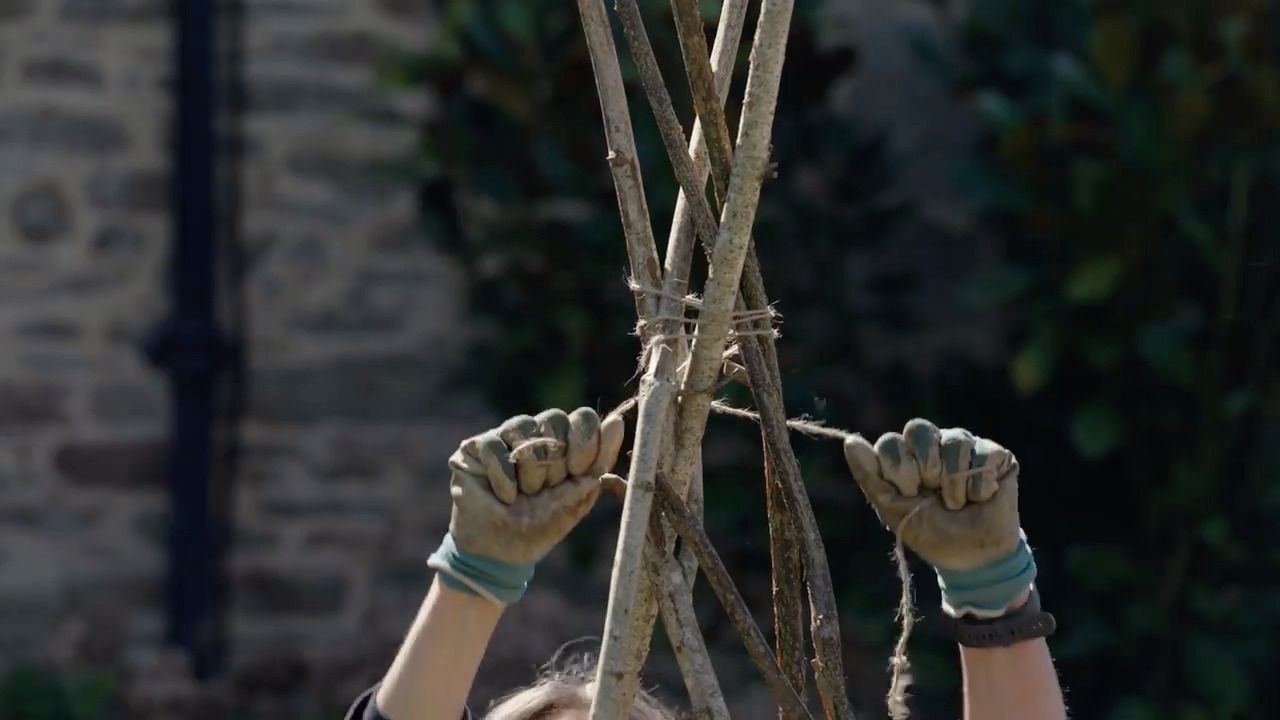
A step-by-step demonstration of how to make a teepee to support sweet peas. This lesson also includes practical information on sowing, planting seedlings, and picking sweet peas to keep them flowering from early summer and into the autumn.
We start making teepees for our beans and sweet peas in late April using hazel canes which we picked in winter before the buds started to appear. Shop-bought bamboo sticks work equally well.
We sow our sweet peas in late winter in plugs in root trainers, large pots and even loo rolls. Planted out in April, they will flower through the summer and into the autumn.
The key to successfully growing sweet peas is regular picking; picking prevents flowers from going to seed and prolongs the flowering period. We pick sweet peas every morning and they flower until September/October.
When making a teepee with hazel canes, you may need another pair of hands; bamboo sticks are easier to manage. First draw a circle on the ground and push into it five canes, spacing them evenly apart. Tie them together at the top with a string to make a really strong and secure tie - this might stop birds stealing the string!
To avoid too much competition between growing seedlings, sow no more than two seeds or two plugs/seedlings per cane. Newly planted seedlings may show little activity in the first two weeks; let them settle and put some growth on before you start tying them to the structure. We might also add some small sticks to create a framework to guide the young plant in the right direction; continue helping the plant upwards by tying the new shoots loosely to the canes. Winding a twine around the whole teepee will provide additional support.
Lathyrus odoratus
common name: sweet pea
Phaseolus coccineus
common name: runner bean
Recommended variety - 'Sunset'
Get the full workbook, video lessons, and more with a Create Academy subscription.
Subscribe to access the full workbookAlready a member? Sign in to watch
491 reviews
Read moreCreate Academy has been such a great resource. I'm in the middle of renovating a bungalow with a very large garden and the courses have offered a wealth of inform...
Harvey
Jun 10, 2026
Absolutely love Create Academy! The instructors are extremely informative, and it is beautifully filmed. Create Academy is great value for money and plan on renew...
SG
May 31, 2026
Butter's creativity is stunning! Her ability to incorporate brilliance in small gardens is magical!
Carla
May 30, 2026
The best adventure. I like all the courses, but my favorite are both Rita Konig interior design courses and Anna Jones. Excellent!
Karolina Kluczewska
May 20, 2026
Create Academy has been such a great resource. I'm in the middle of renovating a bungalow with a very large garden and the courses have offered a wealth of information to dive into and explore new ideas. I'm...
Harvey
Jun 10, 2026
Absolutely love Create Academy! The instructors are extremely informative, and it is beautifully filmed. Create Academy is great value for money and plan on renewing my subscription yearly because there are ...
SG
May 31, 2026
Butter's creativity is stunning! Her ability to incorporate brilliance in small gardens is magical!
Carla
May 30, 2026

Your Instructor
Award-winning garden designers and cut flower growers on a mission to save our soil.
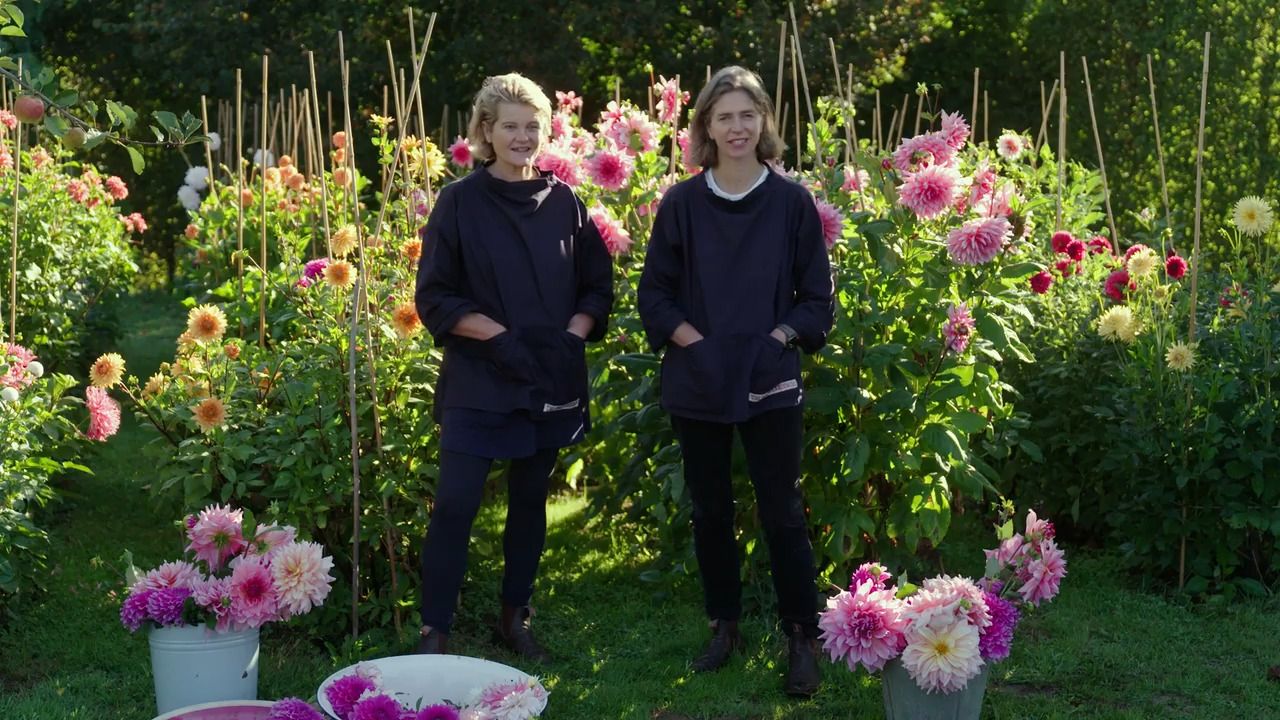
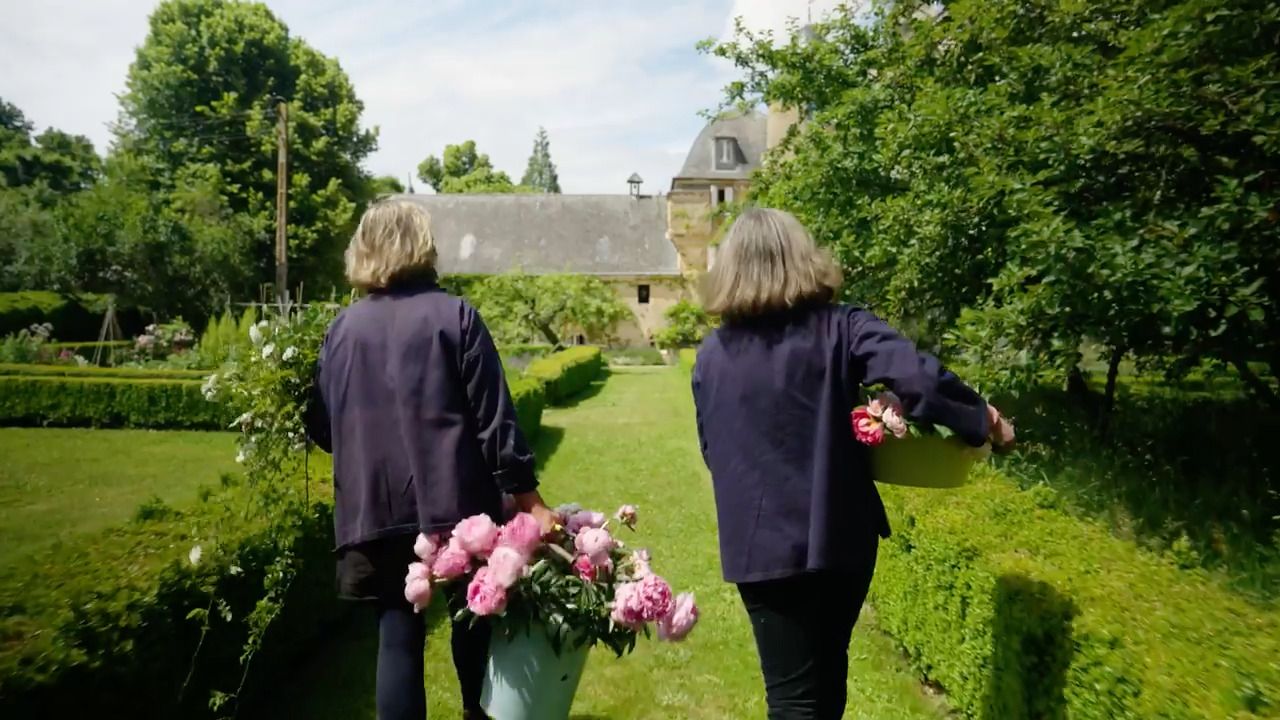
Garden designers, flower growers and compost creators, Henrietta Courtauld and Bridget Elworthy joined forces to found The Land Gardeners in 2012. United by their passion for organically grown plants and a shared interest in soil health, they began by growing and selling cut flowers to esteemed florists, and worked on restoring historic gardens to their former glory. Most recently, they launched Climate Compost - a project born from years of inquisitive research into soil biology with the aim of creating a microbially rich compost that produces nutrient dense crops, while also supporting and boosting the local ecosystem. With an unwavering commitment to improving the health of our land and its biodiversity, The Land Gardeners’ approach is one of sensitivity, unparalleled expertise and, above all, a loving respect for the natural world and its preservation.

Access to all courses


