
Interior and exterior confidence
Create Academy has been such a great resource. I'm in the middle of renovating a bungalow with a very large garden and the courses have offered a wealth of inform...
Harvey
Jun 10, 2026
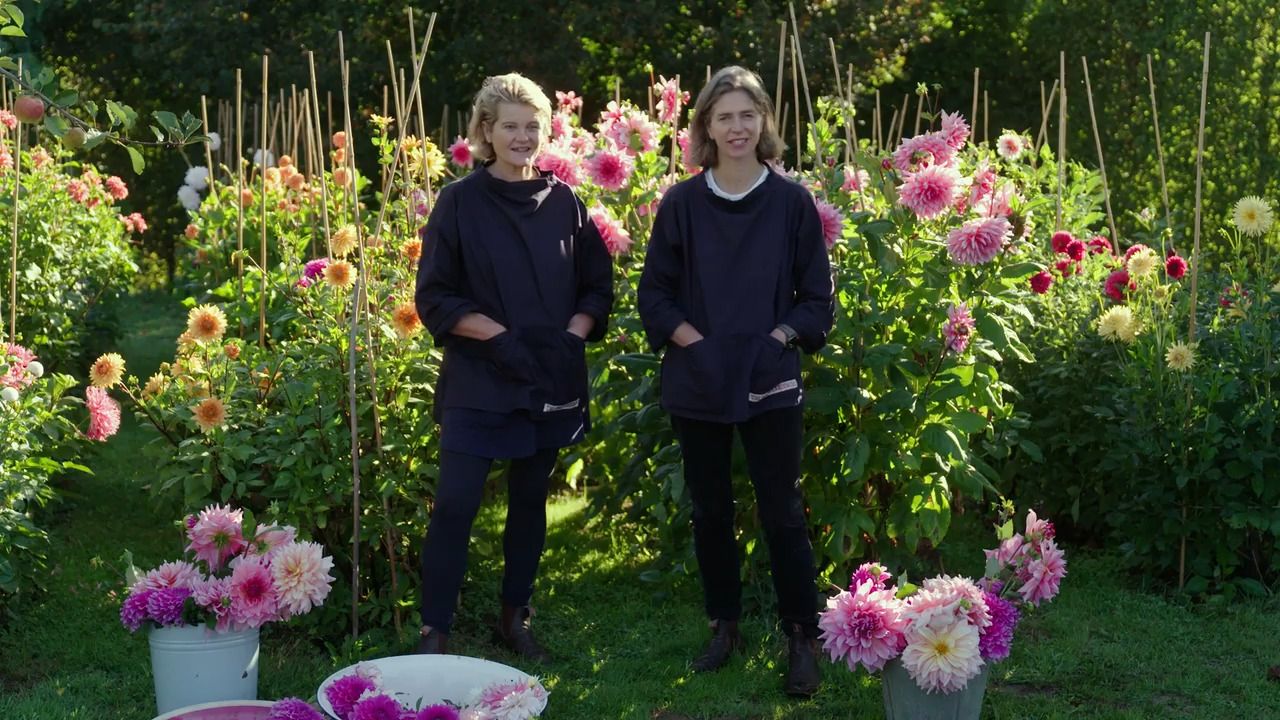
with THE LAND GARDENERS — Award-winning garden designers and cut flower growers on a mission to save our soil.
Lesson 7 of 37
Subscribe to watch
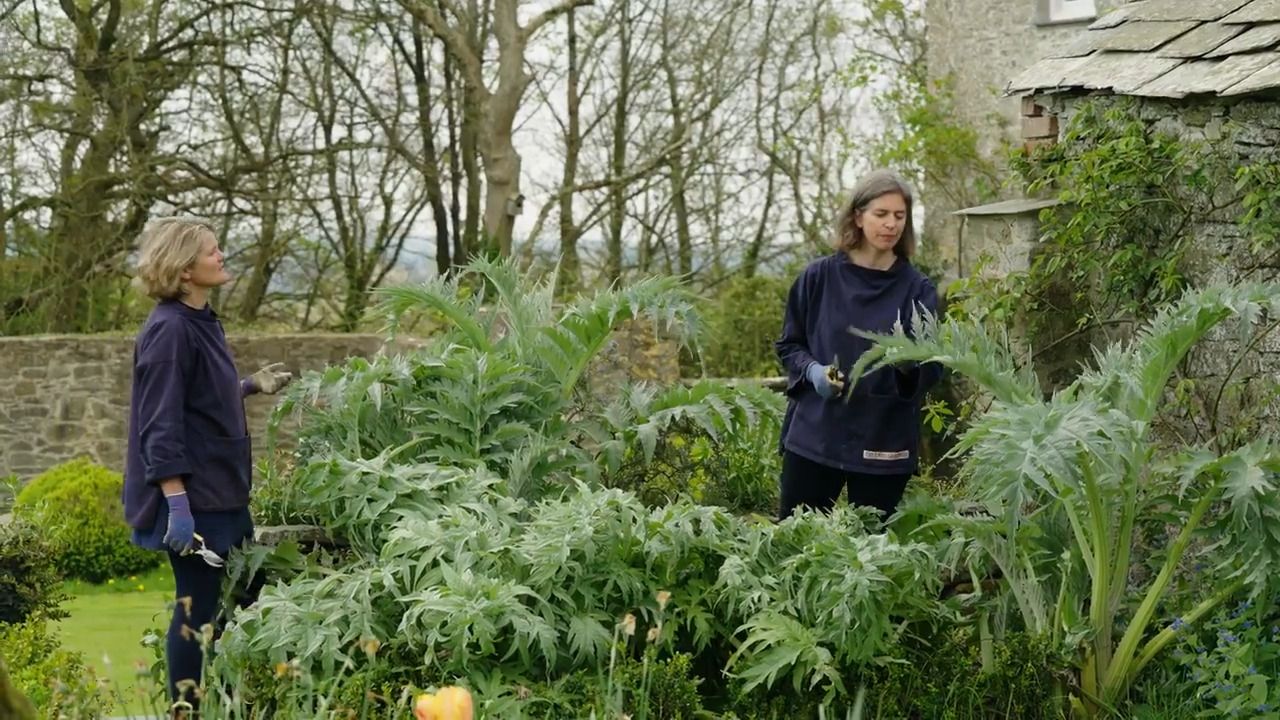
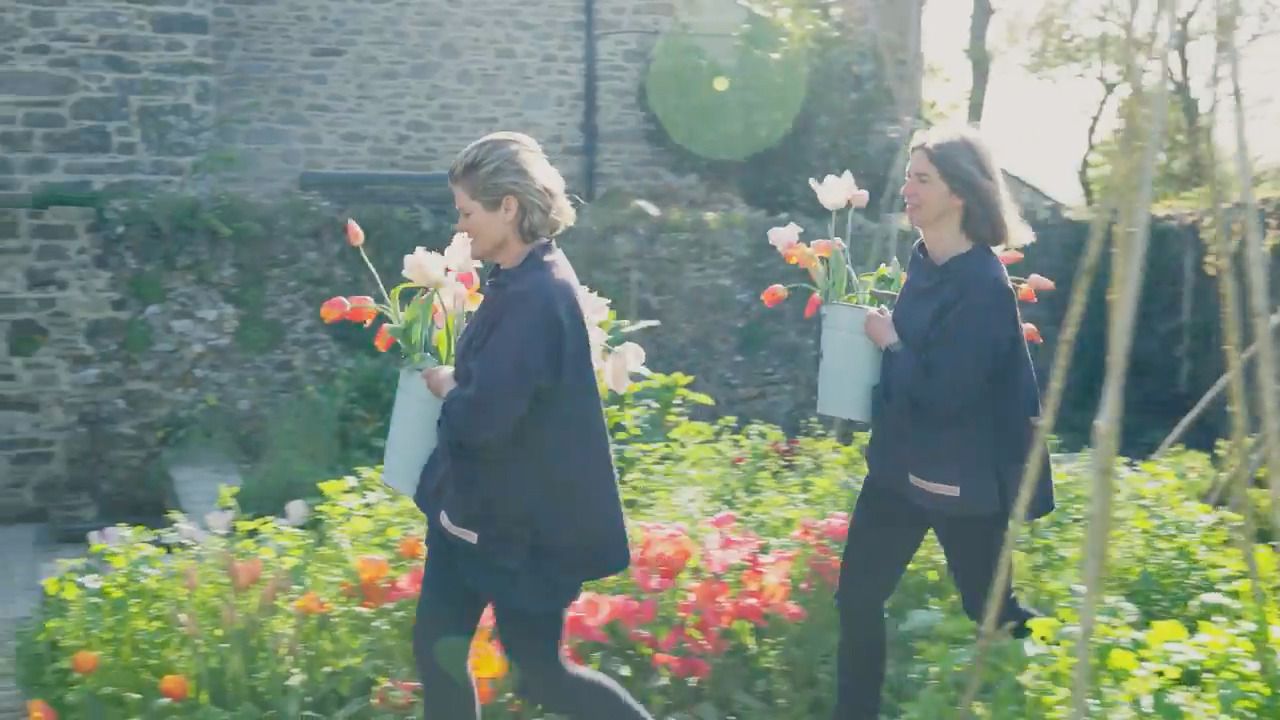
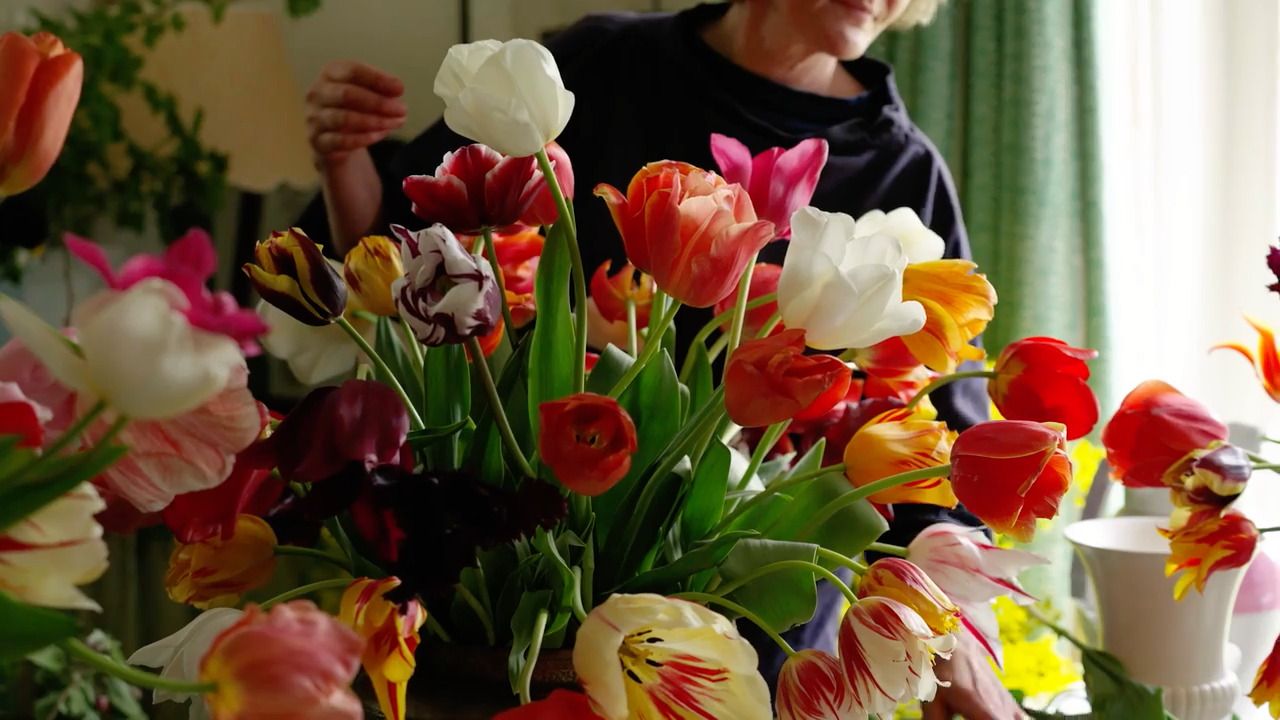
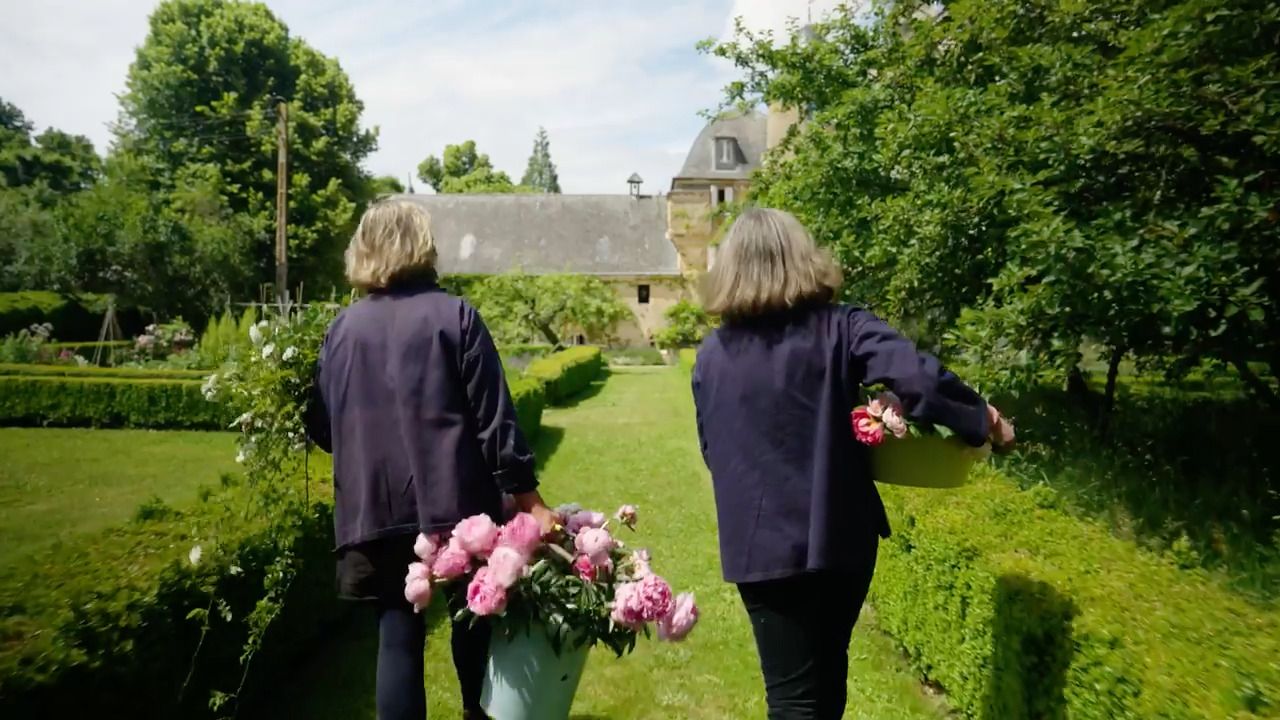
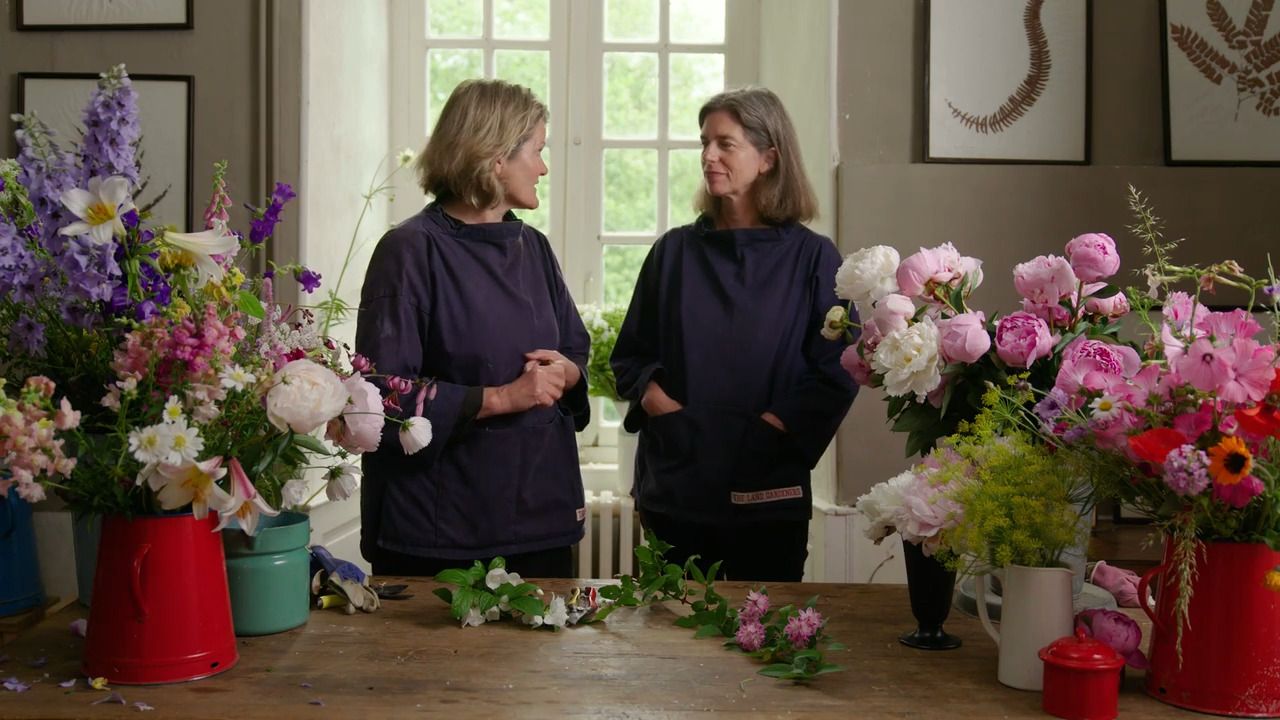
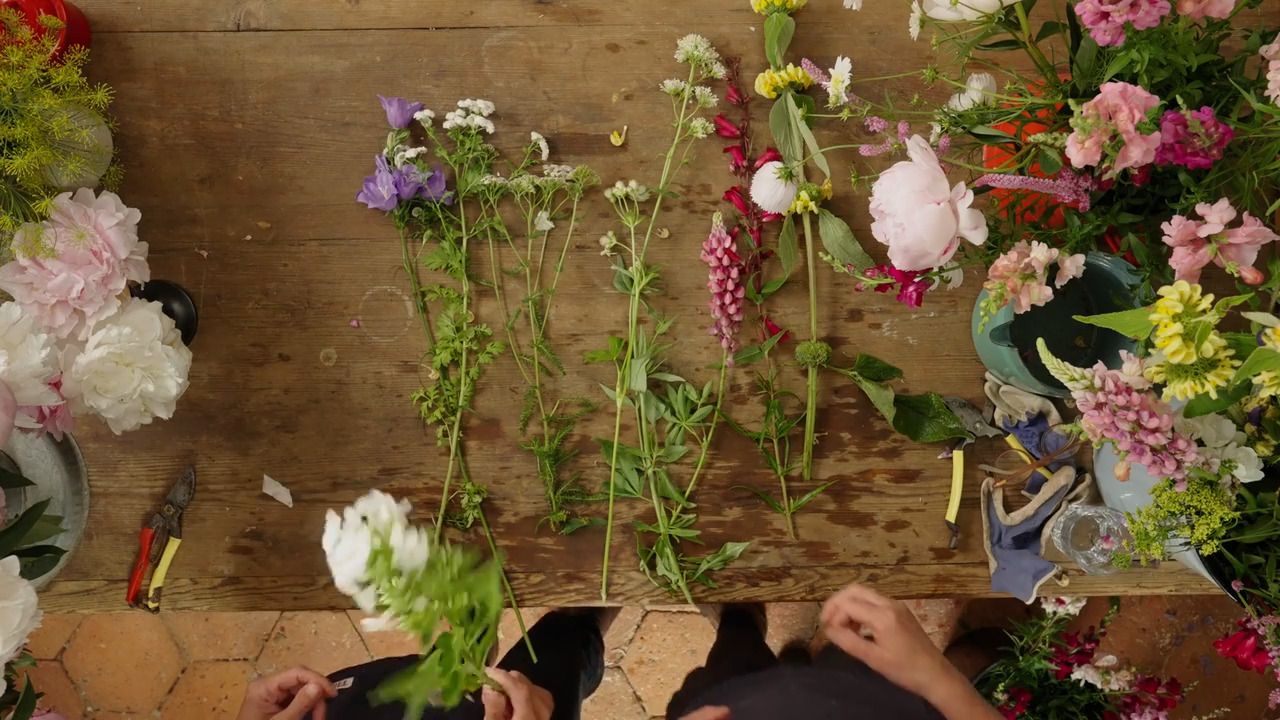
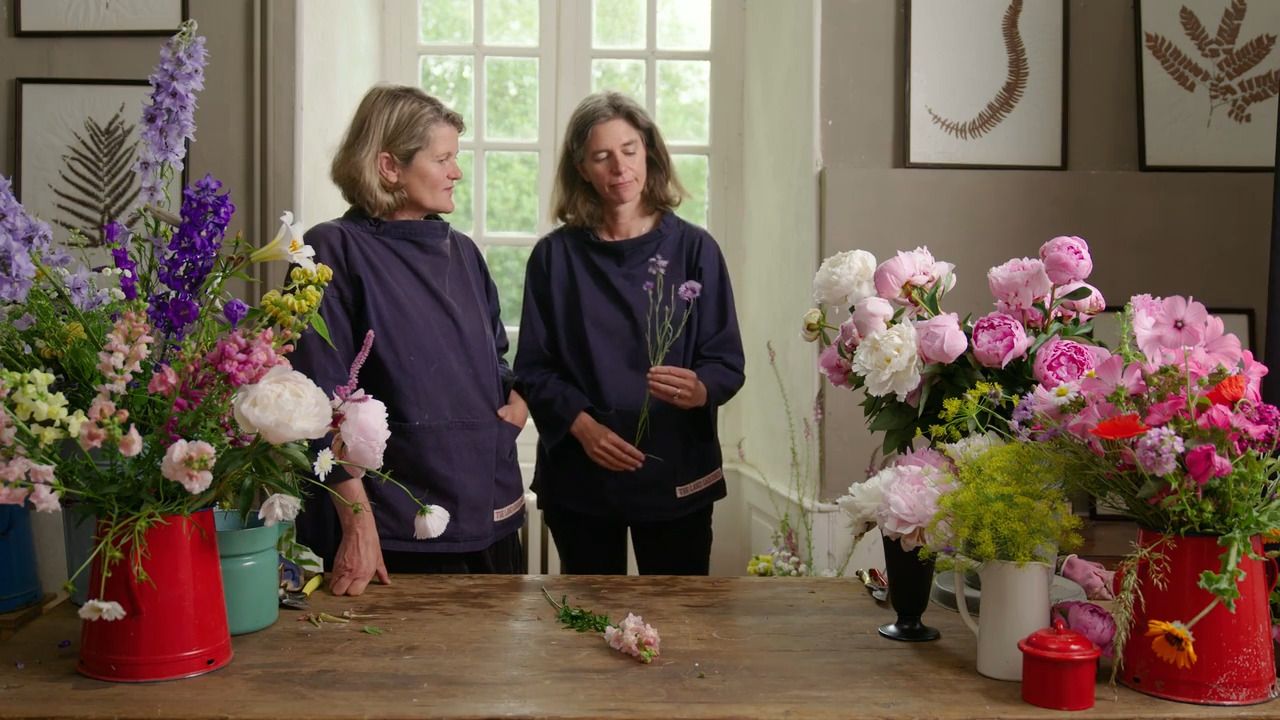
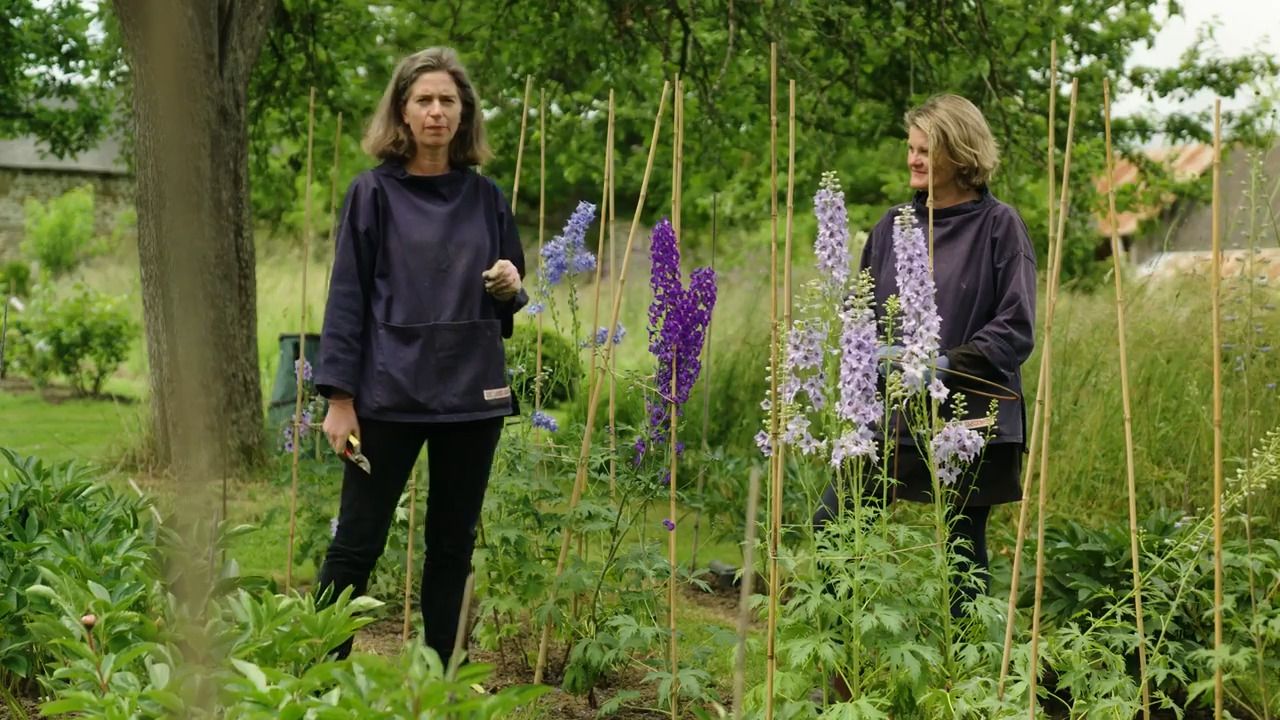
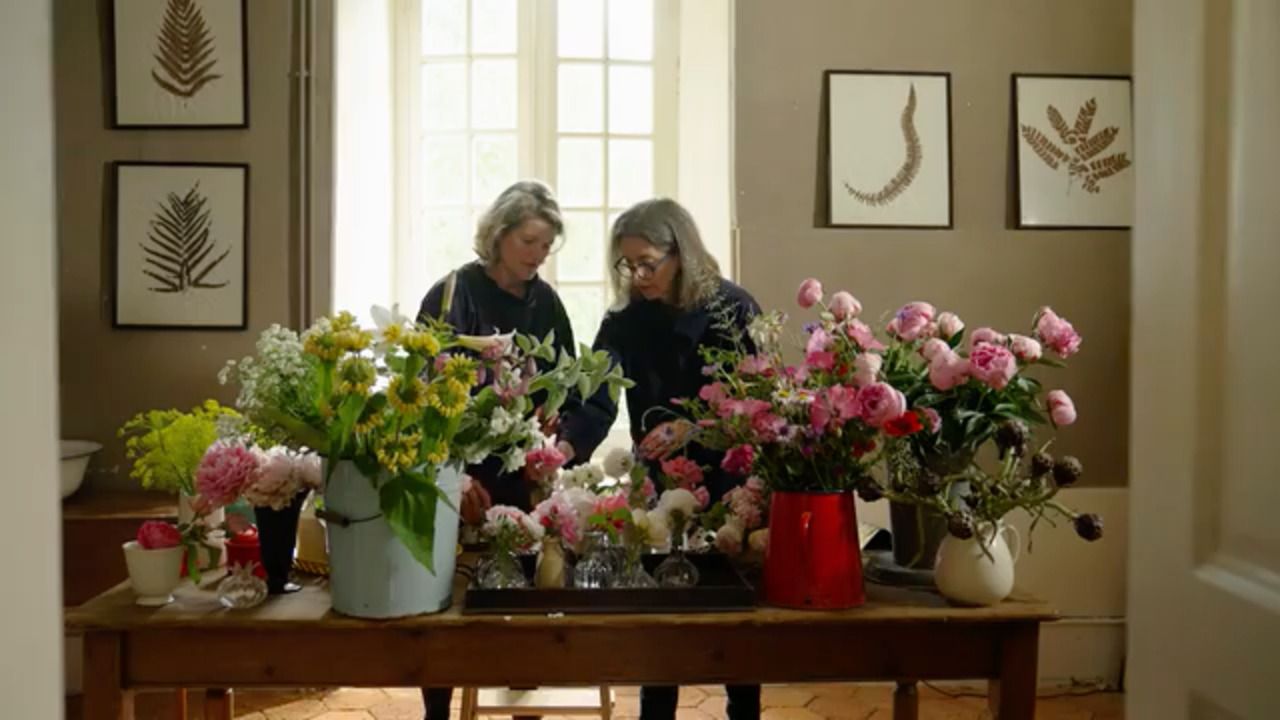
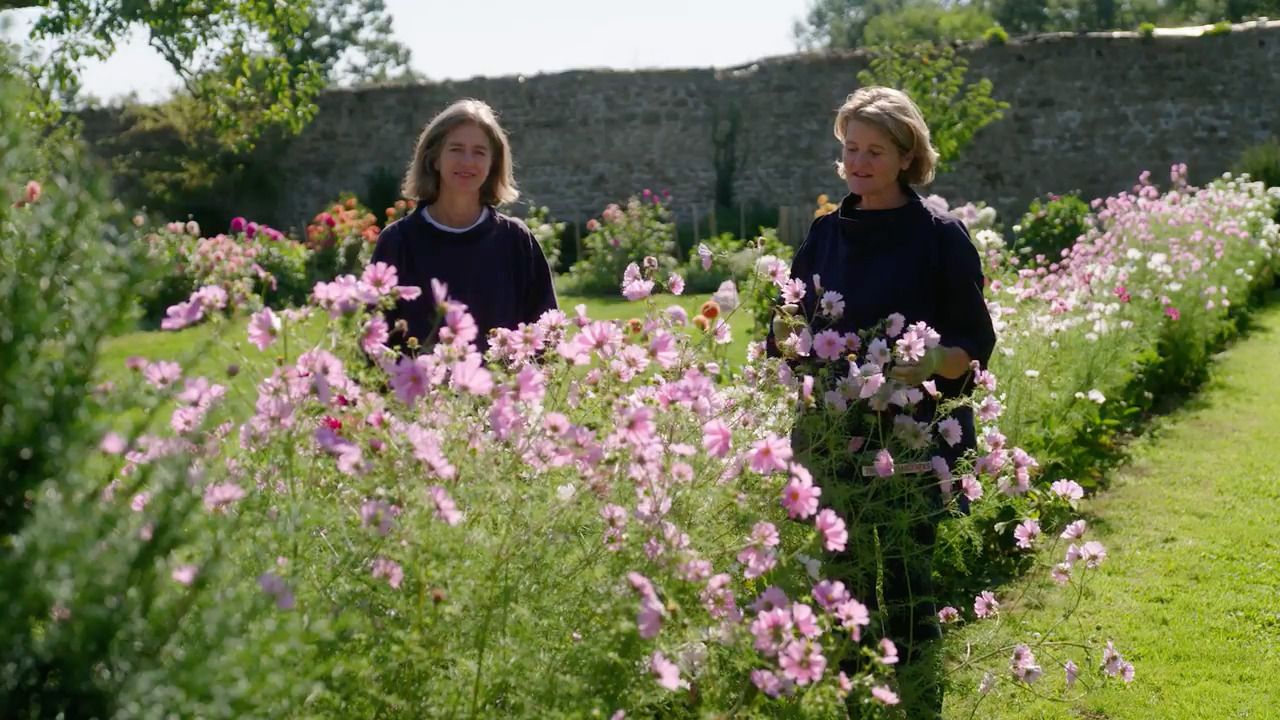
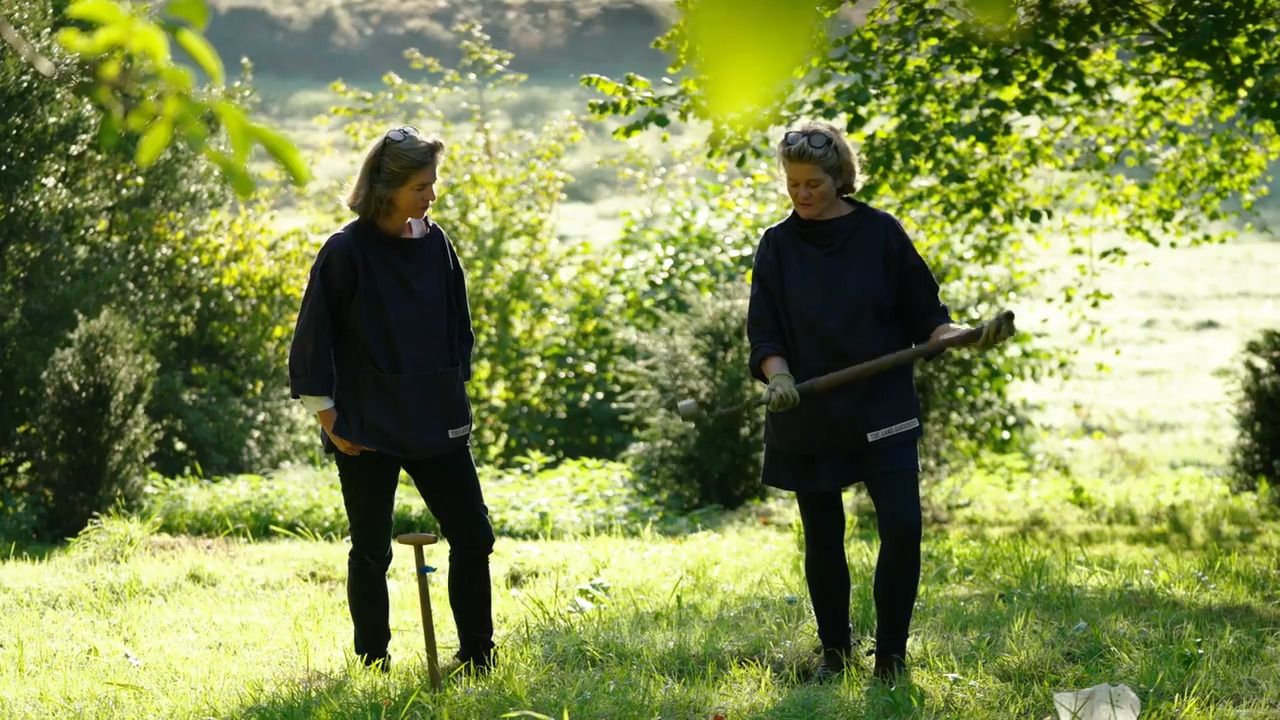
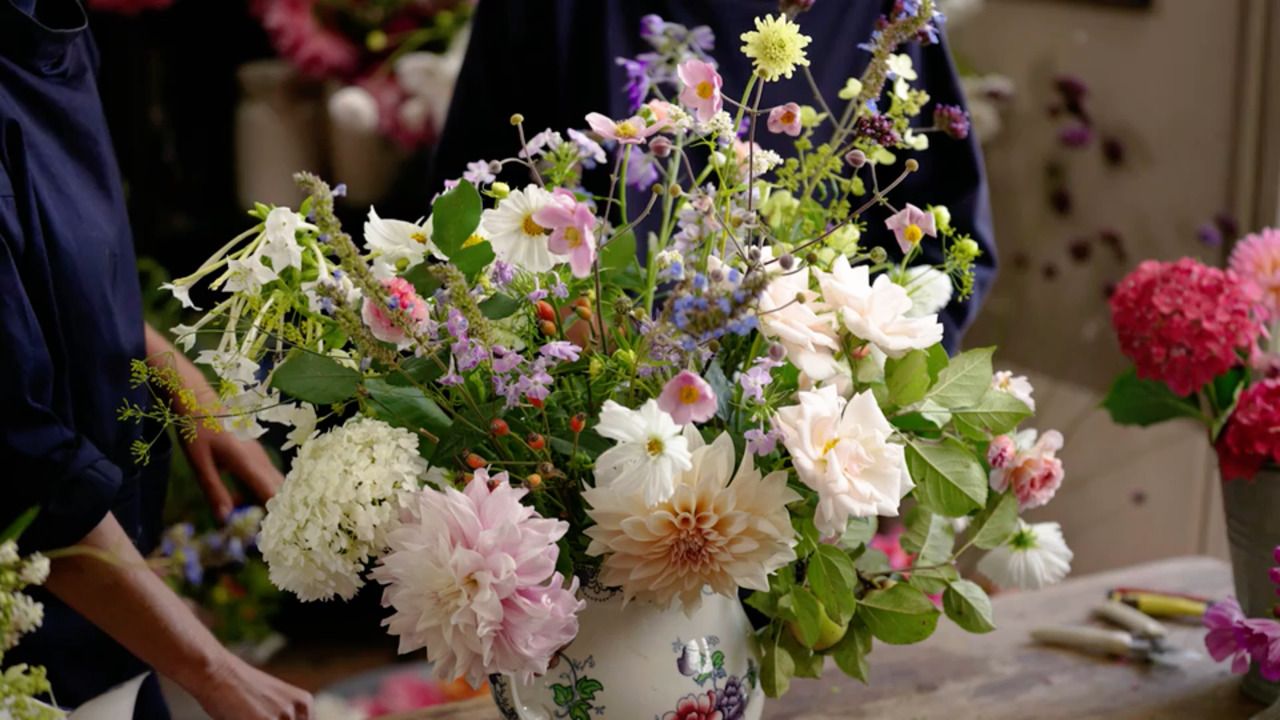
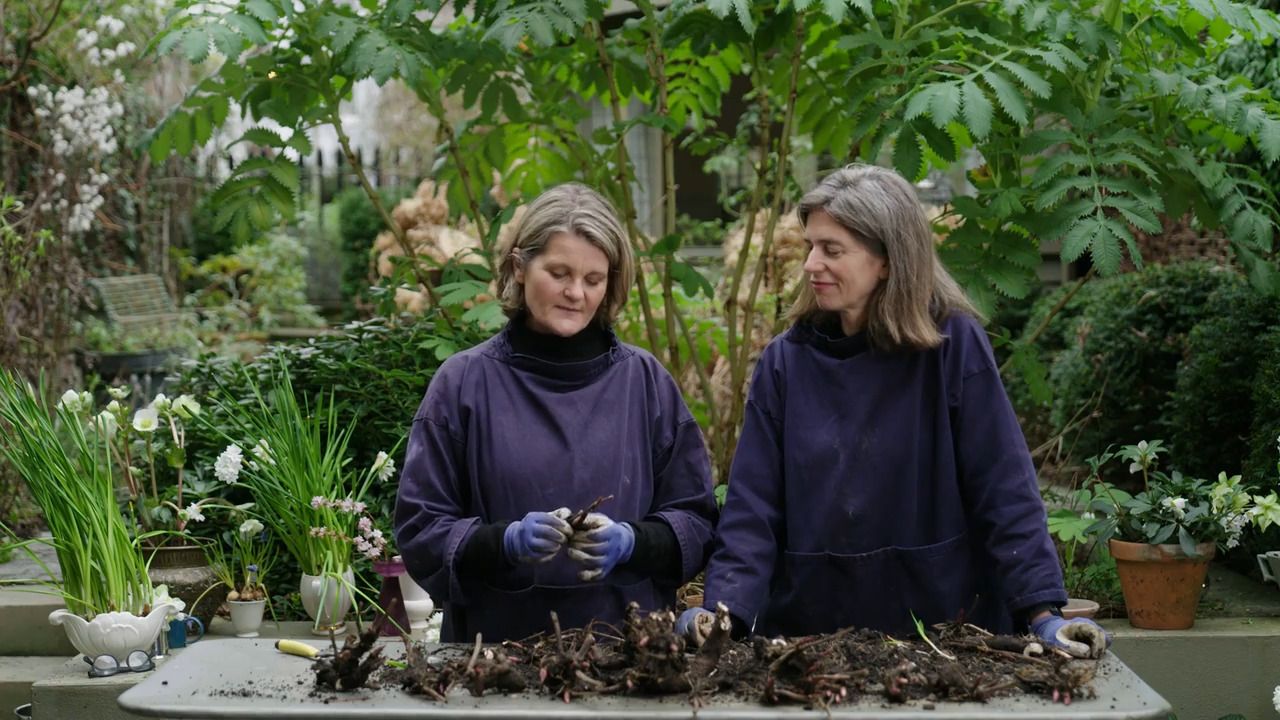
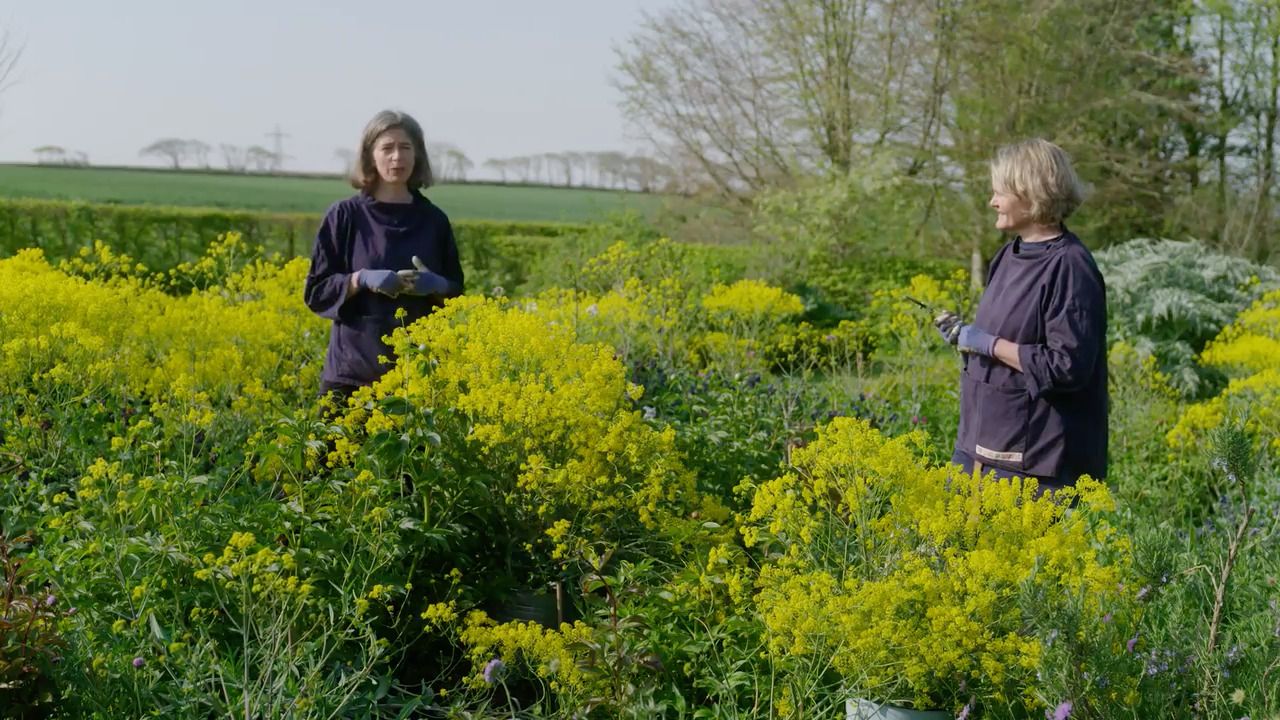
It is the end of April and The Land Gardeners are in the informal part of their Cornish garden, picking self-seeding plants for an early spring flower arrangement.
It's the end of April and we are in Cornwall choosing the best early flowers to pick from our cutting garden. Below are the plants we have selected.
Common names: woad, common dyer's weed, ash of Jerusalem
We grow this wild, bright yellow-flowered plant to add colour to the garden and to pick from June onwards for flower arrangements. Woad self-seeds freely and attracts bees, and its leaves can be used to produce blue dye. As this plant spreads very fast, it needs to be kept in check by thinning it out.
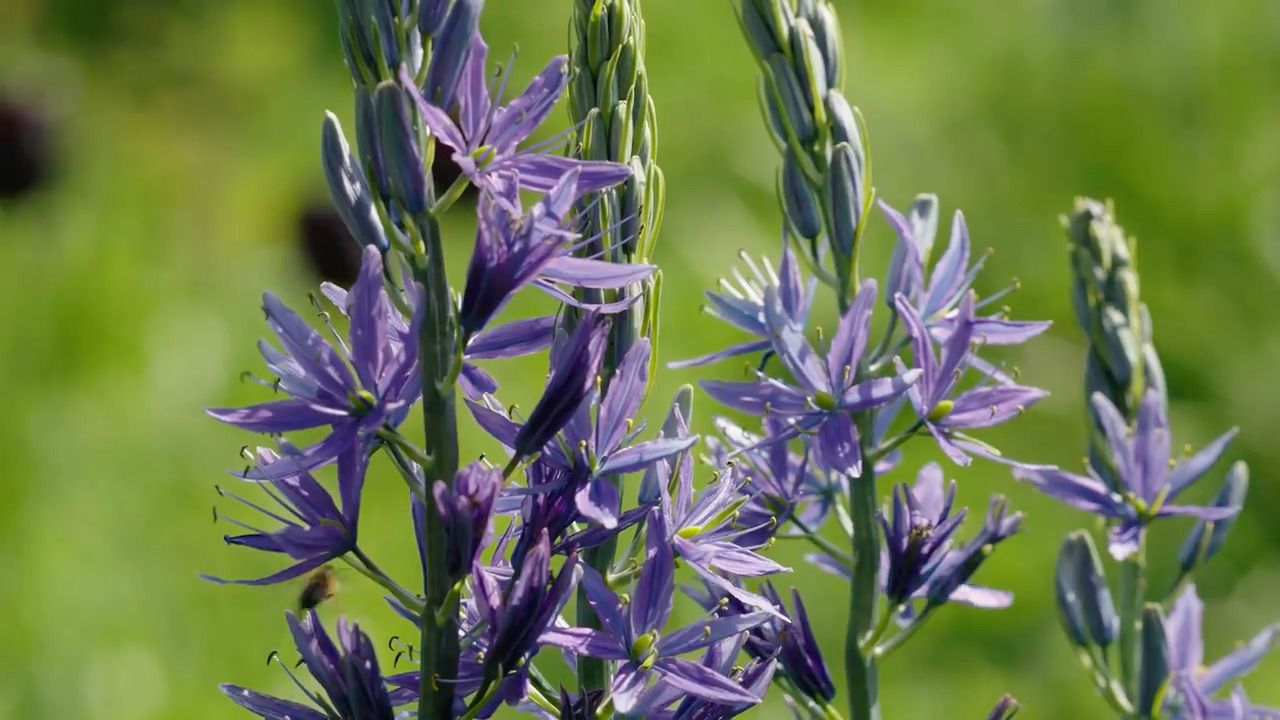
Common name: scabious
Our real spring favourite, scabious does well in dry soil and can grow in long grass. It adds interest in orchards and informal gardens but also works well in more formal areas and in mixed herbaceous borders. It is available in blue and white.
Common name: dame's-violet, dame's rocket
This is a very useful plant for floral arrangements in late April/May, when the choice of flowers for picking is rather limited. Hesperis can be white or lavender-coloured. It grows to considerable heights and is highly scented.
Note: Being a biennial, Hesperis requires some forward planning; our advice is to collect the seeds just after the flowers are over in the spring and then sow them in the summer to produce new plants the following year.
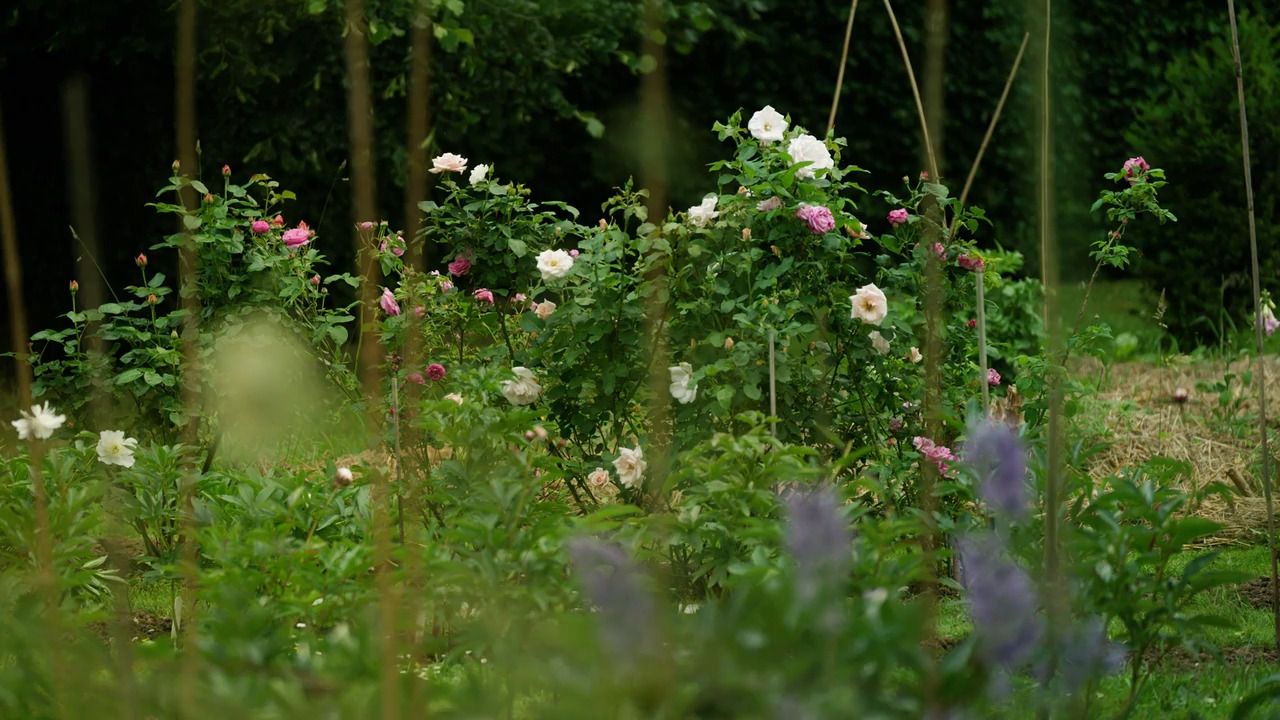
Although we have planted parts of the Cornish garden in formal rows of roses and peonies, we have also created informal areas where nature takes over and allows the self-seeding plants to thrive. These areas produce yellow woad, low-growing cerinthe and ox-eyed daisies as well as Verbena bonariensis and Valeriana officinalis. As Verbena and Valeriana can grow to well above 1m tall, they are excellent flowers for large arrangements.
We also grow herbs, such as rosemary and chives, in our plant garden for use in the kitchen and for their value as garden pest repellents.
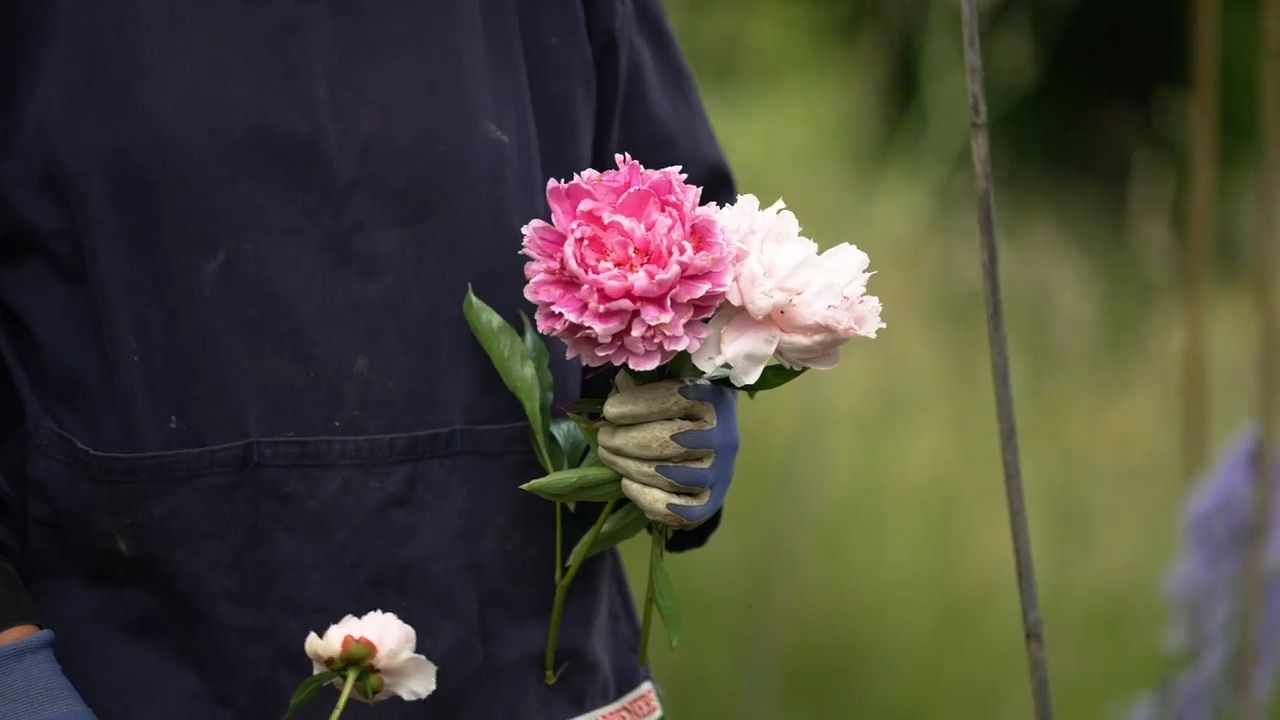
The best flower-picking time - especially in high summer - is before 8am or after 6pm. This morning we are picking woad and little scabious and are sharing tips on how to keep these plants fresh for making flower arrangements later.
First we shorten the stems of woad and submerge them in buckets of water. We have also discovered that the best way to keep woad fresh until it's needed is to leave it for several hours in a cool, dark place during the day or keep it in deep water overnight.
Allium schoenoprasum
common name: chives
Cerinthe
common name: honeywort
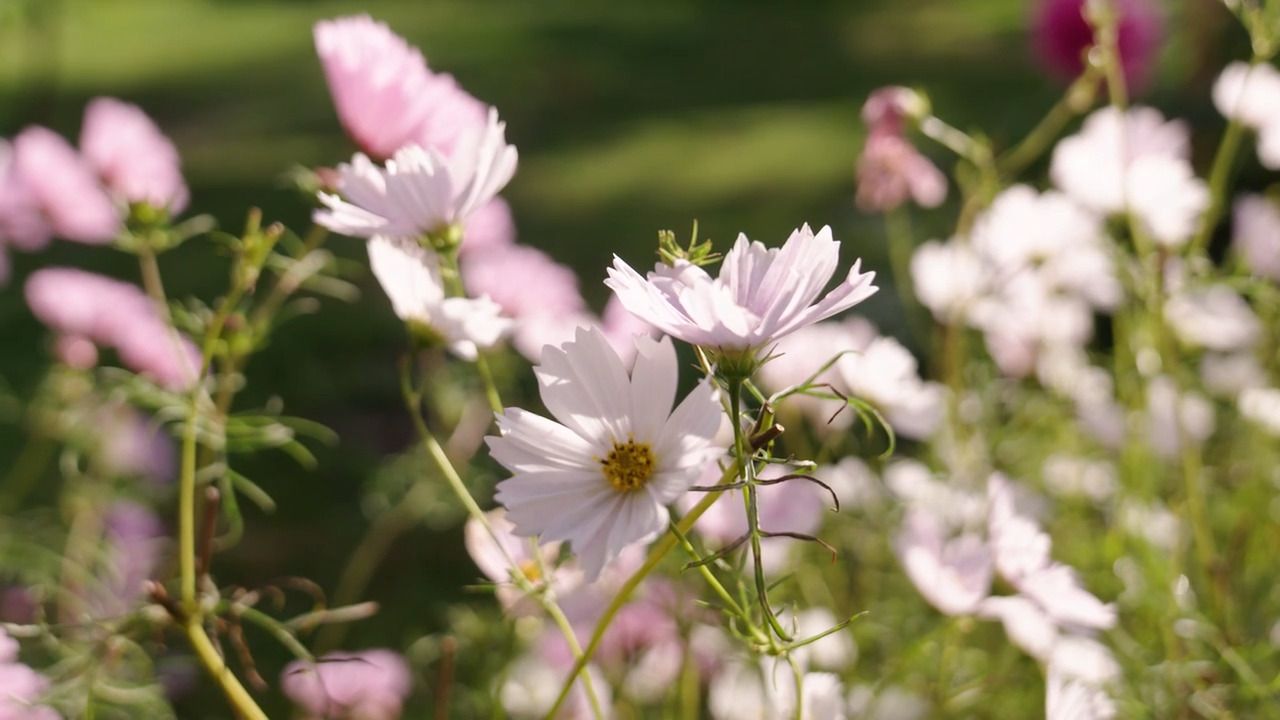
Cosmos
common name: cosmos
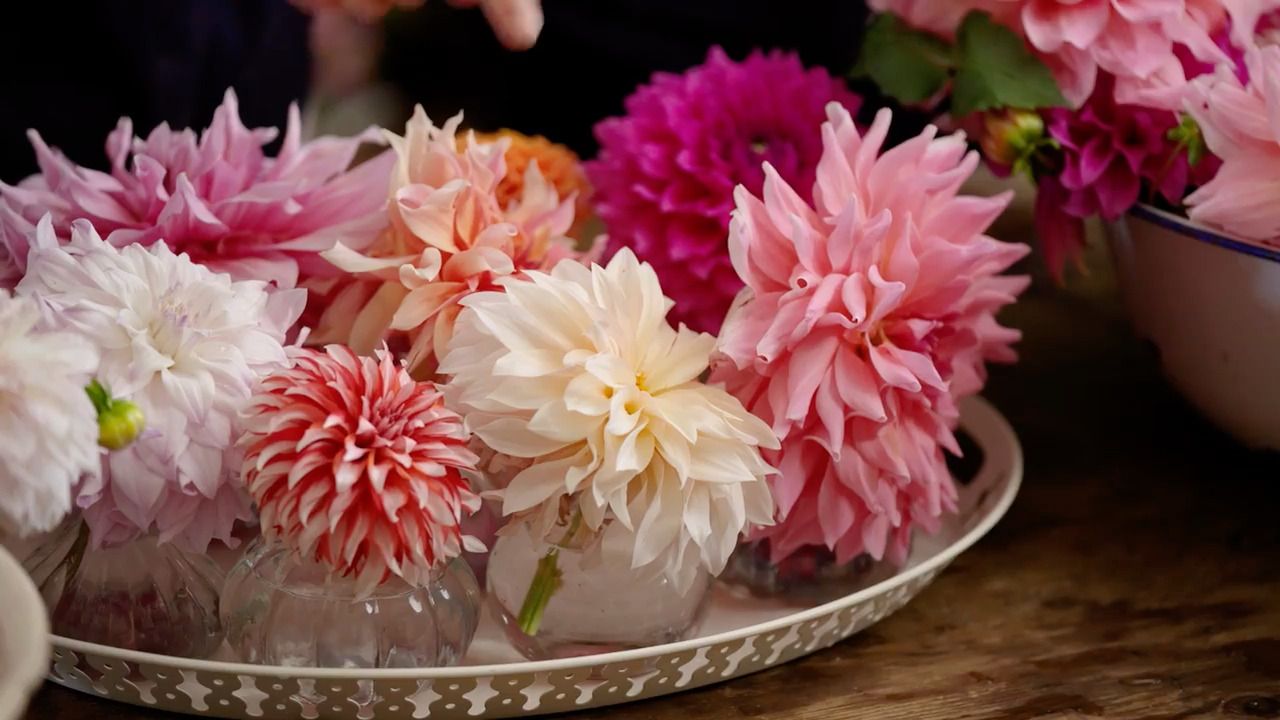
Dahlia
common name: dahlia
Hesperis matronalis
common names: dame's-violet or dame's rocket
Isatis tinctoria
common names: woad, dyer's weed, ash of Jerusalem
Leucanthemum vulgare
common name: ox-eyed daisy
Rosmarinus
common name: rosemary
Salvia
common name: sage
Scabiosa
common name: scabious
Get the full workbook, video lessons, and more with a Create Academy subscription.
Subscribe to access the full workbookAlready a member? Sign in to watch
491 reviews
Read moreCreate Academy has been such a great resource. I'm in the middle of renovating a bungalow with a very large garden and the courses have offered a wealth of inform...
Harvey
Jun 10, 2026
Absolutely love Create Academy! The instructors are extremely informative, and it is beautifully filmed. Create Academy is great value for money and plan on renew...
SG
May 31, 2026
Butter's creativity is stunning! Her ability to incorporate brilliance in small gardens is magical!
Carla
May 30, 2026
The best adventure. I like all the courses, but my favorite are both Rita Konig interior design courses and Anna Jones. Excellent!
Karolina Kluczewska
May 20, 2026
Create Academy has been such a great resource. I'm in the middle of renovating a bungalow with a very large garden and the courses have offered a wealth of information to dive into and explore new ideas. I'm...
Harvey
Jun 10, 2026
Absolutely love Create Academy! The instructors are extremely informative, and it is beautifully filmed. Create Academy is great value for money and plan on renewing my subscription yearly because there are ...
SG
May 31, 2026
Butter's creativity is stunning! Her ability to incorporate brilliance in small gardens is magical!
Carla
May 30, 2026

Your Instructor
Award-winning garden designers and cut flower growers on a mission to save our soil.
Garden designers, flower growers and compost creators, Henrietta Courtauld and Bridget Elworthy joined forces to found The Land Gardeners in 2012. United by their passion for organically grown plants and a shared interest in soil health, they began by growing and selling cut flowers to esteemed florists, and worked on restoring historic gardens to their former glory. Most recently, they launched Climate Compost - a project born from years of inquisitive research into soil biology with the aim of creating a microbially rich compost that produces nutrient dense crops, while also supporting and boosting the local ecosystem. With an unwavering commitment to improving the health of our land and its biodiversity, The Land Gardeners’ approach is one of sensitivity, unparalleled expertise and, above all, a loving respect for the natural world and its preservation.
Access to all courses


.jpg)