



Interior and exterior confidence
Create Academy has been such a great resource. I'm in the middle of renovating a bungalow with a very large garden and the courses have offered a wealth of inform...
Harvey
Jun 10, 2026
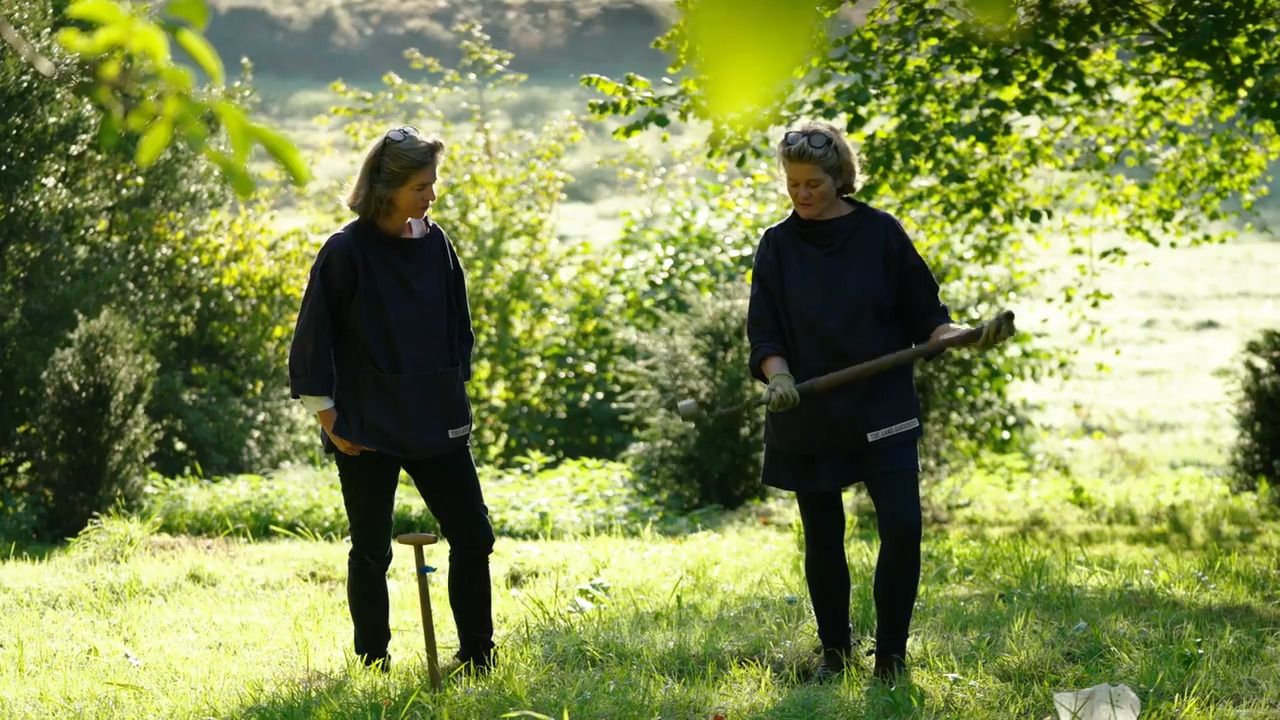
with THE LAND GARDENERS — Award-winning garden designers and cut flower growers on a mission to save our soil.
Lesson 16 of 37
Subscribe to watch
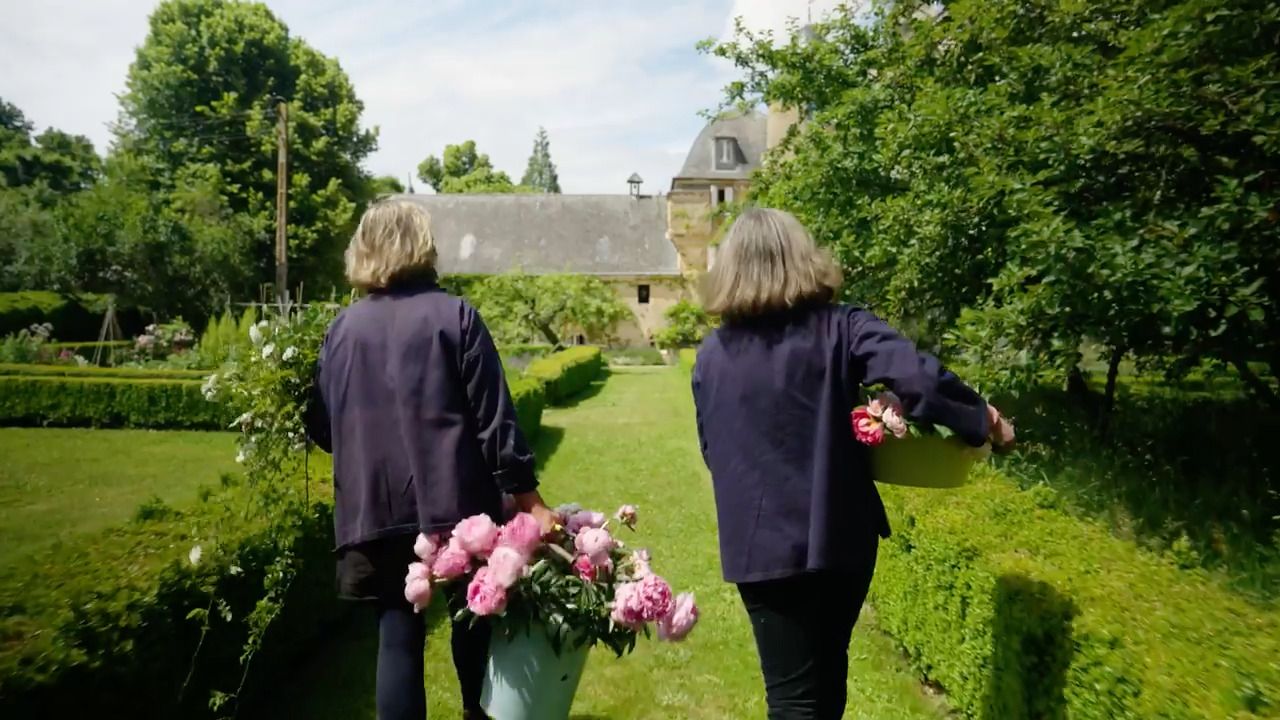
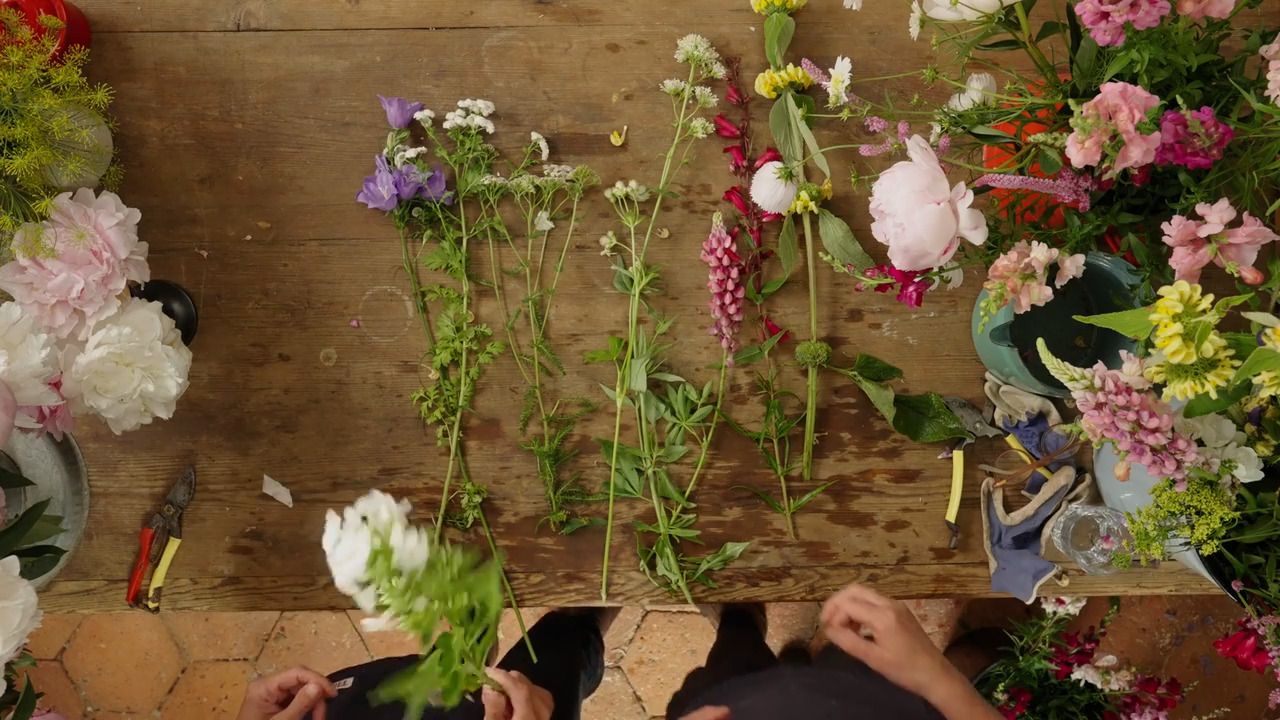
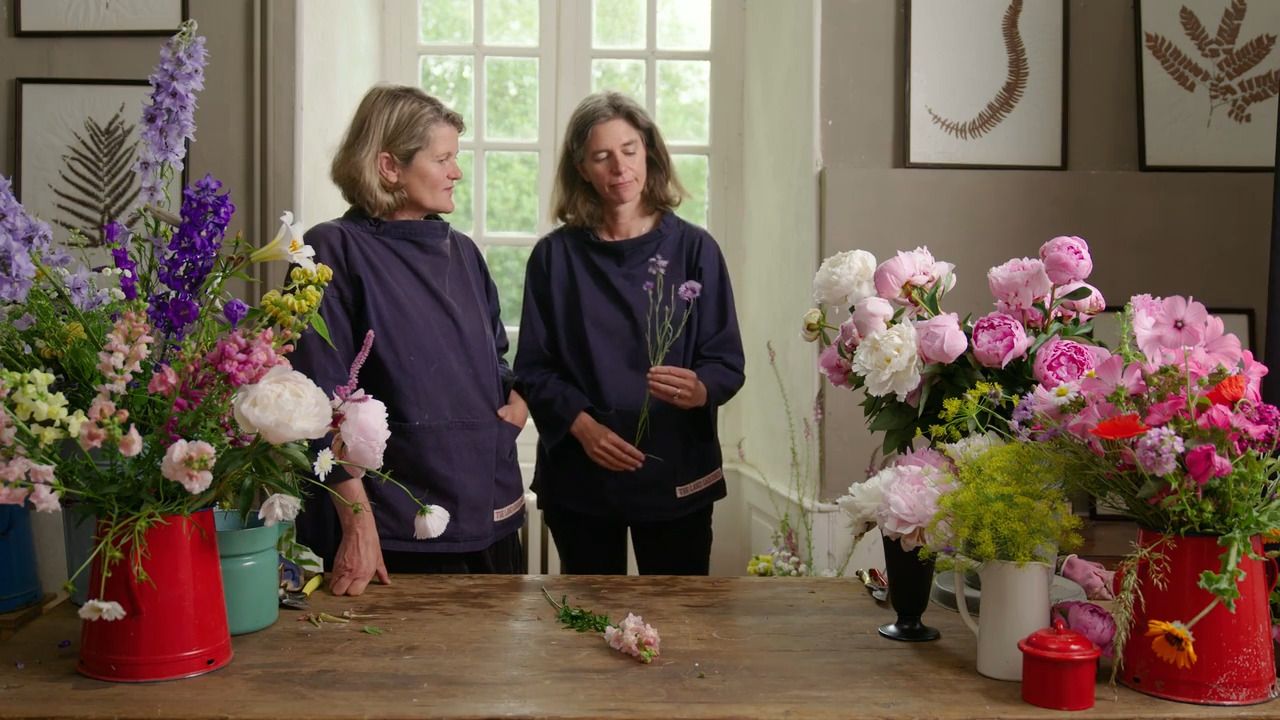
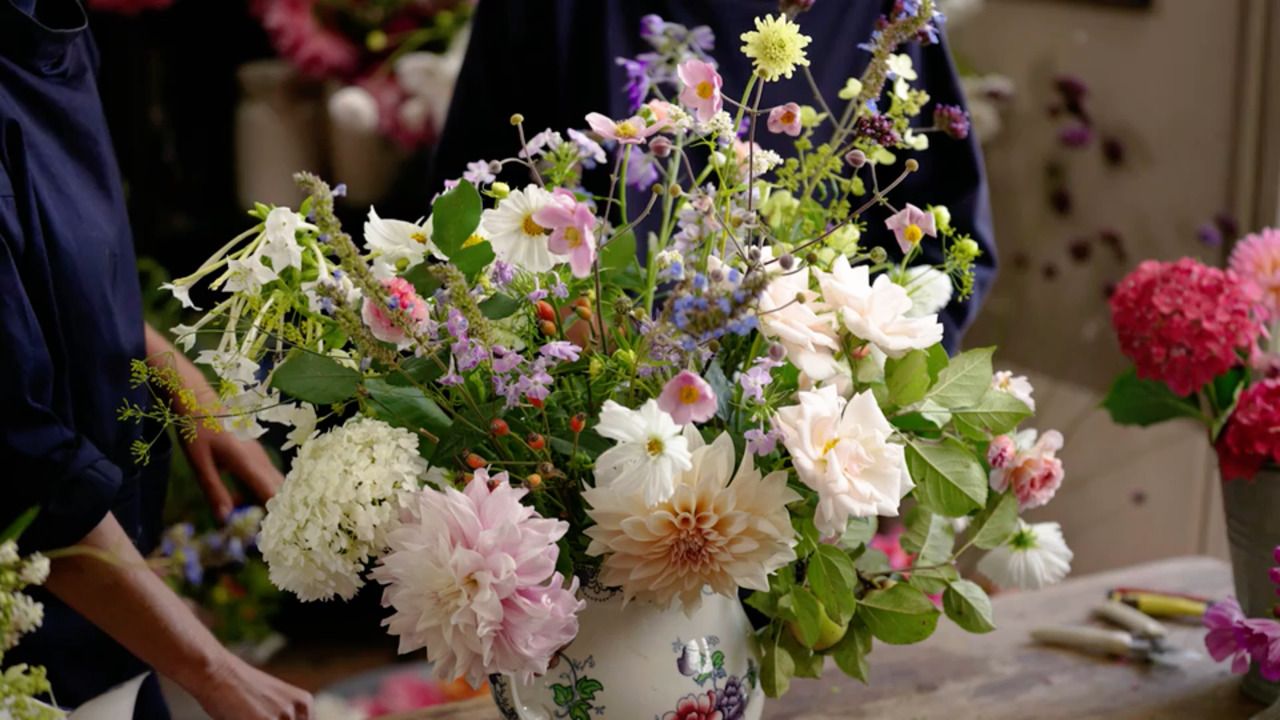
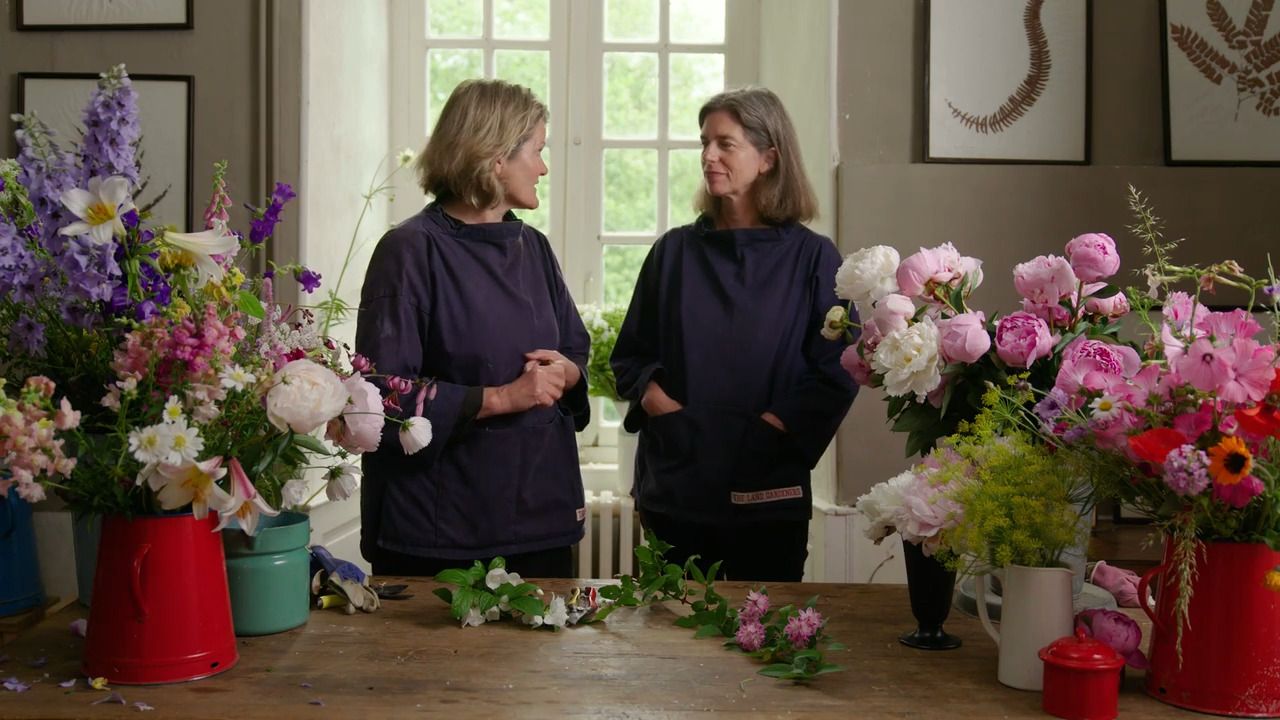
Lilacs and philadelphus make excellent cut flowers provided they are properly prepared. In this lesson, Bridget and Henrietta share tips on keeping these plants in top condition, and advise on growing lilies and foxgloves.
Lilacs and Philadelphus are our top two summer shrubs. In this lesson we discuss their attributes and maintenance.
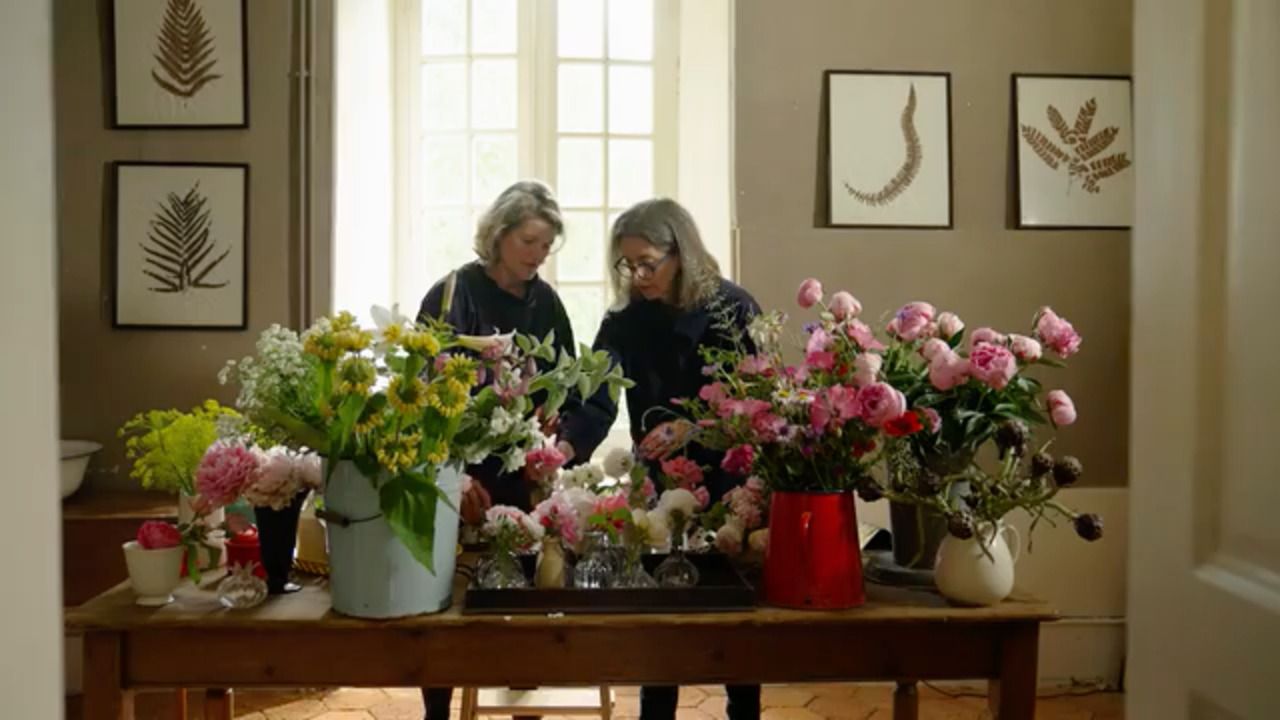
Dismissing folk tales about lilacs being an unlucky plant when brought indoors, we grow a range of white, lilac coloured, and purple and yellow flowered lilacs, and love adding them throughout May to our flower arrangements. To prolong their freshness we sear the woody stalk-ends in boiling water prior to putting them in water.
This shrub produces flowers after the lilac season is over, and the highly scented, white, single and double Philadelphus blooms make excellent cut flowers. There are many different types and sizes of Philadelphus, ranging from small shrubs (e.g. 'Belle Etoile') suitable for small gardens, to very tall varieties able to reach a height of 7m. It is therefore important to choose a shrub of the right size for the planting space. Popular in the past with brides as hair ornaments, Philadelphus has the disadvantage of fading quickly. Removing all the leaves and searing the stalks in boiling water will help prolong the freshness of the blooms. Philadelphus 'Avalanche' is on of our favourites for it's incredibly fragrant flowers.
We like these shrubs for their old-fashioned 'blousy' character. Deutzias, especially the 'Mont Rose' variety, are very useful as cut flowers. We also recommend Kolkwitzia amabilis, commonly known as the beauty bush - a dense, tall plant bearing an abundance of pink flowers from late spring to early summer. As these shrubs are of limited visual interest outside their flowering periods, we prefer to plant them in the less exposed parts of the garden.
We love lilies and they are important features in our summer planning designs. Our favourite choices are Lilium regale and Lilium martagon.
This is our favourite: a wonderfully scented lily which we prefer to plant in pots and enjoy indoors when they are in bloom. Once the flowers fade, we plant the lilies out among the roses in the garden.
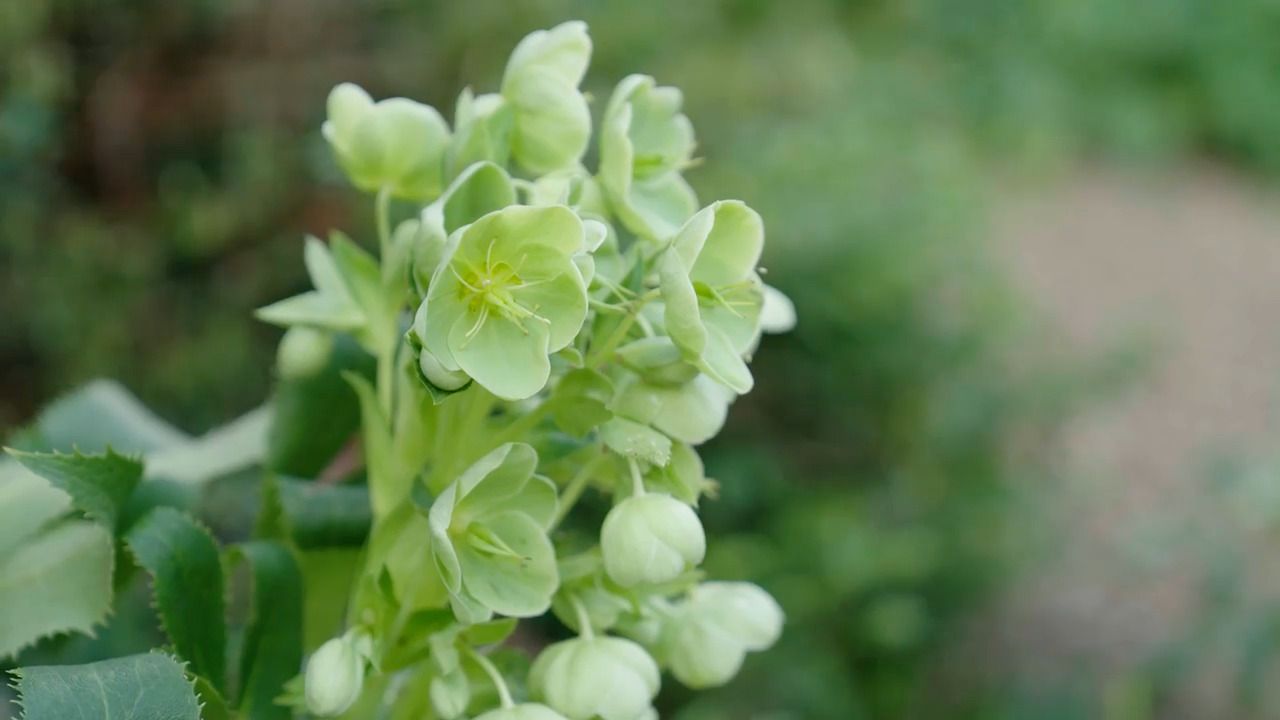
Lilium martagon is suitable for growing outdoors in more informal areas and will perform well even in long grass. In the garden, it prefers shady spots and is a good companion to hostas and hellebores. As Lilium martagon take quite a long time to become established, this plant requires patience but rewards the gardener with its ability to transform an ordinary flower arrangement into something special.
An easily grown, miniature plant that's a great filler and mixes well with other plants.
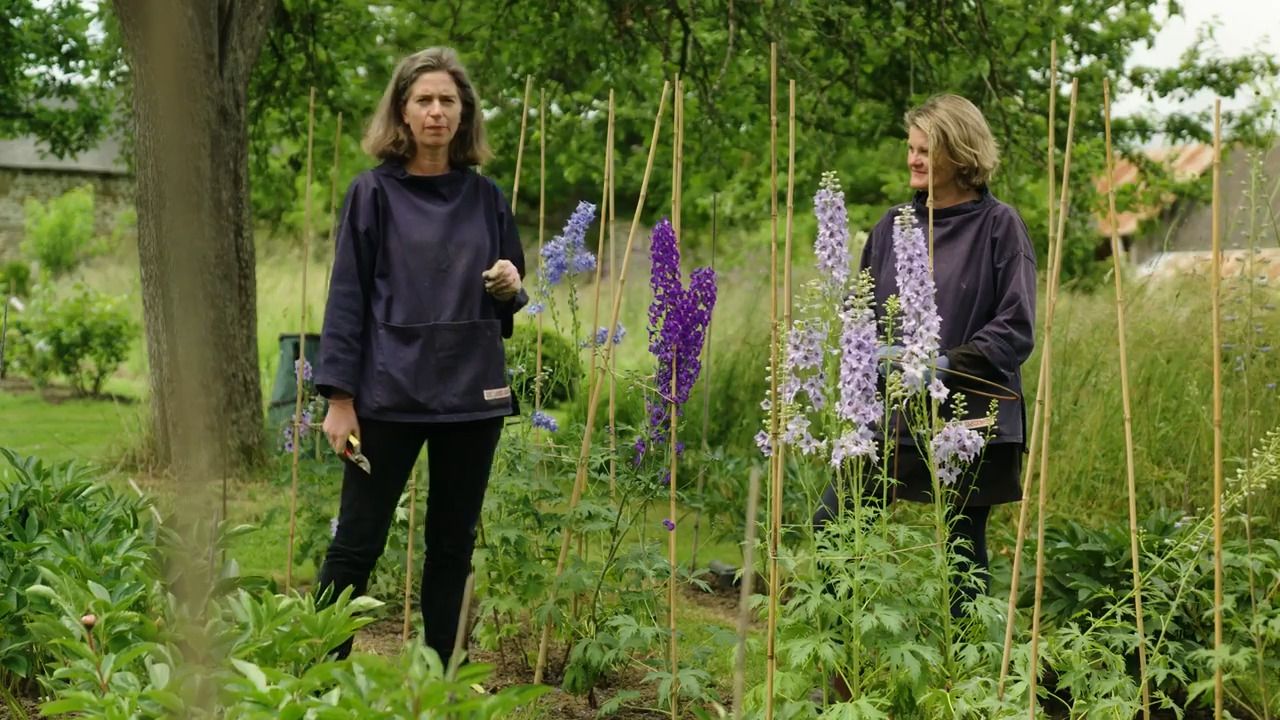
These self-seeding, easy, freely growing biennials with pink or white flowering spikes provide attractive vertical accents in the garden. They are useful in flower arrangements and are loved by bees and other pollinators. If you don't have digitalis in the garden but want to grow them, the best time to sow the seeds is just after the plant has stopped producing flowers.
Deutzia
common name: snow flower
Digitalis
common name: foxglove
Kolkwitzia
common name: beauty bush
Lilium lancifolium
common name: tiger lily
Lilium martagon
common name: martagon lily
Lilium regale
common name: royal lily
Philadelphus
common name: mock orange
Syringa
common name: lilac
Get the full workbook, video lessons, and more with a Create Academy subscription.
Subscribe to access the full workbookAlready a member? Sign in to watch
491 reviews
Read moreCreate Academy has been such a great resource. I'm in the middle of renovating a bungalow with a very large garden and the courses have offered a wealth of inform...
Harvey
Jun 10, 2026
Absolutely love Create Academy! The instructors are extremely informative, and it is beautifully filmed. Create Academy is great value for money and plan on renew...
SG
May 31, 2026
Butter's creativity is stunning! Her ability to incorporate brilliance in small gardens is magical!
Carla
May 30, 2026
The best adventure. I like all the courses, but my favorite are both Rita Konig interior design courses and Anna Jones. Excellent!
Karolina Kluczewska
May 20, 2026
Create Academy has been such a great resource. I'm in the middle of renovating a bungalow with a very large garden and the courses have offered a wealth of information to dive into and explore new ideas. I'm...
Harvey
Jun 10, 2026
Absolutely love Create Academy! The instructors are extremely informative, and it is beautifully filmed. Create Academy is great value for money and plan on renewing my subscription yearly because there are ...
SG
May 31, 2026
Butter's creativity is stunning! Her ability to incorporate brilliance in small gardens is magical!
Carla
May 30, 2026

Your Instructor
Award-winning garden designers and cut flower growers on a mission to save our soil.
Garden designers, flower growers and compost creators, Henrietta Courtauld and Bridget Elworthy joined forces to found The Land Gardeners in 2012. United by their passion for organically grown plants and a shared interest in soil health, they began by growing and selling cut flowers to esteemed florists, and worked on restoring historic gardens to their former glory. Most recently, they launched Climate Compost - a project born from years of inquisitive research into soil biology with the aim of creating a microbially rich compost that produces nutrient dense crops, while also supporting and boosting the local ecosystem. With an unwavering commitment to improving the health of our land and its biodiversity, The Land Gardeners’ approach is one of sensitivity, unparalleled expertise and, above all, a loving respect for the natural world and its preservation.
Access to all courses


