
A Year of Cut Flowers

Planning your cut flower garden - Part 3: Adding cut flowers to existing beds

with THE LAND GARDENERS — Award-winning garden designers and cut flower growers on a mission to save our soil.

Lesson 4 of 37
Rated 4.7/5 on Trustpilot
|

Learn from the world's best creative minds on Create Academy

Planning your cut flower garden - Part 3: Adding cut flowers to existing beds - Video thumbnail

Buy or subscribe to watch

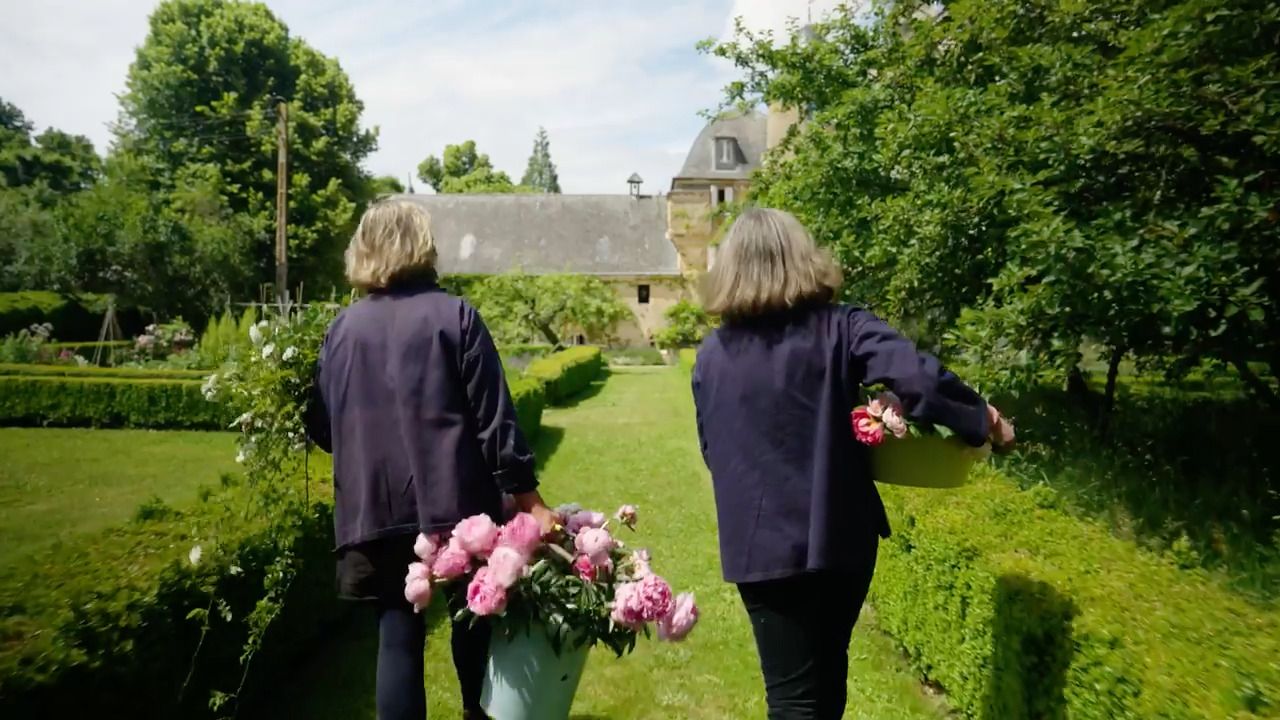
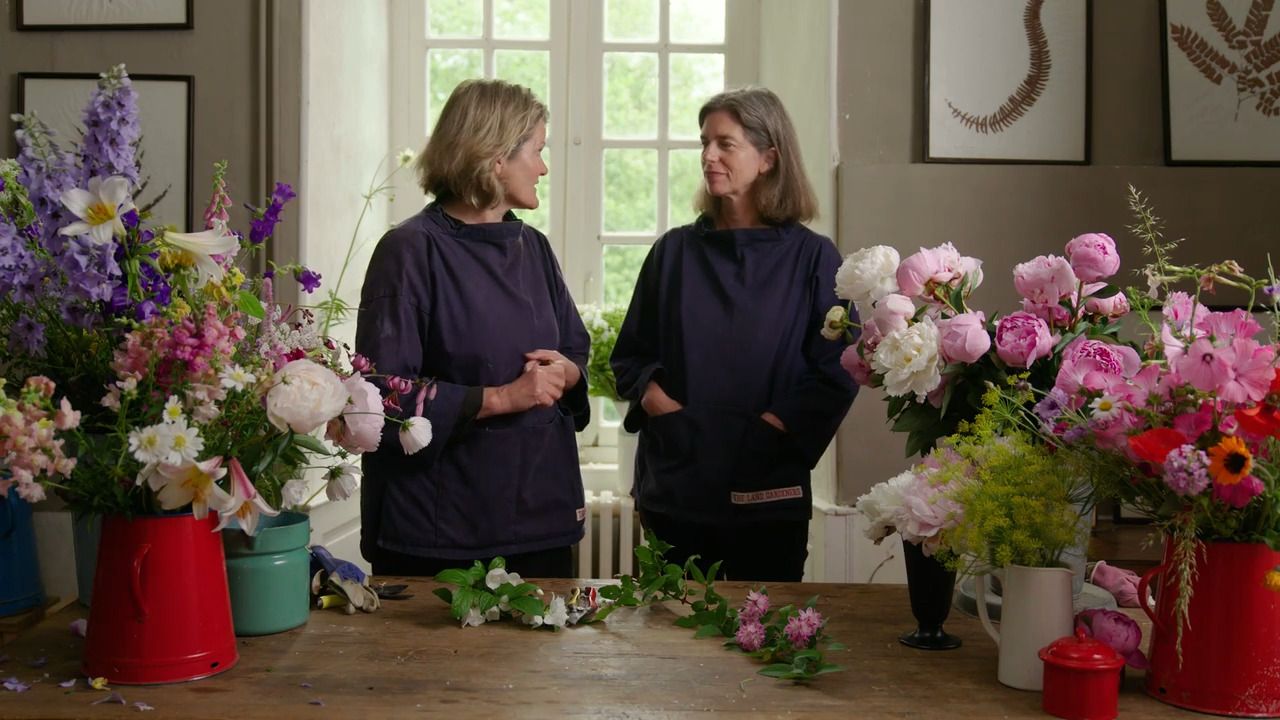
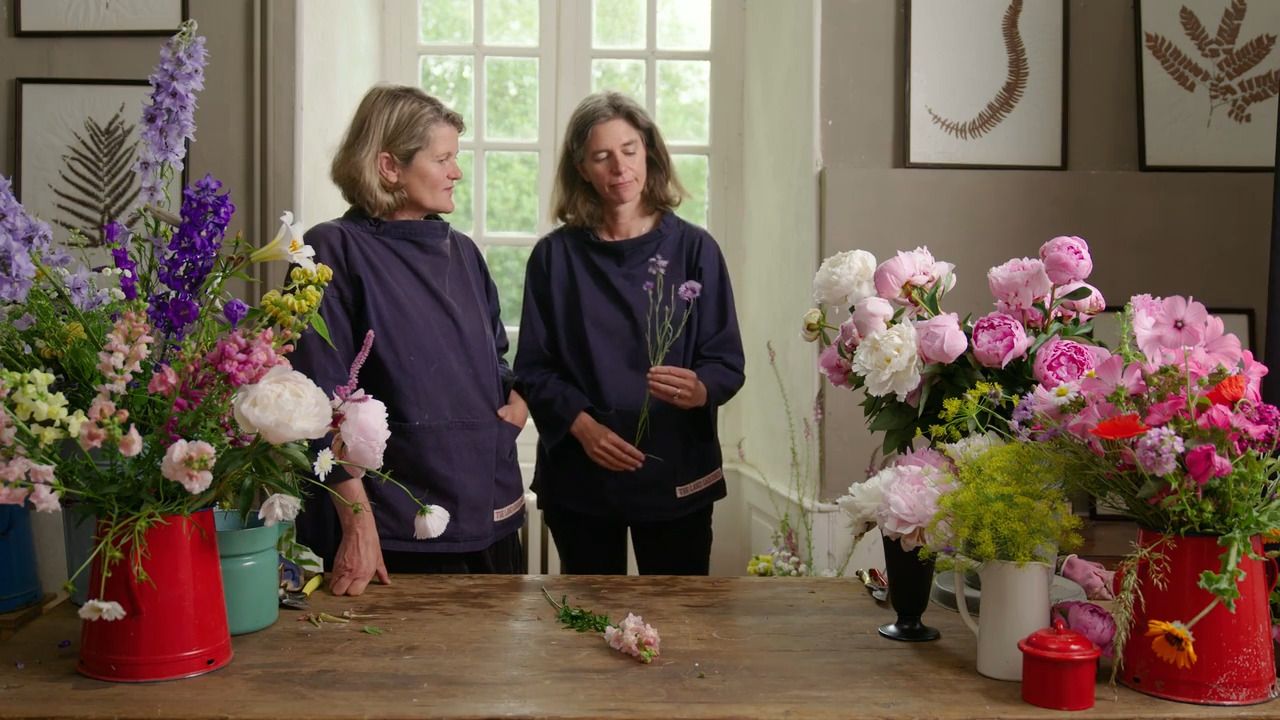
You can add cutting flowers to an existing garden without having to create a dedicated flower bed. Bridget and Henrietta offer advice on how to ensure a year-round supply of cut flowers.

From the Lesson Workbook

Planning Your Cut Flower Garden

Part 3: Adding Cut Flowers to Existing Beds

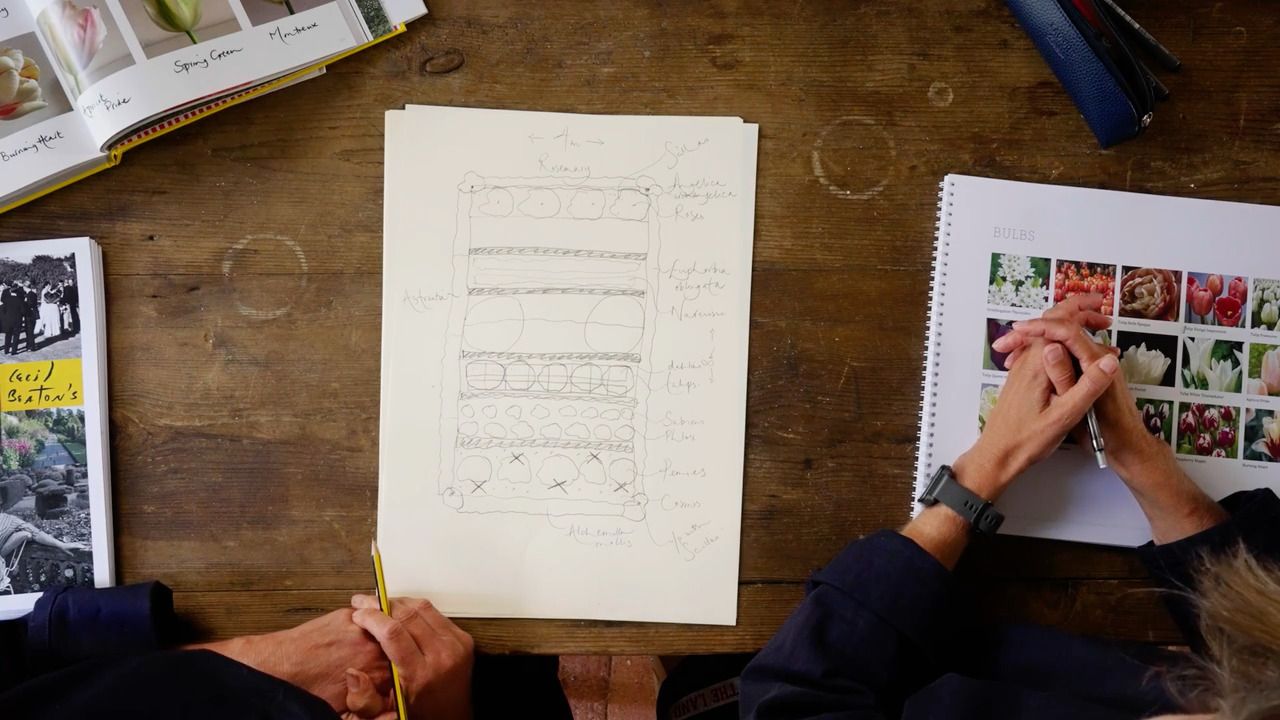
You can add cutting flowers to an existing garden without having to create dedicated flower beds and this lesson includes advice on what can be done to ensure a supply of cut flowers throughout the year with tips on best performing bulbs, shrubs and a tree or two.

Our Advice:

  • Don't be reluctant about picking flowers from your perennials. Picking is better than deadheading because it stimulates flowering over a longer period.
  • Start planning your border in the autumn; think of the plants that have performed really well and consider the poorer performers, which should be replaced.
  • Plant bulbs at the back of the border, especially if there is a wall behind it; the dying foliage of narcissus will be hidden by the foliage of the emerging spring plants.
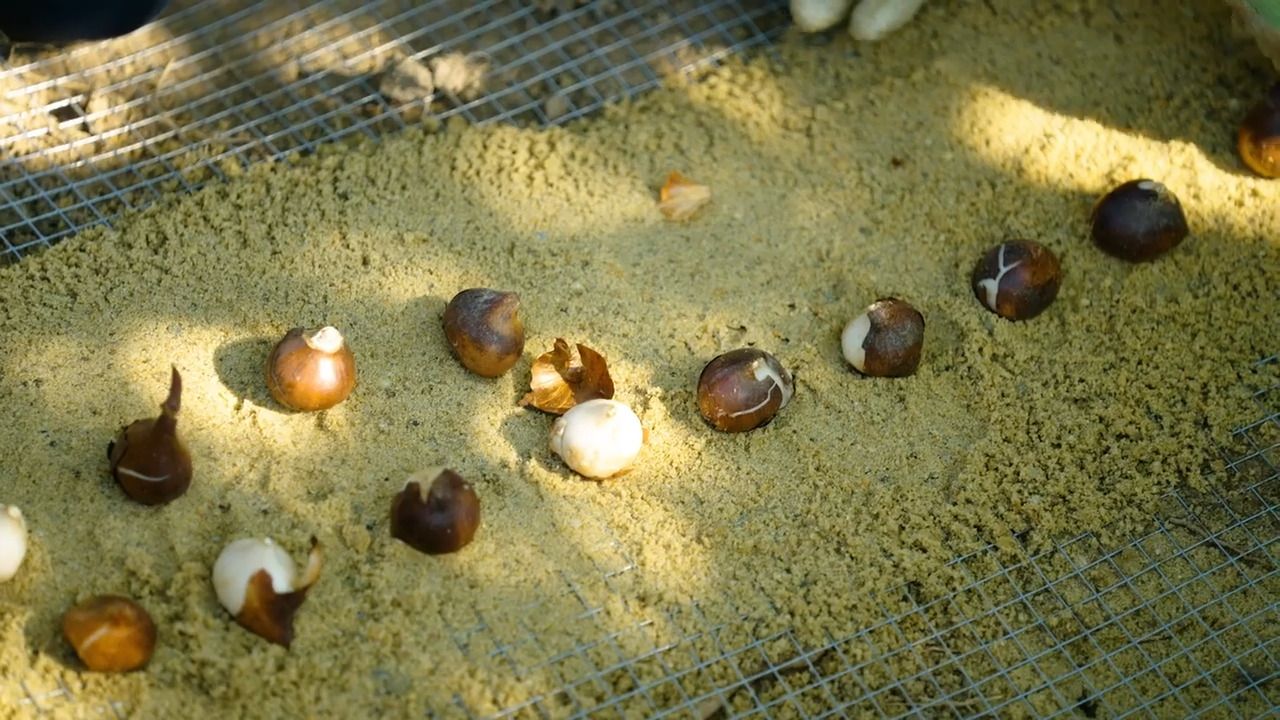
  • Order and plant your bulbs in the autumn; they will surprise you in the spring.

Bulbs to Add to Your Existing Border

  • Fritillaria imperialis (common name: fritillaries) - a wonderful, tall plant that comes in yellow and orange and looks equally as striking in the border as indoors.
  • Fritillaria persica (common name: Persian lily) - grows to 1.5m, adds depth to the border, and bears pretty, bell-shaped or bowl-shaped flowers in May.
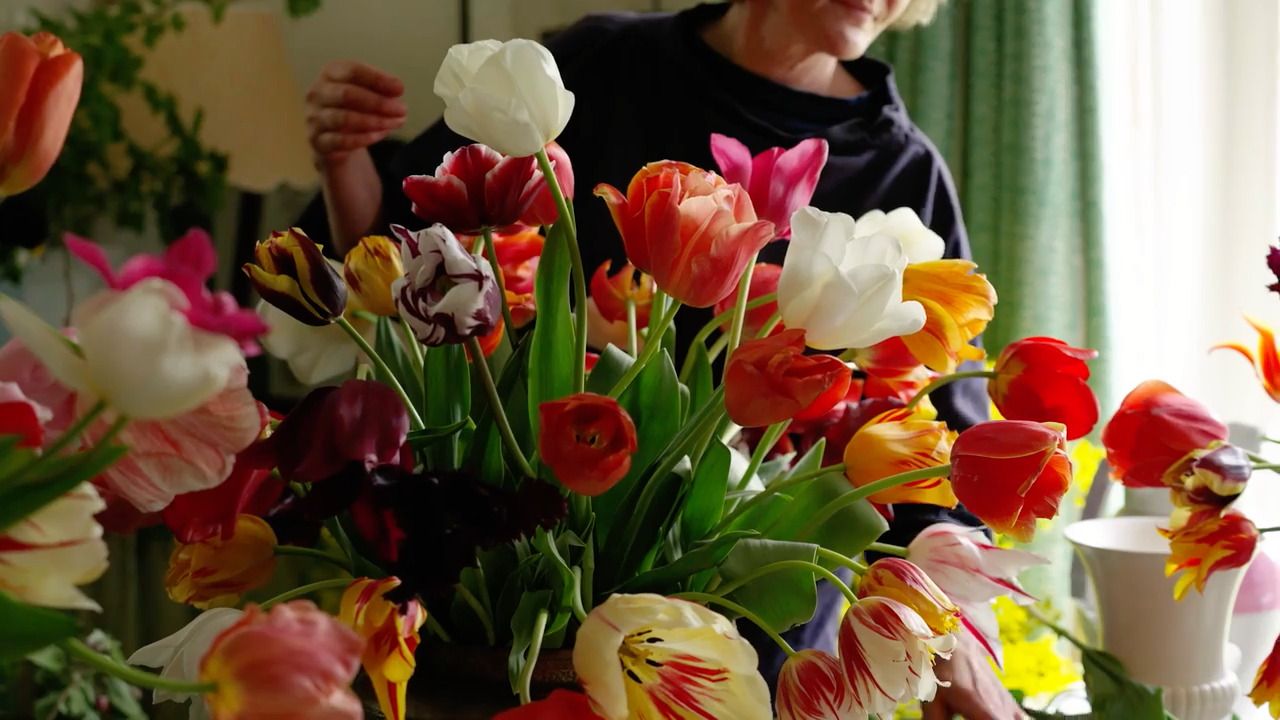
  • Perennial tulips - perform really well in borders, particularly in the shady parts. We recommend the following:
  • 'Spring green', 'Burgundy', 'Ballerina' and 'Queen of the Night' varieties, which complement the soft green foliage of Euphorbia oblongata.
  • Alliums (common name: ornamental onions) - have striking pompom heads that provide movement in the border.

Using Annuals

We have a few favourite annuals that we use mainly because they have a long flowering period and provide great value in flower arrangements. These are as follows:

  • Euphorbia oblongata (common name: egg leaf spurge) planted in the front of the bed will provide colour and excellent picking foliage from the spring until the first frost.
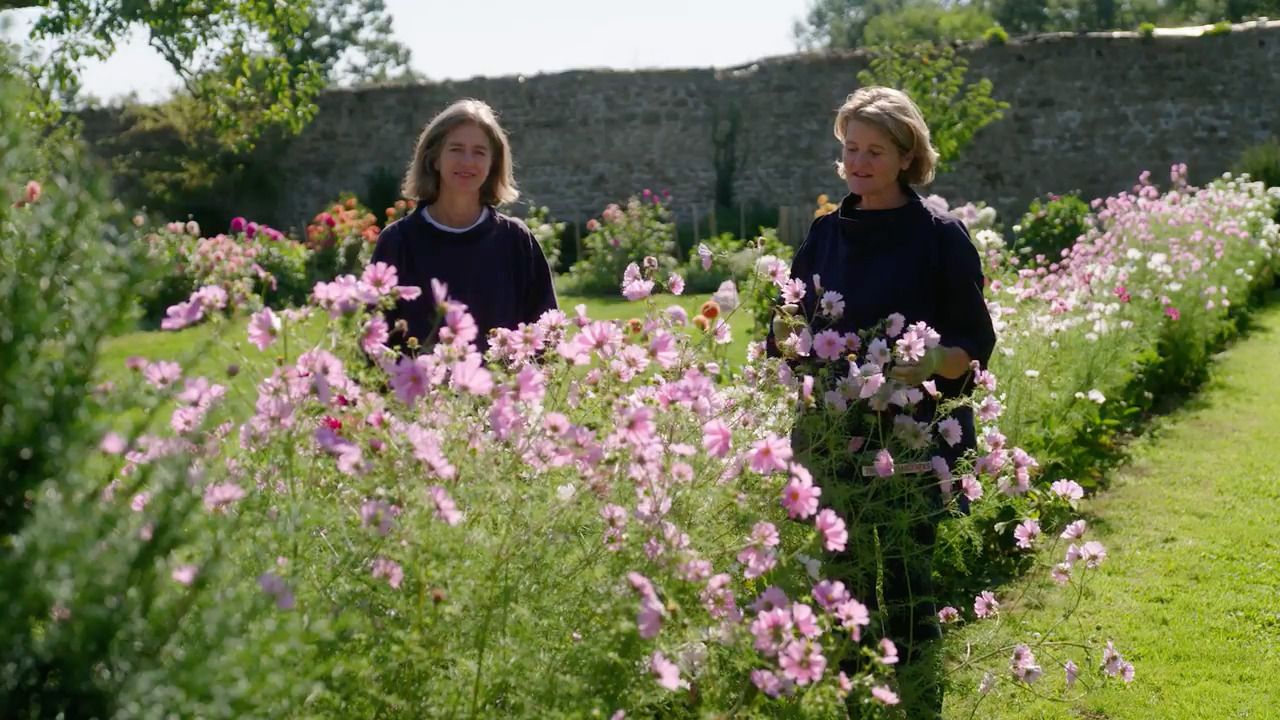
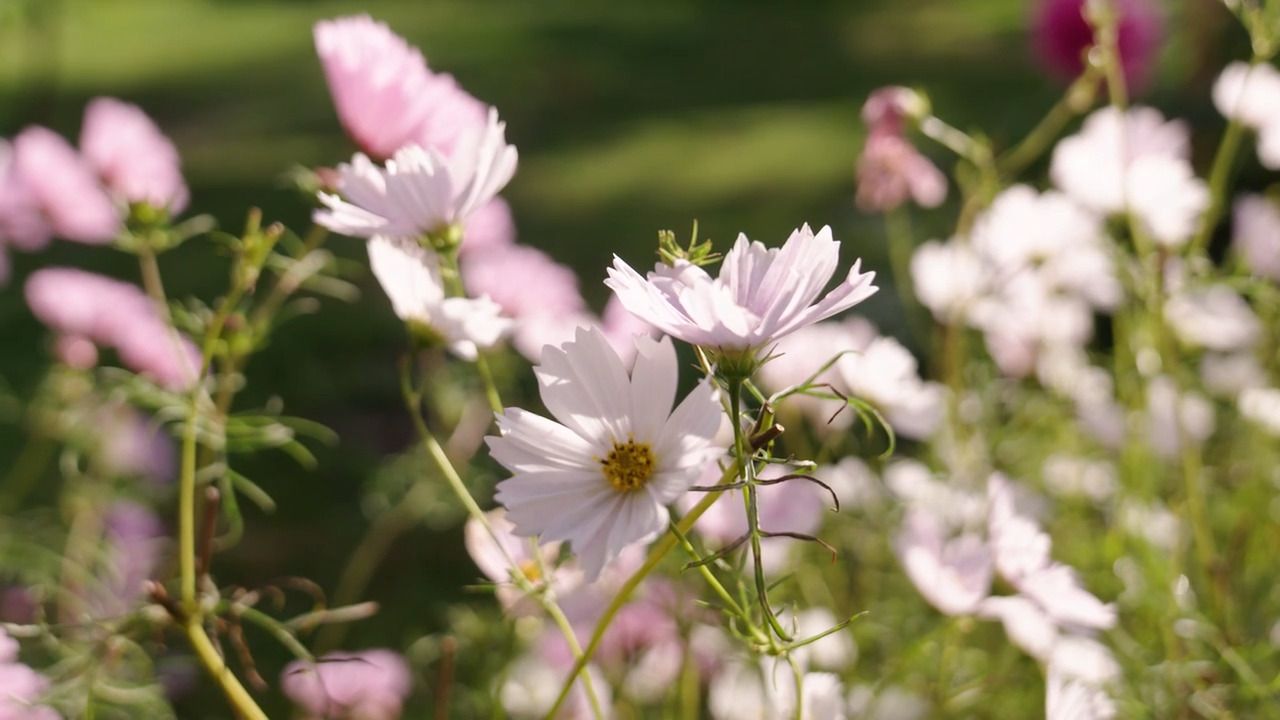
  • Cosmos (common name: cosmos) comes in a variety of sizes and colours and has an exceptionally long flowering period, provided it is regularly picked and deadheaded. It is also a very good planting partner for peonies.
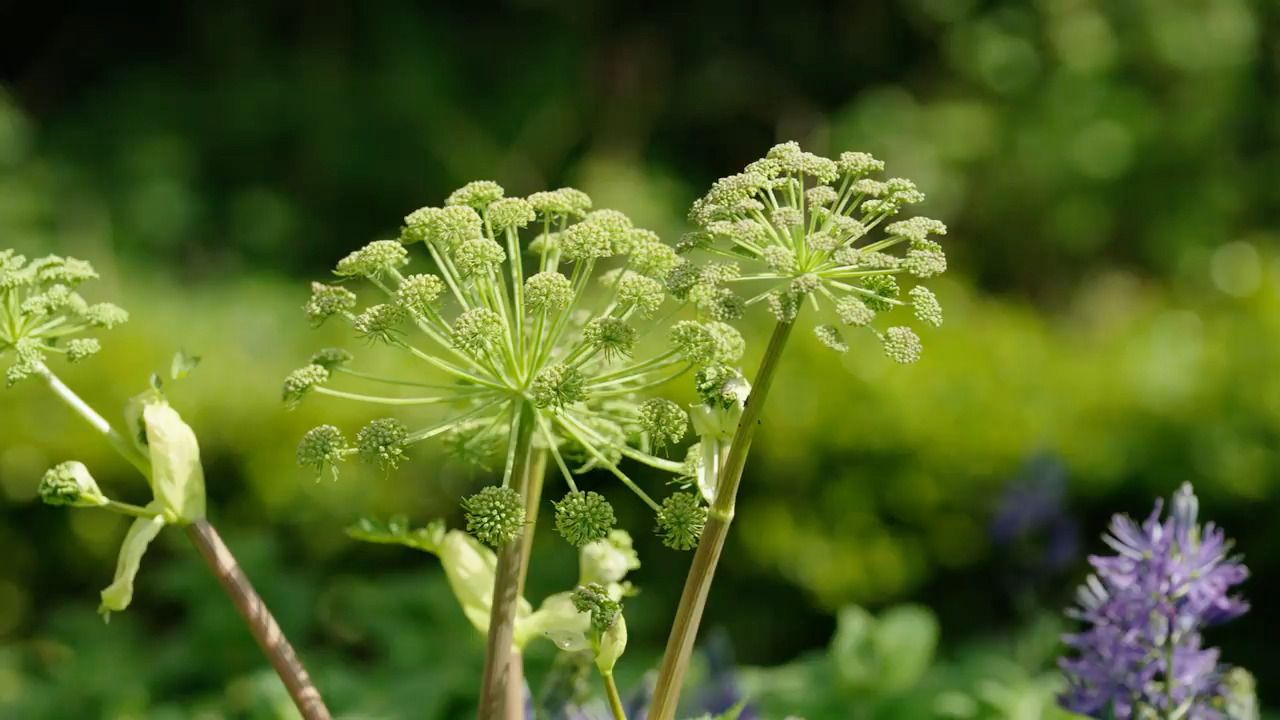
  • Foeniculum vulgare (common name: fennel) is a useful 'filler' and a wonderful 'picker' for arrangements.

Using Perennials

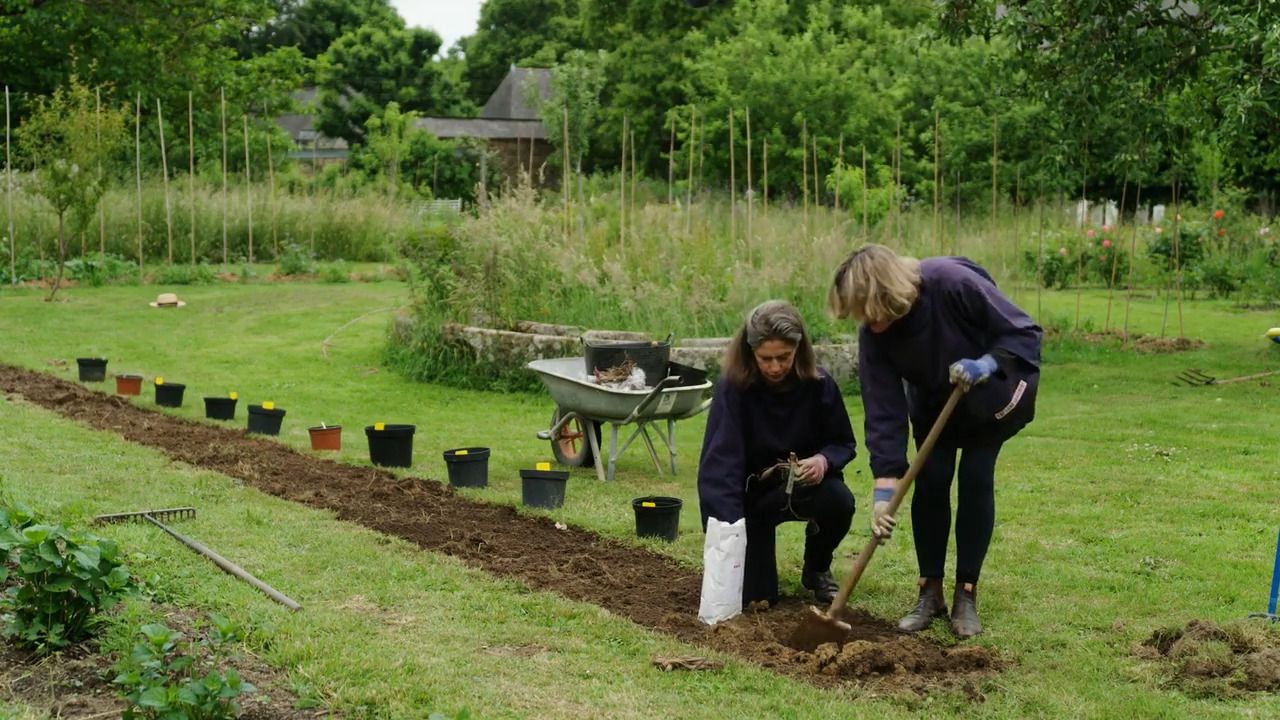
The advantage of planting perennials is the speed of their growth and the fact that they can be lifted and divided to create new plants. You should plant perennials between November and March and they will come up year after year. If you have space in your garden consider using the following:

  • Phlox (common name: phlox) - we always find a spot in our gardens for this vigorous, hardy perennial with a delicious scent; it flowers at the end of July/early August when there is a visible 'dip' in the cutting flower garden. 'Mount Fuji' is the variety we like best.
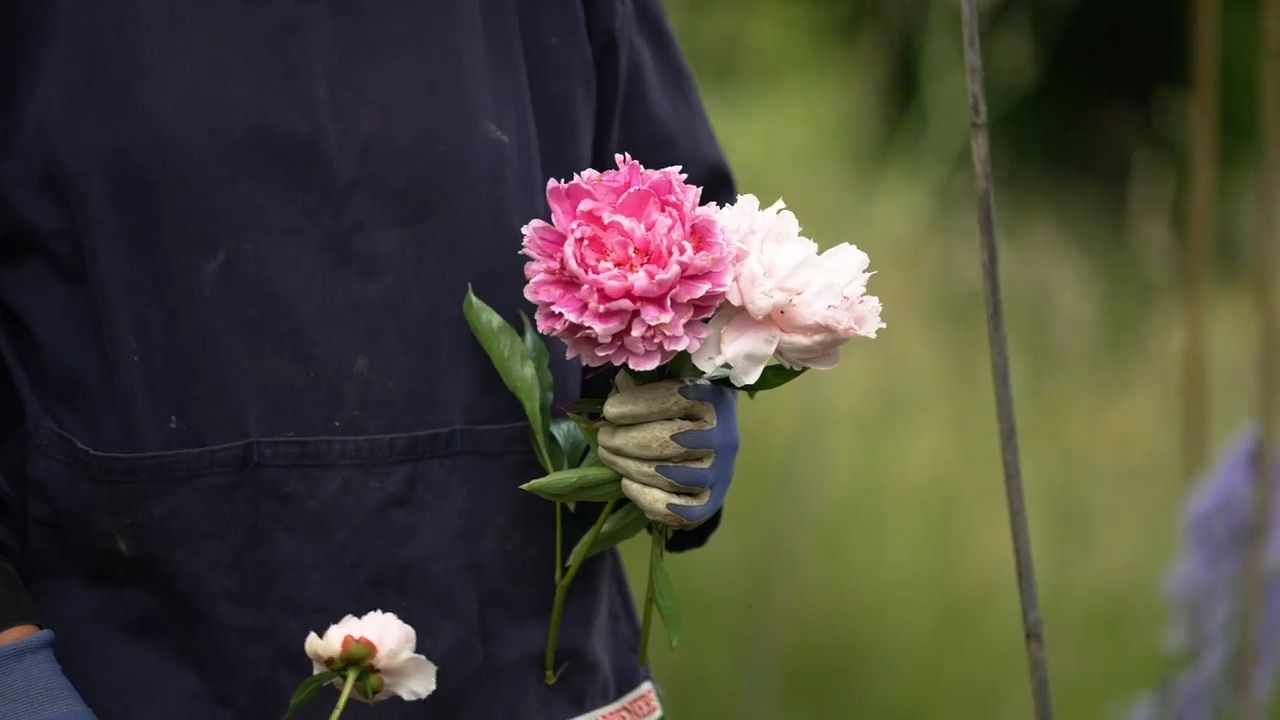
  • Paeonia (common name: peony) - is another favourite of ours. Peonies have a short flowering time, but as there are early, mid and late flowering varieties, you could be picking peony flowers continuously for four to six weeks. We would recommend 'Coral Charm' for the beginning of the flowering season, 'Gardenia' for mid-season, and late-season variety 'Dr Jekyll'.
  • Nepeta (common name: catmint) - a pretty, blue, prolific plant suitable for the front of a border; it will regrow after being cut in mid-summer.
  • Astrantia (common name: masterwort) - comes in a range of colours and provides continuous flowering; frequent picking makes it better and stronger.
  • Alchemilla mollis (common name: lady's mantle) - a superb edging plant.
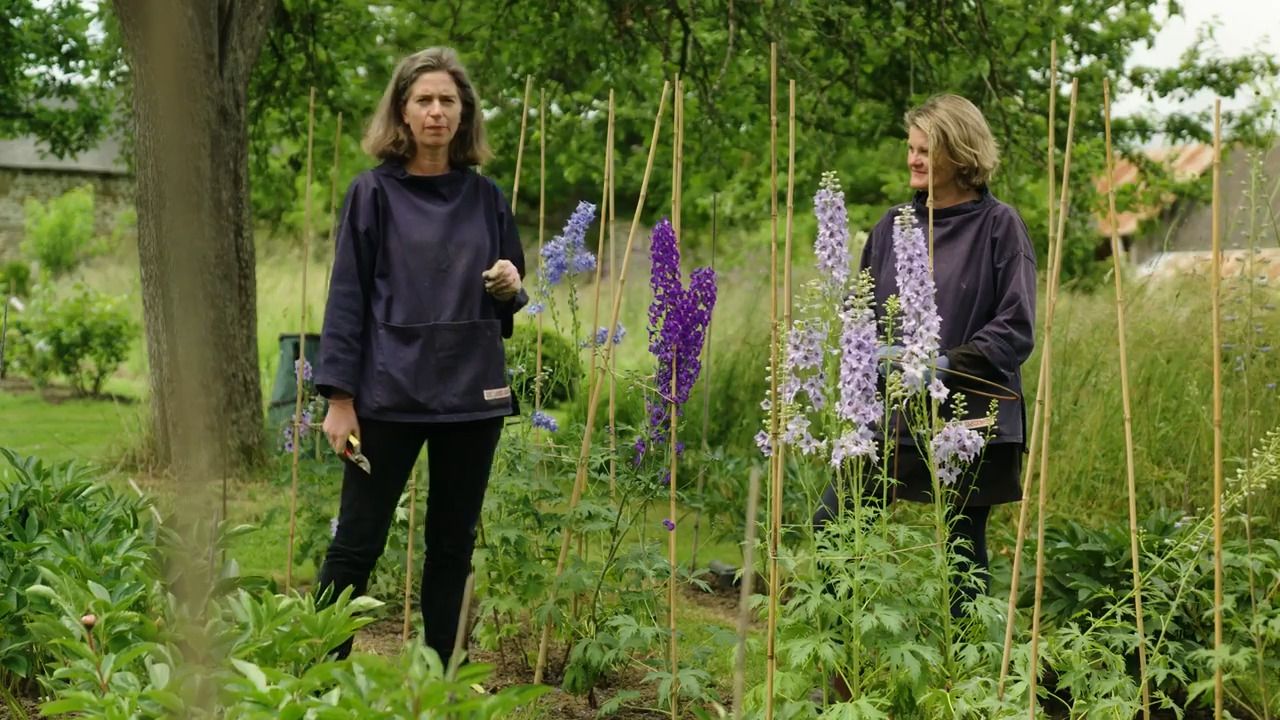
  • Delphinium (common name: larkspur) - a perfect plant for a border and a glorious cut flower; delphiniums add structure and a splash of rich colours. However, it has to be watched for slugs.

Adding Trees, Shrubs and Climbers

Trees and shrubs are a good source of both cutting flowers and foliage throughout the year, and you can plant them in formal and informal parts of the garden.

What You Need to Consider When Choosing Trees and Shrubs:

  1. Planting time - November to March.
  2. Size of the garden - choose Magnolia stellata for a small garden.
  3. Spring blossom - cherry trees produce beautiful flowers in spring, and you can also include a winter-flowering cherry.
  4. Shrubs - you can create a new shrub border or insert individual plants in pockets of space around the existing garden.
  5. Aspect - sunny or shady? Most shrubs prefer sunny spots, but hydrangeas do well in shade.
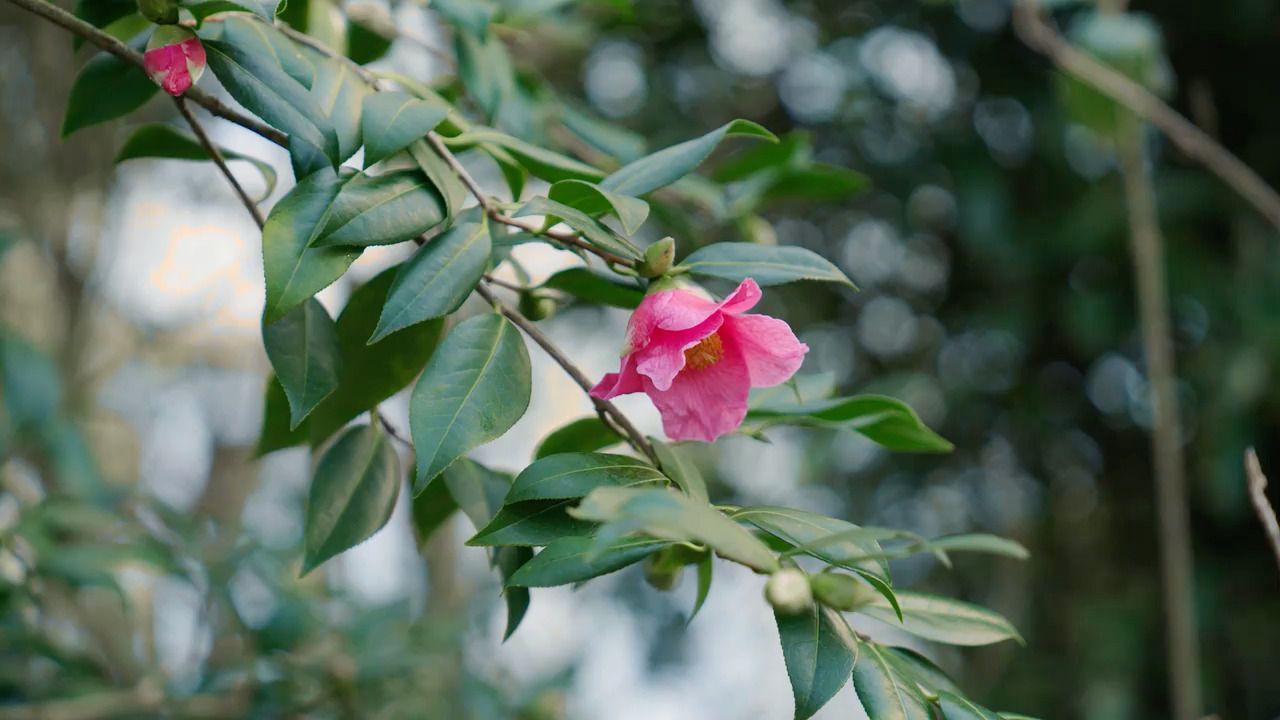
  6. Soil - ericaceous plants, such as camellias and rhododendrons, need acid soil, while others, including viburnums, should be grown in alkaline soil.

Recommended Tree and Shrub Varieties:

  • Magnolia stellata
  • Prunus autumnalis (winter-flowering cherry)
  • Syringa vulgaris (common name: lilac) 'Katherine Havmeyer' and 'Madame Lemoine'
  • Hydrangea arborescens - mop-head hydrangea 'Annabelle'
  • Hydrangea quercifolia - oak-leaved shaped Hydrangea
  • Kolkwitzia
  • Philadelphus

Climbers:

Look at your walls. There are climbers for all aspects.

Our Suggestions Are:

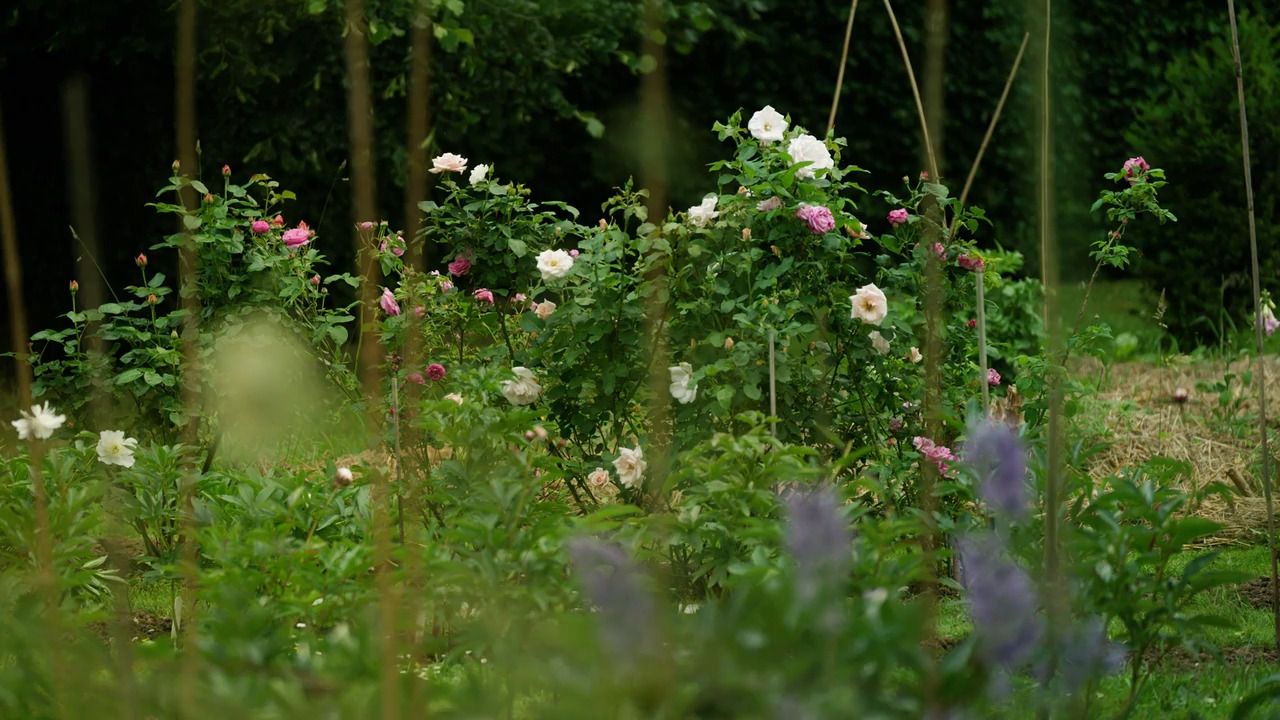
  • Roses - Rosa 'Albertine', a lovely pink climber with double blooms; Rosa 'Madame Alfred Carrière'
  • Lonicera - (common name: honeysuckle); a natural-looking climber that will flower throughout the summer
  • Climbing hydrangea - performs well on a north-facing wall; needs pruning when growth becomes too vigorous.

Note: Crocus Online Garden Centre is an excellent resource to use when researching plants and soil conditions.

Add Self-Seeding and Naturalising Fillers

Self-seeding plants do not need a dedicated bed: they can be added to the border, under some trees, or in a grassy area. Here are our recommendations:

  • Alchemilla mollis (common name: lady's mantle) - lovely fresh green foliage. Will grow in cracks.
  • Scilla - vibrant blues in March; plant the bulbs under hydrangeas and raspberry bushes.
  • Primroses - Primula vulgaris, an easy-to-naturalise perennial.
  • Centranthus ruber (common name: red valerian) - grows well in cracks in a wall and produces attractive flowers for picking from May to November.

Get the full workbook, video lessons, and more with a Create Academy subscription.

Subscribe to access the full workbook
Access all courses SALE {{DISCOUNT_PERCENT}}% OFF
$21 /month $30

Access 56+ courses, billed annually

Subscribe Now
Buy this course SALE {{DISCOUNT_PERCENT}}% OFF
$119 one-time $170

Lifetime access to this course

Buy Course

Already a member? Sign in to watch

Rated 4.7/5 on Trustpilot

437 reviews

Read more

Very good tutorial from a professional garden...

I have subscribed to access all the courses so have watched one on interior design and this one with Butter Wakefield who specialises in small garden design. She ...

Louise Brown

Apr 10, 2026

Time spent well

I love CreateAcademy. I came in for the gardening and floristry courses, but am also watching an interior design one at present. And the photography course is an ...

Wellesley

Apr 1, 2026

What a great investment

What a great investment, I have learned such a lot from the first three courses. My evenings have gone from not being able to find anything that captured my imagi...

sojojo

Mar 30, 2026

I loved this course with Amanda\u2026

I loved this course with Amanda Lindroth! Her approach to decorating is so relaxed and she makes it feel attainable. She explains the reasons behind her decisions...

Elizabeth

Mar 27, 2026

The Land Gardeners

Your Instructor

The Land Gardeners

Award-winning garden designers and cut flower growers on a mission to save our soil.

Garden designers, flower growers and compost creators, Henrietta Courtauld and Bridget Elworthy joined forces to found The Land Gardeners in 2012. United by their passion for organically grown plants and a shared interest in soil health, they began by growing and selling cut flowers to esteemed florists, and worked on restoring historic gardens to their former glory. Most recently, they launched Climate Compost - a project born from years of inquisitive research into soil biology with the aim of creating a microbially rich compost that produces nutrient dense crops, while also supporting and boosting the local ecosystem. With an unwavering commitment to improving the health of our land and its biodiversity, The Land Gardeners’ approach is one of sensitivity, unparalleled expertise and, above all, a loving respect for the natural world and its preservation.

Access to all courses

Get access to unlimited learning with a Create Academy subscription