
Interior and exterior confidence
Create Academy has been such a great resource. I'm in the middle of renovating a bungalow with a very large garden and the courses have offered a wealth of inform...
Harvey
Jun 10, 2026
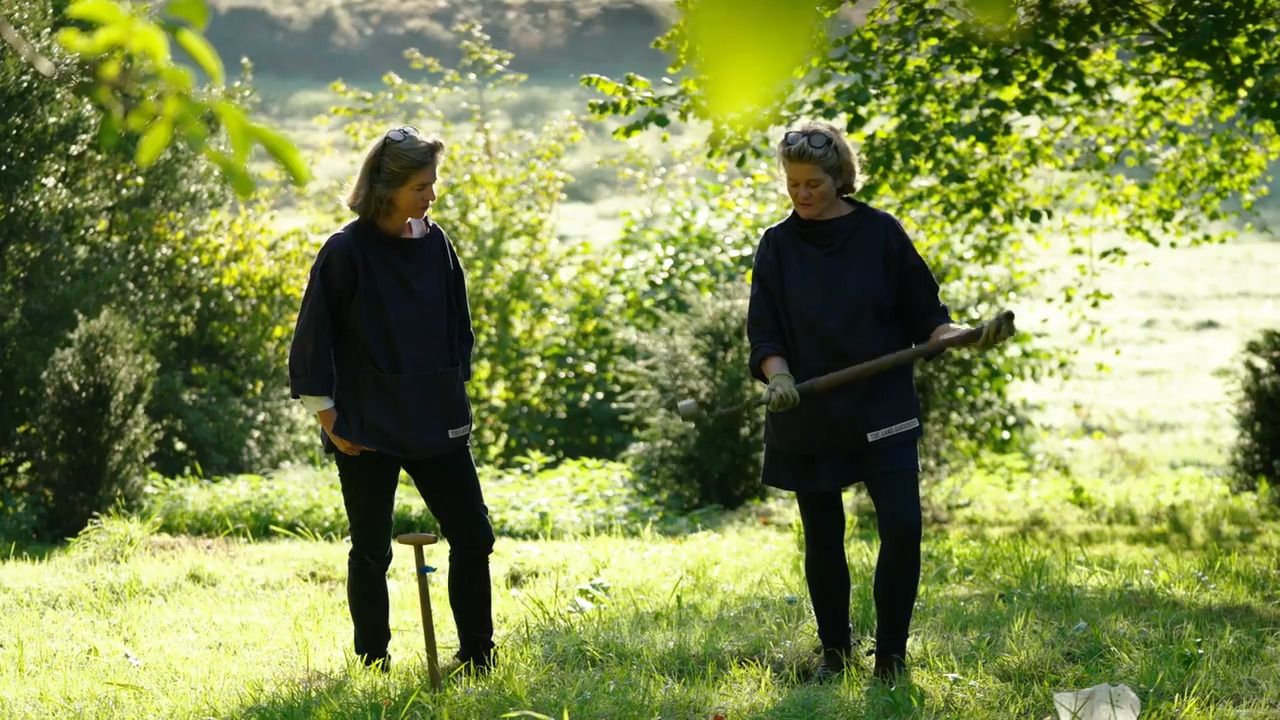
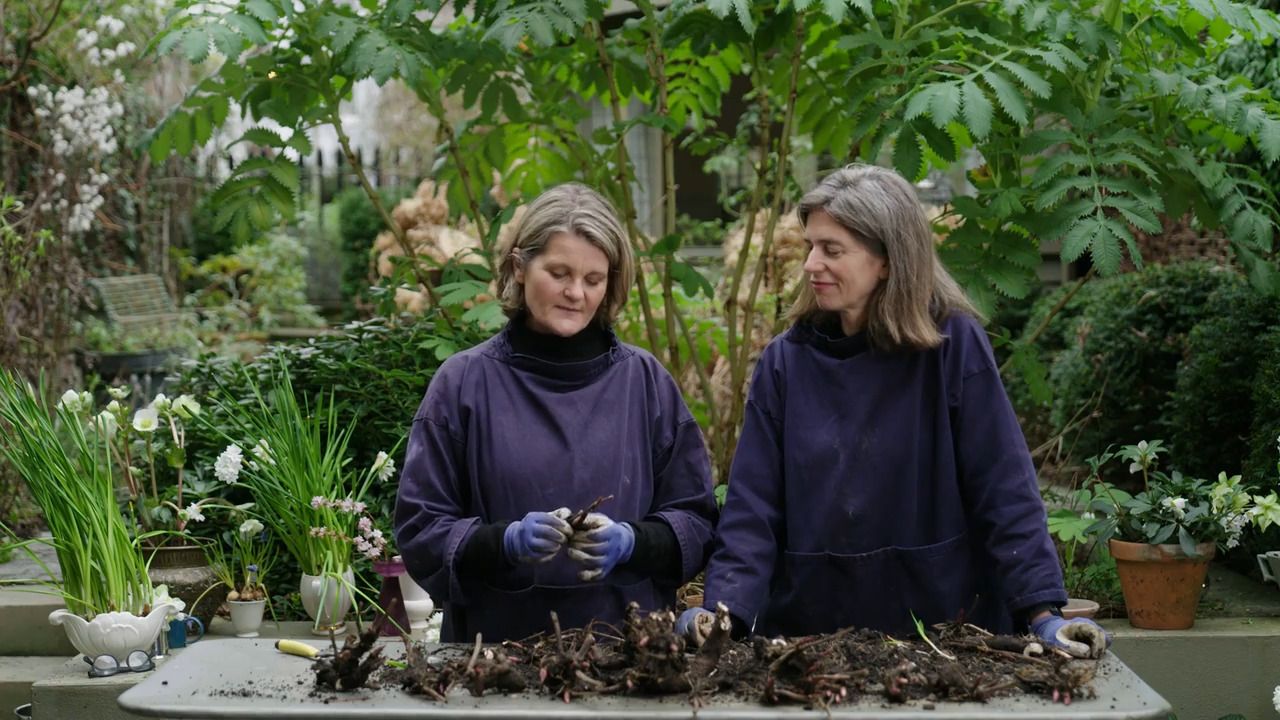
with THE LAND GARDENERS — Award-winning garden designers and cut flower growers on a mission to save our soil.
Lesson 18 of 37
Subscribe to watch
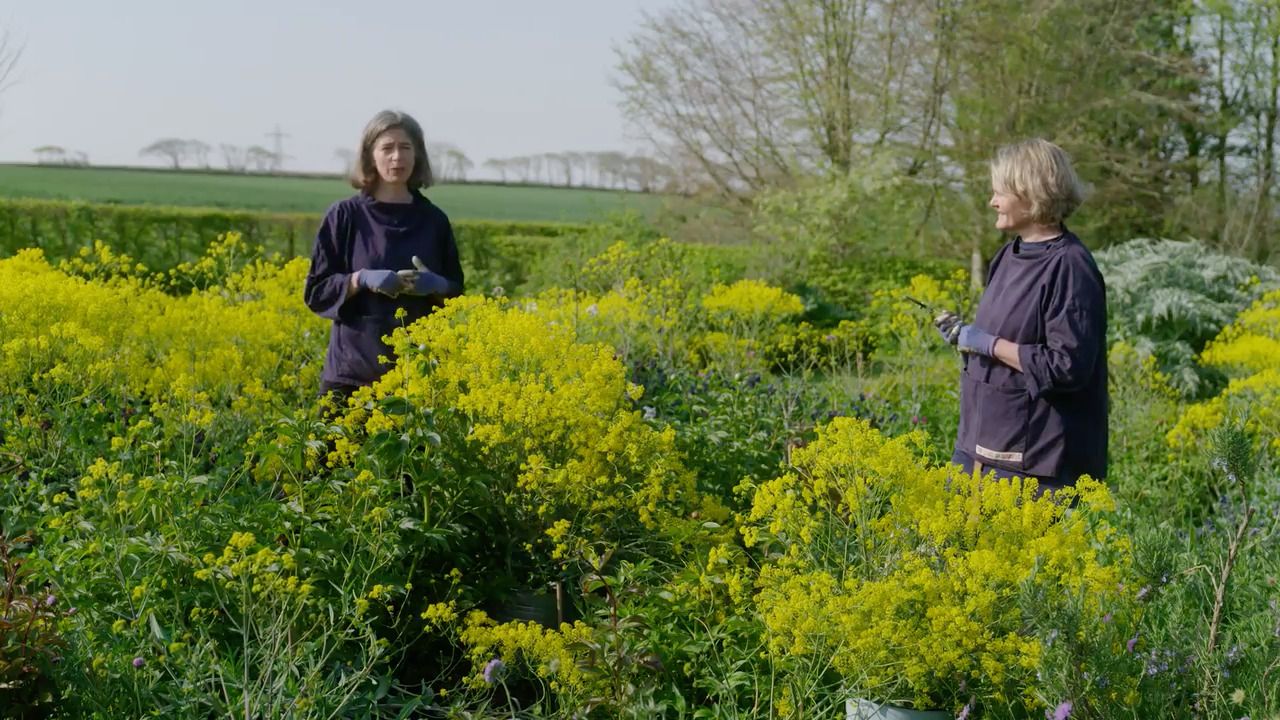
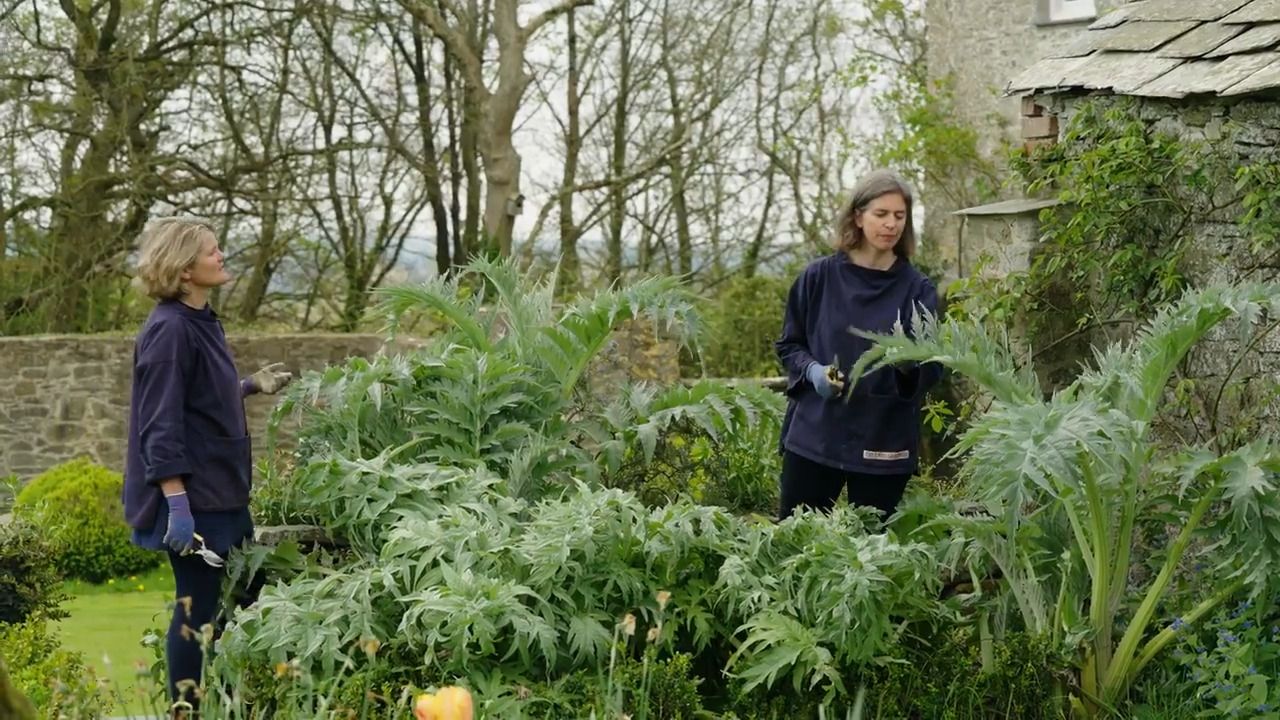
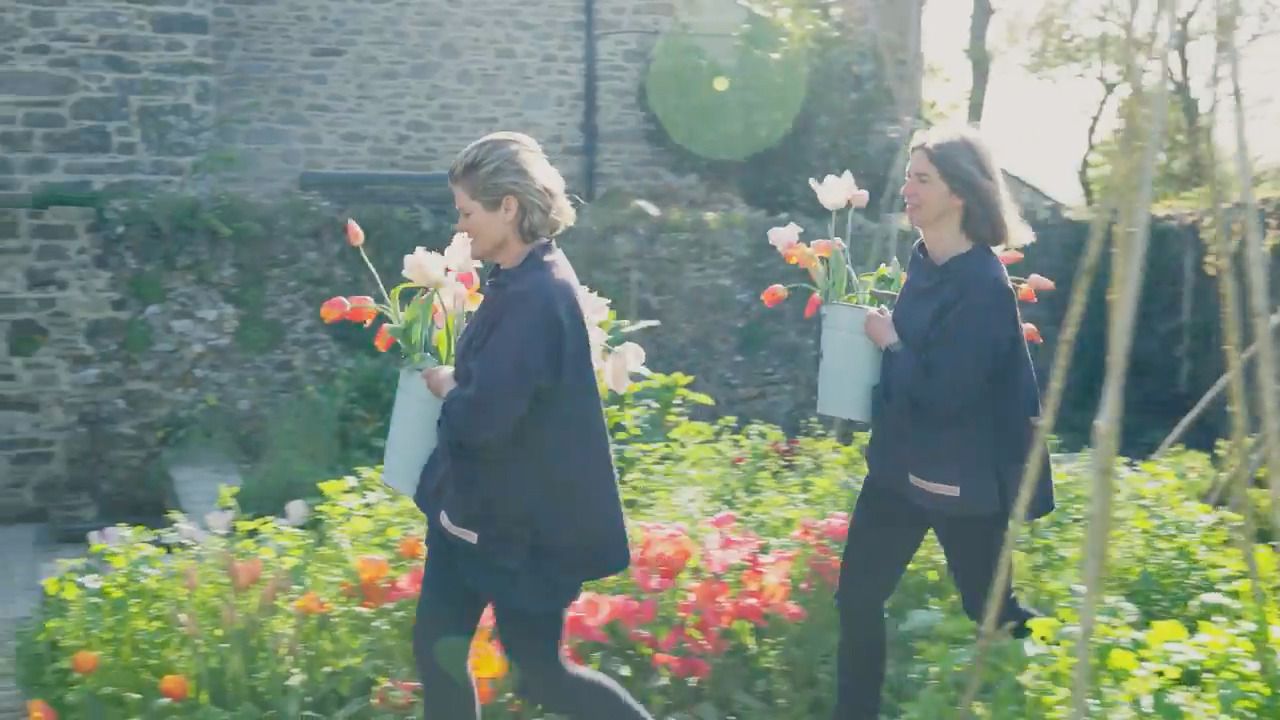
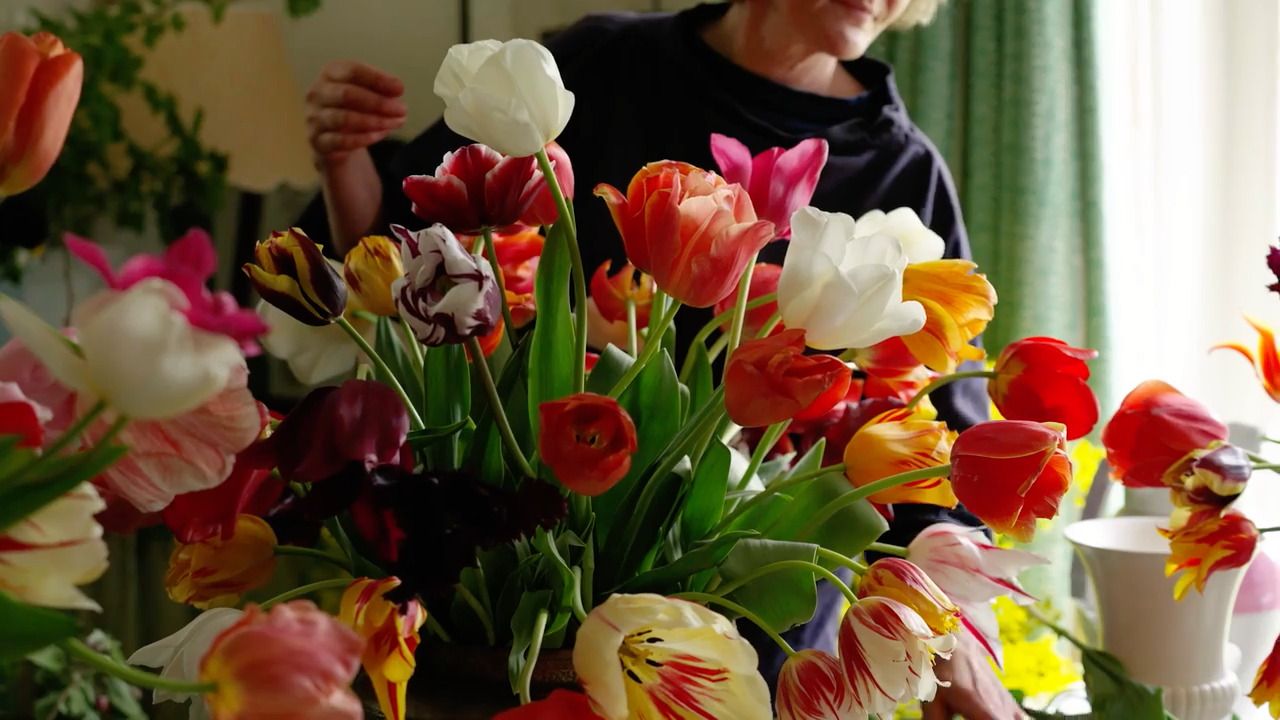
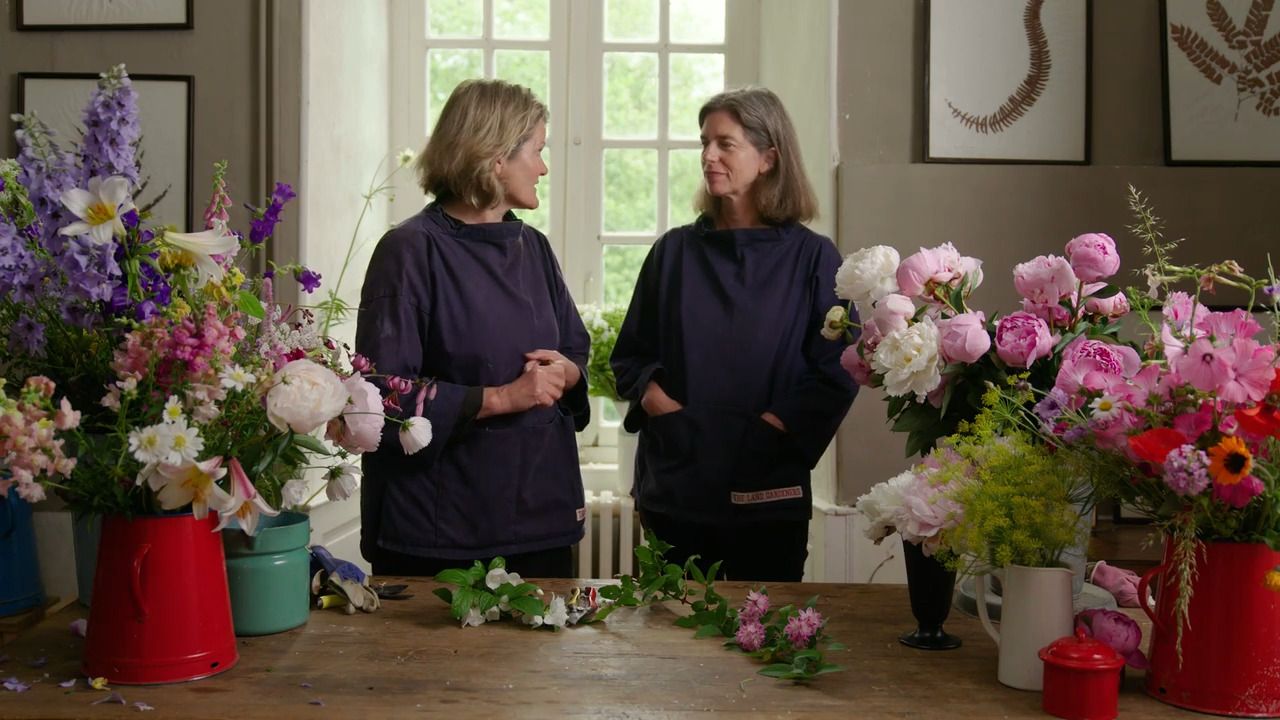
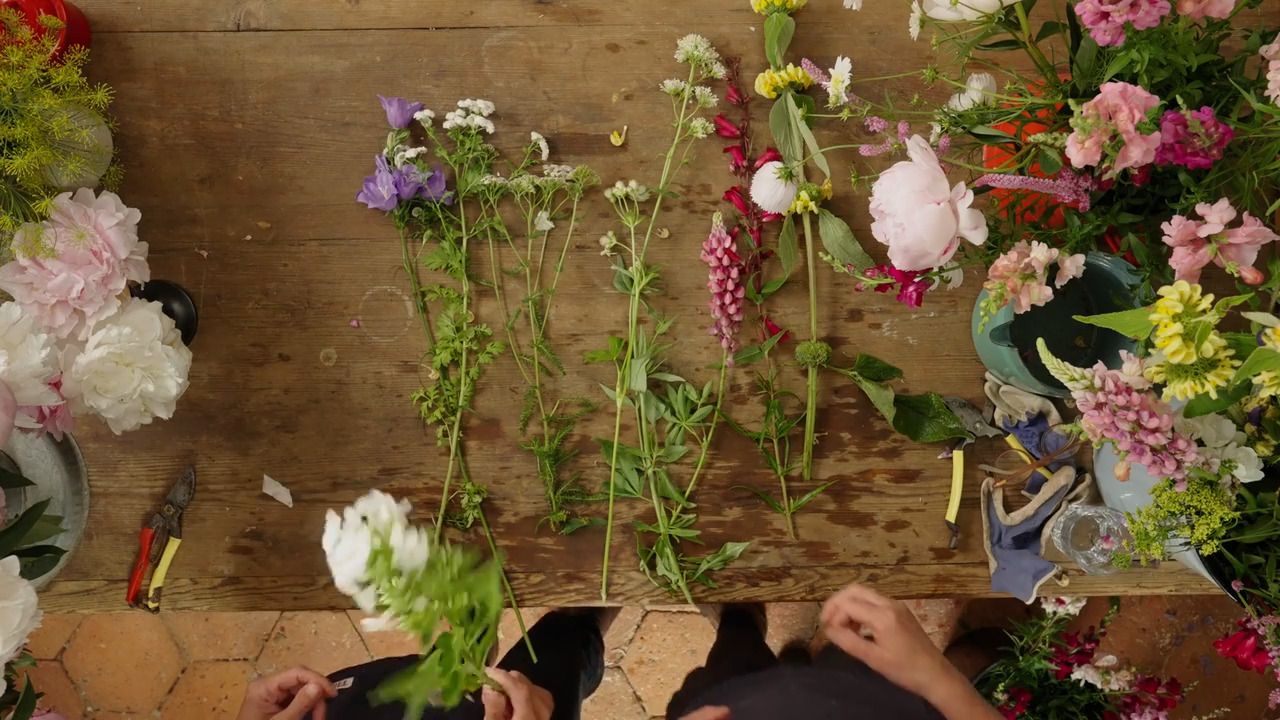
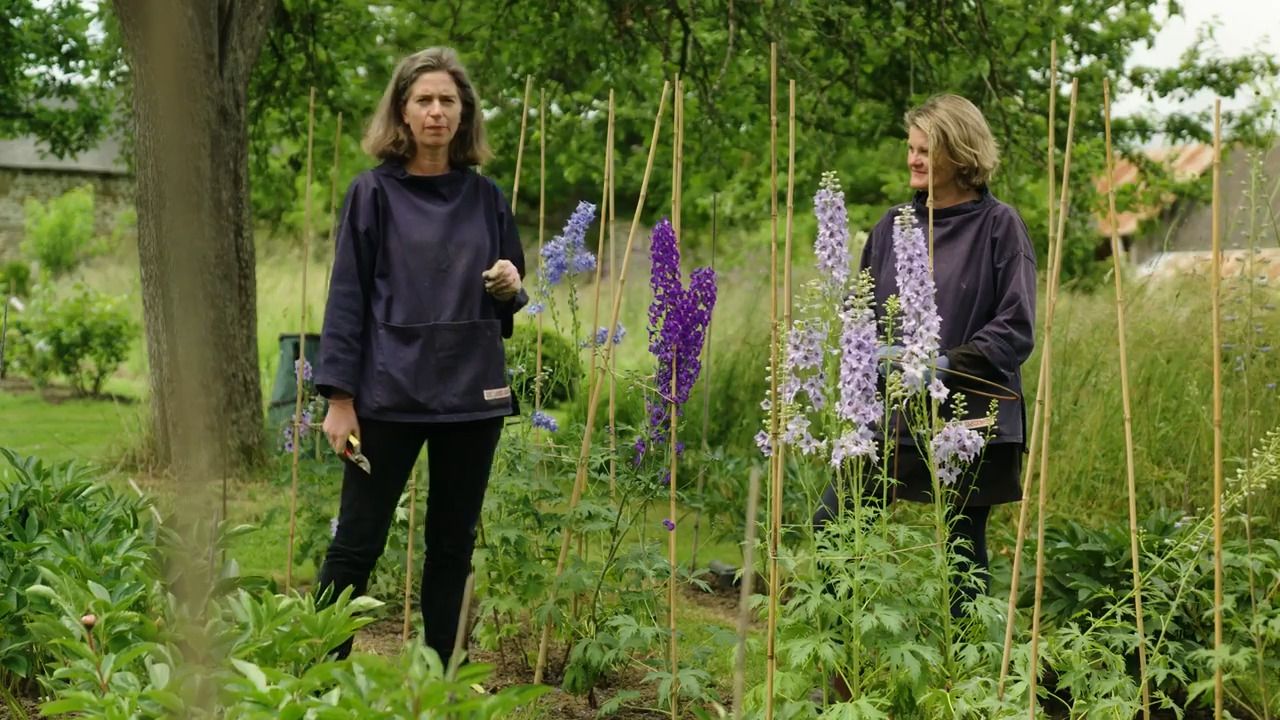
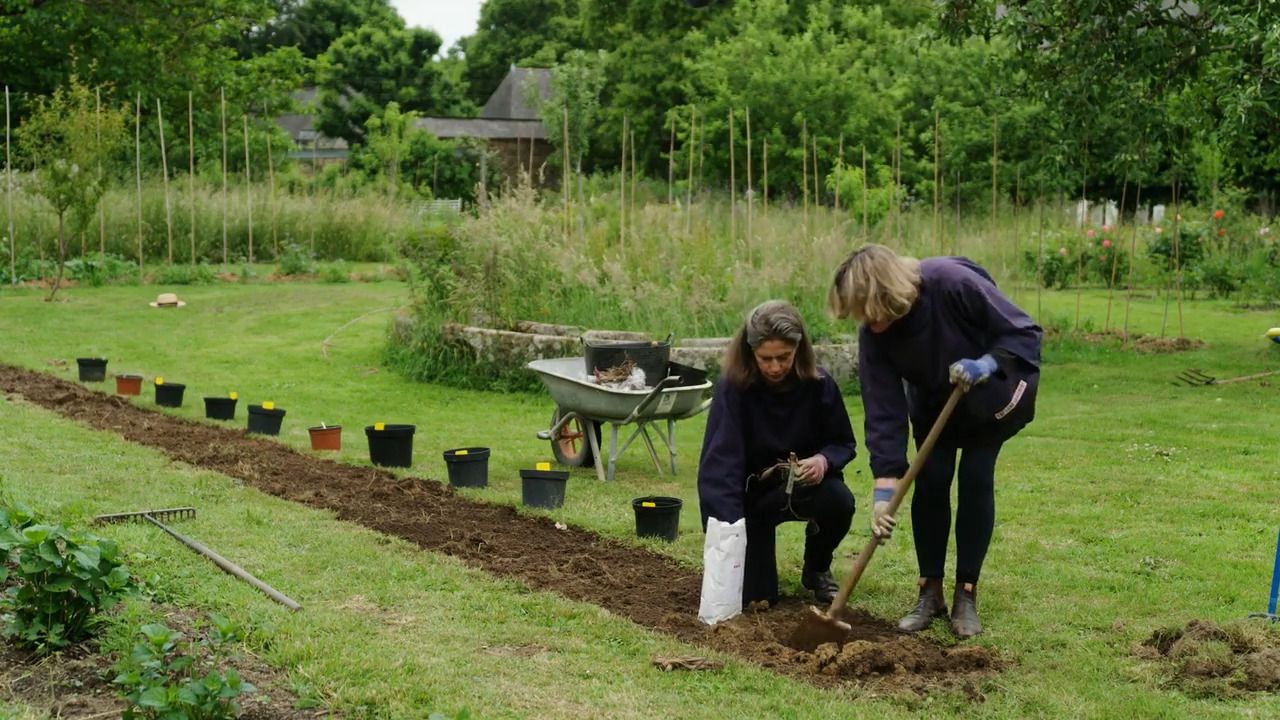
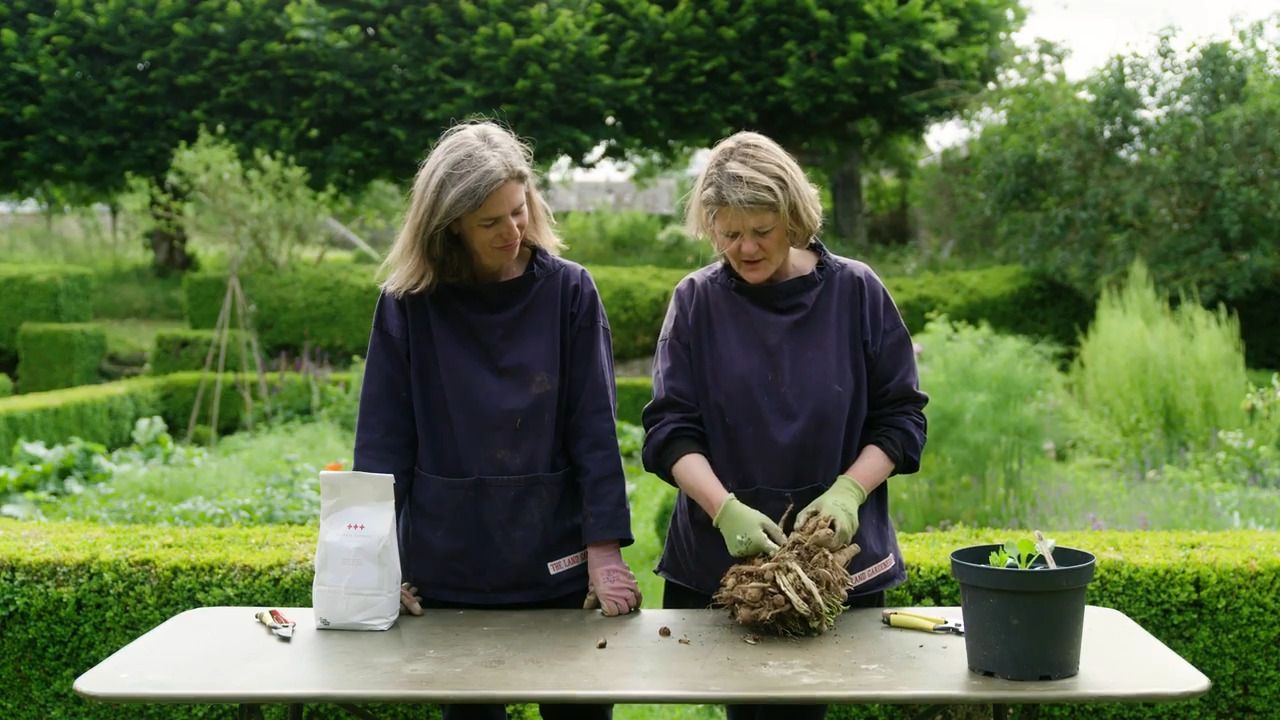
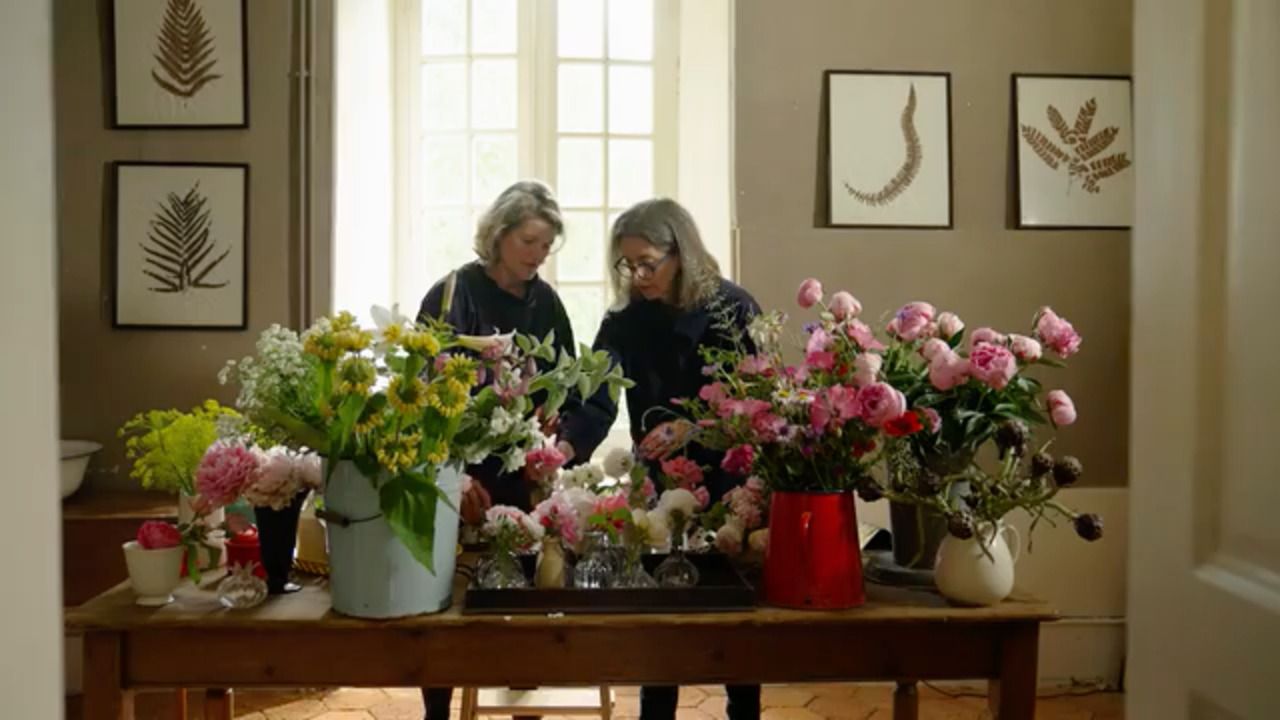
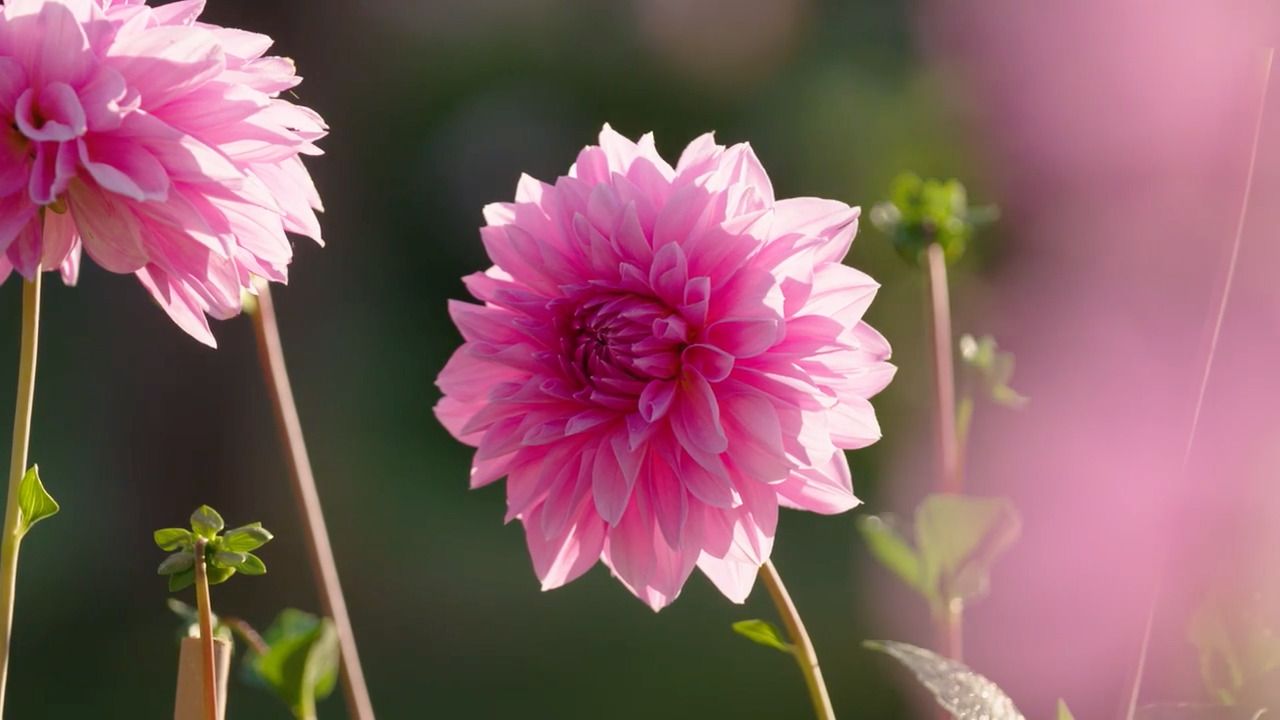
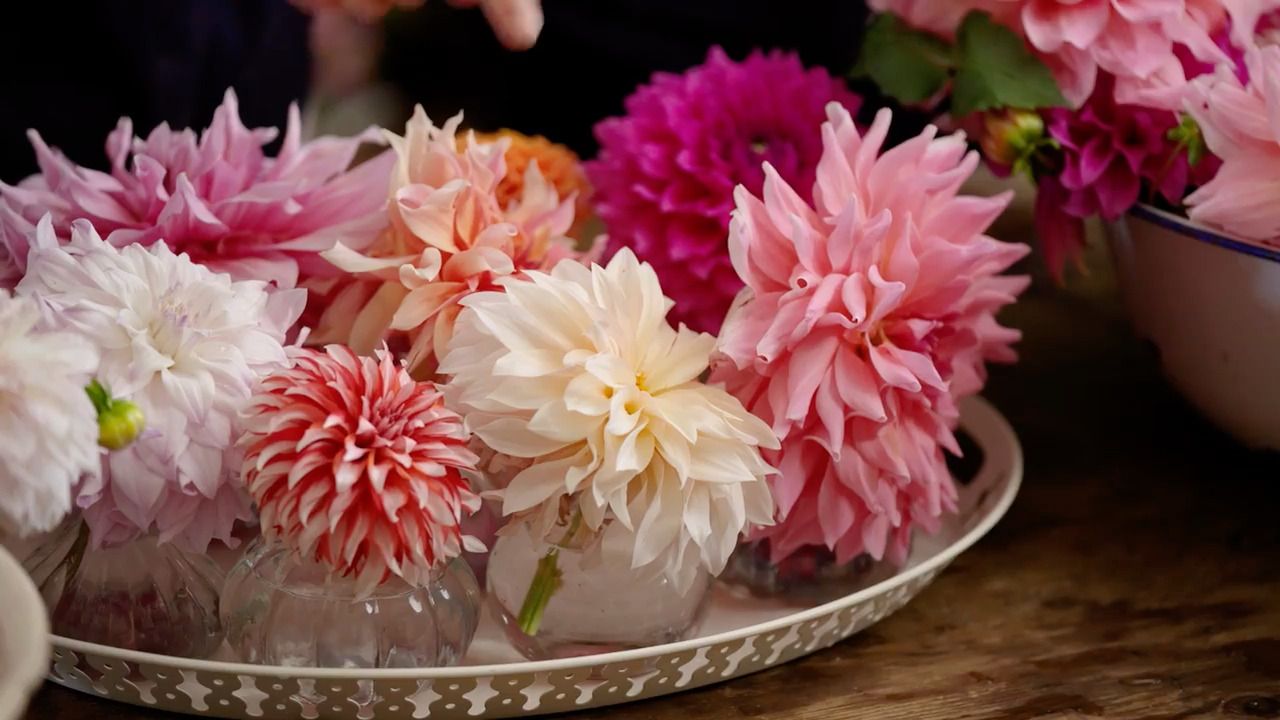
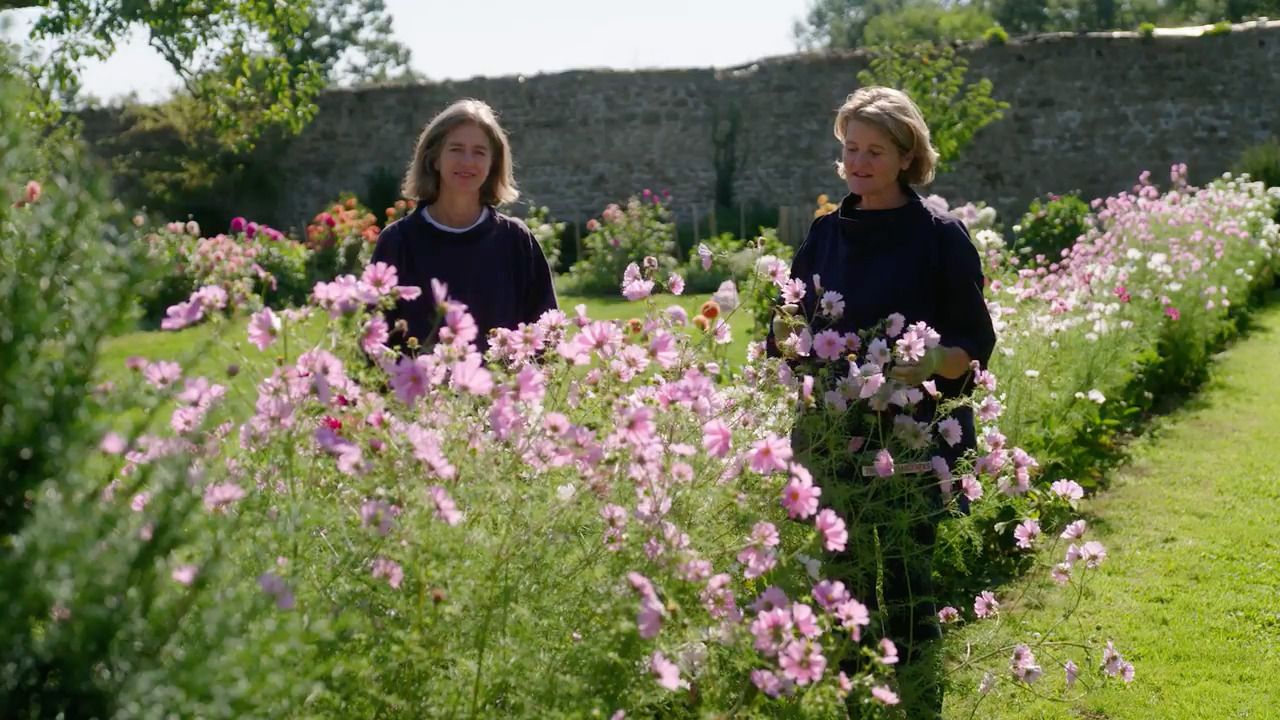
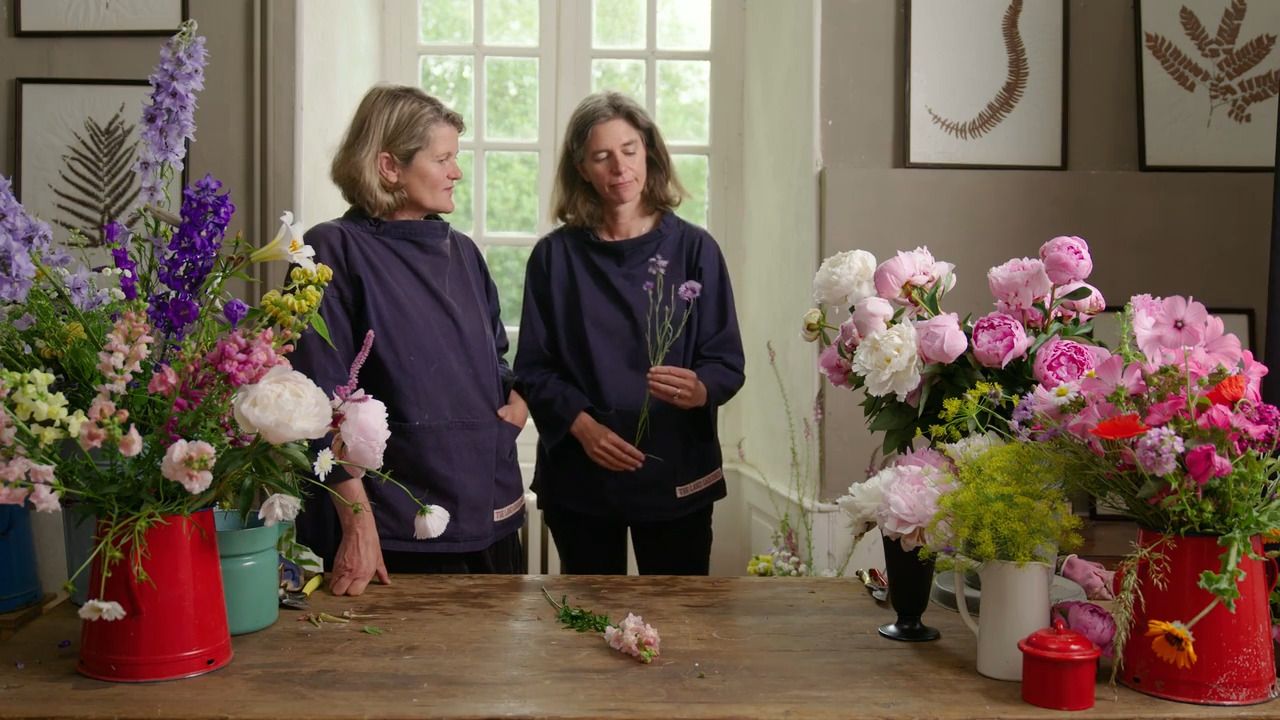
Bridget and Henrietta present a selection of their favourite annuals - gypsophila, poppies, cosmos and antirrhinum, as well as herbs, cornflowers and nicotiana. Planted in February and March, these annuals give pleasure through much of the year both in the garden and indoors.
For this lesson we have prepared a selection of our favourite annuals. Planted in February and March, they give us pleasure through most of the year, and while some will be over by summer, others will continue flowering until November.
Having had mixed results with traditional Gypsophila in the past, we are now growing Gypsophila elegans, which produces delicate, more open flowers than the traditional Gypsophila. We have even used this variety to great effect at a wedding where all floral decorations were composed exclusively of Gypsophila.
These delicate, romantic blooms are traditionally associated with wild meadows, which, unfortunately, have almost disappeared from our landscape since the last war. If you are able to have them in your garden, you have a choice - besides the simple red poppy - of peachy, creamy or yellow poppies. We like using poppy 'Champagne Bubbles', which we include in arrangements with peonies and roses. To harden the petals and prolong their life, we recommend searing the stems briefly (5 sec) in boiling water. Although poppies may not be the easiest plants to germinate, we feel they are well worth the effort. You can grow poppies from seeds or buy seedlings from Sarah Raven's and other nurseries.
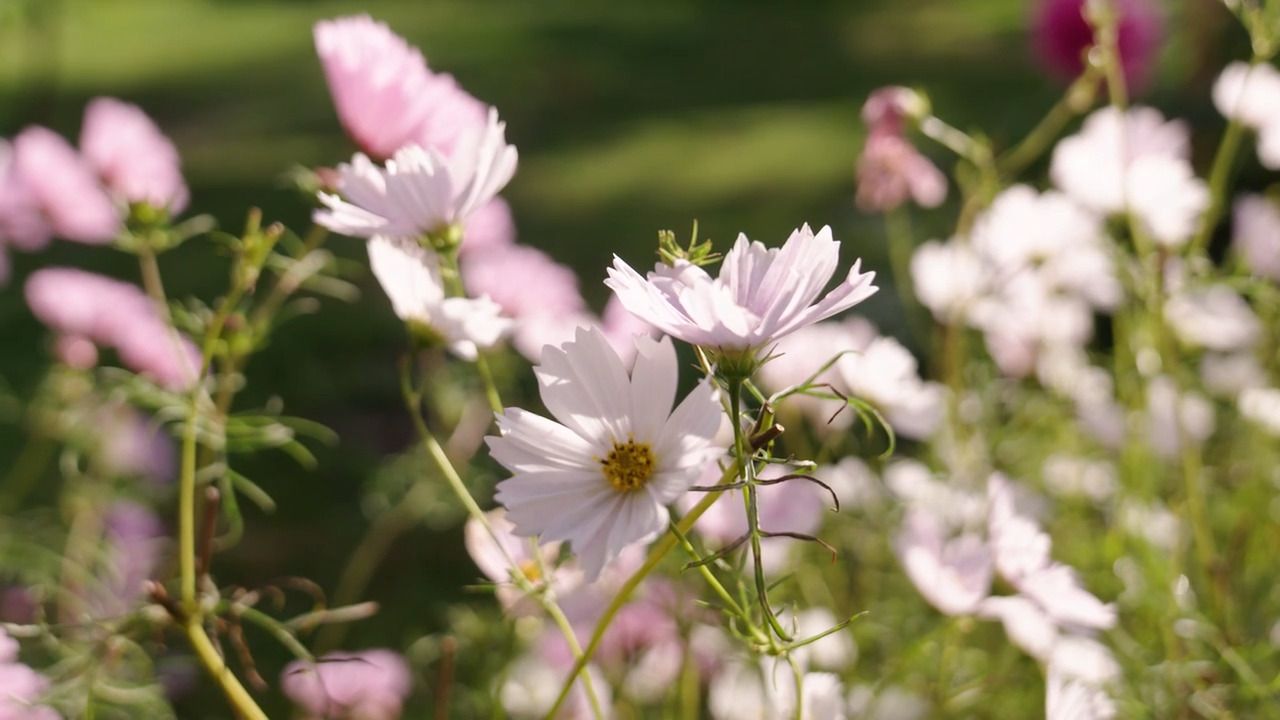
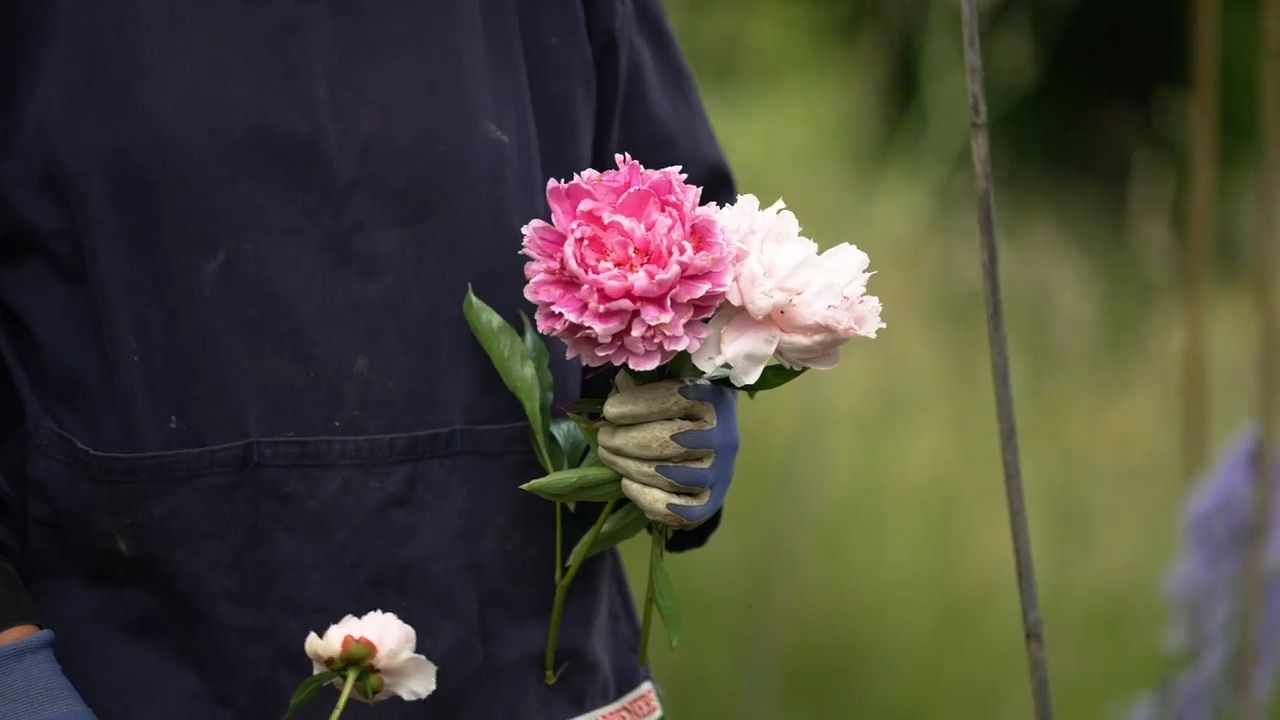
If you plan to have only one annual in your garden, we recommend our favourite cosmos, 'Purity', which grows to more than 1.2m and is particularly suitable for interplanting with peonies. Another excellent, smaller cosmos is the 'Dazzler' variety. Like all cosmos, 'Purity' and 'Dazzler' need full sun and must be regularly deadheaded to flower well.
Celia is not only good for the soil but is also highly attractive to bees and serves as a useful cut flower.
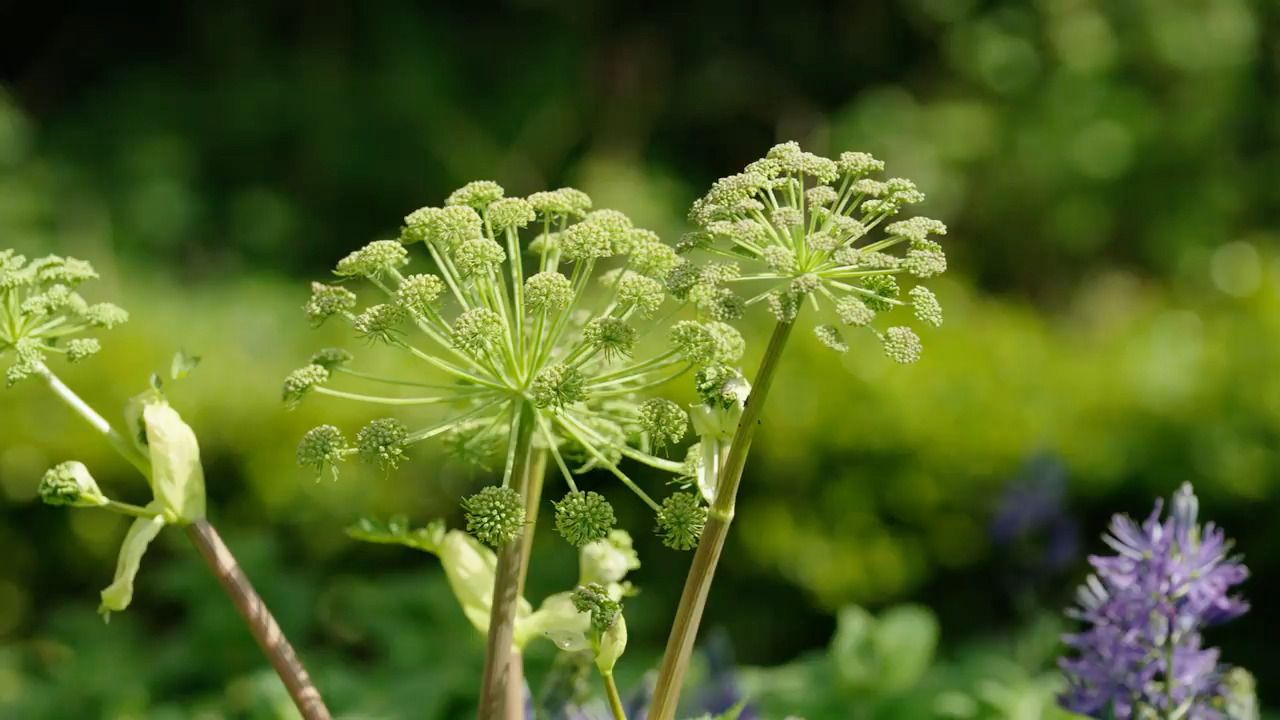
Fennel tends to be grown predominantly for food, but when the plant goes to seed after flowering, it makes a very effective addition to flower arrangements; it's also useful as a filler or for interplanting with peonies.
Parsley is a low-growing biennial herb, but we treat it as an annual and sow it every year in rows to line the flower and vegetable beds. Parsley develops tiny white florets, which can be useful in arrangements.
Although it's grown mainly for food, parsnip's spectacular height and strong stems can add interest to floral arrangements; it is one of our top favourite kitchen garden plants.
This is a very pretty plant available in different varieties, and all except one (Nicotiana mutabilis) have a very pleasant scent. It works well in mixed arrangements.
It's easy to grow this classic English meadow flower in rows in the garden, where it will produce - in addition to the traditional blue cornflowers - white, pink and crimson blooms.
This is another easy-to-grow annual. It's pretty, available in many colours, and particularly suitable for 'cottage-type' arrangements; we grow it from seeds and pick it often. Snapdragons like to be picked - the more you pick, the more you get.
UK
US
Get the full workbook, video lessons, and more with a Create Academy subscription.
Subscribe to access the full workbookAlready a member? Sign in to watch
491 reviews
Read moreCreate Academy has been such a great resource. I'm in the middle of renovating a bungalow with a very large garden and the courses have offered a wealth of inform...
Harvey
Jun 10, 2026
Absolutely love Create Academy! The instructors are extremely informative, and it is beautifully filmed. Create Academy is great value for money and plan on renew...
SG
May 31, 2026
Butter's creativity is stunning! Her ability to incorporate brilliance in small gardens is magical!
Carla
May 30, 2026
The best adventure. I like all the courses, but my favorite are both Rita Konig interior design courses and Anna Jones. Excellent!
Karolina Kluczewska
May 20, 2026
Create Academy has been such a great resource. I'm in the middle of renovating a bungalow with a very large garden and the courses have offered a wealth of information to dive into and explore new ideas. I'm...
Harvey
Jun 10, 2026
Absolutely love Create Academy! The instructors are extremely informative, and it is beautifully filmed. Create Academy is great value for money and plan on renewing my subscription yearly because there are ...
SG
May 31, 2026
Butter's creativity is stunning! Her ability to incorporate brilliance in small gardens is magical!
Carla
May 30, 2026

Your Instructor
Award-winning garden designers and cut flower growers on a mission to save our soil.
Garden designers, flower growers and compost creators, Henrietta Courtauld and Bridget Elworthy joined forces to found The Land Gardeners in 2012. United by their passion for organically grown plants and a shared interest in soil health, they began by growing and selling cut flowers to esteemed florists, and worked on restoring historic gardens to their former glory. Most recently, they launched Climate Compost - a project born from years of inquisitive research into soil biology with the aim of creating a microbially rich compost that produces nutrient dense crops, while also supporting and boosting the local ecosystem. With an unwavering commitment to improving the health of our land and its biodiversity, The Land Gardeners’ approach is one of sensitivity, unparalleled expertise and, above all, a loving respect for the natural world and its preservation.
Access to all courses


