

Interior and exterior confidence
Create Academy has been such a great resource. I'm in the middle of renovating a bungalow with a very large garden and the courses have offered a wealth of inform...
Harvey
Jun 10, 2026
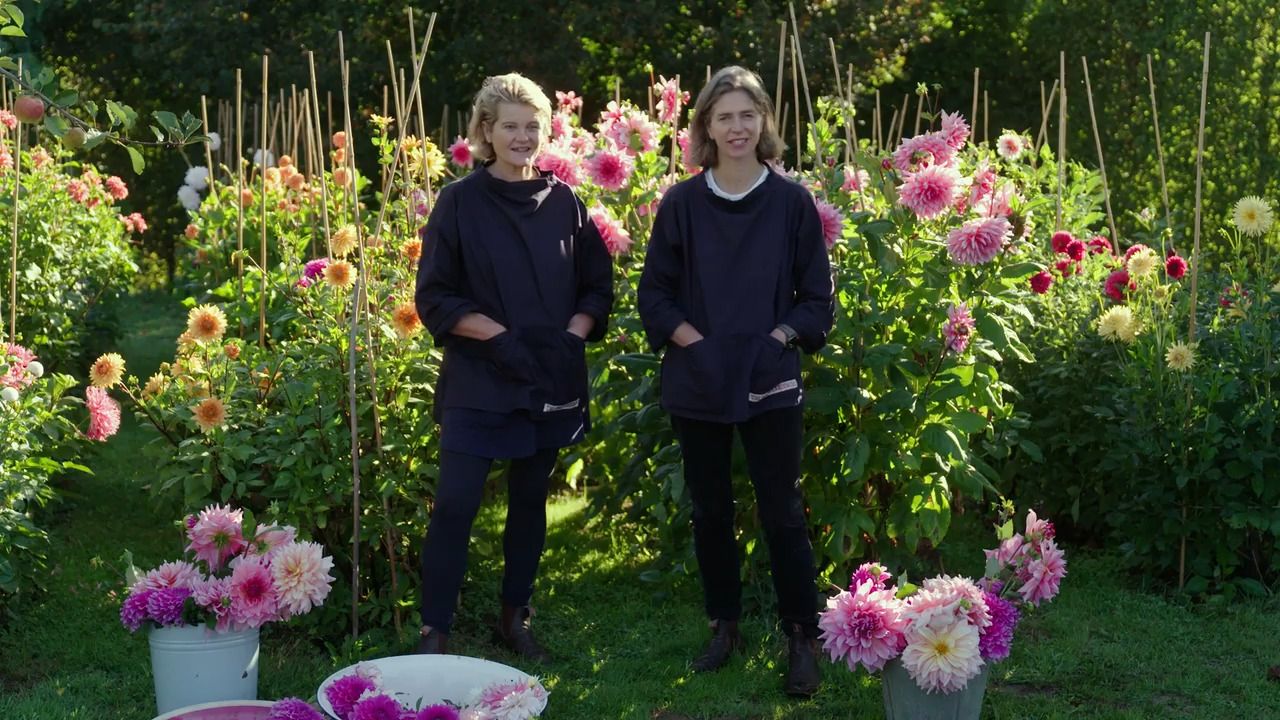
with THE LAND GARDENERS — Award-winning garden designers and cut flower growers on a mission to save our soil.
Lesson 17 of 37
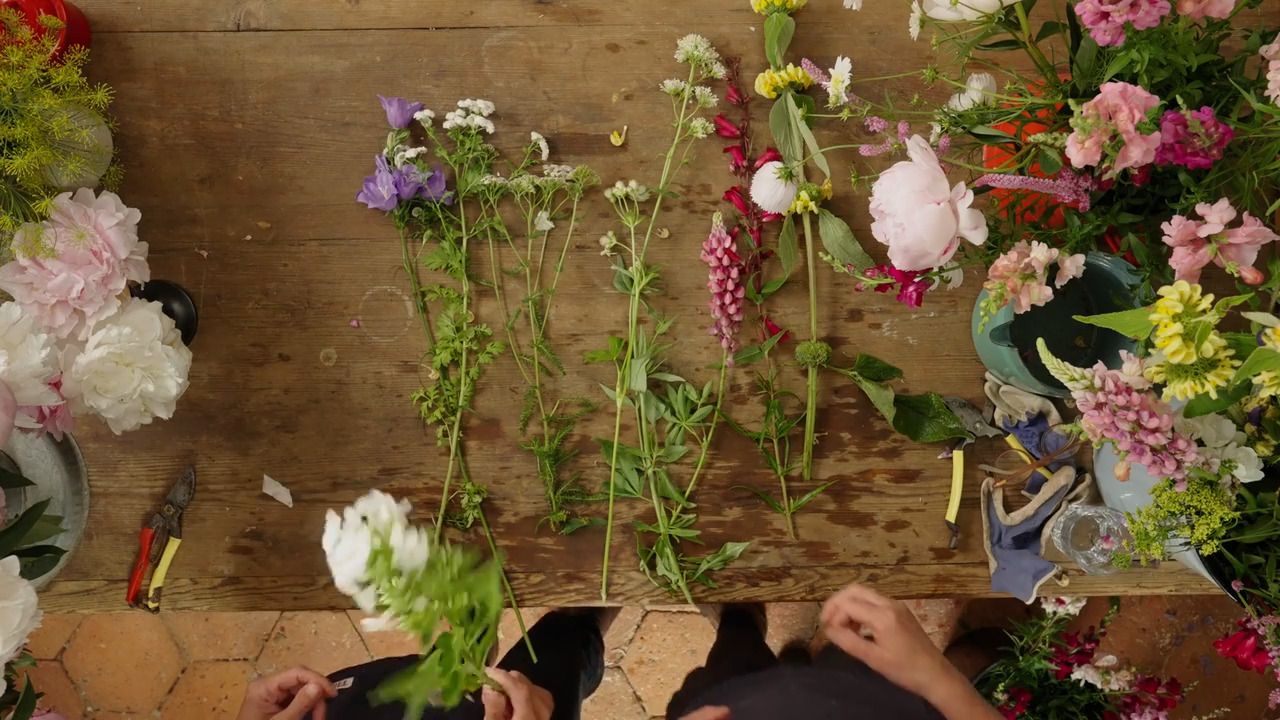
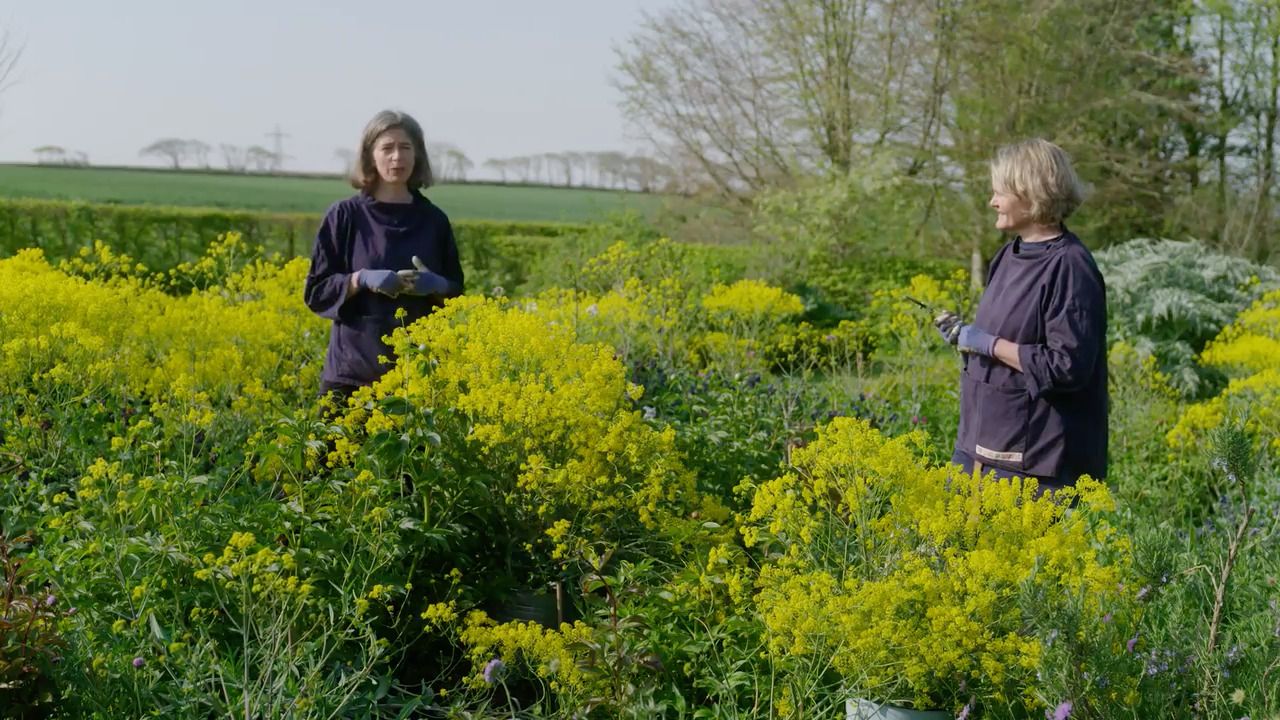
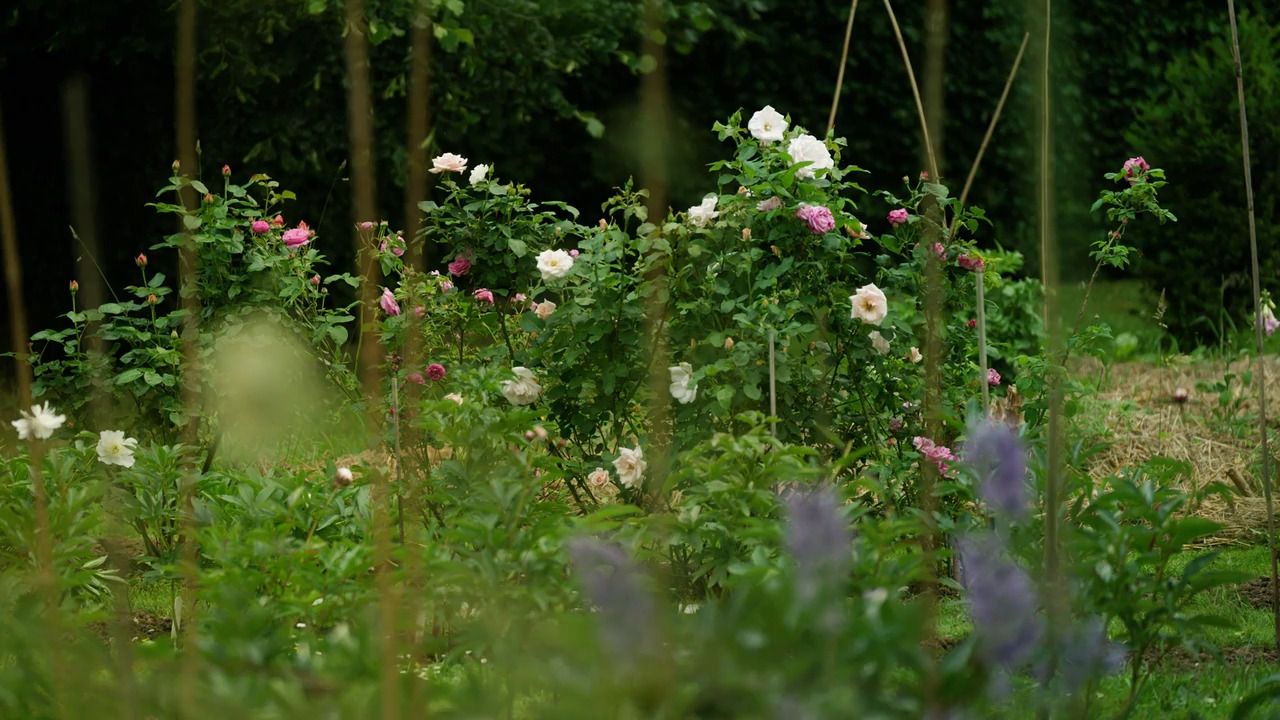
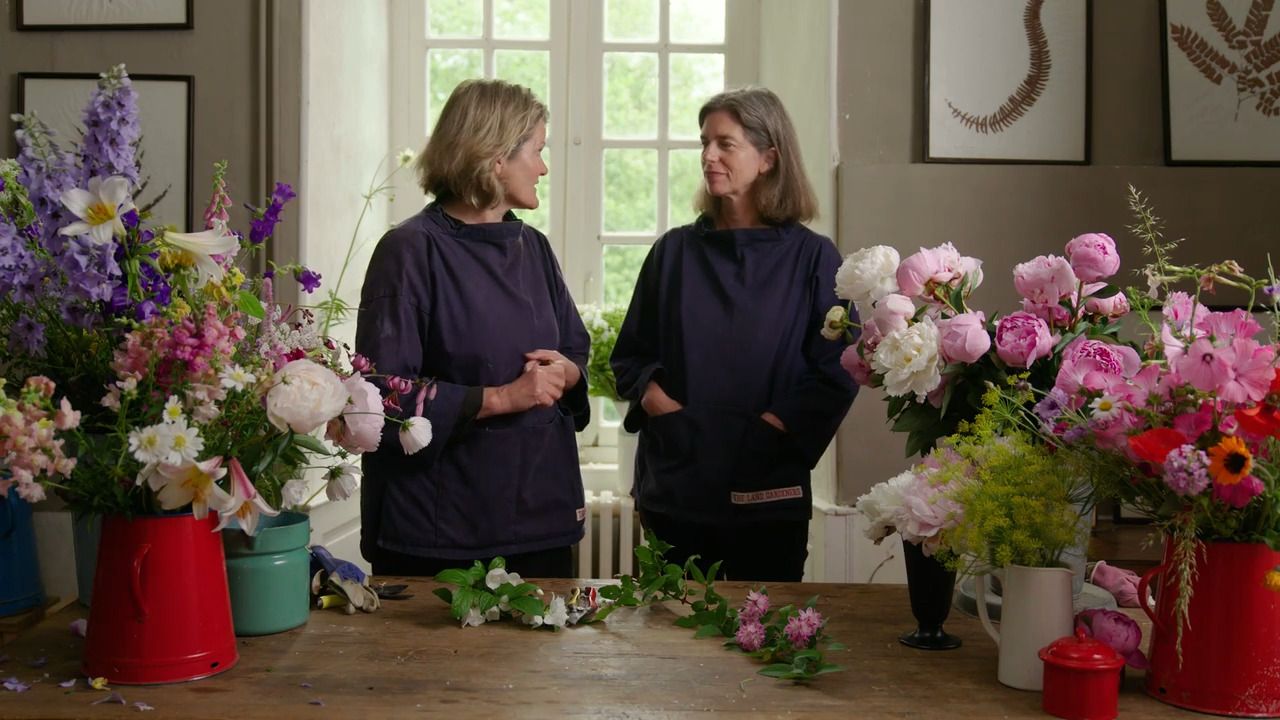
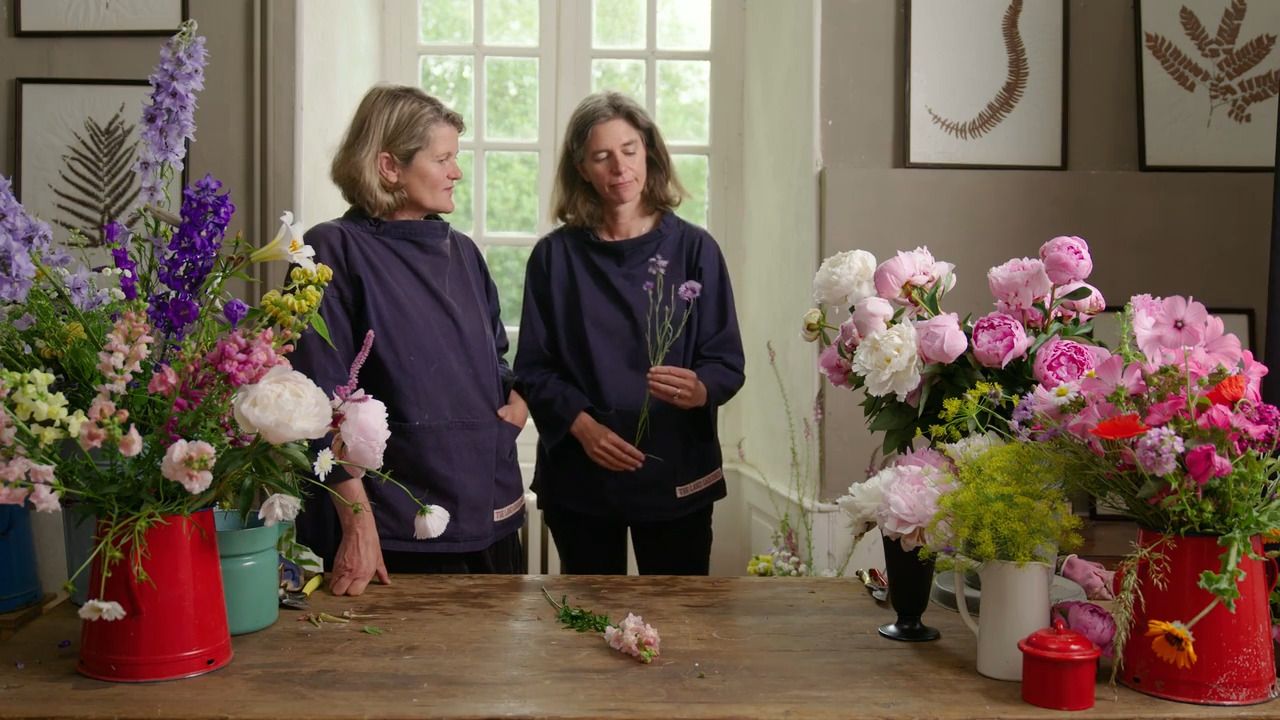
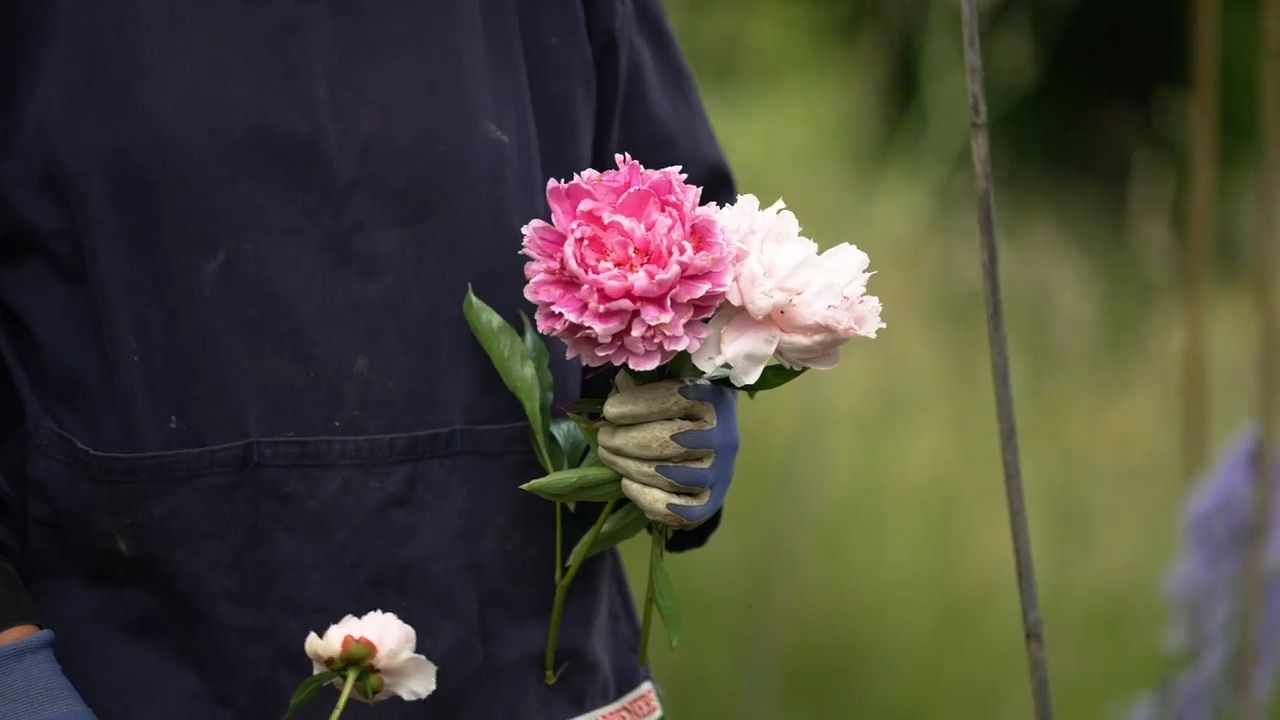
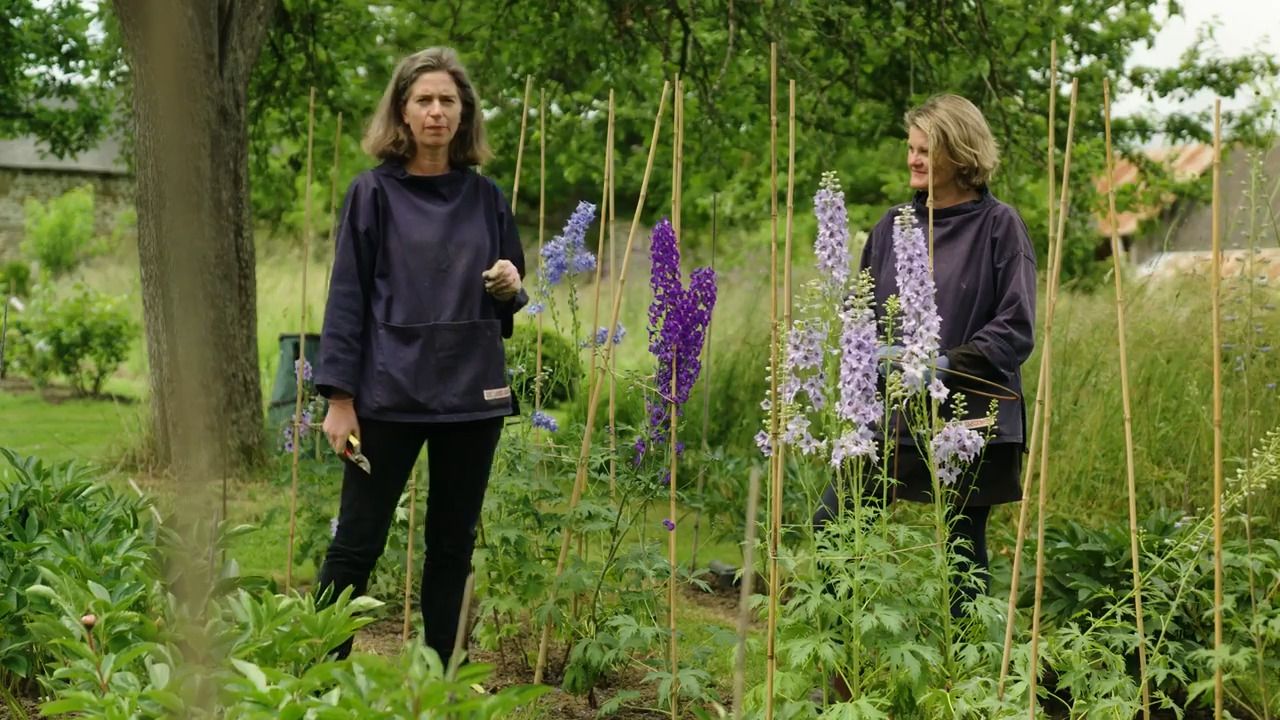
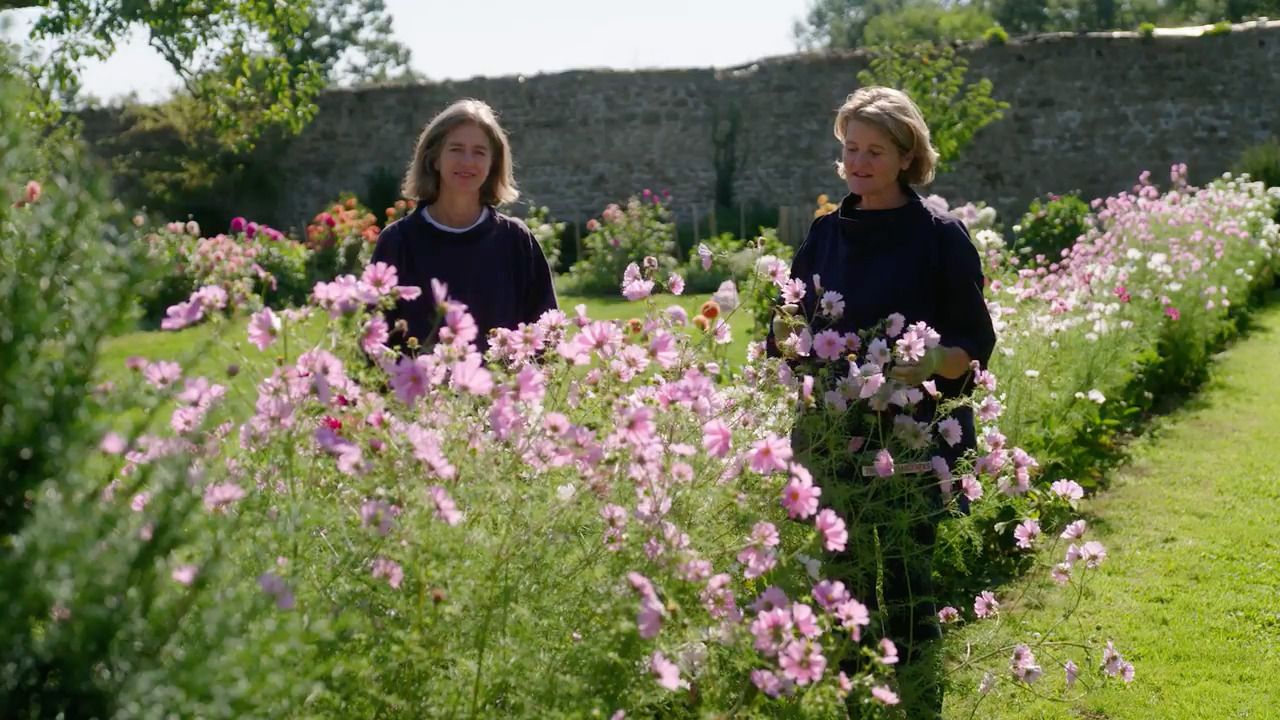
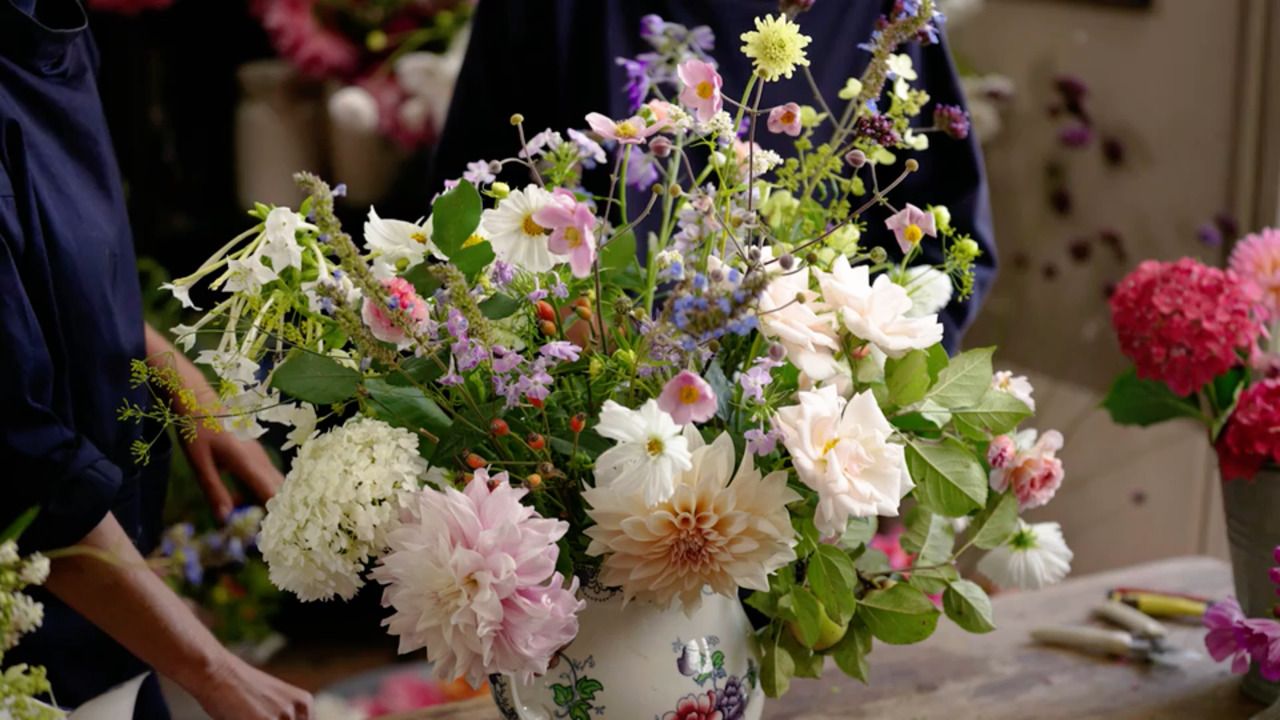
Perennial plants come in a great variety of shapes, heights and colours. In this lesson, Bridget and Henrietta talk about the joy of growing perennials and discuss the ones they use frequently in summer arrangements, such as delphiniums, phlox, catmint, phlomis, feverfew and penstemon
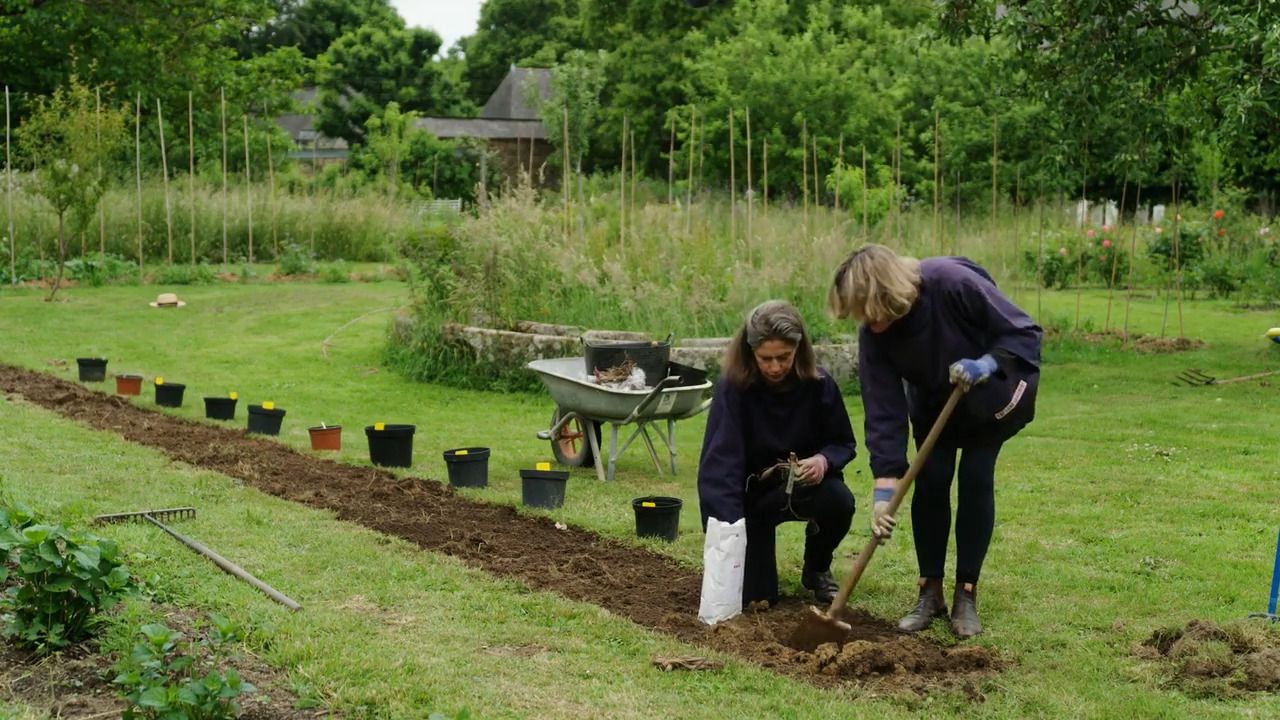
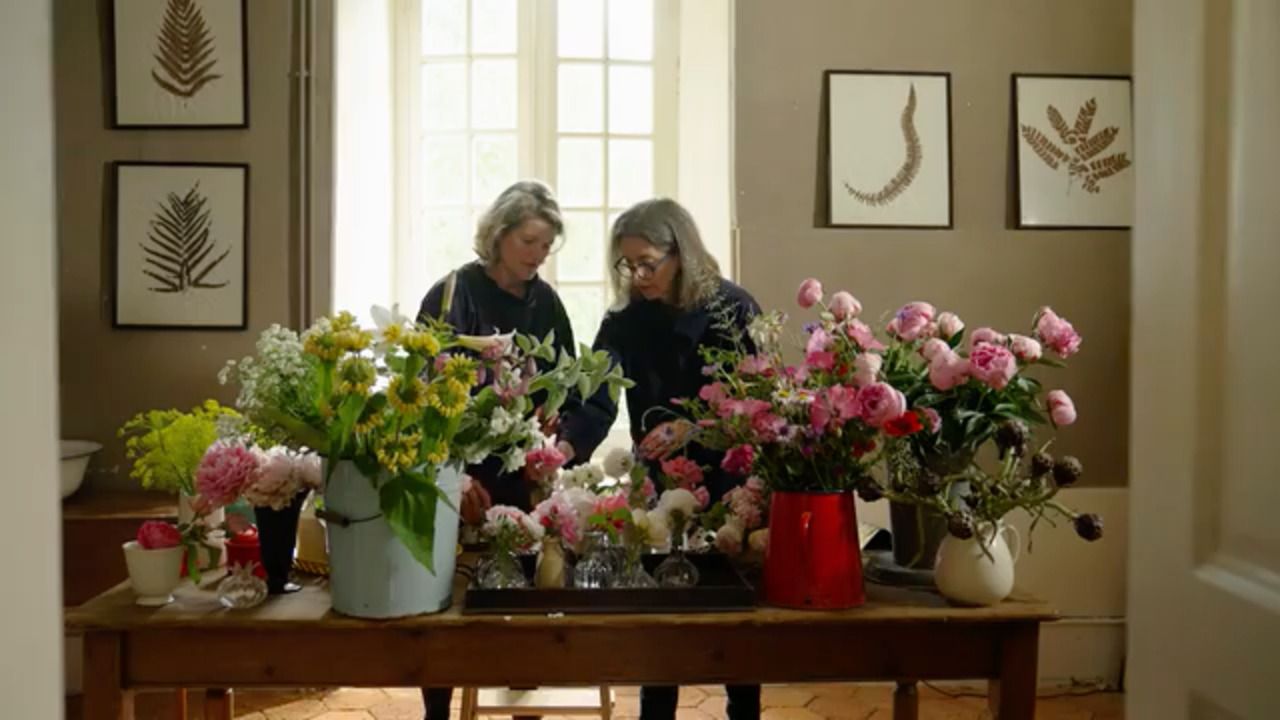
Summer is the season of perennials - we use them prominently in our gardens. Known for their diversity and suitability in arrangements, perennials also have the advantage of requiring less effort than annuals. Re-sowing seeds, pricking out seedlings or having a glasshouse are not required; you only need to think about keeping weeds at bay and lifting and dividing the roots when their clumps become too large.
Perennials come in a great variety of shapes, heights and colours, and in this lesson we look at some key plants that we grow every year and frequently use in summer arrangements.
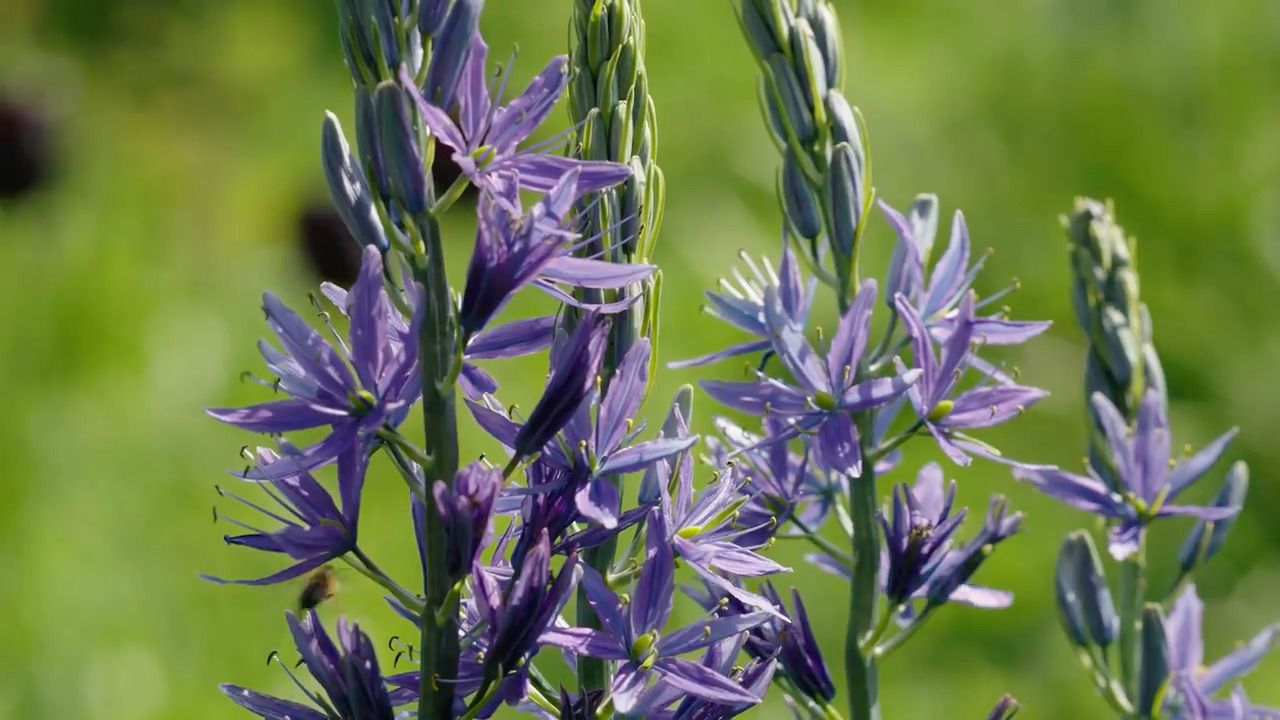
Catnips come in small and large sizes. Our favourite is the long-lasting 'Six Hills Giant', which we love for its impressive size and scent and use in large flower arrangements.
This is our staple summer flower. Delphiniums grow tall and are easy to pick and long-lasting. We find the 'Elatum' variety particularly rewarding for its height, structure, scent and wonderful colours - blues, purples, pinks and white.
This delicate looking plant with lovely white, pink or pale purple flowers is our recent discovery. It can be found growing wild and flowers throughout the summer.
A highly scented plant which comes in many different colours. It's particularly useful in wedding flower arrangements in August, when many early white summer flowers are past their best. Cut flowers are at their most abundant and showy in June - less so in July - and there is a definite 'dip' in the cutting garden in August.
This is one of our best summer garden performers. Pretty, tolerant of light shade and easy to grow, Astrantia is also easy to divide, acts as a good garden filler, and lasts well in water. It comes in a pleasing range of white, pinky and claret hues.
This old cottage plant grows particularly well in drier gardens and loves crumbling walls and stony banks. If you plant only a couple of plants, they will soon seed themselves. As Centranthus has a very long flowering season and lasts well in water, we use it in generous quantities in flower arrangements. To prolong its life span to November, deadhead Centranthus close to the nearest leaves and within two weeks it will produce new flowers.
This is a pretty plant with bright green leaves and delicate flowerheads similar to Gypsophila. It is free-growing and self-spreading, and makes an excellent component of a casual, natural-looking arrangement. While it will grow almost anywhere, we grow it in rows for cutting.
Another excellent plant for naturalistic arrangements. Unfussy, easy to grow and supposedly a very good companion to blackcurrants, yarrow has the added quality of being biodynamic – i.e. it's good for the soil and for composting.
A distinctive-looking, tough perennial but not everybody's favourite because of its yellow flowers. We love Phlomis and grow it in the borders for use in white and green arrangements, where the pale-yellow flowers and big, furry, green leaves add a touch of Dr Seuss-like fun.
Penstemons look lovely in the garden, are wonderful as pollinators, and make excellent cut flowers. They come in a range of colours - white, lilacs and clarets. We grow them in rows and in herbaceous borders.
OUR ADVICE:
Eye-catching, weather-tolerant plants with bold, colourful flower spikes, lupins make a strong statement in herbaceous borders. They are usually grown from seeds and cuttings and - more rarely - by division.
Although lupins exist in many different colours, we grow mainly white varieties for flower arrangements and sow them in informal areas alongside Hesperis - a sweet-smelling and self-seeding plant, commonly known as sweet rocket or dame's rocket.
We enjoy growing Campanula for their jolly, light looks, their lovely blue tones, and their impact in flower arrangements. In this lesson we highlight the deep blue Campanula persicifolia and the pale blue Campanula lactiflora as our 'go-to' cut summer flowers.
We are very fond of Cephalaria gigantea as an easy-to-grow ornamental garden plant and a great cut flower. Despite its delicate looks and erect habit, Cephalaria doesn't need staking and gives height and breadth to the border. It's also a perfect flower to use in large summer arrangements where the delicate flower heads add lightness and movement to the composition.
While Cephalaria gigantea can reach a height of 2m, there are many other, mostly blue and white, small scabious varieties (such as Scabiosa 'Pink Mist', Scabiosa caucasica 'Miss Willmott' or Scabiosa caucasica 'Clive Greaves') that make excellent cut flowers. Like Cephalaria, they offer repeat flowering, drought resistance, and longevity.
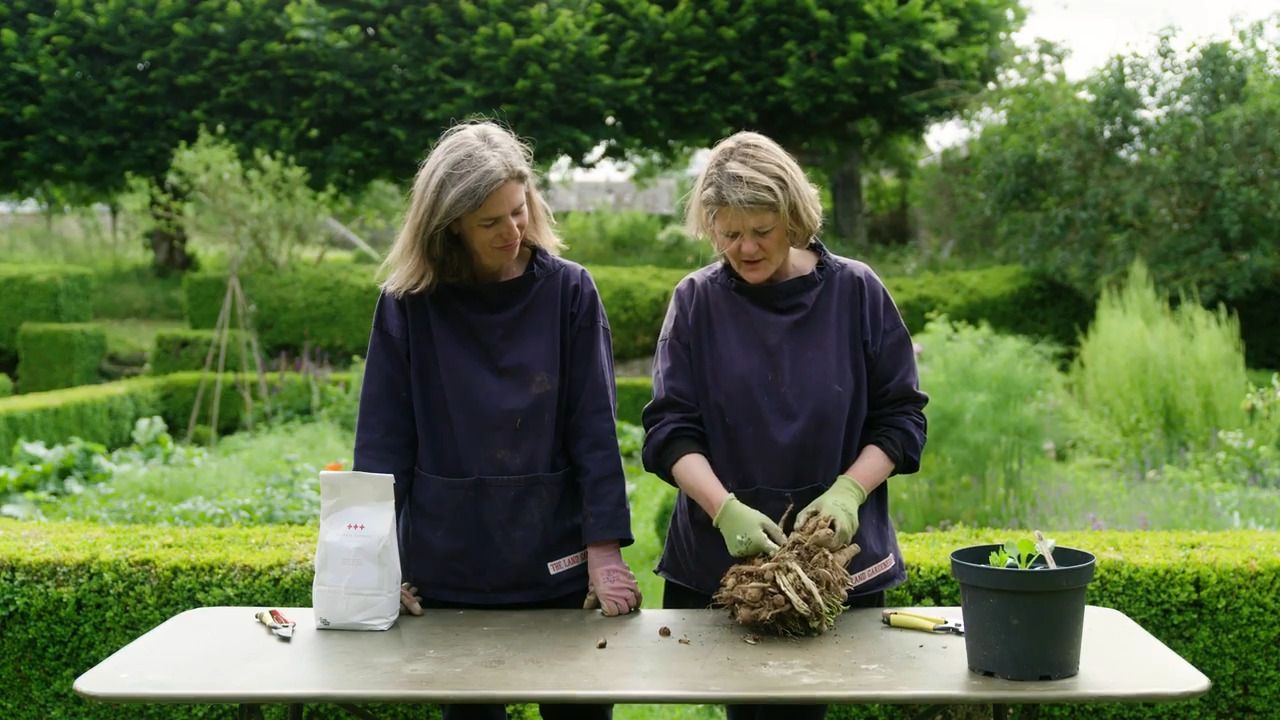
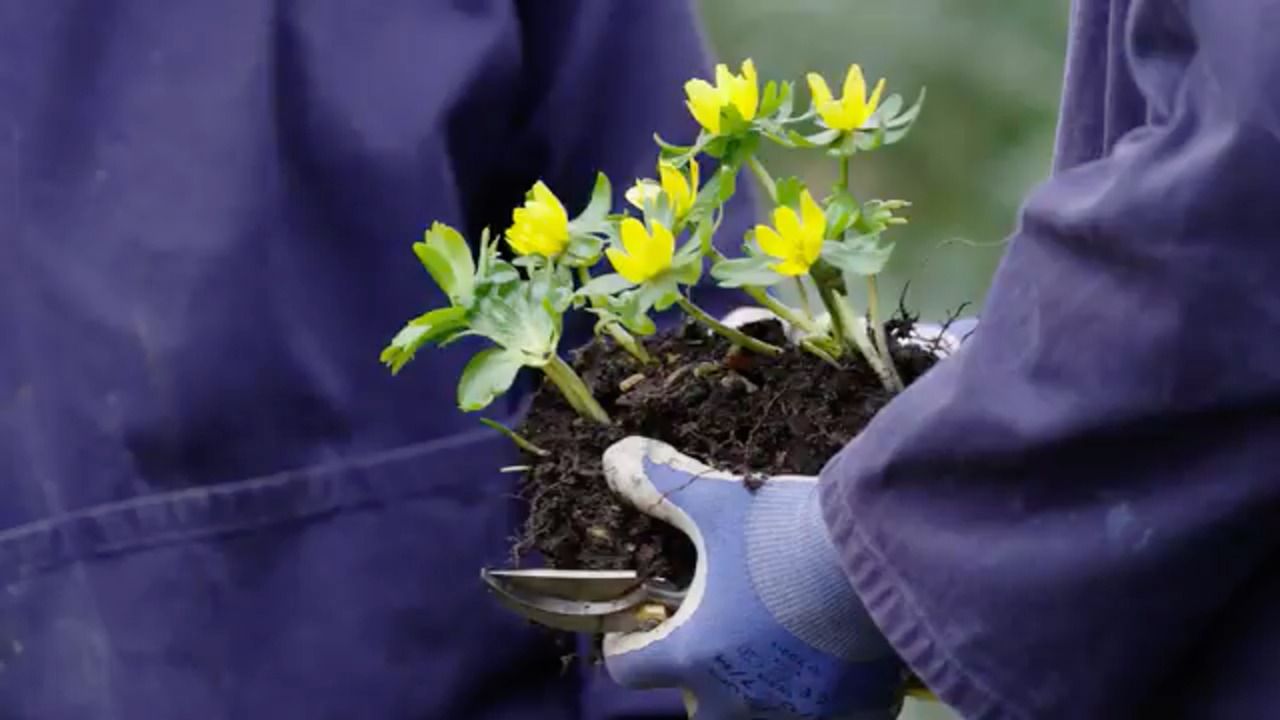
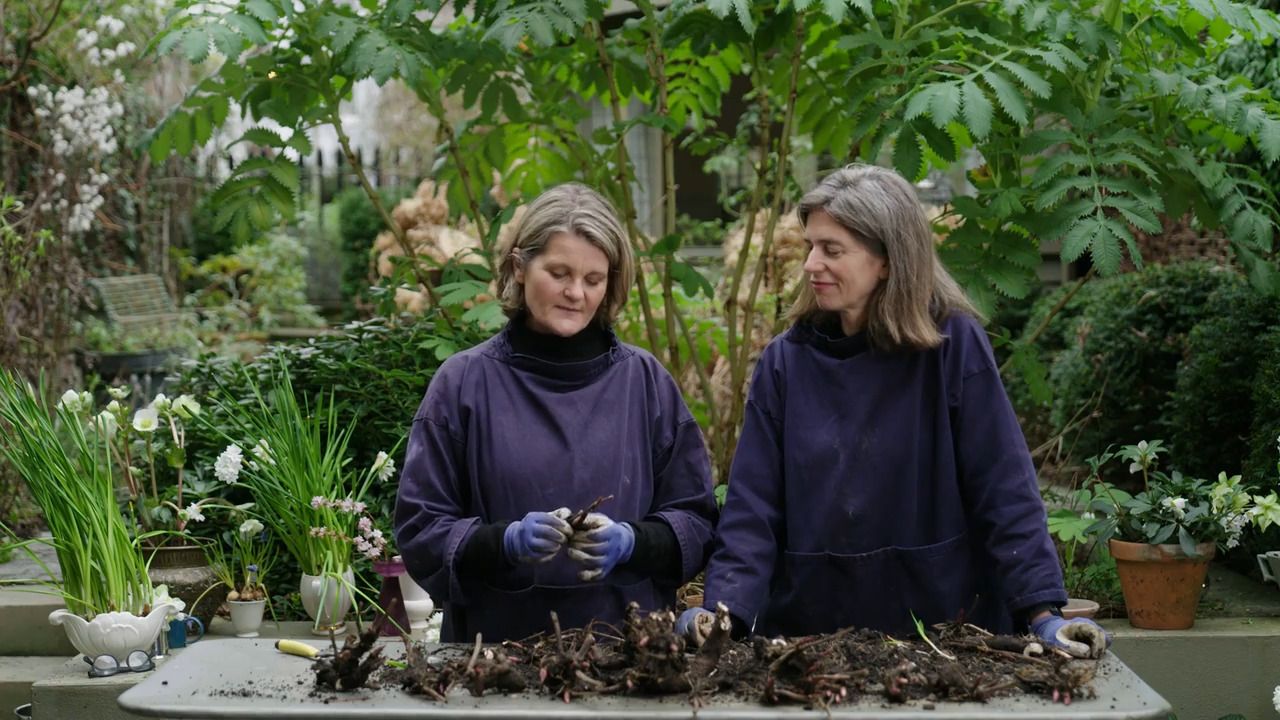
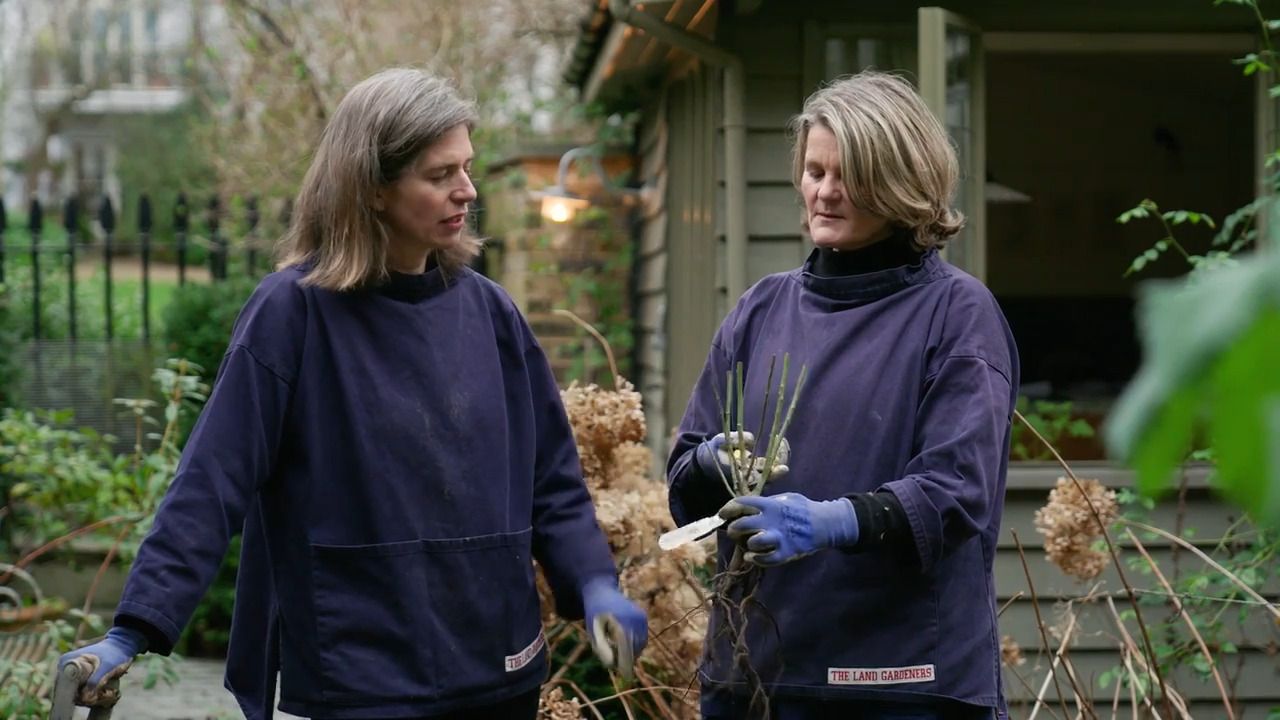
Lift them out of the ground in February before the growth starts. Either pull the roots apart or use a spade to cut them into bits which can be replanted in the garden to create new plants, given away to friends, or exchanged for other perennials.
OUR ADVICE:
As there are so many perennials, you need to choose those that appeal to you most for their shape, colour or texture. You can simplify the process by going to Crocus, an online garden centre that publishes a comprehensive, illustrated catalogue of perennials. Make a selection of those you like most to get a sense of your preferred look - is it 'spiky' or 'bunchy', 'hot' or 'cool','bold' or 'pastel coloured'? Grow your perennials in dedicated rows (like we do with Phlox or Penstemon) or in mixed borders and in pots.
Achillea millefolium
common name: yarrow
Astrantia
common name: masterwort
Campanula
common name: bellflower
Centranthus ruber
common names: red valerian, spur valerian, devil's beard, Jupiter's beard
Cephalaria gigantea
common name: giant scabious
Hesperis matronalis
common names: dame's rocket, dame's-violet
Linaria purpurea
common name: purple toadflax
Lupinus
common name: lupin
Nepeta
common name: catmint
Penstemon
common name: beard tongue
Phlomis russeliana
common names: Jerusalem sage, Turkish sage
Phlox
common name: phlox
Tanacetum parthenium
common name: feverfew
Get the full workbook, video lessons, and more with a Create Academy subscription.
Subscribe to access the full workbookAlready a member? Sign in to watch
510 reviews
Read moreCreate Academy has been such a great resource. I'm in the middle of renovating a bungalow with a very large garden and the courses have offered a wealth of inform...
Harvey
Jun 10, 2026
Absolutely love Create Academy! The instructors are extremely informative, and it is beautifully filmed. Create Academy is great value for money and plan on renew...
SG
May 31, 2026
Butter's creativity is stunning! Her ability to incorporate brilliance in small gardens is magical!
Carla
May 30, 2026
The best adventure. I like all the courses, but my favorite are both Rita Konig interior design courses and Anna Jones. Excellent!
Karolina Kluczewska
May 20, 2026
Create Academy has been such a great resource. I'm in the middle of renovating a bungalow with a very large garden and the courses have offered a wealth of information to dive into and explore new ideas. I'm...
Harvey
Jun 10, 2026
Absolutely love Create Academy! The instructors are extremely informative, and it is beautifully filmed. Create Academy is great value for money and plan on renewing my subscription yearly because there are ...
SG
May 31, 2026
Butter's creativity is stunning! Her ability to incorporate brilliance in small gardens is magical!
Carla
May 30, 2026

Your Instructor
Award-winning garden designers and cut flower growers on a mission to save our soil.
Garden designers, flower growers and compost creators, Henrietta Courtauld and Bridget Elworthy joined forces to found The Land Gardeners in 2012. United by their passion for organically grown plants and a shared interest in soil health, they began by growing and selling cut flowers to esteemed florists, and worked on restoring historic gardens to their former glory. Most recently, they launched Climate Compost - a project born from years of inquisitive research into soil biology with the aim of creating a microbially rich compost that produces nutrient dense crops, while also supporting and boosting the local ecosystem. With an unwavering commitment to improving the health of our land and its biodiversity, The Land Gardeners’ approach is one of sensitivity, unparalleled expertise and, above all, a loving respect for the natural world and its preservation.
Access to all courses


