














Interior and exterior confidence
Create Academy has been such a great resource. I'm in the middle of renovating a bungalow with a very large garden and the courses have offered a wealth of inform...
Harvey
Jun 10, 2026
How To Be Mad About Your House
with KATE WATSON-SMYTH — Design expert, journalist, best-selling author. Creator of UK's #1 interiors blog and podcast.
Lesson 18 of 29

Finding the right shade and knowing what type of paint you need can prove difficult. Kate teaches you all you need to know about paint, from why you should invest in high-end paints to how the orientation of your space affects your paint colours.
You should choose paint last because it is the simplest to change. If you change your paint on a regular basis, consider using less expensive paint. If you are certain of your colour choices and do not expect to change your mind in a year or so, invest in designer paints. The more pigmented paint is, the more complex it is and the more it changes with the light.
Paint companies often now list ingredients, allowing you to make an informed choice about any paint you want to buy. Sustainable paints need to be low in VOC-volatile organic compounds.
High-end point manufacturers frequently claim that you don't need as many coats; however, this isn't always the case. When hiring builders and decorators, keep in mind that they may need an extra day for posher paints because they need to apply more of it.
You must get a tester pot, looking at the paint on screen is not the same as seeing it in real life there are many factors that come to play. Pick a rough general colour then get into the tester paints. Little Greene arranges their colour charts from warm to light. The dark colour at the top shows you the base colour, this way you can pick colours that will work together.
North facing rooms have a cool, bluish constant light. A cool colour will become even cooler.
An east facing room will have natural, cool light in the morning
South facing rooms have direct sunlight with a brighter glow. The room is paved in warm, yellow, light
A west facing room will have natural light in the early afternoon which is warmer.
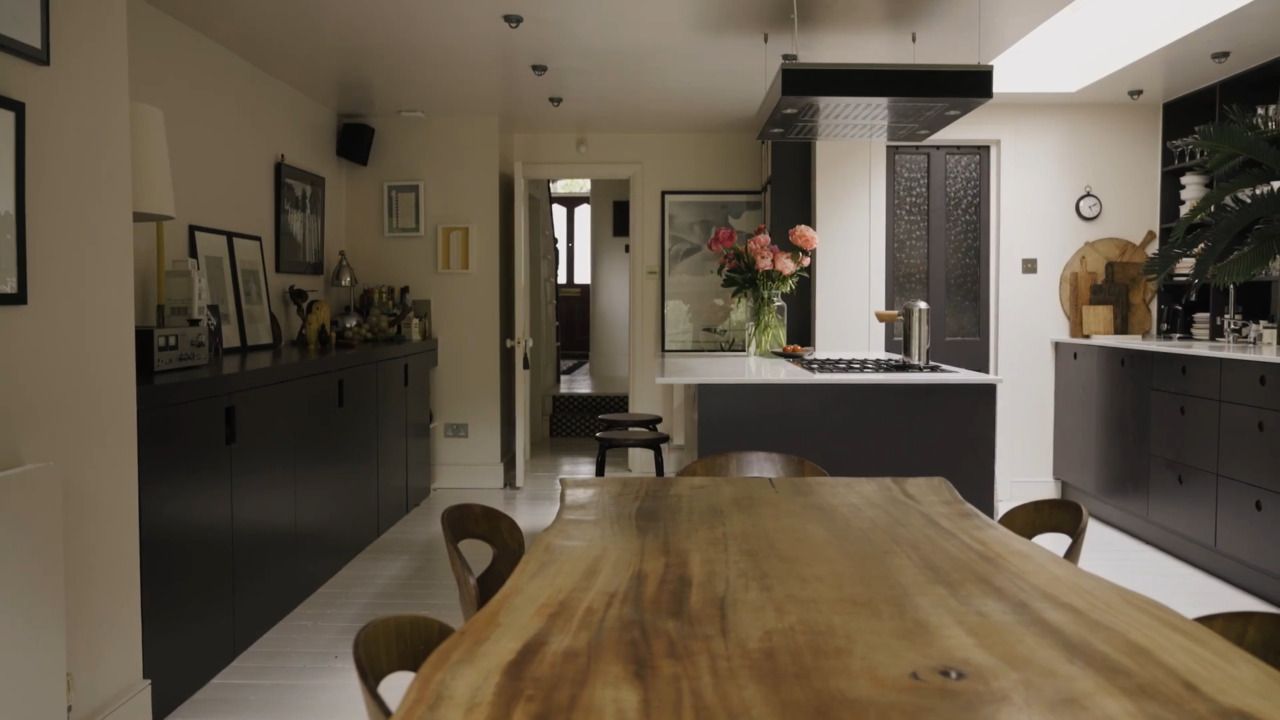
Grey, blue, and pale green are often the most difficult colours to master. In a kitchen with cool colours, wooden worktops and boards can add warmth. Grey is friends with every colour.
In a south-facing room, use chrome accessories and cool tones to reduce the warmth. The northern hemisphere light in the United Kingdom is soft and bluish. The light in the southern hemisphere is harsher and brighter.
With the tester pots, paint large pieces of paper and move them around the room to see how they feel. You should keep it up for at least 24 hours. Colours change throughout the day, so it is important to observe how the colour appears in various locations. Remember to write the paint's name on the paper!
Painting vintage furniture is an excellent way to upcycle it. If your furniture is a generic flatpack, you can customise it by painting it.
You should consider why you want one. A feature wall can give the impression that you ran out of money, paper, or paint. Consider painting all four walls halfway up instead. The feature wall should like it belongs in the room. Integrate the woodworking into the rest of the room. Incorporate the colour from the paper or paint into the rest of the room, such as the skirting, doves, and architraves. You can do the same thing with radiators, it will look more intentional.
You need to analyse how a particular colour makes you feel, what mood does it awaken.
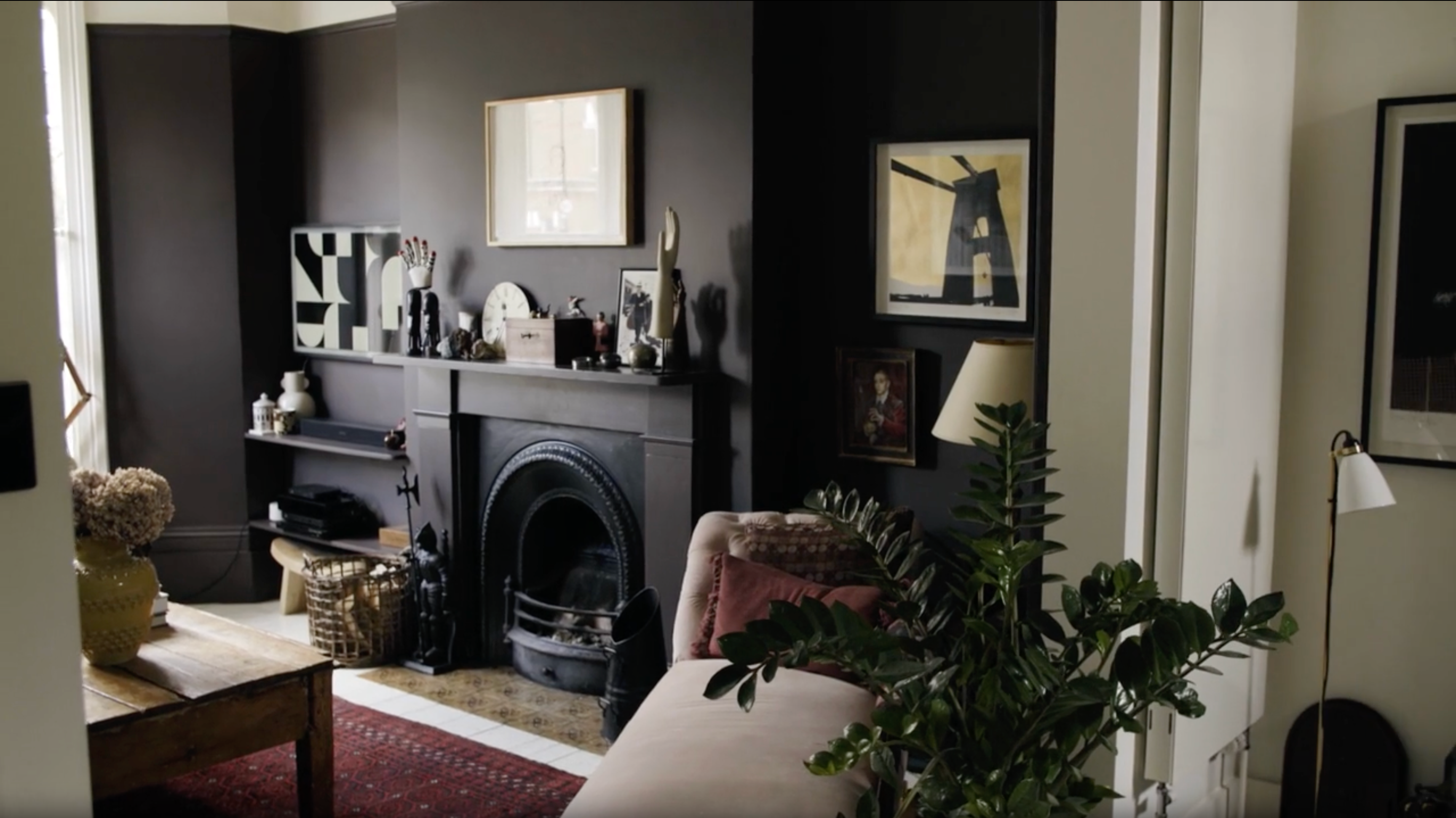
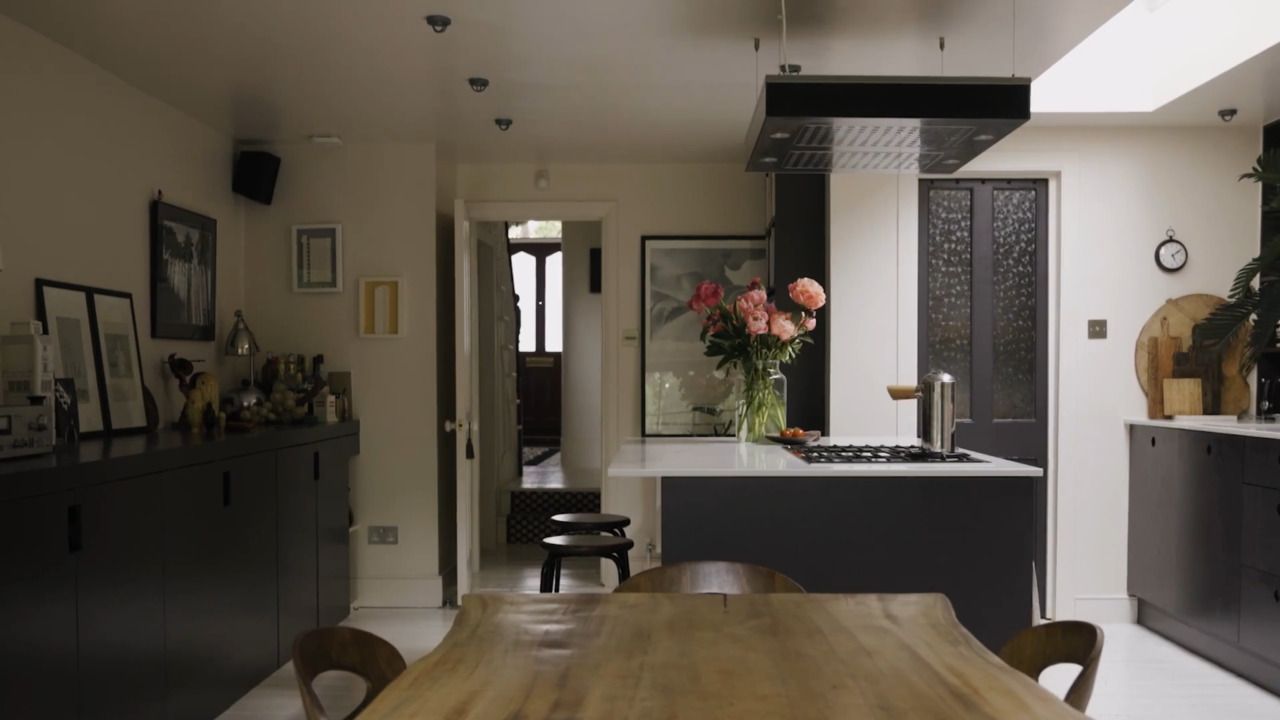
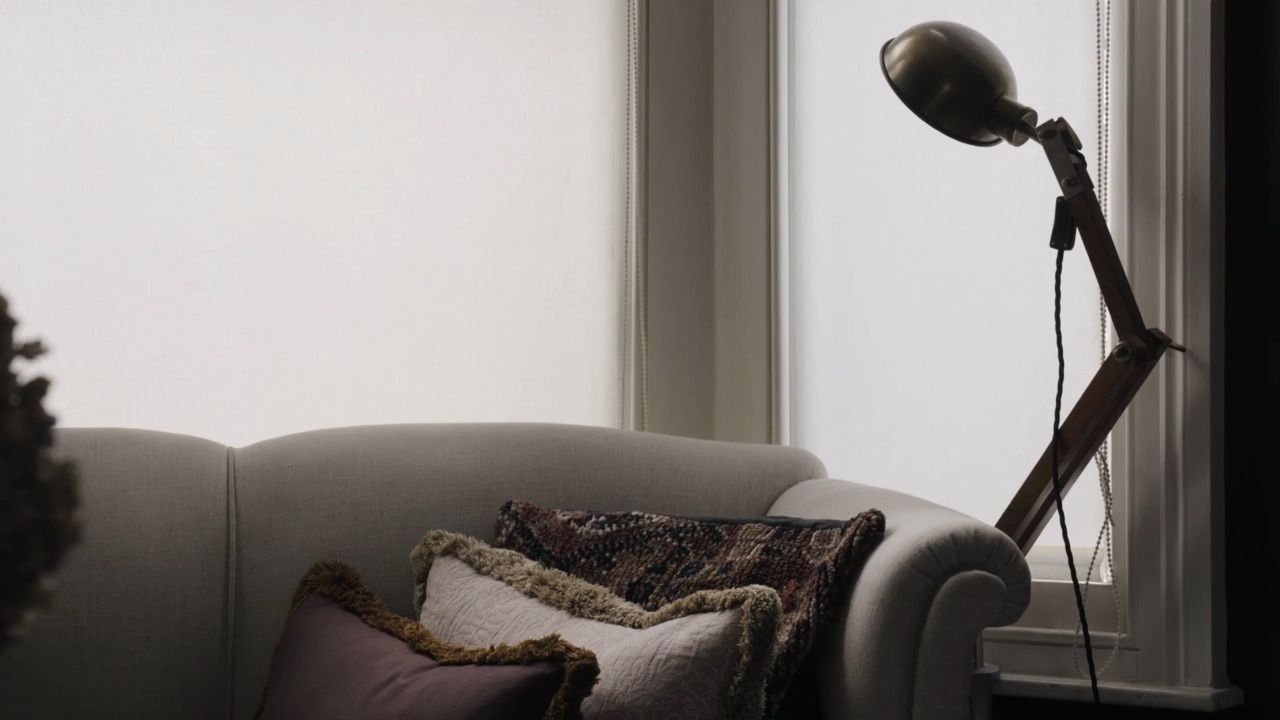
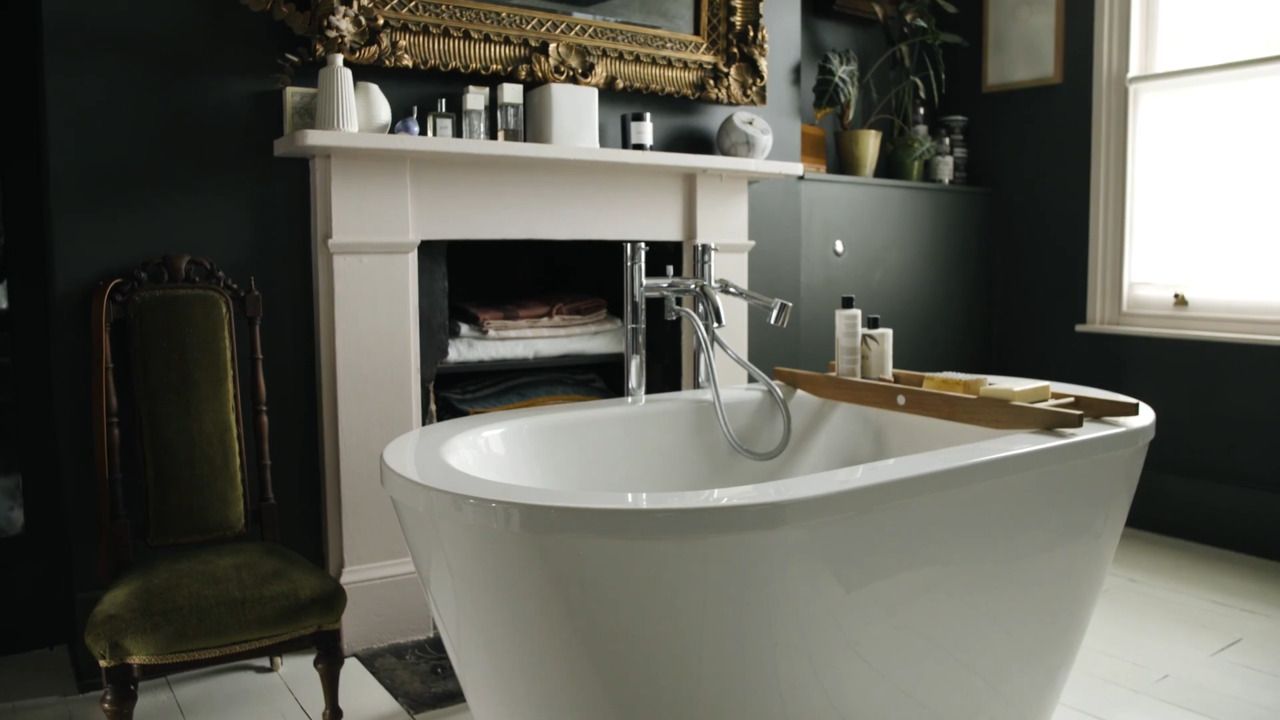
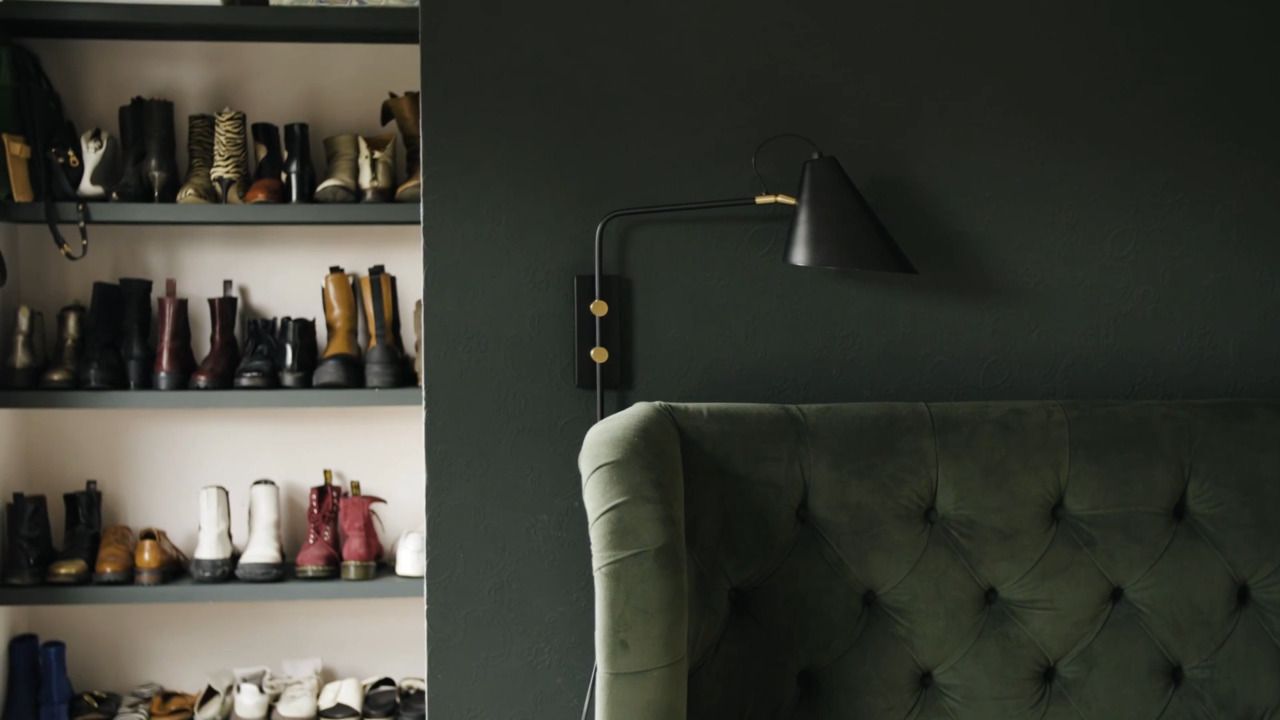
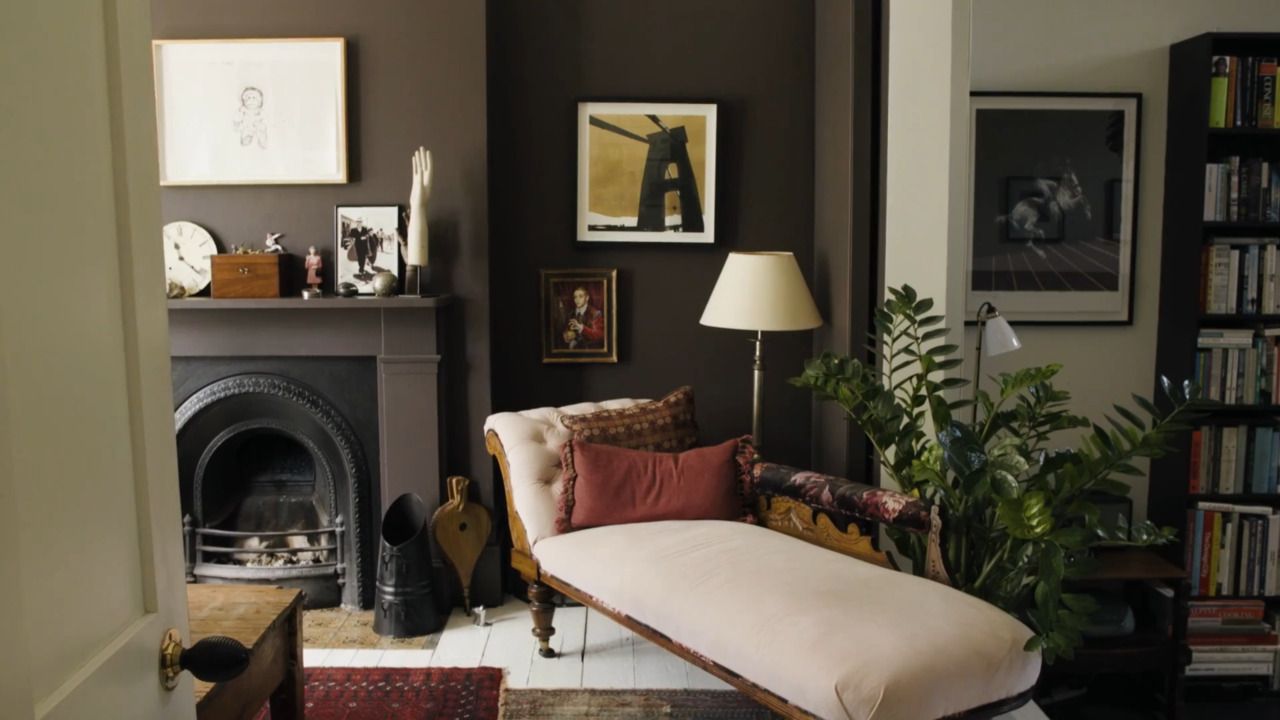
Kate's sitting room was painted dark because it is mostly used at night and viewed under artificial lighting. Inspect testers in both artificial and natural lighting.
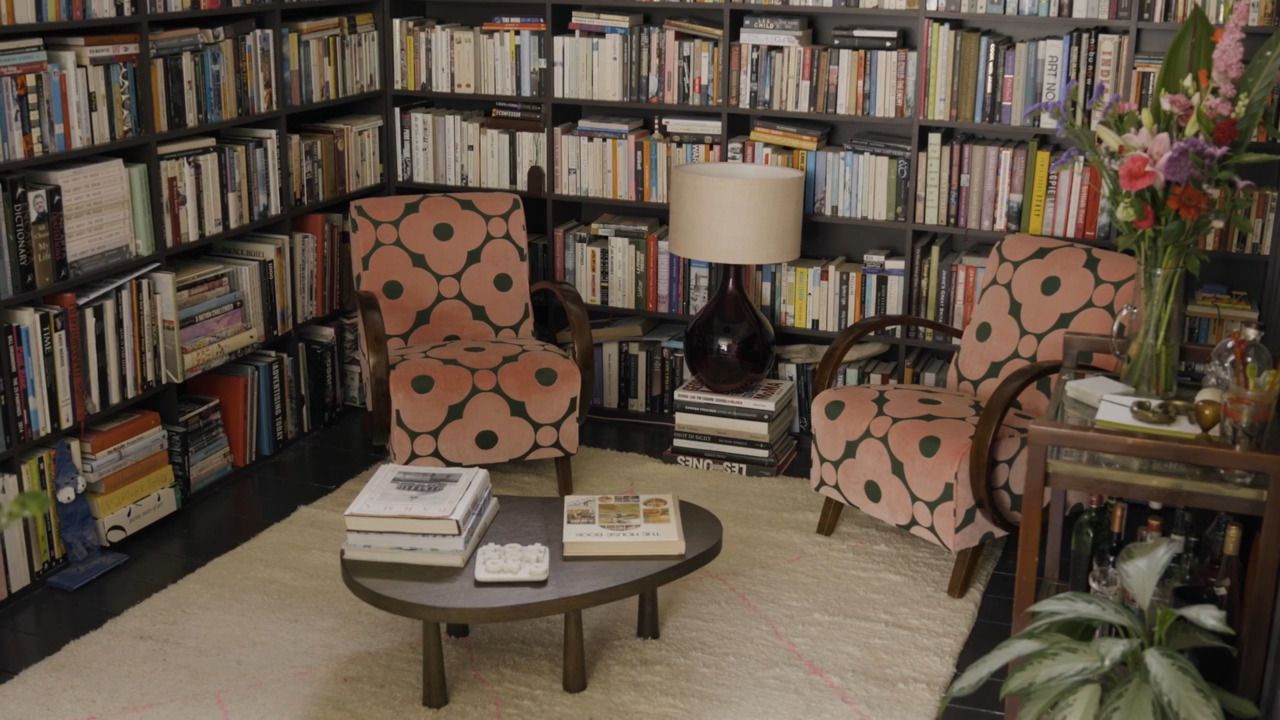
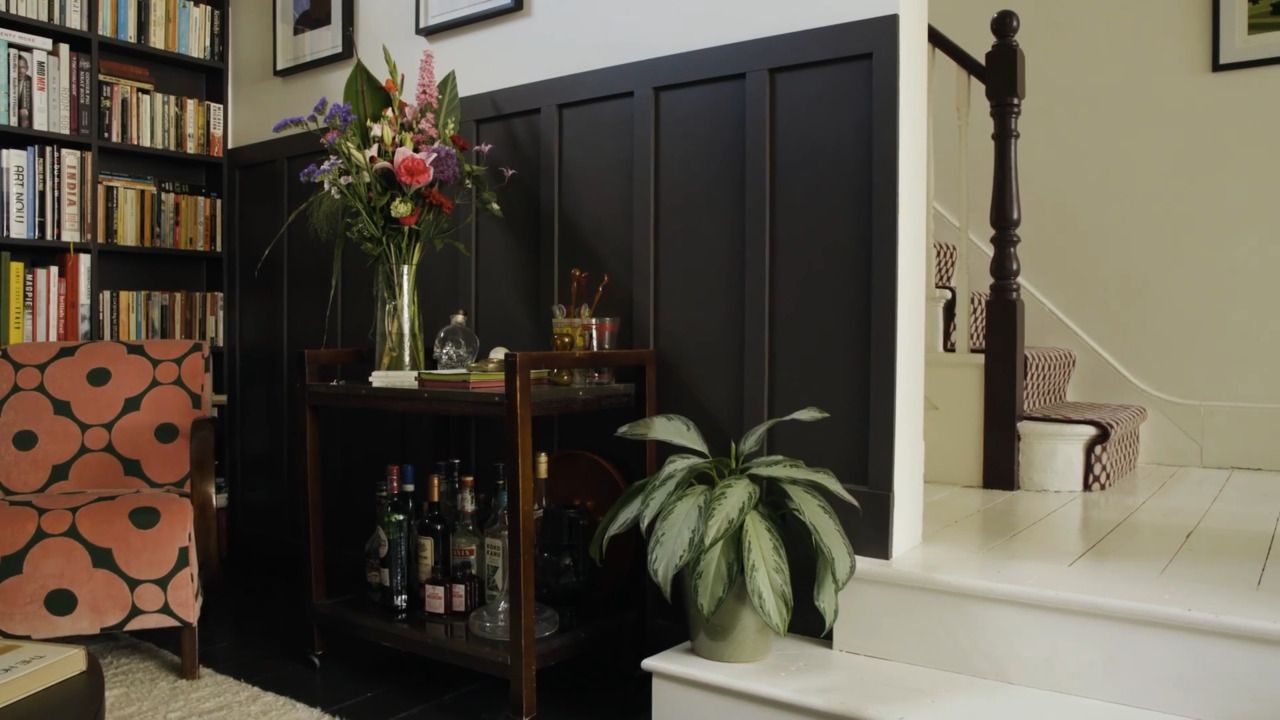
Kate painted the radiator to match the wall and conceal it. A bookshelf painted the same colour in the distance gives the impression that a long room is wider and more connected.
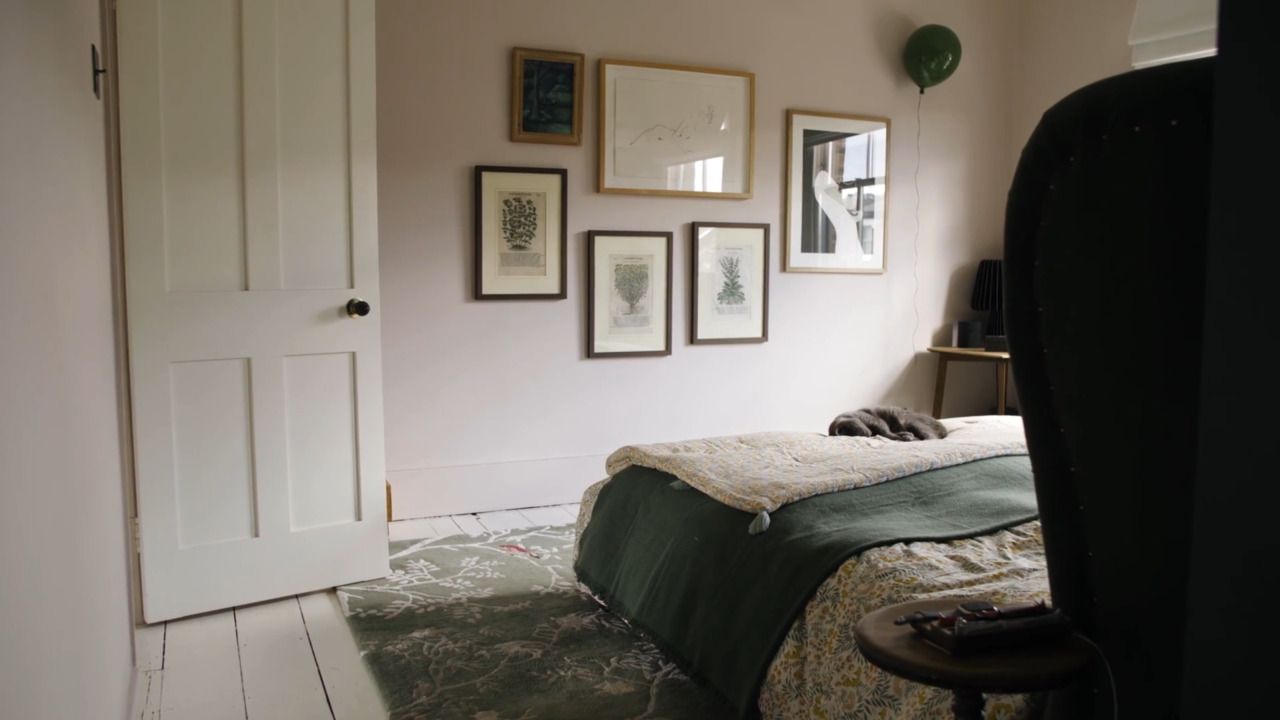
The skirting and door have also been painted to match the walls. There's no need to paint both sides of the door the same colour; instead, paint the door's edge to match the edge it faces when it's open.
If you rent a home, you can paint the door's edges a bright, playful colour. It appears better psychologically if the lower half of the wall is darker.
Many paint companies want you to have a variety of colours in your home. Kate, on the other hand, prefers only two colours. Keep the ceiling and top of the wall one colour, and the walls and woodwork another.
On Kate's walls, ceiling and radiators are modern emulsion.
A water based paint that is great for walls.
A lovely paint that is matte, but marks a lot so is not the most practical in high-traffic areas like hallways.
A durable and versatile matt finish that is also mould-resistant and is ideal for bathrooms and kitchens.
It's a paint sheen that appears and feels flat but has a slight gloss to it.
Gloss paint provides a high shine finish. It's commonly used on trim and doors. Gloss paint is great for ceilings as it bounces light around the room.
It's a paint sheen that appears and feels flat, but has a slight gloss to it.
Get the full workbook, video lessons, and more with a Create Academy subscription.
Subscribe to access the full workbookAlready a member? Sign in to watch
510 reviews
Read moreCreate Academy has been such a great resource. I'm in the middle of renovating a bungalow with a very large garden and the courses have offered a wealth of inform...
Harvey
Jun 10, 2026
Absolutely love Create Academy! The instructors are extremely informative, and it is beautifully filmed. Create Academy is great value for money and plan on renew...
SG
May 31, 2026
Butter's creativity is stunning! Her ability to incorporate brilliance in small gardens is magical!
Carla
May 30, 2026
The best adventure. I like all the courses, but my favorite are both Rita Konig interior design courses and Anna Jones. Excellent!
Karolina Kluczewska
May 20, 2026
Create Academy has been such a great resource. I'm in the middle of renovating a bungalow with a very large garden and the courses have offered a wealth of information to dive into and explore new ideas. I'm...
Harvey
Jun 10, 2026
Absolutely love Create Academy! The instructors are extremely informative, and it is beautifully filmed. Create Academy is great value for money and plan on renewing my subscription yearly because there are ...
SG
May 31, 2026
Butter's creativity is stunning! Her ability to incorporate brilliance in small gardens is magical!
Carla
May 30, 2026

Your Instructor
Design expert, journalist, best-selling author. Creator of UK's #1 interiors blog and podcast.
Kate Watson-Smyth is an award-winning design journalist and author of the best-selling Mad About The House book series. She has spent the last 20 years writing extensively on interiors and design for publications including the Financial Times, The Independent and The Sunday Telegraph. Her home has been featured in The Wall Street Journal, Elle Decoration and Livingetc, and her acclaimed website, MadAboutTheHouse.com, is officially voted the UK’s No1 interiors blog.

Access to all courses
.jpg)

