How to Grow Flowers from Seed

The kit you'll need

with CLARE FOSTER — Garden writer and plantswoman. Seed growing expert. Garden Editor of House & Garden magazine.

Lesson 6 of 33
Rated 4.7/5 on Trustpilot
|

Learn from the world's best creative minds on Create Academy

The kit you'll need - Video thumbnail

Buy or subscribe to watch

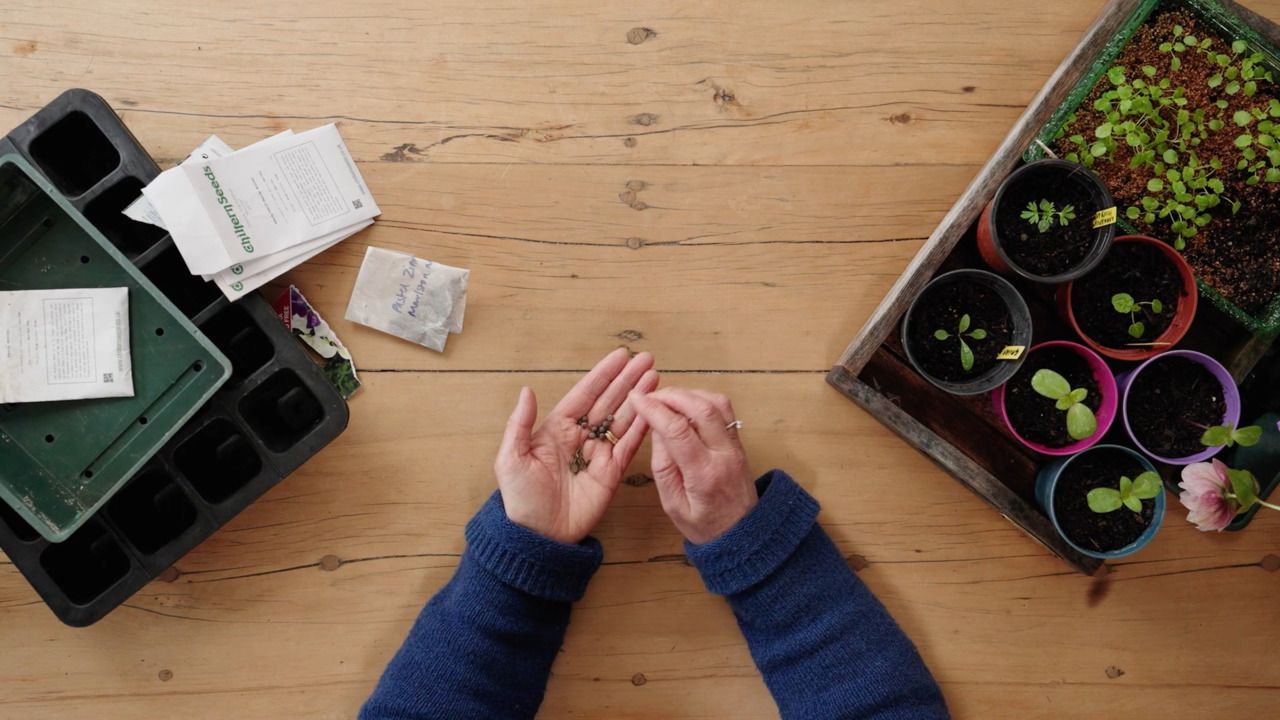
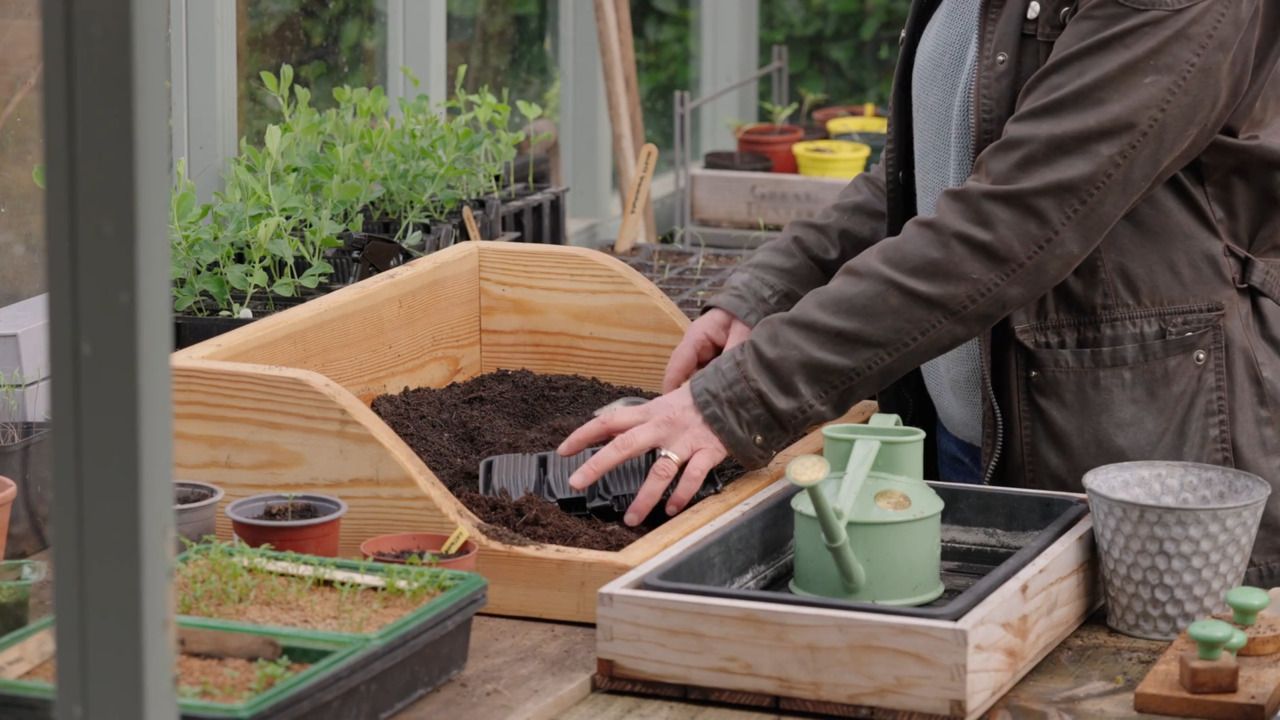
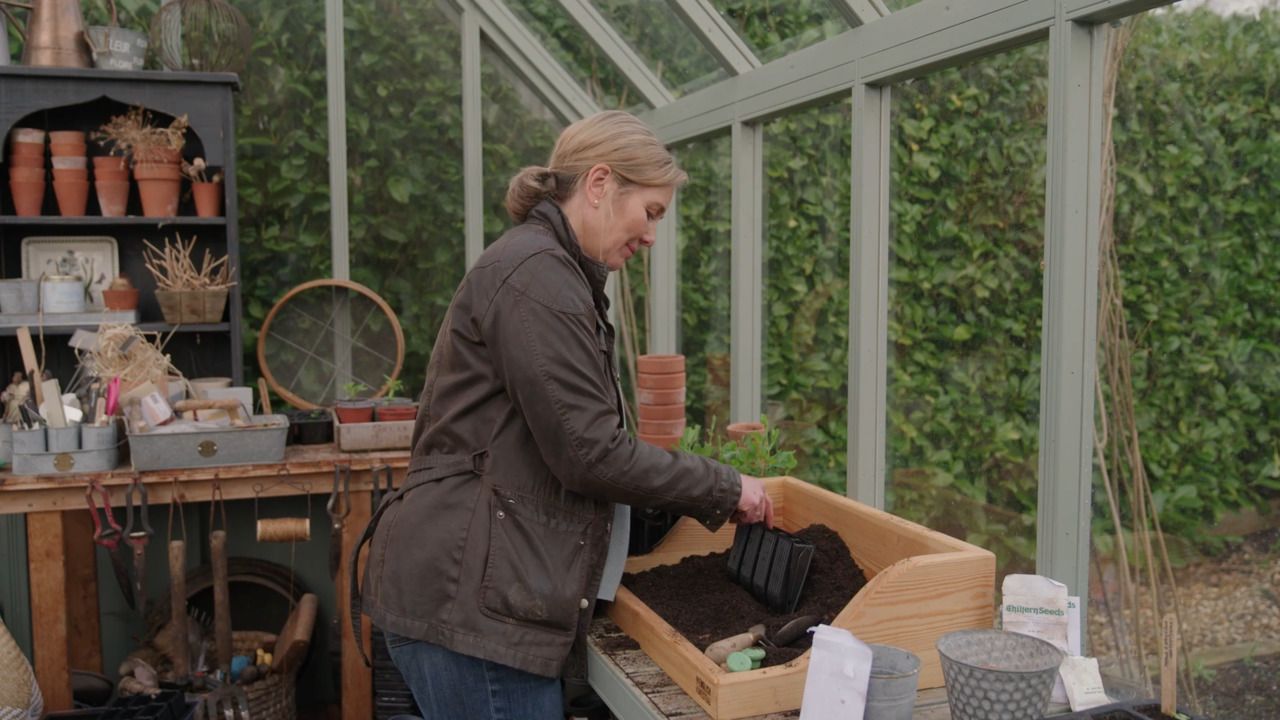
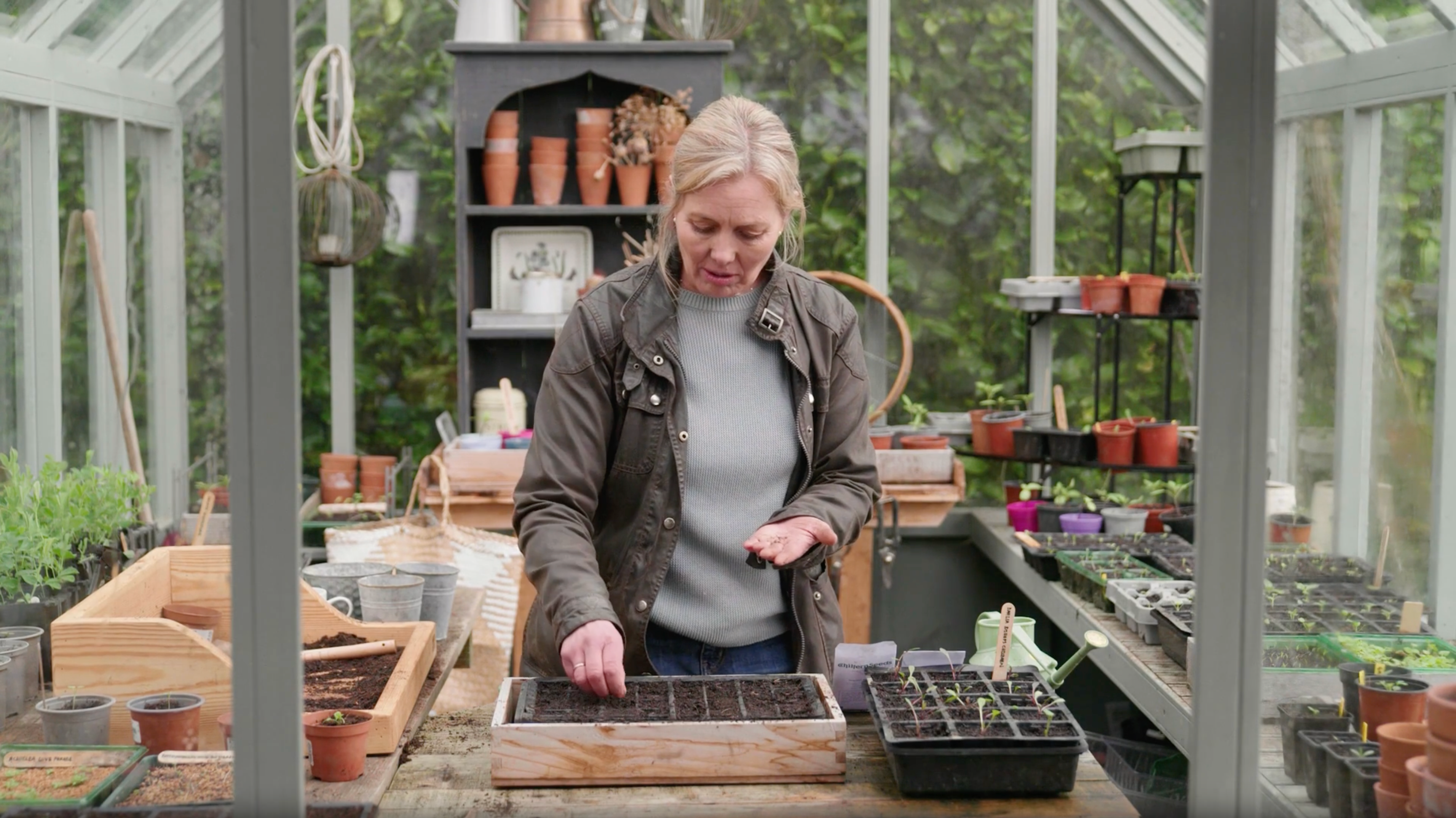
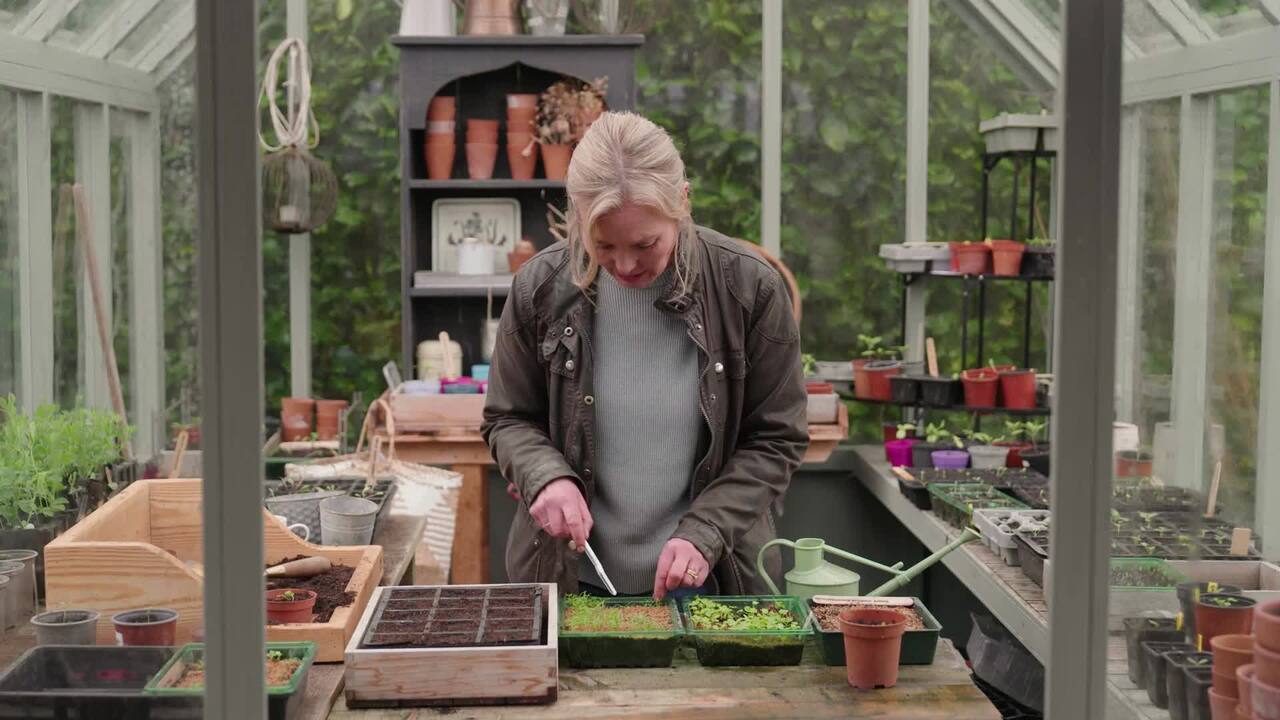
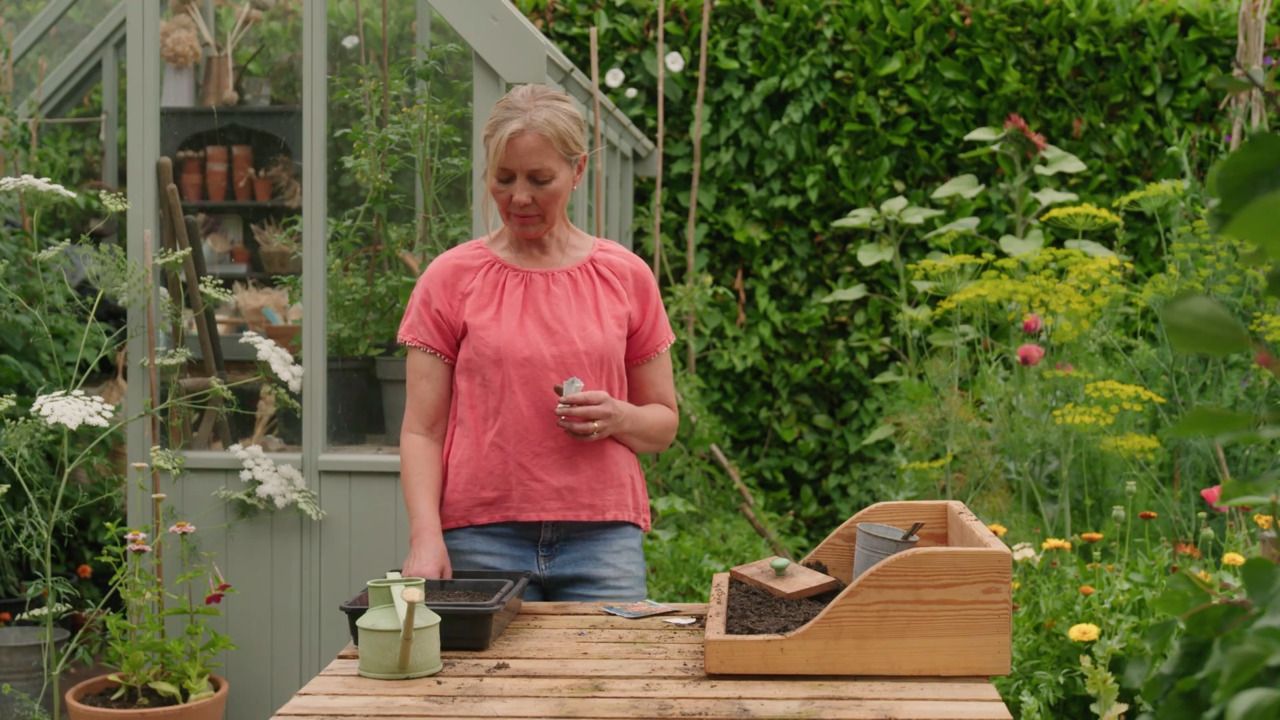
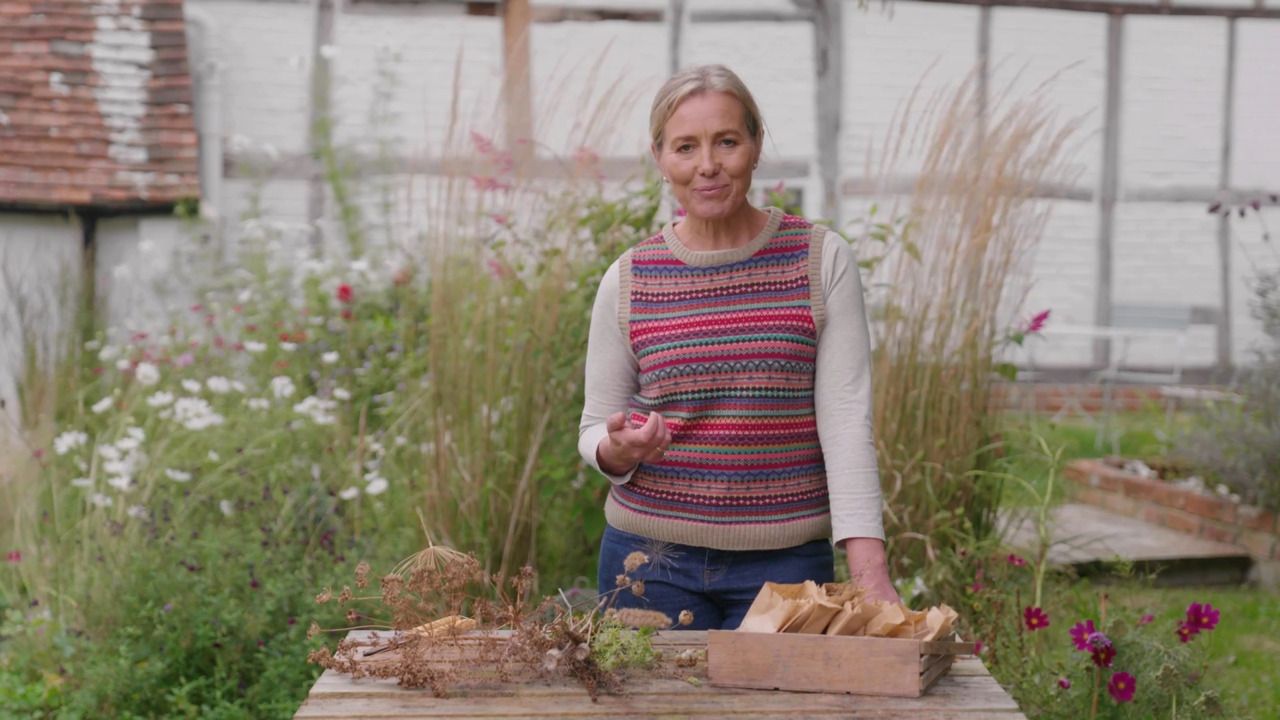
There are a few key tools and pieces of equipment you might need to invest in to start your sowing journey. Clare introduces the essentials and the nice-to-haves to add to your collection.

From the Lesson Workbook

The Kit You'll Need

There are a few key tools and pieces of equipment you might need to invest in to start your sowing journey. These are some of my essentials, as well as a few nice-to-haves.

You can be quite minimal with kit – these are the essentials you'll need.

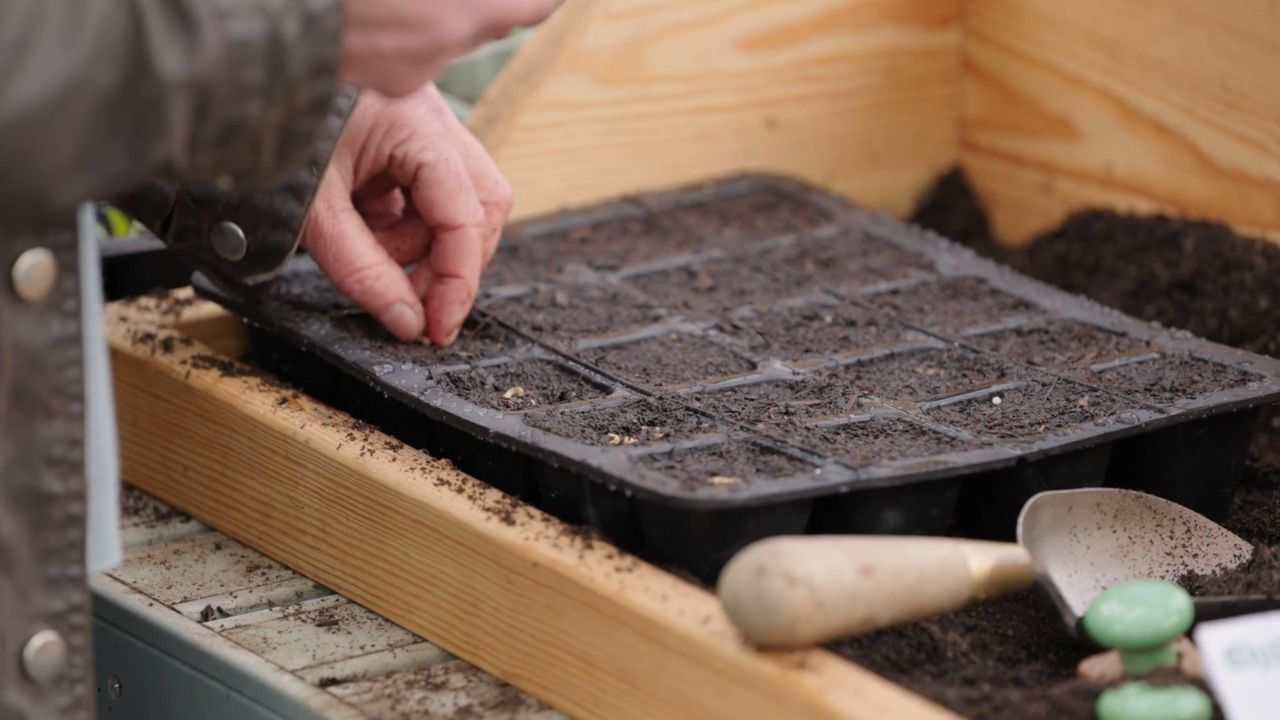
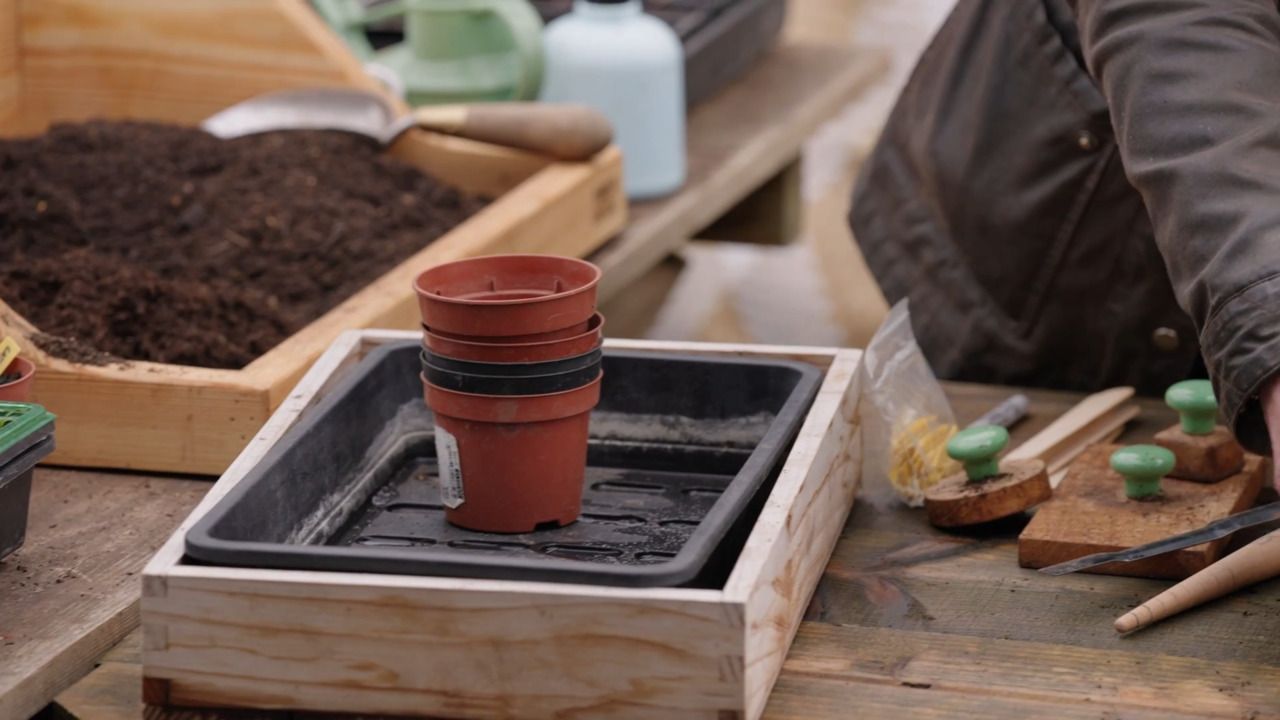
  1. Seed trays – key for sowing undercover.
  • These come in 'full-size' and 'half-size'. I use half size trays, otherwise I end up with too many seedlings. A half size or something even smaller is probably all you'll need.
  • For sowing, ensure the trays have holes in the base.
  • If the tray looks like a seed tray but has no holes, it's known as a gravel tray, and these are useful for standing plants in to soak up water from underneath while watering. However, seedlings need drainage or they will rot.
  • Materials
  • Plastic: I'm trying to avoid buying more plastic, so I reuse my plastic trays, pots and modular trays again and again for many years, even if they're starting to crack. Keep any pots from supermarket herbs you buy or plants from garden centres and reuse these.
  • You can also get wooden seed trays. You can sow directly into the smaller ones or use the larger ones for standing pots in.
  • Modular seed trays are also available in rubber, which should last for a long time.
  • Coir and plant fibre pots are even more eco-friendly since they're made from natural materials and are biodegradable, but I find they aren't so effective for sowing, as they wick moisture out of the compost so seeds don't stay so moist. The sustainability of coir is questionable: though it's a waste product from the coconut industry, it has to be washed using a lot of water and potentially some chemicals.
  1. Lids for seed trays – retains humidity and moisture while seeds are germinating.
  • The lids need to be clear and domed; I haven't found an alternative to plastic for these but again I reuse them year and year and they should last a long time.
  1. Root trainers – I recommend these for sweet peas and veg such as beans.
  • Again these are plastic but can be reused for many years; mine are 10 years old and still going strong.
  • They have deep compartments to give a long root run, which enables roots to reach right down and grow well.
  • Each row (usually four compartments) opens up like a book when you're ready to plant out, meaning the roots aren't disturbed.
  • Fold the rows and stand in a tray, fill the compartments with compost, plant your seeds, and when it's time to plant out, simply remove the row from the tray and open it out.
  1. Propagators and heat mats – these will always help but aren't essential – I've never used a propagator but do use a heat mat inside for anything that really needs a kick of heat.
  • These give constant bottom heat to help germination.
  • They're especially useful for half-hardy annuals, which like that extra bit of heat.
  • It's not necessary to spend a lot of money – just use what you have.
  1. Pot-tampers, dibber and widgers – little tools to help with sowing and handling seedlings.
  • Tampers: I have a set of different sizes of wooden pot tampers: rectangular ones for seed trays, round ones for little pots and tiny square ones for modular trays. They're made from oak so last for a very long time.
  • These aren't essential but help with sowing – they push the compost down in the tray to ensure good contact of the seeds with the compost, and help keep the seed in place, which becomes important when you water.
  • Dibbers: a mini dibber is useful for pricking out seeds because it helps you gently work aund the roots. I use a wooden one but you can improvise.
  • Widgers: a long but narrow, flat, metal tool that's also useful for getting between and lifting seedlings when pricking out.
  • You can improvise by using a plastic seed label, old butter knife, etc.
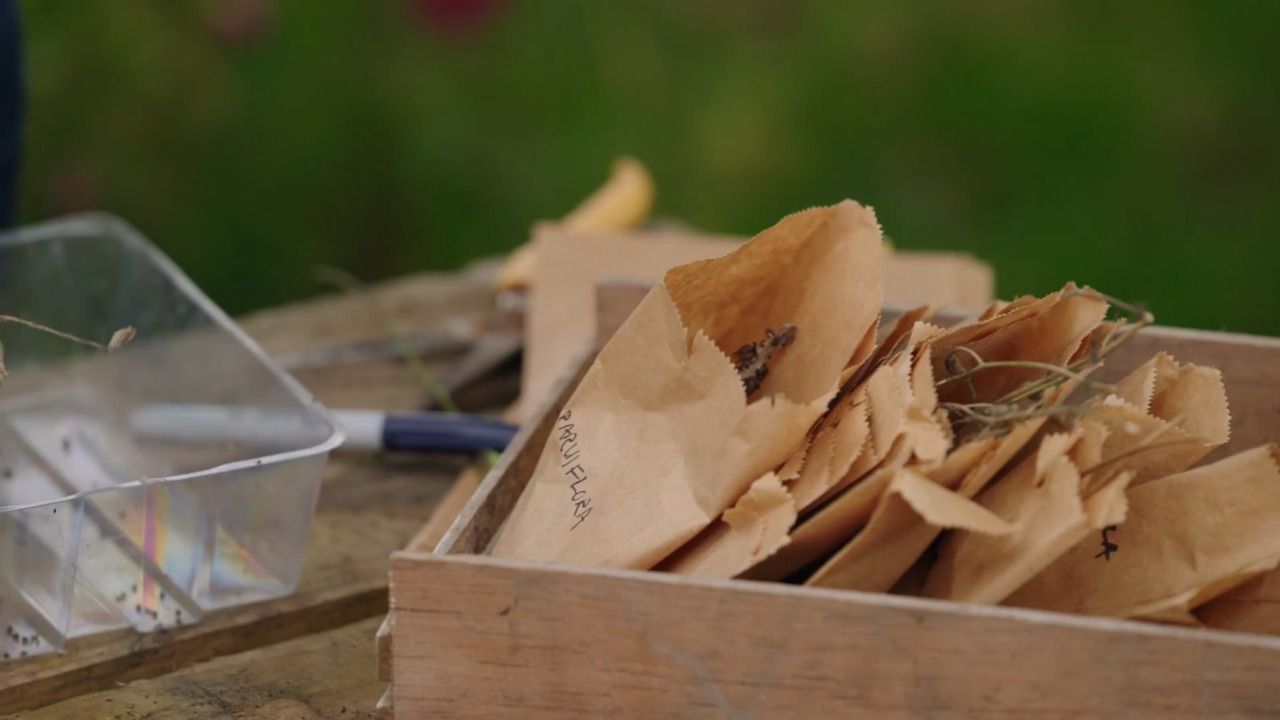
  1. Labels – label things as soon as you've sown them to keep track of what everything is. Seedlings can be hard to recognise!
  • I use wooden labels, again to reduce my plastic use.
  • For free labels you can also cut strips from yoghurt pots or similar. If you wash the compost off you can still recycle these at the end of the season.
  • Labels can be saved and re-used if you're growing some of the same plants each year.
  • I also use tiny labels for individual pots. Again they can be re-used.
  1. Sharpie pen – for writing on labels.
  1. Soil scoop – a scoop-shaped trowel for scooping compost into pots and seed trays.
  1. Small watering can with fine rose – an essential piece of kit for watering.
  • Fine rose to give gentle spray of water prevents strong gushes of water from crushing seedlings or displacing seeds from the compost.
  1. Misting spray bottle – for where even the can with rose would be too much.
  • A misting spray bottle for water can give you an even finer spray, to keep the compost surface moist before germination.
  • Can also be useful for watering very tiny seedlings, e.g. snapdragons.
  1. Soil sieve – useful for sieving compost.
  • Very fine compost that's been sieved is useful for covering seeds.
  1. Garden line – (also called string line) – this is helpful for direct sowing, to help you sow in straight rows. We'll look at this in Lesson 12.

Alternatives to a Greenhouse

I'm lucky enough to have a greenhouse, which really helps with sowing seeds, but this is a luxury. It does help to have something to put your seedlings in while they're growing and before you harden them off. There are alternatives available:

  • mini-greenhouses, such as to go against a wall of a house
  • plastic-covered growhouses
  • cold frame(s) – like mini greenhouses but long and low to the ground with a lid that lifts up. Primarily used for hardening off but can also be used as a mini greenhouse.

Even without any of these things, you can still grow from seed. You can use your house to grow on seedlings that have germinated.

  • Ideally, use an unheated room.
  • The seedlings need to be on a windowsill to have enough light.
  • Seedlings on a windowsill will grow towards the light, so rotate the tray every day or two to ensure even growth.
  • Keep indoors until it's warm enough outside to harden off the seedlings before planting out.

Get the full workbook, video lessons, and more with a Create Academy subscription.

Subscribe to access the full workbook
Access all courses
$30 /month

Access 55+ courses, billed annually

Subscribe Now
Buy this course
$170 one-time

Lifetime access to this course

Buy Course

Already a member? Sign in to watch

Rated 4.7/5 on Trustpilot

437 reviews

Read more

Very good tutorial from a professional garden...

I have subscribed to access all the courses so have watched one on interior design and this one with Butter Wakefield who specialises in small garden design. She ...

Louise Brown

Apr 10, 2026

Time spent well

I love CreateAcademy. I came in for the gardening and floristry courses, but am also watching an interior design one at present. And the photography course is an ...

Wellesley

Apr 1, 2026

What a great investment

What a great investment, I have learned such a lot from the first three courses. My evenings have gone from not being able to find anything that captured my imagi...

sojojo

Mar 30, 2026

I loved this course with Amanda\u2026

I loved this course with Amanda Lindroth! Her approach to decorating is so relaxed and she makes it feel attainable. She explains the reasons behind her decisions...

Elizabeth

Mar 27, 2026

Clare Foster

Your Instructor

Clare Foster

Garden writer and plantswoman. Seed growing expert. Garden Editor of House & Garden magazine.

Clare Foster is a gardener, writer and journalist. She has been House & Garden’s Garden Editor since 2005, and before that was the Editor of Gardens Illustrated. Clare is an expert at growing from seed and has written a book on the topic called, 'The Flower Garden: how to grow flowers from seed'.
Access to all courses

Get access to unlimited learning with a Create Academy subscription