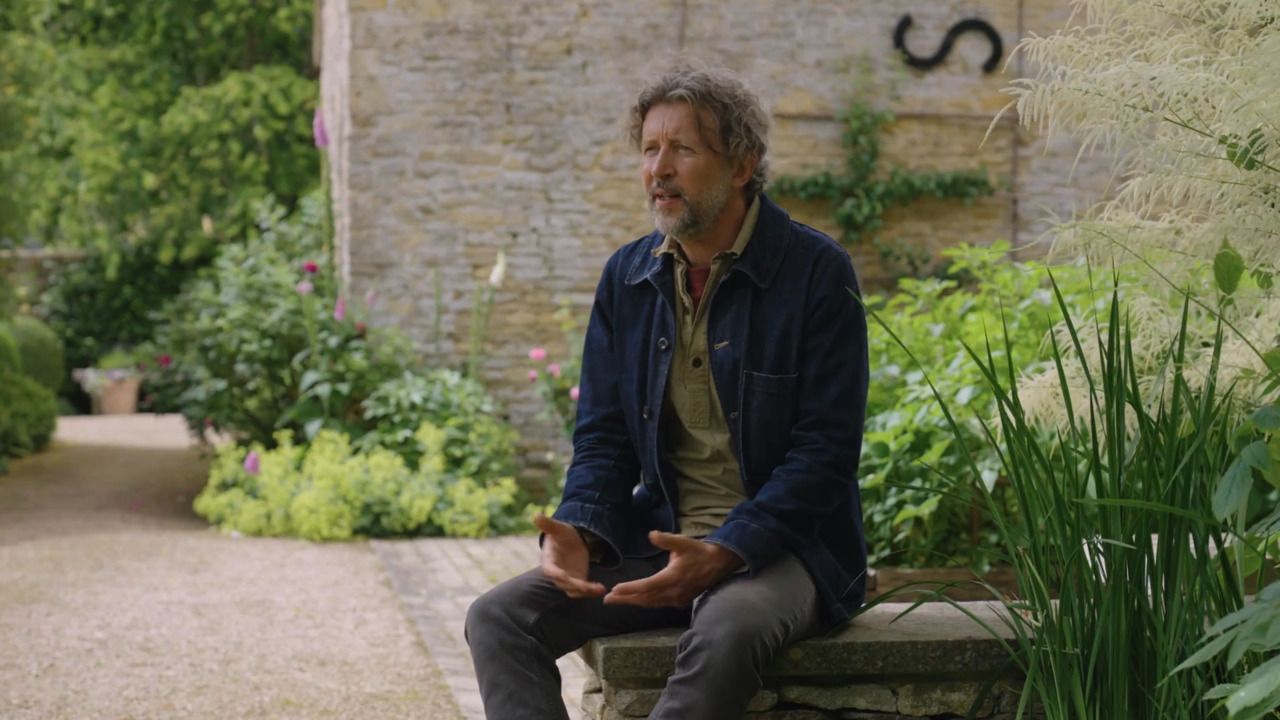

Interior and exterior confidence
Create Academy has been such a great resource. I'm in the middle of renovating a bungalow with a very large garden and the courses have offered a wealth of inform...
Harvey
Jun 10, 2026
Naturalistic Garden Design Masterclass
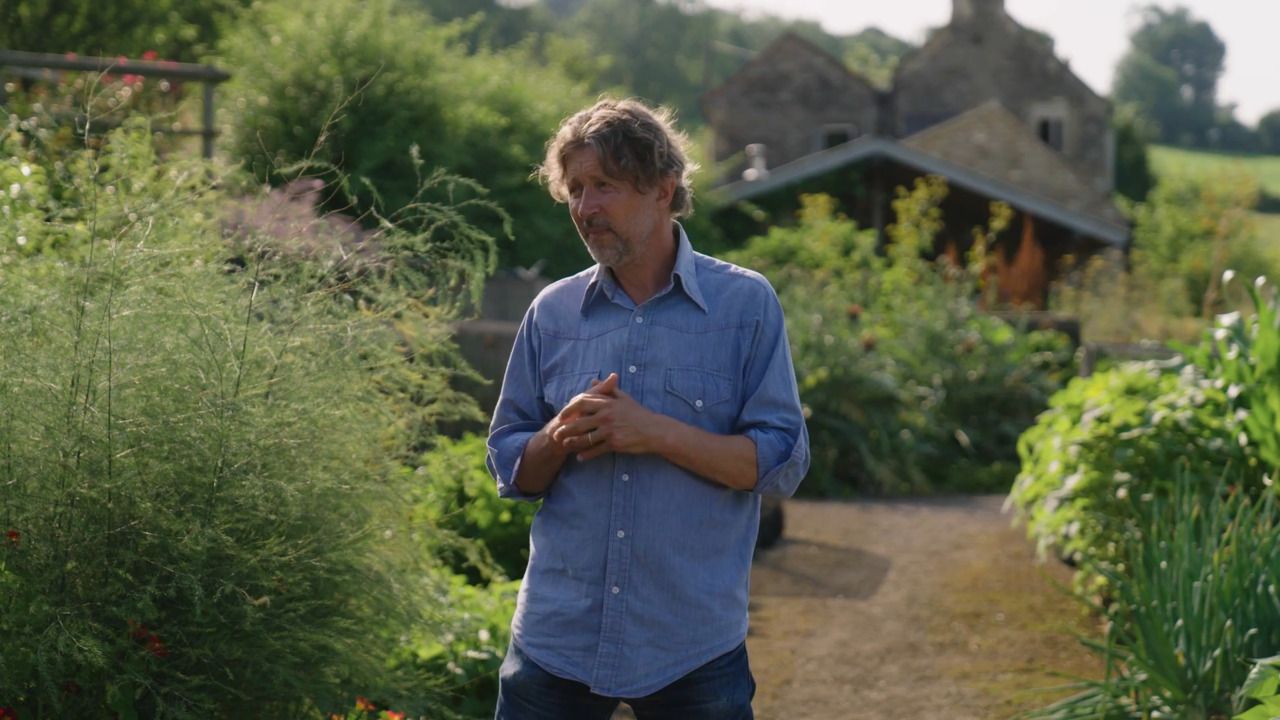
with DAN PEARSON — Acclaimed naturalistic landscape designer. Multiple Chelsea Gold Medal Winner. OBE.
Lesson 8 of 27
Subscribe to watch
You will learn how to engage effectively with the biodiversity of the natural world and balance your design with it.
Wind, sunshine and climate are all going to have a huge impact on your garden and what grows there. As we have seen so far, the best way to understand environmental factors is to look at their effects on your garden, as well as observing what grows well there.
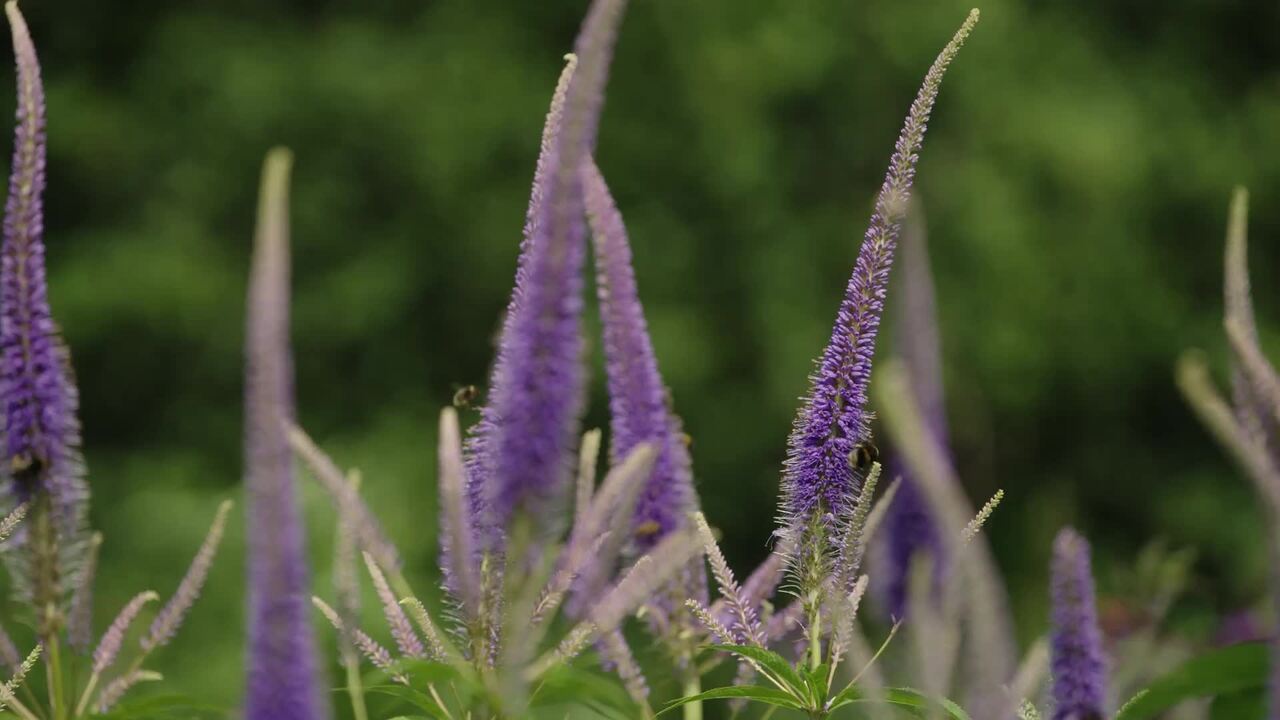
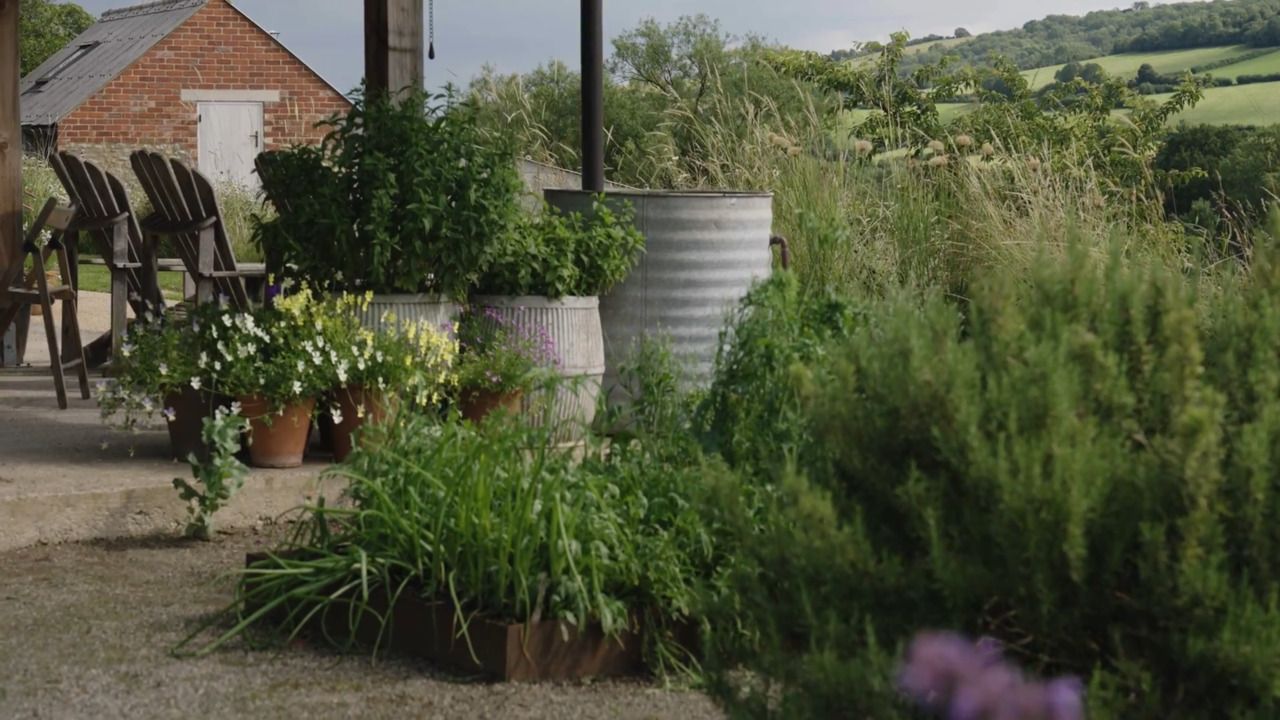
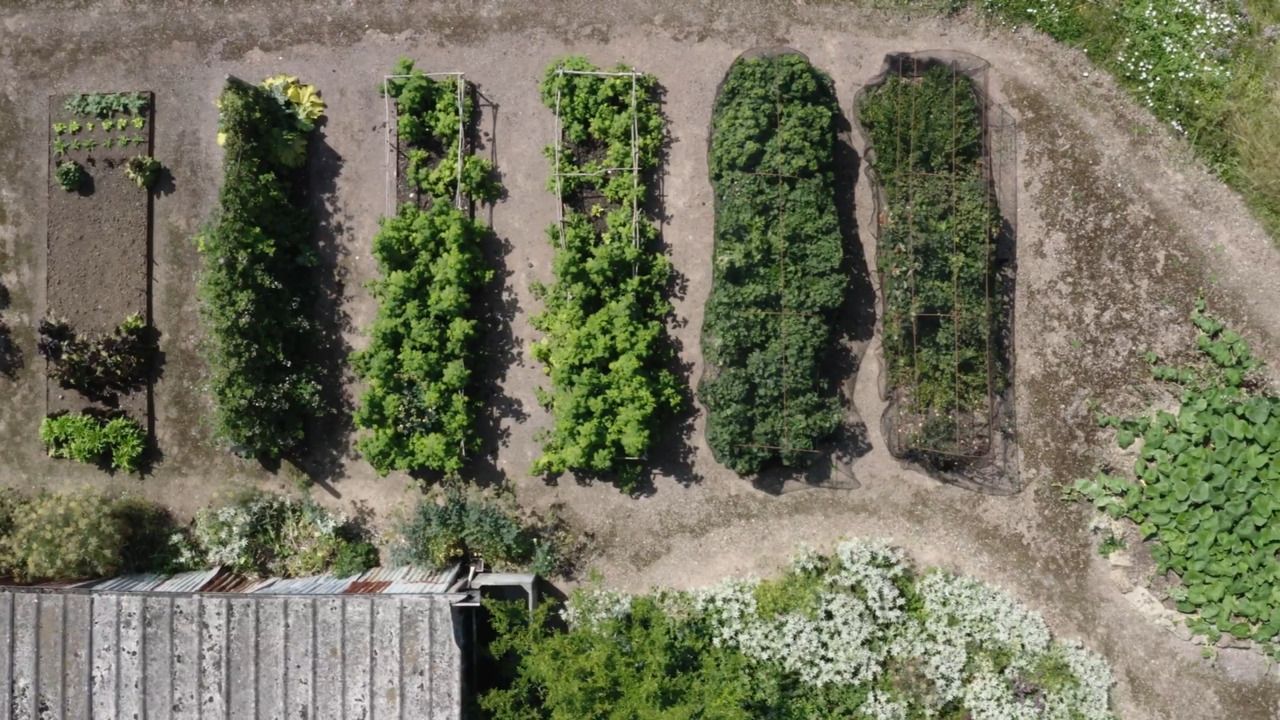
Achieving balance and harmony to create a microclimate where each element protects, supports and feeds the others. This often leads to strong biodiversity within a garden. The best gardens seek to invite biodiversity in, encouraging a wide range of insects and animals, which help to maintain balance. Balance and biodiversity lead to the garden looking after itself and becoming self-sustaining and healthier.
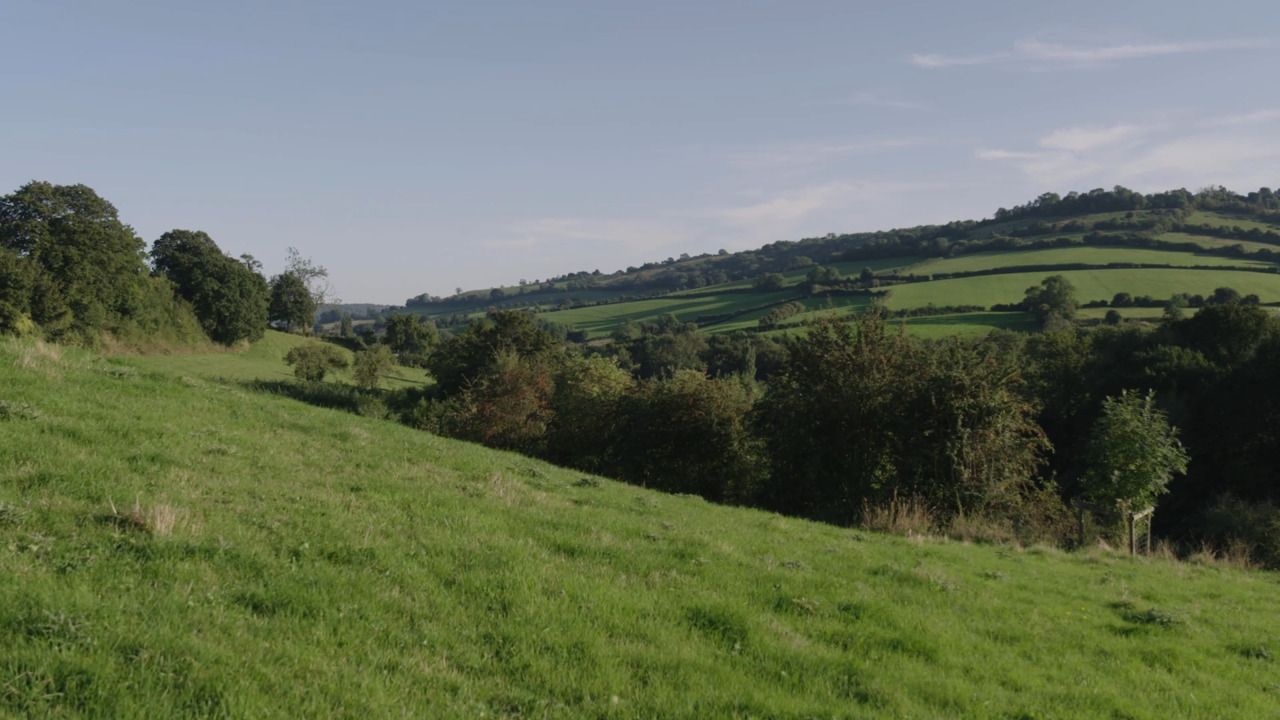
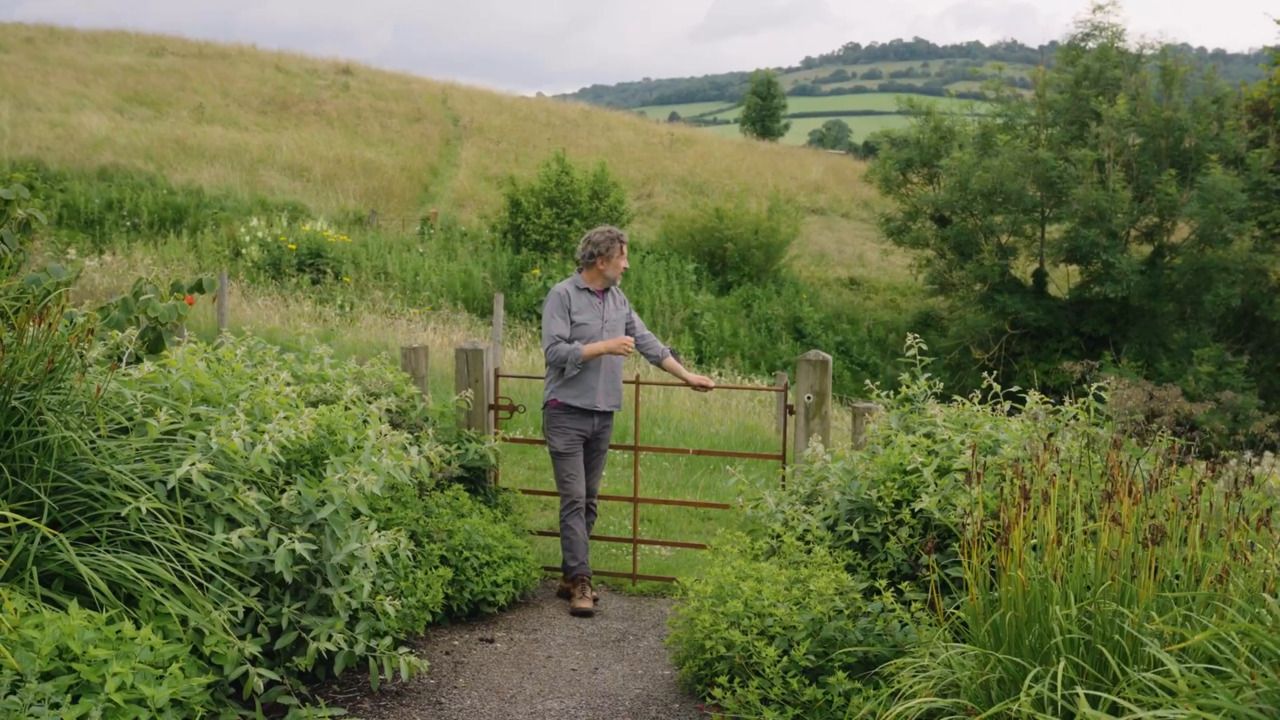
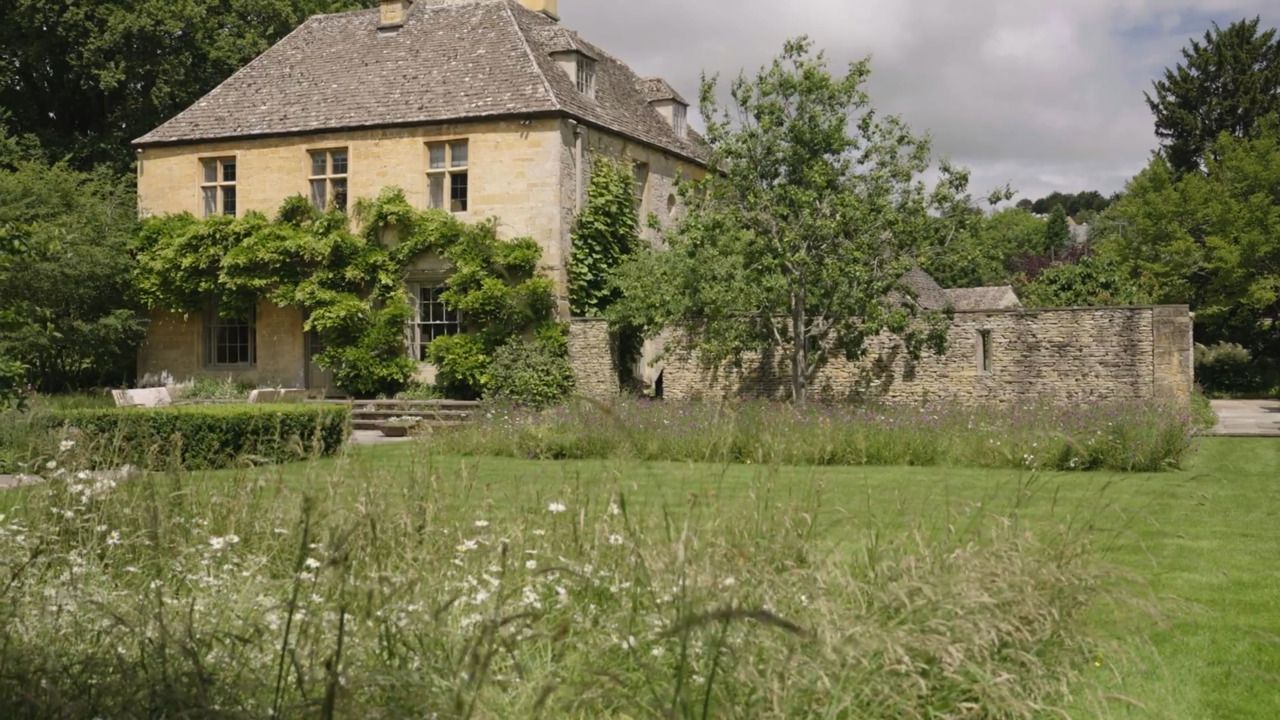
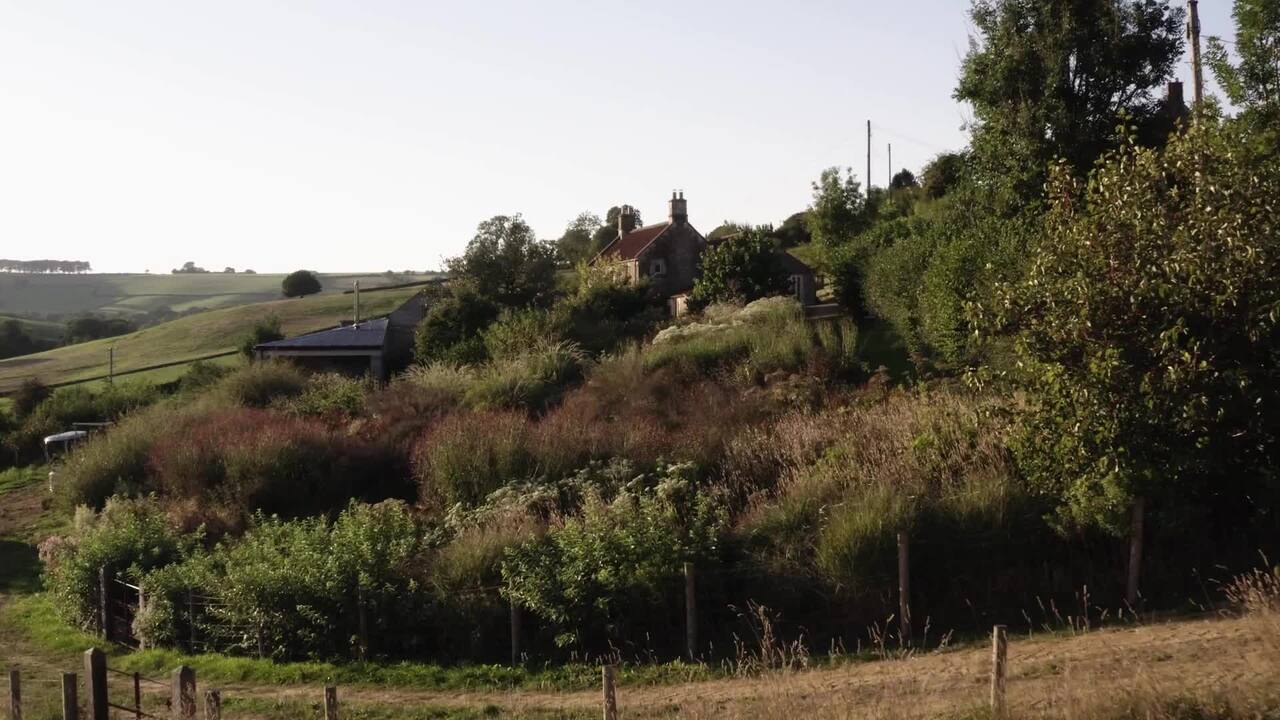
We have worked to relax the land here to make it a nurturing, rather than dominating, part of the landscape.
Action | Result
--- | ---
Let hedgerows grow out, repaired them where they were broken and removed blockages. | Provided new habitats and allowed insects and animals an uninterrupted pathway through the land.
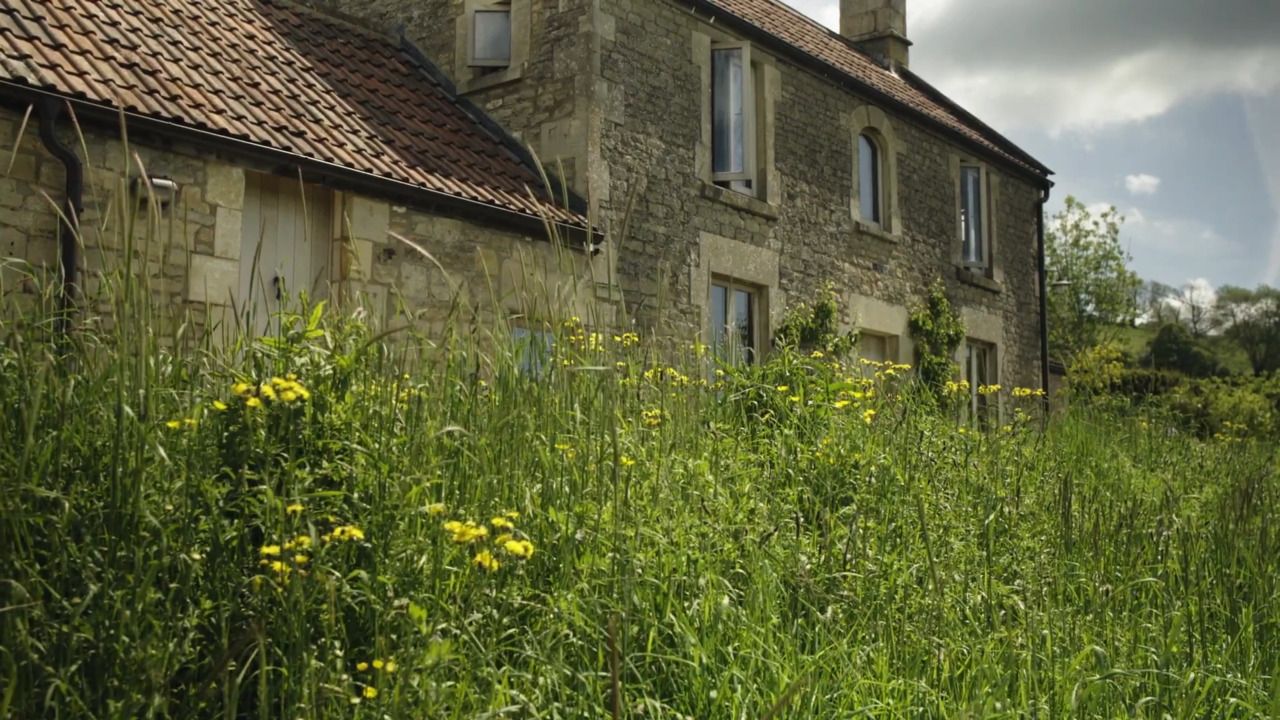
Relaxed edges of the hedgerows, let them grow back into the meadows and over seeded the pastures. | Converted the pastures back into meadow and welcomed back meadow dwelling wildlife.
Planted hedgerow trees and the blossom wood. | Gave stopping places for birds as they moved up and down the valley
Chose plants that are easy for the pollinators throughout different seasons. | Pollination occurs more effortlessly and bountifully
As well as achieving a balance between and within the natural elements themselves, I firmly believe that man-made intervention should also be finely balanced.
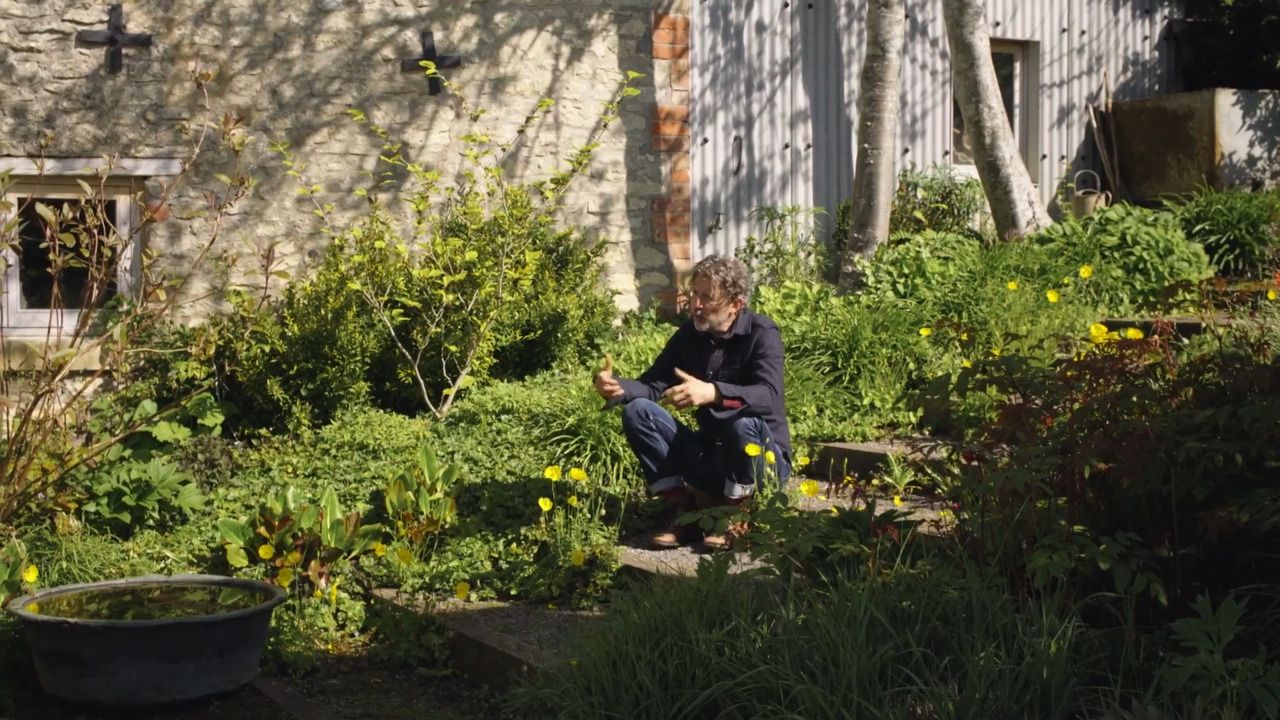
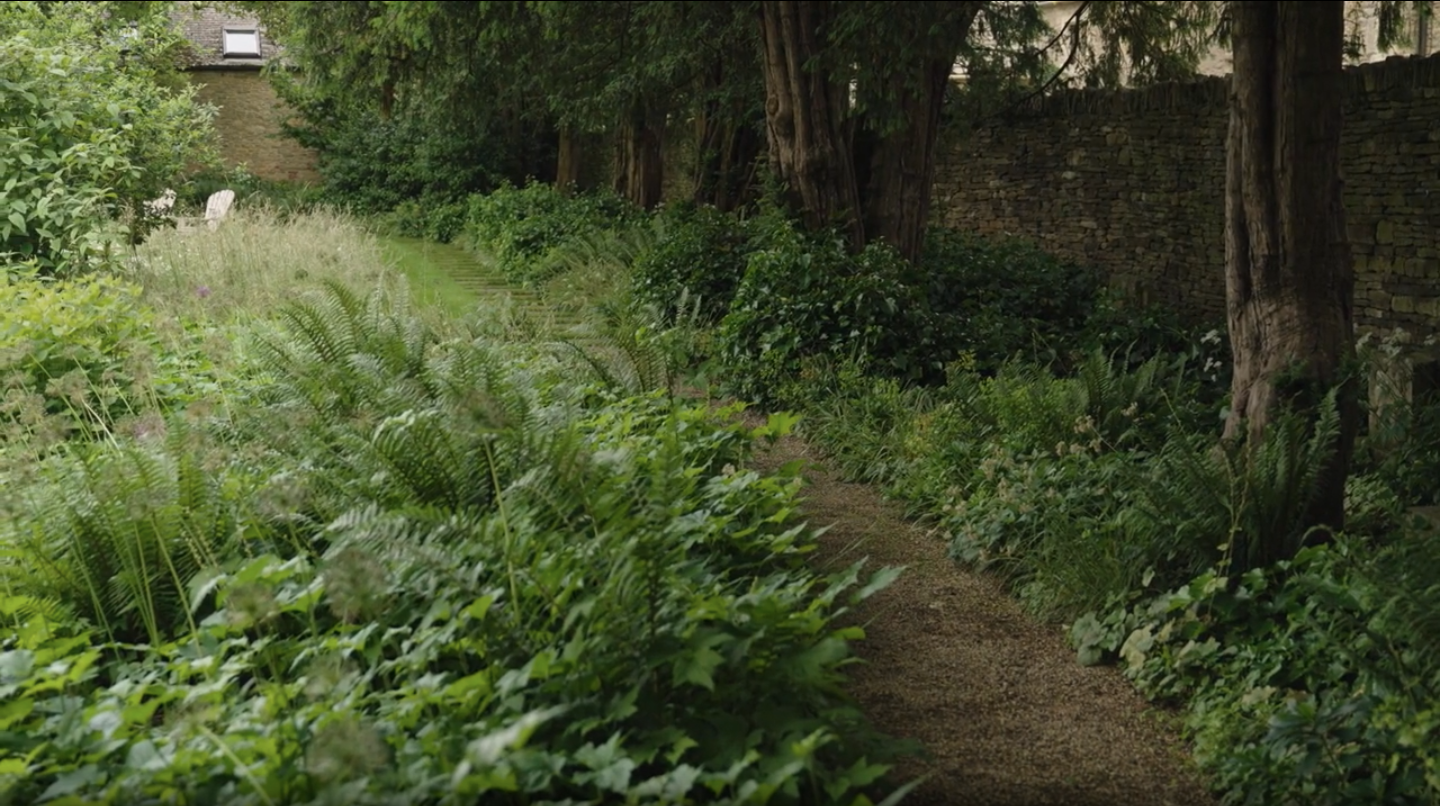
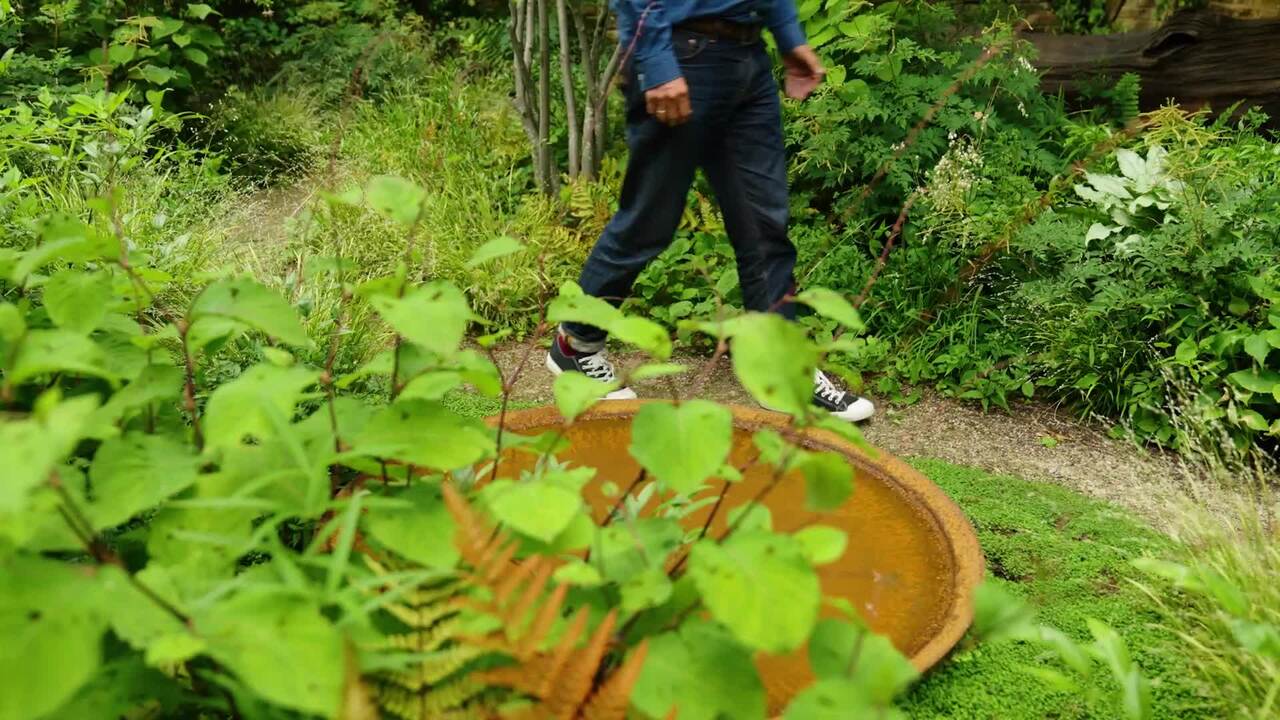
You can learn a lot about how plants relate to each other just from looking at natural vegetation. In the ditch at Hillside, you can see natural layering happening from the moment things wake up in spring.
This emphasises their natural inclination towards interdependence - something you should aim to emulate in your garden. When things grow happily together, you will need to intervene less.
Plant Directory
Marsh Marigolds | Buttercups | Hawthorn
Flag Iris | Angelicas | Cornus Mas
If you can, decide upon an area of your garden that you will completely let go for a stretch of time. It can be a very small space, or, if you're able, a larger one. Observe how the biodiversity of this area changes and consider what you might be able to learn from it and how this could impact your plans for your garden.
Get the full workbook, video lessons, and more with a Create Academy subscription.
Subscribe to access the full workbookAlready a member? Sign in to watch
491 reviews
Read moreCreate Academy has been such a great resource. I'm in the middle of renovating a bungalow with a very large garden and the courses have offered a wealth of inform...
Harvey
Jun 10, 2026
Absolutely love Create Academy! The instructors are extremely informative, and it is beautifully filmed. Create Academy is great value for money and plan on renew...
SG
May 31, 2026
Butter's creativity is stunning! Her ability to incorporate brilliance in small gardens is magical!
Carla
May 30, 2026
The best adventure. I like all the courses, but my favorite are both Rita Konig interior design courses and Anna Jones. Excellent!
Karolina Kluczewska
May 20, 2026
Create Academy has been such a great resource. I'm in the middle of renovating a bungalow with a very large garden and the courses have offered a wealth of information to dive into and explore new ideas. I'm...
Harvey
Jun 10, 2026
Absolutely love Create Academy! The instructors are extremely informative, and it is beautifully filmed. Create Academy is great value for money and plan on renewing my subscription yearly because there are ...
SG
May 31, 2026
Butter's creativity is stunning! Her ability to incorporate brilliance in small gardens is magical!
Carla
May 30, 2026

Your Instructor
Acclaimed naturalistic landscape designer. Multiple Chelsea Gold Medal Winner. OBE.
British landscape designer, horticulturalist and writer Dan Pearson OBE, has been designing award-winning gardens since 1987. His naturalistic use of plants, light-handed approach to design and deep-rooted horticultural knowledge has made him one of the most celebrated and innovative gardeners working today. Dan trained in horticulture at Wisley and Kew, before starting his garden and landscape design practice in 1987. In 2015, his show garden for Chatsworth and Laurent Perrier was awarded a Gold Medal and Best Show Garden at the Chelsea Flower Show. In 2014 Dan was appointed an advisor to the National Trust at Sissinghurst Castle. For over 20 years Dan has written regular gardening columns, with his work a staple of The Observer, and has written a number of best-selling gardening books.
Access to all courses


