







Interior and exterior confidence
Create Academy has been such a great resource. I'm in the middle of renovating a bungalow with a very large garden and the courses have offered a wealth of inform...
Harvey
Jun 10, 2026
Naturalistic Garden Design Masterclass
with DAN PEARSON — Acclaimed naturalistic landscape designer. Multiple Chelsea Gold Medal Winner. OBE.
Lesson 5 of 27
Subscribe to watch
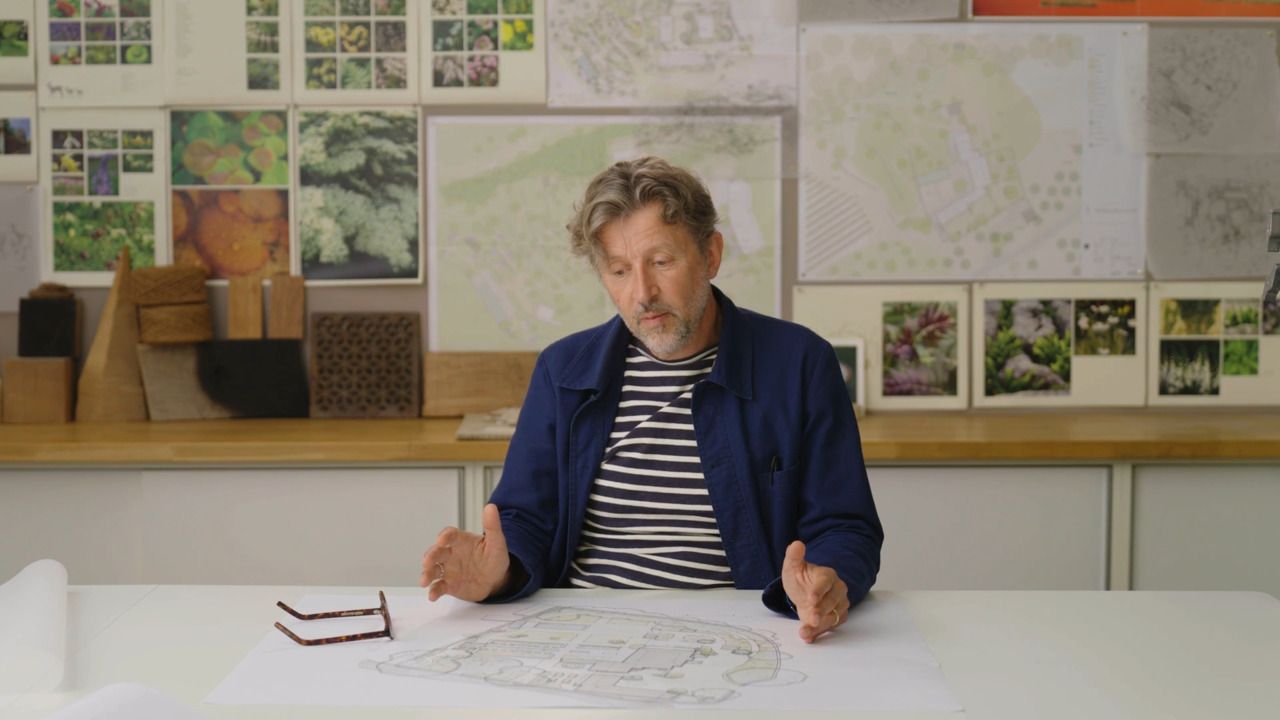
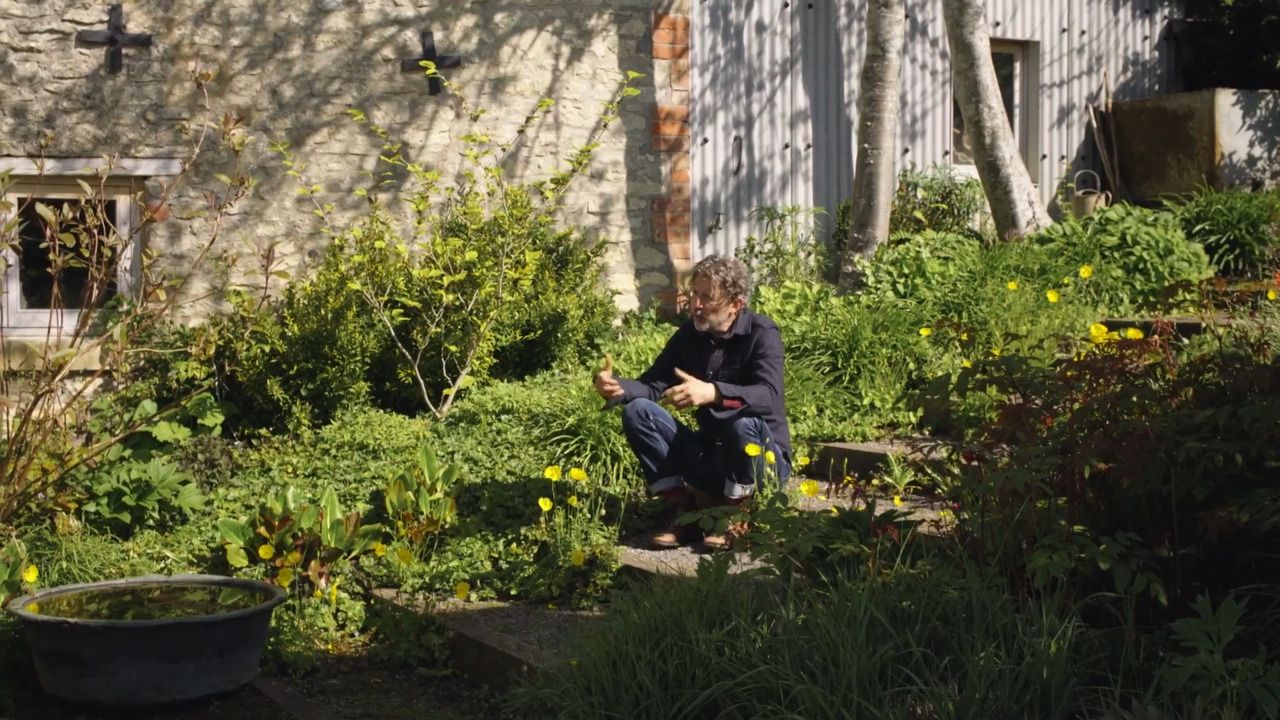
Taking time to really organise the spaces on your site is a helpful way to understand how you might live in those places. You'll learn how to effectively identify where you want to be quiet and still, and where you want to be active.
Taking time to organise the spaces on your site is a helpful way to understand how you might live in and move through them.
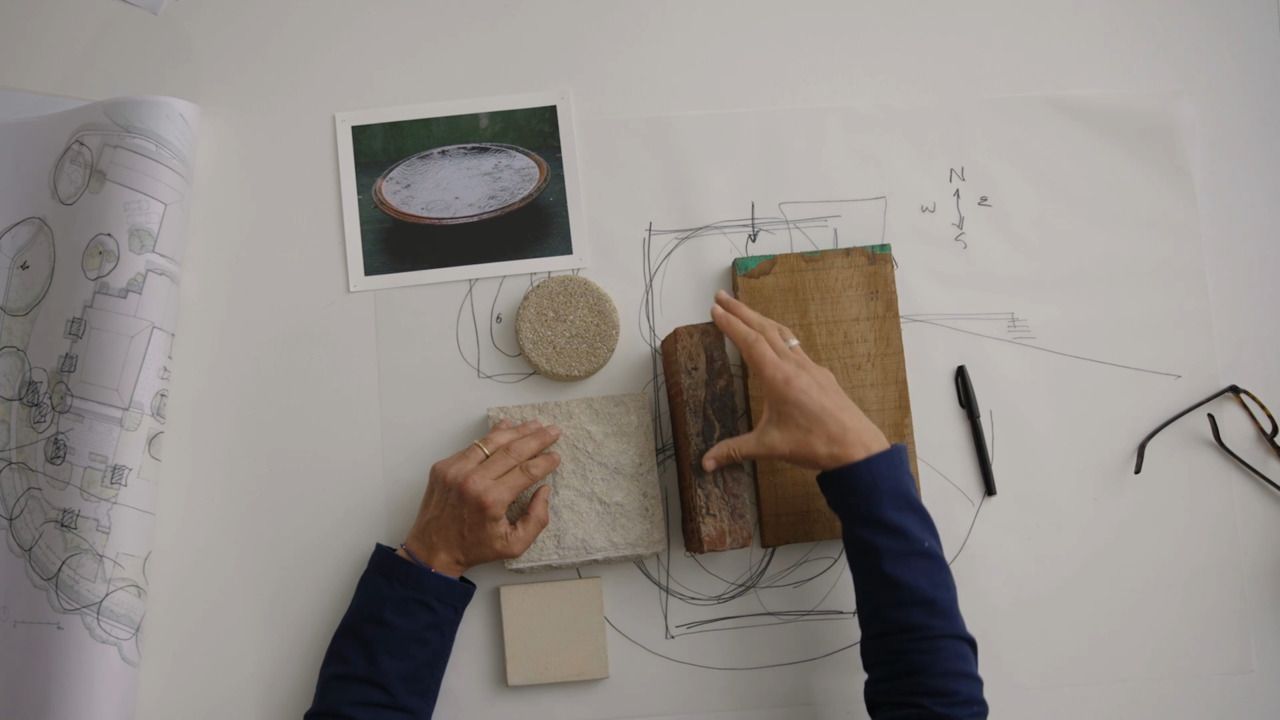
You can begin to address the question of how you live in your garden can be addressed by identifying the places you want to simply 'be' still and quiet in, and the places you want to actively 'do' things in. Once a role has been assigned to these spaces, you can start to consider which materials you might want to use; the furniture you could introduce; or the size of space you require to fulfil the role you have in mind.
Resolving the practicalities that you will have noted in your brief provides you with the 'skeleton' of your garden, as they will start to form the specific 'places' within your design, as well as flag the areas where pathways are required.
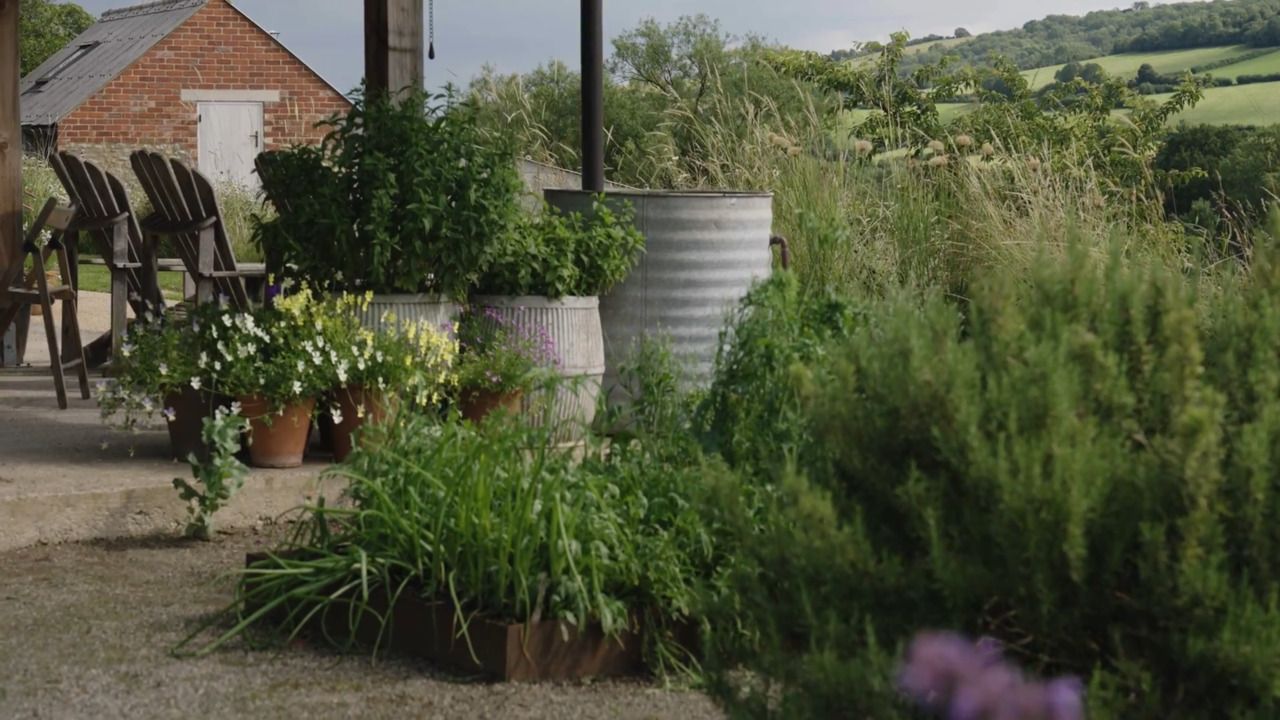
In any garden, there should be a balance between places you go to 'do' (the 'productive' areas), and places you go to 'be' (the more 'ornamental' areas).
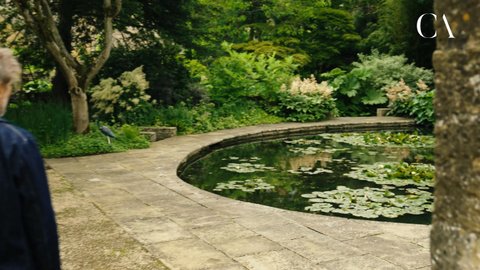
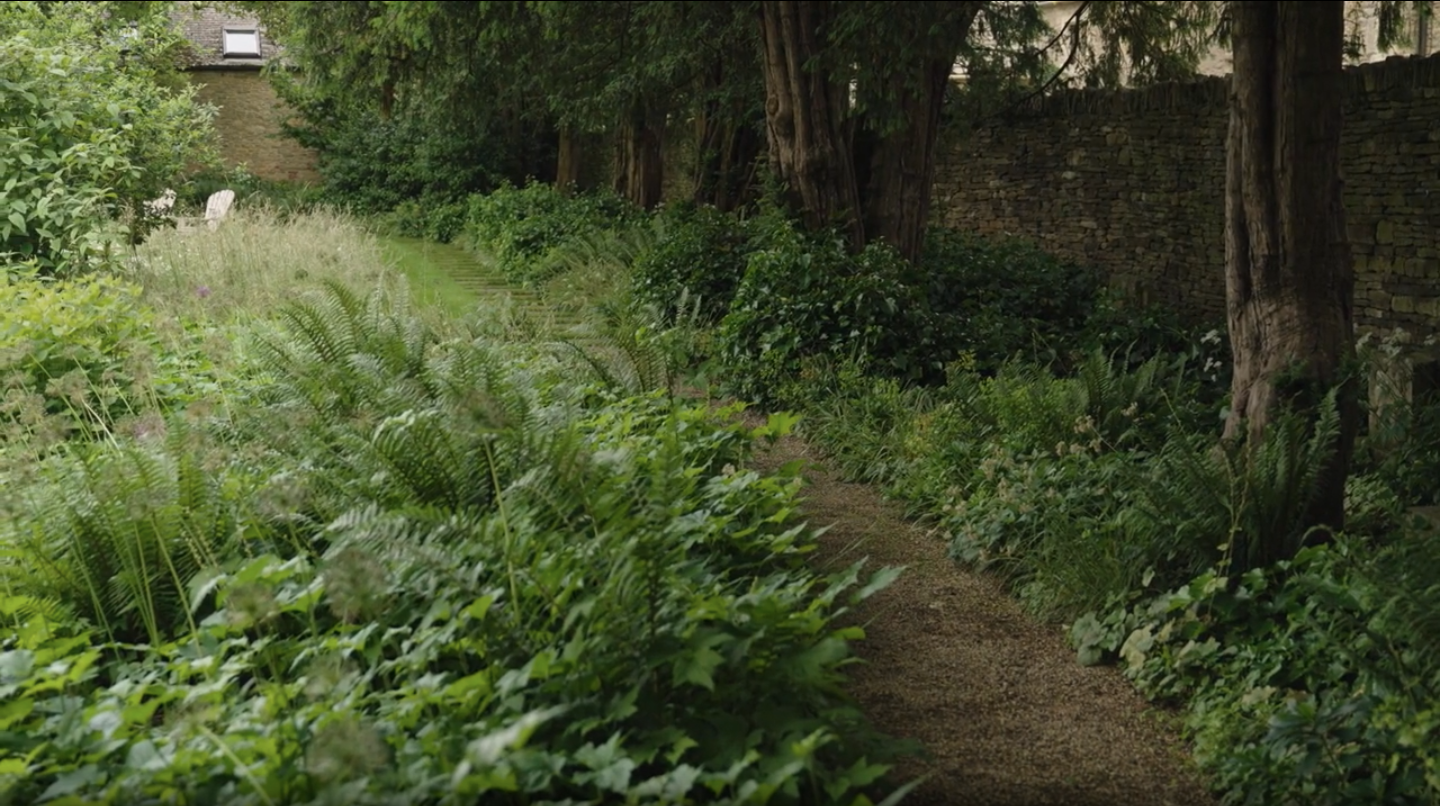
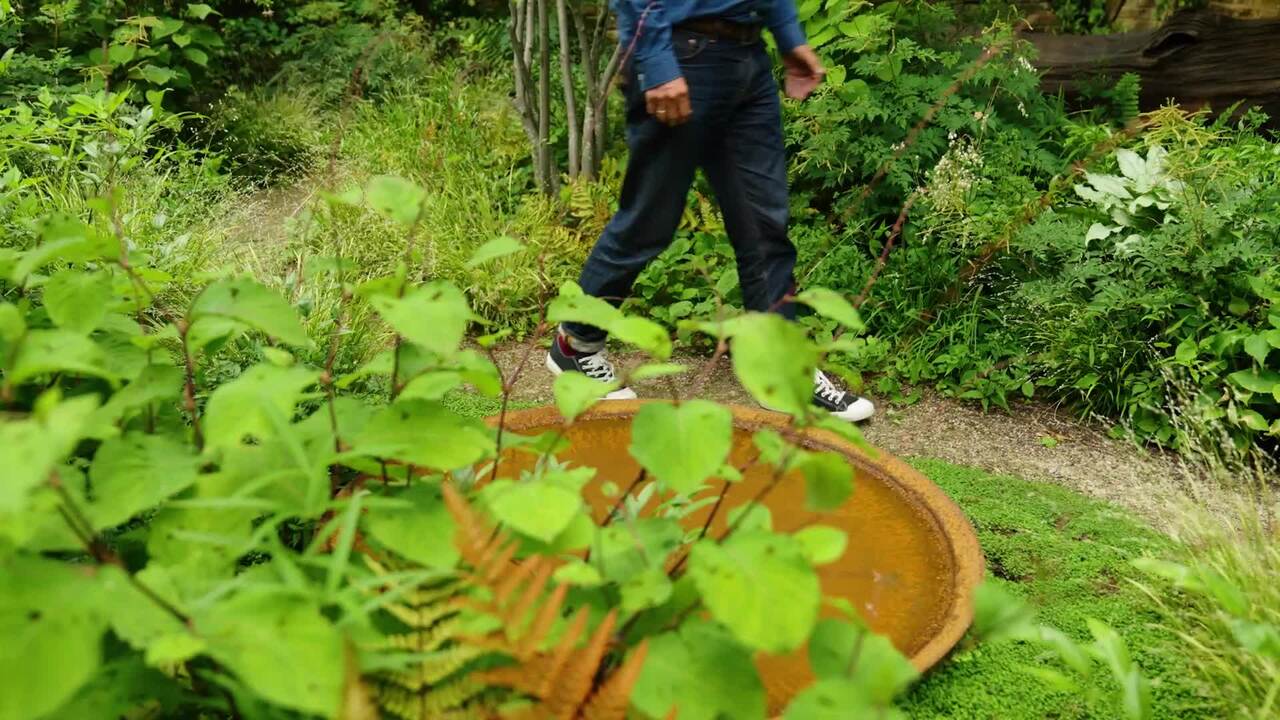
I find Japanese stroll gardens hugely inspiring. They take you on a subtle but deliberate journey, with each twist and turn carefully designed to ignite the senses.
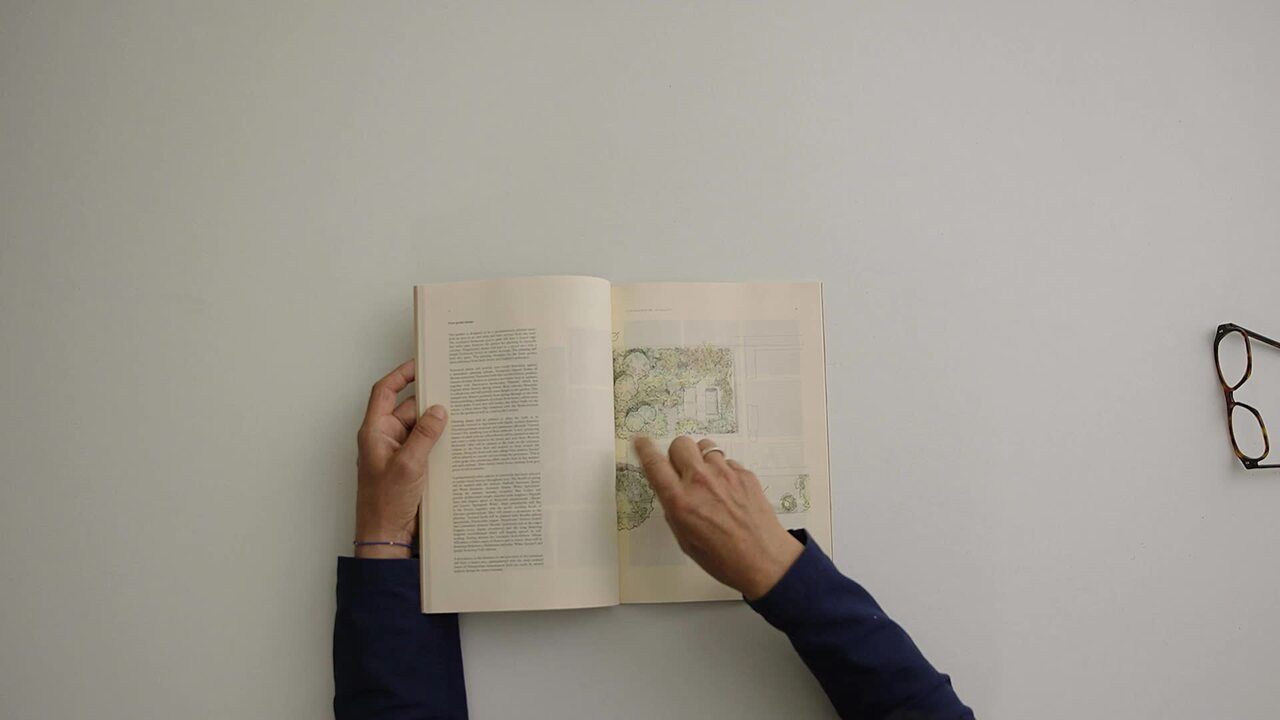
For a deeper understanding of Japanese gardens, Sophie Walker's book 'The Japanese Garden' is an excellent source. You can order it here.
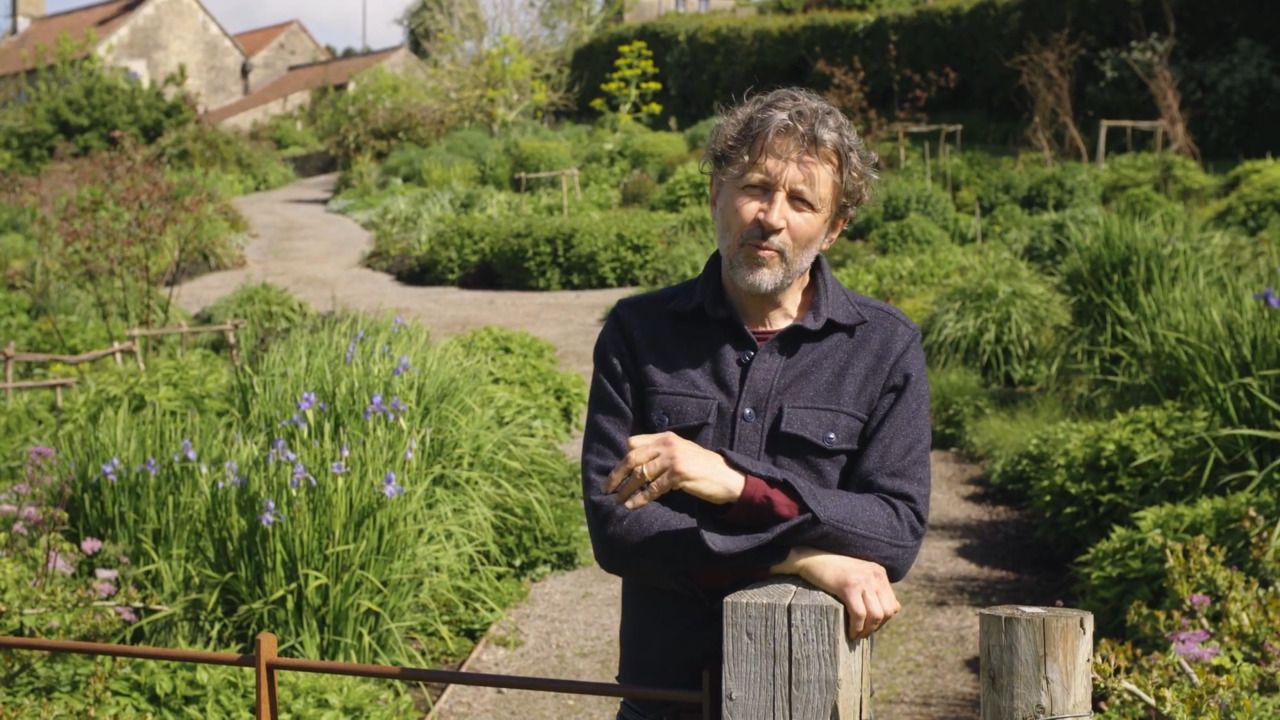
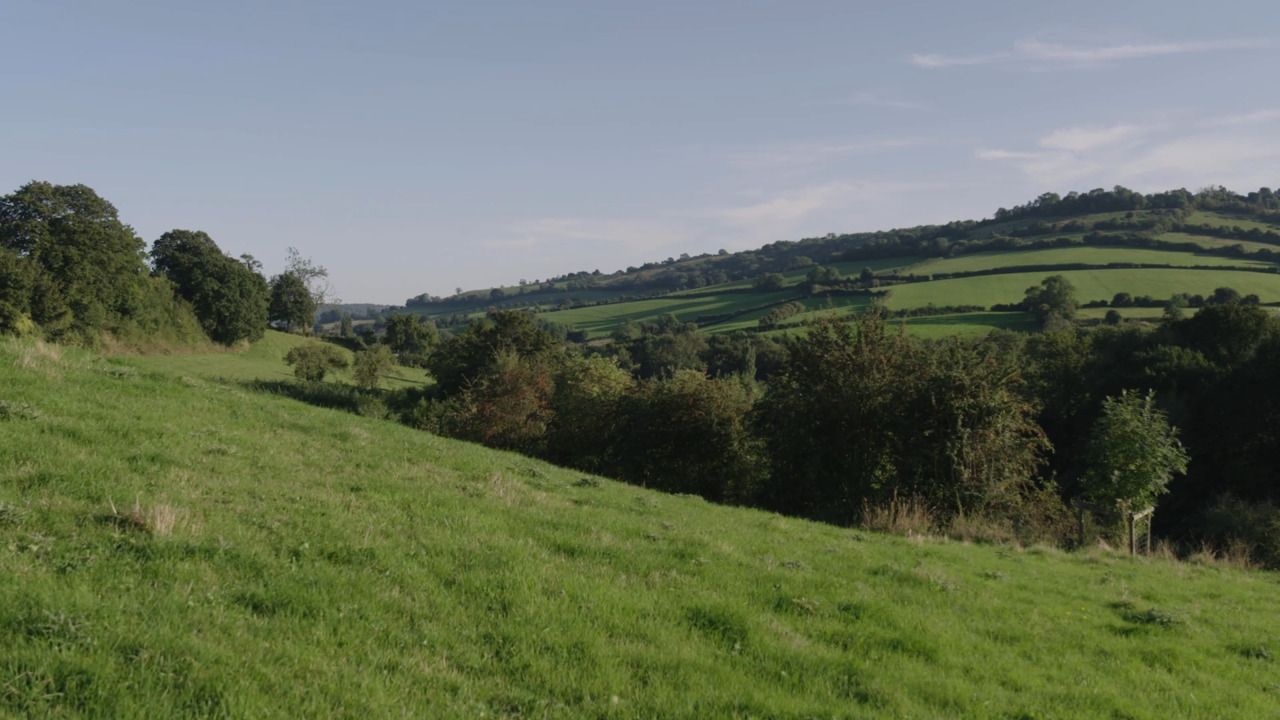
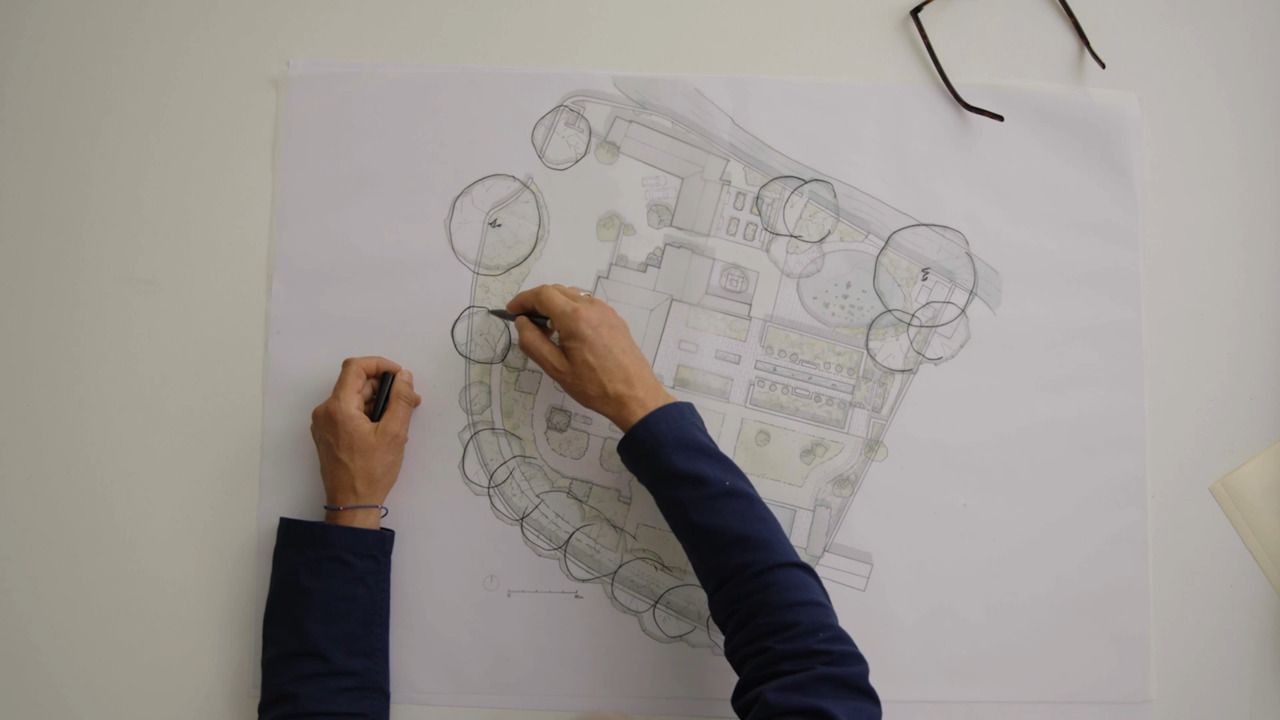
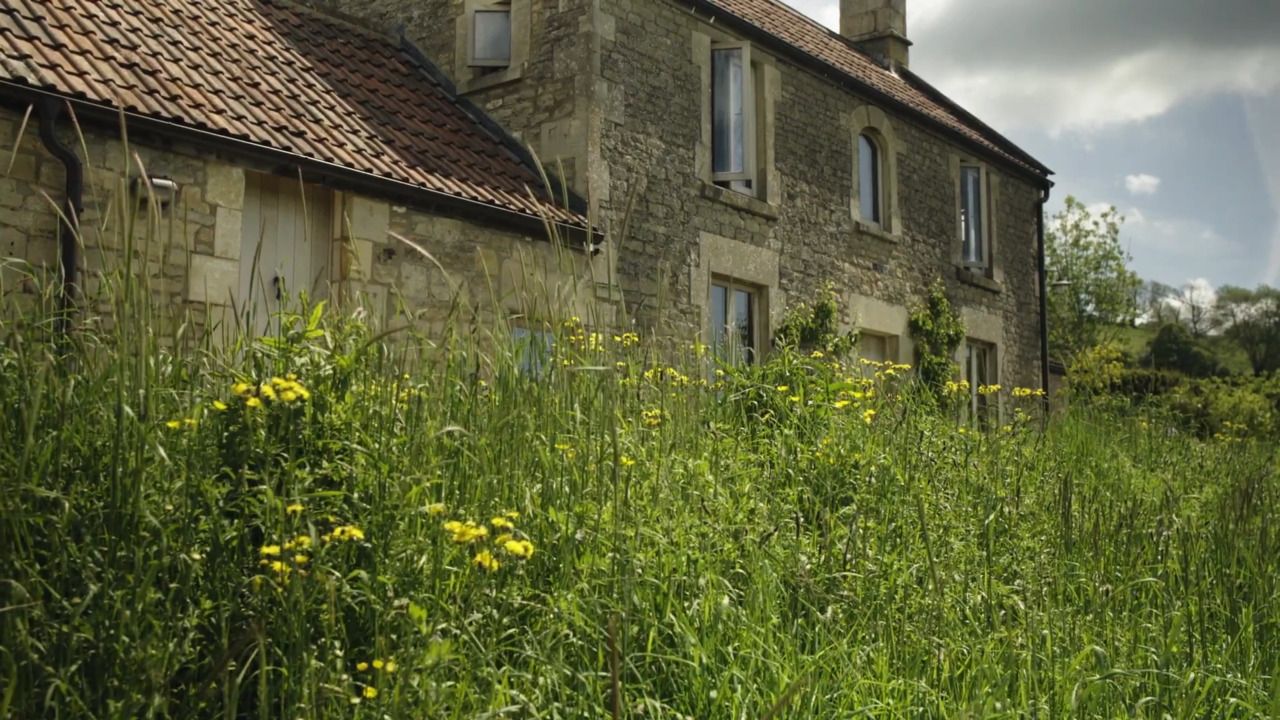
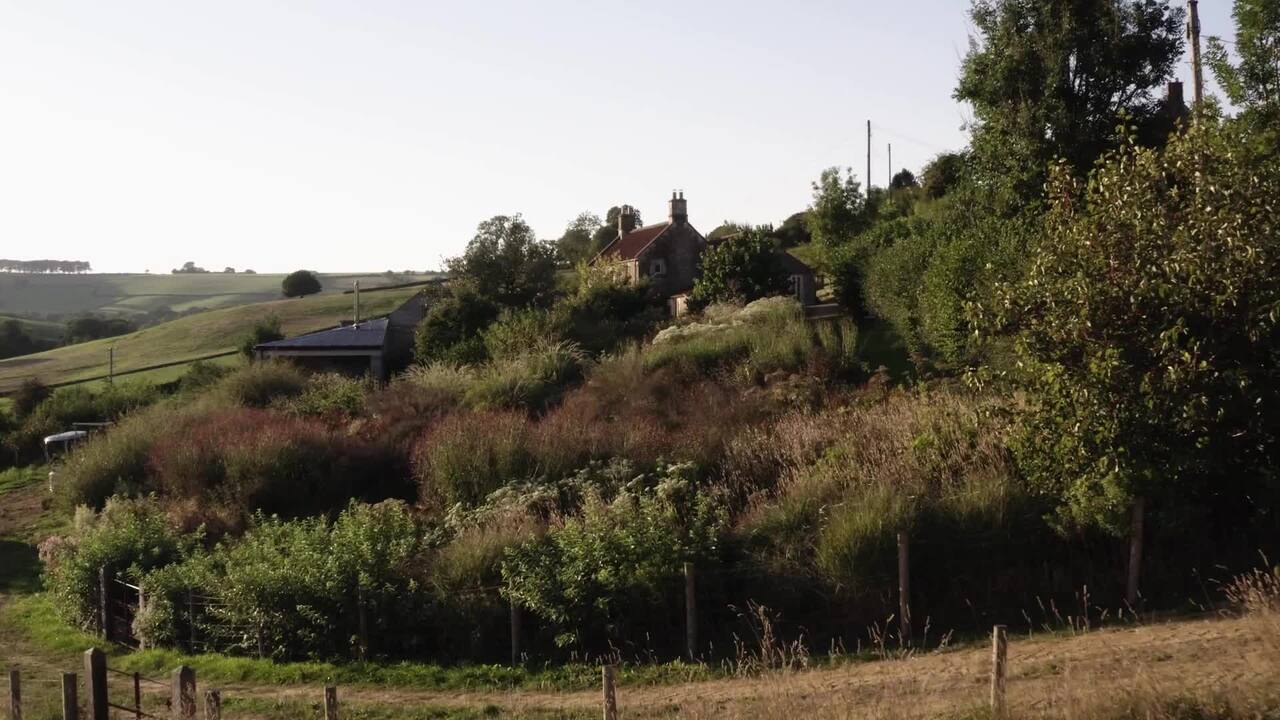
Getting to know the elemental and topographical features of Hillside directly impacted my choices in situating the places that we outlined in our brief, and also helped me decide on the journeys between them.
| Observation | Response |
|-------------|----------|
| Topographical line that runs through the middle | Kept the flat route to create a spine with the house in the middle and the barn at the end |
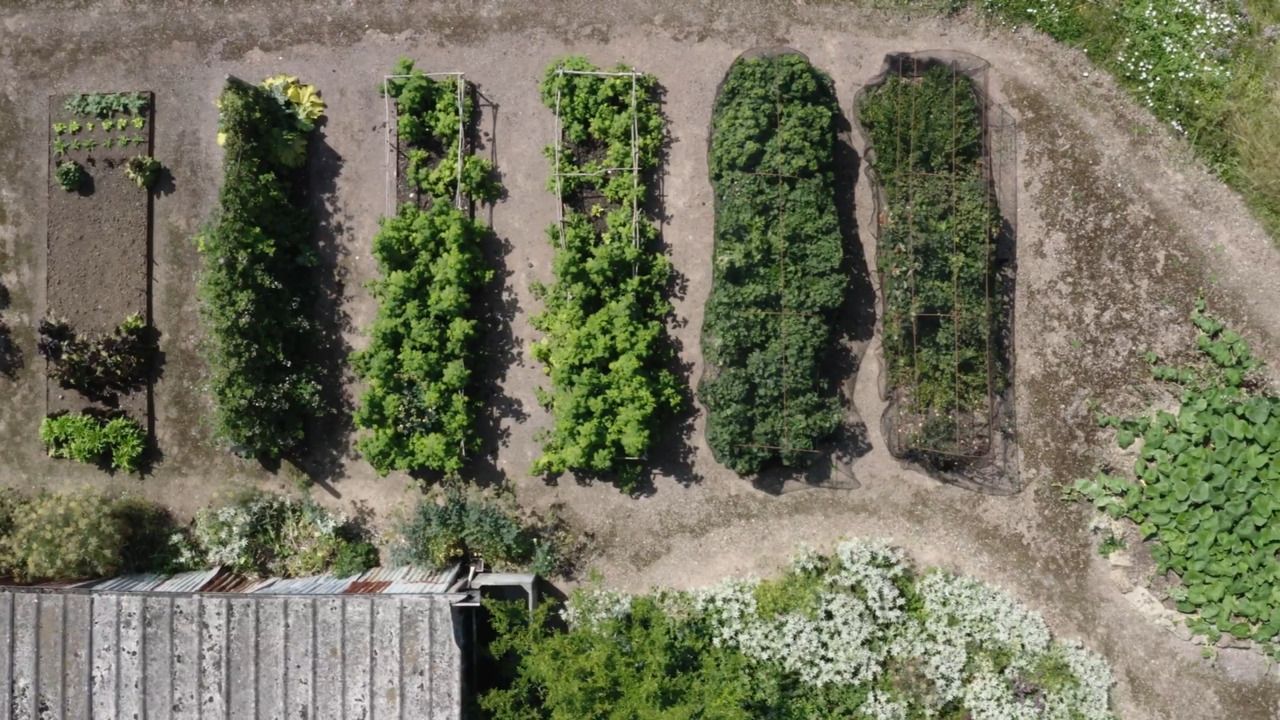
| Shelter between barn and house | Optimum space to grow a kitchen garden, which was part of our original brief |
| Vast, unspoilt views from the house | Put growing areas to the side of the house, to make sure the views weren't interrupted |
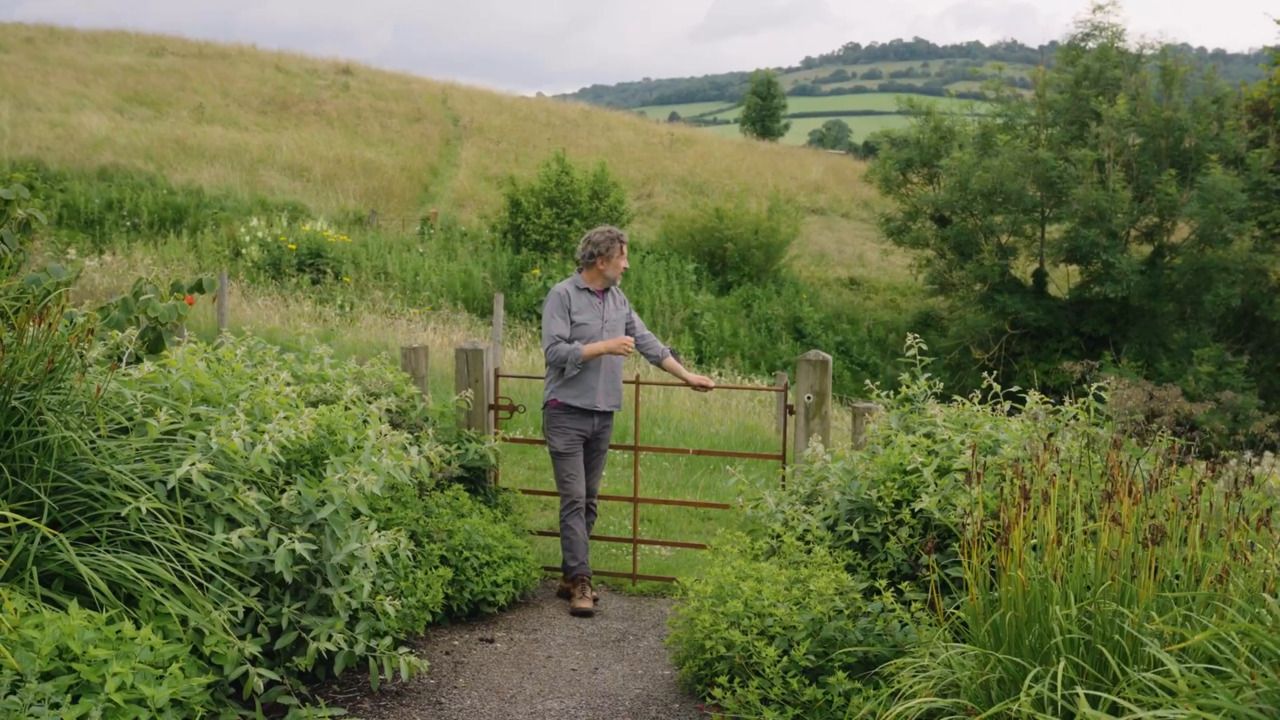
| The ditch | This became a natural gateway into wilder landscapes |
| Energising feeling at the top, and more still at the bottom | Productive areas the top, more spaces to reflect at the bottom |
Note down where and how each of the elemental forces are at play in your garden, and then match them to the 'places' in your brief that might work best there. You may use the graph paper on the following page to start to draw out the bone structure of your garden accordingly.
| Observation | Criterion from your brief |
|-------------|---------------------------|
| Which way does the wind blow? | |
| Which areas receive sunlight, and when? | |
| Where is the best view? | |
| Do you have any topography to contend with? | |
Get the full workbook, video lessons, and more with a Create Academy subscription.
Subscribe to access the full workbookAlready a member? Sign in to watch
491 reviews
Read moreCreate Academy has been such a great resource. I'm in the middle of renovating a bungalow with a very large garden and the courses have offered a wealth of inform...
Harvey
Jun 10, 2026
Absolutely love Create Academy! The instructors are extremely informative, and it is beautifully filmed. Create Academy is great value for money and plan on renew...
SG
May 31, 2026
Butter's creativity is stunning! Her ability to incorporate brilliance in small gardens is magical!
Carla
May 30, 2026
The best adventure. I like all the courses, but my favorite are both Rita Konig interior design courses and Anna Jones. Excellent!
Karolina Kluczewska
May 20, 2026
Create Academy has been such a great resource. I'm in the middle of renovating a bungalow with a very large garden and the courses have offered a wealth of information to dive into and explore new ideas. I'm...
Harvey
Jun 10, 2026
Absolutely love Create Academy! The instructors are extremely informative, and it is beautifully filmed. Create Academy is great value for money and plan on renewing my subscription yearly because there are ...
SG
May 31, 2026
Butter's creativity is stunning! Her ability to incorporate brilliance in small gardens is magical!
Carla
May 30, 2026

Your Instructor
Acclaimed naturalistic landscape designer. Multiple Chelsea Gold Medal Winner. OBE.
British landscape designer, horticulturalist and writer Dan Pearson OBE, has been designing award-winning gardens since 1987. His naturalistic use of plants, light-handed approach to design and deep-rooted horticultural knowledge has made him one of the most celebrated and innovative gardeners working today. Dan trained in horticulture at Wisley and Kew, before starting his garden and landscape design practice in 1987. In 2015, his show garden for Chatsworth and Laurent Perrier was awarded a Gold Medal and Best Show Garden at the Chelsea Flower Show. In 2014 Dan was appointed an advisor to the National Trust at Sissinghurst Castle. For over 20 years Dan has written regular gardening columns, with his work a staple of The Observer, and has written a number of best-selling gardening books.

Access to all courses


