
Naturalistic Garden Design Masterclass

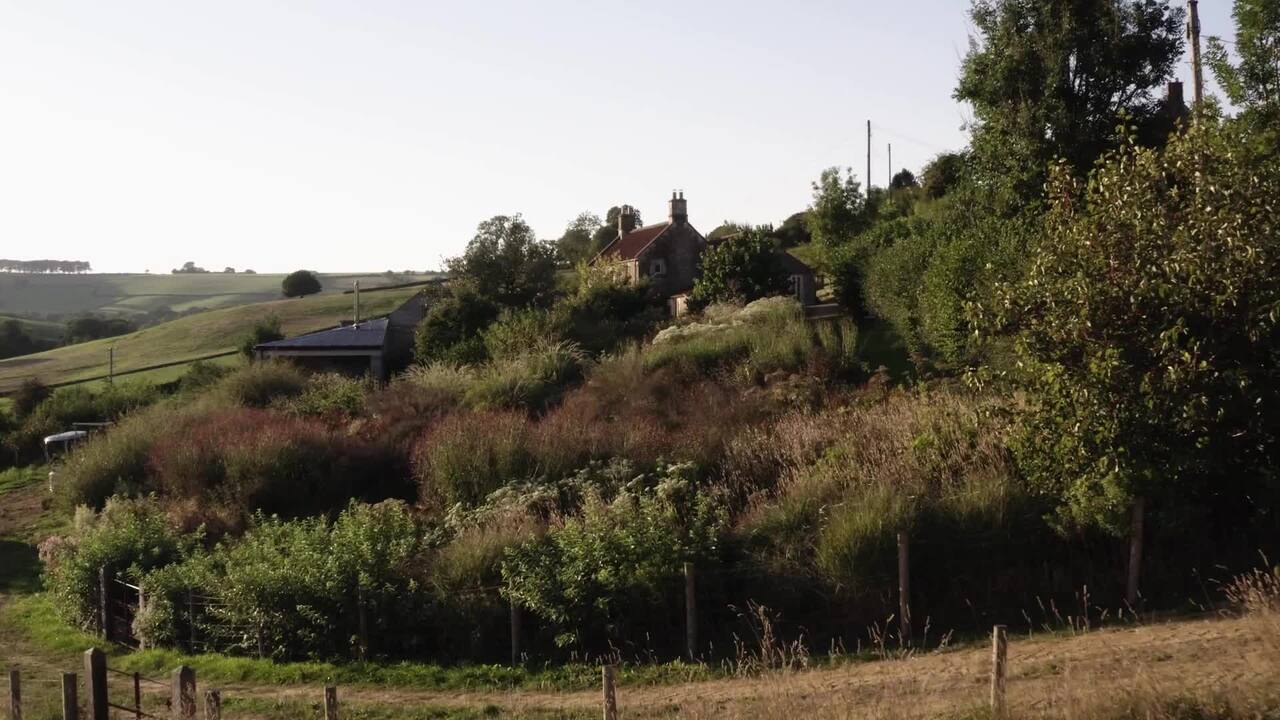
Hillside: meadows, hedgerows and orchards

with DAN PEARSON — Acclaimed naturalistic landscape designer. Multiple Chelsea Gold Medal Winner. OBE.

Lesson 19 of 27
Rated 4.7/5 on Trustpilot
|

Learn from the world's best creative minds on Create Academy

Hillside: meadows, hedgerows and orchards - Video thumbnail

Buy or subscribe to watch

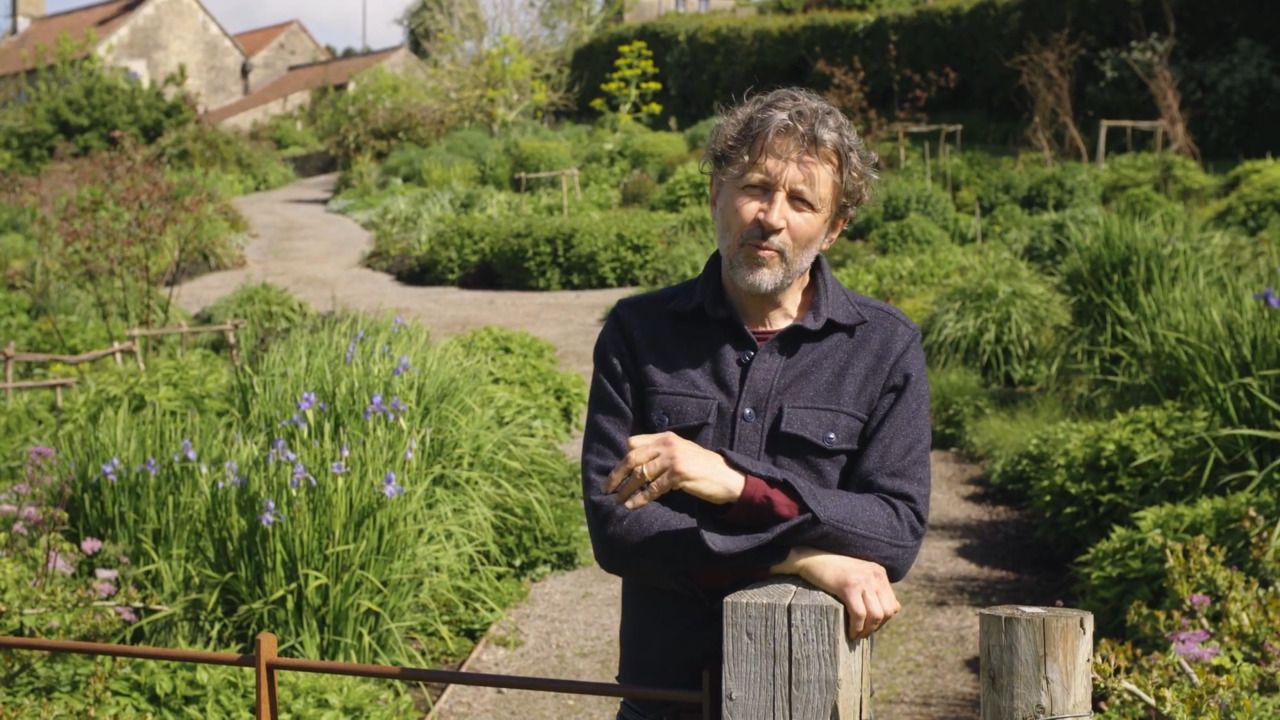
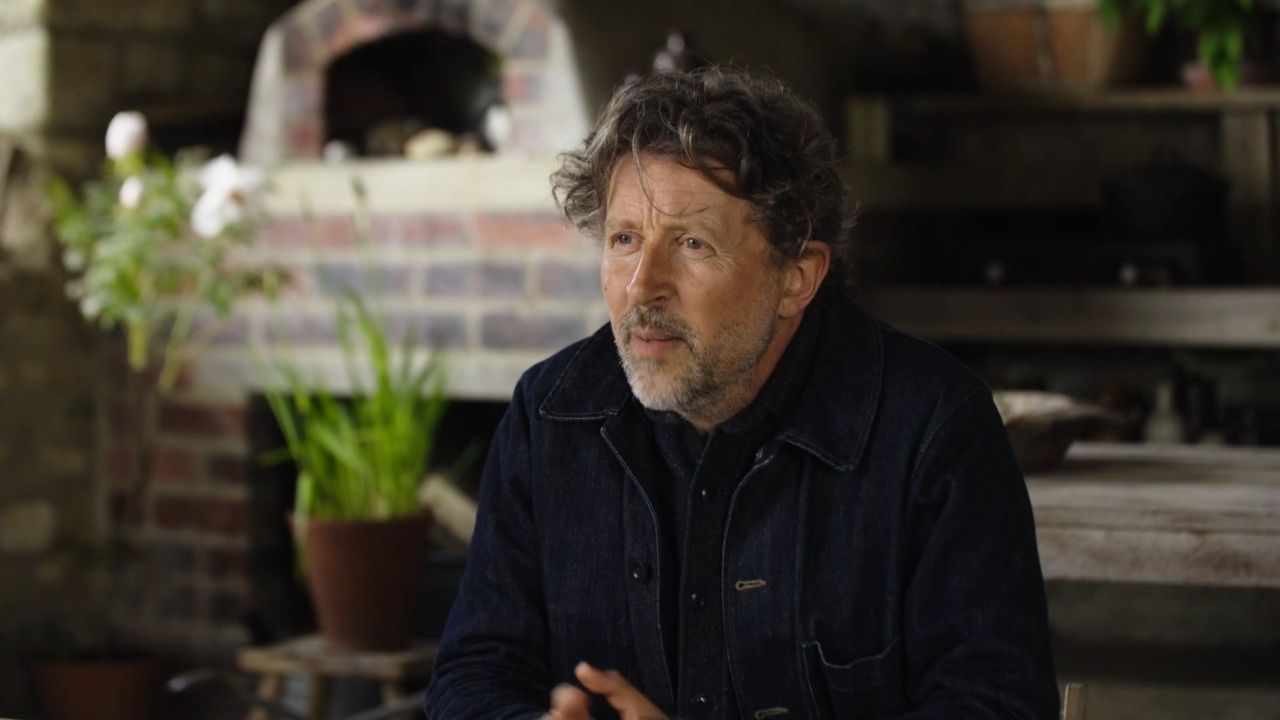
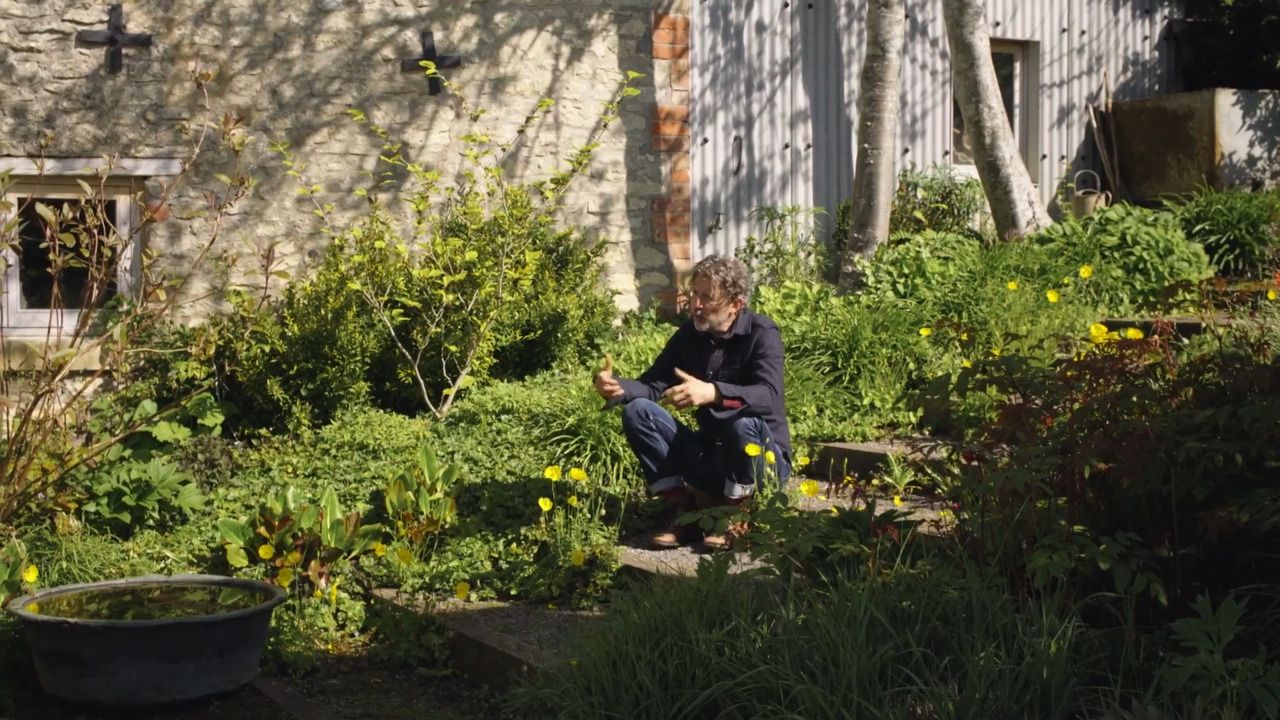
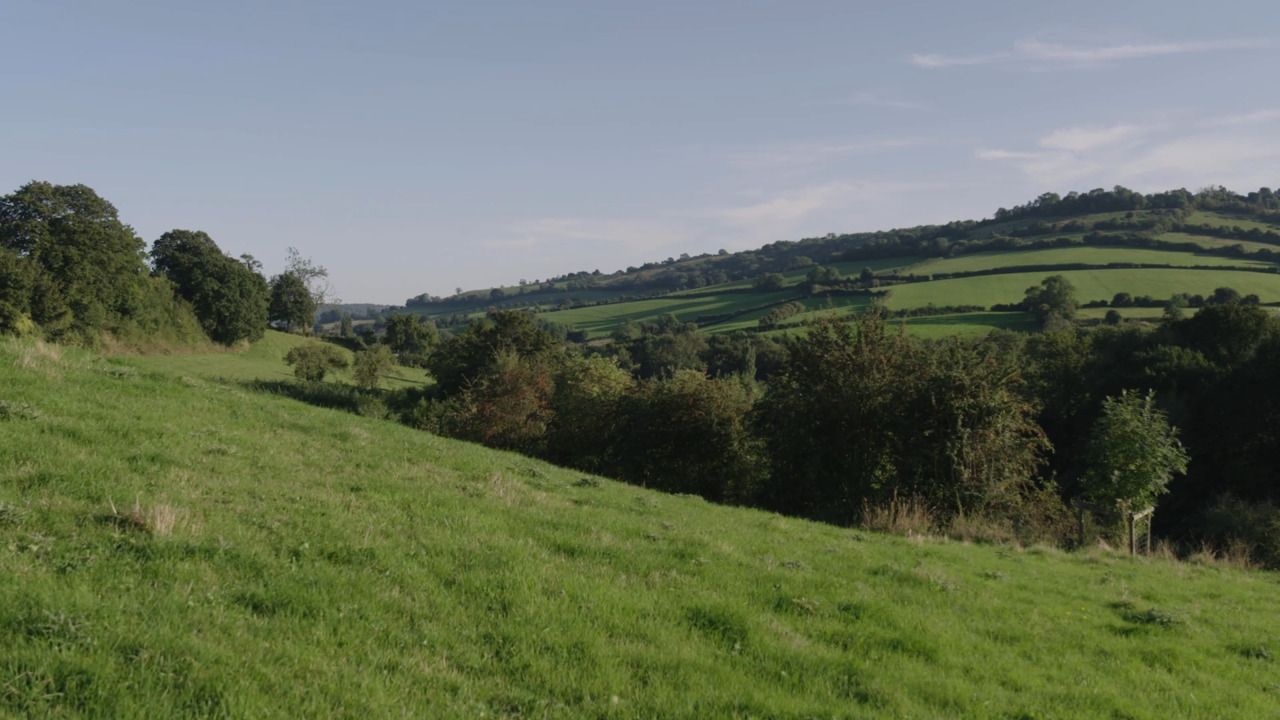
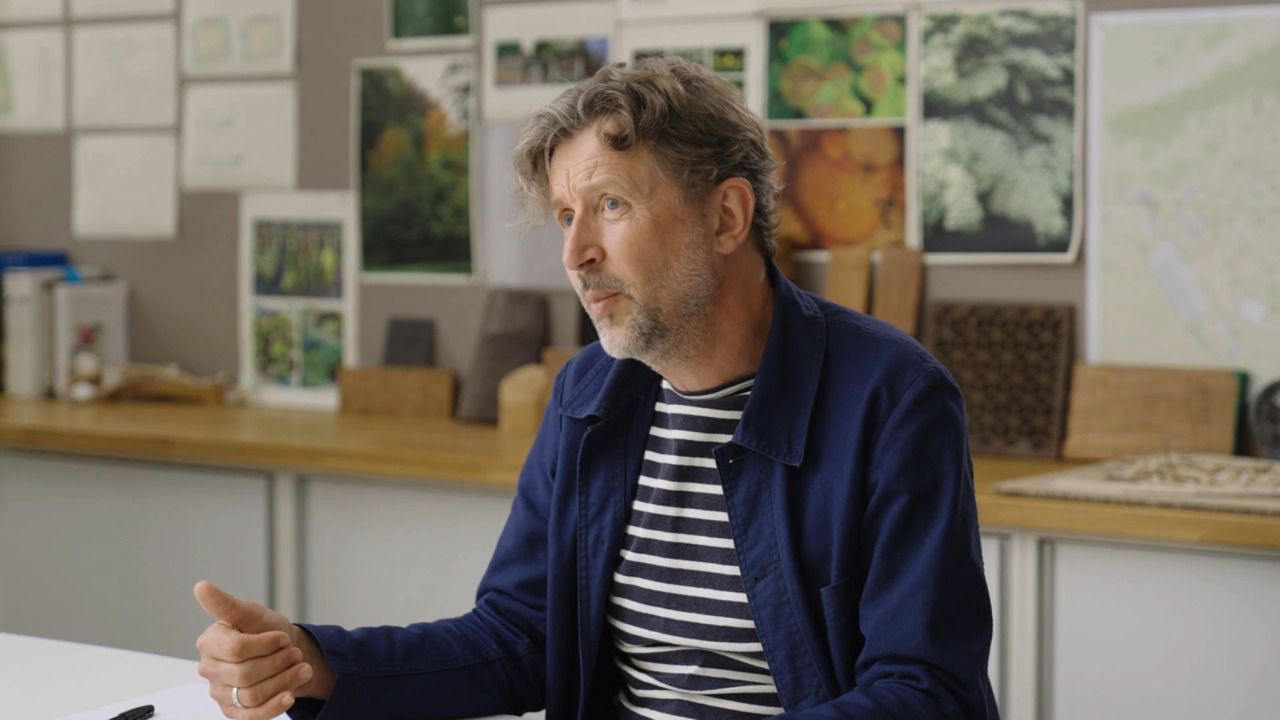
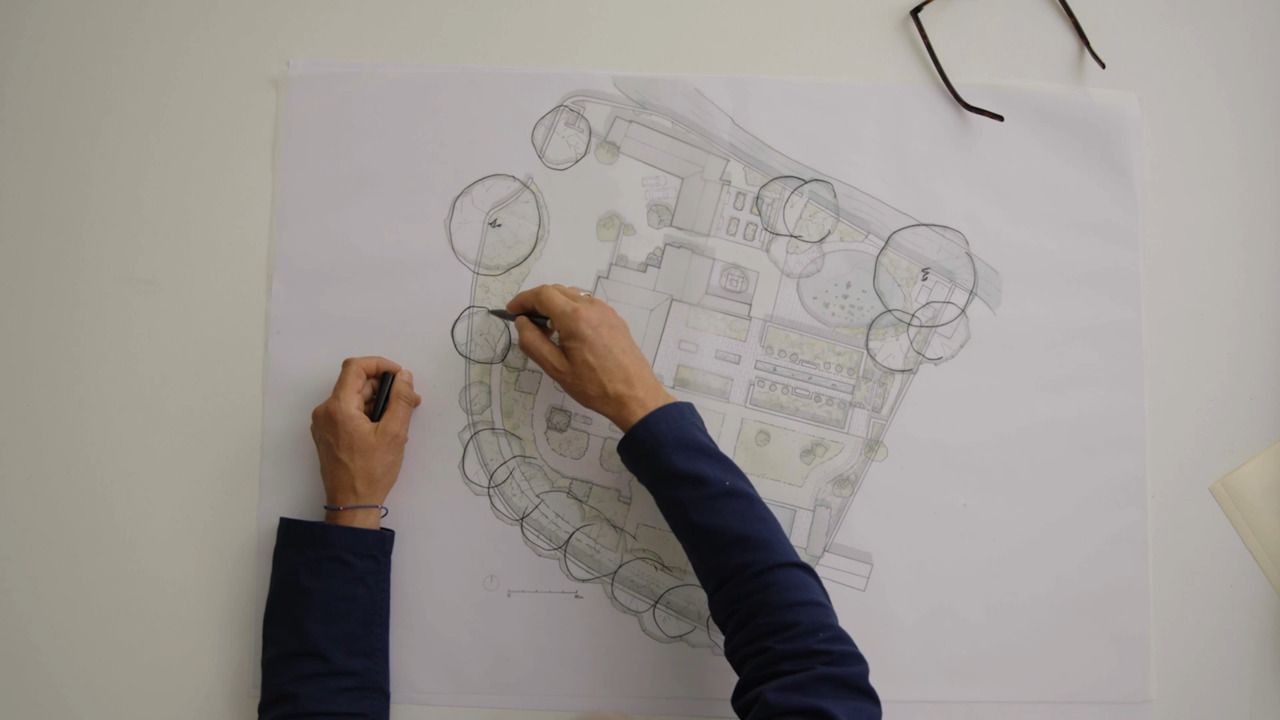
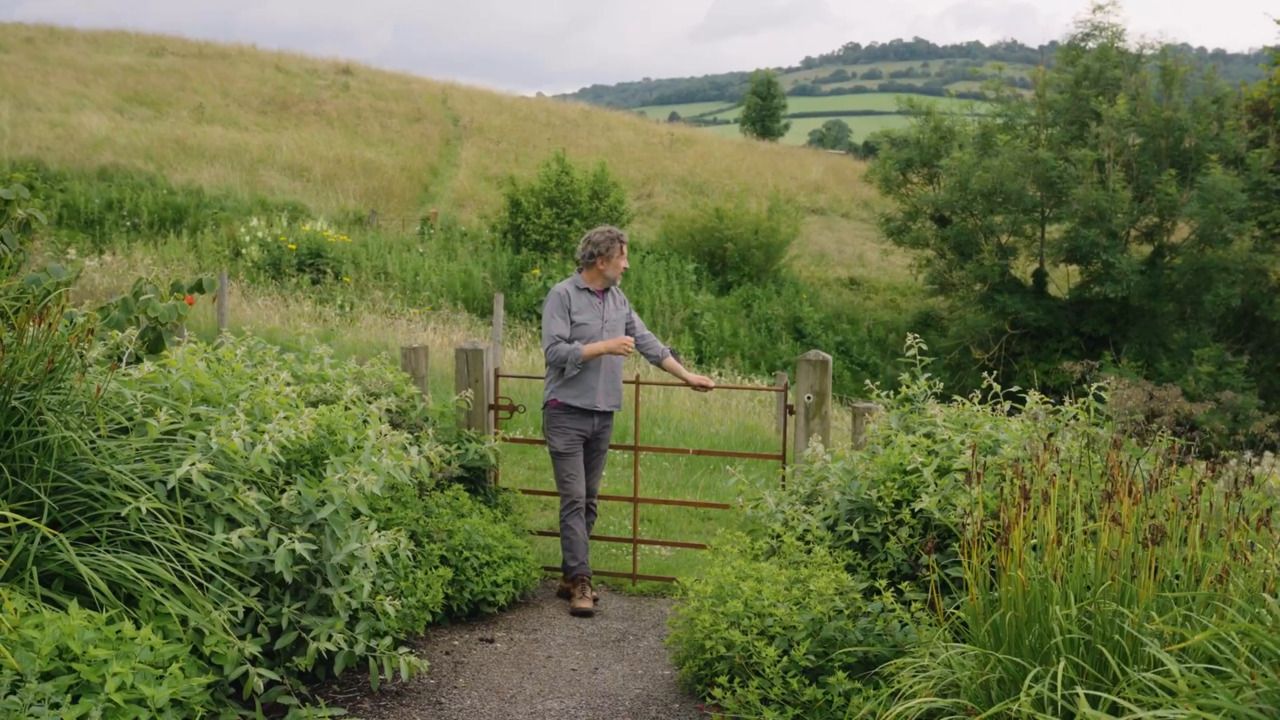
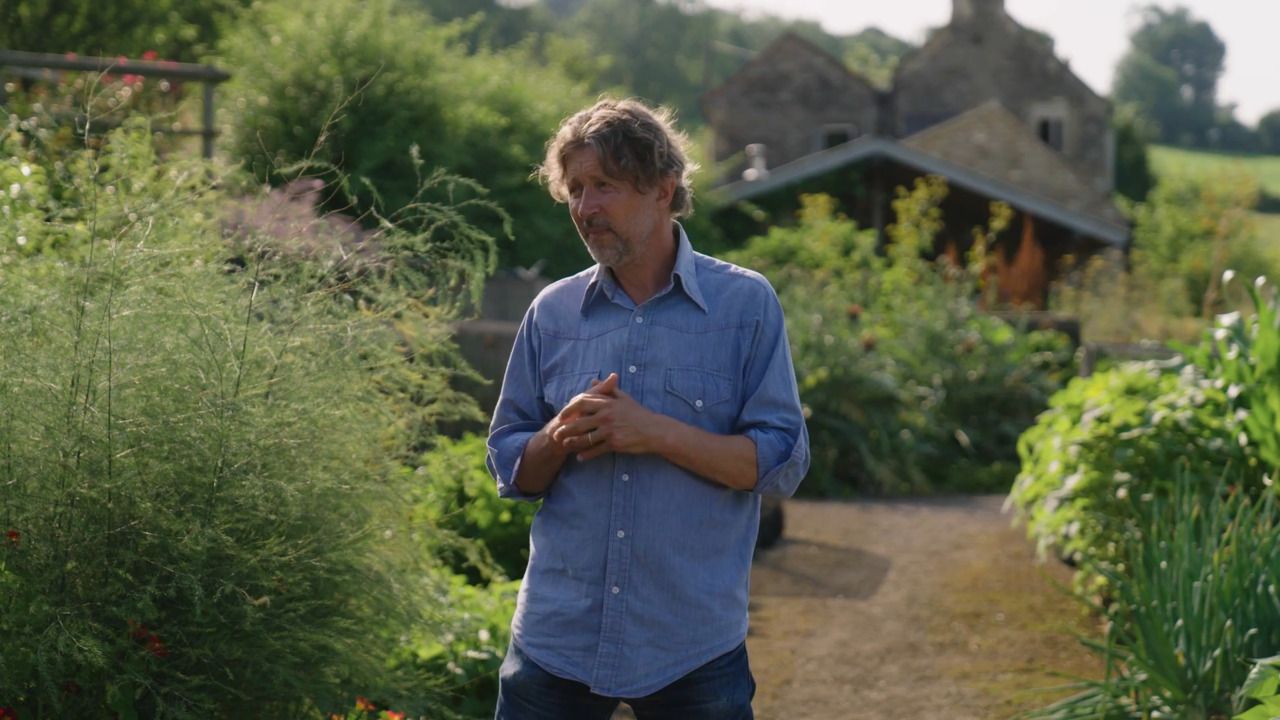
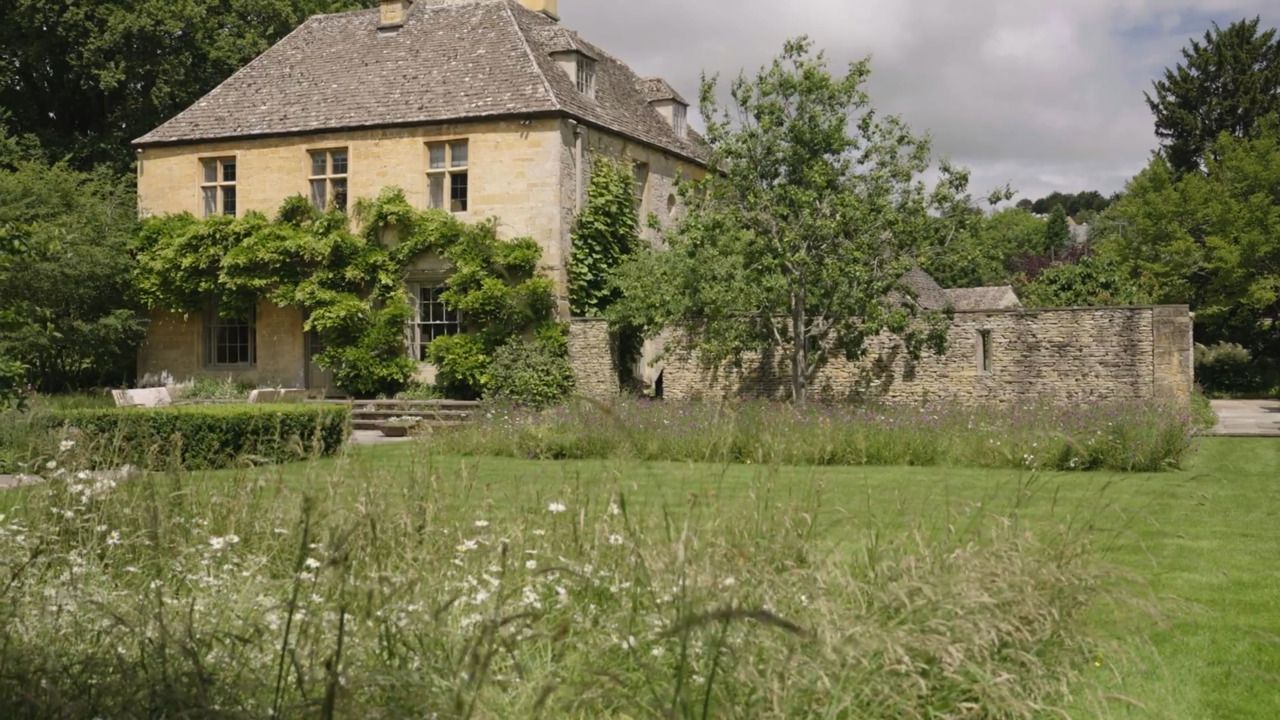
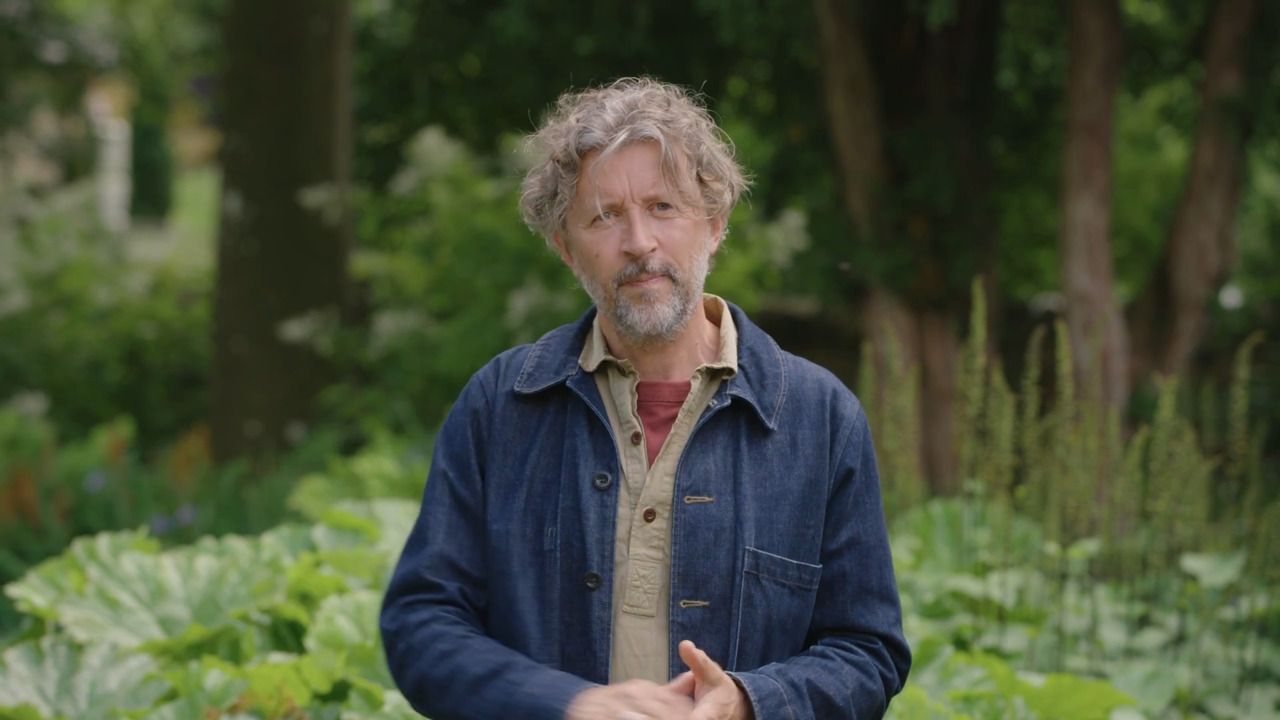
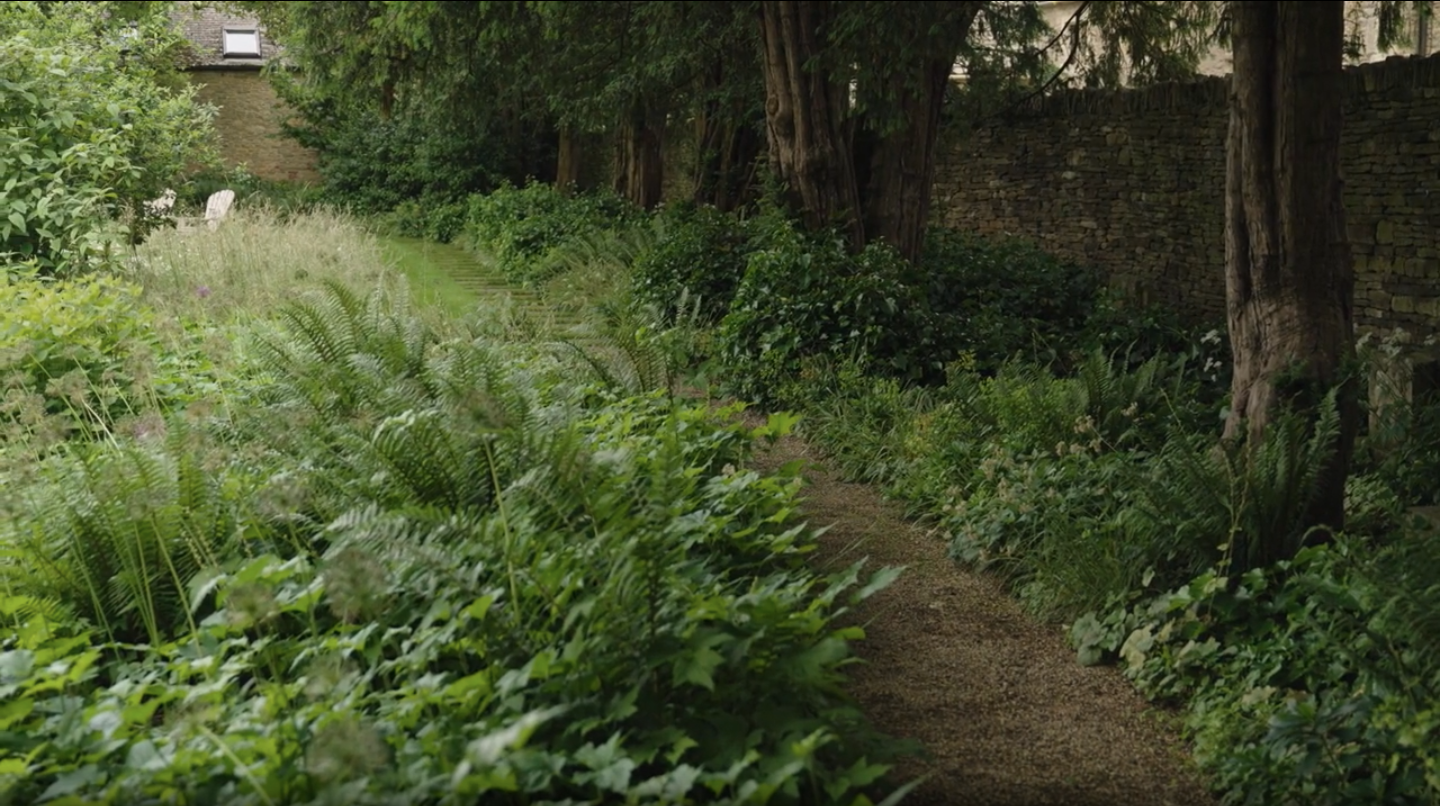
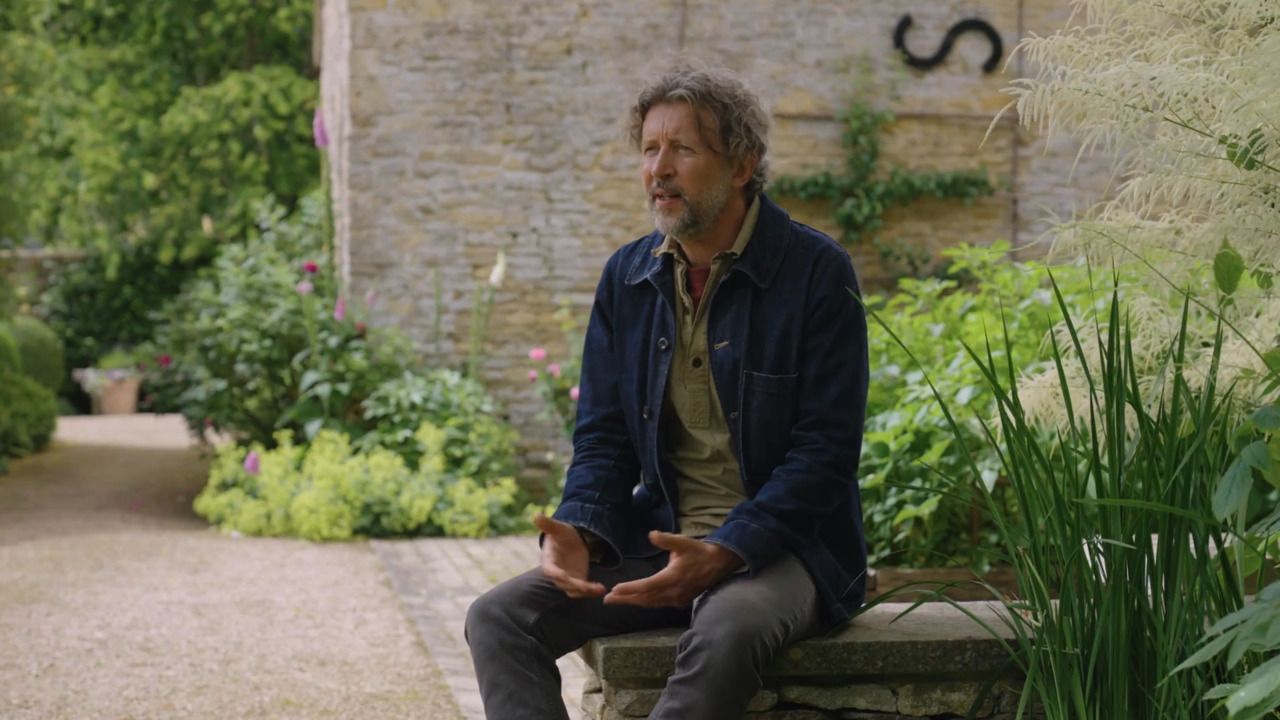
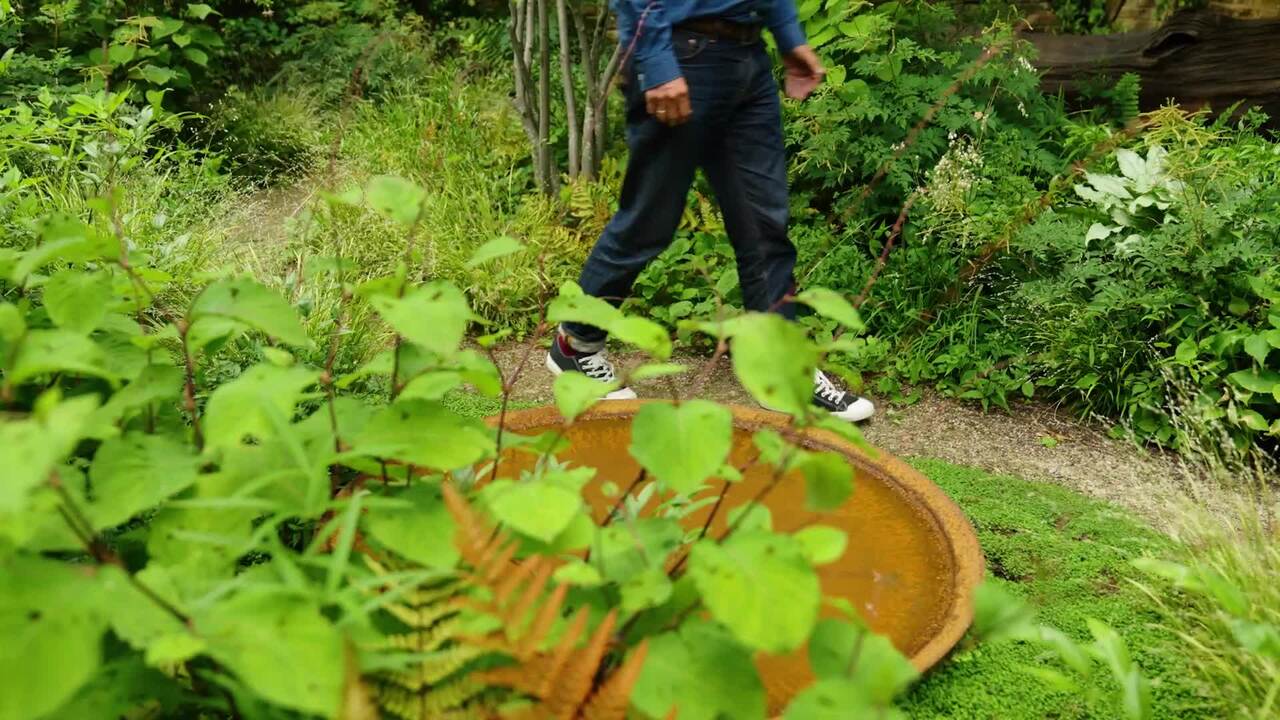
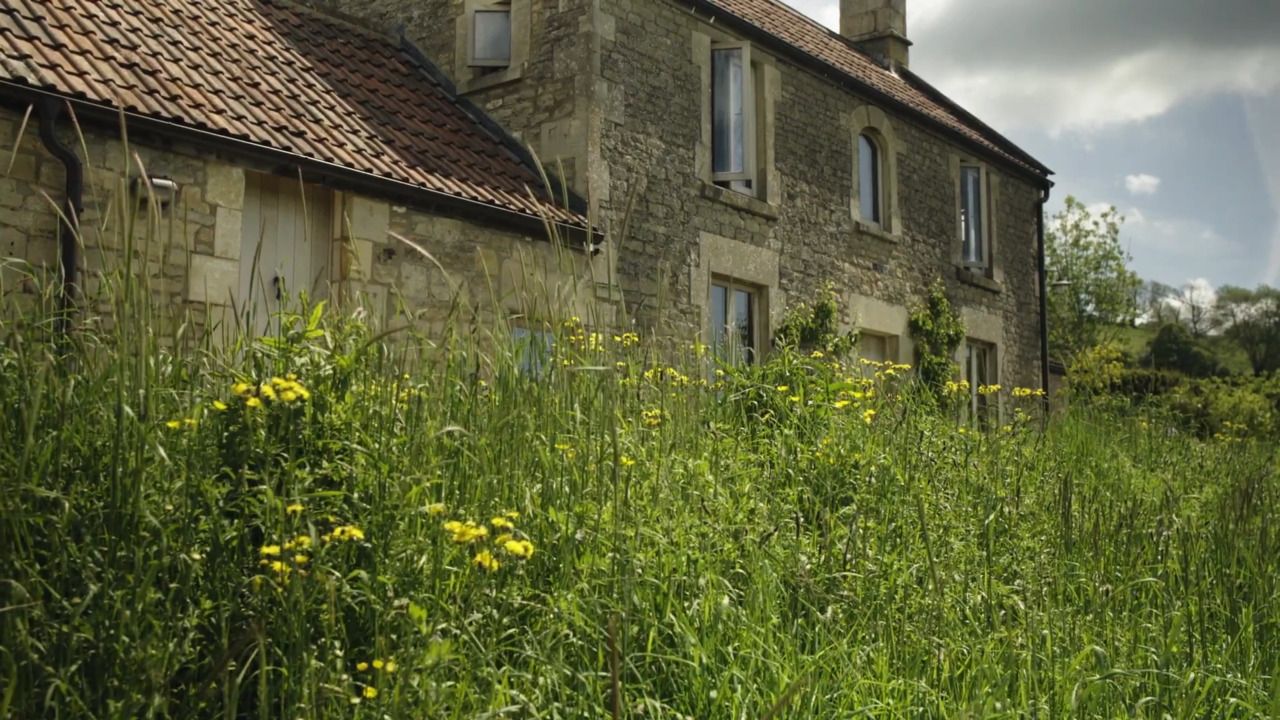
Dan takes you around the landscape of his Hillside home, showing you the meadows, hedgerows, and orchards he has cultivated.

From the Lesson Workbook

Hillside - A Case Study

Seed, Soil and the Meadows

  • I knew from the beginning that I wanted the house to face out onto the landscape, with the productive areas either side, providing an uninterrupted view. The removal of the farm track and the healing of the scars afterwards gave way to new ground, where we then overseeded using a local wildflower seed mix to create a meadow.
  • The seeds were sown onto pure subsoil, which keeps the fertility low and is the best thing for establishing a meadow.
  • To smooth the juxtaposition between the wild and tame as the meadow approaches the house, we simply mowed a strip across the top, which provides a gentle interlude.
  • The best soil for a meadow is one which is thin, slightly dry and not very fertile.
  • We have these conditions higher up in the garden. Here, we planted the top meadow, which was previously old pastures that had been grazed heavily.

Creating the Meadow

  • To create the meadow, I overseeded with a local wildflower meadow mix. This contains Yellow Rattle, a magic component that is semi parasitic and weakens the grasses to create opportunity for the seed you've planted to germinate and find it's space in the meadow.
  • The Yellow Rattle moves around the meadow over the years, making space for other things to come through. We cut the meadow back quite late in the summer to allow the wildlife time to establish and move around the site.
  • Even in a small space, I would encourage you to let part of it go wild and nurture it as a meadow.
  • You'll really notice a big difference in terms of wildlife and it will contribute to improving the biodiversity in the wider local area. We chose a wildflower mix that was local to the site. This not only made sure that it was suited to our conditions - we are on limestone, making the pH slightly alkaline - but it also contained plants that were already established in the area which creates a continuity of habitats for wildlife.
  • Meadows are very changeable, and it normally takes about five years for a meadow to settle down. Get to know your conditions and soil quality before choosing a meadow mix - you will need to match your seed to your conditions to achieve a good result.
  • Grassland meadows are nearly always better in open ground, and if you've got somewhere that is slightly more shaded, I'd recommend going for a hedgerow mix or a woodland mix.
  • Growing the hedgerow out has been an interesting experiment. In this edge condition - with a mixture of shade, sun, moisture and dryness - you get a huge amount of varied habitats.

The Meeting Point

  • The meeting point between two environments is often where the most important things happen. This can be achieved in a garden setting through careful layering choices.
  • When you first arrive on a site, it's good to get a few things going that might be longer-term projects. We set about repairing the hedges, planted a blossom wood and also established an orchard. In the orchard, there are plums, apples and pears, all located in areas that are most suited to their growing season.
  • If you're planting an orchard, it's worth considering the size of tree you want to end up with, and which size will suit your space. Always try to choose the correct size of tree for the space. Think about pollination too - a singular tree by itself might not be self-fertile. Consider the companions trees need and match the pollination times when you're choosing the varieties.

Plant Directory

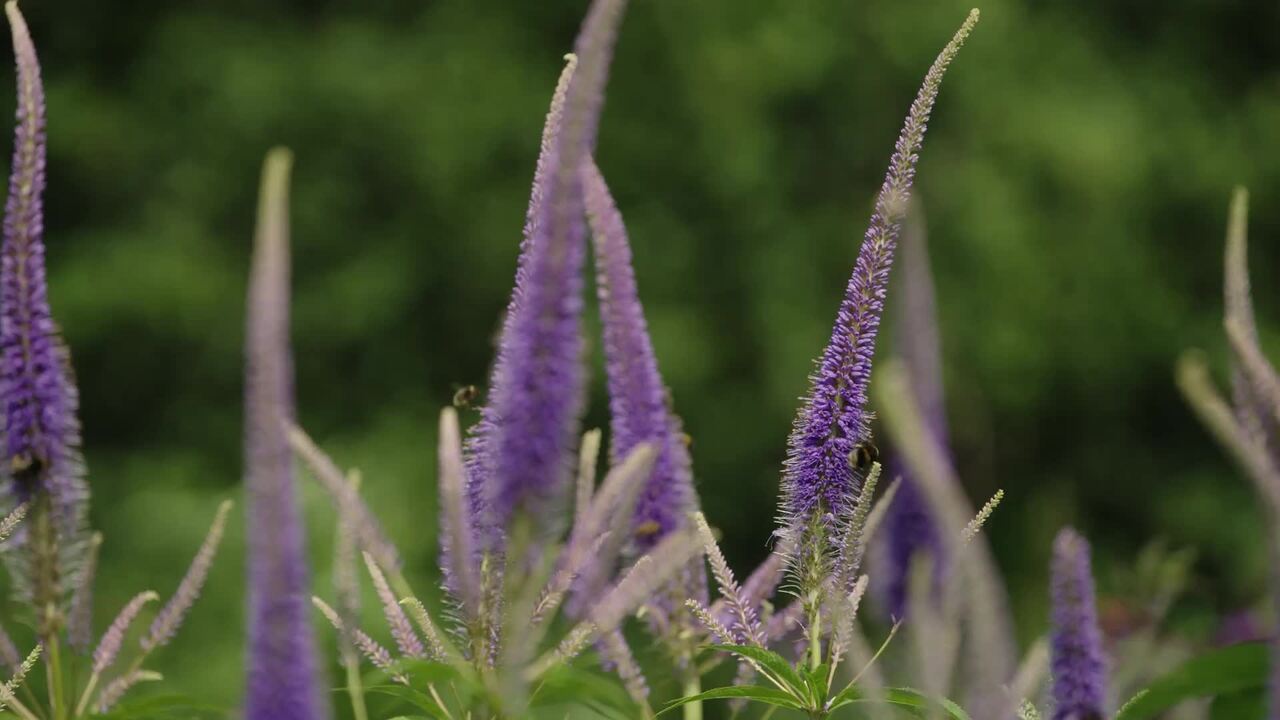
Wildflower

Yellow Rattle

Upright Brome

Early Purple Orchid

Lotus Japonicus

Campion

Plum tree

Apple tree

Pear tree

Places to Be

I took my time choosing the places I wanted here, observing where the light fell, where the shelter was and looked for borrowed views.

The Veranda

  • It's a place to be, and the one place in our garden where you don't do - you just look.
  • We used the structure of the building to frame the view and create a little vignette.
  • The veranda faces east, meaning the planting is back-lit in the evening, which intensifies the view.
  • Being close to our house, both verandas soften the distinction between indoors and outdoors.
  • Influenced by my love of Japanese gardens, this veranda is an example of how a small place can be the gateway to an experience of a larger space.

The Bridges

  • The bridges mark the different chapters as you journey into the landscape.
  • They enable movement around the site but are also moments that encourage you to stop and be.
  • I intensified the planting around the bridges to heighten the experience and visual impact.
  • The stream is a place of magical peacefulness and tranquillity, so it felt important to create a place to be here.
  • During the initial time of getting to know the site, we always felt this was a place that we wanted to 'unlock', despite the challenges.
  • Look for places where something interesting is already happening; this will give it more energy and magnetism.

The Herb and Kitchen Gardens

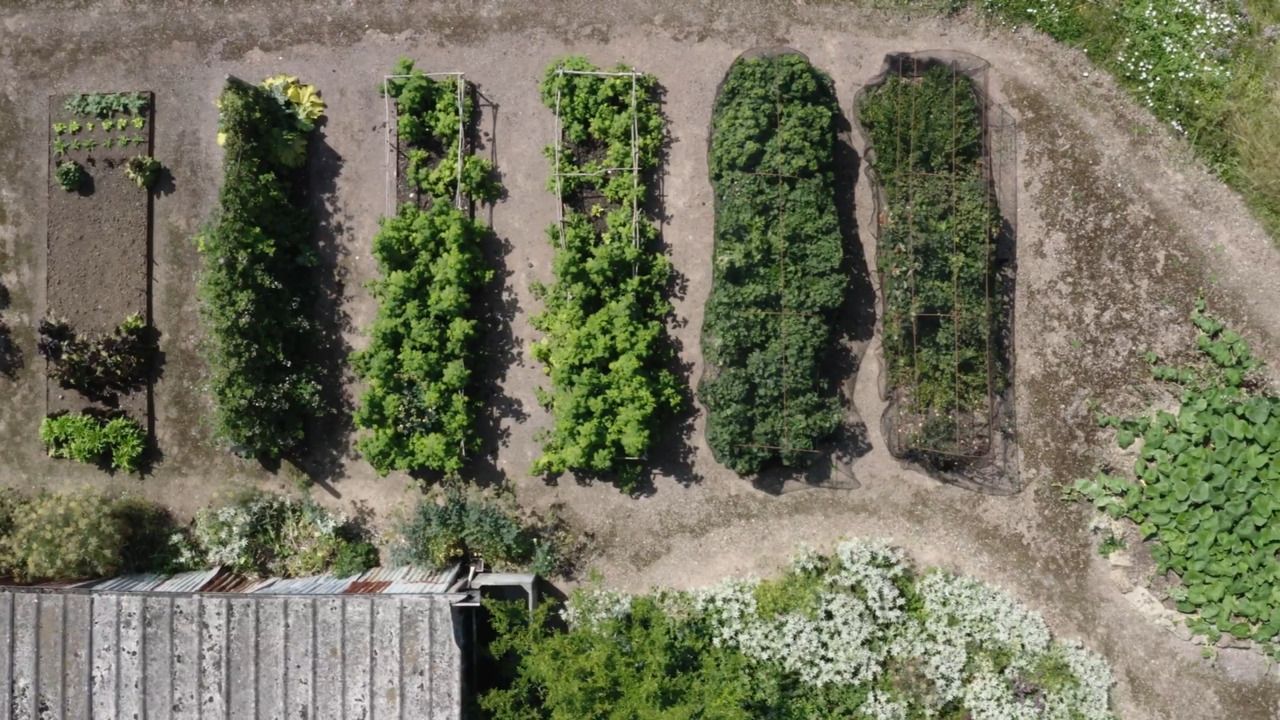
  • I always knew this was a productive space for growing to eat. However, it was on a slope, which can hinder productivity, so levelling it out to create a flat space was key. Even though we were changing the landscape, I brought in existing materials and echoed the ad-hoc style of the buildings that already existed, to prevent it from feeling too precious.
  • In terms of the bone structure, I wanted to make a few effective changes that would work hard.
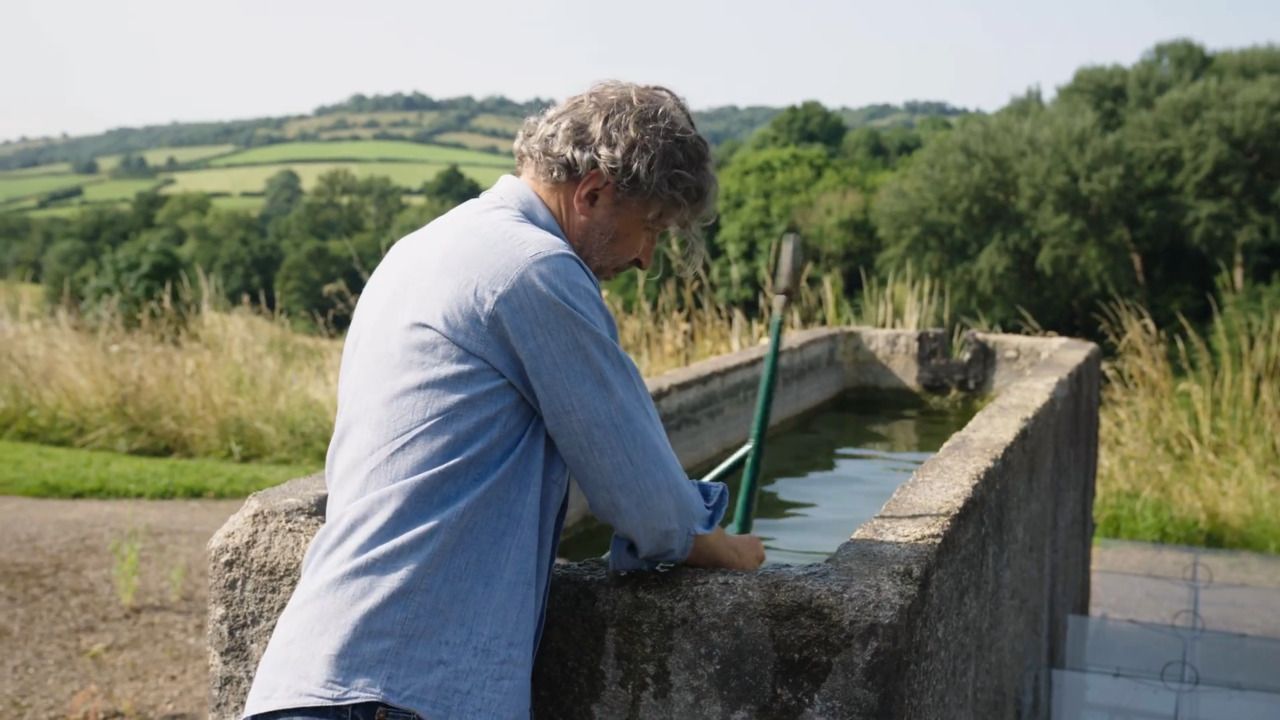
  • The troughs provide a monumental weight, separating the herb and kitchen garden simply but firmly.
  • The wall is a big gesture that connects the buildings, as well as containing separate 'worlds'. And the steps are another weighty feature that connect three separate areas very distinctively.
  • In an industrious area of activity, the steps also function as a moment of pause. They are a tool of movement, but also a place to just sit or stand and take in the view.
  • The wall also functions as a microclimate, harvesting south-facing light and creating heat for the things I've planted against it.

The Outdoor Kitchen

  • This was a criterion of our brief, and something we knew we wanted to bring into the space.
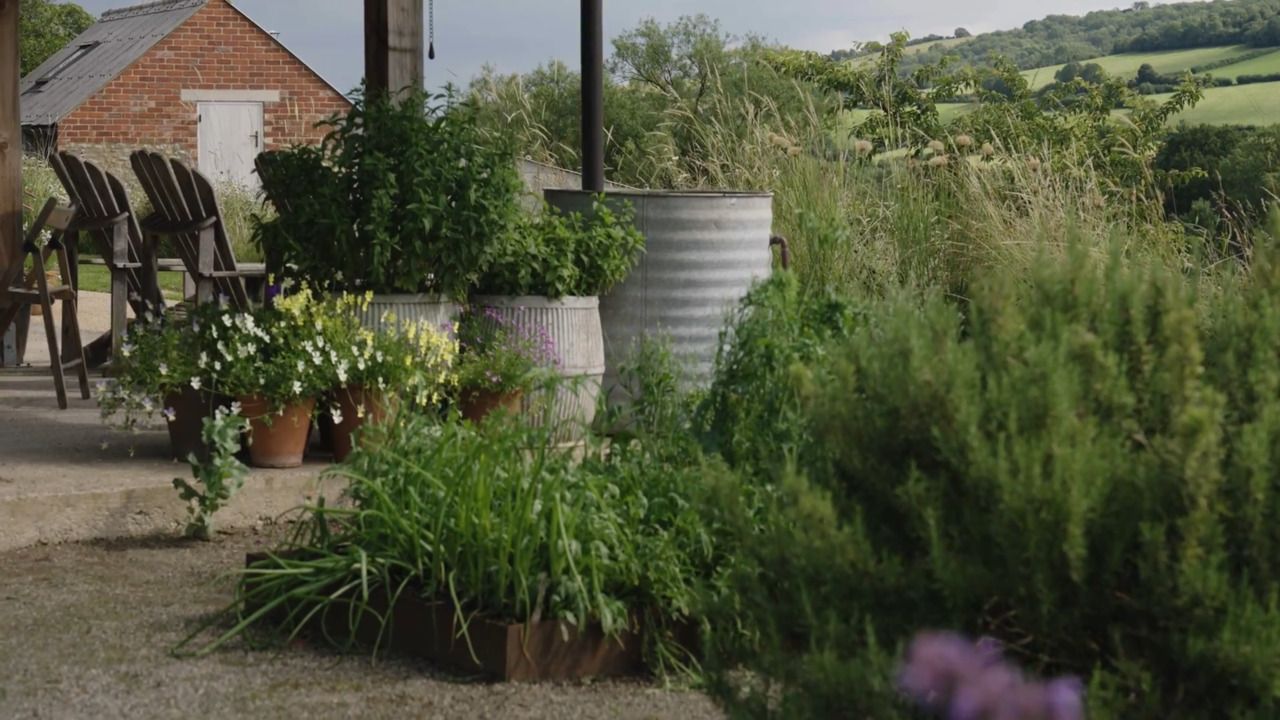
  • It's an extremely important place for us, both to be and to do. It offers a place to process and prep the produce we grow, as well as cook it. And it's also a quiet place to eat and take in the view.

Your Assignment

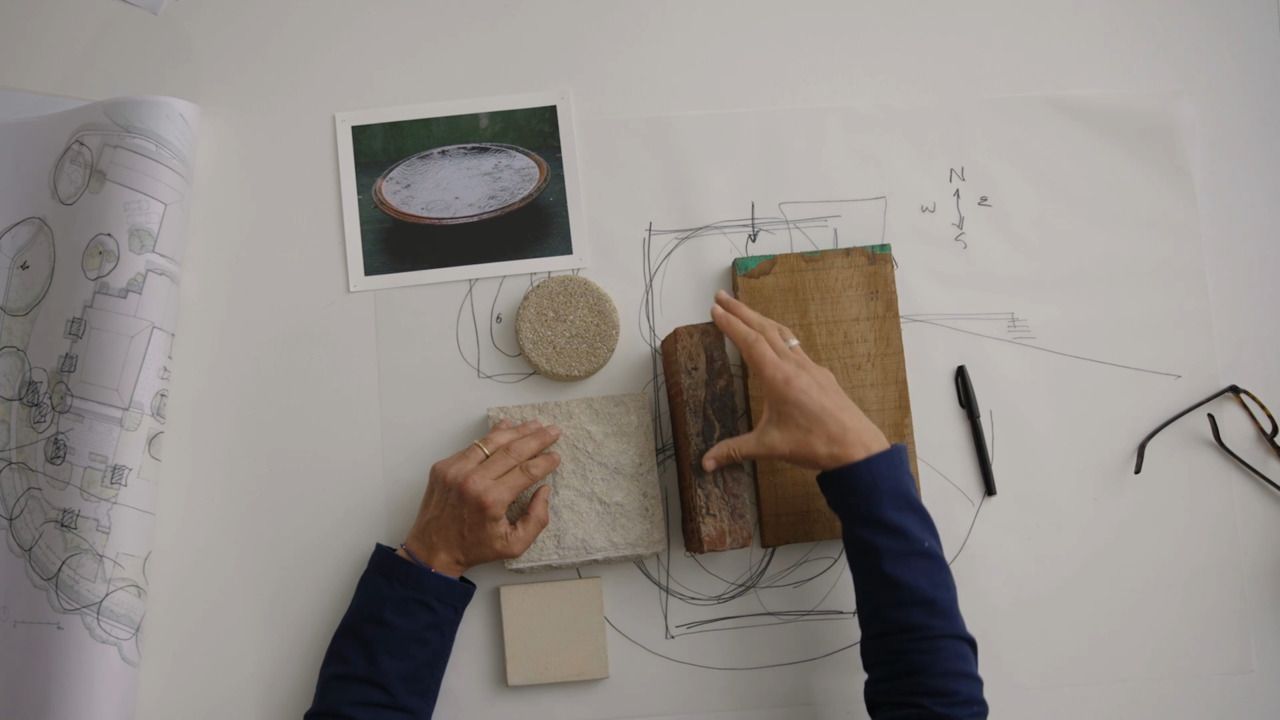
Reflect on the plans you have already made for your own places to be. Have the places at Hillside that you have learned about changed your mind? Can you add any extra detail about materials that would suit the places you want to create, or plants that might heighten the spaces?

Plant Directory

Iris Dark Aura

Giant Royal Fern

Hawthorn

Sweet Briar

Honeysuckle

Benton Irises

Cherries

Pears

Rhizomes

Get the full workbook, video lessons, and more with a Create Academy subscription.

Subscribe to access the full workbook
Access all courses
$30 /month

Access 56+ courses, billed annually

Subscribe Now
Buy this course
$197 one-time

Lifetime access to this course

Buy Course

Already a member? Sign in to watch

Rated 4.7/5 on Trustpilot

437 reviews

Read more

Very good tutorial from a professional garden...

I have subscribed to access all the courses so have watched one on interior design and this one with Butter Wakefield who specialises in small garden design. She ...

Louise Brown

Apr 10, 2026

Time spent well

I love CreateAcademy. I came in for the gardening and floristry courses, but am also watching an interior design one at present. And the photography course is an ...

Wellesley

Apr 1, 2026

What a great investment

What a great investment, I have learned such a lot from the first three courses. My evenings have gone from not being able to find anything that captured my imagi...

sojojo

Mar 30, 2026

I loved this course with Amanda\u2026

I loved this course with Amanda Lindroth! Her approach to decorating is so relaxed and she makes it feel attainable. She explains the reasons behind her decisions...

Elizabeth

Mar 27, 2026

Dan Pearson

Your Instructor

Dan Pearson

Acclaimed naturalistic landscape designer. Multiple Chelsea Gold Medal Winner. OBE.

British landscape designer, horticulturalist and writer Dan Pearson OBE, has been designing award-winning gardens since 1987. His naturalistic use of plants, light-handed approach to design and deep-rooted horticultural knowledge has made him one of the most celebrated and innovative gardeners working today. Dan trained in horticulture at Wisley and Kew, before starting his garden and landscape design practice in 1987. In 2015, his show garden for Chatsworth and Laurent Perrier was awarded a Gold Medal and Best Show Garden at the Chelsea Flower Show. In 2014 Dan was appointed an advisor to the National Trust at Sissinghurst Castle. For over 20 years Dan has written regular gardening columns, with his work a staple of The Observer, and has written a number of best-selling gardening books.
Access to all courses

Get access to unlimited learning with a Create Academy subscription