

Interior and exterior confidence
Create Academy has been such a great resource. I'm in the middle of renovating a bungalow with a very large garden and the courses have offered a wealth of inform...
Harvey
Jun 10, 2026
Naturalistic Garden Design Masterclass
with DAN PEARSON — Acclaimed naturalistic landscape designer. Multiple Chelsea Gold Medal Winner. OBE.
Lesson 4 of 27
Subscribe to watch
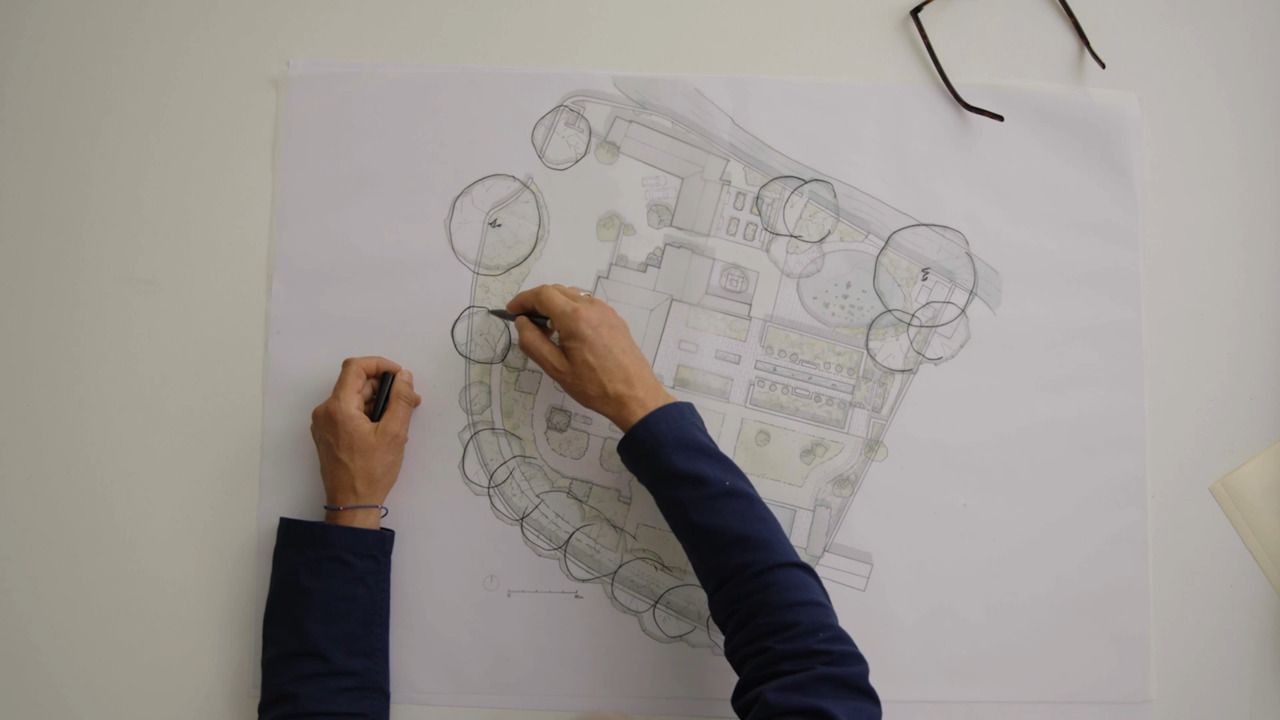
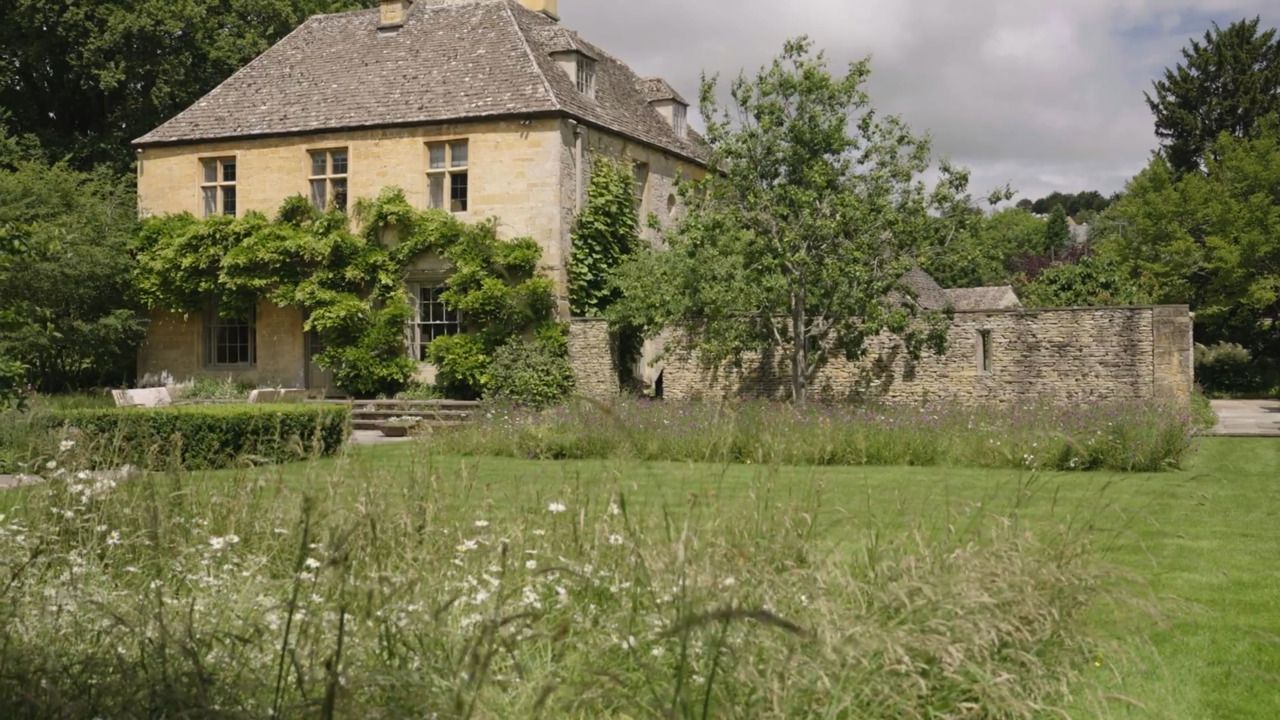
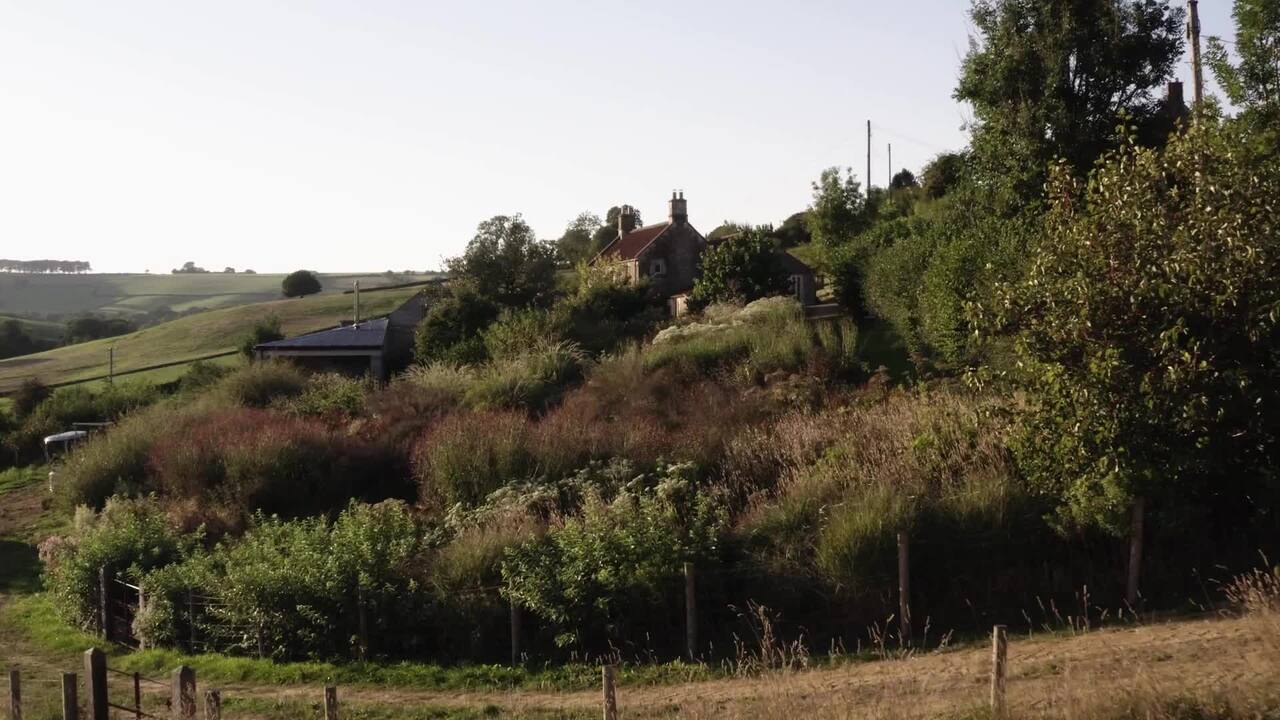
Under Dan's guidance, you will discover the importance of observing the mood and sensitivity of a place before you begin making changes.
It's important to take time to get a place, before embarking on any changes.
Note the existing materials and think about what you could introduce to work in harmony with those. What is the current function of the space, and what atmosphere does this lend it? Look at how the light moves around the landscape, and how it impacts upon mood. Ultimately, you are aiming to tune into the sense of place and amplify it.
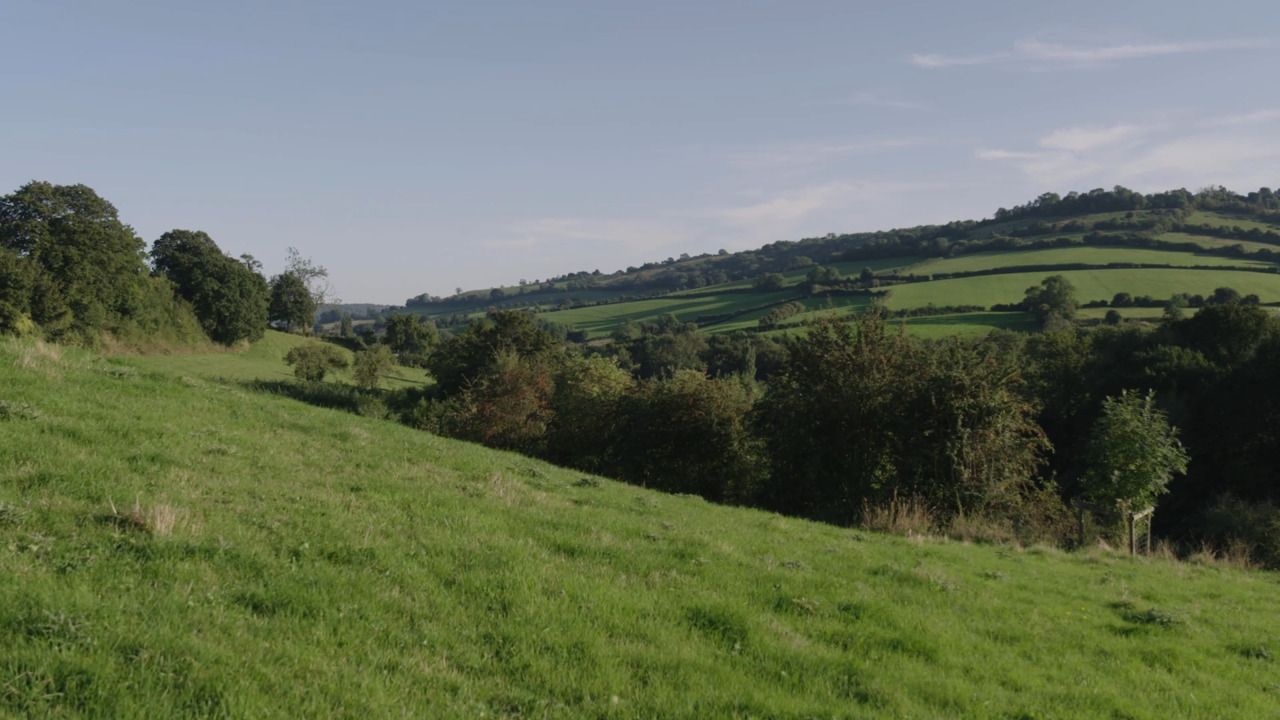
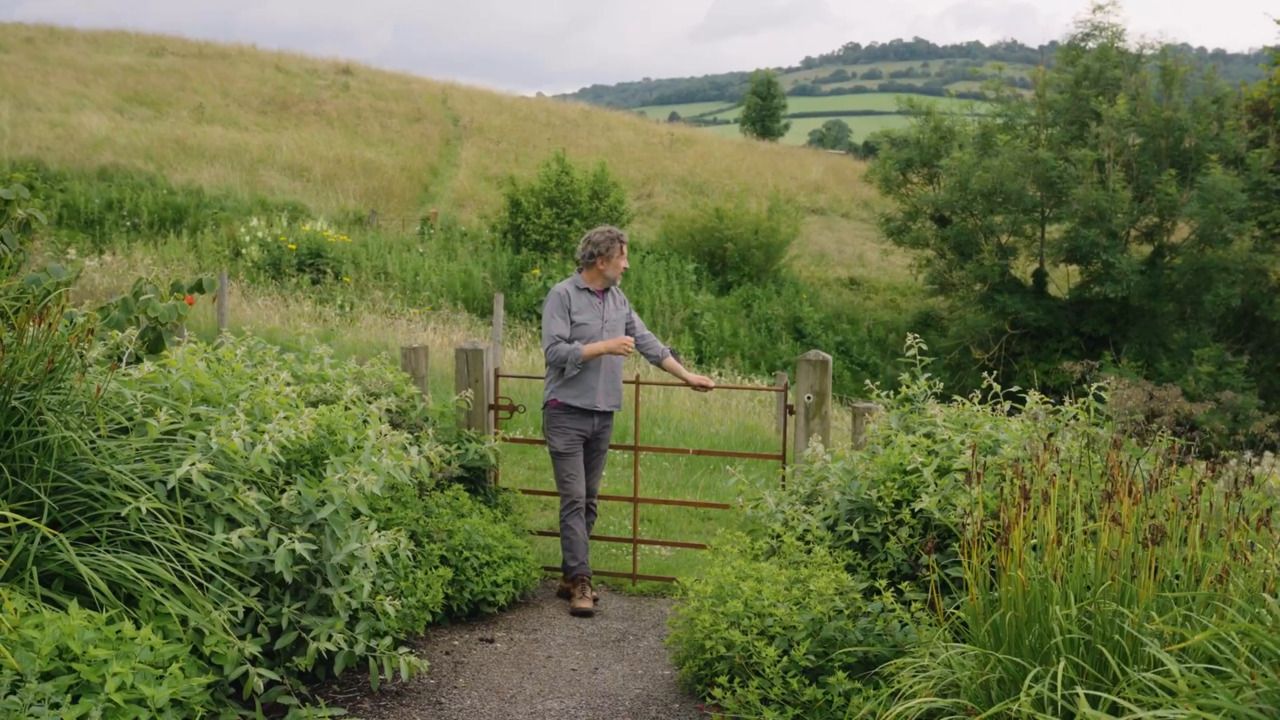
Originating from the Asian concept of shakkei meaning 'borrowed scenery', this is the principle of incorporating surrounding and background landscapes into the composition and design of your garden. These are not elements present within the actual parameters of your garden, but their existence should be acknowledged to fully appreciate the sense of place.
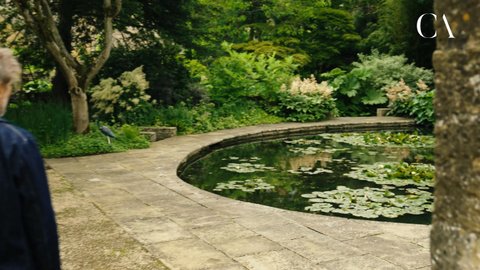
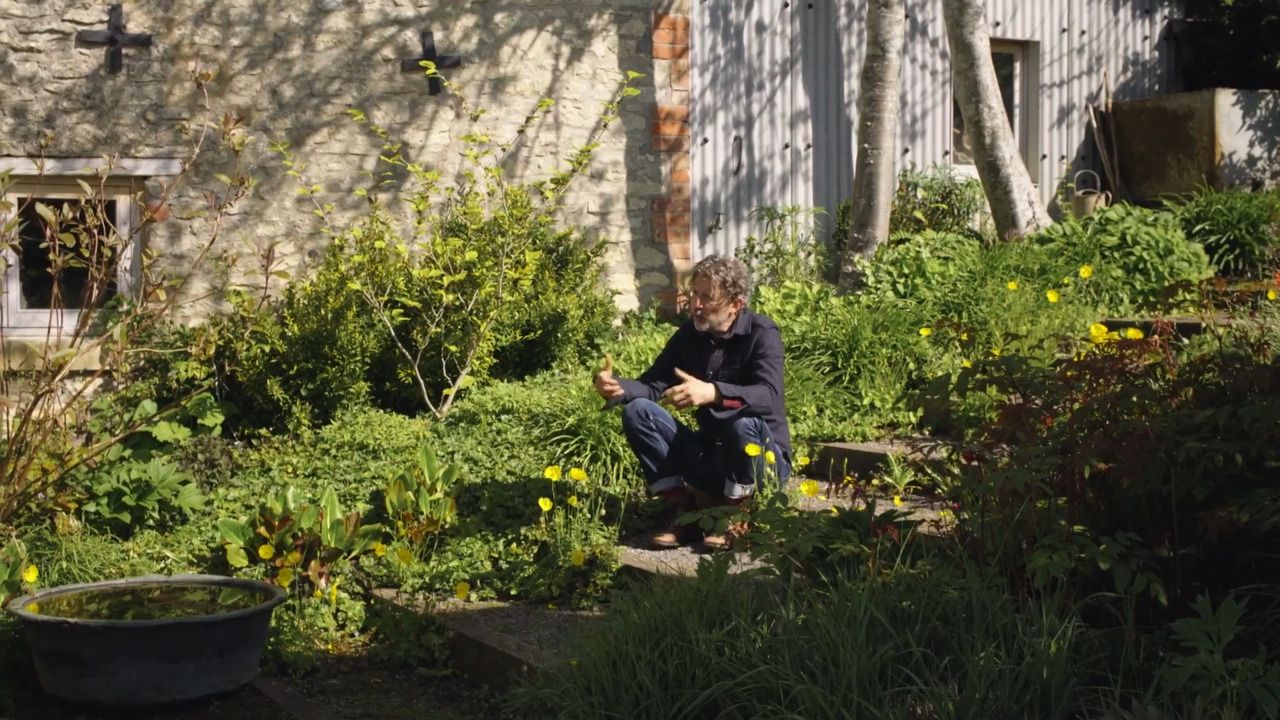
The way a place is used can give it a sense of place. For example, a kitchen garden, where you are growing with the intention of eating, has a utilitarian mood and productive atmosphere. On the other hand, a sundappled, secluded spot by a stream might be the perfect place for quiet contemplation, and could be enhanced by adding a simple crossing across the water.
These are the unchangeable factors of an environment that influence its sense of place. The materials of which it is composed, the way the seasons change it, and the manner in which the weather interacts with it. Every element will be unique to where you are.
Assessing the potential of your garden is a crucial element in the process of understanding it. One way to do this is to identify its 'best' parts, or the areas with the strongest atmosphere. Tune into them and think of ways to emphasise them. This will enable you to unlock their true potential.
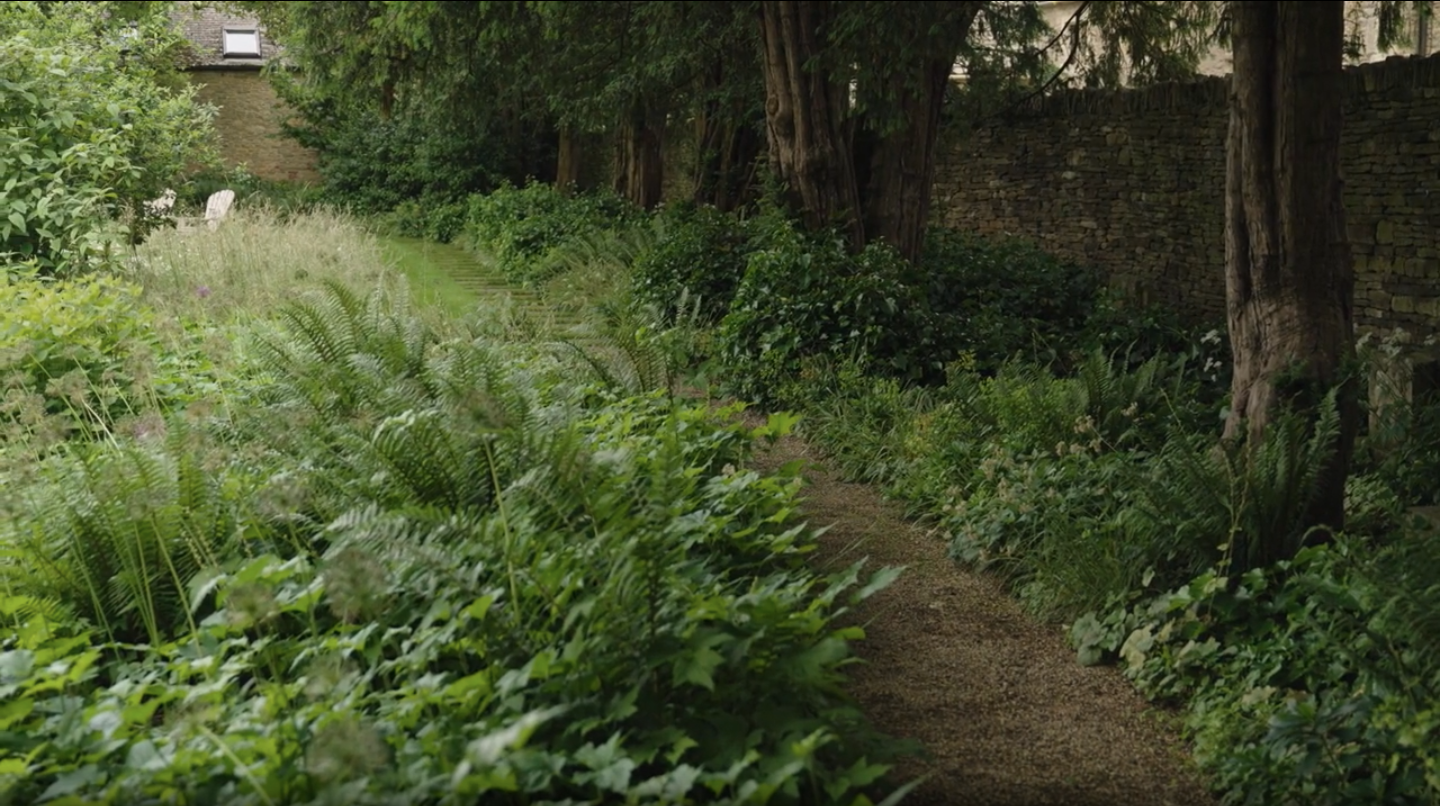
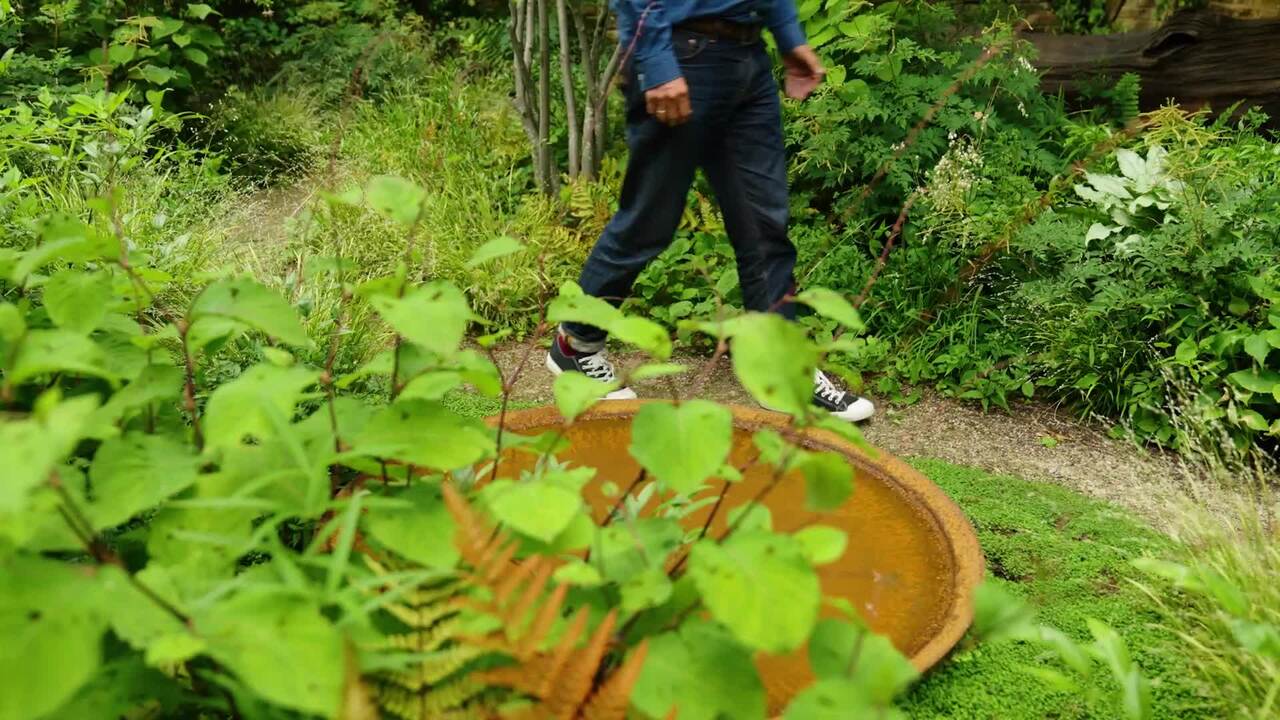
One of the simplest ways to absorb the sense of a place is to walk through it. Look in nooks and forgotten corners for clues as to its untouched nature. What grows there, what occurs naturally and what natural elements are at play in the space?
How does the climate of your garden impact it's sense of place? It might be that the weather conditions dictate the types of plants that will be suitable for the garden. They will, in turn, create a mood specific to that particular landscape.
Even the trickiest or most obscure of places will have a quality about them that you can tap into and recalibrate. Lean into it's difficult qualities, and try to think about what they tell you about how the space should feel.
| Observation | Response |
|-------------|----------|
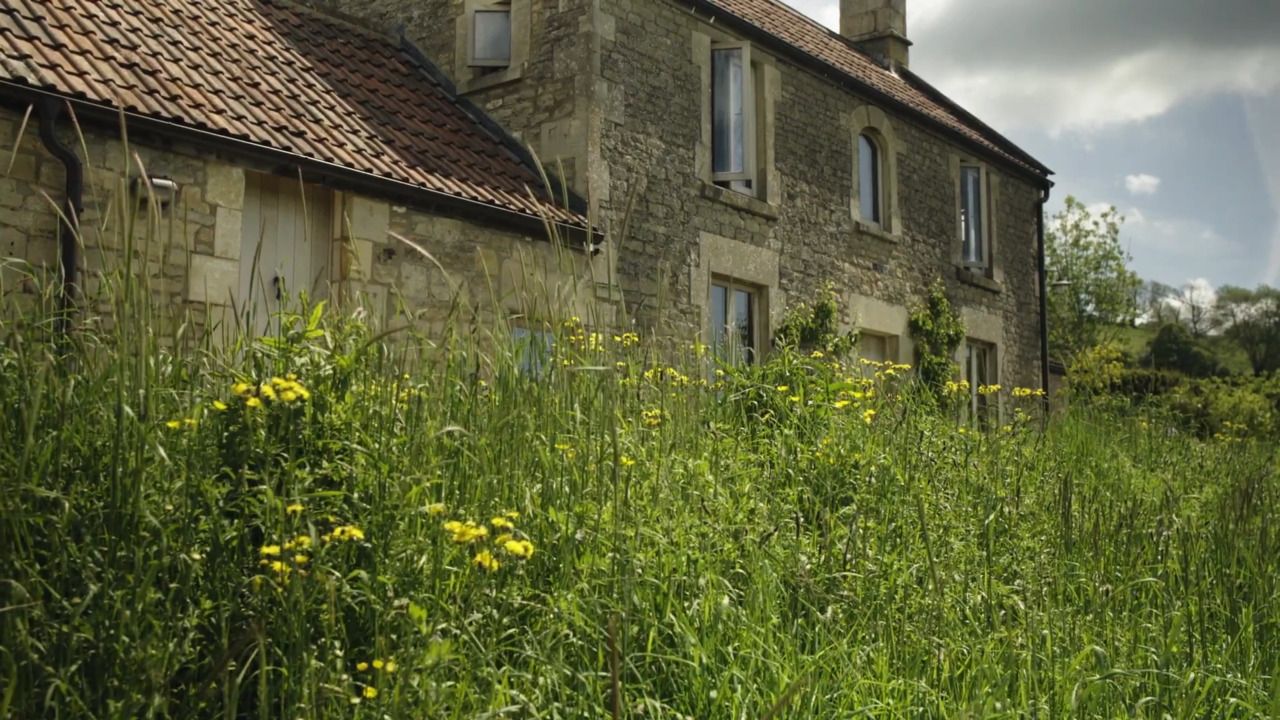
| Rolling topography that felt comforting | Soft, undulating paths were laid to work in harmony with the rolling landscape |
| Exposed and open with strong winds | Plants that react beautifully to the wind became an important part of the design |
| Strong sunlight | Chose plants for their ability to thrive in full sun. Made special spots a special feature |
| Relaxed and varied habitat | Prioritised building an orchard, repairing hedgerows and maintaining blossom wood. |
| Authentic, simple and functional | Used existing materials of breeze blocks, reconstituted concrete and salvaged gates |
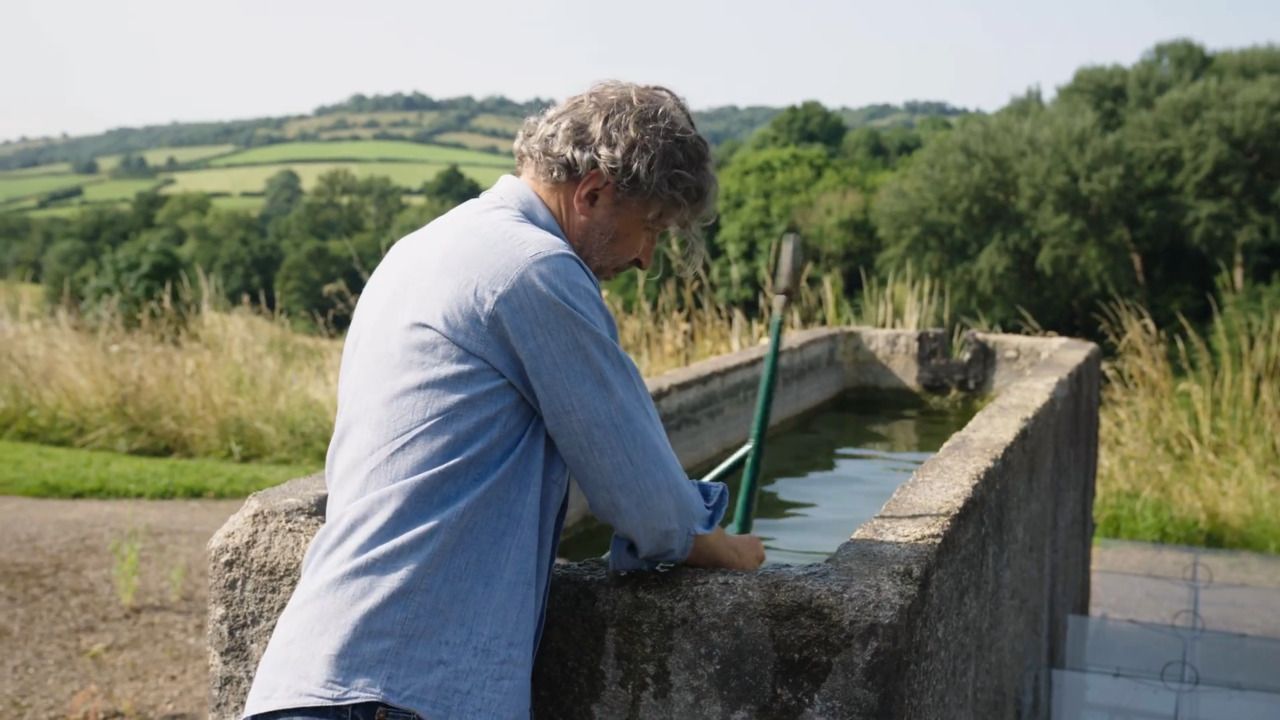
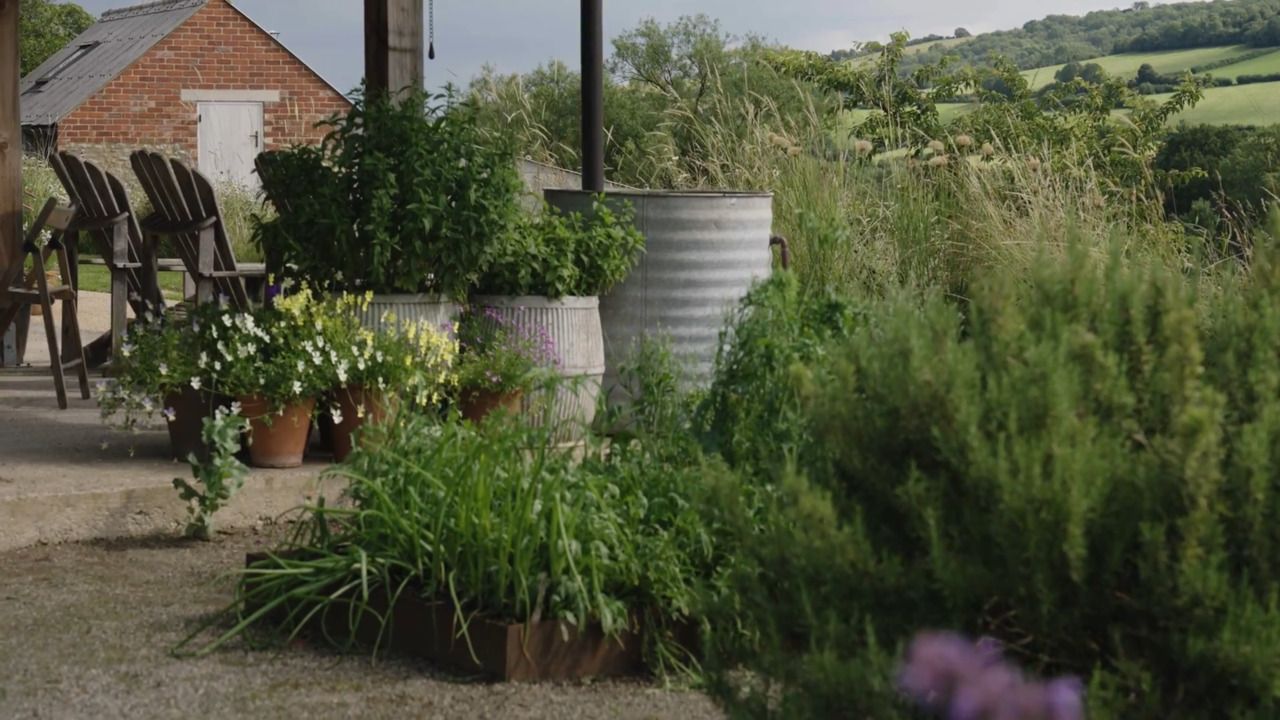
| Dramatic landscape | Large stone troughs echo the striking line of beech trees and interact with the rainwater |
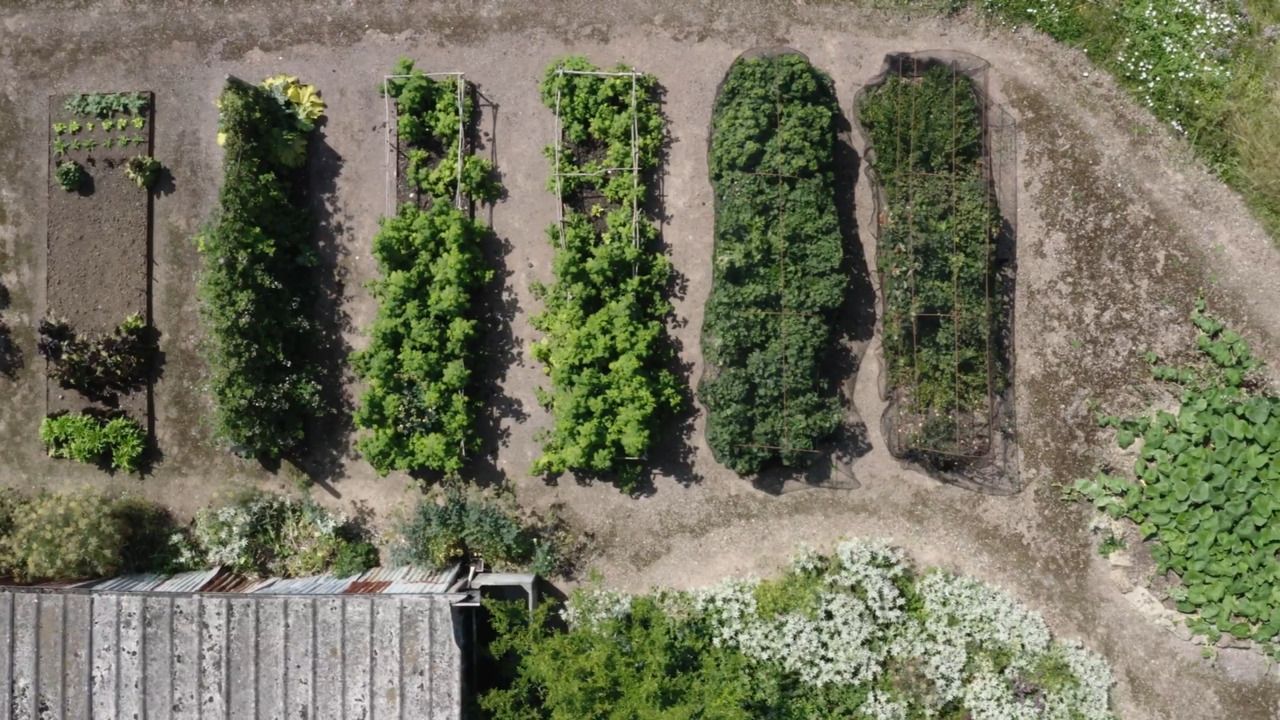
| A rich histroy of farming and growing | Began to cultivate vegetables and started kitchen garden |
| No previous formal garden | Created a trial garden to see what felt right and grew nicely |
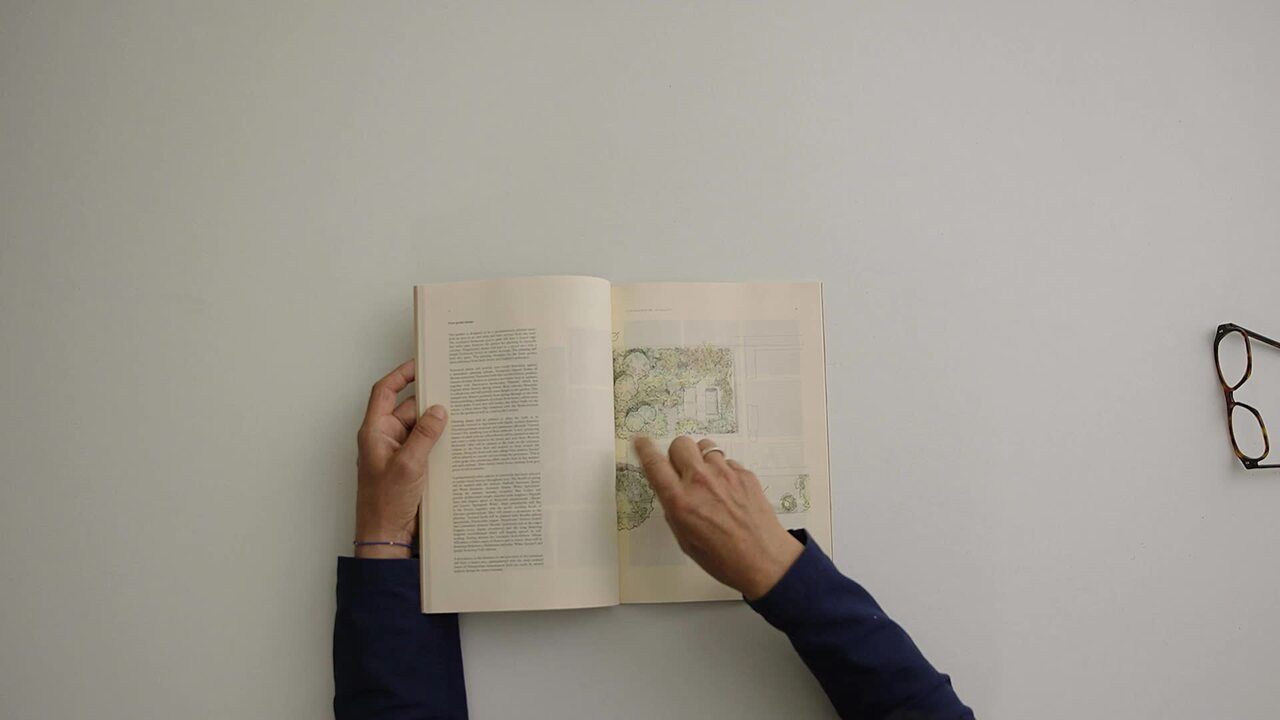
Using the techniques discus, start to understand your own garden's sense of place. You can also begin to think about how these observations might inform your plan for the space.
| Observation | Response |
|-------------|----------|
| | |
| | |
| | |
| | |
| | |
| | |
| | |
| | |
Get the full workbook, video lessons, and more with a Create Academy subscription.
Subscribe to access the full workbookAlready a member? Sign in to watch
491 reviews
Read moreCreate Academy has been such a great resource. I'm in the middle of renovating a bungalow with a very large garden and the courses have offered a wealth of inform...
Harvey
Jun 10, 2026
Absolutely love Create Academy! The instructors are extremely informative, and it is beautifully filmed. Create Academy is great value for money and plan on renew...
SG
May 31, 2026
Butter's creativity is stunning! Her ability to incorporate brilliance in small gardens is magical!
Carla
May 30, 2026
The best adventure. I like all the courses, but my favorite are both Rita Konig interior design courses and Anna Jones. Excellent!
Karolina Kluczewska
May 20, 2026
Create Academy has been such a great resource. I'm in the middle of renovating a bungalow with a very large garden and the courses have offered a wealth of information to dive into and explore new ideas. I'm...
Harvey
Jun 10, 2026
Absolutely love Create Academy! The instructors are extremely informative, and it is beautifully filmed. Create Academy is great value for money and plan on renewing my subscription yearly because there are ...
SG
May 31, 2026
Butter's creativity is stunning! Her ability to incorporate brilliance in small gardens is magical!
Carla
May 30, 2026

Your Instructor
Acclaimed naturalistic landscape designer. Multiple Chelsea Gold Medal Winner. OBE.
British landscape designer, horticulturalist and writer Dan Pearson OBE, has been designing award-winning gardens since 1987. His naturalistic use of plants, light-handed approach to design and deep-rooted horticultural knowledge has made him one of the most celebrated and innovative gardeners working today. Dan trained in horticulture at Wisley and Kew, before starting his garden and landscape design practice in 1987. In 2015, his show garden for Chatsworth and Laurent Perrier was awarded a Gold Medal and Best Show Garden at the Chelsea Flower Show. In 2014 Dan was appointed an advisor to the National Trust at Sissinghurst Castle. For over 20 years Dan has written regular gardening columns, with his work a staple of The Observer, and has written a number of best-selling gardening books.
Access to all courses


