
Very good tutorial from a professional garden...
I have subscribed to access all the courses so have watched one on interior design and this one with Butter Wakefield who specialises in small garden design. She ...
Louise Brown
Apr 10, 2026
Naturalistic Garden Design Masterclass
with DAN PEARSON — Acclaimed naturalistic landscape designer. Multiple Chelsea Gold Medal Winner. OBE.
Lesson 7 of 27
Buy or subscribe to watch
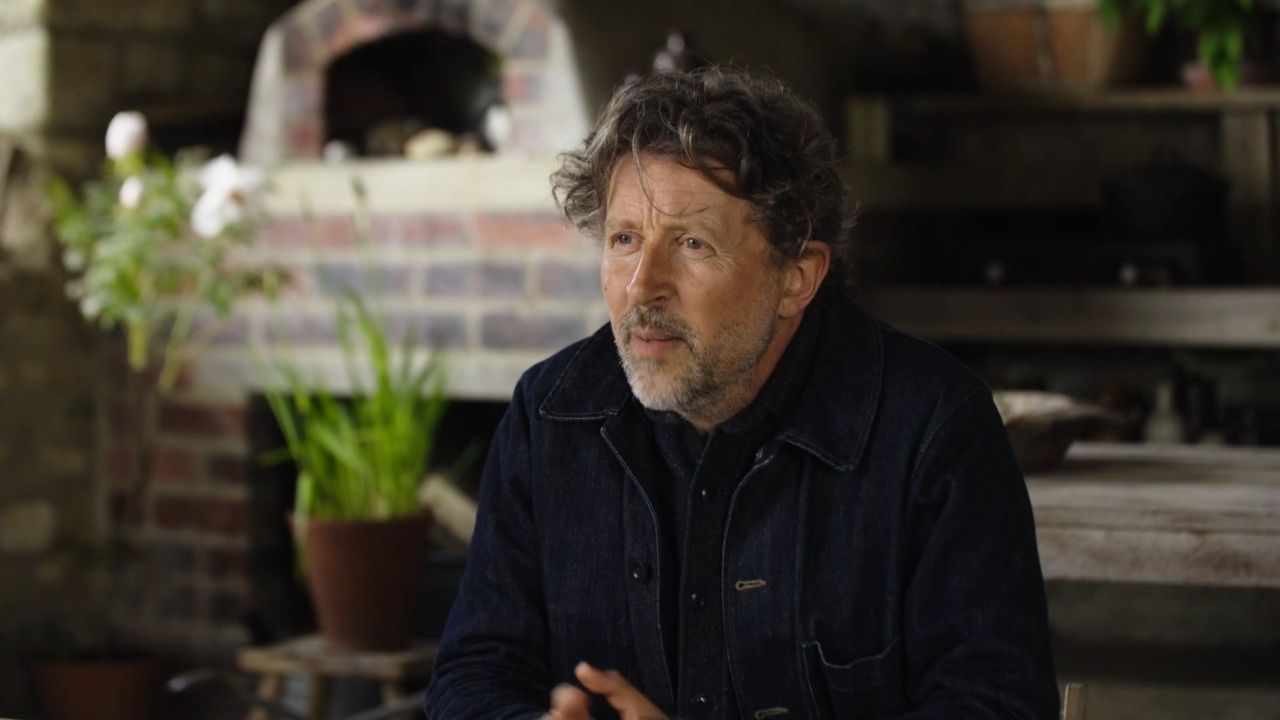
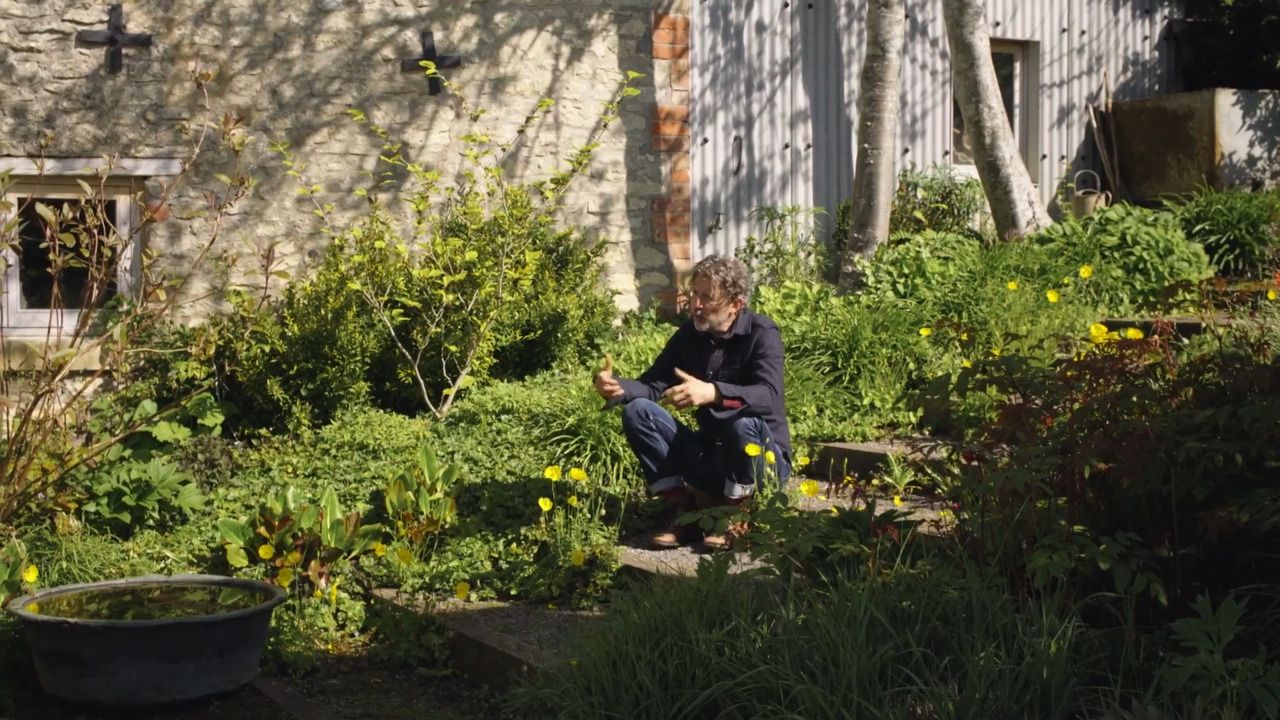
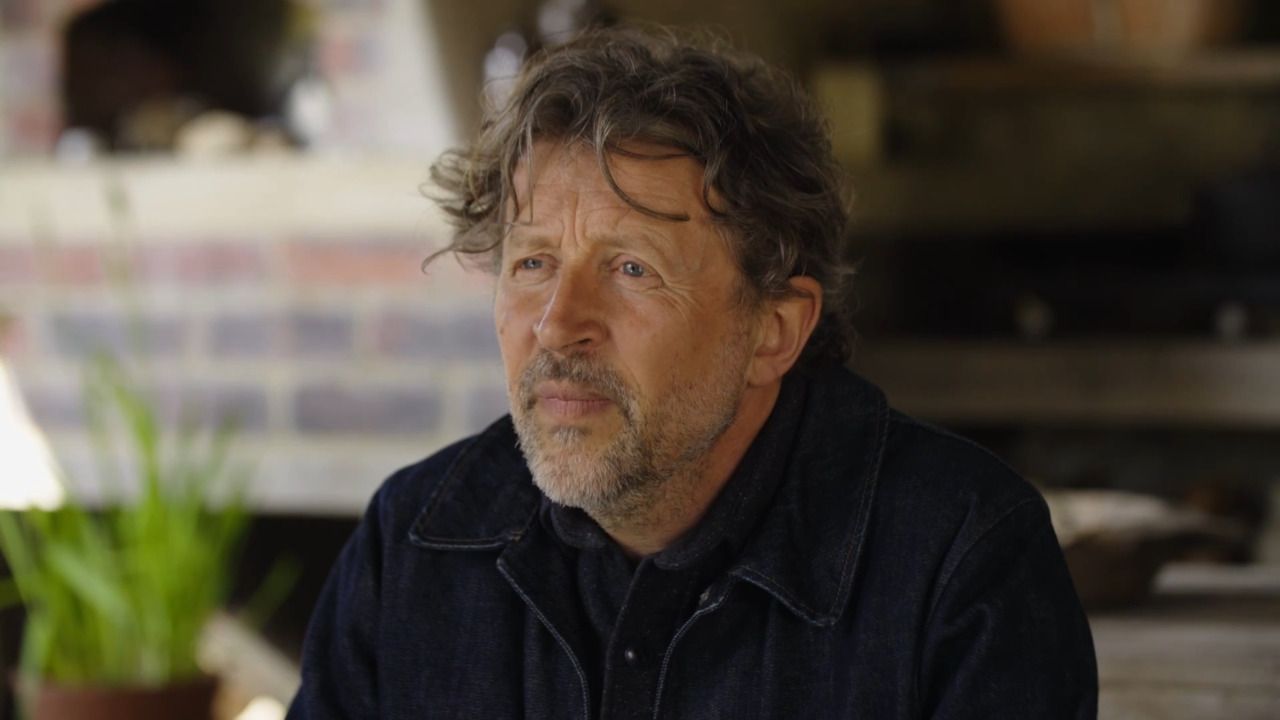
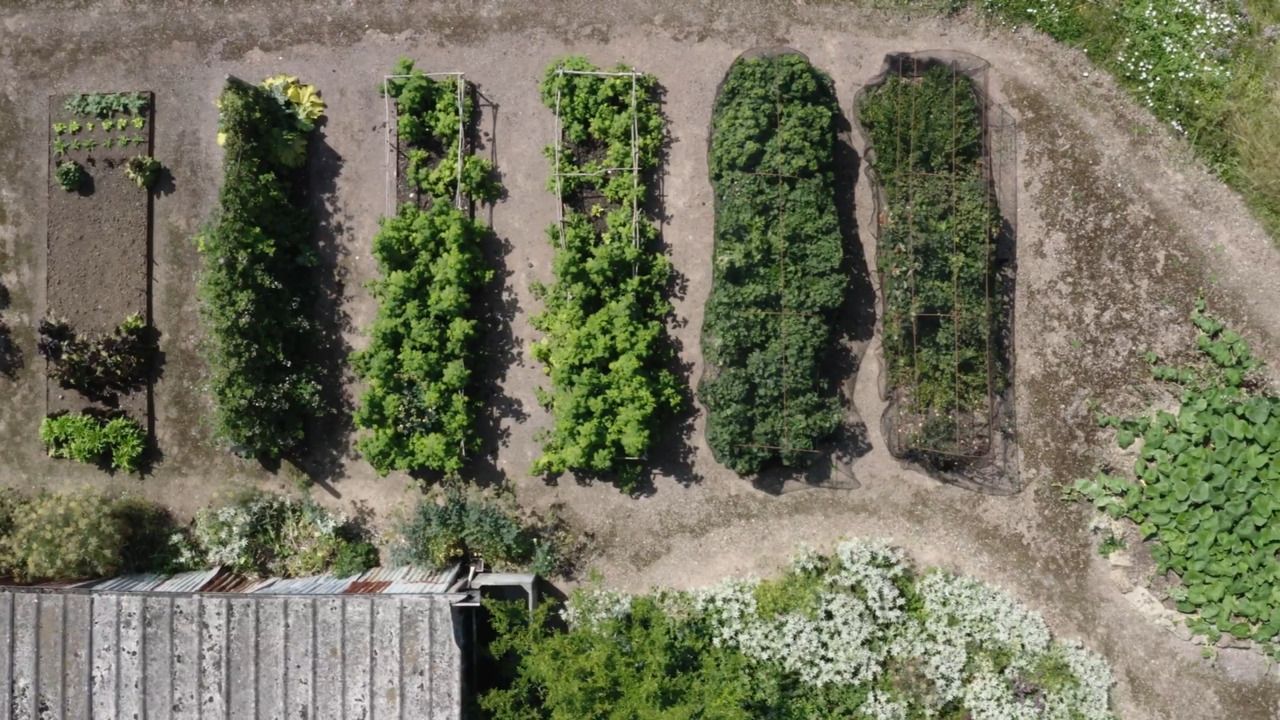
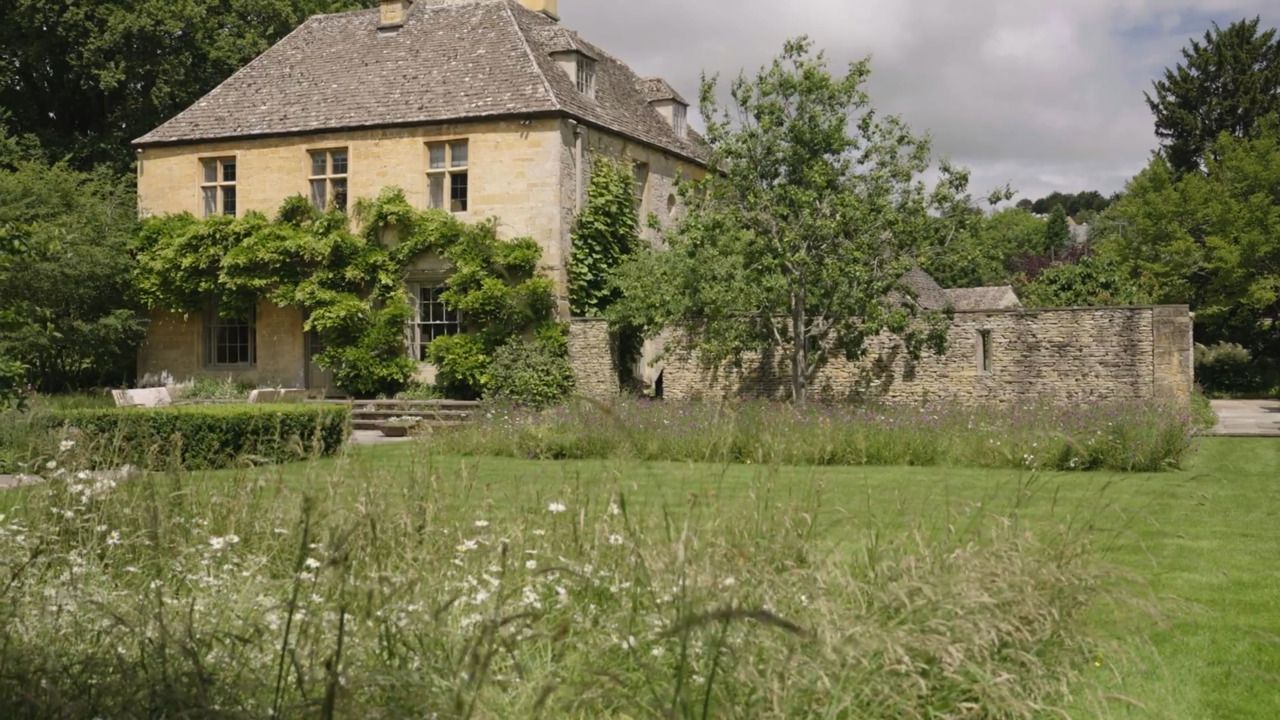
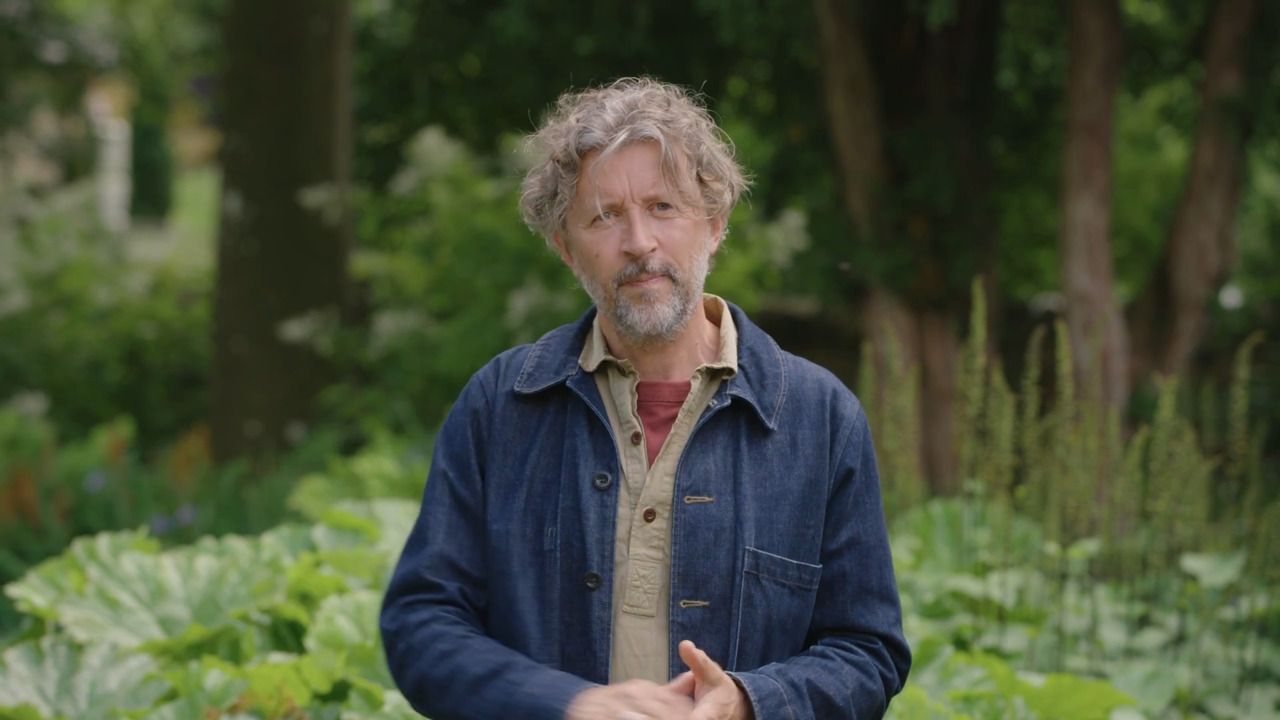
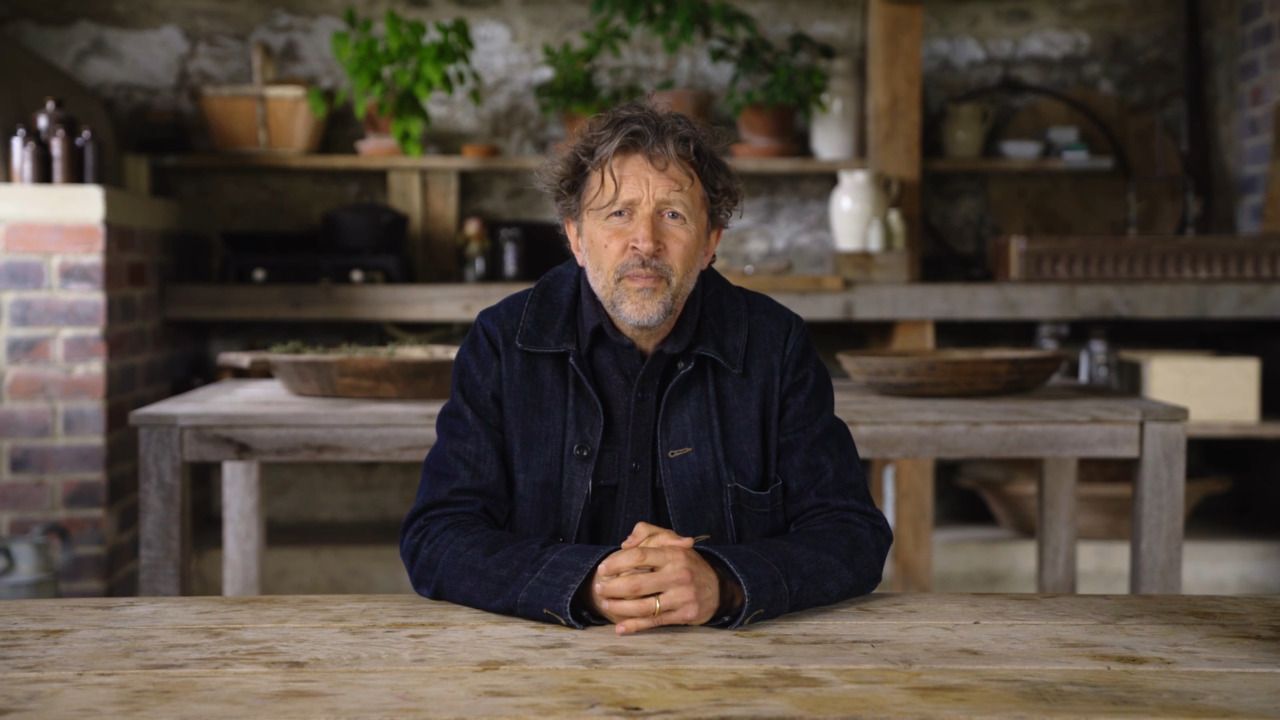
Your soil type, and navigating its possibilities, is critical to what you will be able to grow in your garden. You will learn how to work with your soil to get to know it better and how to protect your soil against the elements that are crucial to a successful garden in this lesson.
Understanding your soil type and exploring its possibilities is critical to what you will be able to grow in your garden. Working with your soil and protecting it against the elements is crucial to developing a successful garden.
Working in harmony with the conditions of your site will ultimately make your life easier. Don't try to fight the natural environment; it will require less maintenance in the long run. You can really lean into the different soils on a site and enjoy the different habitats they create.
However, good soil health is the foundation of a successful garden, and any time invested in improving soil health is well spent.
Where I can, I prefer to work with the natural conditions and adjust my planting accordingly. But if this becomes too limiting to the landscape, I will work to improve a soil by adjusting its composition.
You can adjust the composition of your soil and make it healthier by adding organic matter, mulching or feeding with manure and compost.
The foundation of a good garden is understanding the soils; working with them; nurturing them when they're being gardened; and planting appropriately to the existing conditions.
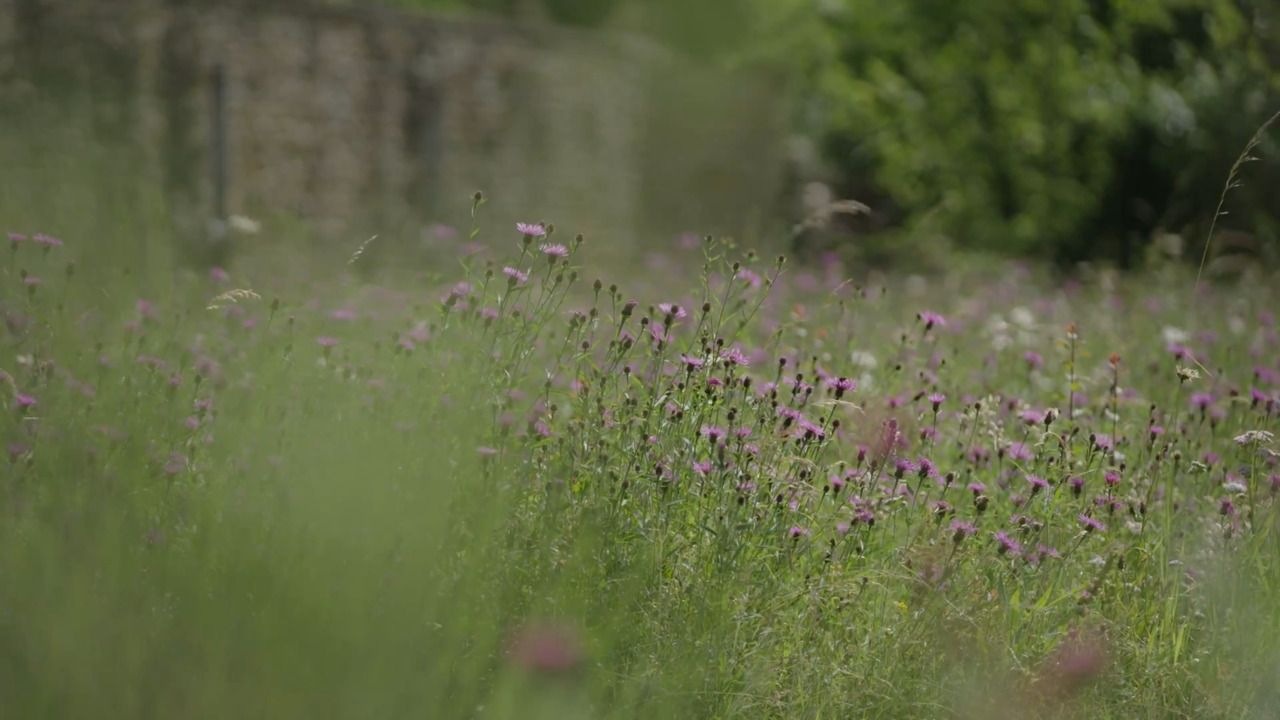
A simple way to assess the pH level of a soil is to look at what is growing locally. Rhododendrons, for example, thrive in acidic soil, whereas Scabious can be a sign of limestone within the soil.
A soil-testing kit is a quick and easy way to find out if your soil is acid, neutral or alkaline. The extremes of the pH spectrum are more difficult to garden in, while the middle zones around neutral offer the best gardening conditions.
If it's your own garden, you can take time to trial certain plants to see how they grow in the soil conditions. You can fasttrack the process by opting for trial plants that respond quickly.
Mulch is a layer of organic matter that you can apply to the top of a soil to:
Even on a good soil, mulch is a great additional organic layer to hold moisture in and protect it from the elements. The soil is one of the most important aspects of a garden, and you need to work with it and protect it.
I mulch immediately after I cut the garden back, around the end of February or early March, just before the bulbs come up and everything starts springing back into life.
It can be layered on year after year to keep your soil healthy.
Get the full workbook, video lessons, and more with a Create Academy subscription.
Subscribe to access the full workbookAlready a member? Sign in to watch
437 reviews
Read moreI have subscribed to access all the courses so have watched one on interior design and this one with Butter Wakefield who specialises in small garden design. She ...
Louise Brown
Apr 10, 2026
I love CreateAcademy. I came in for the gardening and floristry courses, but am also watching an interior design one at present. And the photography course is an ...
Wellesley
Apr 1, 2026
What a great investment, I have learned such a lot from the first three courses. My evenings have gone from not being able to find anything that captured my imagi...
sojojo
Mar 30, 2026
I loved this course with Amanda Lindroth! Her approach to decorating is so relaxed and she makes it feel attainable. She explains the reasons behind her decisions...
Elizabeth
Mar 27, 2026
I have subscribed to access all the courses so have watched one on interior design and this one with Butter Wakefield who specialises in small garden design. She has a lovely personality and comes across as ...
Louise Brown
Apr 10, 2026
I love CreateAcademy. I came in for the gardening and floristry courses, but am also watching an interior design one at present. And the photography course is an absolute must, best I've ever done.
Wellesley
Apr 1, 2026
What a great investment, I have learned such a lot from the first three courses. My evenings have gone from not being able to find anything that captured my imagination on TV to learning and expanding my kno...
sojojo
Mar 30, 2026

Your Instructor
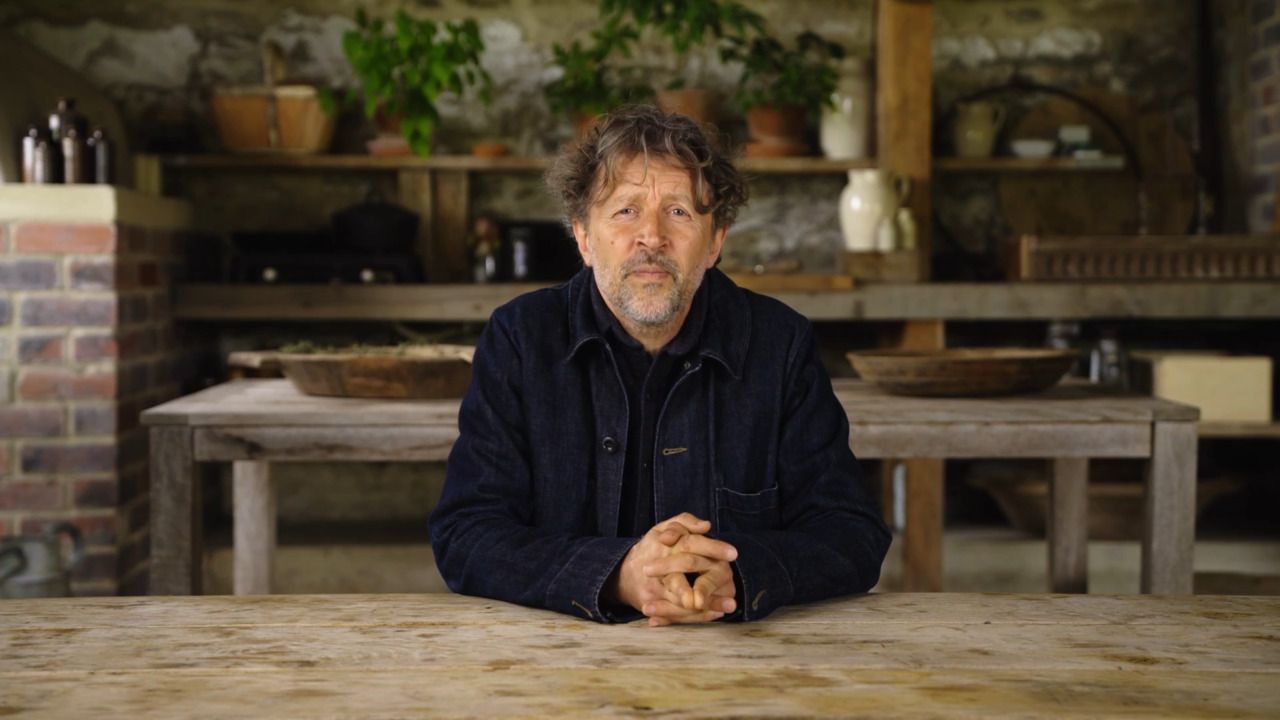
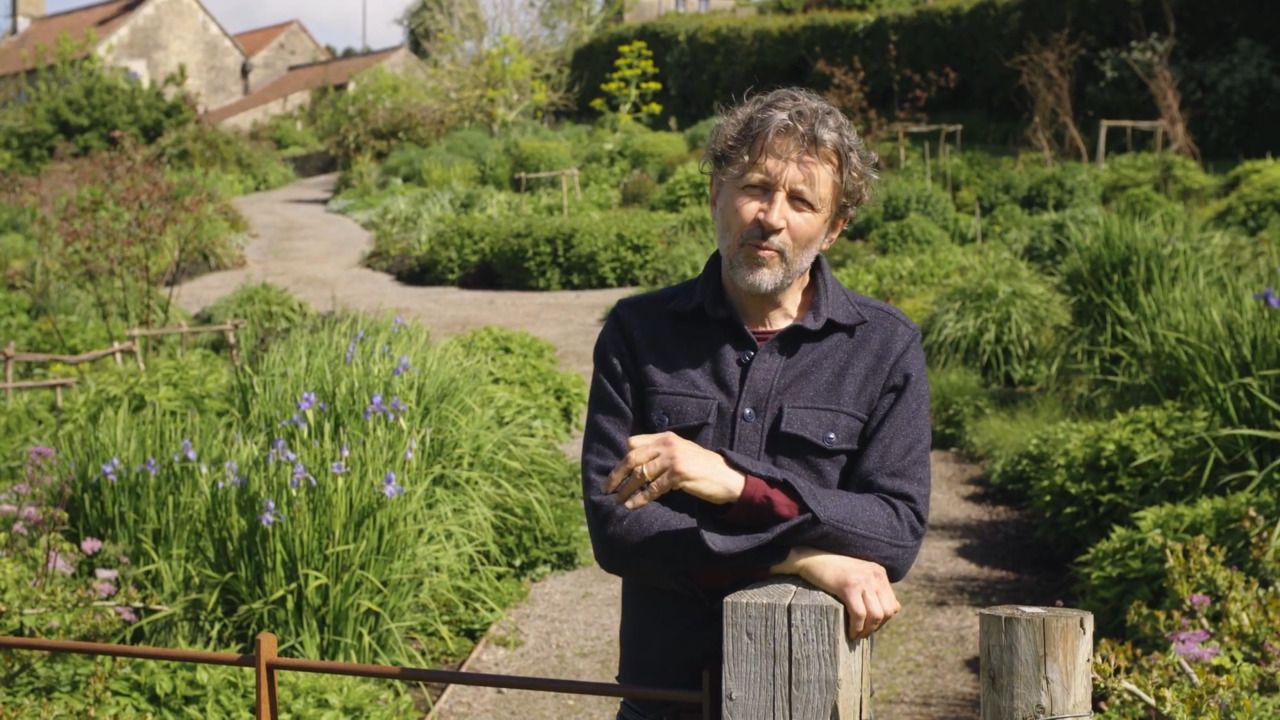
Acclaimed naturalistic landscape designer. Multiple Chelsea Gold Medal Winner. OBE.
British landscape designer, horticulturalist and writer Dan Pearson OBE, has been designing award-winning gardens since 1987. His naturalistic use of plants, light-handed approach to design and deep-rooted horticultural knowledge has made him one of the most celebrated and innovative gardeners working today. Dan trained in horticulture at Wisley and Kew, before starting his garden and landscape design practice in 1987. In 2015, his show garden for Chatsworth and Laurent Perrier was awarded a Gold Medal and Best Show Garden at the Chelsea Flower Show. In 2014 Dan was appointed an advisor to the National Trust at Sissinghurst Castle. For over 20 years Dan has written regular gardening columns, with his work a staple of The Observer, and has written a number of best-selling gardening books.
Access to all courses


