
Interior and exterior confidence
Create Academy has been such a great resource. I'm in the middle of renovating a bungalow with a very large garden and the courses have offered a wealth of inform...
Harvey
Jun 10, 2026
with AMELIA FREER — UK's leading nutritional therapist, healthy eating expert and internationally bestselling author.
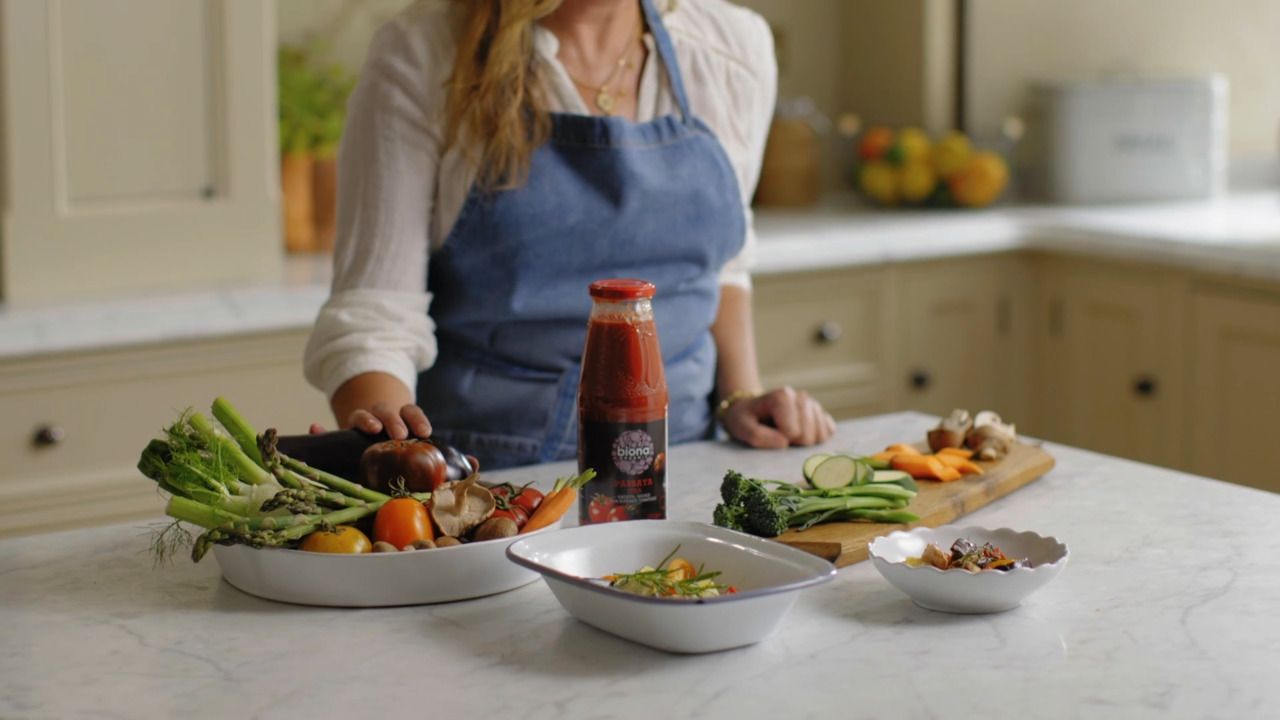
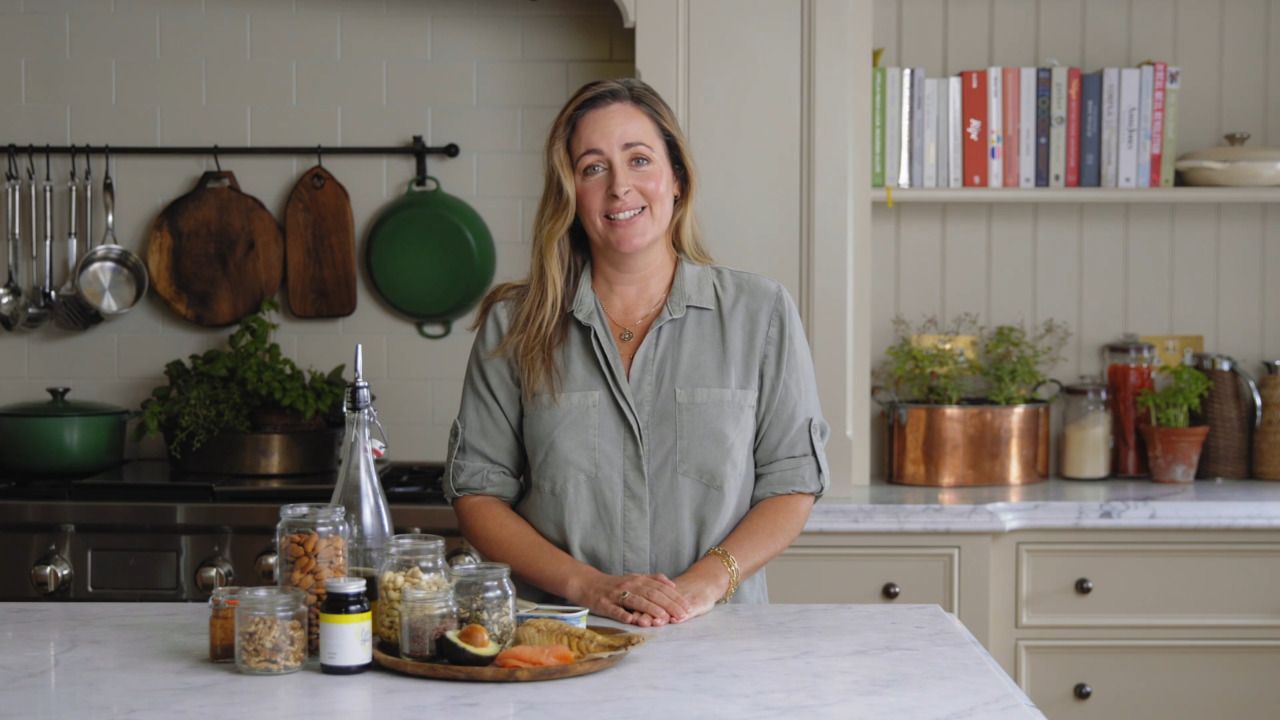
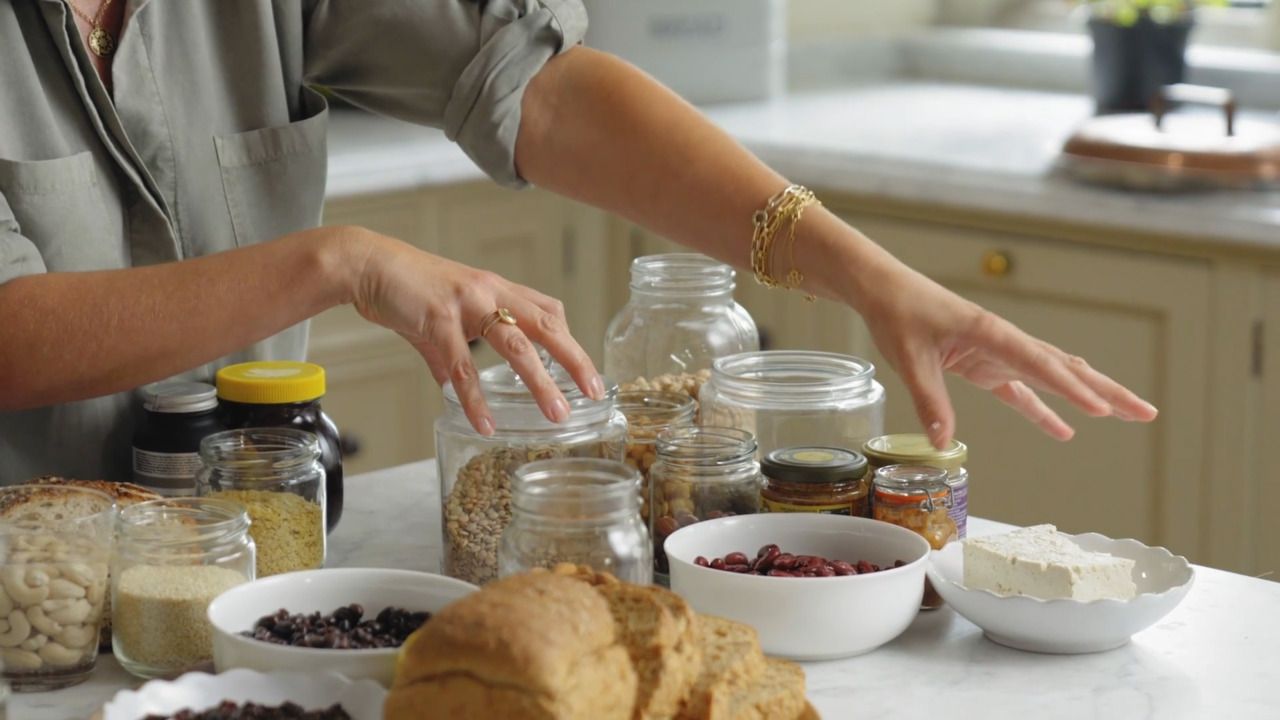
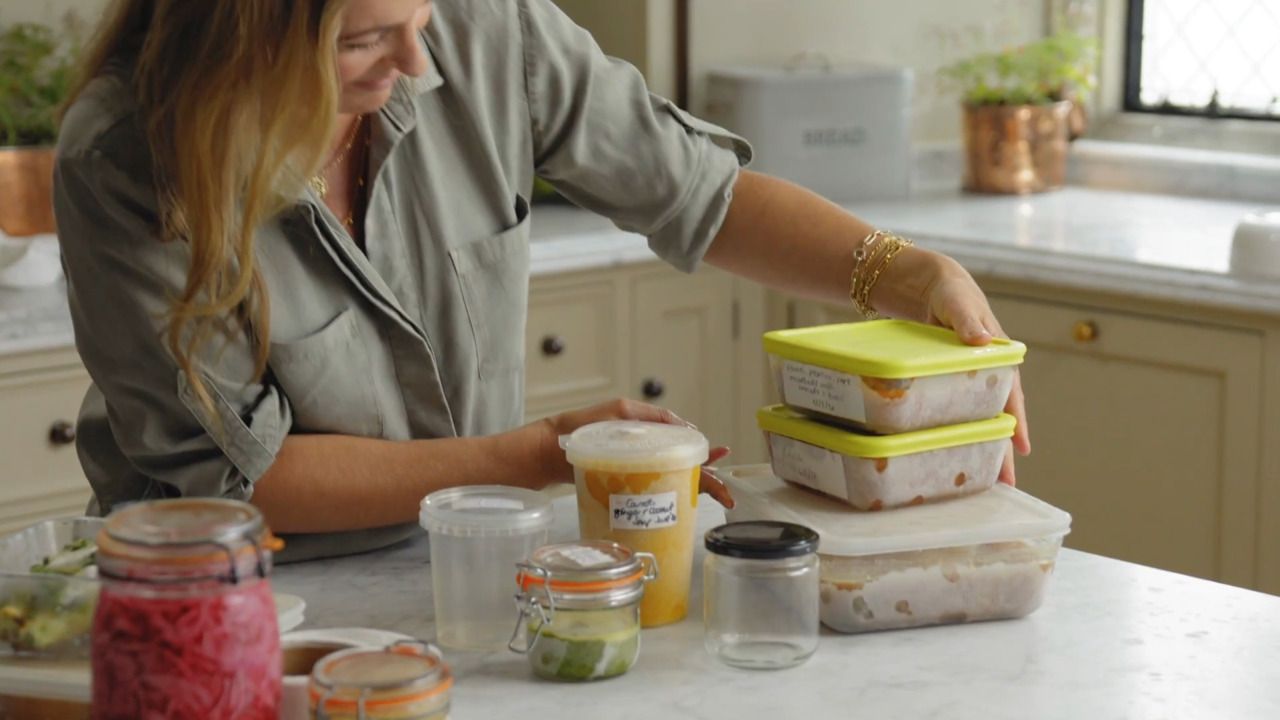
Amelia shares some of her key food philosophies including her concept of positive nutrition; focusing on what we need to include in our diet rather than what we need to exclude.
So much of the discussion around healthy eating seems to be about the negatives; what not to eat, what to avoid, what to restrict, what is 'off limits' etc. Yet we all know that we have to eat every day in order to survive. So what, ideally, should that be?
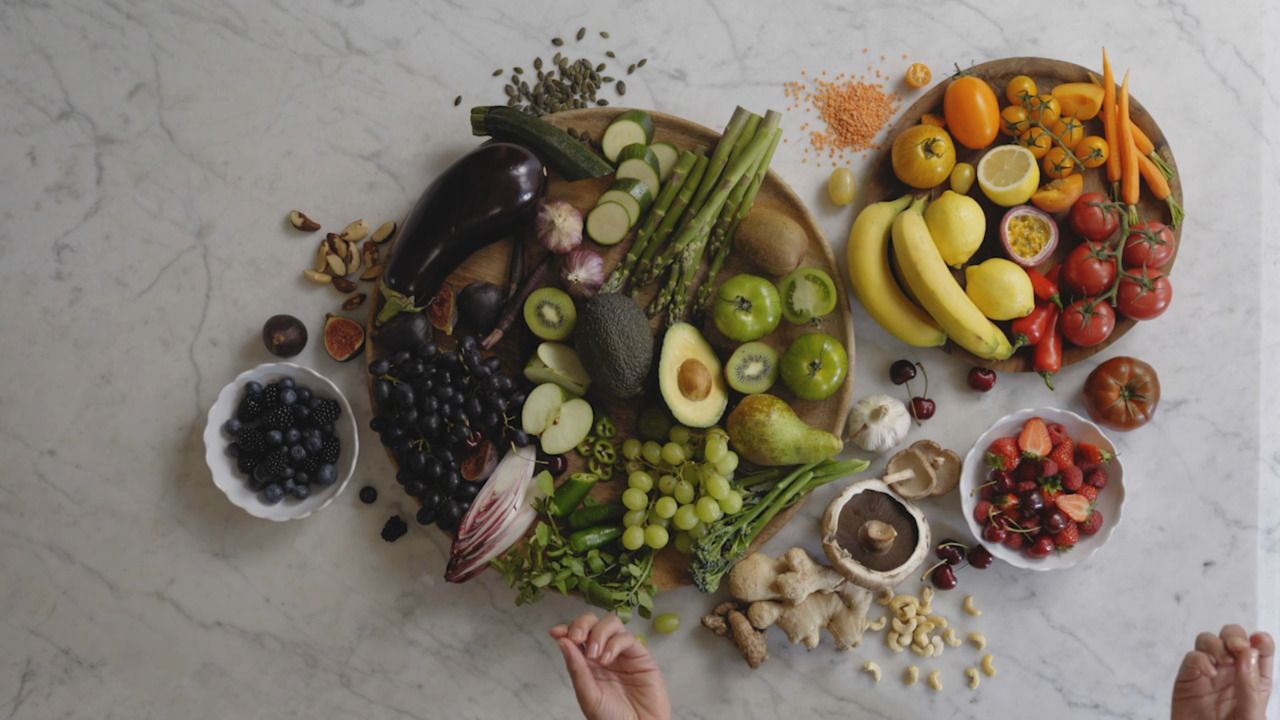
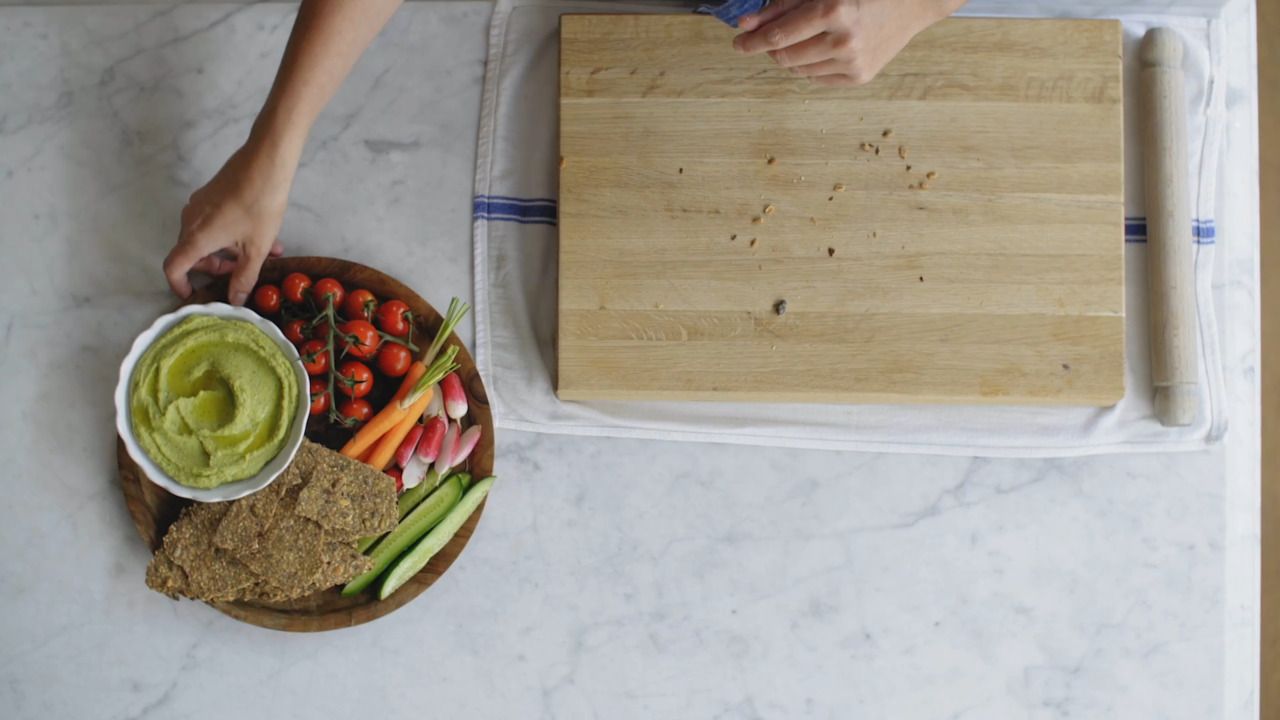
That is where the concept of Positive Nutrition comes into play. It is a tool that I developed with my team to help show us what, exactly, we should be aiming to eat every single day. It turns healthy eating from having an unnecessary focus on restriction to focussing almost entirely on maximising abundant nutrition.
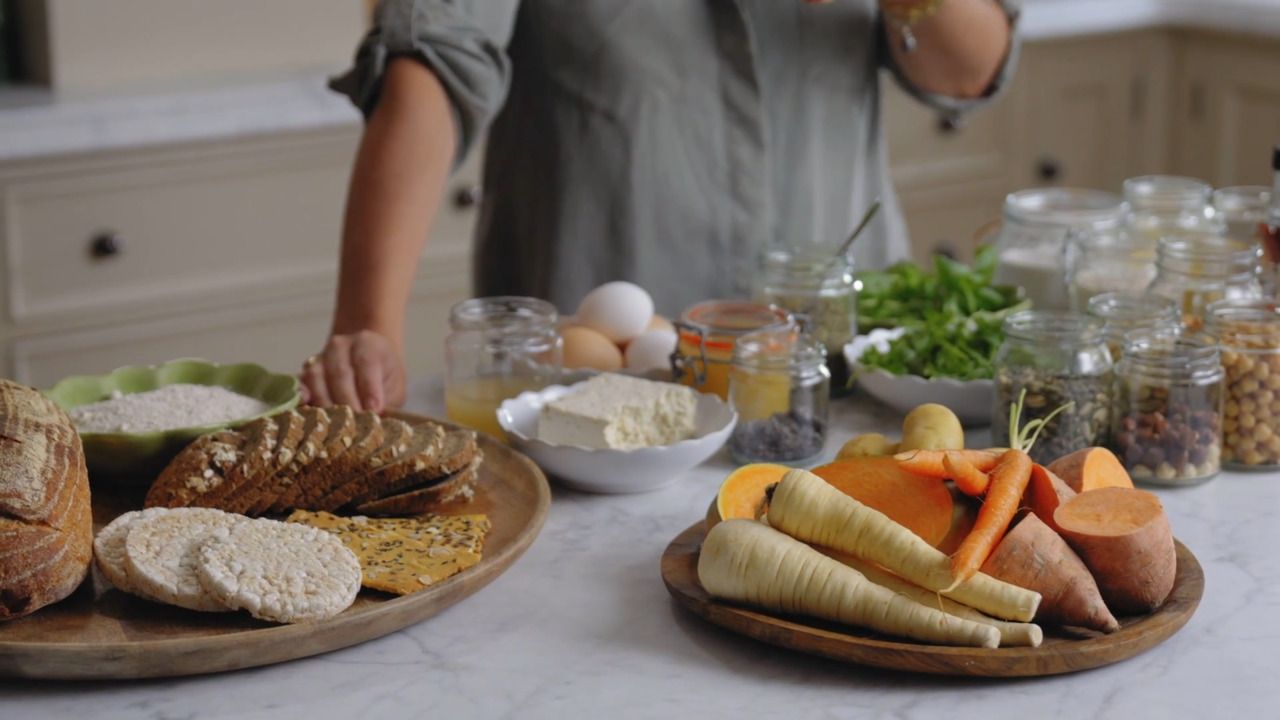
The key aim is to work up towards having one portion of each of the food groups listed in the pyramid, every day. So that would be 6 portions of vegetables, 3 of fresh fruit, 3 of protein, 2 healthy fats, 2 carbohydrates (although this one is very flexible; if you are more active you may need a little extra carbohydrate if you are trying to lose weight you may need a little less) and finally, 1 portion of nuts and seeds.
Of course, it is equally as important to listen to your own body, so these portion recommendations are very flexible. Some people may find they need more of certain foods, and some may need less. This is simply a suggested starting point, from which you can adapt and refine as much as necessary until you find a way of eating that works well for you.
Vegetables: A portion of raw vegetables is around 80g, or roughly the size of your clenched fist,. Cooking vegetables, especially greens, makes them reduce in size (which can make it easier to fit them all in!).
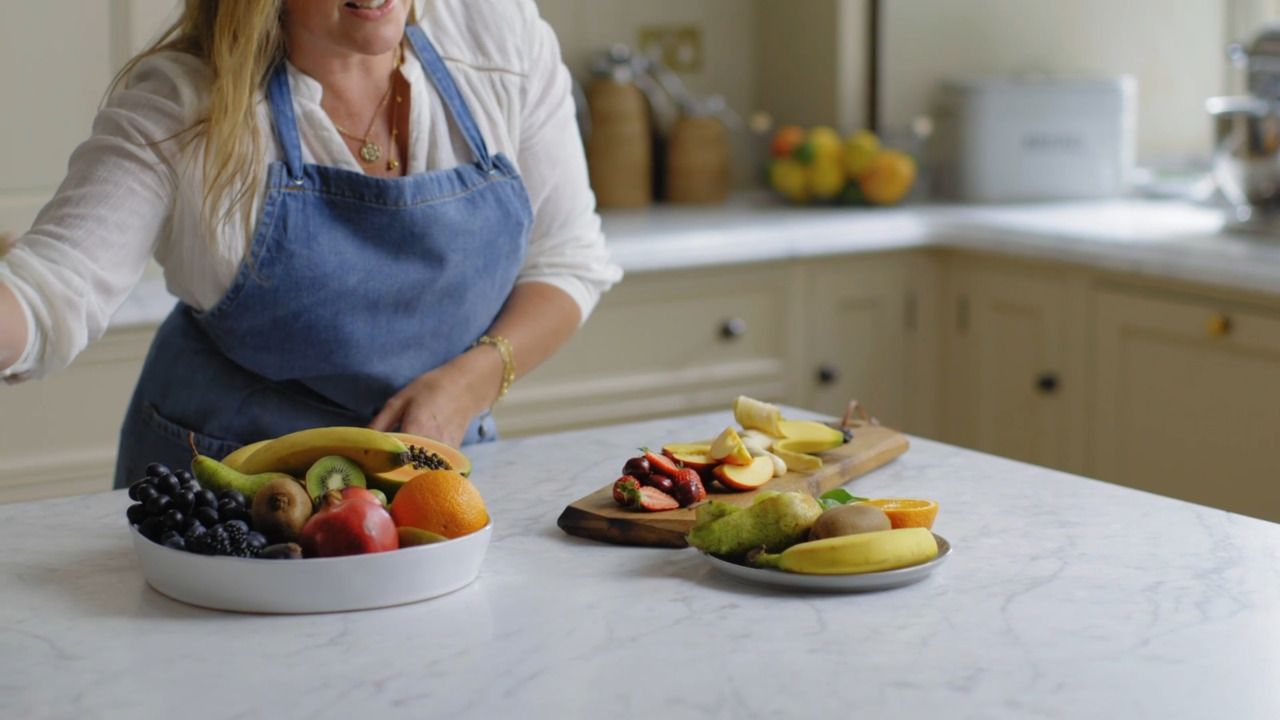
Fresh fruit: Again, around 80g or roughly the size of your clenched fist. E.g., an apple, 2 satsumas, a handful of berries.
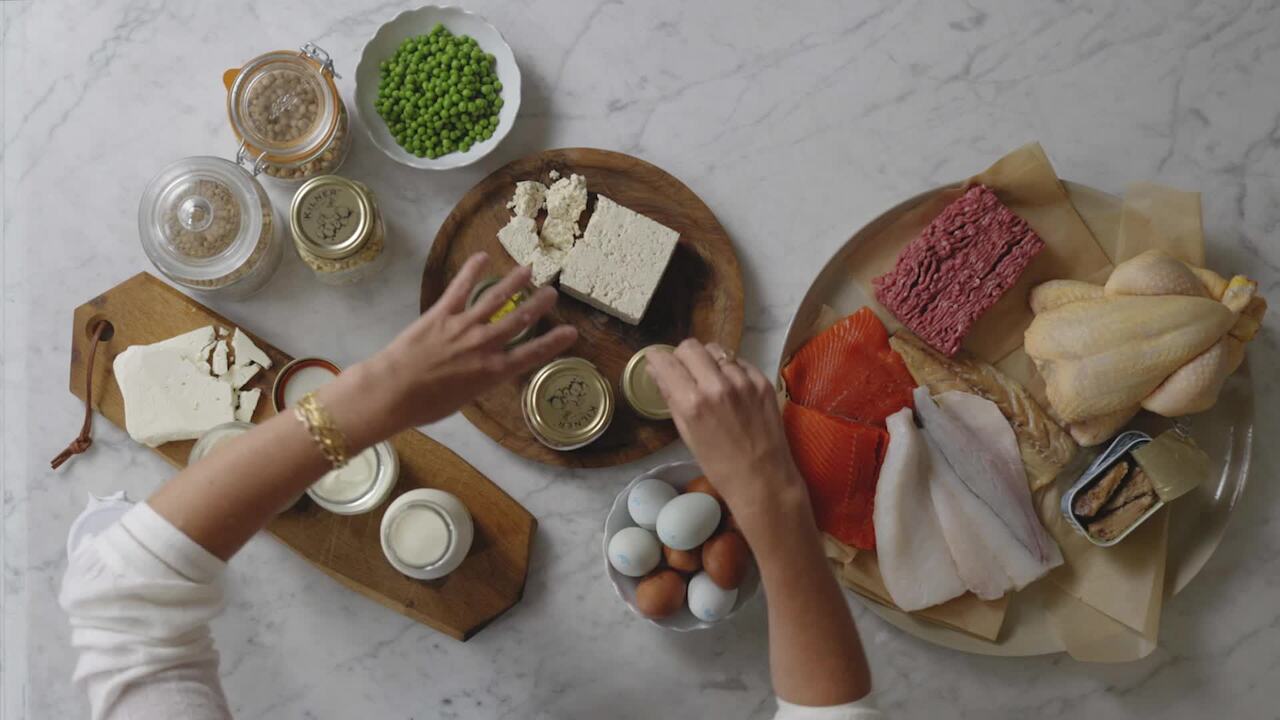
Protein: Roughly the size of your palm. E.g. 2 eggs, 1 fillet of fish, a small chicken breast, a big dollop of natural yoghurt.
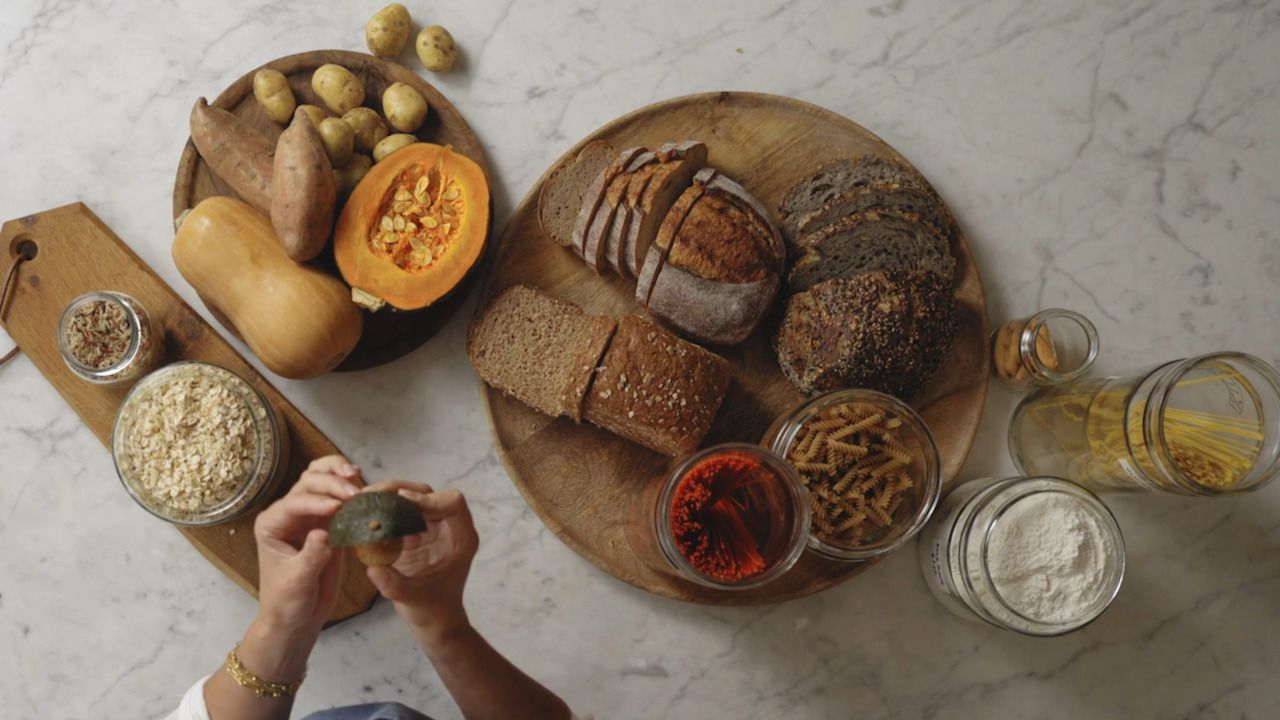
Complex carbohydrates: Roughly the size of one cupped handful (cooked) E.g., a medium potato, a cupful of cooked oats, a slice of rye bread.
Healthy fats: Roughly the size of your thumb. E.g., ¼ avocado, 1 tbsp olive oil.
Nuts & seeds: Roughly 1 small handful. E.g., 30g unsalted nuts, 1 tbsp nut butter.
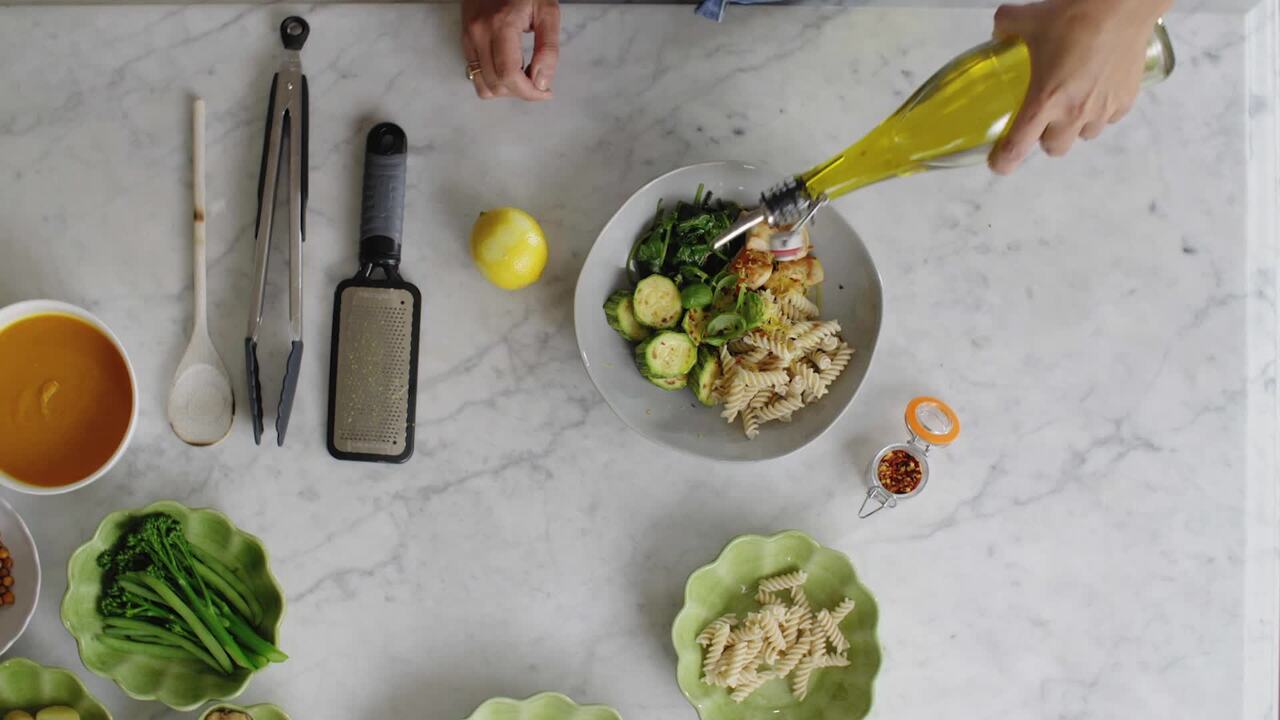
For 100 speedy, everyday recipes that don't compromise on taste or nutrition, do check out my latest book, Simply Good For You.
For a more in-depth explanation of Positive Nutrition and how the Positive Nutrition Pyramid works (alongside many recipes and a 10-day meal plan putting it into action) please see my book: Nourish & Glow: The 10-day Plan.
Get the full workbook, video lessons, and more with a Create Academy subscription.
Subscribe to access the full workbookAlready a member? Sign in to watch
Sign up or log in to keep watching
By continuing, you agree to our Terms of Use and Privacy Policy.
510 reviews
Read moreCreate Academy has been such a great resource. I'm in the middle of renovating a bungalow with a very large garden and the courses have offered a wealth of inform...
Harvey
Jun 10, 2026
Absolutely love Create Academy! The instructors are extremely informative, and it is beautifully filmed. Create Academy is great value for money and plan on renew...
SG
May 31, 2026
Butter's creativity is stunning! Her ability to incorporate brilliance in small gardens is magical!
Carla
May 30, 2026
The best adventure. I like all the courses, but my favorite are both Rita Konig interior design courses and Anna Jones. Excellent!
Karolina Kluczewska
May 20, 2026
Create Academy has been such a great resource. I'm in the middle of renovating a bungalow with a very large garden and the courses have offered a wealth of information to dive into and explore new ideas. I'm...
Harvey
Jun 10, 2026
Absolutely love Create Academy! The instructors are extremely informative, and it is beautifully filmed. Create Academy is great value for money and plan on renewing my subscription yearly because there are ...
SG
May 31, 2026
Butter's creativity is stunning! Her ability to incorporate brilliance in small gardens is magical!
Carla
May 30, 2026

Your Instructor
UK's leading nutritional therapist, healthy eating expert and internationally bestselling author.
Amelia Freer (FdSc, DipION) is one of the UK’s most respected nutritional therapists and healthy eating experts. She is also an internationally best selling author debuting with the inspirational Eat. Nourish. Glow., now translated into many languages around the world. She has headed a thriving private clinic in London for over a decade and has helped thousands to achieve a happier, healthier life. Amelia fervently believes that we can all achieve improved health and well-being by choosing to eat the right foods. Amongst her success stories are famous names such as Victoria Beckham OBE, Boy George, James Corden and Sam Smith.

Access to all courses


