
Interior and exterior confidence
Create Academy has been such a great resource. I'm in the middle of renovating a bungalow with a very large garden and the courses have offered a wealth of inform...
Harvey
Jun 10, 2026
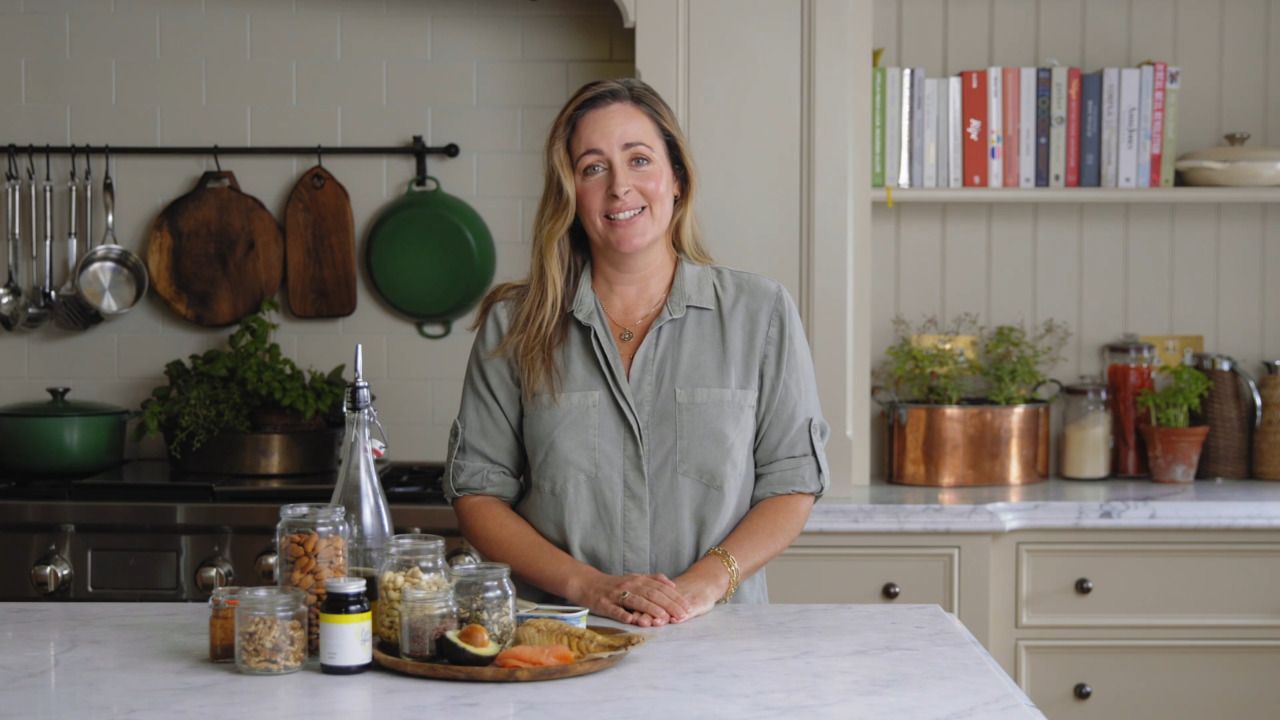
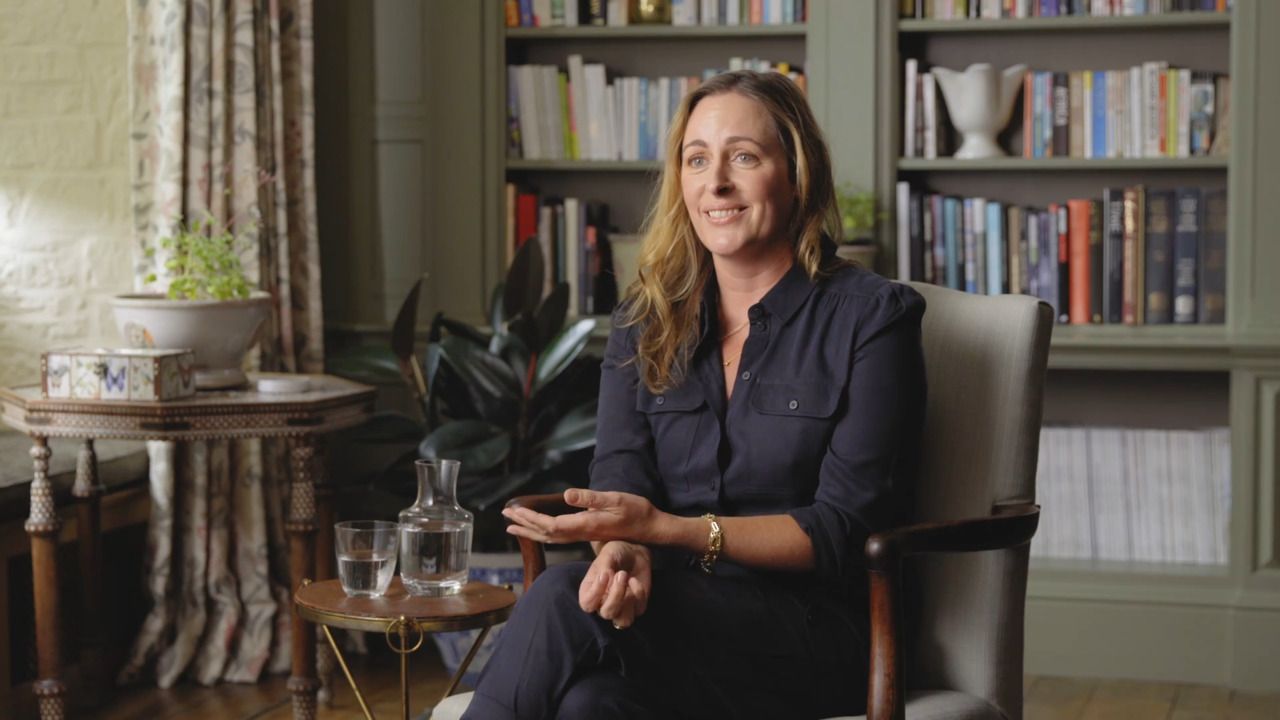
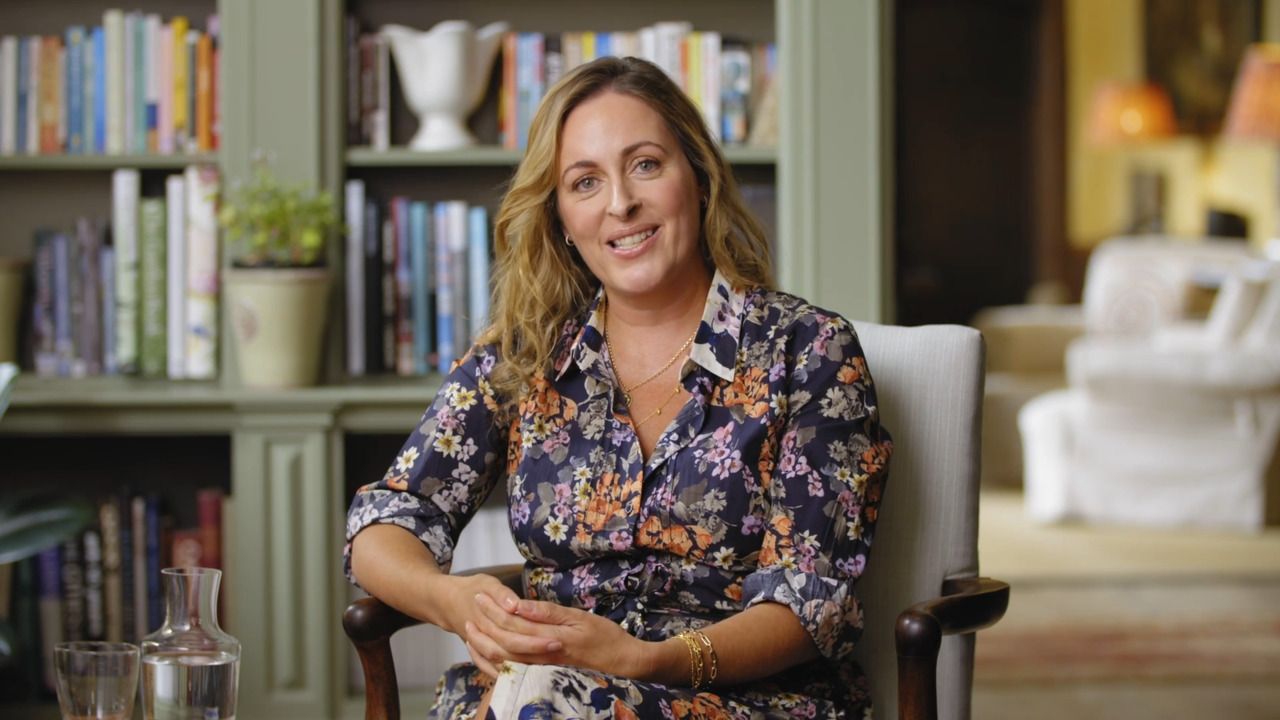
with AMELIA FREER — UK's leading nutritional therapist, healthy eating expert and internationally bestselling author.
Lesson 4 of 30
Subscribe to watch
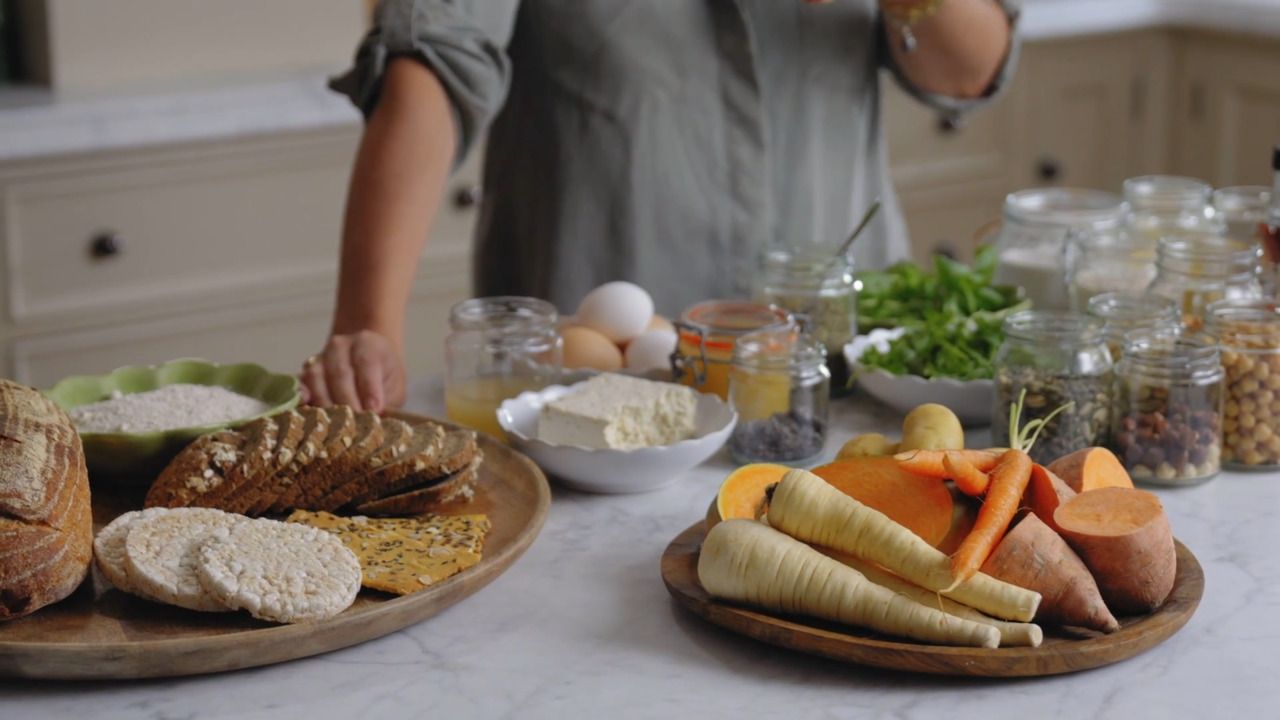
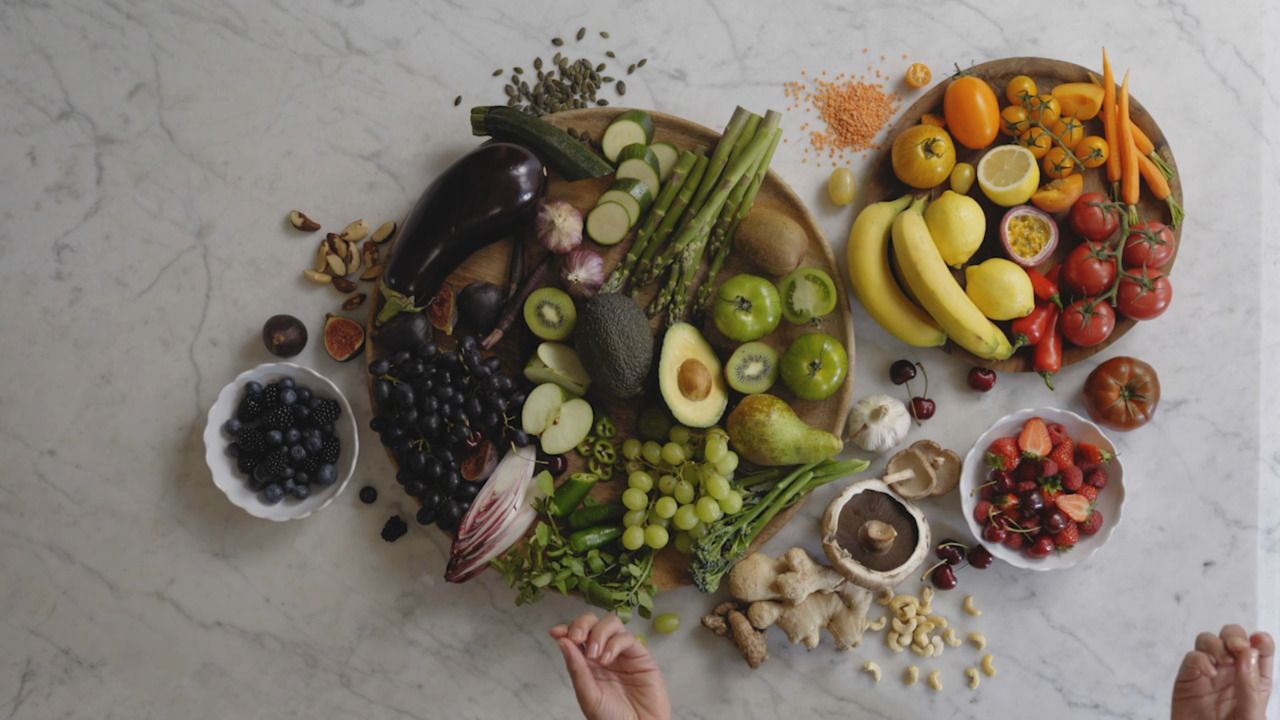
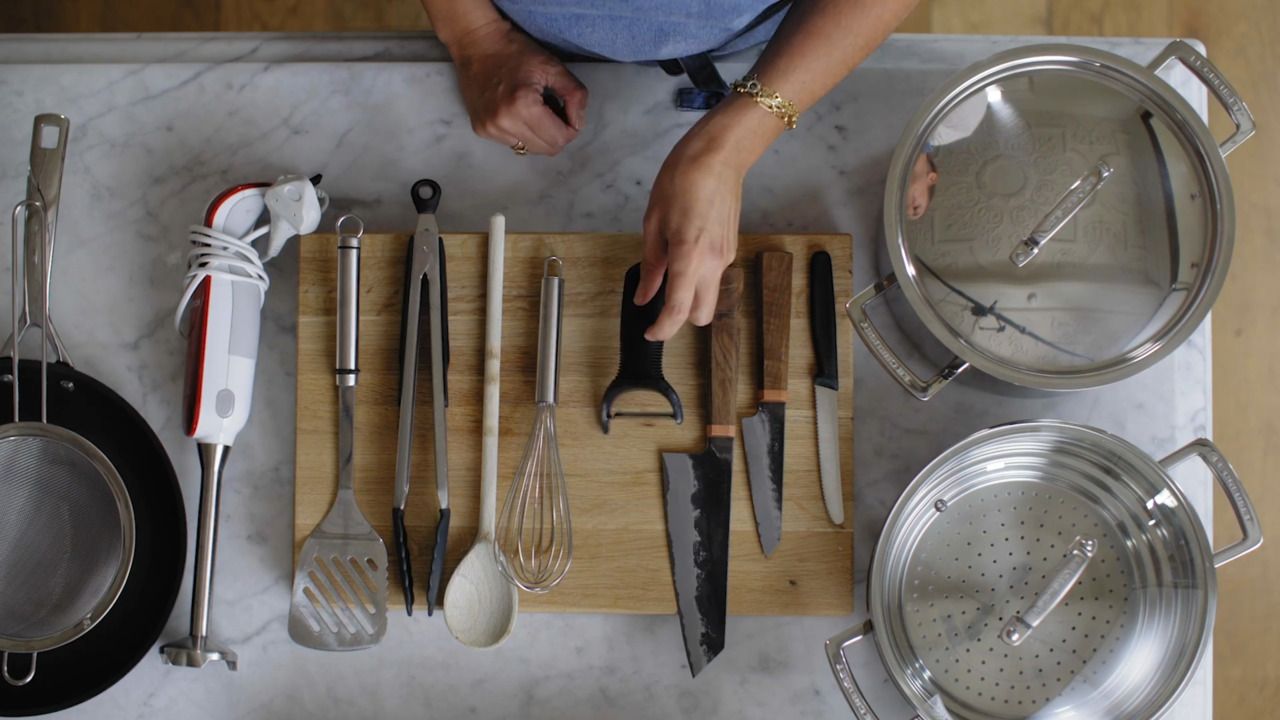
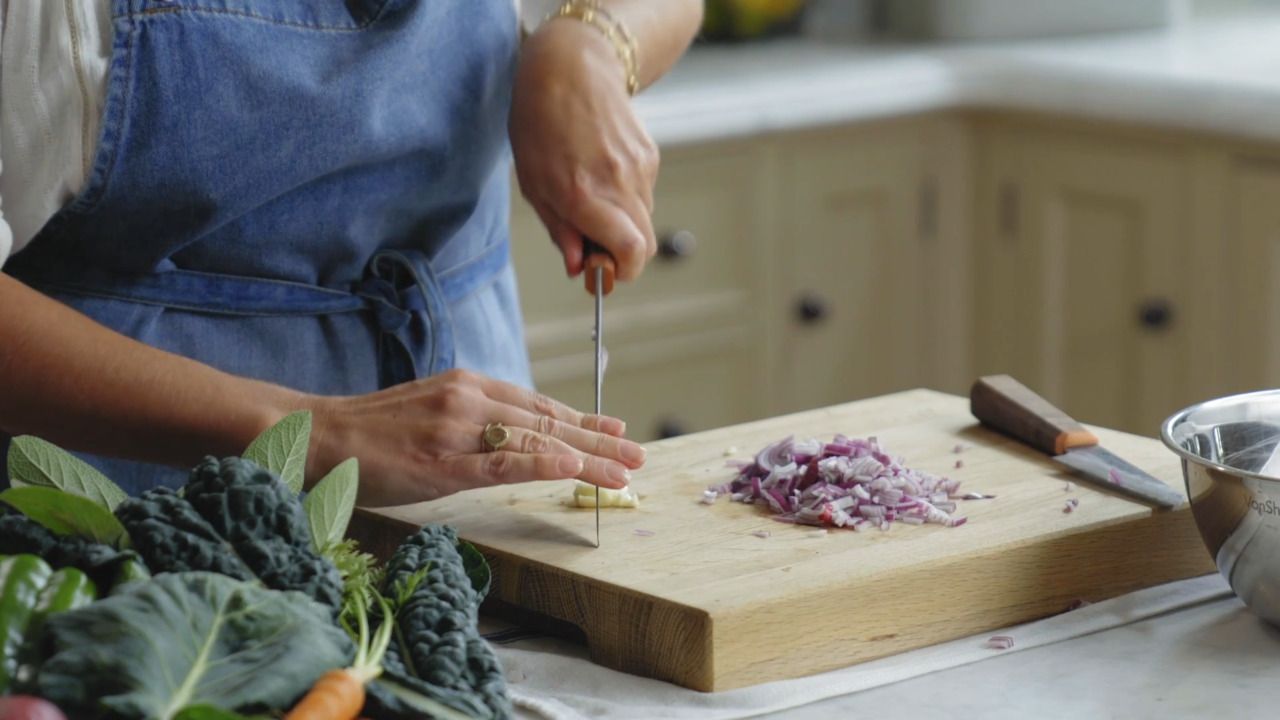
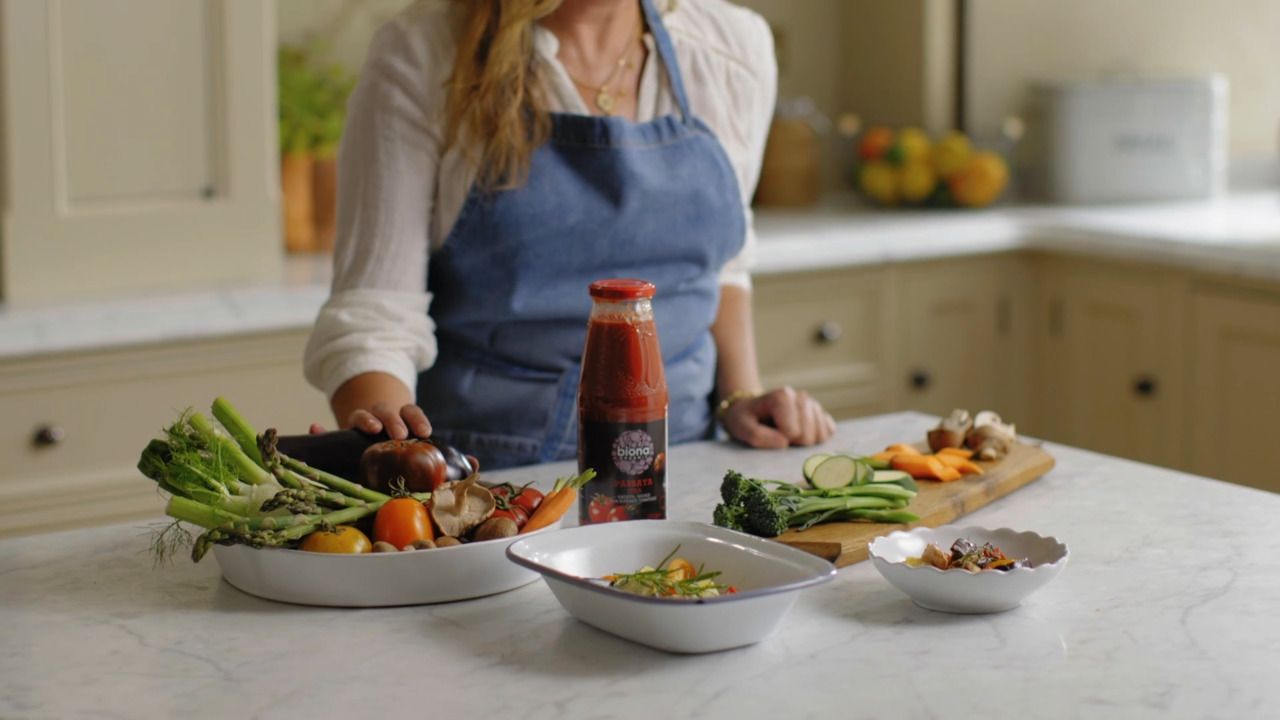
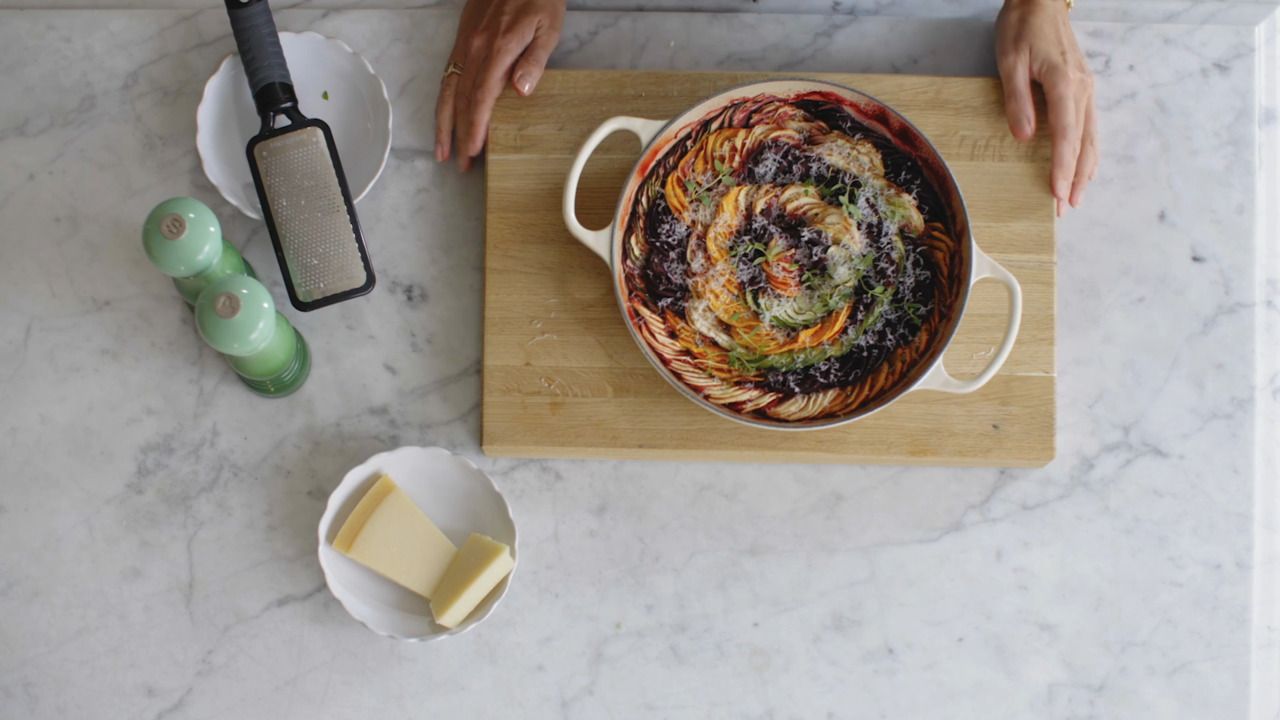
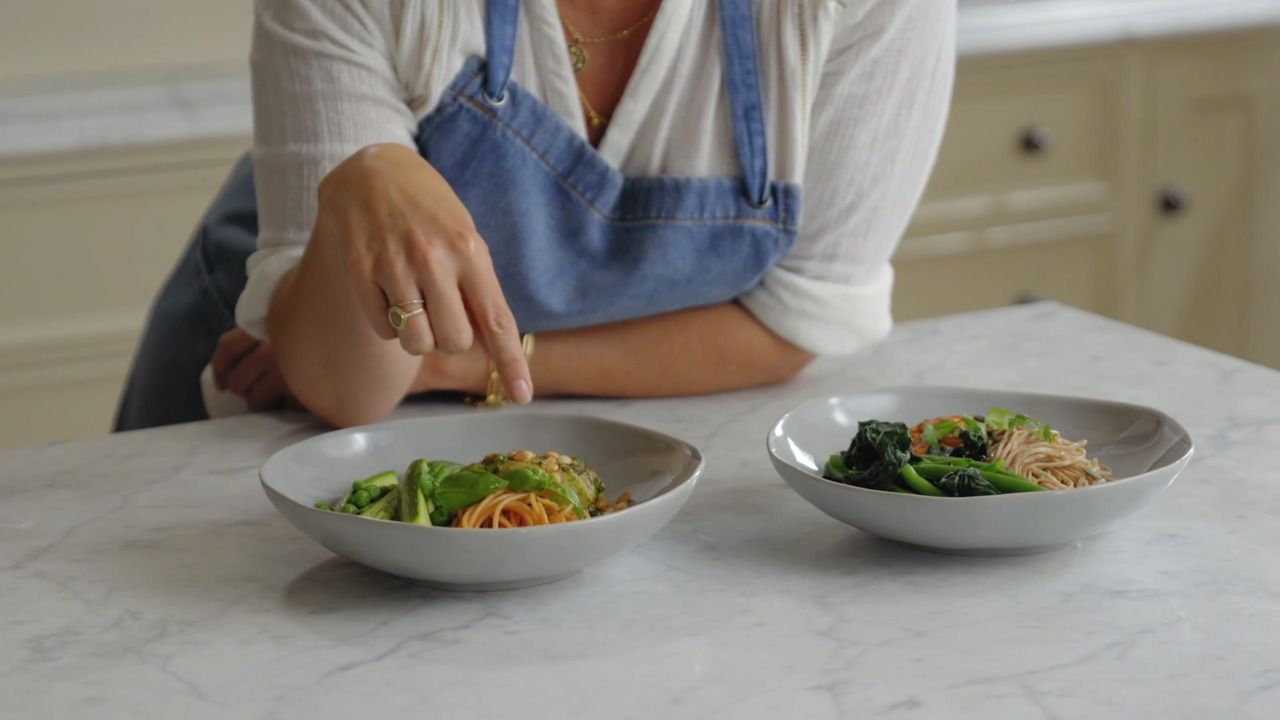
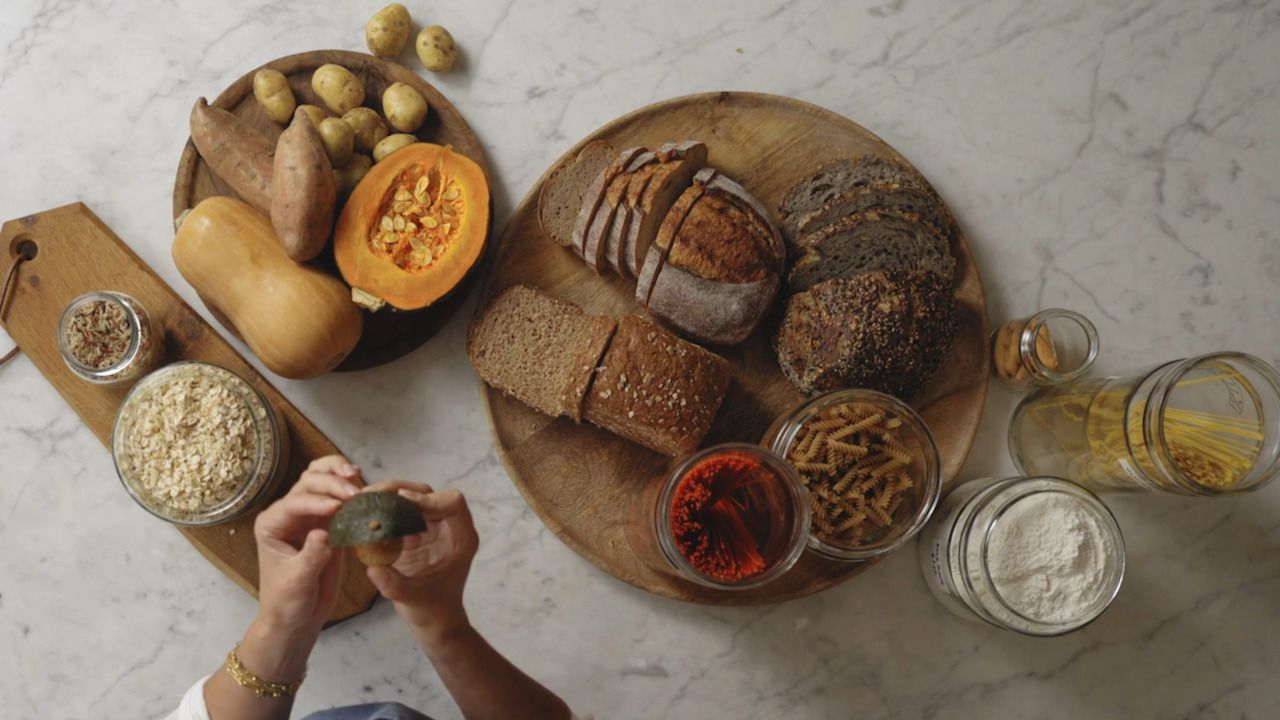
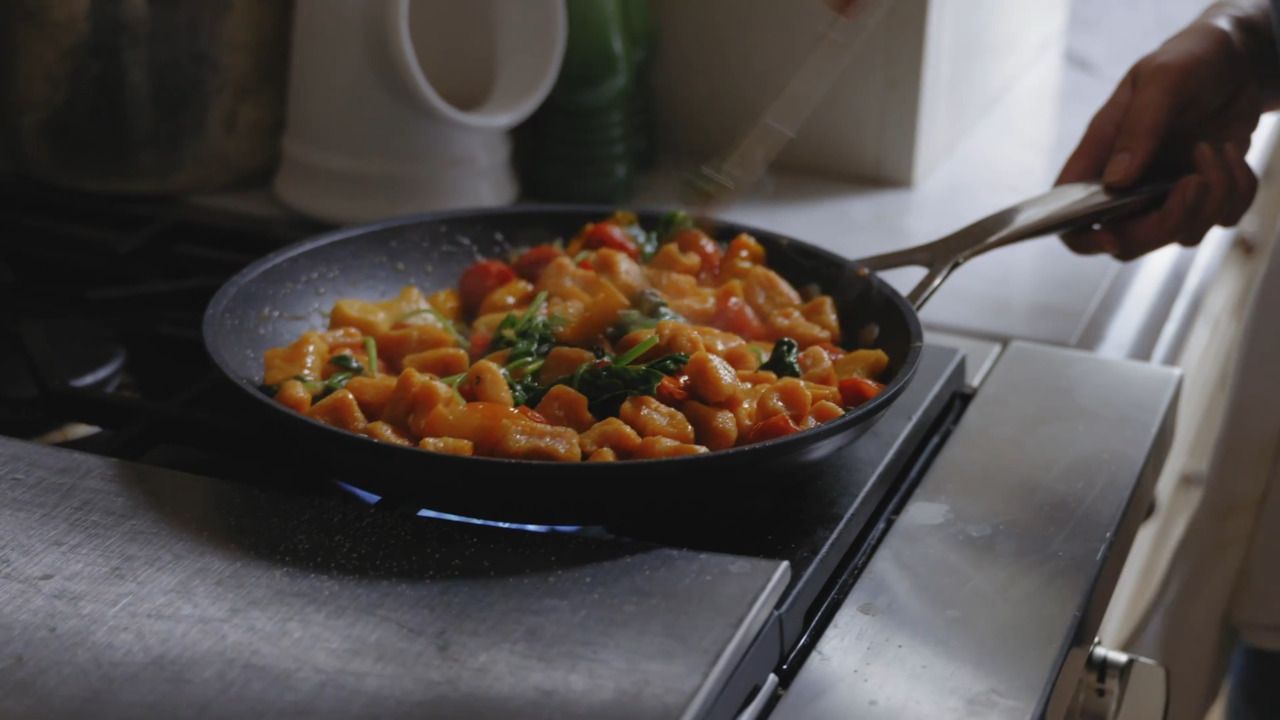
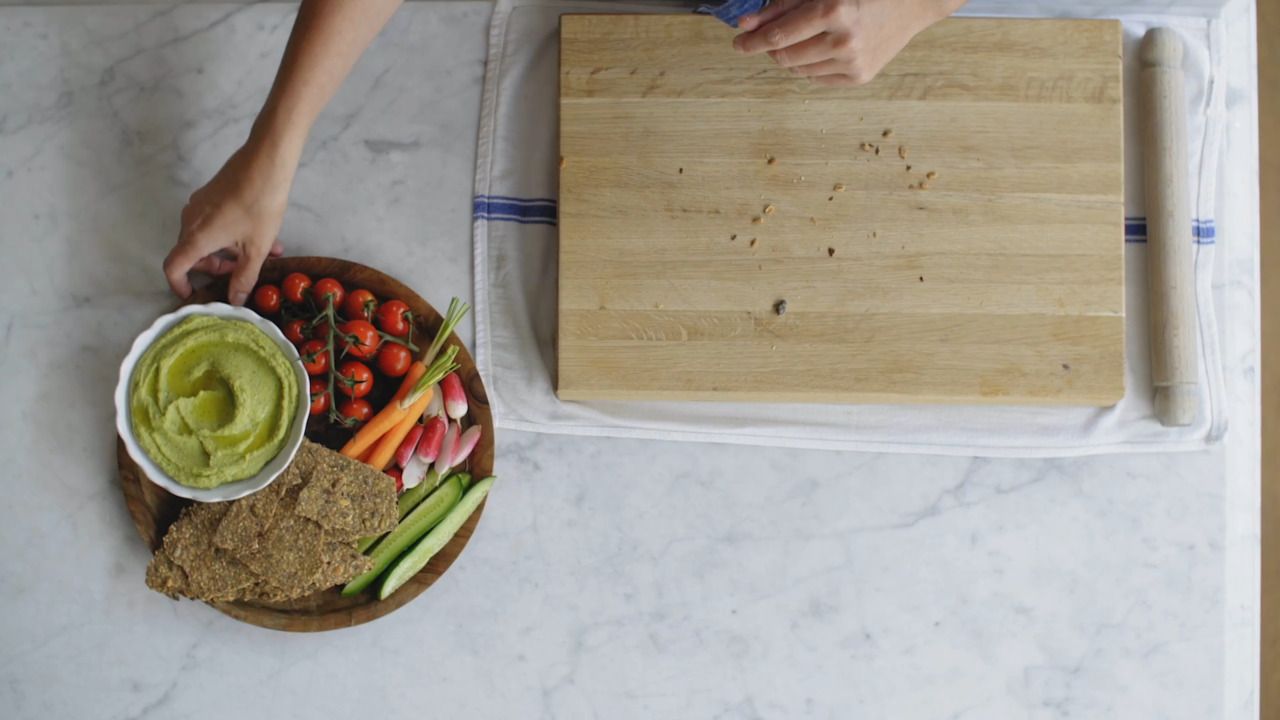
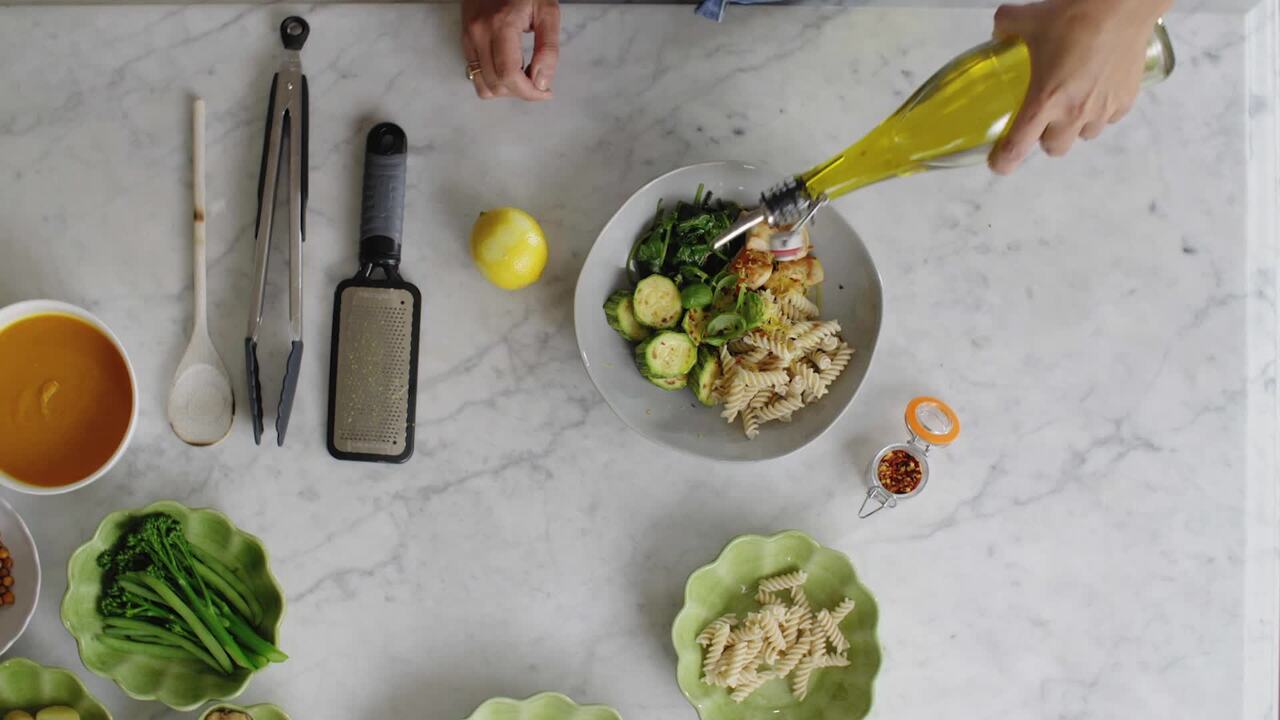
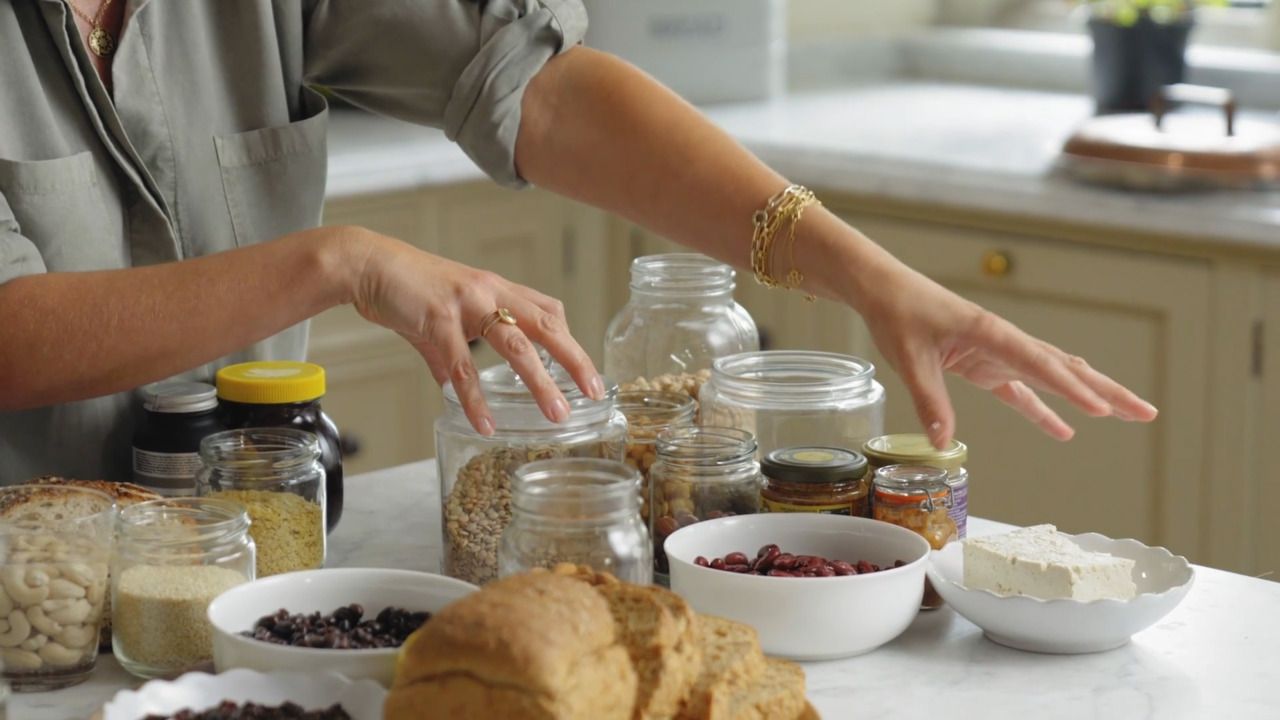
Amelia reveals how to begin making healthy eating part of your daily life, by breaking down meal planning (start with a protein!), key store cupboard staples and how to prepare your kitchen.
A key part of healthy eating is preparation, so that the "what's for supper" question is lightened. Meal planning and having a well-stocked kitchen is key for this.
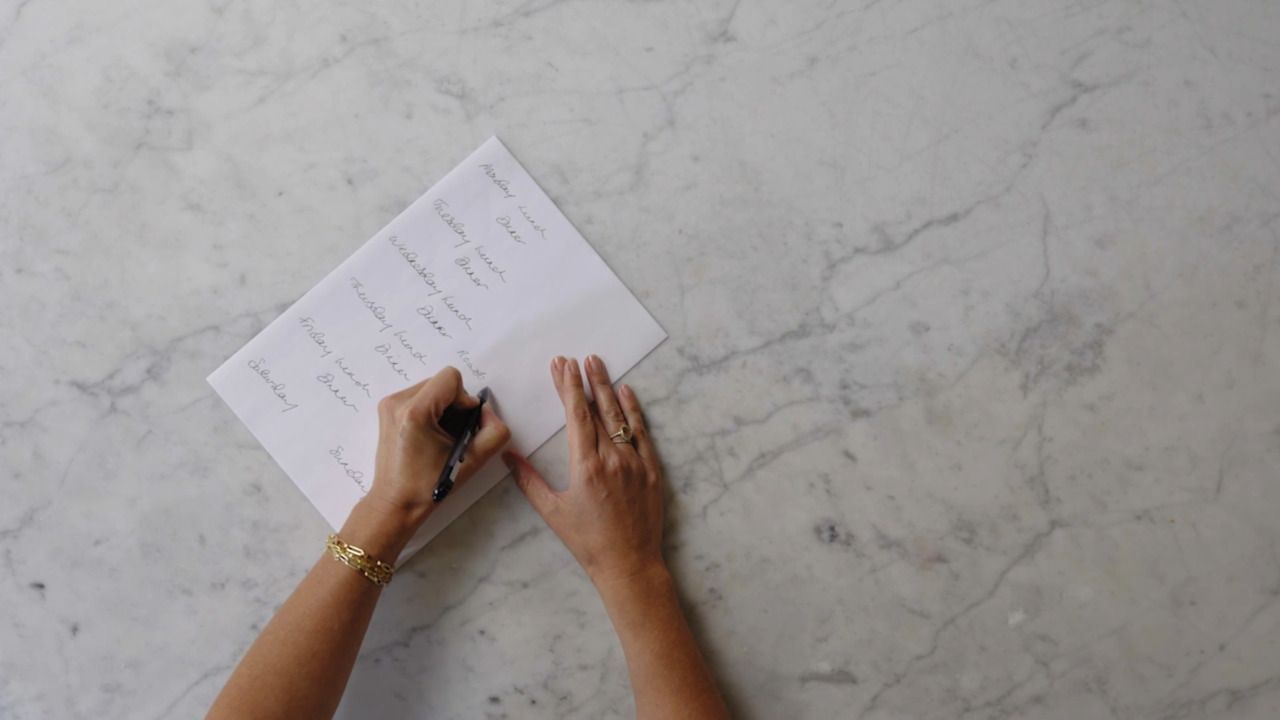
Get a meal planning system in place. Buy a pad of tear-off sheets, print out a few copies of my meal planner (it's also in your downloads), write an outline on a blank page, or perhaps try using a meal planning app if you prefer to do it digitally. The most important thing is to make it easy and to make it enjoyable (I do with a big mug of tea, using a lovely pen – it's the small things!).
A little hint: I keep all my old meal plans in a folder on my cookbook shelf. I can then quickly flick back through a few past menus and use one of those if I am tight for time (usually with a few quick adaptations).
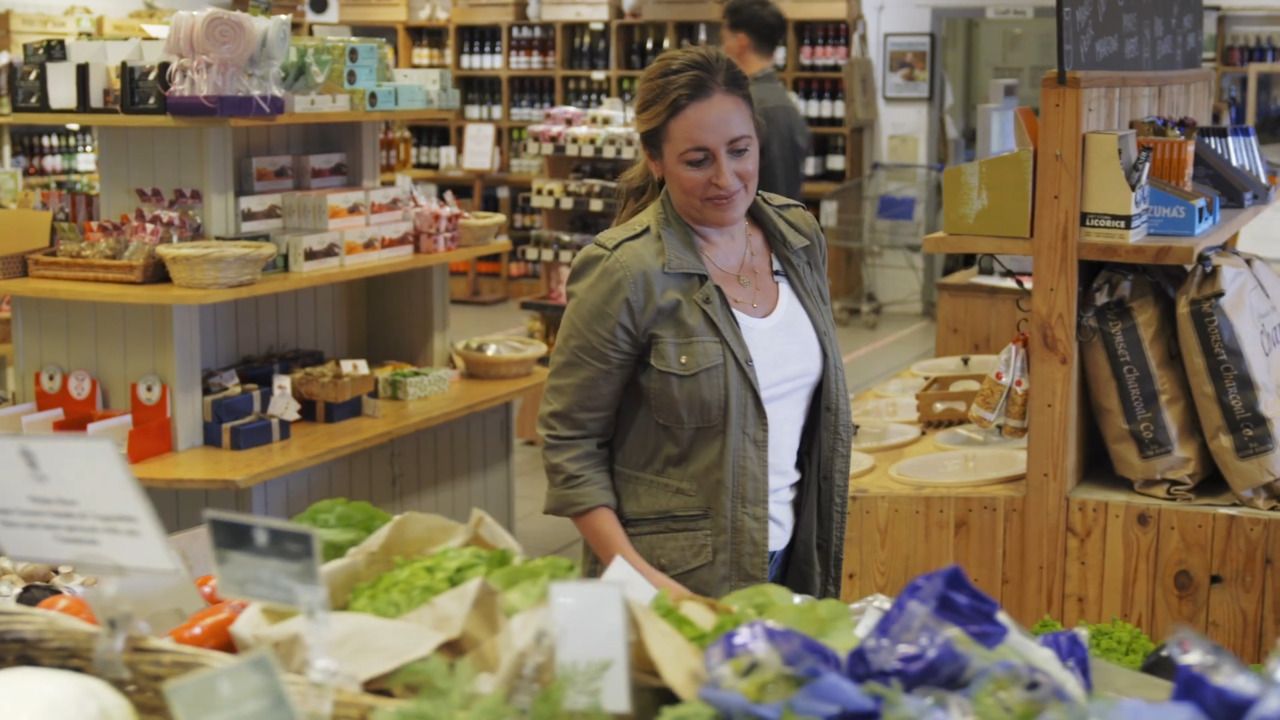
If you get a weekly vegetable box delivered, shop at a farmer's market or grow-your-own, the first step is to jot down what fresh produce you will be getting this week. Also do a quick 'stock check of your fridge, fruit bowl & cupboards, and note any ingredients that are starting to look a little sad. This will give you a list of ingredients you know you'll need to include, to help minimise any risk of food waste.
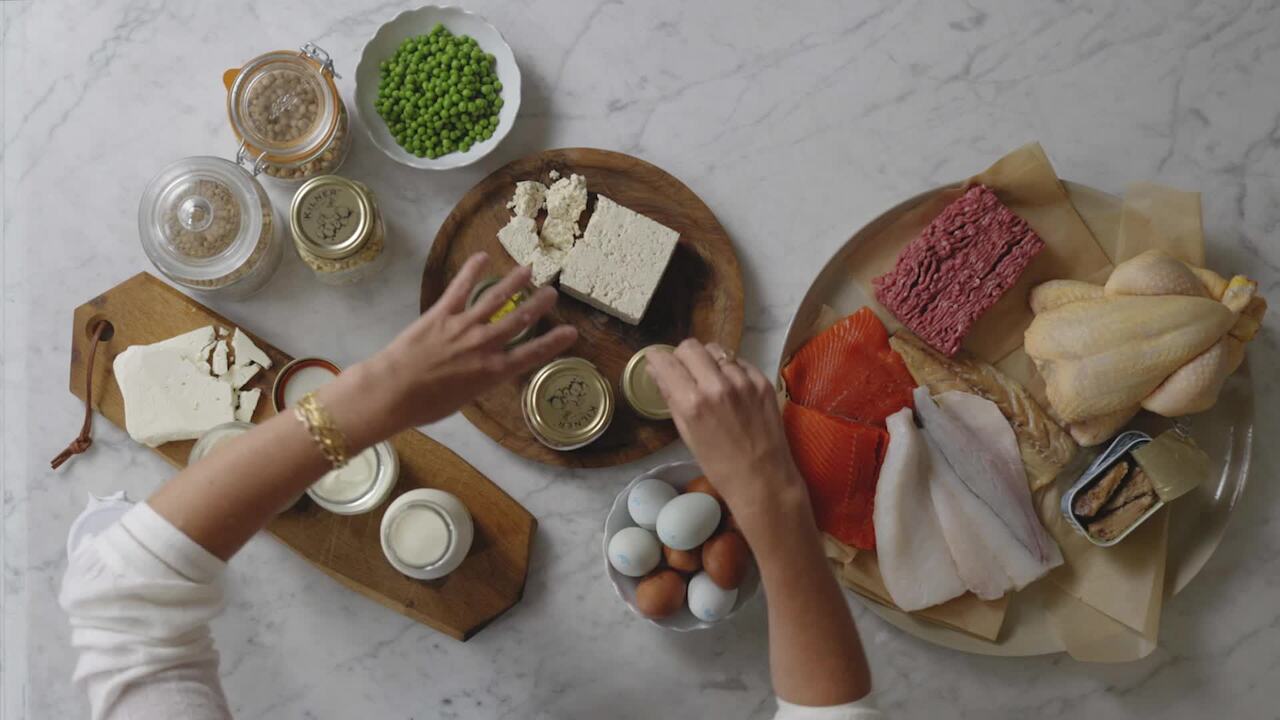
Start to put together your meal plan by thinking about the key protein sources you want to use - depending on your personal preferences and tastes. As an example, I tend to work with a few of the following different sources per week, and find different recipes to jazz them up a bit;
Jot a selection (perhaps 3-5 different options) of dishes using your preferred protein into your meal plan. And try to keep possible use-by dates in mind.
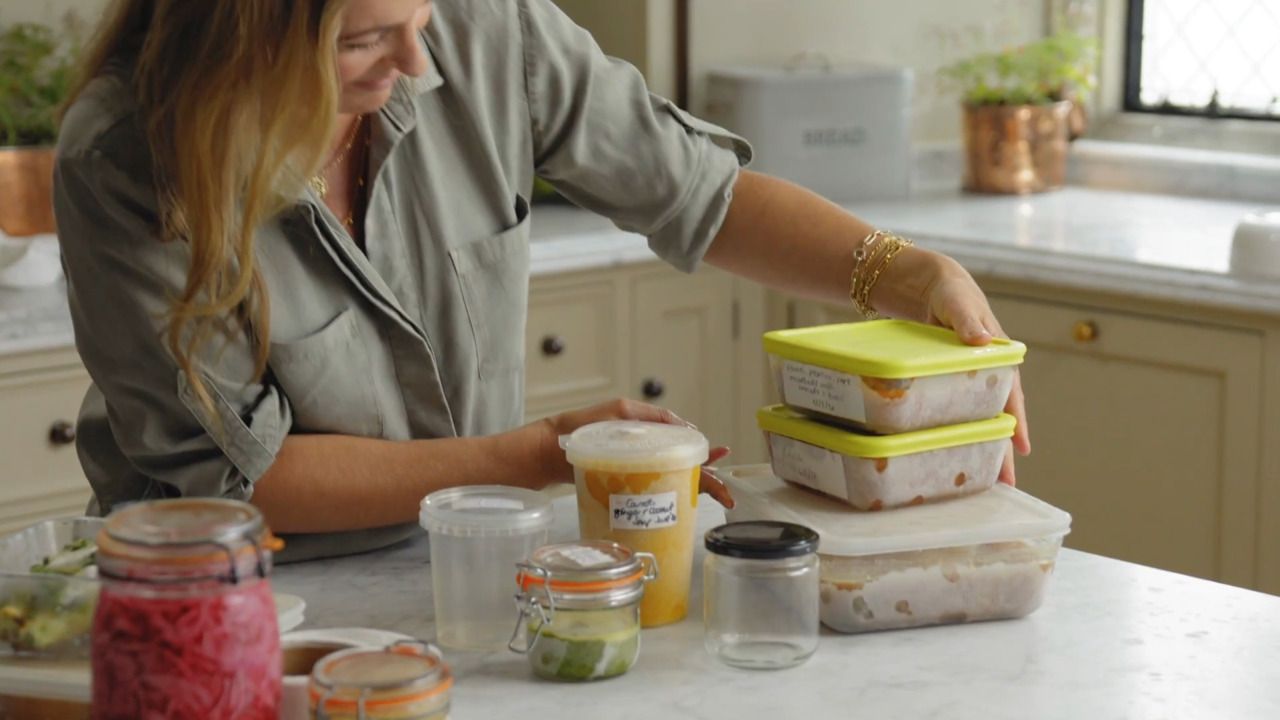
If realistic, you can also pick a couple of days where you will have a little more time to cook and use these to make a couple of investment or batch-cooked dishes. Perhaps a big tray of roasted vegetables, a delicious chopped salad or coleslaw, a roast chicken, fish pie, chilli, curry or vegetable stew. Double up quantities if necessary so you've got plenty of leftovers to enjoy on busier days. You can always freeze a few portions too.
Always try to work on the basic principle of 'cook once, eat twice. When you've gone to the effort of preparing a dish from scratch, it's a reasonable plan to eat leftovers for lunch and/or supper the following day, too. Just follow common-sense food hygiene practices, and ensure things are heated thoroughly before serving as necessary. I have a selection of clip-top glass containers that are perfect for storing leftovers. They are a great investment.
Start to fill in the gaps with your favourite, quick simple standards. Things like soups, stews, frittata, pasta, quinoa, picnic lunches, salads curries etc. tend to be my go-to options.
If you're feeling a little stuck for ideas, have a flick through some recipe books, social media accounts or websites to get some inspiration. It's a good idea to mark, screen-shot or saves recipes or dishes you'd like to try, as you see them, so you've got a bank of ideas at your fingertips when they are needed.
You might also wish to keep a list (on the fridge or inside a kitchen cupboard door) of speedy, easy meal ideas that you know have worked well in the past (especially if you are cooking for a number of different people with varying dietary requirements or desires!).
Don't worry about trying to 'plan' breakfast. It's the one meal of the day where having a simple, go-to dish can serve you well, without being detrimental to your overall nutritional intake. It takes a lot of thinking (and shopping) out of the equation if you stick to a handful of breakfast recipes on rotation. Just try to ensure your everyday choices contain some source of protein and are not too high in refined carbohydrates, saturated fat or sugar.
My go-to breakfasts for my family are eggs, toast & vegetables; porridge with stewed/frozen fruit & nuts & seed toppers; yoghurt & fruit bowls to give you an idea and we alternate these throughout the week. Here are a whole load of breakfast ideas if you need inspiration.
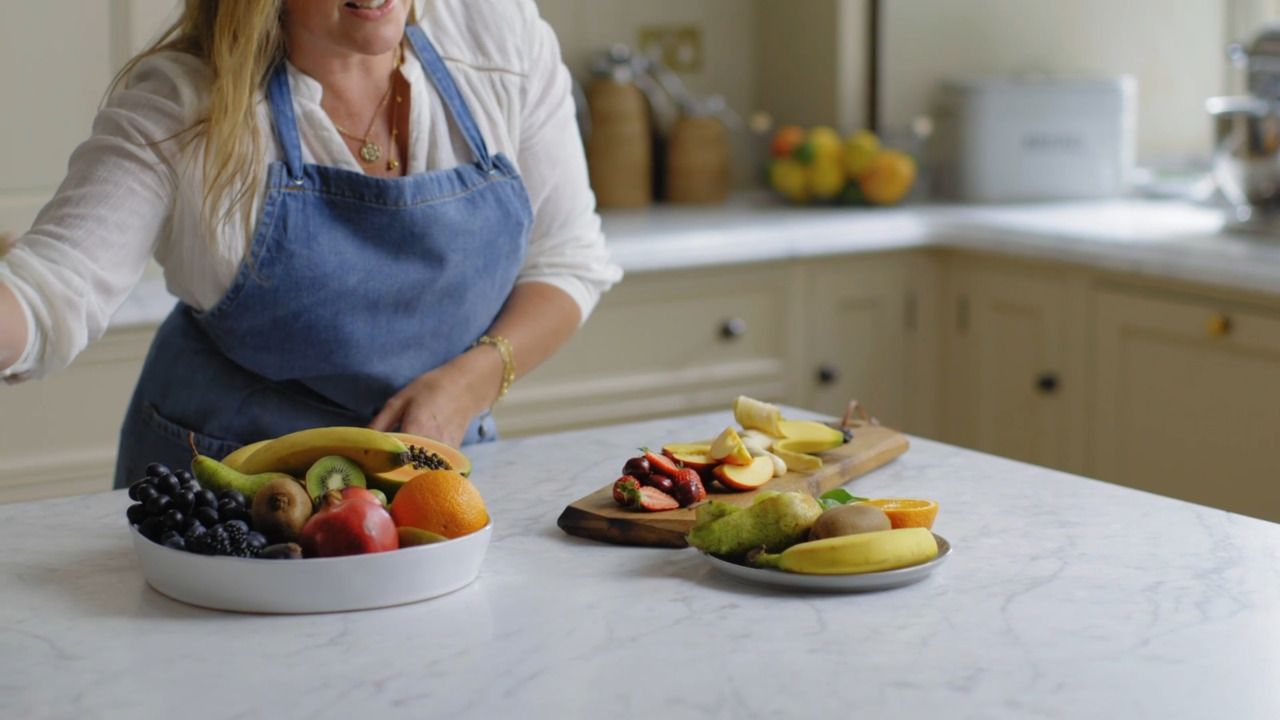
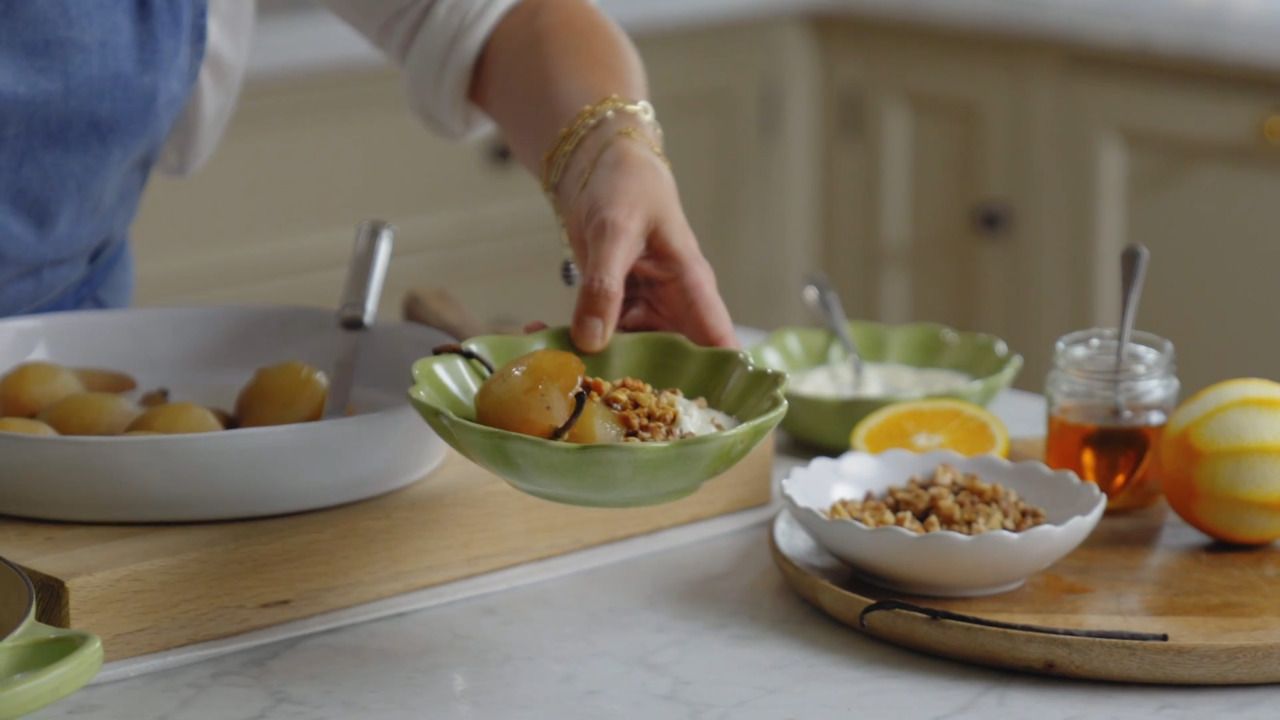
Likewise, I don't really bother with desserts day-to-day. A piece of fresh seasonal fruit, a couple of squares of really dark chocolate, or a dollop of natural yoghurt with a handful of chopped nuts and berries will do it for me if I fancy something sweet. None of these need to be included in your meal plan – you can just let people help themselves from the fruit bowl.
Don't worry if you don't actually stick to your plan 100%. I rarely stick to it precisely, but the process certainly helps reduce the amount of time I have to spend thinking about cooking and meals during the mayhem of the working week. It really has been a game-changer for me, as a little time invested upfront in planning (it takes no longer than 10 minutes to do all of this with a little practice), pays off hugely over the course of the whole week. Plus, it has reduced my food wastage (and therefore expenditure), as well as expanded my cooking repertoire (and thus dietary variety). It's also easier to stick to a healthy eating plan if you know what you're aiming for – it's a proactive rather than reactive response to the fact that we all have to eat every day, regardless of how tired and busy we are!
Finally, write your shopping list and put in your order. I mostly shop online for things that don't come from the organic delivery company (I use Riverford), or in bulk. This saves me time and money as I am less tempted to buy extra things on a 'whim'. We all shop in different ways so do whatever works best for you.
Get the full workbook, video lessons, and more with a Create Academy subscription.
Subscribe to access the full workbookAlready a member? Sign in to watch
491 reviews
Read moreCreate Academy has been such a great resource. I'm in the middle of renovating a bungalow with a very large garden and the courses have offered a wealth of inform...
Harvey
Jun 10, 2026
Absolutely love Create Academy! The instructors are extremely informative, and it is beautifully filmed. Create Academy is great value for money and plan on renew...
SG
May 31, 2026
Butter's creativity is stunning! Her ability to incorporate brilliance in small gardens is magical!
Carla
May 30, 2026
The best adventure. I like all the courses, but my favorite are both Rita Konig interior design courses and Anna Jones. Excellent!
Karolina Kluczewska
May 20, 2026
Create Academy has been such a great resource. I'm in the middle of renovating a bungalow with a very large garden and the courses have offered a wealth of information to dive into and explore new ideas. I'm...
Harvey
Jun 10, 2026
Absolutely love Create Academy! The instructors are extremely informative, and it is beautifully filmed. Create Academy is great value for money and plan on renewing my subscription yearly because there are ...
SG
May 31, 2026
Butter's creativity is stunning! Her ability to incorporate brilliance in small gardens is magical!
Carla
May 30, 2026

Your Instructor
UK's leading nutritional therapist, healthy eating expert and internationally bestselling author.
Amelia Freer (FdSc, DipION) is one of the UK’s most respected nutritional therapists and healthy eating experts. She is also an internationally best selling author debuting with the inspirational Eat. Nourish. Glow., now translated into many languages around the world. She has headed a thriving private clinic in London for over a decade and has helped thousands to achieve a happier, healthier life. Amelia fervently believes that we can all achieve improved health and well-being by choosing to eat the right foods. Amongst her success stories are famous names such as Victoria Beckham OBE, Boy George, James Corden and Sam Smith.

Access to all courses


