
Interior and exterior confidence
Create Academy has been such a great resource. I'm in the middle of renovating a bungalow with a very large garden and the courses have offered a wealth of inform...
Harvey
Jun 10, 2026
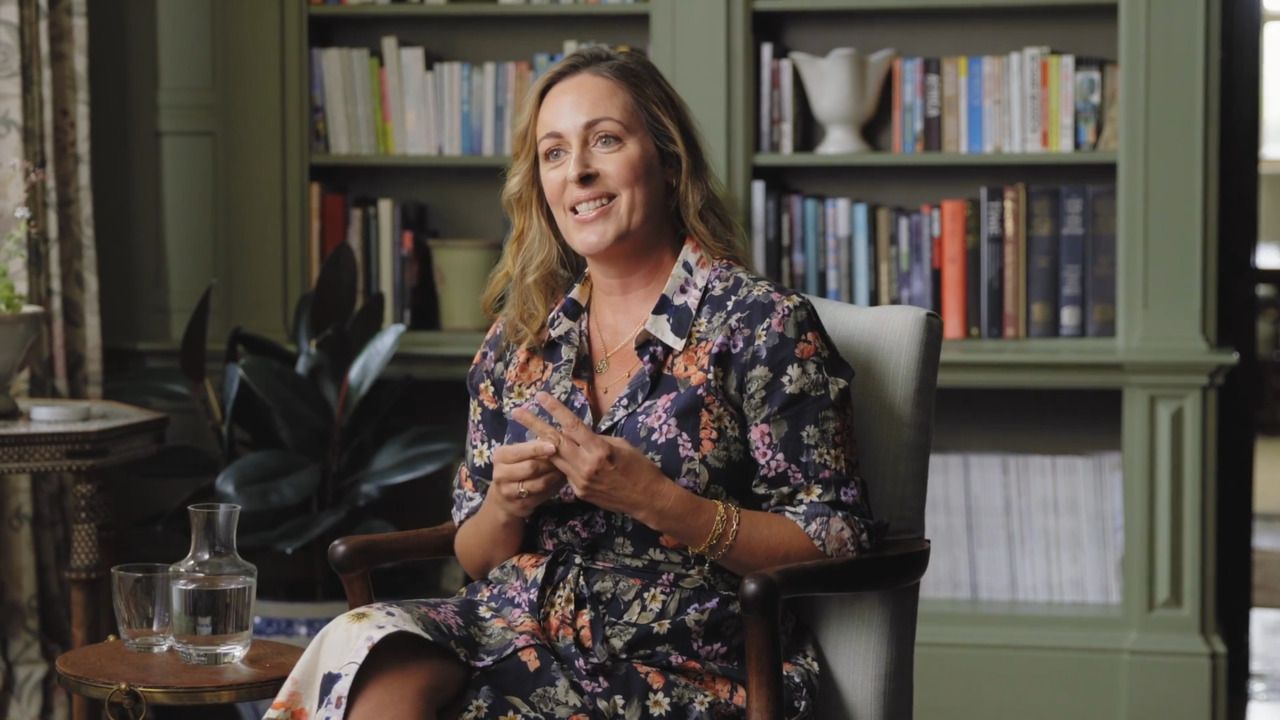
with AMELIA FREER — UK's leading nutritional therapist, healthy eating expert and internationally bestselling author.
Lesson 20 of 30
Subscribe to watch
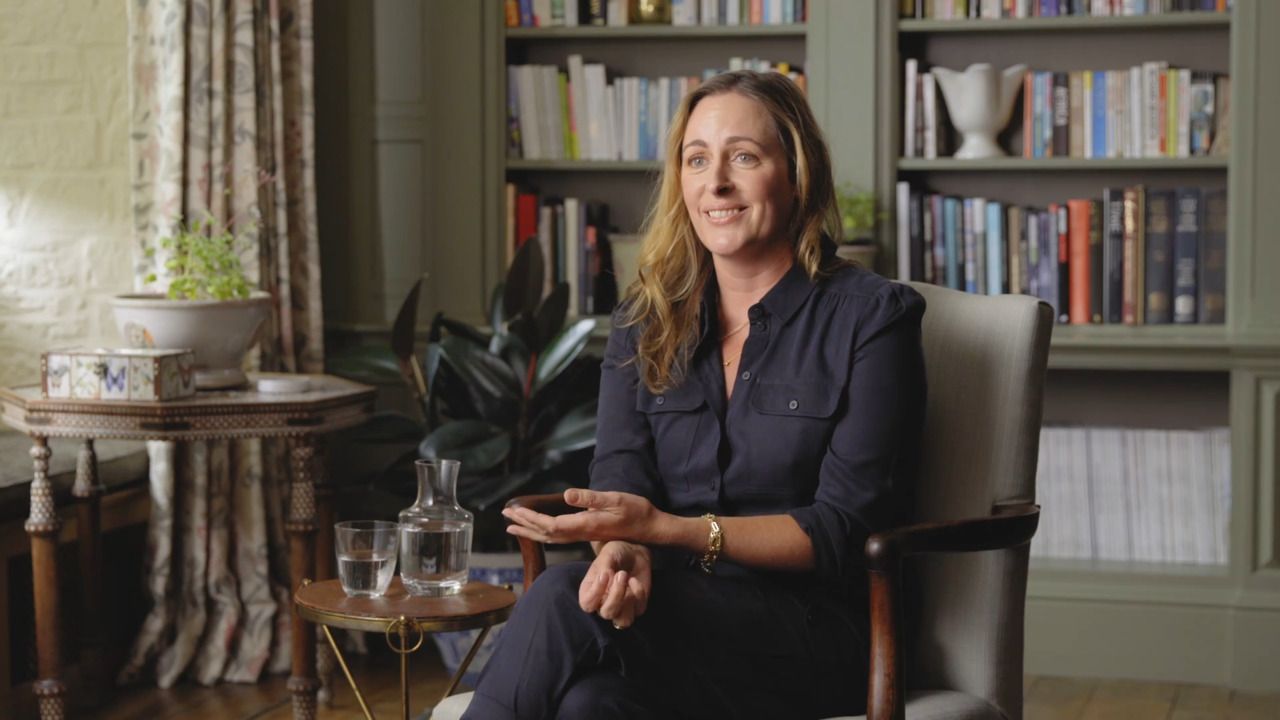
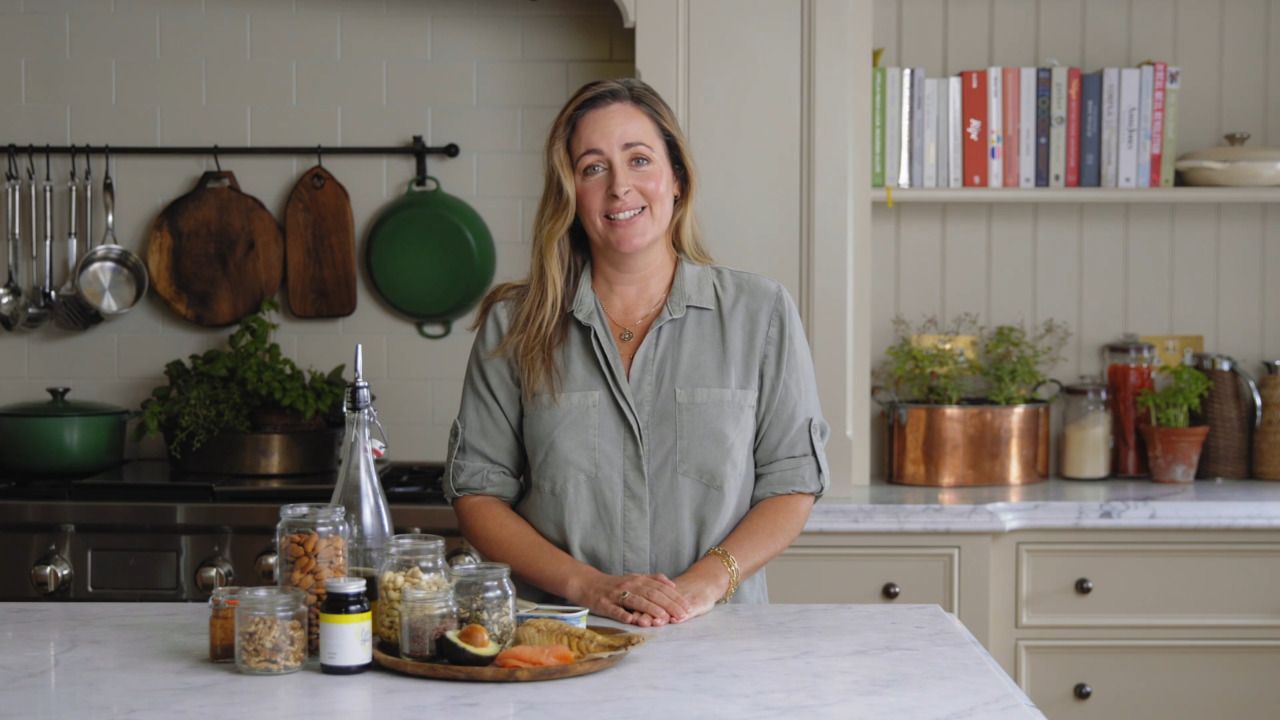
Fat is a complex area, often associated with health and weight problems. Amelia takes us through the different types of fats, as well as which ones you should try to include in your diet.
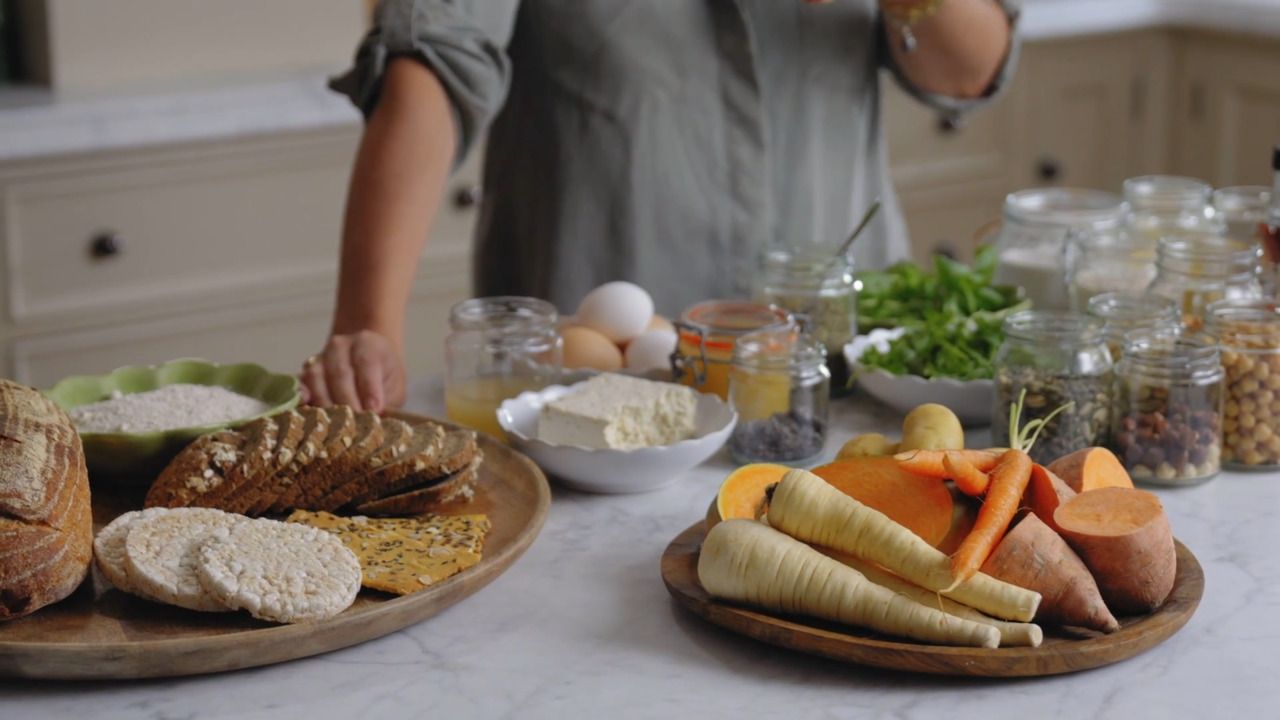
Dietary fats play a really important role in our overall health and wellbeing, but there is a significant difference between fats in terms of their potential health benefits and risks. It is, however, a hugely complicated topic, with a lot of discussion still ongoing amongst nutrition scientists. But for the sake of pragmatism, I think this 'traffic light' system helps us to simplify some of the confusion and make sensible choices.
Trans fats and hydrogenated fats, commercial salad dressings or highly processed margarine / spreads, oils heated repeatedly to high temperatures, cooking with sunflower / soybean or 'vegetable' oils, deep-fried foods.
Foods high in saturated fat, such as; butter, lard, fat on meat, processed meats (such as burgers, salami, sausages, ham & bacon), cream or ice cream, baked goods (such as biscuits, cakes, pastries, pies).
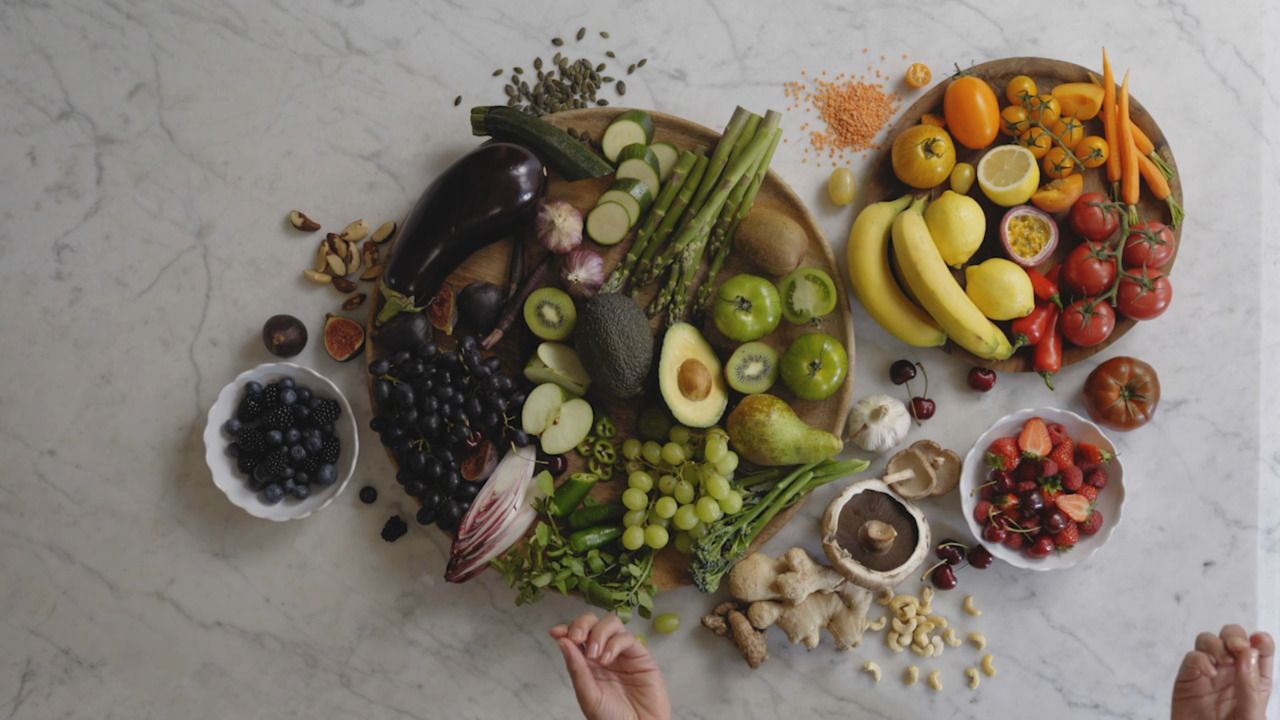
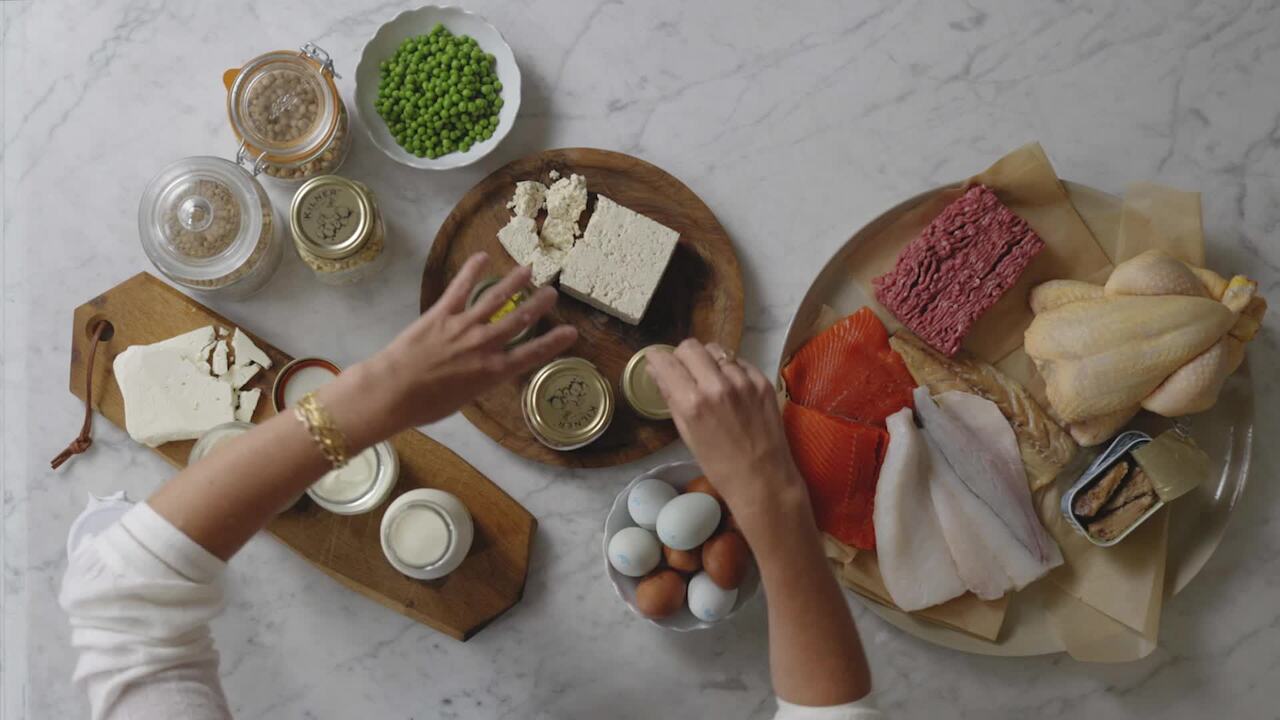
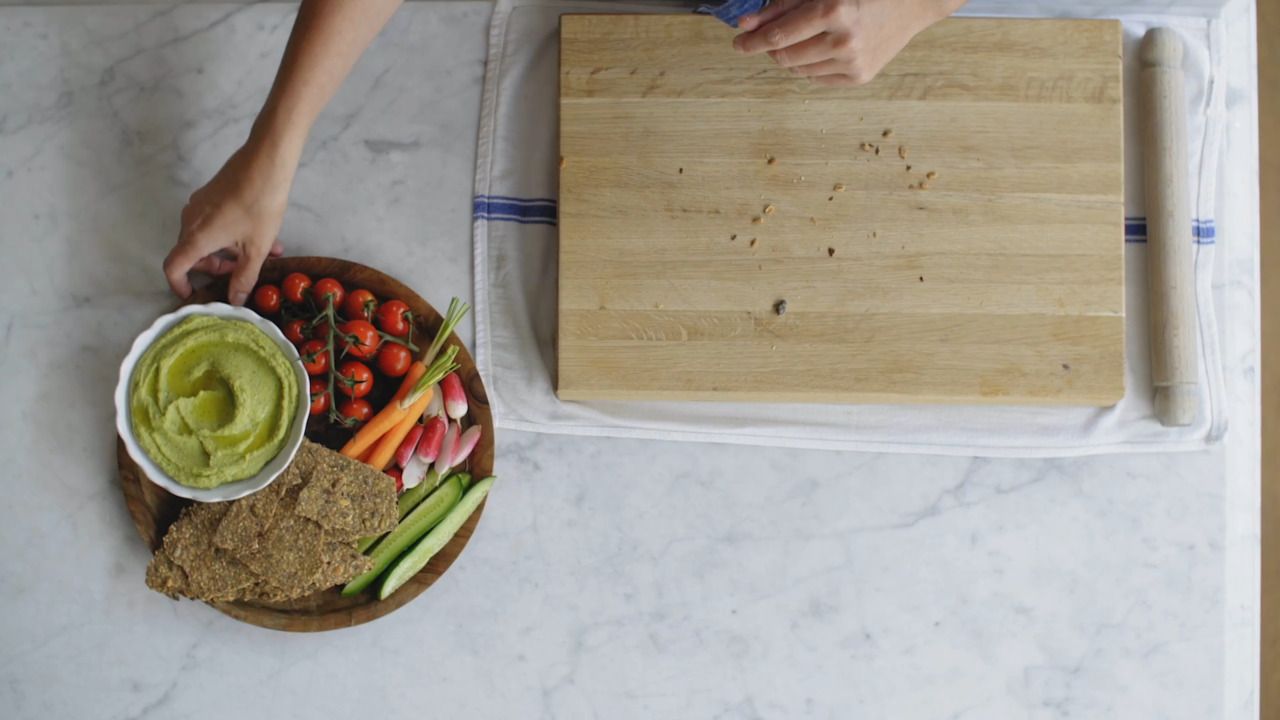
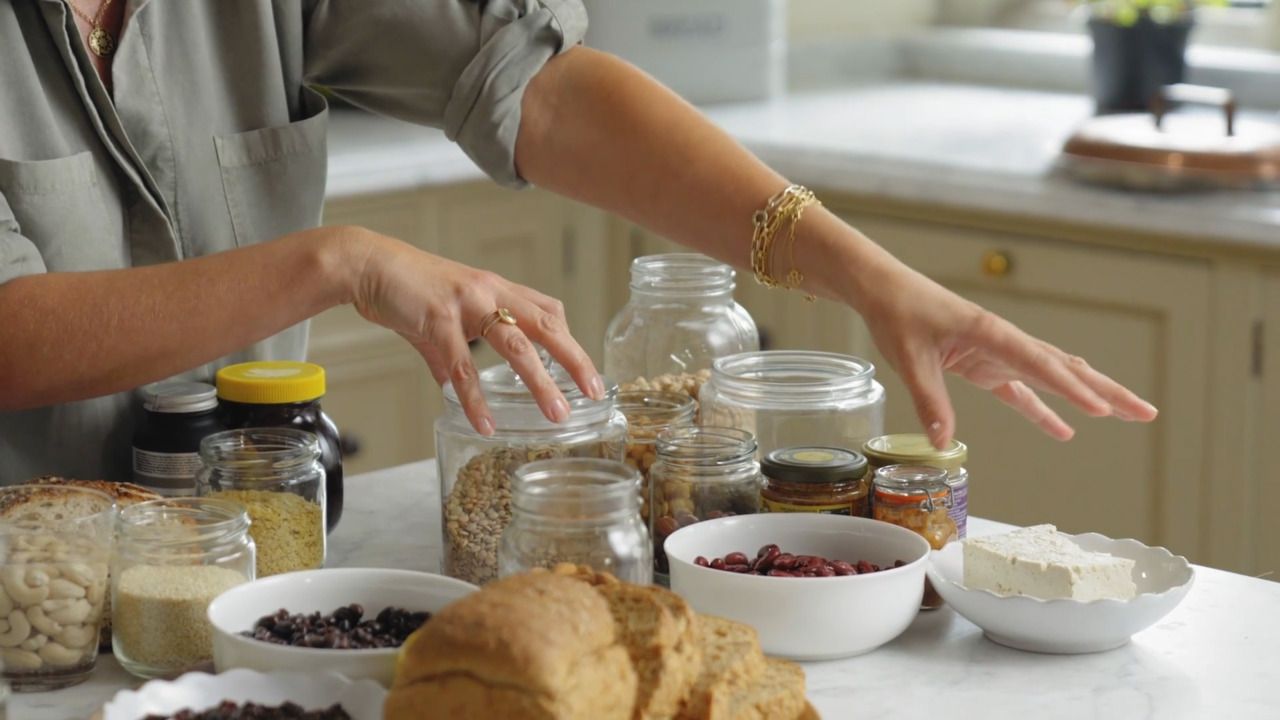
Oily fish, nuts, seeds, nut or seed butters, avocado, olive oil.
While fat doesn't directly make us fat, it is still a rich source of energy. Moderation of portion sizes can therefore be a helpful strategy if you are watching your overall energy balance or are trying to lose weight.
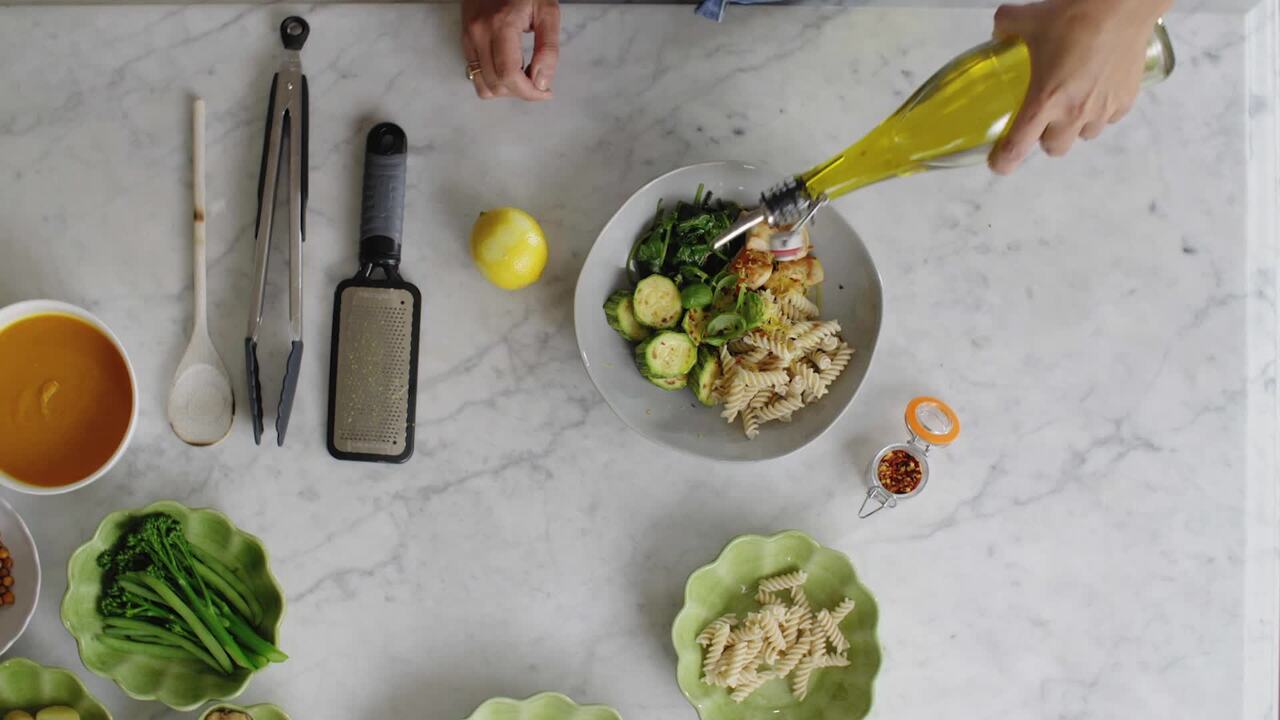
For cooking: I tend to cook with plain olive oil, and keep my organic, cold-pressed (and expensive!) extra virgin olive oil for drizzling and salad dressings. If the recipe calls for it, I cook with coconut oil on occasion, too. There are lots of alternative options for cooking oils, but again for simplicity, I tend to stick to these ones.
Research recently suggests that virgin coconut oil may have a lower smoke point than virgin olive oil, though the absolute smoke point can vary significantly according to the specific oil being used and also what is being cooked in it. As I mentioned in the video, it's a really complicated topic, so I have tried my best here to simplify things for the sake of pragmatism. I, therefore, tend to go for olive oil as my primary cooking oil these days. Olive oil also contains a particular balance of fats, alongside plant polyphenols, that are thought to be beneficial to our health. But as always, it is important to consider our overall dietary pattern, as this has a greater impact on our health than any individual ingredient.
I generally recommend we avoid relying on sunflower oil for our primary cooking oil for two reasons. The first is that the balance of fats that it contains is not necessarily thought to be the healthiest option for many of us (especially when heated) according to current scientific understanding, and secondly, it doesn't contain the plant phenolic compounds found in olive oil which are thought to contribute to beneficial health effects. Having said that, it is important to consider our overall dietary pattern, as this is most likely to have the greatest impact on our health than any individual component.
I am similar to you in that I have really gone off the taste of coconut oil for cooking, particularly outside of a context where it naturally enhances the flavours of the dish (such as curries, for example). I, therefore, tend to use olive oil as my primary cooking oil. While no oils should be heated beyond the point at which they start to burn and smoke, this is thought to occur at a lower temperature for virgin coconut oil than it does for virgin olive oil. It is worth noting, however, that the absolute smoke point may vary significantly according to the specific oil being used and also what is being cooked in it, so these values are a bit tricky to pinpoint precisely. I tend to keep my (expensive) organic extra-virgin olive oil to use cold for drizzling and dressing, primarily for the economy, but also because I think the taste gets lost when it is heated. However, some studies suggest that extra virgin olive oil is actually the best option for heating to high temperatures, as the phenolic compounds it naturally contains may help to protect the fats from heat damage. I'm afraid, as, with so much in nutrition, it's not an entirely simple answer.
Question: What is your opinion on coconut milk? There are a huge number of brands, organic, low fat and sugar options that make it hard to know which one is the best to buy?
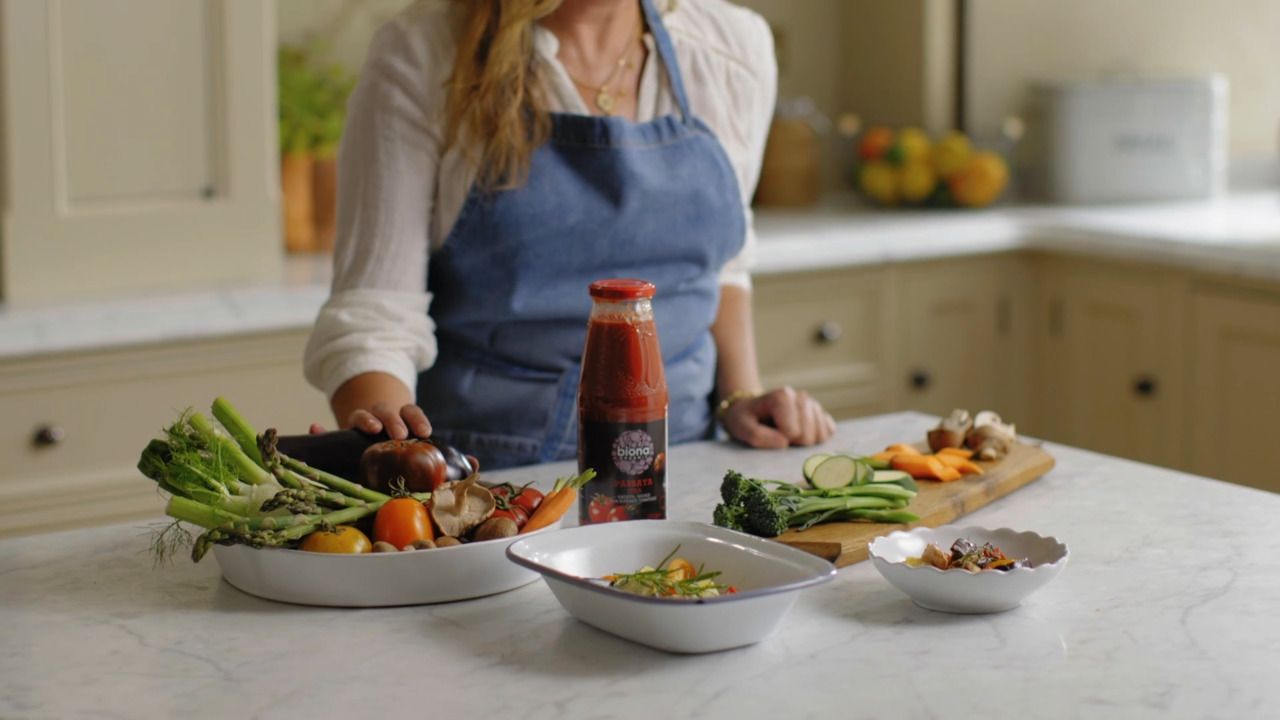
Answer: In terms of coconut milk for cooking, i.e., that comes in a can, I like to choose organic options where possible, and always opt for those with no added sugar. Biona does a good one, in a non-BPA lined tin. I will go for either lighter (which still contains just water & coconut) or full-fat, depending on what's available and what would work best for the recipe. If I am looking for coconut milk for drinking, making porridge or a smoothie with, i.e., in a carton, to be honest it's not my first choice of dairy-alternative drinks (I personally prefer the taste of oat, cashew or almond milks), but again, I'd suggest looking for one without added sweeteners or sugar where possible.
Get the full workbook, video lessons, and more with a Create Academy subscription.
Subscribe to access the full workbookAlready a member? Sign in to watch
491 reviews
Read moreCreate Academy has been such a great resource. I'm in the middle of renovating a bungalow with a very large garden and the courses have offered a wealth of inform...
Harvey
Jun 10, 2026
Absolutely love Create Academy! The instructors are extremely informative, and it is beautifully filmed. Create Academy is great value for money and plan on renew...
SG
May 31, 2026
Butter's creativity is stunning! Her ability to incorporate brilliance in small gardens is magical!
Carla
May 30, 2026
The best adventure. I like all the courses, but my favorite are both Rita Konig interior design courses and Anna Jones. Excellent!
Karolina Kluczewska
May 20, 2026
Create Academy has been such a great resource. I'm in the middle of renovating a bungalow with a very large garden and the courses have offered a wealth of information to dive into and explore new ideas. I'm...
Harvey
Jun 10, 2026
Absolutely love Create Academy! The instructors are extremely informative, and it is beautifully filmed. Create Academy is great value for money and plan on renewing my subscription yearly because there are ...
SG
May 31, 2026
Butter's creativity is stunning! Her ability to incorporate brilliance in small gardens is magical!
Carla
May 30, 2026

Your Instructor
UK's leading nutritional therapist, healthy eating expert and internationally bestselling author.
Amelia Freer (FdSc, DipION) is one of the UK’s most respected nutritional therapists and healthy eating experts. She is also an internationally best selling author debuting with the inspirational Eat. Nourish. Glow., now translated into many languages around the world. She has headed a thriving private clinic in London for over a decade and has helped thousands to achieve a happier, healthier life. Amelia fervently believes that we can all achieve improved health and well-being by choosing to eat the right foods. Amongst her success stories are famous names such as Victoria Beckham OBE, Boy George, James Corden and Sam Smith.

Access to all courses


