


Interior and exterior confidence
Create Academy has been such a great resource. I'm in the middle of renovating a bungalow with a very large garden and the courses have offered a wealth of inform...
Harvey
Jun 10, 2026
with AMELIA FREER — UK's leading nutritional therapist, healthy eating expert and internationally bestselling author.
Lesson 25 of 30
Subscribe to watch
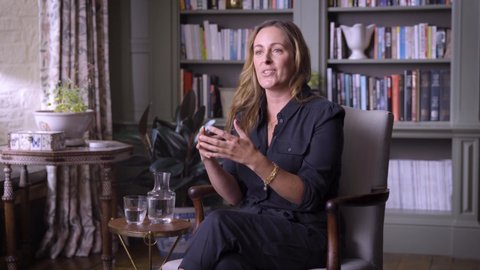
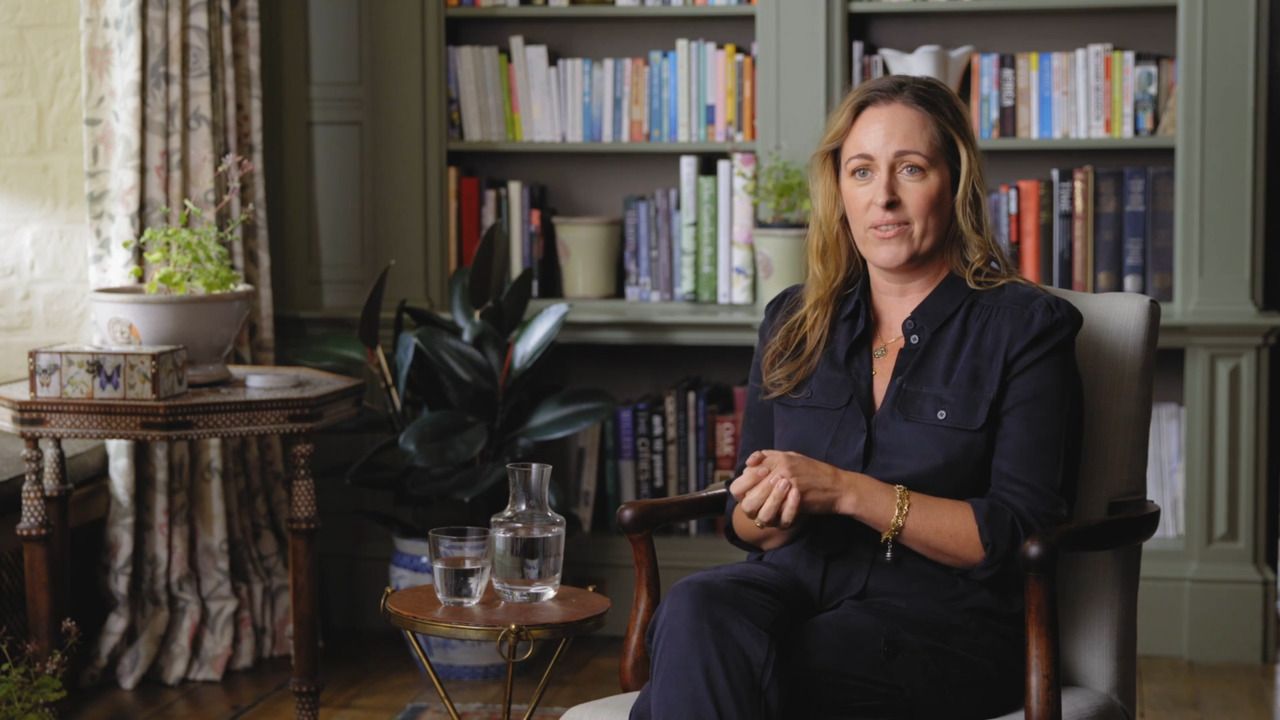
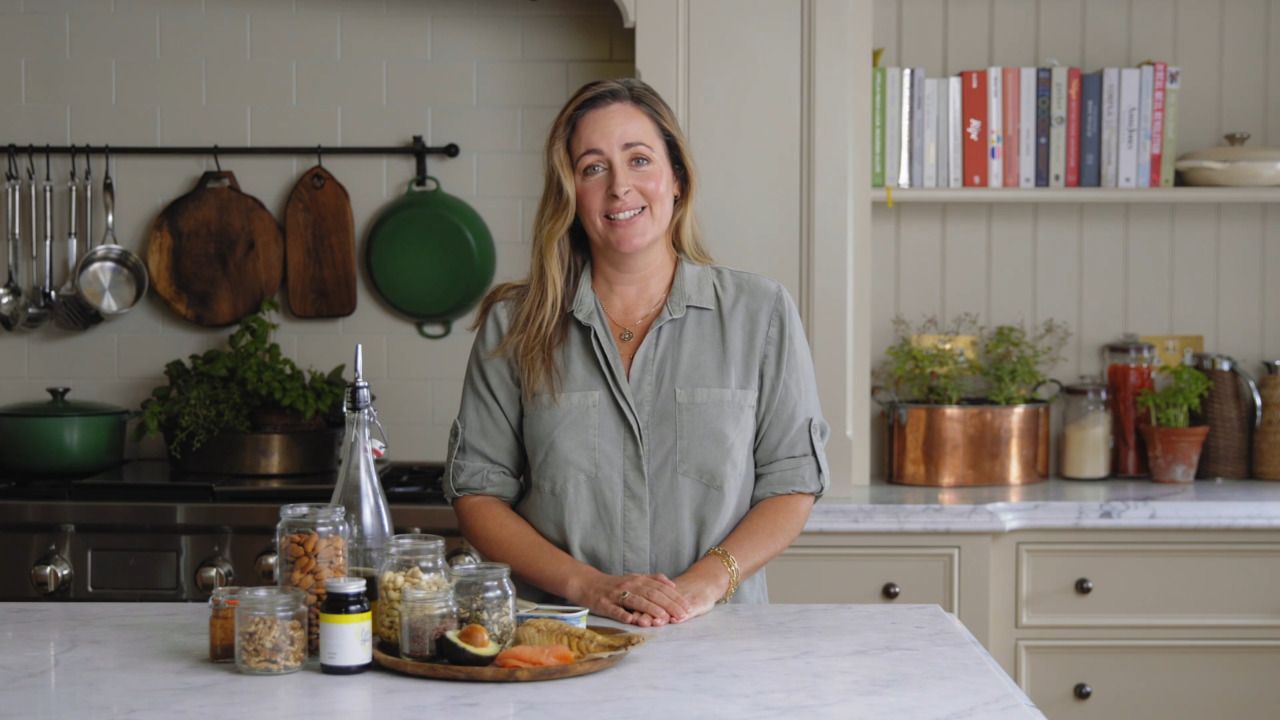
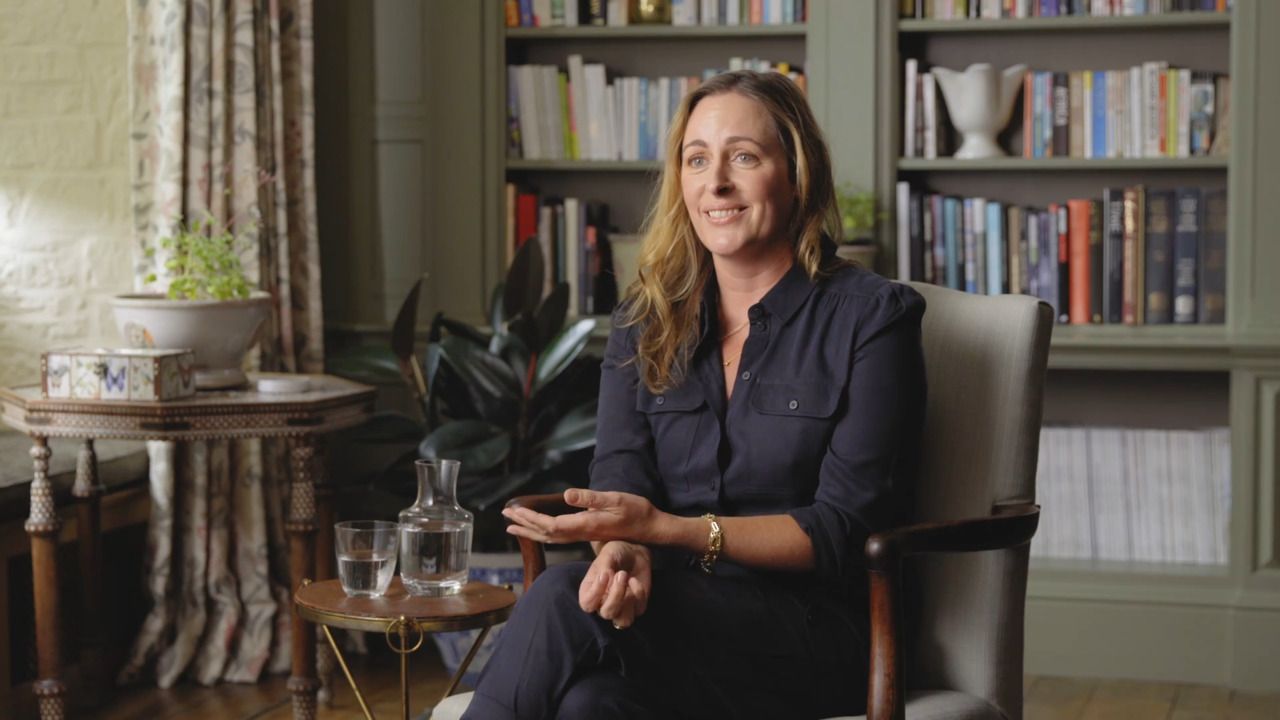
The question Amelia gets asked the most in her nutritional practice is “What supplements should I take?” In this lesson, Amelia takes you through some of the basics of supplementing, and explains that unless for specific dietary needs it is often no replacement for a simple, healthy diet.
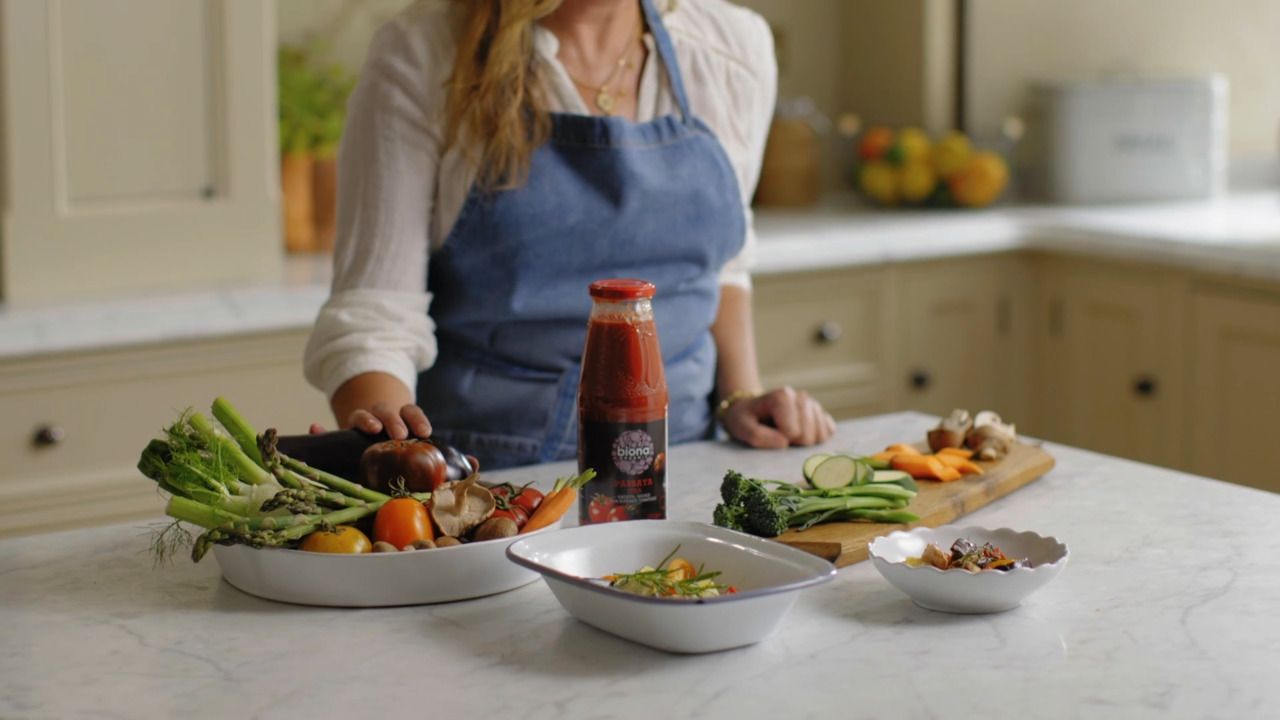
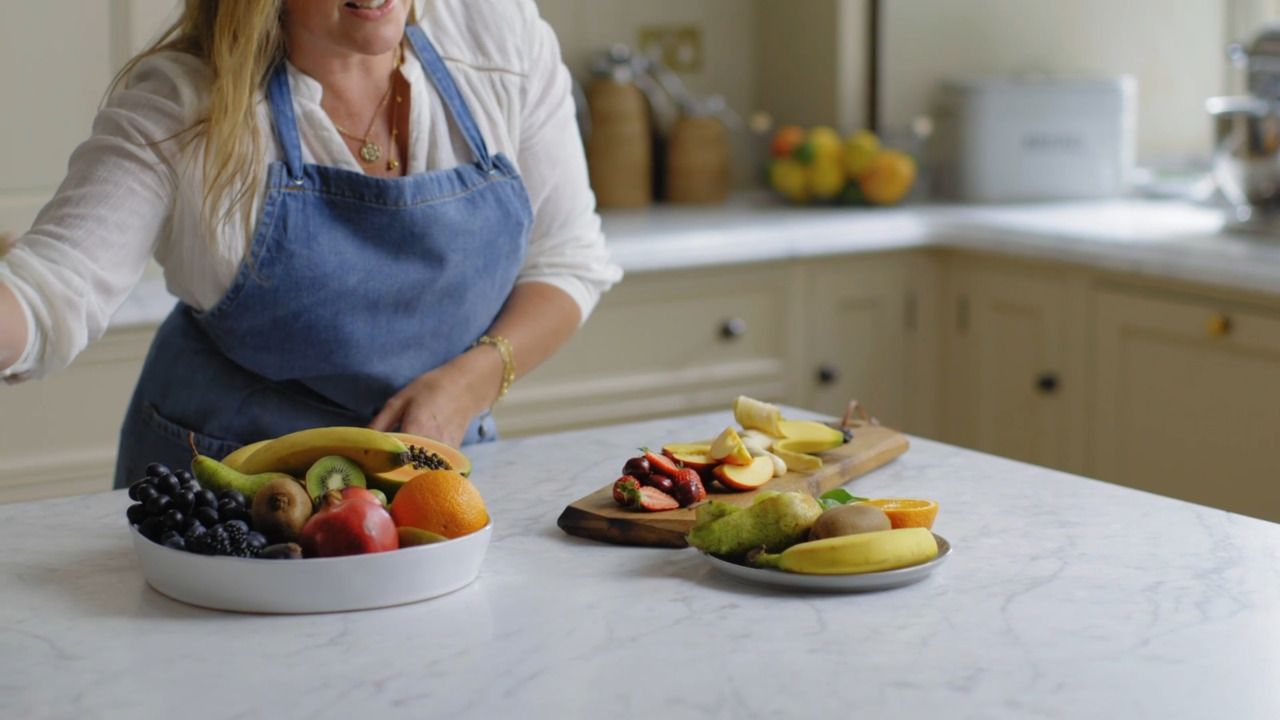
Certain nutrients may help the absorption of other nutrients. Vitamin C, for example, can help to increase the absorption of iron from a meal. Sources of vitamin C might include peppers, kiwis or citrus fruits.
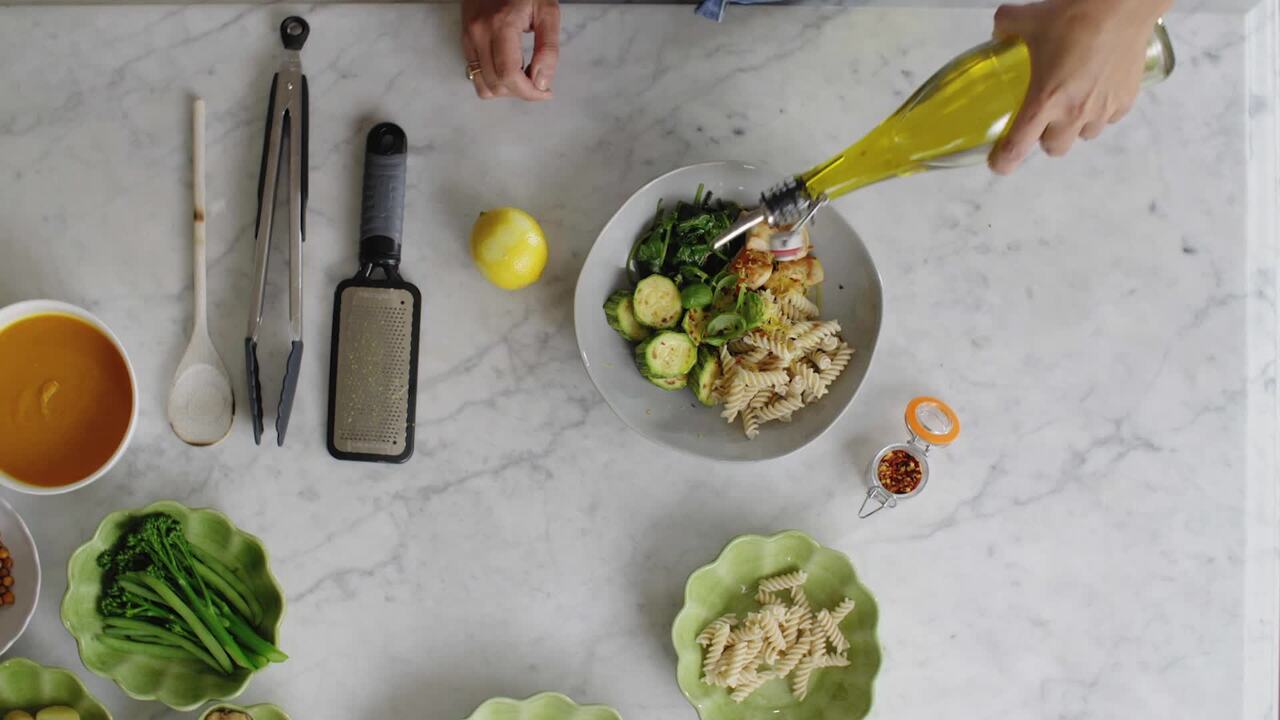
Including a source of healthy fats in our meals, such as olive oil, avocado, nuts, seeds etc. can potentially help to boost absorption of the fat-soluble vitamins (A,D,E & K) as well as certain phytonutrients.
Tea and coffee can potentially inhibit absorption of various micronutrients, so it is recommended that they are not consumed within half an hour either side of a meal.
Chewing is essential to help break down food into very small particle sizes, which enables other digestive processes and enzymes better access to the nutrients contained within.
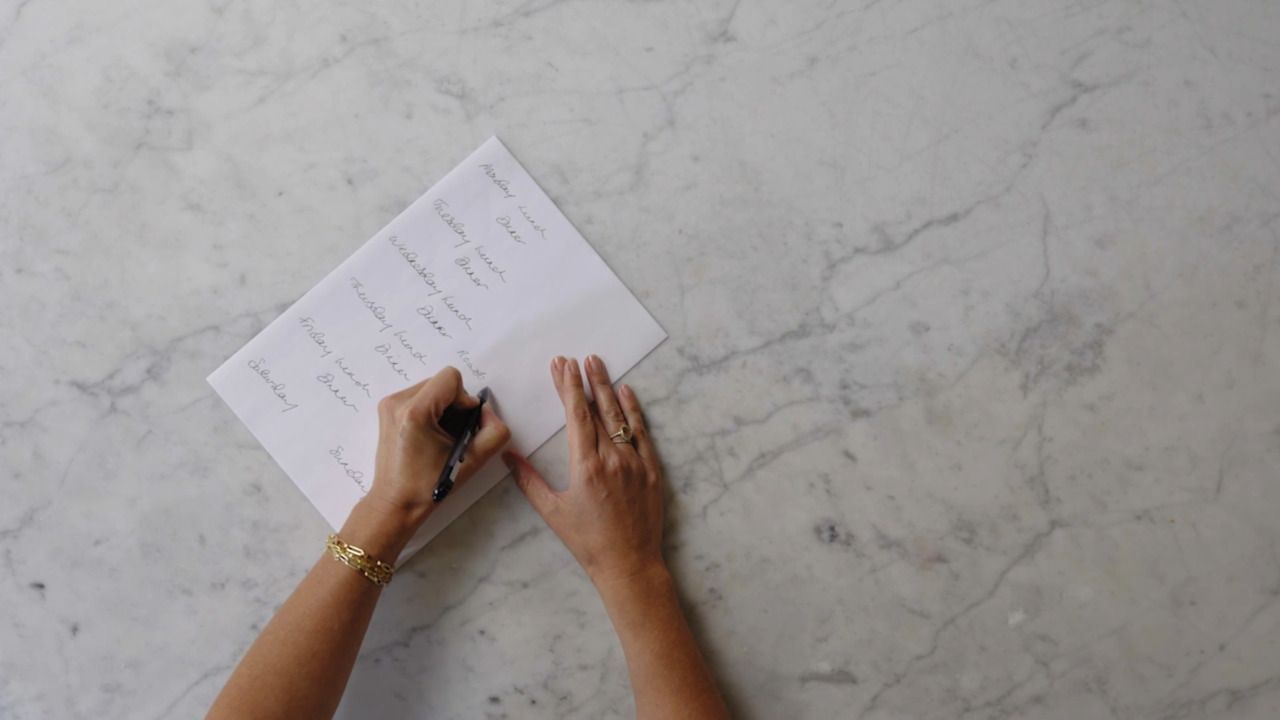
Occasionally, using an intake calculator for a few days can be an interesting way of becoming more aware of what you're eating and how much of your nutrient requirement you're likely to be achieving through your diet. They are not necessarily 100% accurate, but can be insightful. I found completing this calcium one interesting, for example.
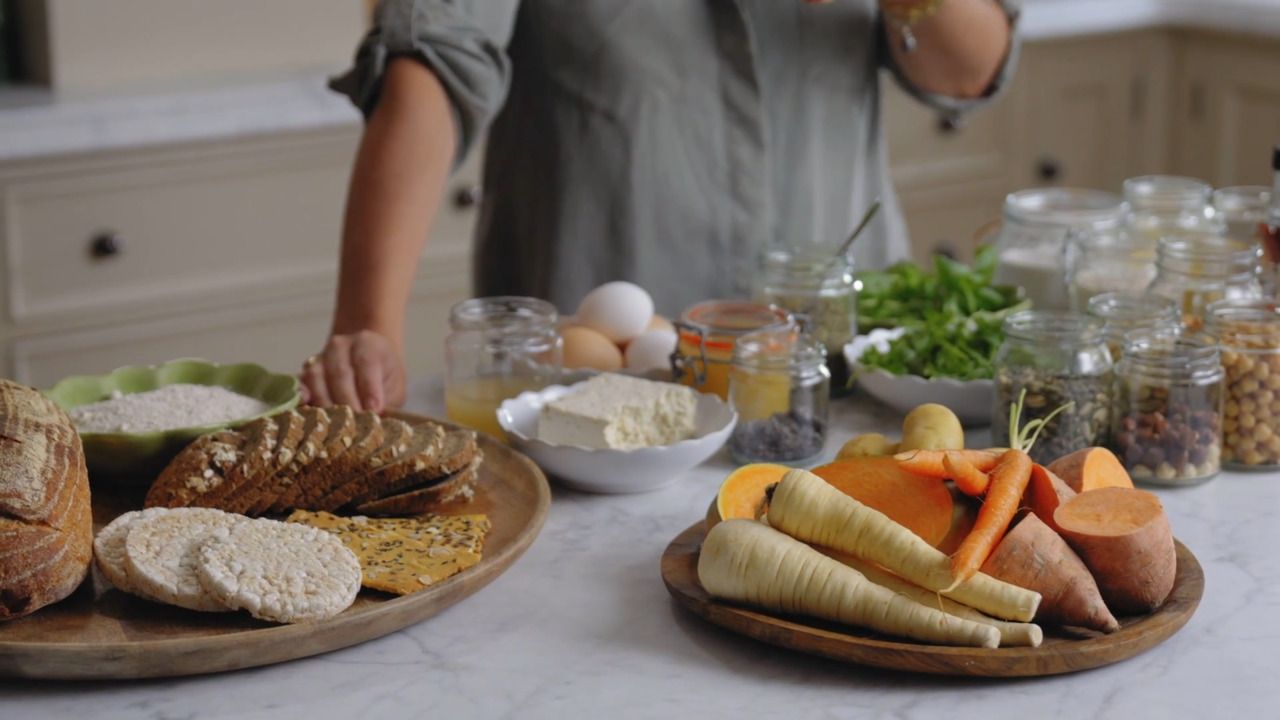
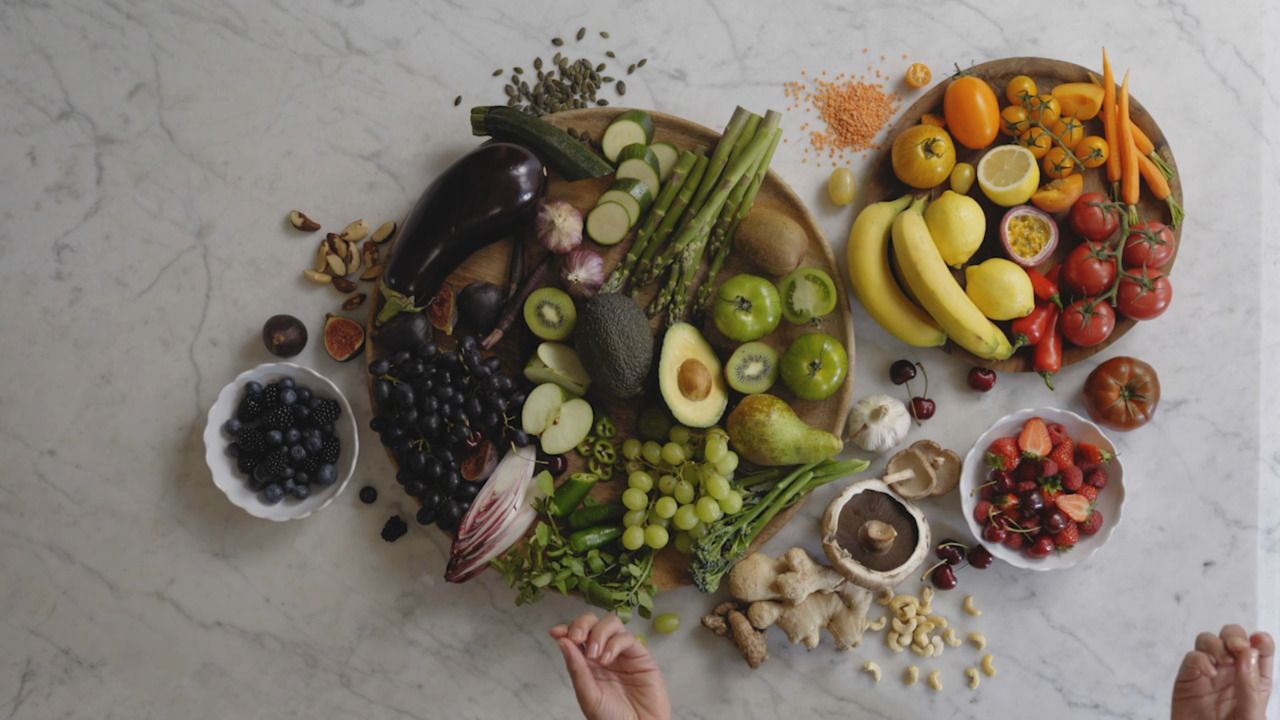
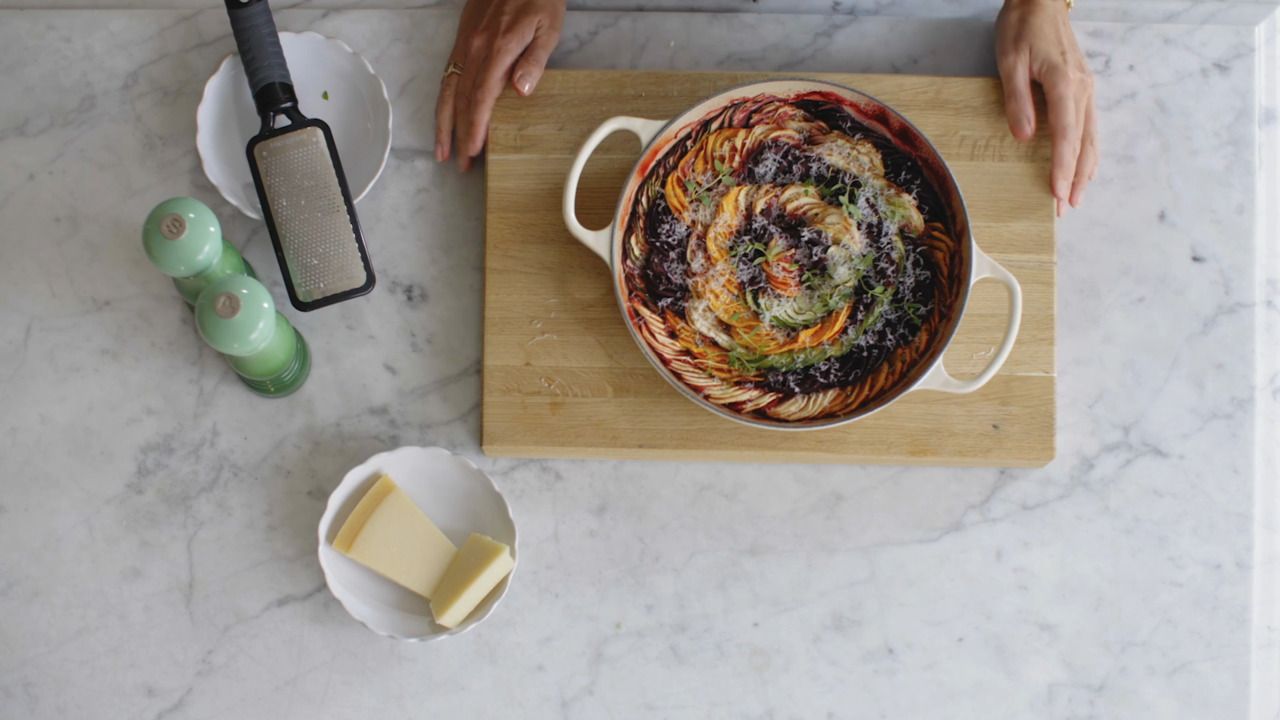
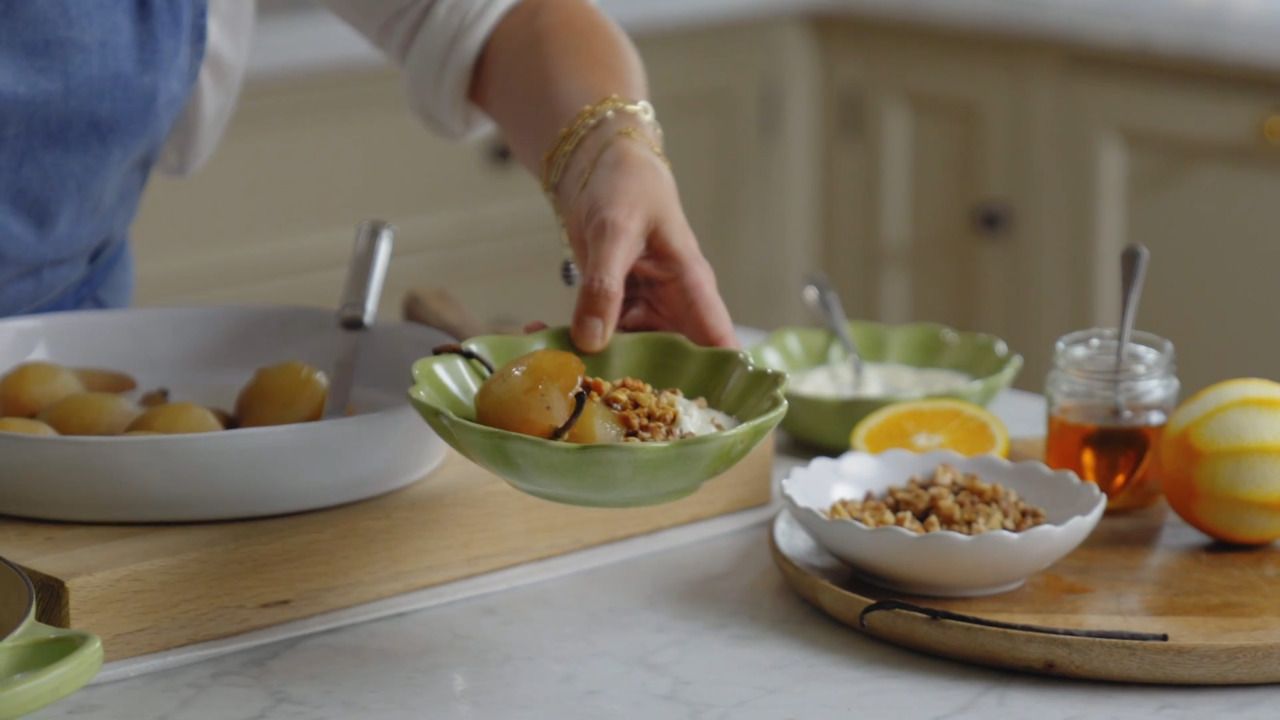
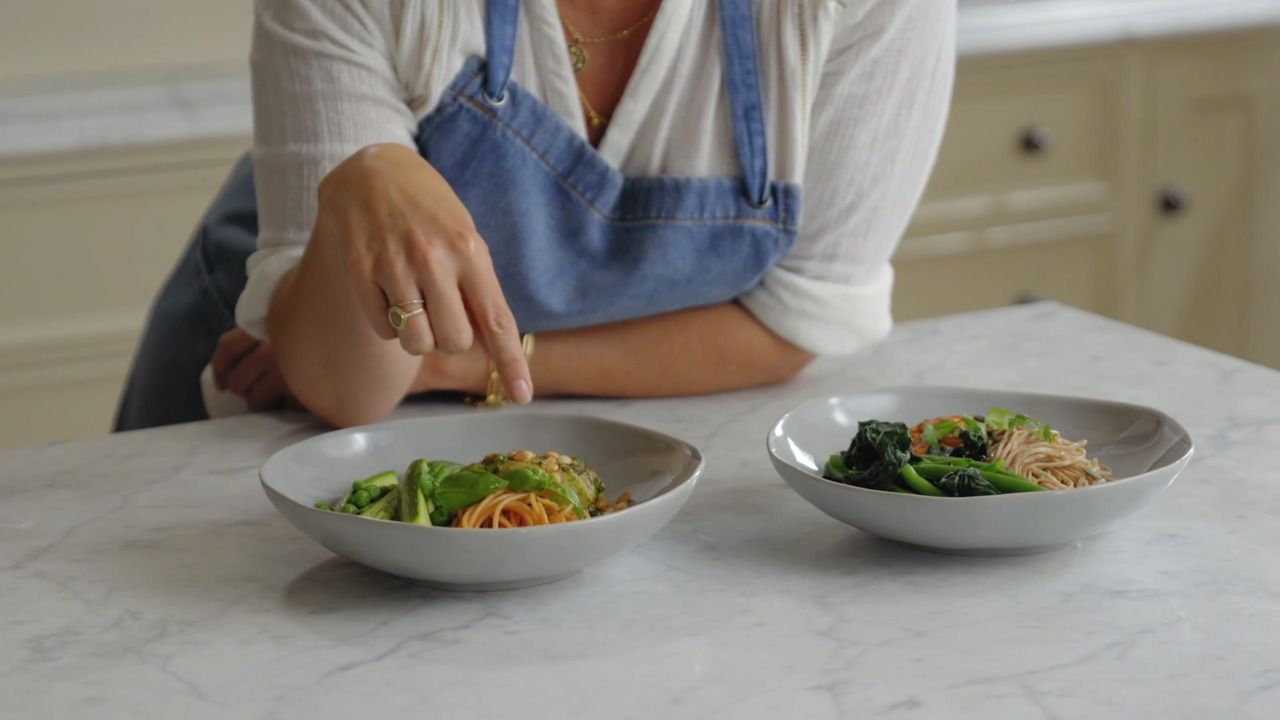
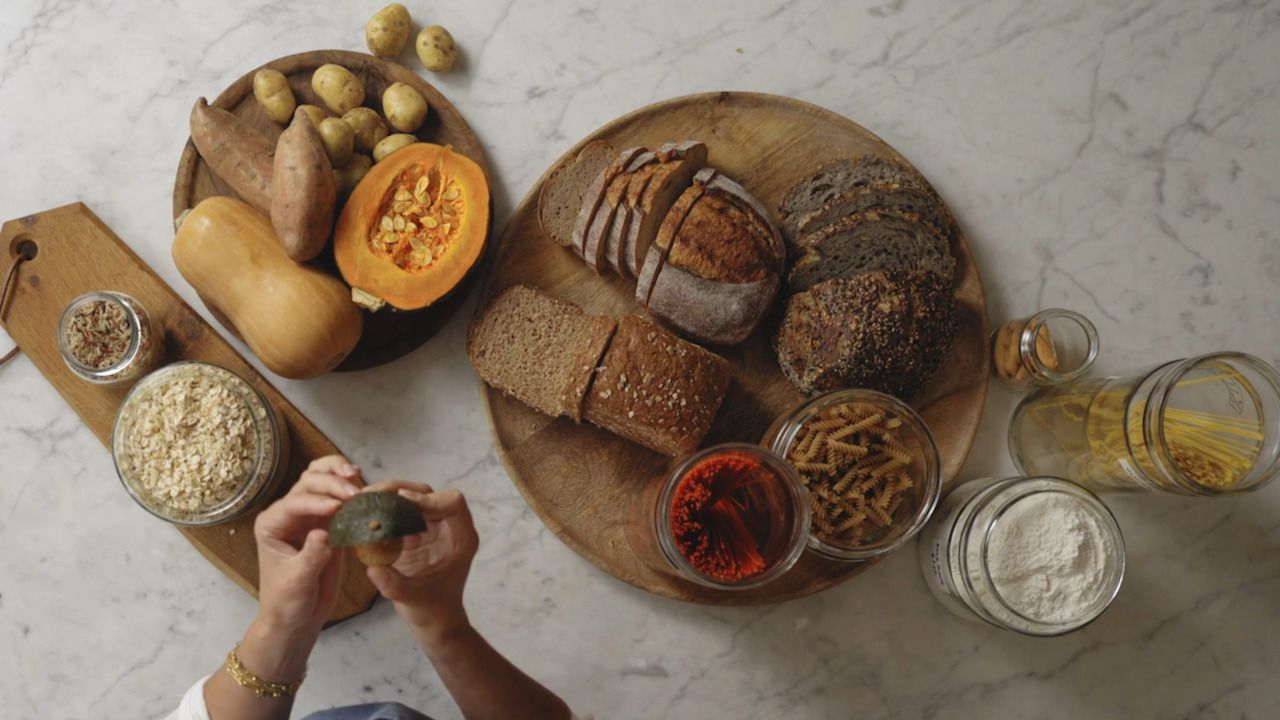
Different foods have different profiles of nutrients that they contain. Eating a wide variety of whole foods in particular, should help us to access a wide variety of nutrients. Likewise, varying the cooking and preparation methods we use can also help us to absorb different micronutrients & phytonutrients.
Boiling can leach a fair amount of nutrition from food into the cooking water. Mixing things up can not only boost the variety of textures and flavours in our foods, but potentially also help to boost nutrient absorption, too.
Digestion begins in the mind. Take time to stop, slow down, chew and enjoy your food. This helps to put us into the nervous system state of 'rest and digest', which does exactly as it says on the tin!
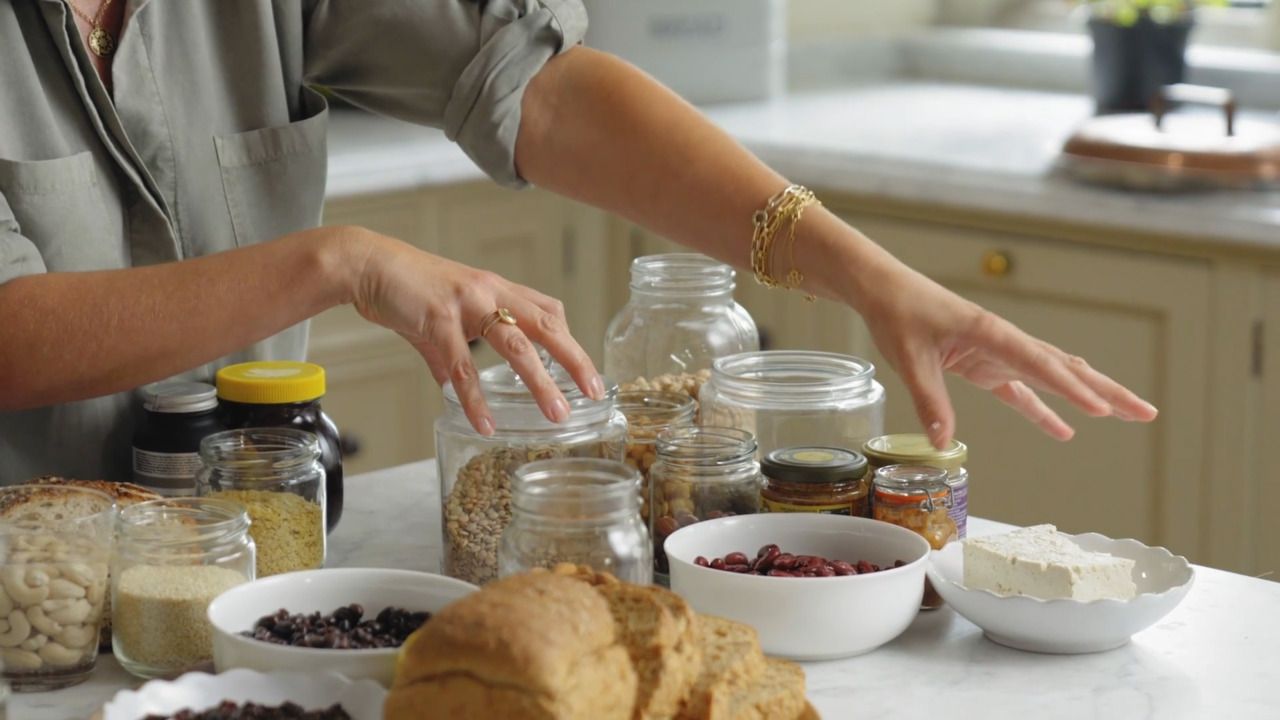
Soaking, sprouting or fermenting can potentially help to boost the bioavailability of certain micronutrients, such as zinc, from nuts, seeds, wholegrains and pulses. There are lots of ways to do this, but my basic rule-of-thumb is to soak for 12 hours in filtered water, and then draining and cooking (where necessary) in fresh water.
It is important to note that nutrient calculators will not be completely accurate, so if you have any specific nutrition concerns, it is always best to consult with a professional first.
Nutrition calculators, however, can provide us with a useful overview and raise our awareness of the approximate composition of the foods we eat on a regular basis. I recommend only using them for a few days at a time, up to a maximum of two weeks, to avoid causing unnecessary anxiety.
Apps like My Fitness Pal, for example, provide a basic overview of macronutrients (fats, protein, carbohydrates) and micronutrients.
The International Osteoporosis Foundation has a free calcium calculator available at https://www.osteoporosis.foundation/educational-hub/topic/calcium-calculator.
The BBC offers a useful Nutrition Calculator tool to help you figure out what you should ideally be aiming for with your nutritional intake: https://www.bbc.co.uk/games/embed/food-interactive-nutrition-calculator.
However, I would like to emphasise that we do not eat individual nutrients; we eat whole foods, and it is more important to consider our overall dietary pattern as well as our overall lifestyle than worrying about single micronutrients. Aiming for a healthy, balanced diet, such as that described in this course, is important.
Nutritional supplements should not be used as a substitute for a balanced diet. It is best, wherever possible, to get your nutrients from food. Take a look at the NUTRIENTS download attached to this video for some helpful hints and tips on ways to maximise nutrient absorption from your food.
Sometimes, however, nutritional supplements are helpful. They may even be prescribed by a healthcare professional. For example, when you have a measured deficiency or problems with absorption of nutrients from food, or when following public health guidance (around pregnancy, for instance).
More of a nutrient is not necessarily better. We need just the right amount – not too little (insufficiency) and not too much. It's usually quite a lot harder to get too much from whole food sources than it is from a concentrated supplement.
A little scepticism is probably a good thing when it comes to buying supplements. It is a relatively unregulated market. It is sensible to consult your GP or an appropriately qualified healthcare / nutrition professional prior to starting any supplements.
On ameliafreer.com
My article on Vitamin D
Should I be taking supplements?
NHS advice
Do I need vitamin supplements?
Vitamins, supplements and nutrition in pregnancy
Get the full workbook, video lessons, and more with a Create Academy subscription.
Subscribe to access the full workbookAlready a member? Sign in to watch
491 reviews
Read moreCreate Academy has been such a great resource. I'm in the middle of renovating a bungalow with a very large garden and the courses have offered a wealth of inform...
Harvey
Jun 10, 2026
Absolutely love Create Academy! The instructors are extremely informative, and it is beautifully filmed. Create Academy is great value for money and plan on renew...
SG
May 31, 2026
Butter's creativity is stunning! Her ability to incorporate brilliance in small gardens is magical!
Carla
May 30, 2026
The best adventure. I like all the courses, but my favorite are both Rita Konig interior design courses and Anna Jones. Excellent!
Karolina Kluczewska
May 20, 2026
Create Academy has been such a great resource. I'm in the middle of renovating a bungalow with a very large garden and the courses have offered a wealth of information to dive into and explore new ideas. I'm...
Harvey
Jun 10, 2026
Absolutely love Create Academy! The instructors are extremely informative, and it is beautifully filmed. Create Academy is great value for money and plan on renewing my subscription yearly because there are ...
SG
May 31, 2026
Butter's creativity is stunning! Her ability to incorporate brilliance in small gardens is magical!
Carla
May 30, 2026

Your Instructor
UK's leading nutritional therapist, healthy eating expert and internationally bestselling author.
Amelia Freer (FdSc, DipION) is one of the UK’s most respected nutritional therapists and healthy eating experts. She is also an internationally best selling author debuting with the inspirational Eat. Nourish. Glow., now translated into many languages around the world. She has headed a thriving private clinic in London for over a decade and has helped thousands to achieve a happier, healthier life. Amelia fervently believes that we can all achieve improved health and well-being by choosing to eat the right foods. Amongst her success stories are famous names such as Victoria Beckham OBE, Boy George, James Corden and Sam Smith.

Access to all courses


