


Very good tutorial from a professional garden...
I have subscribed to access all the courses so have watched one on interior design and this one with Butter Wakefield who specialises in small garden design. She ...
Louise Brown
Apr 10, 2026
Naturalistic Garden Design Masterclass
with DAN PEARSON — Acclaimed naturalistic landscape designer. Multiple Chelsea Gold Medal Winner. OBE.
Lesson 6 of 27
Buy or subscribe to watch
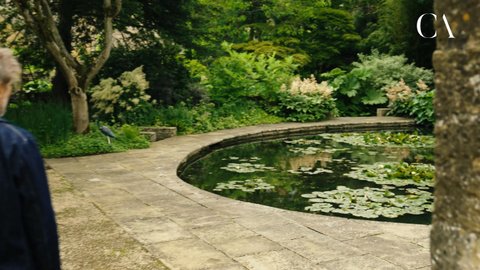
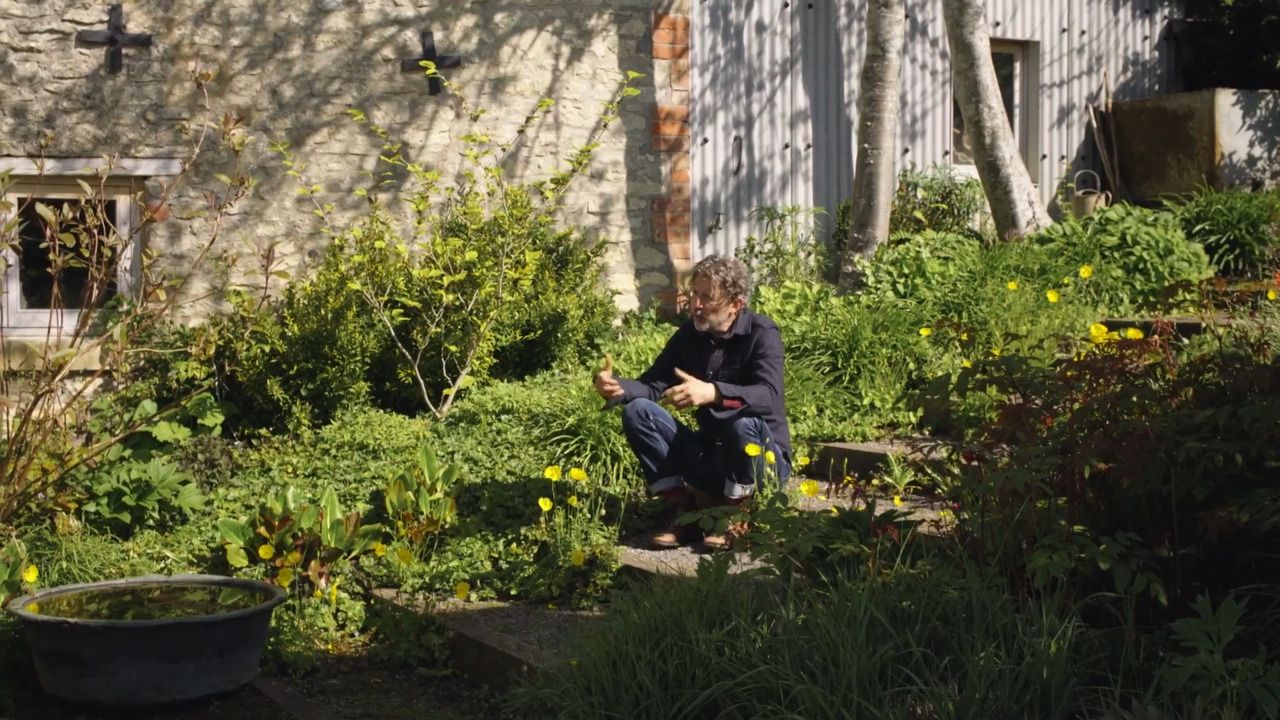
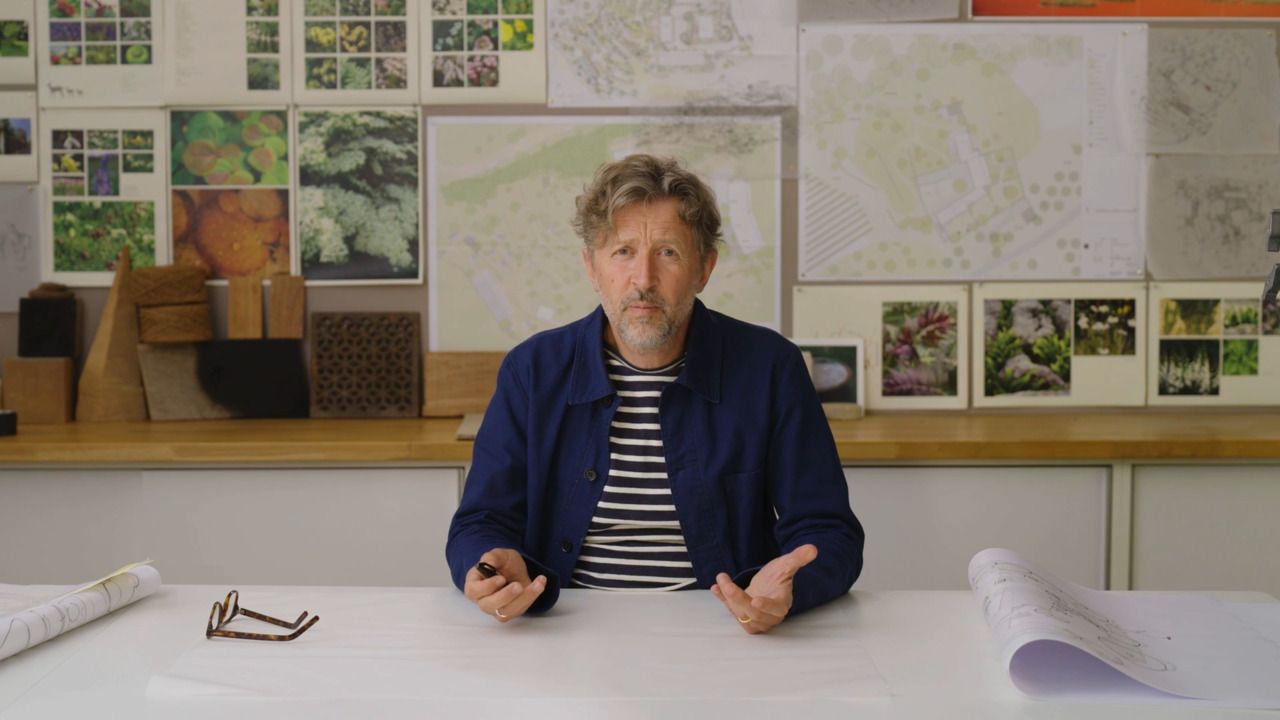
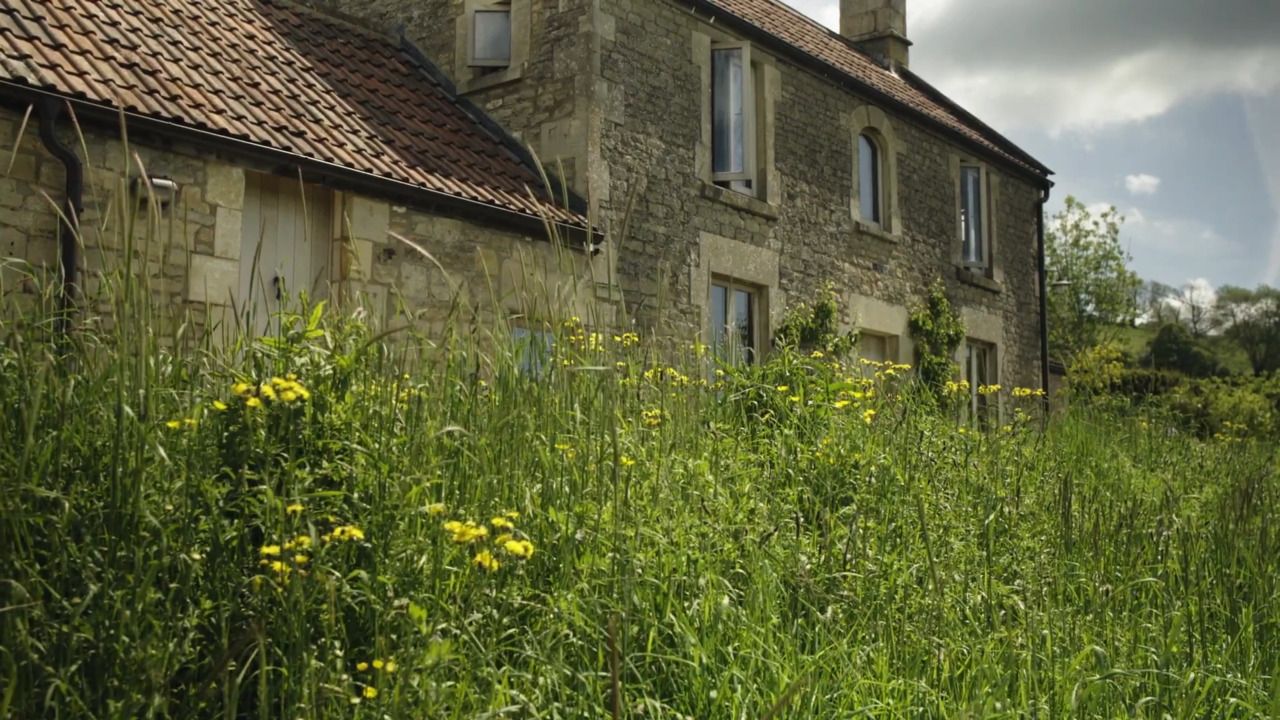
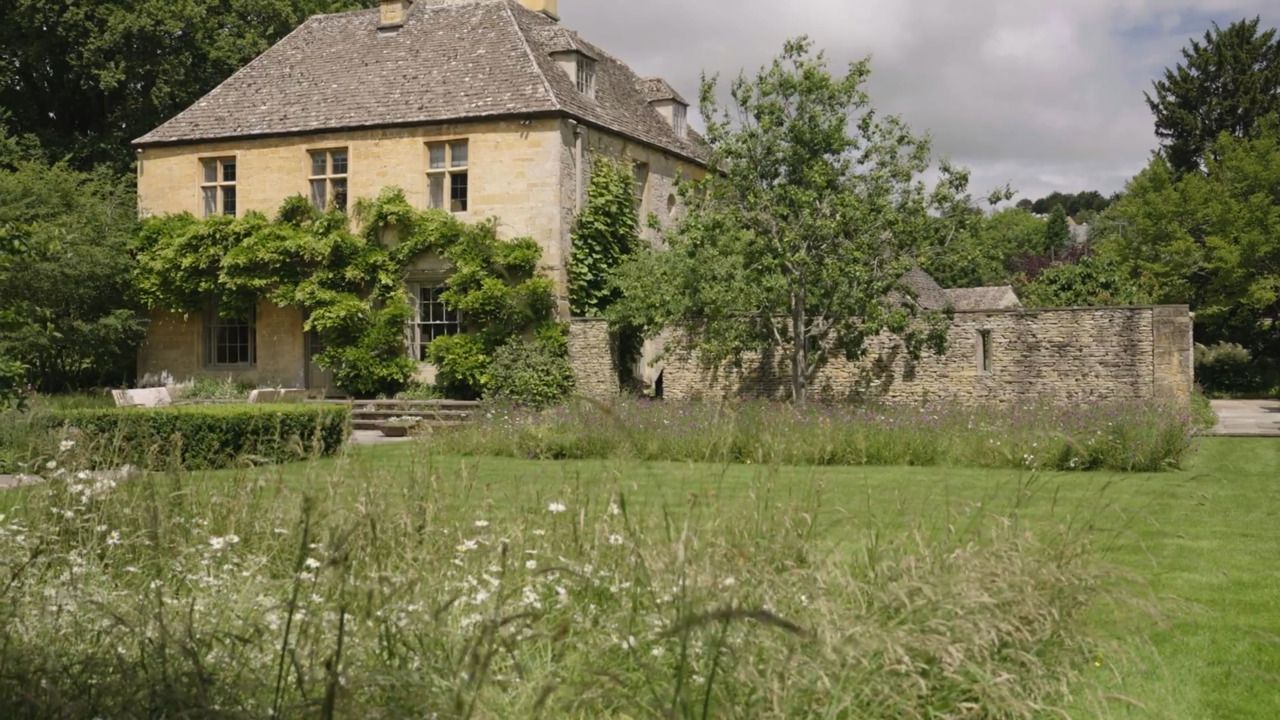
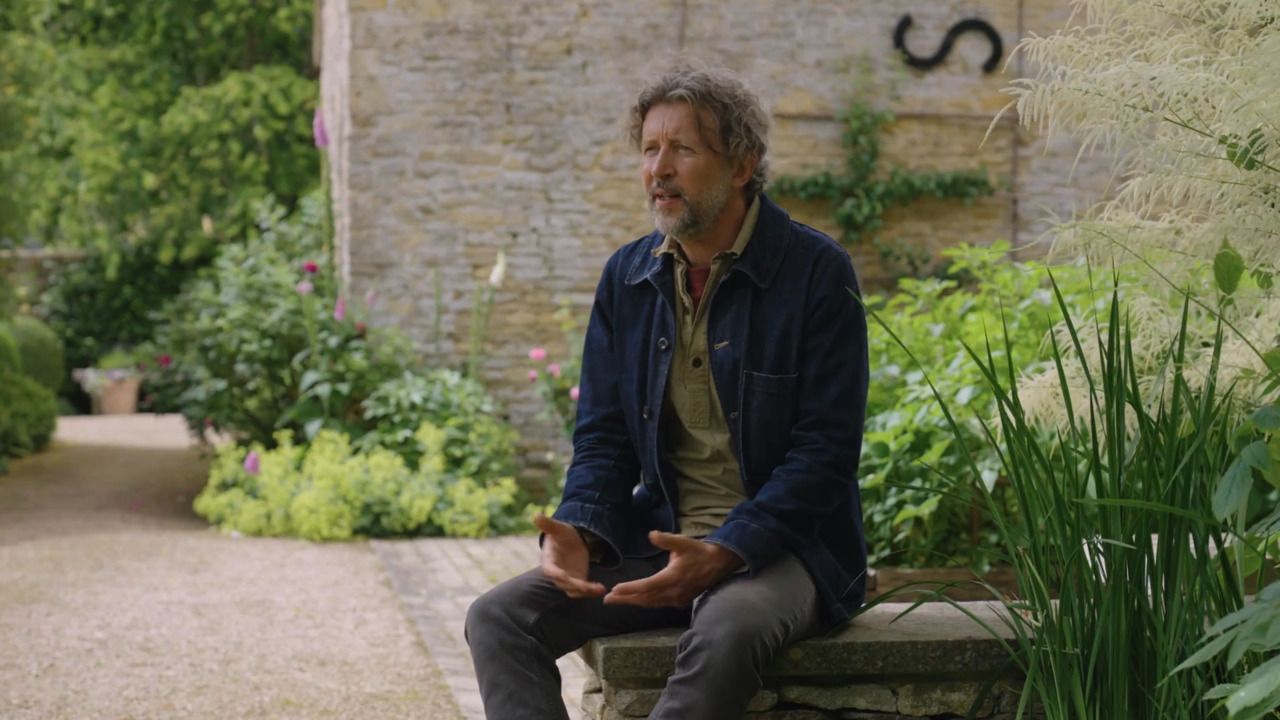
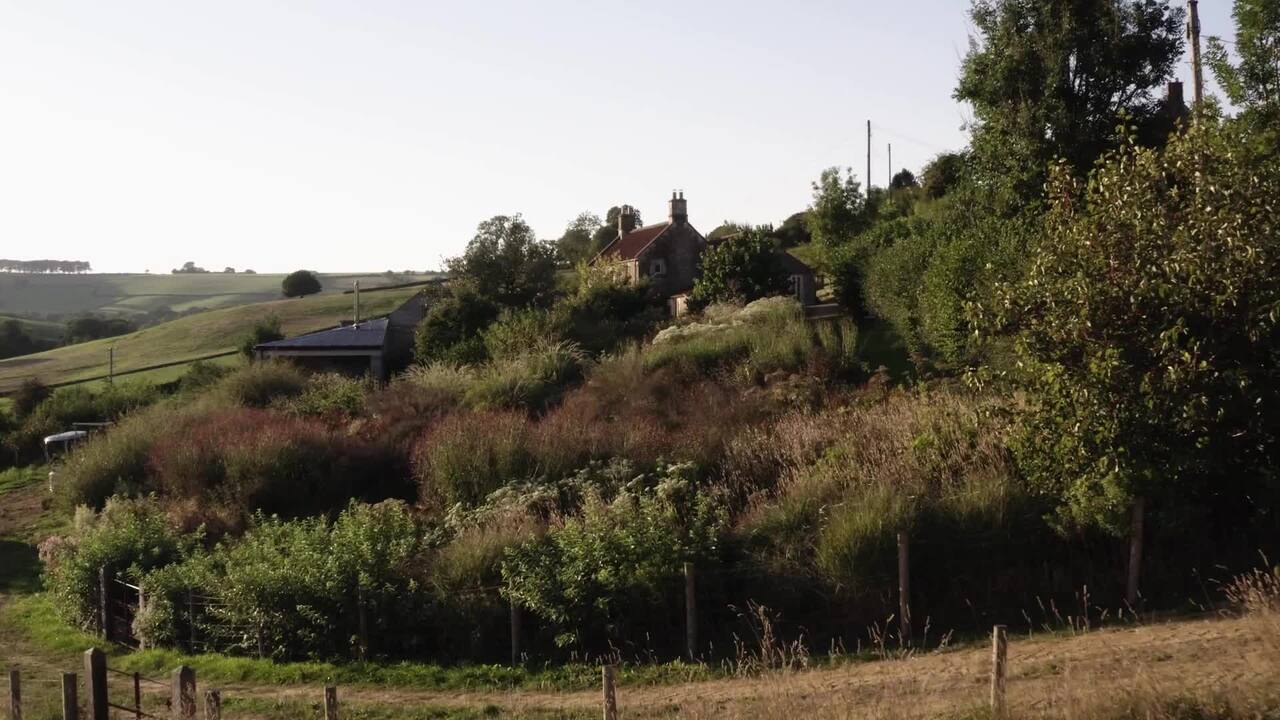
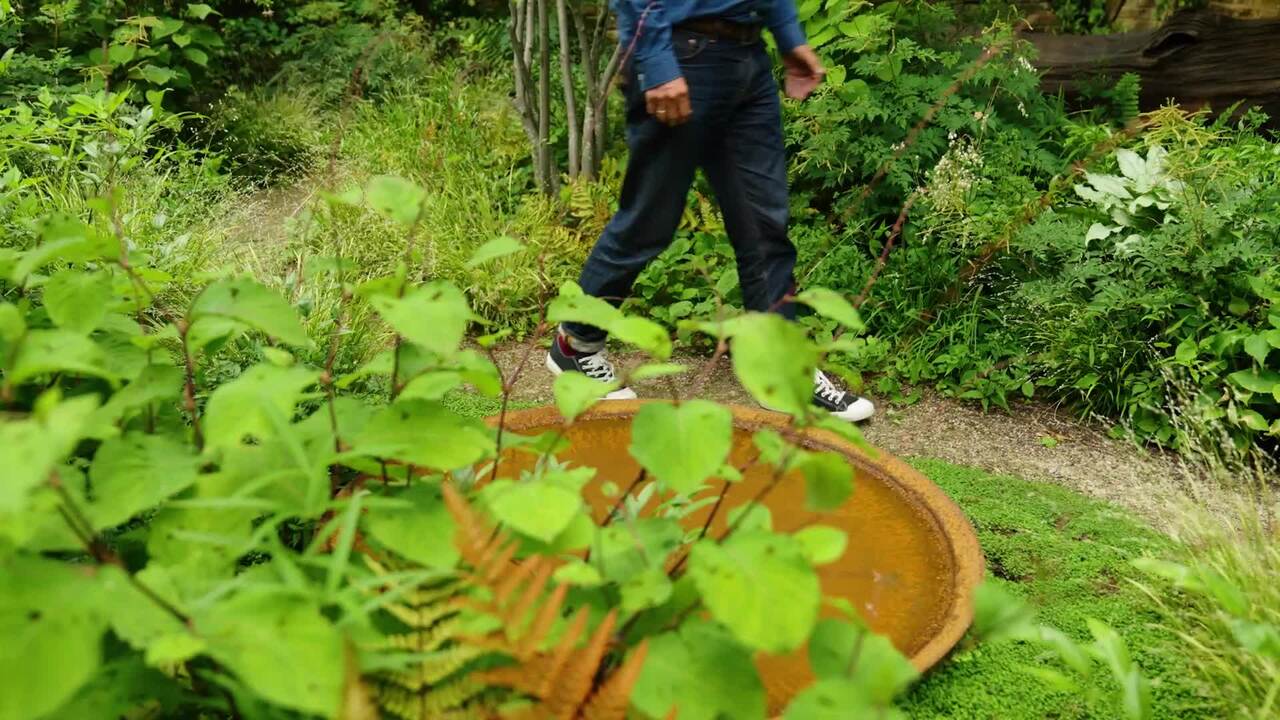
Getting an idea of your garden's aspect, soil, and site will give you a lot of insight into what will work well there and how to proceed. You will learn how to master your understanding of these three key areas in this lesson.
Understanding these key areas will give you great insight into what will work in your garden, and how you can get started.
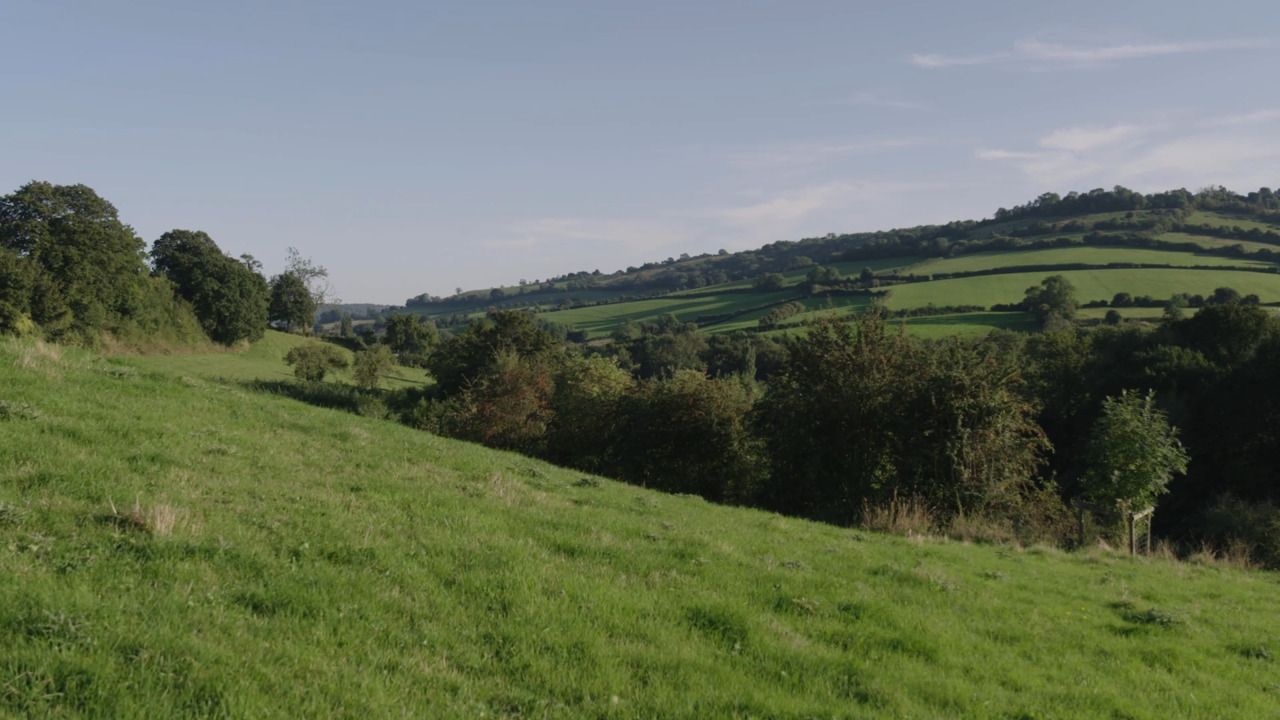
Where does your plot sit? What is it's orientation? And where are the boundaries?
What direction does your site face? What position does it occupy in relation to the sun's movements?
Which type of soil do you have? Is it heavy, clay-like and nondraining? Or a sandy, freedraining soil?
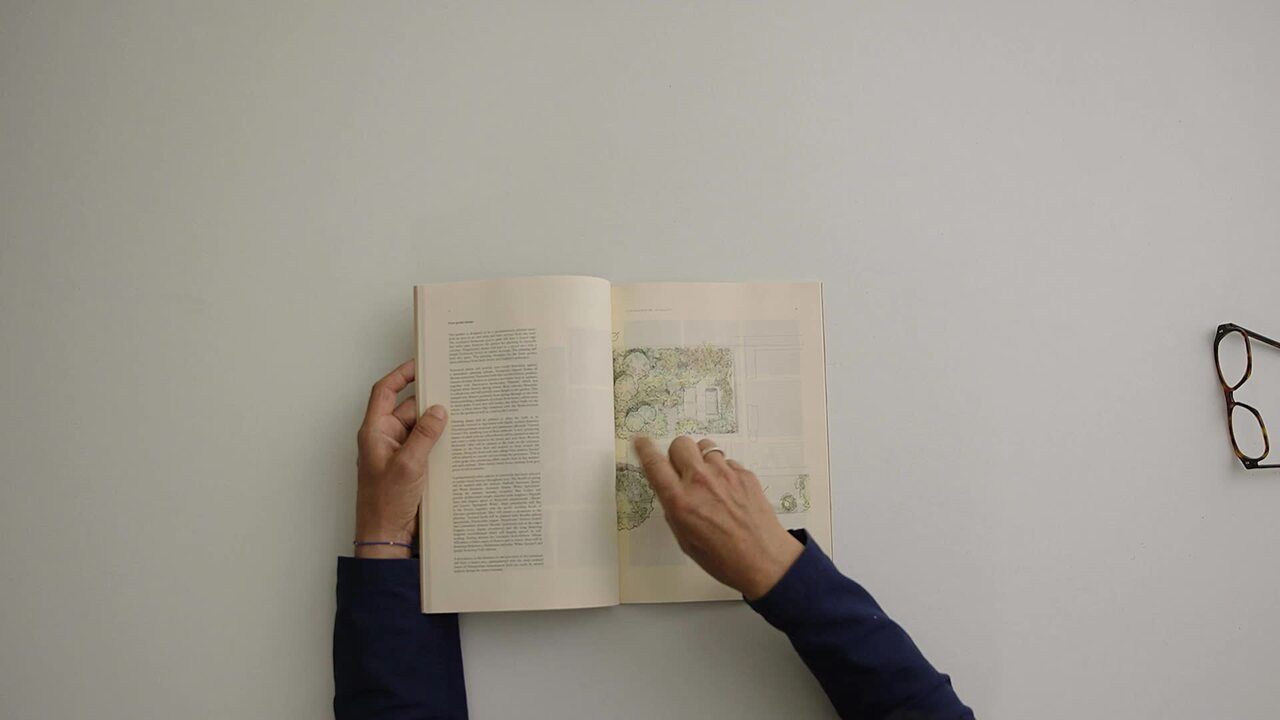
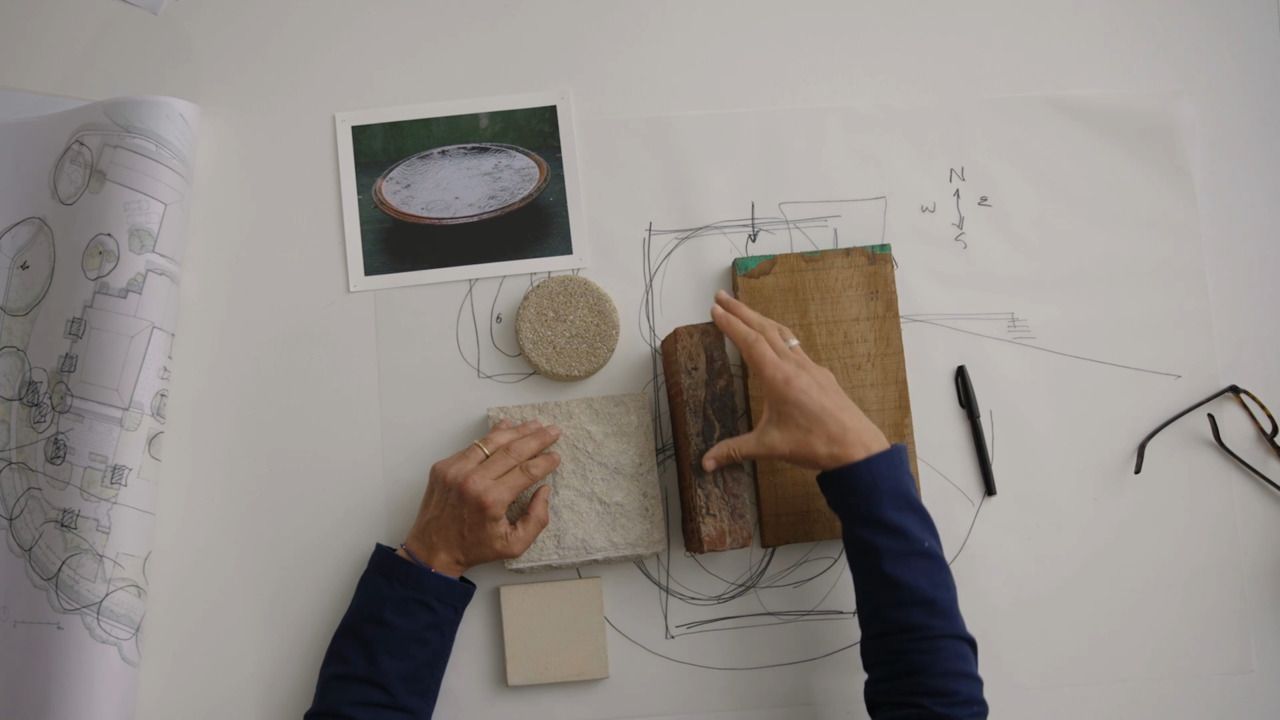
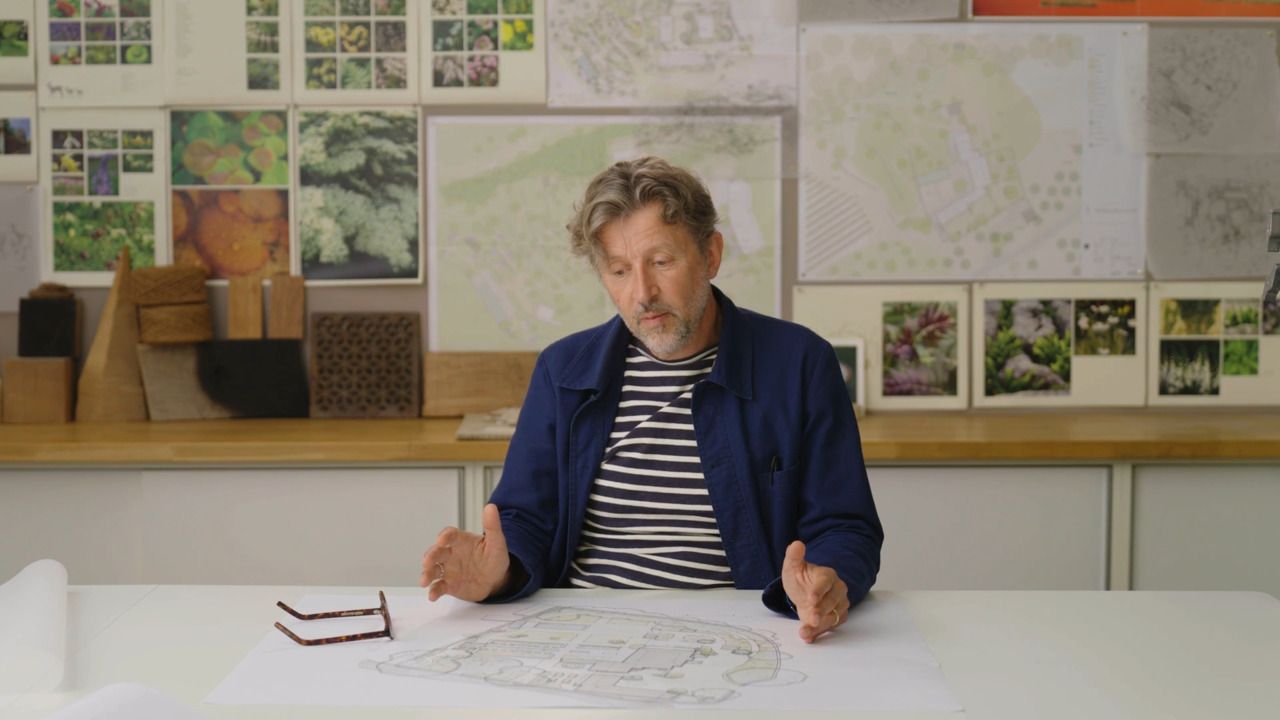
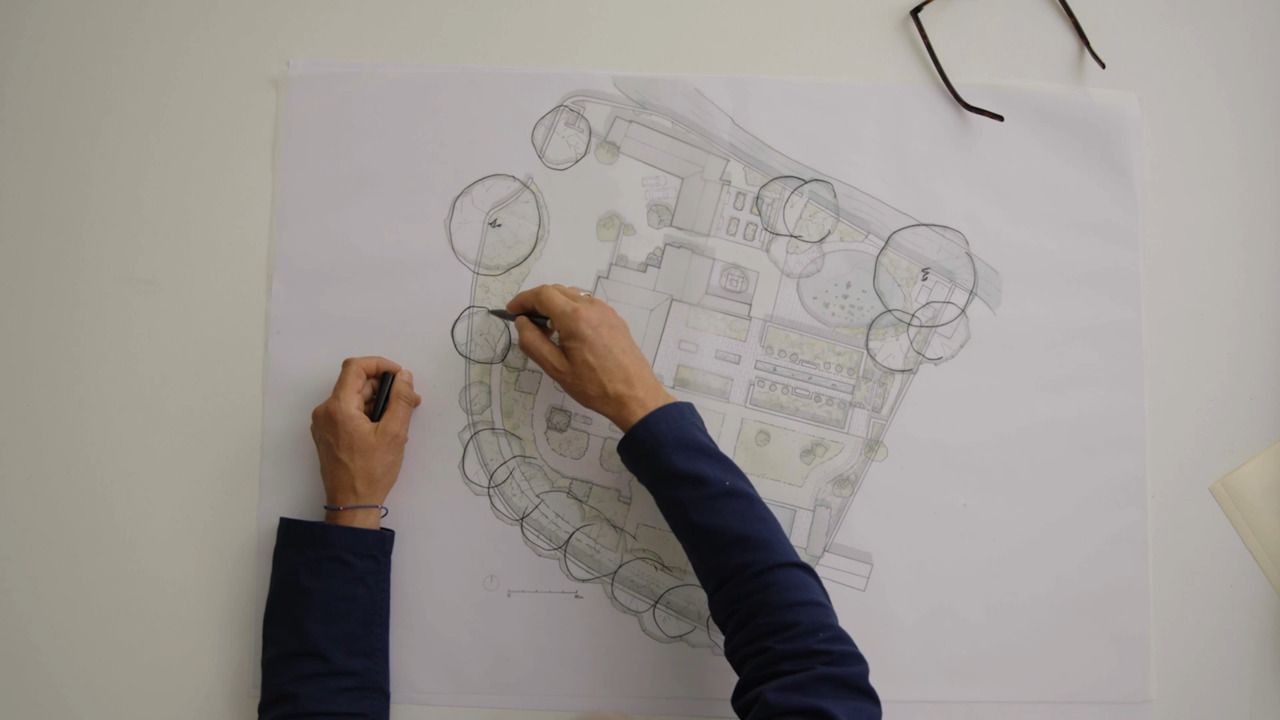
This is a great way to further your understanding of your site, and how the spaces within it relate to one another. It's a wonderful tool for organising your design. On your sketch, it is helpful to:
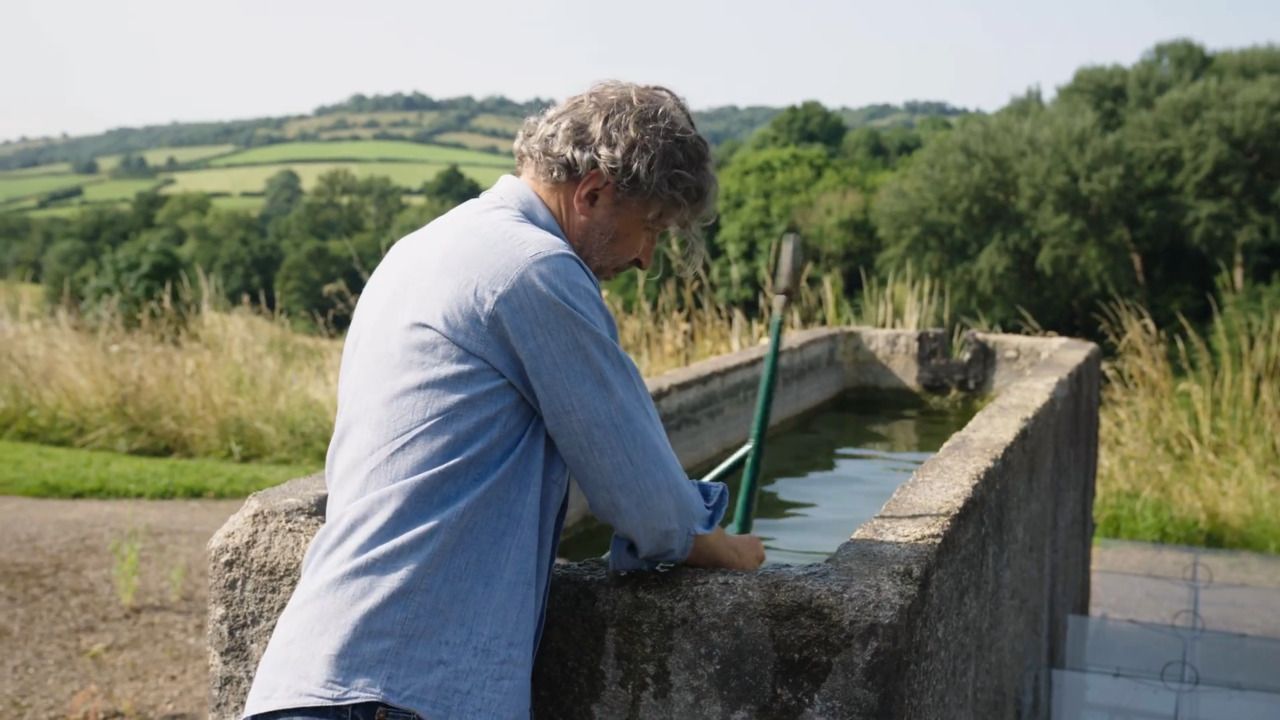
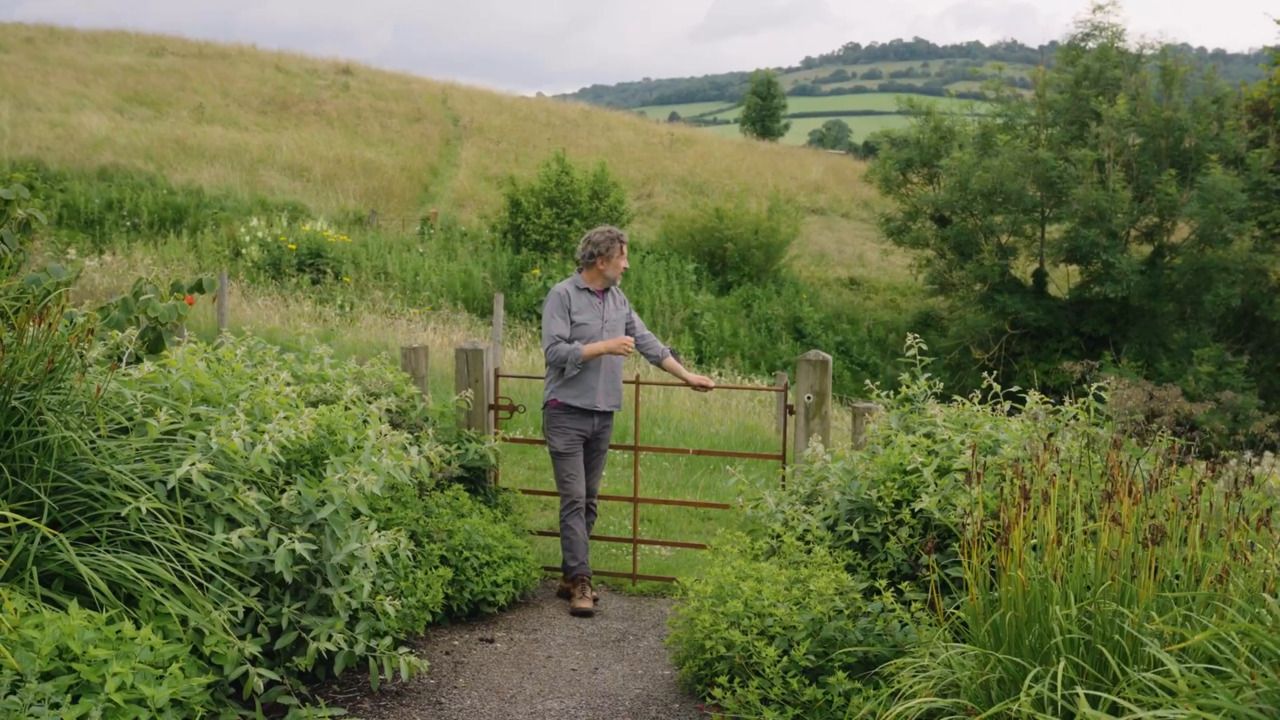
A key element of your site, this will directly impact where you place things in your design, as well as the ease with which you'll be able to garden. Engaging with the topography of your garden will help you to understand how to make your brief work on the ground.
Your site will be dominated by the way in which the sun moves across it, and this will also affect its aspect (positioning). It will help you understand how to use your space at different times and what to plant where.
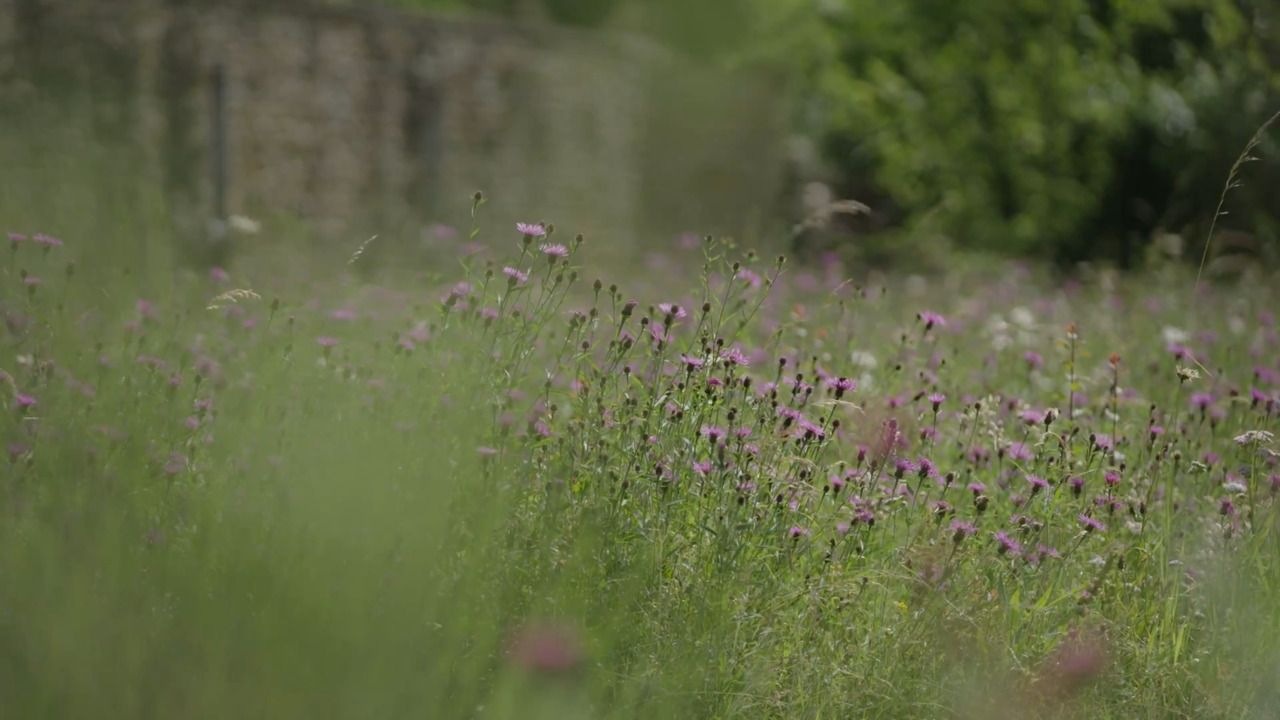
Finding out whether the soil in your site is damp or dry will have a huge impact on what you plant there. It's unwise to fight the natural conditions of your site; rather, work with it and choose plants that will thrive in the conditions.
Medlar
Heptacodium
Hydrangeas
Welsh Poppies
Tulipa Sprengeri
Hazel
Hawthorn
Primroses
Marsh marigolds
Buttercups
Wild angelica
Filipendula
Meadowsweet
Using this blank page, sketch your garden. Mark down as many of the things discussed in this lesson as you can. This will form a comprehensive visual representation of how it works as a site and its aspect, as well as beginning to give you an indication as to which plants will work well where.
Get the full workbook, video lessons, and more with a Create Academy subscription.
Subscribe to access the full workbookAlready a member? Sign in to watch
437 reviews
Read moreI have subscribed to access all the courses so have watched one on interior design and this one with Butter Wakefield who specialises in small garden design. She ...
Louise Brown
Apr 10, 2026
I love CreateAcademy. I came in for the gardening and floristry courses, but am also watching an interior design one at present. And the photography course is an ...
Wellesley
Apr 1, 2026
What a great investment, I have learned such a lot from the first three courses. My evenings have gone from not being able to find anything that captured my imagi...
sojojo
Mar 30, 2026
I loved this course with Amanda Lindroth! Her approach to decorating is so relaxed and she makes it feel attainable. She explains the reasons behind her decisions...
Elizabeth
Mar 27, 2026
I have subscribed to access all the courses so have watched one on interior design and this one with Butter Wakefield who specialises in small garden design. She has a lovely personality and comes across as ...
Louise Brown
Apr 10, 2026
I love CreateAcademy. I came in for the gardening and floristry courses, but am also watching an interior design one at present. And the photography course is an absolute must, best I've ever done.
Wellesley
Apr 1, 2026
What a great investment, I have learned such a lot from the first three courses. My evenings have gone from not being able to find anything that captured my imagination on TV to learning and expanding my kno...
sojojo
Mar 30, 2026

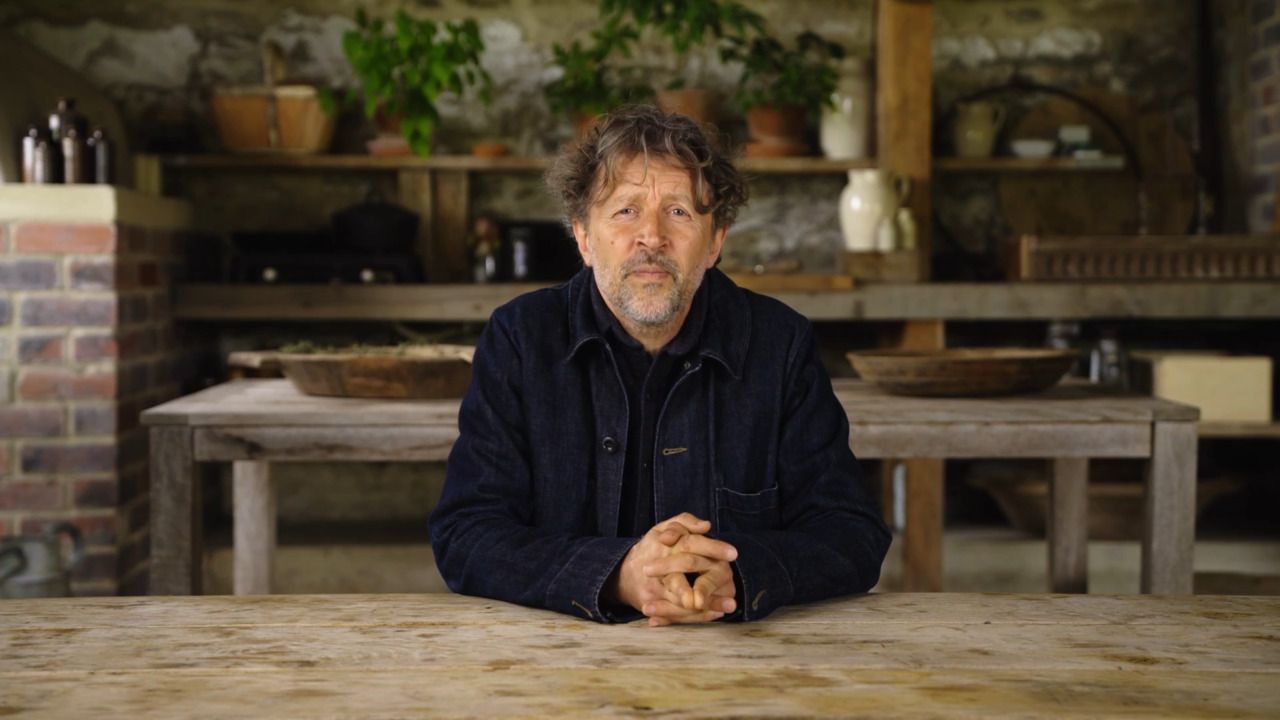
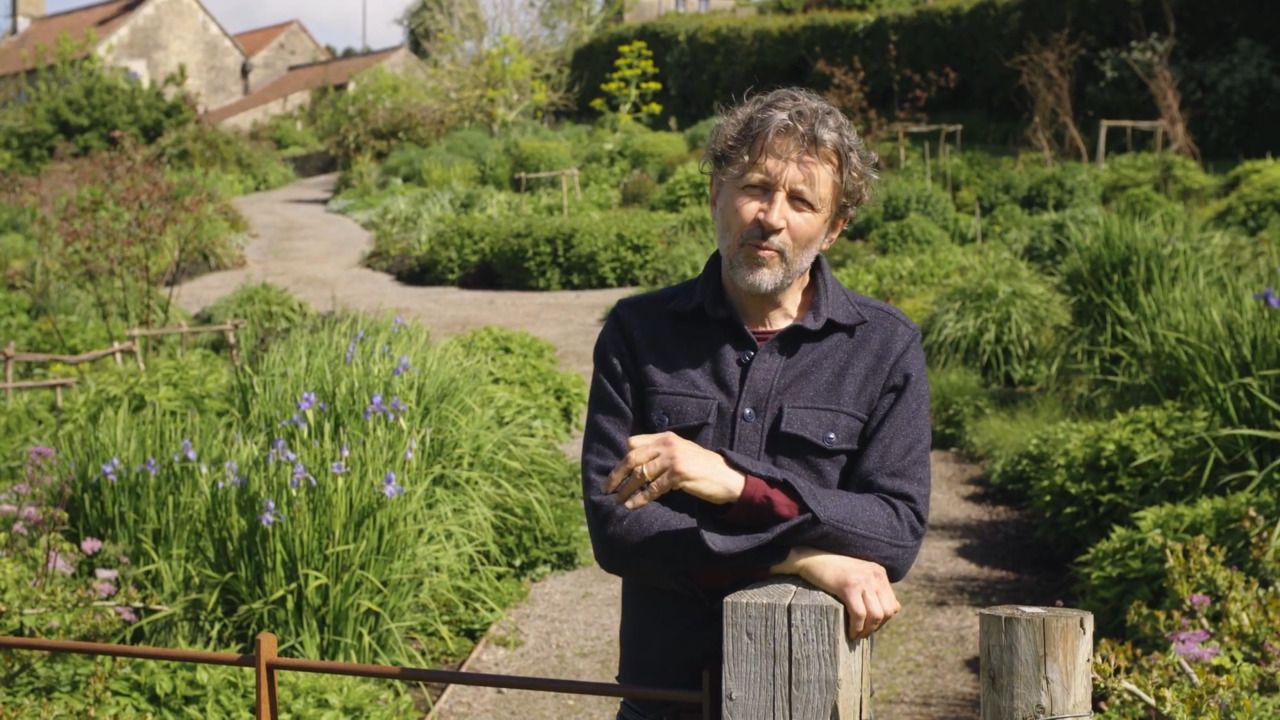
Your Instructor
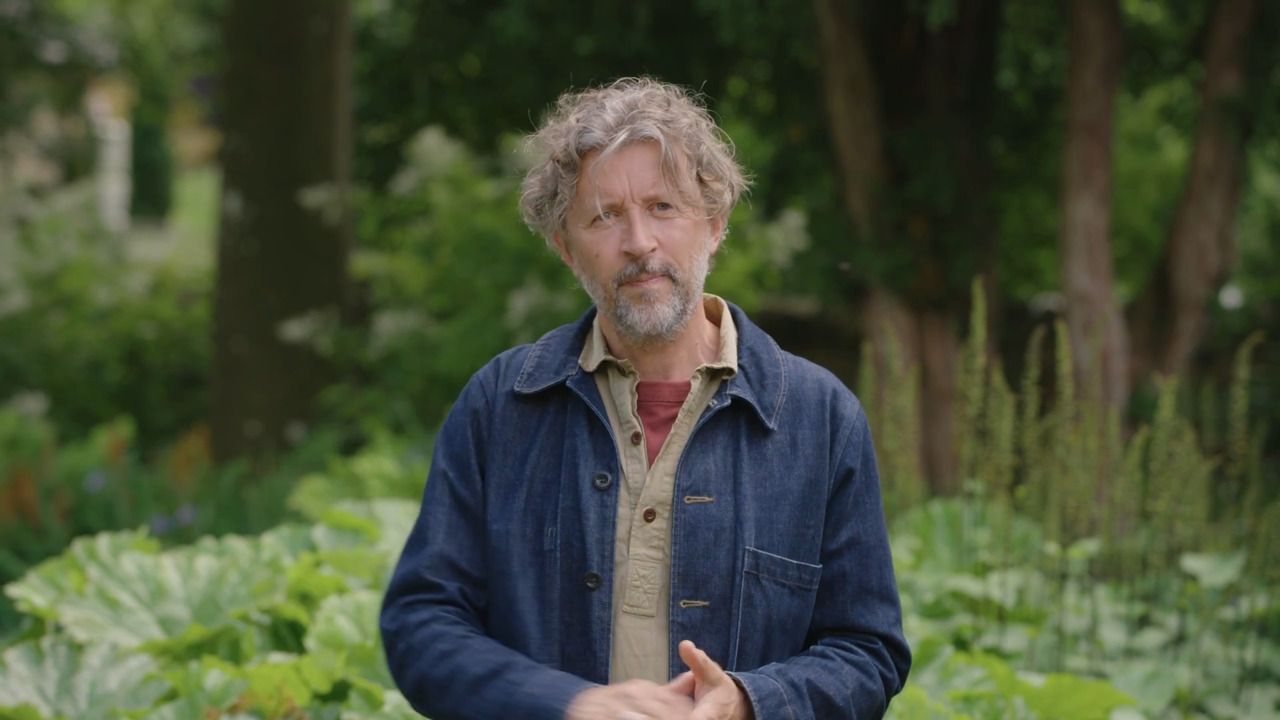
Acclaimed naturalistic landscape designer. Multiple Chelsea Gold Medal Winner. OBE.
British landscape designer, horticulturalist and writer Dan Pearson OBE, has been designing award-winning gardens since 1987. His naturalistic use of plants, light-handed approach to design and deep-rooted horticultural knowledge has made him one of the most celebrated and innovative gardeners working today. Dan trained in horticulture at Wisley and Kew, before starting his garden and landscape design practice in 1987. In 2015, his show garden for Chatsworth and Laurent Perrier was awarded a Gold Medal and Best Show Garden at the Chelsea Flower Show. In 2014 Dan was appointed an advisor to the National Trust at Sissinghurst Castle. For over 20 years Dan has written regular gardening columns, with his work a staple of The Observer, and has written a number of best-selling gardening books.
Access to all courses


