

Interior and exterior confidence
Create Academy has been such a great resource. I'm in the middle of renovating a bungalow with a very large garden and the courses have offered a wealth of inform...
Harvey
Jun 10, 2026
with SARAH RAVEN — Acclaimed English gardener, cook and writer. Host of the UK’s No.1 gardening podcast.
Lesson 7 of 25
Subscribe to watch
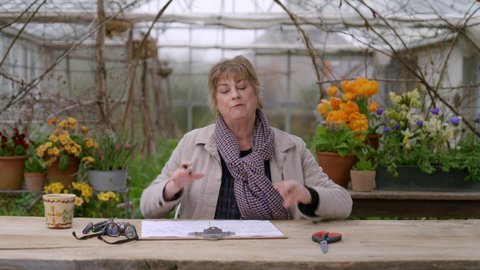
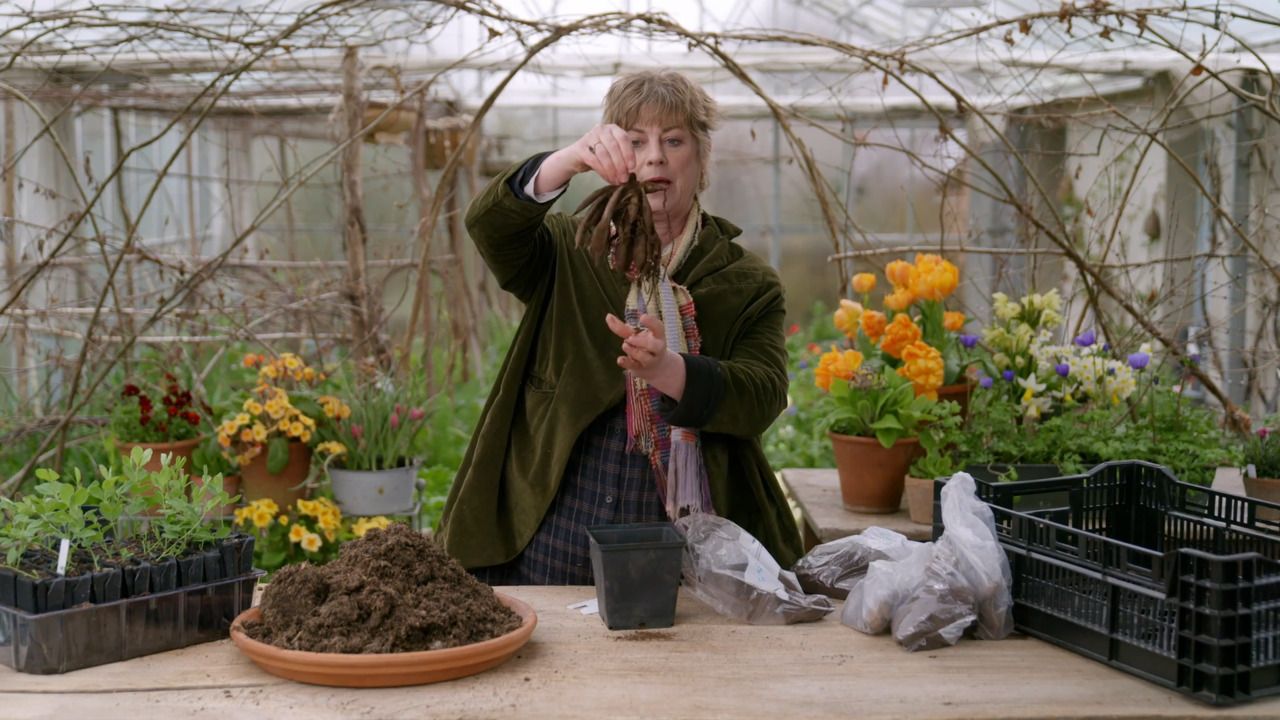
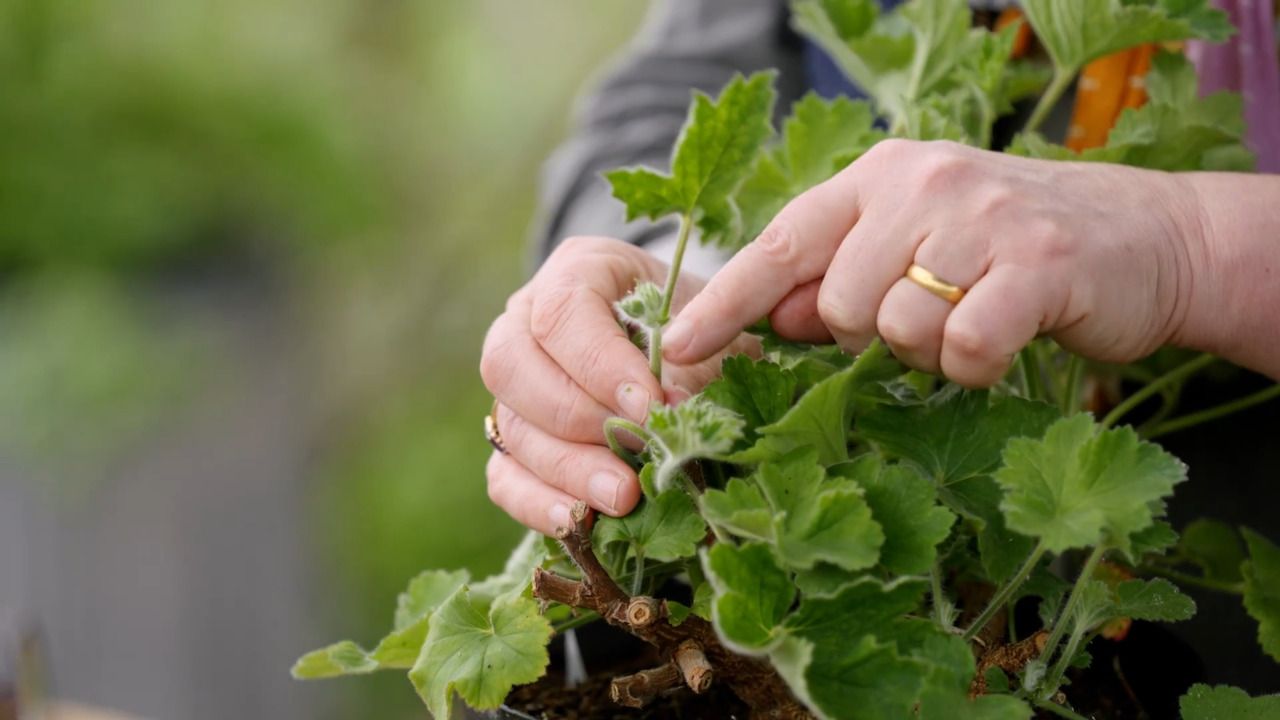
Sarah teaches you how to propagate pelargoniums from cuttings and how to pot on salvia plants, helping you to multiply your plants without having to buy new ones.
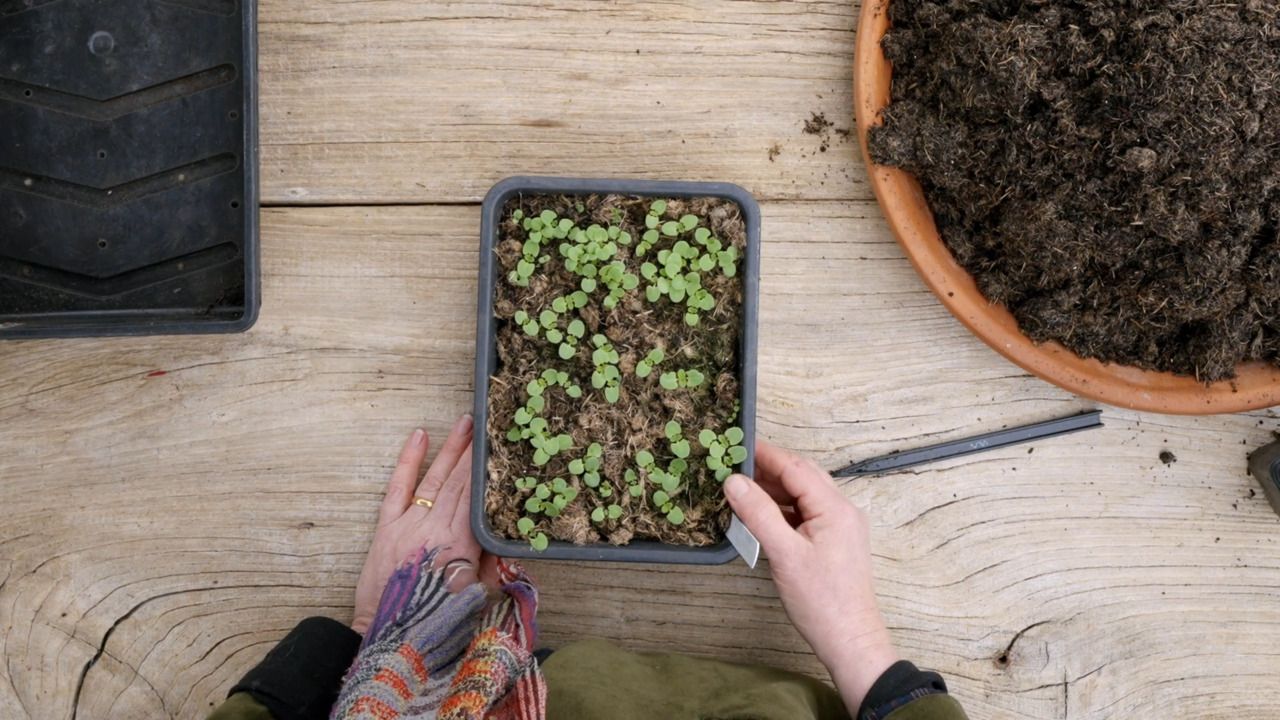
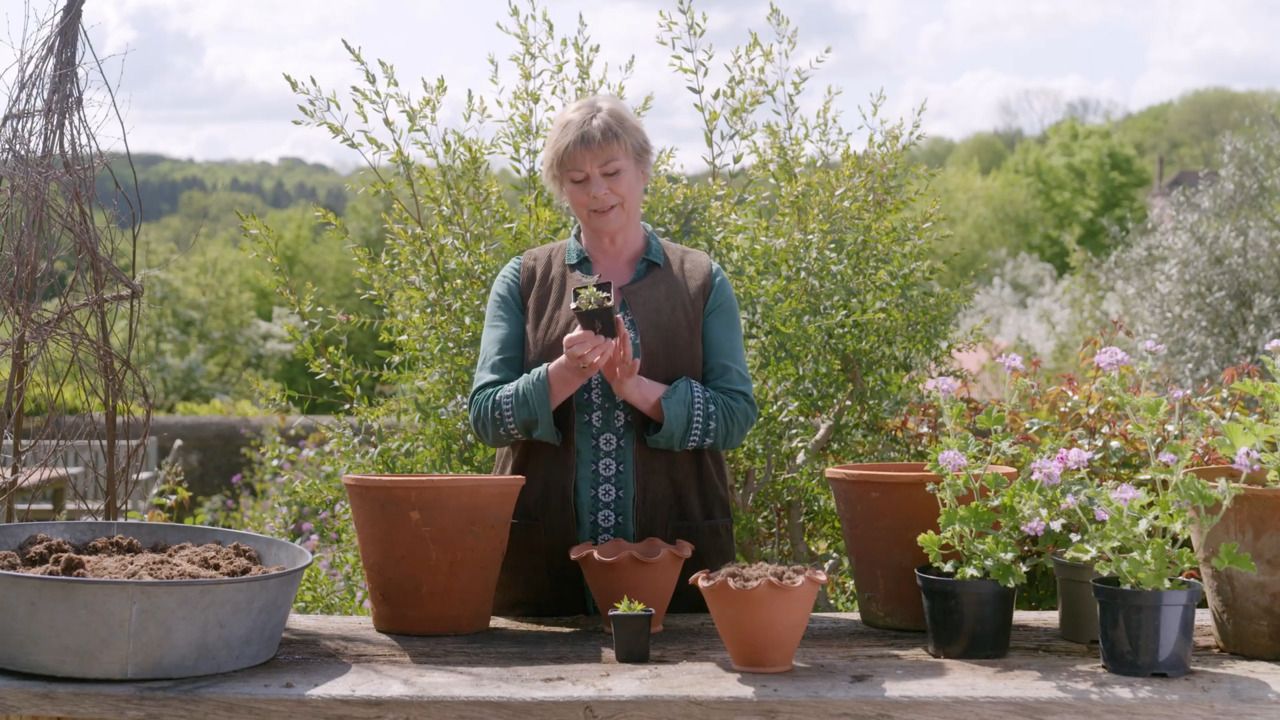
In this lesson, I'm going to show you the different stages of propagation from cuttings. The plants I will be propagating are all tender plants, which means that they can't tolerate frost.
The plants I will be propagating are:
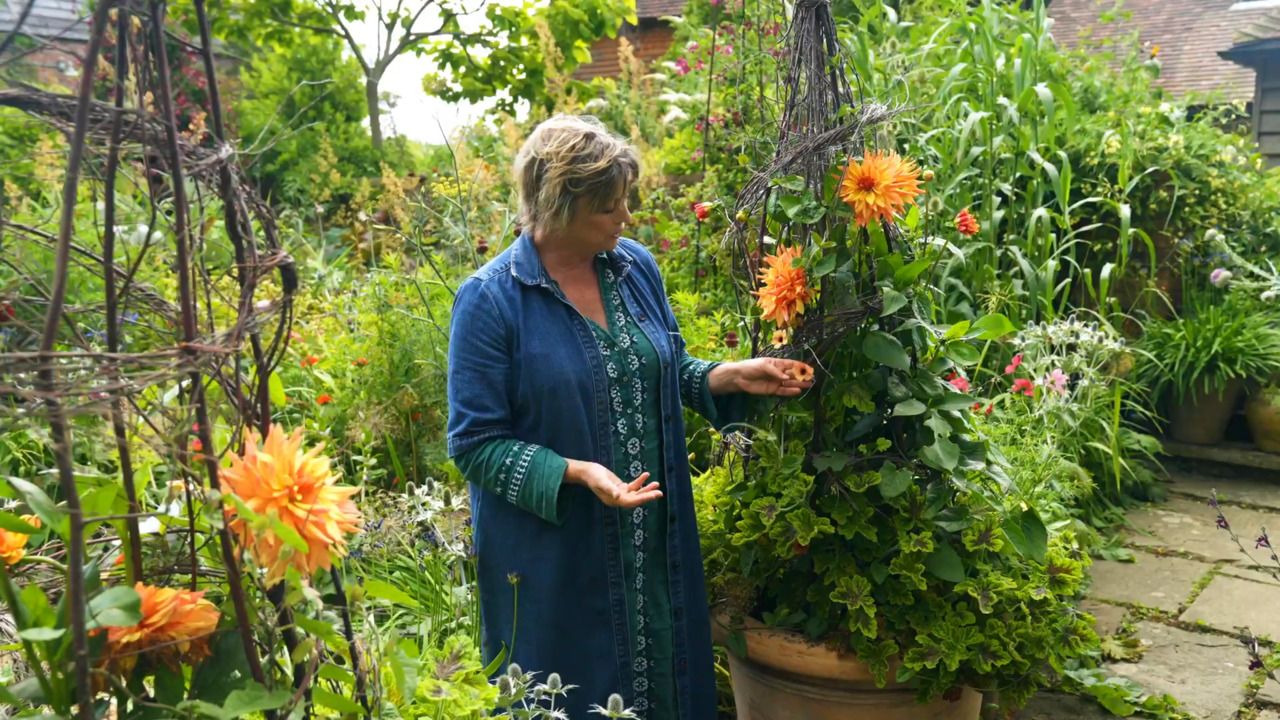
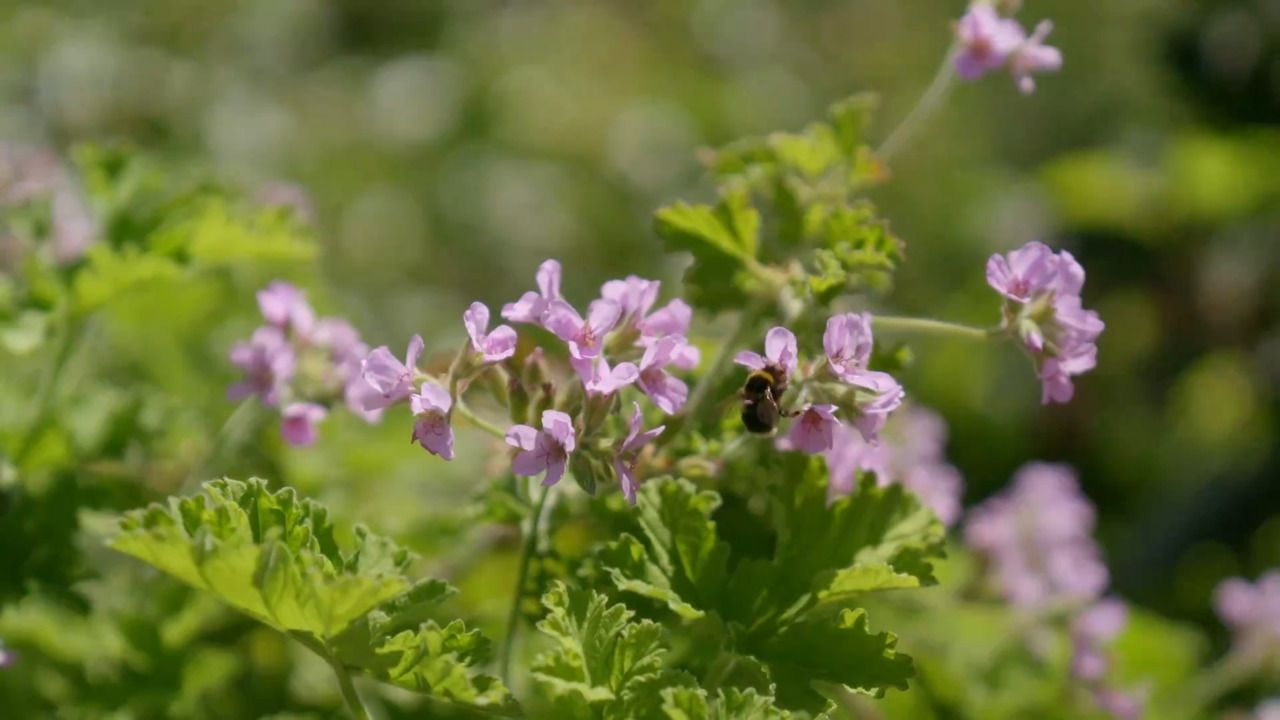
This is a great plant for shade pots as, unusually for a pelargonium, it can tolerate high levels of shade. In the autumn, when the nights get too cold for it to survive outside, I bring it indoors and keep it as a houseplant. It also has a beautiful peppermint scent.
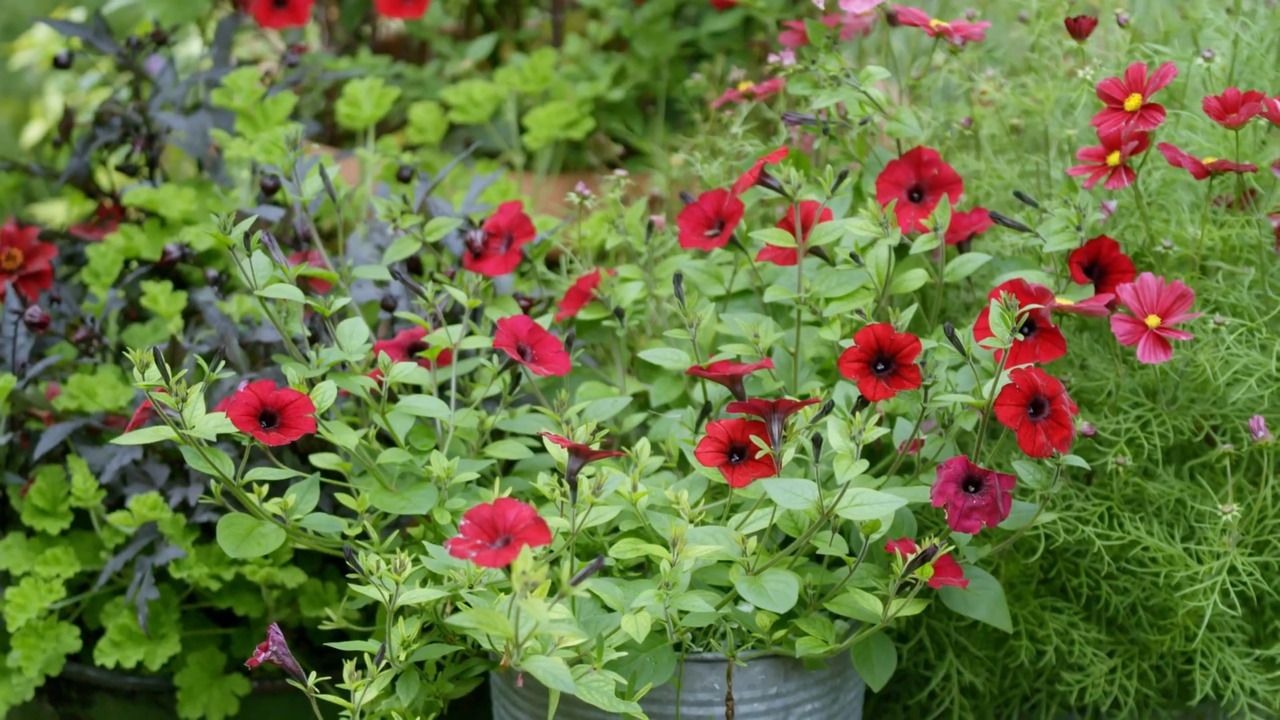
This pelargonium is a sun worshipper with bright pink trumpet flowers. It comes into flower very early and will add a splash of colour to your garden once the tulips have gone over in the middle of May.
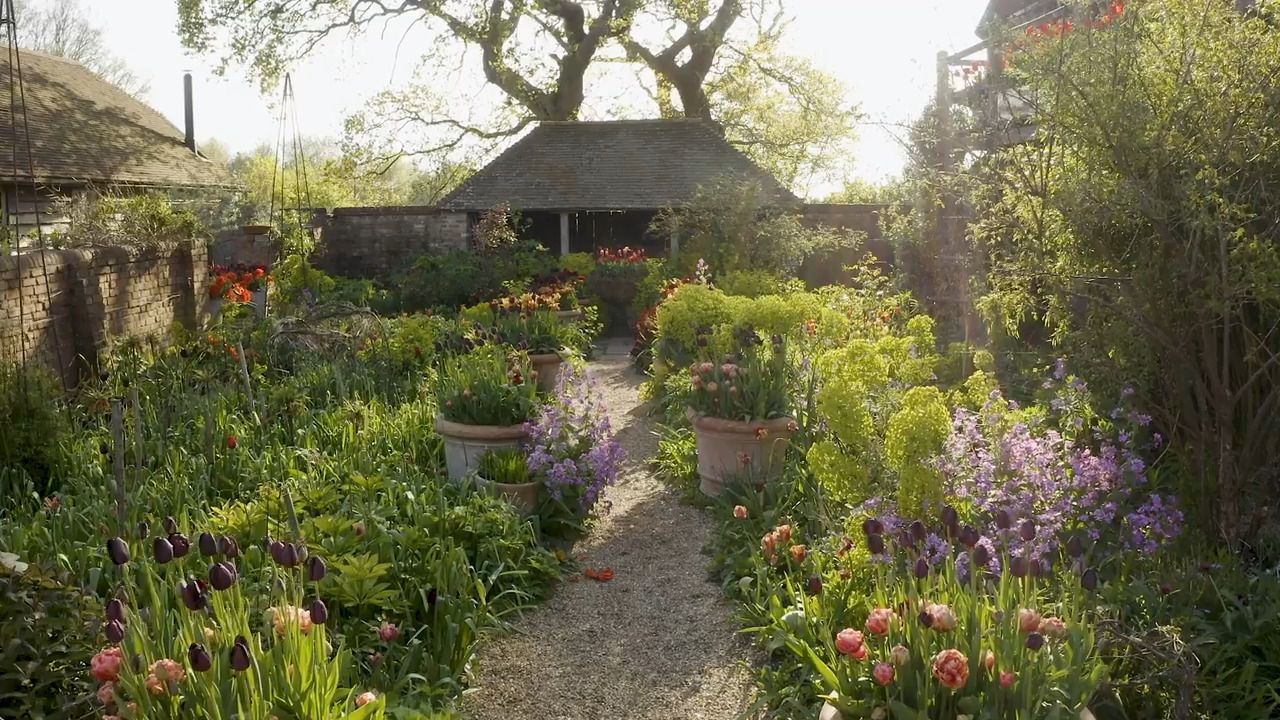
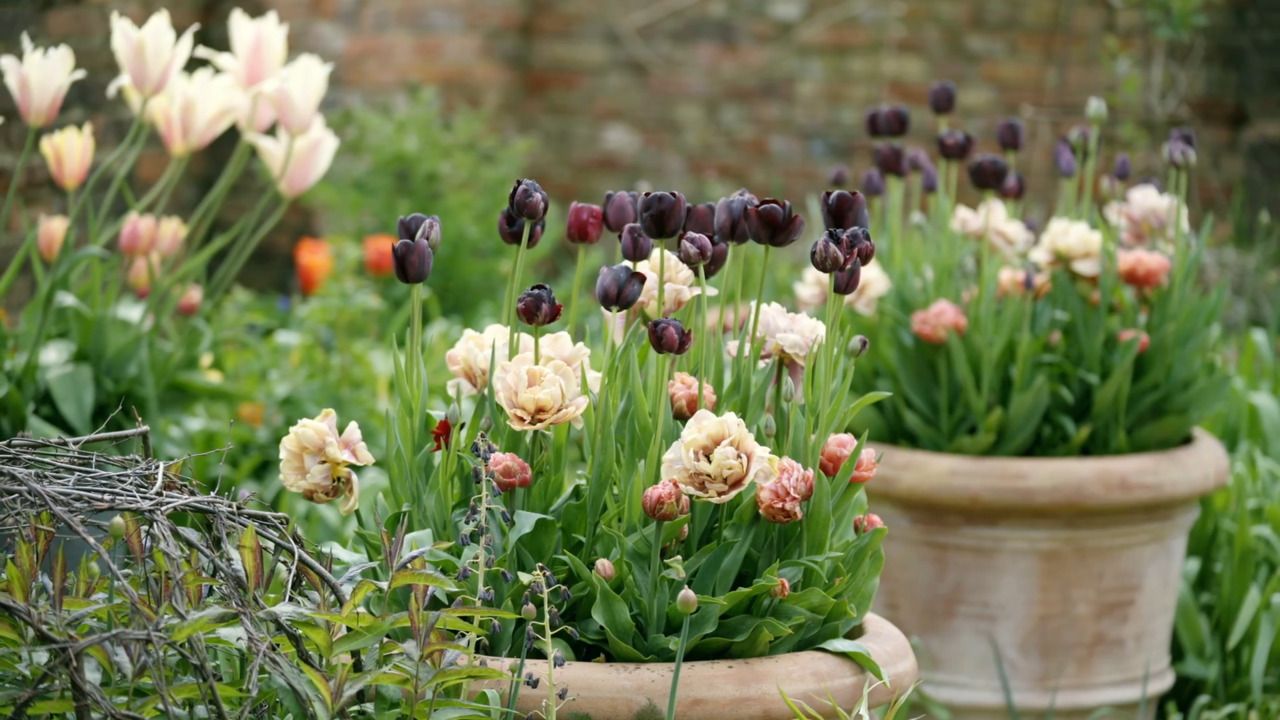
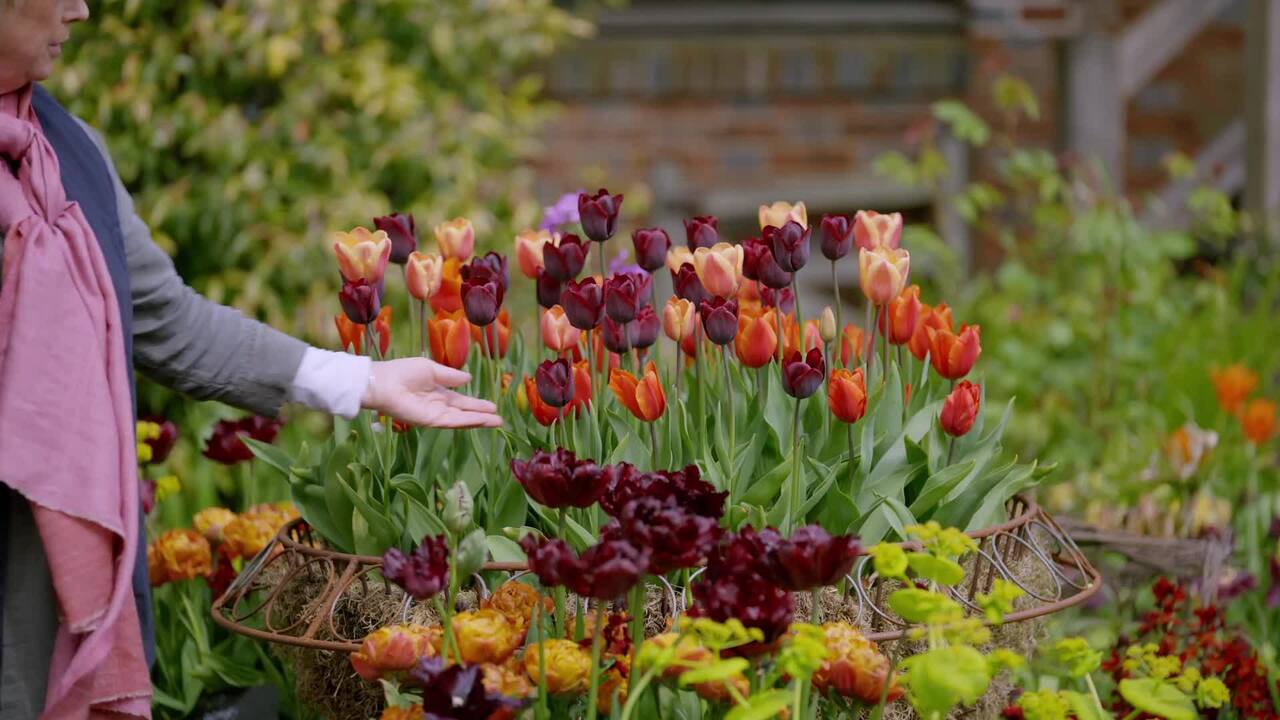
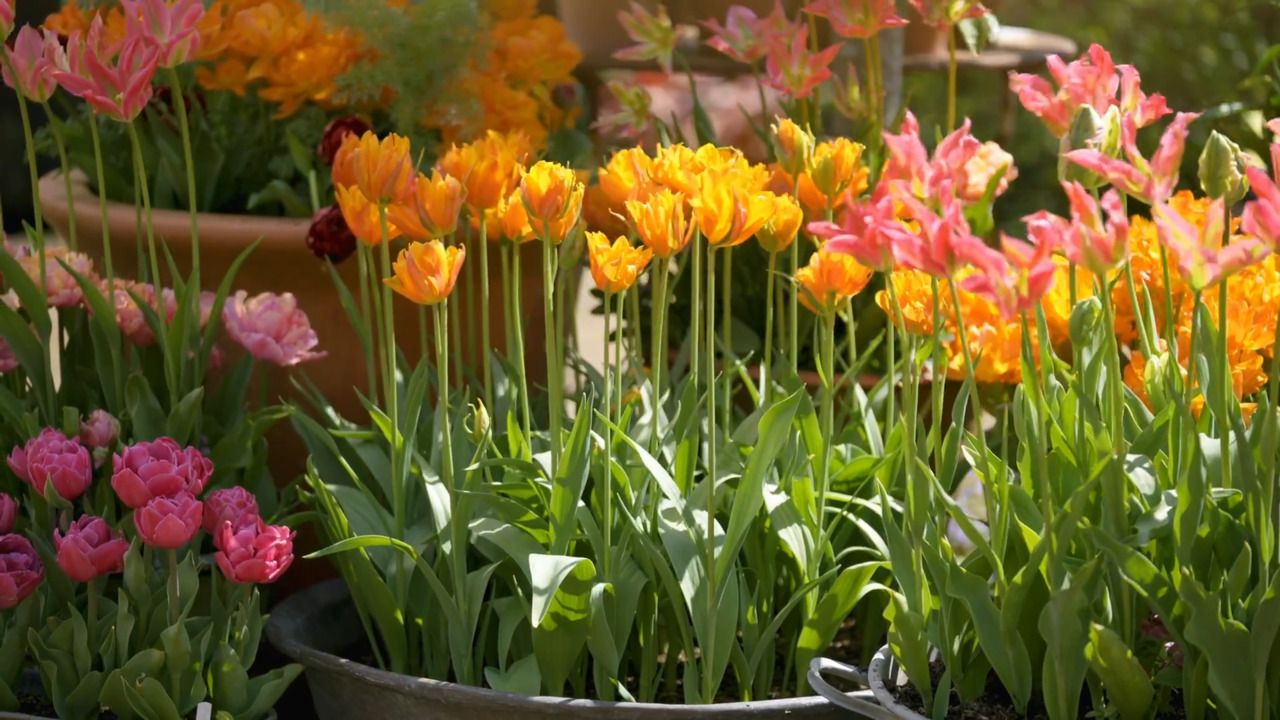
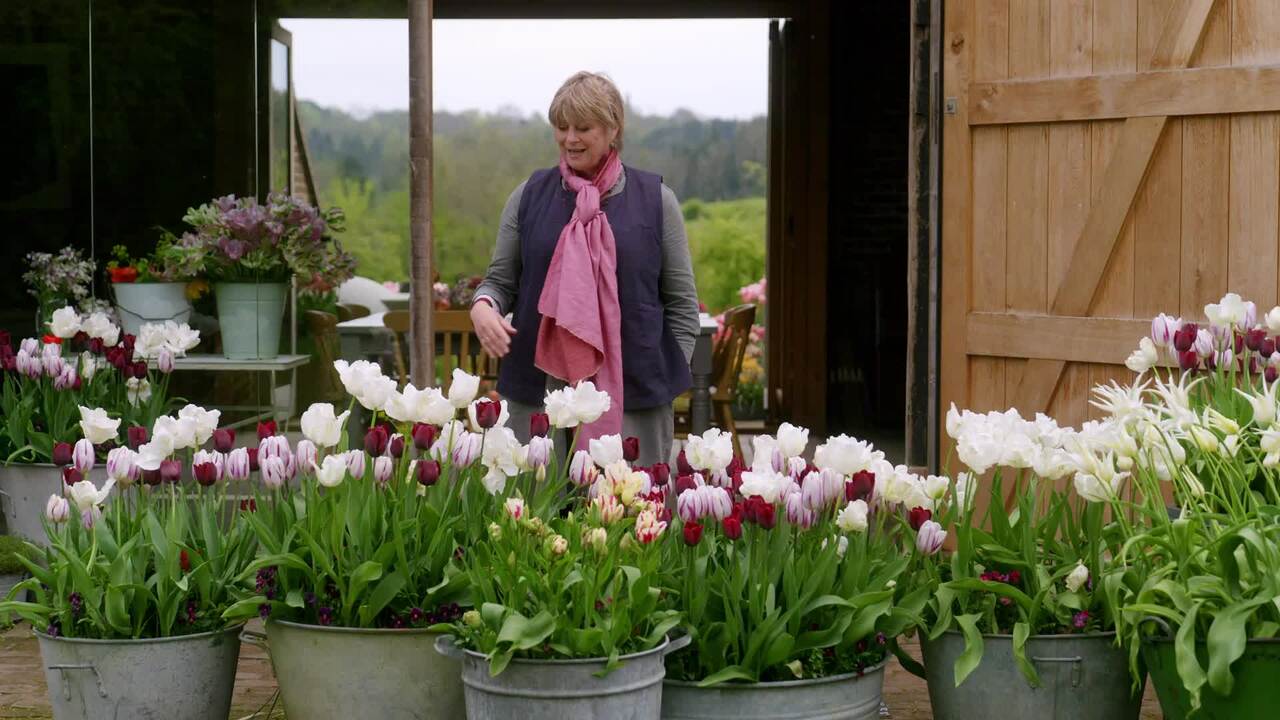
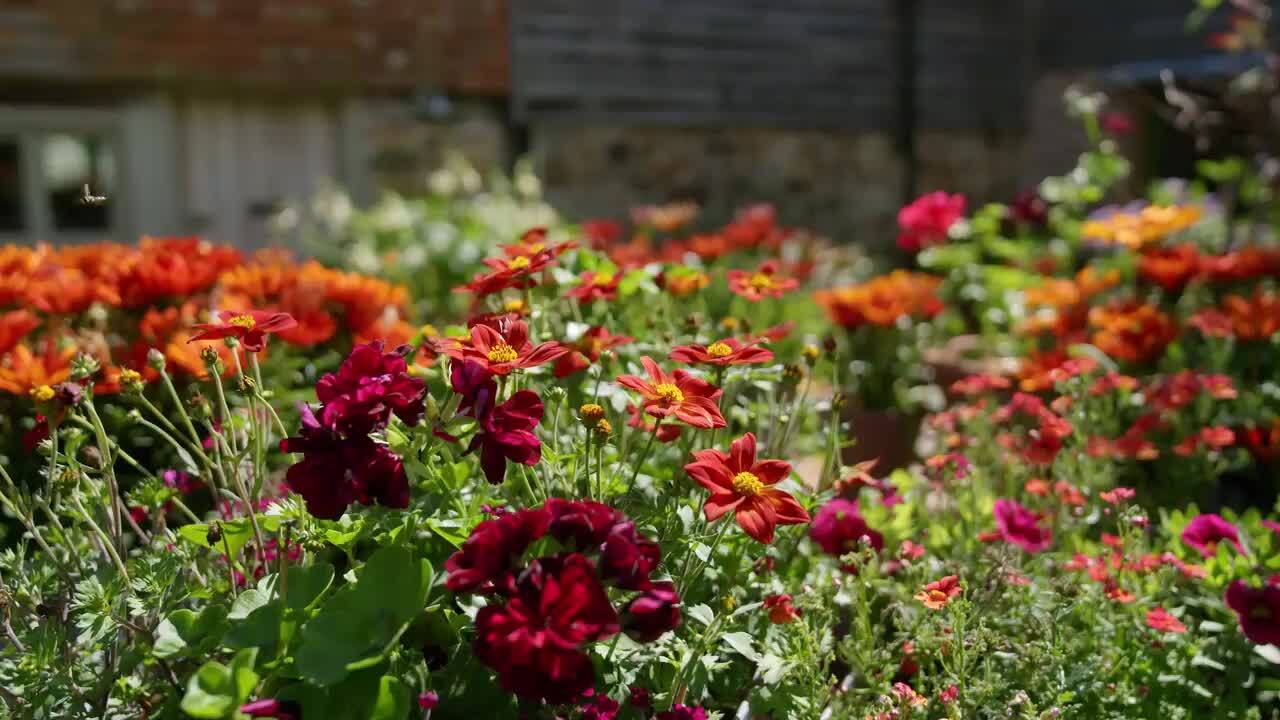
This period between the middle of May and the middle of July is what I call the 'colour gap'. This is the time after the tulips and many other bulbs have finished flowering, but before the dahlias and the whopper pots have started to bloom. This pelargonium is a great example of a flower that can be grown to bridge the gap and provide some much-needed colour.
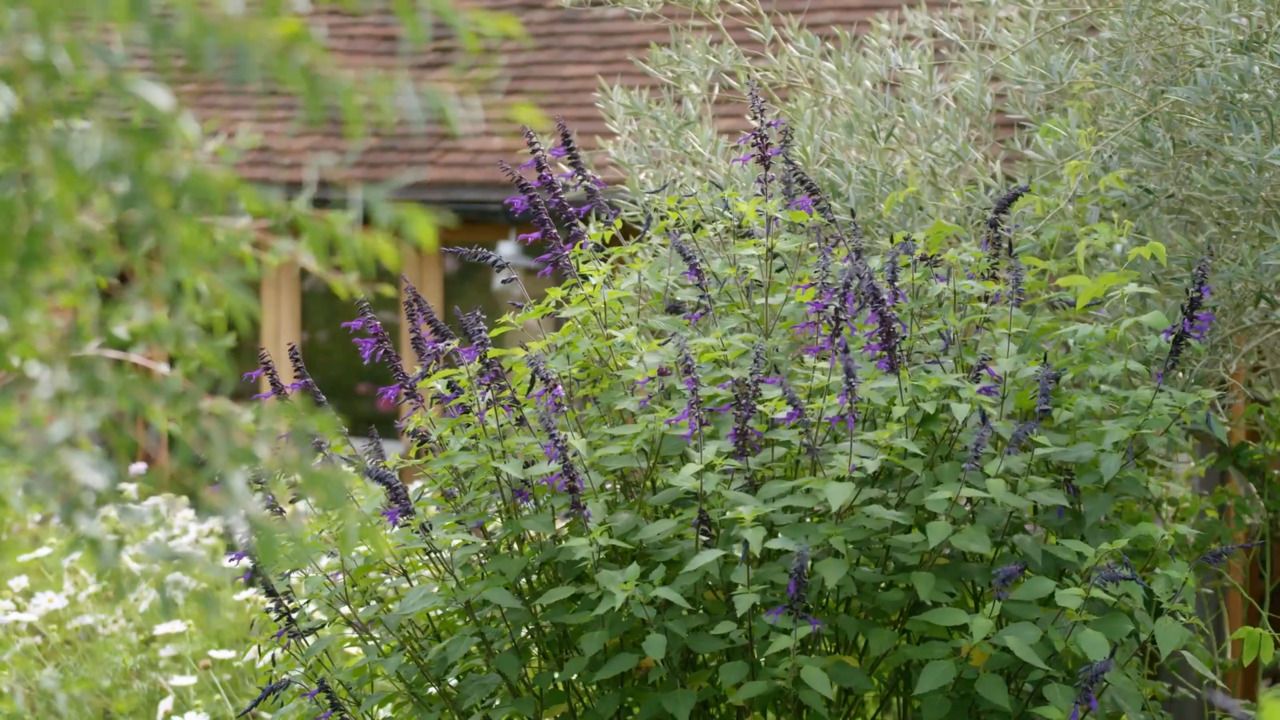
This salvia has a velvet purple flower but is also a tender plant, so it will need to come indoors during the autumn and winter, before going outside again in May.
Propagation of these tender perennials can be done in March/April or August/September.
A lot of these pelargoniums come from South Africa, so it's worth bearing in mind that spring in this part of the world takes place in August/September. It's possible to take cuttings at both times because of this, as the pelargonium cuttings will grow roots just as quickly in their 'genetic spring' as they will in the UK spring.
When you are ready to propagate from a cutting, you should always look for a non-flowering side shoot. This is because any stem with a flower bud on is already programmed to flower and so won't root as readily as a non-flowering stem.
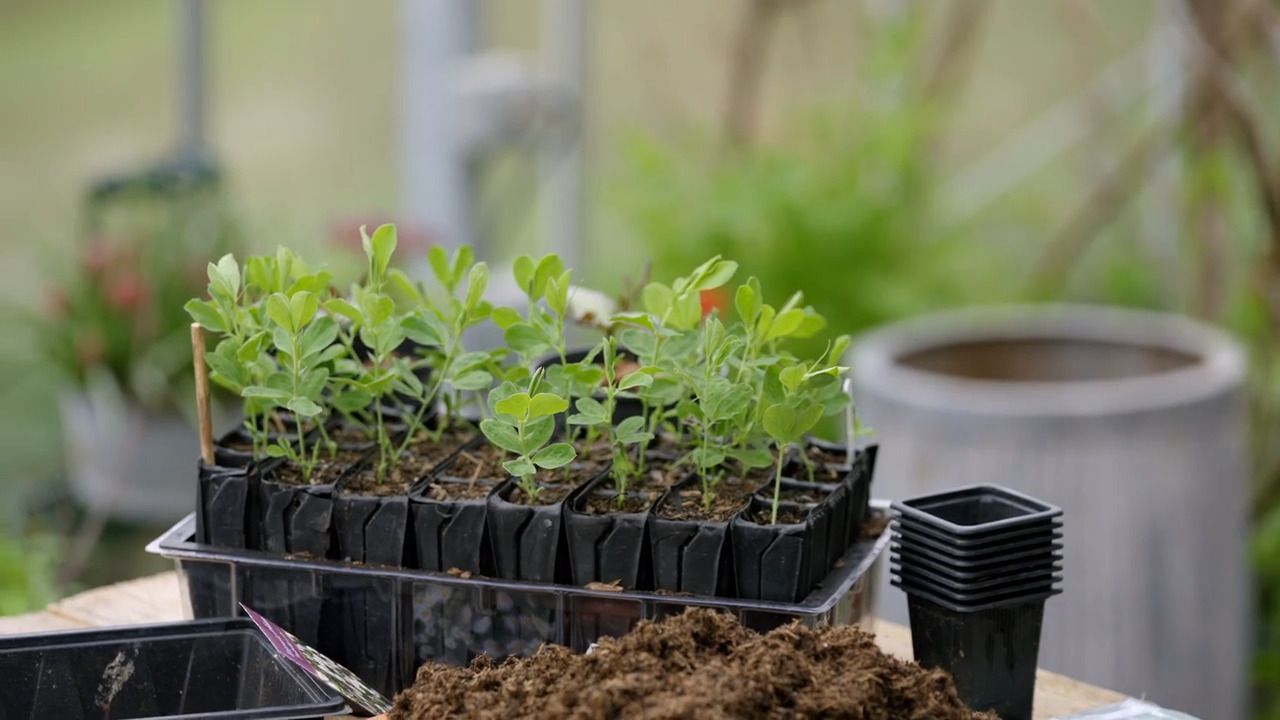
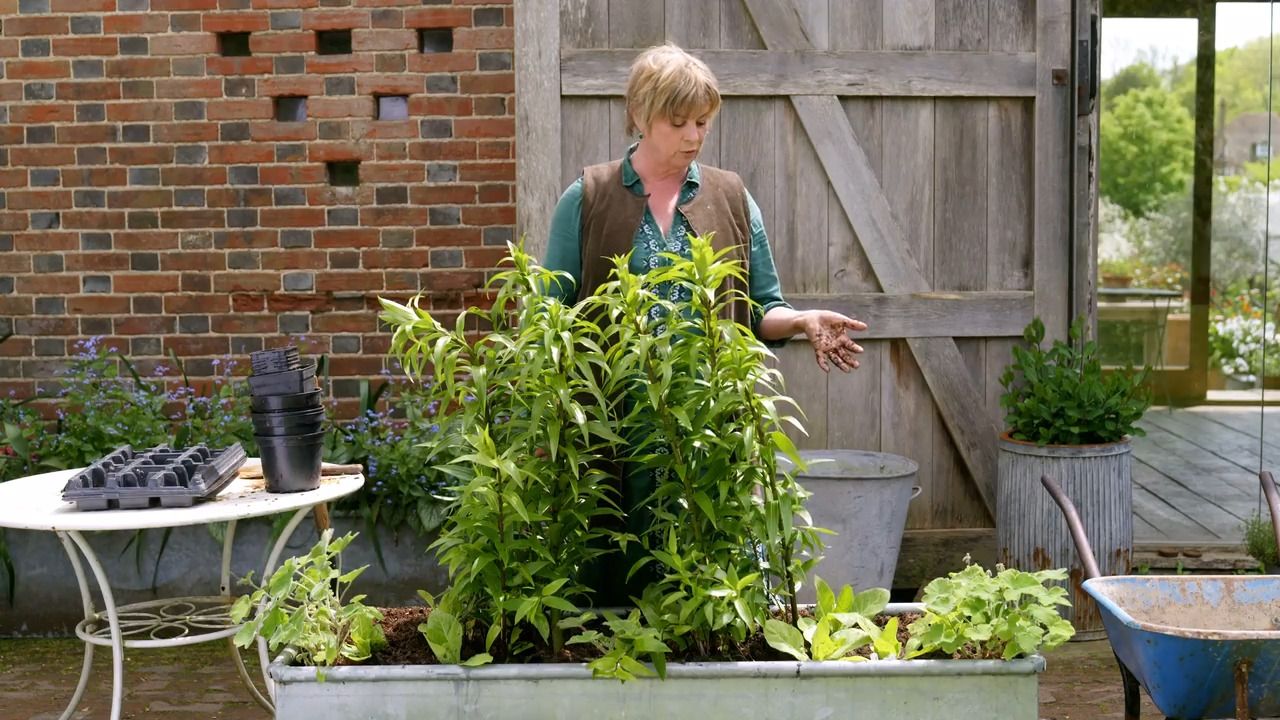
These salvias were grown from cuttings last August, so they are now ready to pot on again before they go out into the garden in May.
If you see roots coming out of the bottom of your pot, don't worry. It is better to just pull the pot off and then tease out the roots if they are starting to become pot-bound. If you leave the roots without teasing them out, they will continue to grow in this fashion.
Put your plant into a bigger pot with fresh compost and remember to transfer your plant label too.
This salvia will eventually be part of a pollinator pot.
Salvias are early flowerers too, and can be in flower by the middle of May, helping to fill the colour gap along with the pelargoniums. They will then continue flowering until the middle of November.
At this time of year, plants are going into a massive growth period so it's important to give them room to grow.
By giving them more space it means that when they eventually go outside they will be bigger plants, with stronger roots and so will flower faster than if they had been kept in smaller pots.
Tender perennials come from warm climates, such as Africa and South America. This means that they generally have a much longer flowering and growing season, often flowering for five months, but they won't survive in cold weather.
On the other hand, hardy herbaceous perennials like peonies will only flower for three or four weeks but will survive outside in cold weather.
This long flowering season means that tender perennials are particularly useful for pots, as long as you remember to bring them in when the cold weather hits.
If you are growing pelargoniums and salvias in the ground, then it is possible to make them more hardy, simply by leaving them in situ in the autumn and leaving the frostbitten foliage on top. This can then be cleared away once you know no more hard frosts are due.
However, sadly this is not possible in pots as the frost is coming at the plants from all angles which makes them much more vulnerable.
Get the full workbook, video lessons, and more with a Create Academy subscription.
Subscribe to access the full workbookAlready a member? Sign in to watch
491 reviews
Read moreCreate Academy has been such a great resource. I'm in the middle of renovating a bungalow with a very large garden and the courses have offered a wealth of inform...
Harvey
Jun 10, 2026
Absolutely love Create Academy! The instructors are extremely informative, and it is beautifully filmed. Create Academy is great value for money and plan on renew...
SG
May 31, 2026
Butter's creativity is stunning! Her ability to incorporate brilliance in small gardens is magical!
Carla
May 30, 2026
The best adventure. I like all the courses, but my favorite are both Rita Konig interior design courses and Anna Jones. Excellent!
Karolina Kluczewska
May 20, 2026
Create Academy has been such a great resource. I'm in the middle of renovating a bungalow with a very large garden and the courses have offered a wealth of information to dive into and explore new ideas. I'm...
Harvey
Jun 10, 2026
Absolutely love Create Academy! The instructors are extremely informative, and it is beautifully filmed. Create Academy is great value for money and plan on renewing my subscription yearly because there are ...
SG
May 31, 2026
Butter's creativity is stunning! Her ability to incorporate brilliance in small gardens is magical!
Carla
May 30, 2026

Your Instructor
Acclaimed English gardener, cook and writer. Host of the UK’s No.1 gardening podcast.
Sarah Raven is a renowned English gardener, cook and award-winning author. She is an inspirational and passionate teacher - combining her decades of experience with her scientific approach to growing (she is medically trained) - and has been running cooking, flower arranging and gardening courses at Perch Hill, her 90-acre farm in East Sussex, and around the UK for over 30 years. She has written for a host of major publications - including House & Garden, The Saturday Telegraph, Country Living, Gardens Illustrated, Gardeners’ World Magazine and The English Garden - and presented on TV shows including Gardeners' World and BBC’s Great British Garden Revival. Her gardening and cookery books have won numerous awards including ‘Best Specialist Gardening Book’ for The Cutting Garden and ‘Cookery Book of the Year’ for Sarah Raven's Garden Cookbook. Sarah is married to the writer Adam Nicolson, Vita Sackville-West's grandson. She also has an online shop that is a brilliant destination for plants, bulbs, seeds, tools and all things garden.

Access to all courses


