
Interior and exterior confidence
Create Academy has been such a great resource. I'm in the middle of renovating a bungalow with a very large garden and the courses have offered a wealth of inform...
Harvey
Jun 10, 2026
with SARAH RAVEN — Acclaimed English gardener, cook and writer. Host of the UK’s No.1 gardening podcast.
Lesson 4 of 25
Subscribe to watch
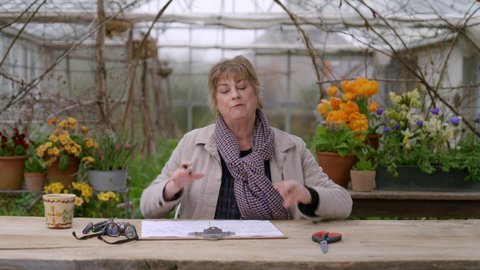
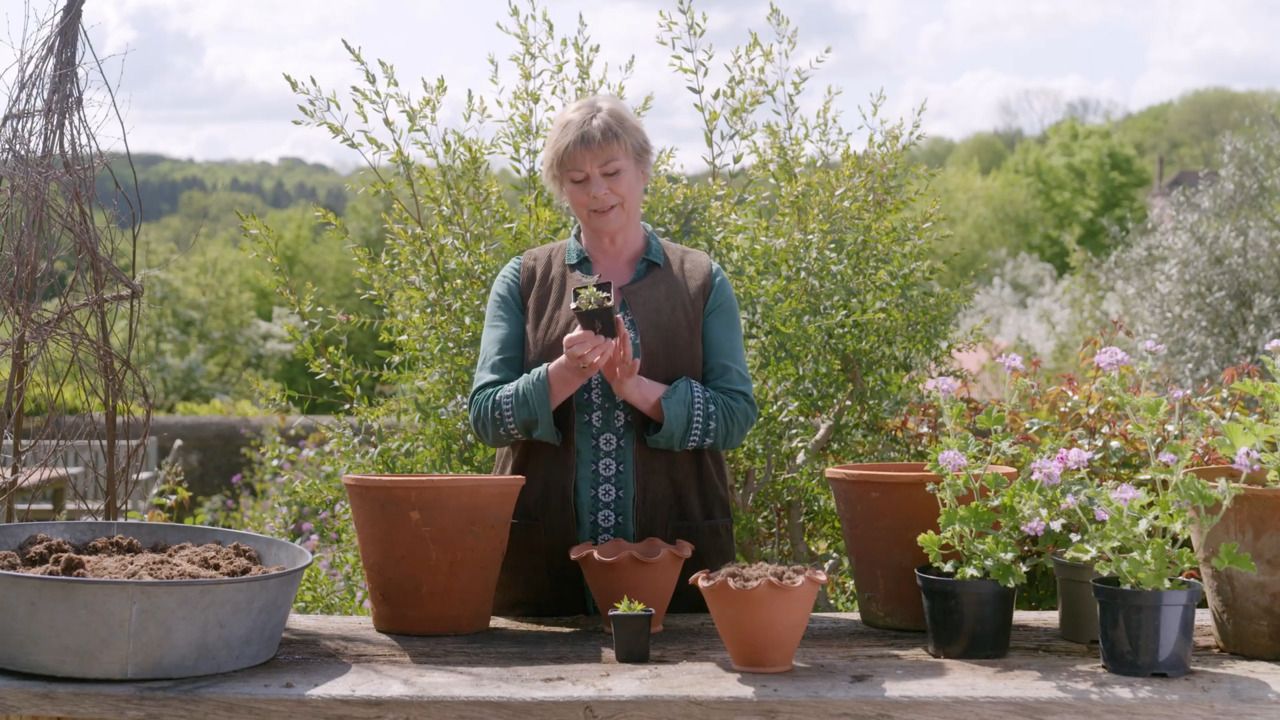
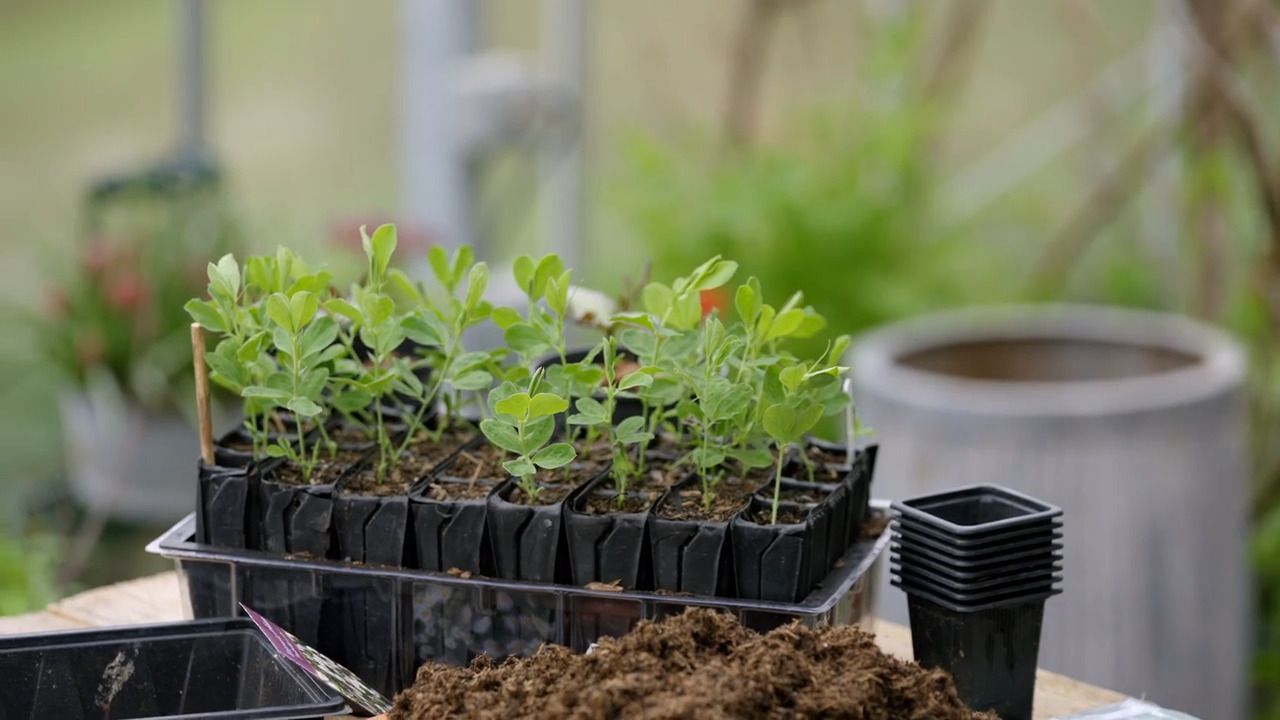
In this lesson Sarah shows you how to sow seeds in trays and small pots and explains how to store any remaining seed for future use.
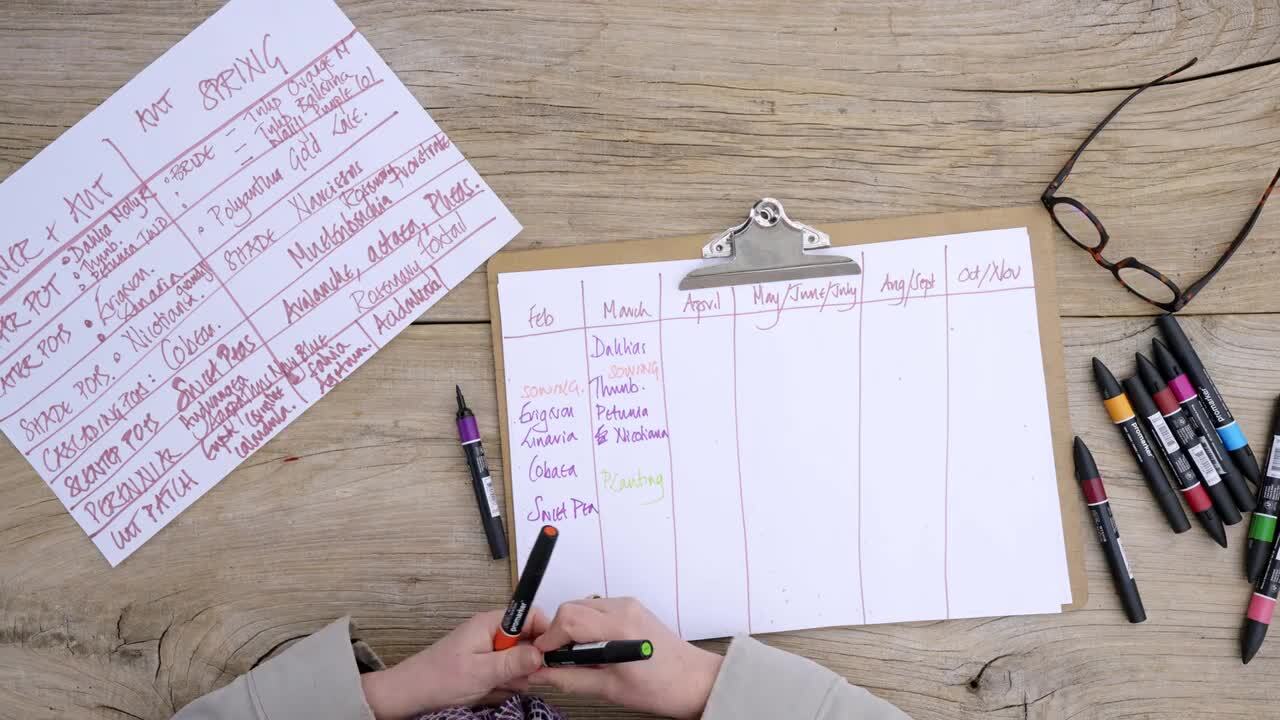
It's the beginning of March and I'm still in the process of seed sowing. While many of our seeds, such as sweet peas, were sown in February, there are still plenty to sow now.
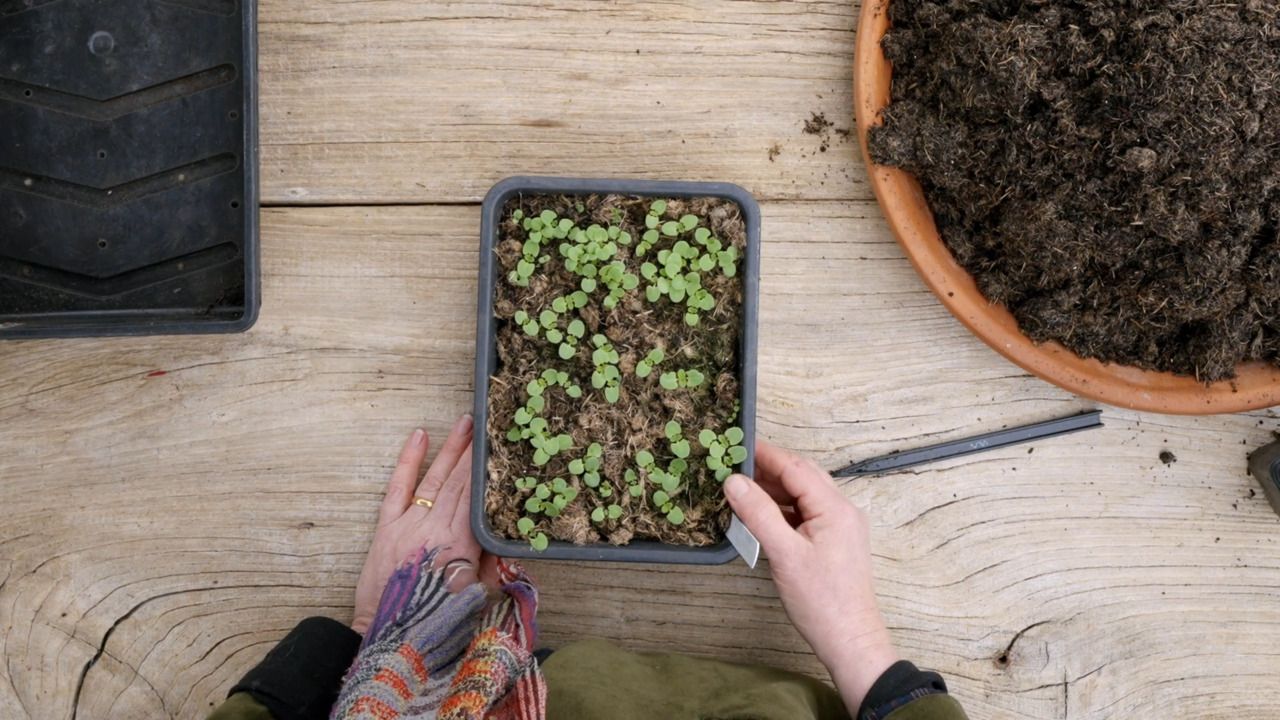
I'll be using a seed tray to sow some of the seeds in. Seed trays are generally quite large but when you are growing for pots, you don't need to grow a huge number of plants. To avoid waste, it's best to divide your seed tray up and plant several types of seed in one tray. As long as you properly label them, then this will be a real space saver.
To divide up seed trays you can use a stick or a bamboo cane. Only cover your seeds up when you have finished sowing, this way, if you are distracted, you will know where you have sown and won't end up double sowing.
If you still have lots of seeds left over in your packet, then ideally you want to store them in a Tupperware box in the fridge with a sachet of silica, which will absorb any moisture.
You are aiming for a cool, dark and dry environment and this should help your seed to remain viable for up to 10 years.
It's really important to label your seeds so that you can remember what you've sown and where. When writing out your seed labels, always start writing from the blunt end of the stick, that way you'll be able to see what it says.
Using a soft pencil to write your labels is the best thing, as pens tend to wash off quite easily when you water.
By including the date you will be able to keep track of any seeds that haven't germinated within a month so that you can quickly sow some more.
In my experience, it doesn't really matter what type of seed compost you use, as long as it is peat-free. Peatlands are rich and biodiverse ecosystems and also natural carbon sinks. When peat is harvested, this carbon dioxide is released, which increases global greenhouse gas emissions. Peatlands are also incredibly slow growing, with just 1 mm of new peat formed every year. Although peat has been extracted for gardening and peat fires for thousands of years, it is now considered highly unsustainable.
Annuals especially, will germinate in just about anything, so don't think you need to buy any expensive mixes. A good mid-range mix will generally serve you well, as long as it is peat-free. I would however steer clear of grow bags as they tend to be poor quality.
We don't use any vermiculite or grit in our mixes as we've found we don't need them.
We are lucky enough to have propagation benches here at Perch Hill with a horticultural electric blanket. These provide basal heat (heat that comes from below) to the seedlings and aid germination. If you do not have a propagating bench or greenhouse, then place your seedlings in a warm, draught-free spot in your home with good airflow.
To water your seedlings, use a watering can with a fine rose and water them from above. A fine rose will ensure that your seedlings aren't displaced.
Nicotiana seeds are tiny and dust-like so they can't be sown individually.
The best way to sow tiny seeds such as nicotianas and foxgloves is to sow them from a height and as fast as possible.
I'm direct sowing my linaria seeds, which means I'll be sowing them straight into the pot in which they will grow and flower.
The reason for this is that linaria seedlings are quite leggy and fragile and can break quite easily. It's therefore better to sow them in situ, otherwise, you risk breaking them when they are transferred.
Linaria seedlings are quite thin and delicate so it is a good idea to support your seedlings with twigs by creating a loose nest shape around the edges of your pot.
Get the full workbook, video lessons, and more with a Create Academy subscription.
Subscribe to access the full workbookAlready a member? Sign in to watch
491 reviews
Read moreCreate Academy has been such a great resource. I'm in the middle of renovating a bungalow with a very large garden and the courses have offered a wealth of inform...
Harvey
Jun 10, 2026
Absolutely love Create Academy! The instructors are extremely informative, and it is beautifully filmed. Create Academy is great value for money and plan on renew...
SG
May 31, 2026
Butter's creativity is stunning! Her ability to incorporate brilliance in small gardens is magical!
Carla
May 30, 2026
The best adventure. I like all the courses, but my favorite are both Rita Konig interior design courses and Anna Jones. Excellent!
Karolina Kluczewska
May 20, 2026
Create Academy has been such a great resource. I'm in the middle of renovating a bungalow with a very large garden and the courses have offered a wealth of information to dive into and explore new ideas. I'm...
Harvey
Jun 10, 2026
Absolutely love Create Academy! The instructors are extremely informative, and it is beautifully filmed. Create Academy is great value for money and plan on renewing my subscription yearly because there are ...
SG
May 31, 2026
Butter's creativity is stunning! Her ability to incorporate brilliance in small gardens is magical!
Carla
May 30, 2026

Your Instructor
Acclaimed English gardener, cook and writer. Host of the UK’s No.1 gardening podcast.
Sarah Raven is a renowned English gardener, cook and award-winning author. She is an inspirational and passionate teacher - combining her decades of experience with her scientific approach to growing (she is medically trained) - and has been running cooking, flower arranging and gardening courses at Perch Hill, her 90-acre farm in East Sussex, and around the UK for over 30 years. She has written for a host of major publications - including House & Garden, The Saturday Telegraph, Country Living, Gardens Illustrated, Gardeners’ World Magazine and The English Garden - and presented on TV shows including Gardeners' World and BBC’s Great British Garden Revival. Her gardening and cookery books have won numerous awards including ‘Best Specialist Gardening Book’ for The Cutting Garden and ‘Cookery Book of the Year’ for Sarah Raven's Garden Cookbook. Sarah is married to the writer Adam Nicolson, Vita Sackville-West's grandson. She also has an online shop that is a brilliant destination for plants, bulbs, seeds, tools and all things garden.
Access to all courses


