











Naturalistic Garden Design Masterclass

Hillside: the kitchen garden - part 1

with DAN PEARSON — Acclaimed naturalistic landscape designer. Multiple Chelsea Gold Medal Winner. OBE.

Lesson 20 of 27
Rated 4.7/5 on Trustpilot
|

Learn from the world's best creative minds on Create Academy

Hillside: the kitchen garden - part 1 - Video thumbnail

Buy or subscribe to watch

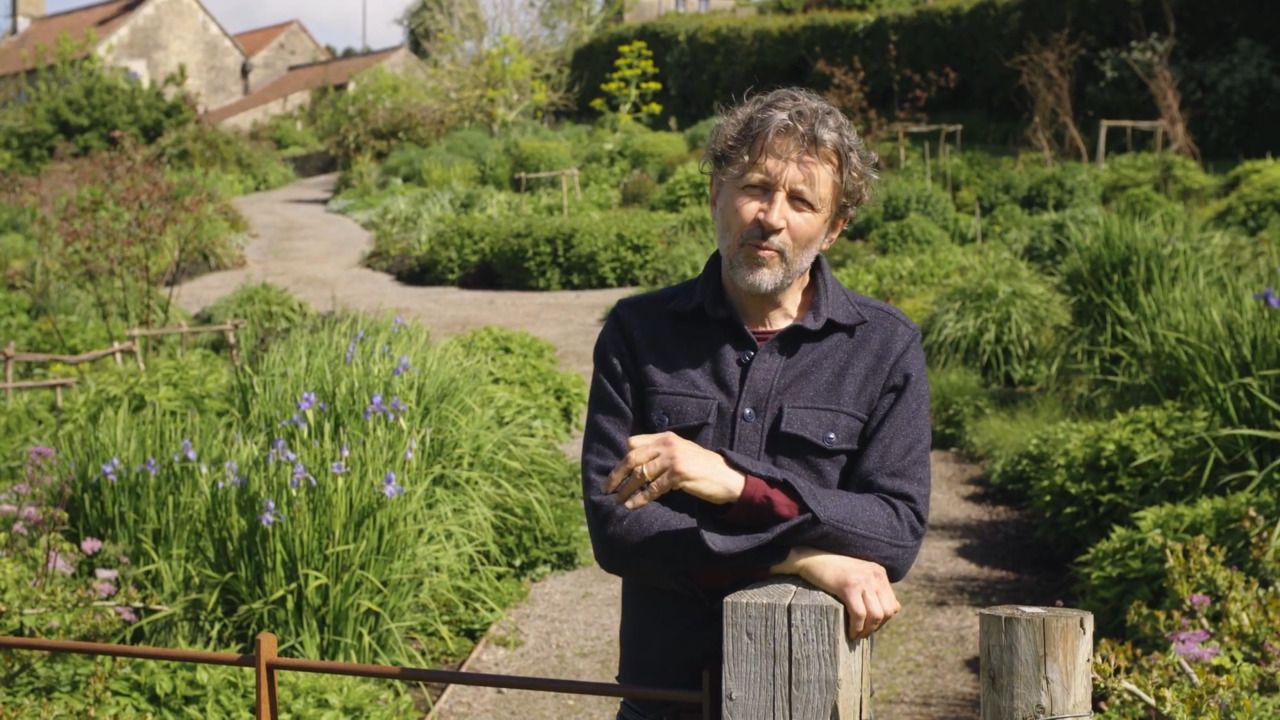
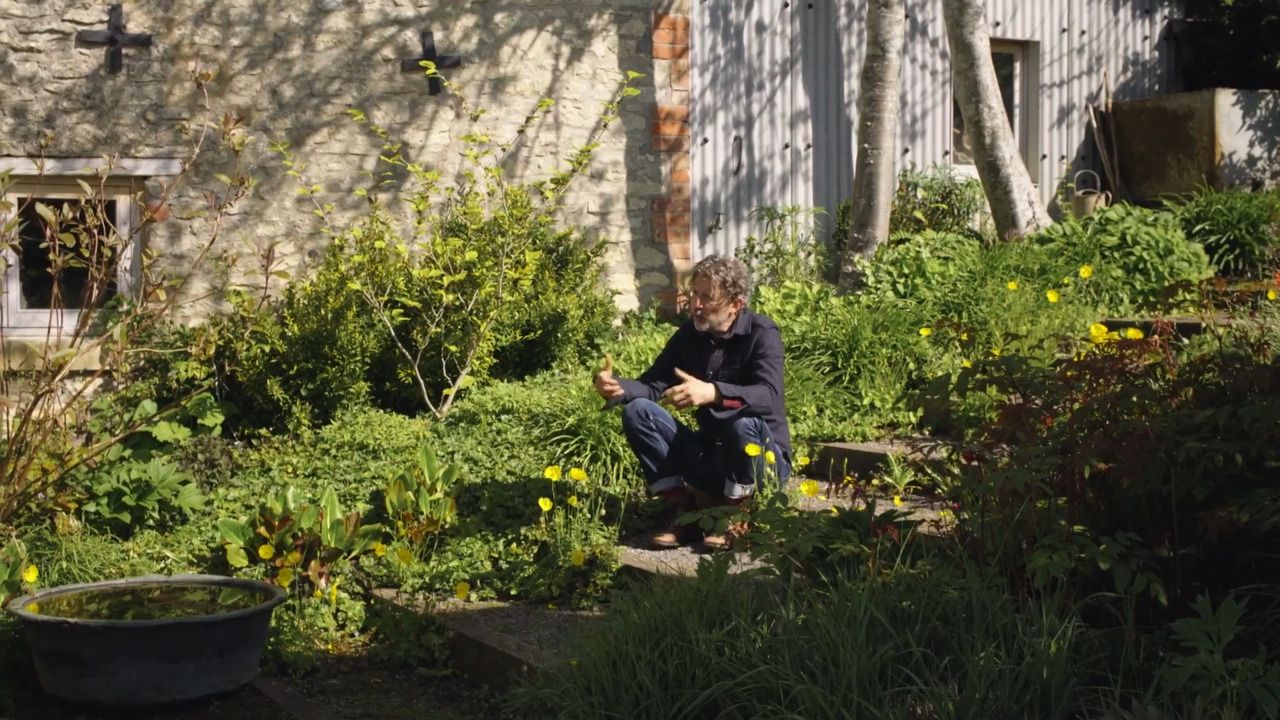
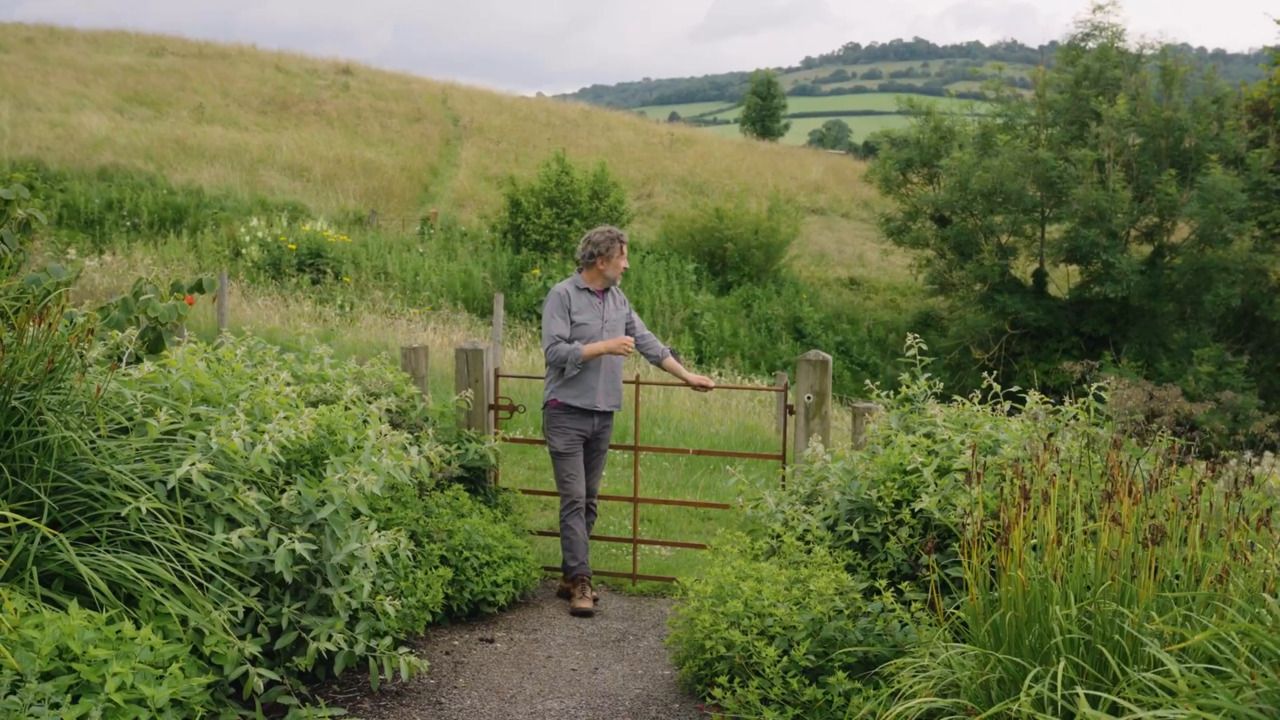
As you tour Dan's kitchen garden, he demonstrates how to organise and plan ahead to create a balanced garden.

From the Lesson Workbook

The Kitchen Garden

To get the best out of a kitchen garden, you need to devote time and energy to it. Regular tending, little and often, will keep the sequence of plants going.

Organisation and Planning Ahead

To avoid gaps in production and achieve ease of maintenance it's best to approach your kitchen in a well-organised manner.

  • Ensure your beds are set up correctly from the beginning with a wellthought-through layout, with growing conditions taken into account - you'll thank yourself later!
  • Invest in a desiccator; this will help to manage and preserve a plentiful harvest and prevent waste.
  • Planning ahead is vital and thinking about the growing year ahead of you in the quiet months will leave you better prepared when it's time to work.
  • Aim to order your seed early in the autumn. Take time to research and think about which types of vegetable you want to grow and eat; perhaps unusual varieties that will challenge you and hold your interest.
  • Experiment with different species over the year to find the optimum mix for your site.
  • As well as planning your year, try to plan the succession so there's always something emerging as other crops grow over.

You need to sink time and energy into a kitchen garden if you want to get the best out of it. Regular tending, little and often, will keep the sequence of things going.

Balance

This is fundamentally a productive space, but practicality is not the only consideration. I like a kitchen garden to feel abundant in terms of both output and aesthetics - it should look good too.

  • Layering things is a great way to aid the growth of certain plants, while also helping your garden look its best. Courgettes grow well underneath the canopy of pears, while my favourite nasturtiums keep the ground cool and weed-free beneath the asparagus.
  • Tripods aid a sweetpea's growth, while also being pretty to look at.
  • We use rods made from hazel trees to support runner beans, which also give a sense of height to the garden.
  • Consider the journey to and through your kitchen garden. Where does it connect to? If it connects to a more formal garden, can you plant more aesthetically pleasing varieties near the edge to blend the transition more smoothly?

Shelter

In a kitchen garden, areas of shelter can be used to provide shade to plants that don't like full sun and protection from the wind. A wall that is bathed in sunshine may also provide heat to a plant that is set against it.

  • Consider the optimum growing conditions for your fruit and vegetables and factor these into the organisation of your plot.
  • Make the most of walls and create height against it with trained fruit or other climbing varieties.
  • Shelter can also be created using other plants (that has been key to the success of our kitchen garden). It has been designed to neighbour the dense orchard in order to gain protection from the wind.
  • It's also good to organise your kitchen garden based on hardiness. Our hardiest and densest fruit sit at the far end, as that is where the wind tends to blow hardest. As well as the orchard, these hardy fruit trees also offer shelter to the more delicate vegetables further down.

Soil

Soil is the most important part of a kitchen garden. The aim is to achieve a soil that is moisture-retentive but is also open enough to sow seed easily. At Hillside, we have a naturally heavy soil, so we have spent time improving it with compost to give it more openness.

  • Raised beds are a great way to manage soil quality and help to provide a dryer top layer. Ours are only 150mm above ground level and work effectively.
  • The soil goes 400mm underground, and we add to it every year with our own homemade compost and well-rotted manure. You need to keep on top of this kind of soil maintenance to ensure it keeps in a good condition throughout the year.
  • You want your soil to hold moisture in the summer, while being open enough to drain freely in the winter.

Water

Rain is the ideal water source for an organically grown garden.

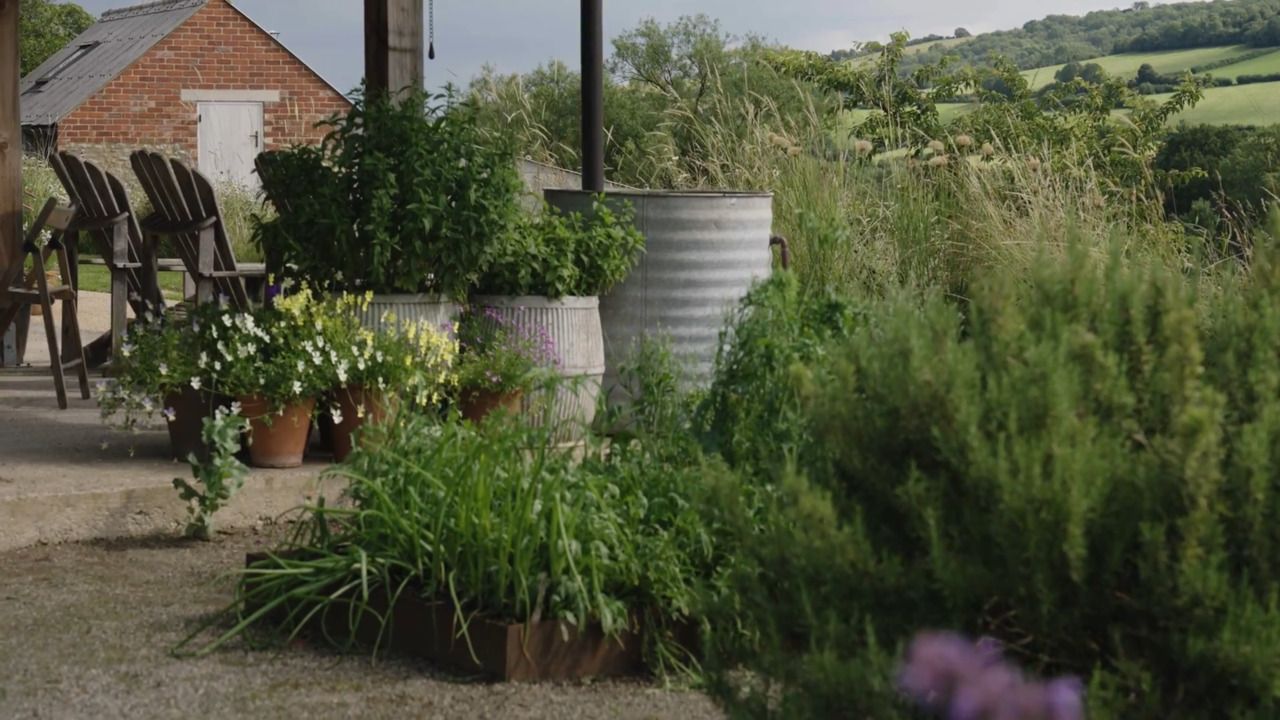
  • You can gather rainwater in tanks and use this to water the garden by hand.
  • It's best to make both the tanks and watering cans very accessible so you can water as required with ease.

Look daily and test the soil with your finger to see if anything needs watering - be mindful that different varieties will require different watering.

Equipment

Having the right tools will help you navigate the changes in climate and ensure that your garden prospers.

  • In warm weather, you can plant directly into the ground. In the colder months, use plugs to grow your plants in a sheltered environment so they have a better chance of surviving.
  • A potting bench is a great addition to any garden and provides space to repot and plan.
  • Try to have as many beds as possible in order to rotate the plants and prevent fungus.
  • Netting is a good way to deter pests from ground-growing vegetables such as those in the brassica (cabbages, broccoli, cauliflower, etc.)
  • If you need to reach across a wide bed, you can lay a board between the edges to provide a surface to stand on and avoid stepping on the soil.

Beds

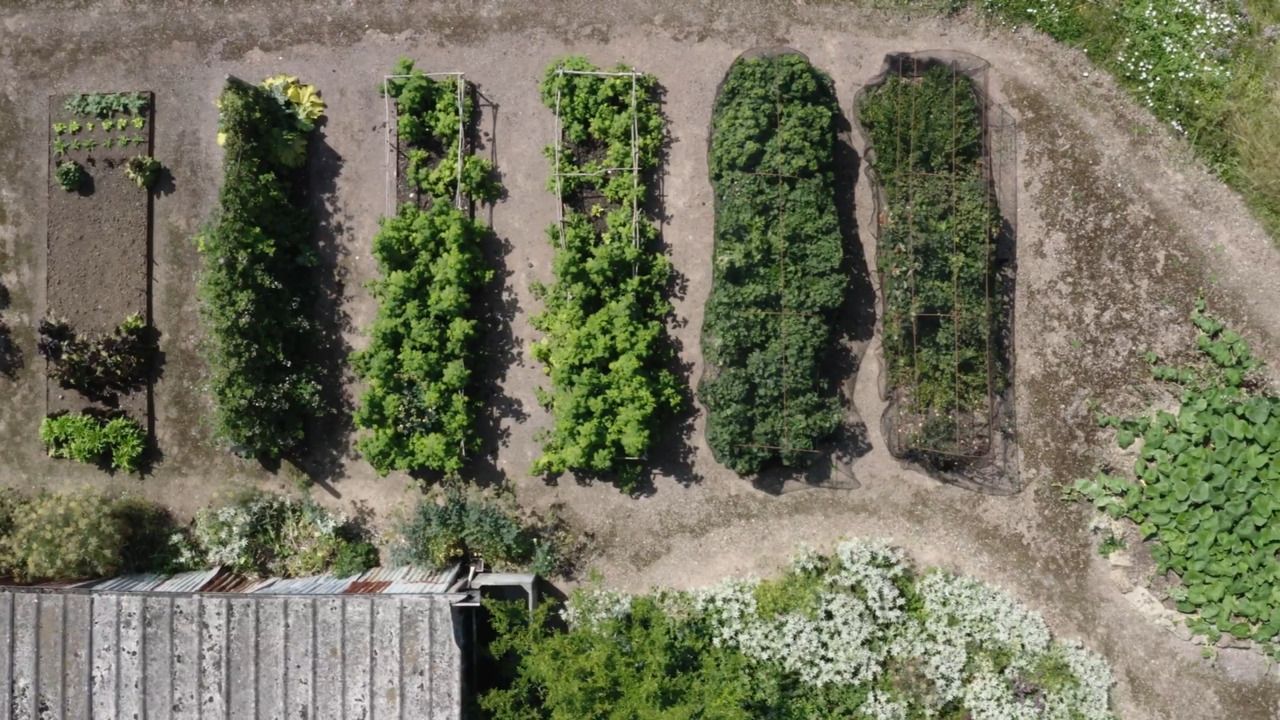
An enormously helpful device in any kitchen garden, beds help to separate growing areas from pathways and allow you to manage the soil within precisely, as well as generally organise the plot.

  • Beds needn't all be the same size. It's best to adjust the size depending on what you are planning to grow. Asparagus, potatoes and other larger vegetables require wider beds, while fruit trees are best in longer beds.
  • It's important that you do not step on the soil when you are working in your kitchen garden, as it's very bad to compact the soil. To avoid this, the width of your beds must be manageable and easy to reach across. Our beds range from 1m to 2m.
  • Consider the paths between beds, too; ours are 1m wide to accommodate growth on either side, while still allowing space to work. It is best to run your beds from north to south, so that they receive the sunlight evenly throughout the day as it rises in the east and sets in the west. This ensures even growth.
  • We have a steel raised edge across all of our beds. This helps to keep things contained and organised.

Growing Herbs

Possibly one of the most accessible forms of kitchen gardening, herbs are a wonderful entry into growing to eat.

  • One of the most accessible forms of kitchen gardening, herbs are a wonderful entry into growing to eat.
  • Position your herb garden in a place that is easily accessible from your kitchen.
  • Free drainage is key, as is plenty of sunshine.
  • Some herbs, such as mint, can take over if planted directly into the ground or alongside other herbs in a bed. These are best planted in big pots.

Being Self-sufficient

Thinking ahead to hungry seasons is the key to self sufficiency.

  • Plant plenty, taking into account that you may be sharing parts of your crop with the local wildlife.
  • Freeze parts of your harvest so that you have reserves to last you.

Quick Checklist for Planning a Good Kitchen Garden

Find somewhere with plenty of light. This will lead to higher production.

Think about how to achieve good soil. Add compost where necessary and perhaps introduce beds.

Organise the space from the outset, and give yourself room to work with decent sized paths.

Make sure there is edging to separate your good soil from the pathways. Beds will provide this.

Get the full workbook, video lessons, and more with a Create Academy subscription.

Subscribe to access the full workbook
Access all courses
$30 /month

Access 56+ courses, billed annually

Subscribe Now
Buy this course
$197 one-time

Lifetime access to this course

Buy Course

Already a member? Sign in to watch

Rated 4.7/5 on Trustpilot

437 reviews

Read more

Very good tutorial from a professional garden...

I have subscribed to access all the courses so have watched one on interior design and this one with Butter Wakefield who specialises in small garden design. She ...

Louise Brown

Apr 10, 2026

Time spent well

I love CreateAcademy. I came in for the gardening and floristry courses, but am also watching an interior design one at present. And the photography course is an ...

Wellesley

Apr 1, 2026

What a great investment

What a great investment, I have learned such a lot from the first three courses. My evenings have gone from not being able to find anything that captured my imagi...

sojojo

Mar 30, 2026

I loved this course with Amanda\u2026

I loved this course with Amanda Lindroth! Her approach to decorating is so relaxed and she makes it feel attainable. She explains the reasons behind her decisions...

Elizabeth

Mar 27, 2026

Dan Pearson

Your Instructor

Dan Pearson

Acclaimed naturalistic landscape designer. Multiple Chelsea Gold Medal Winner. OBE.

British landscape designer, horticulturalist and writer Dan Pearson OBE, has been designing award-winning gardens since 1987. His naturalistic use of plants, light-handed approach to design and deep-rooted horticultural knowledge has made him one of the most celebrated and innovative gardeners working today. Dan trained in horticulture at Wisley and Kew, before starting his garden and landscape design practice in 1987. In 2015, his show garden for Chatsworth and Laurent Perrier was awarded a Gold Medal and Best Show Garden at the Chelsea Flower Show. In 2014 Dan was appointed an advisor to the National Trust at Sissinghurst Castle. For over 20 years Dan has written regular gardening columns, with his work a staple of The Observer, and has written a number of best-selling gardening books.

Access to all courses

Get access to unlimited learning with a Create Academy subscription