


Interior and exterior confidence
Create Academy has been such a great resource. I'm in the middle of renovating a bungalow with a very large garden and the courses have offered a wealth of inform...
Harvey
Jun 10, 2026
Grow a Spectacular Garden in Pots
with ARTHUR PARKINSON — Horticulturist, writer and container gardening expert.
Lesson 21 of 51
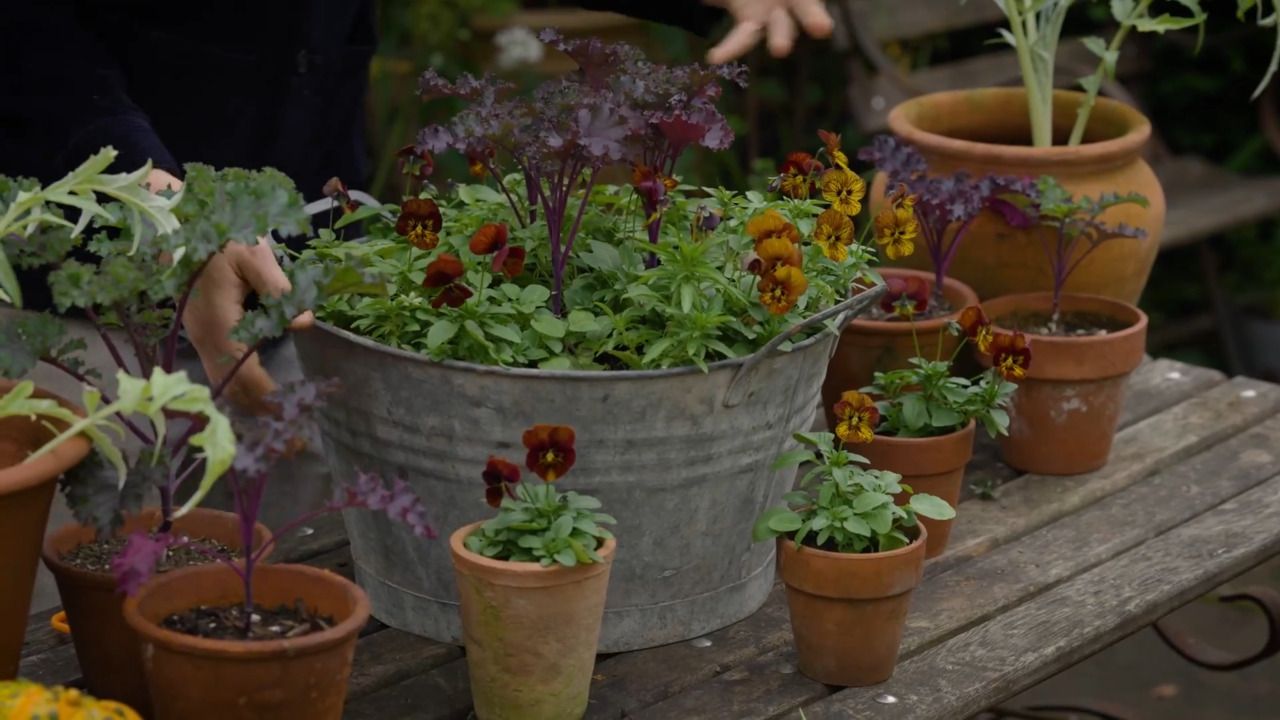
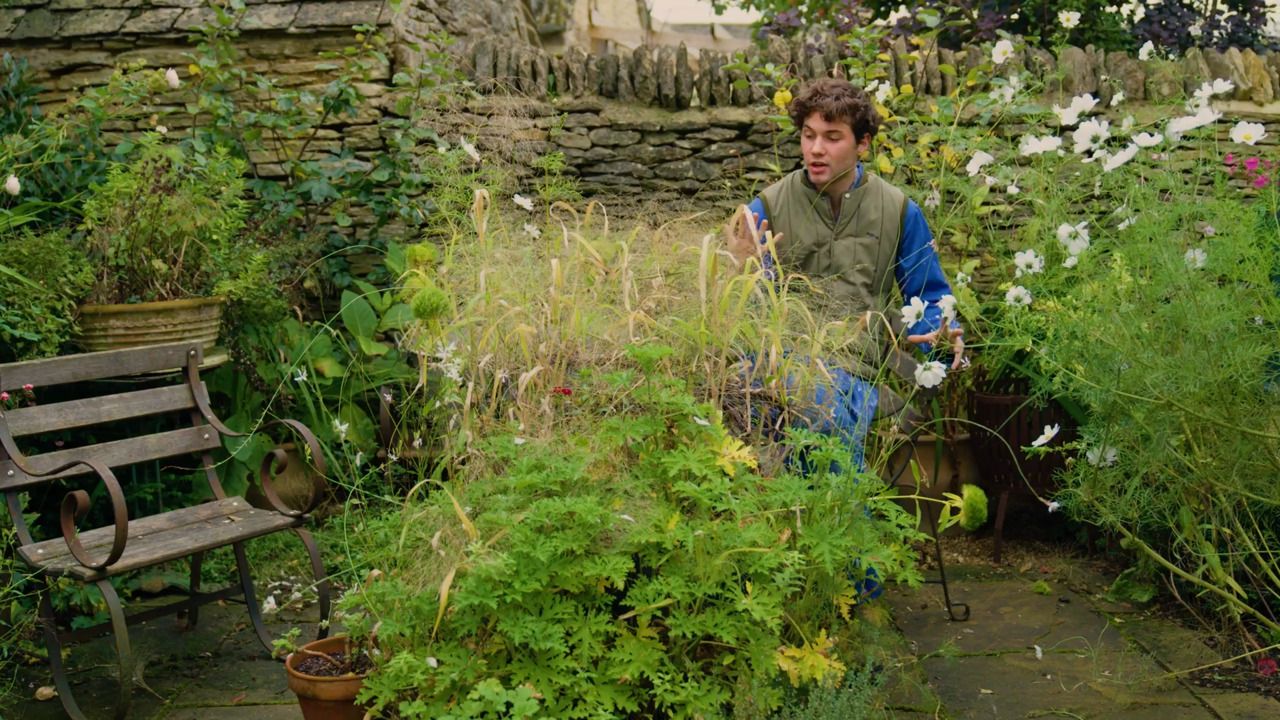
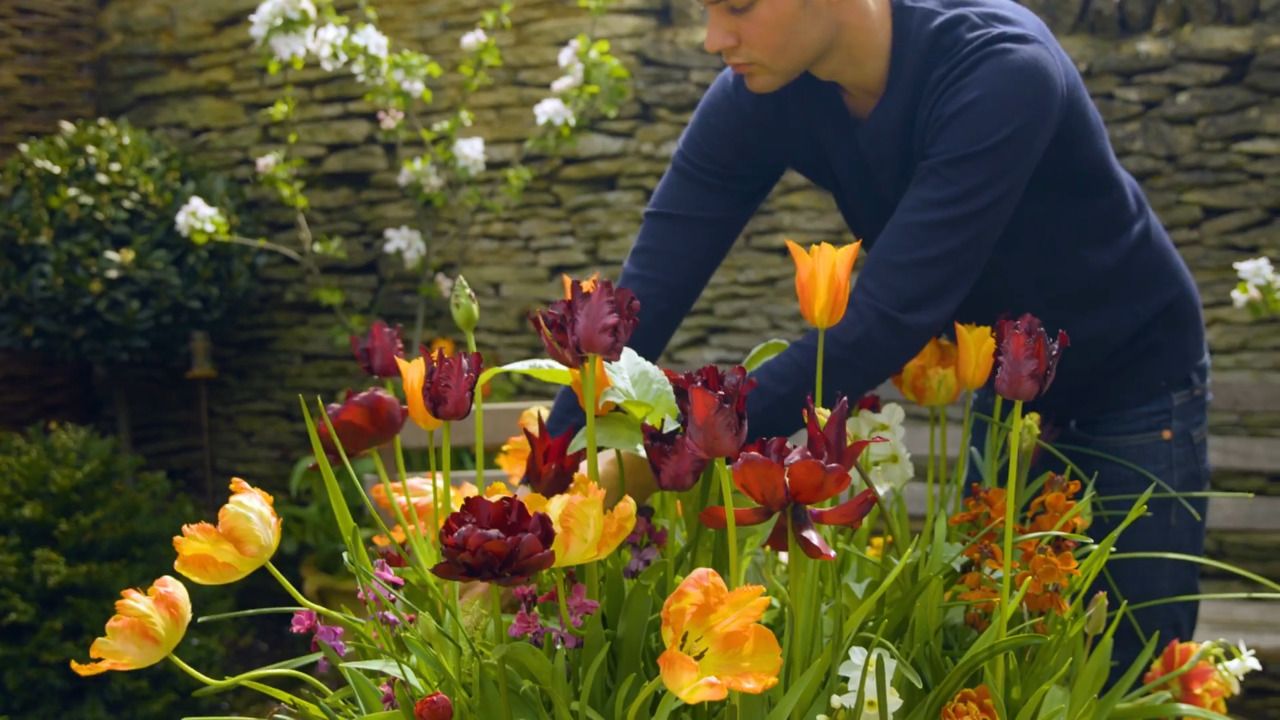
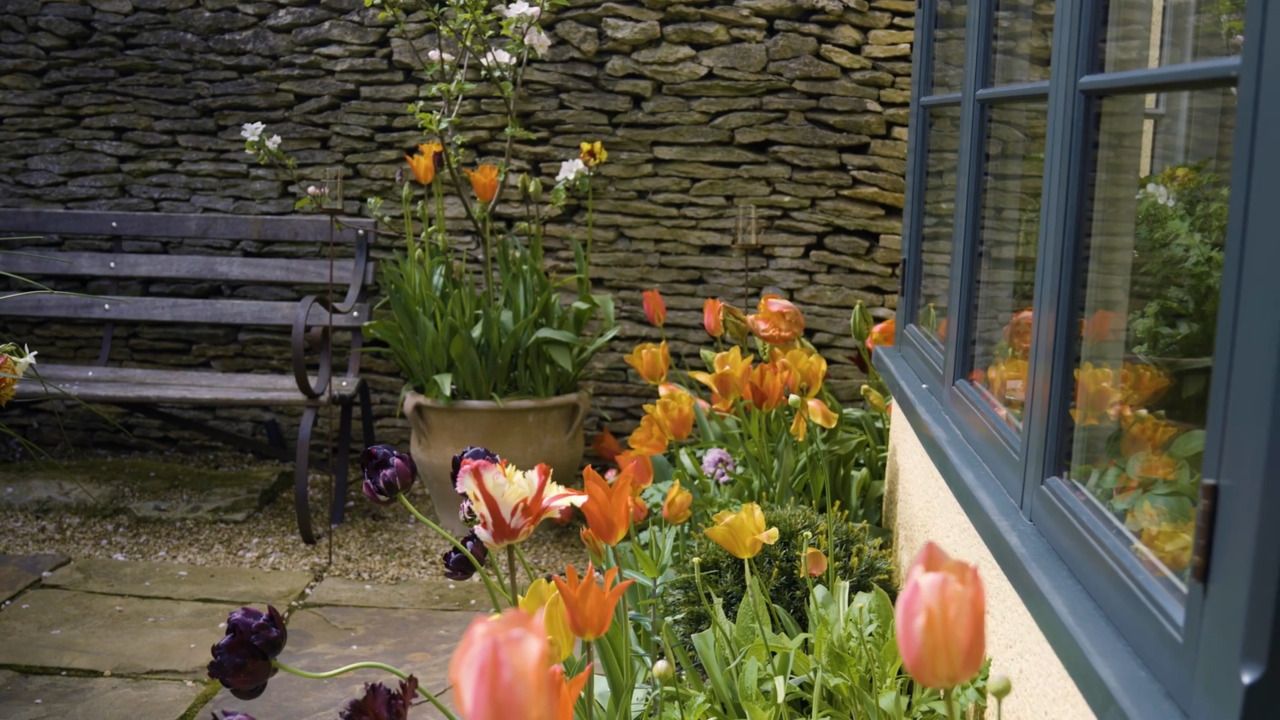
Pots don’t have to be just for spring and summer. Arthur explains how to arrange your containers in the quieter times of year.
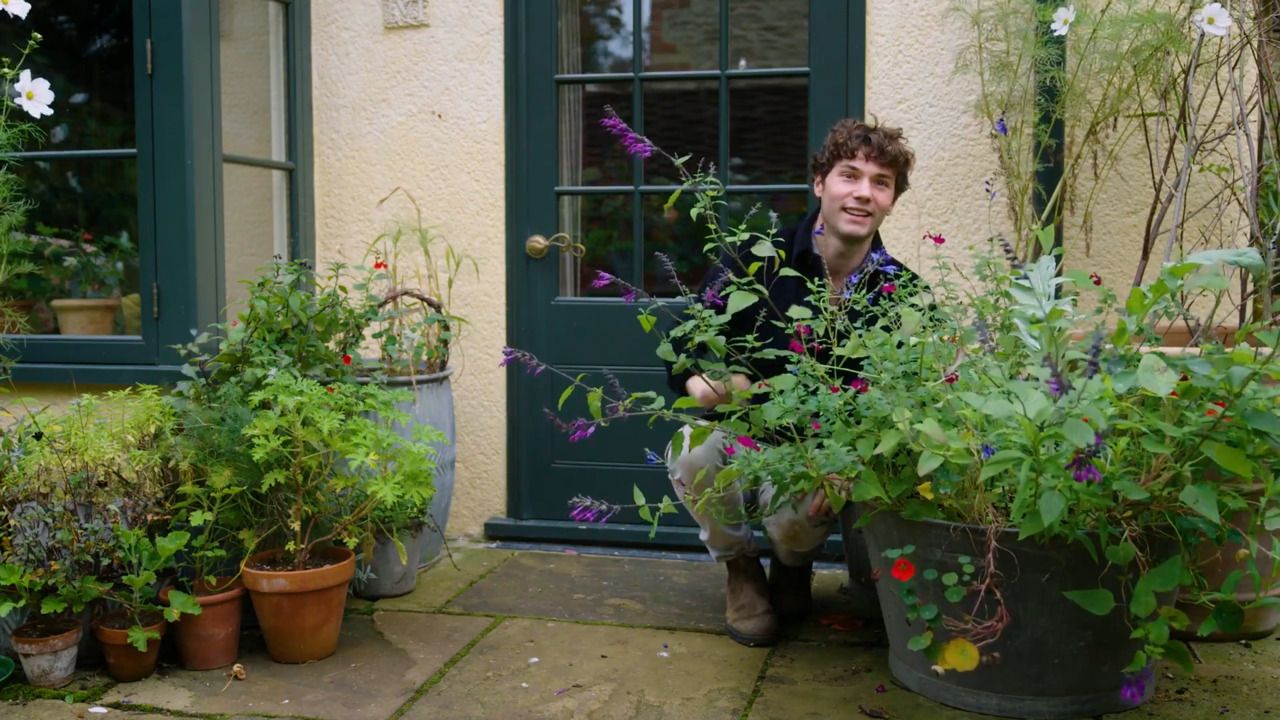
With Arthur's help, learn how to arrange your pots for autumn and winter to make your garden beautiful.
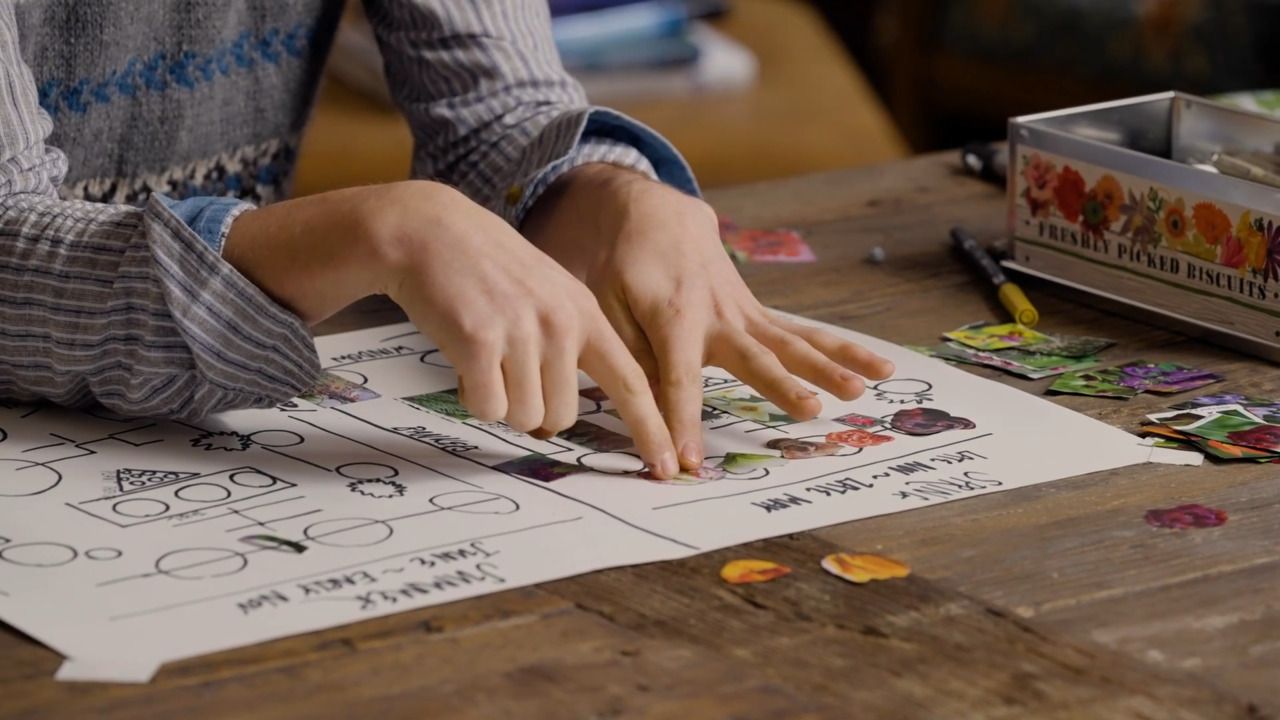
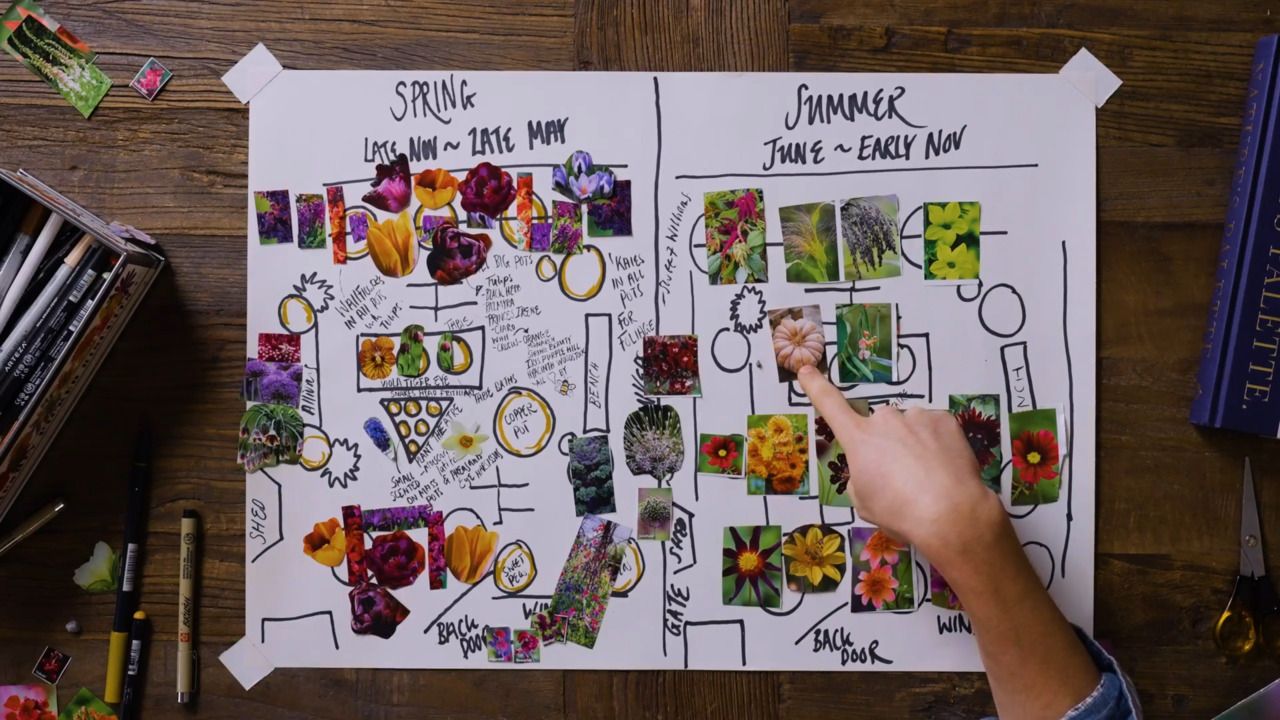
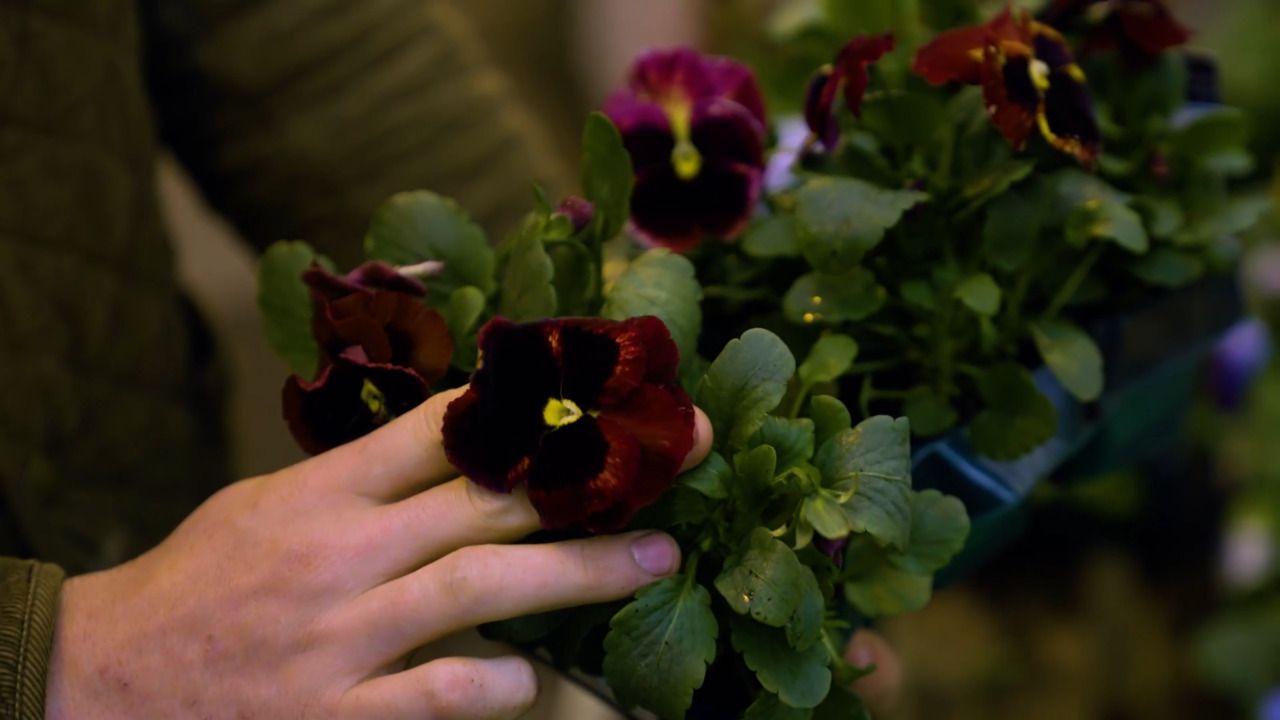
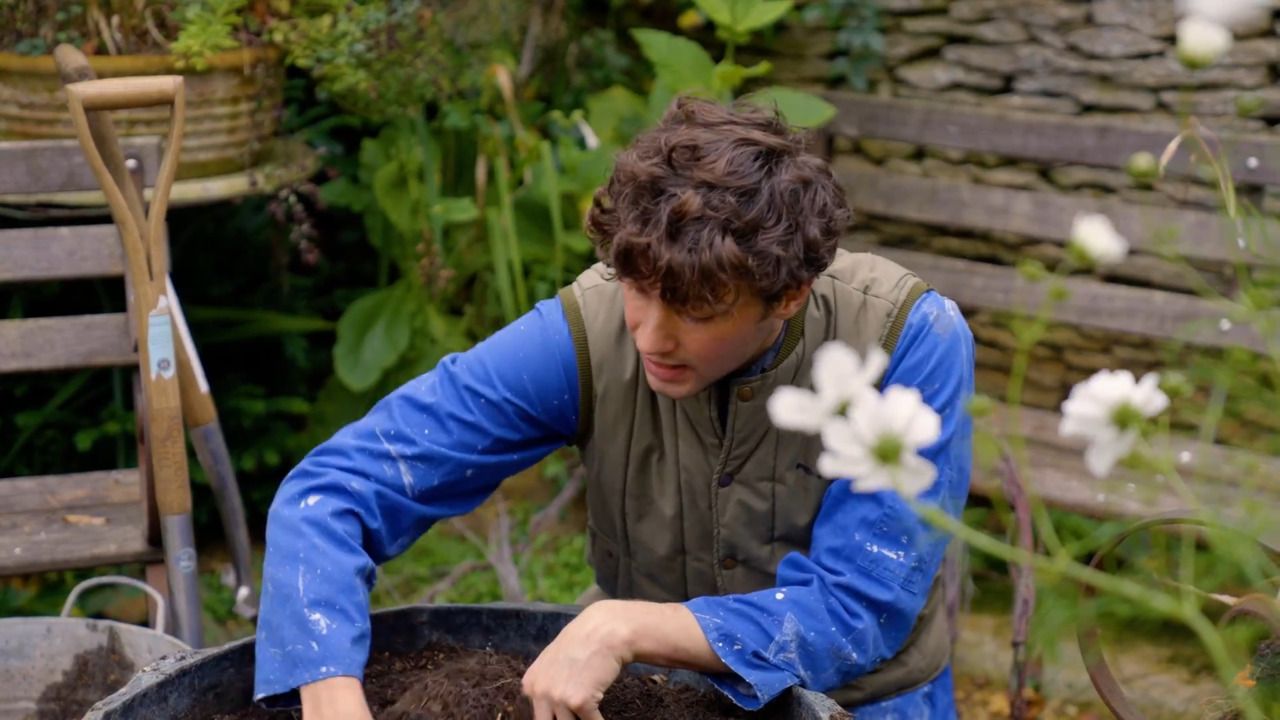
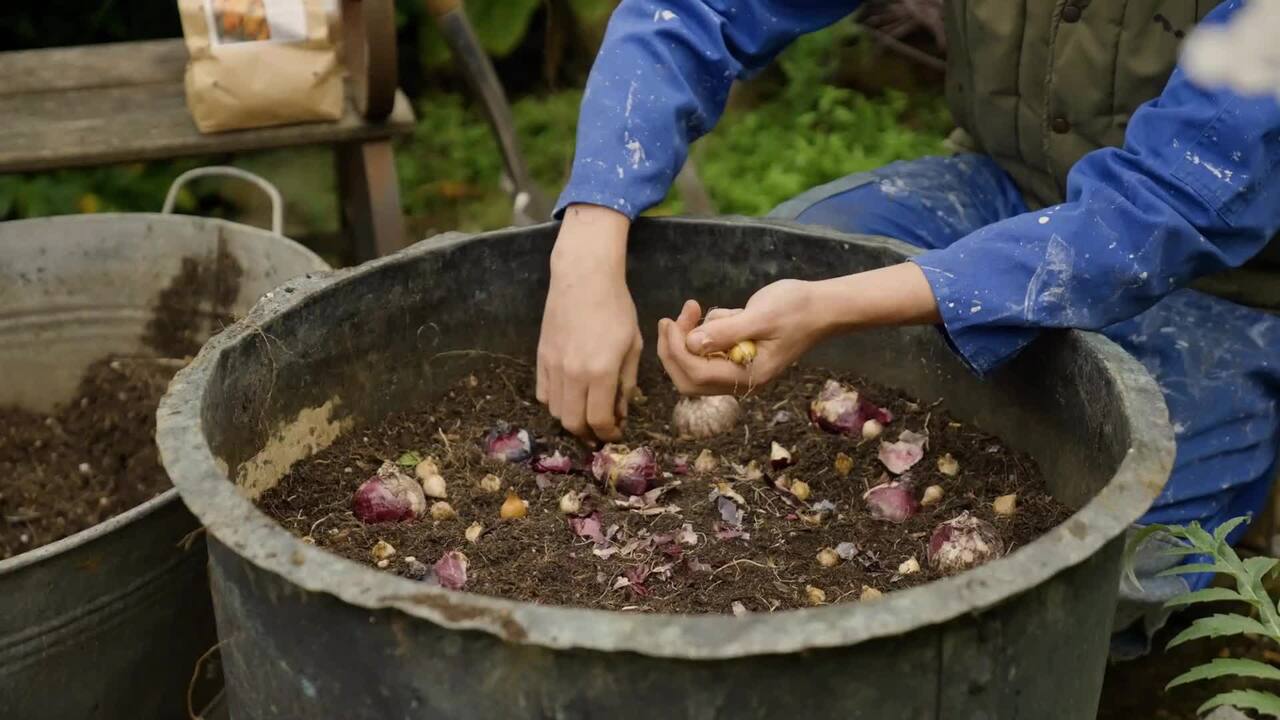
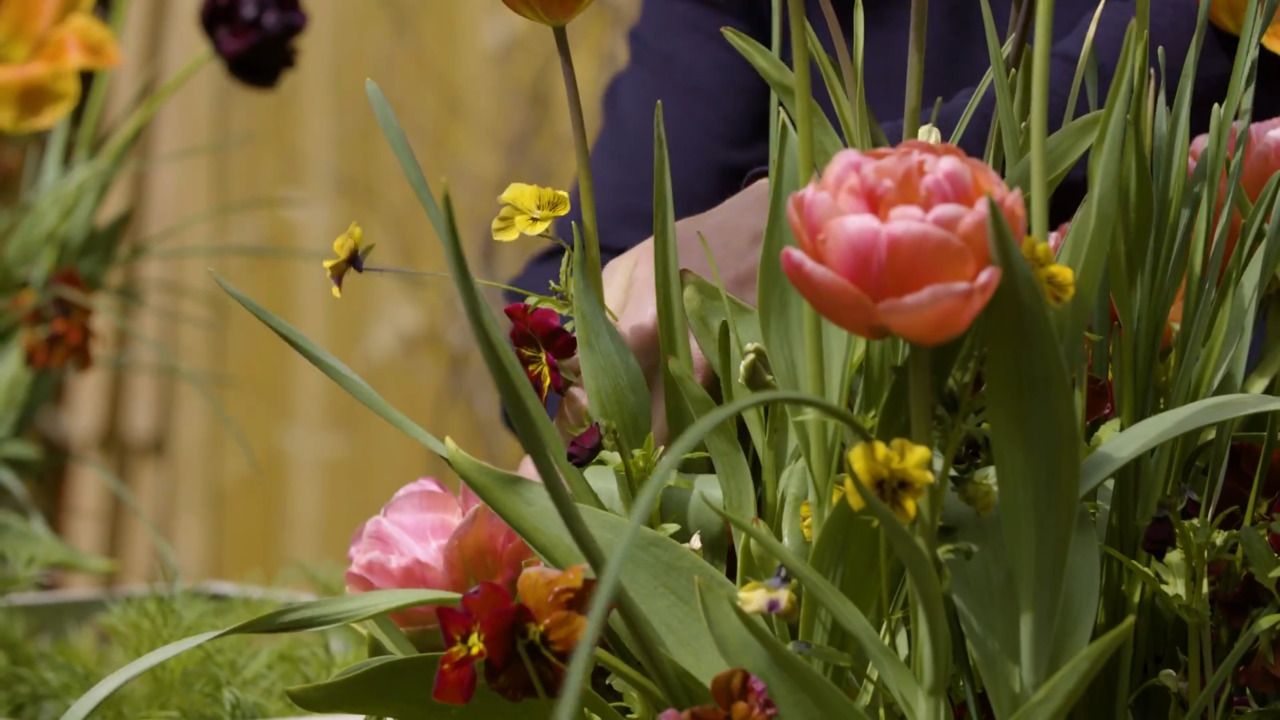
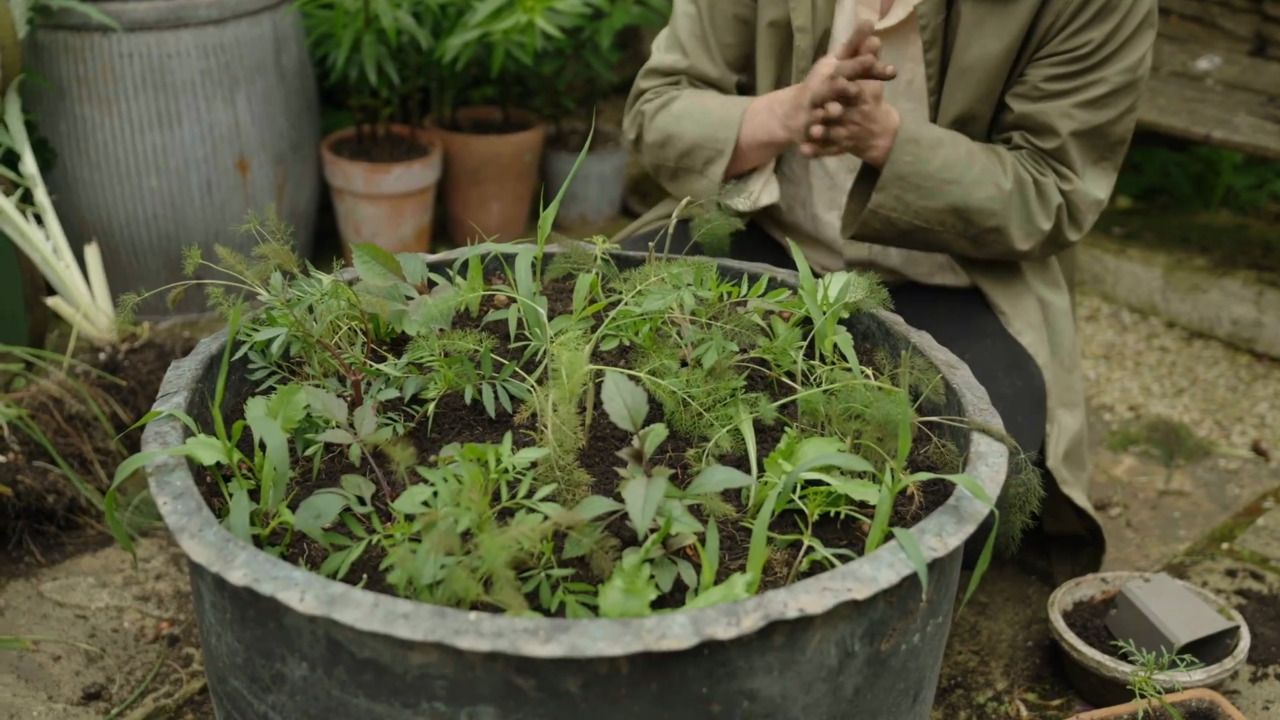
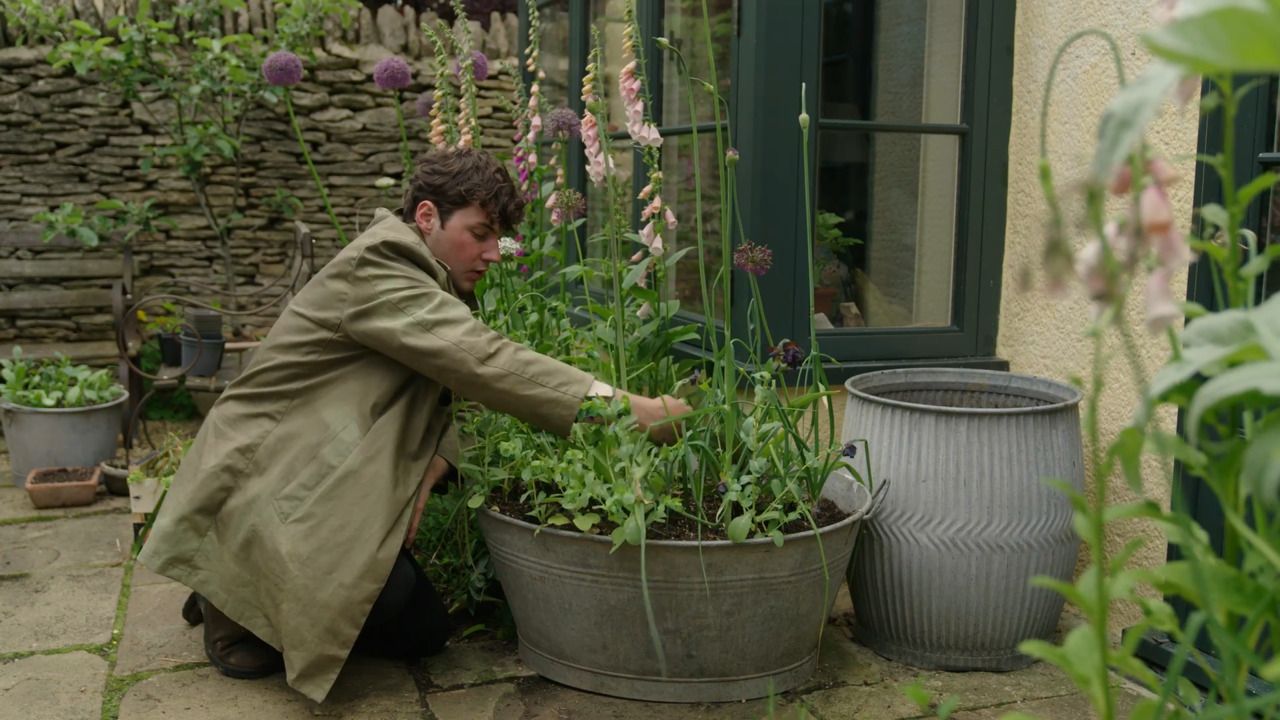
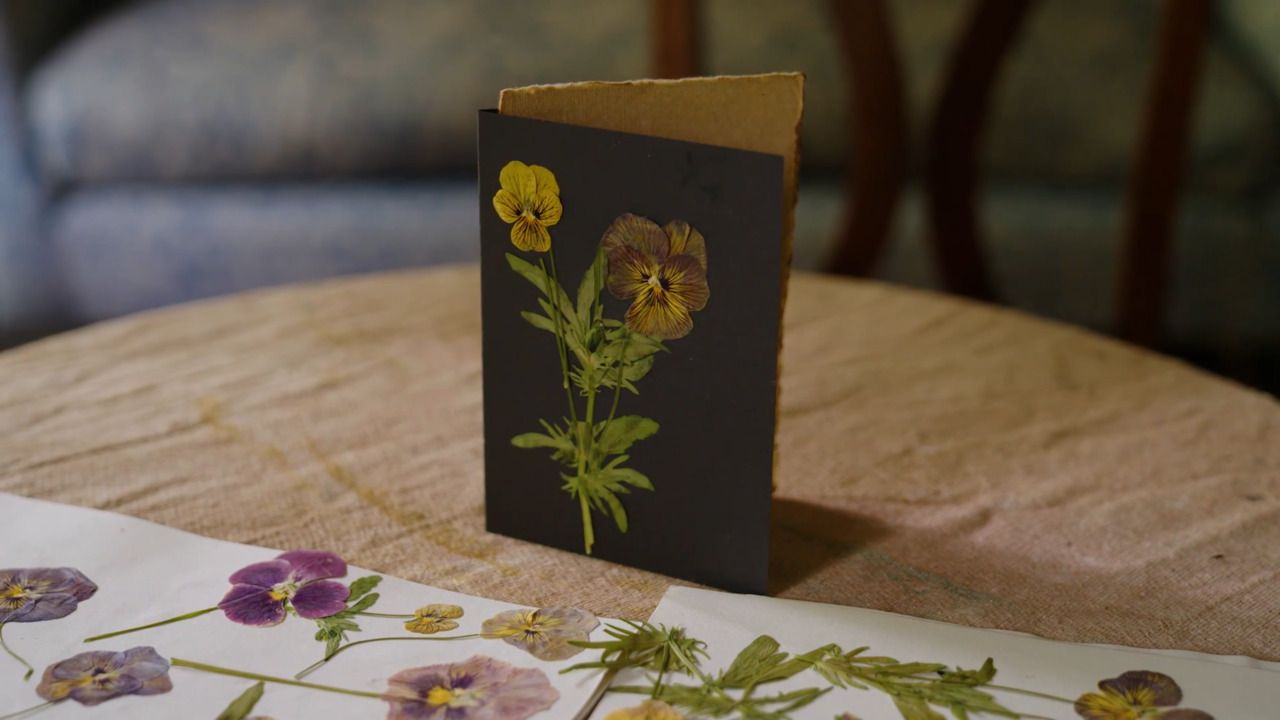
Arthur has a lovely galvanised pot planted up with 'Viola Tiger Eye Red' and snakes-head fritillaries. Using his fingers, he carefully made holes in the ground and then placed the little bulbs in between all the violas.
Here, Arthur hasn't filled it with bulbs since the violas are well worth leaving space for, instead of suffocating them with other bulbs. If the violas are somewhere sheltered, like a balcony or somewhere else with their own microclimate, they'll continue flowering throughout winter and into spring, provided they are dead-headed regularly.
The problem with allowing the violas to go to seed is that they will stop flowering, so Arthur recommends dead-heading them every week to extend the floral display.
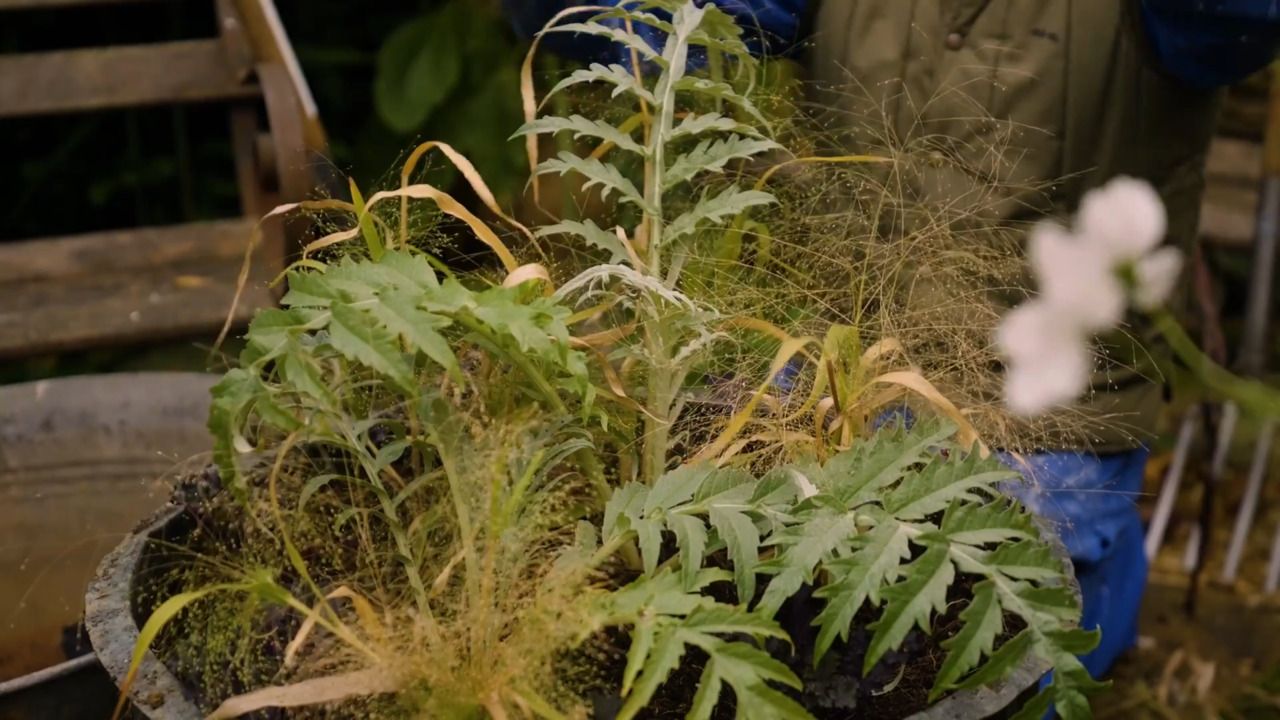
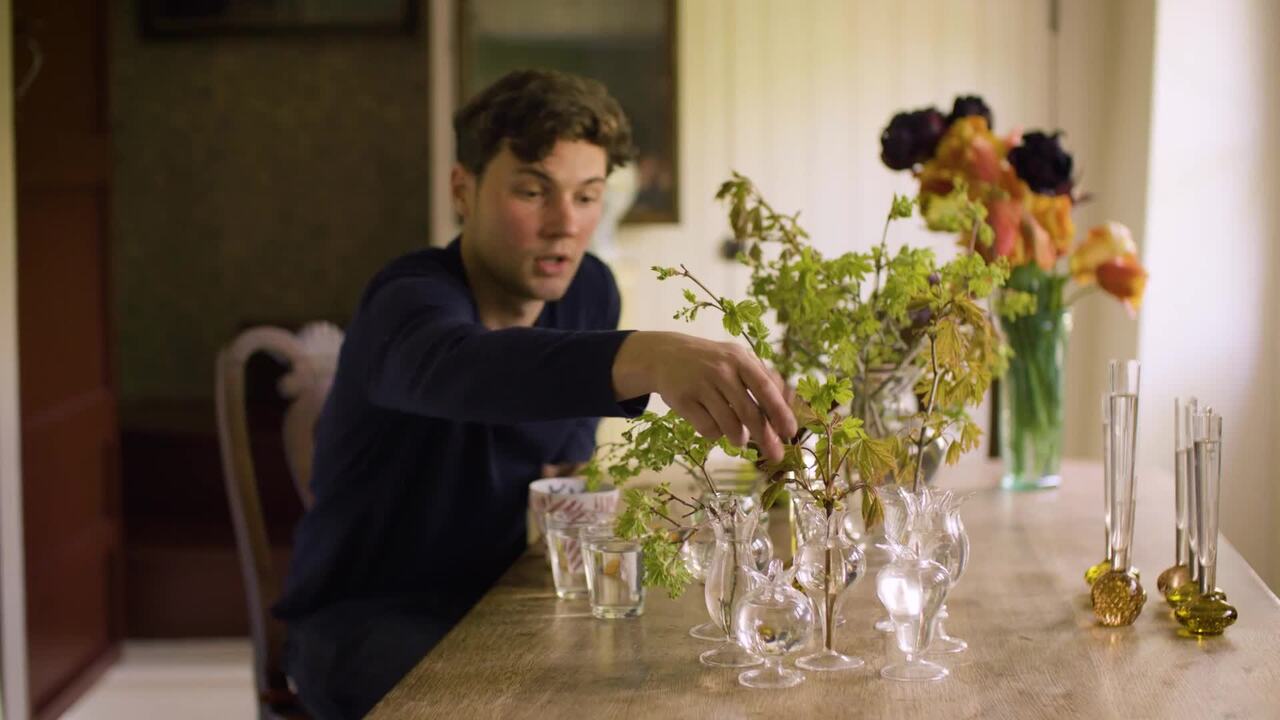
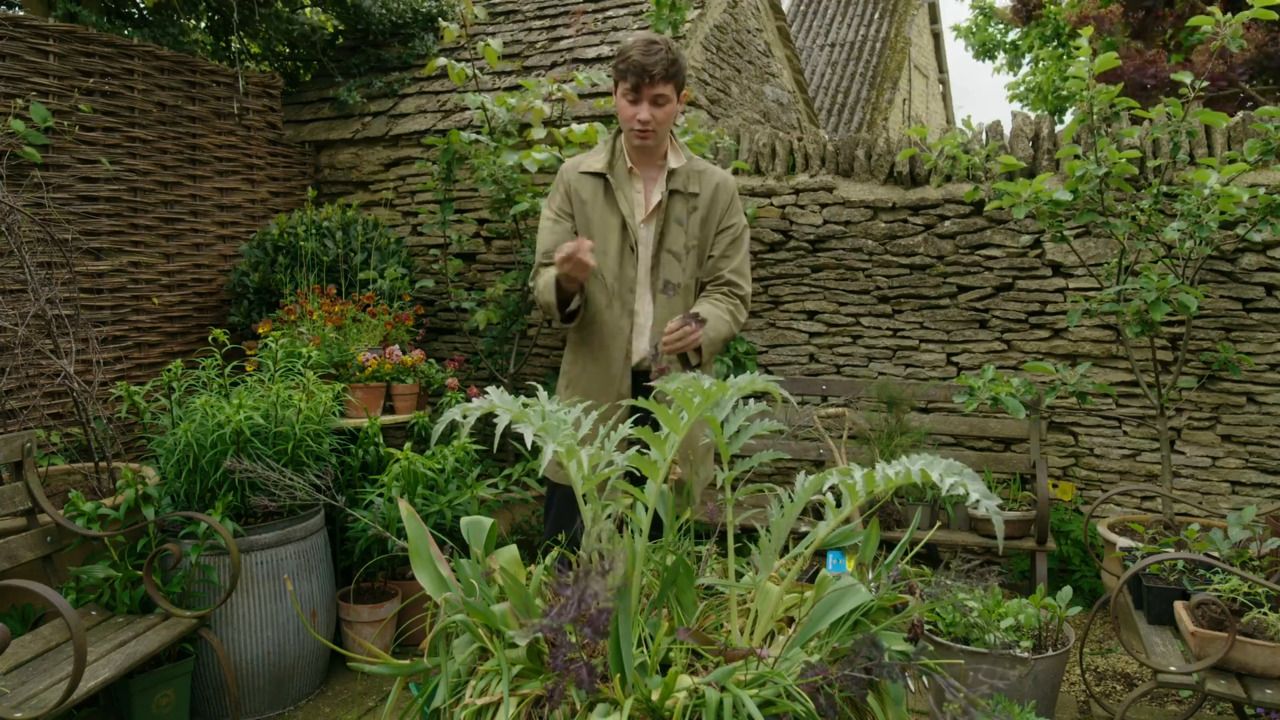
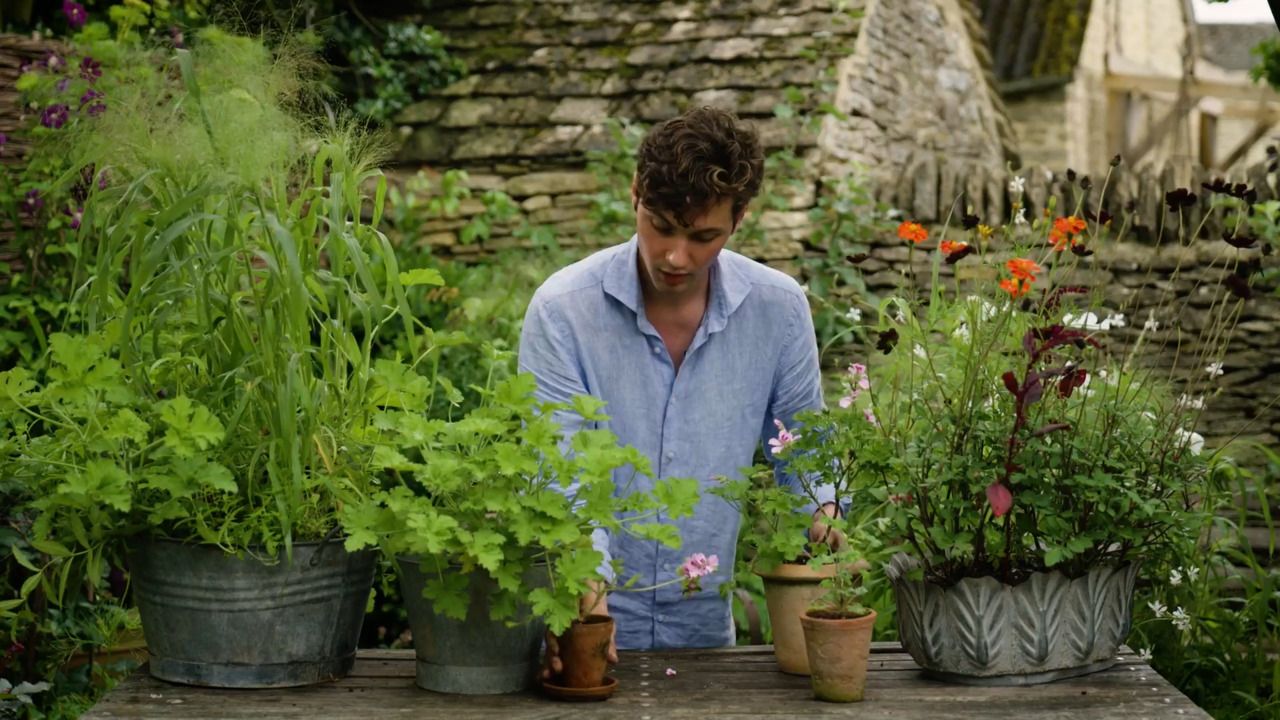
The cardoons will end up being planted in big pots but for now, they're just on the table echoing the big pot.
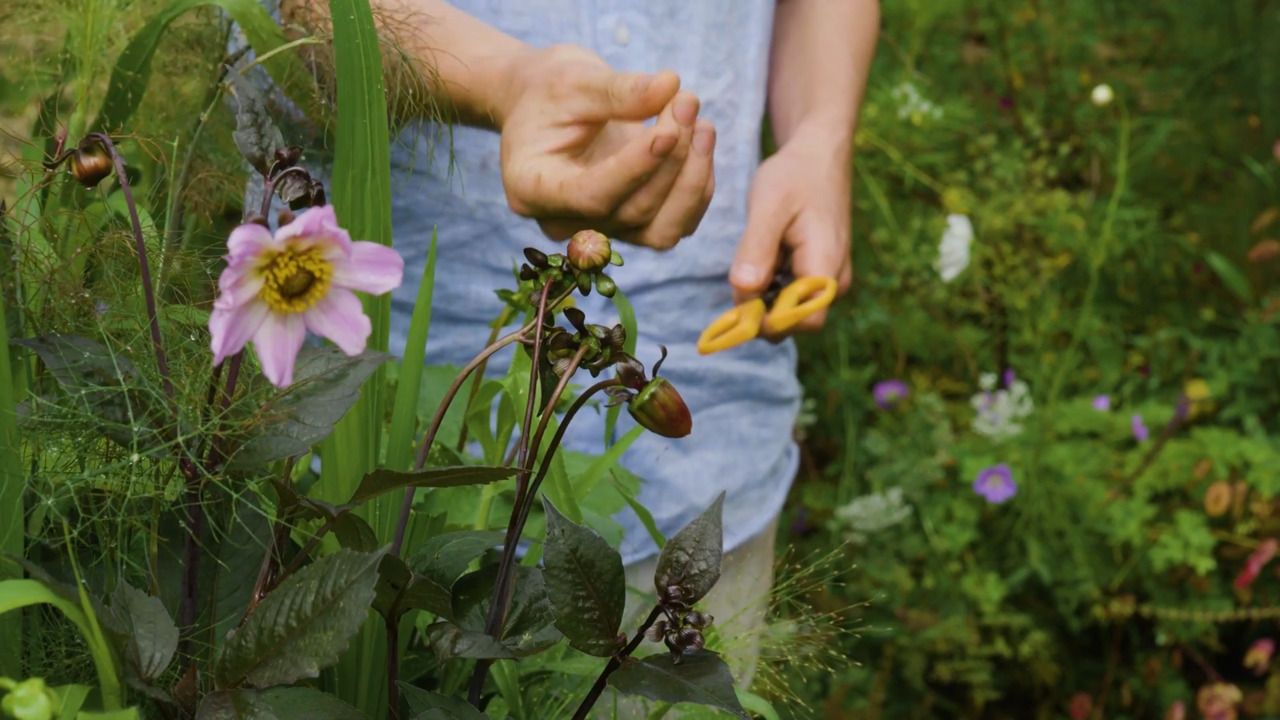
The more you deadhead your flowers, the more new blooms will grow, so it's worth doing this every week.
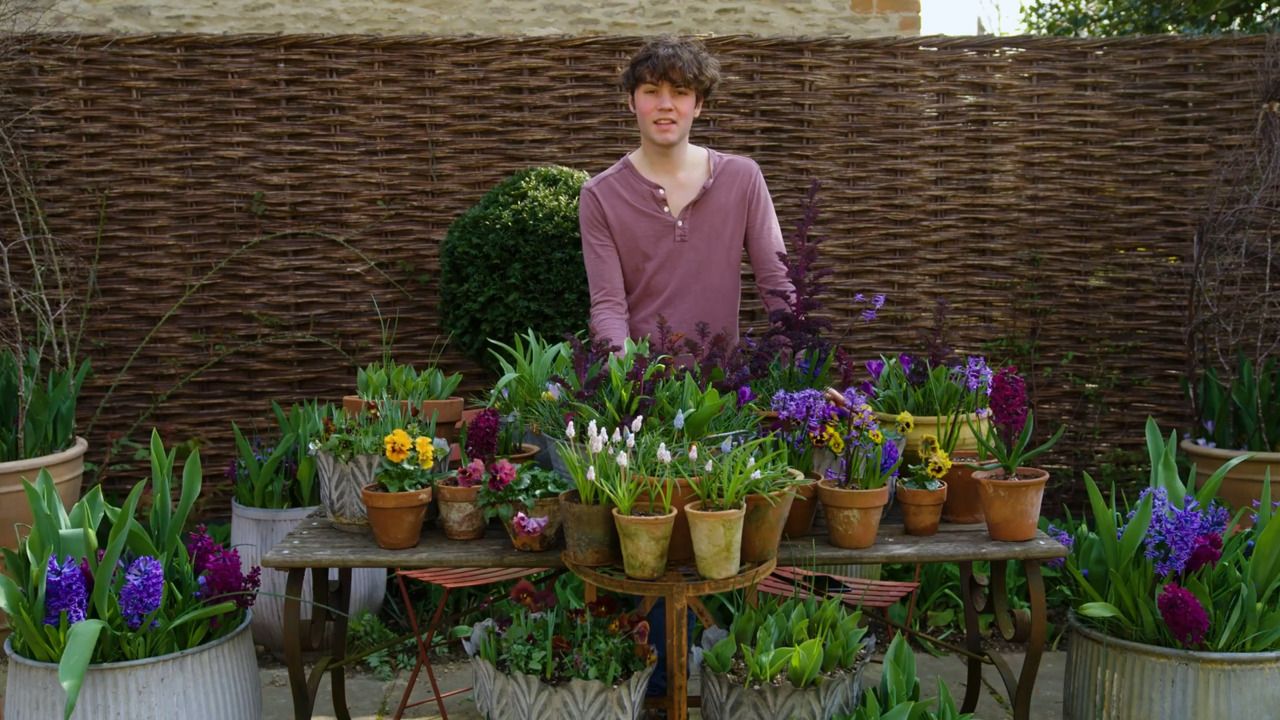
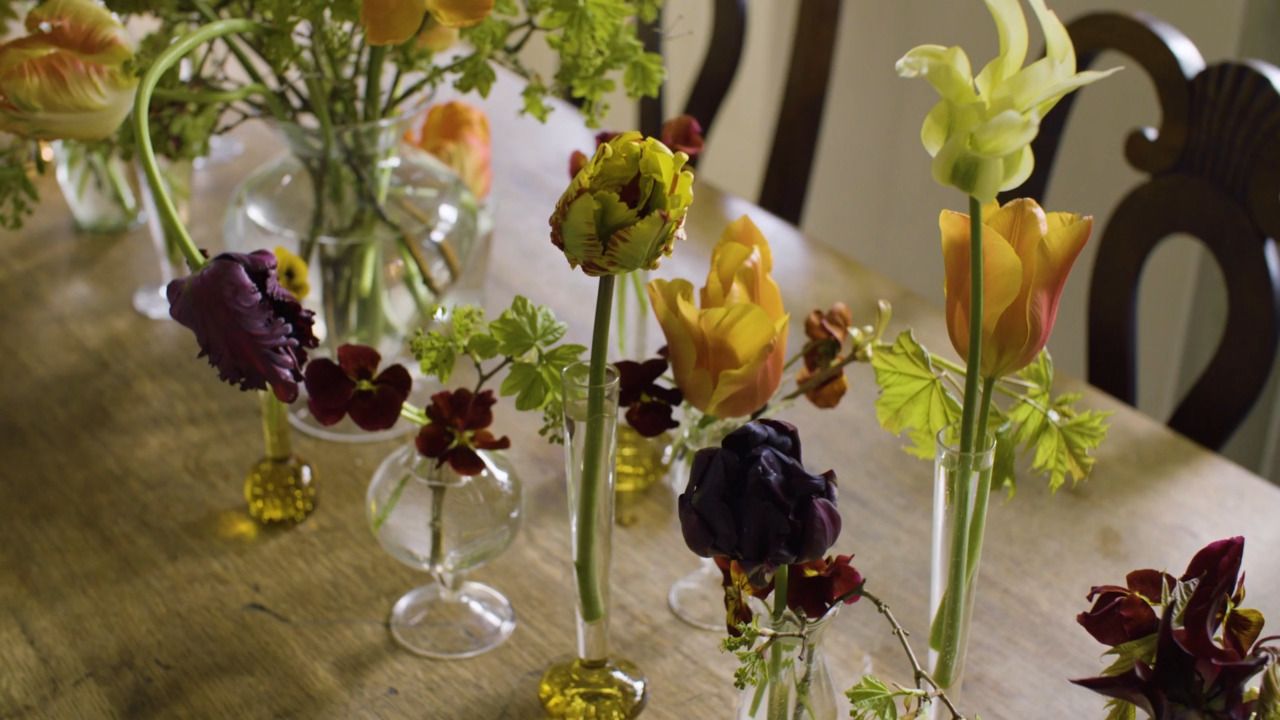
You can collect loads of conkers and also add them to the table. Arthur is constantly redoing this table; it never stays the same. He likes to keep the garden table dynamic by using lots of different pots in miniatures.
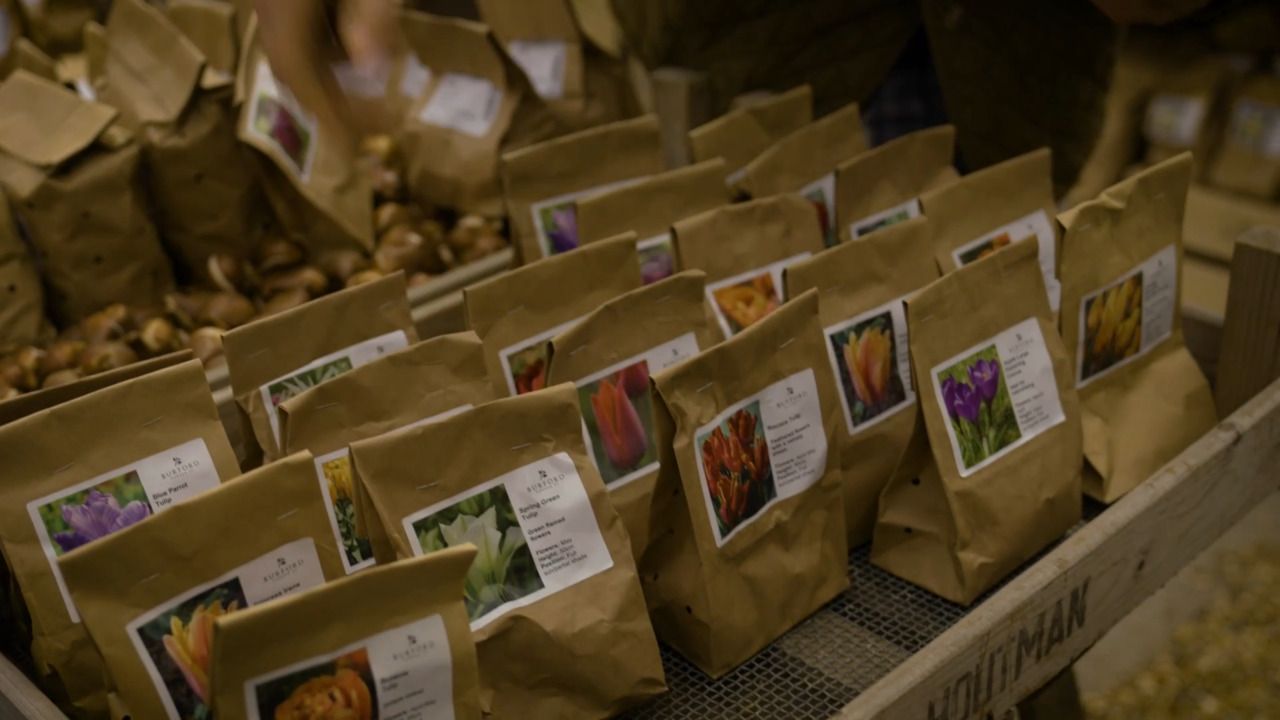
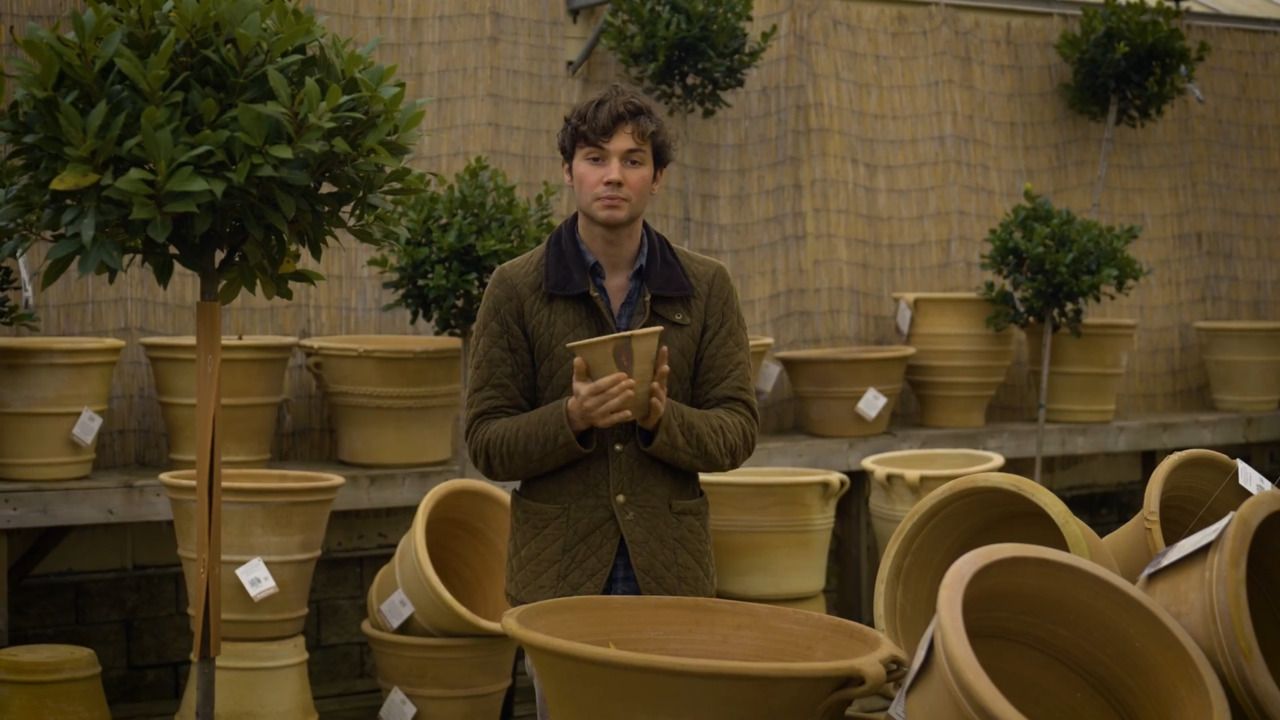
If chosen correctly, the best containers for your bulbs will ensure proper soil moisture whilst providing sufficient space for bulb growth and flowering.
Clay, concrete and terracotta containers will wick away moisture from the soil which can cause it to dry out quickly, making them suitable for wet climates.
Wooden pots also absorb moisture quickly but the moisture is held within the wood which means that soil drys out slower than it would in a clay or concrete pot. Another factor to consider is that wood will rot over.
Plastic pots are the best at retaining moisture, but they can easily become waterlogged if not careful. Therefore these are better suited in a warmer climate or sunny spot.
Galvanised containers are metal and have been coated with a protective layer of zinc to prevent rusting. When using galvanised planters be sure to drill drainage holes in the bottom and use polystyrene gravel to prevent them from rotting caused by the soil.
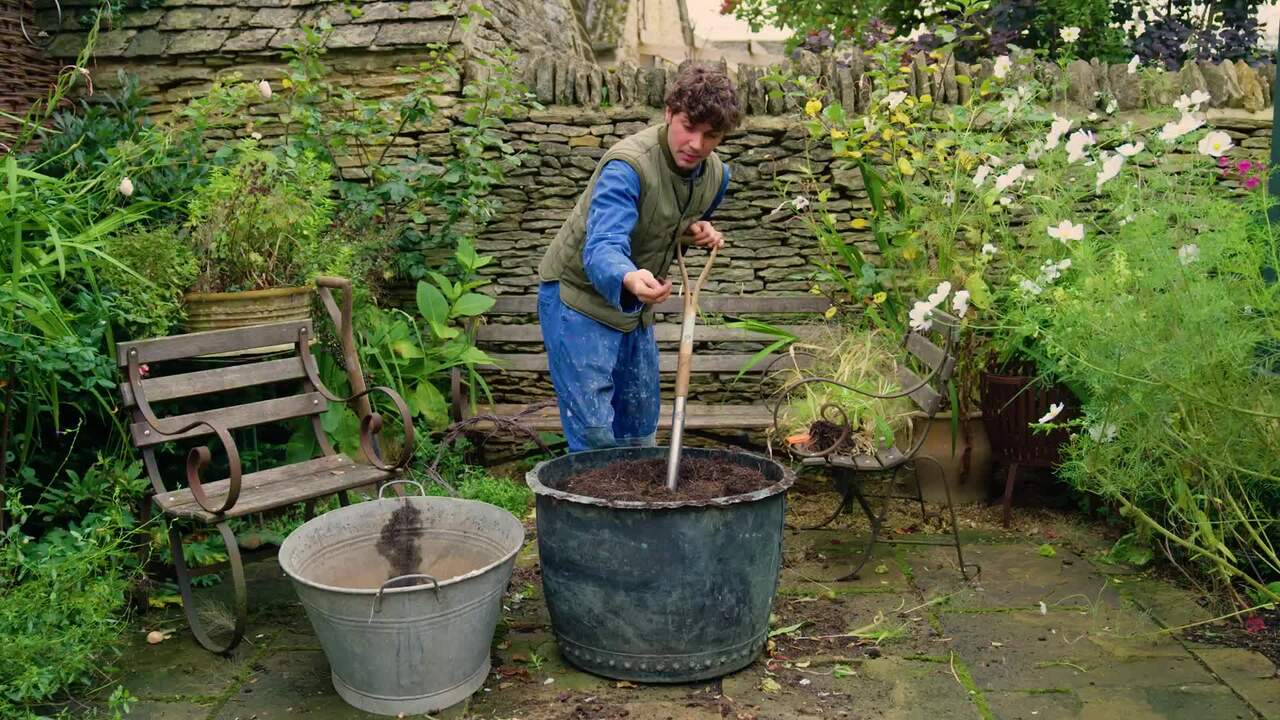
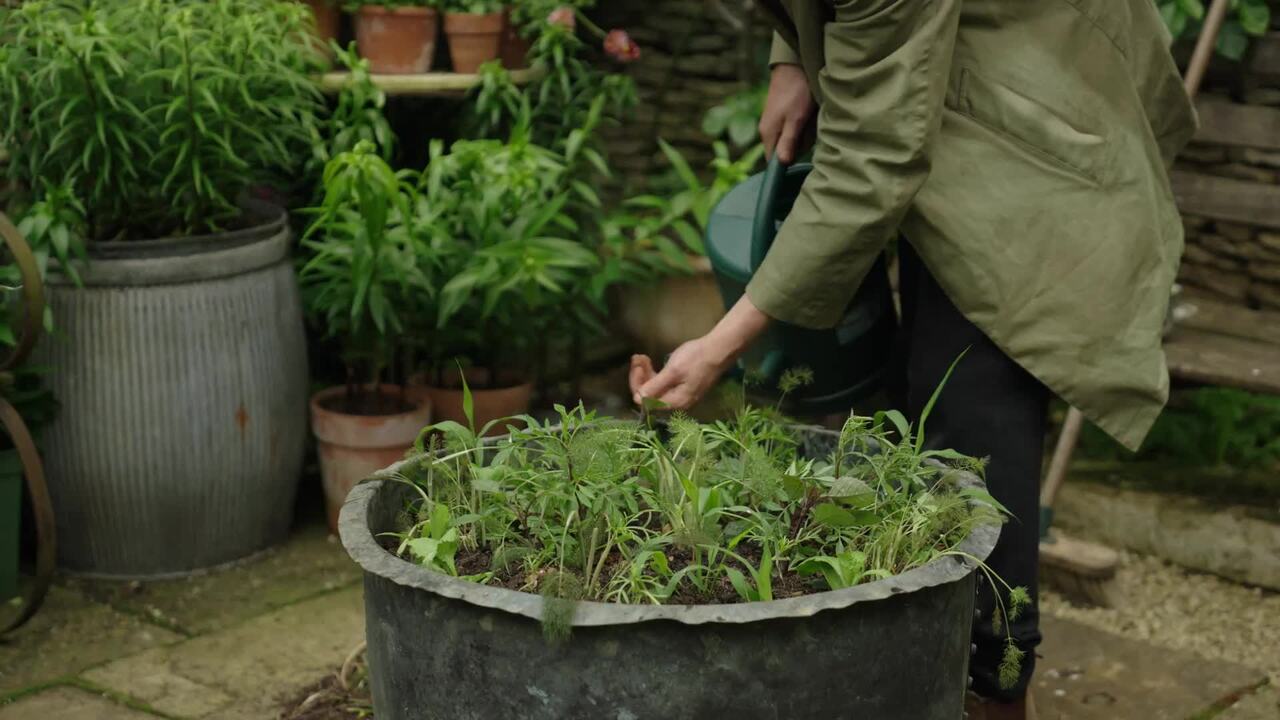
Arthur likes to use large galvanised pots or baths with handles on either side for ease of movement, as they become rather heavy once filled. He is always on the lookout for old galvanised planters in vintage shops, and on eBay. You can find your own galvanised small pot or bath here and here.
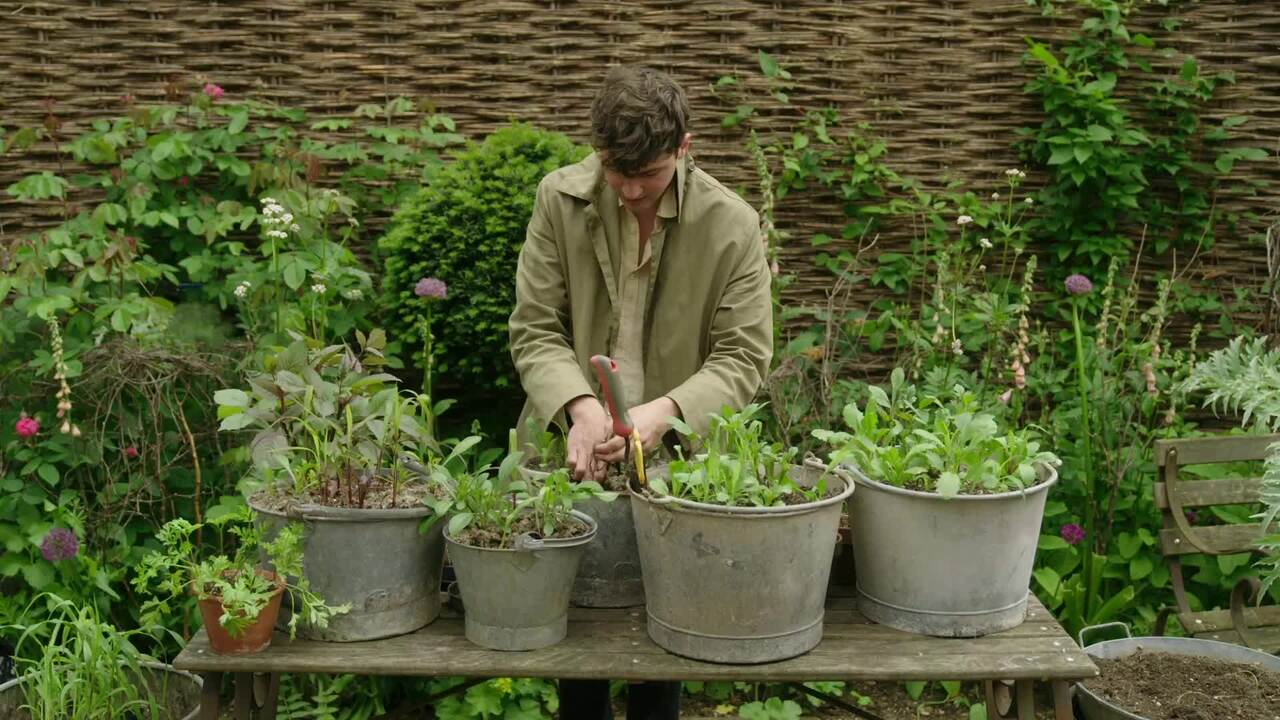
For a smaller planter Arthur recommends a galvanised pail, which again, you can find on eBay here.
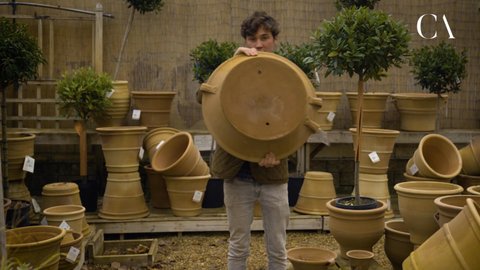
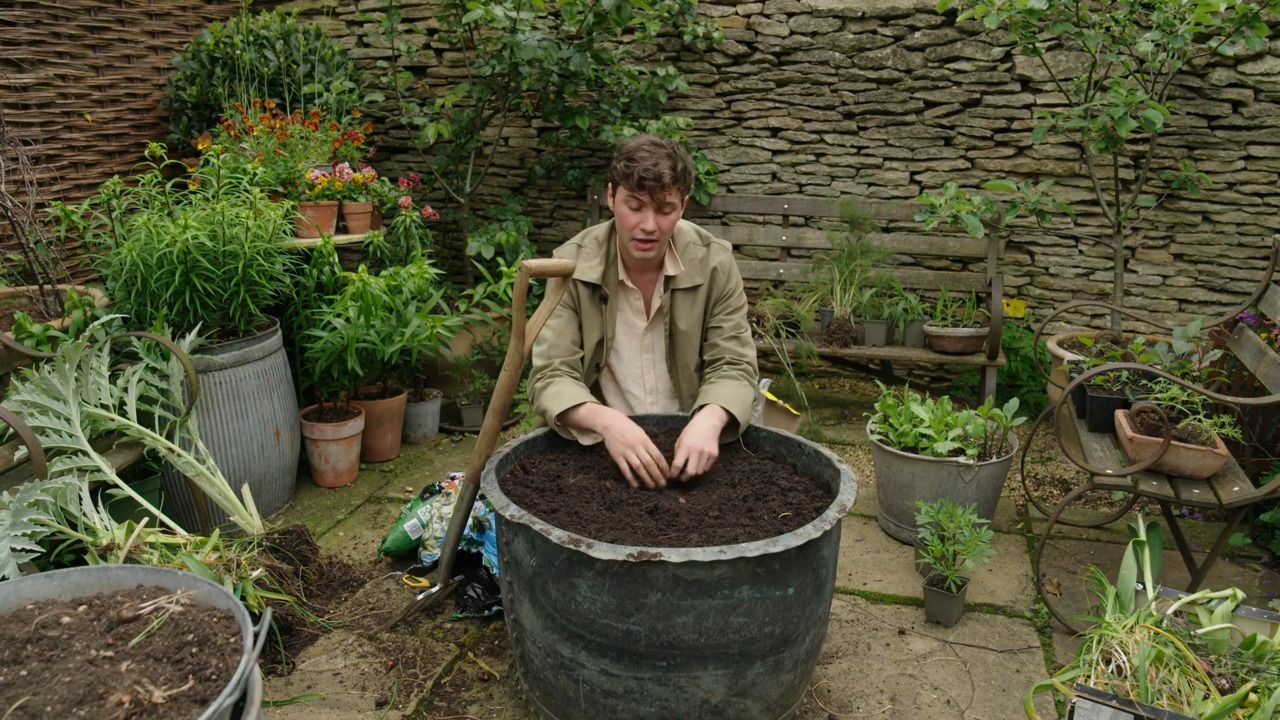
Arthur recommends getting your hands on the biggest copper pot you can find that will fit in your space. You can find large copper pots here and here.
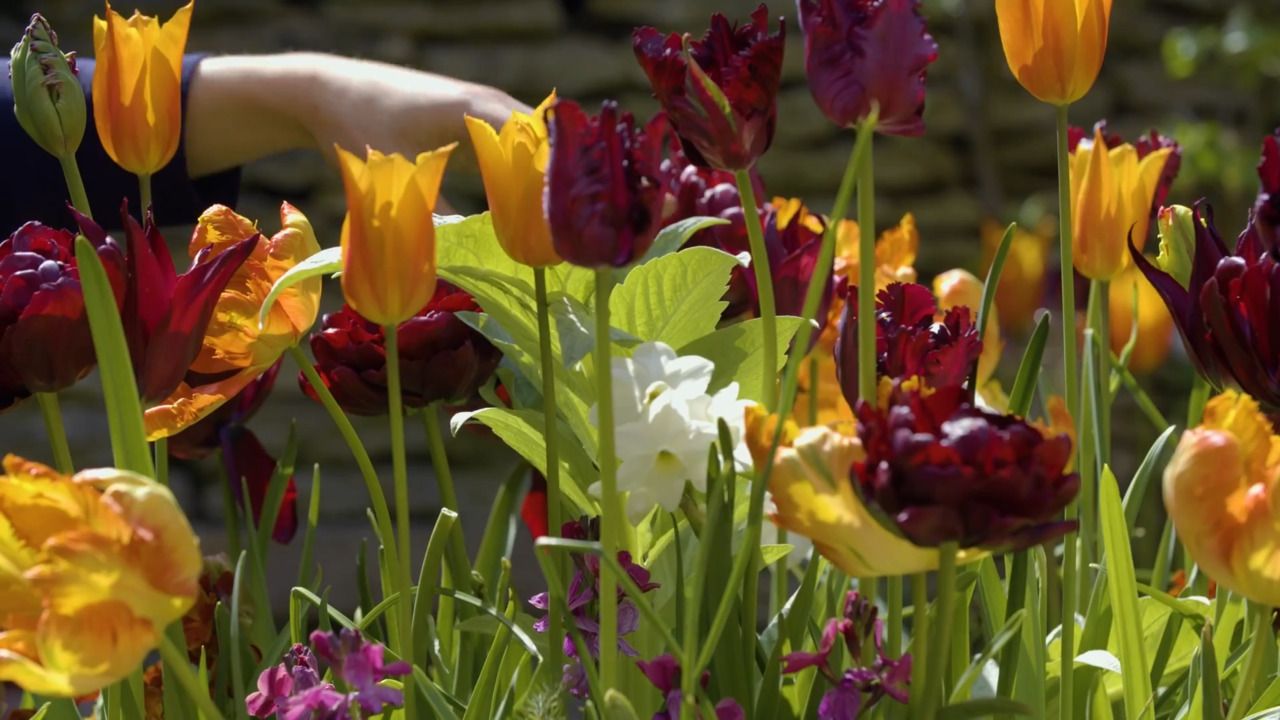
Blooming period:
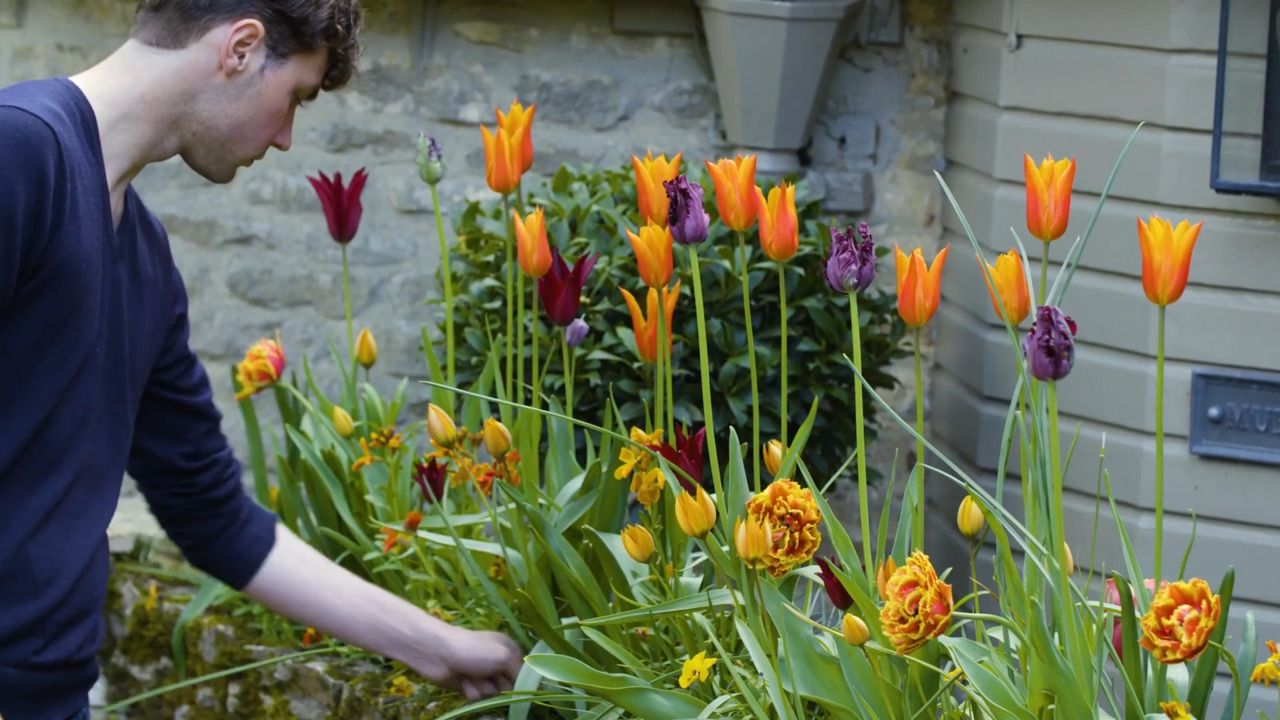
Mid-late Spring
When to plant them:
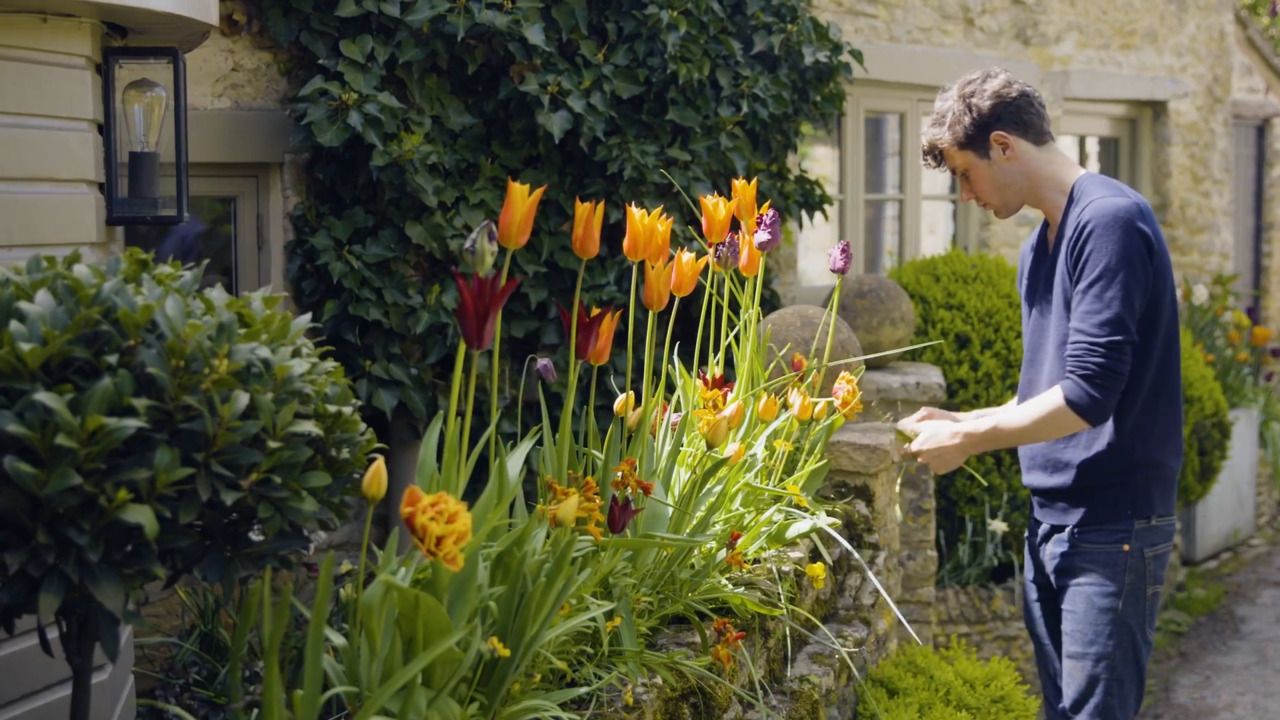
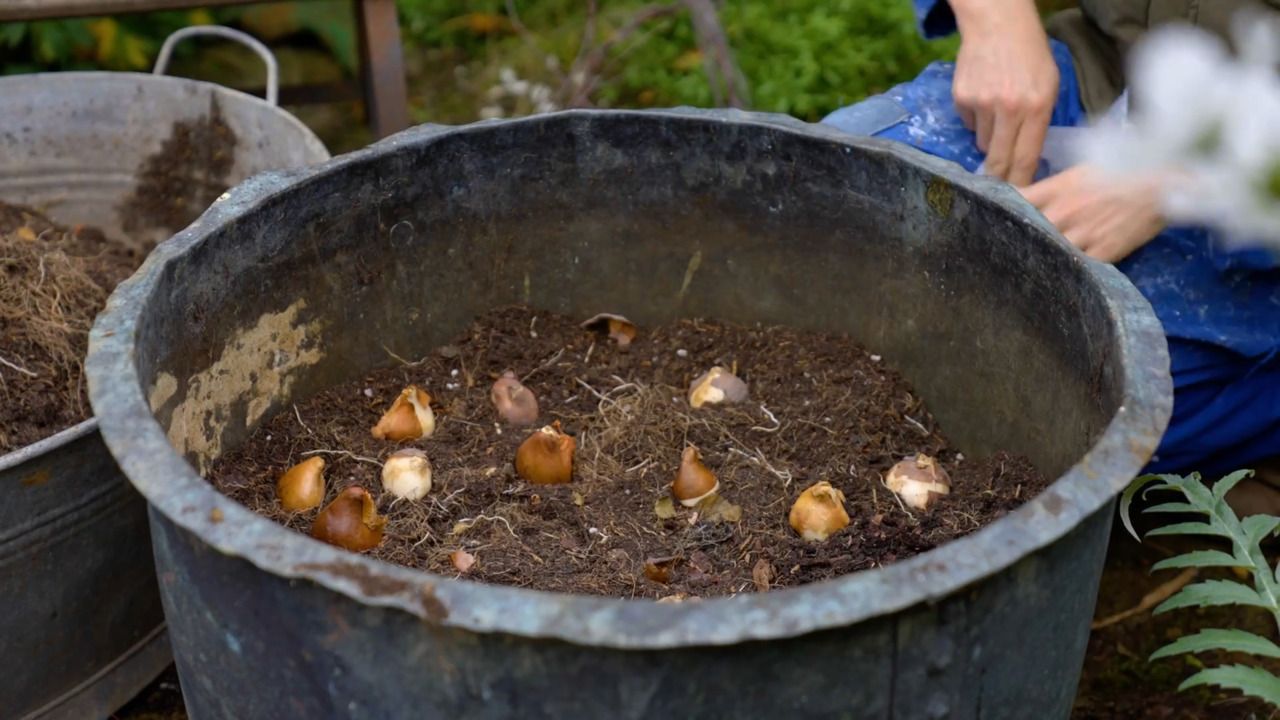
Make sure that you plant your tulips in the Autumn.
Where to plant them:
They should be positioned in full sun or partial shade.
How to plant them:
Get the full workbook, video lessons, and more with a Create Academy subscription.
Subscribe to access the full workbookAlready a member? Sign in to watch
510 reviews
Read moreCreate Academy has been such a great resource. I'm in the middle of renovating a bungalow with a very large garden and the courses have offered a wealth of inform...
Harvey
Jun 10, 2026
Absolutely love Create Academy! The instructors are extremely informative, and it is beautifully filmed. Create Academy is great value for money and plan on renew...
SG
May 31, 2026
Butter's creativity is stunning! Her ability to incorporate brilliance in small gardens is magical!
Carla
May 30, 2026
The best adventure. I like all the courses, but my favorite are both Rita Konig interior design courses and Anna Jones. Excellent!
Karolina Kluczewska
May 20, 2026
Create Academy has been such a great resource. I'm in the middle of renovating a bungalow with a very large garden and the courses have offered a wealth of information to dive into and explore new ideas. I'm...
Harvey
Jun 10, 2026
Absolutely love Create Academy! The instructors are extremely informative, and it is beautifully filmed. Create Academy is great value for money and plan on renewing my subscription yearly because there are ...
SG
May 31, 2026
Butter's creativity is stunning! Her ability to incorporate brilliance in small gardens is magical!
Carla
May 30, 2026

Your Instructor
Horticulturist, writer and container gardening expert.
Named one of the most influential young UK gardeners by Architectural Digest, Arthur Parkinson is a gardener, florist and author with a penchant for growing flamboyant blooms and raising chickens. After studying horticulture at the Royal Botanical Gardens of Kew, Arthur went to work for plantswoman Sarah Raven at her farm in East Sussex to pursue his passion for growing cut flowers. He later became head gardener for the potter Emma Bridgewater, which inspired his first book, The Pottery Gardener. Arthur also co-presents the popular gardening podcast 'Grow, cook, eat, arrange' with Sarah Raven and regularly appears on BBC's 'Gardeners' World'.
Access to all courses
.jpg)

