


















Interior and exterior confidence
Create Academy has been such a great resource. I'm in the middle of renovating a bungalow with a very large garden and the courses have offered a wealth of inform...
Harvey
Jun 10, 2026
How to Create Timeless Interiors
with ALIDAD — Renowned designer famed for his opulent interiors. AD100, House & Garden Top 100, Elle Decor A-List.
Lesson 8 of 35

Subscribe to watch
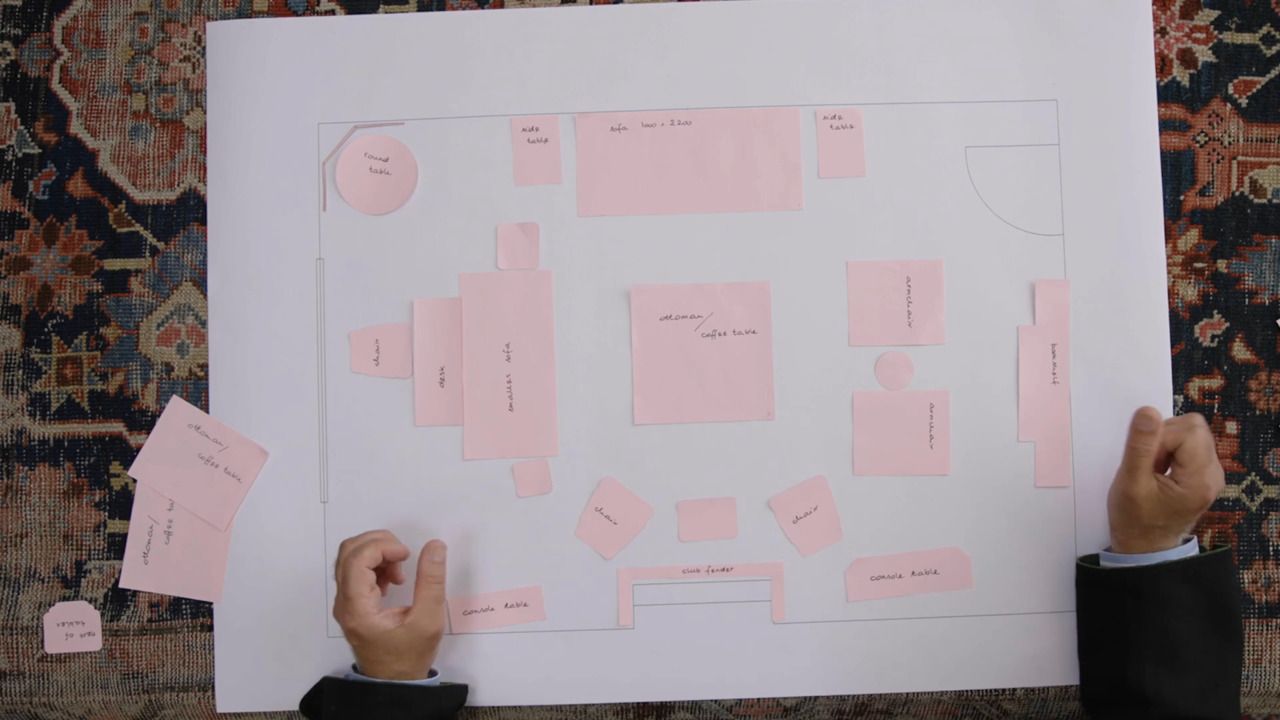
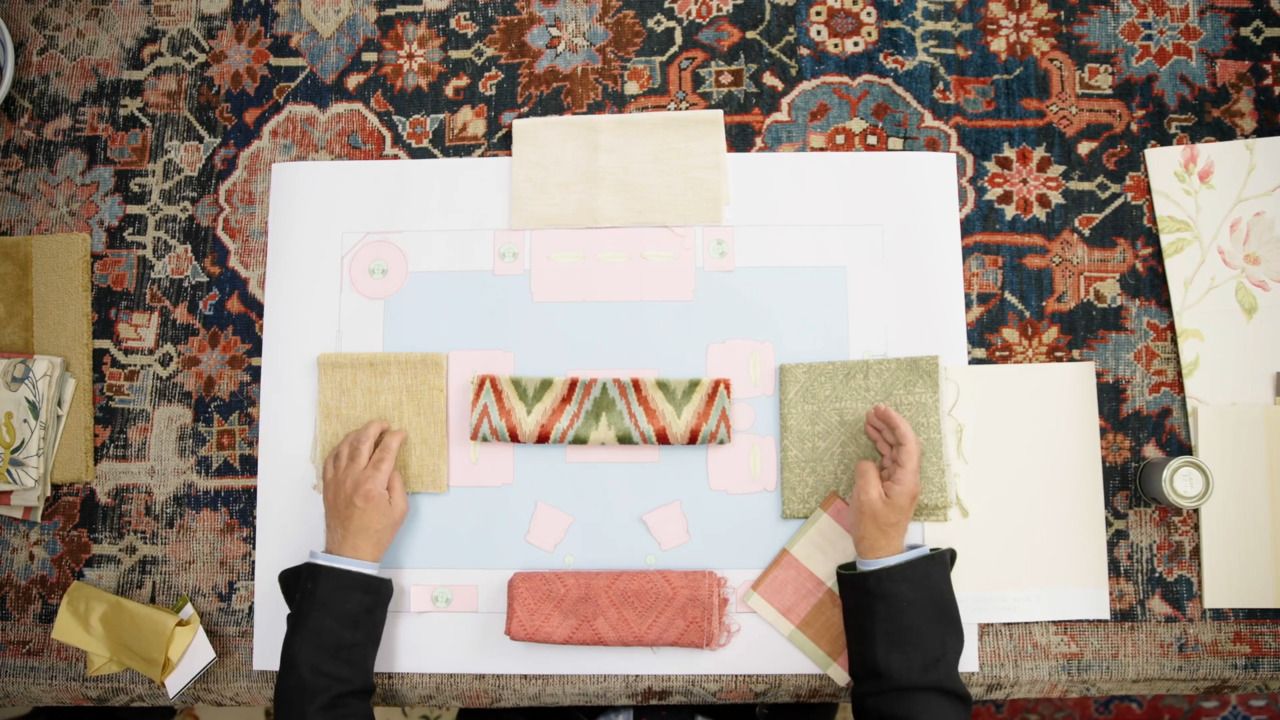
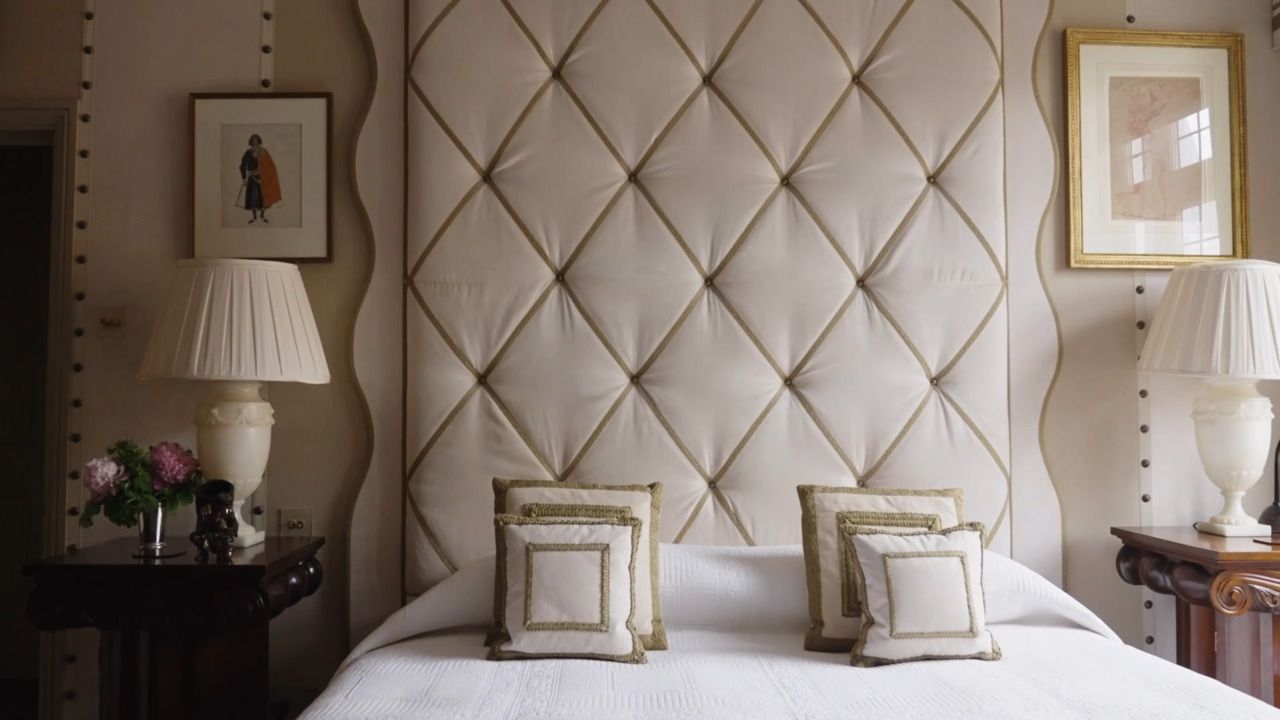
Creating a room from scratch can be a daunting task. With Alidad's help, discover how you can create a room that is harmonious and reflects your own history.
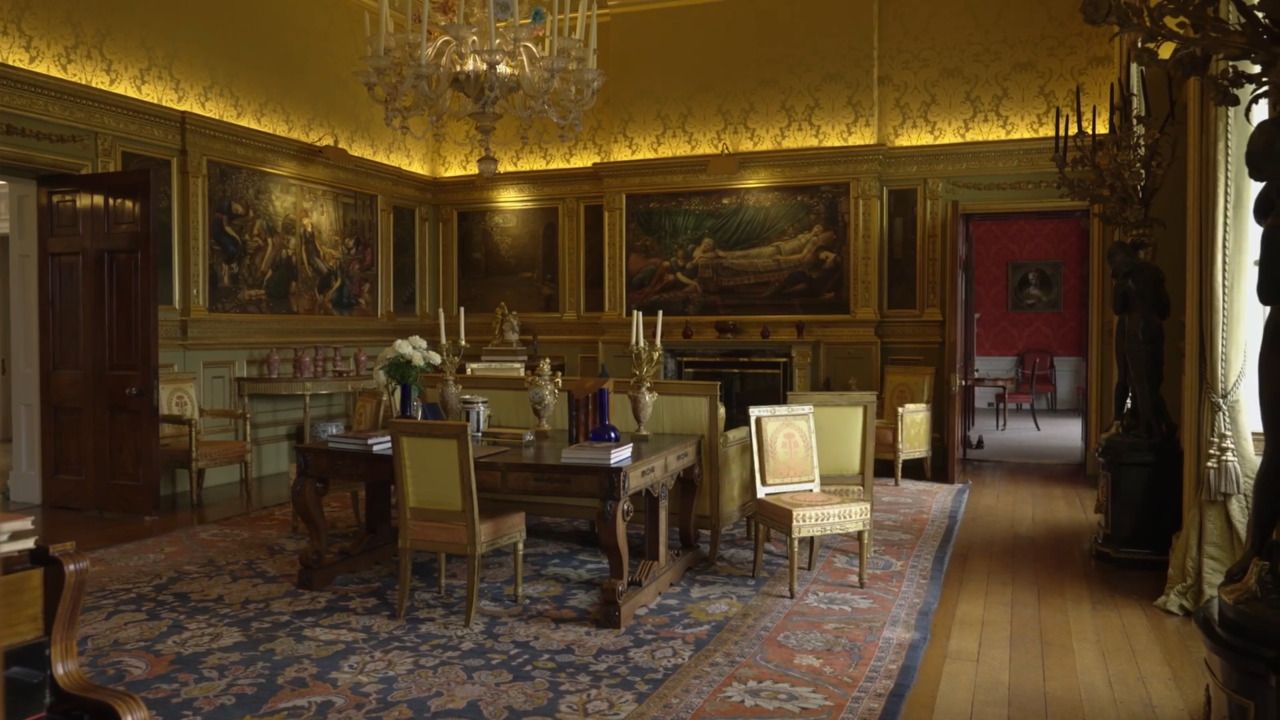
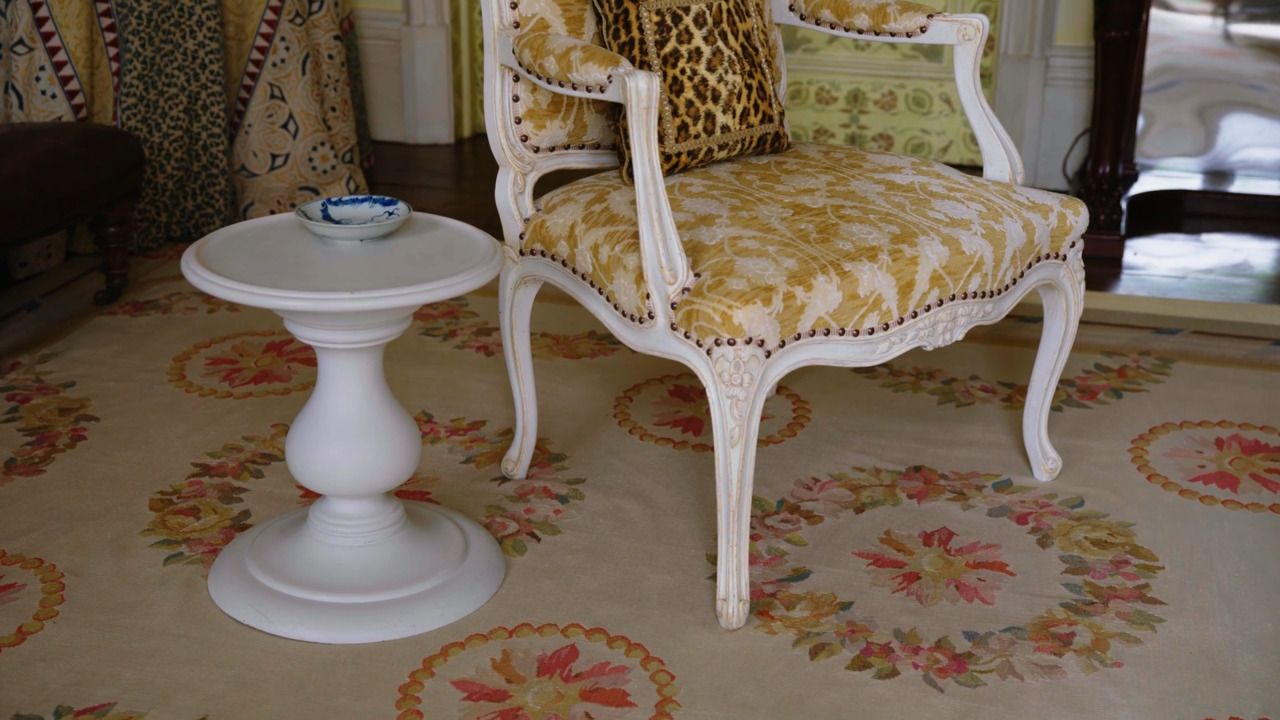
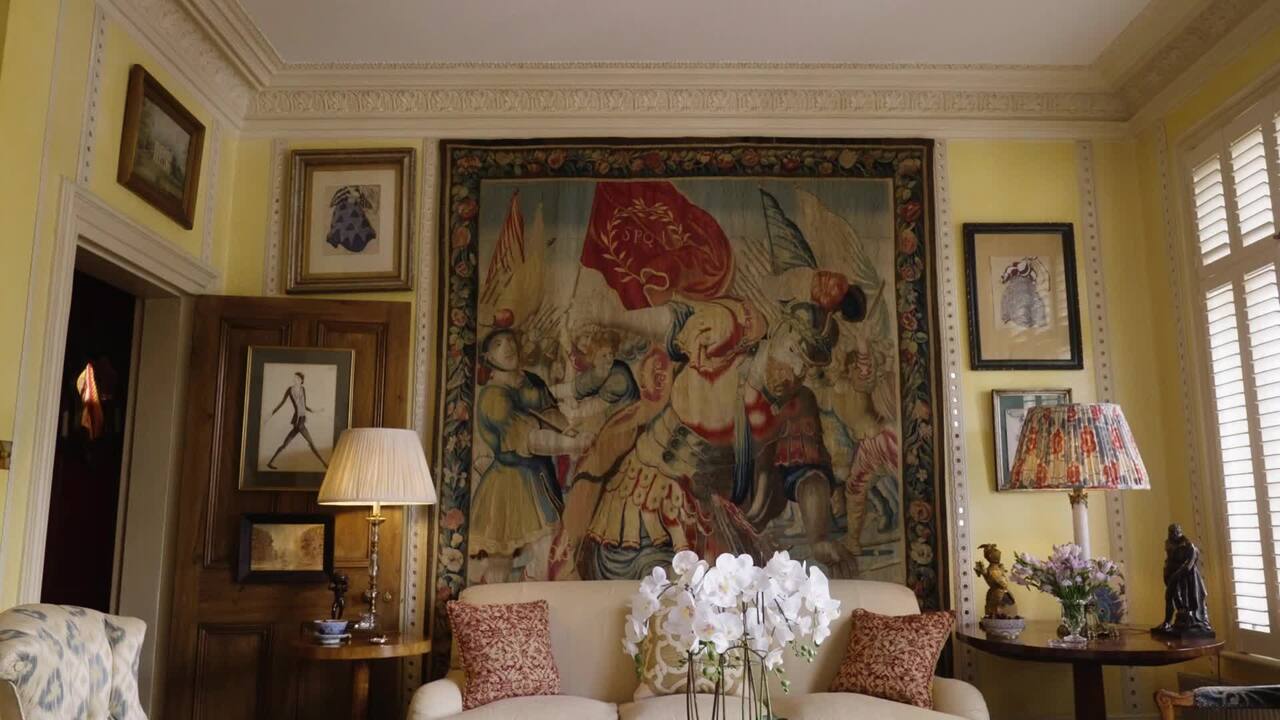
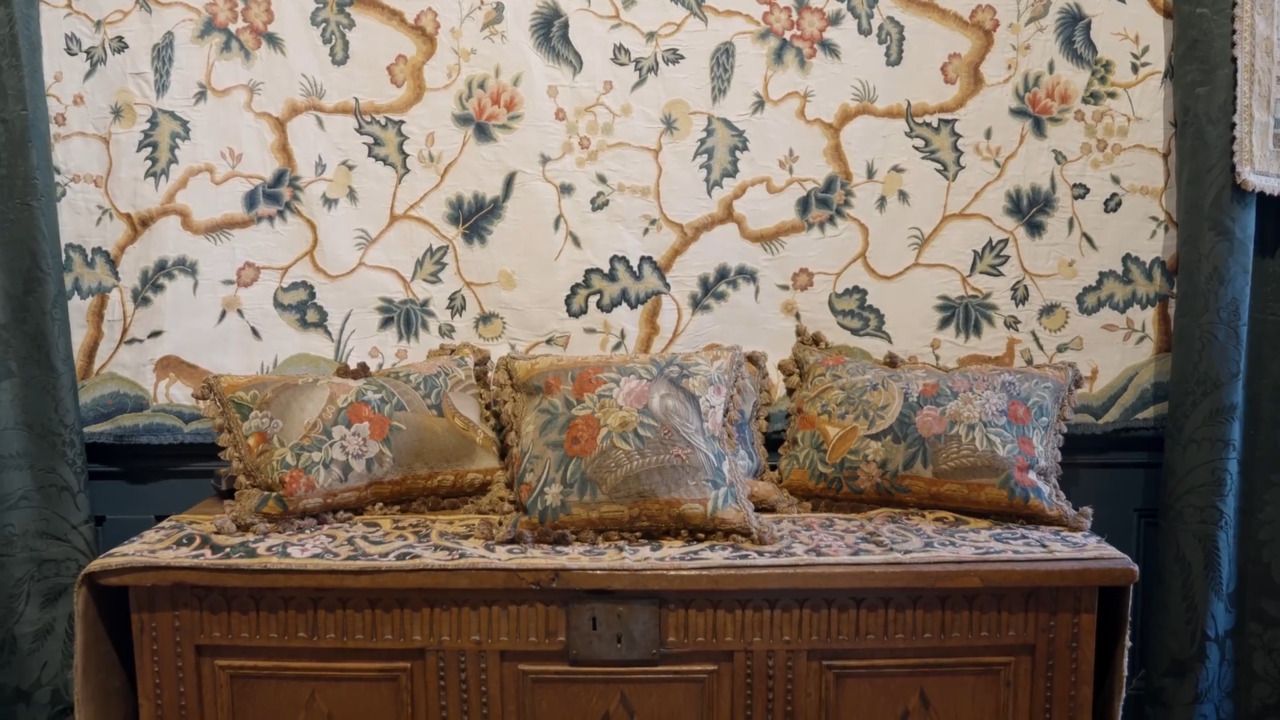
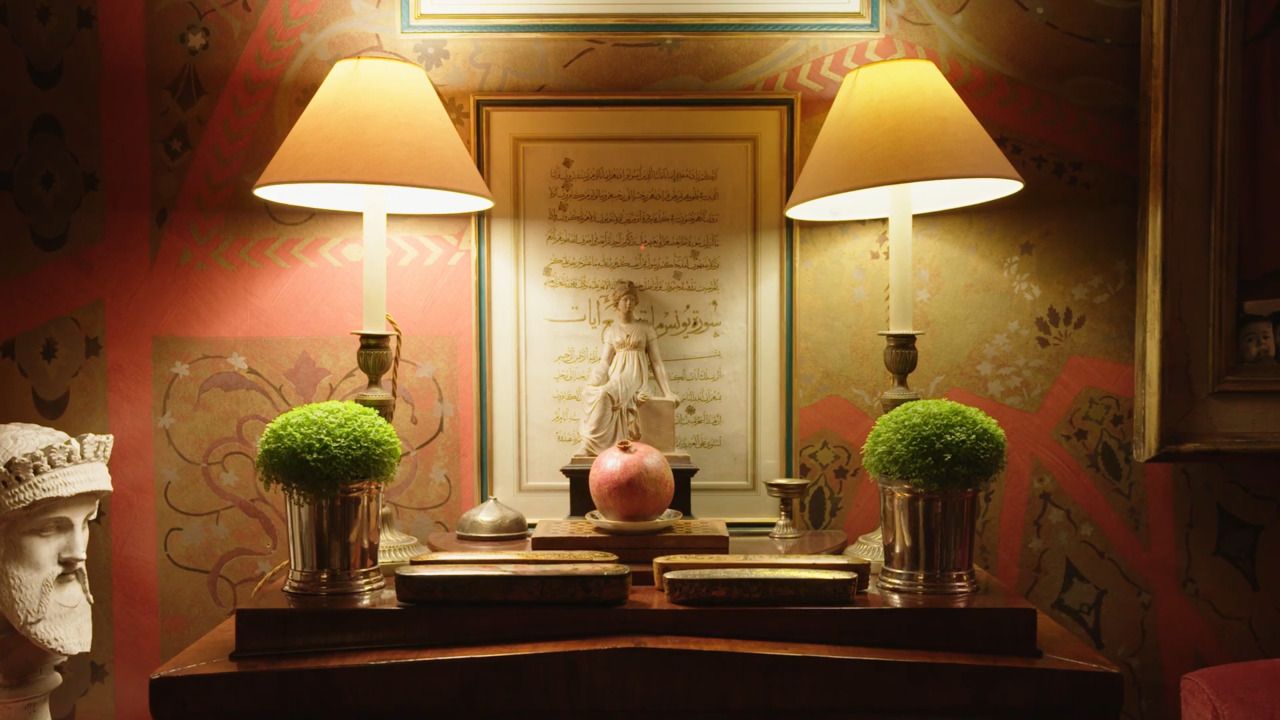
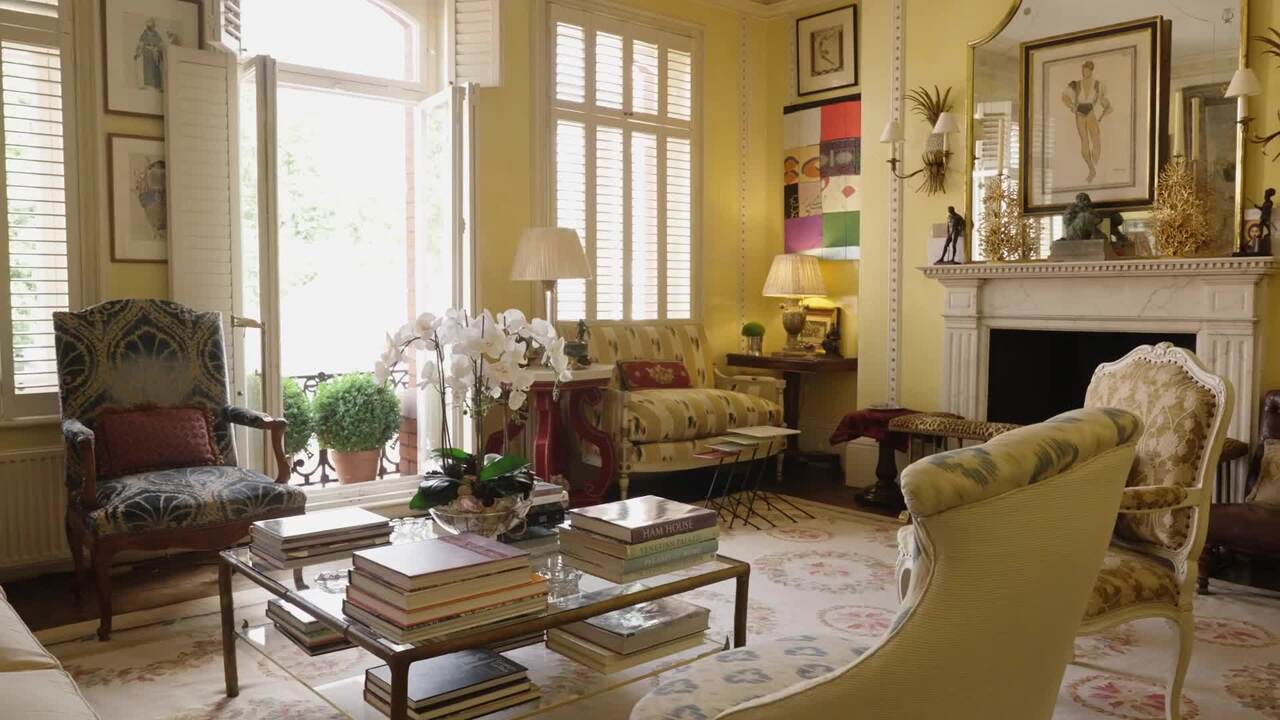
I enjoy creating a room from scratch. However, when creating a room from scratch there need to be historical influences, otherwise it's not going to quite work. This is a difficult thing to do as you have to look at things without completely trying to copy them. You need to have an interpretation of a space.
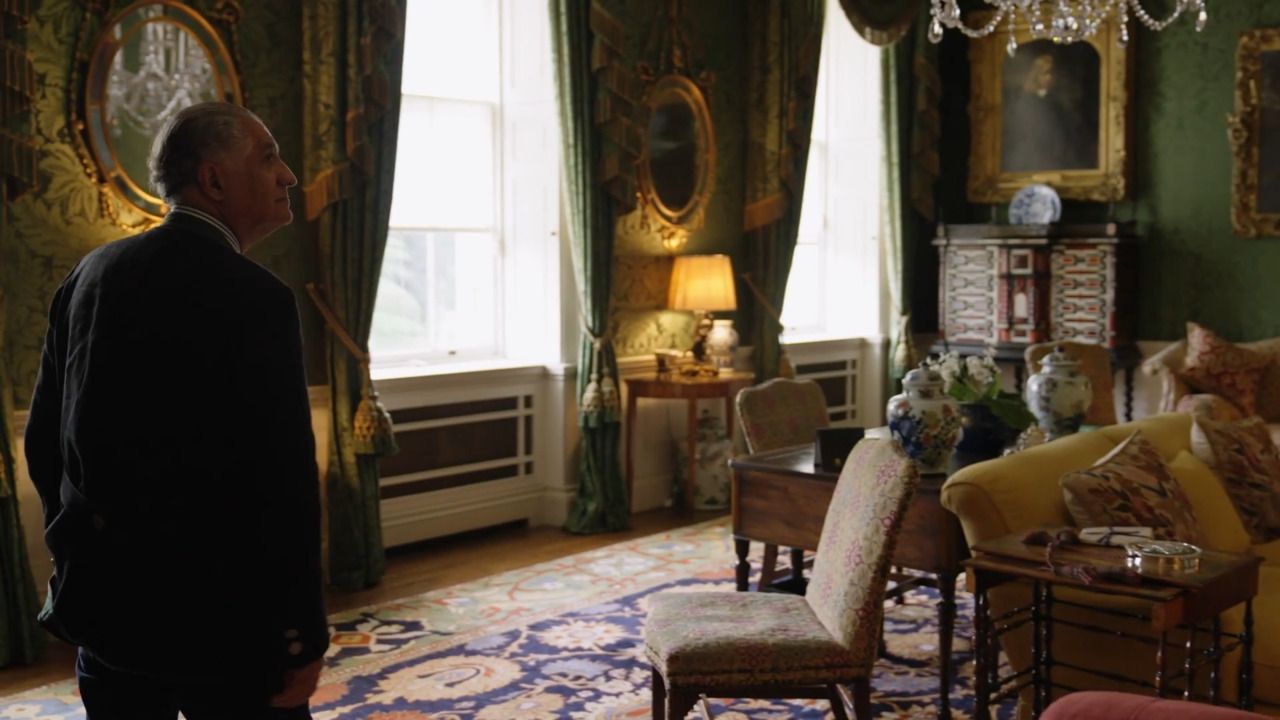
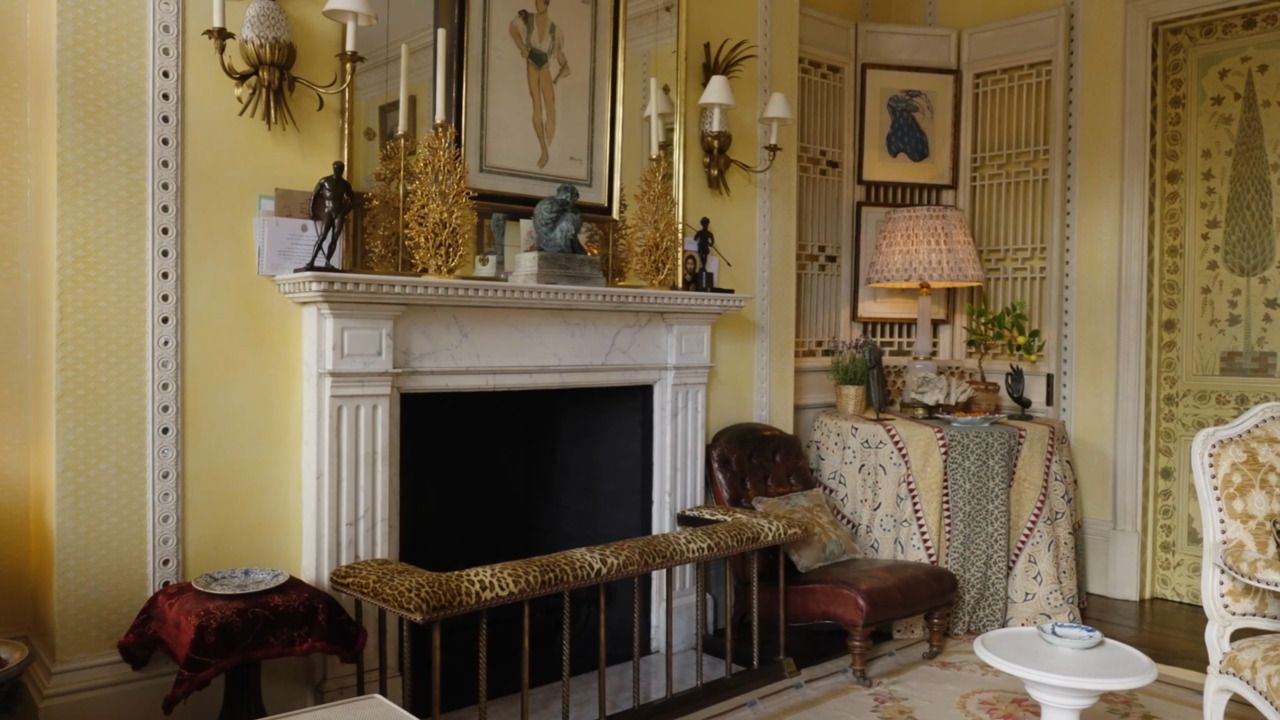
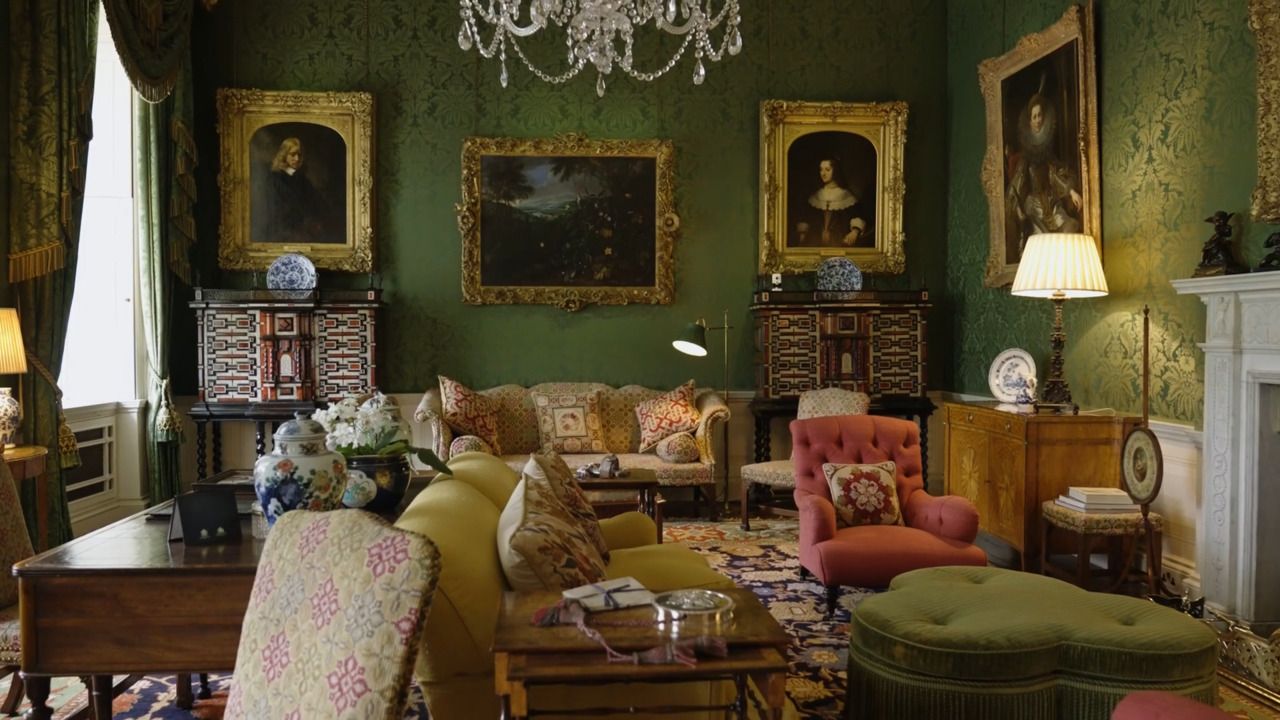
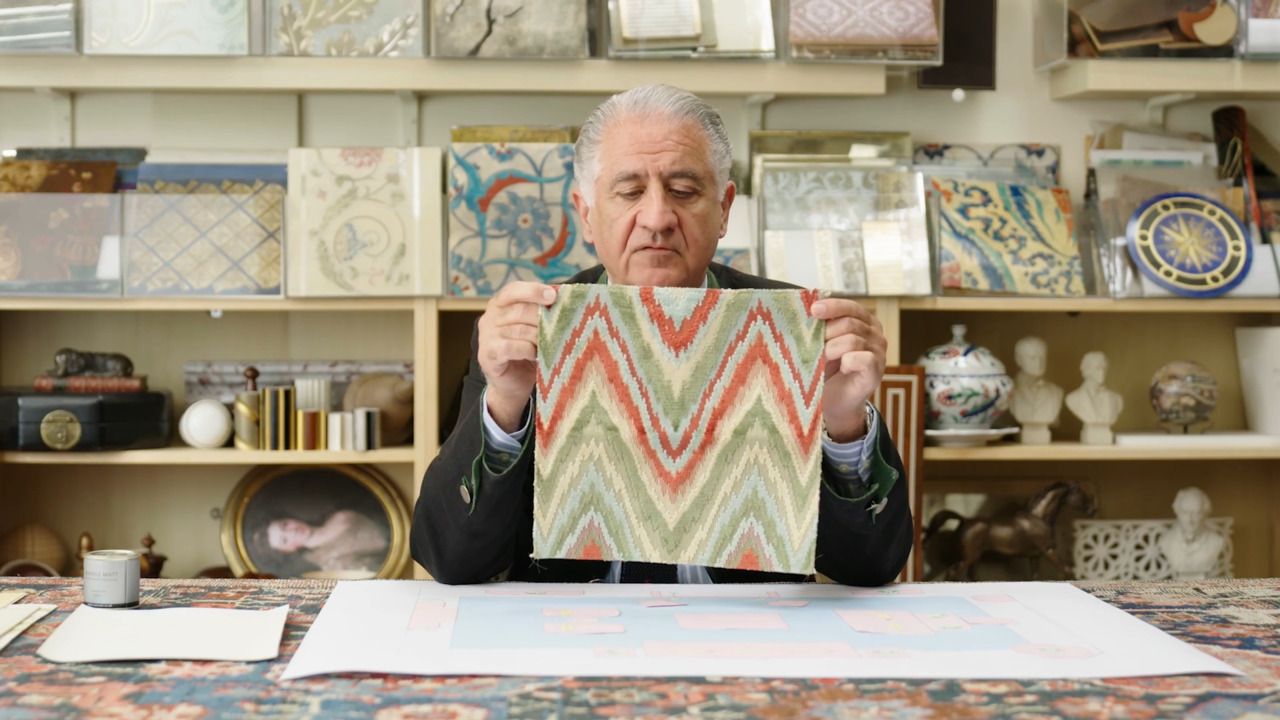
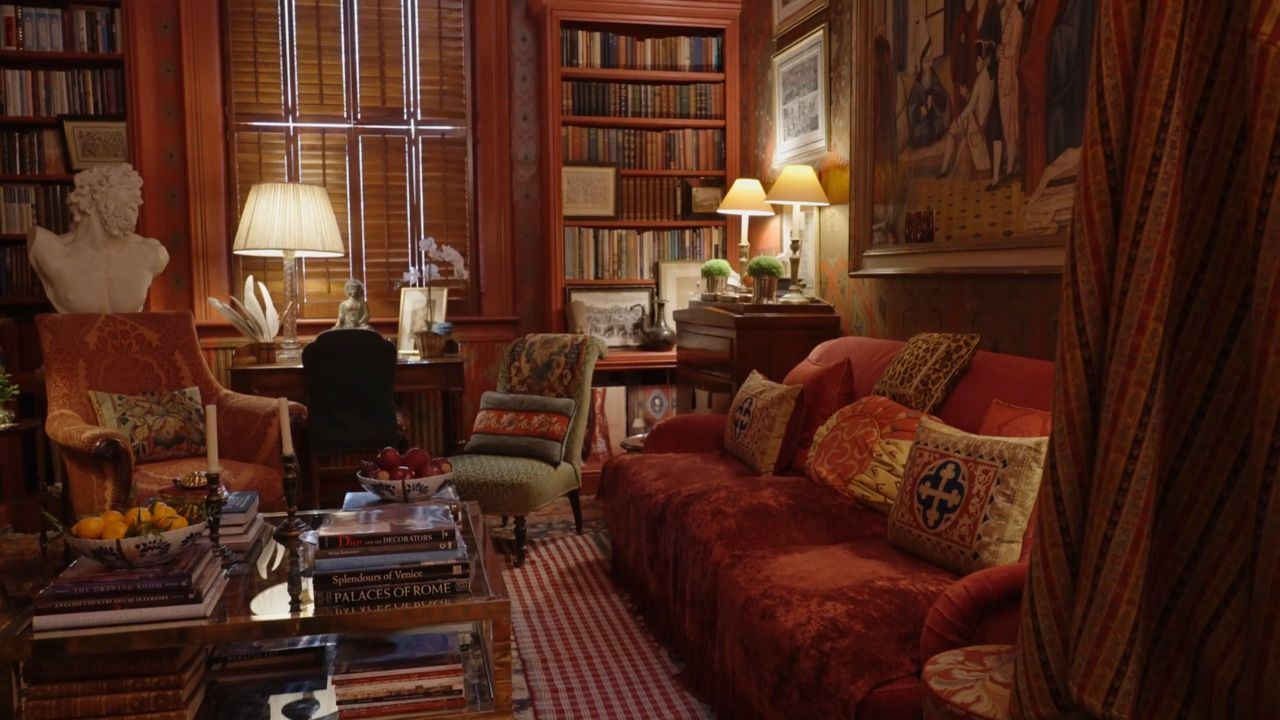
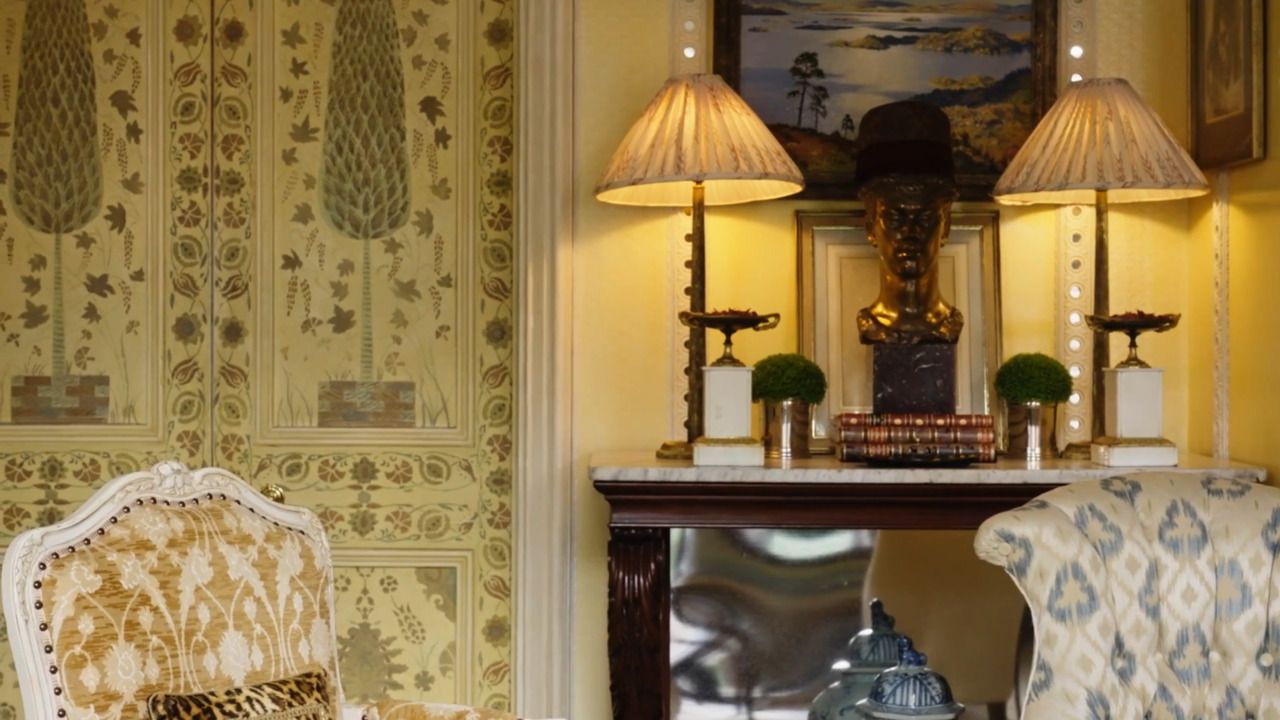
I like to have many shades and colours that I somehow make work. I almost make myself colour blind and not completely conscious of the colours. I don't allow myself to panic by being slightly colour blind. You want your rooms to look as if they happened overnight. If there is a slight clash, that is ok.
You need to be aware of your home, yet you shouldn't be too worried about it. I don't view an eighteenth-century home as only being lived in during the eighteenth century. Each home has gone through different scenarios during different periods. Different people would have added their mark to your home. Your home has been lived in by different people and generations and it needs to reflect that.
Begin to research your home, finding out the following key questions:
If you want to learn more about your home and how old it might be, check out the following resources. You may find the following pages helpful if you are trying to discover how old your house is.
#### United Kingdom
#### United States
1485 – 1560
Key characteristics: Steeply pitched gable roofs. Wooden beams on the outside of the house. Tall and narrow casement windows.
Areas with significant Tudor architecture include: East Anglia, Dorchester on Thames and Chilham (Kent).
1560 – 1713
Key characteristics: Flat-fronted, brick-built, elaborate fireplaces, large windows without arches.
Areas with significant Elizabethan, Jacobean & Stuart architecture include: Shropshire, Sevenoaks, Hertfordshire and Liverpool.
1714 – 1790
Key characteristics: Terraced townhouses spanning two to four storeys. Fanlight (window) above the ground floor door. Built around garden squares.
Areas with significant Georgian architecture include: Bath, York, Edinburgh, Chichester, London.
1811 – 1820
Key characteristics: Tall and thin windows. There are delicate curves in the ironwork of the balconies.
Areas with significant regency architecture: Brighton and Hove (East Sussex), Victoria, Pimlico (London), Mayfair (London) and Cheltenham.
1839 – 1901
Key characteristics: High ceilings and large windows. Fireplace in every room. Coloured brickwork.
Areas with significant Victorian architecture include: London, Bristol, Winchester, Liverpool, Weston-super-Mare & Portsmouth.
1900 – 1918
Key characteristics: Red brickwork. Parquet wood floors. Ornate decorative details and high ceilings. Herringbone oak flooring.
Areas with significant Edwardian architecture include: Surrey, Lewes, St Albans, Hampstead (London).
1880 – 1914
Key characteristics: Asymmetry, use of stylised flowers, Celtic motifs. Smooth and sleek facade.
Areas with significant Arts & Crafts architecture include: Chipping Campden and Sapperton.
1918 – 1935
Key characteristics: Flat roof. Plain doors with a geometric fanlight. Smooth and sleek facade.
Areas with significant Art Deco architecture include: Manchester, Brighton, Leeds, Ascot, Hastings.
1918-1939
Key characteristics: Redbrick and Mock Tudor gables. The front room is of a hall and there is a second living room.
Areas with significant 1930s semis include: North London, Oxford, Surrey, Kent and West Yorkshire.
1950s
Key characteristics: Built from concrete, wide windows, a concrete tiled roof, flat roofs, open plan fitted kitchens.
Areas with significant 1950s architecture include: Dagenham, Buckinghamshire and Sheffield.
1970s
Key characteristics: Light-filled spaces. Spacious gardens and garages.
Areas with significant 1970s architecture include: Somerset, Manchester and Lancashire.
1990s
Key characteristics: Modern twist on traditional English cottage features. Largely semi-detached, lower ceilings, driveway and garages.
Areas with significant 1990s architecture: Hampshire, London, Devon and West Sussex.
Get the full workbook, video lessons, and more with a Create Academy subscription.
Subscribe to access the full workbookAlready a member? Sign in to watch
491 reviews
Read moreCreate Academy has been such a great resource. I'm in the middle of renovating a bungalow with a very large garden and the courses have offered a wealth of inform...
Harvey
Jun 10, 2026
Absolutely love Create Academy! The instructors are extremely informative, and it is beautifully filmed. Create Academy is great value for money and plan on renew...
SG
May 31, 2026
Butter's creativity is stunning! Her ability to incorporate brilliance in small gardens is magical!
Carla
May 30, 2026
The best adventure. I like all the courses, but my favorite are both Rita Konig interior design courses and Anna Jones. Excellent!
Karolina Kluczewska
May 20, 2026
Create Academy has been such a great resource. I'm in the middle of renovating a bungalow with a very large garden and the courses have offered a wealth of information to dive into and explore new ideas. I'm...
Harvey
Jun 10, 2026
Absolutely love Create Academy! The instructors are extremely informative, and it is beautifully filmed. Create Academy is great value for money and plan on renewing my subscription yearly because there are ...
SG
May 31, 2026
Butter's creativity is stunning! Her ability to incorporate brilliance in small gardens is magical!
Carla
May 30, 2026

Your Instructor
Renowned designer famed for his opulent interiors. AD100, House & Garden Top 100, Elle Decor A-List.
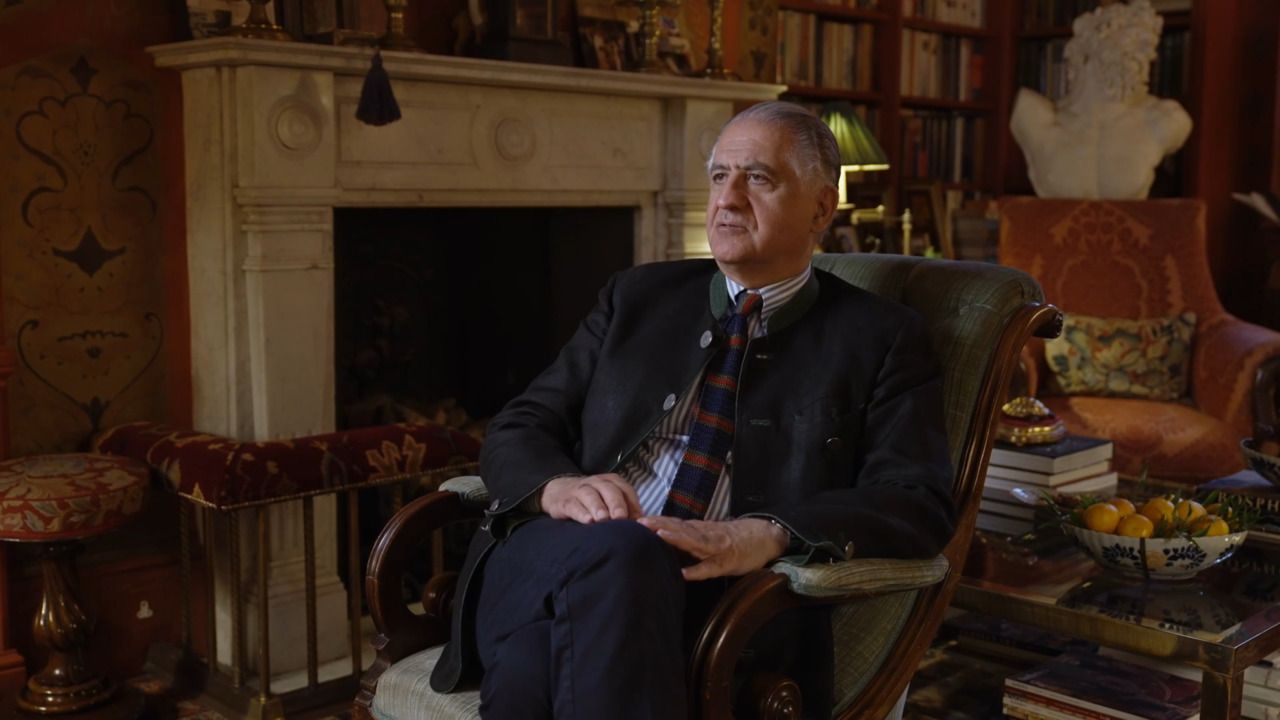
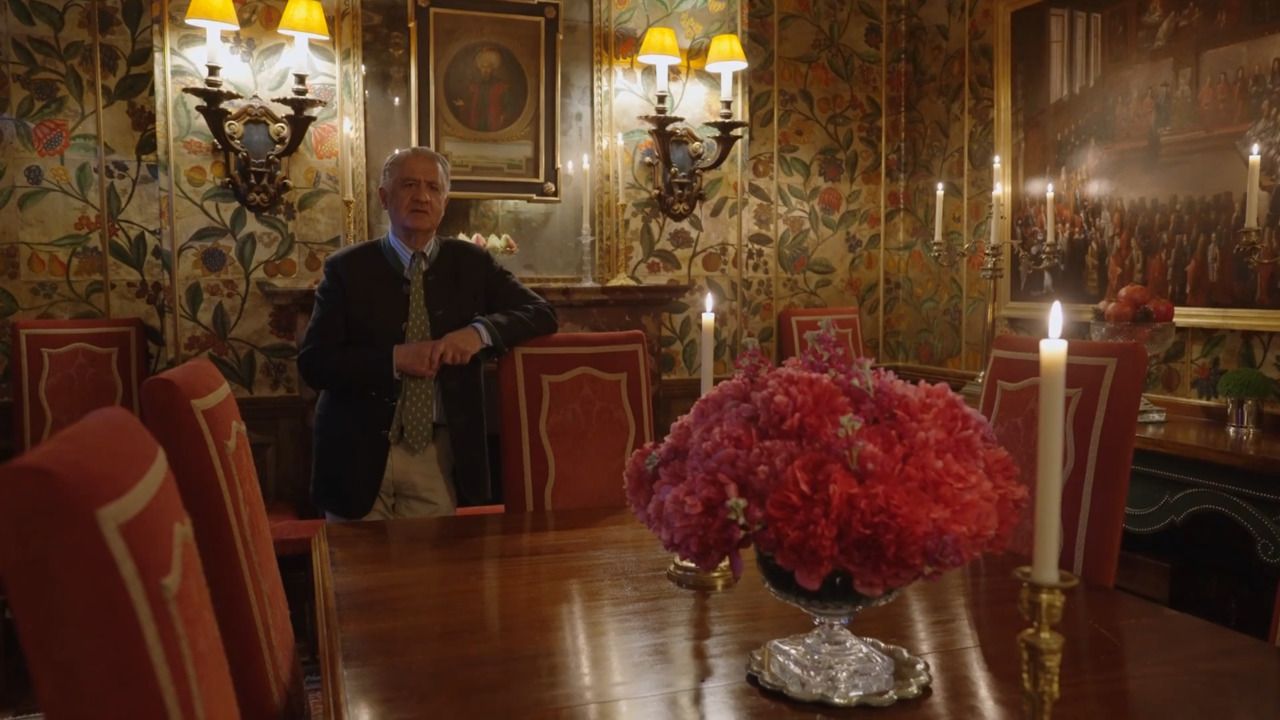
Award-winning interior designer Alidad is world-renowned for his decadent yet homely interiors full of colour, richness and life. He is an expert at creating opulent, elegant rooms that combine comfort with behind-the-scenes practicality. Based in Mayfair, the Iranian-born interior designer Alidad has worked on some of the finest interiors in the world from new residences to period homes and the restoration of historic houses.

Access to all courses


