



















Interior and exterior confidence
Create Academy has been such a great resource. I'm in the middle of renovating a bungalow with a very large garden and the courses have offered a wealth of inform...
Harvey
Jun 10, 2026
How to Create Timeless Interiors
with ALIDAD — Renowned designer famed for his opulent interiors. AD100, House & Garden Top 100, Elle Decor A-List.
Lesson 5 of 35
Subscribe to watch
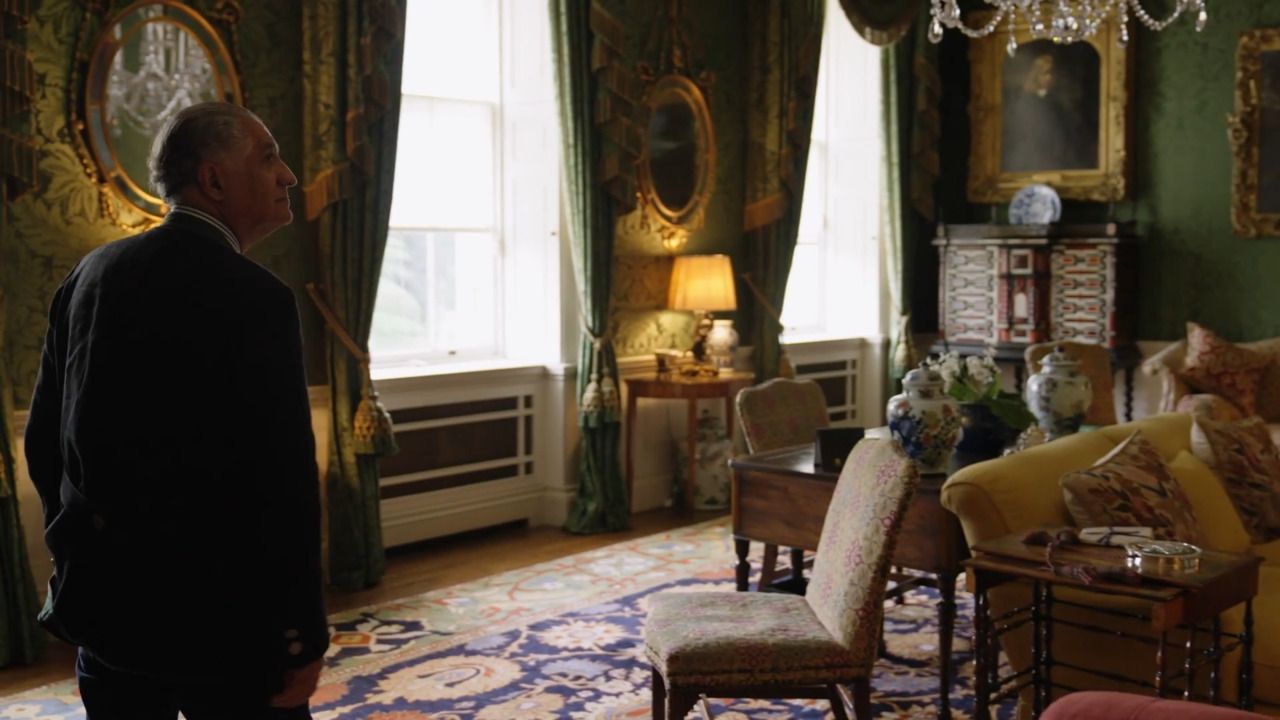
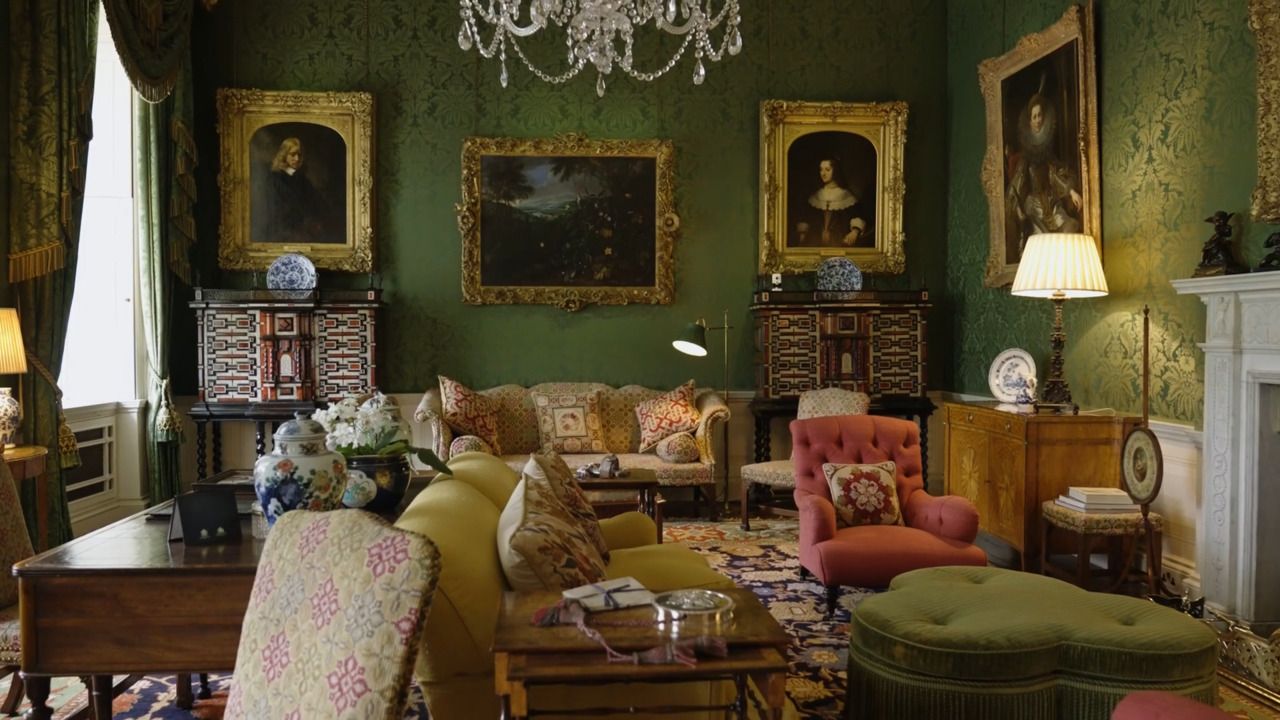
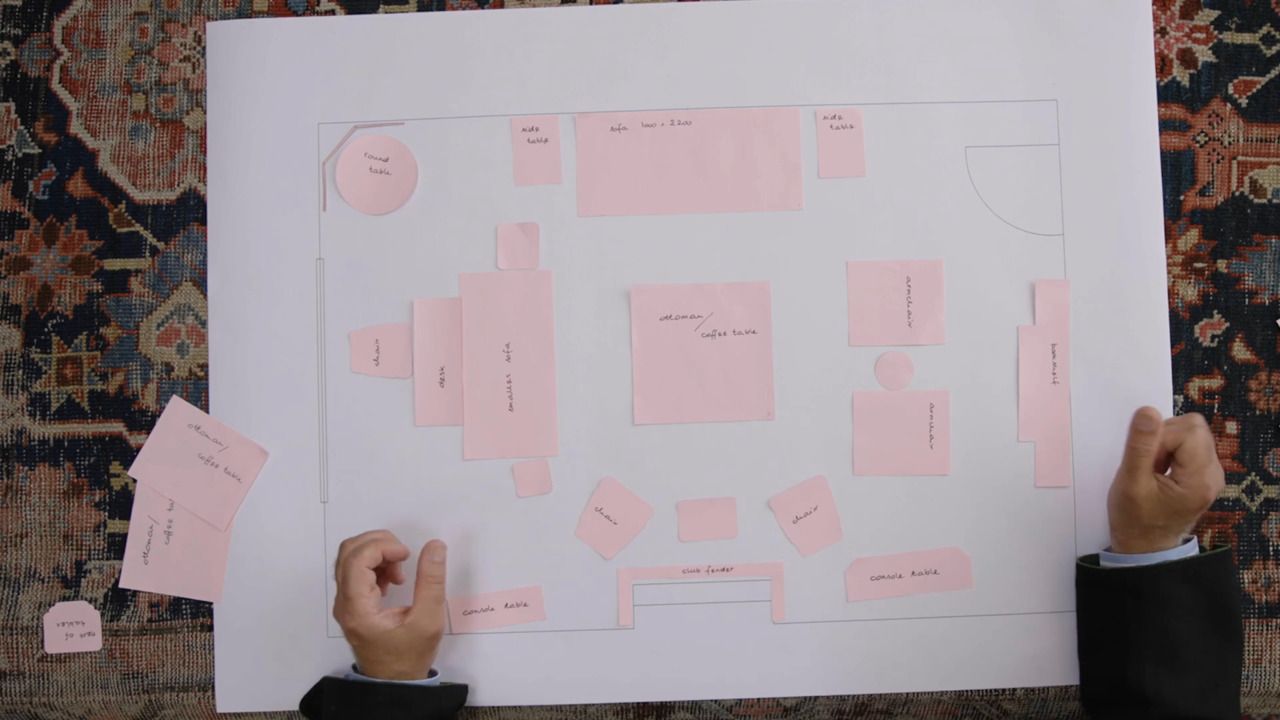
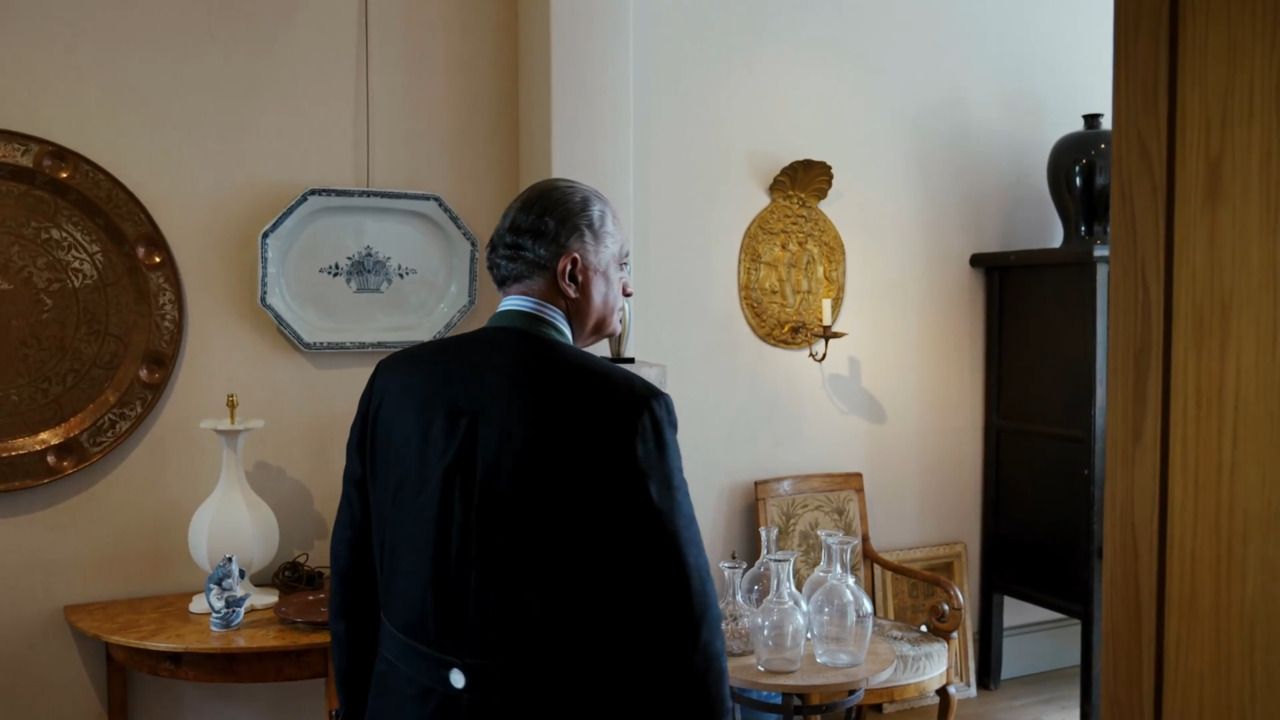
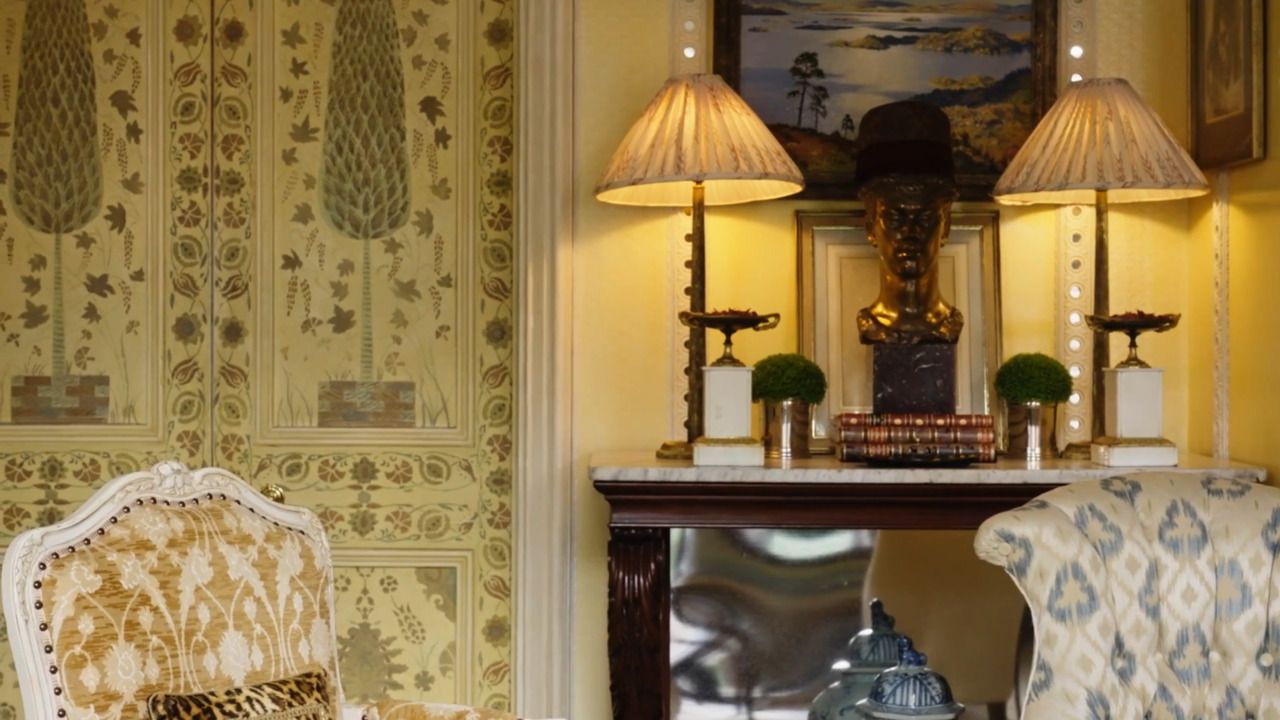
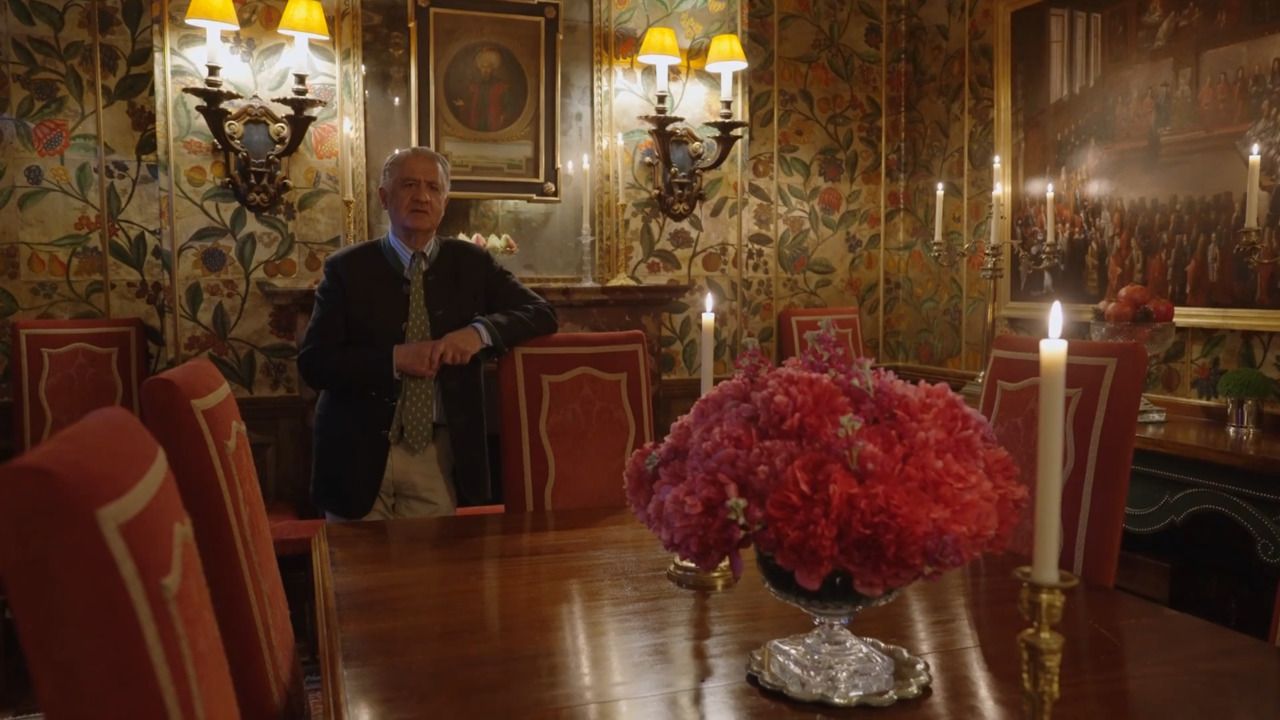
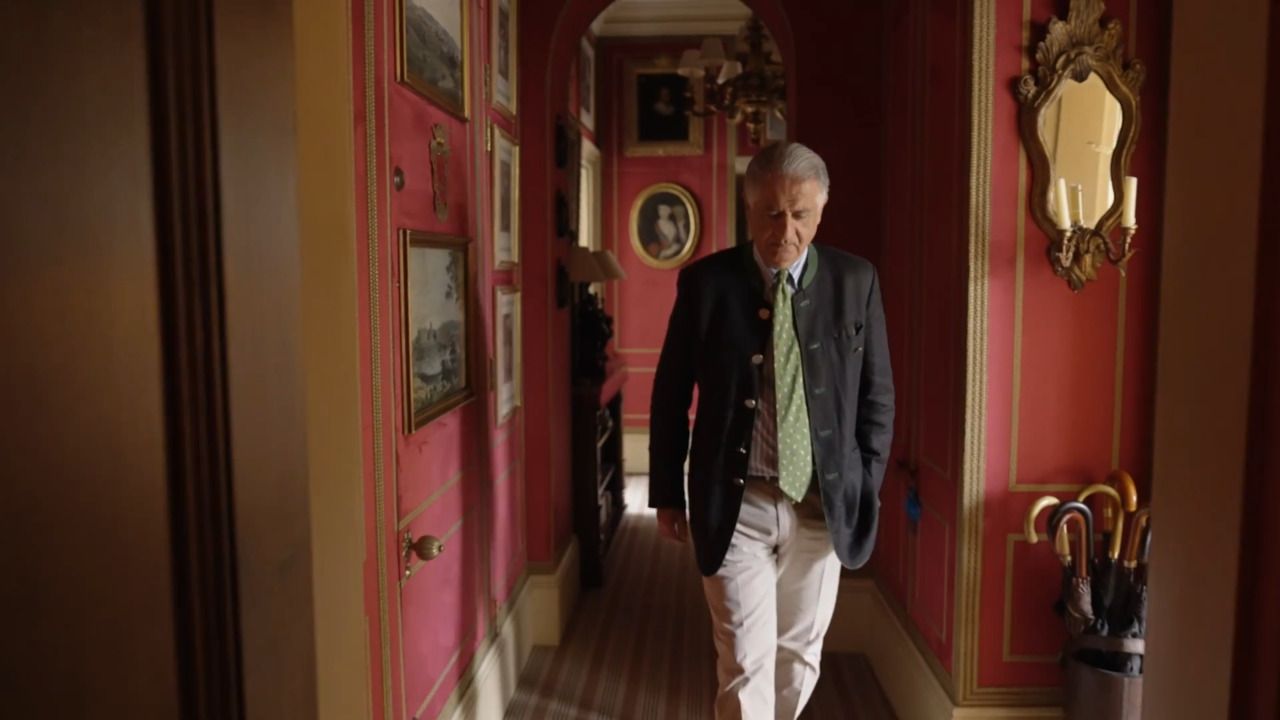
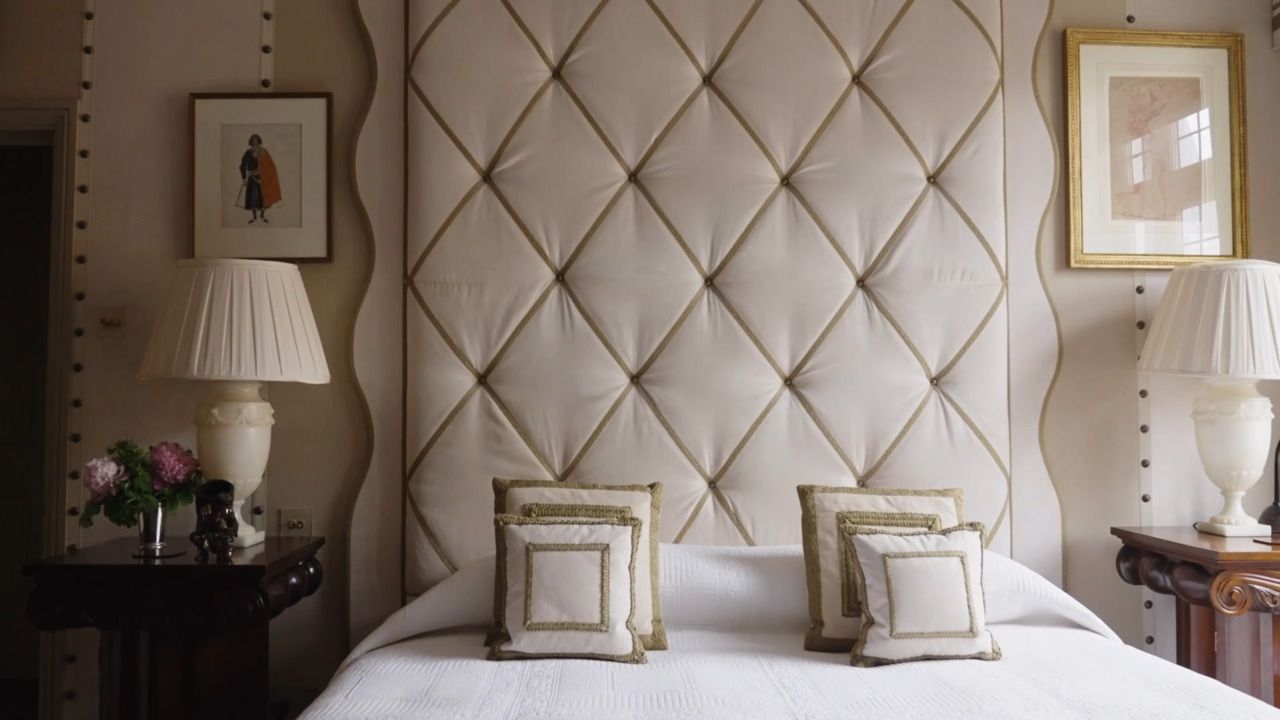
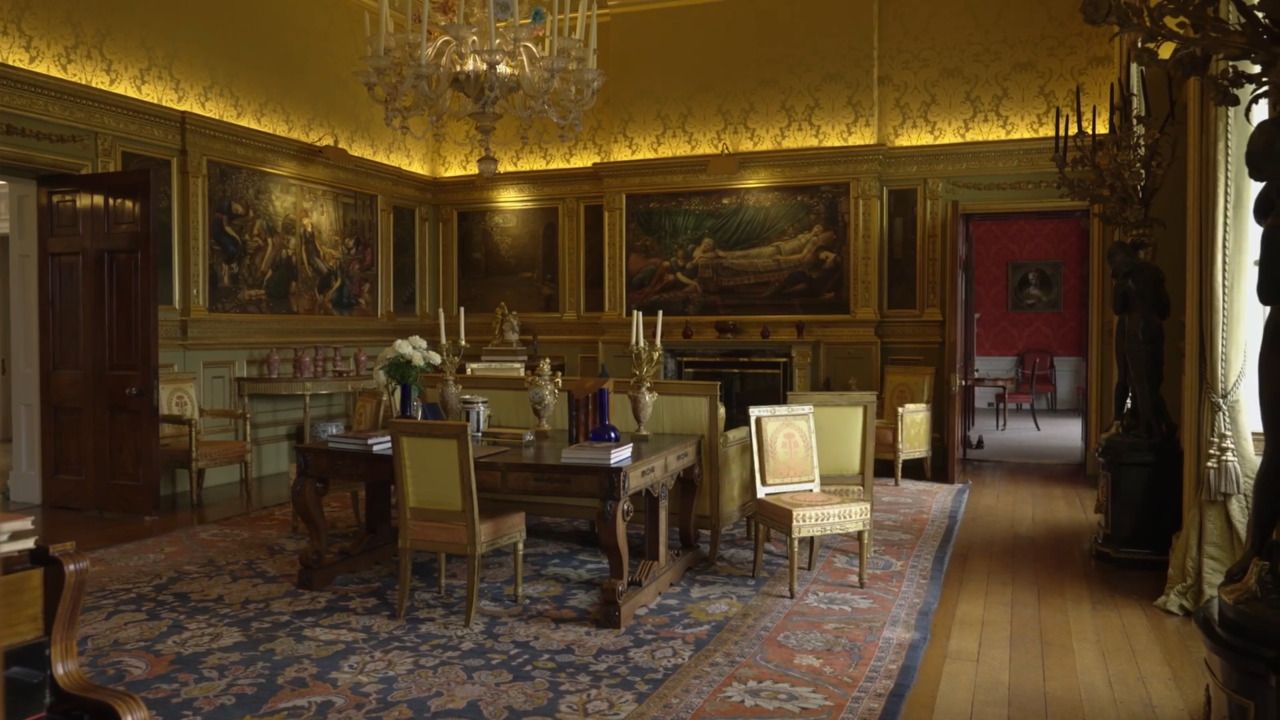
Alidad walks you through the saloon room at one of his most ambitious projects - Buscot Park - showing you step-by-step how he transformed the space.
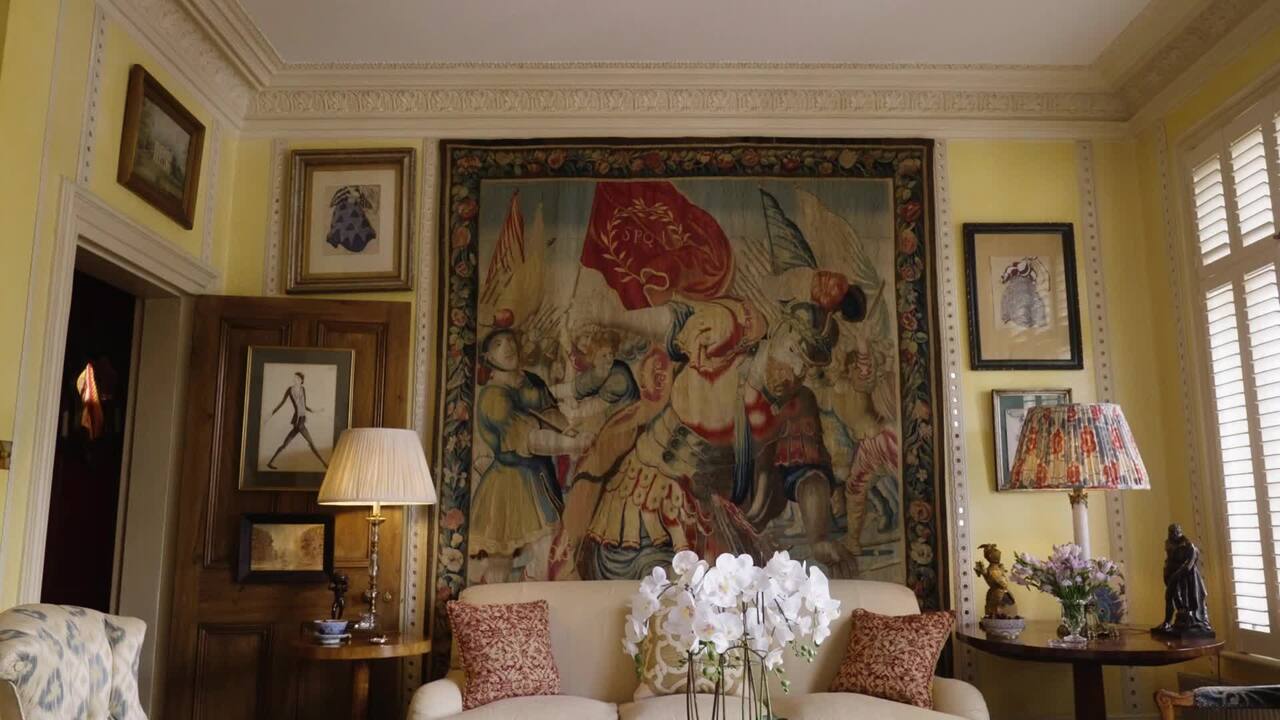
Buscot Park was built from 1779 to 1783. The room is eighteenth century, with a completely original ceiling and doors. The room features an original Burne-Jones piece of work inspired by Sleeping Beauty.
Lord Farringdon saw the paintings and brought them to Buscot Park. Burne-Jones came and inspected the way the paintings were hung and didn't like it. Burne-Jones then went back and created panelling that was painted, gilded and carved to house the paintings. Originally, there were four large paintings, and he then created infill.
The room is, therefore, an eighteenth-century room with a huge nineteenth-century influence.
The dilemma was what is this room. Is it the eighteenth century or nineteenth century? I decided to go somewhere in between, a space that was pleasant to the eye as a whole. I started scrapping the ceiling to find some original colour, then infilled the rest.
The question was what to do and where to start? The room came with a set of empire pieces of furniture, including side tables from a mix of different periods. The chandelier was bought in the great London exhibition of 1851 and is Venetian glass.
The demi-lune side tables are thought to have been given by George III to the then owner.
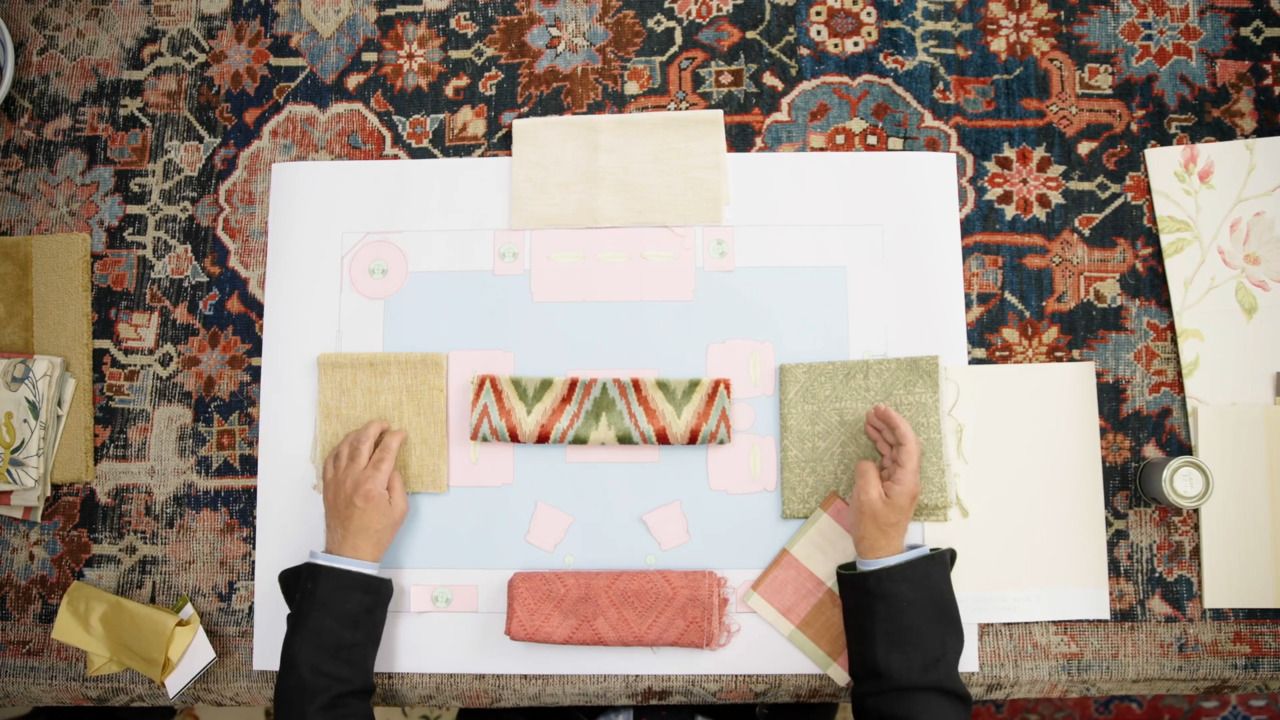
When the ceiling was coming together, I went to Suffolk to start the process with the fabrics. I took bits of scrapings of the colour with me. I visited the factory where the yarn was dyed in front of me.
All the panelling was re-gilded but in a way that made it still feel old.
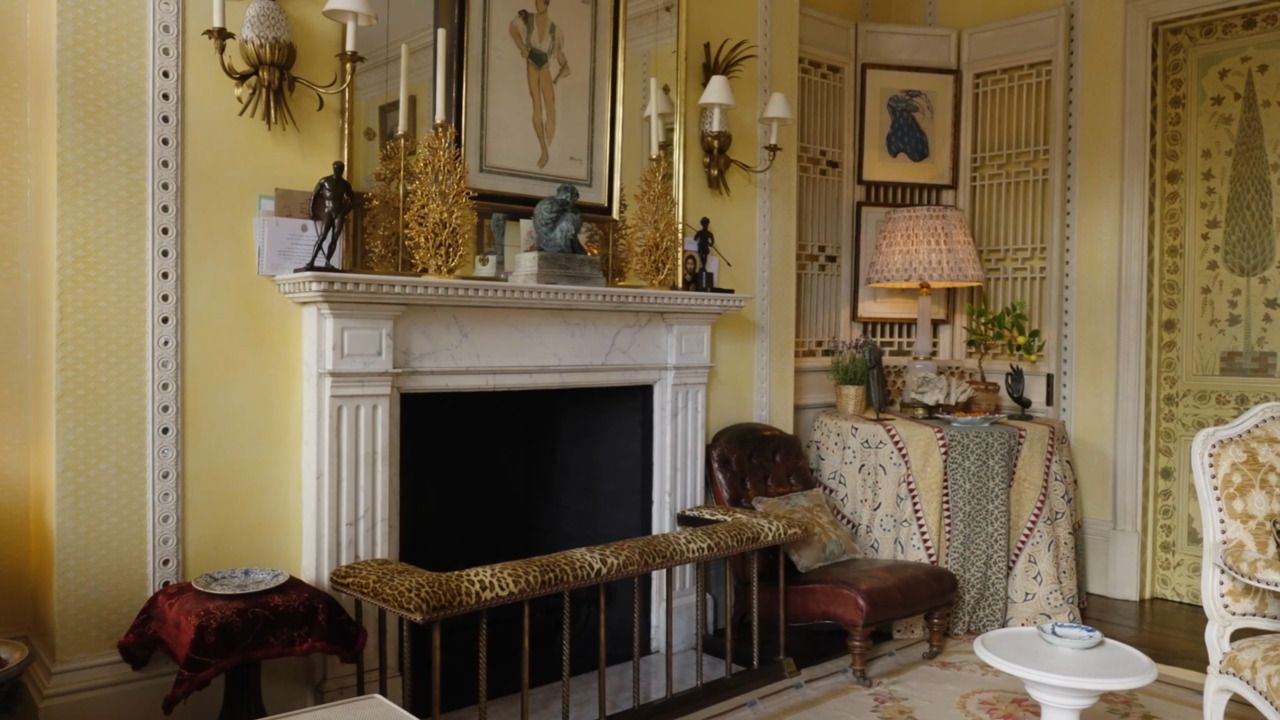
In the beginning, there was a white fireplace. But with the paintings gone, it became apparent that the fireplace had been put in during the 1930s. It was not appropriate for the room as it covered some of the original panelling.
I designed an original fireplace for the room. I made loads of different prototypes.
In this project, everything happened at the same time. The question was, how far do I go with the yellow? I wanted the space to feel as if it had been there from the beginning.
For the curtains we settled on a final embroidered pelmet, using different fabrics such as damask and velvet. Each fabric gives its own contrasting texture.
The damask is silk and cotton, so the background is really shiny and the design is quite matte at the same time.
Almost everything in the space was inherited. The Murano chandelier was from 1851. We gave it a glow so that it glowed at night. The paintings had picture lights with a naked bulb inside initially. So we used the latest technology at the time to light the paintings.
The saloon room is one that is making a statement. It is almost like a picture gallery. We largely left the room as it was and respected the history that came with the room.
I was very aware that I had to respect the ceiling and its period. Although the ceiling is very balanced, it was difficult and time-consuming achieving this balance.
Edward Coley Burne-Jones was a leading painter and designer during the late nineteenth-century in England. A number of his romantic paintings use medieval imagery, which was among the last expressions of the Pre-Raphaelitelite style. While studying at Exeter College, Oxford, the painter met William Morris, an artist-poet.
His first big success came with an exhibition in 1877 where he displayed oils like "Days of Creation" The Beguiling of Merlin," "The Mirror of Venus" (1867–1877) and "The Kelmscott Chaucer" of 1896 is considered among the world's finest printed books, and he made 87 designs for it, along with illustrations to other books published by William Morris' prestigious Kelmscott Press.
Edward Burne-Jones "The Legend of Briar Rose" is a painting of Sleeping Beauty. The original paintings of "The Briar Wood", "The Council Chamber", "The Garden Court", and "The Rose Bower" can be seen at Buscot Park in Oxfordshire, England.
As for Burne-Jones, he was inspired by the 'Sleeping Beauty' story, which had been retold by Charles Perrault in Contes du Temps Passé and by Tennyson in his 1842 poem DayDream. Burne-Jones chose to emphasise one moment in the famous story - the fight between the brave prince and the enchanted woods.
Get the full workbook, video lessons, and more with a Create Academy subscription.
Subscribe to access the full workbookAlready a member? Sign in to watch
510 reviews
Read moreCreate Academy has been such a great resource. I'm in the middle of renovating a bungalow with a very large garden and the courses have offered a wealth of inform...
Harvey
Jun 10, 2026
Absolutely love Create Academy! The instructors are extremely informative, and it is beautifully filmed. Create Academy is great value for money and plan on renew...
SG
May 31, 2026
Butter's creativity is stunning! Her ability to incorporate brilliance in small gardens is magical!
Carla
May 30, 2026
The best adventure. I like all the courses, but my favorite are both Rita Konig interior design courses and Anna Jones. Excellent!
Karolina Kluczewska
May 20, 2026
Create Academy has been such a great resource. I'm in the middle of renovating a bungalow with a very large garden and the courses have offered a wealth of information to dive into and explore new ideas. I'm...
Harvey
Jun 10, 2026
Absolutely love Create Academy! The instructors are extremely informative, and it is beautifully filmed. Create Academy is great value for money and plan on renewing my subscription yearly because there are ...
SG
May 31, 2026
Butter's creativity is stunning! Her ability to incorporate brilliance in small gardens is magical!
Carla
May 30, 2026

Your Instructor
Renowned designer famed for his opulent interiors. AD100, House & Garden Top 100, Elle Decor A-List.
Award-winning interior designer Alidad is world-renowned for his decadent yet homely interiors full of colour, richness and life. He is an expert at creating opulent, elegant rooms that combine comfort with behind-the-scenes practicality. Based in Mayfair, the Iranian-born interior designer Alidad has worked on some of the finest interiors in the world from new residences to period homes and the restoration of historic houses.

Access to all courses


