




Interior and exterior confidence
Create Academy has been such a great resource. I'm in the middle of renovating a bungalow with a very large garden and the courses have offered a wealth of inform...
Harvey
Jun 10, 2026
How to Create Timeless Interiors
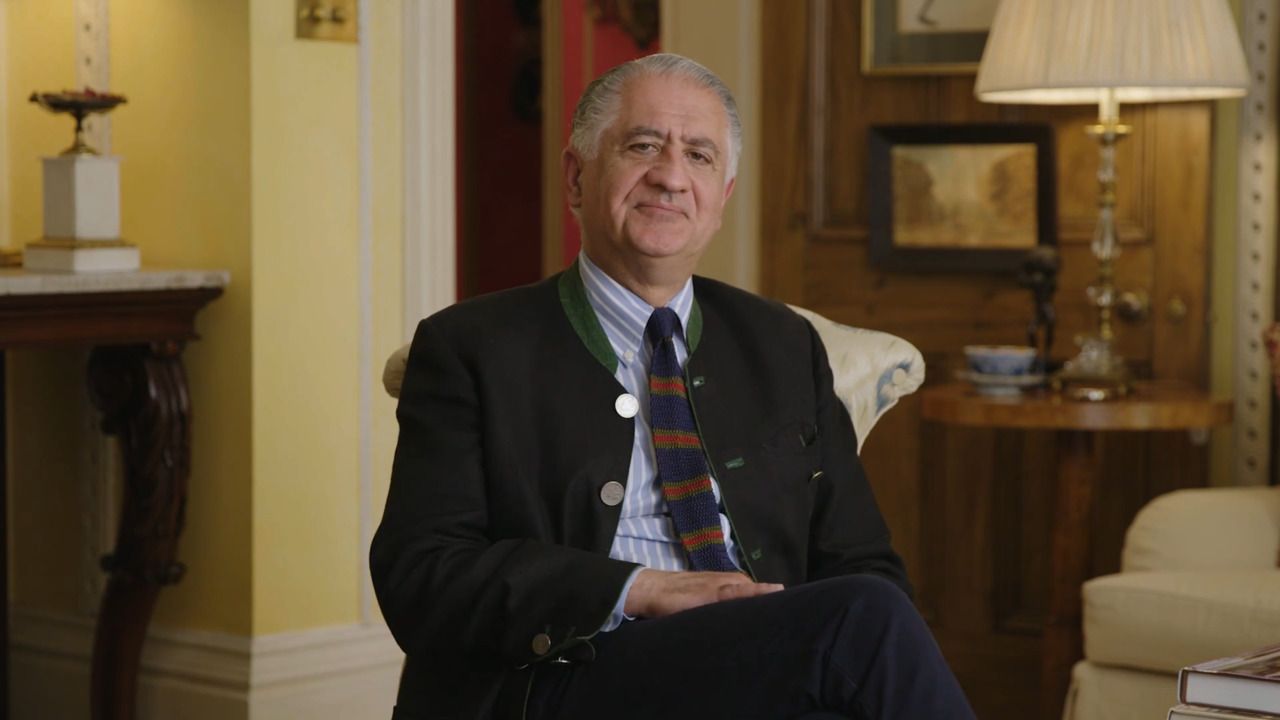
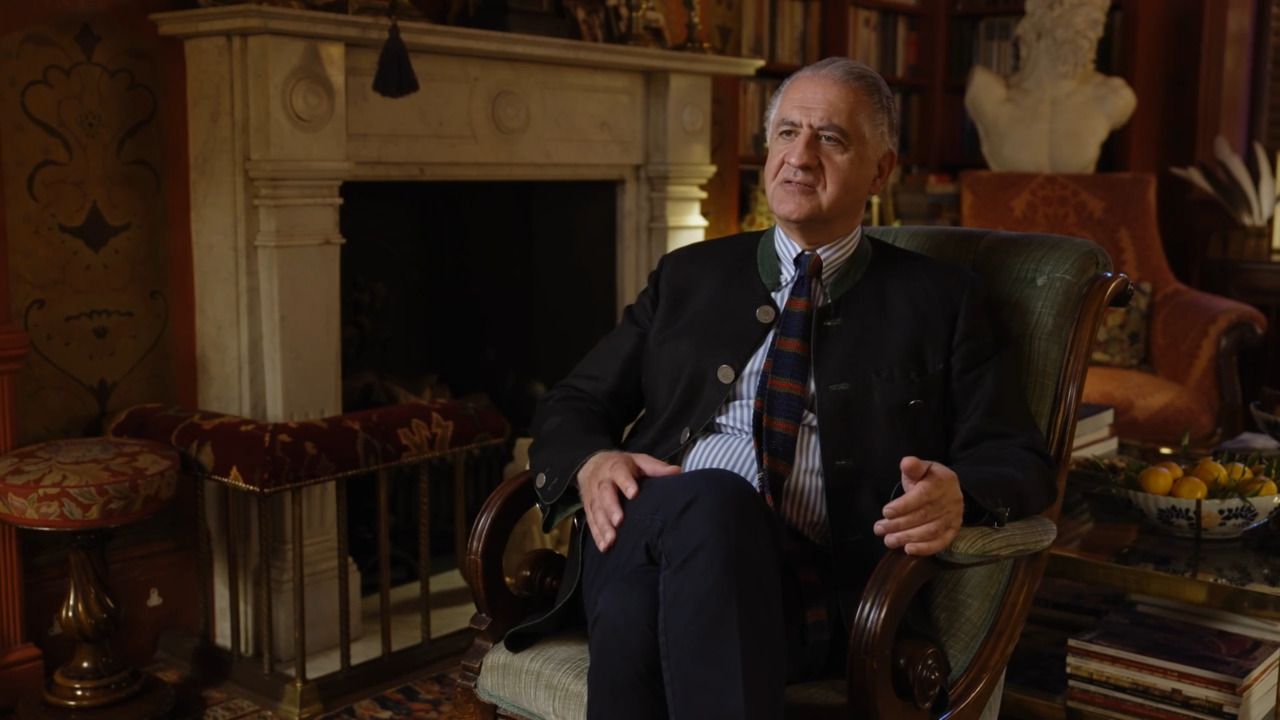
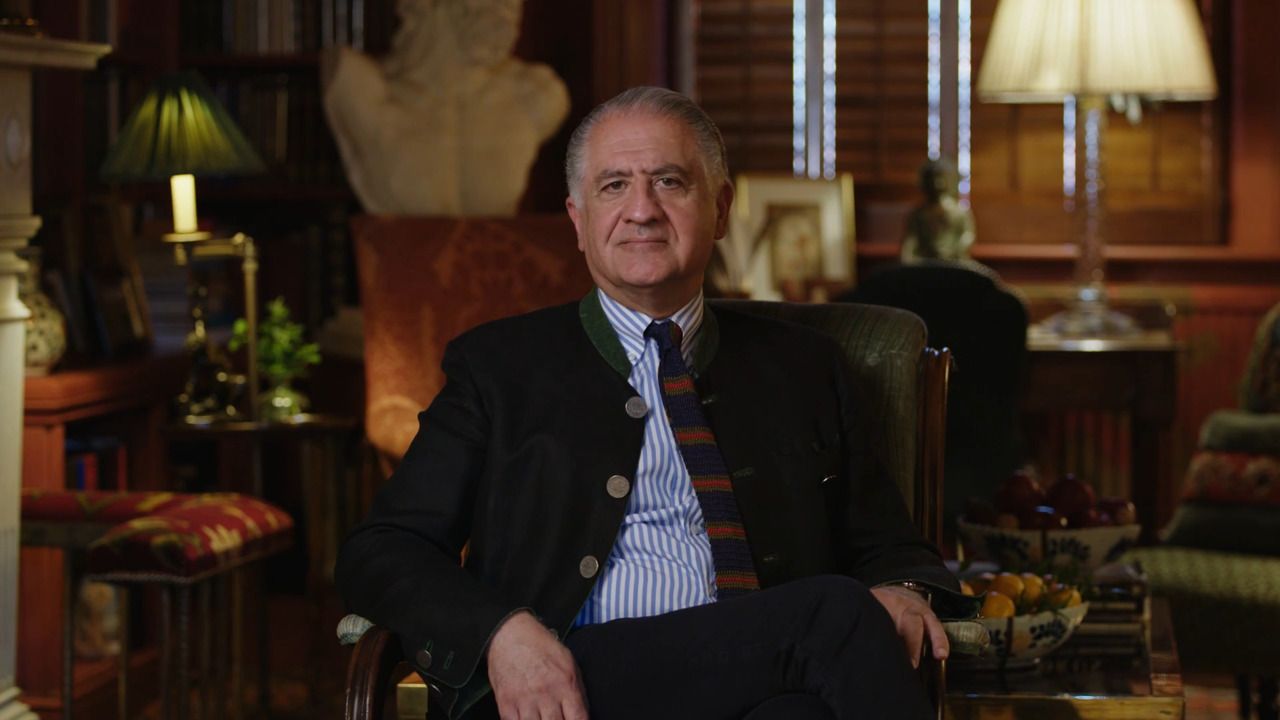
with ALIDAD — Renowned designer famed for his opulent interiors. AD100, House & Garden Top 100, Elle Decor A-List.
Lesson 13 of 35
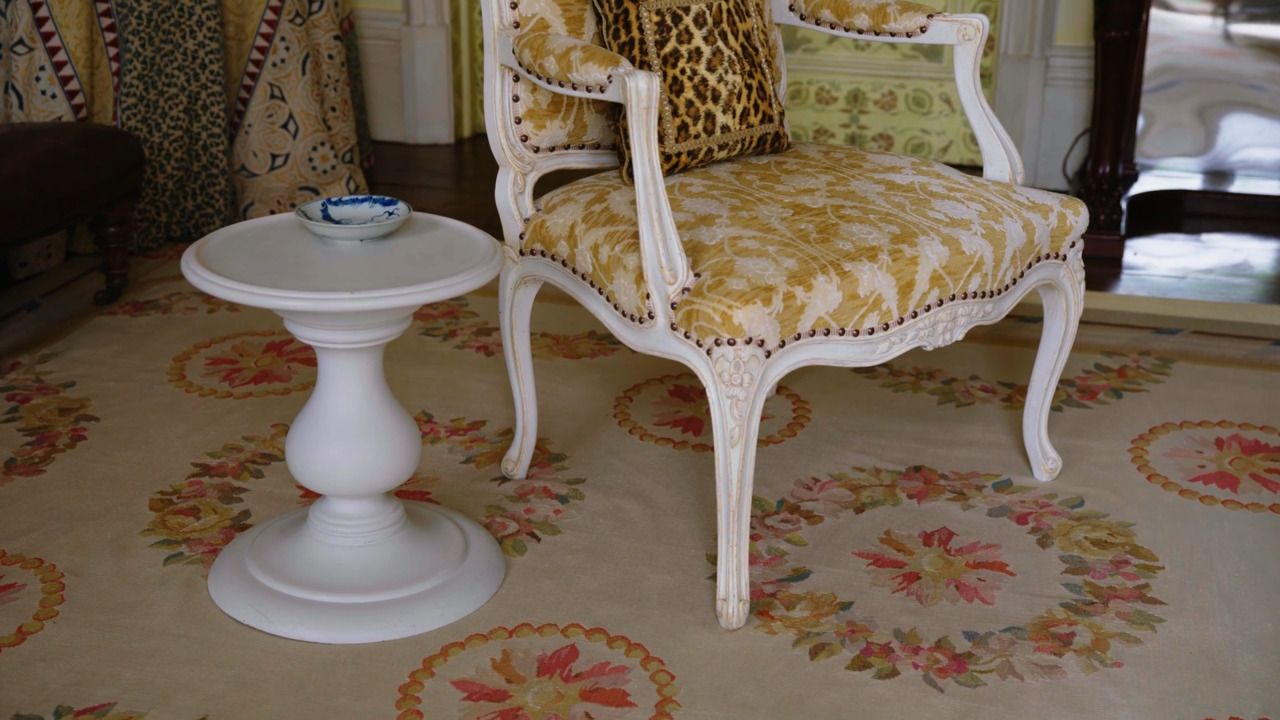
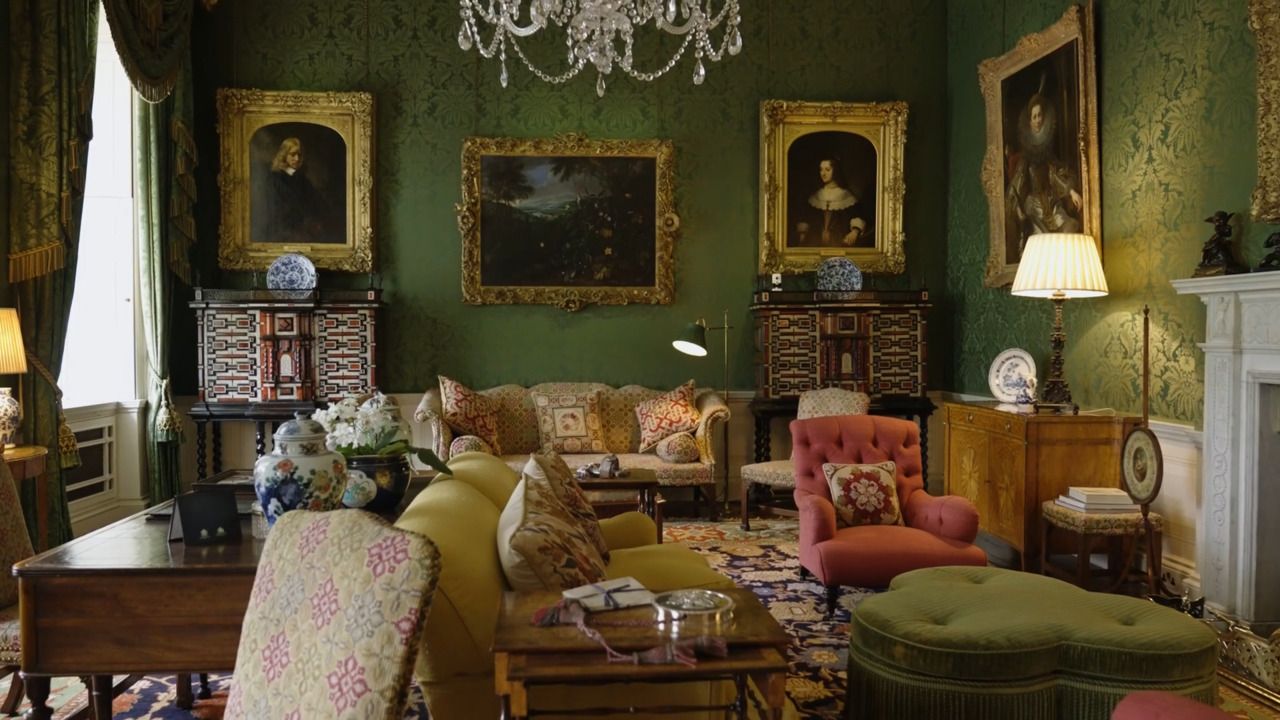
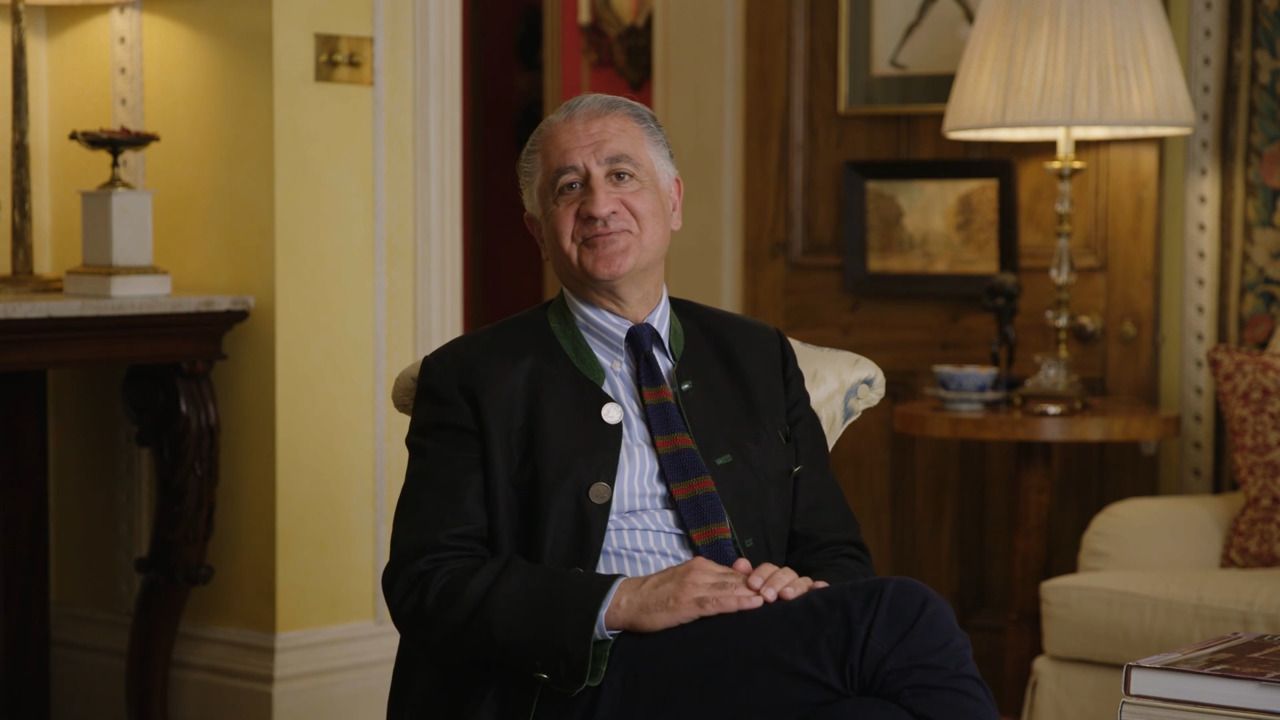
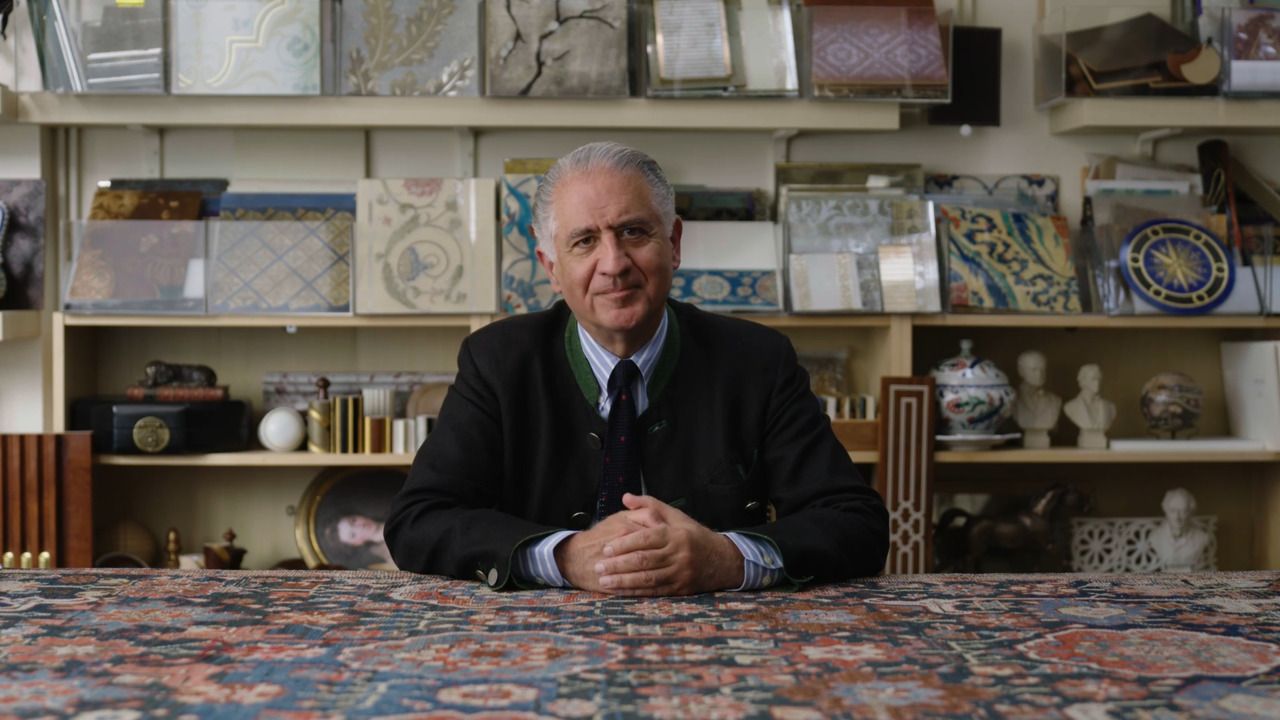
Rugs and carpets have an enormous impact on the interior of a home. Learn how to use carpets and rugs to bring a room together in this lesson with Alidad.
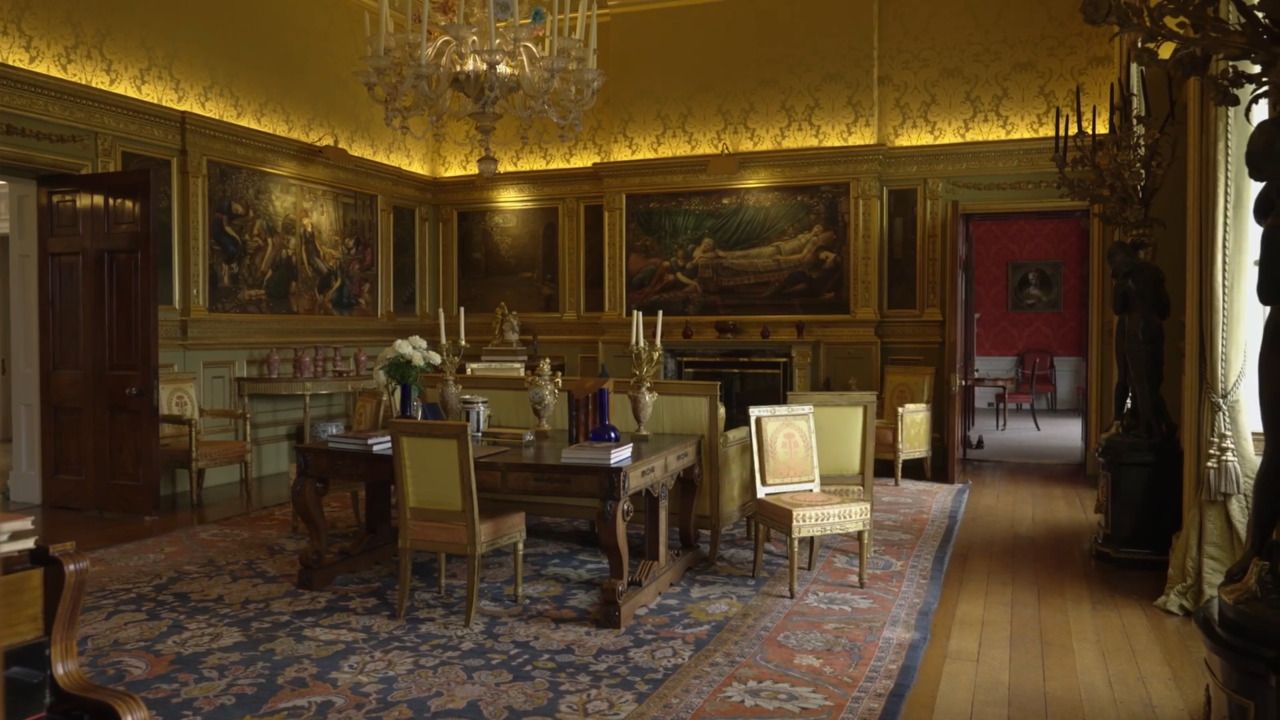
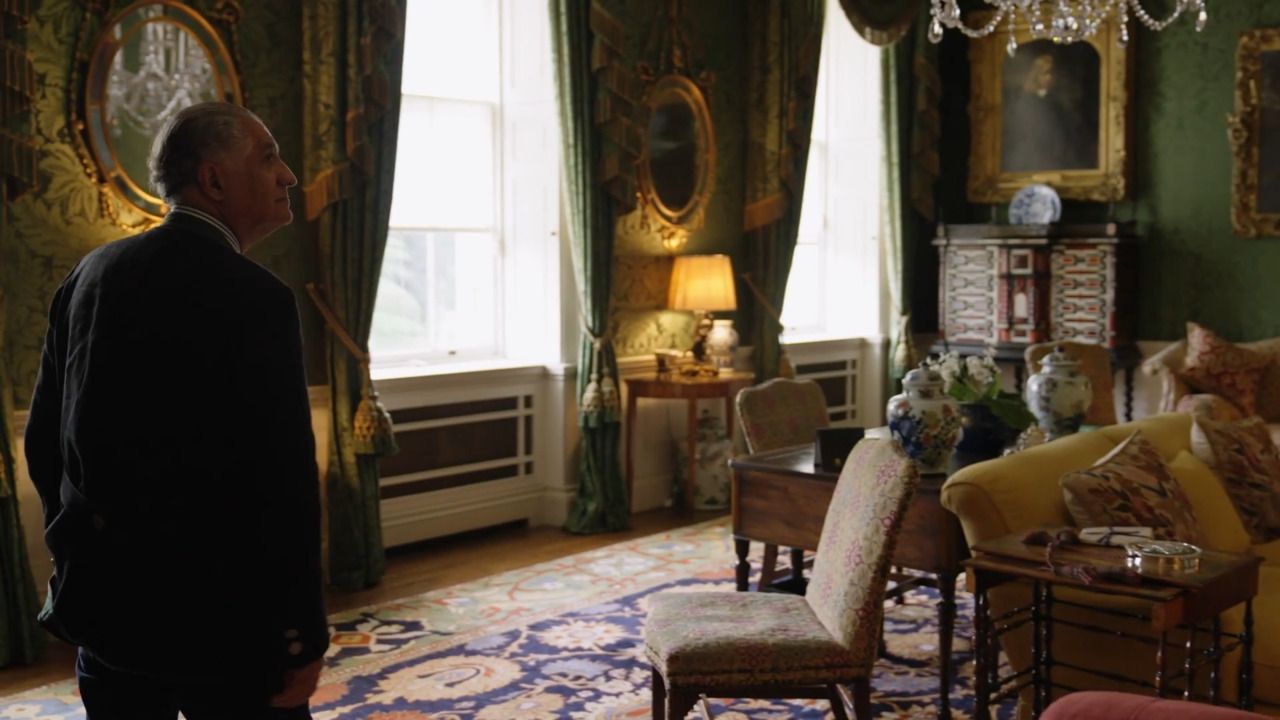
A carpet can single-handedly draw an interior together. Remember that they don't have to match the room. You should ask yourself what type of carpet you like. Do you prefer French? European, Oriental or even contemporary carpets?
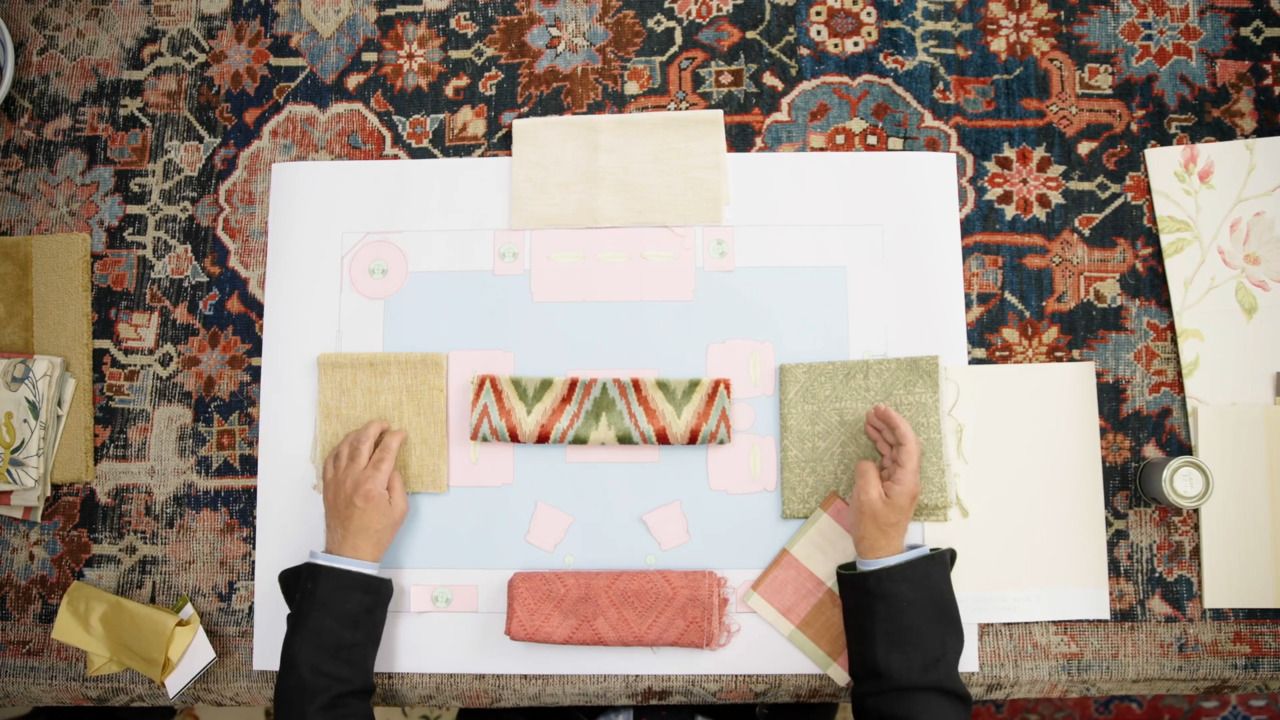
When you are using an old carpet, don't worry too much about matching your fabrics to it. If you've got reds, greens and yellows in a room, I ground my carpet in a darker colour. If I have a lighter colour carpet, I tend to use a carpet with a red carpet.
You've got to wait for carpets to blend in. You need to give it 24 to 36 hours to allow the colours to like each other.
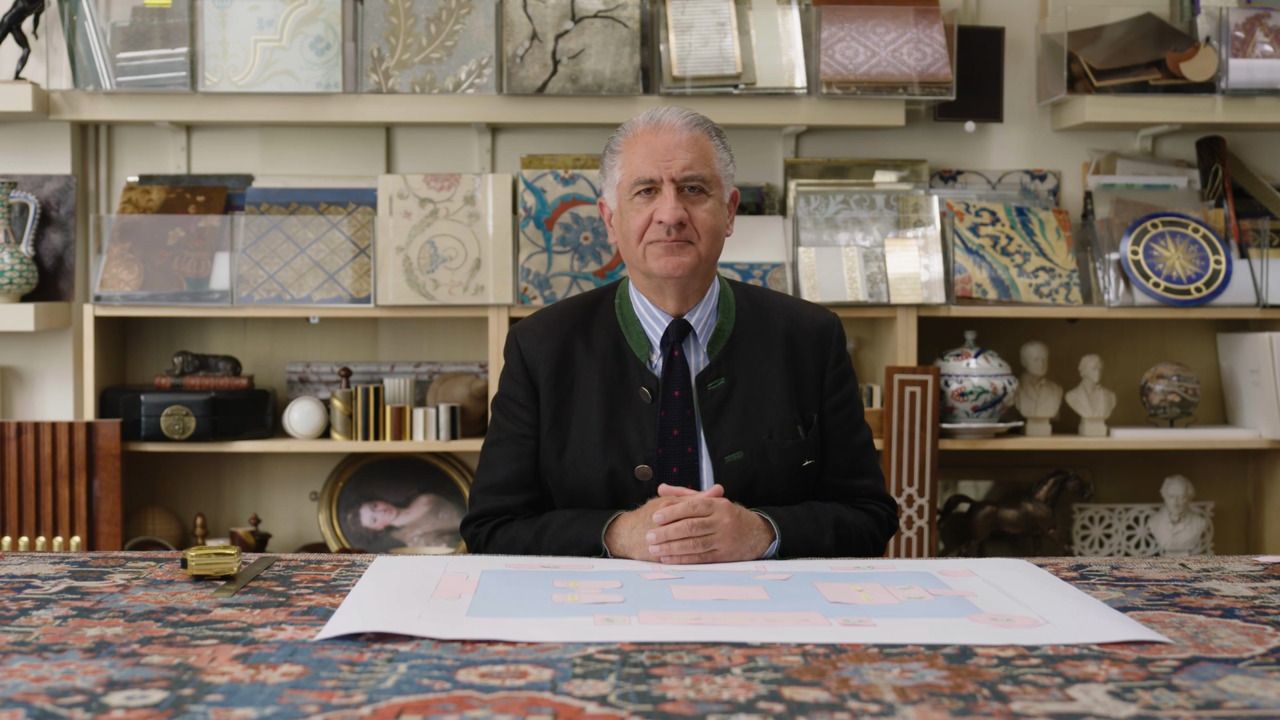
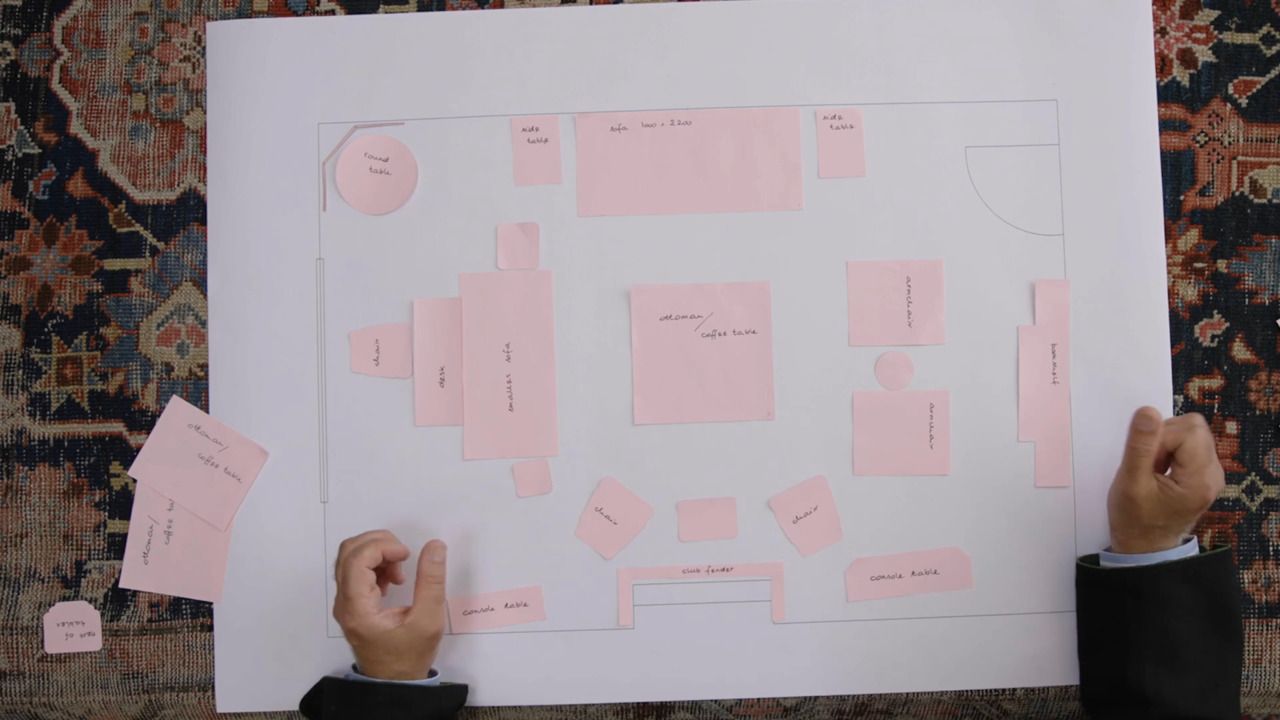
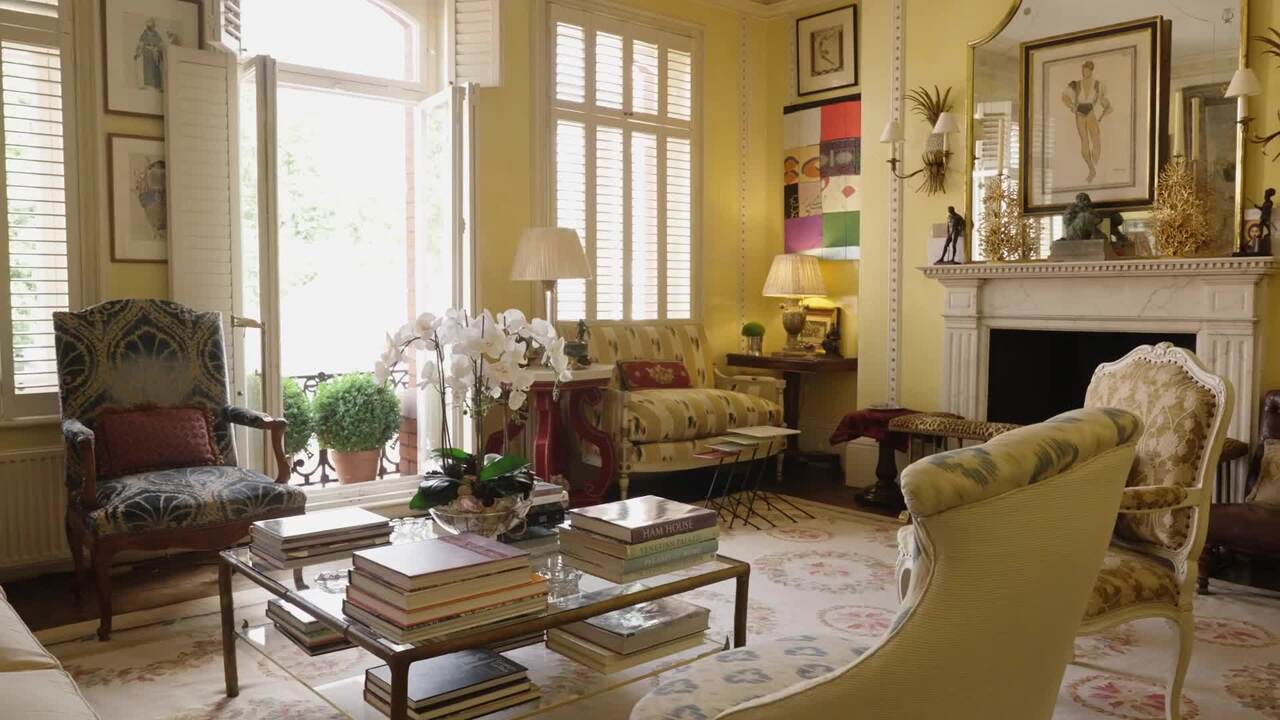
I love simple floorboards with carpets on top. I normally allow for around a 50cm gap from the skirting. From this, you can work out the size of the carpet quite easily. My preference for floorboards are polished, but with a variation so it feels as if it has been there forever.
I prefer carpets with bold colours that aren't too fine. Carpets with central medallions are primarily made for the Persian and Turkish markets and are not representative of European homes. I try to avoid such carpets because matching the central medallion with your furniture can be difficult.
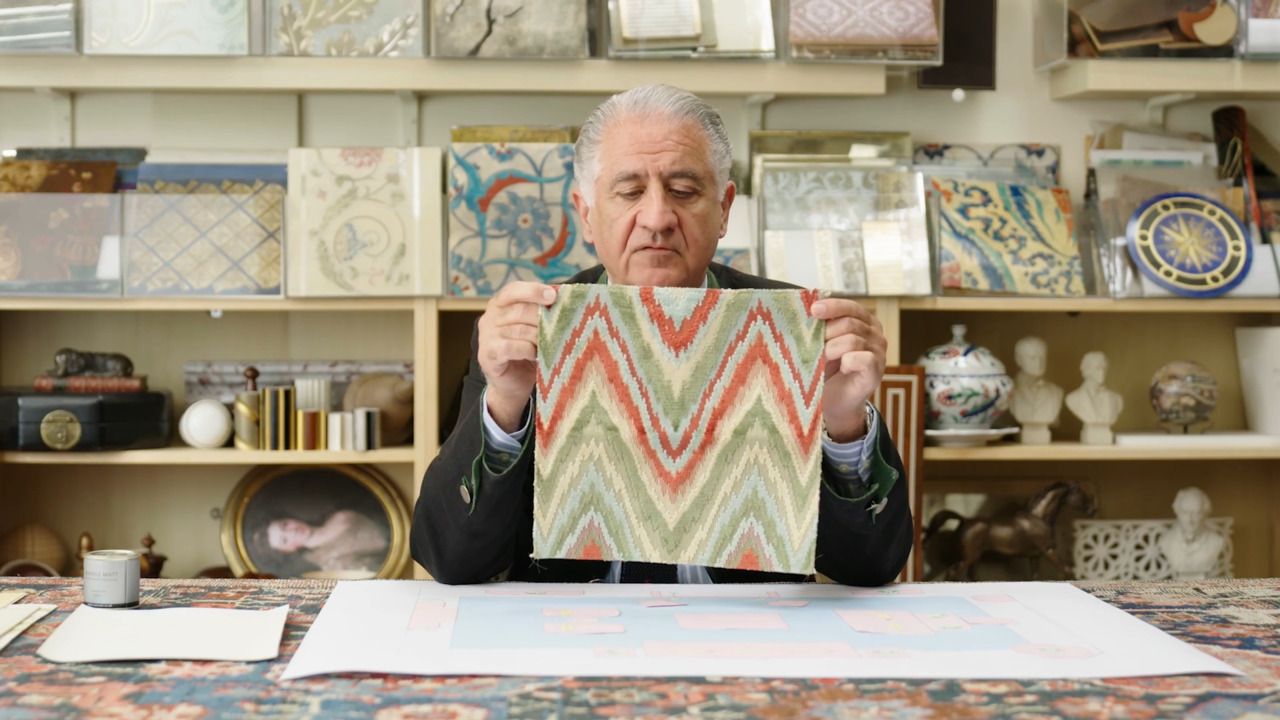
Choosing a carpet is not as difficult as you might think. I tend to have one carpet rather than two or three. I feel like a carpet pulls a room together better. As long as some of the colours in the carpet go with your colour scheme, you should be all right.
If you have a choice between a fitted carpet and floorboards in a reception room, I recommend floorboards. These give the space a more timeless appearance. Put a large rug on top, leaving 50–60cm around the floorboards. You can sand and polish your floorboards in three or four different colours to refresh them. A vintage carpet always retains its value, whereas a modern carpet does not.
In the early 1870s, Ziegler developed its carpet manufacture (in the town of Arak, Iran).
As the demand for traditional Persian carpets expanded, modern design elements and directions became more prevalent. The increased demand for Persian rugs has resulted in an increase in carpet manufacturing, particularly hand-knotted carpets made of high-quality natural wool, although not to the level of traditional Persian carpets.
Wool and cotton are primarily used in the making of these rugs. Silk is occasionally employed for added elegance.
These rugs are made from high-quality Persian and Mori knots, making them very durable and strong.
The colours of these Ziegler carpets were created using dyes derived from plants and vegetables found in the surrounding area. To complement the intricately woven designs on the carpets, most Zieglers express the mild and gentle colours of ivory or beige coupled with darker background colours like red, blue, yellow, and brown.
Some of these carpets also went through the stone–washing procedure. Stone washing entailed exposing the rug to the sun for many days to get an ancient appearance. Laying the rug in the sun will help soften the colours, resulting in a unique finish.
Ziegler carpets have large borders with extensive artwork in their frames. Small intricate floral, circular, and curvilinear motifs adorn the inside of the carpet's body. The overall look of the Ziegler is one of eclectic elegance and sophistication.
Oriental rugs are carpets that are hand-knotted only in Asia and, according to the strictest definition, are made with materials native to Asia. Several countries export rugs, including Iran, China, India, Russia, Turkey, Pakistan, Tibet and Nepal.
Every rug is unique in its pattern, colour palette, and weave, as well as its weave techniques. All of these are specific to a geographical area or nomadic tribe. The more formal and floral the pattern, the more urban the area. Rugs with patterns that flow in one direction were designed as "Prayer" rugs. Every family of weavers would incorporate elements of their history into the rug design.
Natural dyes, which are derived from plants and insects, are used in Oriental rugs. With time, natural dyes tend to gently fade, giving them their desired patina.
The Aubusson Collection was known as Tais Ras for its rococo-style knotted and flat pile carpets with light designs and delicate hues.
The early Savonnerie carpets were based on Persian motifs, but they swiftly included French characteristics, such as architecturally framed medallions, dense flowers, and intricate scrolls.
England's carpet manufacturing revolution was centred in Kidderminster, Worcestershire. Rugs from Axminster were woven with brown backgrounds and patterns made up of birds.
Carpets were first manufactured in Spain as early as the tenth century. Early carpets had geometric patterns all over and messages about Christian Spanish families. They derived their motifs from Turkish carpets in the fifteenth century.
Ireland began producing carpets in the mid-nineteenth century. The carpets later became known as Donegals after the oriental tradition. Today, the handmade carpets produced in Killybegs are the only ones remaining on the British Islands.
Get the full workbook, video lessons, and more with a Create Academy subscription.
Subscribe to access the full workbookAlready a member? Sign in to watch
510 reviews
Read moreCreate Academy has been such a great resource. I'm in the middle of renovating a bungalow with a very large garden and the courses have offered a wealth of inform...
Harvey
Jun 10, 2026
Absolutely love Create Academy! The instructors are extremely informative, and it is beautifully filmed. Create Academy is great value for money and plan on renew...
SG
May 31, 2026
Butter's creativity is stunning! Her ability to incorporate brilliance in small gardens is magical!
Carla
May 30, 2026
The best adventure. I like all the courses, but my favorite are both Rita Konig interior design courses and Anna Jones. Excellent!
Karolina Kluczewska
May 20, 2026
Create Academy has been such a great resource. I'm in the middle of renovating a bungalow with a very large garden and the courses have offered a wealth of information to dive into and explore new ideas. I'm...
Harvey
Jun 10, 2026
Absolutely love Create Academy! The instructors are extremely informative, and it is beautifully filmed. Create Academy is great value for money and plan on renewing my subscription yearly because there are ...
SG
May 31, 2026
Butter's creativity is stunning! Her ability to incorporate brilliance in small gardens is magical!
Carla
May 30, 2026

Your Instructor
Renowned designer famed for his opulent interiors. AD100, House & Garden Top 100, Elle Decor A-List.
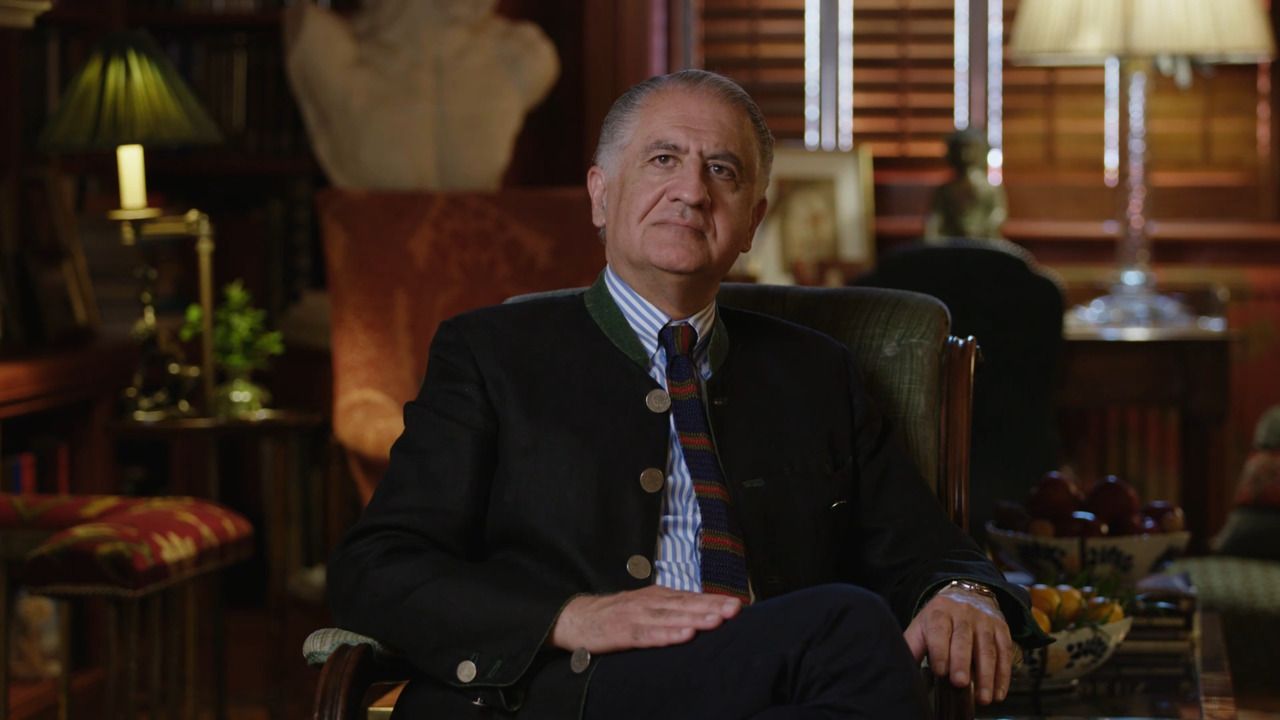
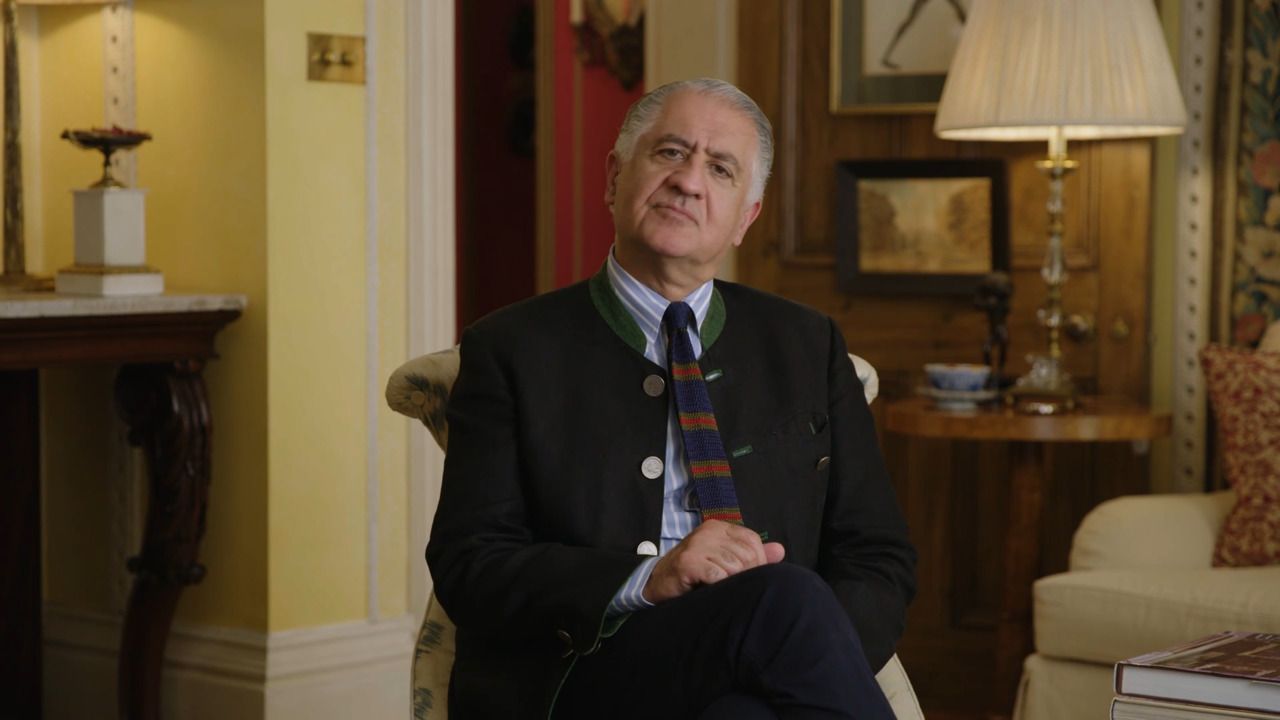
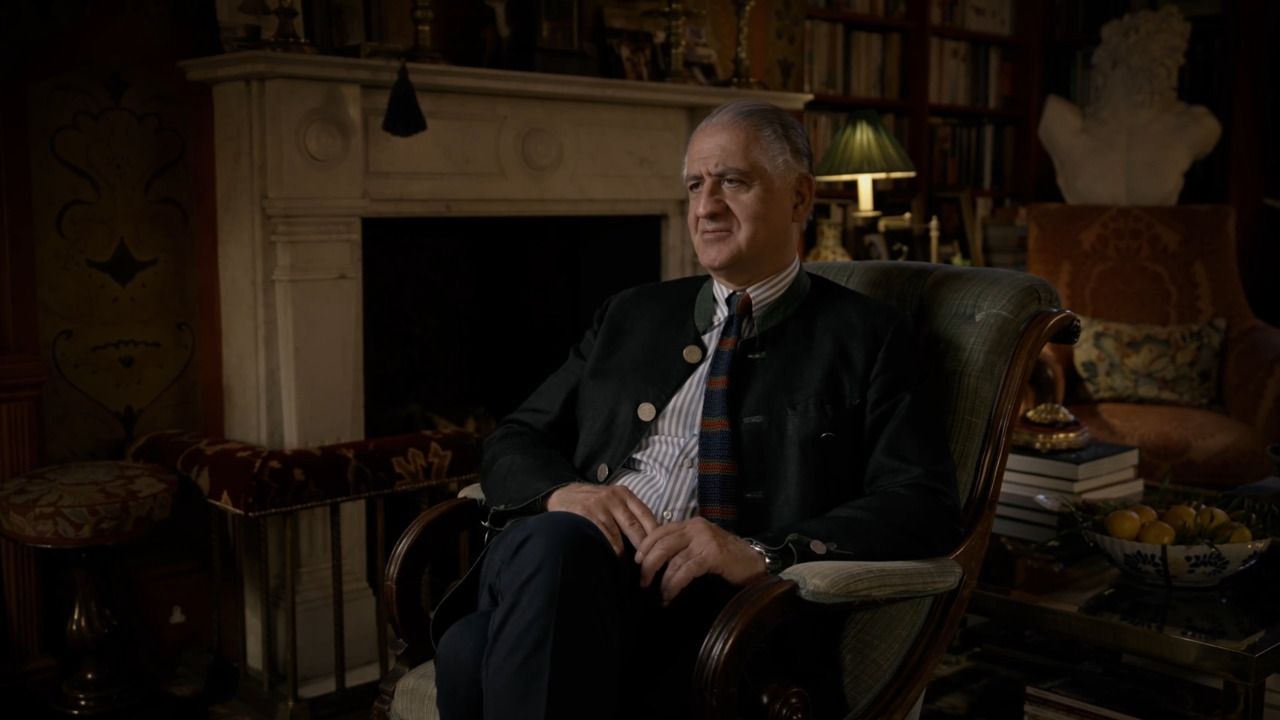
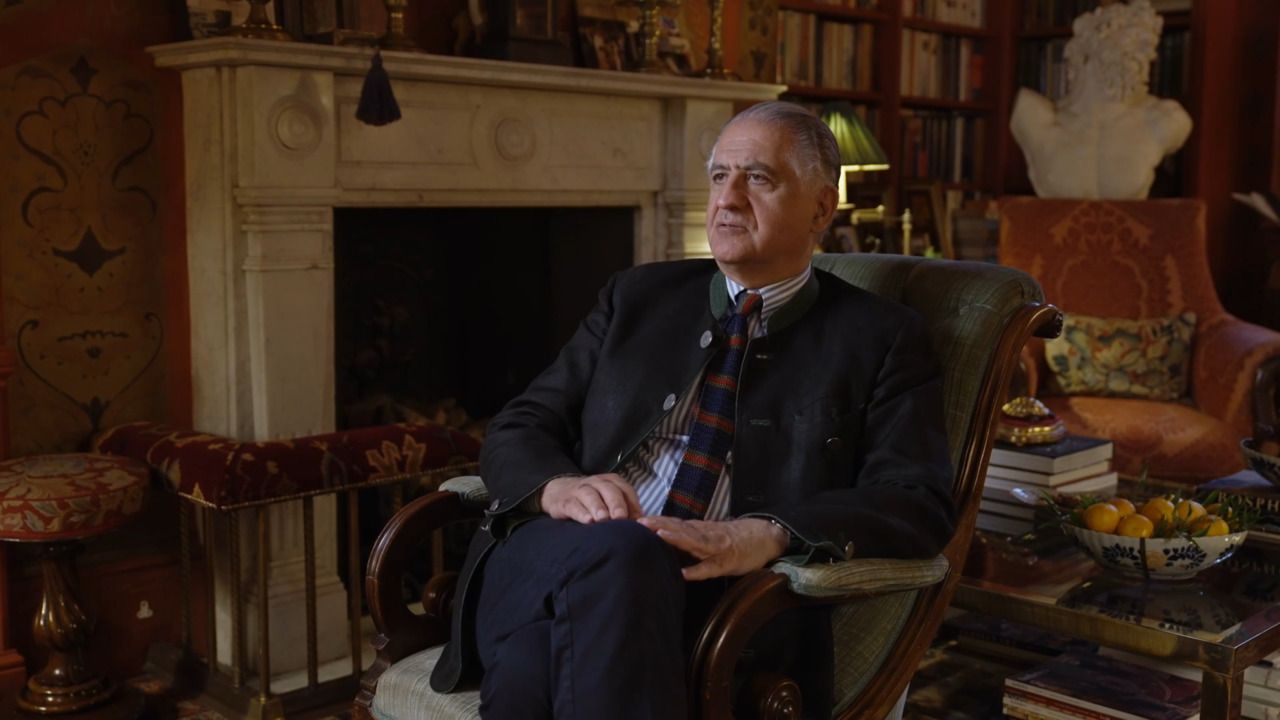
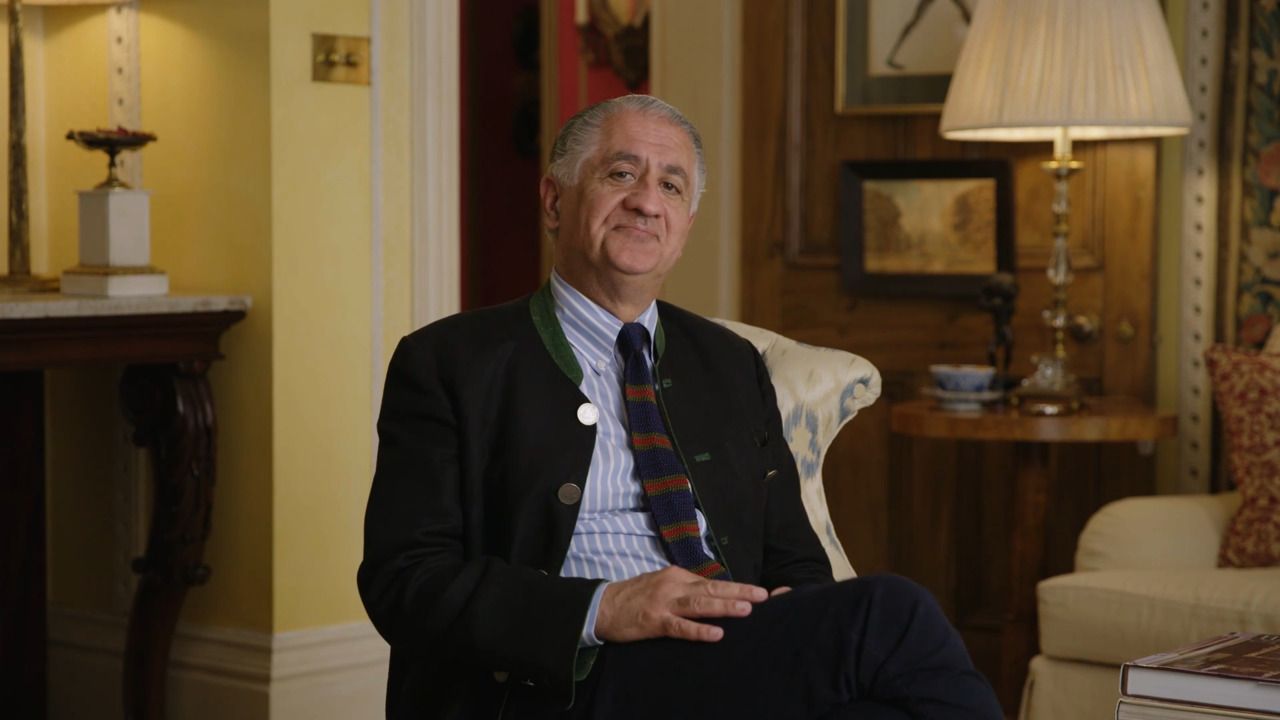
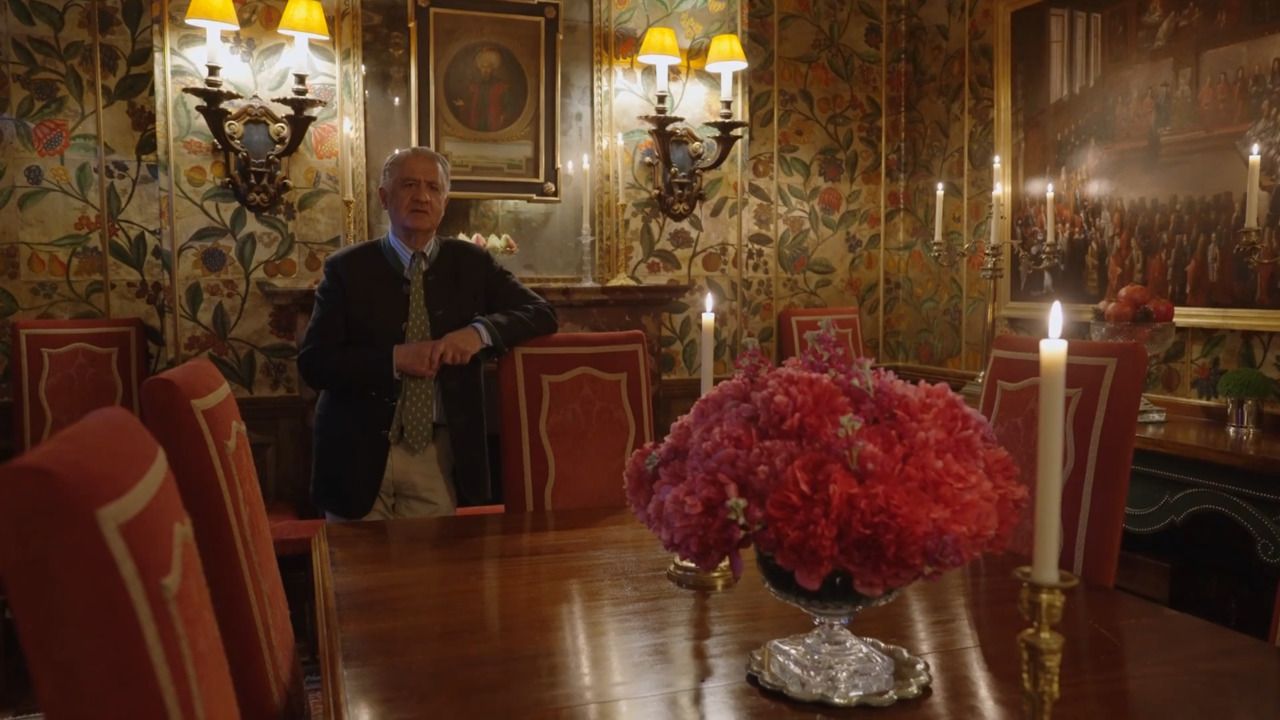
Award-winning interior designer Alidad is world-renowned for his decadent yet homely interiors full of colour, richness and life. He is an expert at creating opulent, elegant rooms that combine comfort with behind-the-scenes practicality. Based in Mayfair, the Iranian-born interior designer Alidad has worked on some of the finest interiors in the world from new residences to period homes and the restoration of historic houses.
Access to all courses


