


















Interior and exterior confidence
Create Academy has been such a great resource. I'm in the middle of renovating a bungalow with a very large garden and the courses have offered a wealth of inform...
Harvey
Jun 10, 2026
How to Create Timeless Interiors
with ALIDAD — Renowned designer famed for his opulent interiors. AD100, House & Garden Top 100, Elle Decor A-List.
Lesson 7 of 35
Subscribe to watch
Scale is a key factor in good interior design. In this lesson, discover how Alidad uses scale to bring his rooms to life.
When building or renovating a house, scale is very critical. It can be divided into architectural and interior design.
The architecture deals with the cornices, architraves, skirting, and floors in every room. Most developers and others don't pay attention to the size when choosing cornices, skirting, architraves and floors.
I recommend choosing the largest scale possible. Consider incorporating larger cornices and skirtings.
When it comes to furniture, I recommend opting for larger pieces, such as an oversized mirror over a fireplace, which always looks better.
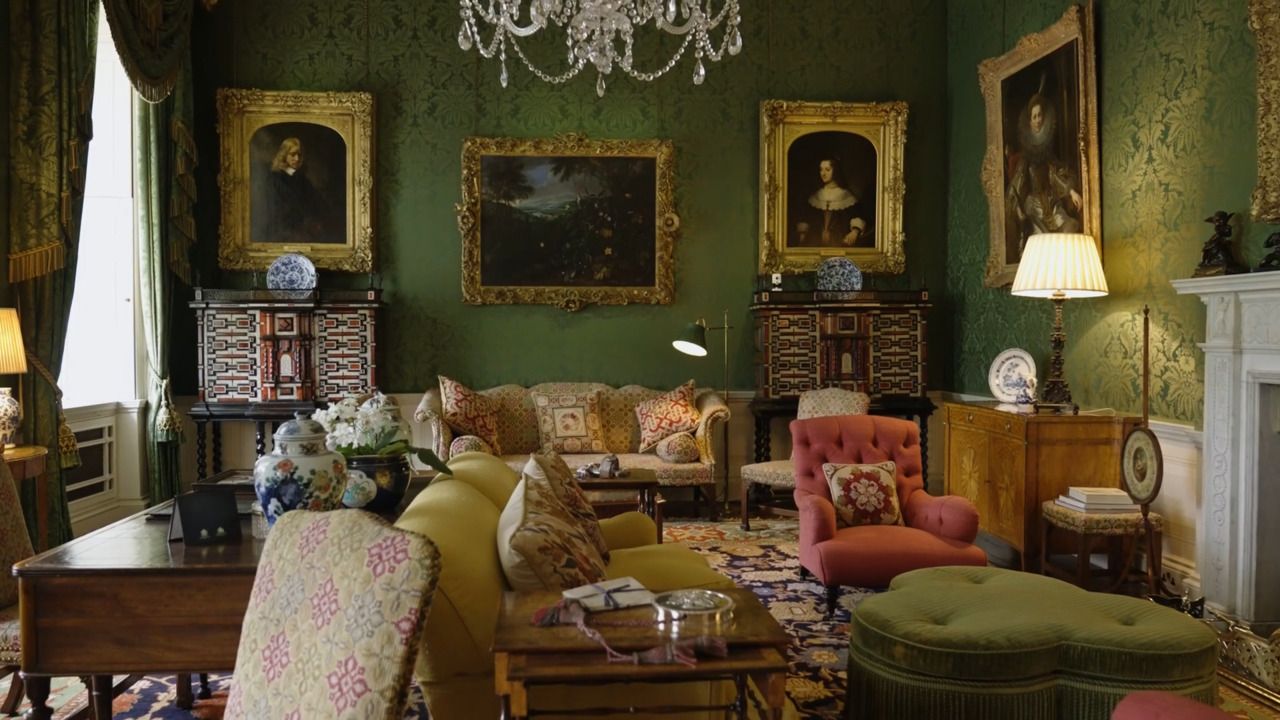
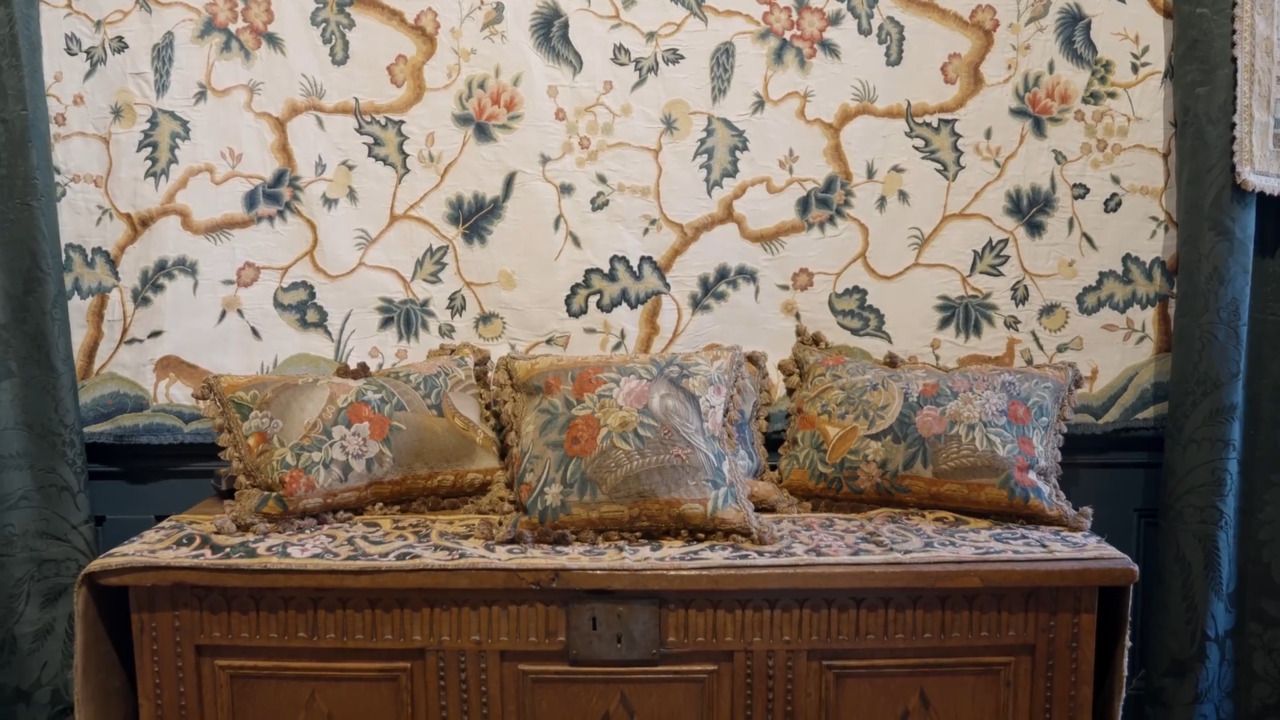
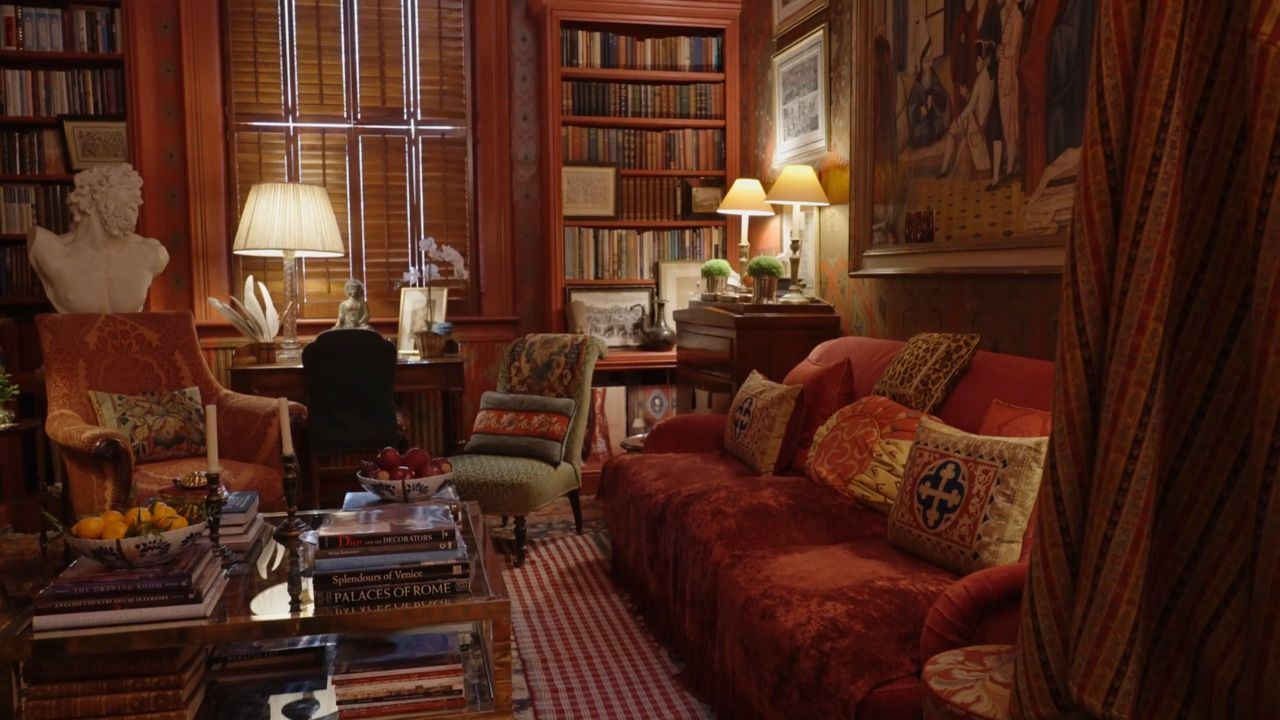
In a small room, using a large pattern completely transforms the space. When the eye sees large patterns and large-scale furniture in a small room, it sends a signal to the brain that the space is larger than it is. If you have three wallpapers, choose the one with the largest-scale pattern.
Developers don't pay attention to original details as profit is their bottom line. Quite often cornices, skirting and architraves are bought off the shelf with lowered existing ceilings.
Firstly, I like to see what has been left of the original building. Quite often buildings have not been renovated sympathetically. If you look around you can find bits and pieces.
A lowered ceiling suggests the original cornice is still there. Remember that terraced houses are very similar, so if your home doesn't have original features go and look at your neighbours. At least one of them will have original features.
Try and go into a neighbouring house, take pictures of architrave and cornices. You are never going to have the original back but get the scale correct. It doesn't have to be as ornate. You can simplify things, so there are a few original components, but it's still based on that.
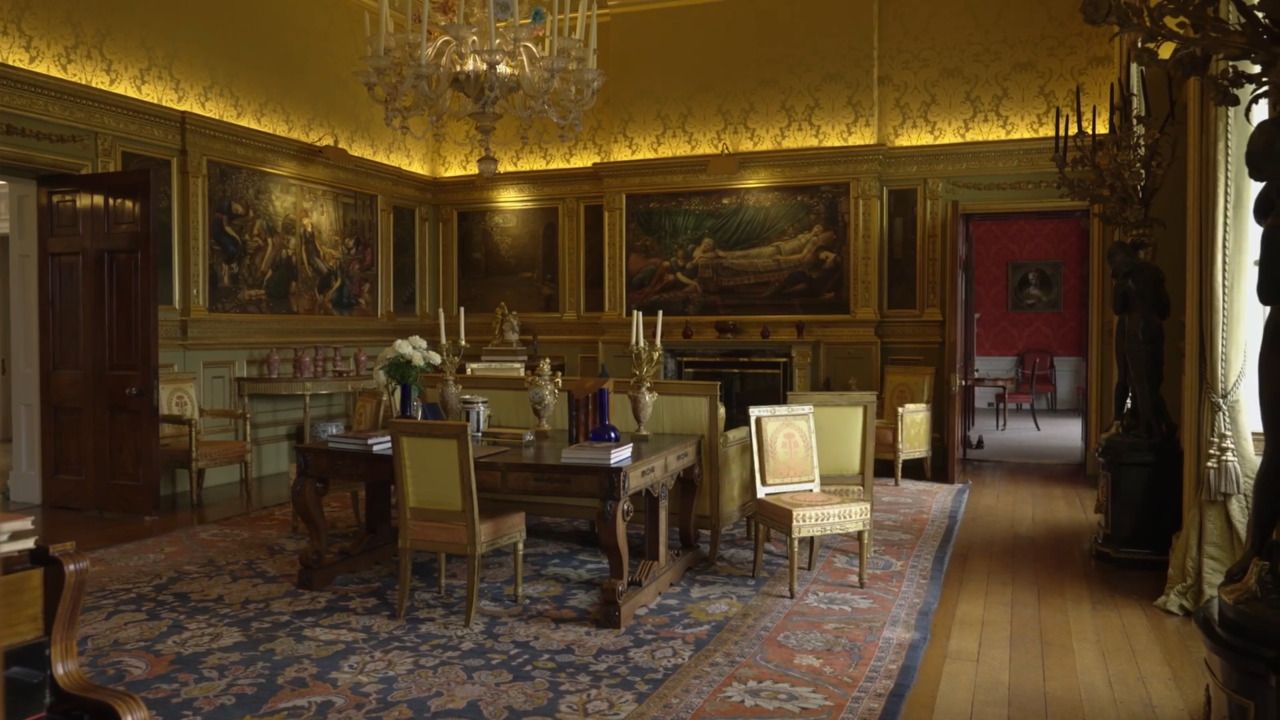
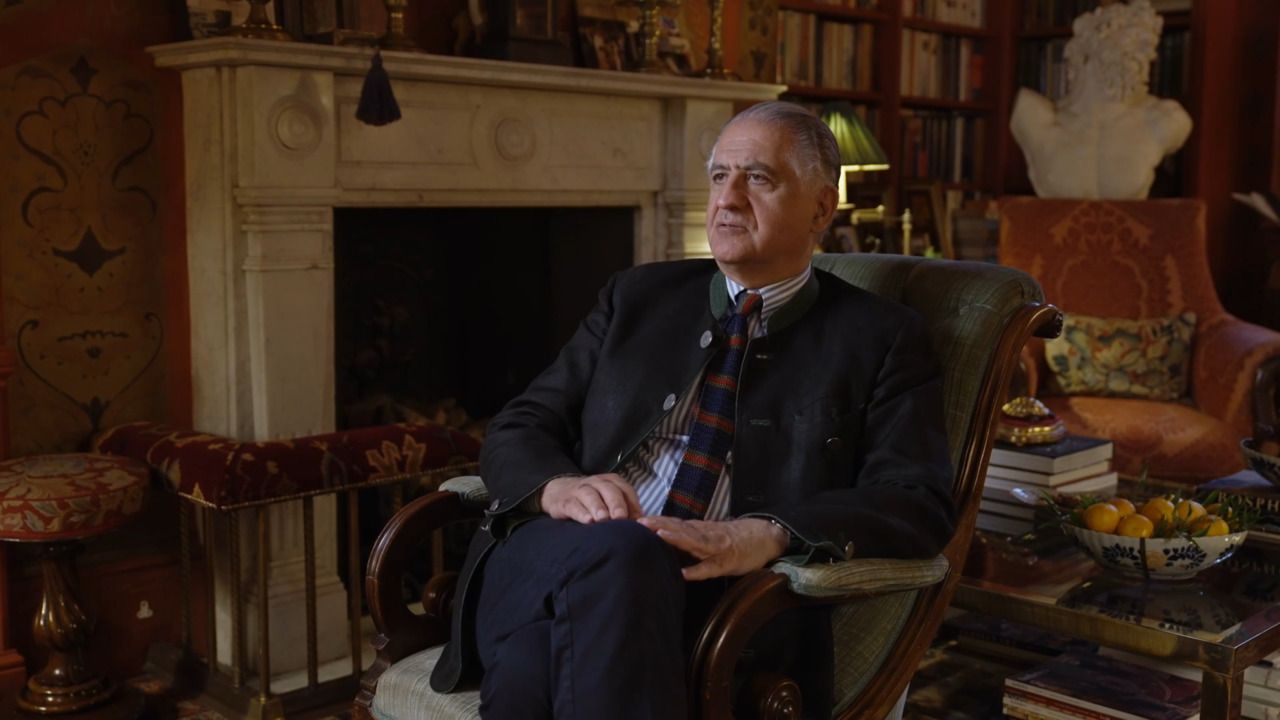
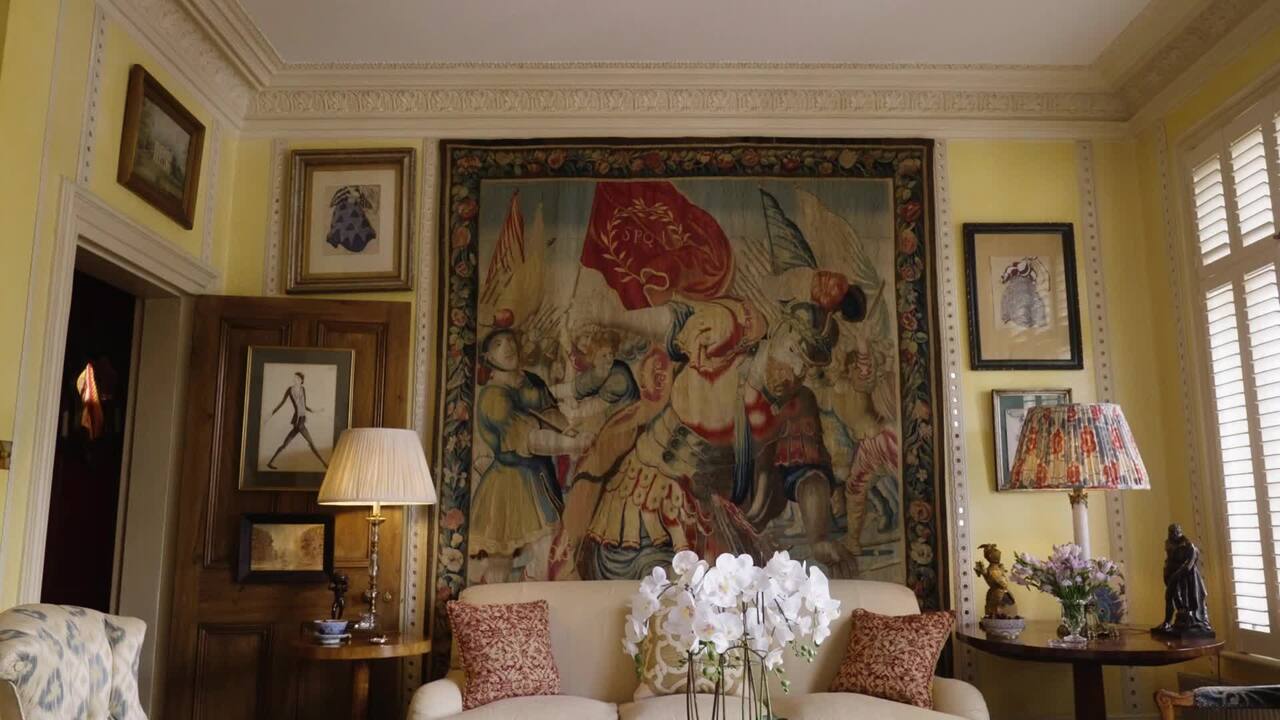
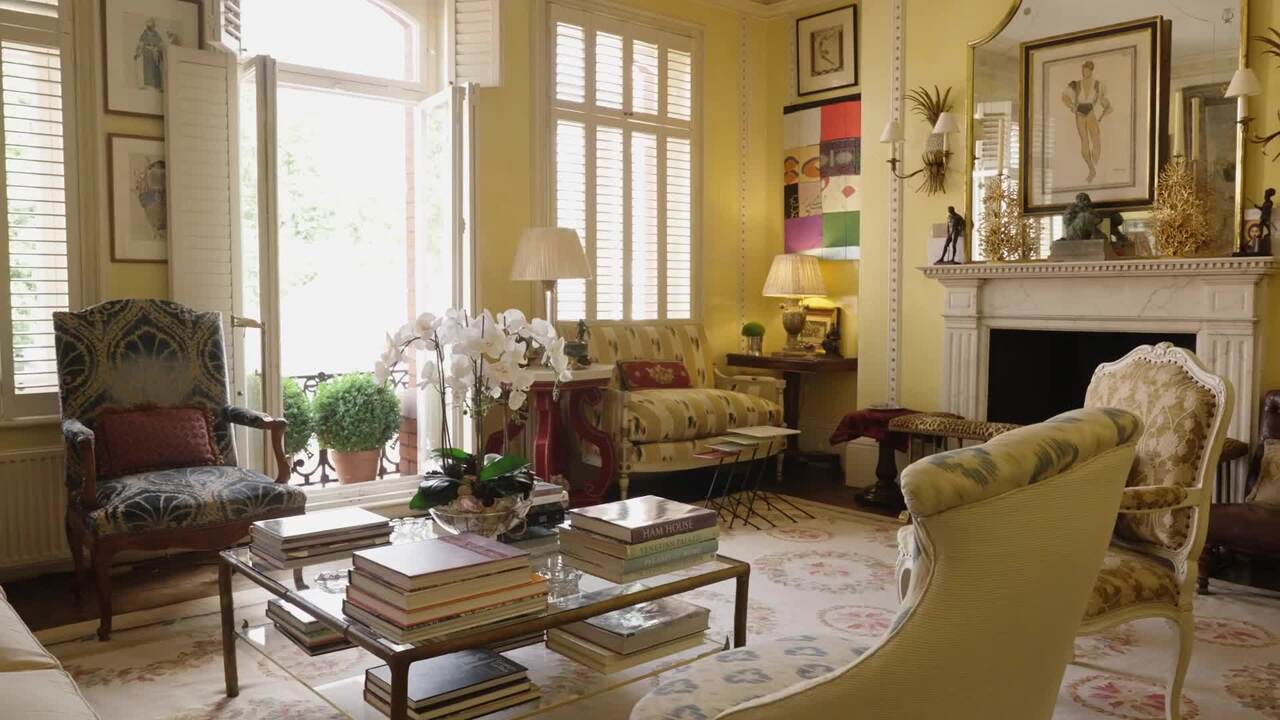
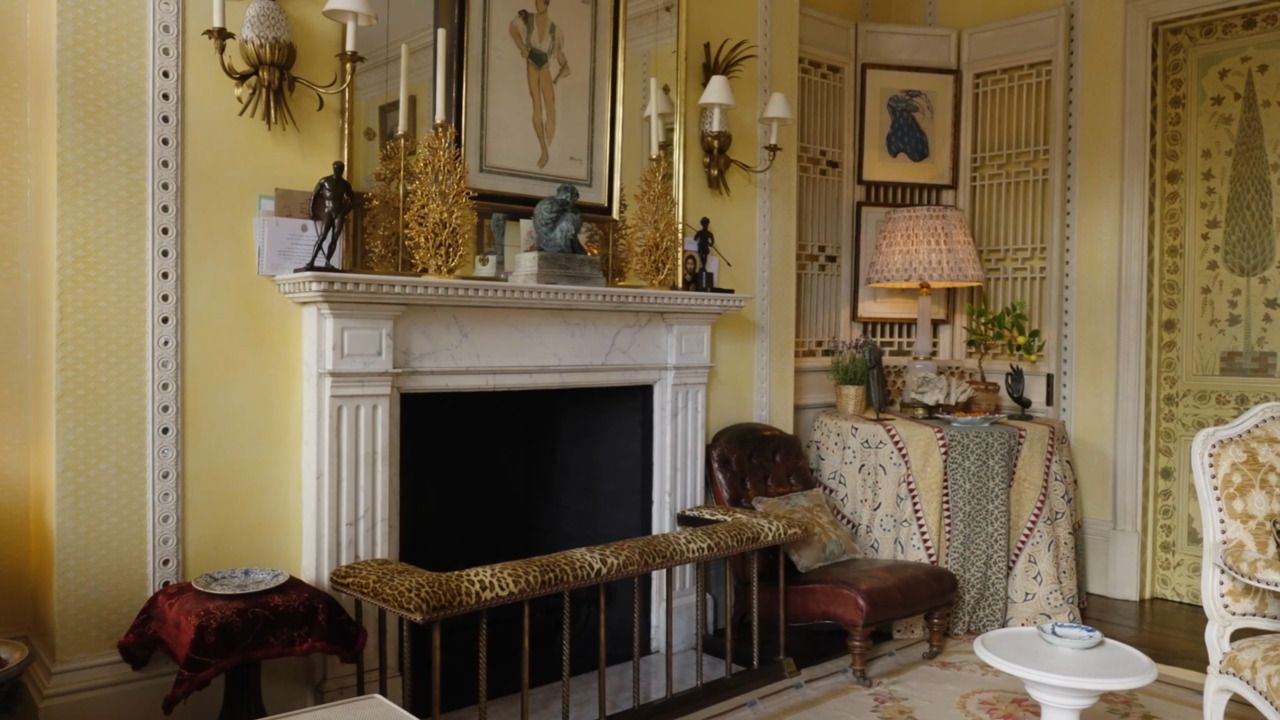
In my drawing-room, I have dealt with scale by hanging an over-scaled tapestry just below the cornice. This completely transformed the room, making it appear much higher than it is. On the opposite wall, a mirror over the fireplace has been used. These two balance one another.
Balance is achieved by scale rather than symmetry in my room. Next to the fireplace, a large screen has been placed. These three over-scaled pieces balance each other.
Fortunately, the original cornice, skirting, and architrave are still in the room. They have a good balance and are the right size.
Cornices have been used in interiors for a long time, but their use has changed drastically since the Georgian era (1714–1830). The first Georgian designs were influenced by classic designs, from Greek and Roman Palladian to English Baroque. During that time, egg and dart cornice designs were most popular; they add a touch of sophistication to any interior.
At the end of the Georgian era, cornices were also simplified with horizontal lines, a pattern that survives to this day. The Regency era (1812–1820) introduced more intricate patterns, such as leaves. In contrast, the Victorian (1837–1901) period introduced a variety of diverse designs that were inspired by the Gothic and other periods.
Edwardian (1901–1910) plaster cornices and period mouldings tend to be simpler and less dramatic. There are a few classic examples from the Art Deco (1920–1940) era. Smaller repeats and crisper lines dominated plaster cornice and coving designs in the 1920s, 1930s and 1940s.
The modern, contemporary (1950-present) cornice style reflects anything that is currently popular today. This style is characterised by sharp, straight lines and right angles or even no pattern at all.
Try researching the building date so you can distinguish the cornice period, or visit neighbours and see what their cornices look like.
The height of the ceiling and the room size dictates the size of the cornice required.
A cornice can be reversed so that the detail is on the ceiling rather than the wall. This is great, particularly in rooms that do not high ceilings and it helps give the illusion the room is bigger than it is.
Get the full workbook, video lessons, and more with a Create Academy subscription.
Subscribe to access the full workbookAlready a member? Sign in to watch
491 reviews
Read moreCreate Academy has been such a great resource. I'm in the middle of renovating a bungalow with a very large garden and the courses have offered a wealth of inform...
Harvey
Jun 10, 2026
Absolutely love Create Academy! The instructors are extremely informative, and it is beautifully filmed. Create Academy is great value for money and plan on renew...
SG
May 31, 2026
Butter's creativity is stunning! Her ability to incorporate brilliance in small gardens is magical!
Carla
May 30, 2026
The best adventure. I like all the courses, but my favorite are both Rita Konig interior design courses and Anna Jones. Excellent!
Karolina Kluczewska
May 20, 2026
Create Academy has been such a great resource. I'm in the middle of renovating a bungalow with a very large garden and the courses have offered a wealth of information to dive into and explore new ideas. I'm...
Harvey
Jun 10, 2026
Absolutely love Create Academy! The instructors are extremely informative, and it is beautifully filmed. Create Academy is great value for money and plan on renewing my subscription yearly because there are ...
SG
May 31, 2026
Butter's creativity is stunning! Her ability to incorporate brilliance in small gardens is magical!
Carla
May 30, 2026

Your Instructor
Renowned designer famed for his opulent interiors. AD100, House & Garden Top 100, Elle Decor A-List.
Award-winning interior designer Alidad is world-renowned for his decadent yet homely interiors full of colour, richness and life. He is an expert at creating opulent, elegant rooms that combine comfort with behind-the-scenes practicality. Based in Mayfair, the Iranian-born interior designer Alidad has worked on some of the finest interiors in the world from new residences to period homes and the restoration of historic houses.
Access to all courses


