













Interior and exterior confidence
Create Academy has been such a great resource. I'm in the middle of renovating a bungalow with a very large garden and the courses have offered a wealth of inform...
Harvey
Jun 10, 2026
with MARIA SIGMA — Award-winning textile designer
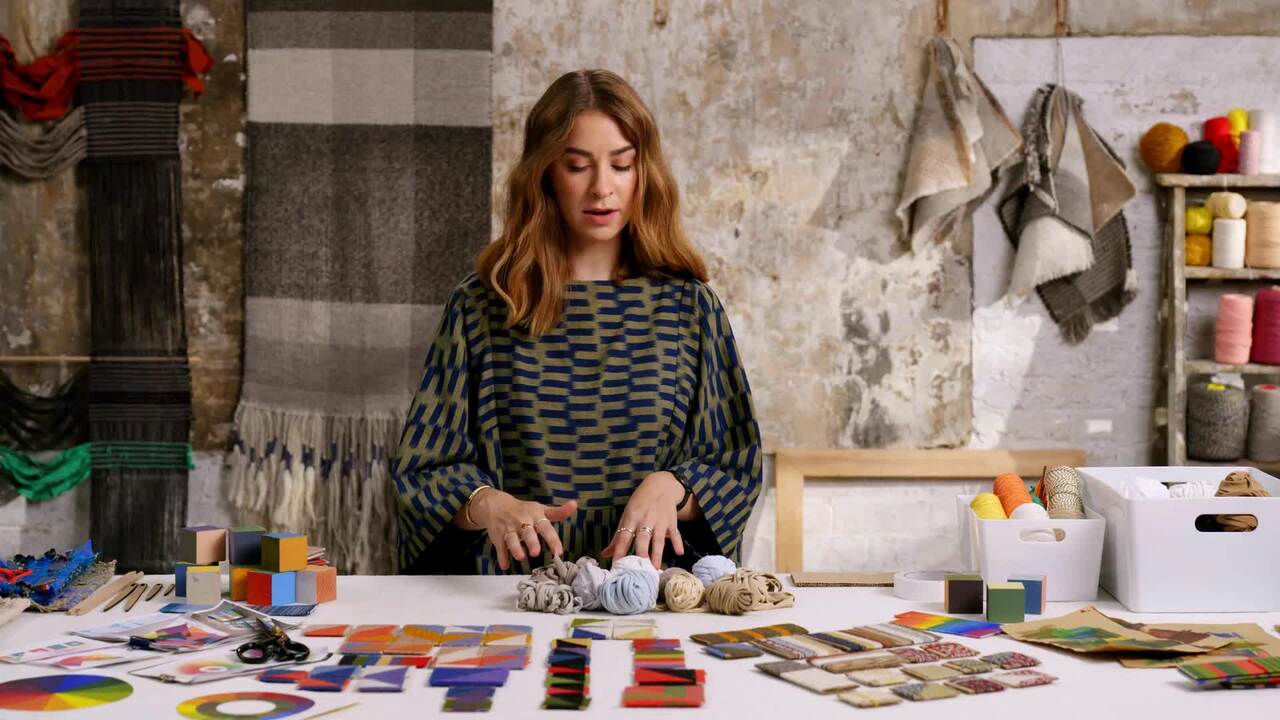
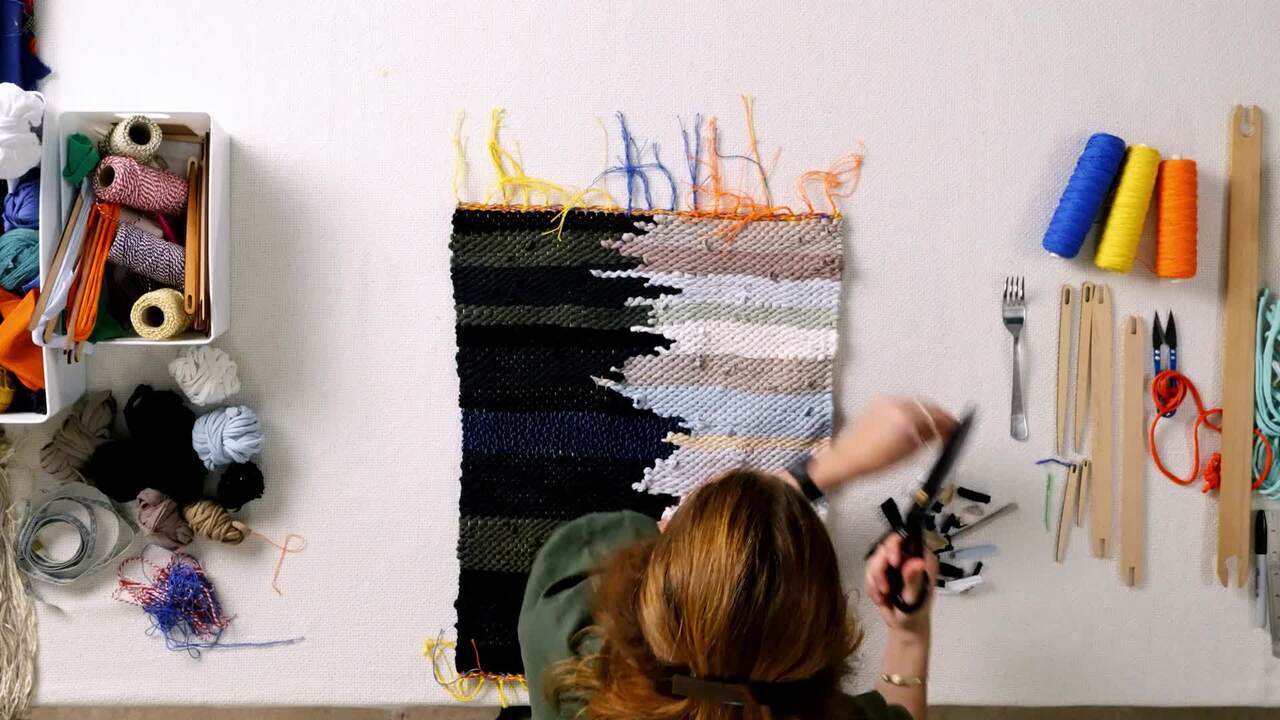
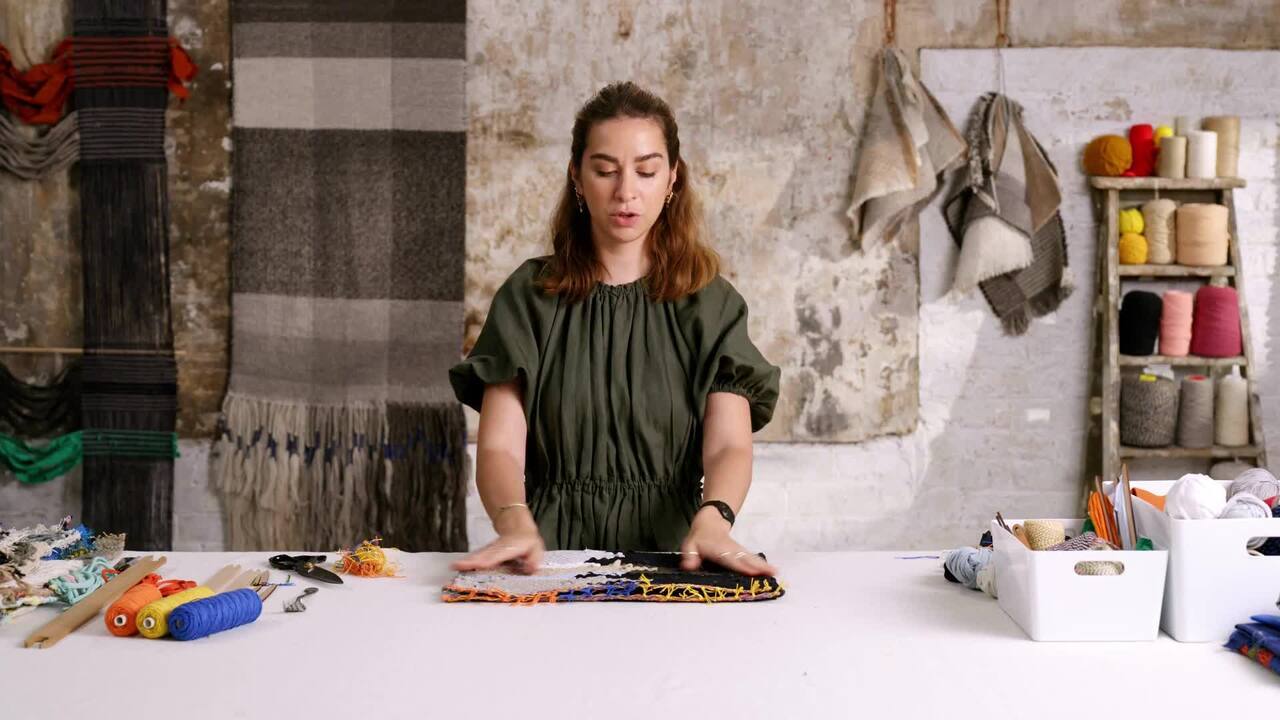
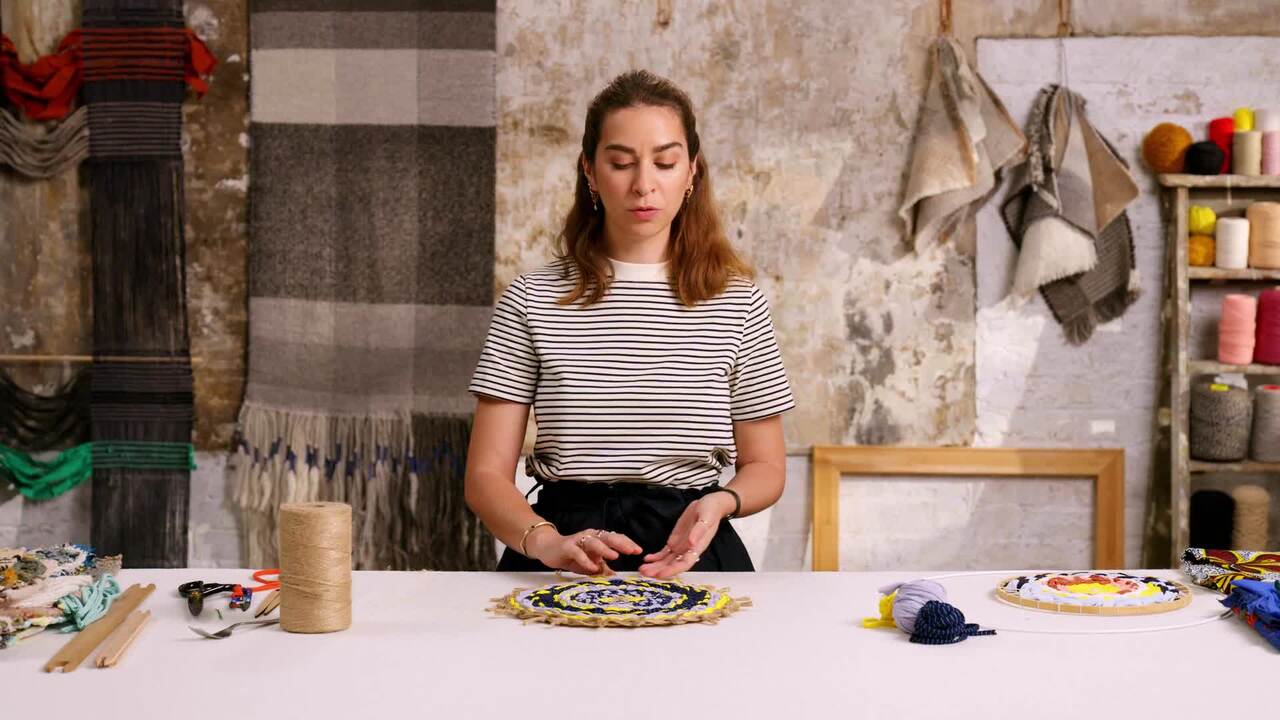
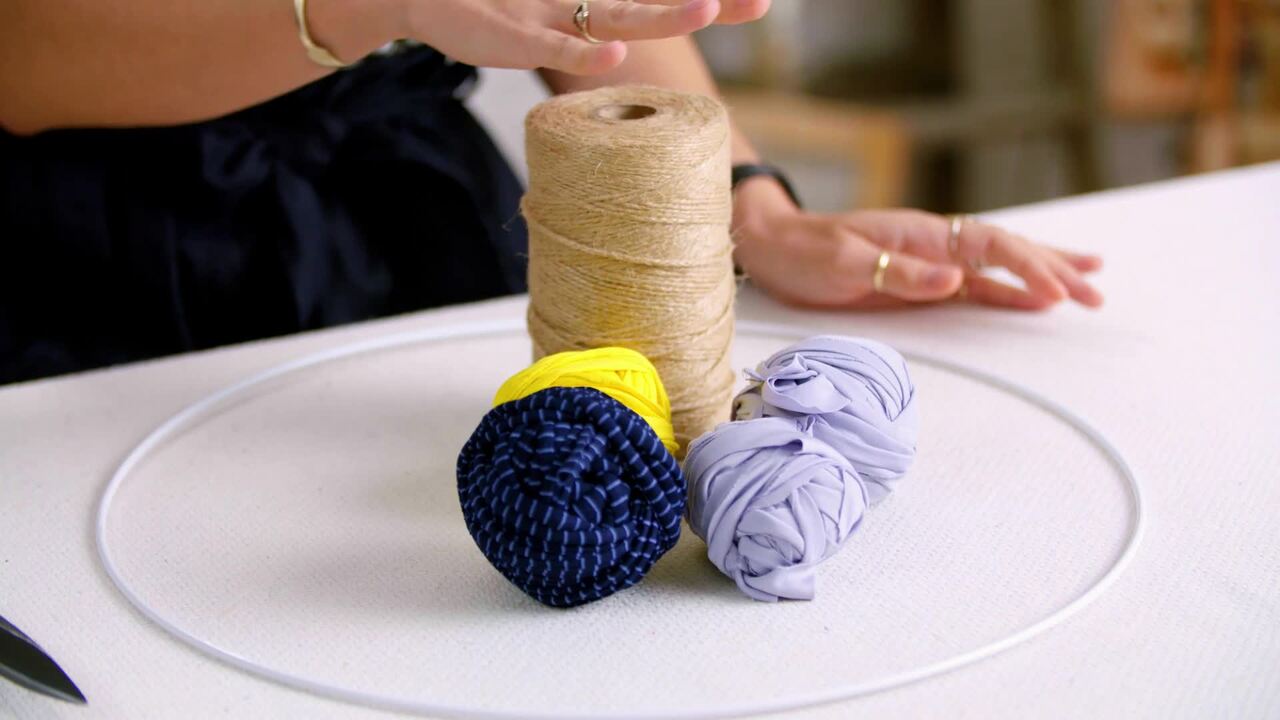
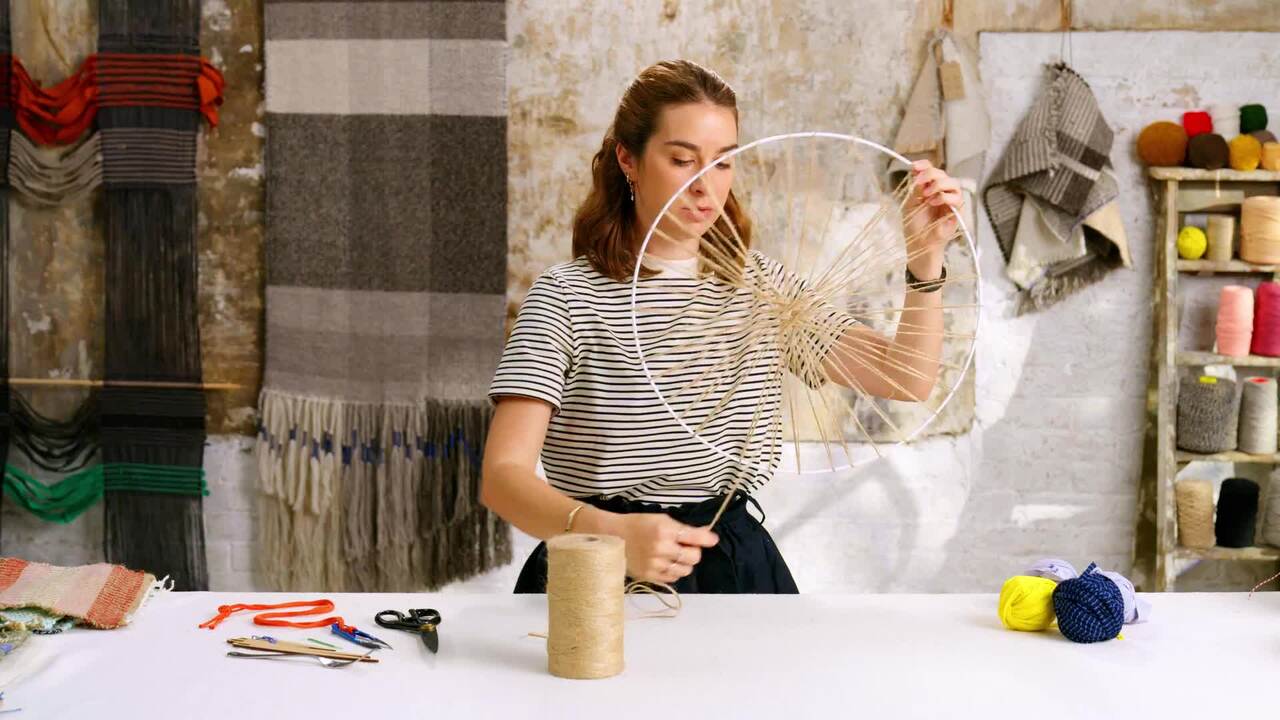
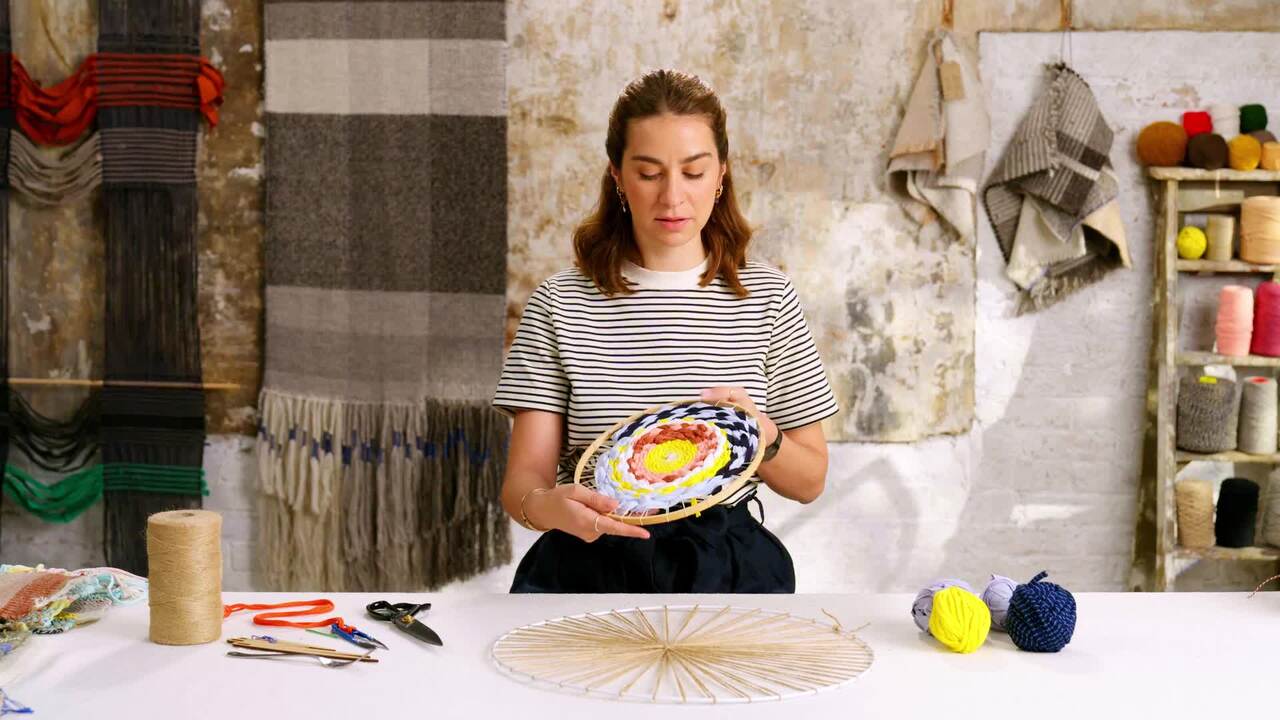
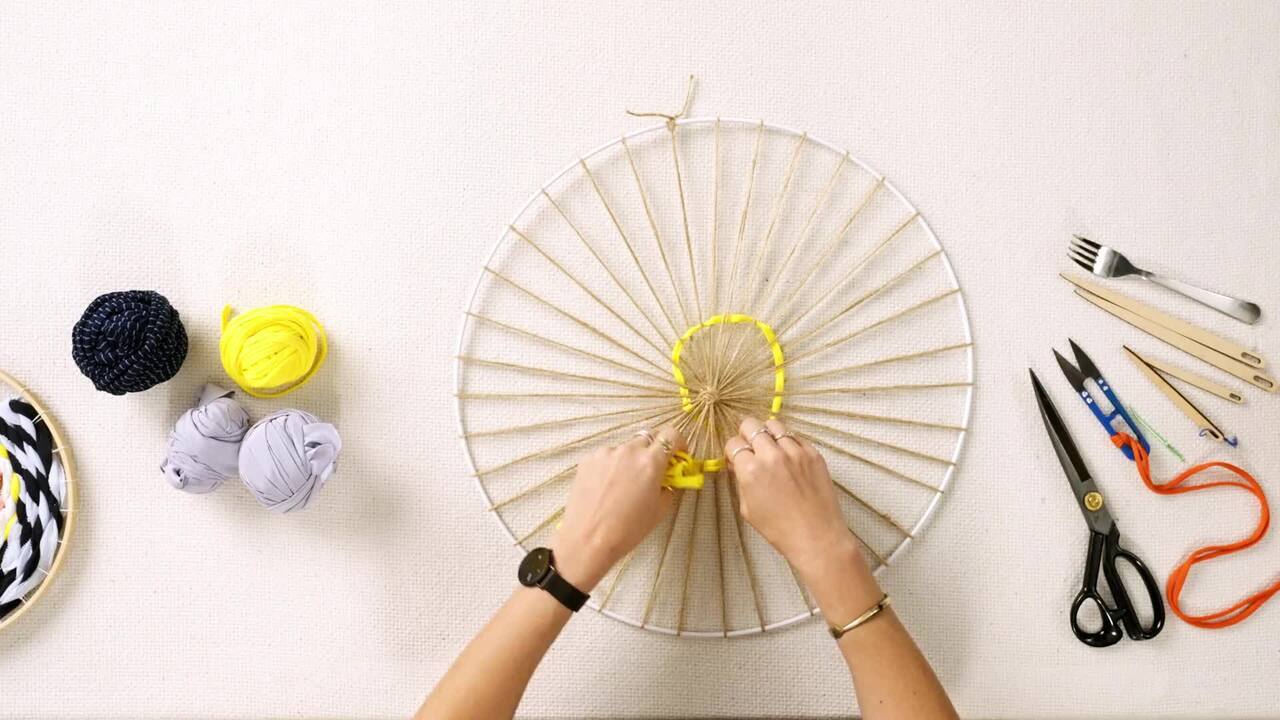
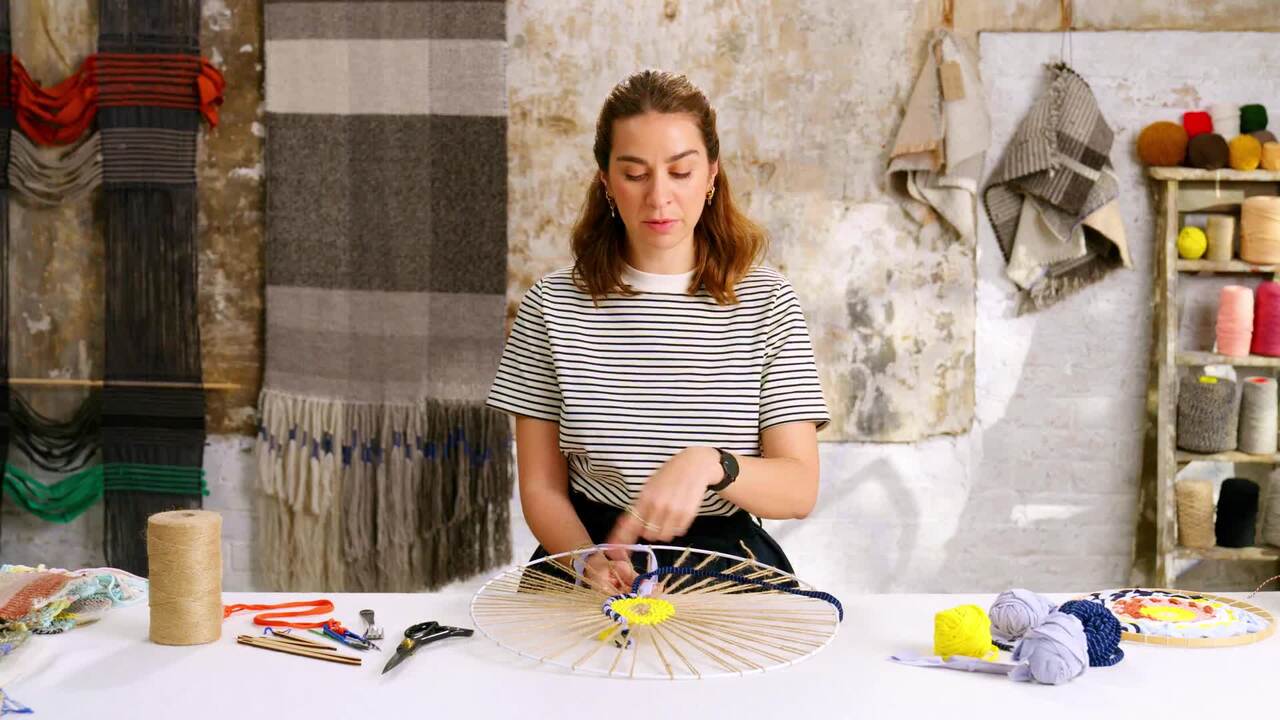
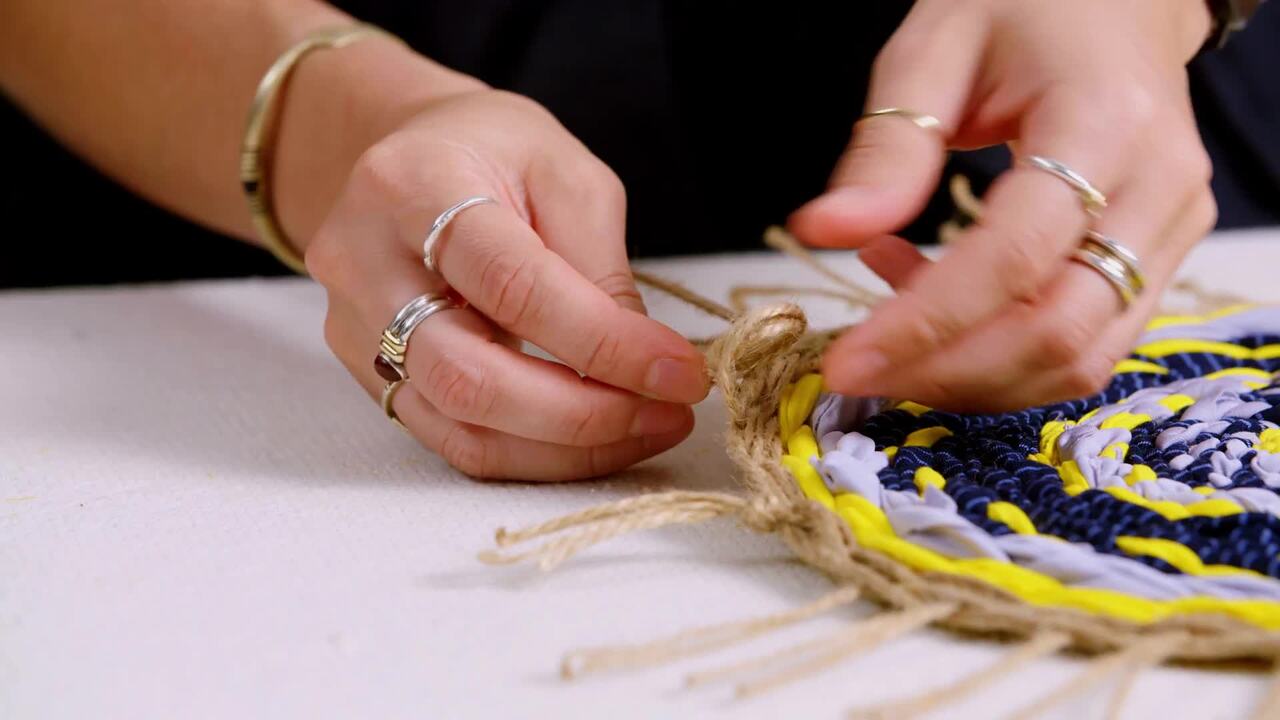
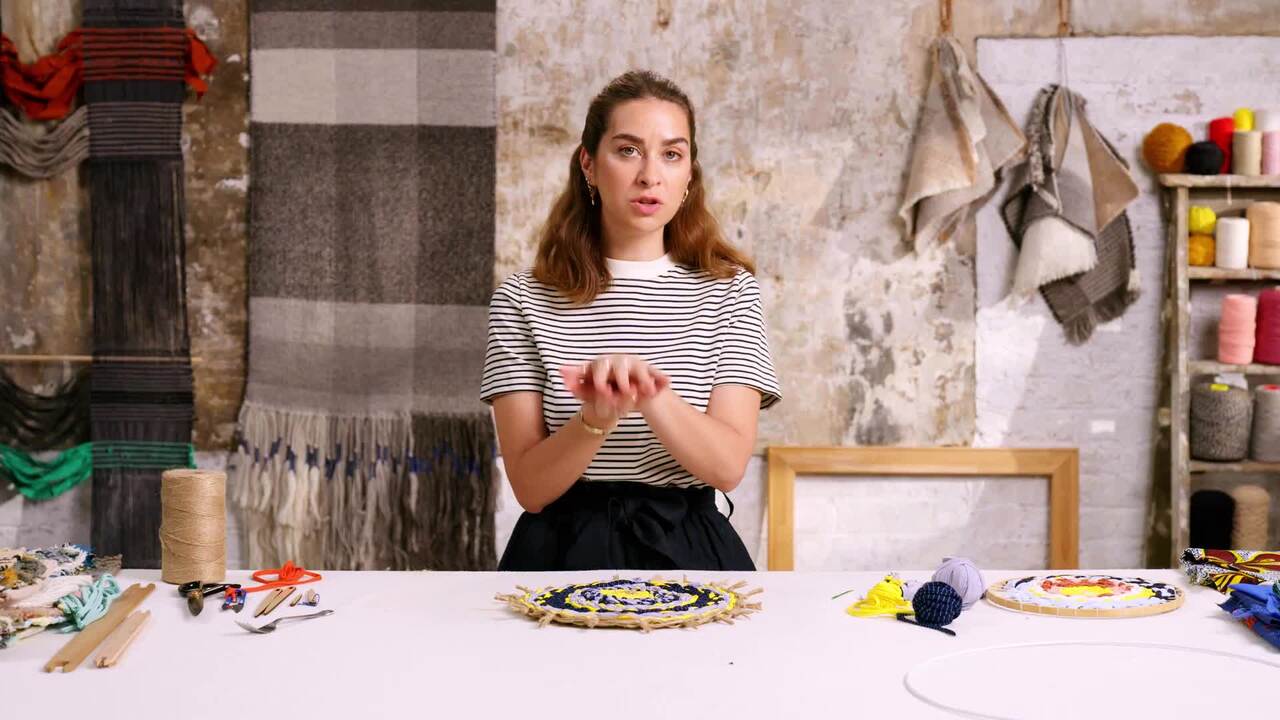
Maria encourages you to repurpose materials that you already have to give them a new lease of life. She demonstrates how to turn an old t-shirt into yarn.
There is a huge variety of yarns that you can buy, but I want to encourage you to repurpose materials that you already have to give them a new lease of life.
Yarns can be made from repurposing:
When repurposing fabrics, it's especially important to make wraps and to weave small samples to see how the yarns behave. This means that you can then adjust your design before you begin.
You will need:
STEP 1: Lay your T-shirt flat on the table.
STEP 2: Remove any labels from both the inside and outside of the T-shirt.
STEP 3: Remove the top half of the T-shirt by cutting in a straight line from one armpit to the other. You will now have a tube of fabric.
STEP 4: Turn the tube of fabric to lie sideways on the table so that the side seams of the T-shirt are at the top and bottom. Make sure it is lying flat.
STEP 5: Cut away the bottom seam of the T-shirt.
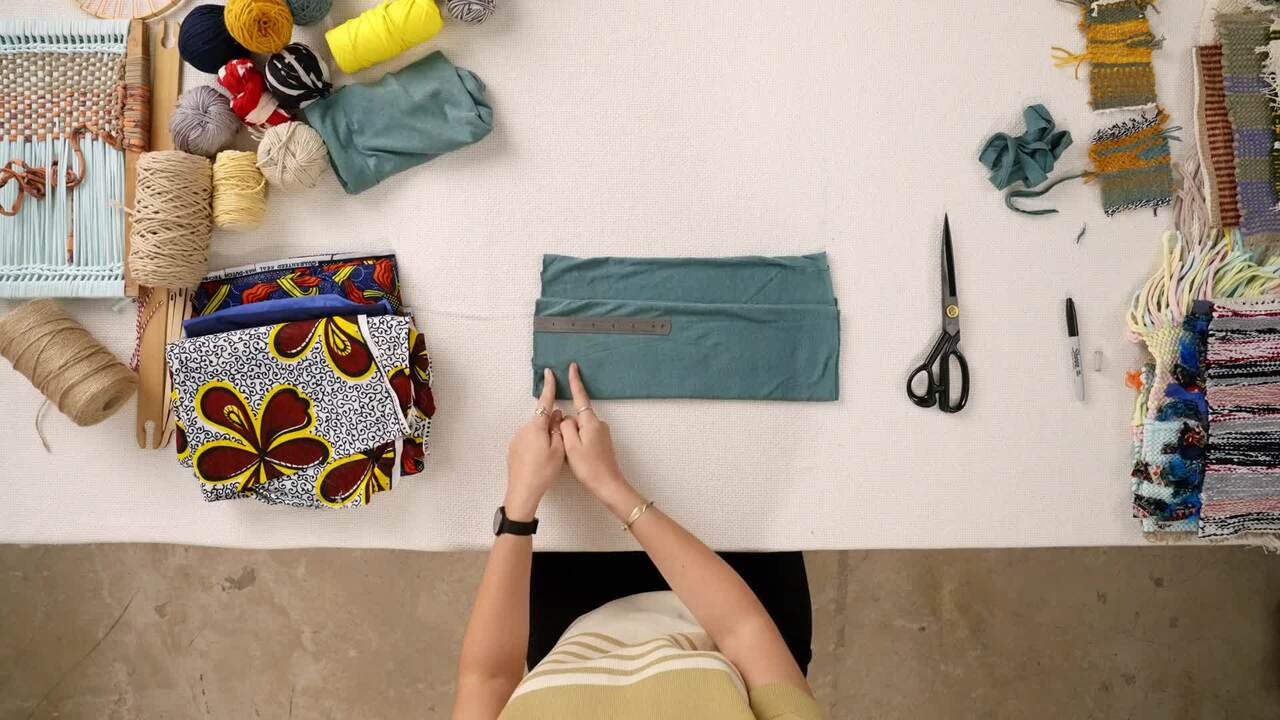
STEP 6: Fold the side seam closest to you up to meet the other side seam but place it around 2 inches shy of the seam. Again, ensure the fabric is lying flat.
STEP 7: Make another fold, taking the bottom edge up in line with the bottom side seam ensuring the 2-inch gap remains.
STEP 8: If you want your strips to be even, take a ruler and permanent marker and measure the width you want your strips to be all the way along the fabric. I recommend a width of between 1 and 2 inches.
STEP 9: Using scissors, cut into the double layer of fabric to create strips, stopping just short of the 2 inch gap you have left. Do not cut into this section.
STEP 10: Once you have cut all the strips, pick up the fabric and insert your arm through the tube so that the uncut section rests on your forearm. The next part can be tricky, but I find holding the fabric this way makes it easier.
STEP 11: The aim is to create a continuous length of yarn. Start at the end closest to your fingertips and cut the outermost strip to release it from the main body of the fabric. This is now the end of your yarn.
STEP 12: Now cut through the 2 inch section diagonally from front to back for each strip to form a continuous length of yarn.
STEP 13: Once you have finished, roll the yarn into a ball, stretching it out as you go to make it thinner and smoother.
Get the full workbook, video lessons, and more with a Create Academy subscription.
Subscribe to access the full workbookAlready a member? Sign in to watch
Sign up or log in to keep watching
By continuing, you agree to our Terms of Use and Privacy Policy.
491 reviews
Read moreCreate Academy has been such a great resource. I'm in the middle of renovating a bungalow with a very large garden and the courses have offered a wealth of inform...
Harvey
Jun 10, 2026
Absolutely love Create Academy! The instructors are extremely informative, and it is beautifully filmed. Create Academy is great value for money and plan on renew...
SG
May 31, 2026
Butter's creativity is stunning! Her ability to incorporate brilliance in small gardens is magical!
Carla
May 30, 2026
The best adventure. I like all the courses, but my favorite are both Rita Konig interior design courses and Anna Jones. Excellent!
Karolina Kluczewska
May 20, 2026
Create Academy has been such a great resource. I'm in the middle of renovating a bungalow with a very large garden and the courses have offered a wealth of information to dive into and explore new ideas. I'm...
Harvey
Jun 10, 2026
Absolutely love Create Academy! The instructors are extremely informative, and it is beautifully filmed. Create Academy is great value for money and plan on renewing my subscription yearly because there are ...
SG
May 31, 2026
Butter's creativity is stunning! Her ability to incorporate brilliance in small gardens is magical!
Carla
May 30, 2026

Your Instructor
Award-winning textile designer
Maria Sigma is an award-winning Greek textiles designer and weaver specialising in ethical hand-woven textiles for interiors. Maria’s work - inspired by a traditional Greek Cycladic crocheted lace pattern - celebrates 'zero waste' design and a slow-making ethic, combining a contemporary approach of traditional weaving techniques with a focus on raw natural materials and texture. Maria has collaborated with a long list of exceptional interior designers, architects, galleries, fashion and furniture brands, including Susie Atkinson, Hauser & Wirth, Soho House, The New Craftsman, Anthropologie and Toast. She also teaches regular ‘weaving from waste’ workshops across London and has authored a book on the subject entitled, Weaving: the Art of Sustainable Textile Creation.

Access to all courses


.jpg)