
Interior and exterior confidence
Create Academy has been such a great resource. I'm in the middle of renovating a bungalow with a very large garden and the courses have offered a wealth of inform...
Harvey
Jun 10, 2026
How to Grow Exceptional Produce
with JANE SCOTTER — Leading biodynamic grower of fruit and vegetables. Supplier to Michelin star restaurant Spring.
Lesson 32 of 36
Subscribe to watch
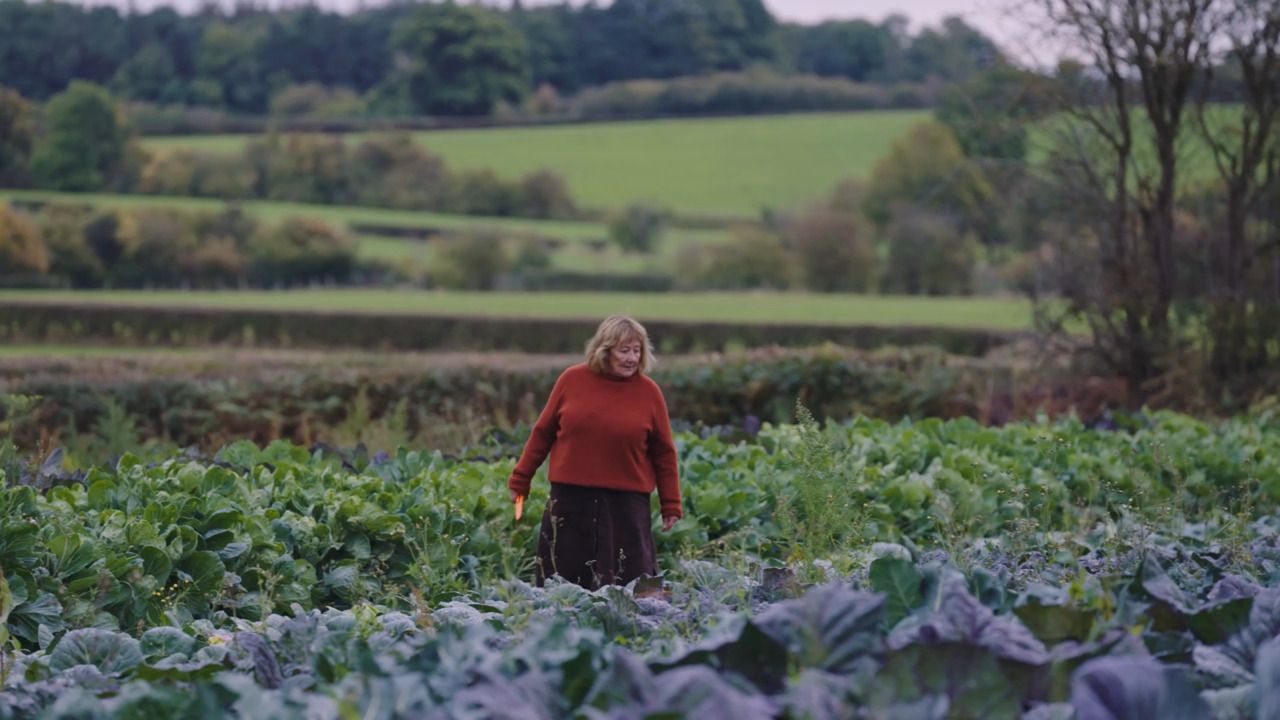
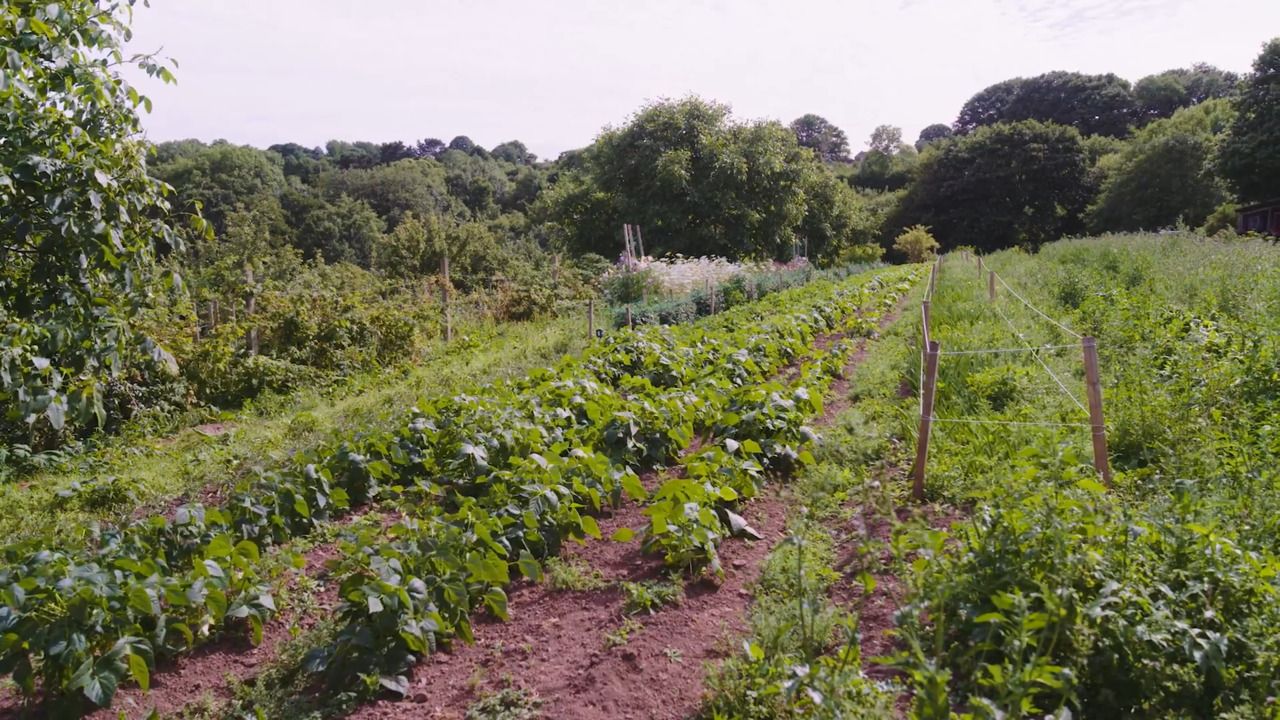
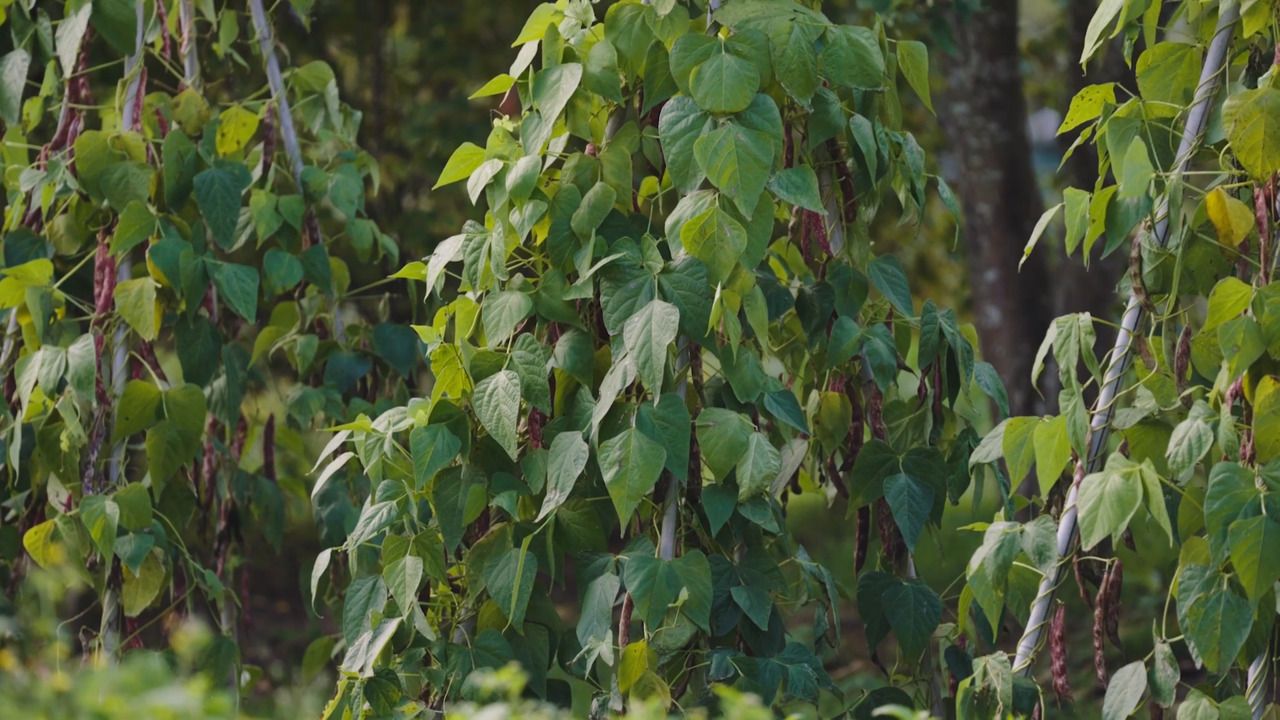
From dwarf varieties to climbing beans, in this lesson Jane will show how to care for these rewarding legumes.
Beans are a great crop to grow if you want to make your soil more fertile. Their long tap roots help to aerate the soil and they also help to 'fix' nitrogen in the soil, making it more fertile for other crops.
Depending on your space, there are many types of legume that you can grow, from pole beans, which require support to grow upwards, to dwarf varieties. Beans can also be eaten in a variety of ways; for instance, with runner beans you eat the pod, while with borlotti beans, you can dry the beans for storage.
Borlotti beans are a slow growing and expensive variety, but they are so worth it. To develop the distinct colouration of the beans, you need to grow them into October. They prefer a warm summer and a dry autumn, and will grow really well in the UK if they get these conditions.
They can be slow to germinate in cooler weather though, so you may be better off waiting until mid-May to sow the seeds.
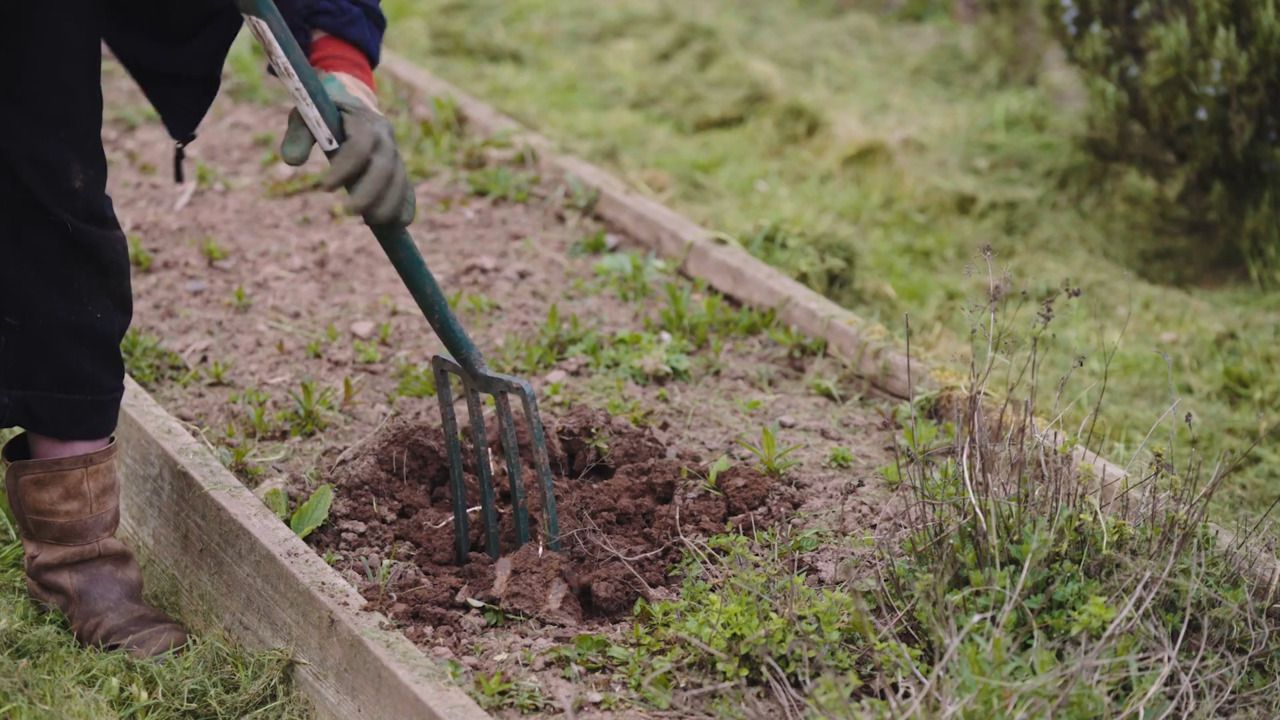
Beans enjoy good soil fertility too, so make sure your soil is nice and rich before you get started by adding manure or compost to your soil in the preceding autumn or spring.
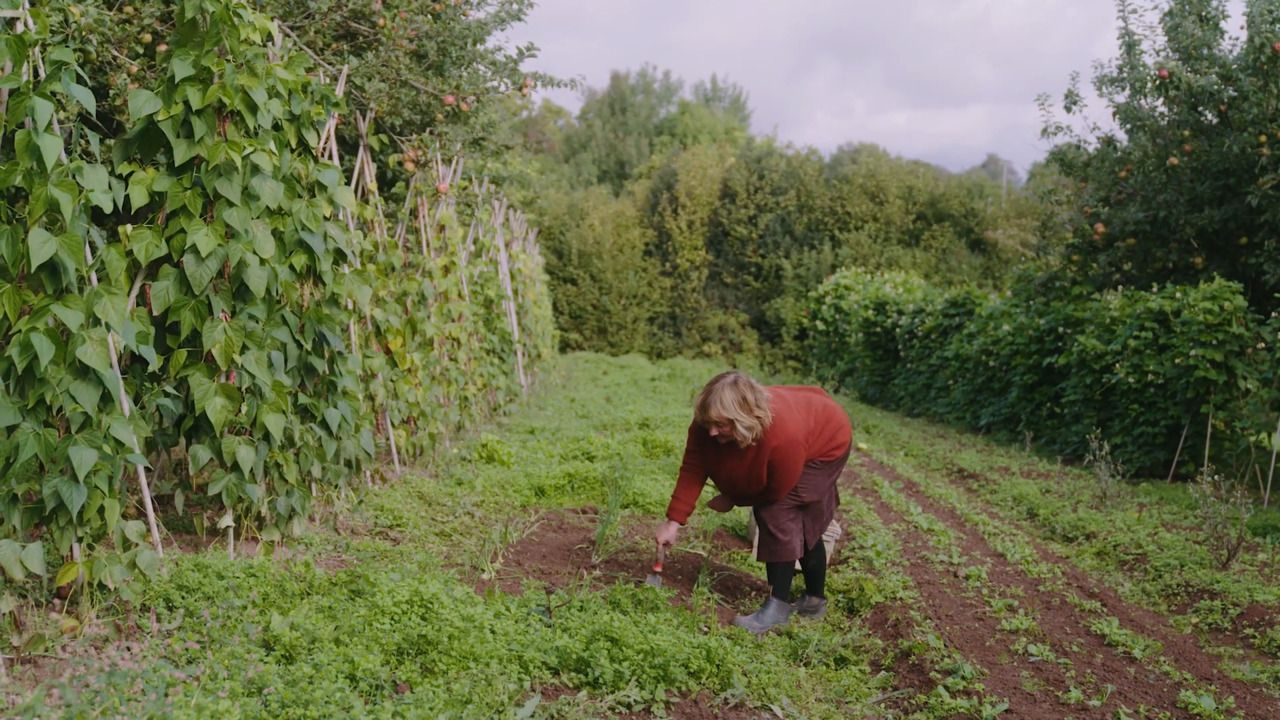
When you're ready to start growing, erect a bean frame made out of bamboo canes. At the base of each pole, we tend to plant four beans, as you may only get two or three that will germinate.
They're a great space saver too, because of their upward growth and if you want to grow anything that prefers less light, they act as an excellent screen for your shade-loving plants.
Borlotti beans are ready when the pods have developed a mottled appearance. If you want to harvest them when they're fresh, you will want the pods to have a great depth of colour.
You're likely to harvest your first pods from the lowest part of the plant, as these will be the first flowers to set fruit. Blemished pods are a sign that they are ready to harvest, and when you crack open the pod, you should find large, speckled beans; whereas, if they are still white, then they are not ready.
The best beans for drying are the ones found in crispy pods. If you pick them on a dry day, then you'll have an easier job drying them out.
After you pick your pods, spread them out in a warm, dark place and leave them to dry out, turning the pods occasionally to ensure they dry evenly.
Once the pods have become very crispy, shell your beans and keep them in a sealed jar until you are ready to use them.
Get the full workbook, video lessons, and more with a Create Academy subscription.
Subscribe to access the full workbookAlready a member? Sign in to watch
491 reviews
Read moreCreate Academy has been such a great resource. I'm in the middle of renovating a bungalow with a very large garden and the courses have offered a wealth of inform...
Harvey
Jun 10, 2026
Absolutely love Create Academy! The instructors are extremely informative, and it is beautifully filmed. Create Academy is great value for money and plan on renew...
SG
May 31, 2026
Butter's creativity is stunning! Her ability to incorporate brilliance in small gardens is magical!
Carla
May 30, 2026
The best adventure. I like all the courses, but my favorite are both Rita Konig interior design courses and Anna Jones. Excellent!
Karolina Kluczewska
May 20, 2026
Create Academy has been such a great resource. I'm in the middle of renovating a bungalow with a very large garden and the courses have offered a wealth of information to dive into and explore new ideas. I'm...
Harvey
Jun 10, 2026
Absolutely love Create Academy! The instructors are extremely informative, and it is beautifully filmed. Create Academy is great value for money and plan on renewing my subscription yearly because there are ...
SG
May 31, 2026
Butter's creativity is stunning! Her ability to incorporate brilliance in small gardens is magical!
Carla
May 30, 2026

Your Instructor
Leading biodynamic grower of fruit and vegetables. Supplier to Michelin star restaurant Spring.
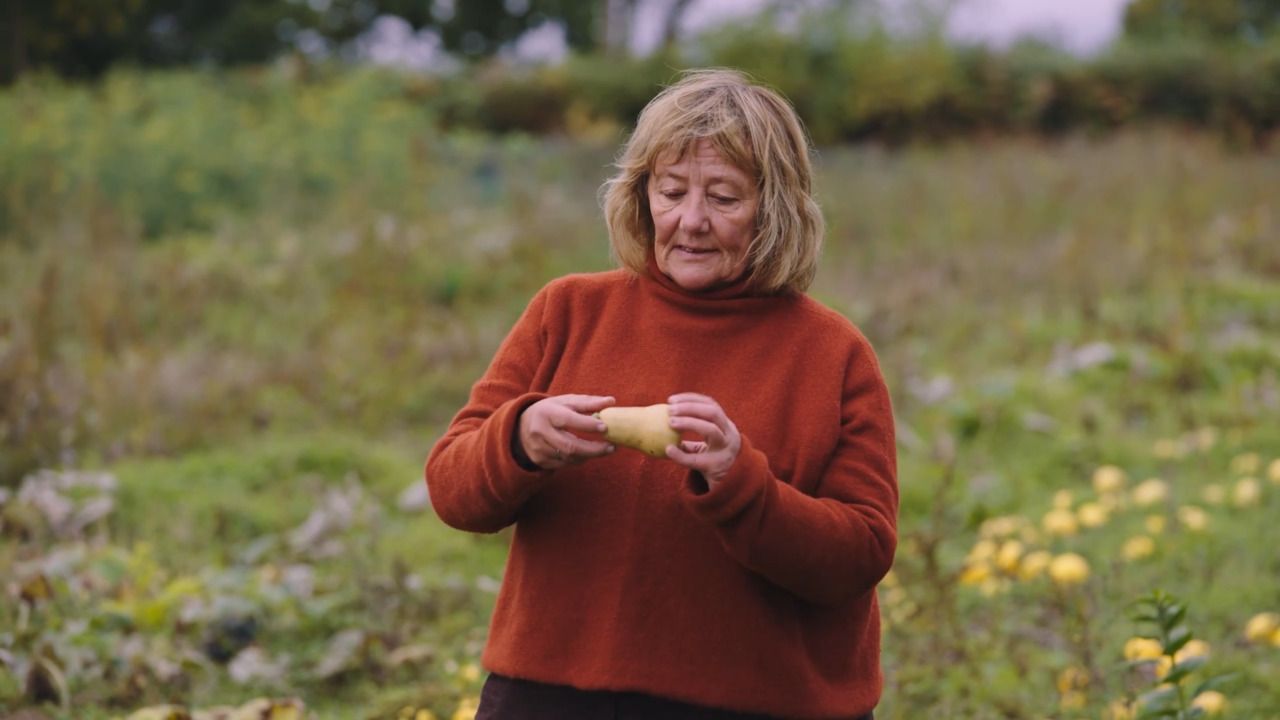
Jane Scotter has been farming at Fern Verrow - her certified biodynamic farm at the foothills of the Black Mountains in Herefordshire - since 1996, where she cultivates a wide range of truly seasonal vegetables, fruit, herbs and flowers. Jane believes that vegetables and fruit grown in good soil, at the right time of year and open to the elements have a greatly enhanced character and flavour, and that size and shape are unimportant when compared to taste and true quality. Since 2015 she has had a farm-to-table collaboration with Michelin starred chef Skye Gyngell and her London restaurant, Spring, and also grows flowers for acclaimed London florists, JamJar Flowers.
Access to all courses


