
Interior and exterior confidence
Create Academy has been such a great resource. I'm in the middle of renovating a bungalow with a very large garden and the courses have offered a wealth of inform...
Harvey
Jun 10, 2026
How to Grow Exceptional Produce
with JANE SCOTTER — Leading biodynamic grower of fruit and vegetables. Supplier to Michelin star restaurant Spring.
Lesson 30 of 36
Subscribe to watch
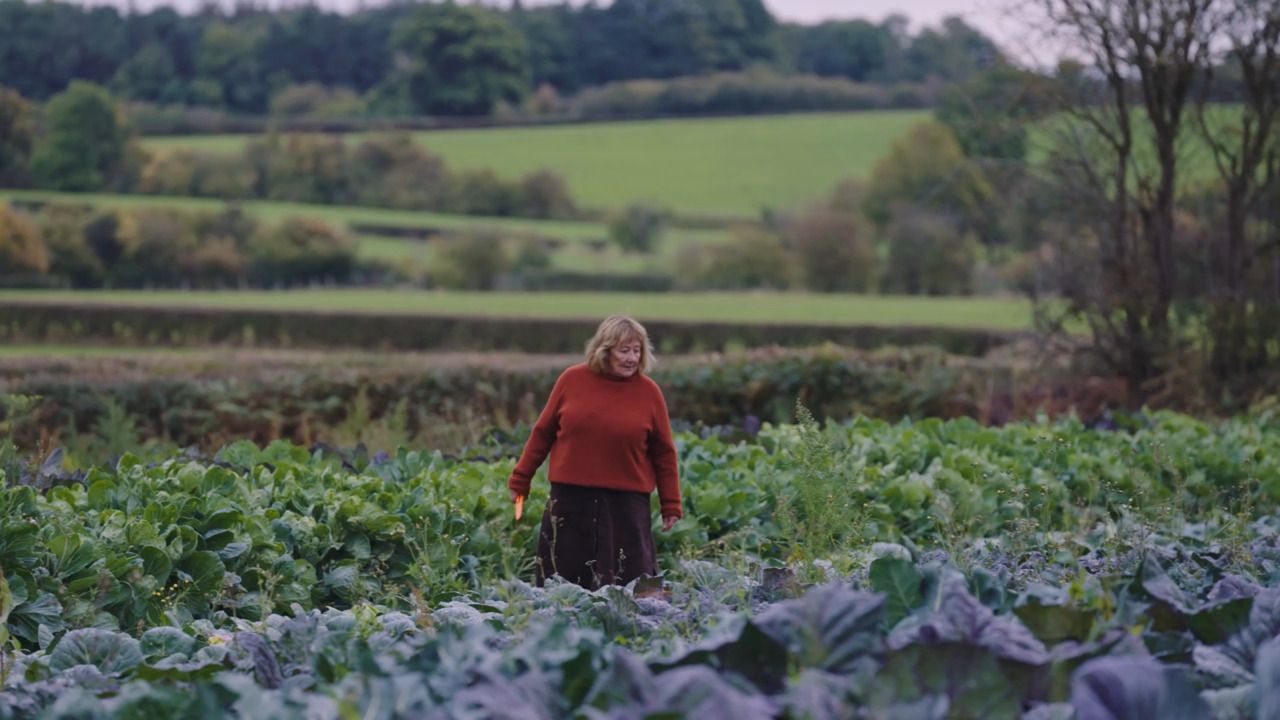
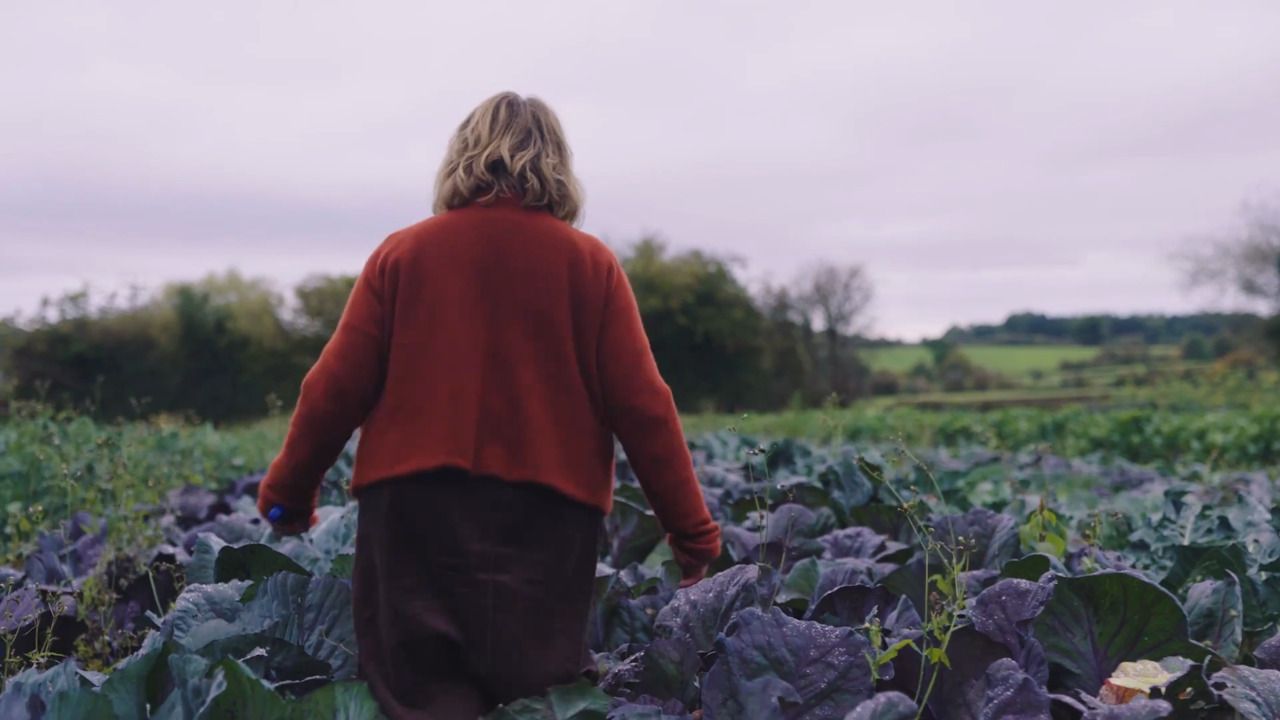
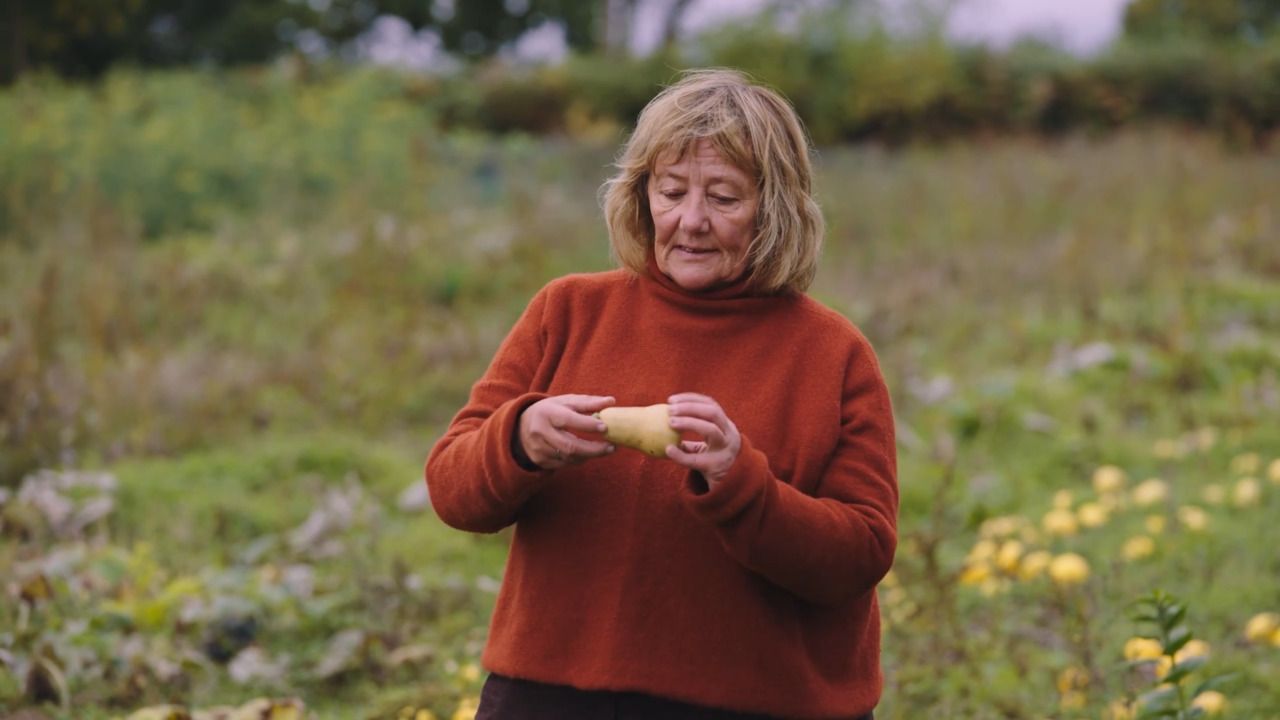
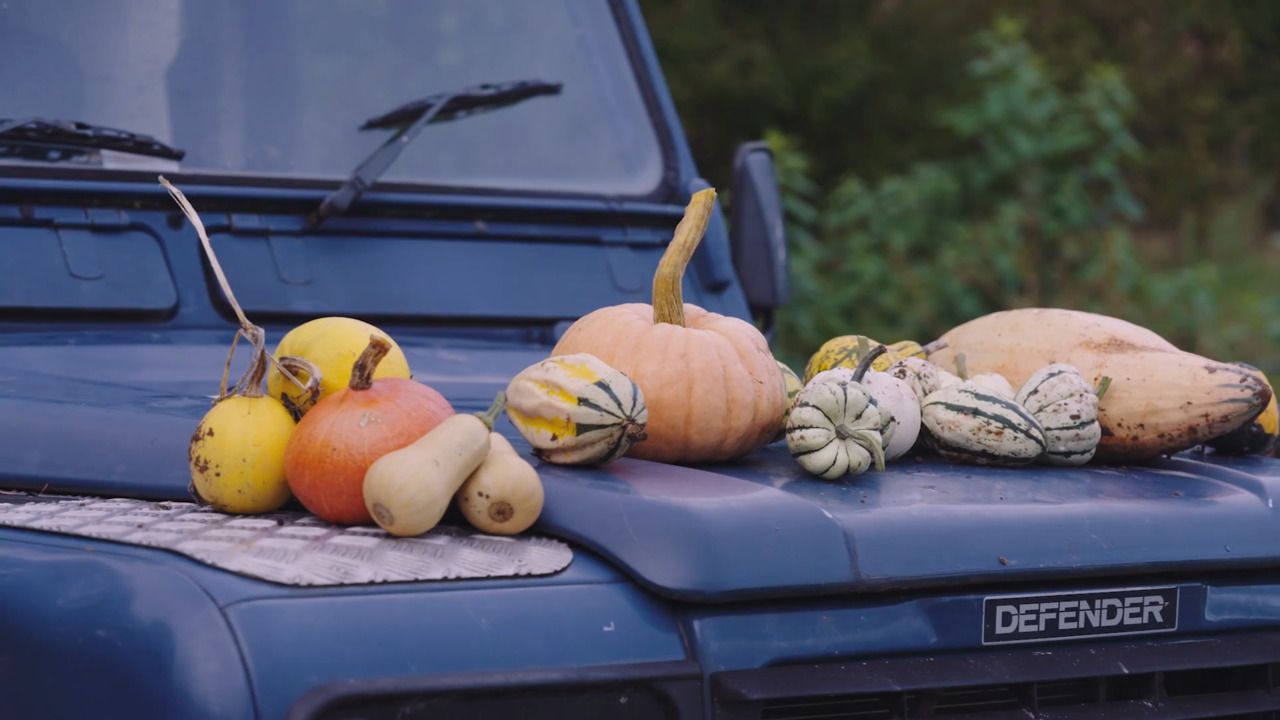
The trailing tendrils of squash plants need lots of space. Jane will guide you through her squash field and show you how to care for these beautiful cucurbits.
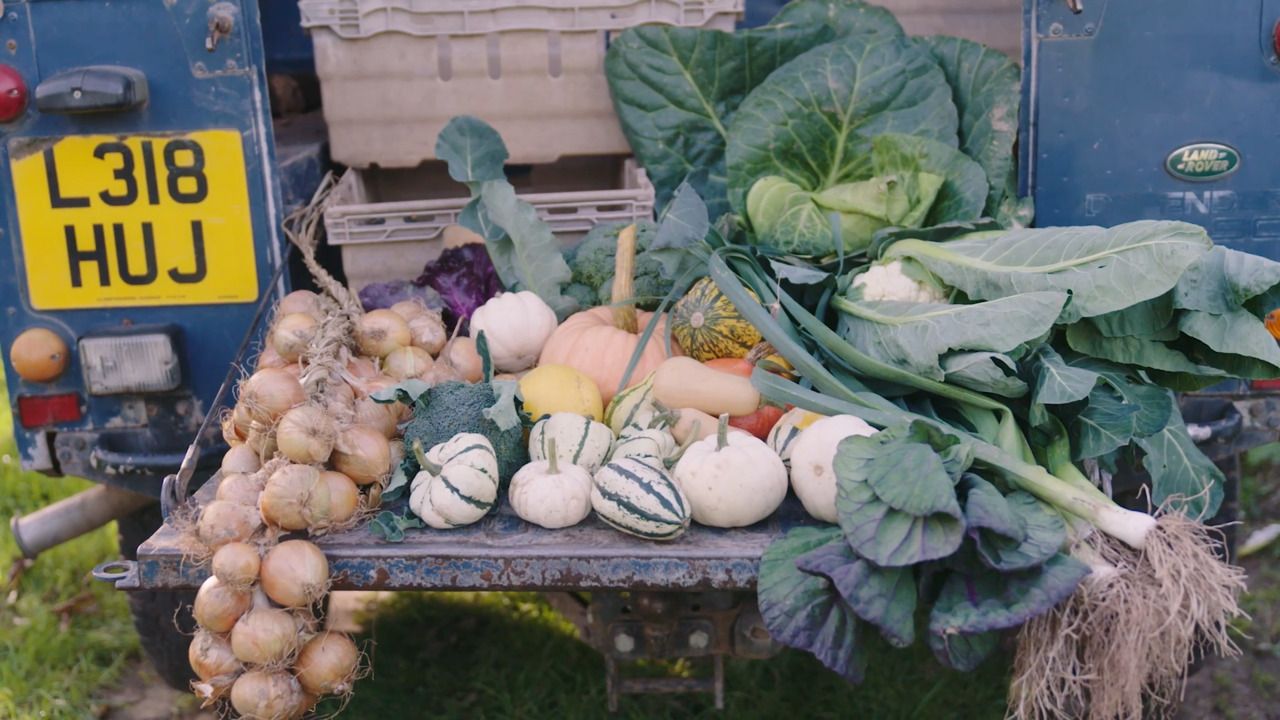
Squashes, pumpkins and gourds are all members of the cucurbit family. Gourds are generally grown for decorative purposes. Some can be eaten, but they aren't as tasty as squashes and pumpkins.
Courgettes are also a member of the cucurbit family and are considered summer squash. Winter squashes, on the other hand, are the pumpkins and squashes that grow throughout the summer and are then harvested in the winter.
Unlike summer squash, many winter squashes can be stored over the winter months, thus prolonging their season.
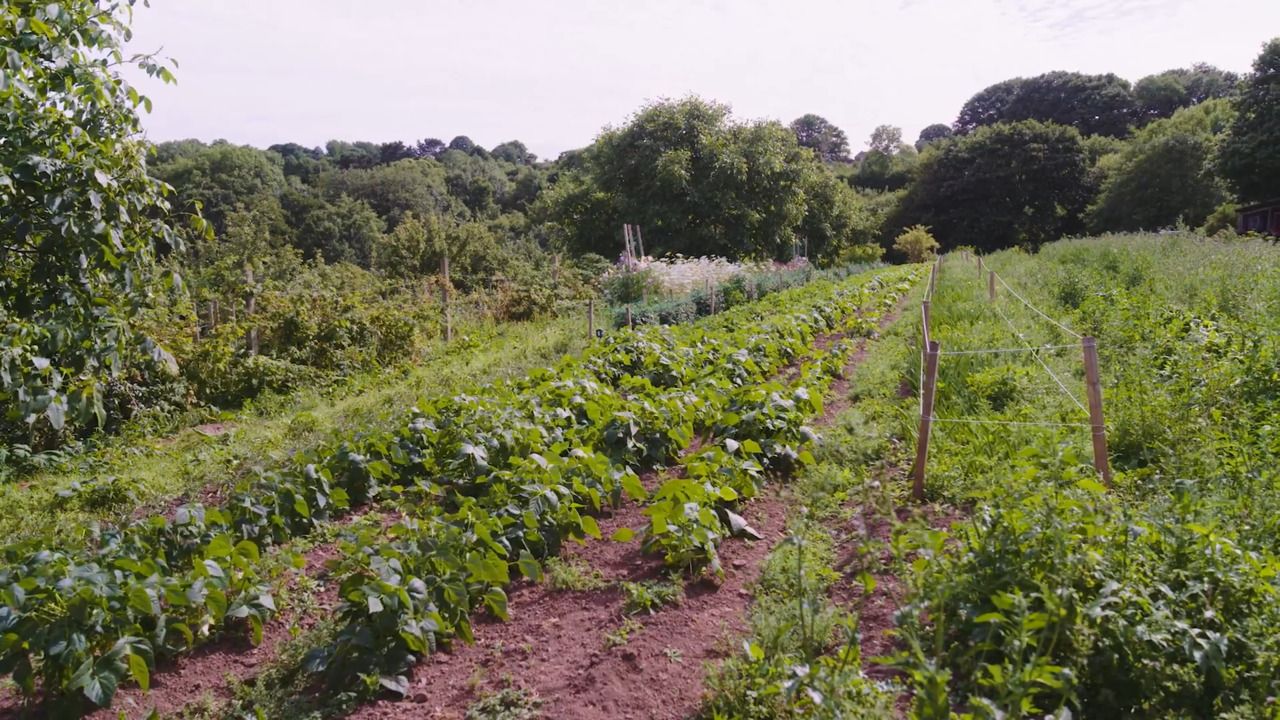
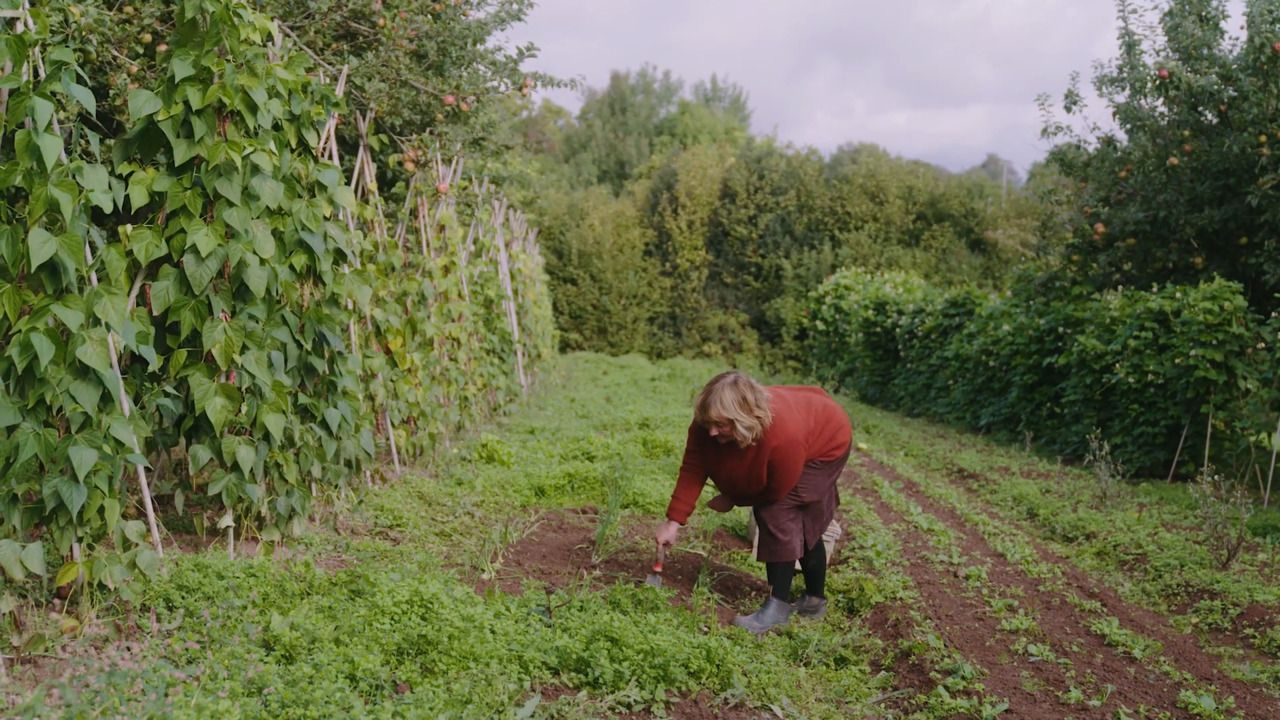
We sow our squashes in the middle of May and plant them out a few weeks later. As long as the weather is warm enough, cucurbits germinate very quickly and grow into sturdy plants. Like cabbages though, squashes need a lot of space, especially the trailing varieties that we grow here. We plant our squashes about half a metre apart and give them lots of water in the early stages of their growth to ensure that the fruits set. Squashes can be a bit of a gamble to grow in the UK though. If we have a cool August or a wet autumn, they won't be as tasty as they would be after a hot summer. If the weather is right though, you can grow a field full of delicious squash without too much difficulty.
Knowing what your finished squash is meant to look like will really help you to identify when it is ready to harvest. Another key indicator though is when the stalks of the plants have turned brown and straw like.
Don't worry if the leaves of your squash plants start to develop dusty mildew later in their growing season; while it may look worrying, the mildew doesn't actually penetrate the plant, it just lives on the surface.
If your squash is a yellow variety, wait until the whole squash has turned from green to yellow before harvesting.
It's best to harvest squashes as soon as they're ready. If you leave them outside and wet weather comes, the squashes can begin to rot in situ or get discolouration on their skins.
Once harvested, clean and dry your squashes and then rub a little bit of sunflower oil into the skins, which will help to protect them.
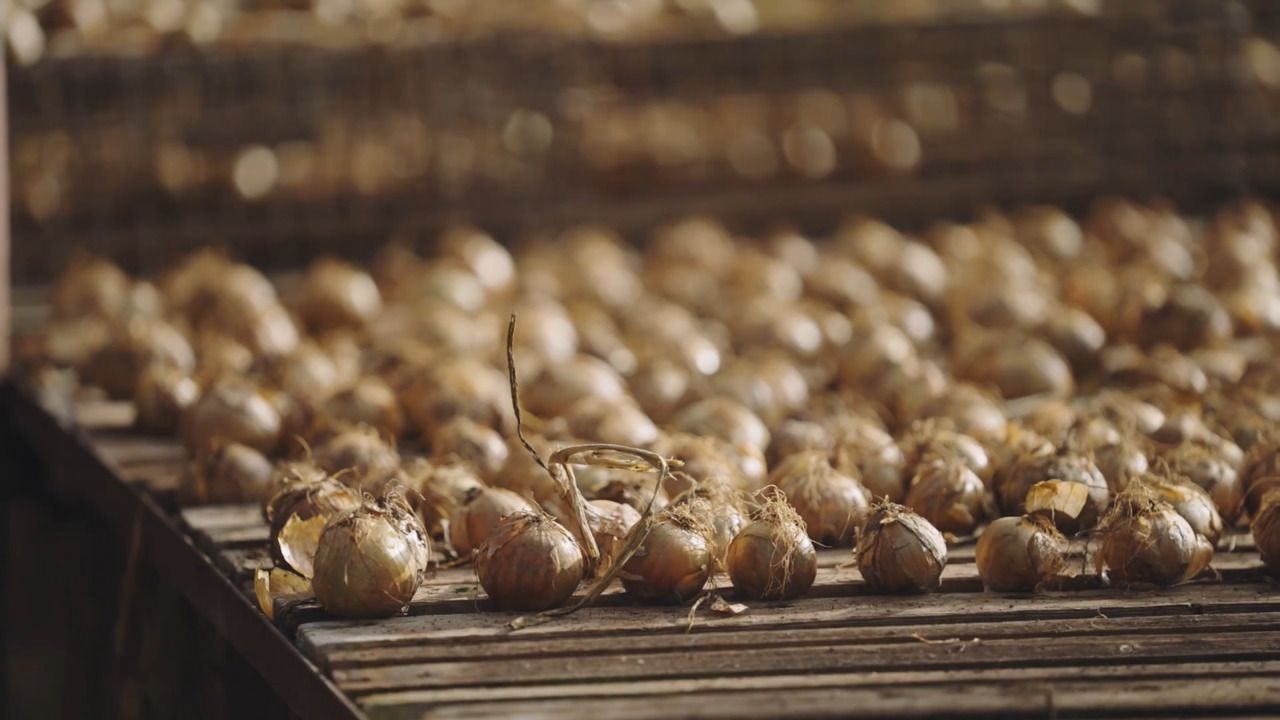
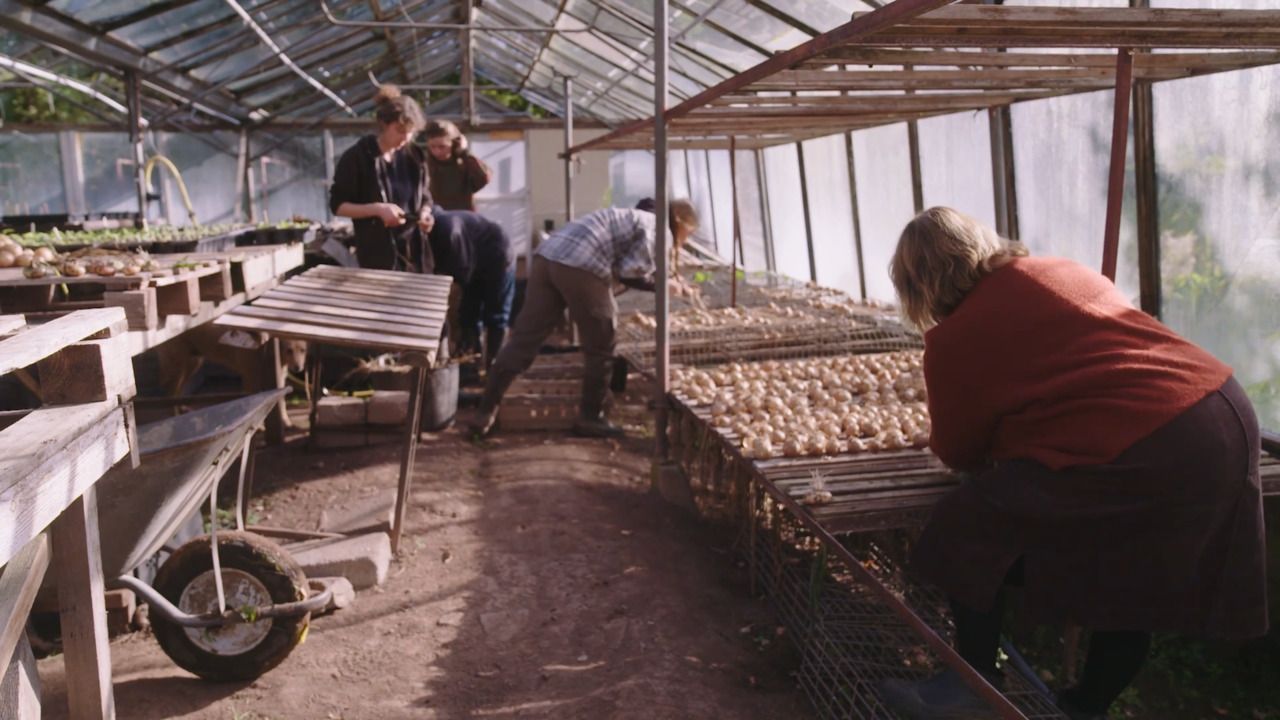
We cure our squashes in the same way we cure our onions: by laying them on slats in the greenhouse. This gives them the chance to dry out and helps the skins to firm up.
Once they've dried out, store your squashes in a cool and dark space, with lots of good air circulation around them.
If you're considering growing pumpkins and squashes, then bear in mind that they're heavy feeders so require good soil and lots of space.
If you only have a small area, then consider growing them up a trellis or even along a balcony. You can also get bush varieties, which grow in a similar way to courgettes.
Get the full workbook, video lessons, and more with a Create Academy subscription.
Subscribe to access the full workbookAlready a member? Sign in to watch
491 reviews
Read moreCreate Academy has been such a great resource. I'm in the middle of renovating a bungalow with a very large garden and the courses have offered a wealth of inform...
Harvey
Jun 10, 2026
Absolutely love Create Academy! The instructors are extremely informative, and it is beautifully filmed. Create Academy is great value for money and plan on renew...
SG
May 31, 2026
Butter's creativity is stunning! Her ability to incorporate brilliance in small gardens is magical!
Carla
May 30, 2026
The best adventure. I like all the courses, but my favorite are both Rita Konig interior design courses and Anna Jones. Excellent!
Karolina Kluczewska
May 20, 2026
Create Academy has been such a great resource. I'm in the middle of renovating a bungalow with a very large garden and the courses have offered a wealth of information to dive into and explore new ideas. I'm...
Harvey
Jun 10, 2026
Absolutely love Create Academy! The instructors are extremely informative, and it is beautifully filmed. Create Academy is great value for money and plan on renewing my subscription yearly because there are ...
SG
May 31, 2026
Butter's creativity is stunning! Her ability to incorporate brilliance in small gardens is magical!
Carla
May 30, 2026

Your Instructor
Leading biodynamic grower of fruit and vegetables. Supplier to Michelin star restaurant Spring.
Jane Scotter has been farming at Fern Verrow - her certified biodynamic farm at the foothills of the Black Mountains in Herefordshire - since 1996, where she cultivates a wide range of truly seasonal vegetables, fruit, herbs and flowers. Jane believes that vegetables and fruit grown in good soil, at the right time of year and open to the elements have a greatly enhanced character and flavour, and that size and shape are unimportant when compared to taste and true quality. Since 2015 she has had a farm-to-table collaboration with Michelin starred chef Skye Gyngell and her London restaurant, Spring, and also grows flowers for acclaimed London florists, JamJar Flowers.

Access to all courses


