
Interior and exterior confidence
Create Academy has been such a great resource. I'm in the middle of renovating a bungalow with a very large garden and the courses have offered a wealth of inform...
Harvey
Jun 10, 2026
How to Grow Exceptional Produce
with JANE SCOTTER — Leading biodynamic grower of fruit and vegetables. Supplier to Michelin star restaurant Spring.
Lesson 19 of 36
Subscribe to watch
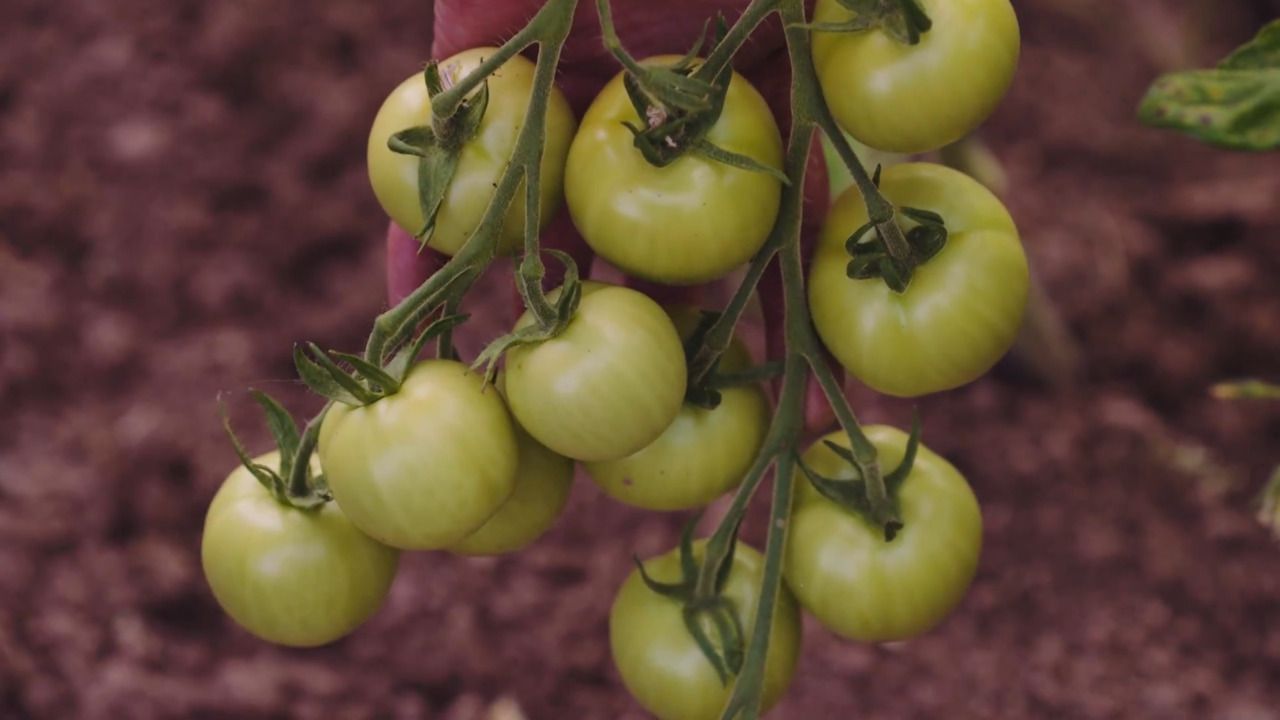
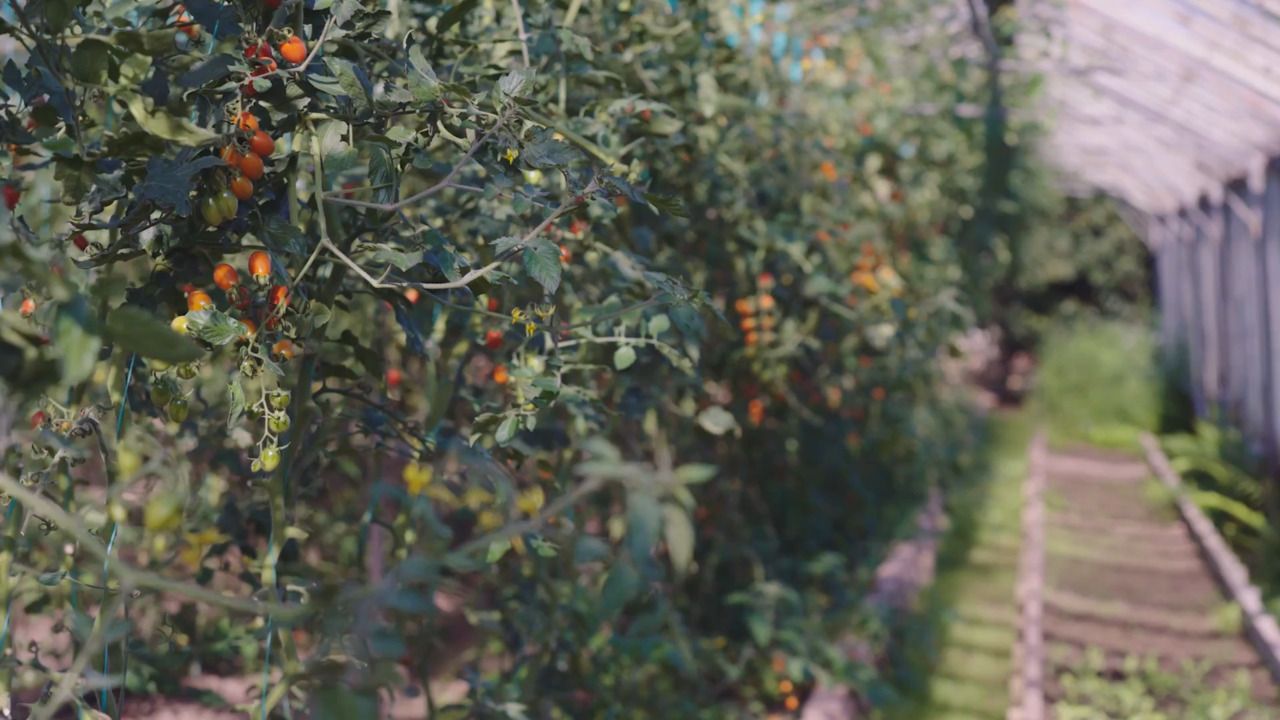
One of the most popular crops of summer, Jane will show you how to maintain and care for your tomato plants.
Whatever size your space is, if you're growing tomatoes you will want to grow them in the warmest place possible. If you have a greenhouse, then grow them there, but if not, a south-facing wall is ideal.
Unless you have a sealed greenhouse, there is little point in sowing your tomato seeds earlier than the end of March. Tomato plants are very sensitive to frost, so you'll need to keep them warm until they're ready to plant out.
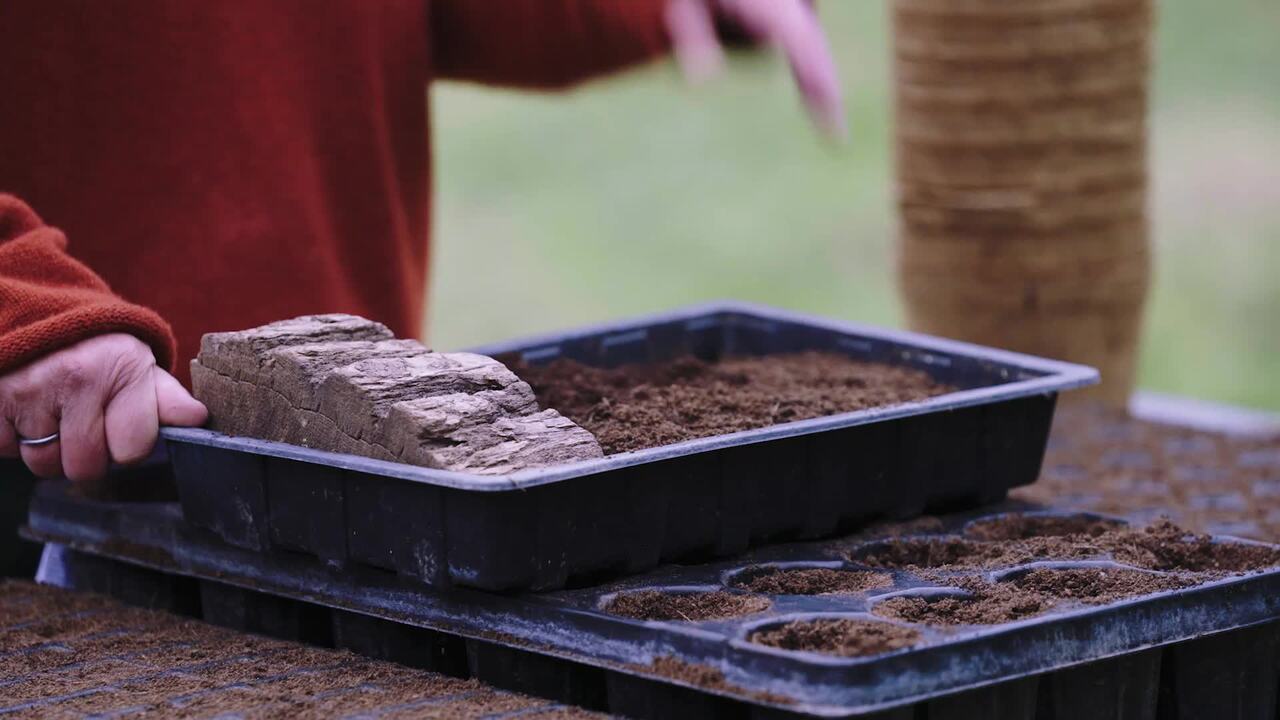
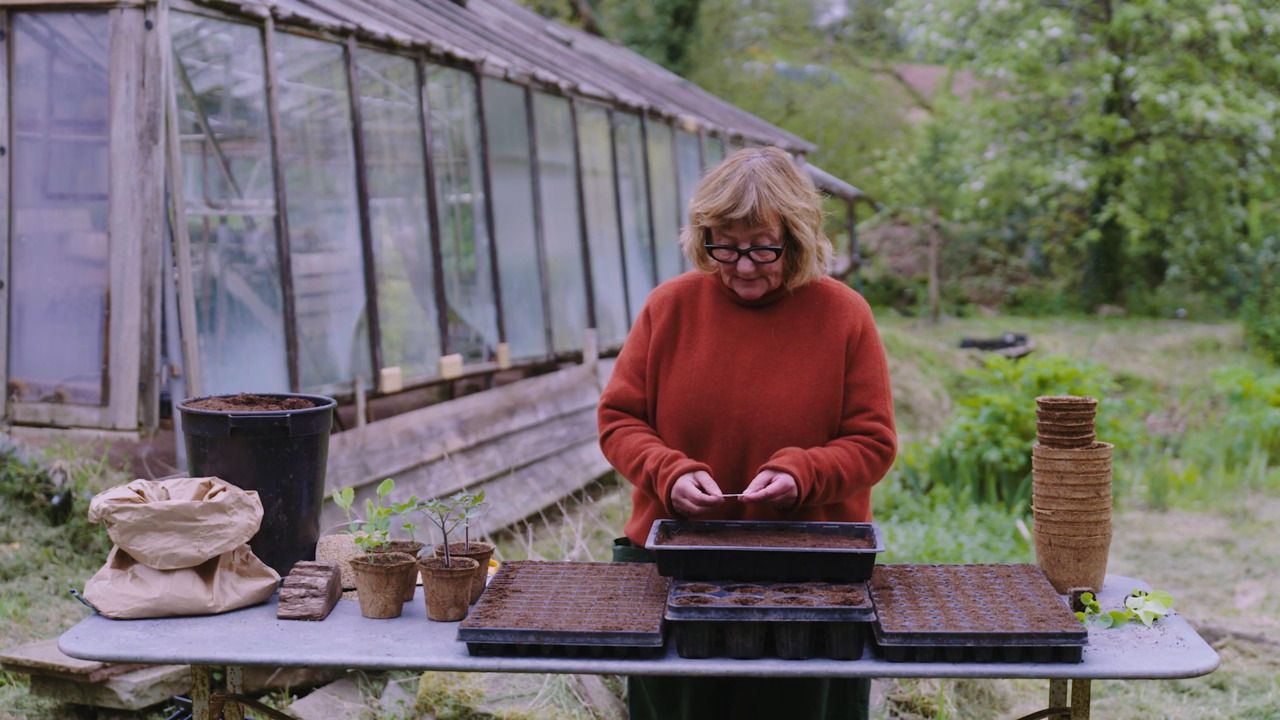
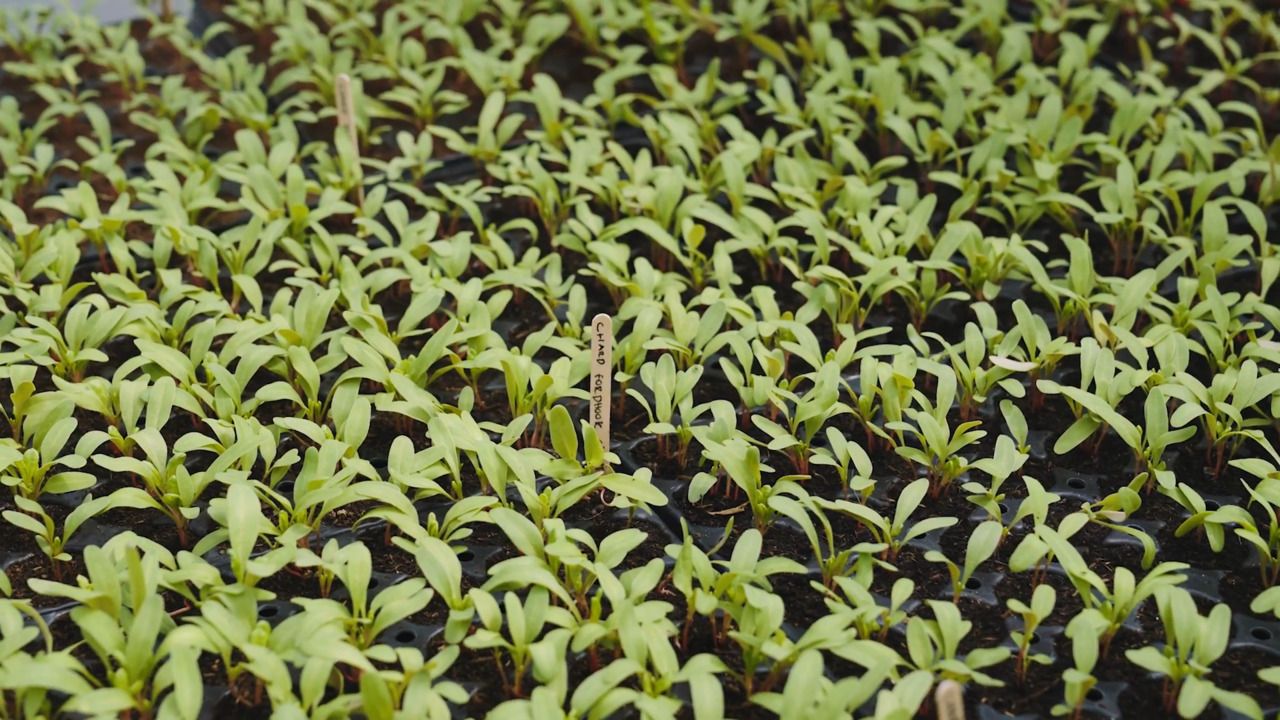
After growing in seed trays, prick out your plants and plant them up in 9 cm pots. They then stay in these pots until they are around 15 cm tall.
All cordon tomatoes produce side shoots and it is important to remove these to keep your plant growing straight.
If you don't remove the side shoots, your tomato plants will put all of their energy into producing leaves instead of fruits.
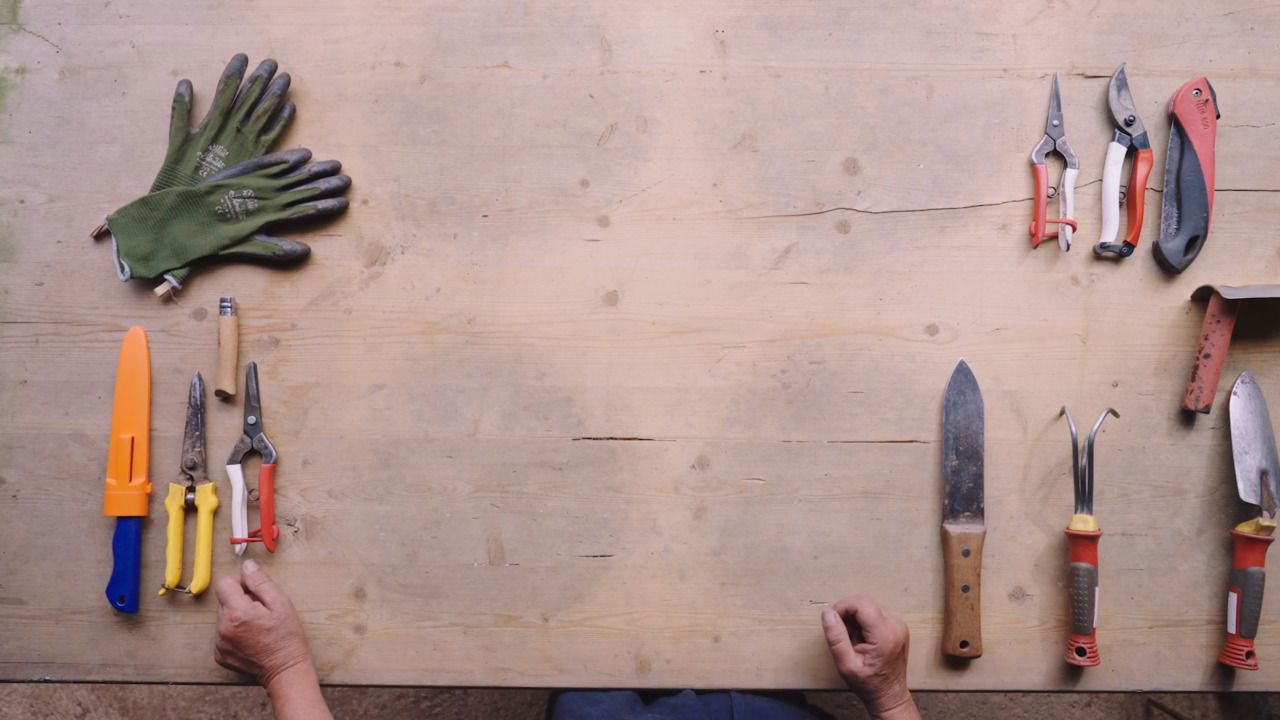
Here, we check for side shoots four or five times during the growing season. Depending on the size of the shoot, you can either pinch it out with your fingers or cut it off with your snippers or secateurs.
As your plant begins to produce fruit, you can also remove a few of the surrounding leaves to create a good air flow. This will also enable more light to reach your fruits, helping them to ripen and become sweeter.
If your tomato plants are growing close together, remove any leaves that are touching one another to reduce the chances of diseases, like blight, spreading from one plant to the next.
To ensure a successful crop, feed your tomato plants during flowering, as this will help them to set their fruits. I use organic liquid seaweed. Alternatively, plant your tomatoes into a mixture of soil and manure, and this will feed them right the way through the growing season.
Consistent watering is also very important if you want to produce healthy plants. Tomatoes like consistency, so if you can, water them at the same time each week. We water ours twice a week, on Monday and Friday.
Once the fruits have set near the top of an established plant – which usually happens in late August or early September – we tend to stop watering, as the plant has now entered the ripening stage of its growth. If the plant is wilting though, it needs to be watered. But even here, only give it enough to survive. Holding back on the water at this point will result in lovely syrupy tomatoes – the best tasting tomatoes of the year.
Tomatoes, like their relative the potato, are quite susceptible to blight, which will turn the leaves brown and can severely affect the tomatoes too.
Blight thrives in damp weather, so when the conditions are right for it, I spray my plants with a tea of Equisetum. Commonly known as horsetail, this is one of the planet's oldest plant species and it is known to have antibacterial and antifungal properties.
This tea, however, is preventative not curative, so keep an eye on the weather forecast and if it's due to be damp and cold, spray the soil and foliage in advance.
Get the full workbook, video lessons, and more with a Create Academy subscription.
Subscribe to access the full workbookAlready a member? Sign in to watch
491 reviews
Read moreCreate Academy has been such a great resource. I'm in the middle of renovating a bungalow with a very large garden and the courses have offered a wealth of inform...
Harvey
Jun 10, 2026
Absolutely love Create Academy! The instructors are extremely informative, and it is beautifully filmed. Create Academy is great value for money and plan on renew...
SG
May 31, 2026
Butter's creativity is stunning! Her ability to incorporate brilliance in small gardens is magical!
Carla
May 30, 2026
The best adventure. I like all the courses, but my favorite are both Rita Konig interior design courses and Anna Jones. Excellent!
Karolina Kluczewska
May 20, 2026
Create Academy has been such a great resource. I'm in the middle of renovating a bungalow with a very large garden and the courses have offered a wealth of information to dive into and explore new ideas. I'm...
Harvey
Jun 10, 2026
Absolutely love Create Academy! The instructors are extremely informative, and it is beautifully filmed. Create Academy is great value for money and plan on renewing my subscription yearly because there are ...
SG
May 31, 2026
Butter's creativity is stunning! Her ability to incorporate brilliance in small gardens is magical!
Carla
May 30, 2026

Your Instructor
Leading biodynamic grower of fruit and vegetables. Supplier to Michelin star restaurant Spring.
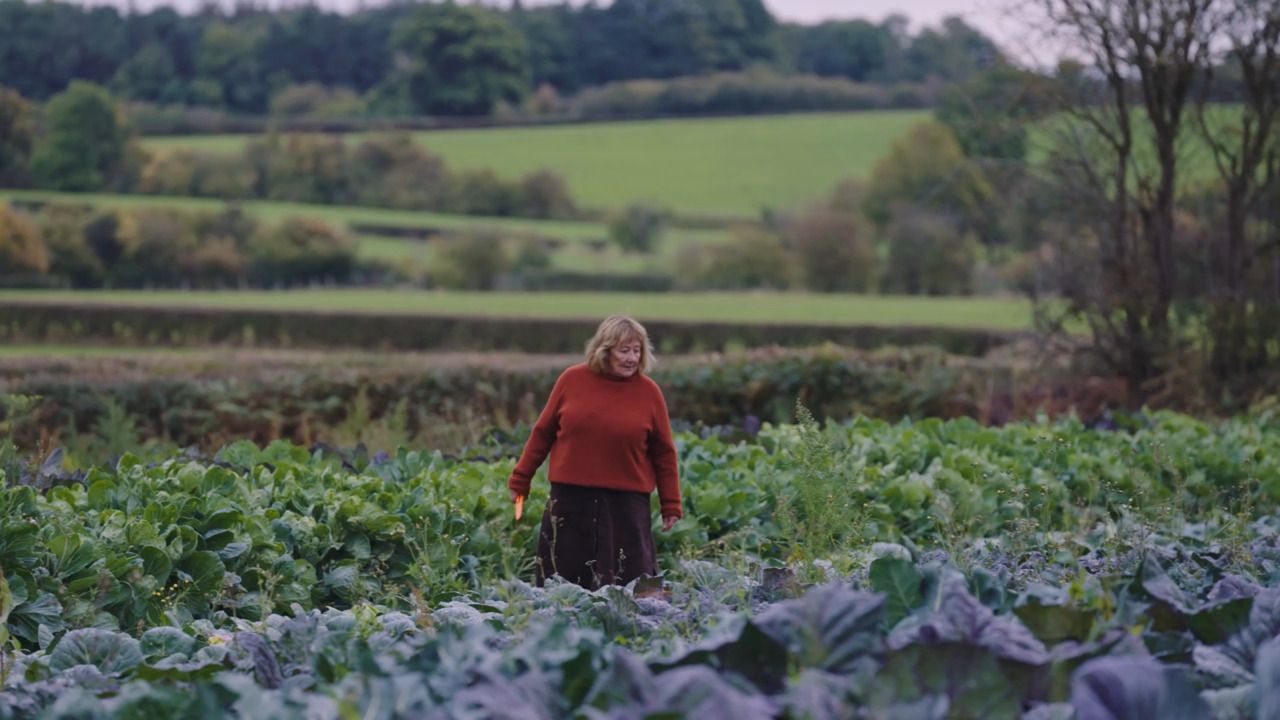
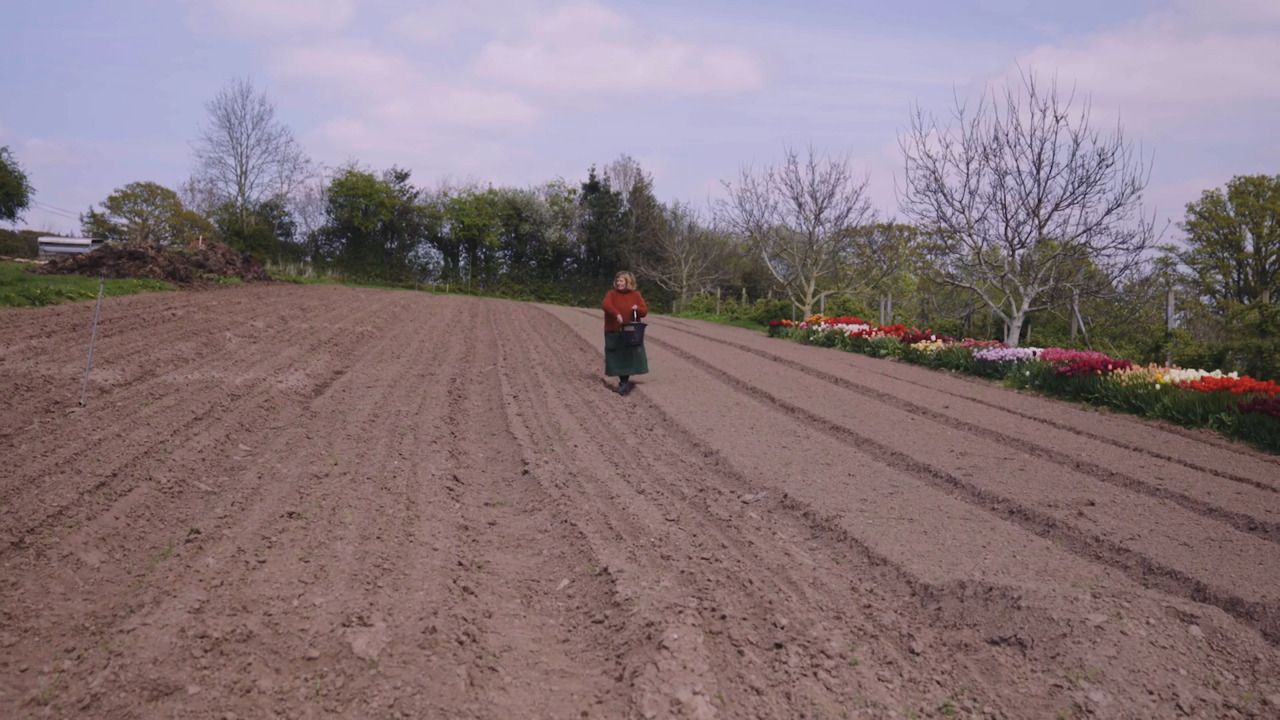
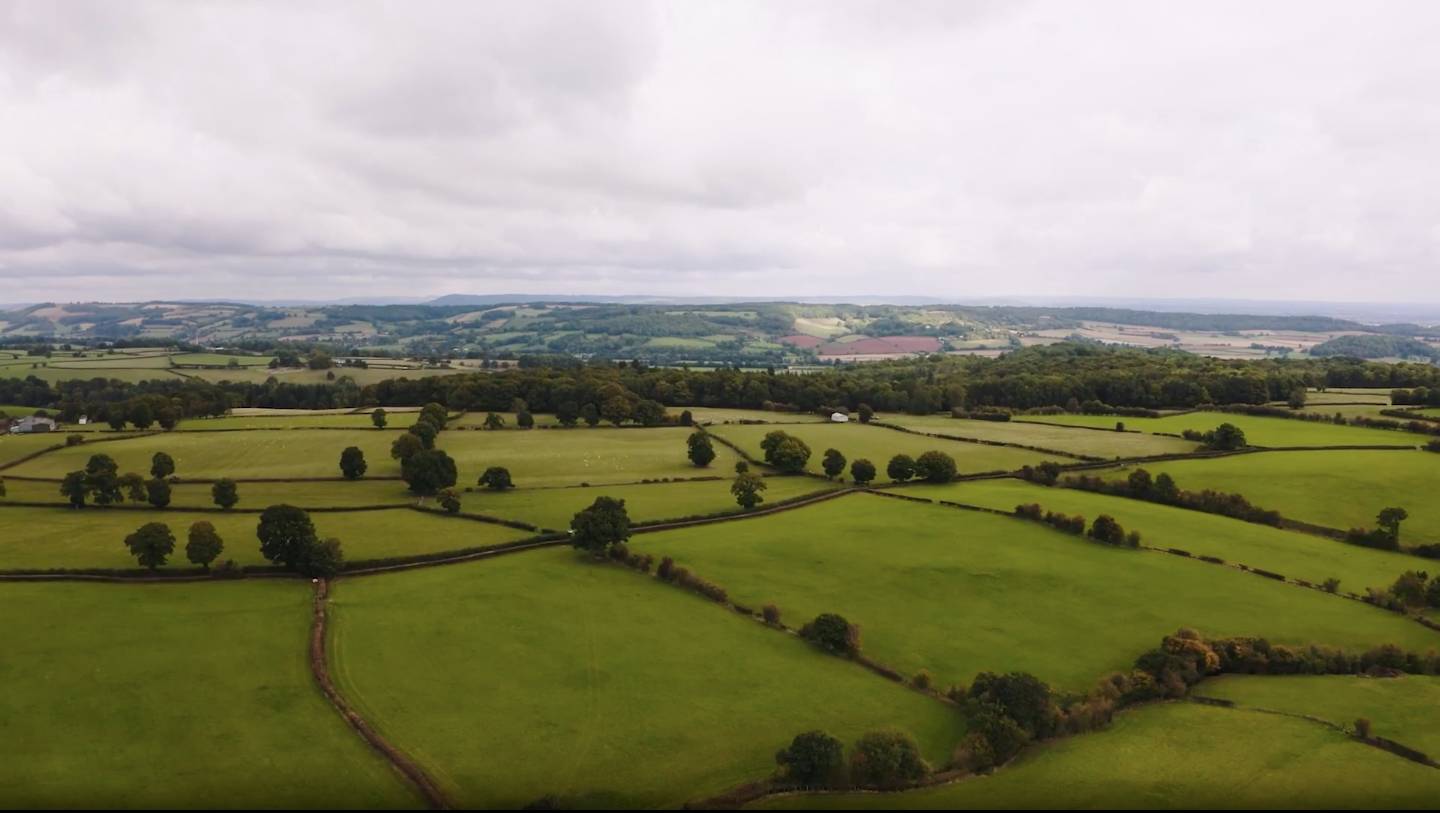
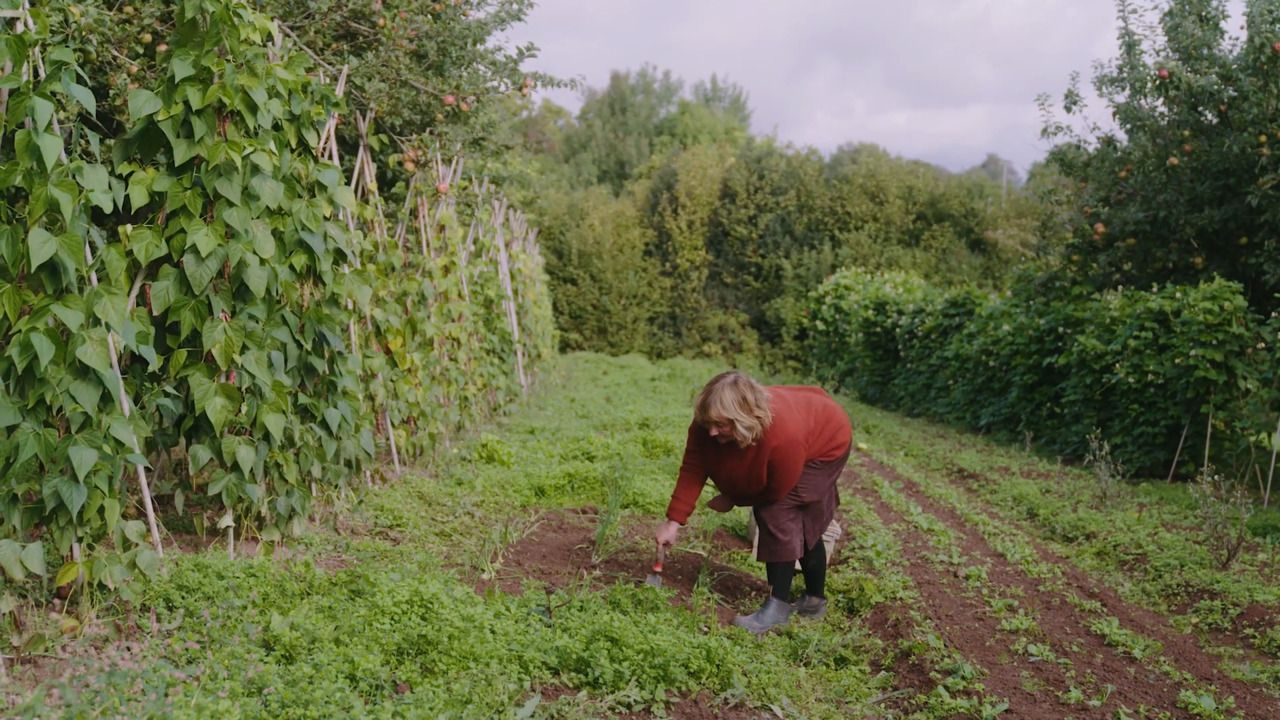
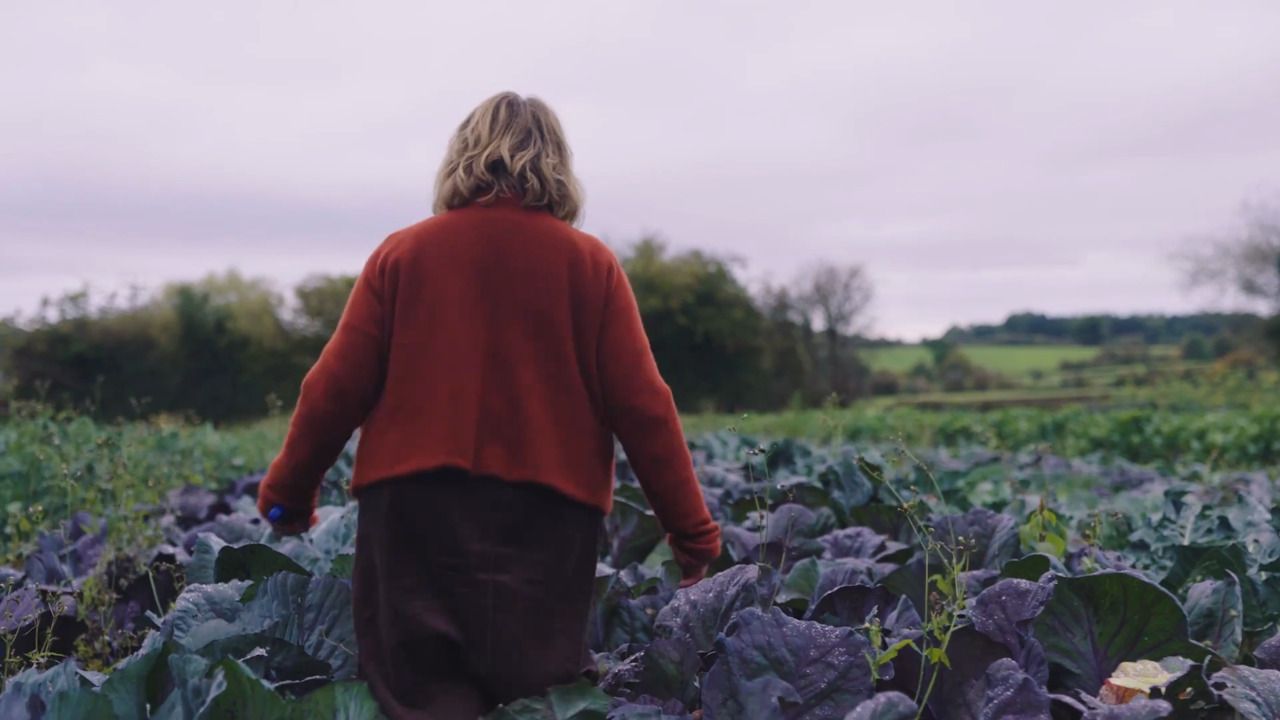
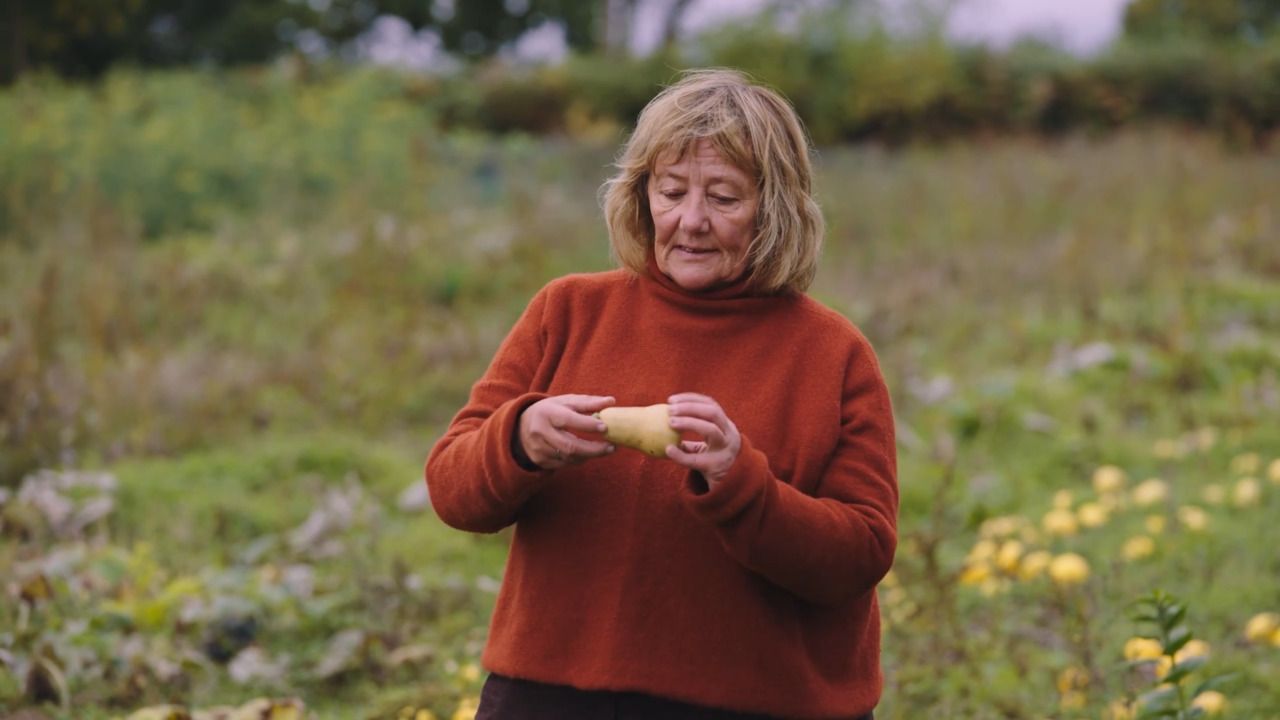
Jane Scotter has been farming at Fern Verrow - her certified biodynamic farm at the foothills of the Black Mountains in Herefordshire - since 1996, where she cultivates a wide range of truly seasonal vegetables, fruit, herbs and flowers. Jane believes that vegetables and fruit grown in good soil, at the right time of year and open to the elements have a greatly enhanced character and flavour, and that size and shape are unimportant when compared to taste and true quality. Since 2015 she has had a farm-to-table collaboration with Michelin starred chef Skye Gyngell and her London restaurant, Spring, and also grows flowers for acclaimed London florists, JamJar Flowers.

Access to all courses


