
Interior and exterior confidence
Create Academy has been such a great resource. I'm in the middle of renovating a bungalow with a very large garden and the courses have offered a wealth of inform...
Harvey
Jun 10, 2026
How to Grow Exceptional Produce
with JANE SCOTTER — Leading biodynamic grower of fruit and vegetables. Supplier to Michelin star restaurant Spring.
Lesson 35 of 36
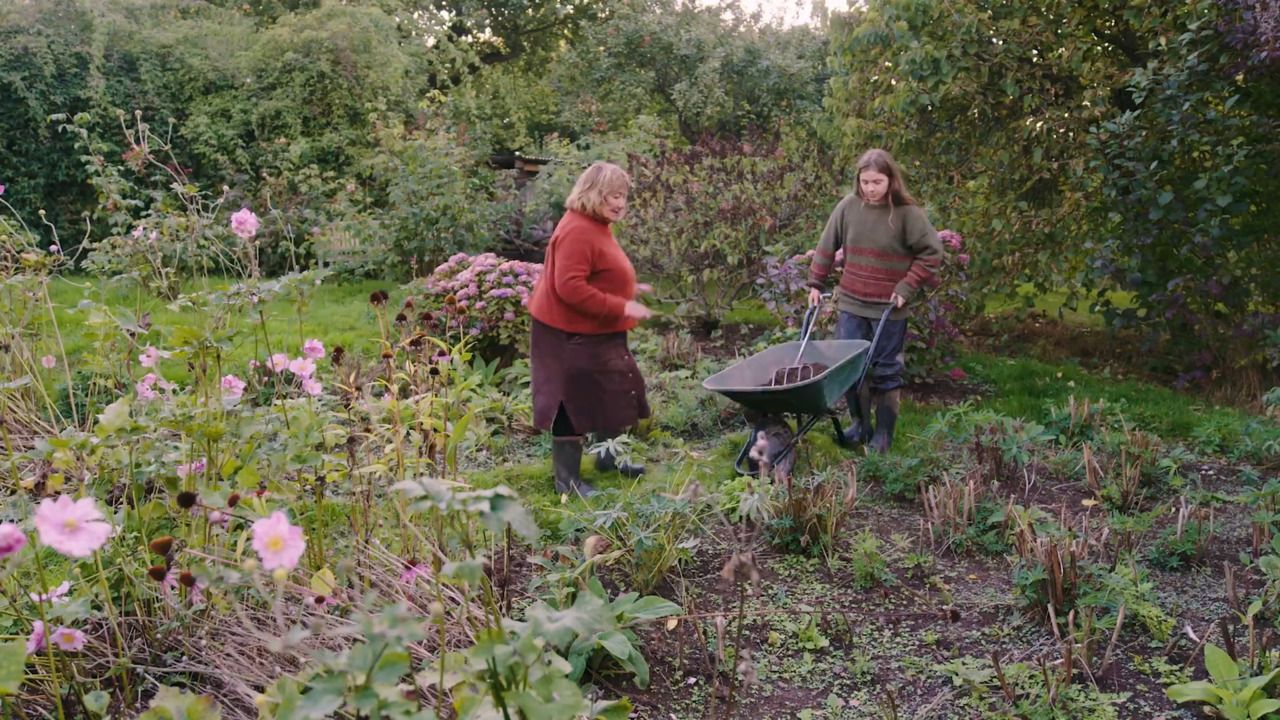
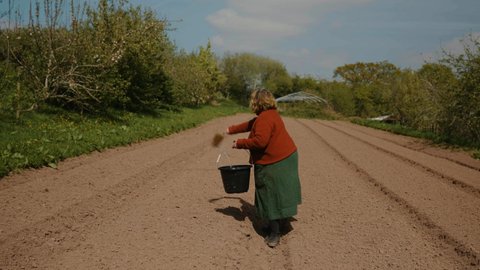
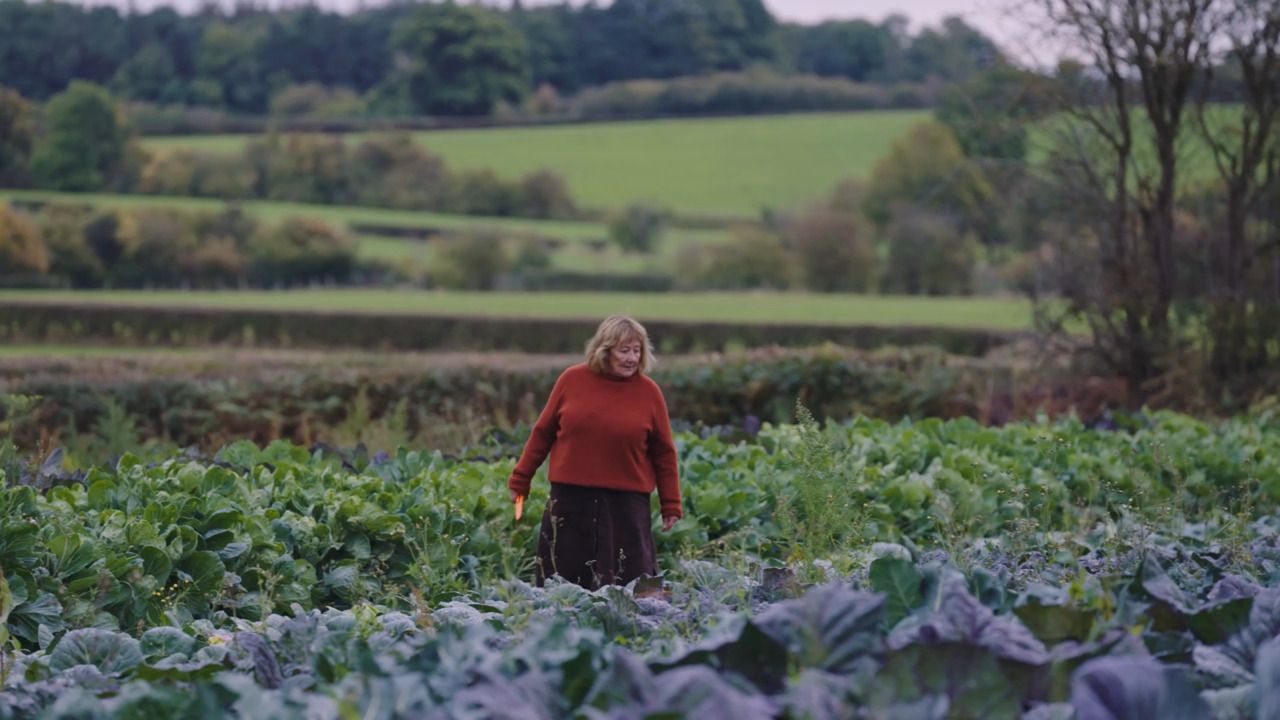
Known as ‘grower’s gold’, compost is an essential part of any garden. In this lesson you’ll discover how to create a healthy compost heap and apply it to your soil.
There's a reason why compost is known as 'grower's gold', it's the most valuable thing that you can have in your garden.
The process of composting means that everything you have grown can return to the earth and bring new life for the next season.
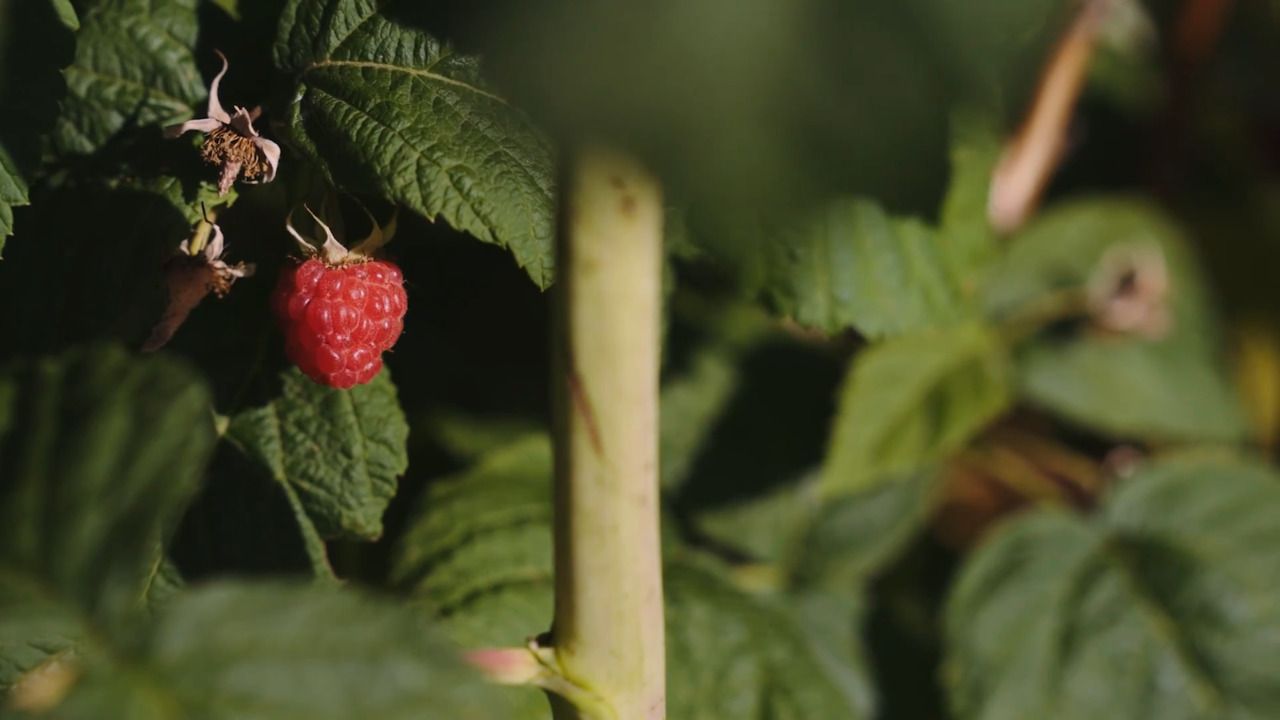
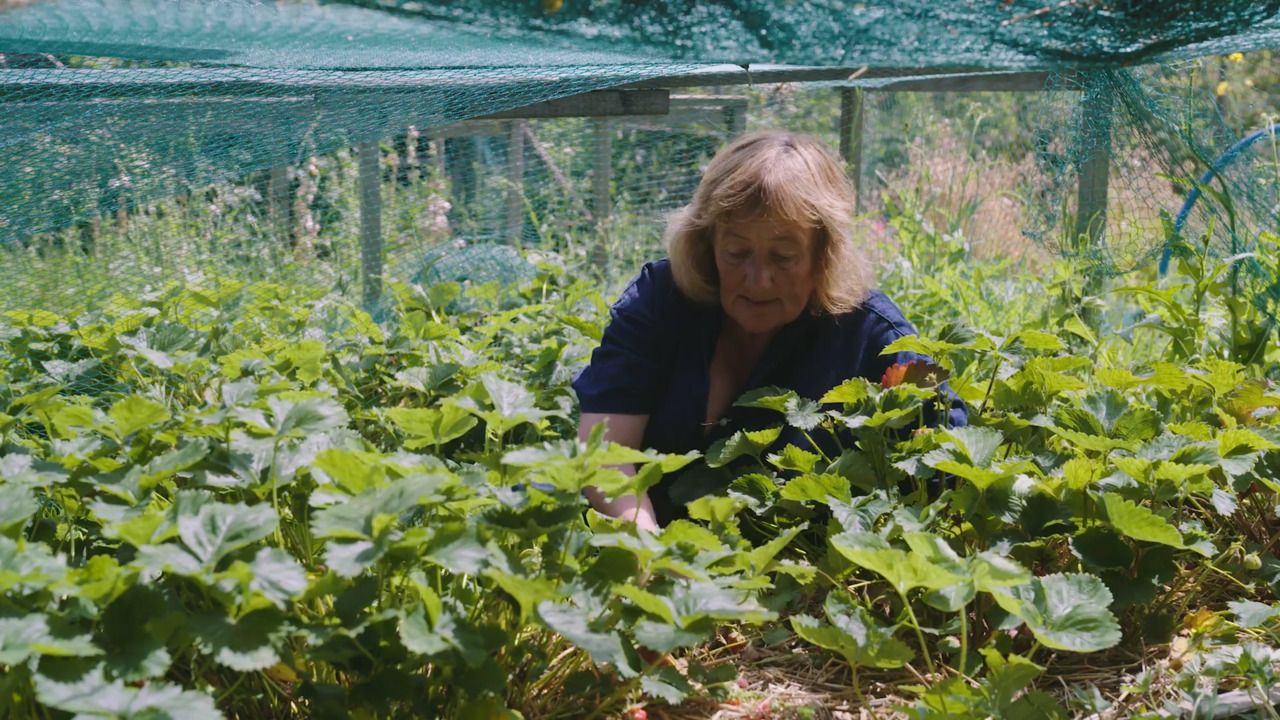
When it comes to soft fruit, the freezer is your friend. Except for strawberries, most varieties of soft fruit freeze really well and can then be used out of season.
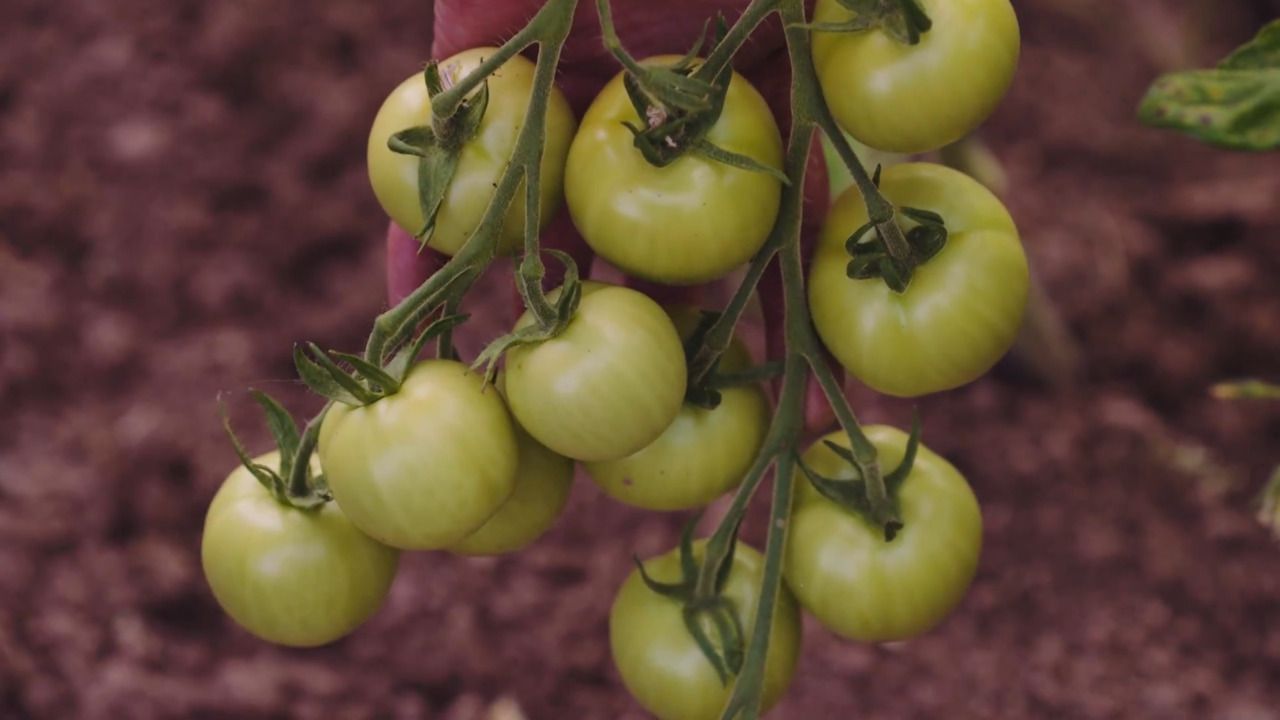
Some varieties of tomatoes, particularly those that make good sauces, are also great for freezing. Don't be afraid to freeze your produce. It doesn't reduce the quality at all and is an excellent way to manage any gluts you might have.
One of the easiest ways to build up your compost heap is to apply everything in layers. The simplest way to do this is to separate your garden waste into greens and browns. The 'greens' are things like grass clippings, leaves and food waste from your kitchen, while the 'browns' are carbon materials, like sticks, twigs and cardboard.
All non-flowering weeds and all trimmings from your vegetable patch can go onto your compost heap. But make sure to leave out any perennial weeds, such as docks, couch grass and bindweed, as these plants can spread from just the tiniest bit of root and will then invade your whole garden.
You should also avoid putting larger twigs on your compost as they won't break down. If you're adding food waste to your heap, then make sure to avoid adding meat, as this will attract vermin.
As you add more layers to your compost, all manner of lifeforms will move in to aid the composting process. Your green waste will rot down and attract slugs, which will help it to break down further.
This is why you should never poison the slugs in your garden, as they are essential in creating healthy compost.
Keep adding layers throughout the summer months and every few weeks turn the layers with a fork in order to aerate your mixture. This process offers you a good opportunity to check your compost. What you are looking for are signs that decomposition is taking place and that there are lots of red worms throughout the mix.
During the height of the summer, you may need to add water to your heap to stop it drying out. You can do this by adding grass cuttings, which have a high water content, and if necessary, by watering your heap too.
Compost shouldn't be smelly. If it is, it means your compost isn't getting enough air and you need to aerate it more.
While your vegetable beds will need a good layer of compost in the winter months, your flower beds don't like a lot of fertility. They will, however, need a thin dressing in order to give them a boost for next year's growing season.
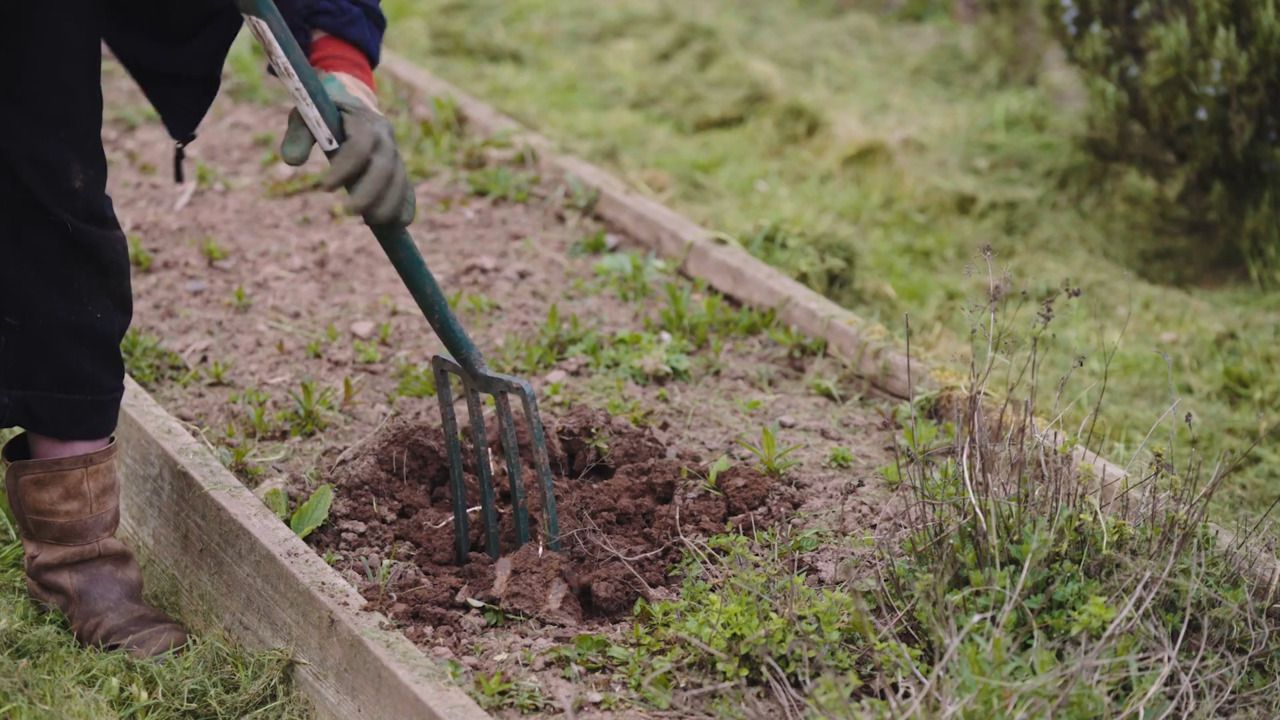
Apply a thin layer around any perennial plants in autumn and this will rot down and feed your bed.
Get the full workbook, video lessons, and more with a Create Academy subscription.
Subscribe to access the full workbookAlready a member? Sign in to watch
510 reviews
Read moreCreate Academy has been such a great resource. I'm in the middle of renovating a bungalow with a very large garden and the courses have offered a wealth of inform...
Harvey
Jun 10, 2026
Absolutely love Create Academy! The instructors are extremely informative, and it is beautifully filmed. Create Academy is great value for money and plan on renew...
SG
May 31, 2026
Butter's creativity is stunning! Her ability to incorporate brilliance in small gardens is magical!
Carla
May 30, 2026
The best adventure. I like all the courses, but my favorite are both Rita Konig interior design courses and Anna Jones. Excellent!
Karolina Kluczewska
May 20, 2026
Create Academy has been such a great resource. I'm in the middle of renovating a bungalow with a very large garden and the courses have offered a wealth of information to dive into and explore new ideas. I'm...
Harvey
Jun 10, 2026
Absolutely love Create Academy! The instructors are extremely informative, and it is beautifully filmed. Create Academy is great value for money and plan on renewing my subscription yearly because there are ...
SG
May 31, 2026
Butter's creativity is stunning! Her ability to incorporate brilliance in small gardens is magical!
Carla
May 30, 2026

Your Instructor
Leading biodynamic grower of fruit and vegetables. Supplier to Michelin star restaurant Spring.
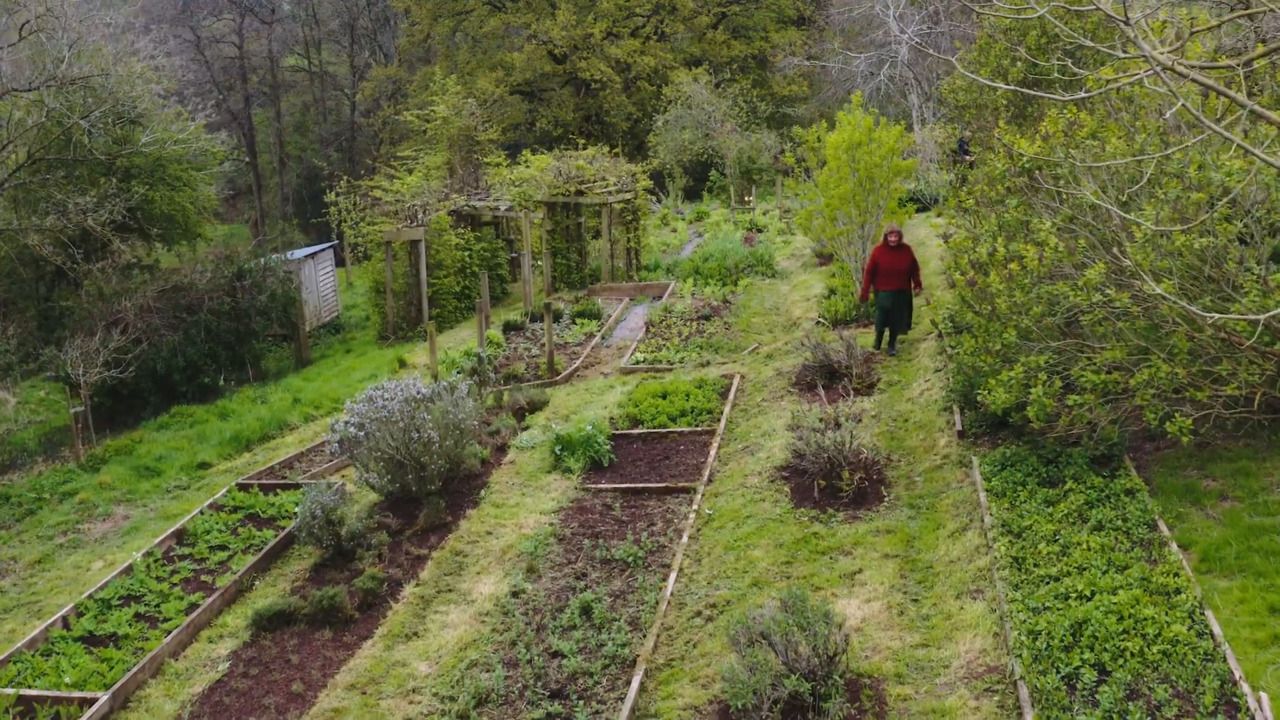
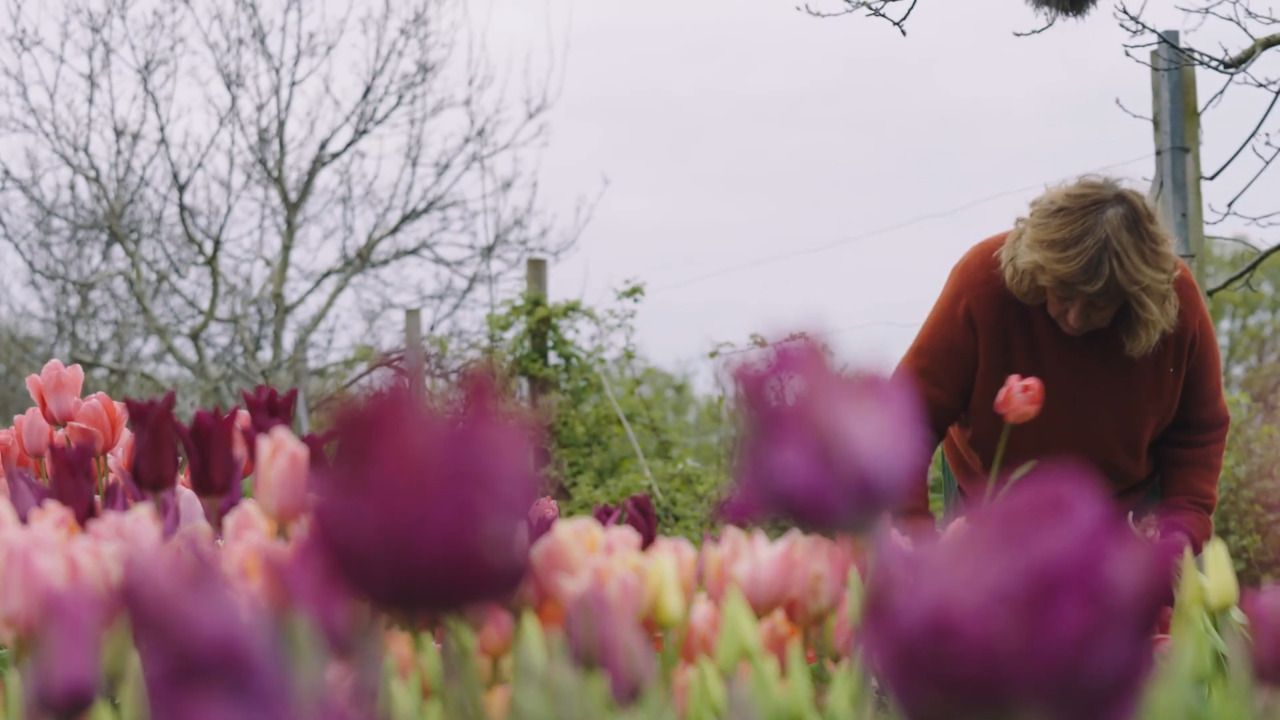
Jane Scotter has been farming at Fern Verrow - her certified biodynamic farm at the foothills of the Black Mountains in Herefordshire - since 1996, where she cultivates a wide range of truly seasonal vegetables, fruit, herbs and flowers. Jane believes that vegetables and fruit grown in good soil, at the right time of year and open to the elements have a greatly enhanced character and flavour, and that size and shape are unimportant when compared to taste and true quality. Since 2015 she has had a farm-to-table collaboration with Michelin starred chef Skye Gyngell and her London restaurant, Spring, and also grows flowers for acclaimed London florists, JamJar Flowers.
Access to all courses


