
Interior and exterior confidence
Create Academy has been such a great resource. I'm in the middle of renovating a bungalow with a very large garden and the courses have offered a wealth of inform...
Harvey
Jun 10, 2026
How to Grow Exceptional Produce
with JANE SCOTTER — Leading biodynamic grower of fruit and vegetables. Supplier to Michelin star restaurant Spring.
Lesson 5 of 36
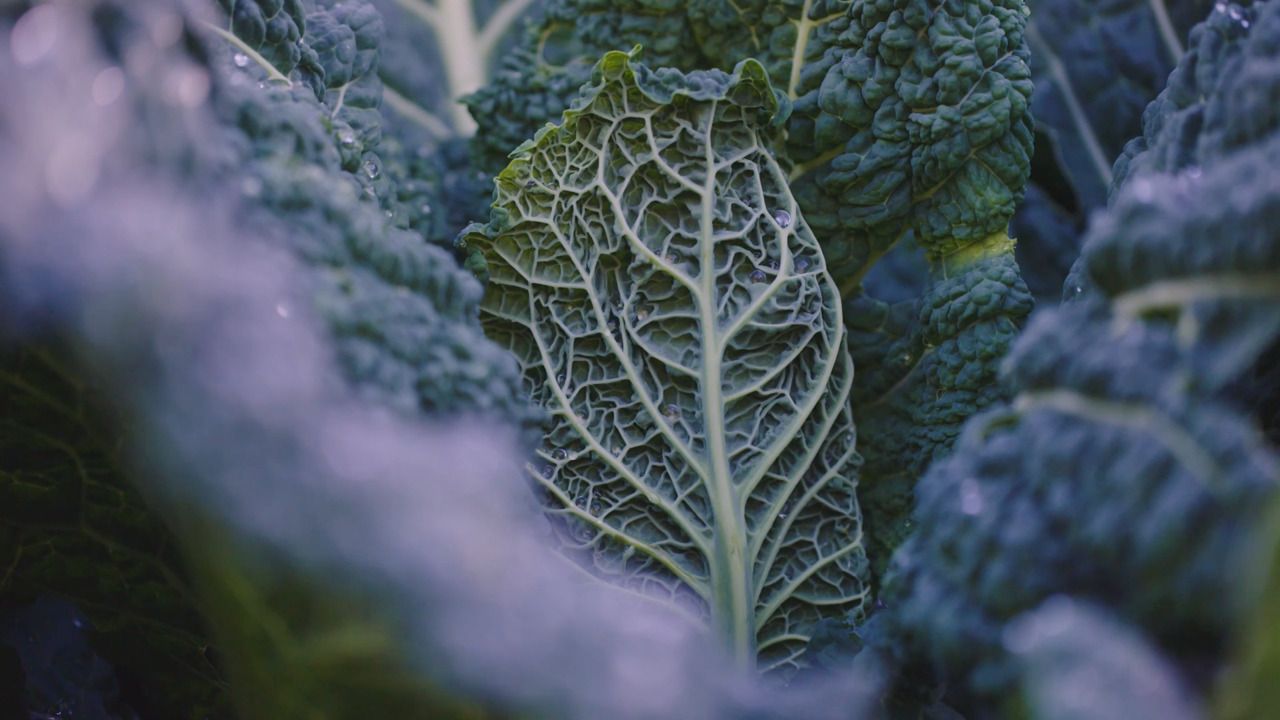
The first rule of vegetable growing is ‘only grow what you want to eat.’ In this lesson you’ll learn how to grow the right amount for your needs.
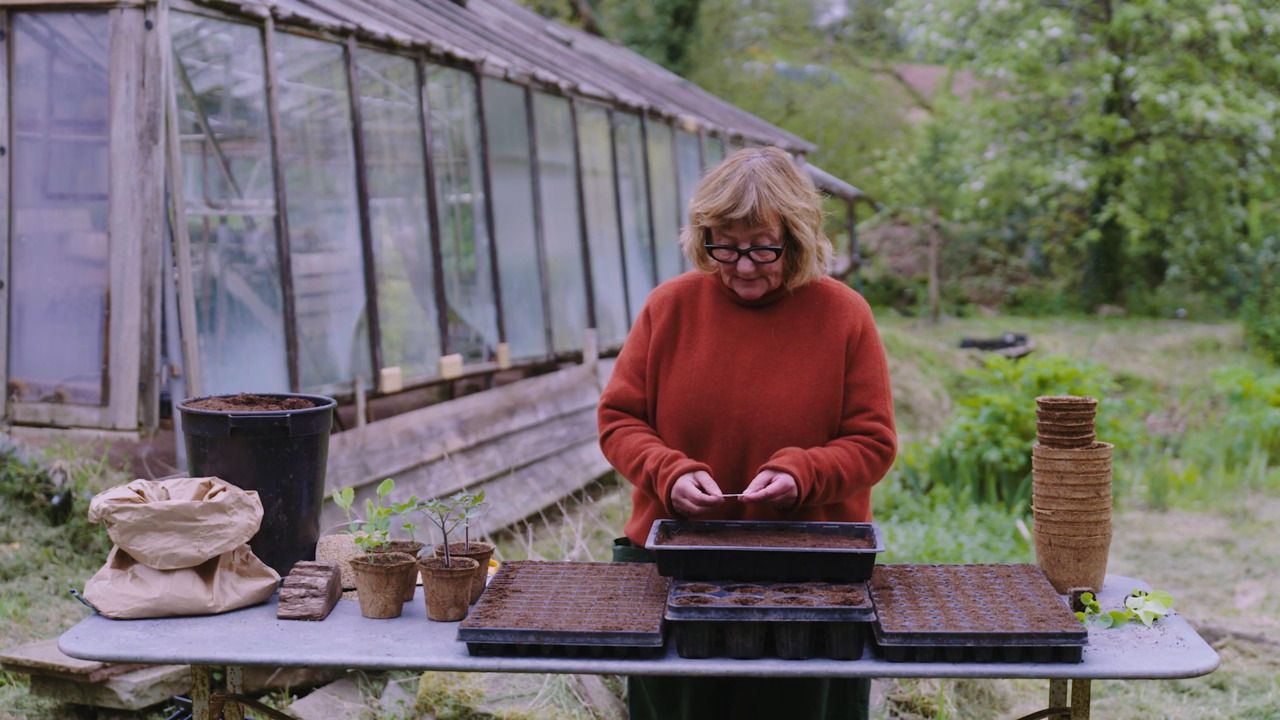
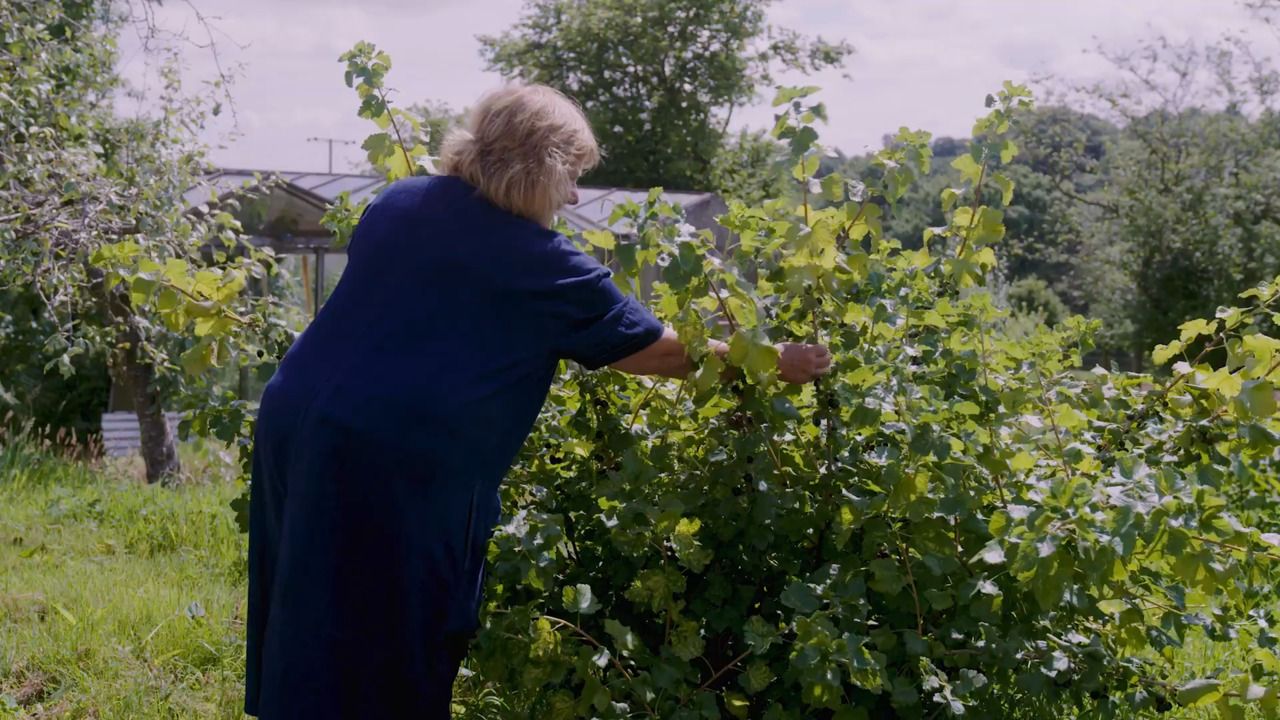
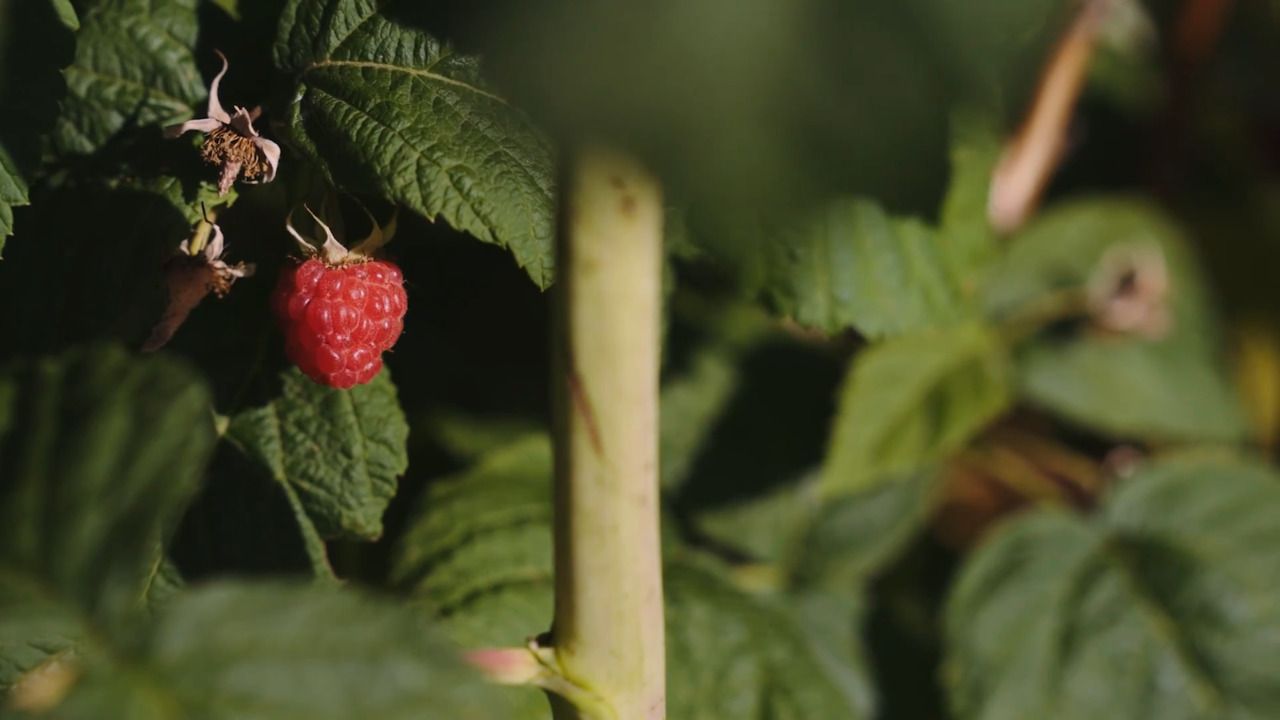
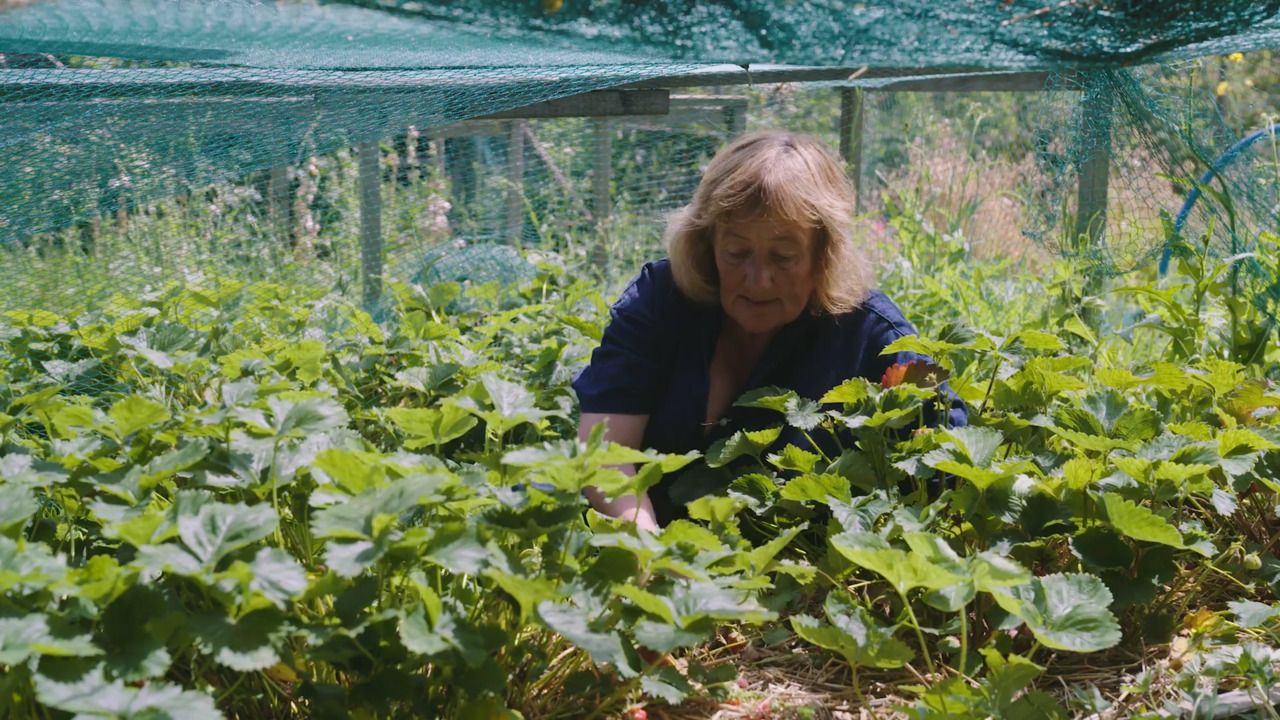
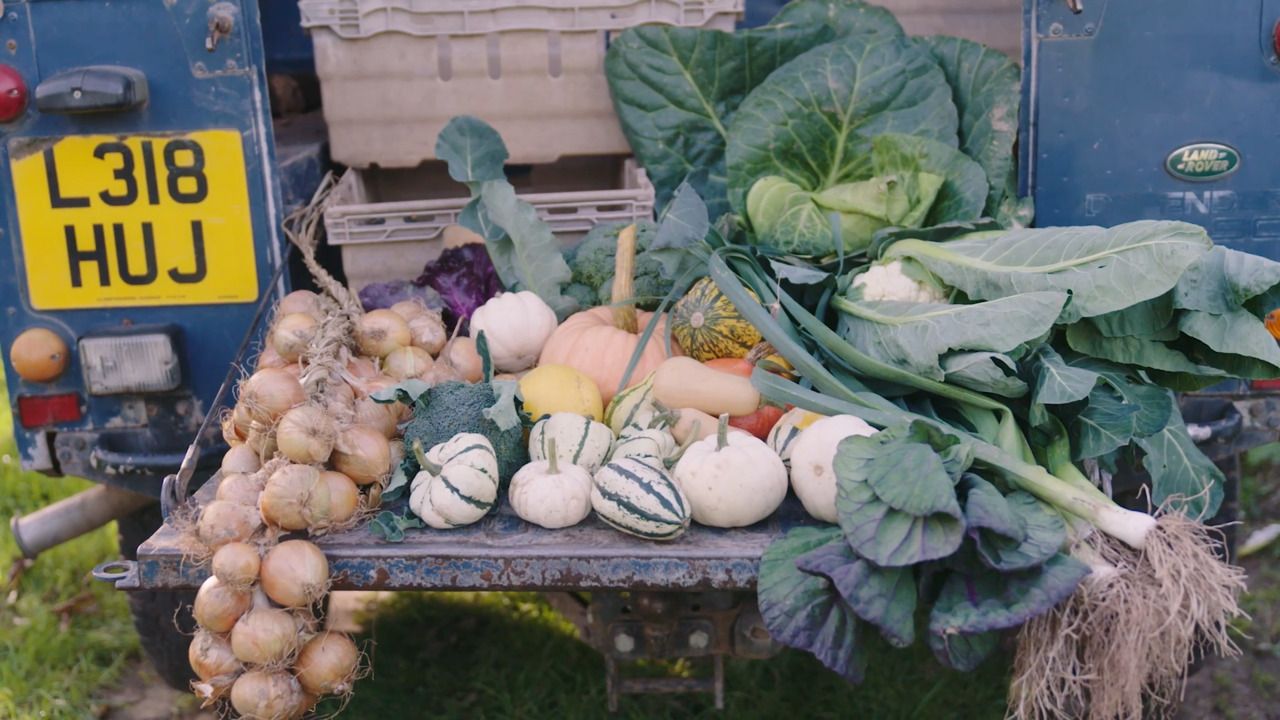
What you grow will depend on what you like to cook. If you're a keen preserver, you might want to grow bigger quantities of soft fruits, like blackberries and strawberries. Or if you make lots of vegetable dishes, you might want to grow a wide variety of root crops.
It's important to remember though that whatever you choose to grow, there will always be gluts at certain times of the year. So remember to factor these into your plans. If you're growing courgettes for example, don't grow too many plants or you will be eating them for breakfast, lunch and dinner!
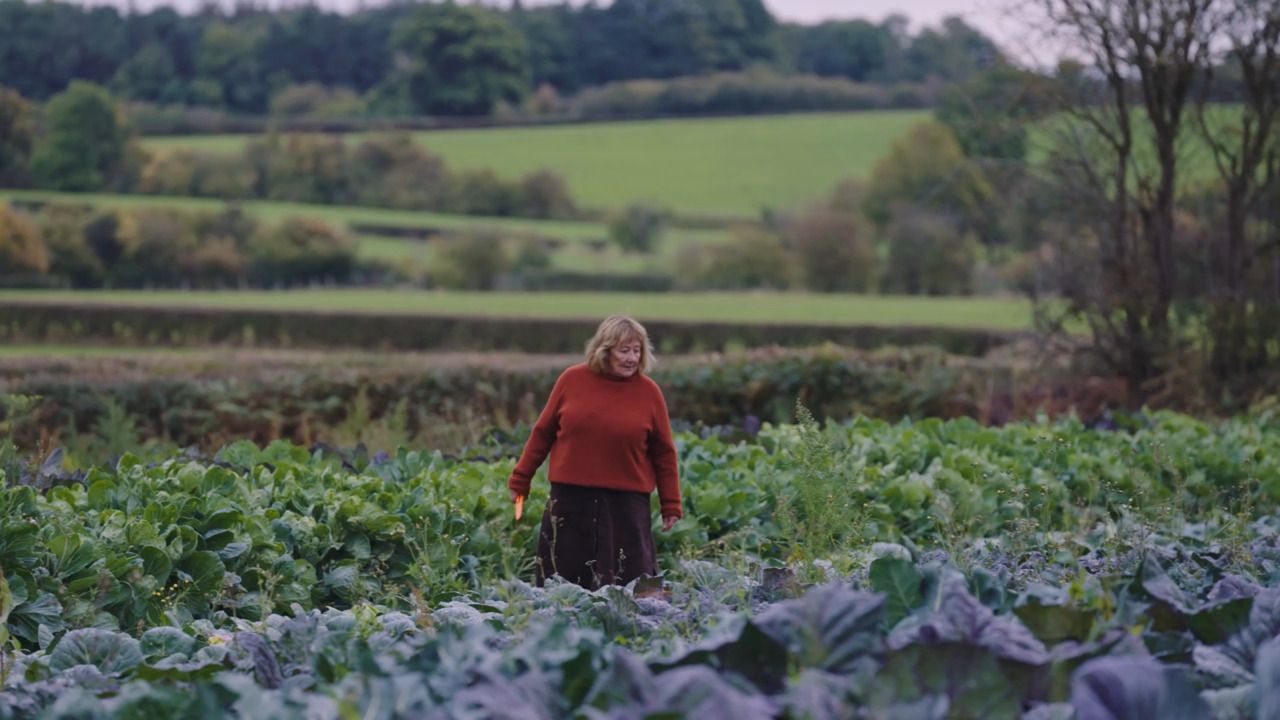
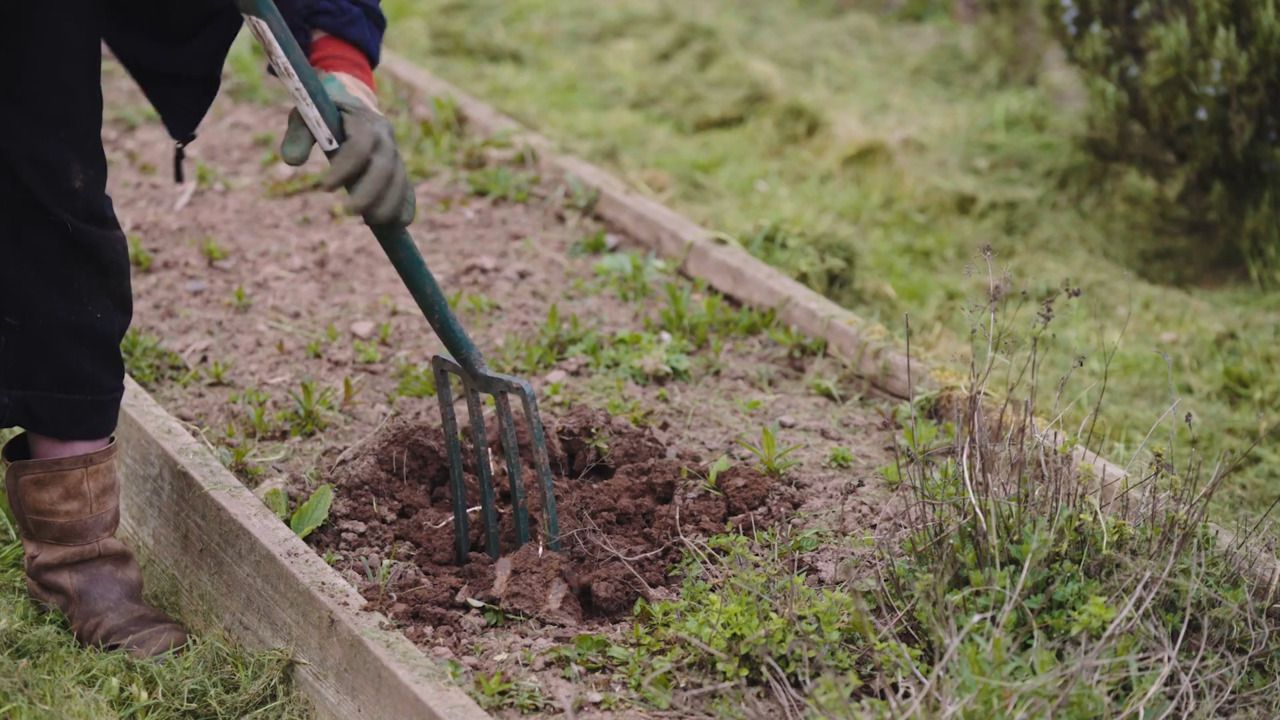
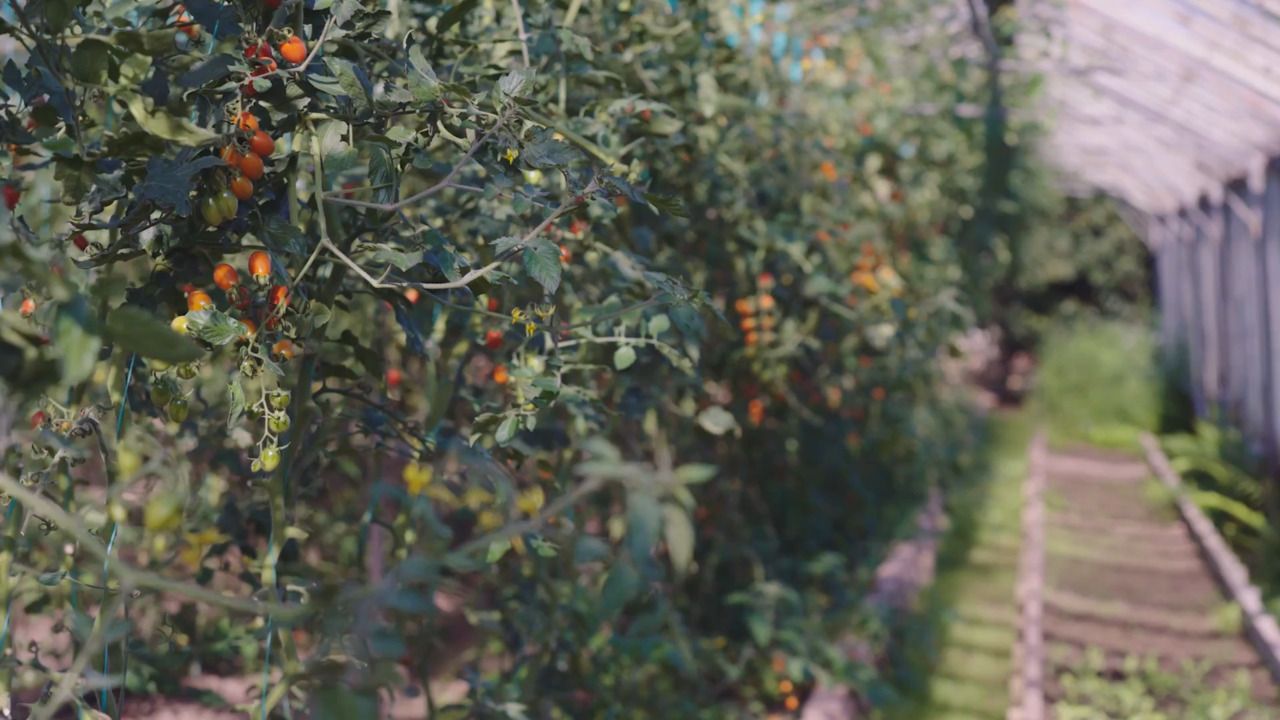
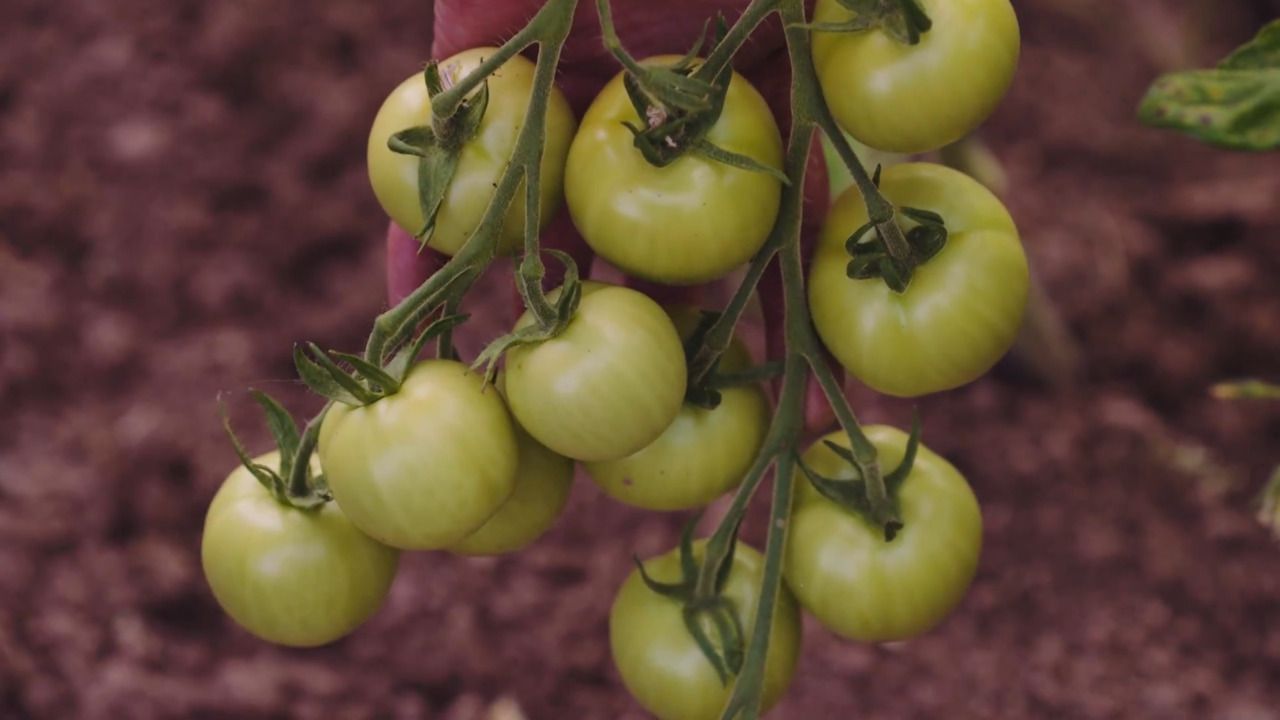
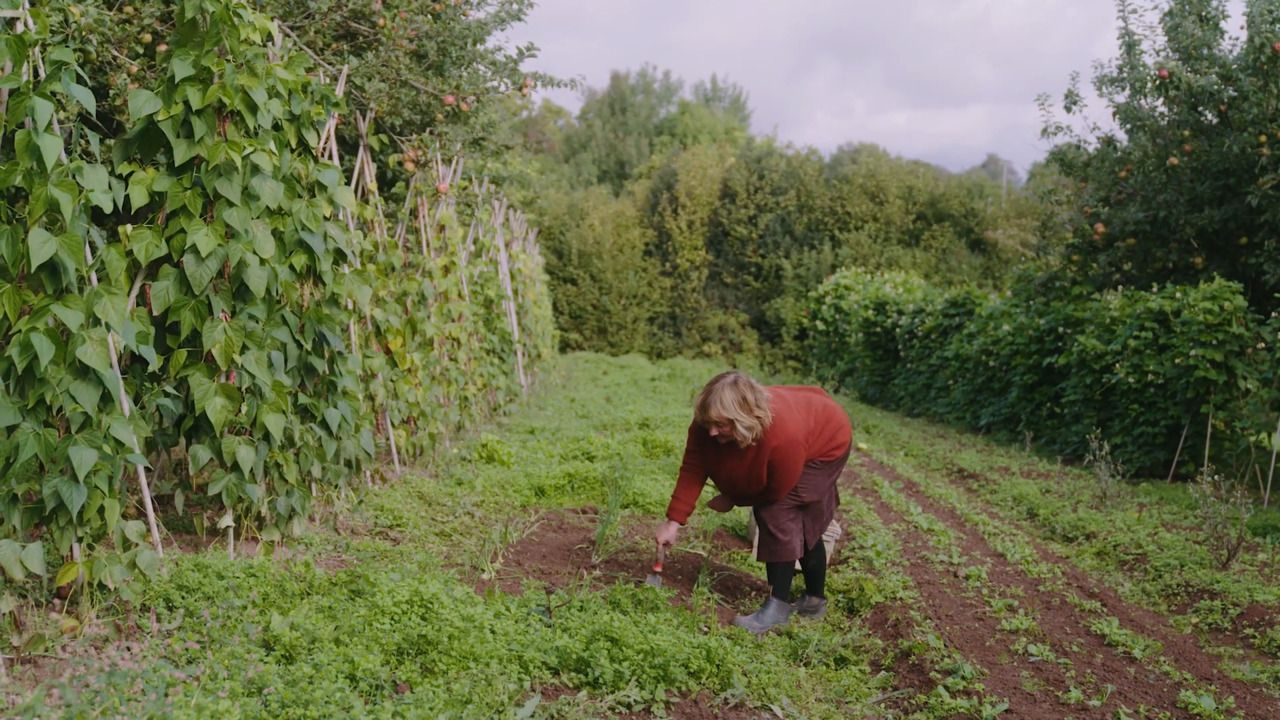
In order to keep your soil healthy for years to come, it's vital that you care for it. One of the best ways to do this is to practice crop rotation. At Fern Verrow, we carry out a three-year rotation, rotating our root crops, leaf crops and fruiting crops, such as squashes or tomatoes, around our growing space.
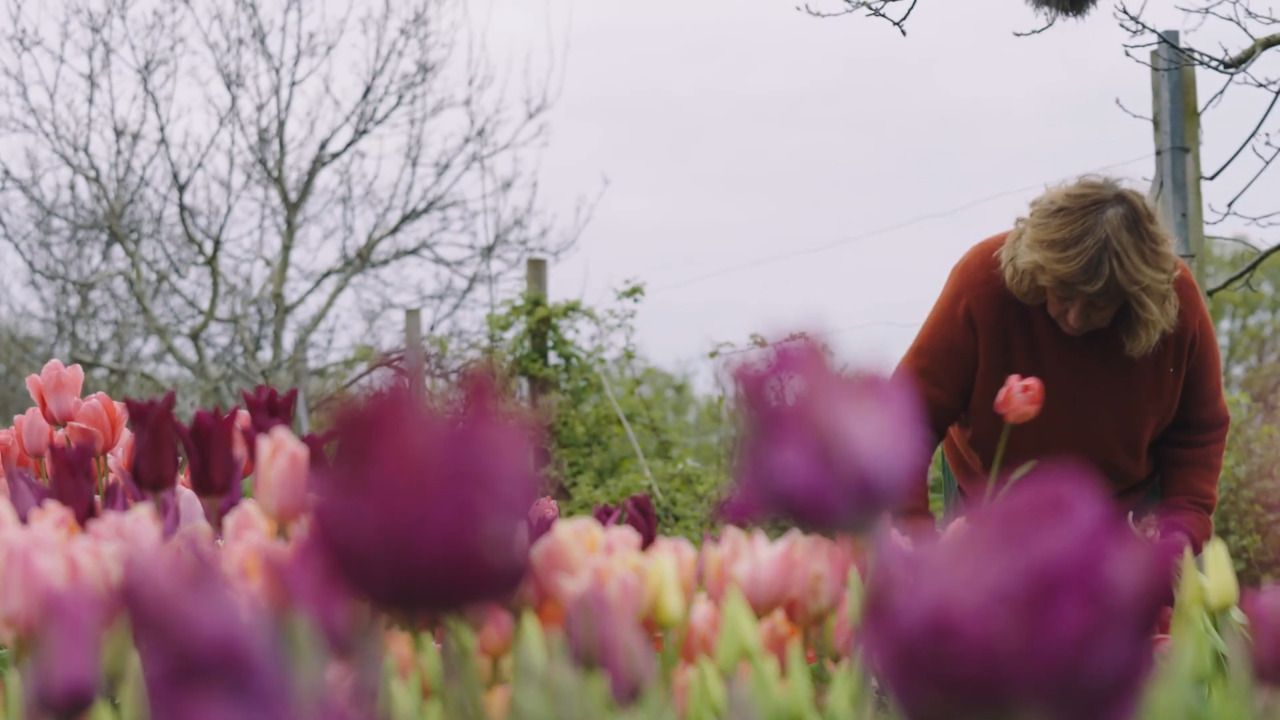
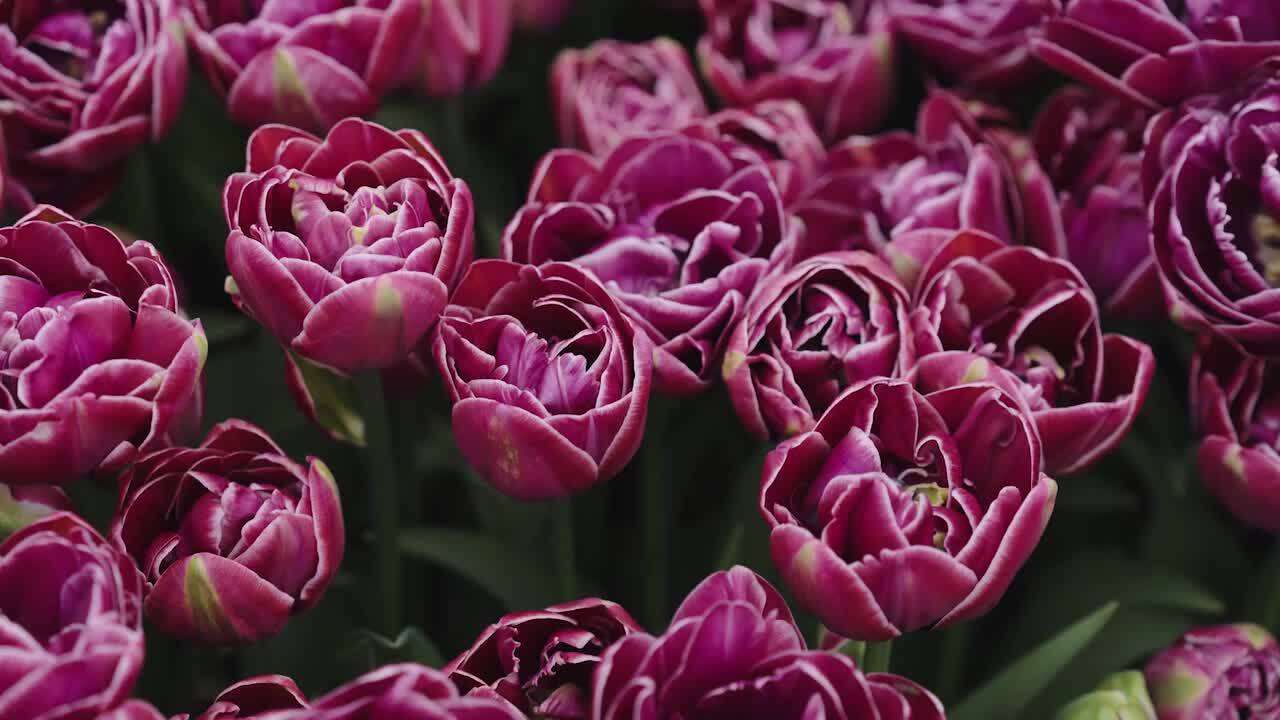
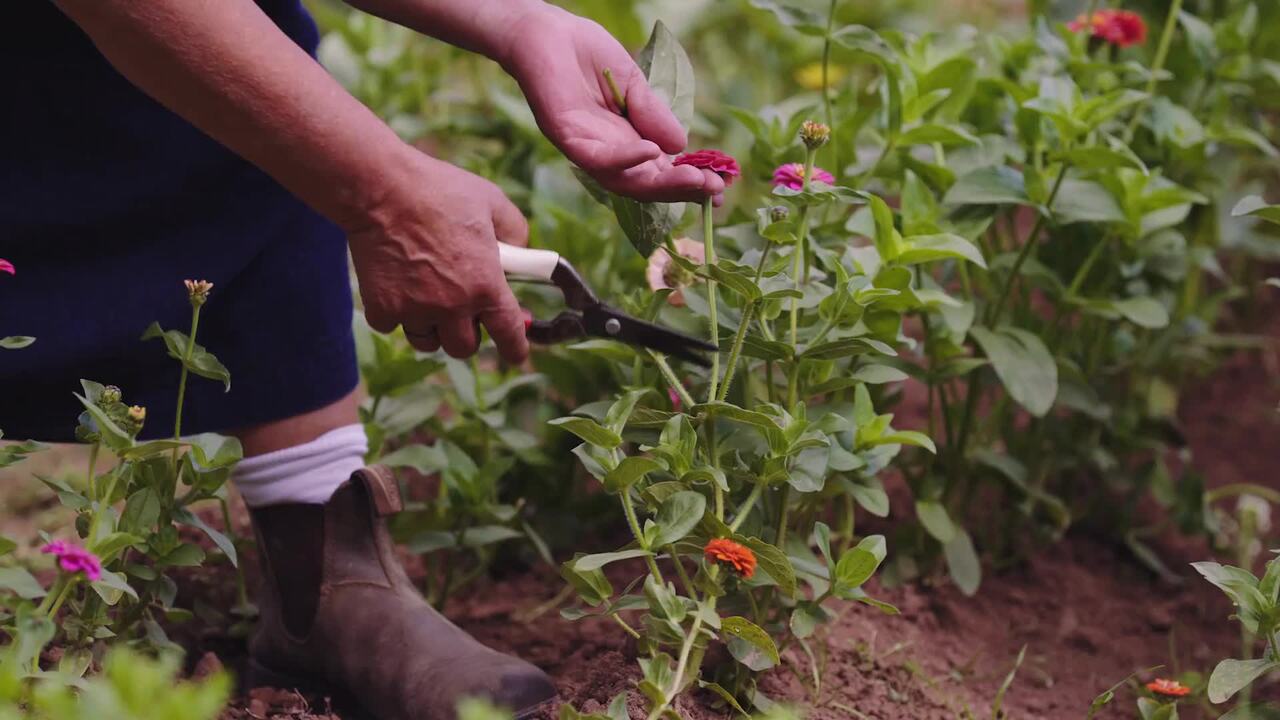
Flowers can be part of your crop rotation too though. In fact, they're a great crop to grow the year after a heavy feeder, like brassicas, as they don't require much nutrition to thrive.
Growing your crops rotationally also helps to limit disease in your growing space, particularly fungal infections, like club root, which affects brassica plants.
If you have gaps in your rotation, then consider sowing green manures as these will help to feed your soil and prepare it for the next season.
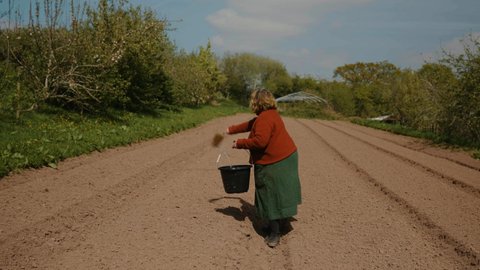
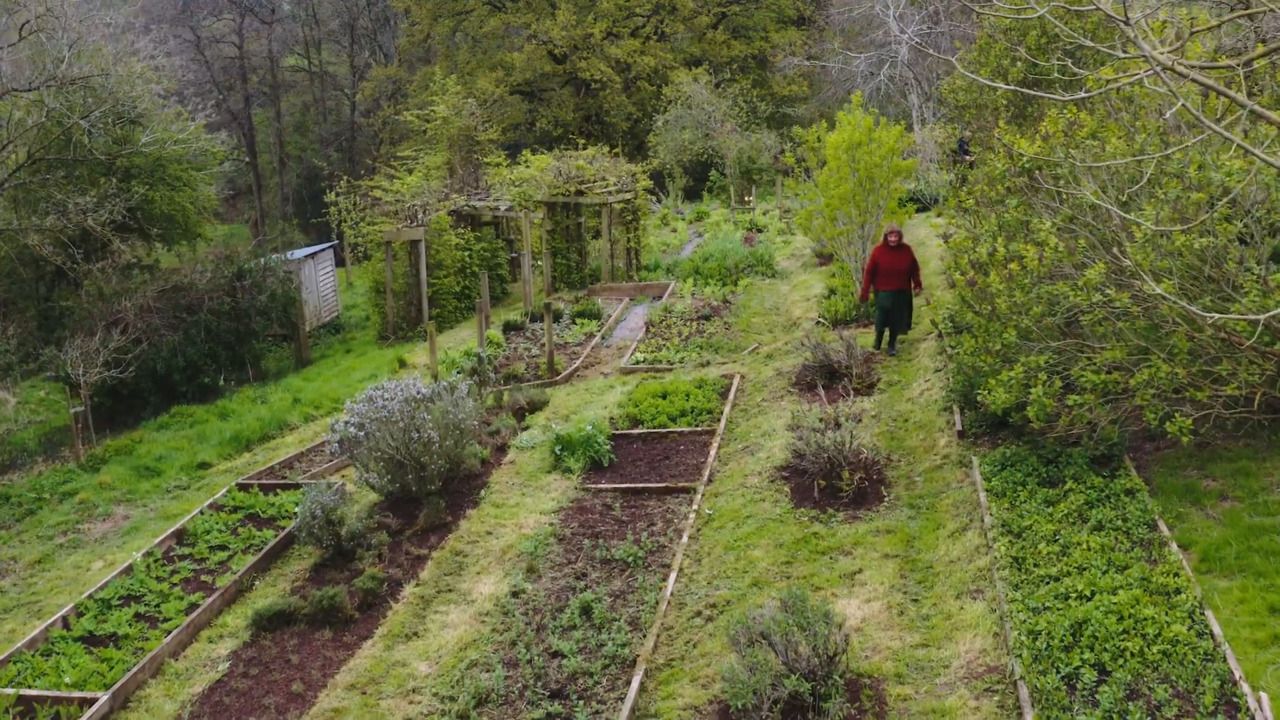
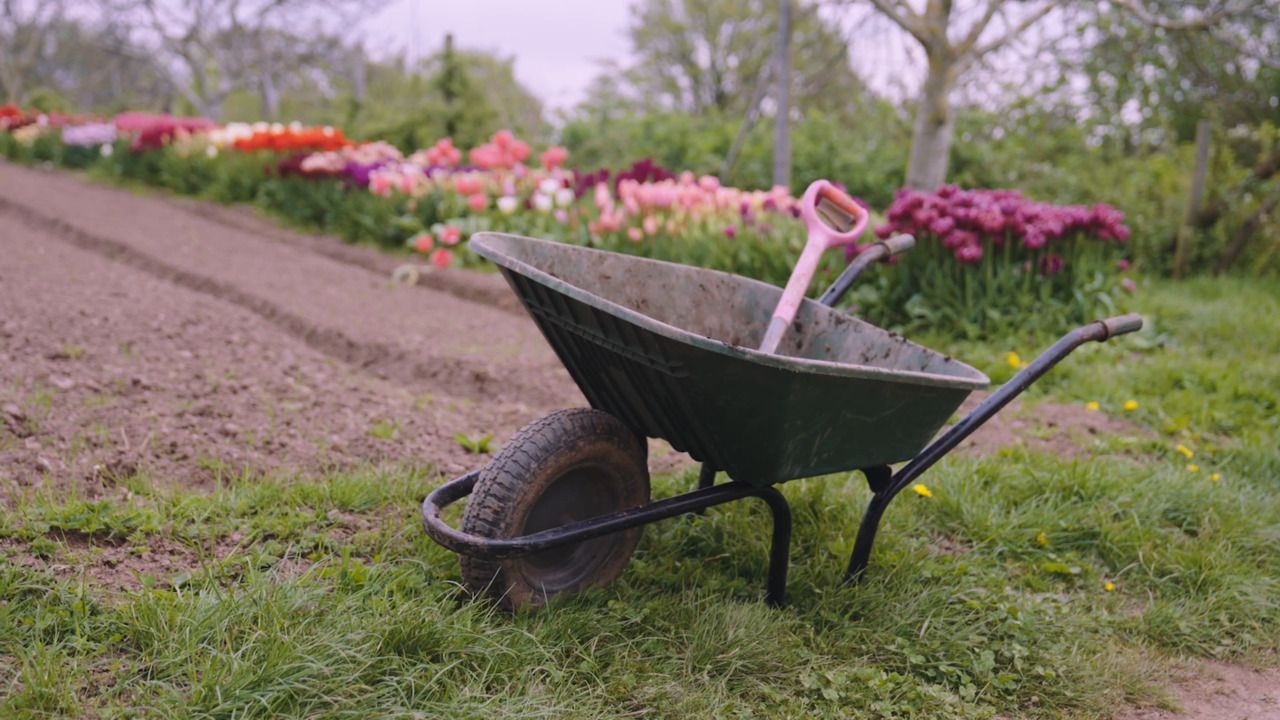
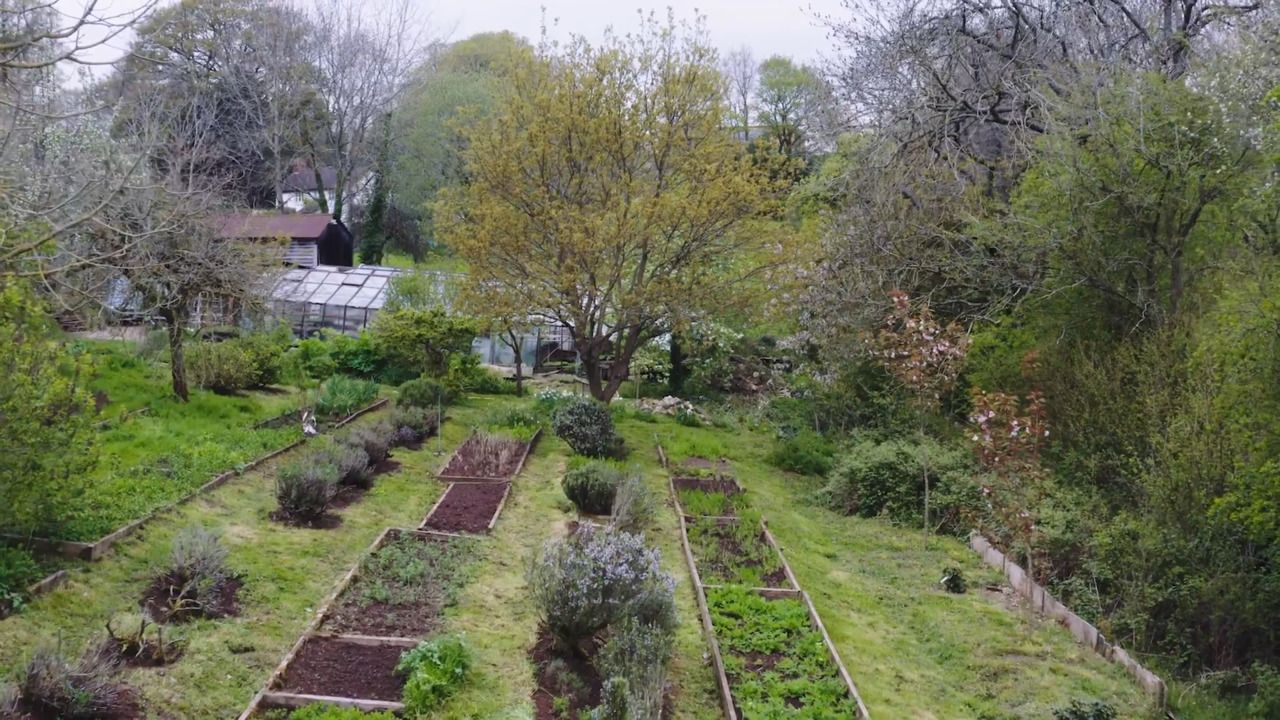
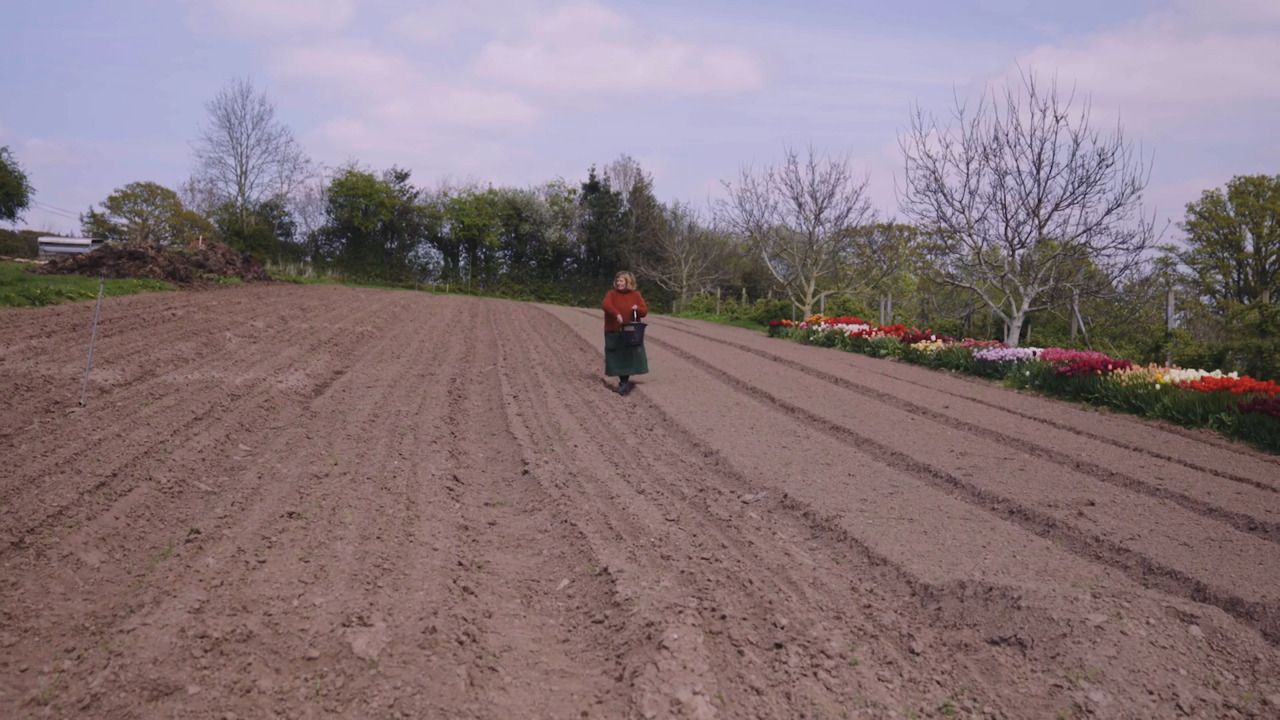
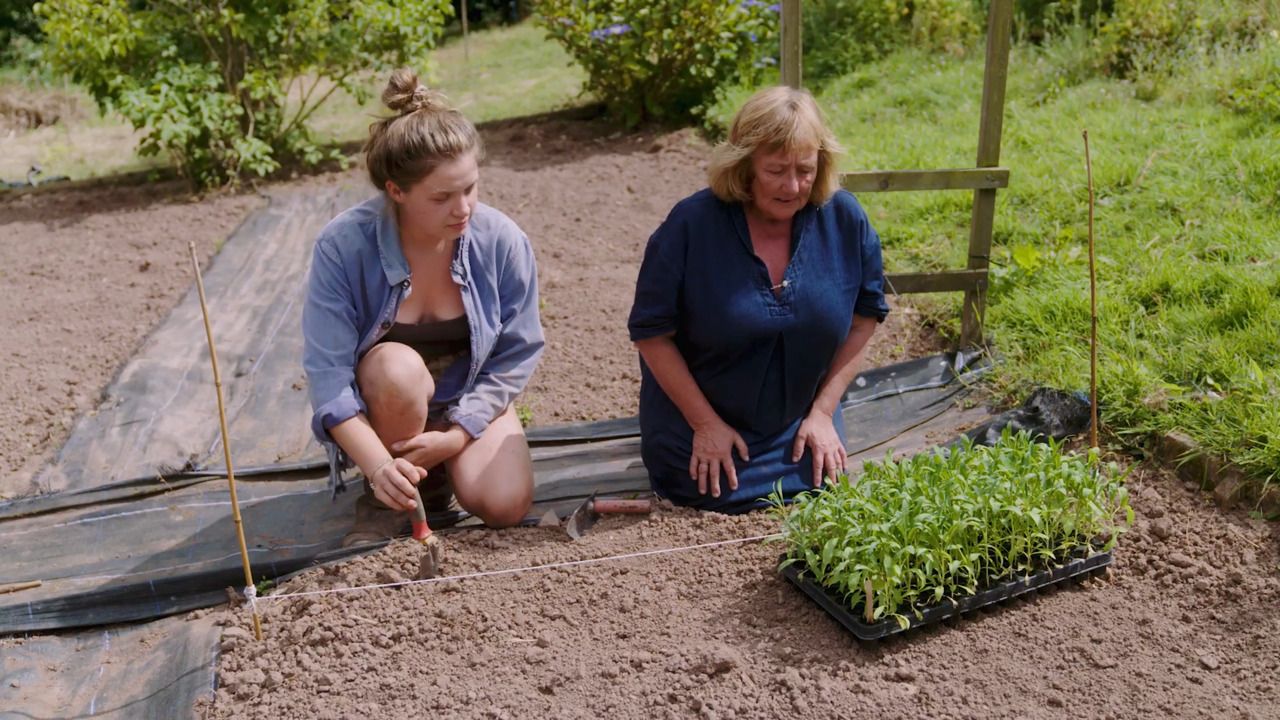
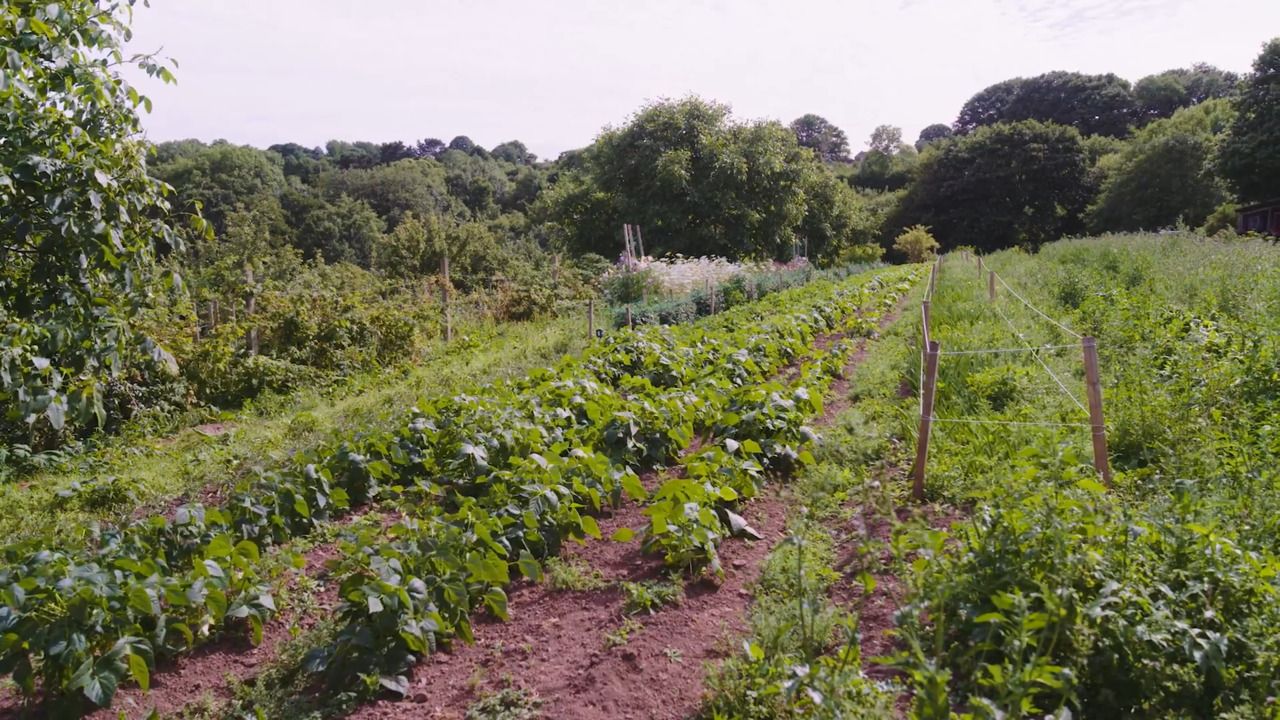
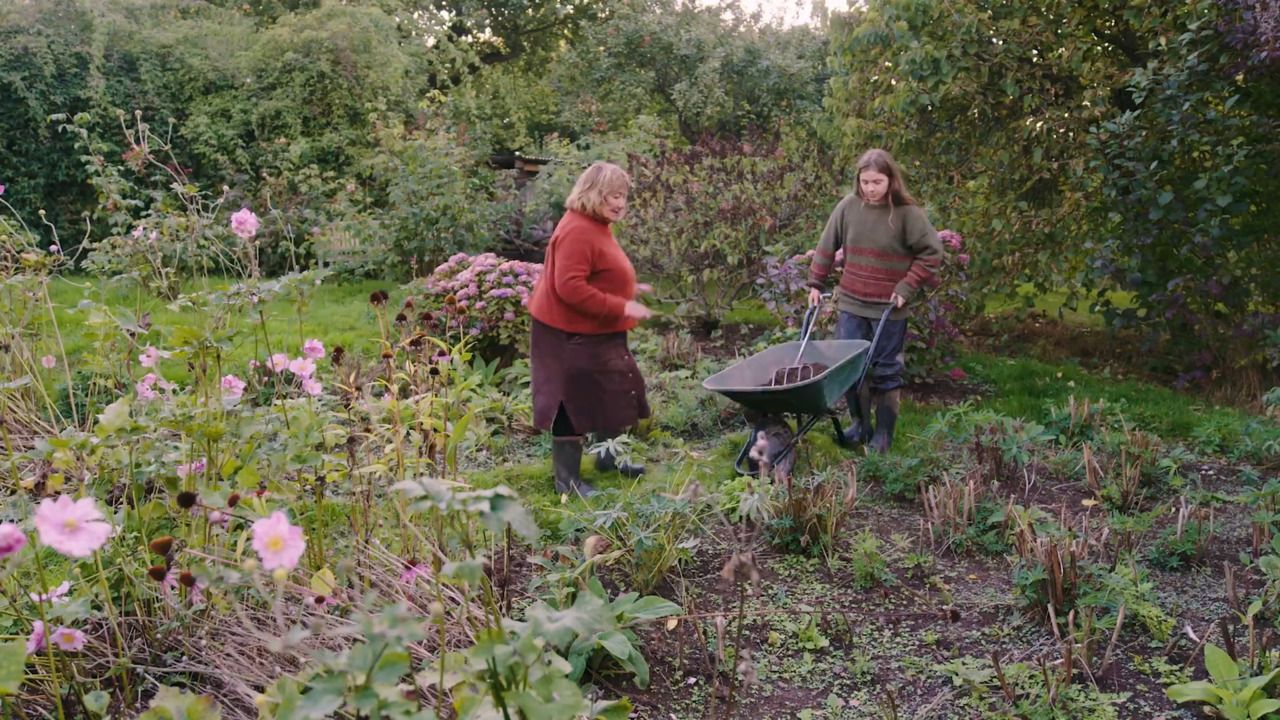
To keep your plot healthy and to help it to produce a good yield, there are a few principles you should try and follow, though your adherence to them will depend on the space you have. If you have a big space, then 10-metre-long beds divided by a 50 cm pathway are ideal. This will allow you enough space to push your wheelbarrow between your beds.
Beds around a metre in width are desirable, as this means you will be able to reach the centre of the bed without stretching too far. If you have specific accessibility needs though, adapt your measurements to suit you.
My plot is 18 metres by 10 metres, but whatever the size you are working with, divide it into three or four so that you can begin to think about crop rotation. This will give you the space for your roots, leaves, fruits and flowers, if you wish to grow them.
Keeping accurate records of each year's crops will help you to maintain your crop rotation and keep your site as disease free as possible. While you don't have to be completely rigid, you do need to be careful, particularly of club root and root fly.
If you aren't growing on a commercial scale and have a smaller plot, then consider using circular or semi-circular beds, which will help you make the most of the corners of your plot.
Curate your space to your needs and keep a record of how things grow in particular areas too. This will help you to understand what is and isn't working in any given season.
Get the full workbook, video lessons, and more with a Create Academy subscription.
Subscribe to access the full workbookAlready a member? Sign in to watch
510 reviews
Read moreCreate Academy has been such a great resource. I'm in the middle of renovating a bungalow with a very large garden and the courses have offered a wealth of inform...
Harvey
Jun 10, 2026
Absolutely love Create Academy! The instructors are extremely informative, and it is beautifully filmed. Create Academy is great value for money and plan on renew...
SG
May 31, 2026
Butter's creativity is stunning! Her ability to incorporate brilliance in small gardens is magical!
Carla
May 30, 2026
The best adventure. I like all the courses, but my favorite are both Rita Konig interior design courses and Anna Jones. Excellent!
Karolina Kluczewska
May 20, 2026
Create Academy has been such a great resource. I'm in the middle of renovating a bungalow with a very large garden and the courses have offered a wealth of information to dive into and explore new ideas. I'm...
Harvey
Jun 10, 2026
Absolutely love Create Academy! The instructors are extremely informative, and it is beautifully filmed. Create Academy is great value for money and plan on renewing my subscription yearly because there are ...
SG
May 31, 2026
Butter's creativity is stunning! Her ability to incorporate brilliance in small gardens is magical!
Carla
May 30, 2026

Your Instructor
Leading biodynamic grower of fruit and vegetables. Supplier to Michelin star restaurant Spring.
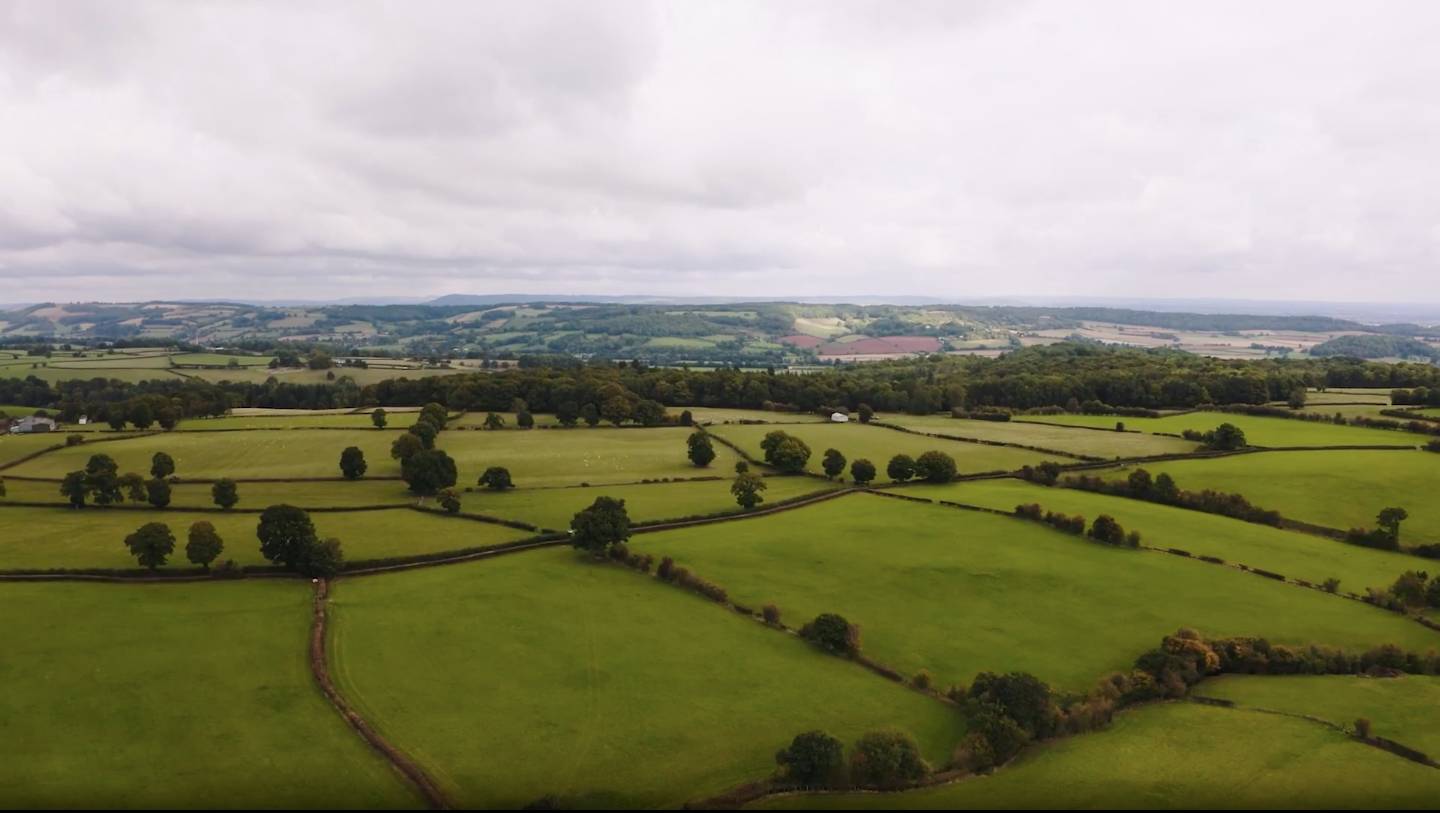
Jane Scotter has been farming at Fern Verrow - her certified biodynamic farm at the foothills of the Black Mountains in Herefordshire - since 1996, where she cultivates a wide range of truly seasonal vegetables, fruit, herbs and flowers. Jane believes that vegetables and fruit grown in good soil, at the right time of year and open to the elements have a greatly enhanced character and flavour, and that size and shape are unimportant when compared to taste and true quality. Since 2015 she has had a farm-to-table collaboration with Michelin starred chef Skye Gyngell and her London restaurant, Spring, and also grows flowers for acclaimed London florists, JamJar Flowers.
Access to all courses


