
Interior and exterior confidence
Create Academy has been such a great resource. I'm in the middle of renovating a bungalow with a very large garden and the courses have offered a wealth of inform...
Harvey
Jun 10, 2026
How to Grow Exceptional Produce
with JANE SCOTTER — Leading biodynamic grower of fruit and vegetables. Supplier to Michelin star restaurant Spring.
Lesson 24 of 36
Subscribe to watch
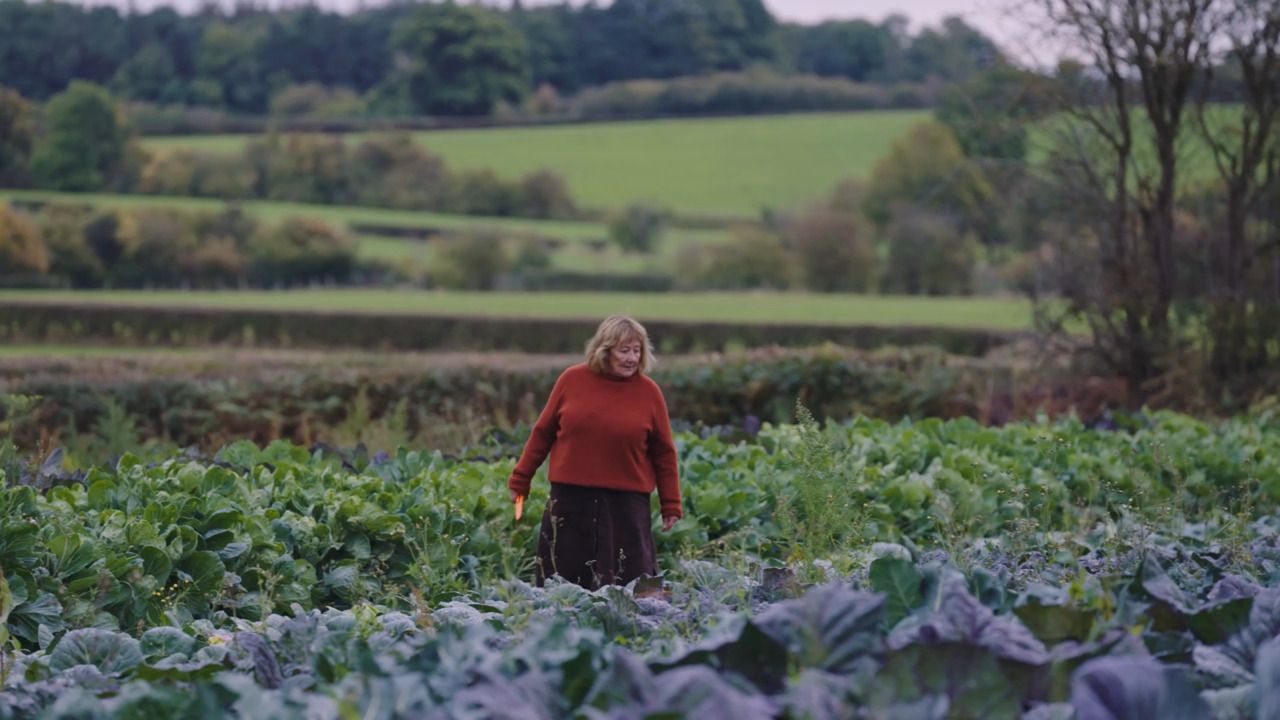
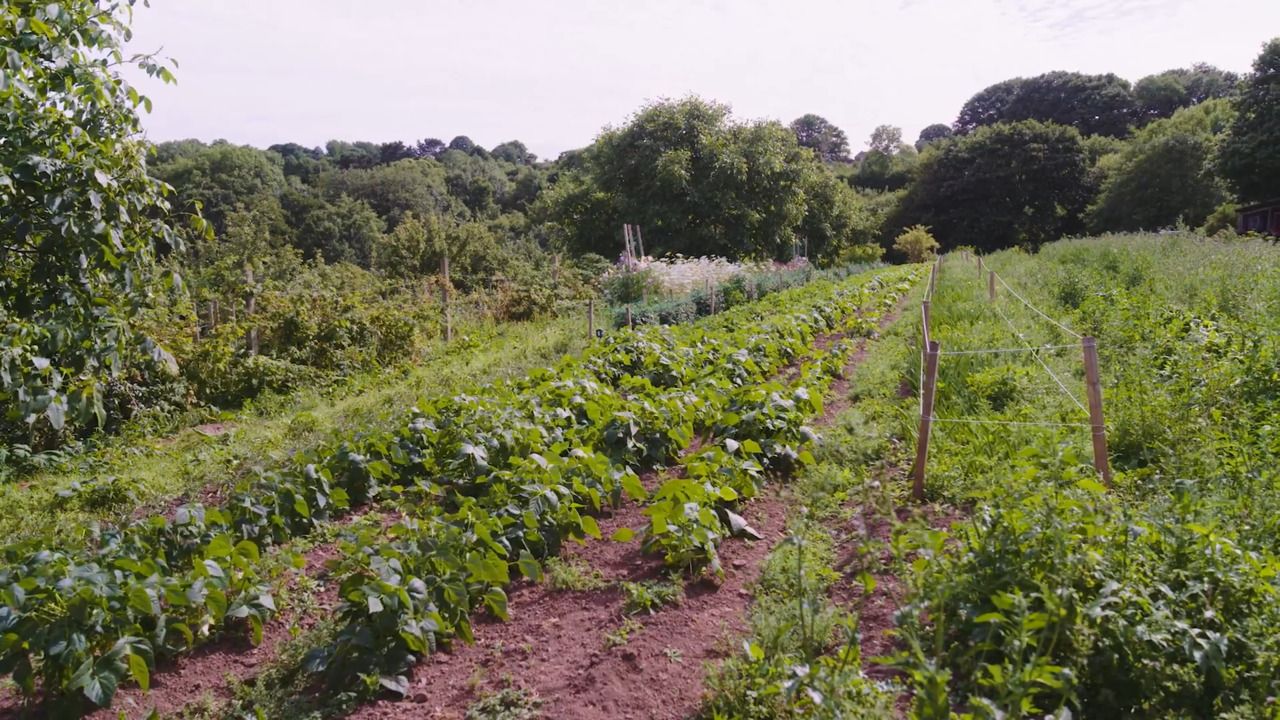
Regularly maintaining your plants is one of the best ways to ensure they are healthy. In this lesson you’ll learn how to weed, water and control common pests.
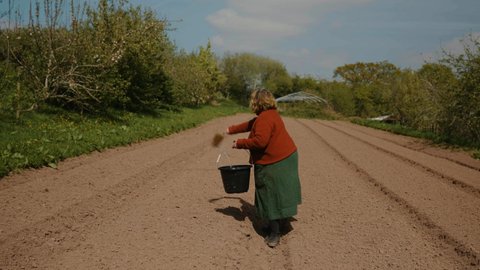
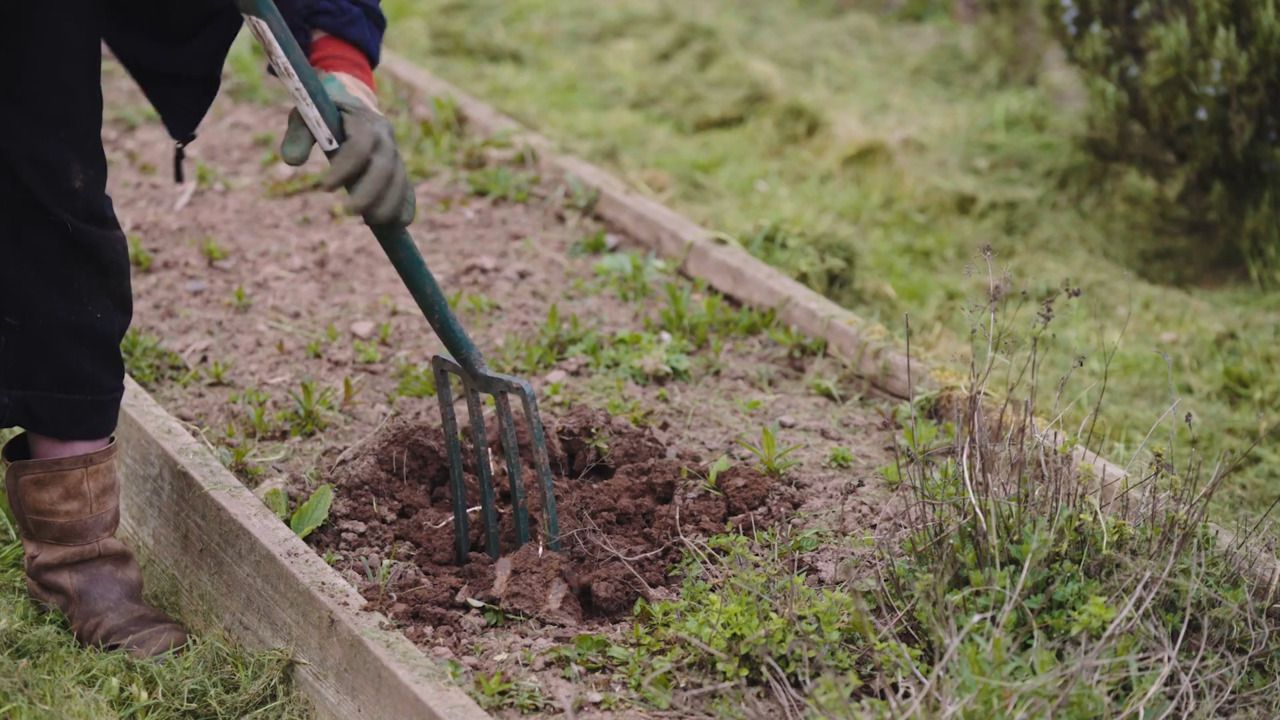
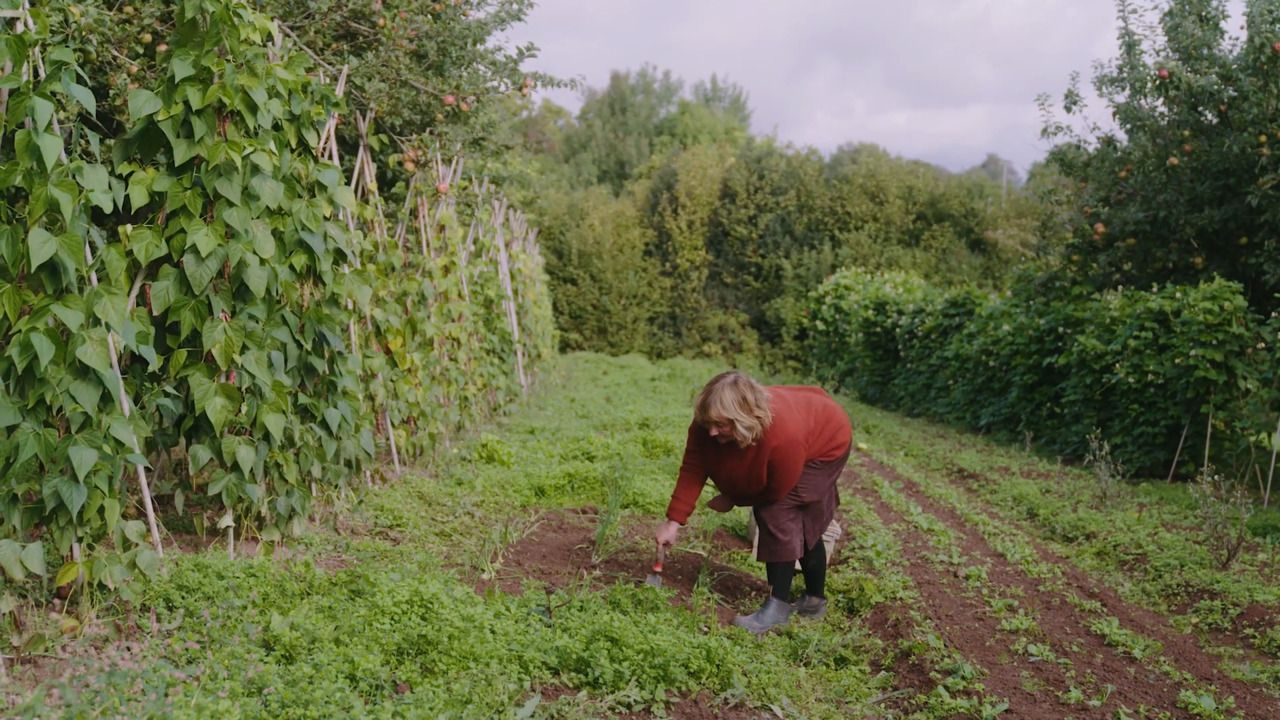
The biggest challenge faced by organic growers is weeding. Without weedkillers, we have to do all our weeding by hand, and biodynamically speaking, we need to do 99 per cent of our weeding on the correct days.
So, if it's a leaf day, we weed around our leafy crops. From mid-June until the end of July, weeding is one of our top priorities. By removing any plants in competition with your chosen crop, you are allowing it to receive all the nutrients and moisture available.
Some plants don't mind weeds, but others, such as soft herbs, will suffer enormously, as many of the weeds will grow bigger and ultimately overshadow them.
If you're going to weed, dry and hot days are the best time to do it. On damp days, you're more likely to leave behind a bit of root, which, if it's a perennial weed, such as bindweed, will be able to grow back.
All plants like different amounts of water, which can make remembering what is best for a certain plant quite difficult.
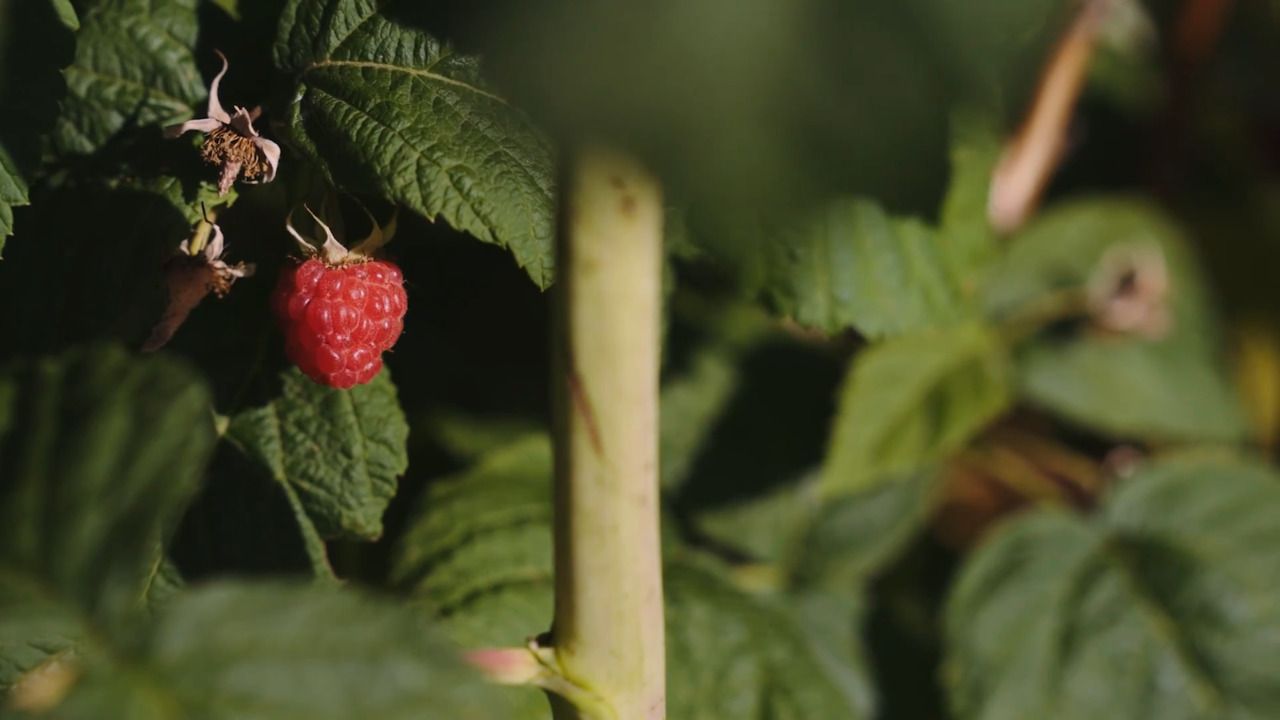
A good rule of thumb though, is that a plant in flower will need a lot of water to help it set fruit. For example, if a raspberry plant doesn't receive adequate water at this time, its flowers might just fall off.
WHEN SHOULD I WATER?
Watering at midday or while the sun is strong is not advisable. Not only will you lose a lot of the water to evaporation, if the leaves of your plant get wet, they may scorch in the sun too.
If you have to water in the midday sun, make sure you aim the water at the roots of your plant and pour it really slowly so there isn't any run off.
The best times to water are early in the morning or as the sun is setting.
During hot weather, you will have to water your plants at least once a week, but a lot depends on the moisture retentiveness of your soil. If you have pot plants, you will need to water these every day during hot weather, as they dry out much more quickly.
When it comes to watering, a good soaking is better than little and often. An hour of watering, so that the water can penetrate the soil, is advisable during a drought.
When the weather is cloudy, it's not necessary to water every day, but if you're unsure, the best thing to do is check the soil beneath the surface to see whether it's still damp.
In the winter time, there is no need to water outdoor plants, but if you have a greenhouse, then give plants a little bit of water every two weeks. At this time of year though, most plants are dormant and do not require extra water.
Although garden pests can seem like a nuisance, it's important to remember that everything has a purpose and as much right to be here as we do.
While we might hate it when slugs eat our lettuces, they are very important for decomposition, and in the right place, such as the compost heap, have a vital role to play in our gardens.
SLUGS
Slugs are attracted by high moisture levels and they don't like dry conditions. The best thing to do with slugs therefore is to try and remove their habitat. If the weather is very wet, make sure that the ground is clear by removing any rocks and stones, and weed under plants in order to remove their hiding places.
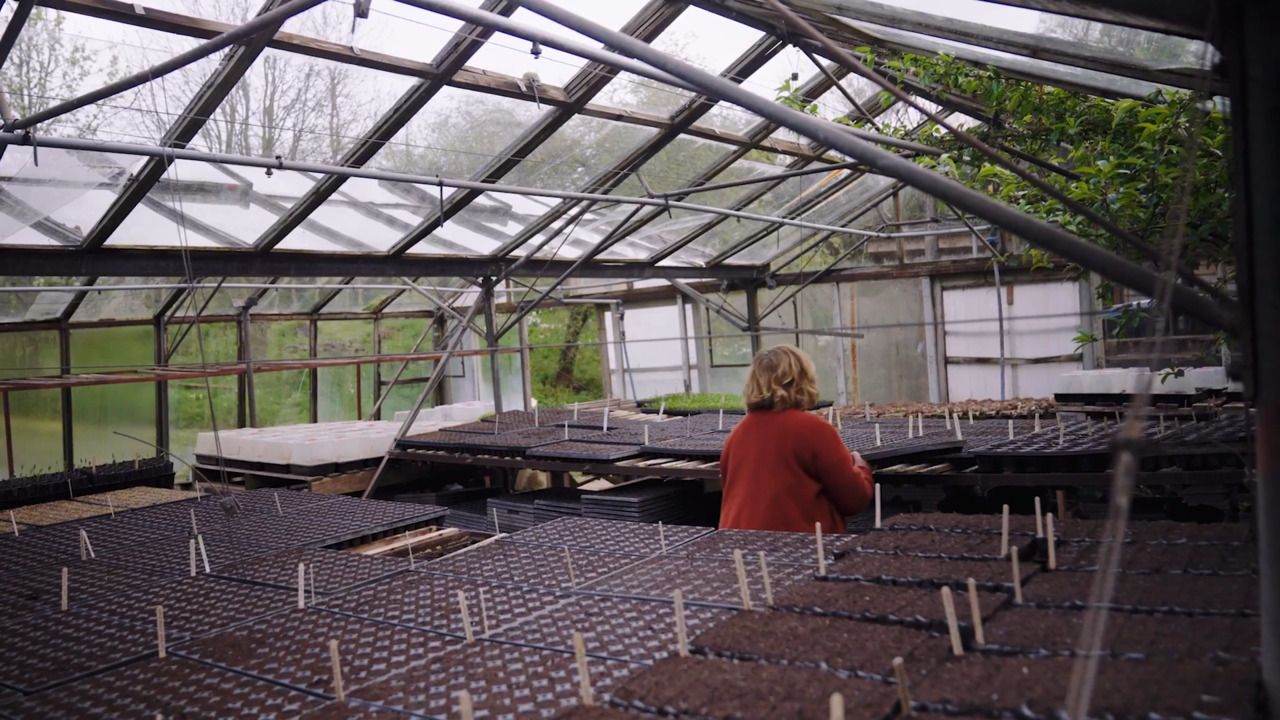
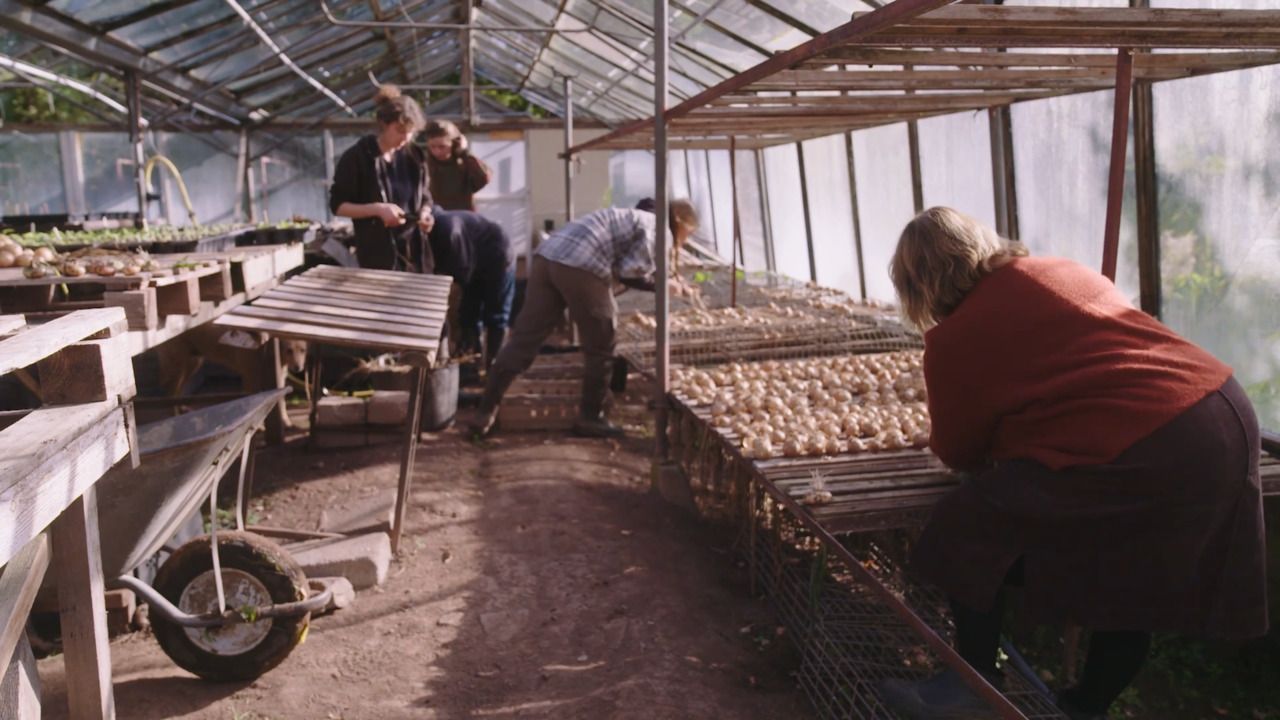
If you have a problem with slugs moving into your greenhouse, make sure it is tidy and remove any empty pots where they might set up home.
With time, this will reduce the number of slugs in your garden and limit them to your compost heap. Encourage them to stay there by maintaining a good, well-stocked compost heap.
GREENFLY
Greenflies, on the other hand, like dry conditions. If you are having issues with greenflies in your greenhouse, then try and keep the environment moist.
Greenflies are only really a problem when your plants are young. They tend to first appear in April, as the weather warms up, so make sure to ramp up the moisture levels in your greenhouse during this time to keep their numbers at bay.
When your plants are bigger and more established, they pose less of a problem, so if your plant only has just a few greenflies, then let them be.
Greenflies tend to breed in nettle bushes, so if you have any near your greenhouse, cut them down to stop them breeding.
Nematodes and ladybird larvae are a great way of organically controlling pests. While they won't work as well outside, buying ladybird larvae for a greenhouse is an excellent way of controlling insect populations. They are a natural predator of aphids and greenflies and are very effective.
Nematodes and insect larvae can be quite expensive though, so make sure you do your research to ensure you get the right type for your particular pest.
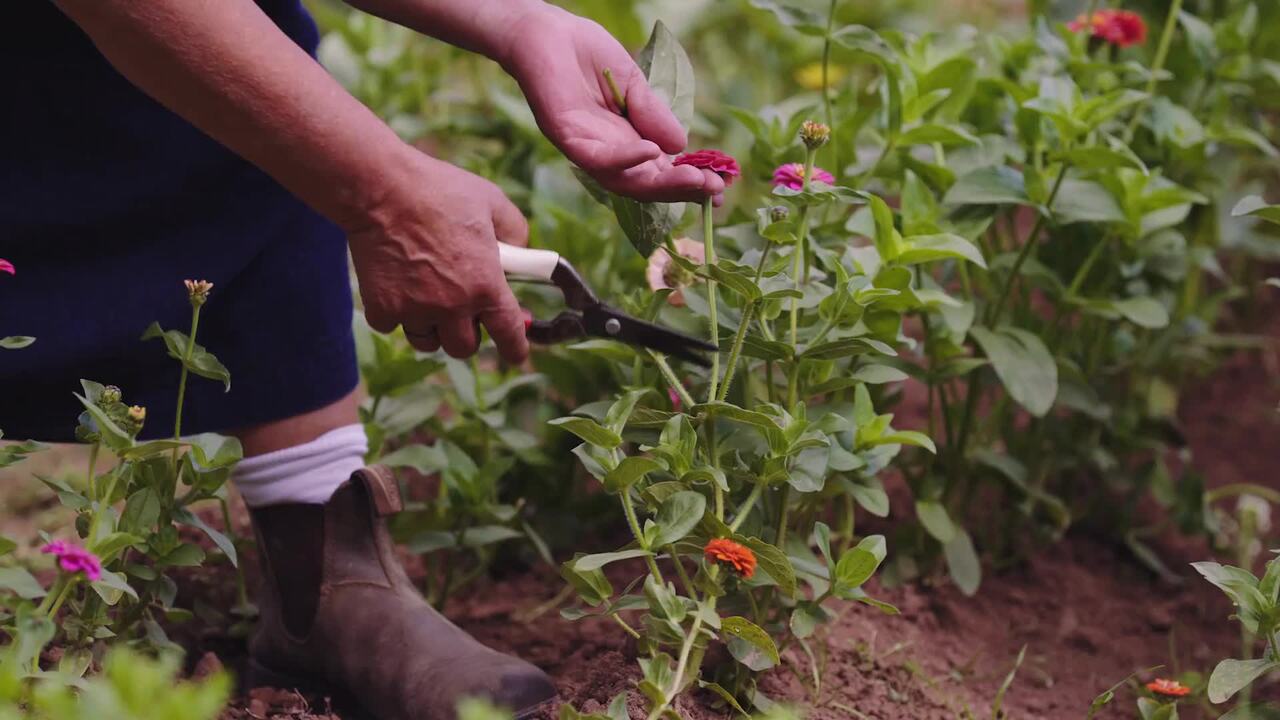
If you want to grow strong and sturdy annual flowers then you'll need to pinch out your plants. Once your seeds have germinated, let your plant grow three full sets of leaves and then snip them with your fingers to just above the second set of leaves.
This will encourage your plant to grow side shoots, resulting in a bushier plant with more flowers. It may feel severe, especially if you have let your plant grow taller, but by doing this your plant will grow much stronger and won't become top heavy.
Get the full workbook, video lessons, and more with a Create Academy subscription.
Subscribe to access the full workbookAlready a member? Sign in to watch
491 reviews
Read moreCreate Academy has been such a great resource. I'm in the middle of renovating a bungalow with a very large garden and the courses have offered a wealth of inform...
Harvey
Jun 10, 2026
Absolutely love Create Academy! The instructors are extremely informative, and it is beautifully filmed. Create Academy is great value for money and plan on renew...
SG
May 31, 2026
Butter's creativity is stunning! Her ability to incorporate brilliance in small gardens is magical!
Carla
May 30, 2026
The best adventure. I like all the courses, but my favorite are both Rita Konig interior design courses and Anna Jones. Excellent!
Karolina Kluczewska
May 20, 2026
Create Academy has been such a great resource. I'm in the middle of renovating a bungalow with a very large garden and the courses have offered a wealth of information to dive into and explore new ideas. I'm...
Harvey
Jun 10, 2026
Absolutely love Create Academy! The instructors are extremely informative, and it is beautifully filmed. Create Academy is great value for money and plan on renewing my subscription yearly because there are ...
SG
May 31, 2026
Butter's creativity is stunning! Her ability to incorporate brilliance in small gardens is magical!
Carla
May 30, 2026

Your Instructor
Leading biodynamic grower of fruit and vegetables. Supplier to Michelin star restaurant Spring.
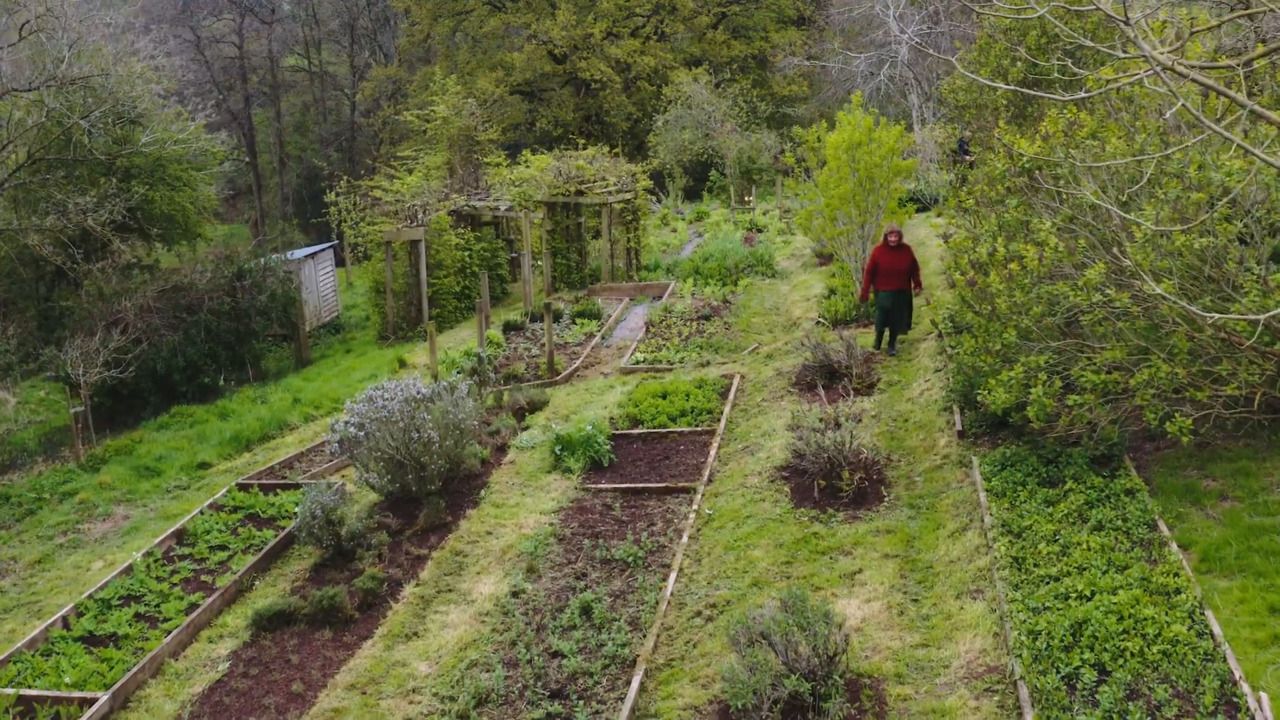
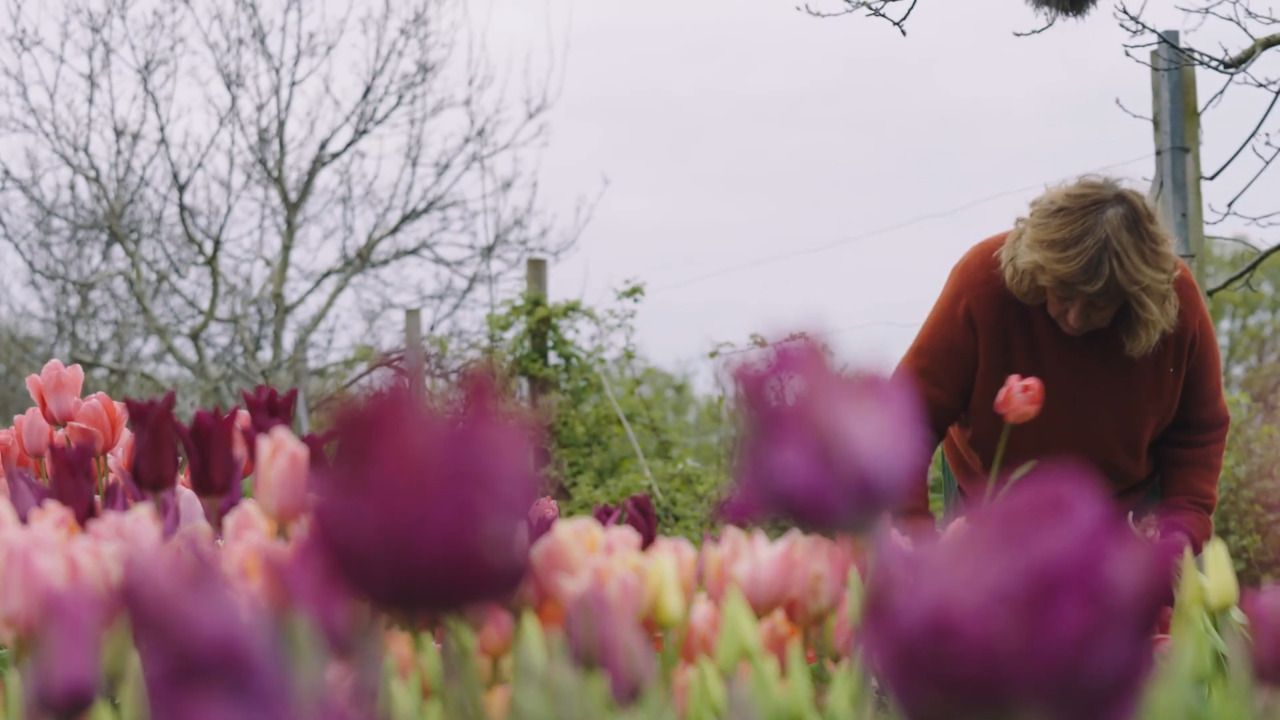
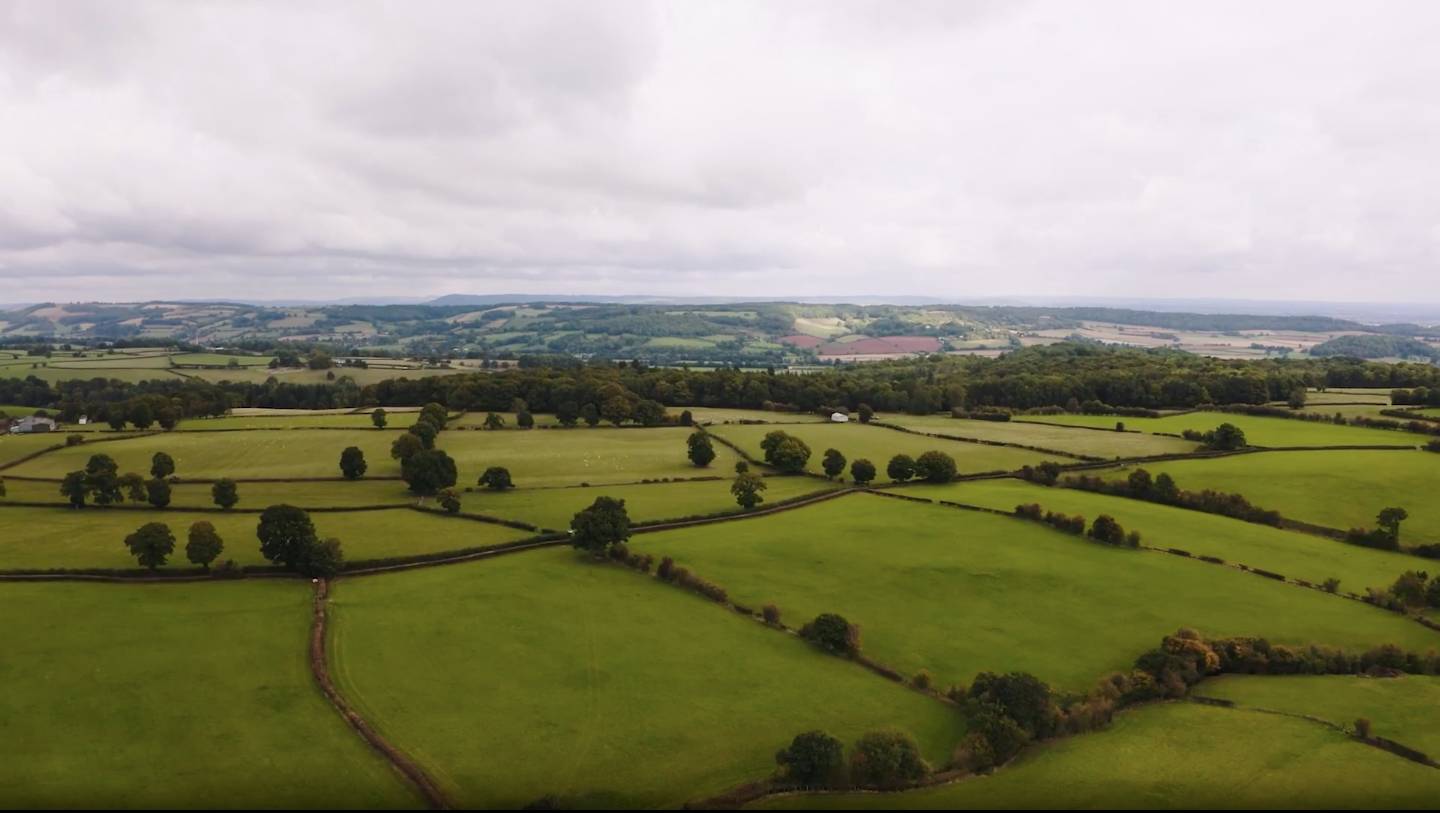
Jane Scotter has been farming at Fern Verrow - her certified biodynamic farm at the foothills of the Black Mountains in Herefordshire - since 1996, where she cultivates a wide range of truly seasonal vegetables, fruit, herbs and flowers. Jane believes that vegetables and fruit grown in good soil, at the right time of year and open to the elements have a greatly enhanced character and flavour, and that size and shape are unimportant when compared to taste and true quality. Since 2015 she has had a farm-to-table collaboration with Michelin starred chef Skye Gyngell and her London restaurant, Spring, and also grows flowers for acclaimed London florists, JamJar Flowers.
Access to all courses


