

Interior and exterior confidence
Create Academy has been such a great resource. I'm in the middle of renovating a bungalow with a very large garden and the courses have offered a wealth of inform...
Harvey
Jun 10, 2026
How to Grow Exceptional Produce
with JANE SCOTTER — Leading biodynamic grower of fruit and vegetables. Supplier to Michelin star restaurant Spring.
Lesson 2 of 36
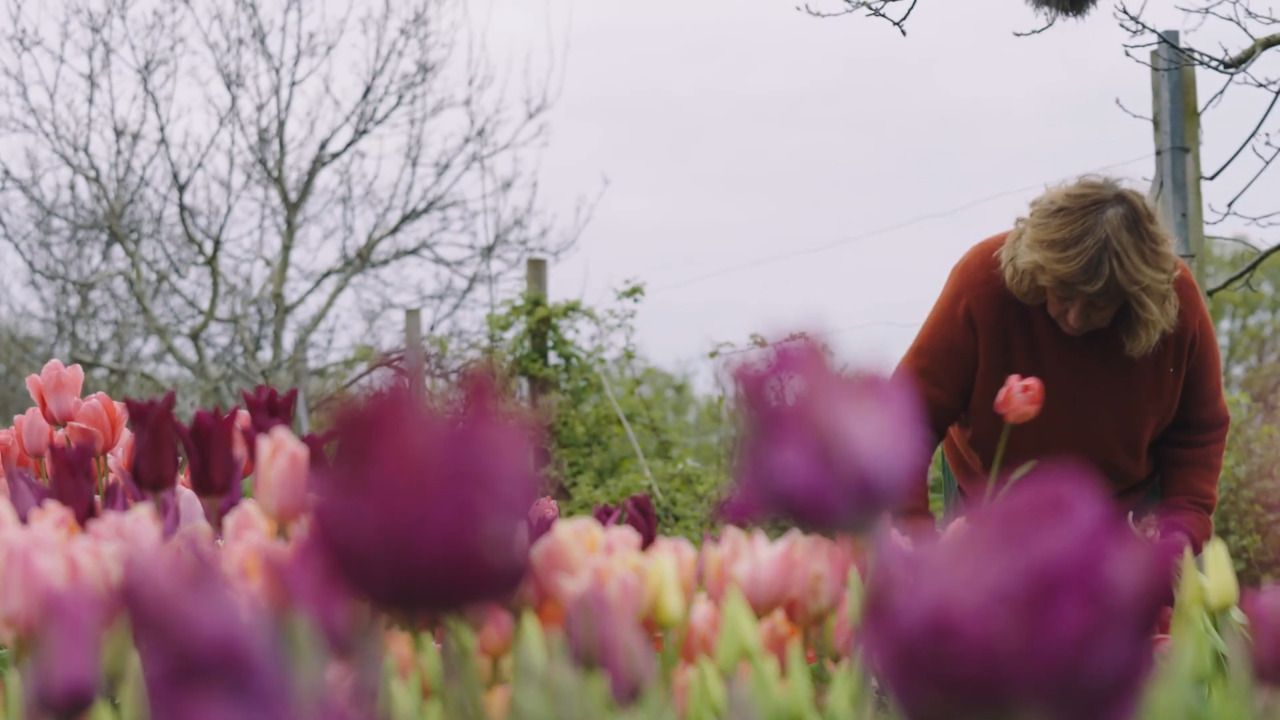
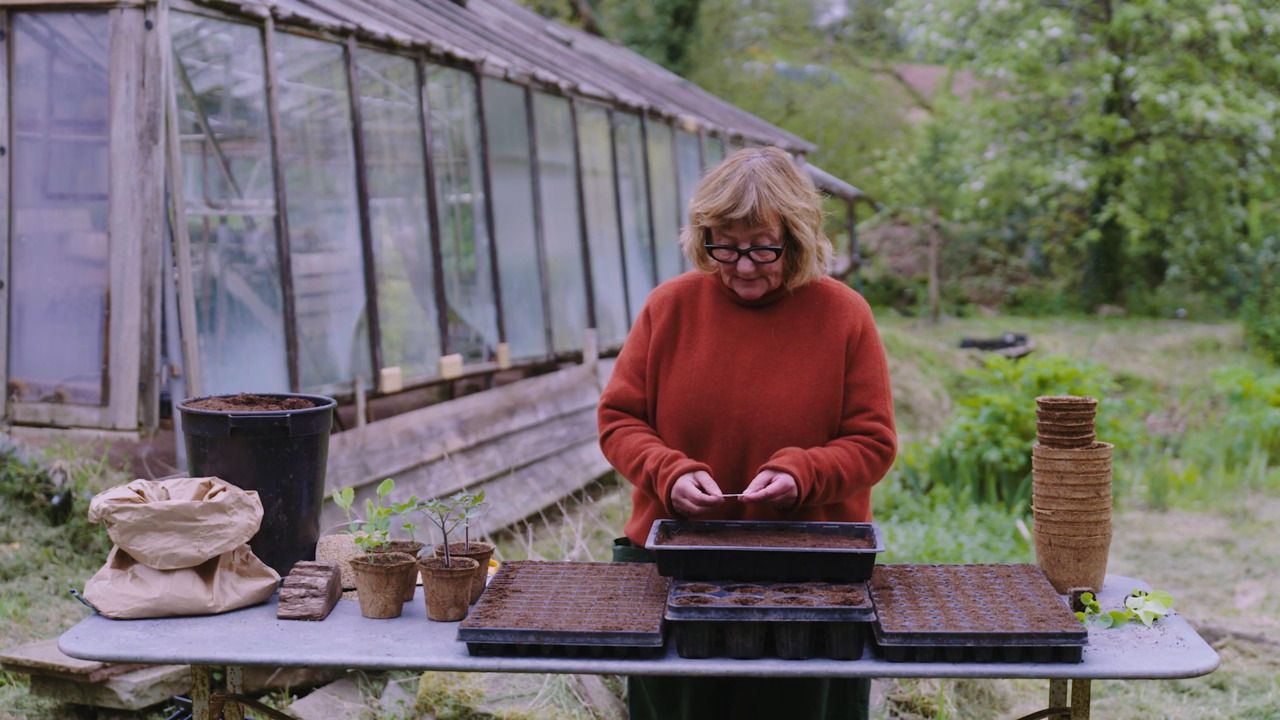
In this video you’ll learn how the biodynamic system works and how to apply it to your garden, whatever its size.
Biodynamics involves a collaboration with the cosmos, which helps us to get the very best from our plants. This agricultural system encompasses organic growing but takes it a step further by helping us to harness the power of the solar system to bring it into our gardens.
In biodynamic growing, we consider the orbit of the Earth around the Sun, and the Moon around the Earth, as well as the rotation of the other planets in the solar system. In order to support our land, we also make special preparations using specific plants and minerals, which are then applied to the soil in order to feed and sustain it.
Looking beyond ourselves helps us to understand the bigger picture. Biodynamics offers growers an holistic approach to farming by treating the whole farm as if it were one living organism, with each part affecting the whole.
Working with the natural rhythms of the cosmos, biodynamic farming takes organic growing to the next level. Like organic farming, no pesticides or herbicides are applied to the land, but biodynamics also aims to improve the fertility of the soil year after year.
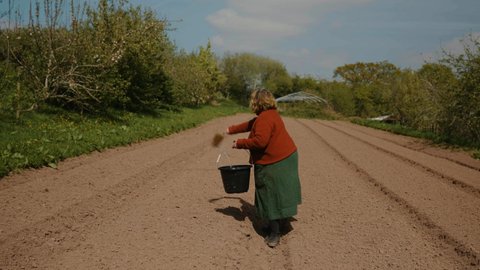
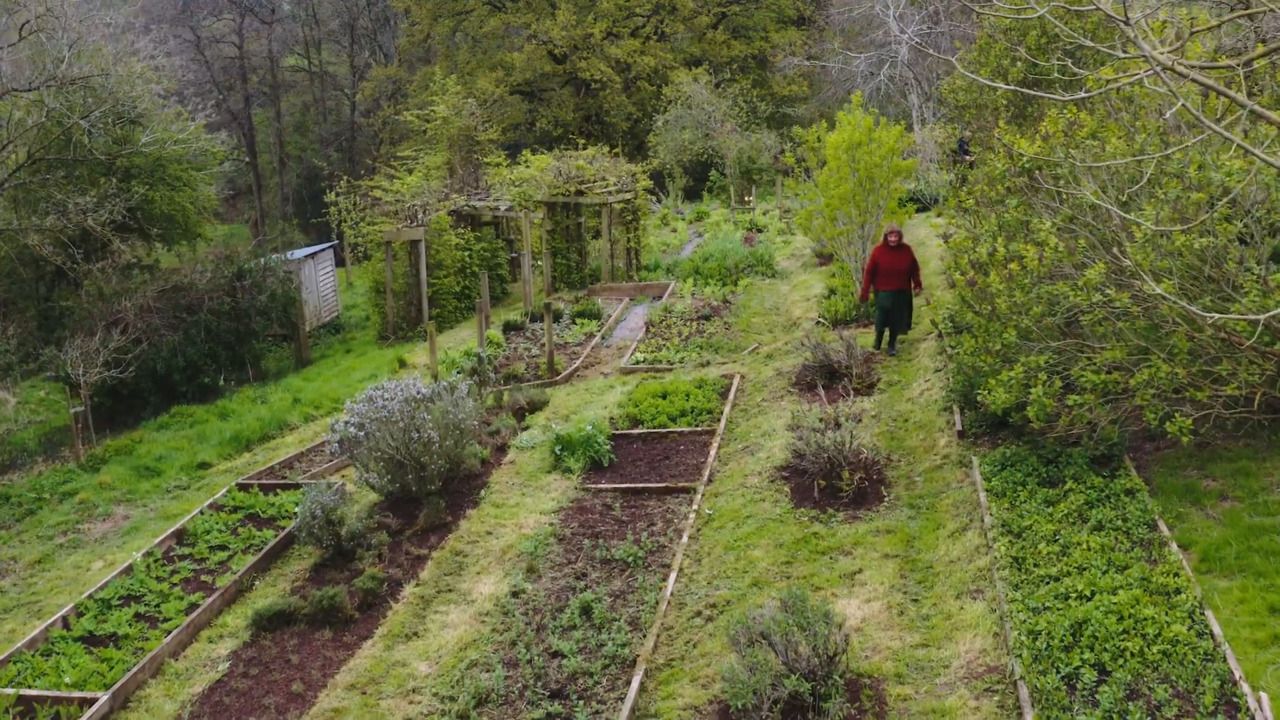
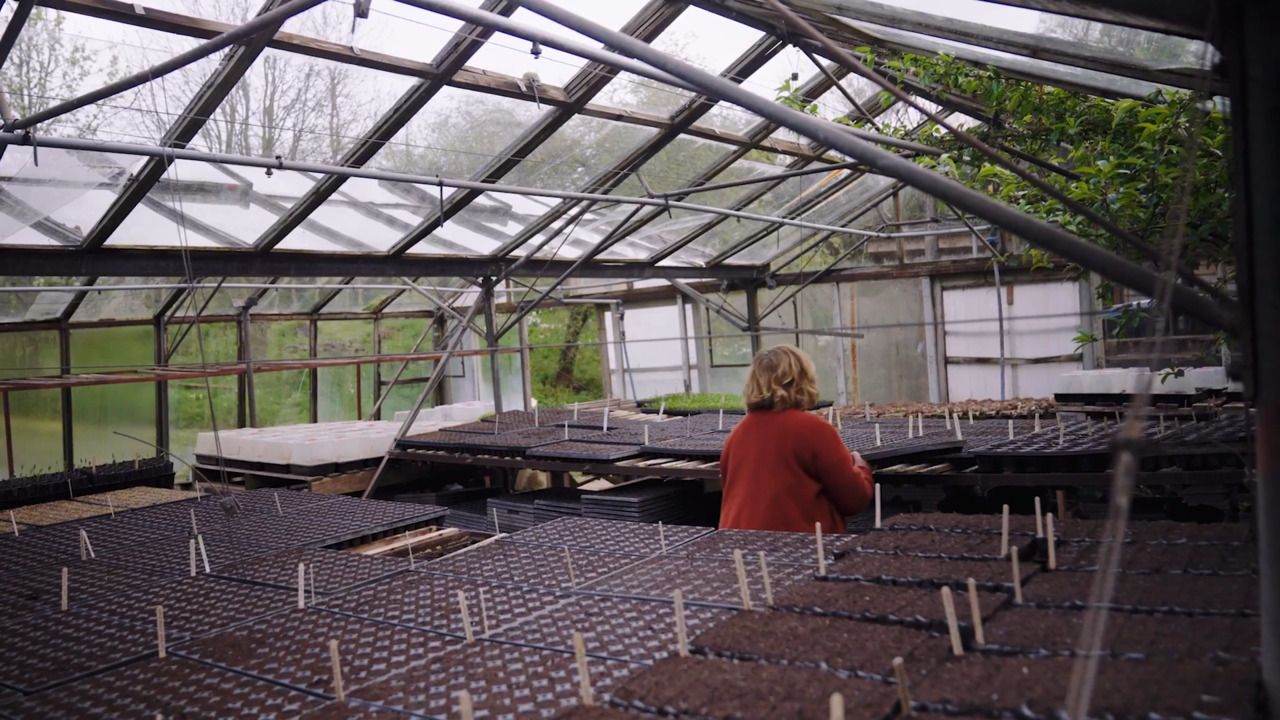
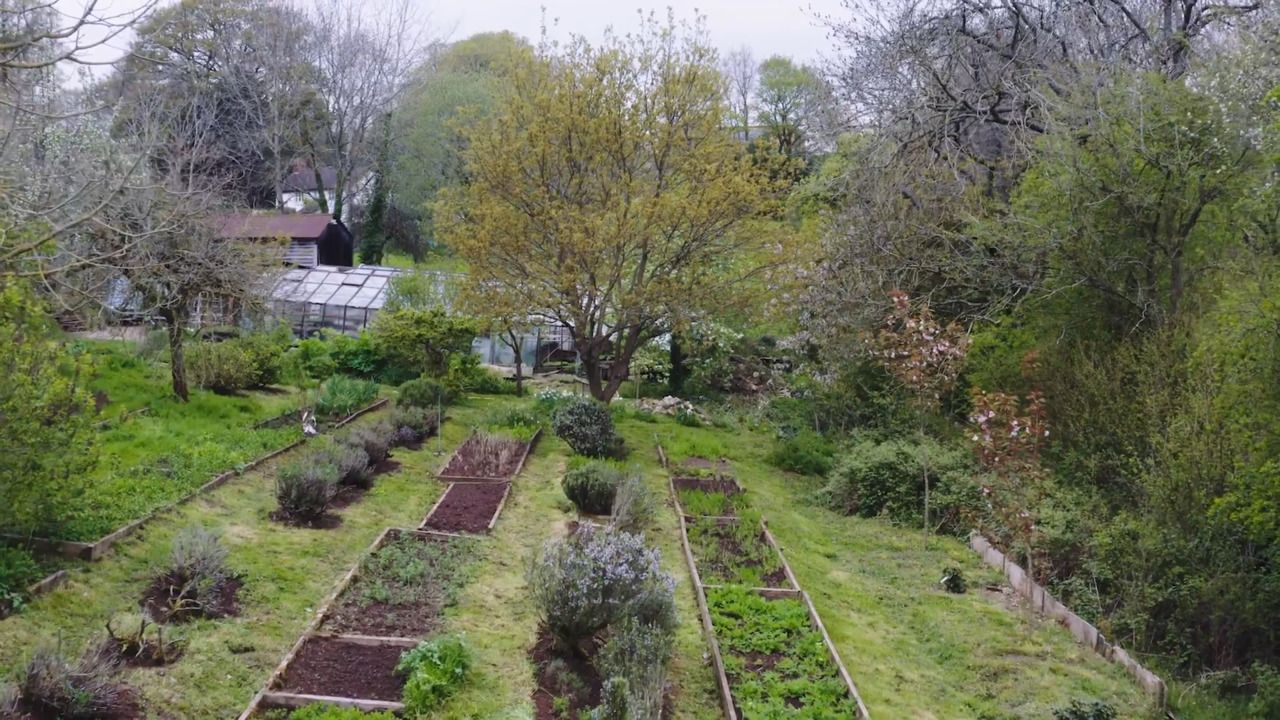
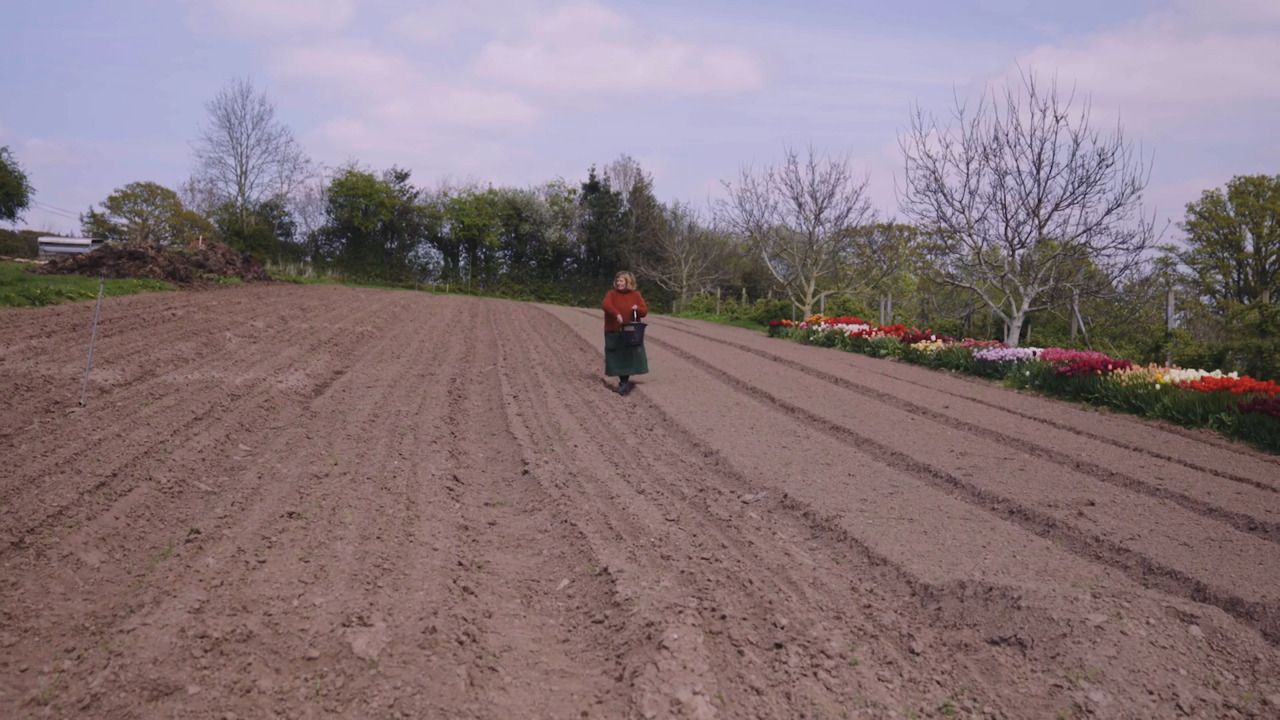
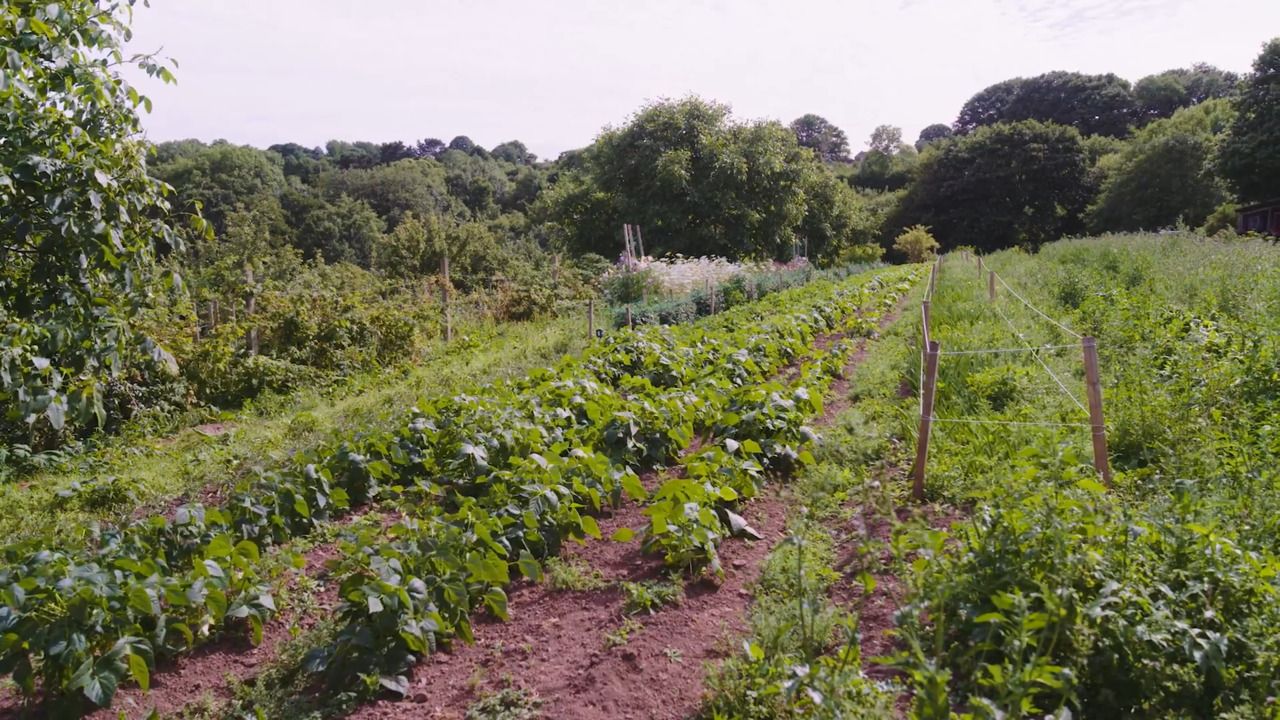
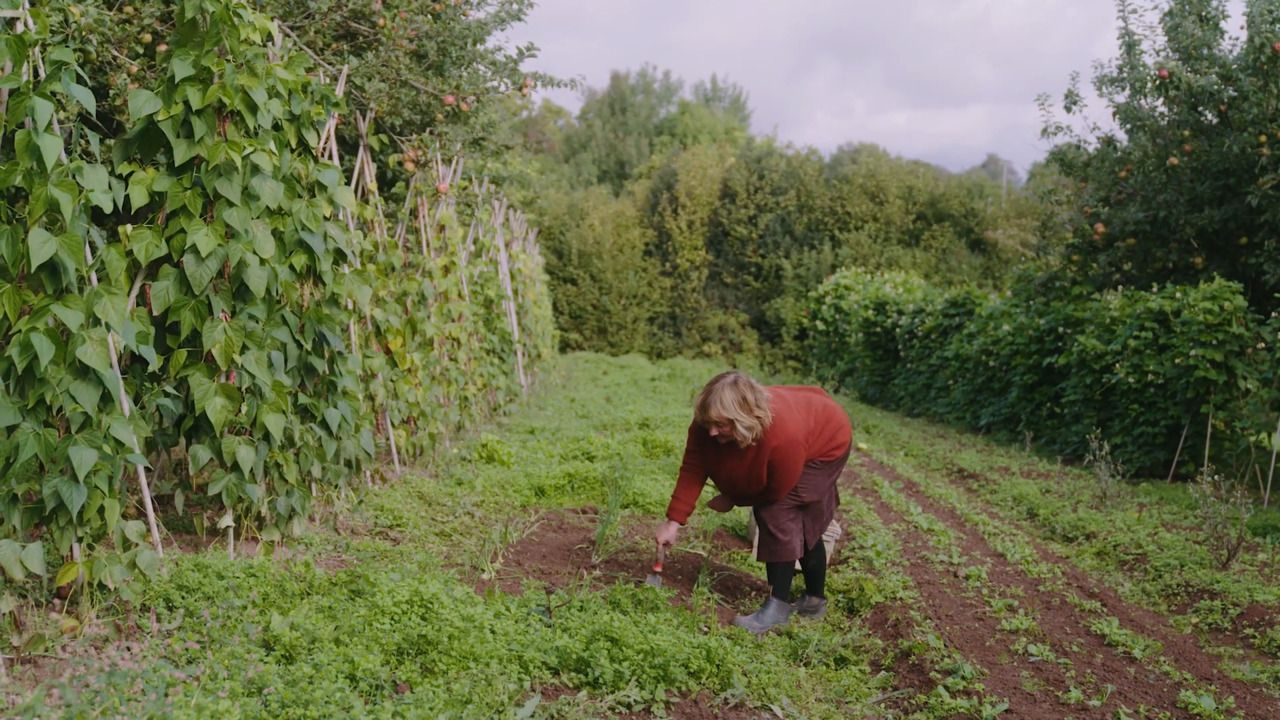
I moved to Fern Verrow in 1996. The land here had never been cultivated before, which meant that after two years of conversion, we could be certified biodynamic by Demeter, the certifying body for the biodynamic association.
We're now inspected every year to make sure we are adhering to the rules, which in principle are very similar to the rules for organic farming.
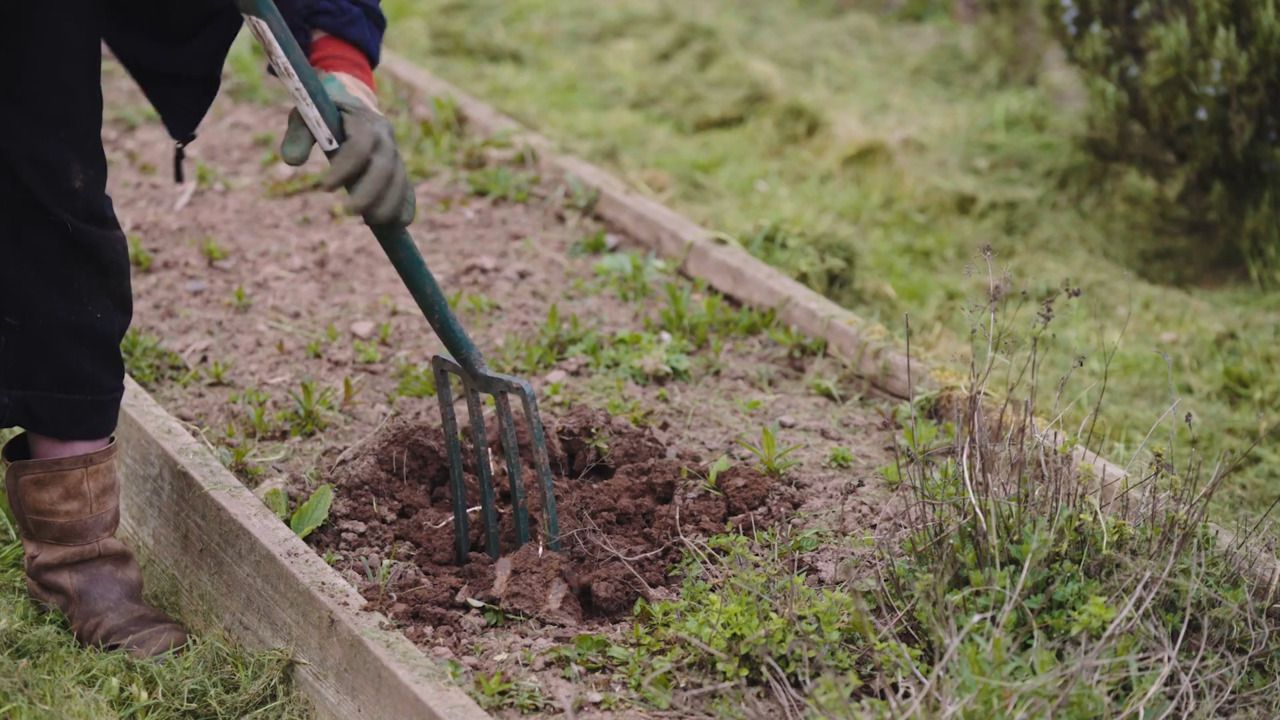
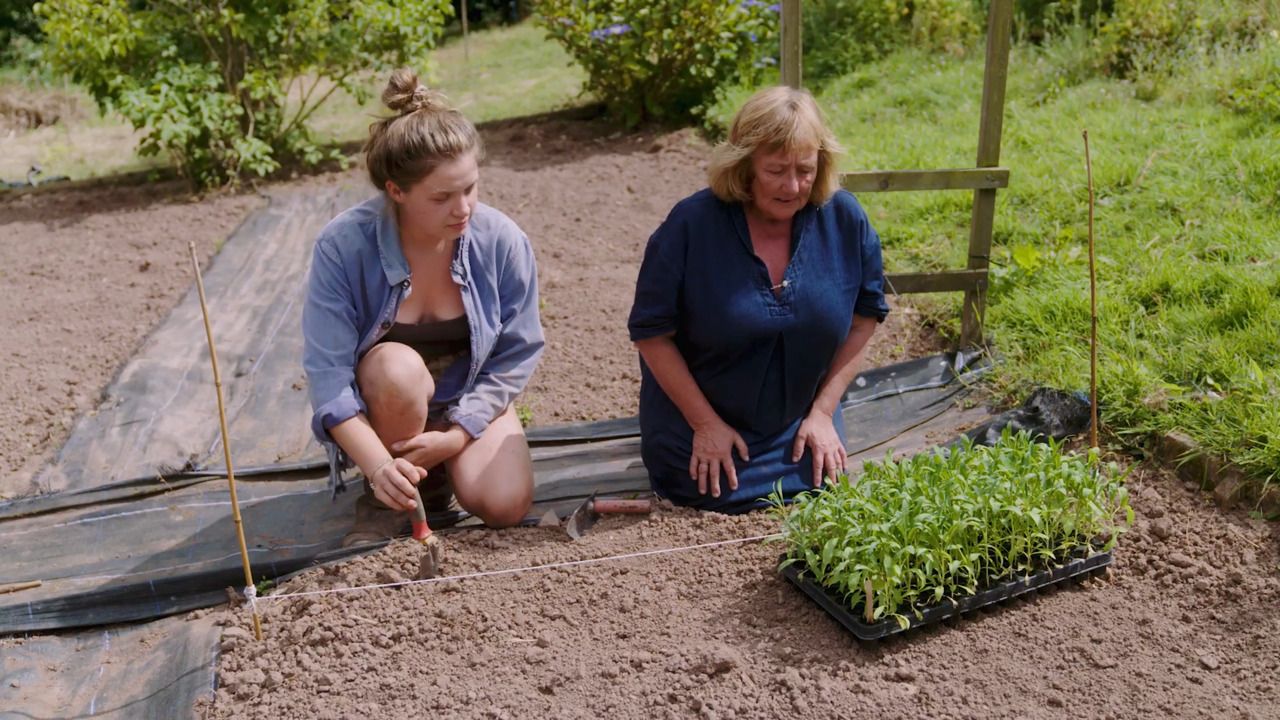
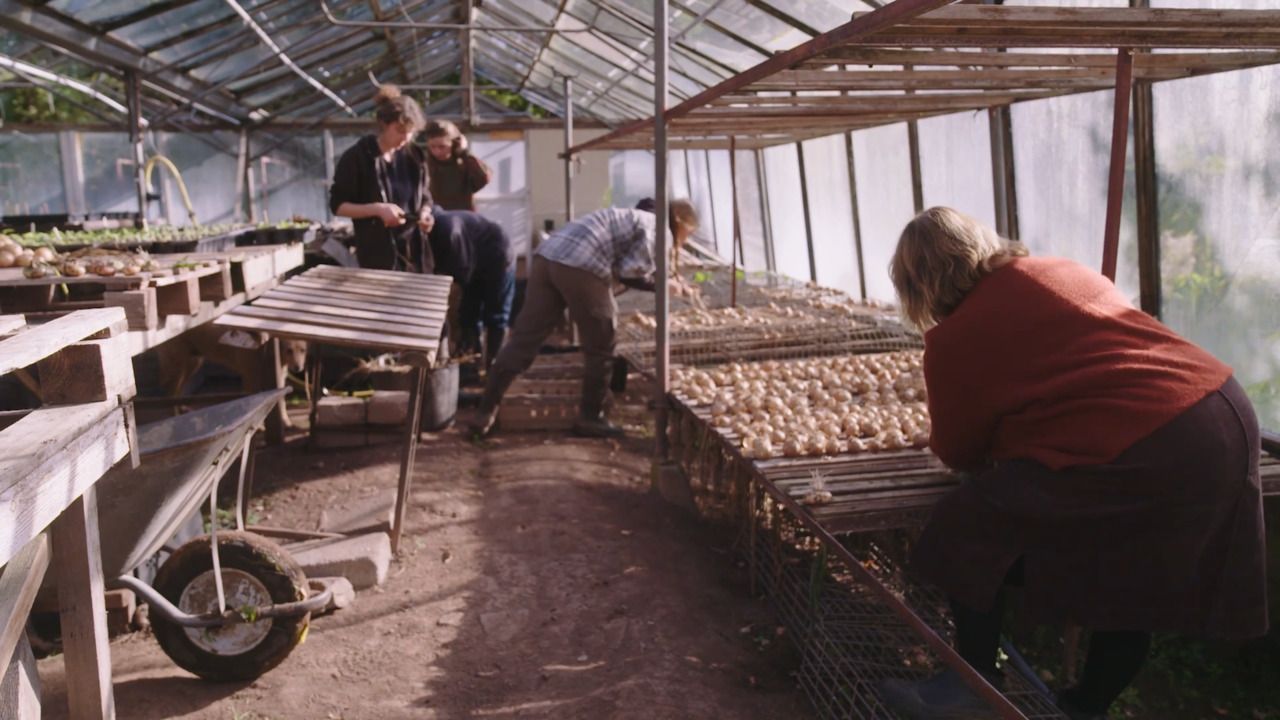
In practice, this means a lot of the work has to be done by hand, so while it is not complicated work, it does require us to be more engaged and give more of ourselves.
The biodynamic calendar is an essential resource. The calendar lists the best days for particular gardening tasks, dividing the week into flower, fruit, leaf and root days.
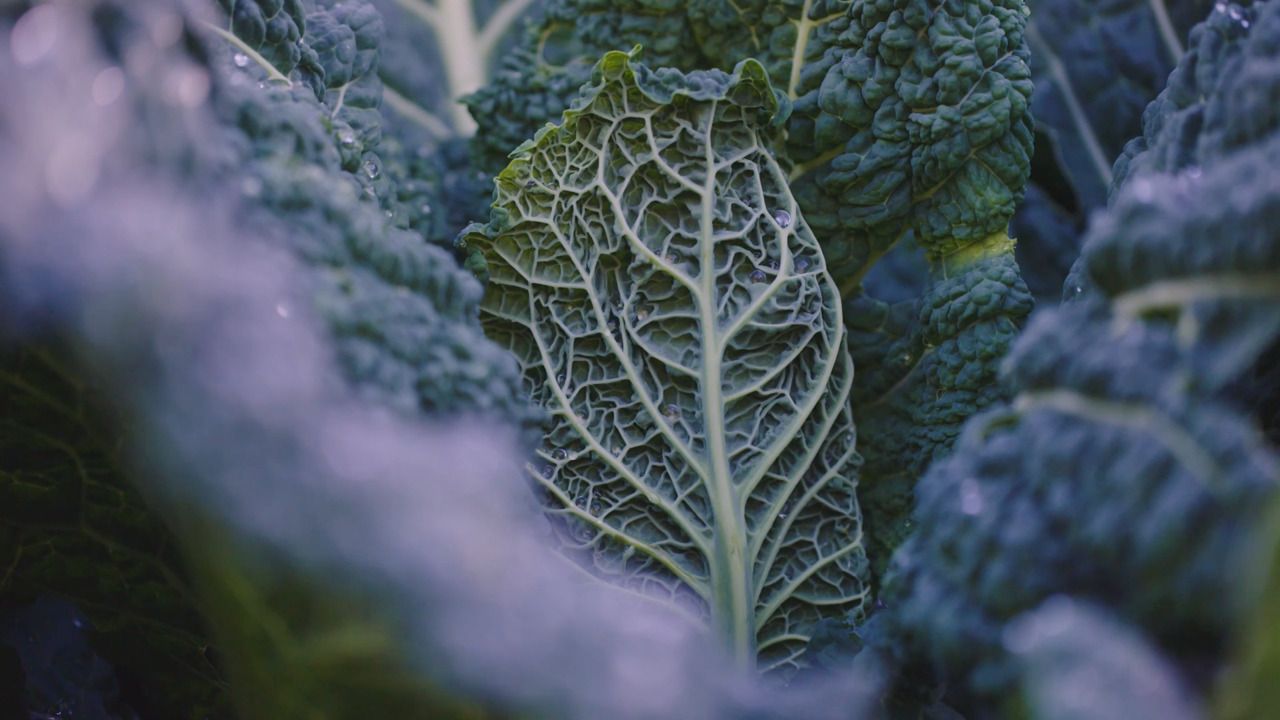
On these days, it is particularly beneficial to work on certain types of crops. On a leaf day for example, you would tend to leafy crops, such as spinach, kale and salad.
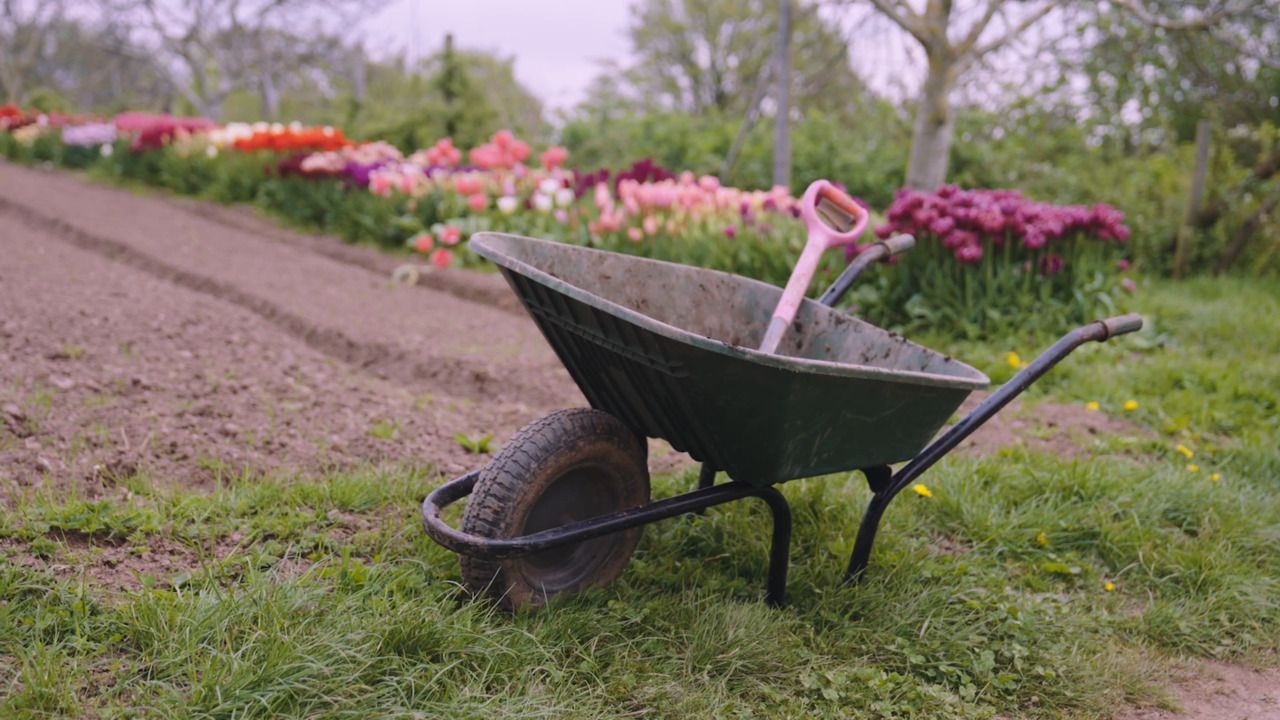
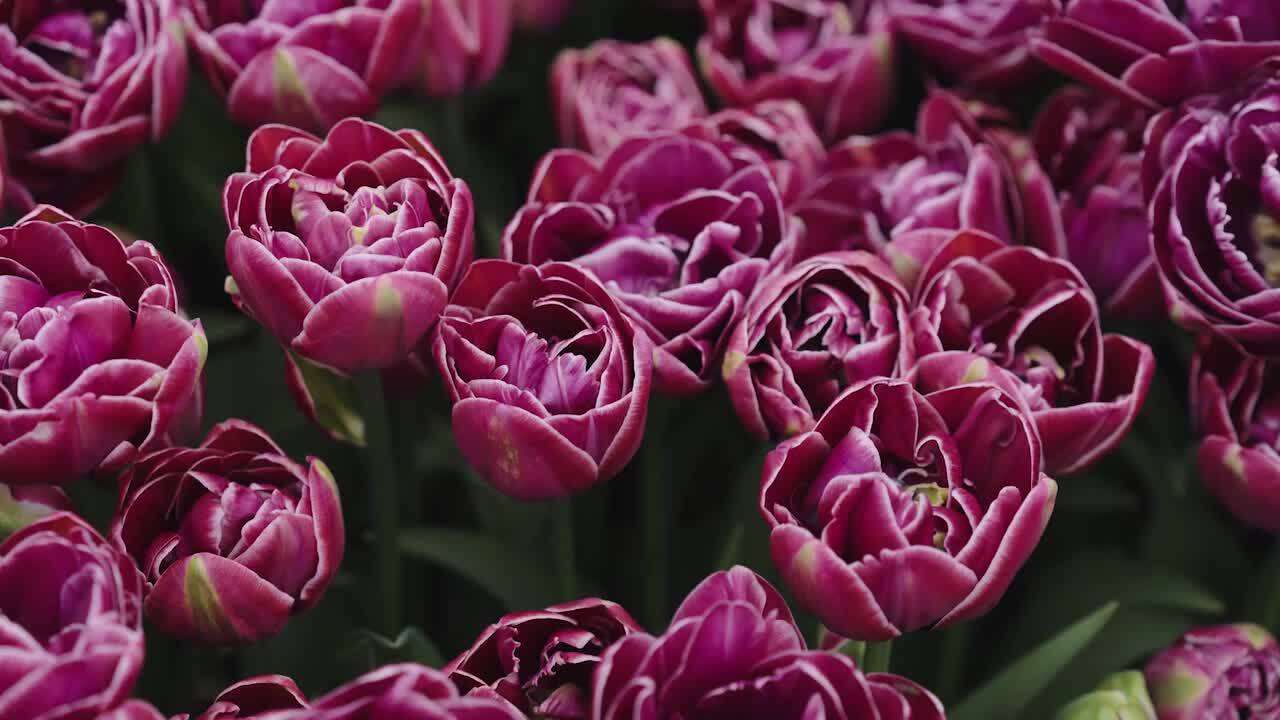
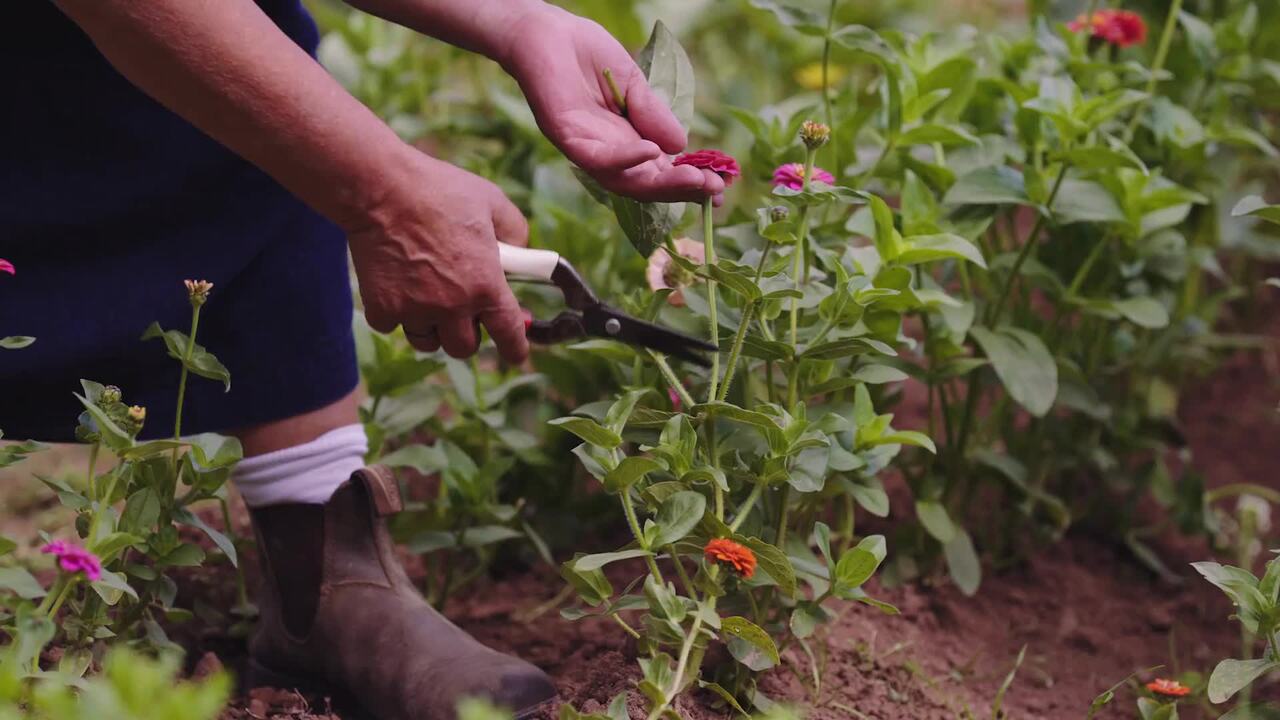
While on a flower day, you would tend to your flowering plants. The calendar is guided by the positions of the Sun and the Moon, and the alignment of the planets.
Working in line with the calendar helps to guide our work and gives us a sense of purpose. Sometimes there are so many gardening jobs to do that it can seem overwhelming. But working within the parameters of the calendar makes things much simpler, and helps our plants to reach their potential too.
I'm very rigid about doing things on the correct day, as I want to have the best produce that I can. I believe that following the biodynamic system can help produce the finest produce there is.
Biodynamics also gives us a chance to have a thoughtful and considerate relationship with nature, and by giving of ourselves in this relationship rather than just taking from nature, we're able to be part of the wider world around us.
Rudolph Steiner was a philosopher in the early 20th century. In 1924, he gave a series of lectures to farmers who were concerned about the depleting quality of their soil and the animals on their farm.
Steiner encouraged the farmers to be more organic in order to protect their soils, in a move that is considered to be the start of the organic movement.
In recent decades, due to the rise of urban living, many of us have lost our connection to nature, but by practising biodynamics we can start to get back in touch with nature's rhythm.
Get the full workbook, video lessons, and more with a Create Academy subscription.
Subscribe to access the full workbookAlready a member? Sign in to watch
510 reviews
Read moreCreate Academy has been such a great resource. I'm in the middle of renovating a bungalow with a very large garden and the courses have offered a wealth of inform...
Harvey
Jun 10, 2026
Absolutely love Create Academy! The instructors are extremely informative, and it is beautifully filmed. Create Academy is great value for money and plan on renew...
SG
May 31, 2026
Butter's creativity is stunning! Her ability to incorporate brilliance in small gardens is magical!
Carla
May 30, 2026
The best adventure. I like all the courses, but my favorite are both Rita Konig interior design courses and Anna Jones. Excellent!
Karolina Kluczewska
May 20, 2026
Create Academy has been such a great resource. I'm in the middle of renovating a bungalow with a very large garden and the courses have offered a wealth of information to dive into and explore new ideas. I'm...
Harvey
Jun 10, 2026
Absolutely love Create Academy! The instructors are extremely informative, and it is beautifully filmed. Create Academy is great value for money and plan on renewing my subscription yearly because there are ...
SG
May 31, 2026
Butter's creativity is stunning! Her ability to incorporate brilliance in small gardens is magical!
Carla
May 30, 2026

Your Instructor
Leading biodynamic grower of fruit and vegetables. Supplier to Michelin star restaurant Spring.
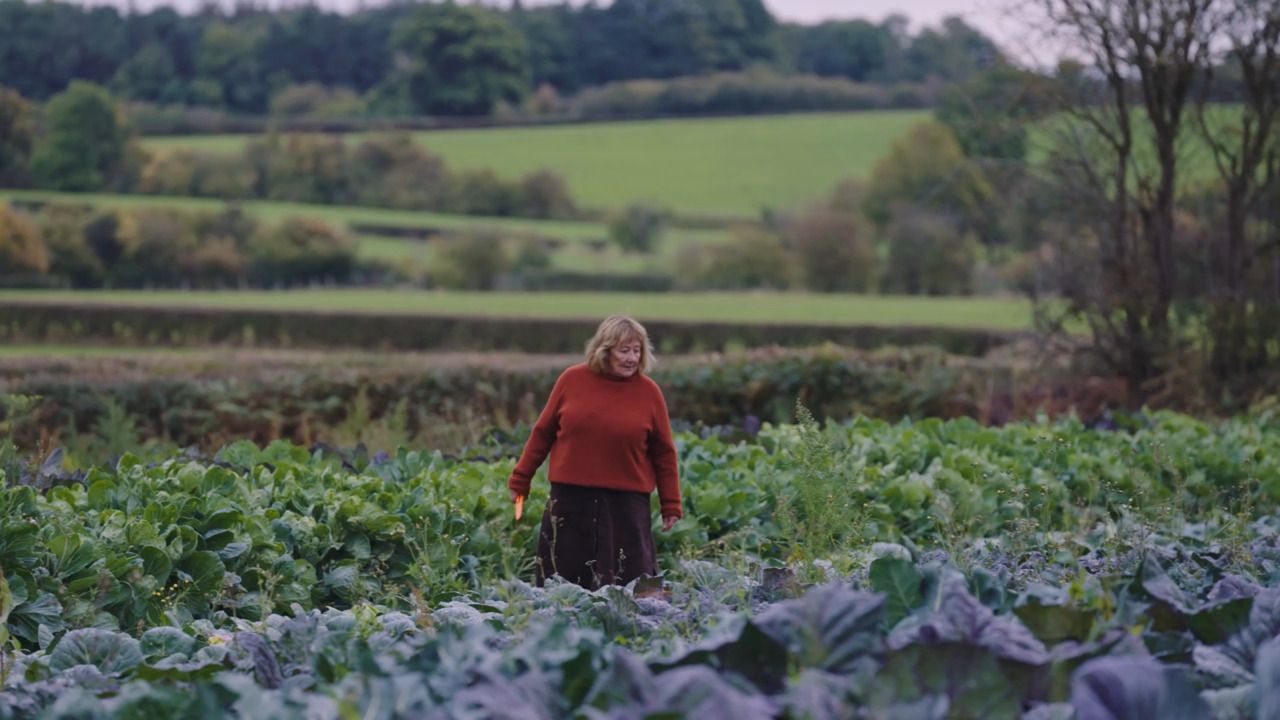
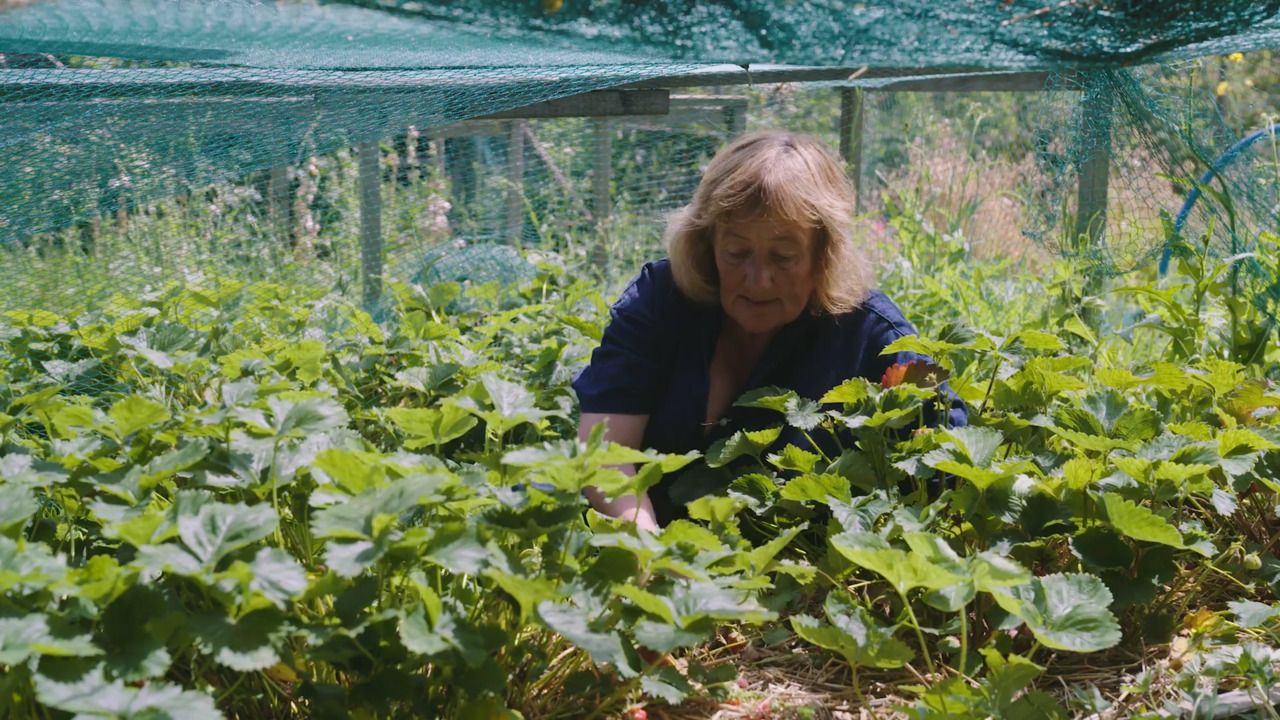
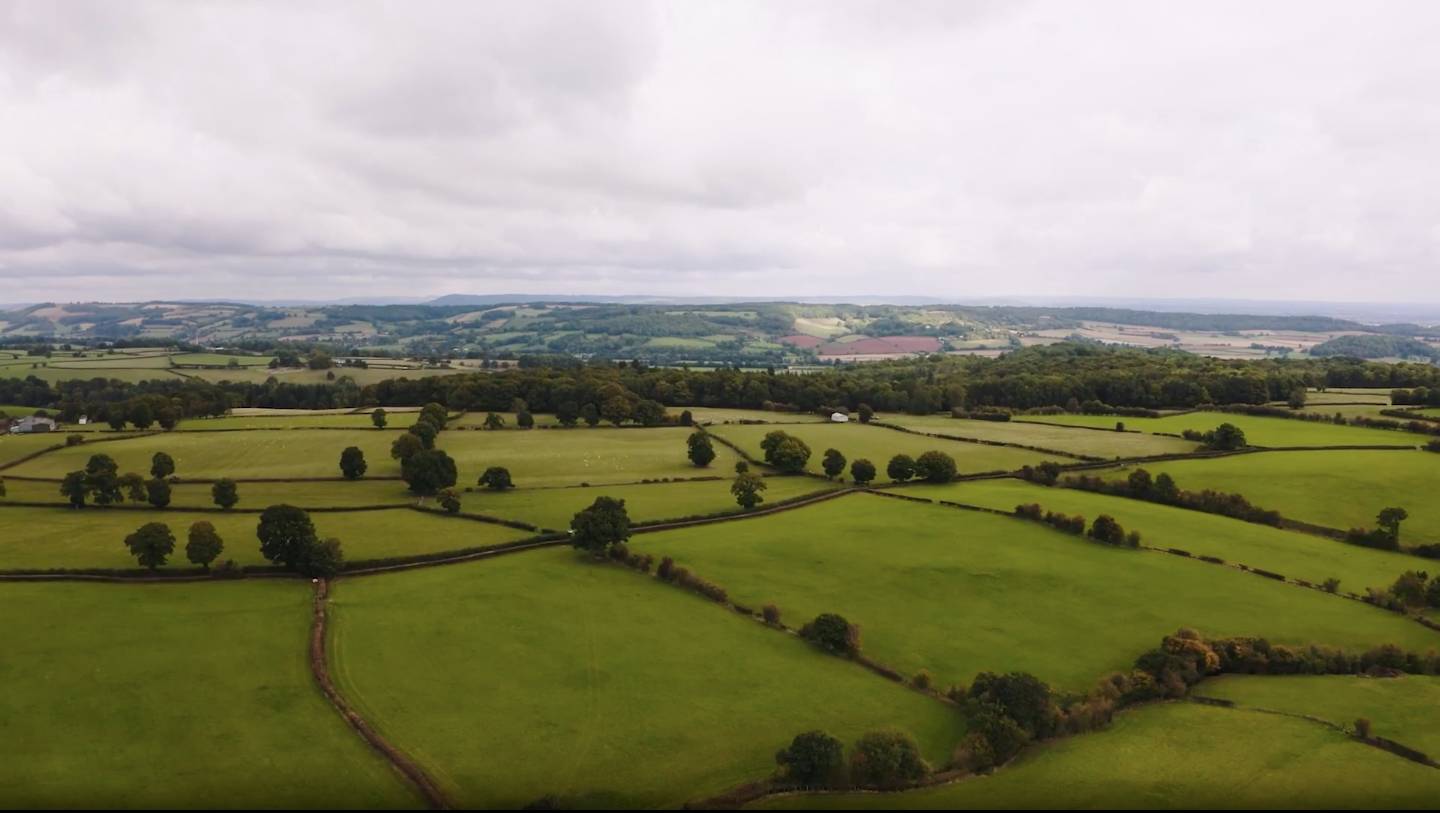
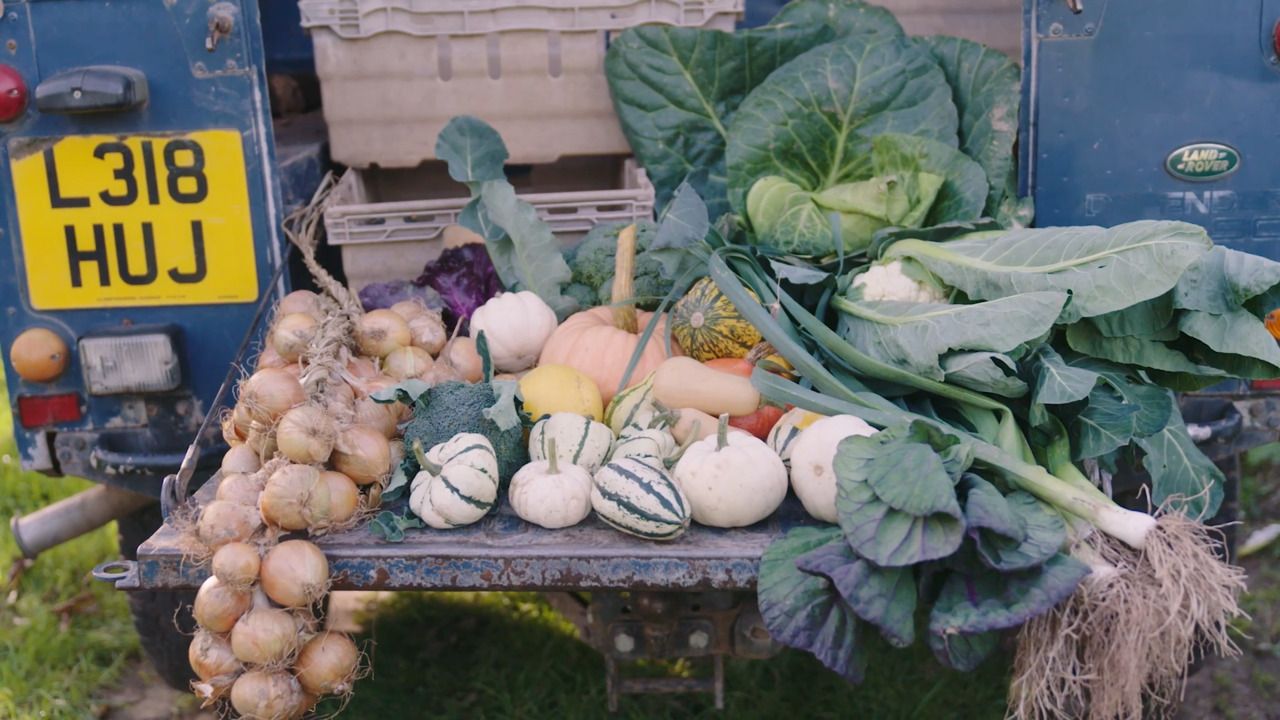
Jane Scotter has been farming at Fern Verrow - her certified biodynamic farm at the foothills of the Black Mountains in Herefordshire - since 1996, where she cultivates a wide range of truly seasonal vegetables, fruit, herbs and flowers. Jane believes that vegetables and fruit grown in good soil, at the right time of year and open to the elements have a greatly enhanced character and flavour, and that size and shape are unimportant when compared to taste and true quality. Since 2015 she has had a farm-to-table collaboration with Michelin starred chef Skye Gyngell and her London restaurant, Spring, and also grows flowers for acclaimed London florists, JamJar Flowers.
Access to all courses


