
Interior and exterior confidence
Create Academy has been such a great resource. I'm in the middle of renovating a bungalow with a very large garden and the courses have offered a wealth of inform...
Harvey
Jun 10, 2026
How to Grow Exceptional Produce
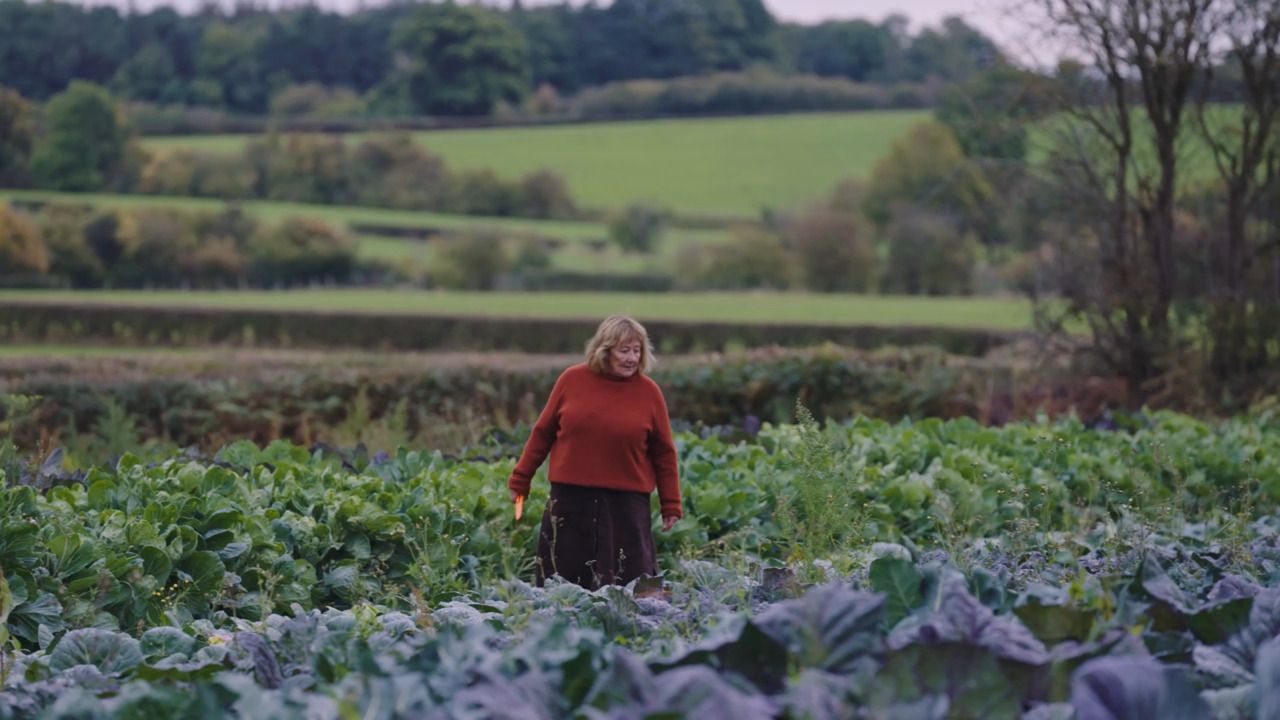
with JANE SCOTTER — Leading biodynamic grower of fruit and vegetables. Supplier to Michelin star restaurant Spring.
Lesson 23 of 36
Subscribe to watch
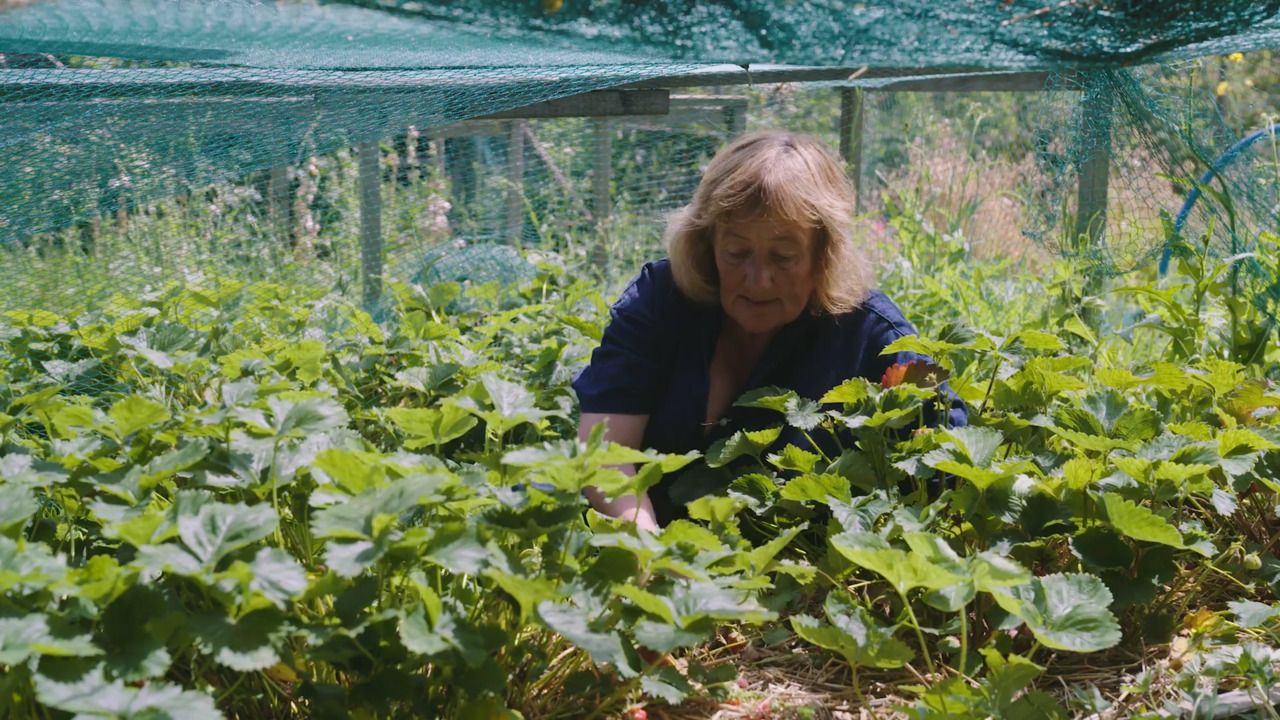
One of the best fruits of summer, Jane will teach you how to grow and tend these delicious berries, from putting down straw to propagating runner plants.
In my opinion, English strawberries are the best in the world, thanks to our wet springs and warm summers.
Strawberry plants reproduce by sending out runners, which are clones of the mother plant. These small plants will set root wherever they land, but if you want to grow healthy strawberry plants it's important to ensure you have space between them. This means you will have to move your runner plants to a new spot.
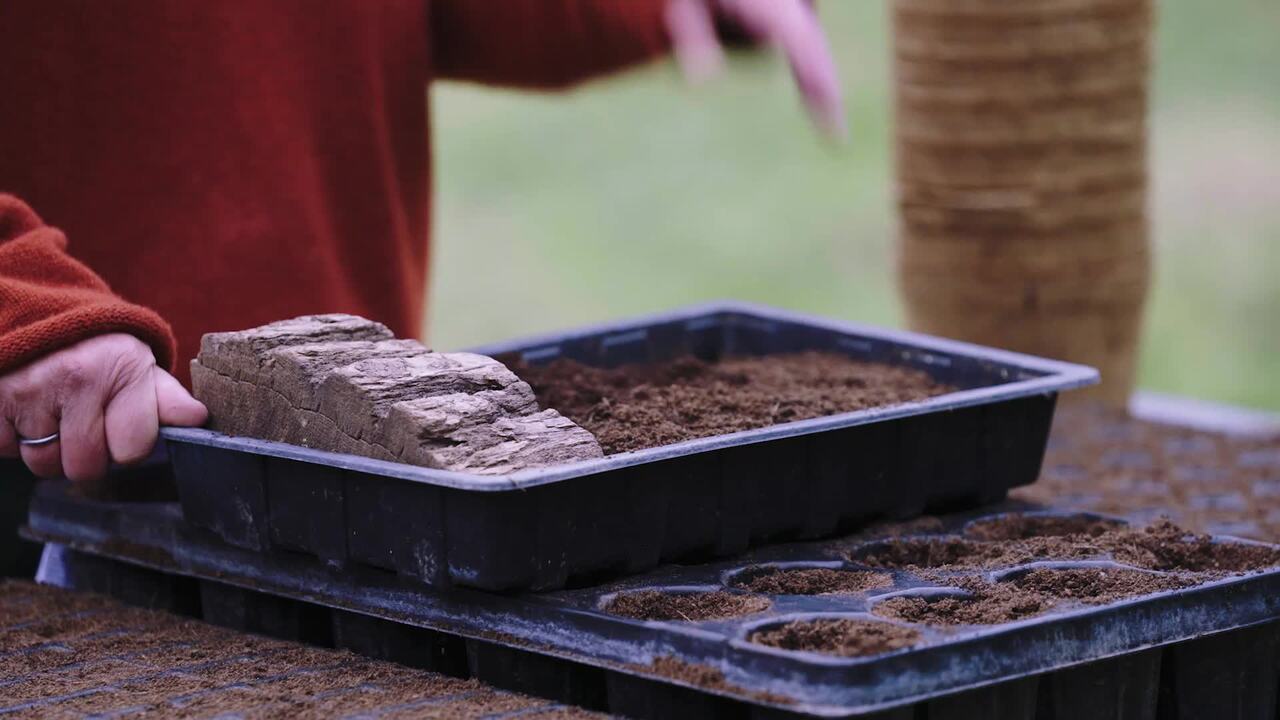
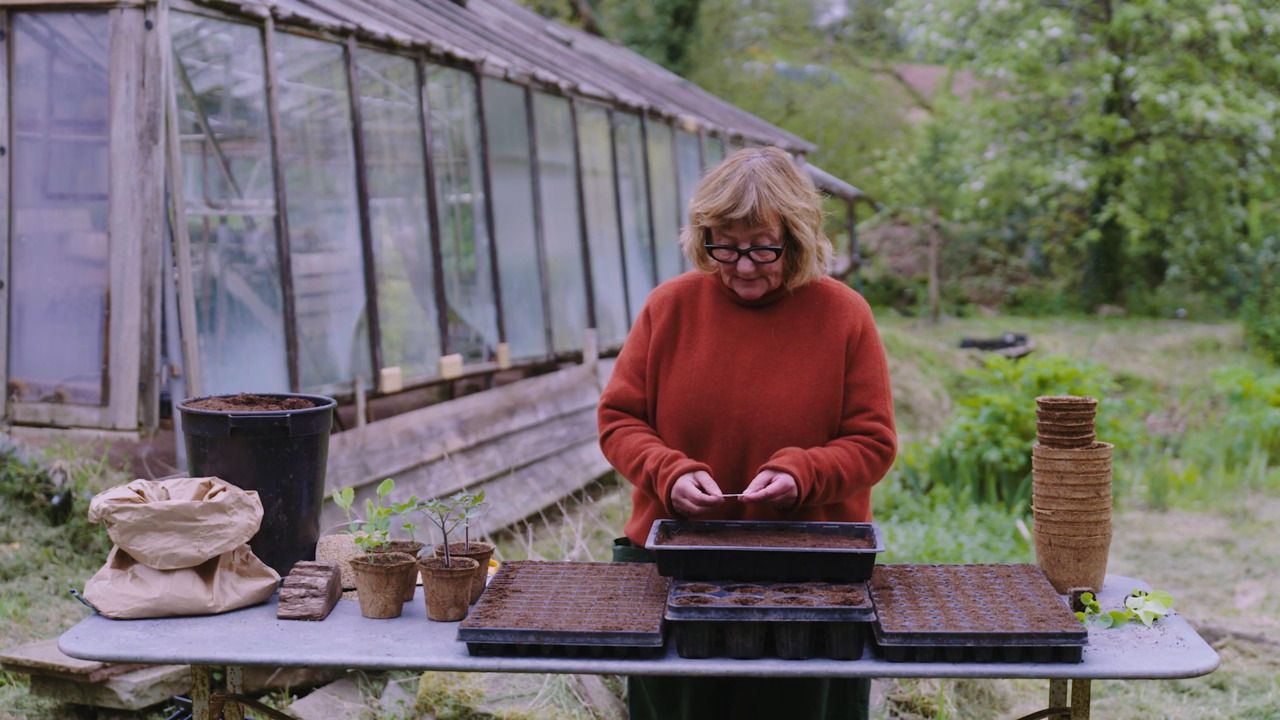
In August, we cut off the runner plants and pot them up into 9 cm pots. They'll root very fast and can be kept outside all winter.
In the spring, you will see a new shoot appearing and then they can be planted out in April when the soil is warm. As the plant is still very young, you won't get many fruits in the first year, but you should get a full crop the following year.
To maintain healthy plants with good air circulation, it's a good idea to plant them around 45 cm apart, giving them plenty of room to grow.
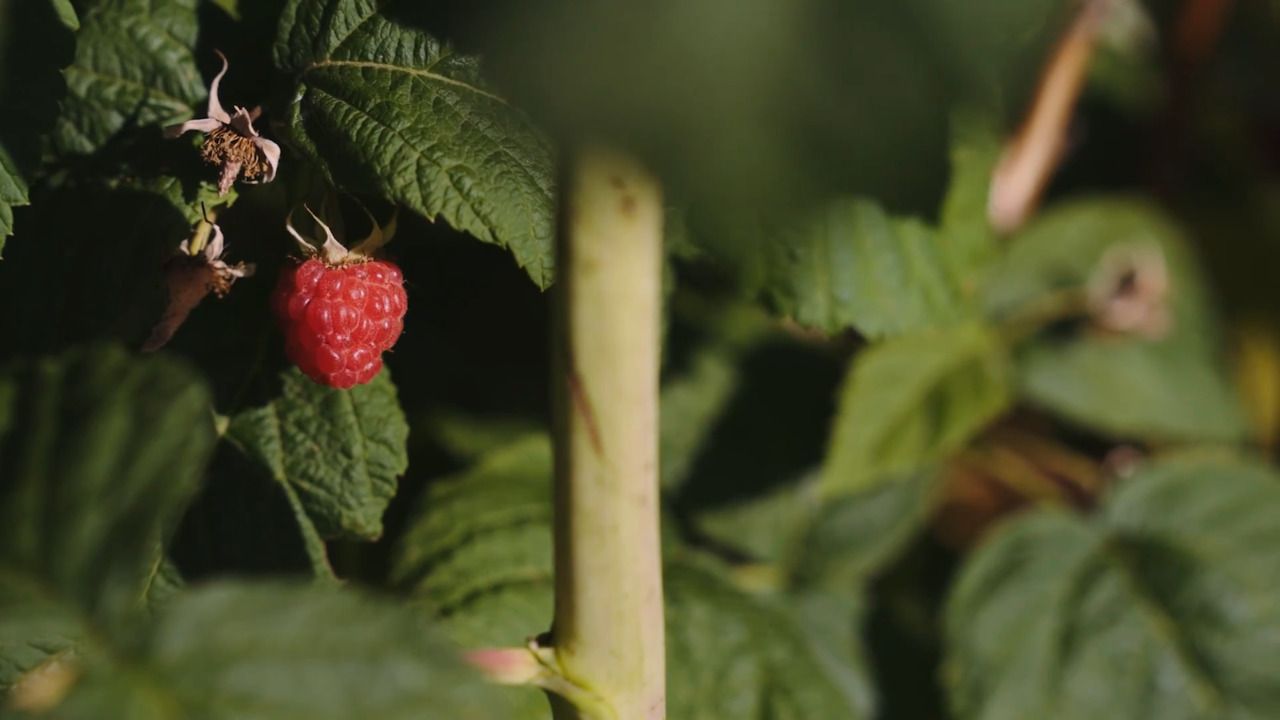
White flowers will begin to appear in early May, and as with the raspberries and all other soft fruit, it's vital that your plants get a good amount of water to help the fruit set at this time.
Once your plants have finished producing, remove any dead or dying foliage.
I then give my plants a lot of manure in the autumn, in order to build up their strength for the following year's production.
One of the best ways to ensure that your fruit is protected from pests and diseases is to lay down straw. The best time to do this is when the flowers appear in May. The straw will keep the strawberries off the soil and keep them dry, which will stop them from rotting on the plant.
Straw is used for this job because it's hollow in the centre, so any moisture will run off it, thus keeping your fruits dry. Moisture is an invitation to slugs too, so by keeping the environment dry you are helping to limit the chances of pests eating your crop.
Slugs aren't the only animal that will eat your strawberries though and that you should look out for. Birds, mice and squirrels will also eat your crop given the chance, so make sure to net your crop before the fruit starts to ripen. Once you've harvested all of your crop, remove the net and store it for next year.
During hot weather, you will need to harvest your fruits on a daily basis, to prevent them rotting on the plants. If the weather isn't too hot though, then harvesting twice a week is fine.
If you have a lot of plants, make sure you are harvesting from all of them every few days, to ensure that no plants get forgotten.
You want to pick your strawberries when they are at their reddest, but before they are overripe. However, if you are making jam, it is fine to use overripe and mushy strawberries.
As you pick, if you come across any strawberries with mould or mildew, remove them immediately to prevent the contamination of other fruits.
At Fern Verrow, we replace our plants every three years by potting up new runners, as strawberry plants eventually get tired and won't produce the same quality of fruit after this time.
Get the full workbook, video lessons, and more with a Create Academy subscription.
Subscribe to access the full workbookAlready a member? Sign in to watch
491 reviews
Read moreCreate Academy has been such a great resource. I'm in the middle of renovating a bungalow with a very large garden and the courses have offered a wealth of inform...
Harvey
Jun 10, 2026
Absolutely love Create Academy! The instructors are extremely informative, and it is beautifully filmed. Create Academy is great value for money and plan on renew...
SG
May 31, 2026
Butter's creativity is stunning! Her ability to incorporate brilliance in small gardens is magical!
Carla
May 30, 2026
The best adventure. I like all the courses, but my favorite are both Rita Konig interior design courses and Anna Jones. Excellent!
Karolina Kluczewska
May 20, 2026
Create Academy has been such a great resource. I'm in the middle of renovating a bungalow with a very large garden and the courses have offered a wealth of information to dive into and explore new ideas. I'm...
Harvey
Jun 10, 2026
Absolutely love Create Academy! The instructors are extremely informative, and it is beautifully filmed. Create Academy is great value for money and plan on renewing my subscription yearly because there are ...
SG
May 31, 2026
Butter's creativity is stunning! Her ability to incorporate brilliance in small gardens is magical!
Carla
May 30, 2026

Your Instructor
Leading biodynamic grower of fruit and vegetables. Supplier to Michelin star restaurant Spring.
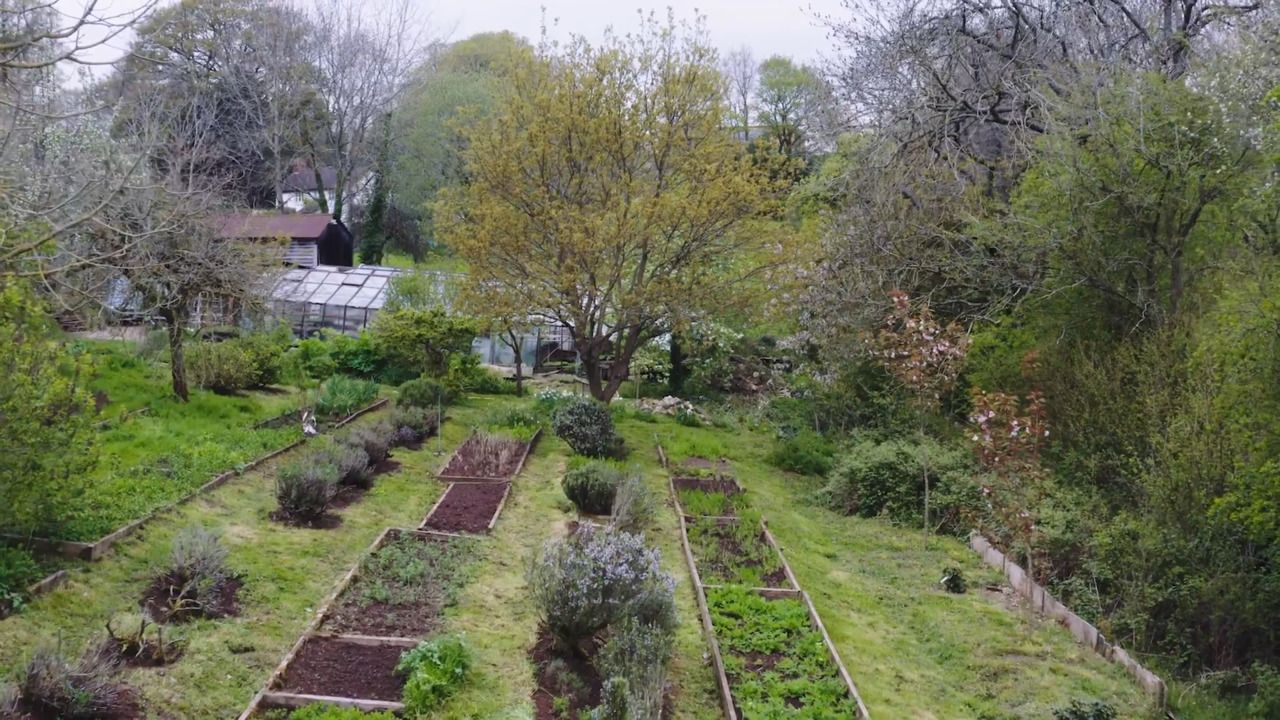
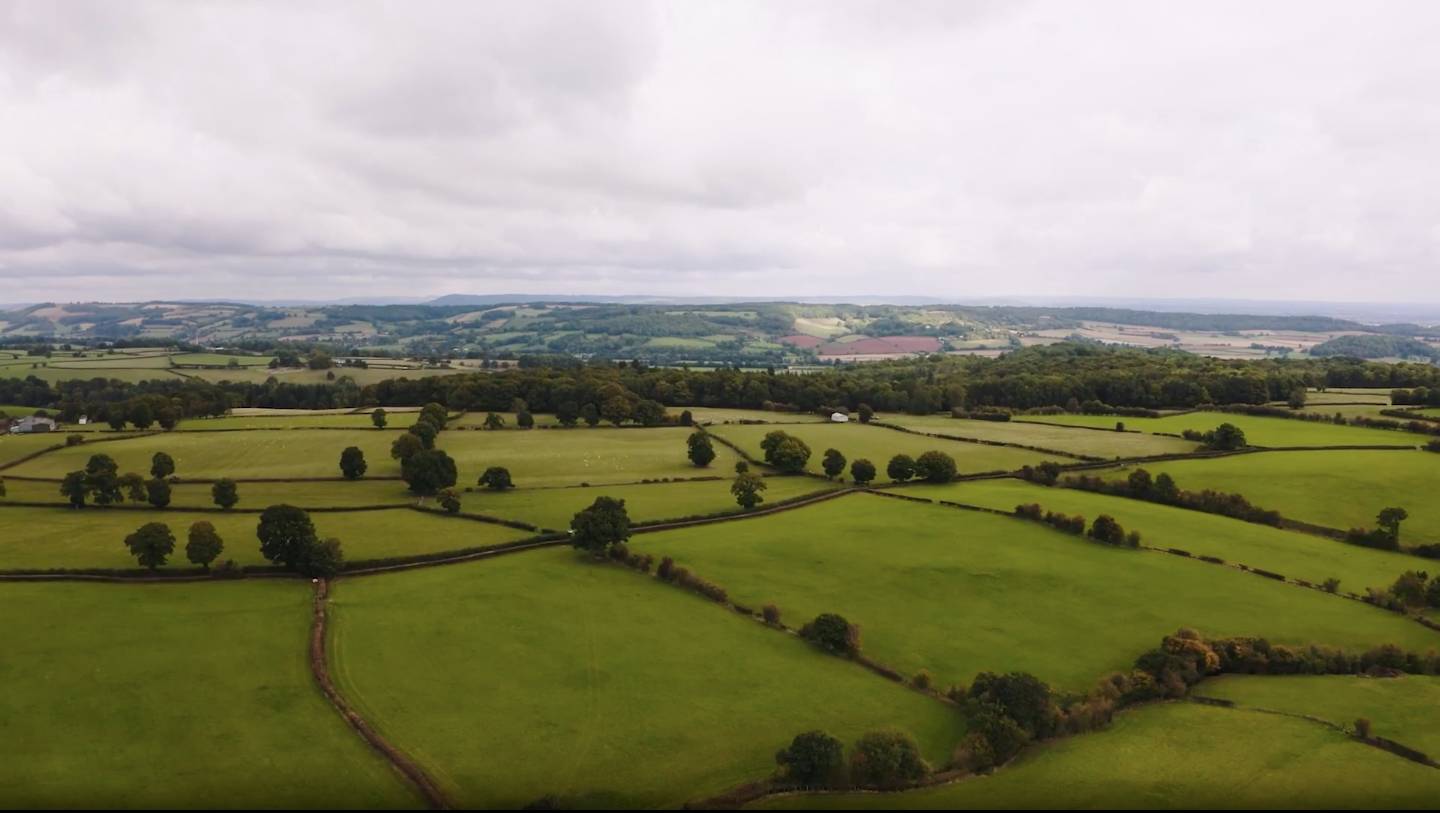
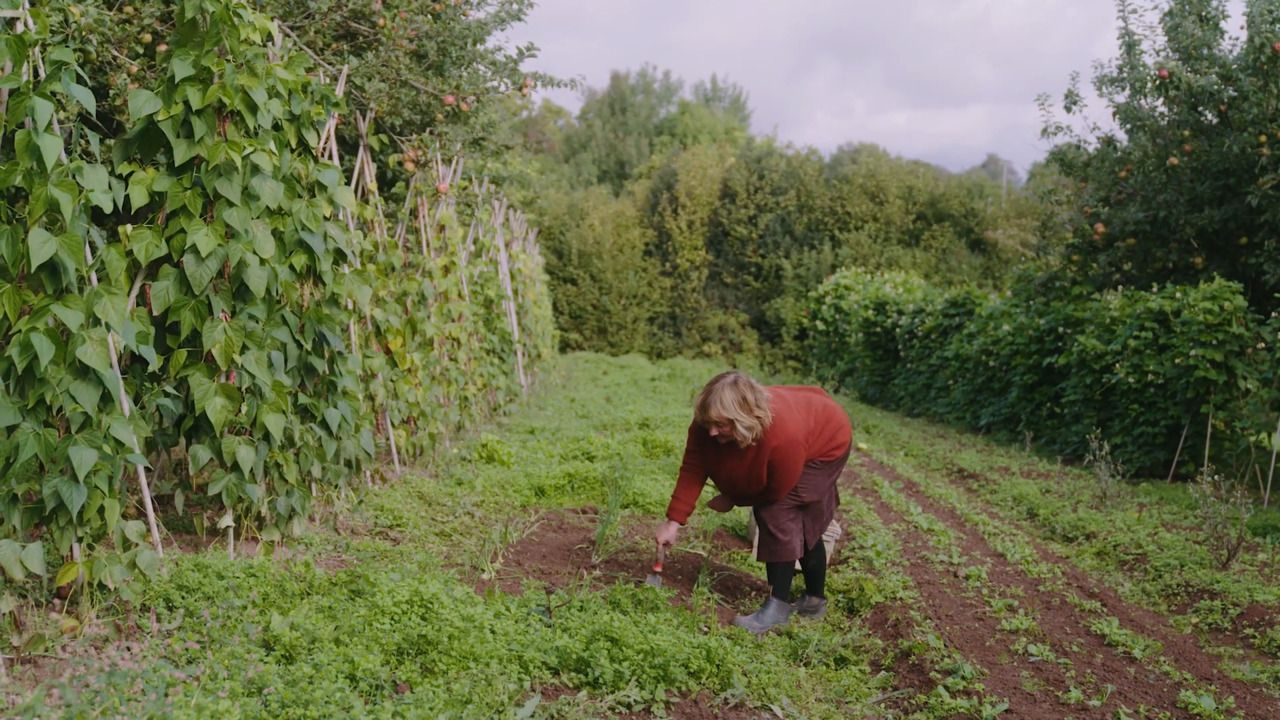
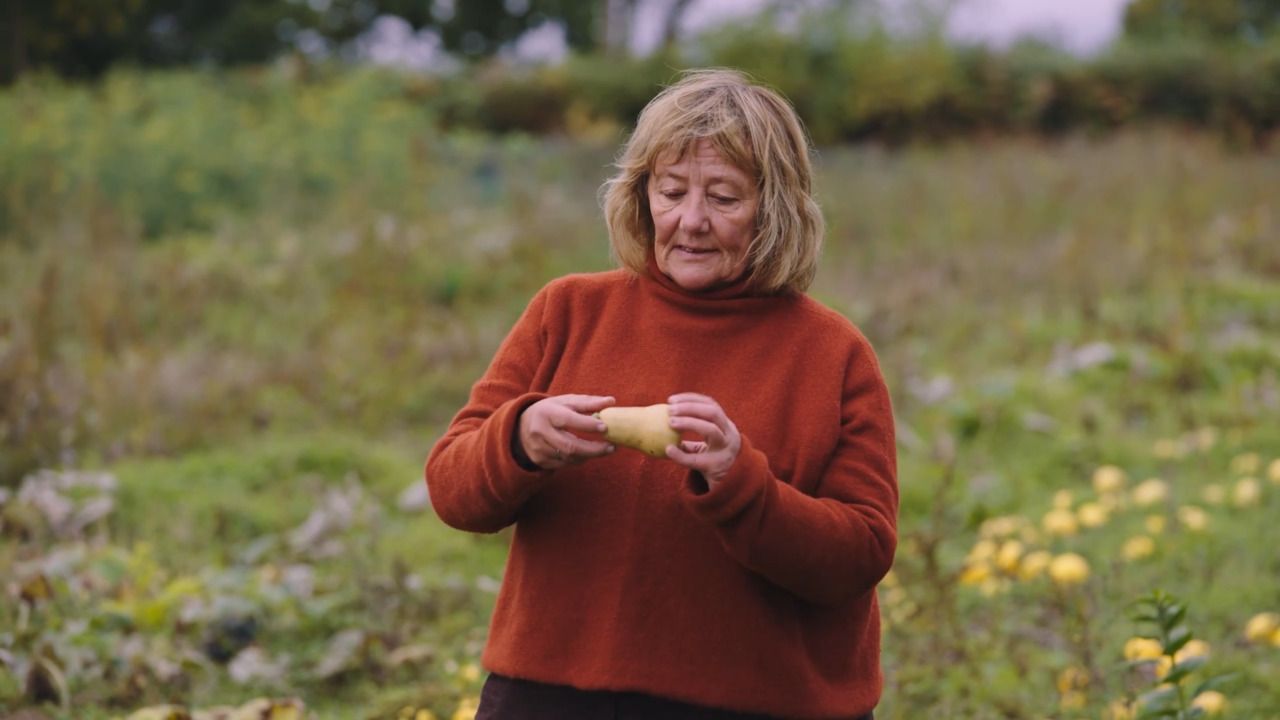
Jane Scotter has been farming at Fern Verrow - her certified biodynamic farm at the foothills of the Black Mountains in Herefordshire - since 1996, where she cultivates a wide range of truly seasonal vegetables, fruit, herbs and flowers. Jane believes that vegetables and fruit grown in good soil, at the right time of year and open to the elements have a greatly enhanced character and flavour, and that size and shape are unimportant when compared to taste and true quality. Since 2015 she has had a farm-to-table collaboration with Michelin starred chef Skye Gyngell and her London restaurant, Spring, and also grows flowers for acclaimed London florists, JamJar Flowers.

Access to all courses


