

Interior and exterior confidence
Create Academy has been such a great resource. I'm in the middle of renovating a bungalow with a very large garden and the courses have offered a wealth of inform...
Harvey
Jun 10, 2026
How to Grow Exceptional Produce
with JANE SCOTTER — Leading biodynamic grower of fruit and vegetables. Supplier to Michelin star restaurant Spring.
Lesson 8 of 36
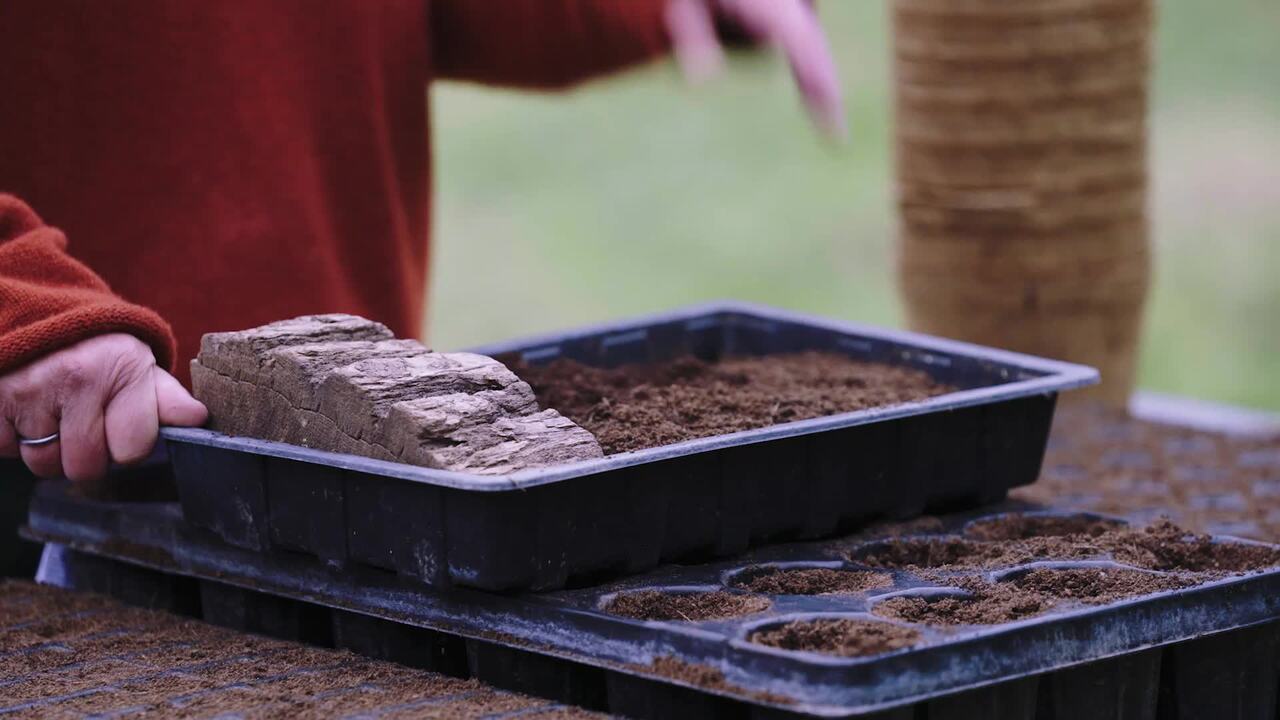
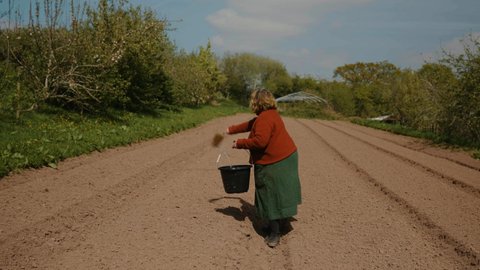
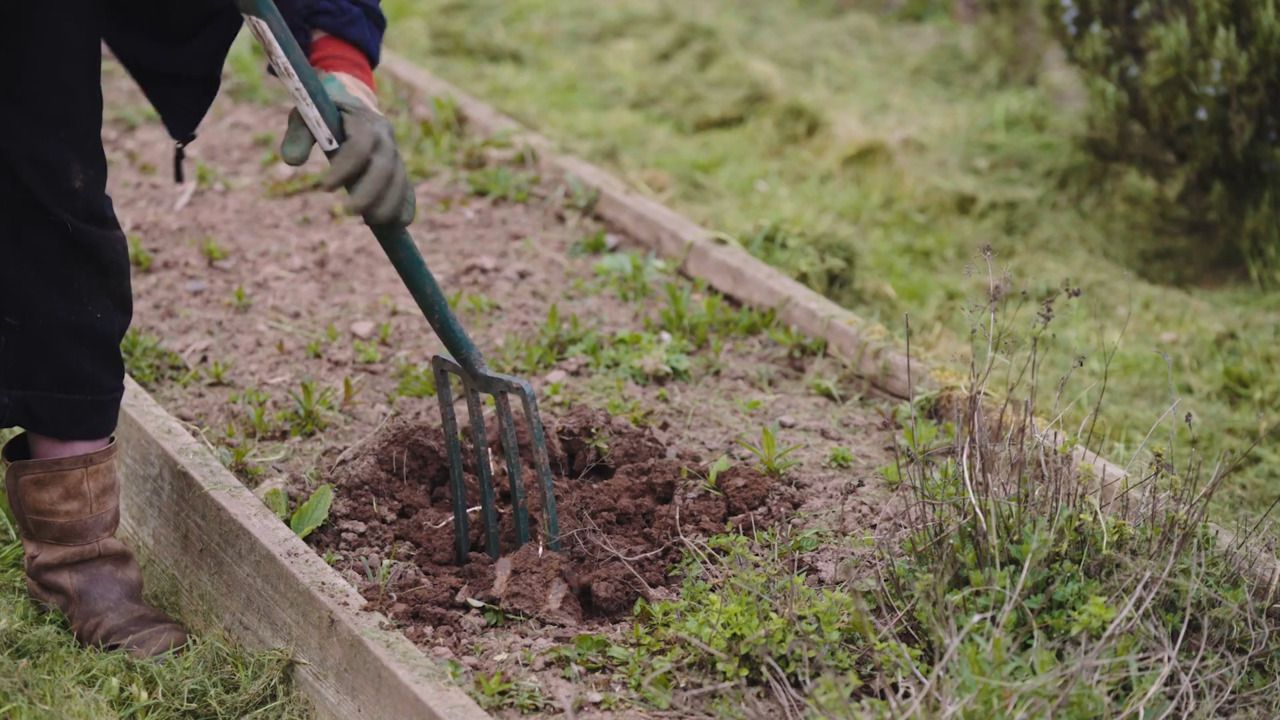
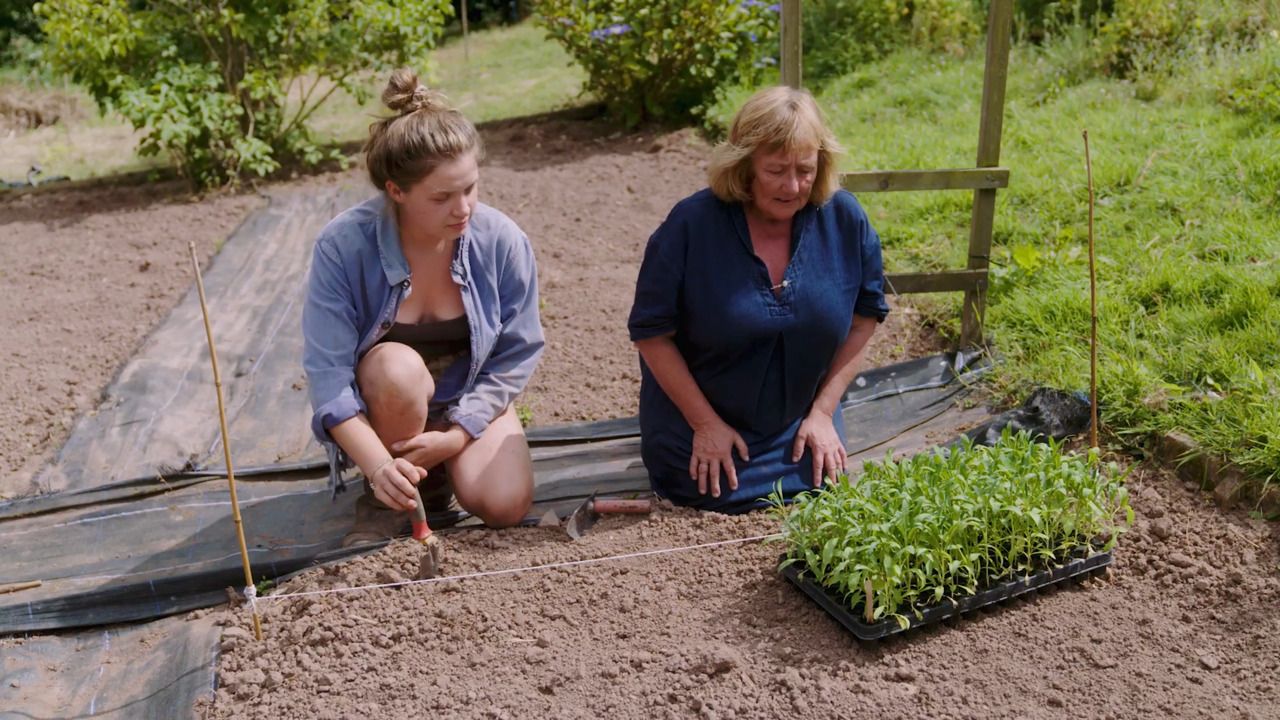
Jane will show you how to sow seeds successfully, both in a greenhouse and outdoors.
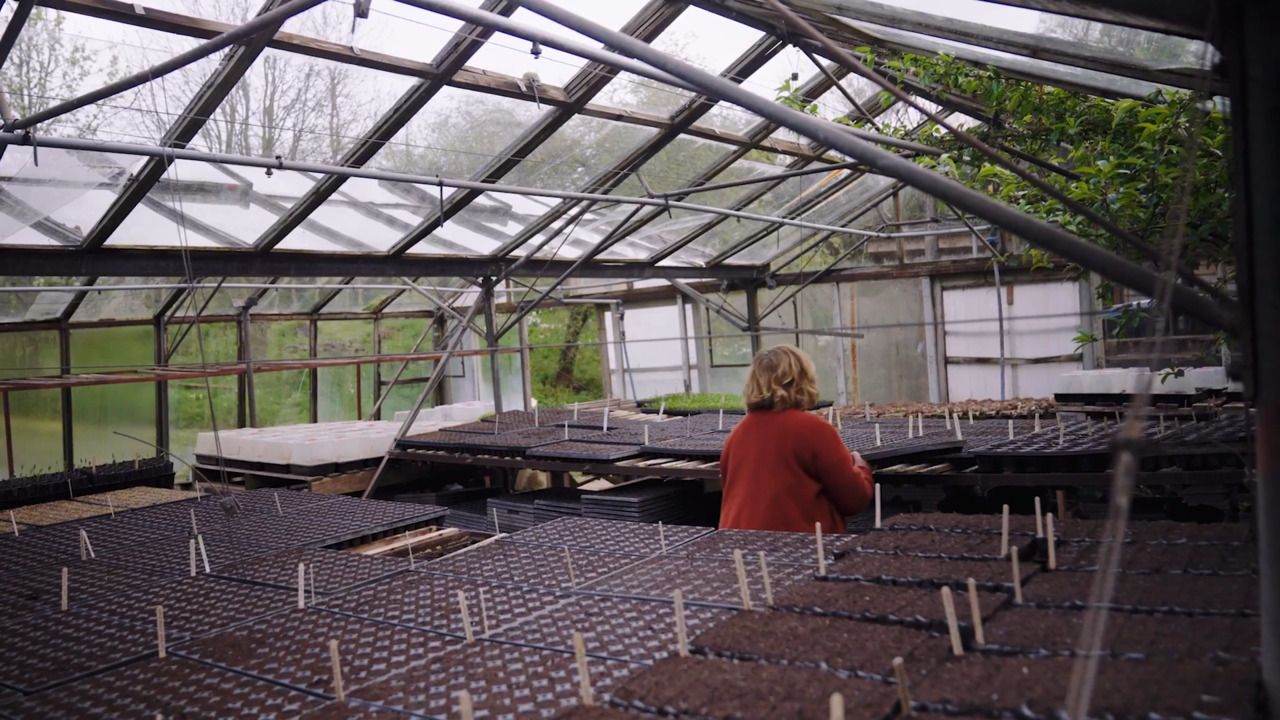
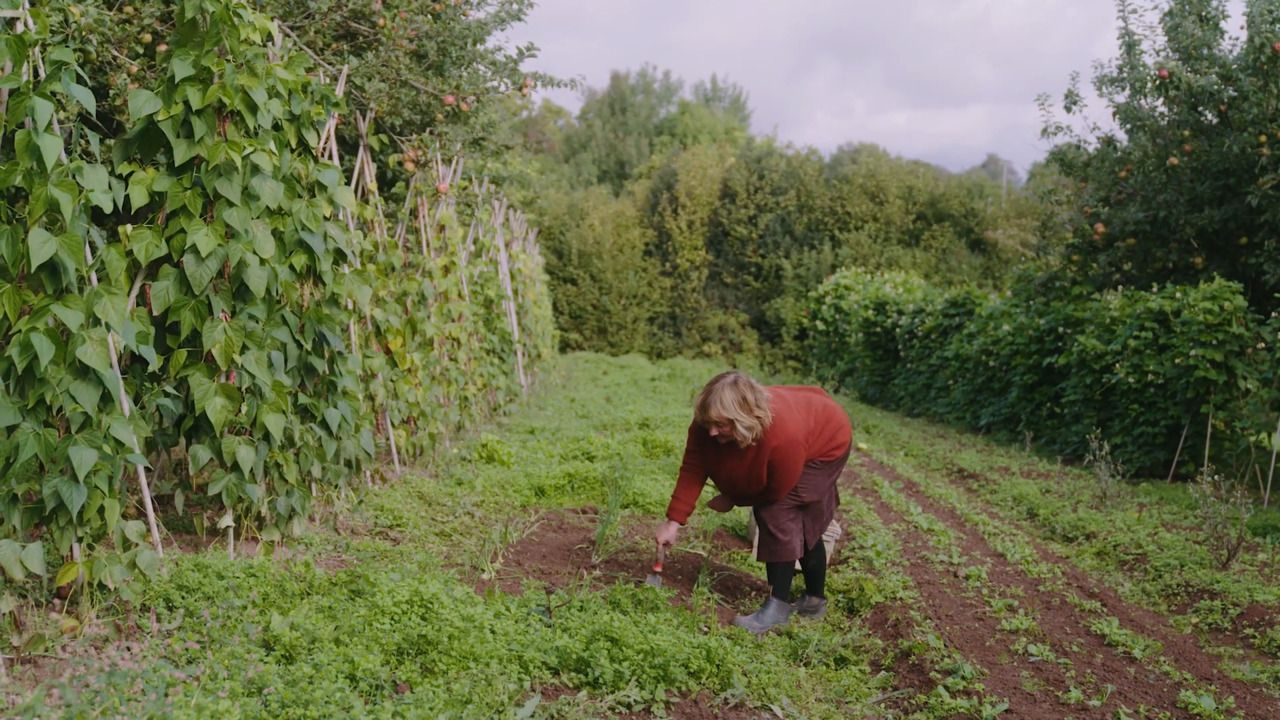
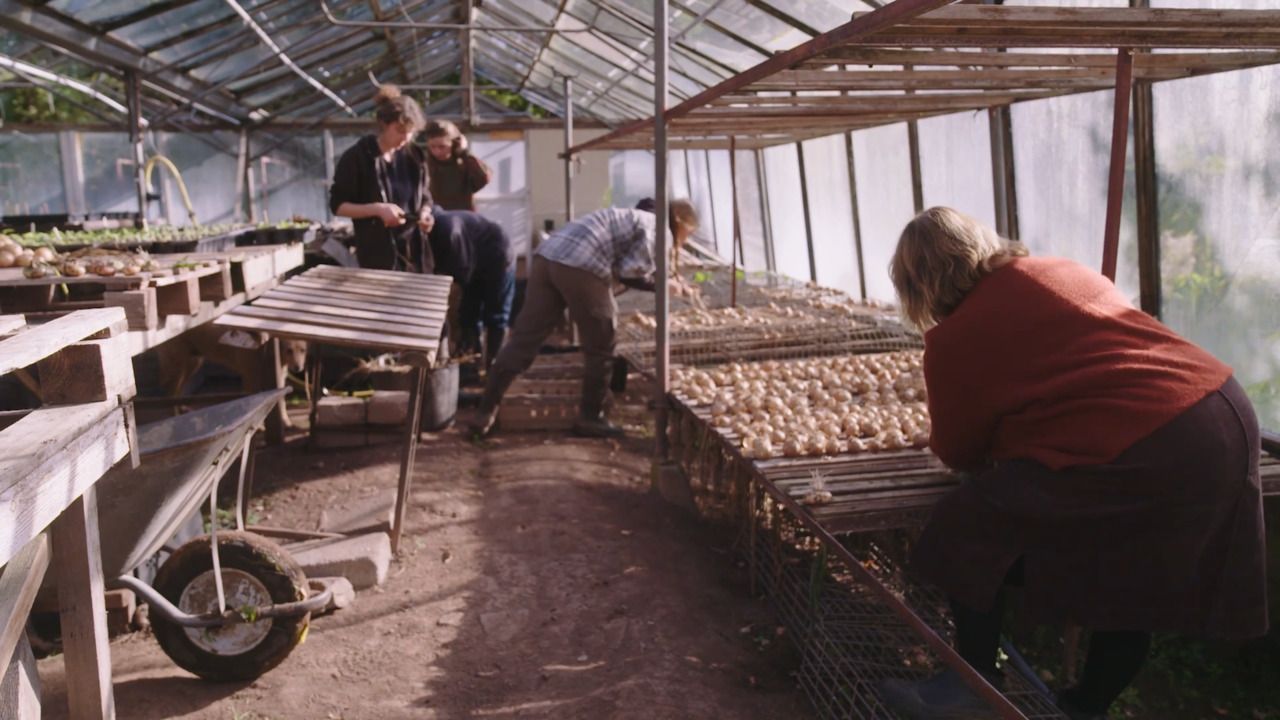
Spring is when we do the bulk of our sowing at Fern Verrow. From flower seeds to vegetable crops, there is always something new to move into the greenhouse.
There are many varieties of seed out there, and they all have specific needs. Each seed variety has its own germination temperature and different requirements when it comes to sowing depth.
My rule of thumb is that you should sow your seeds 1.5 times the depth of its size. So a 2 cm seed would be planted at a depth of 3 cm. Often, seed packets come with sowing instructions on the back to guide you, but if they don't, then there are many books and, of course, the internet there too to help you.
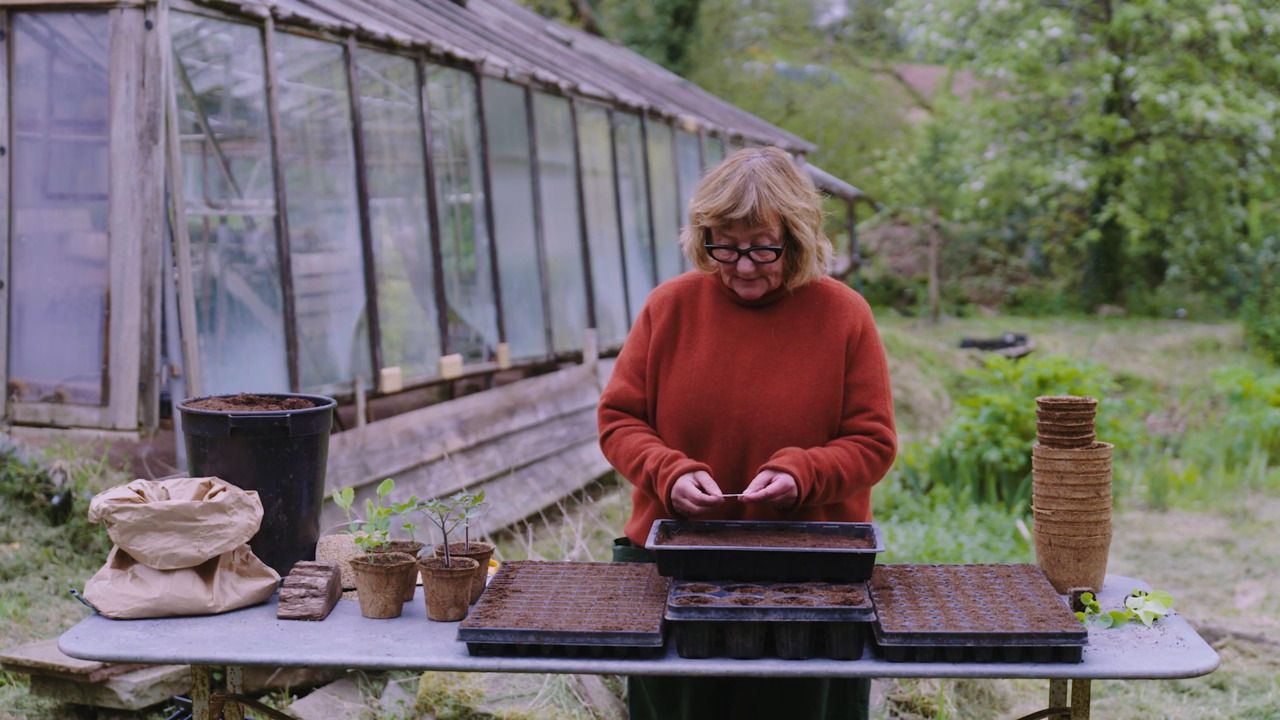
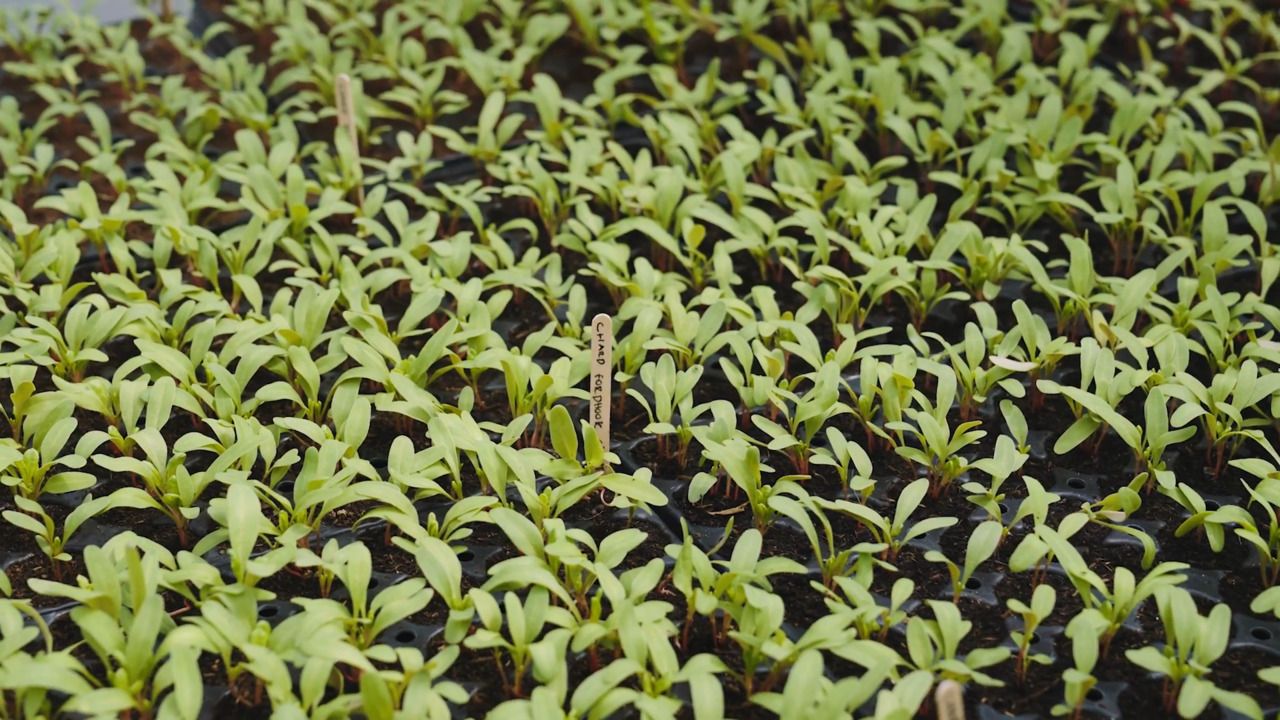
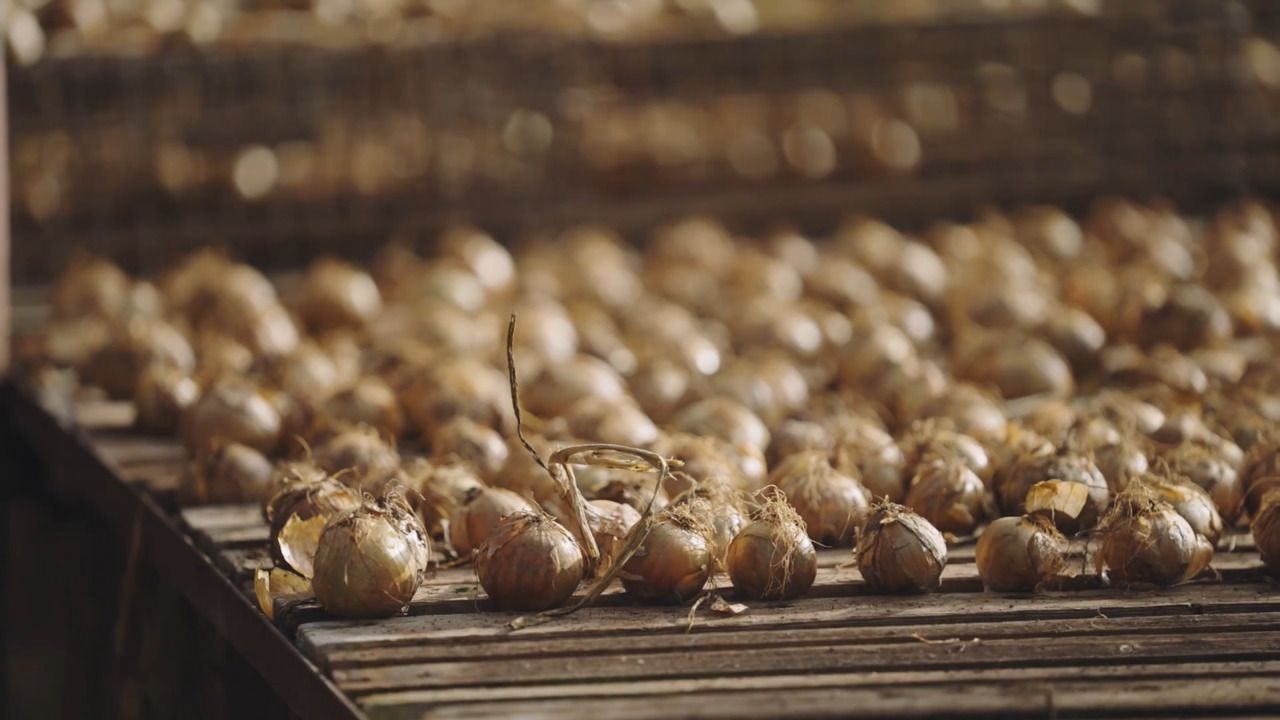
Sowing your seeds in module trays will ensure you'll end up with plants with a uniform size and so this is a great way to grow plants commercially and on a small scale. There are different types of module trays available depending on what type of seed you are sowing. I tend to use smaller, pointed modules for plants that have thin, delicate roots, such as onions, leeks and fennel.
For larger seeds, such as courgettes and squashes, bigger modules are recommended, but for the majority of your seeds, a 77 cell module tray should give you all the space that you require.
Another option is to use an open seed tray that hasn't been split into modules. If you only have a small space to grow your seedlings in, this can be more efficient, as you can grow more seedlings in one space and then prick them out and pot them on when they are big enough.
Buying a good quality potting compost from your garden centre will help your seeds to thrive. I use an organic potting compost made by a German company called Klasmann.
Fill your seed tray to just below the lip and then firm it down so that it lies flat. Firming your compost will ensure that your seedlings will have good anchorage and that the soil will support them as they grow.
Coir pots are an excellent option when you are ready to pot on your seedlings, as they are sustainable and biodegradable. This means that you can plant them directly into the soil, without having to disturb the roots of your plant.
The coir does take a long time to break down though, so do be aware that you might find clumps of them in your soil if you don't remove them regularly.
Get the full workbook, video lessons, and more with a Create Academy subscription.
Subscribe to access the full workbookAlready a member? Sign in to watch
510 reviews
Read moreCreate Academy has been such a great resource. I'm in the middle of renovating a bungalow with a very large garden and the courses have offered a wealth of inform...
Harvey
Jun 10, 2026
Absolutely love Create Academy! The instructors are extremely informative, and it is beautifully filmed. Create Academy is great value for money and plan on renew...
SG
May 31, 2026
Butter's creativity is stunning! Her ability to incorporate brilliance in small gardens is magical!
Carla
May 30, 2026
The best adventure. I like all the courses, but my favorite are both Rita Konig interior design courses and Anna Jones. Excellent!
Karolina Kluczewska
May 20, 2026
Create Academy has been such a great resource. I'm in the middle of renovating a bungalow with a very large garden and the courses have offered a wealth of information to dive into and explore new ideas. I'm...
Harvey
Jun 10, 2026
Absolutely love Create Academy! The instructors are extremely informative, and it is beautifully filmed. Create Academy is great value for money and plan on renewing my subscription yearly because there are ...
SG
May 31, 2026
Butter's creativity is stunning! Her ability to incorporate brilliance in small gardens is magical!
Carla
May 30, 2026

Your Instructor
Leading biodynamic grower of fruit and vegetables. Supplier to Michelin star restaurant Spring.
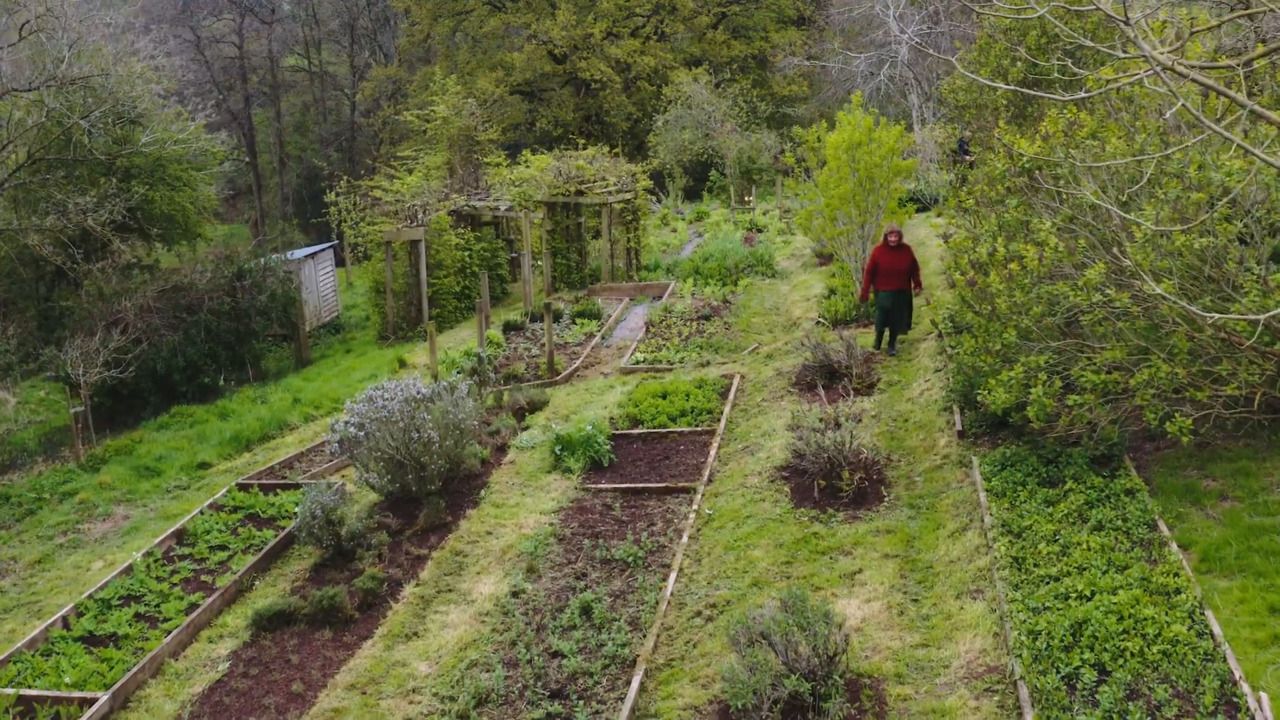
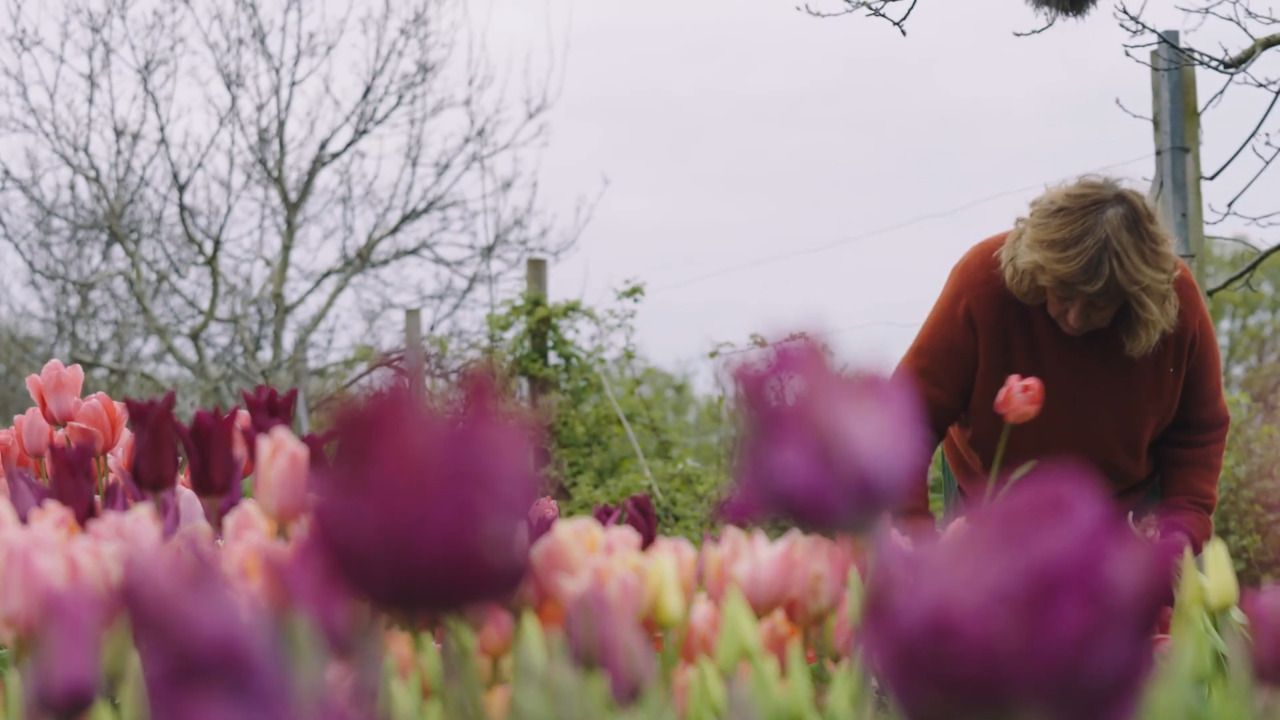
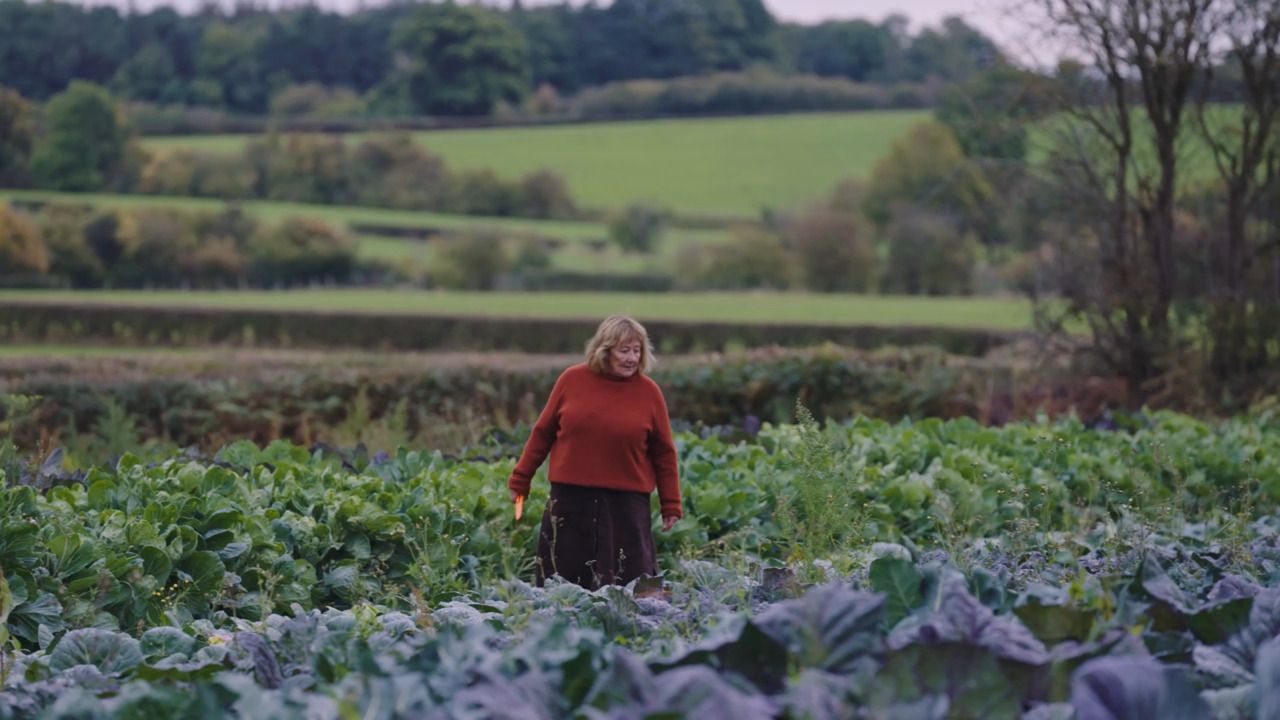
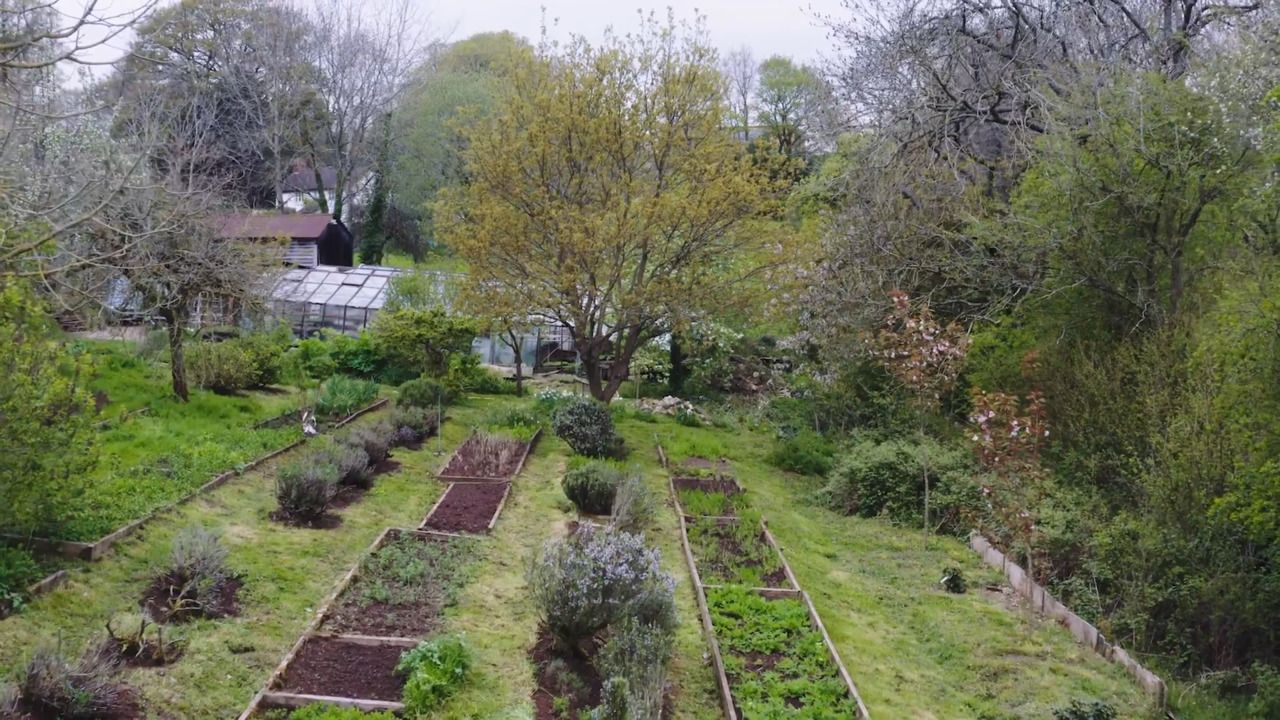
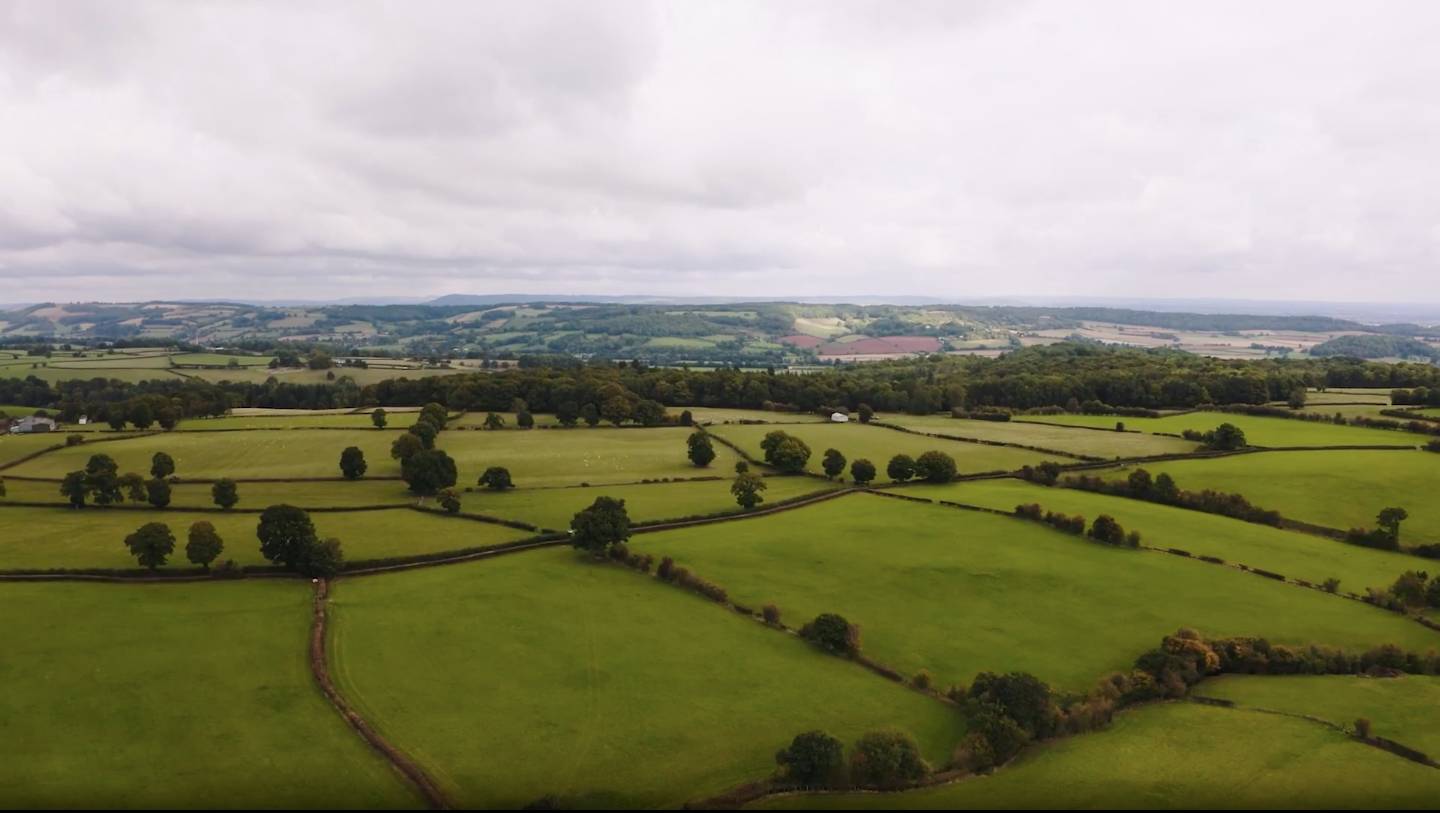
Jane Scotter has been farming at Fern Verrow - her certified biodynamic farm at the foothills of the Black Mountains in Herefordshire - since 1996, where she cultivates a wide range of truly seasonal vegetables, fruit, herbs and flowers. Jane believes that vegetables and fruit grown in good soil, at the right time of year and open to the elements have a greatly enhanced character and flavour, and that size and shape are unimportant when compared to taste and true quality. Since 2015 she has had a farm-to-table collaboration with Michelin starred chef Skye Gyngell and her London restaurant, Spring, and also grows flowers for acclaimed London florists, JamJar Flowers.
Access to all courses


